
OsakaTips
Travel Card or Credit Card Abroad: Which Wins and When
Are zero-fee travel debit cards always better? When high-value shopping and hotel deposits make credit cards the smarter pick.
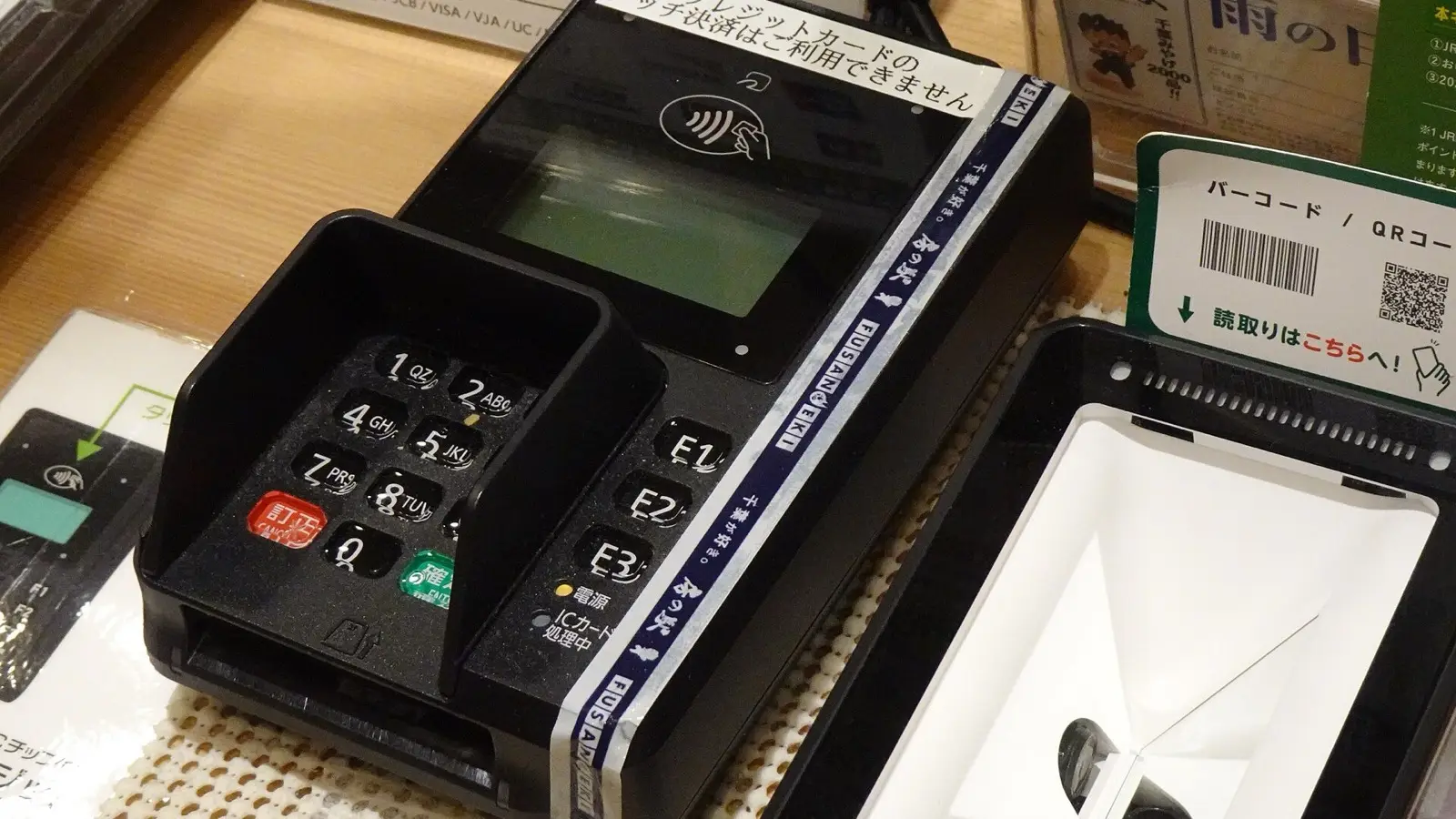
The Zero-Fee Revolution: How Travel Debit Cards Upended Overseas Spending
Only a few years ago, preparing for international departures meant queuing at bank foreign exchange counters to collect envelopes stuffed with physical banknotes. Strapping bulky wads of US Dollars or Japanese Yen beneath waistbands created anxiety around street theft, while returning home with useless foreign pocket change cluttered desks.
Modern multi-currency travel debit cards dismantled this friction by eliminating three distinct layers of financial transaction overhead. First, app-based foreign currency conversions utilize pure interbank mid-market rates, fully waiving standard 1.5% to 2.5% retail exchange spreads. Second, international network assessments (1.0% to 1.1% charged by Visa or Mastercard) drop to zero. Third, domestic card issuer transaction fees vanish entirely, dissolving what used to be a 2.7% to 3.8% penalty on overseas purchases.
| Travel Debit Card | Foreign Exchange Fee | International Swipe Fee | Overseas ATM Surcharge | Domestic Re-conversion Fee |
|---|---|---|---|---|
| Hana Travellog | 0% (Interbank Mid-Market) | 0% (Mastercard/UnionPay) | Free (Global Partner ATMs) | 1.0% (Fee on refund to KRW) |
| TravelWallet | 0% (Major G10 Currencies) | 0% (Visa Global Network) | Free (Global Partner ATMs) | Spot Interbank Refund Rate |
| Toss Foreign Account | **0% (Free Forever Both Ways)** | 0% (Mastercard Network) | Free (Mastercard Terminals) | **0% (Buy and Sell 100% Free)** |
| Shinhan SolTravel | 0% (30 Global Currencies) | 0% (Mastercard Network) | Free (conditions apply) | Foreign Savings Yield Bearing |
Top-tier multi-currency debit providers deliver immense utility. Certain accounts provide seamless zero-fee integrations with nationwide convenience store ATM networks across Asia, while others support over 45 niche currencies across Latin America and Southeast Asia. The most competitive platforms now permit exchanging foreign balances back into domestic funds completely free of charge.
Yet assuming travel debit cards represent an all-encompassing, flawless solution is a perilous misconception. Inherent operational bottlenecks mean traditional credit cards remain fundamentally indispensable.
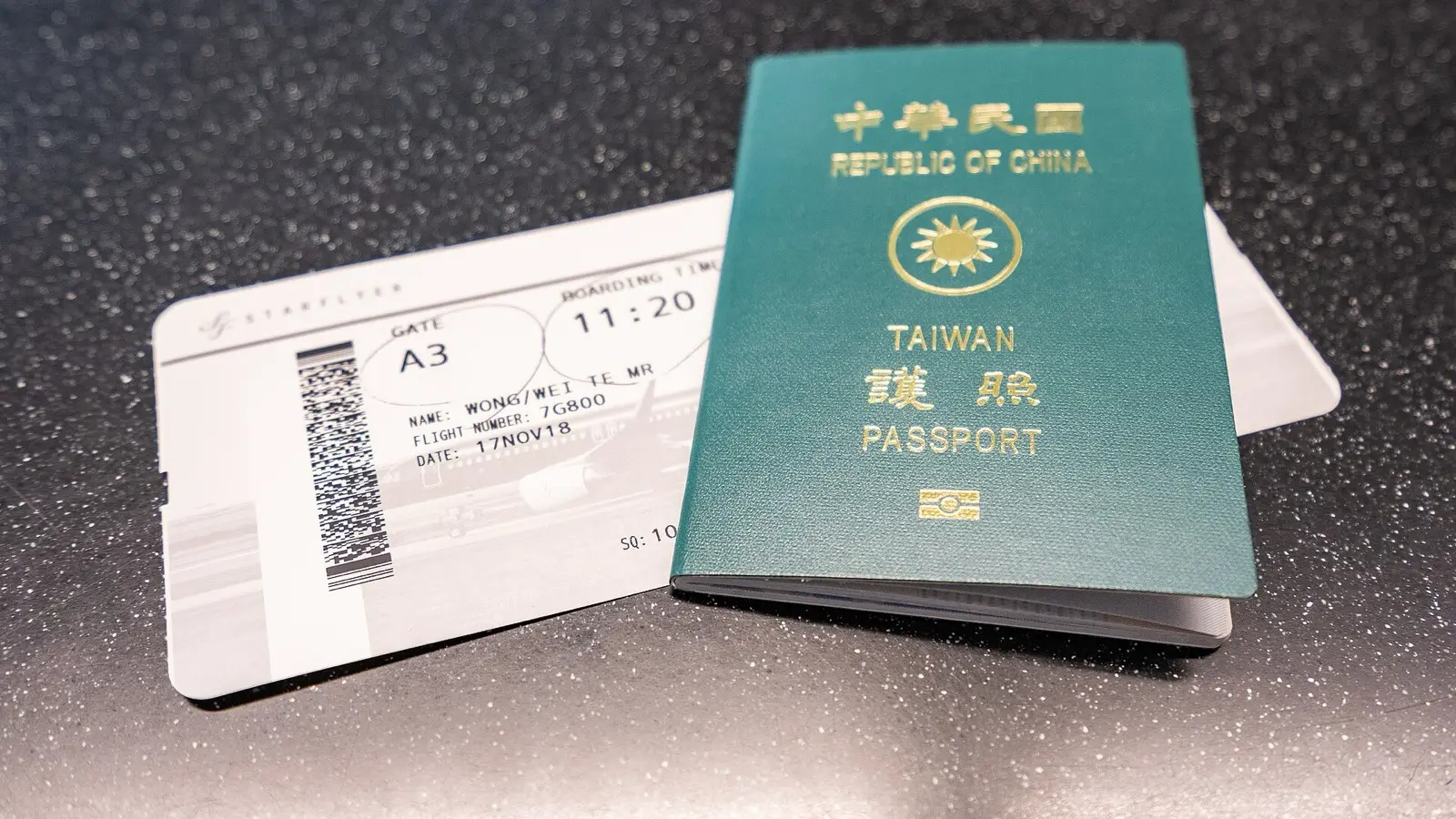
Standalone Tourist ATM Surcharges and the Without Conversion Rule
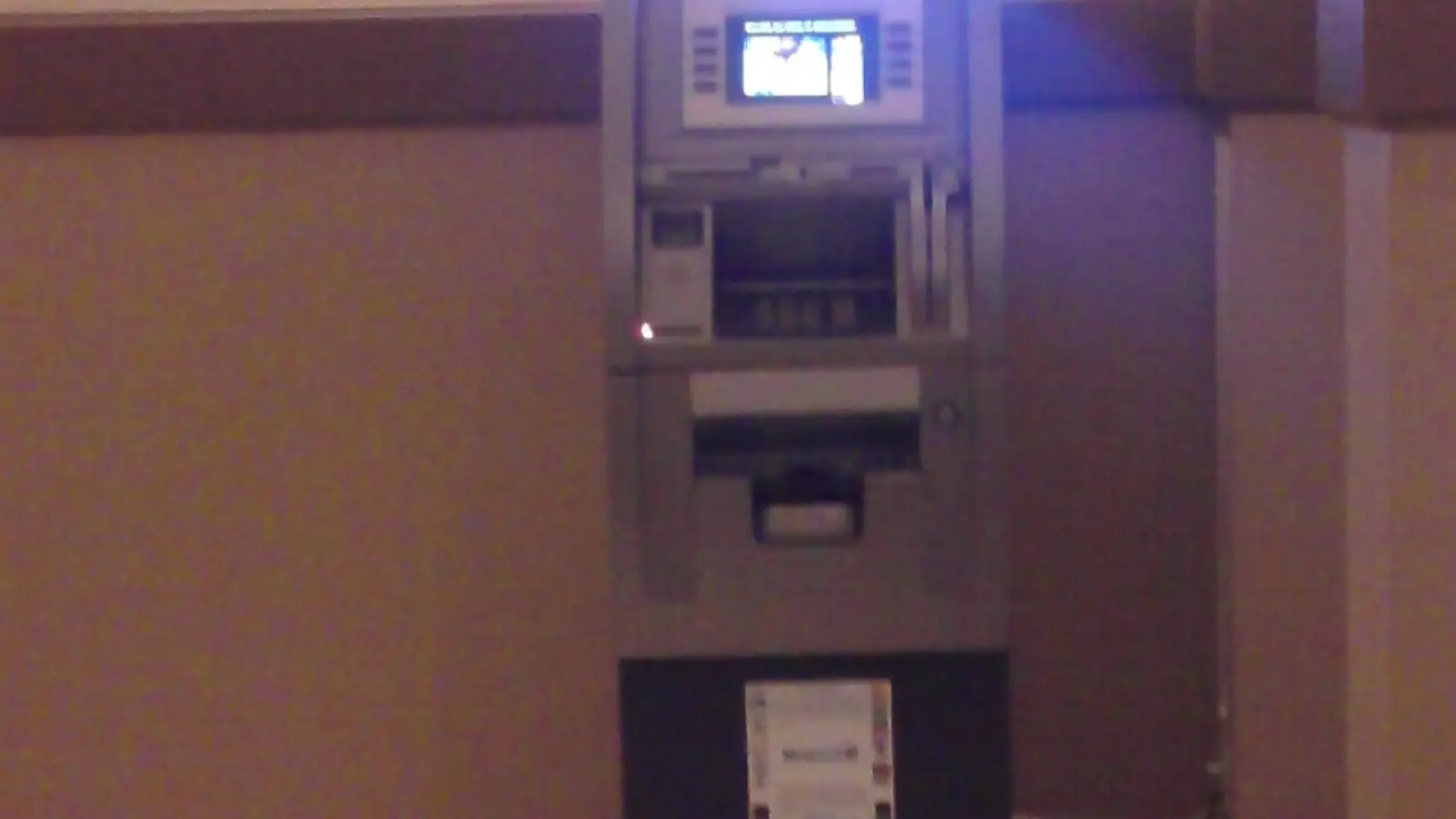
Upon landing abroad, the earliest operational obstacle travelers confront is the foreign automated teller machine (ATM). While travel debit issuers advertise 'Free Overseas ATM Withdrawals', this pledge merely guarantees zero issuer-side out-of-network fees; it does not exempt terminal operators from levying independent machine access surcharges.
Standalone third-party ATMs (such as ubiquitous yellow-and-blue Euronet terminals clustered throughout European transit hubs and tourist plazas) represent predatory financial traps. During withdrawal flows, these machines present a loaded prompt: 'Proceed with conversion to domestic currency? (With Conversion)'. Pressing 'Yes' authorizes the operator's proprietary currency conversion algorithm, adding a markup that can exceed 10% on the spot.
Withdrawing €100 ($110 equivalent) can silently cost more than $10 in hidden conversion markup. The foolproof defense is restricting cash withdrawals strictly to official branch ATMs owned by established commercial banking institutions (BNP Paribas, Deutsche Bank, Santander, Seven Bank). Standalone curbside kiosks must be shunned.
When operating any foreign ATM keypad, memorize a single operational prompt: always choose 'Without Conversion' (or 'Decline Conversion'). This bypasses arbitrary terminal spreads and instructs the network to debit your pre-funded foreign balance exactly to the cent.
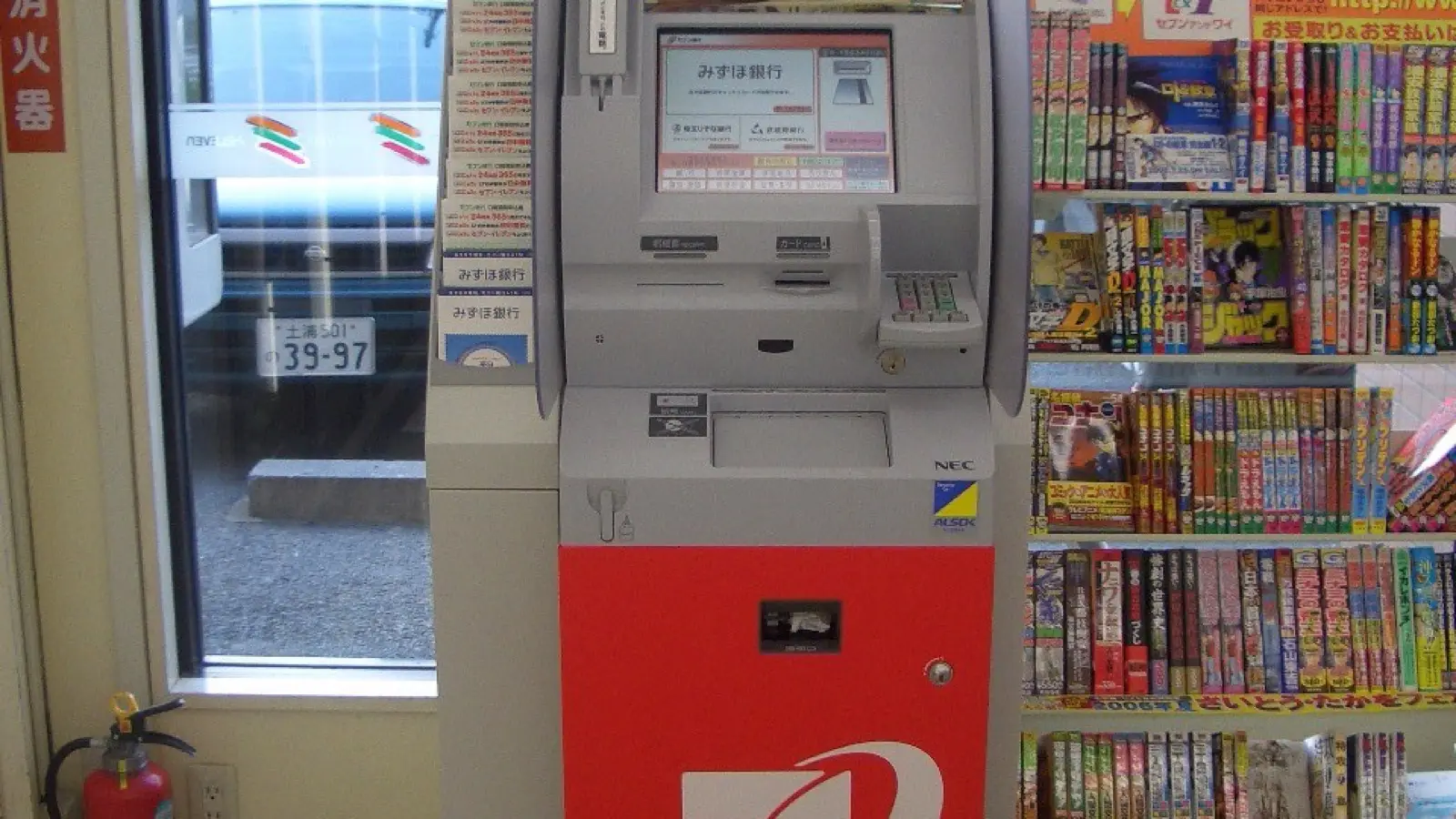
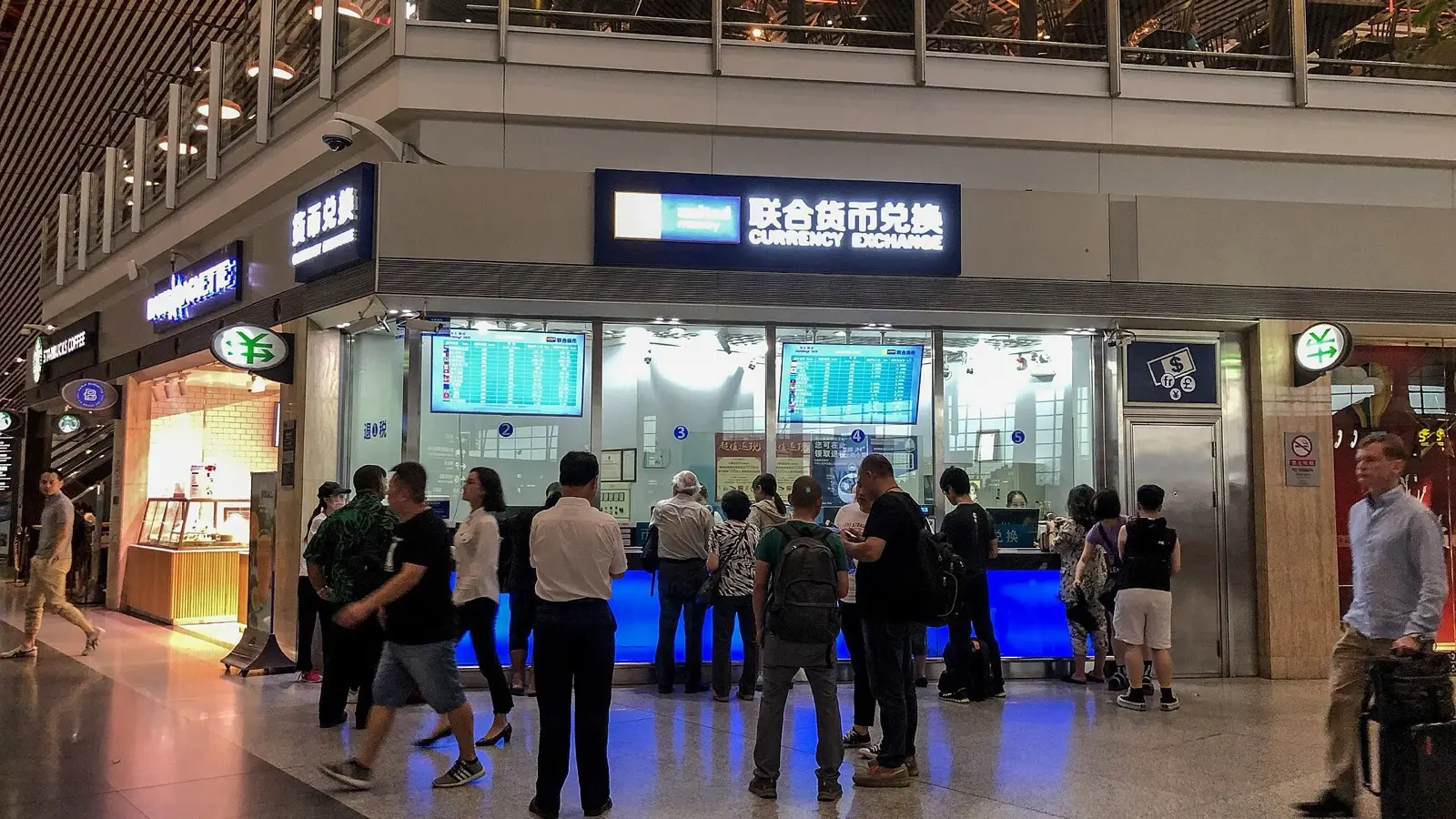
Why Hotel Check-In Security Deposits Must Never Touch Debit Cards
The most catastrophic travel headache involving debit cards unfolds across luxury hotel front desks and rental car counters. Premier five-star properties and vehicle rental agencies mandate security deposits ranging from $100 to $300 per room night ($500 to $1,000 for vehicles) to insulate against incidental mini-bar expenses, damages, or traffic penalties.
Authorizing security deposits on a travel debit card triggers an immediate deduction of real, liquid cash from your checking account, locking those funds into an inaccessible escrow freeze. Credit cards merely register an unposted hold against revolving credit limits that evaporates harmlessly upon checkout without moving a single dollar.
| Card Payment Mechanism | Deposit Capital Flow | Fund Release Timetable | Travel Cashflow Impact |
|---|---|---|---|
| Traditional Credit Card | Temporary credit pre-authorization hold | Releases automatically in 1 to 3 days | Zero impact on actual liquid cash balances |
| Travel Debit Card | **Instant deduction and hard freeze of real cash** | **Can take one to several weeks** | **Devastating freeze of essential travel cashflow** |
The financial trauma stems from reimbursement latency. While front desk receptionists cheerfully hand back checkout folios stating 'deposit voided', actual cross-border settlement can take one to several weeks to release locked funds back into your active debit balance. Freezing $500 in working capital across a weeklong trip easily paralyzes daily dining and sightseeing budgets.
The golden travel rule is non-negotiable: present a physical credit card for lodging security deposits and vehicle pre-authorizations, reserving travel debit cards exclusively for discretionary everyday dining, transit, and retail purchases.
When Credit Cards Beat Debit: High Cash Back and Flight Miles
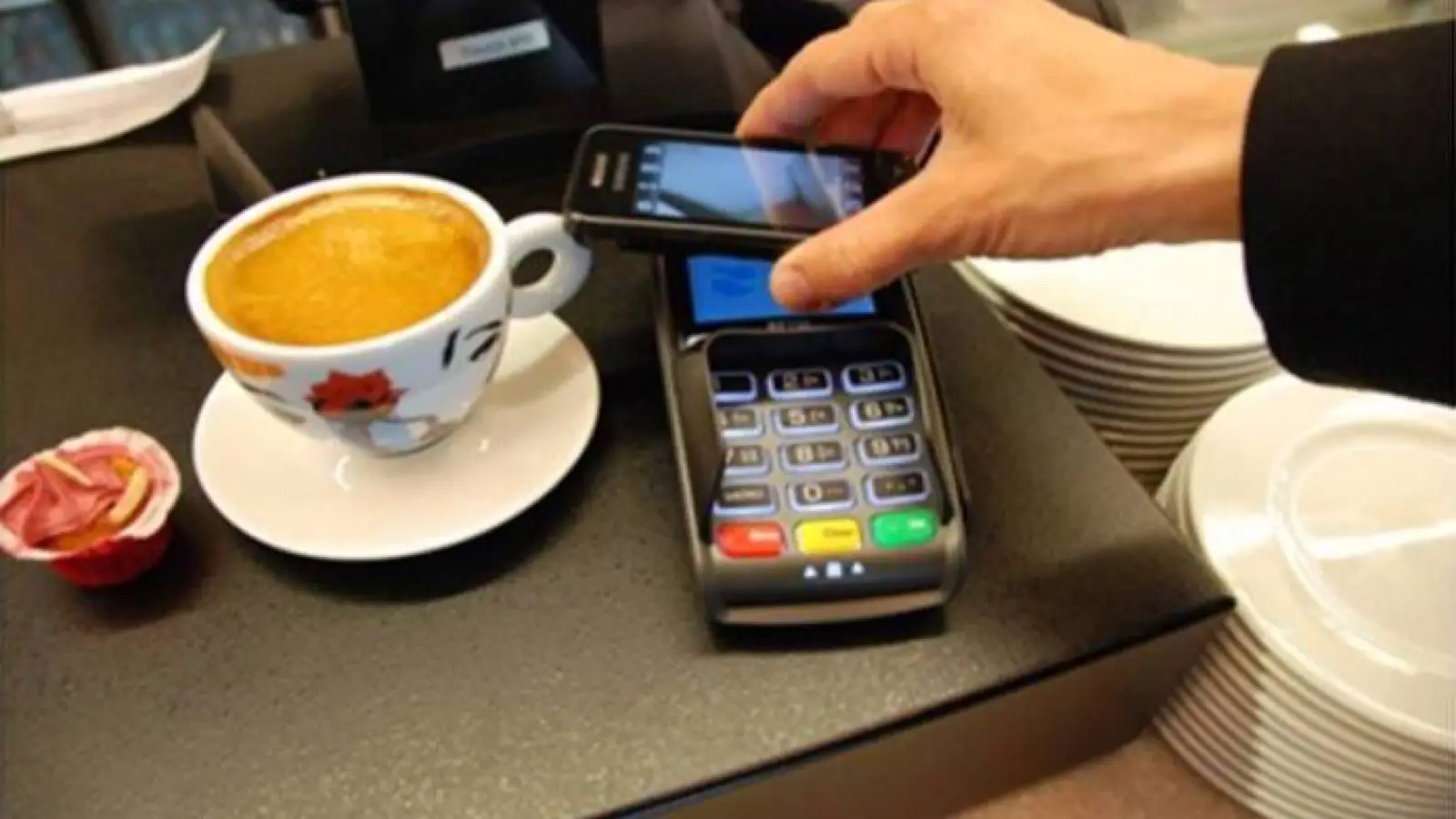
Blind adherence to the zero-fee mantra of debit cards inadvertently induces another form of financial leakage. High-tier premium credit cards frequently generate rewards that far outstrip standard 1.2% foreign transaction fees, delivering 2% to 3%+ uncapped cashback or outsized frequent flyer airline mileage bonuses.
Which card comes out ahead pivots upon transaction magnitude and merchant category. Consider luxury shopping sprees or five-star resort bookings exceeding $2,500 across flagship department stores in Paris, London, or Tokyo. Using premium cards earning 2 miles per dollar or uncapped 3% foreign cashback alters the mathematical equation entirely.
Incurring $30 in foreign network fees while capturing $75 in cashback or 5,000 transferable airline miles yields a net financial gain of $45+. Conversely, travel debit cards cap their benefit strictly at fee waivers, returning zero frequent flyer miles.
Furthermore, premium credit cards automatically bundle comprehensive international travel protections: flight delay reimbursements, lost baggage insurance, and purchase protection warranties. The optimal strategy utilizes travel debit cards for sub-$50 street dining and transit, while steering major hotel folios and luxury retail spending toward high-earning premium credit cards.
Tranche Funding and 100% Liquidation of Residual Balances
Maximizing travel debit accounts requires pairing automated Dollar-Cost Averaging (DCA) with an airtight post-trip liquidation protocol. Converting an entire holiday budget in a single lump-sum transaction prior to takeoff exposes your travel capital to sudden foreign exchange volatility.
The superior playbook utilizes currency threshold alerts across mobile banking apps, pre-funding travel funds in three separate 30% tranches over two to three weeks leading up to departure. Capturing periodic currency dips systematically drives your aggregate exchange rate toward cyclical lows.
Equally vital is handling residual foreign currencies post-return. Certain card issuers enforce a 1.0% haircut when liquidating foreign balances back into domestic currency, stealthily eroding the very savings accrued during your travels.
Neutralize this leakage through two practical tactics. First, execute a split-payment zero balance checkout on your departure day at airport retail concourses, clearing foreign balances completely before paying the difference via credit card. Second, select modern foreign accounts that guarantee zero-fee, mid-market domestic re-conversions. Mastering capital inflows and outflows guarantees true institutional travel savings.
Frequently Asked Questions
Field-tested answers to transit navigation, neighborhood choices, and payment traps.
Q1.What is the primary difference between a travel debit card and a standard credit card?
Q2.What must be avoided when withdrawing foreign cash from overseas ATMs?
Q3.Why should hotel check-in security deposits always be backed by credit cards?
Q4.Under what circumstances do credit cards economically outperform travel debit cards?
The Smart Traveler's Essential Toolkit
Prepare instant mobile data, private airport transfers, and skip-the-line passes in one place.
Pick a base in Osaka by your route
Choose the places you want to see and get the neighbourhood with the shortest travel.
Compare Osaka Hotel Rates
Find the cheapest channel across Agoda and major booking engines with Tripdify.
Share This Guide with Your Companions
When shared via chat or social media, a curated summary card is sent along.
Recommended Guides
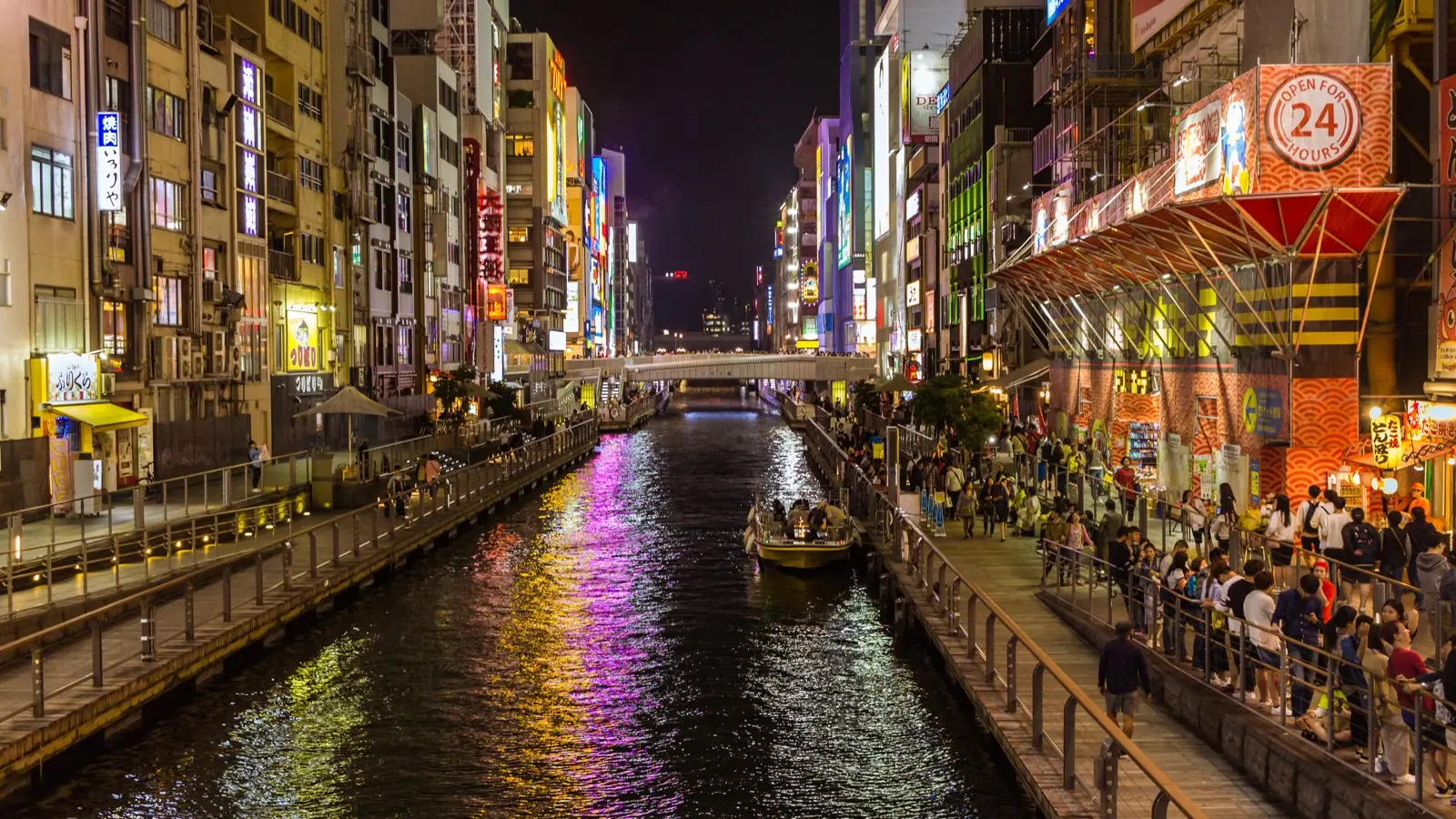
Osaka Itinerary: Dotonbori and Umeda in Two Nights
Osaka is Japan culinary powerhouse where feasting is an art. Navigate Rapi:t airport transfers, Namba vs Umeda hotels, and street food corridors with veteran precision.

Osaka or Kyoto: Where to Base Yourself and Whether to Split the Stay
Why splitting short Kansai trips across multiple hotels exhausts travelers, navigating Haruka vs. Rapi:t airport rail lines, and choosing between Umeda hubs and Gion alleys.

Where to Stay in Osaka: Umeda vs Namba Compared
Behind Osaka's vibrant culinary spirit and affable banter lies a sharp geographic contrast between northern corporate efficiency and southern commercial chaos. Choosing between the labyrinth of Umeda and the neon crowds of Namba dictates your transit ease to Kyoto and Kansai Airport. Here is an unvarnished field guide to selecting strategically sound lodging and avoiding neighborhood missteps.

Osaka Day 1 Itinerary: Kansai Airport to Namba and Your First Night in Dotonbori
From boarding the 34-minute Nankai Rapi:t train at Kansai Airport to navigating Namba Station, mastering takoyaki ordering and kushikatsu sauce rules, and taking a sunset Dotonbori canal cruise. A frictionless masterclass for your first 24 hours in Osaka.
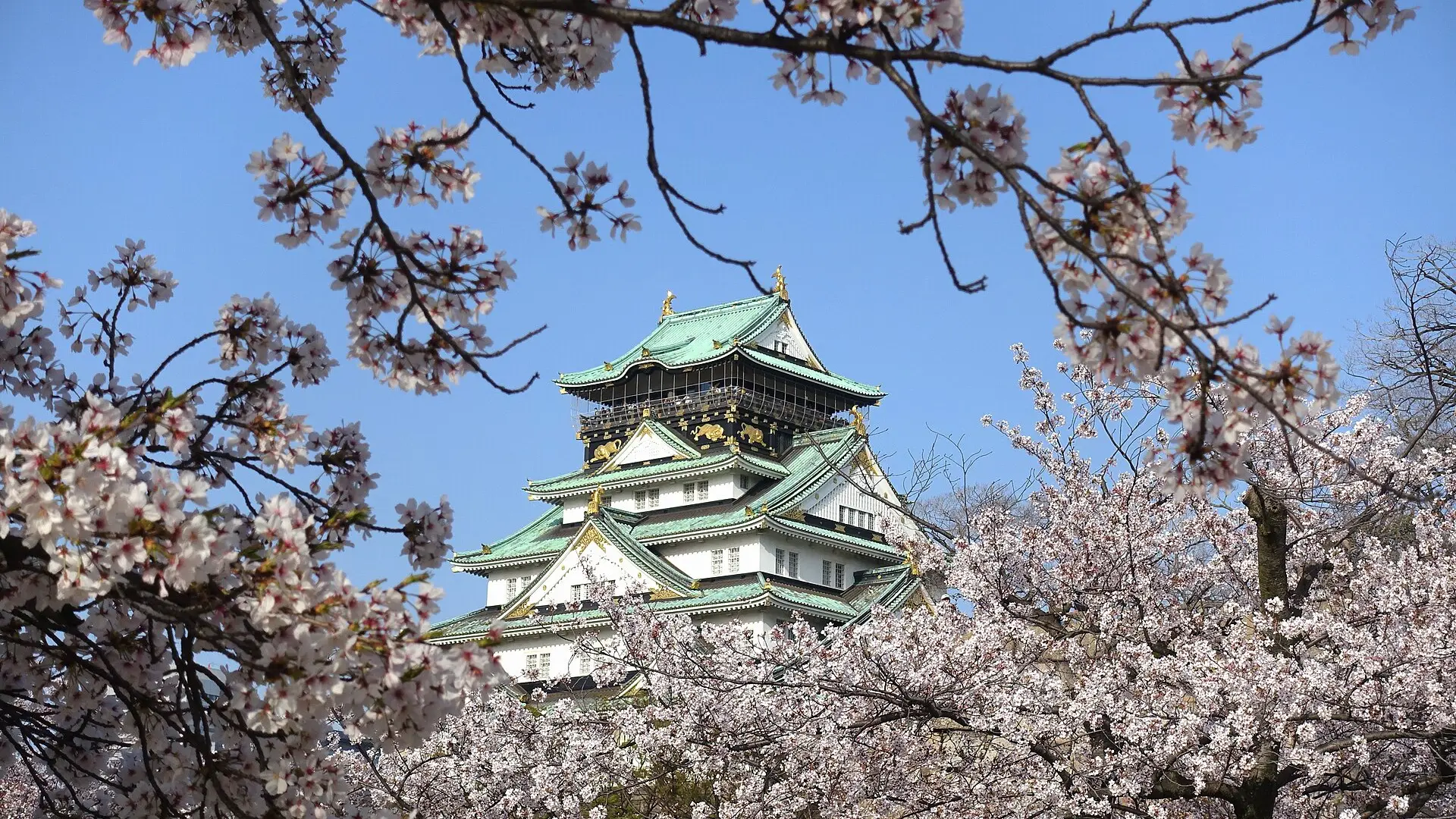
Osaka Day 2 Itinerary: Osaka Castle, Umeda Sky Building and Shinsekai Kushikatsu
Traversing past and future on Day 2 in Osaka: morning tranquility along the moats of Osaka Castle, futuristic open-air views from Umeda Sky Building, the iconic HEP FIVE red wheel, and dusk kushikatsu feasts in the neon shadow of Tsutenkaku.
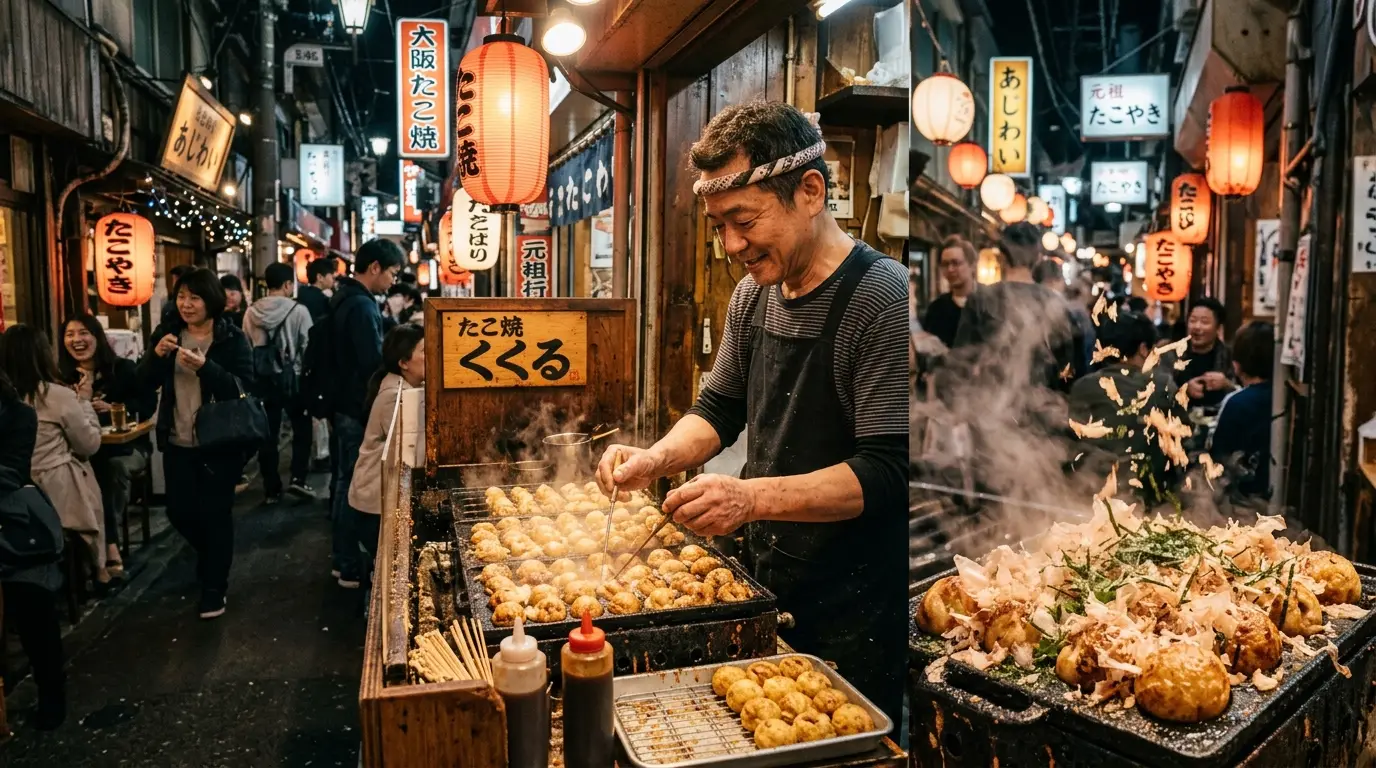
Osaka Day 3 Itinerary: Kuromon Market, Shinsaibashi Shopping and the Airport Run
The definitive closing chapter to your Osaka journey: fresh sashimi feasts at Kuromon Market, vintage shopping along Amerikamura, covered retail in Shinsaibashi, and 34-minute express transit to Kansai Airport (KIX) aboard the iconic Nankai Rapi:t.
Best Hotels in Osaka: Namba vs Umeda vs Tennoji Compared
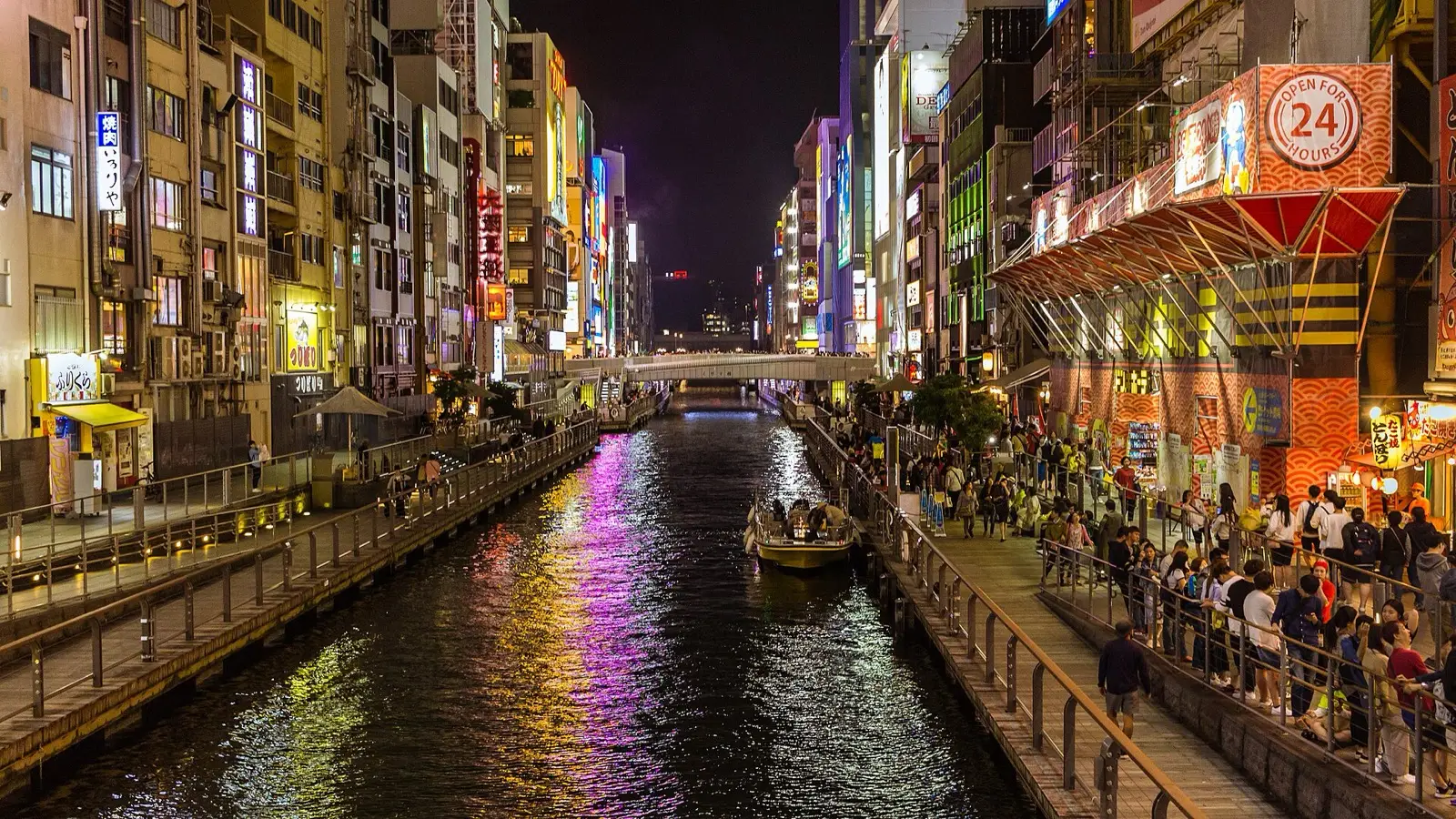
Selecting the ideal neighborhood base dictates the pace and ease of your entire Osaka itinerary. From the neon nightlife, late-night dining, and Nankai Rapi:t airport express links of Namba and Shinsaibashi, to the unmatched rail connectivity to Kyoto and Kobe found in Umeda, and the affordable panoramic luxury of Tennoji anchored by Abeno Harukas, this neighborhood curation breaks down top accommodations for every travel style.
5 Best Value Hotels Near Osaka Namba & Dotonbori: Nankai Rapi:t Access and Quiet Alleyways
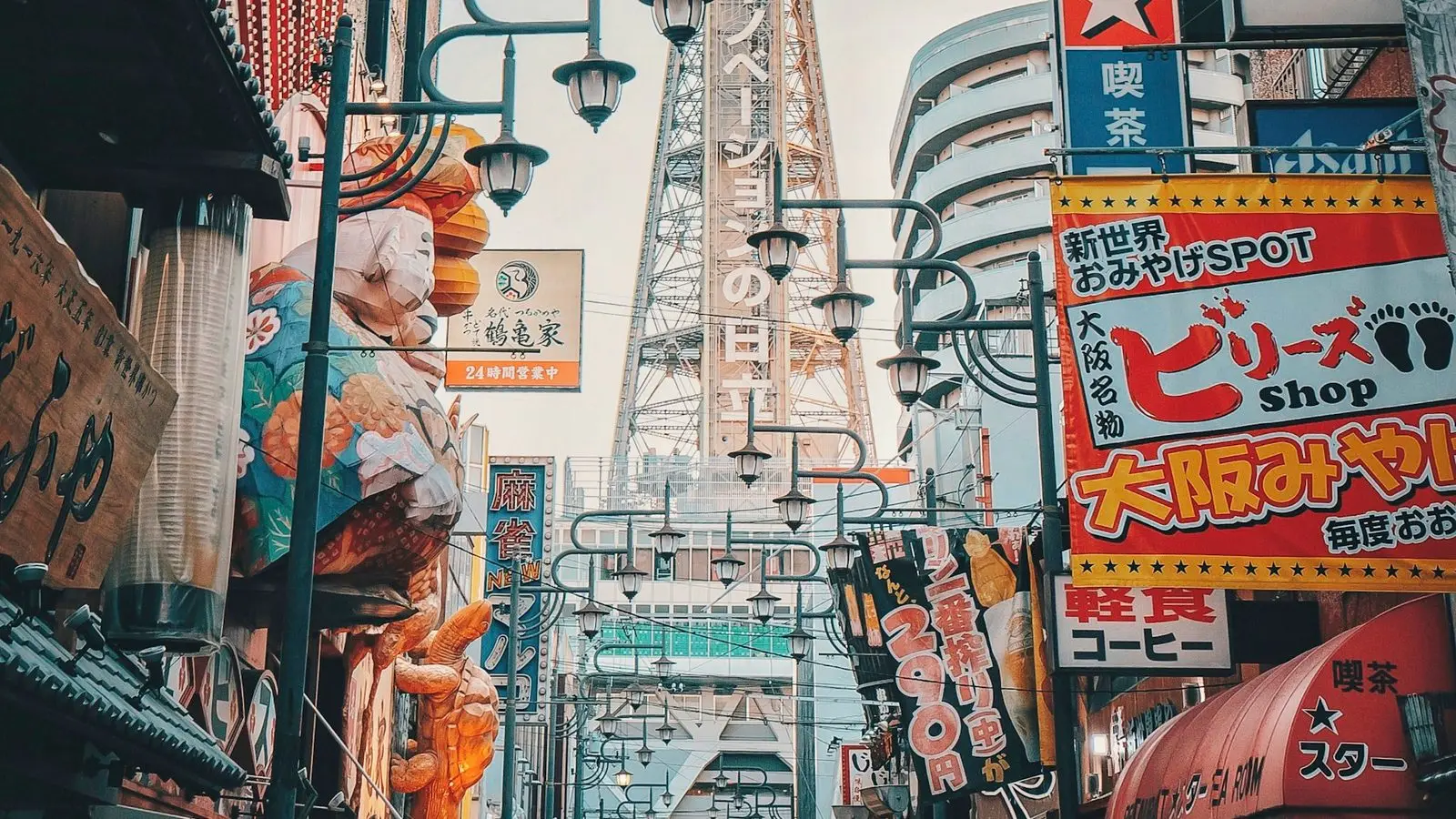
When planning an Osaka getaway, the Namba district invariably claims the top spot for accommodation. Boarding the futuristic Nankai Rapi:t airport express whisks travelers from Kansai International Airport straight into Nankai Namba Station in just 34 minutes without transfers, placing the famous Glico Running Man, sizzling takoyaki stalls, and Shinsaibashi shopping arcades within effortless walking distance. However, booking properties directly along the Dotonbori canal strip often backfires with thumping street noise, rowdy late-night crowds, and micro-sized floor plans that cannot accommodate open suitcases. The secret lies in positioning yourself just two blocks back into tranquil residential corridors like Sennichimae and Hozenji. Here is a definitive guide to five top-value Namba hotels under $100 per night, complete with natural hot spring onsen baths, complimentary late-night ramen, and restful soundproofing.

Kansai Airport to Osaka and Kyoto: Train, Bus and Taxi Fares Compared
For a hotel in Namba, the Nankai Airport Express is the cheapest ride at 970 yen and about 45 minutes, while the all-reserved Rapi:t does it in as little as 34. For Osaka Station, Shin-Osaka and Kyoto, JR's Haruka runs direct in about 47 and 80 minutes, and the discounted one-way ticket for short-term visitors brings Kyoto down to 2,200 yen. Land late and your options shrink to a cashless-only night bus to Umeda (0:15 from Terminal 1) or a taxi.

Where to Stay in Tokyo: Shinjuku vs Shibuya vs Ginza
Comparing room footprints across Shinjuku, Ginza, and Ueno, locking in sudden 14-day cancellation drops, and eliminating DCC fees with clean Yen checkout.

7 Budget Hotels in Tokyo Under $100 on the Yamanote Line
Even amid yen fluctuations, central Tokyo hotel rates have soared. Learn how to secure Yamanote loop line hotels at half the price of Shinjuku, compare onsen bath chains like Dormy Inn, trigger secret Agoda VIP and Booking.com Genius discounts, and dodge hidden currency fees with yen settlement.

How to Read the Tokyo Subway Map and Where to Stay on the Yamanote Line
How to choose between Keisei Skyliner and Narita Express, avoid the Tokyo Subway Ticket trap, use Apple Wallet Suica, and select the ideal hotel base in Tokyo.