
KyotoGuide
Kyoto Itinerary: Arashiyama, Gion and How to Pick a Ryokan
Experience dawn temple solitude, classic kaiseki hospitality, and crowd-evading walking itineraries.
Dawn in Sagano: Walking Arashiyama Bamboo Grove in Pure Solitude
By midday, Arashiyama transforms into an overwhelming crush of tour groups and rickshaw barkers. At 6:30 AM, however, the Sagano Bamboo Grove belongs to an entirely different realm. Cool morning sunlight filters through towering emerald stalks rising tens of meters skyward. The only audible soundtrack is the crisp rustle of leaves swaying in the breeze and birdsong echoing down the winding stone corridor. This fleeting hour provides the sole opportunity to experience the sacred stillness celebrated for centuries.
At the trail end, pause before the black-bark torii gate of Nonomiya Shrine before emerging onto the Katsura riverbank near the historic Togetsukyo Bridge. Thin ribbons of mist hover over tranquil waters as traditional boatmen prepare wooden longboats. Savoring freshly dripped artisan coffee and hot toast at a riverside cafe right when doors open at 8:00 AM represents an unwritten rule among seasoned Kyoto travelers.
Promptly at 8:30 AM, Tenryu-ji Temple opens its UNESCO World Heritage gates. Sitting along the veranda tatami overlooking Sogenchi Garden, watching autumn foliage and seasonal pines reflected across the pristine pond, illustrates the absolute summit of Muromachi Zen landscape design. Capturing this meditative serenity before tour coaches arrive at 10:00 AM is critical.
When approaching Arashiyama from downtown, avoid city buses and crowded JR lines in favor of the Hankyu Arashiyama Line or the vintage Randen tramway. Taking the Hankyu train from Kawaramachi or Osaka Umeda delivers travelers directly south of Togetsukyo Bridge, setting an unhurried, scenic tone for the morning walk.
Dodging Kyoto Bus Gridlock: Subways and Private Rail Transfers
The single most disastrous mistake novice Kyoto travelers commit is attempting to navigate the historic capital solely via municipal buses. Kyoto City officially discontinued its once-ubiquitous 700 JPY 1-day bus pass to mitigate catastrophic overtourism. Packed arterial bus routes like the 206 frequently bypass jammed stops without boarding passengers during spring and autumn peaks, turning the short ride between Kyoto Station and Kiyomizu-dera into a crawl that can take several times longer than normal.
Savvy globetrotters stitch their itineraries across the Karasuma and Tozai subway lines combined with private rail arteries like the Keihan Main Line and Hankyu Kyoto Line. When venturing south to Fushimi Inari Taisha or heading into Gion-Shijo, Keihan trains run completely immune to surface traffic jams, guaranteeing precision timing. Transit between Arashiyama and Gion via the Randen tramway and Tozai subway is far more predictable than sitting in bus traffic.
Do not automatically default to combination day passes. The 1,100 JPY Subway & Bus 1-Day Pass needs close to five rides at the 230 JPY flat bus fare to pay for itself. For focused days visiting two to three landmarks, simply tapping a digital Suica, Pasmo, or ICOCA card stored in your mobile phone wallet offers superior economic flexibility and turnstile speed.
Upon landing at Kyoto Station with heavy luggage, never attempt boarding city buses with oversized suitcases. Utilize the Crosta Kyoto baggage delivery desk on basement level B1. Drop bags off by 2:00 PM and, from 1,000 JPY per suitcase to most Kyoto city hotels, they reach your hotel the same day, liberating your hands for immediate sightseeing.
Kyoto Basecamp Strategy: Station Hub vs. Kawaramachi vs. Gion vs. Karasuma
Your accommodation basecamp dictates daily stamina and evening dining flexibility. Kyoto splits into four distinct neighborhoods: the transit powerhouse of Kyoto Station, the vibrant culinary nightlife of Kawaramachi, the ancient historic charm of Gion, and the refined corporate quiet of Karasuma.
If your itinerary features early Shinkansen departures or rapid Kansai Airport Haruka trains, Kyoto Station is the pragmatic base. Properties like Hotel Granvia Kyoto and Kyoto Century Hotel sit within two minutes of station turnstiles, reducing transfer friction to zero. Keep in mind that station shopping malls shutter by 9:00 PM, leaving surrounding plazas relatively sterile at night.
For travelers who prioritize twilight strolls along the Kamogawa River, late-night izakayas, and department store retail, Kawaramachi (Shijo to Sanjo) is peerless. Properties like Good Nature Hotel Kyoto and The Thousand Kyoto place visitors amidst thriving dining corridors, allowing you to drink draft beer along the riverbank and walk back to bed past midnight.
To immerse yourself in the living heritage of wooden machiya townhouses, choose Gion and Higashiyama. Luxury sanctuaries like Sowaka and Gion Hatanaka feature private Zen gardens, tatami craftsmanship, and exclusive access to atmospheric historic alleyways once daytime crowds dissipate.
Pragmatic travelers seeking tranquility and modern comforts should anchor in Shijo Karasuma. At the crossroads of the Karasuma subway and Hankyu rail lines, Karasuma offers newly built boutique hotels like Mitsui Garden Hotel Kyoto Shijo at rates often below Kawaramachi, featuring pristine indoor onsen baths and superior acoustic insulation.
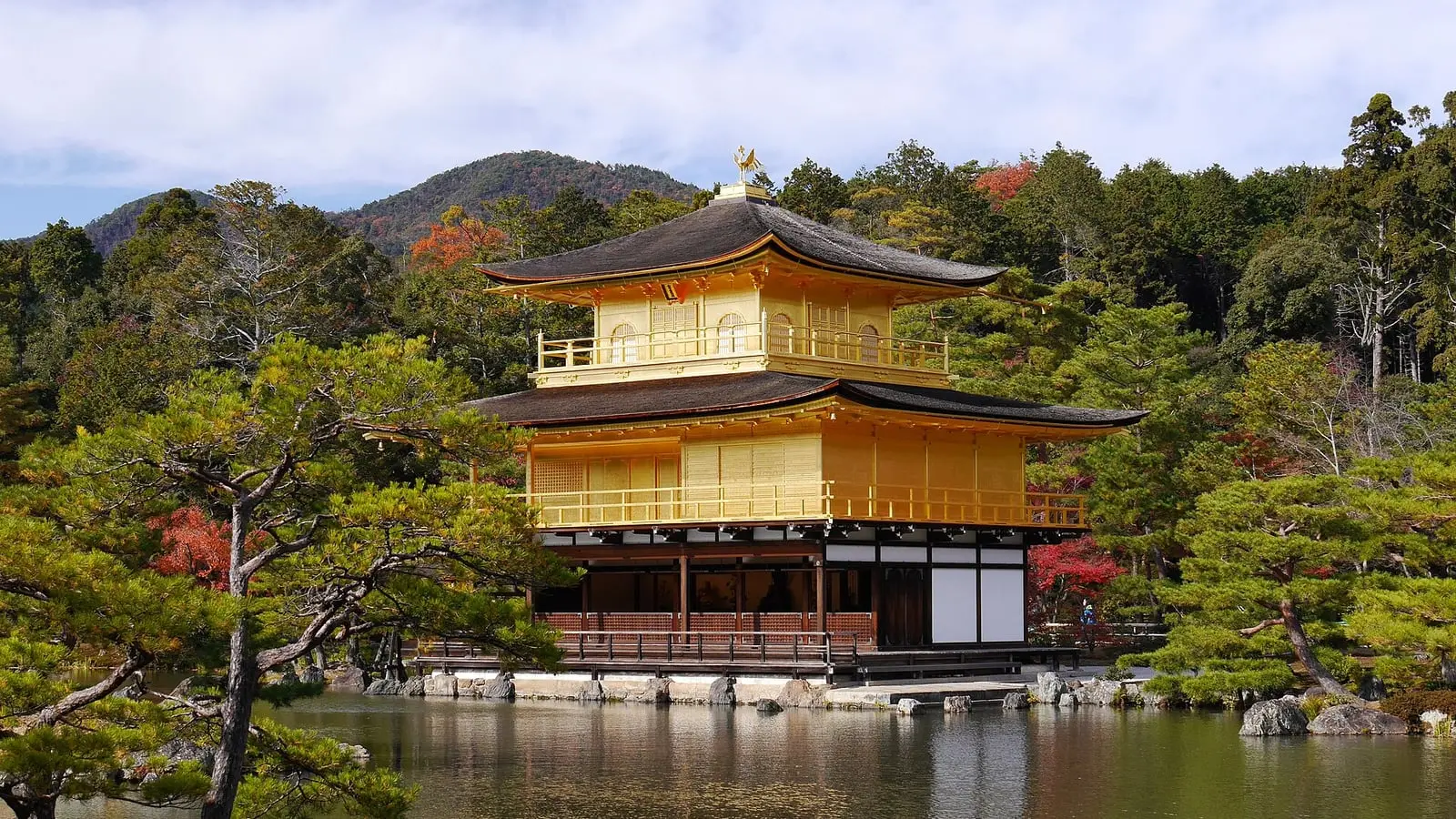
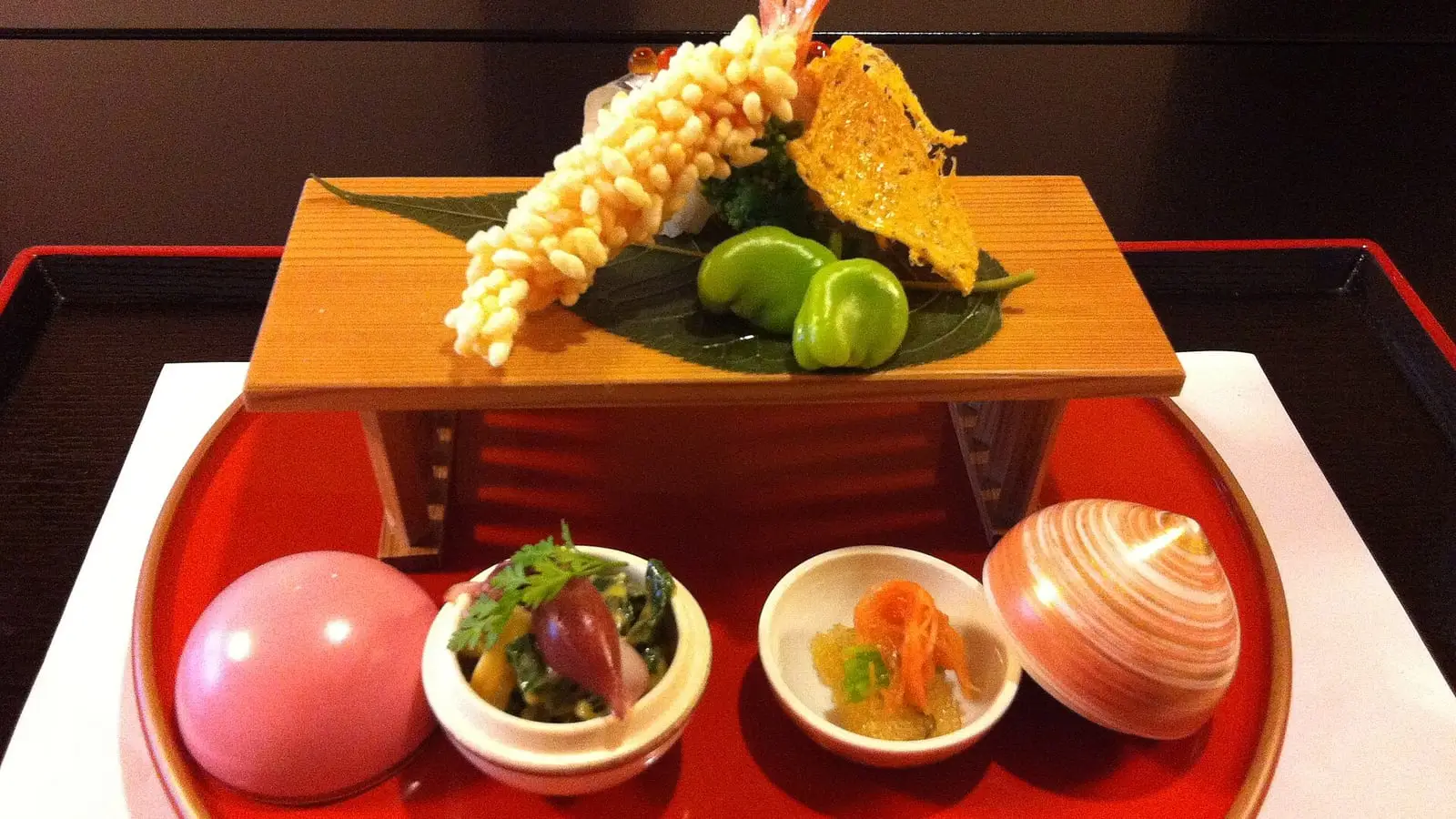
Twilight in Gion & Traditional Ryokan: Kaiseki Art on Tatami
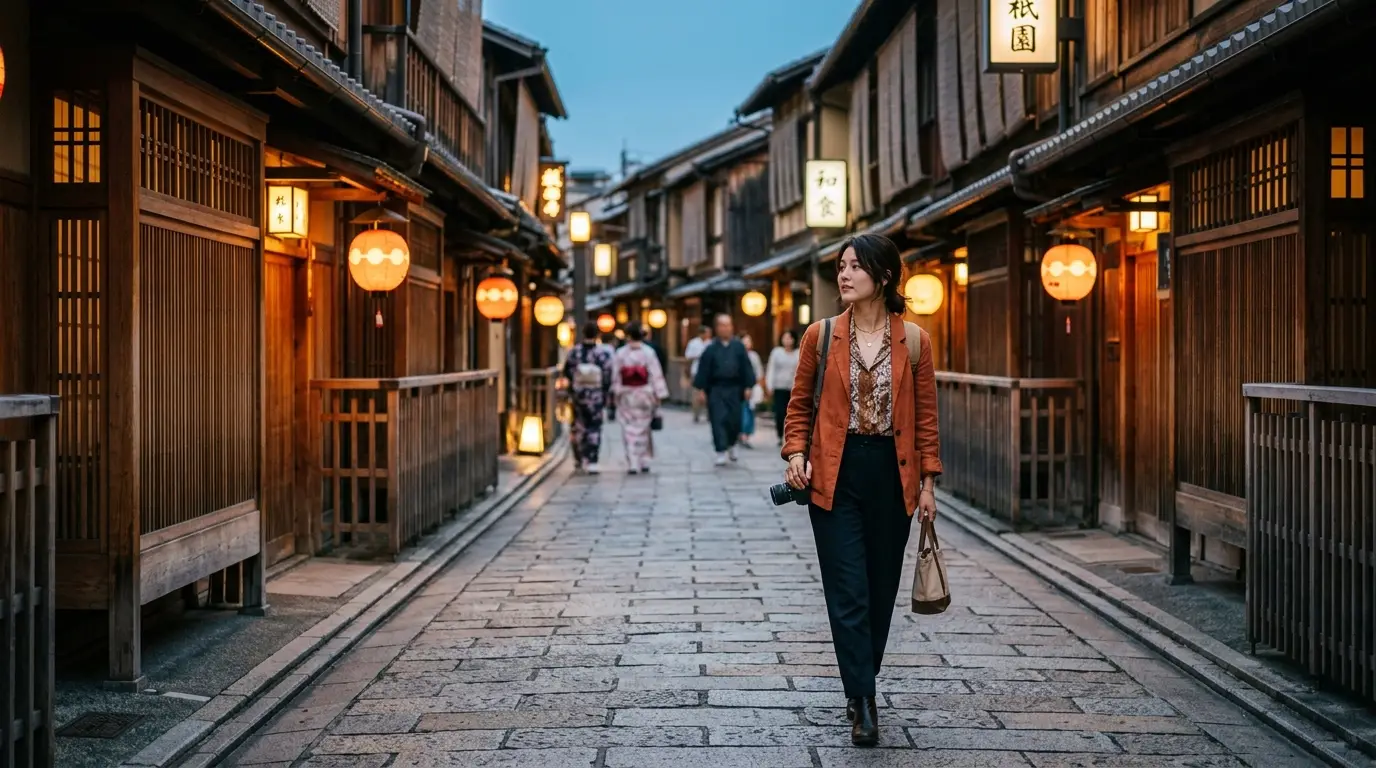
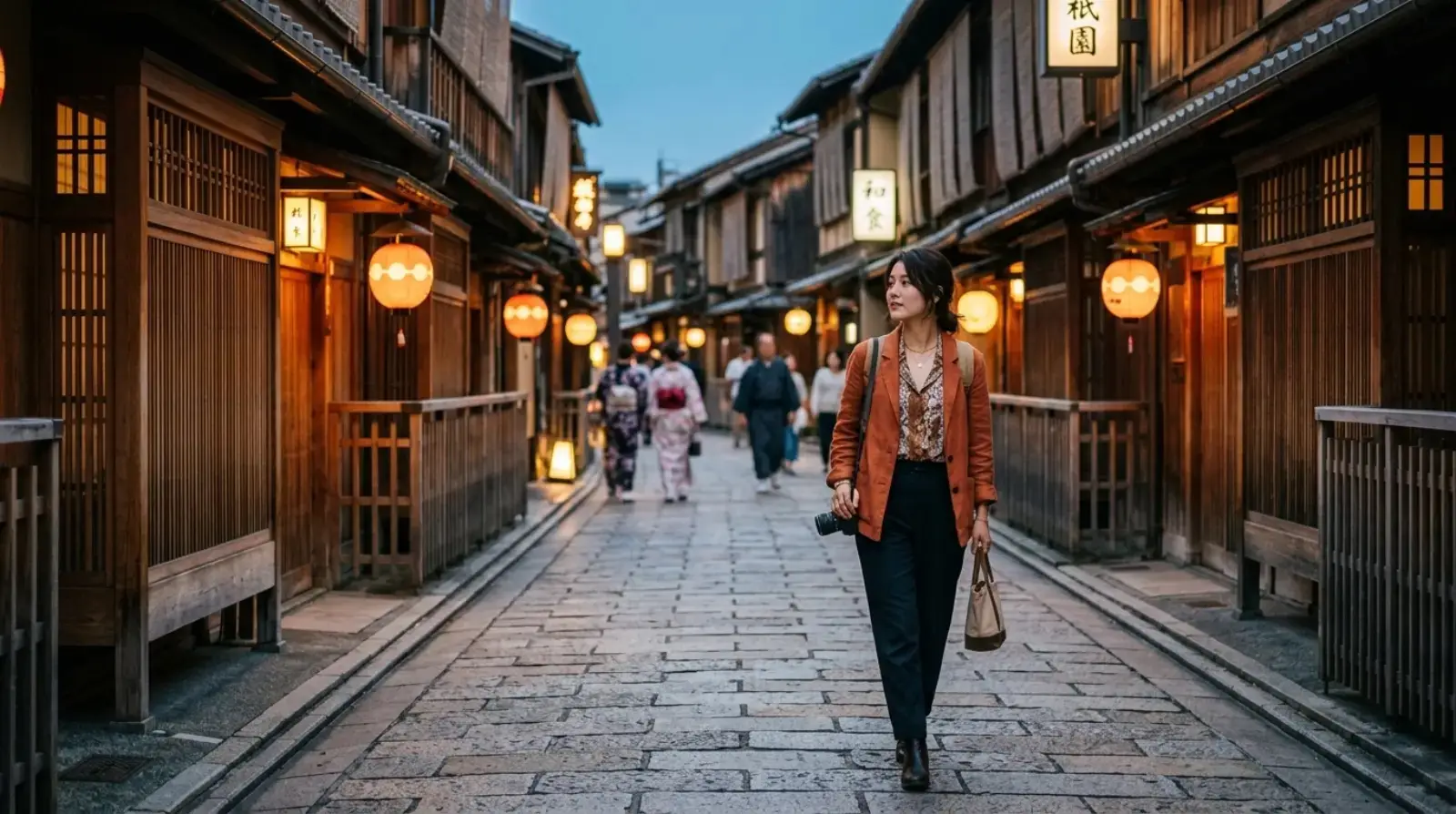
As dusk settles across Gion Shirakawa and Hanamikoji, amber lanterns glow softly behind dark slatted timber facades. The rhythmic wooden clatter of geta sandals echoes off flagstones as geiko and maiko hurry toward private tea house appointments, transforming Kyoto into an evocative classical drama.
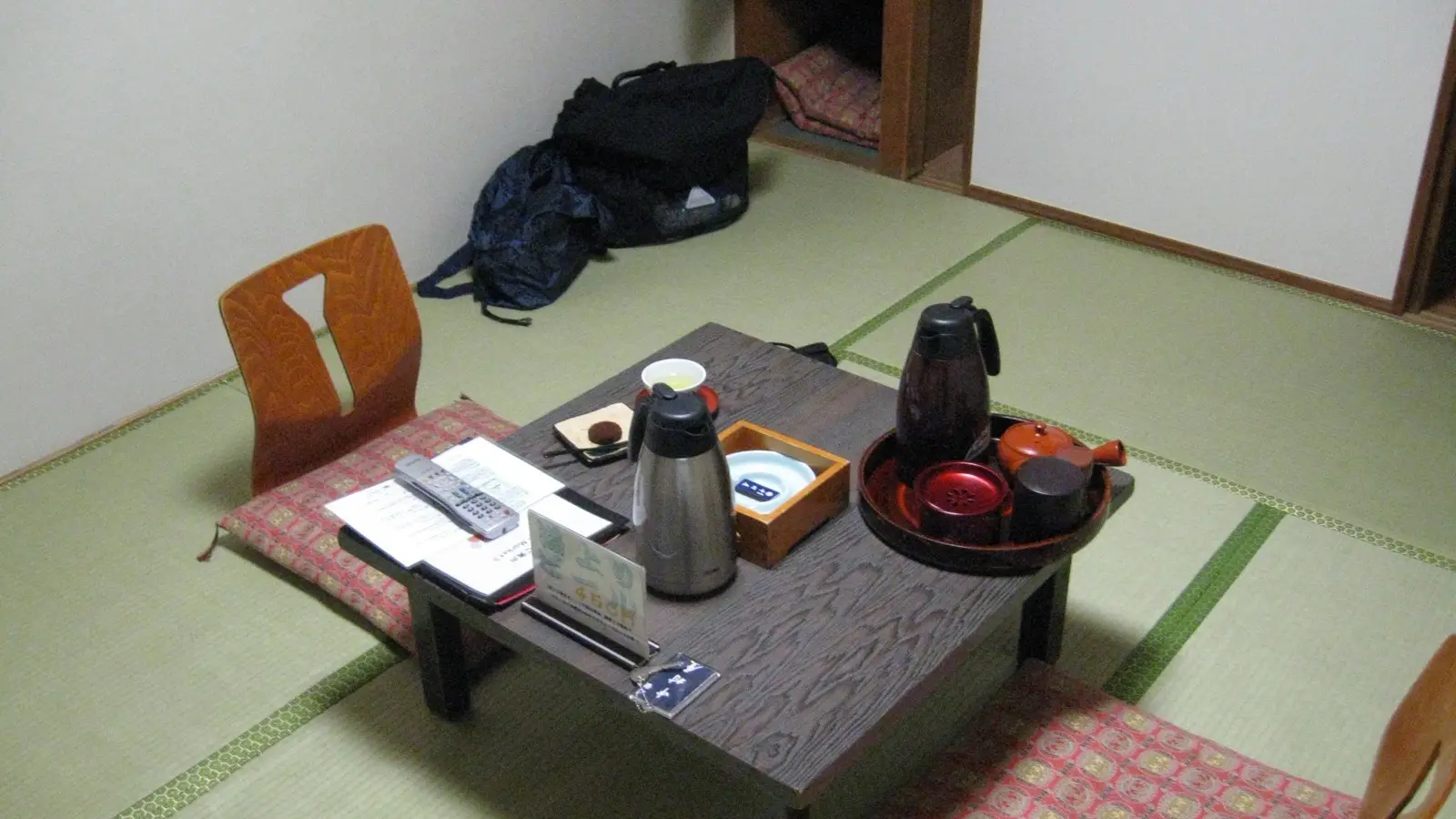
The defining summit of an authentic ryokan stay is multi-course kaiseki dining served inside your tatami guest room. Showcasing pristine seasonal Kyo-yasai heirloom vegetables, delicately simmered dashi broths, and miso-marinated grilled black cod, each presentation is an ephemeral artistic expression of the current micro-season.
When reserving a ryokan, always book the two-meal package (breakfast and dinner). Arrive no later than 5:30 PM for check-in to be welcomed with ceremonial matcha and seasonal wagashi confections before dinner commences at 6:30 PM. Late arrivals risk forfeiting dinner without refund due to intricate chef preparations.
Conclude your evening soaking in a fragrant cypress hinoki wood tub before sinking into crisp, hand-fluffed cotton futons. Drifting to sleep to the faint whisper of bamboo outside your paper shoji screen offers restorative peace found nowhere else in modern Japan.
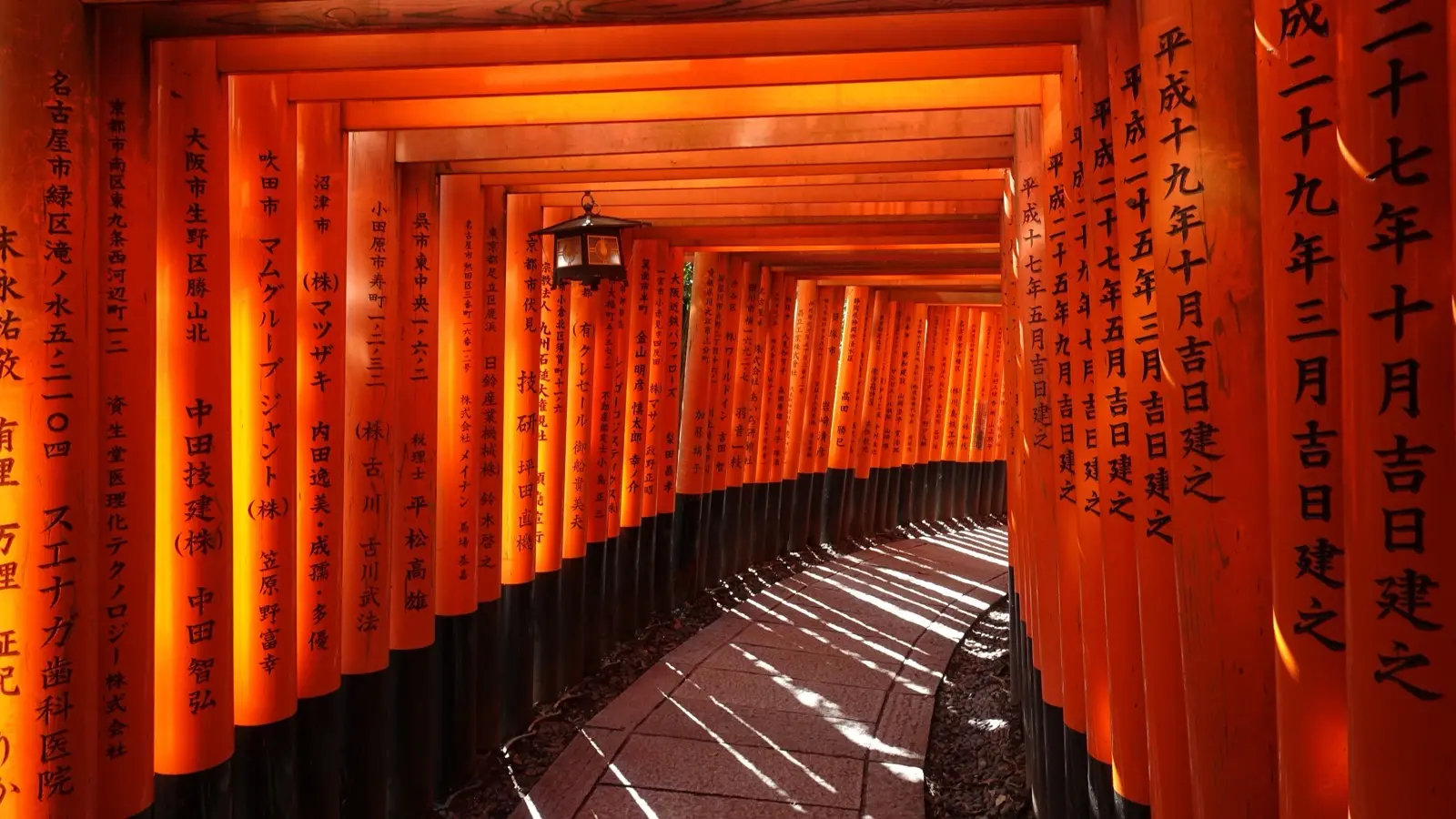
Dawn at Kiyomizu-dera & Fushimi Inari Torii Gate Serenity
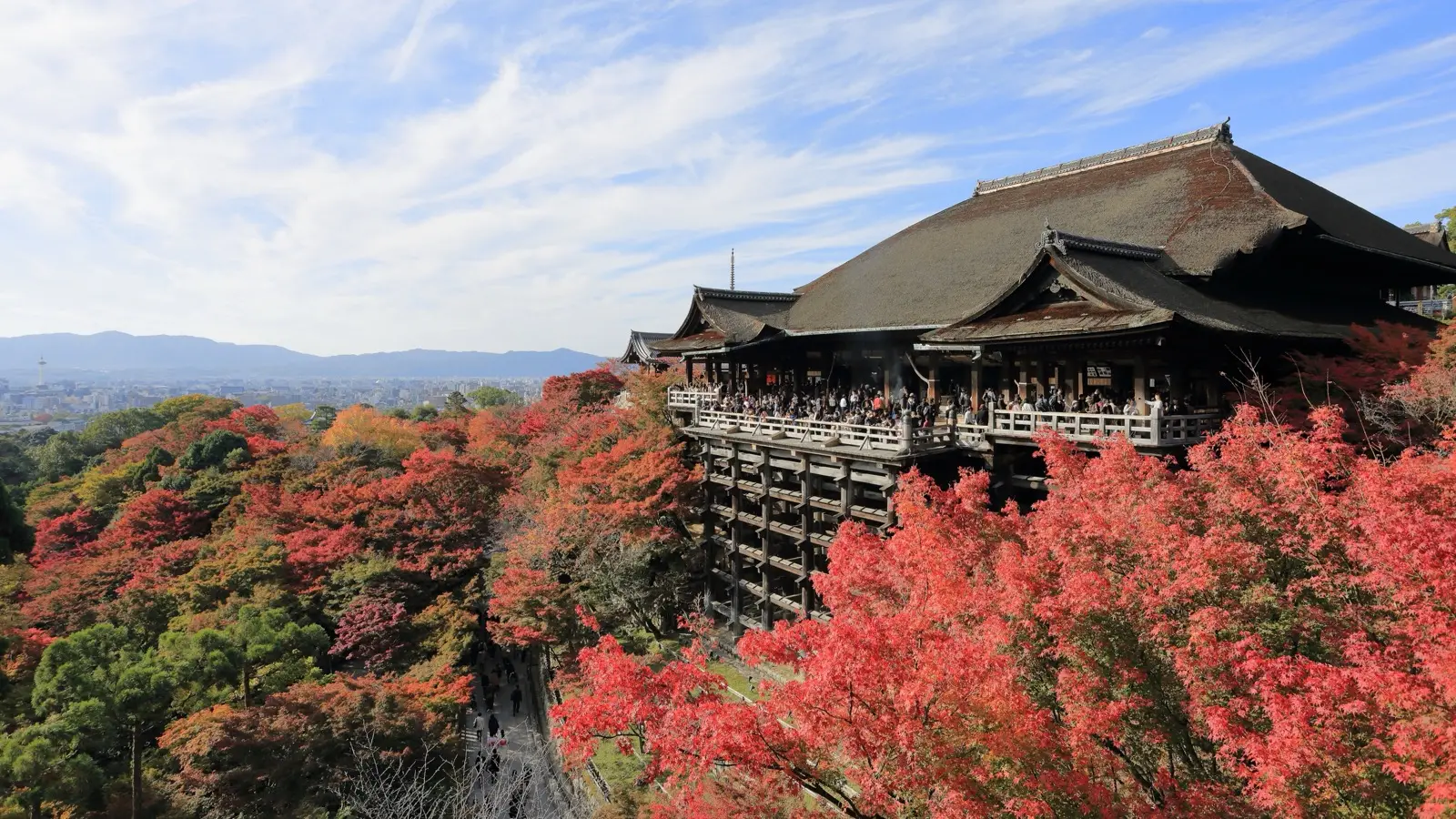
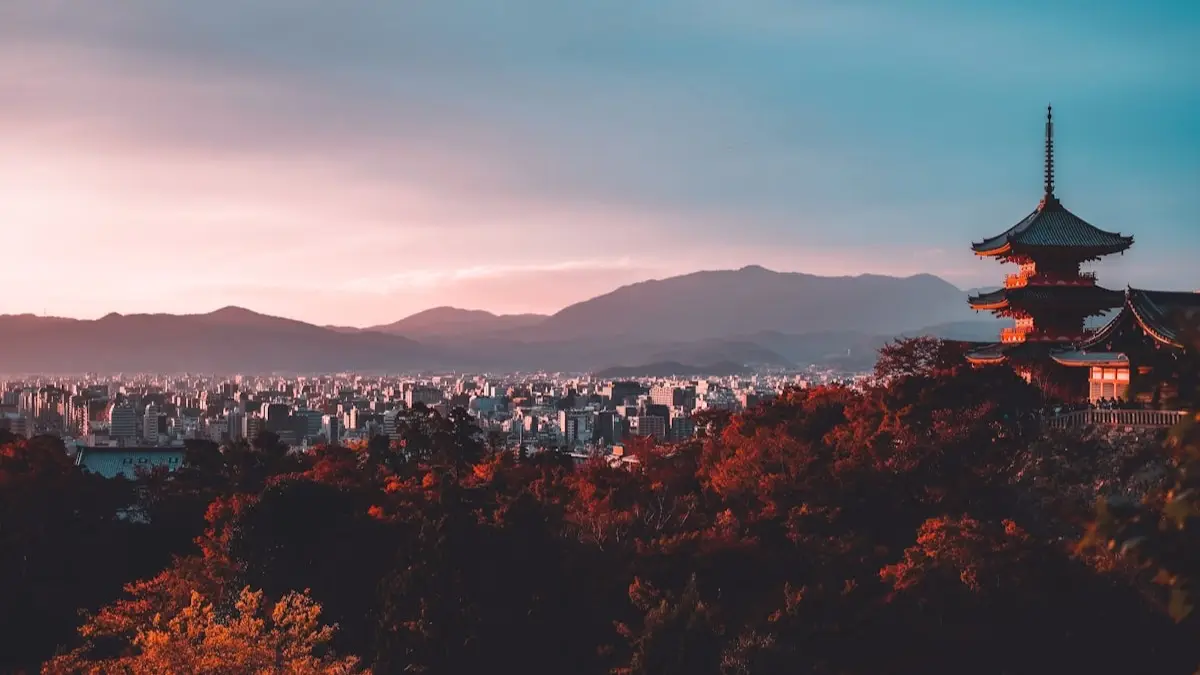
Experiencing the sheer architectural majesty of Kiyomizu-dera without suffocating tourist hordes requires arriving at the prompt 6:00 AM opening bell. Standing on the colossal timber stage assembled entirely without a single nail before tour coaches materialize at 9:00 AM rewards early risers with breathtaking sunlit vistas spanning Higashiyama across the Kyoto basin.
Descending through the flagstone stairways of Sannenzaka and Ninenzaka around 7:30 AM offers magical, empty streetscapes. Framed by classical wooden eaves and sweeping stone steps, this is the ultimate window for capturing iconic photography in absolute tranquility.
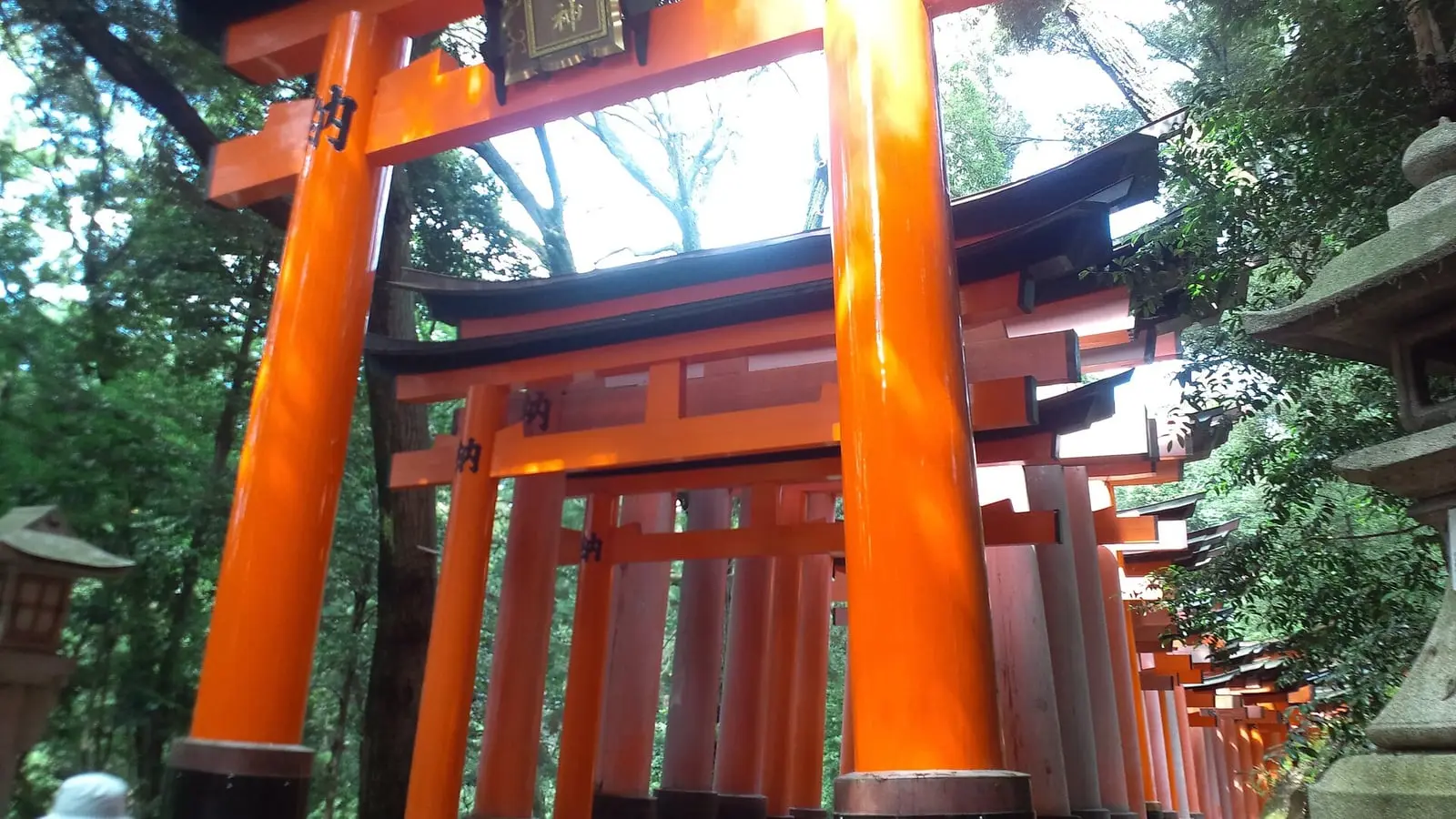
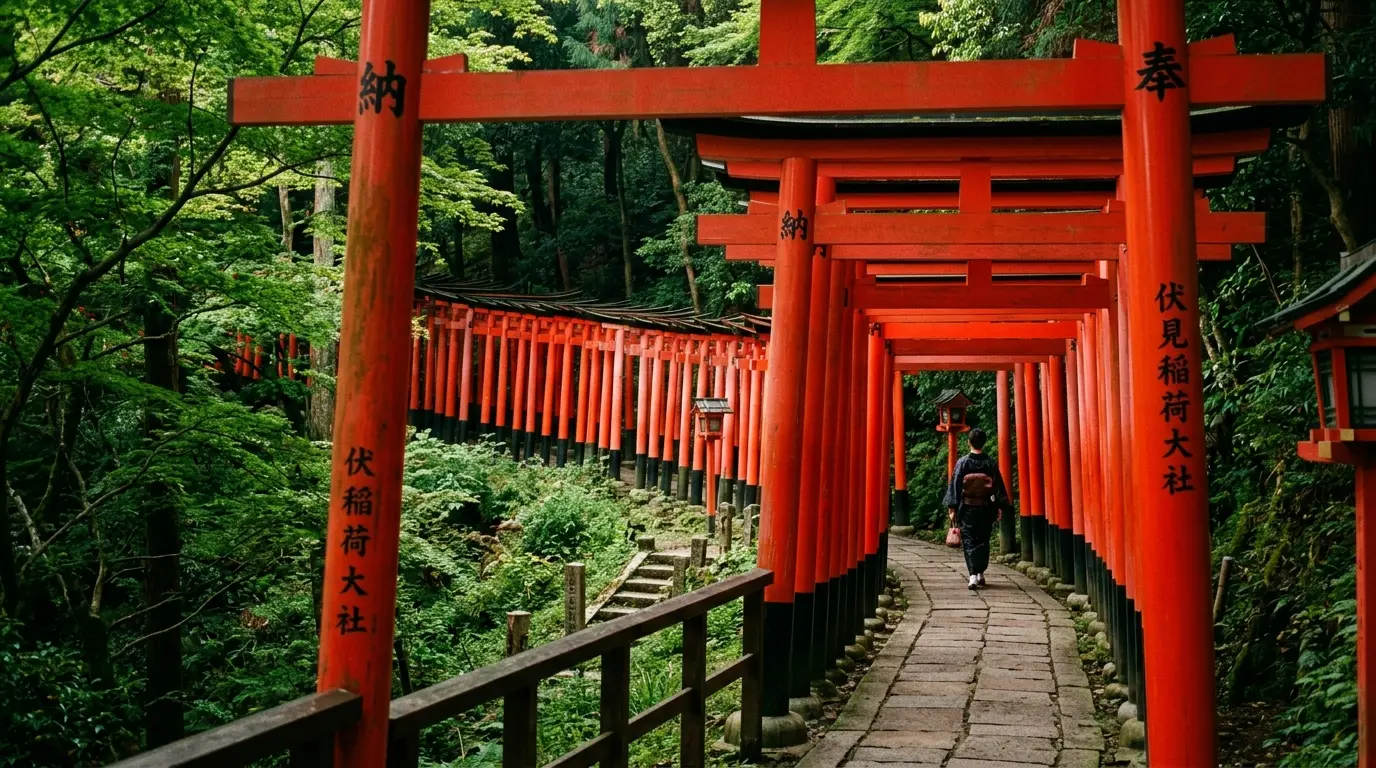
Fushimi Inari Taisha demands an identical early-morning strategy. Open 24 hours year-round, entering the grounds before 7:00 AM allows you to walk through the infinite vermilion tunnel of Senbon Torii in profound solitude, watching golden rays fracture through cedar branches onto painted inscriptions.
Kyoto ancient majesty reveals its true grace only when given breathing room. Combining early dawn departures with intelligent private railway transfers unlocks an unforgettable journey through Japan cultural heartland.
Frequently Asked Questions
Field-tested answers to transit navigation, neighborhood choices, and payment traps.
Q1.How much is the Kyoto accommodation tax?
Q2.Can I still buy the 700 JPY Kyoto bus day pass?
Q3.What time should I visit Kiyomizu-dera and Fushimi Inari to avoid crowds?
Q4.Can I send my luggage from Kyoto Station to my hotel?
The Smart Traveler's Essential Toolkit
Prepare instant mobile data, private airport transfers, and skip-the-line passes in one place.
Pick a base in Kyoto by your route
Choose the places you want to see and get the neighbourhood with the shortest travel.
Compare Kyoto Hotel Rates
Find the cheapest channel across Agoda and major booking engines with Tripdify.
Share This Guide with Your Companions
When shared via chat or social media, a curated summary card is sent along.
Recommended Guides
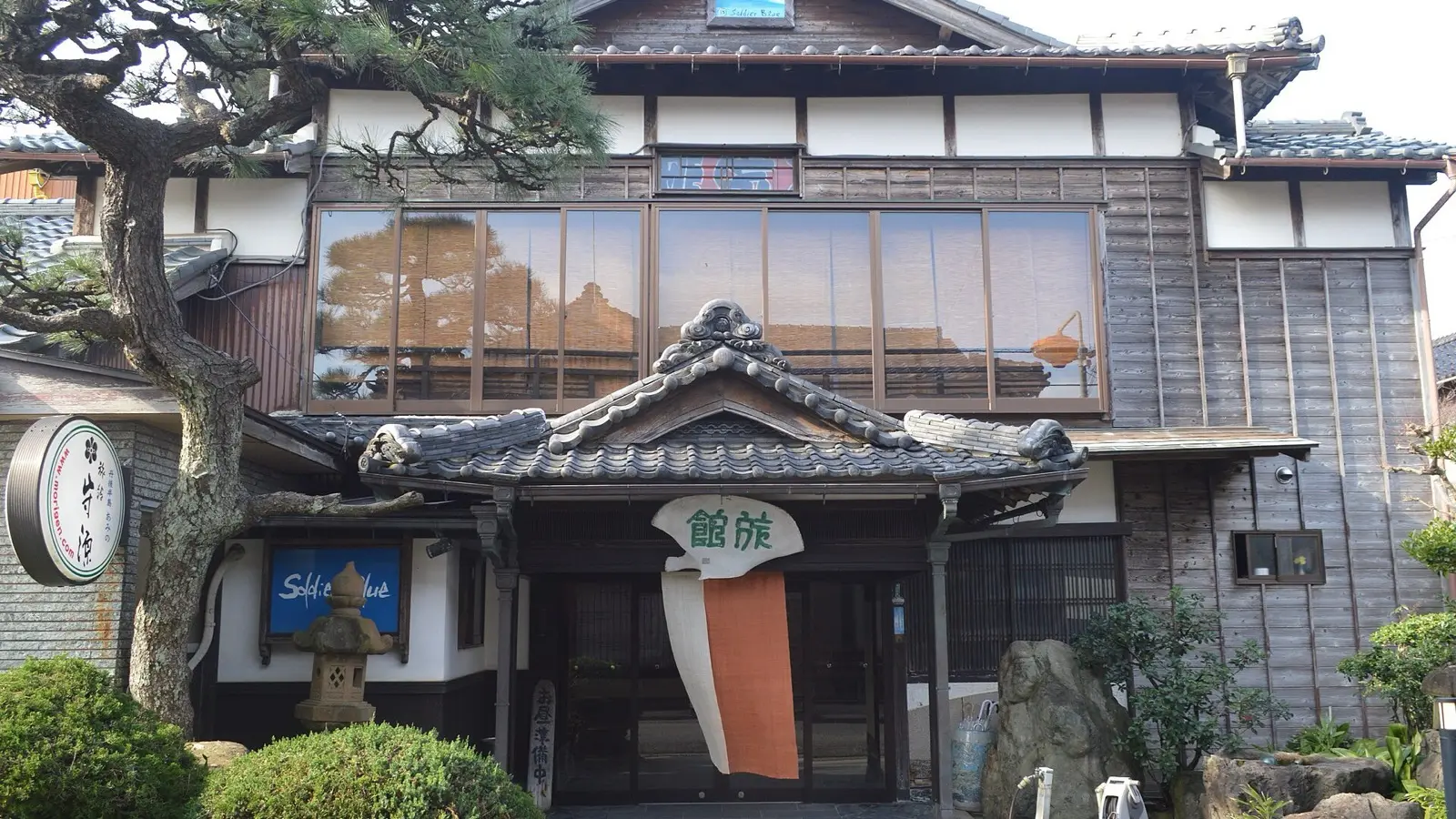
Kyoto Ryokan Prices and How to Choose: Kaiseki Terms and Machiya Stays
From hundred-year-old timber townhouses in Gion to misty Arashiyama riverside ryokan, staying in Kyoto demands cultural fluency and sharp booking discipline. An honest receipt audit covering kaiseki dinner curfews, private onsen etiquette, and avoiding dynamic pricing spikes.
Kyoto Day 1 Itinerary: Kansai Airport to Kyoto and Your First Evening in Gion
Boarding the 75-minute Haruka Express from Kansai Airport, forwarding heavy bags straight to your hotel via Crosta at Kyoto Station, avoiding gridlocked buses using the subway, and an evening stroll through Gion to the Kamogawa. A field guide to your first 24 hours.
Kyoto Day 2 Itinerary: Fushimi Inari, Kiyomizu-dera, Sannenzaka and Gion
Day 2 immerses travelers into the spiritual heartbeat and preserved historic streets of Kyoto: early morning solace along thousands of vermilion torii gates at Fushimi Inari, sweeping mountain panoramas from the legendary wooden stage of Kiyomizu-dera, artisan tea shops and matcha sweets across cobblestoned Ninenzaka and Sannenzaka, followed by lantern-lit strolls in Gion Shirakawa and a refined multi-course Kaiseki dinner.
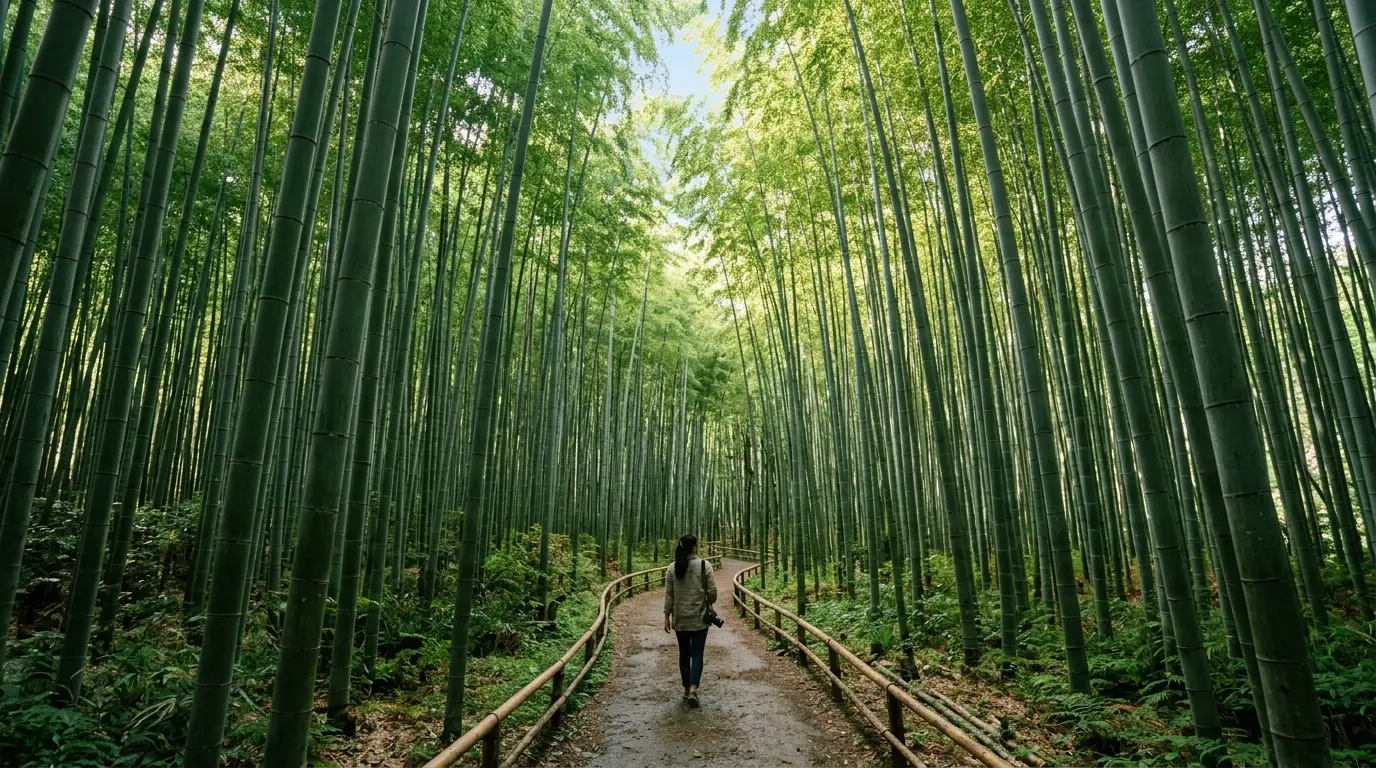
Kyoto Day 3 Itinerary: Arashiyama Bamboo Grove, Nishiki Market and the Journey Home
A sublime final chapter to your Kyoto journey: morning breezes whispering through towering emerald stalks in the Arashiyama Bamboo Grove, the UNESCO World Heritage mirror pond at Tenryu-ji, riverside specialty coffee by Togetsukyo Bridge, savory culinary treasures inside 400-year-old Nishiki Market, followed by Kyoto Station souvenir shopping and a swift 75-minute ride aboard the JR Haruka Express straight to Kansai Airport.
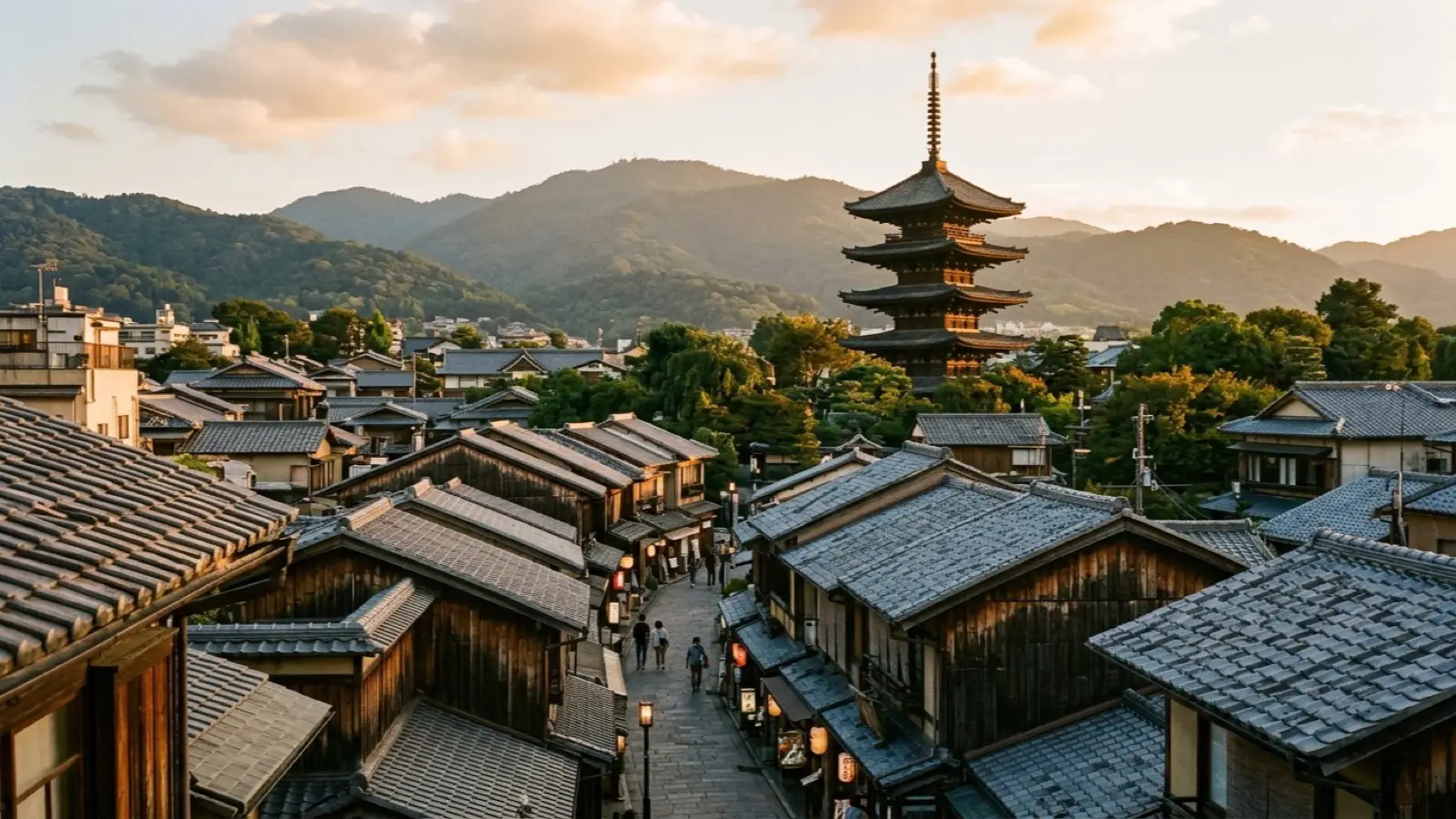
Where to Stay in Kyoto: Kyoto Station vs Gion vs Kawaramachi Compared
Your choice of base determines your entire Kyoto experience. Will you navigate crowded city buses with heavy luggage, or stroll riverside alleys lined with lantern-lit bistros? Here is a definitive breakdown of Kyoto's four premier districts.
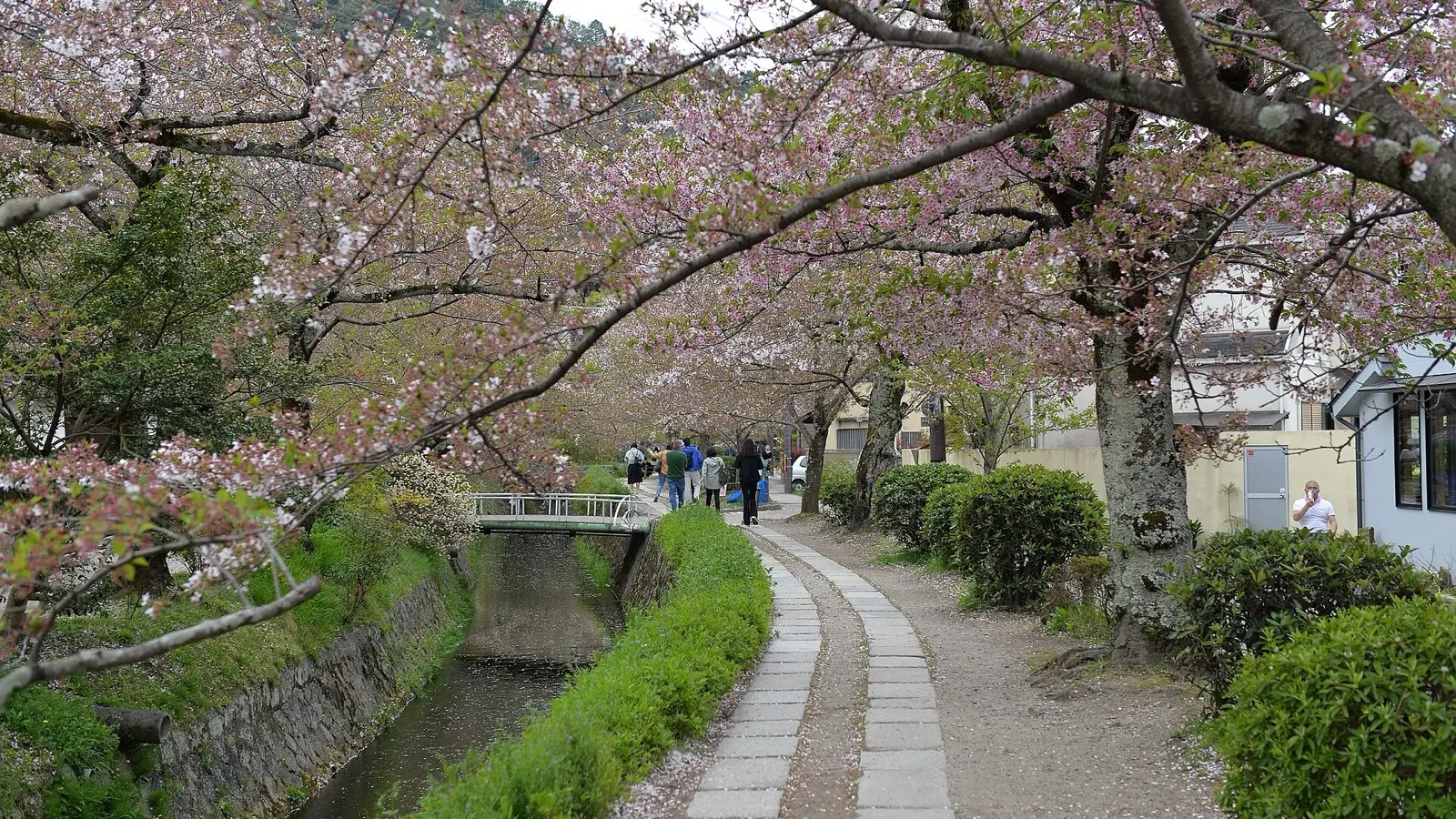
Kyoto Philosopher's Path Walk: From Ginkaku-ji to Nanzen-ji
To touch the true contemplative soul of Kyoto away from midday tour buses and crowds, one must walk the stone flagstones of the Philosopher's Path (Tetsugaku-no-Michi) under the soft mist of early dawn. Stretching two kilometers along the Lake Biwa Canal from Ginkaku-ji to Nanzen-ji, this tranquil waterway is where 20th-century philosopher Kitaro Nishida walked daily in meditative contemplation. From the murmur of mountain water and the moss-thatched timber gate of secluded Honen-in, to the weathered red-brick Romanesque arches of Suirokaku hidden within deep cedar woods, this immersive field report traces Kyoto's finest meditative journey.
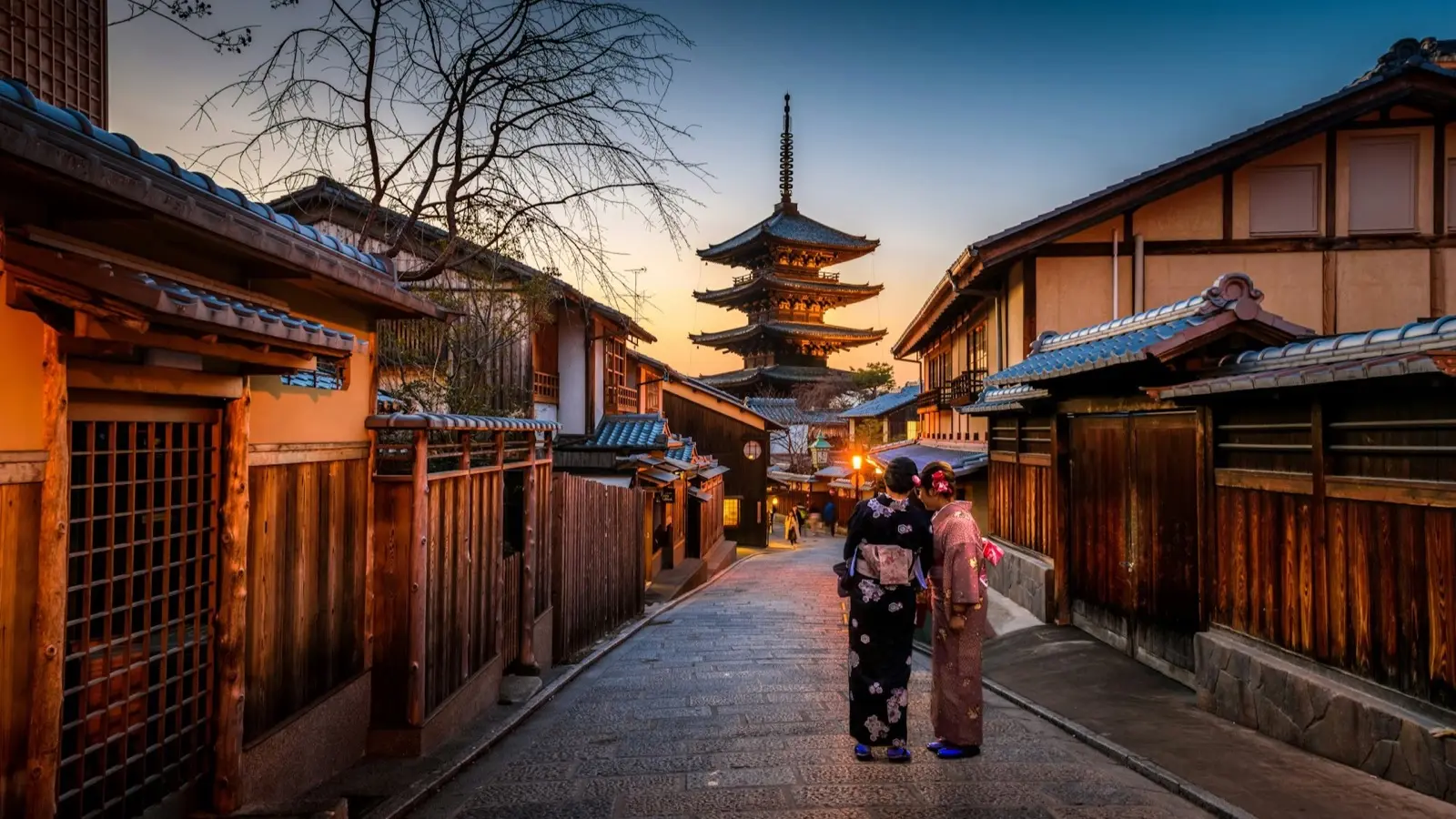
Kyoto on a Budget: Top 5 Value Hotels Under $90 and Station vs. Downtown Location Breakdown
Compared to neighboring Osaka, Kyoto hotel rates are notoriously 1.5 to 2 times higher, soaring to astronomical heights during spring cherry blossom and autumn foliage peaks. Finding clean, stylish accommodations between 50 and 90 dollars per night requires sharp logistical trade-offs. The Kyoto Station zone offers unbeatable rail access via the Kansai Airport Haruka Express, Shinkansen, and central bus terminals, while downtown Shijo Kawaramachi places you within walking distance of Gion, Nishiki Market, and evening riverside dining. From analyzing top value chains like Sotetsu Fresa Inn, Dormy Inn Premium, Sakura Terrace, and Daiwa Roynet to navigating Kyoto's 200 to 400 yen municipal lodging tax and selecting properties with restorative hot spring onsen baths, here is how to book smart in Japan's historic capital.
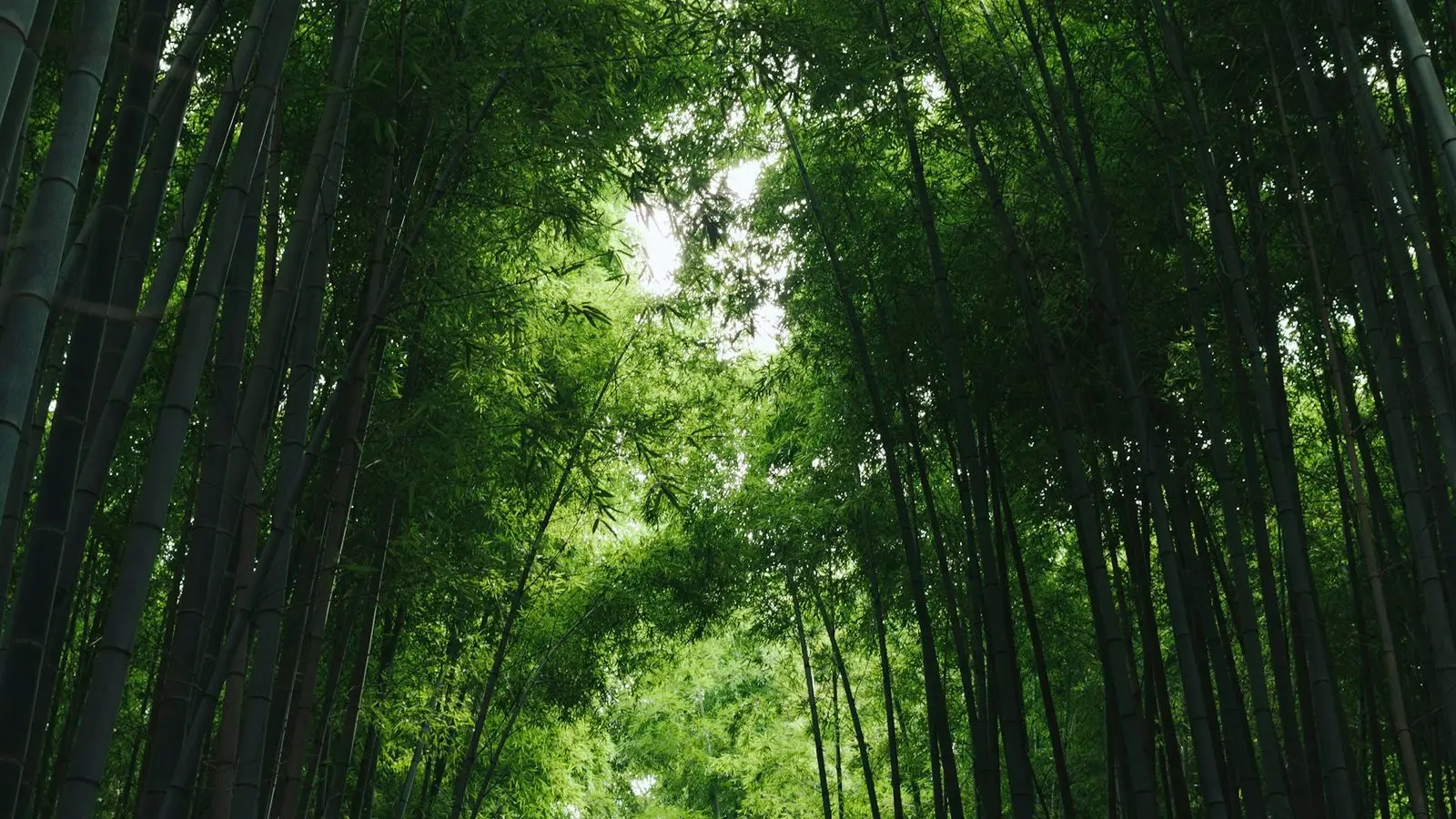
Dawn Through Sagano Bamboo Grove: Tenryu-ji Zen Gardens, Togetsukyo Mist, and Quiet Kyoto Mornings
By midday, the legendary bamboo avenues of Arashiyama in western Kyoto turn into a bustling hive of sightseers, camera flashes, and rickshaw queues. Yet at 7:00 AM, before the first tour coaches rumble into parking lots, Arashiyama reveals an ethereal, untouched beauty. Stepping into the famed Sagano Bamboo Grove (Chikurin no Michi) in the cool dawn air, visitors are enveloped by towering jade-green stalks creaking gently against the mountain breeze, an auditory symphony honored as one of Japan's preserved soundscapes. From sitting upon the polished cedar verandas of UNESCO-listed Tenryu-ji Temple gazing across misty pond gardens to crossing the historic wooden arches of Togetsukyo Bridge, this contemplative morning journey captures Kyoto at its purest. Discover the step-by-step dawn itinerary, Randen retro tramway transfers, and hidden tea pavilions that make early morning in Sagano truly magical.
Kyoto Uji Morning Matcha Journey: Byodoin Phoenix Hall, 10-Yen Coin Vistas, and Tsuen Tea's 860-Year Legacy
Escaping central Kyoto aboard the Keihan Uji shuttle whisks travelers about half an hour southward into an emerald riverside oasis steeped in the gentle perfume of roasted green tea leaves. Crossing historic Uji Bridge, first erected in 646 AD over turbulent river currents, instantly reveals why Heian-period imperial nobility chose this misty basin as their ultimate poetic country retreat. Pulling a polished 10-yen coin from your pocket to mirror the floating wooden silhouette of Byodoin Phoenix Hall across the reflecting lotus pond offers a timeless contemplation of Buddhist paradise. A short stroll upstream leads to Tsuen Tea, founded in 1160 and celebrated as Japan's oldest continuously operating tea house, where stone-ground matcha is ceremonially whisked over Tatami river views. From fragrant roasted hojicha aromas in the temple market to chilled matcha soba noodles, Uji delivers an enchanting morning itinerary.
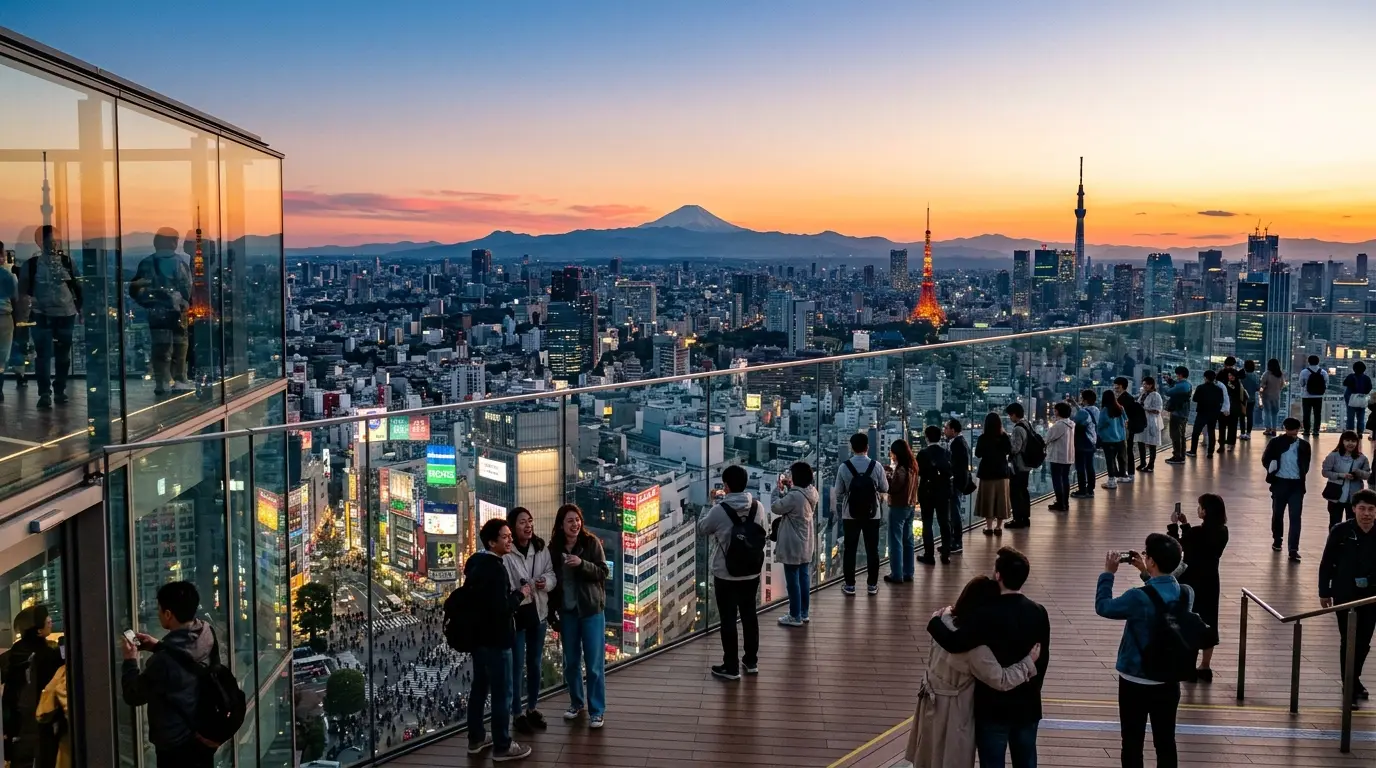
Where to Stay in Tokyo: Shinjuku vs Shibuya vs Ginza
Comparing room footprints across Shinjuku, Ginza, and Ueno, locking in sudden 14-day cancellation drops, and eliminating DCC fees with clean Yen checkout.
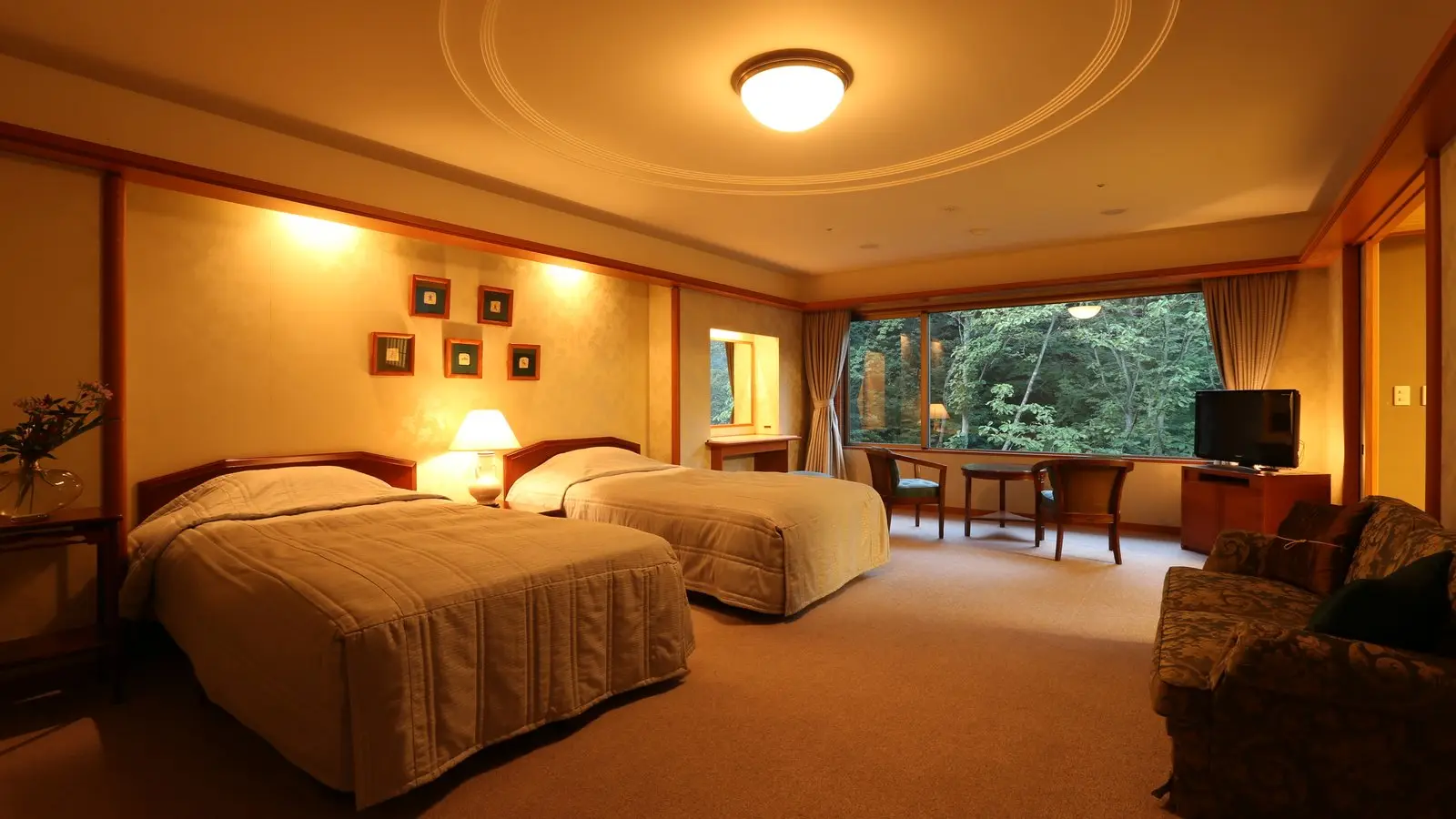
7 Budget Hotels in Tokyo Under $100 on the Yamanote Line
Even amid yen fluctuations, central Tokyo hotel rates have soared. Learn how to secure Yamanote loop line hotels at half the price of Shinjuku, compare onsen bath chains like Dormy Inn, trigger secret Agoda VIP and Booking.com Genius discounts, and dodge hidden currency fees with yen settlement.
How to Read the Tokyo Subway Map and Where to Stay on the Yamanote Line
How to choose between Keisei Skyliner and Narita Express, avoid the Tokyo Subway Ticket trap, use Apple Wallet Suica, and select the ideal hotel base in Tokyo.