
KyotoGuide
Kyoto Day 1 Itinerary: Kansai Airport to Kyoto and Your First Evening in Gion
Kansai Airport Haruka smart ticketing, Kyoto Station Crosta baggage forwarding, subway vs. packed bus hacks, and Kamogawa twilight.
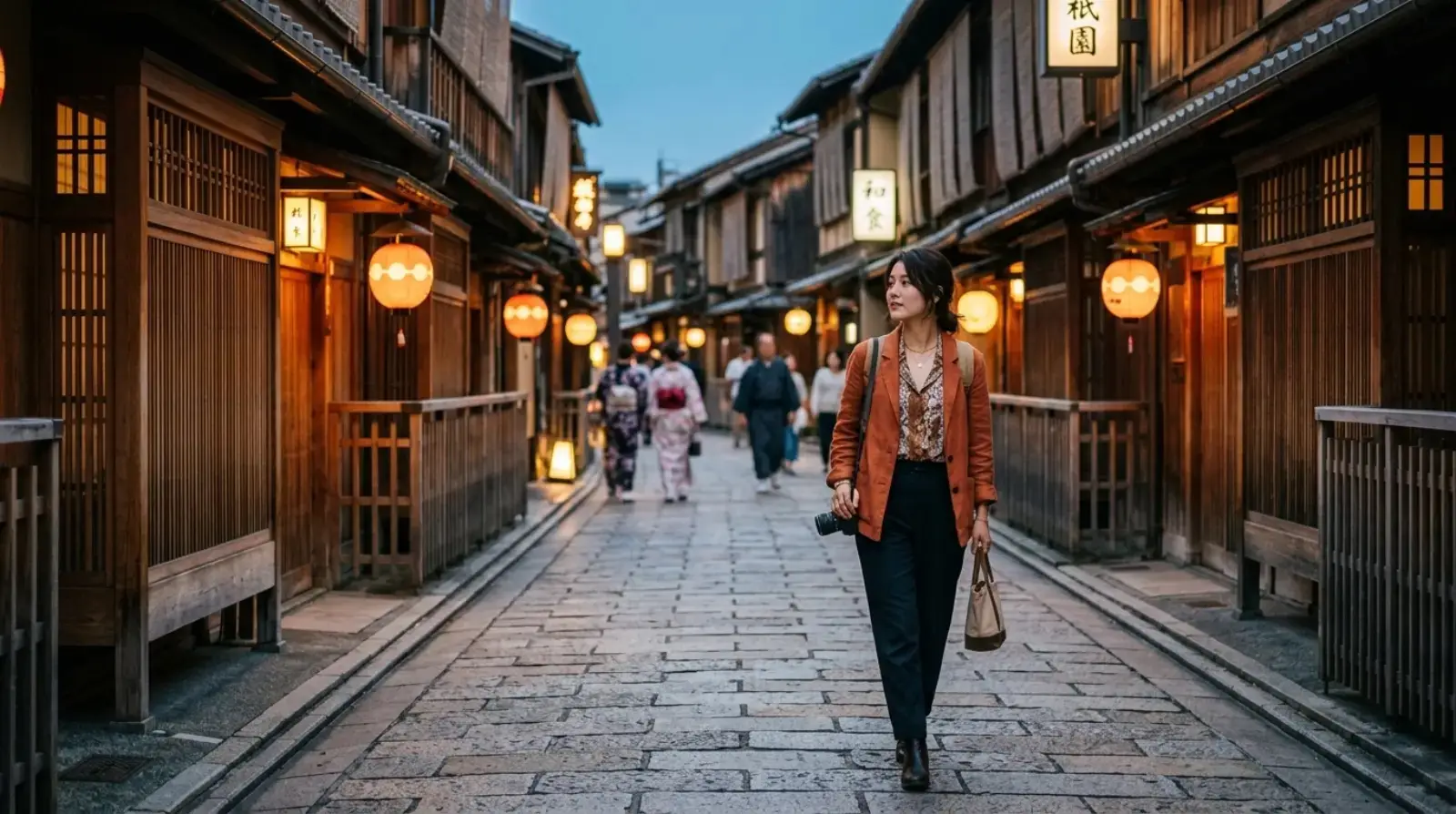
Gateway Transit: 75-Minute Haruka Express and Smart E-Ticketing
Crossing the elevated passenger skybridge from Kansai International Airport (KIX) Terminal 1 brings travelers directly to the expansive concourse of Kansai Airport Station. For voyagers bypassing Osaka to proceed directly to the imperial heartland of Kyoto, the premier conveyance is the JR Kansai Airport Limited Express 'Haruka', instantly recognizable by its crisp white livery and Hello Kitty motifs.
Sweeping swiftly through southern Osaka and Shin-Osaka to reach Kyoto Station in a mere 75 minutes, the Haruka preserves both precious vacation time and physical stamina. Because manned ticket office queues frequently exceed thirty minutes during peak arrival banks, purchasing a digital Haruka e-ticket voucher online prior to departure is an indispensable travel hack.
Proceed directly to the green automated ticketing machines equipped with passport scanners flanking the station gates. Scanning your smartphone QR voucher alongside your passport dispenses a crisp physical seat reservation ticket in under sixty seconds. Passenger vestibules in cars 4, 5, and beyond feature luggage storage space for bulky bags.
As the train accelerates out of airport reclaimed land past the shores of Osaka Bay into the tranquil Kyoto basin, recharge electronic devices via seat-arm power sockets. Gazing out as concrete flyovers transition into tiled temple roofs, these 75 tranquil minutes offer soothing restorative downtime following long-haul flights.
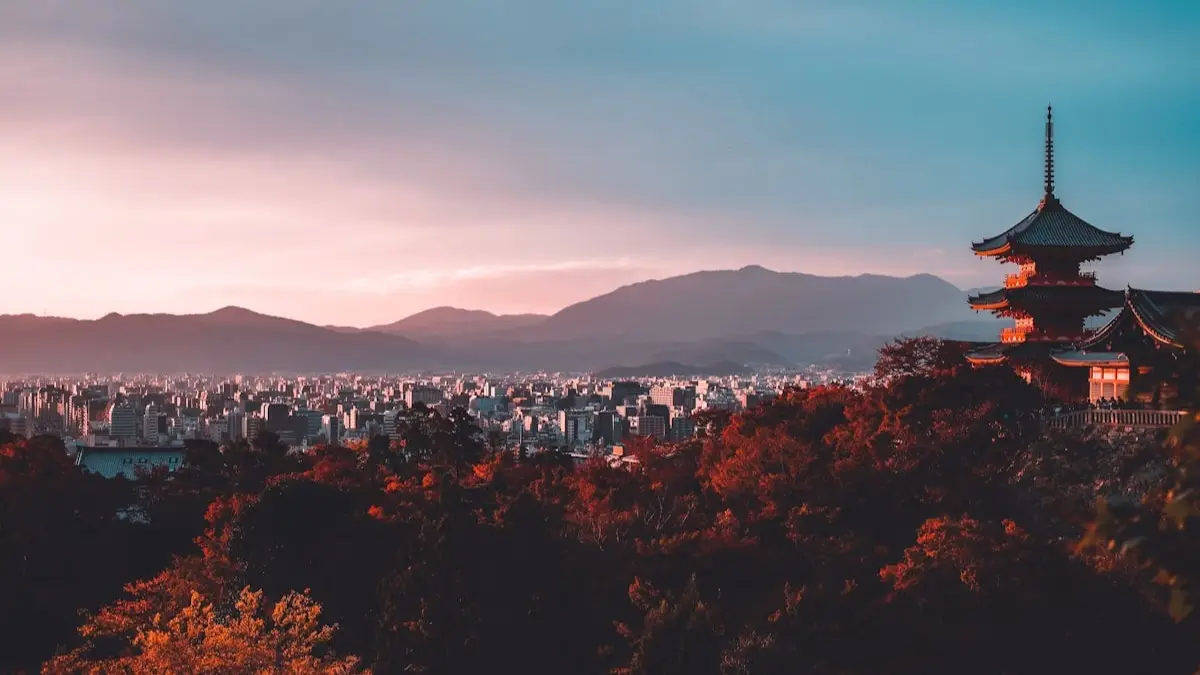
Frictionless Logistics: Kyoto Station Crosta Luggage Delivery and Subway Hacks
Stepping through Kyoto Station's central ticket barriers delivers an awe-inspiring vista: a towering sixteen-story glass and steel cathedral designed by Hiroshi Hara. However, amidst this modern architectural marvel, incoming travelers encounter an immediate bottleneck: heavy 28-inch suitcases, as thousands of station coin lockers regularly reach full capacity past midday.
Rather than dragging bags in search of elusive lockers, take escalators down to Basement Level 1 (B1F) to the 'Crosta Kyoto' luggage forwarding desk. Depositing bags before 2:00 PM (roughly 1,500 JPY per piece) ensures your suitcases are driven directly to your reserved hotel lobby by 5:00 PM. Relinquishing heavy baggage frees your hands completely for effortless exploration.
When venturing onward into downtown Kyoto, beware the city's notorious transit trap: bus over-reliance. The bus bays outside Kyoto Station resemble beehives, with tourist queues exceeding thirty minutes. Due to narrow antique street widths, taking a bus into the city center often consumes over forty minutes in stop-and-go traffic.
The veteran solution combines subways with private rail lines. Board the Kyoto Municipal Subway Karasuma Line from Kyoto Station to reach Shijo Station in just two stops (about four minutes). For Kawaramachi, transfer at the connected Hankyu Karasuma Station for one stop, or take a stroll of about ten minutes eastward; Gion lies just across the river beyond it. Registering a contactless IC card (Suica or Icoca) on your phone glides you through gates effortlessly.
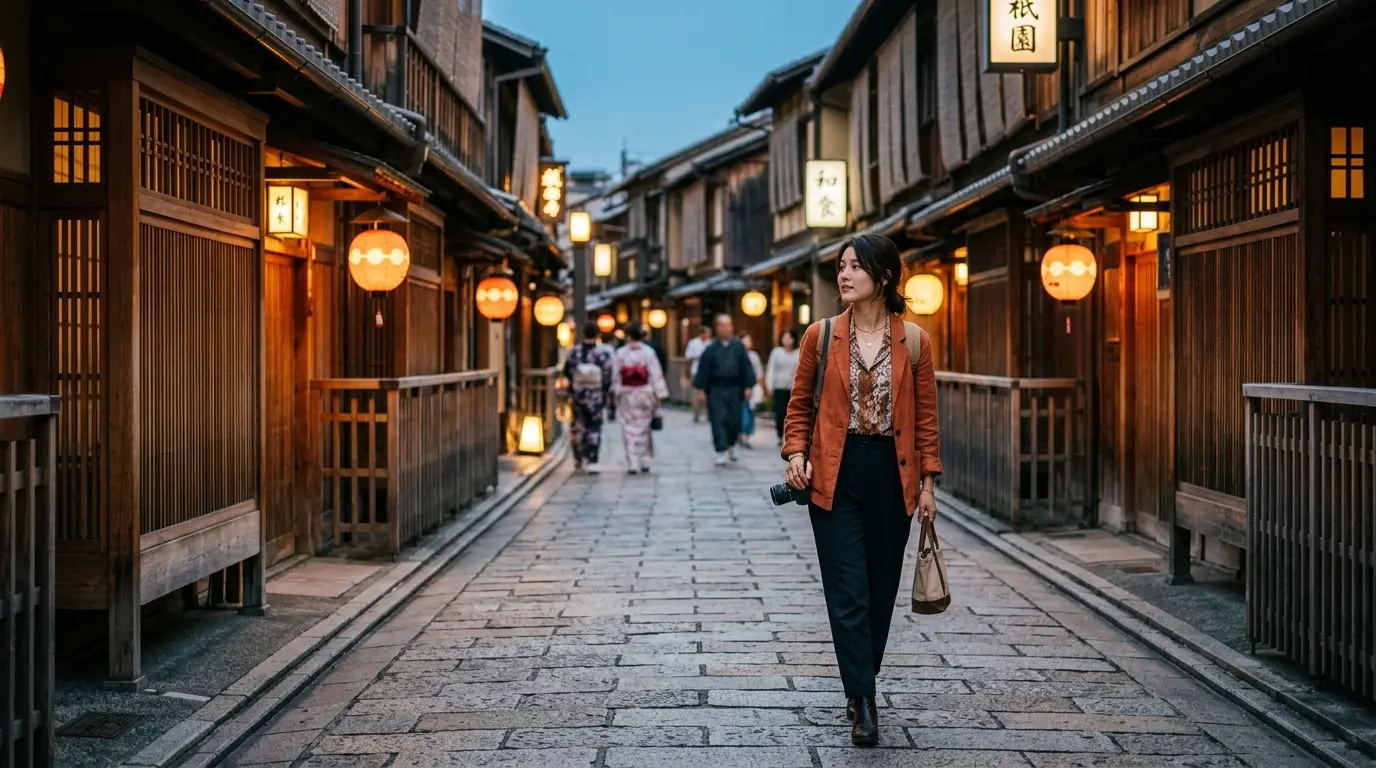
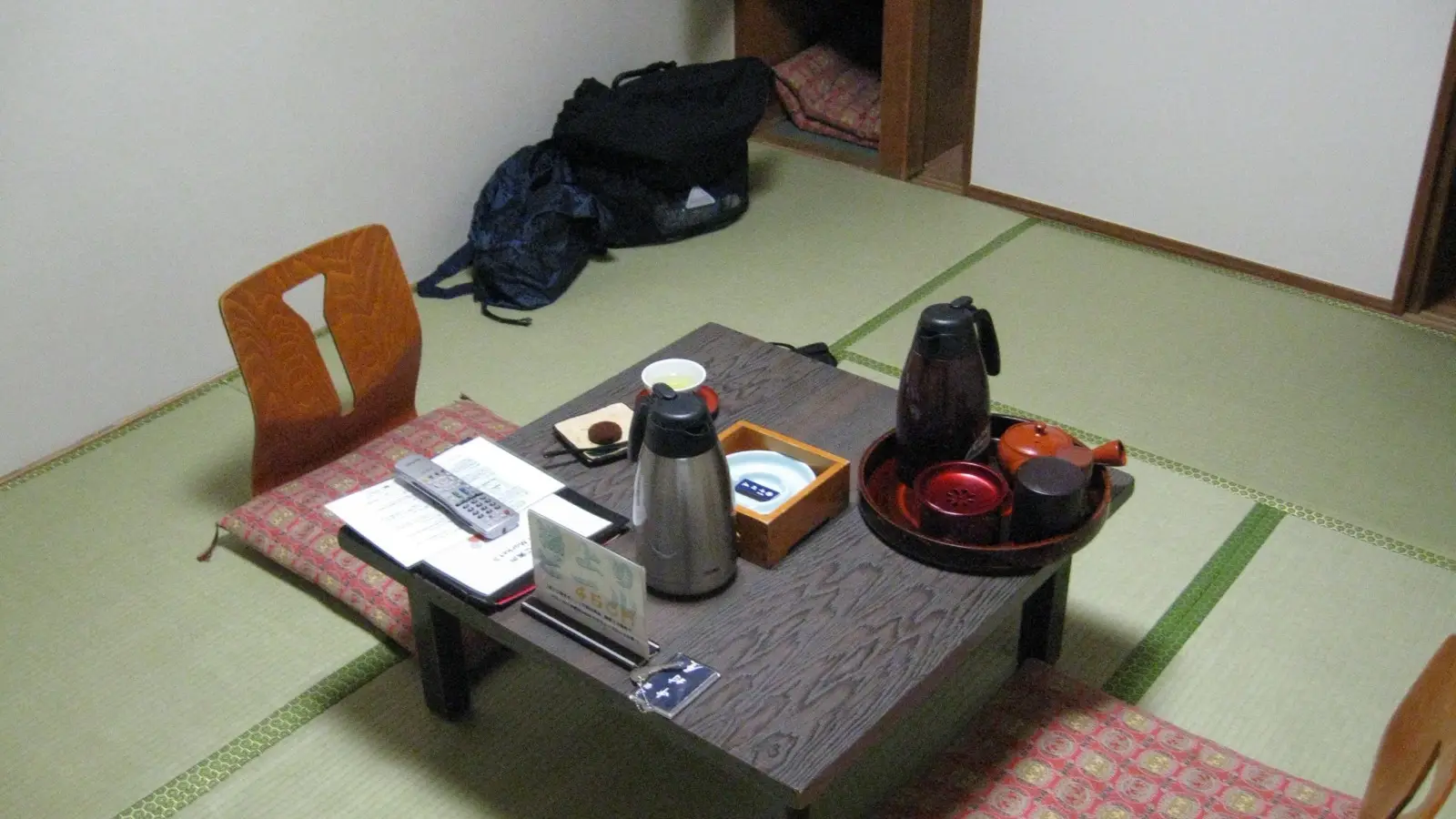
First Feast Without Regret: Kyoto Yudofu and Nishin Soba Traditions
With luggage sent ahead, wander unburdened into the lantern-lined dining quarter around Shijo-Kawaramachi and Gion. Rather than assertive fiery sauces, classical Kyoto culinary philosophy relies upon pristine water and aged kelp dashi broths to accentuate pure seasonal ingredients.
The crowning initiation into Kyoto gastronomy is 'Yudofu' (hot simmering artisanal tofu). Crafted using Kyoto's renowned mineral-soft groundwater, silken tofu cubes simmer gently in clay pots lined with sweet Ma-kombu kelp. Lifting a steaming cube with wooden tongs, dress it sparingly with grated fresh ginger, bonito flakes, and house-brewed dashi soy sauce for profound nutty silkiness.
If you crave warm noodles after transit, seek out historic soba parlors serving 'Nishin Soba' (buckwheat noodles crowned with braised Pacific herring). Invented in Kyoto over 160 years ago, a tender, sweet-savory dried herring fillet rests atop steaming soba steeped in aromatic golden broth, leaving you warmed and satisfied from the first spoonful.
Many heritage Kyoto establishments invite guests onto raised tatami matting, necessitating clean, presentable socks. Settle in as waitstaff present a steaming cup of roasted Hojicha tea and a chilled oshibori hand towel, calming your sensory rhythm.
Kyoto's vintage eateries cherish tranquility. Keep conversation hushed and avoid speakerphone calls. Absorbing the interplay of moss gardens outside sliding shoji screens while savoring delicate broth forms the essence of refined Kyoto travel.
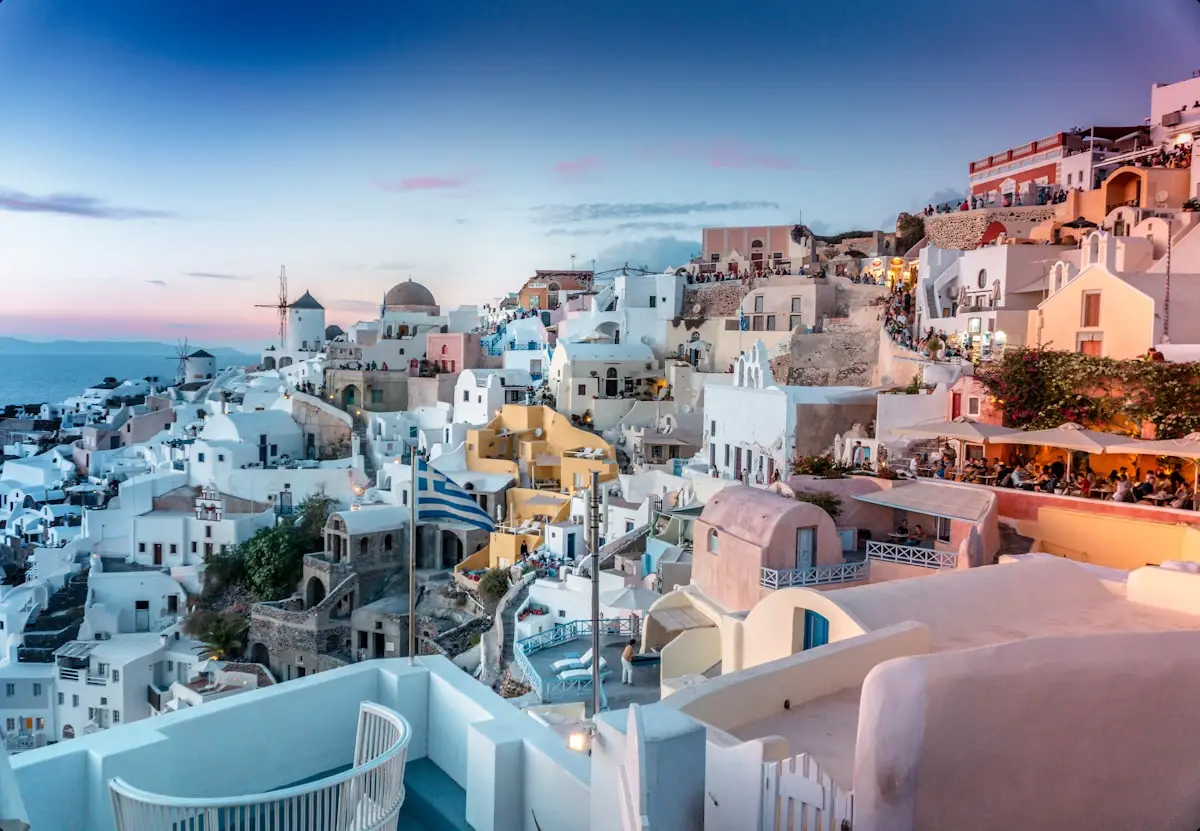
Twilight Riverside Walk: Gion Shirakawa Alleys and Kamogawa Sunset
As 5:00 PM approaches and late-day sunlight slants golden across clay-tiled roofs, make your way toward the stone-paved lanes of Gion Shirakawa. Flanked by weeping willows arching over the crystal brook and preserved timber merchant machiya houses, this quarter preserves the quintessential romantic atmosphere of old Kyoto.
As twilight settles, red lanterns hung beneath wooden eaves illuminate one by one. Pausing upon the flagstones of Tatsumi Bridge with the murmur of water beneath your feet feels remarkably like stepping backward through centuries of historical romance.
From Shirakawa, walk west two short blocks to the grassy embankments of the Kamogawa (Kamo River). Locals and travelers naturally space themselves at regular intervals along the riverbank to gaze at reflections of rose-tinted clouds. Between spring and autumn, the illuminated wooden dining platforms (Kawayuka) suspended over the canal water create a luminous cinematic tableau.
Sitting upon the riverbank grass in the cool twilight breeze provides a serene pause. Watching evening lights dance on the ripples wash away any lingering jet lag, grounding your spirit in Kyoto's timeless, meditative cadence.
Late-Night Sanctuary: Lawson Uji Matcha Confections and Neighborhood Etiquette
Strolling back toward your accommodations under starry skies, pause at a neighborhood convenience store (Lawson or 7-Eleven). Because Kyoto borders the premier green tea terroir of Uji, dessert chillers overflow with bittersweet culinary delights, including Uji matcha roll cakes, velvety matcha puddings, and sticky skewered Mitarashi dango.
Pick up a bottle of cold mineral water or a warm can of roasted hojicha. If you have reserved a traditional ryokan, tea canisters containing fragrant loose-leaf green tea and ceramic teapots await on your low table, minimizing the need for heavy beverage purchases.
When walking residential lanes after dark, soften your footsteps and speak in gentle whispers. Kyoto accommodations nestle predominantly within historic timber residential quarters that prize nocturnal quietude past 9:00 PM. Lifting rolling suitcases off cobbled lanes rather than dragging them across stone pavements demonstrates considerate respect toward sleeping neighbors.
Unfurling onto a plush cotton futon laid upon fresh tatami, inhale the comforting fragrance of natural rush grass. From your 75-minute Haruka airport journey to seamless luggage forwarding, serene yudofu dining, and lantern-lit twilight strolls, Day 1 has delivered pure magic. Sleep deeply; the morning bamboo groves of Arashiyama beckon tomorrow.
Frequently Asked Questions
Field-tested answers to transit navigation, neighborhood choices, and payment traps.
Q1.What is the fastest and most seamless way to travel from Kansai Airport (KIX) to Kyoto Station?
Q2.Can travelers forward heavy luggage directly from Kyoto Station to their hotel upon arrival?
Q3.Kyoto municipal buses are famously packed; what are the smartest public transit workarounds?
Q4.What strict photography restrictions and etiquette rules apply when walking through Gion?
The Smart Traveler's Essential Toolkit
Prepare instant mobile data, private airport transfers, and skip-the-line passes in one place.
Pick a base in Kyoto by your route
Choose the places you want to see and get the neighbourhood with the shortest travel.
Compare Kyoto Hotel Rates
Find the cheapest channel across Agoda and major booking engines with Tripdify.
Share This Guide with Your Companions
When shared via chat or social media, a curated summary card is sent along.
Recommended Guides
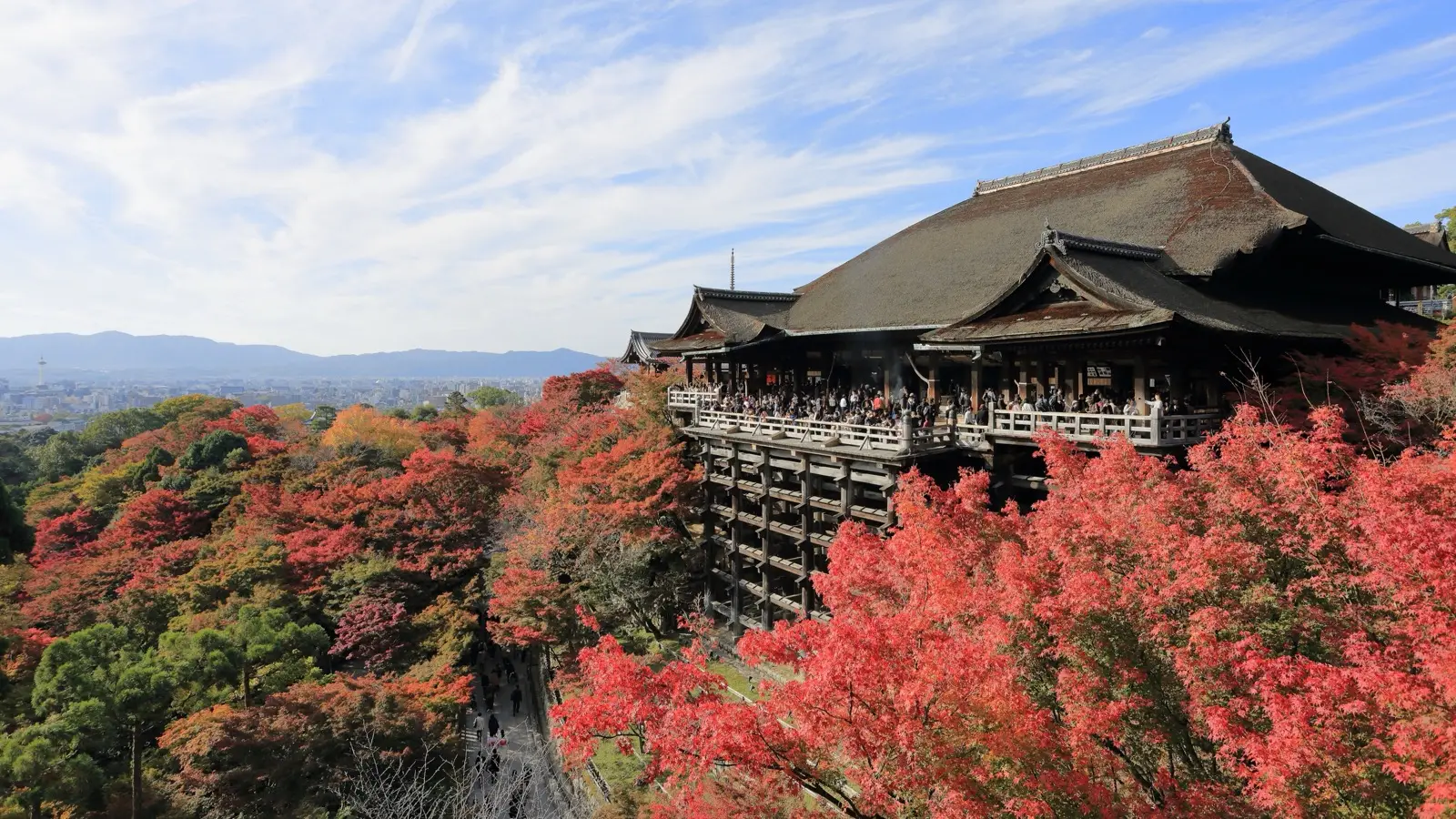
Kyoto Itinerary: Arashiyama, Gion and How to Pick a Ryokan
Kyoto compresses a millennium of Japanese aesthetic mastery. Discover how to evade bus congestion with private railways, master ryokan kaiseki booking windows, and savor early dawn stillness.
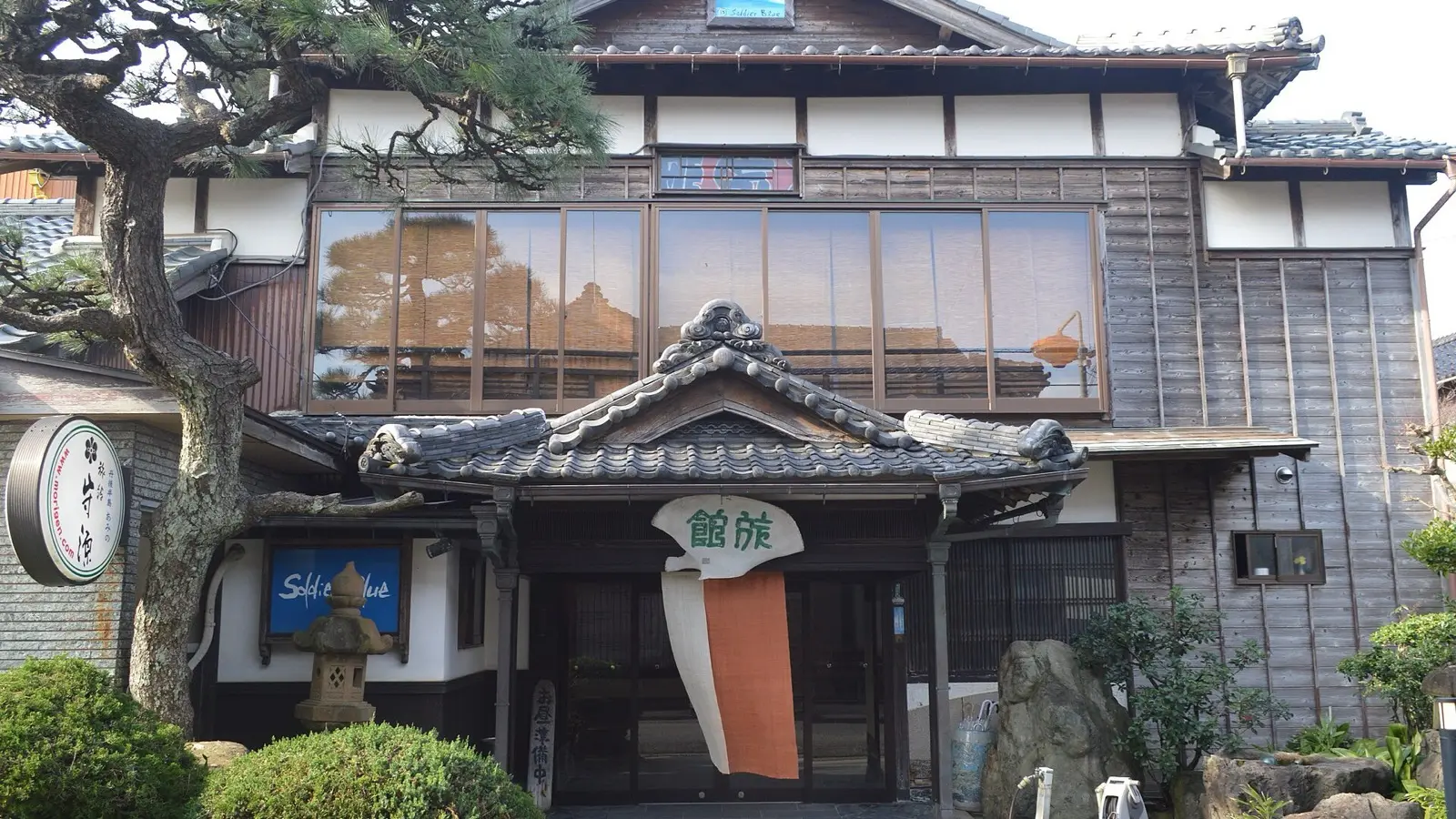
Kyoto Ryokan Prices and How to Choose: Kaiseki Terms and Machiya Stays
From hundred-year-old timber townhouses in Gion to misty Arashiyama riverside ryokan, staying in Kyoto demands cultural fluency and sharp booking discipline. An honest receipt audit covering kaiseki dinner curfews, private onsen etiquette, and avoiding dynamic pricing spikes.
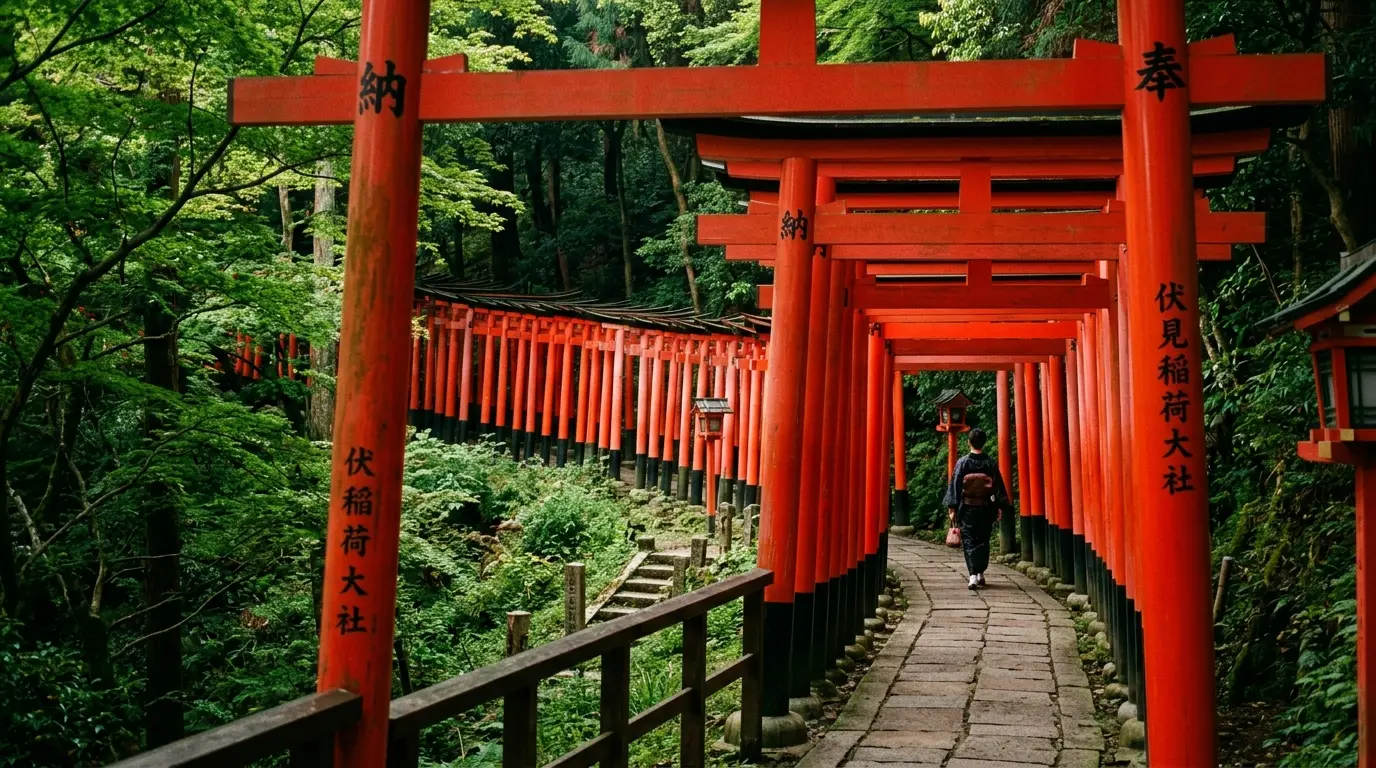
Kyoto Day 2 Itinerary: Fushimi Inari, Kiyomizu-dera, Sannenzaka and Gion
Day 2 immerses travelers into the spiritual heartbeat and preserved historic streets of Kyoto: early morning solace along thousands of vermilion torii gates at Fushimi Inari, sweeping mountain panoramas from the legendary wooden stage of Kiyomizu-dera, artisan tea shops and matcha sweets across cobblestoned Ninenzaka and Sannenzaka, followed by lantern-lit strolls in Gion Shirakawa and a refined multi-course Kaiseki dinner.
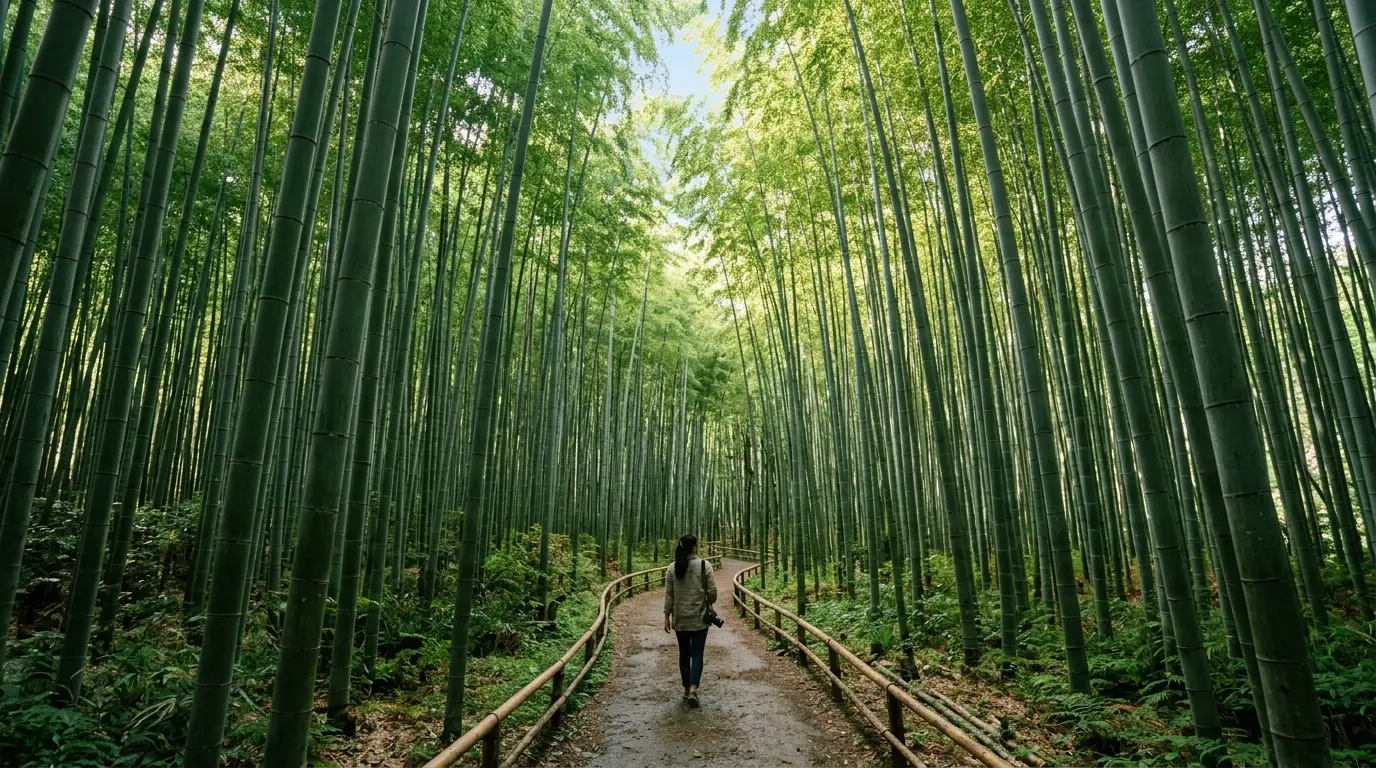
Kyoto Day 3 Itinerary: Arashiyama Bamboo Grove, Nishiki Market and the Journey Home
A sublime final chapter to your Kyoto journey: morning breezes whispering through towering emerald stalks in the Arashiyama Bamboo Grove, the UNESCO World Heritage mirror pond at Tenryu-ji, riverside specialty coffee by Togetsukyo Bridge, savory culinary treasures inside 400-year-old Nishiki Market, followed by Kyoto Station souvenir shopping and a swift 75-minute ride aboard the JR Haruka Express straight to Kansai Airport.
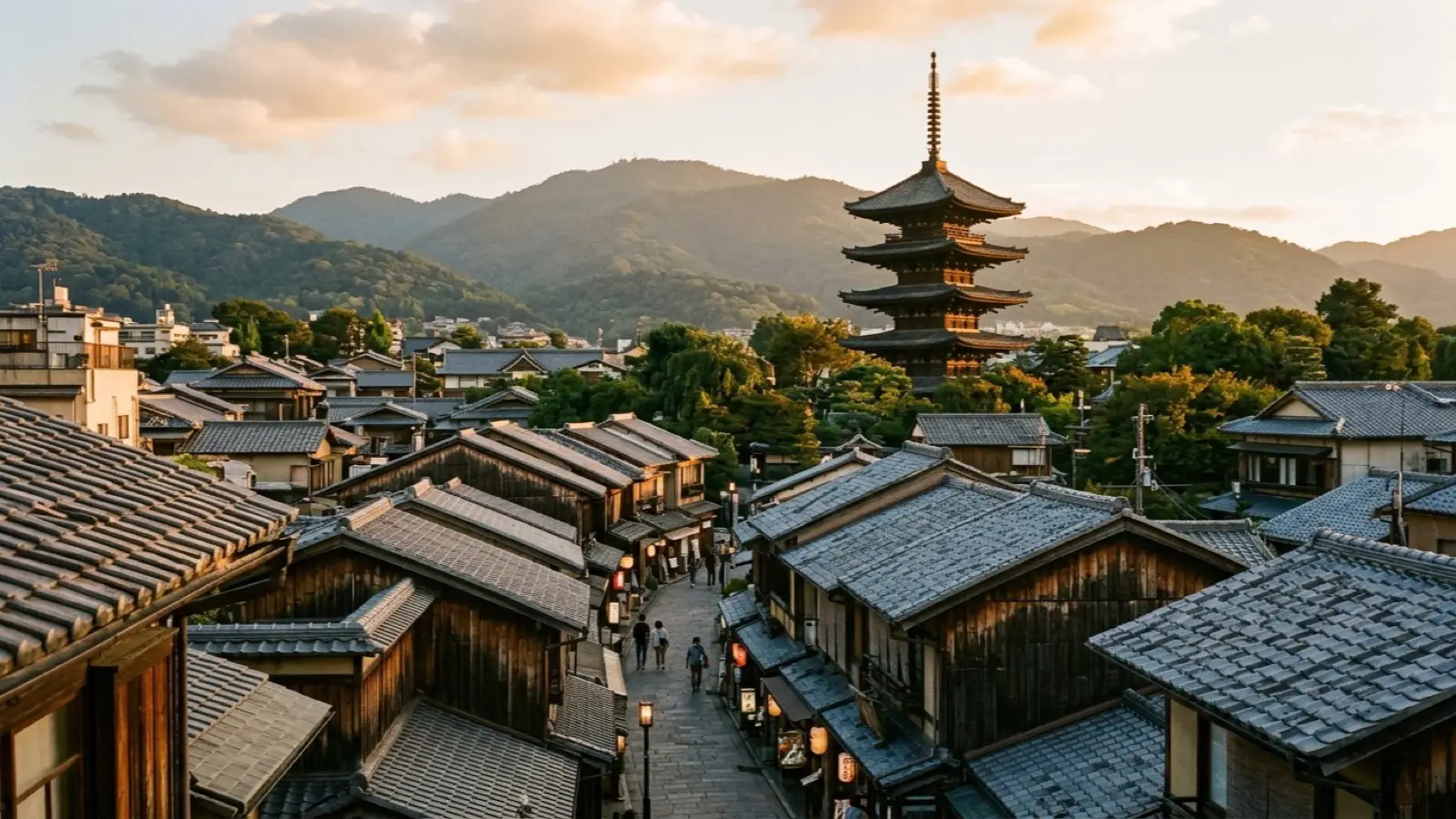
Where to Stay in Kyoto: Kyoto Station vs Gion vs Kawaramachi Compared
Your choice of base determines your entire Kyoto experience. Will you navigate crowded city buses with heavy luggage, or stroll riverside alleys lined with lantern-lit bistros? Here is a definitive breakdown of Kyoto's four premier districts.
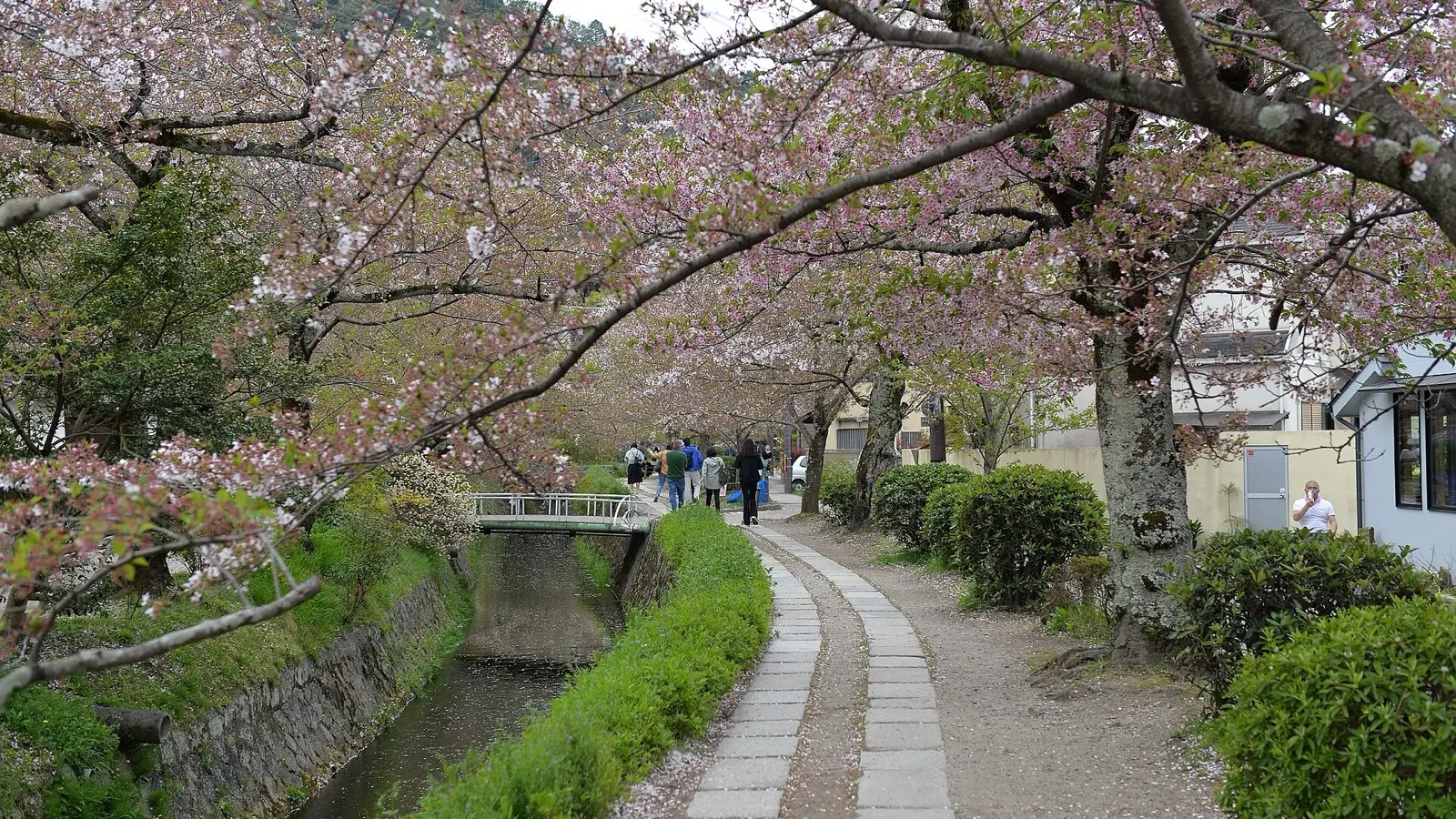
Kyoto Philosopher's Path Walk: From Ginkaku-ji to Nanzen-ji
To touch the true contemplative soul of Kyoto away from midday tour buses and crowds, one must walk the stone flagstones of the Philosopher's Path (Tetsugaku-no-Michi) under the soft mist of early dawn. Stretching two kilometers along the Lake Biwa Canal from Ginkaku-ji to Nanzen-ji, this tranquil waterway is where 20th-century philosopher Kitaro Nishida walked daily in meditative contemplation. From the murmur of mountain water and the moss-thatched timber gate of secluded Honen-in, to the weathered red-brick Romanesque arches of Suirokaku hidden within deep cedar woods, this immersive field report traces Kyoto's finest meditative journey.
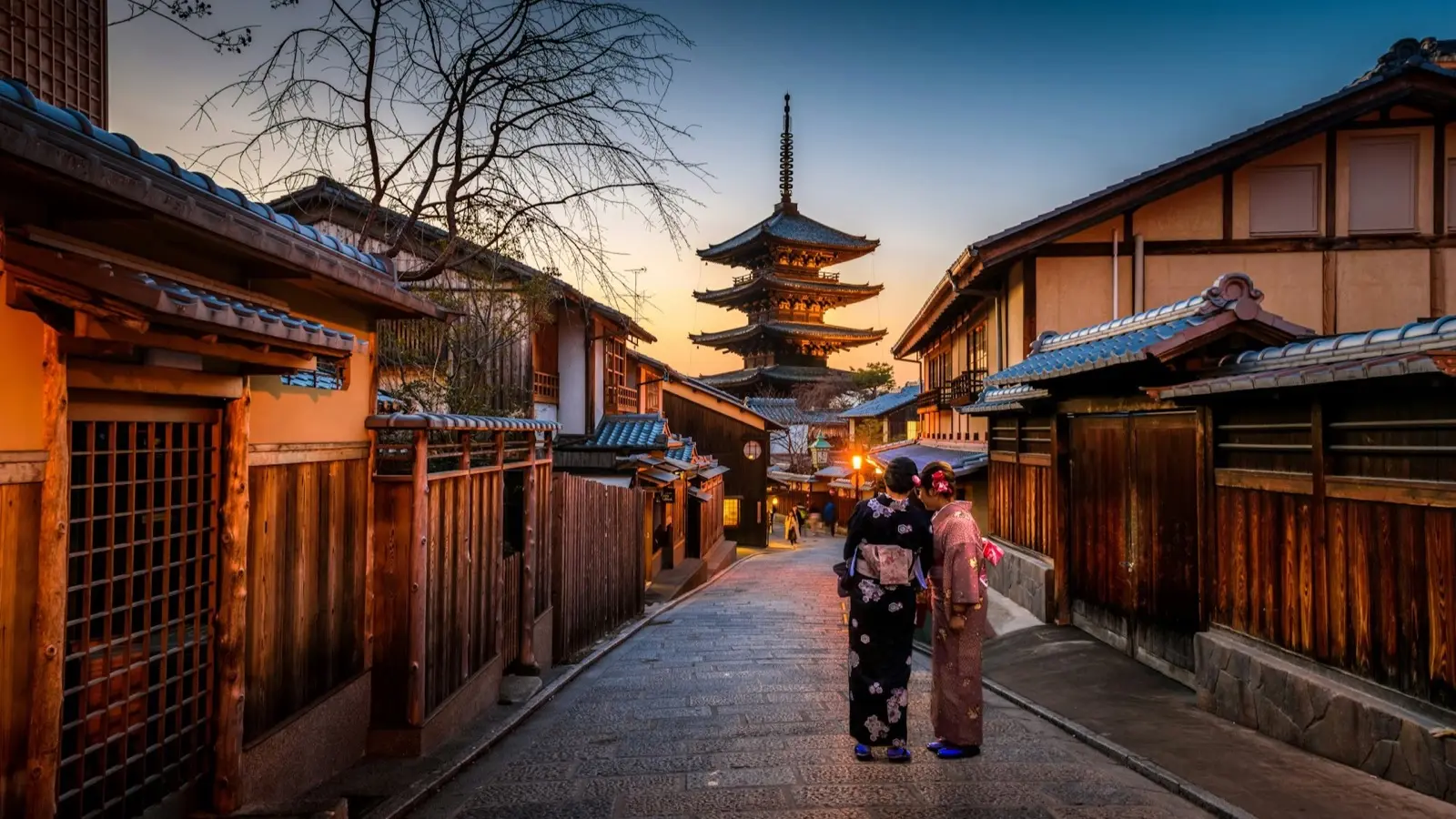
Kyoto on a Budget: Top 5 Value Hotels Under $90 and Station vs. Downtown Location Breakdown
Compared to neighboring Osaka, Kyoto hotel rates are notoriously 1.5 to 2 times higher, soaring to astronomical heights during spring cherry blossom and autumn foliage peaks. Finding clean, stylish accommodations between 50 and 90 dollars per night requires sharp logistical trade-offs. The Kyoto Station zone offers unbeatable rail access via the Kansai Airport Haruka Express, Shinkansen, and central bus terminals, while downtown Shijo Kawaramachi places you within walking distance of Gion, Nishiki Market, and evening riverside dining. From analyzing top value chains like Sotetsu Fresa Inn, Dormy Inn Premium, Sakura Terrace, and Daiwa Roynet to navigating Kyoto's 200 to 400 yen municipal lodging tax and selecting properties with restorative hot spring onsen baths, here is how to book smart in Japan's historic capital.
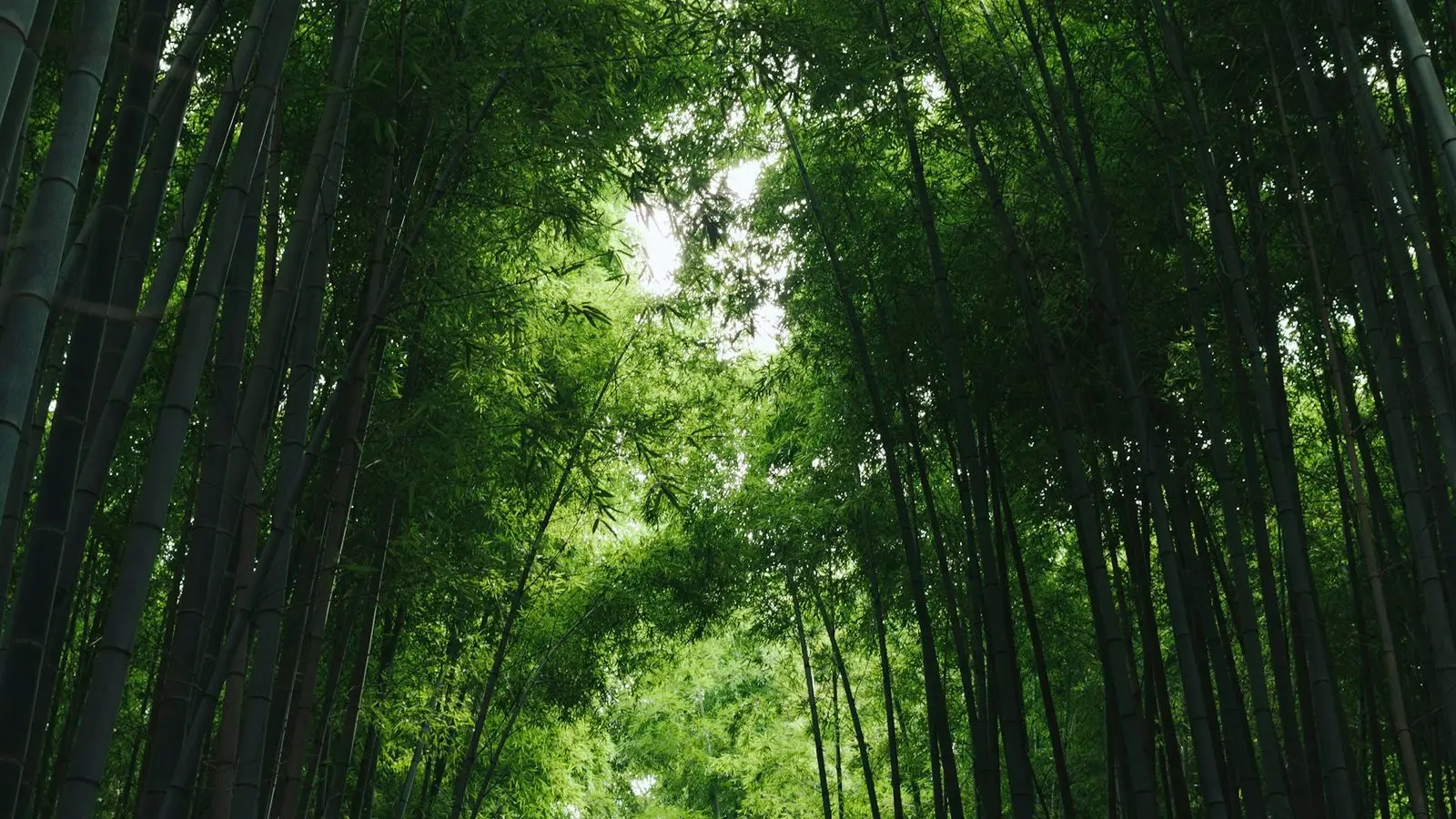
Dawn Through Sagano Bamboo Grove: Tenryu-ji Zen Gardens, Togetsukyo Mist, and Quiet Kyoto Mornings
By midday, the legendary bamboo avenues of Arashiyama in western Kyoto turn into a bustling hive of sightseers, camera flashes, and rickshaw queues. Yet at 7:00 AM, before the first tour coaches rumble into parking lots, Arashiyama reveals an ethereal, untouched beauty. Stepping into the famed Sagano Bamboo Grove (Chikurin no Michi) in the cool dawn air, visitors are enveloped by towering jade-green stalks creaking gently against the mountain breeze, an auditory symphony honored as one of Japan's preserved soundscapes. From sitting upon the polished cedar verandas of UNESCO-listed Tenryu-ji Temple gazing across misty pond gardens to crossing the historic wooden arches of Togetsukyo Bridge, this contemplative morning journey captures Kyoto at its purest. Discover the step-by-step dawn itinerary, Randen retro tramway transfers, and hidden tea pavilions that make early morning in Sagano truly magical.
Kyoto Uji Morning Matcha Journey: Byodoin Phoenix Hall, 10-Yen Coin Vistas, and Tsuen Tea's 860-Year Legacy
Escaping central Kyoto aboard the Keihan Uji shuttle whisks travelers about half an hour southward into an emerald riverside oasis steeped in the gentle perfume of roasted green tea leaves. Crossing historic Uji Bridge, first erected in 646 AD over turbulent river currents, instantly reveals why Heian-period imperial nobility chose this misty basin as their ultimate poetic country retreat. Pulling a polished 10-yen coin from your pocket to mirror the floating wooden silhouette of Byodoin Phoenix Hall across the reflecting lotus pond offers a timeless contemplation of Buddhist paradise. A short stroll upstream leads to Tsuen Tea, founded in 1160 and celebrated as Japan's oldest continuously operating tea house, where stone-ground matcha is ceremonially whisked over Tatami river views. From fragrant roasted hojicha aromas in the temple market to chilled matcha soba noodles, Uji delivers an enchanting morning itinerary.
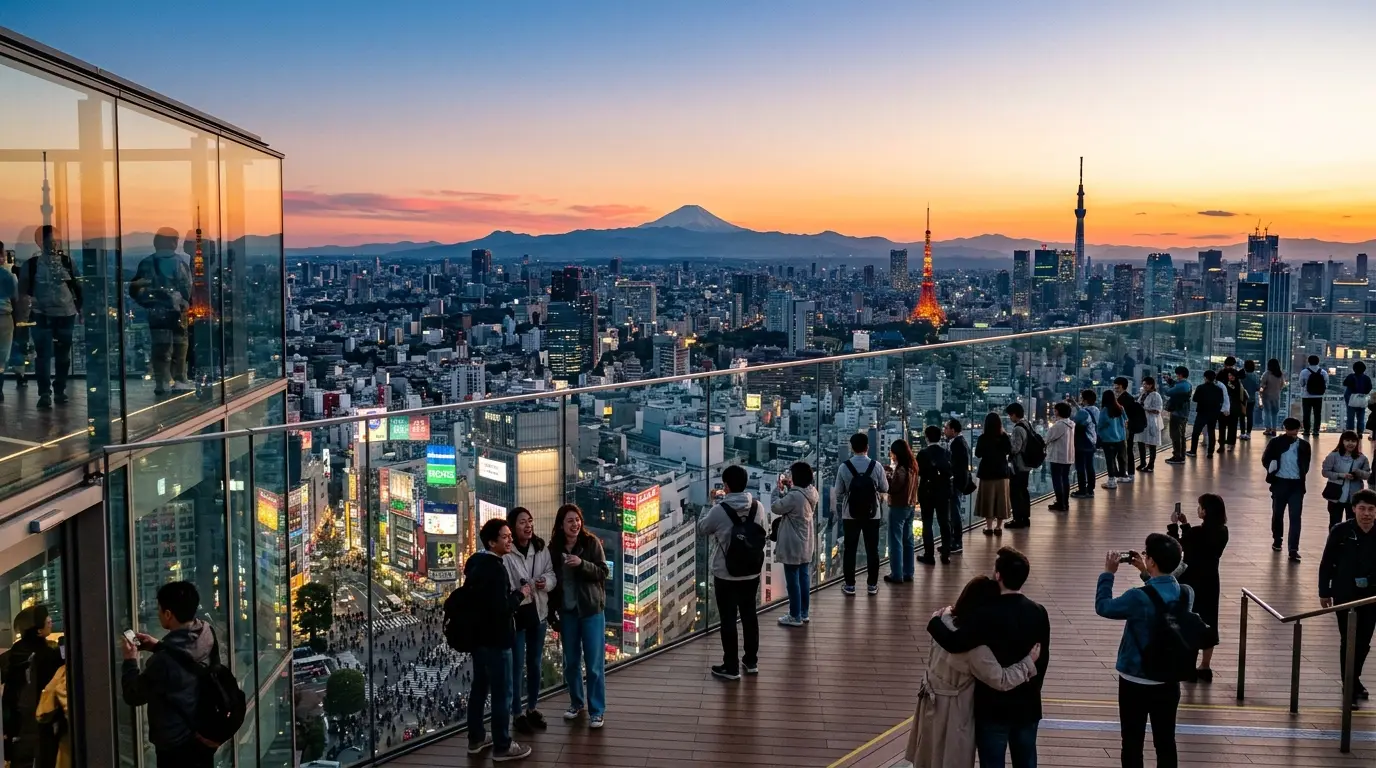
Where to Stay in Tokyo: Shinjuku vs Shibuya vs Ginza
Comparing room footprints across Shinjuku, Ginza, and Ueno, locking in sudden 14-day cancellation drops, and eliminating DCC fees with clean Yen checkout.
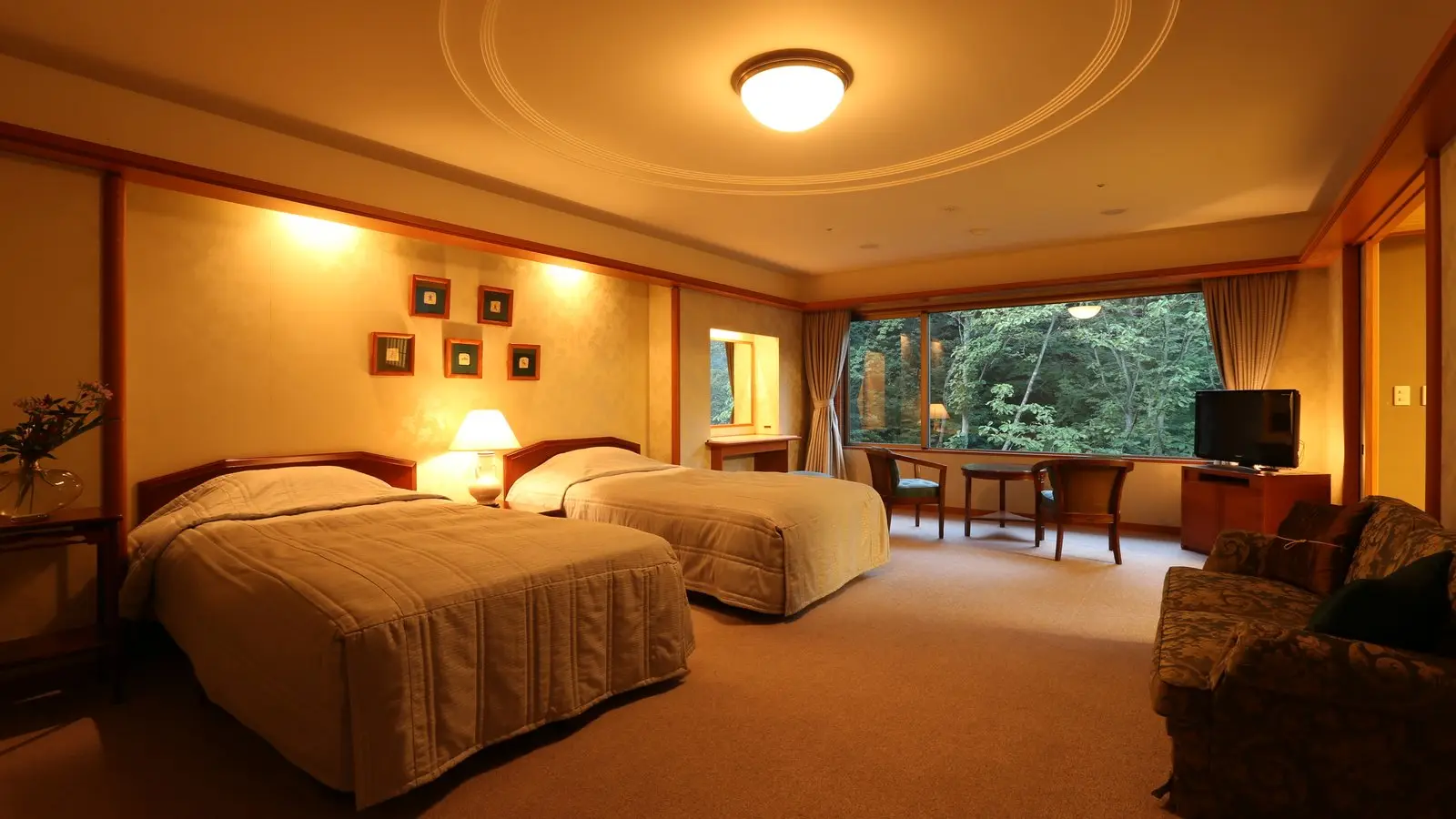
7 Budget Hotels in Tokyo Under $100 on the Yamanote Line
Even amid yen fluctuations, central Tokyo hotel rates have soared. Learn how to secure Yamanote loop line hotels at half the price of Shinjuku, compare onsen bath chains like Dormy Inn, trigger secret Agoda VIP and Booking.com Genius discounts, and dodge hidden currency fees with yen settlement.
How to Read the Tokyo Subway Map and Where to Stay on the Yamanote Line
How to choose between Keisei Skyliner and Narita Express, avoid the Tokyo Subway Ticket trap, use Apple Wallet Suica, and select the ideal hotel base in Tokyo.