
KyotoStory
Kyoto Ryokan Prices and How to Choose: Kaiseki Terms and Machiya Stays
How to audit a $600-a-night sukiya stay: dinner curfews, onsen bath taxes, and choosing between Gion alleys and Arashiyama bamboo.
The Curfew of Silence and Rush Mats: The Sacred Rhythm of the Ryokan
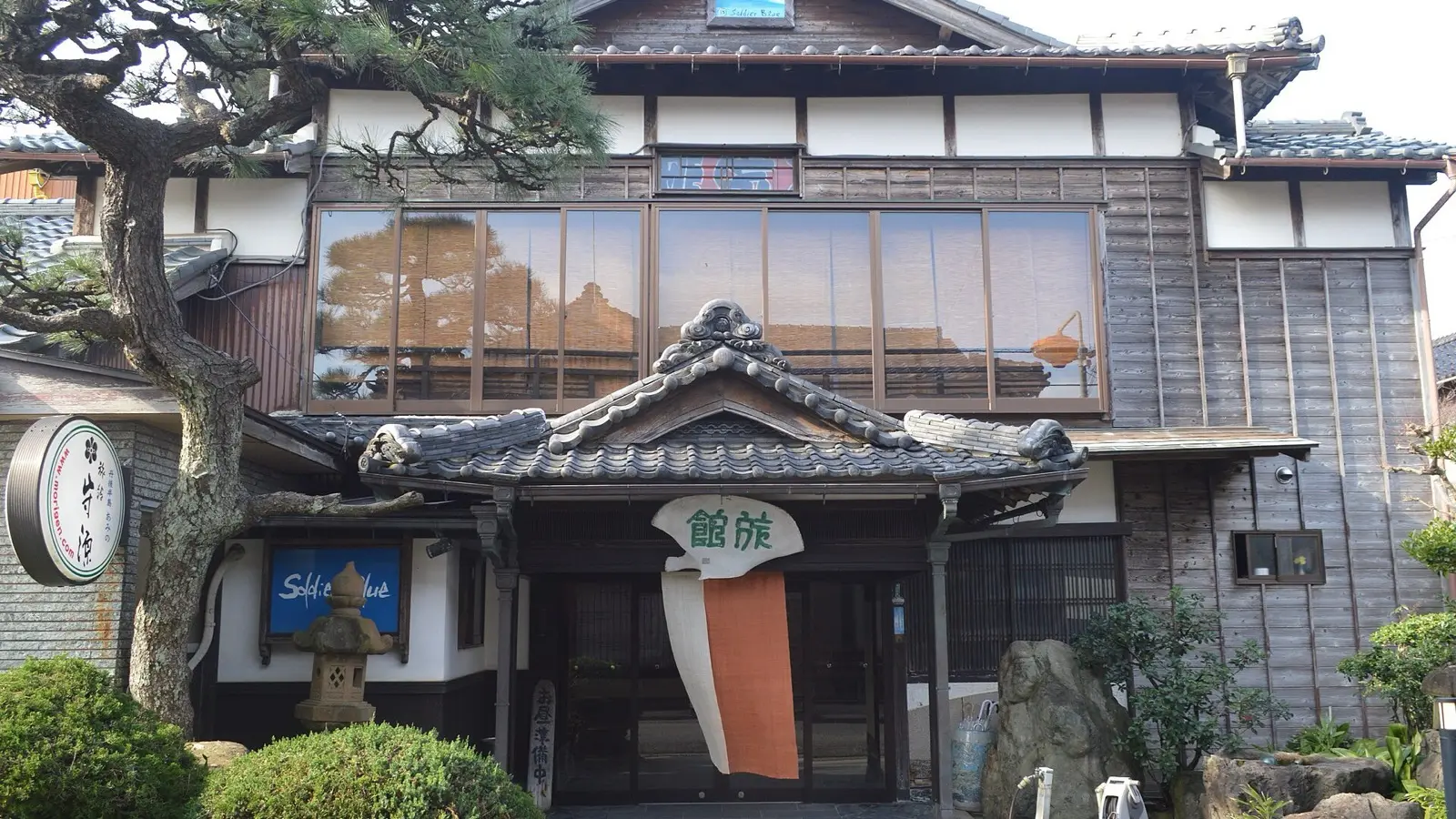
At twenty to six in the evening, as dusk settles over the stone lanes of Kyoto's Higashiyama, the faint scent of freshly swept flagstones drifts through cedar latticework. Slipping past the heavy wooden threshold of a historic ryokan, the roar of tour groups evaporates. In its place is the quiet murmur of a stone water basin and the unmistakable, grassy scent of natural tatami rush mats (igusa). While modern chain hotels sell calibrated sleep compartments, an authentic Kyoto ryokan offers something closer to living theater: a centuries-old ritual of seasonal hospitality governed by unyielding domestic traditions.
First-time visitors often encounter friction over the strict discipline of time. Most traditional inns treat six or six-thirty in the evening as a non-negotiable deadline for dinner. Linger too long over matcha lattes in Gion or shopping near Kawaramachi, and the front desk will call with polite urgency. Arrive thirty minutes late, and you risk losing courses that the kitchen spent all afternoon timing to the minute. The head chef prepares delicate charcoal grills and sashimi courses based on strict reservation clocks; late arrivals inevitably compromise the meal, making a four o'clock arrival essential.
The architectural quirks of heritage timber buildings also require patience. Properties operating out of hundred-year-old machiya townhouses or sukiya-style pavilions rarely have elevators. Hauling thirty-inch hard-shell luggage up narrow, polished wooden steps with steep twenty-degree inclines is taxing for both guests and the gracious room attendants. Furthermore, translucent paper shoji screens transmit hallway footsteps and muffled conversation. Seasoned travelers who value quiet nights pack earplugs and embrace the delicate fragility of these hand-planed cedar corridors.
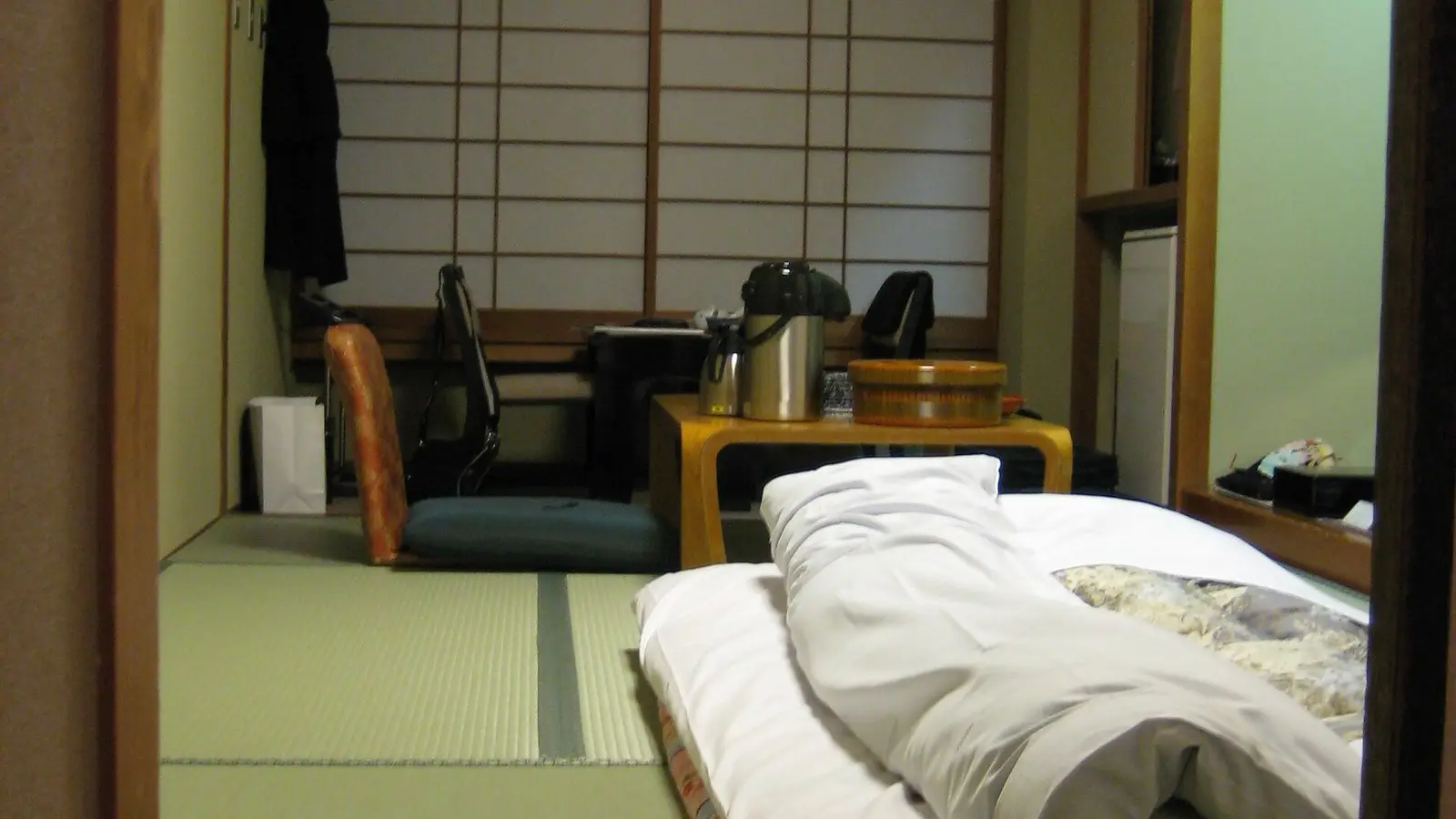
Yet travelers willingly trade the soundproof insulation of glass towers for these creaking wooden sanctums because the sensory reward is irreplaceable. The sensation of walking across gleaming timber in white socks, the seasonal calligraphy scroll hanging in the tokonoma alcove, and the tranquil view of an emerald moss courtyard when sliding panels part prove the value of the rate. A night in a Kyoto ryokan is not merely lodging; it is an active investment in deliberate deceleration.
The Economics of Half-Board vs Room-Only: Auditing the $600 Sukiya Bill
When browsing booking engines for Kyoto ryokan, the price spread between half-board (ippaku nishoku) and room-only (sudomari) can be staggering. A pair of travelers might see a room-only rate of $280 jump to $650 or $800 once kaiseki dinner and breakfast are attached. Calculating whether a $200 per-person meal is worth the premium leads many to hesitate right at the checkout screen.
A closer look at local receipts reveals that half-board often represents genuine value. Securing a table at a top-tier kaiseki kappo in Gion or Pontocho easily runs between 15,000 and 25,000 yen per diner, before adding ten percent service charges and ten percent consumption tax. When you factor in third-party concierge booking fees, taxi fares, and the anxiety of navigating language barriers on a tight schedule, having an elaborate multi-course feast served course-by-course inside your private tatami room becomes surprisingly competitive. Summer hamo pike conger, sweet grilled ayu fish, and autumn matsutake mushrooms celebrate regional farming with unmatched culinary precision.
Payment pitfalls on global OTAs require vigilant handling. Booking high-ticket ryokan stays in your home currency triggers Dynamic Currency Conversion (DCC), silently tacking on a three to five percent markup that can cost thirty to fifty dollars on a single night. Always toggle the display to Japanese Yen (JPY) and use a zero-markup travel credit card to guarantee interbank exchange rates. Additionally, Kyoto raised its accommodation tax on March 1, 2026, and it is often collected by the property separately from your booking. Per person per night, it is 200 yen under 6,000 yen, 400 yen under 20,000 yen, 1,000 yen under 50,000 yen, 4,000 yen under 100,000 yen, and 10,000 yen at 100,000 yen and above.
Room-only (sudomari) bookings come into their own during multi-night stays. Consuming dense ten-course kaiseki banquets two nights in a row exhausts the digestive system and tethers you to a rigid six o'clock curfew. Savvy travelers book half-board for their opening night to experience the inn's signature culinary art, then switch to a room-only rate on their second night, freeing their evening to explore local craft beer taprooms and casual Kamogawa riverbank izakayas.
Gion, Arashiyama, and Ohara: Matching Geography to Ryokan Ambition
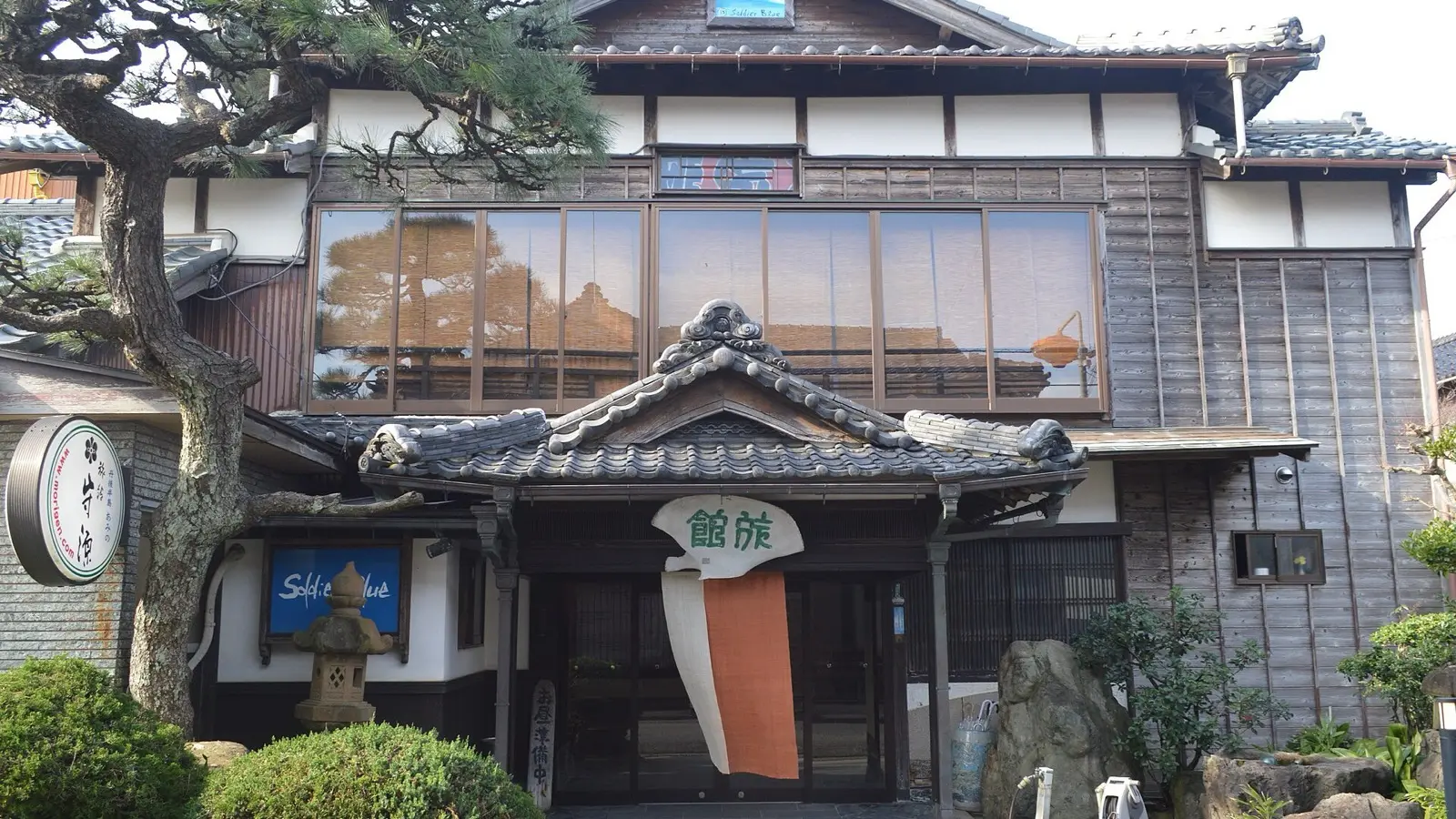
For first-time visitors, Gion and Higashiyama represent the most intuitive territory. Iconic landmarks like Kiyomizu-dera, Ninenzaka, and Yasaka Shrine sit within easy walking distance, allowing you to experience empty stone lanes at seven in the morning before tourist bus caravans arrive. Boutique machiya inns cluster along the canals here (the historic names Tawaraya and Sumiya sit across the Kamo River in the Fuyacho area), but narrow streets frequently prevent taxi drop-offs directly at the genkan door, making it wise to note the nearest boulevard crossing.
Travelers seeking secluded nature and hot spring soaking should head west to Arashiyama. Along the tranquil banks of the Oi River crossing Togetsukyo Bridge, celebrated riverside properties like Suiran, Hoshinoya, and Arashiyama Benkei provide restorative natural mineral onsen water. Soaking in an open-air cedar bath while listening to the wind through Sagano bamboo groves delivers a serenity impossible in central Kyoto. Keep in mind that Arashiyama's cafes and restaurants shut down abruptly at dusk, so stock up on evening beverages and snacks near the train station before checking in.
Those craving total isolation from urban congestion will find solace in the northeastern foothills of Ohara or the forested hot springs of Kurama. Situated about an hour by bus from Kyoto Station, Ohara hides rustic hot spring minshuku and farmhouse ryokan famous for organic local vegetable hotpots near Sanzen-in temple. At rates often half those of central Kyoto, these rural retreats appeal powerfully to repeat travelers eager for mountain air and unhurried temple walks.
Restored whole-machiya townhouses (kashikiri-machiya) offer an attractive modern alternative, particularly for families and small groups. These century-old, two-story timber shophouses have been retrofitted with underfloor heating, designer kitchens, and aromatic hinoki soaking tubs. Guests enjoy complete independence from traditional dinner curfews, shopping for wagyu beef and Kyoto seasonal greens at Nishiki Market to cook at leisure. For four adults, renting an entire townhouse often costs less than two standard ryokan rooms while providing double the living area.
The golden strategy for balancing budget and endurance is the split-stay playbook. Instead of burning your accommodation budget across an entire week at a luxury ryokan, spend your first two nights at a functional, modern hotel near Kyoto Station to knock out distant day trips to Fushimi Inari and Uji. Then, transfer your luggage to a high-end ryokan in Gion or Arashiyama for a single dedicated night of immersive luxury, remaining on the property from the three o'clock check-in bell until morning departure.
Onsen Bath Etiquette and Securing Prime Private Bath Windows
Once you have settled into your room and slipped into a cotton yukata robe, your immediate task is securing a time slot for the private rental bath (kashikiri-buro). Properties featuring panoramic open-air cypress baths generally book these slots on a first-come, first-served basis upon check-in. The most desirable windows are the golden hour twilight between five and six in the evening and the crisp morning mist at seven o'clock. Arriving just one hour late often leaves you with awkward late-night slots or post-dinner times when fatigue has already set in.
When entering communal onsen baths, unwritten cultural rules must be respected. Scrubbing thoroughly at the seated washing stalls with soap and water before stepping into the communal mineral pool is non-negotiable. The small modesty washcloth provided in your room must never touch the communal bathwater; fold it neatly atop your head or place it on a dry stone beside the pool. Tie back long hair and dry off in the designated buffer area before stepping onto the woven changing room mats to preserve the pristine environment.
Strict tattoo policies still govern many historic Kyoto bathhouses. While contemporary resort hotels increasingly accommodate guests with waterproof skin-toned patches, conservative heritage ryokan frequently bar tattoos entirely from shared facilities. Travelers with visible body art should reserve suites featuring private in-room open-air cedar tubs (rotenburo-tsuki kyaku-shitsu) or verify in advance that private rental bath sessions are readily accessible.
Returning to your tatami quarters after your soak reveals the quiet magic of the evening bed-making ritual. While you dined, the room attendants silently laid out thick cotton futon mattresses with crisp white linen and buckwheat pillows. Savoring hot hojicha roasted green tea from a bedside thermos while listening to the rhythmic drip of rainwater in the courtyard garden anchors an enduring memory of Kyoto's timeless hospitality.
A Night Across the Grain of Time: What Kyoto Leaves Behind
Midnight brings profound silence to the ryokan courtyard. The rhythmic clack of a bamboo shishi-odoshi water fountain striking stone and the warm amber shadows cast by paper andon lamps evoke the medieval tranquility of ancient Kyoto. Disconnecting from electronic notifications, wrapping your yukata robe tight, and resting on the wooden veranda (engawa) in the cool night air allows the mental clutter of modern travel to dissolve into stillness.
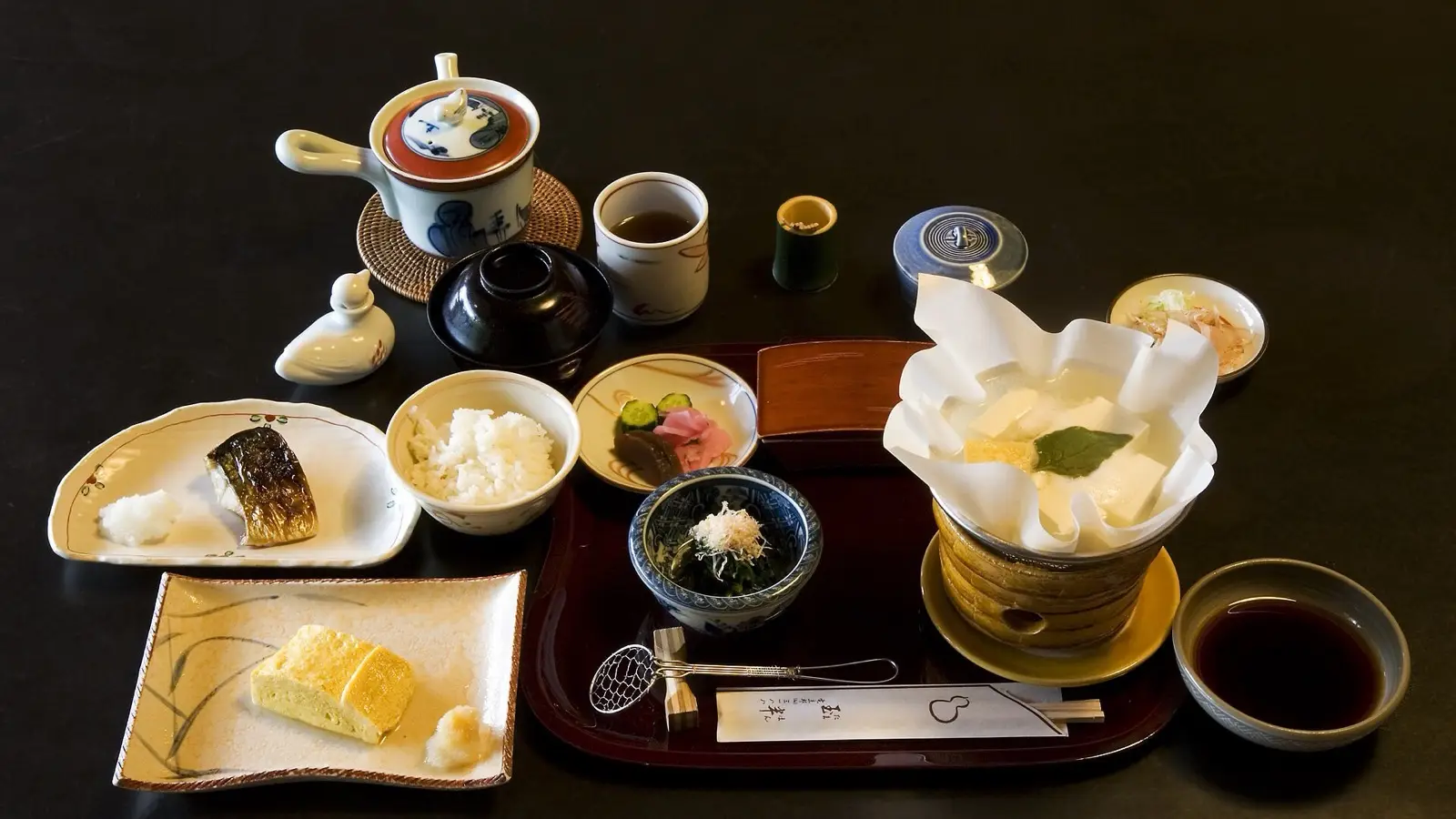
Morning breakfast at eight o'clock arrives as a masterpiece of understated culinary harmony. Silken handmade Kyoto tofu (yudofu) simmered in delicate kelp dashi, lightly salted grilled salmon, sweet rolled dashi-maki omelets, and crunchy pickled vegetables awaken the body gently after an early morning onsen soak. Stripped of culinary theatricality, this nourishing meal celebrates the honest flavors of water, soybean, and sea salt.
At checkout, the staff gathers at the stone entryway to return your shoes and offer deep, respectful bows. As you walk down the flagstone lane, they remain at the doorway, waving until you round the corner and vanish from view. That parting ritual confirms that you were hosted not merely as a commercial room occupant, but as an honored guest invited into the living heart of Japanese domestic culture.
Timing is everything when securing a Kyoto ryokan reservation. Peak cherry blossom weeks in late March and vibrant maple foliage in late November sell out four to six months in advance at eye-watering rate spikes. To enjoy world-class ryokan hospitality without frantic crowds, target the fresh green foliage of late May or the quiet, atmospheric snowfall of late January. In those quiet seasons, the real soul of Kyoto reveals itself with generous grace.
Frequently Asked Questions
Field-tested answers to transit navigation, neighborhood choices, and payment traps.
Q1.How much is the Kyoto accommodation tax?
Q2.Is half-board worth it at a Kyoto ryokan?
Q3.What time is dinner at a Kyoto ryokan?
Q4.Can I use a ryokan onsen with tattoos?
The Smart Traveler's Essential Toolkit
Prepare instant mobile data, private airport transfers, and skip-the-line passes in one place.
Pick a base in Kyoto by your route
Choose the places you want to see and get the neighbourhood with the shortest travel.
Compare Kyoto Hotel Rates
Find the cheapest channel across Agoda and major booking engines with Tripdify.
Share This Guide with Your Companions
When shared via chat or social media, a curated summary card is sent along.
Recommended Guides
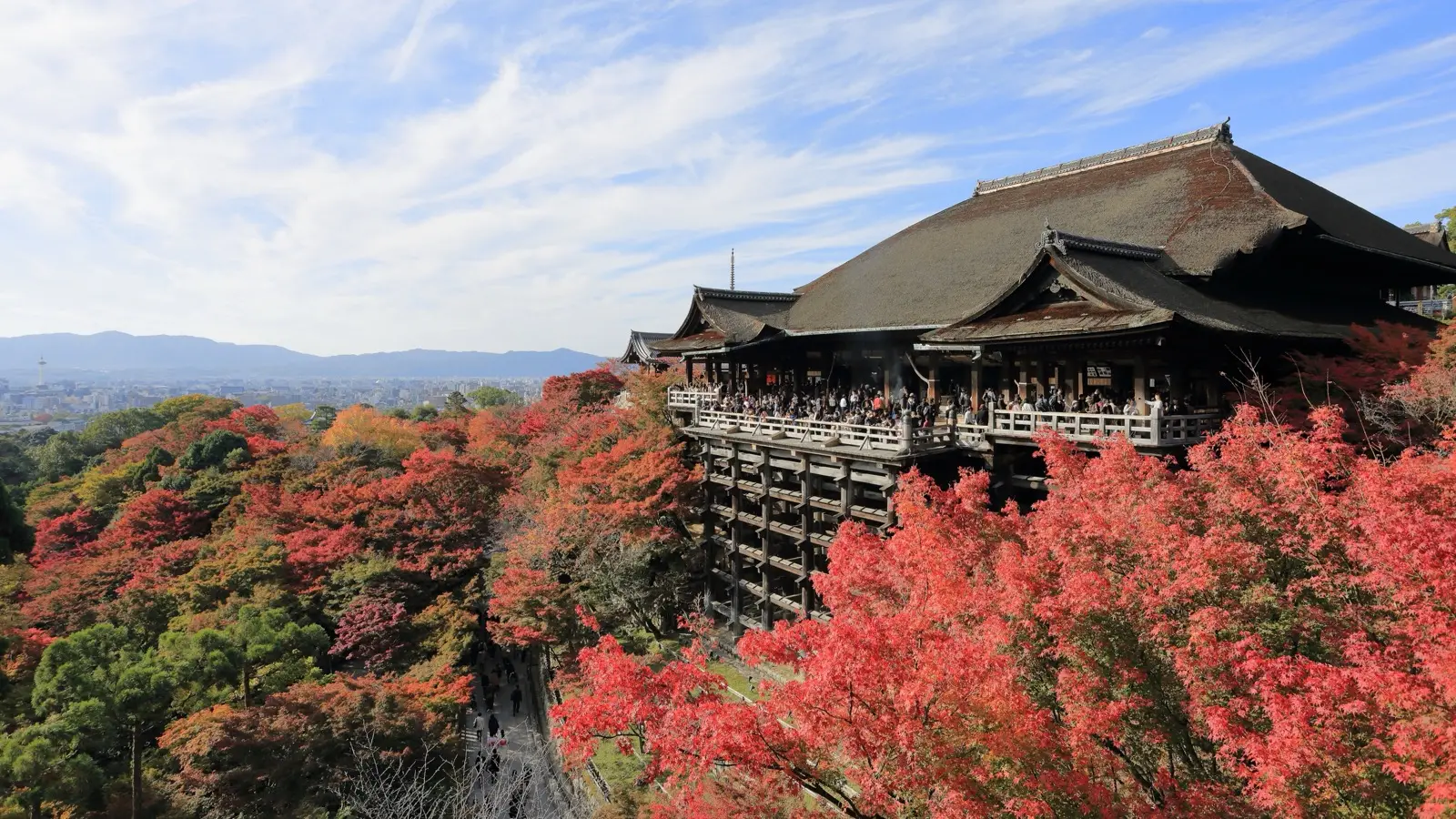
Kyoto Itinerary: Arashiyama, Gion and How to Pick a Ryokan
Kyoto compresses a millennium of Japanese aesthetic mastery. Discover how to evade bus congestion with private railways, master ryokan kaiseki booking windows, and savor early dawn stillness.
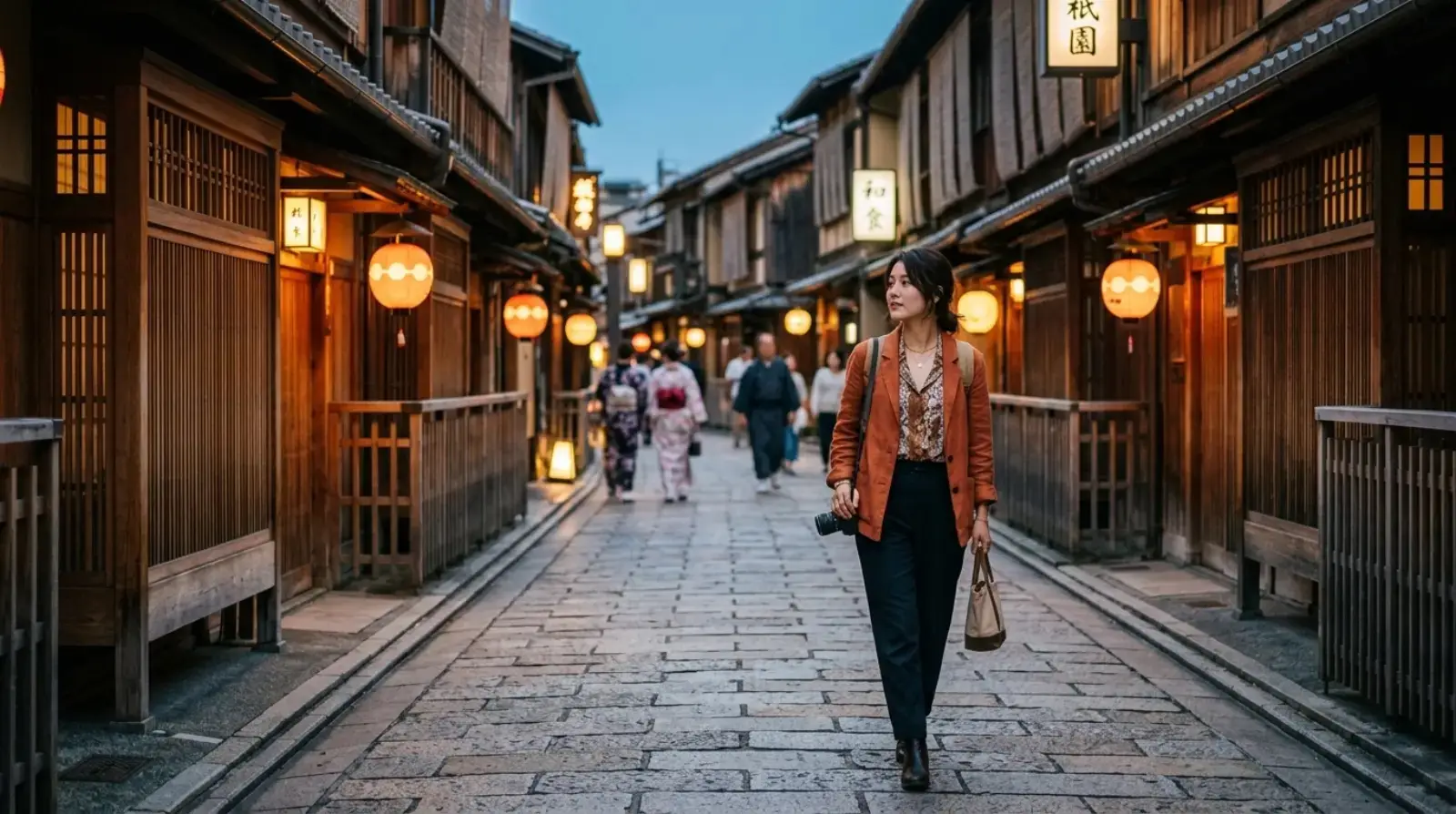
Kyoto Day 1 Itinerary: Kansai Airport to Kyoto and Your First Evening in Gion
Boarding the 75-minute Haruka Express from Kansai Airport, forwarding heavy bags straight to your hotel via Crosta at Kyoto Station, avoiding gridlocked buses using the subway, and an evening stroll through Gion to the Kamogawa. A field guide to your first 24 hours.
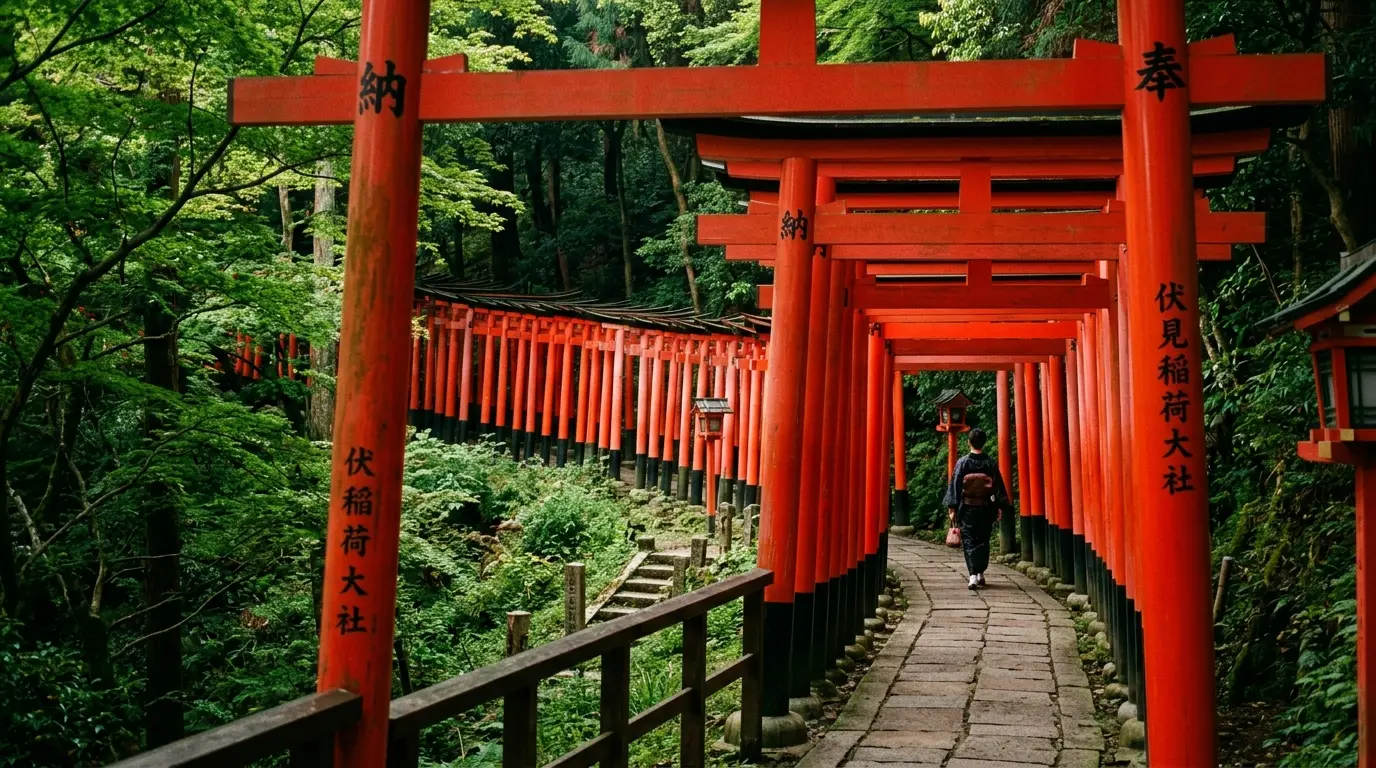
Kyoto Day 2 Itinerary: Fushimi Inari, Kiyomizu-dera, Sannenzaka and Gion
Day 2 immerses travelers into the spiritual heartbeat and preserved historic streets of Kyoto: early morning solace along thousands of vermilion torii gates at Fushimi Inari, sweeping mountain panoramas from the legendary wooden stage of Kiyomizu-dera, artisan tea shops and matcha sweets across cobblestoned Ninenzaka and Sannenzaka, followed by lantern-lit strolls in Gion Shirakawa and a refined multi-course Kaiseki dinner.
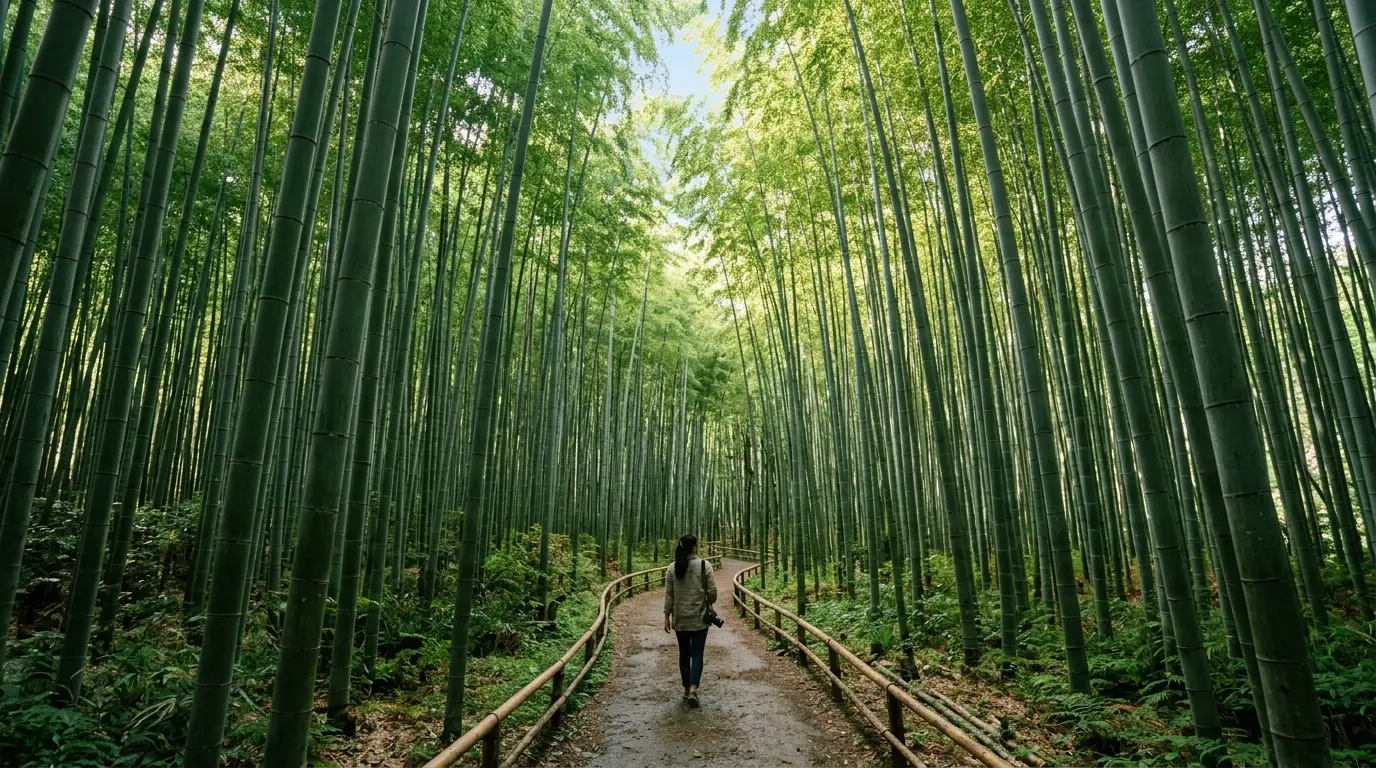
Kyoto Day 3 Itinerary: Arashiyama Bamboo Grove, Nishiki Market and the Journey Home
A sublime final chapter to your Kyoto journey: morning breezes whispering through towering emerald stalks in the Arashiyama Bamboo Grove, the UNESCO World Heritage mirror pond at Tenryu-ji, riverside specialty coffee by Togetsukyo Bridge, savory culinary treasures inside 400-year-old Nishiki Market, followed by Kyoto Station souvenir shopping and a swift 75-minute ride aboard the JR Haruka Express straight to Kansai Airport.
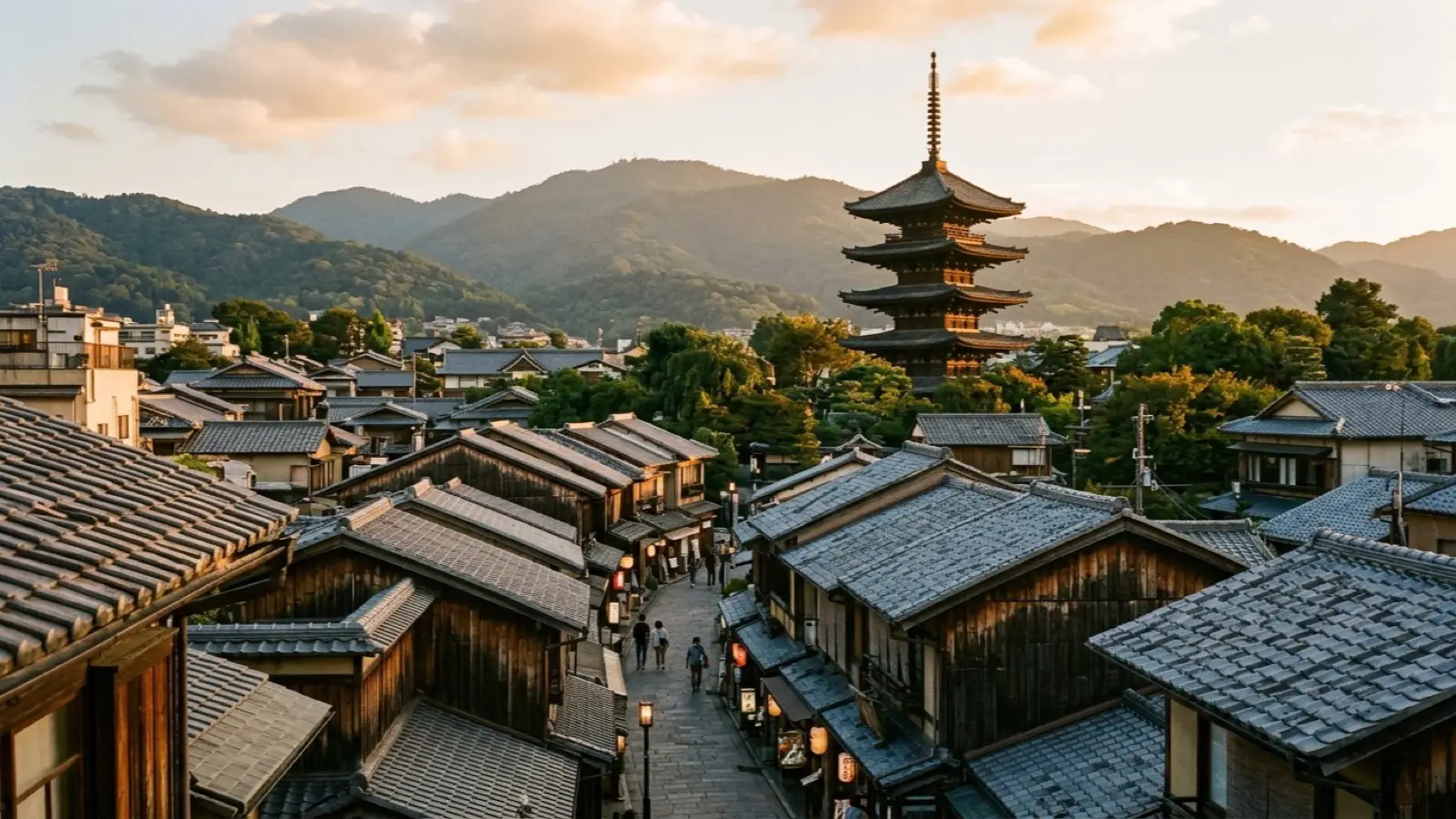
Where to Stay in Kyoto: Kyoto Station vs Gion vs Kawaramachi Compared
Your choice of base determines your entire Kyoto experience. Will you navigate crowded city buses with heavy luggage, or stroll riverside alleys lined with lantern-lit bistros? Here is a definitive breakdown of Kyoto's four premier districts.
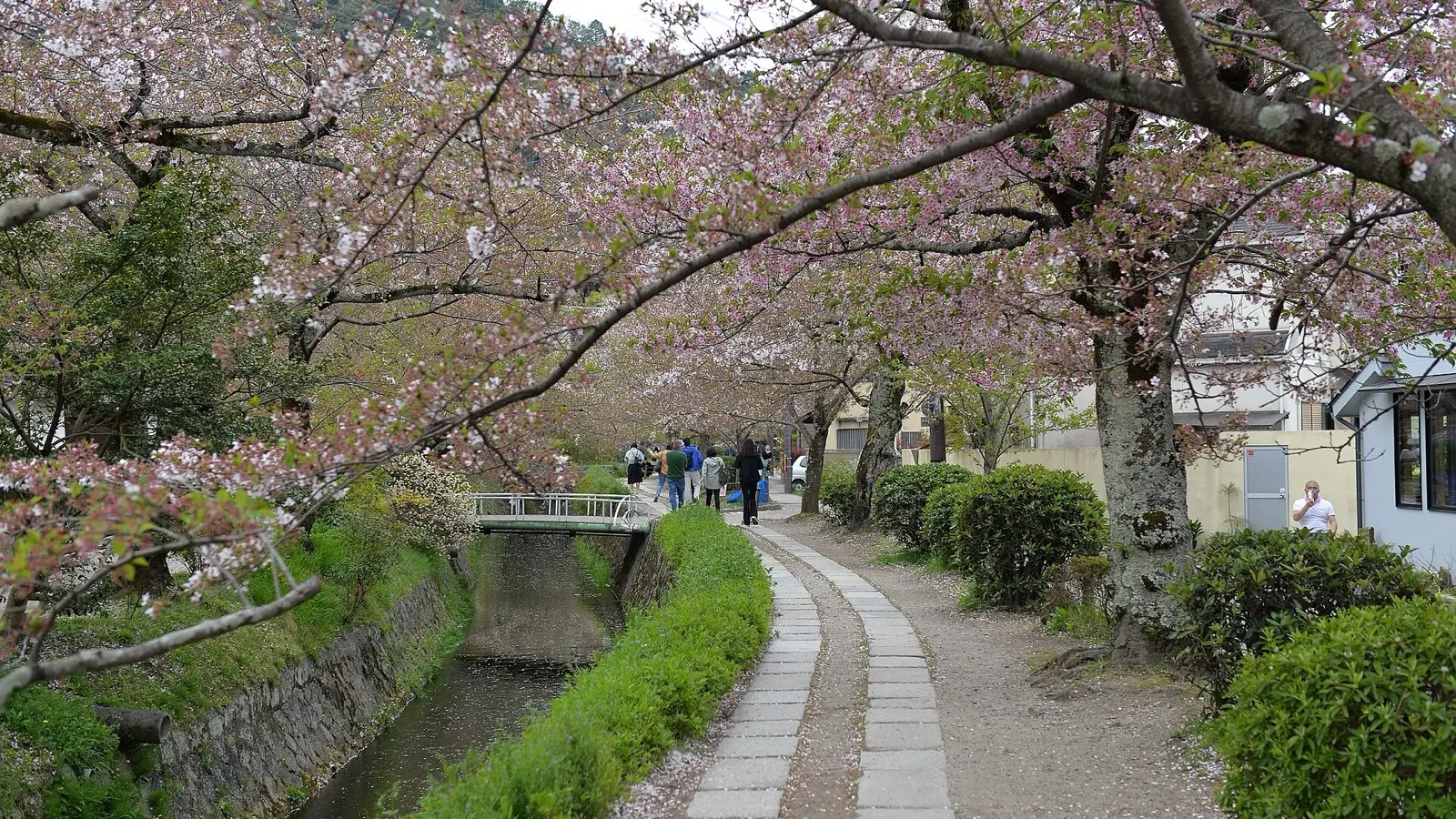
Kyoto Philosopher's Path Walk: From Ginkaku-ji to Nanzen-ji
To touch the true contemplative soul of Kyoto away from midday tour buses and crowds, one must walk the stone flagstones of the Philosopher's Path (Tetsugaku-no-Michi) under the soft mist of early dawn. Stretching two kilometers along the Lake Biwa Canal from Ginkaku-ji to Nanzen-ji, this tranquil waterway is where 20th-century philosopher Kitaro Nishida walked daily in meditative contemplation. From the murmur of mountain water and the moss-thatched timber gate of secluded Honen-in, to the weathered red-brick Romanesque arches of Suirokaku hidden within deep cedar woods, this immersive field report traces Kyoto's finest meditative journey.
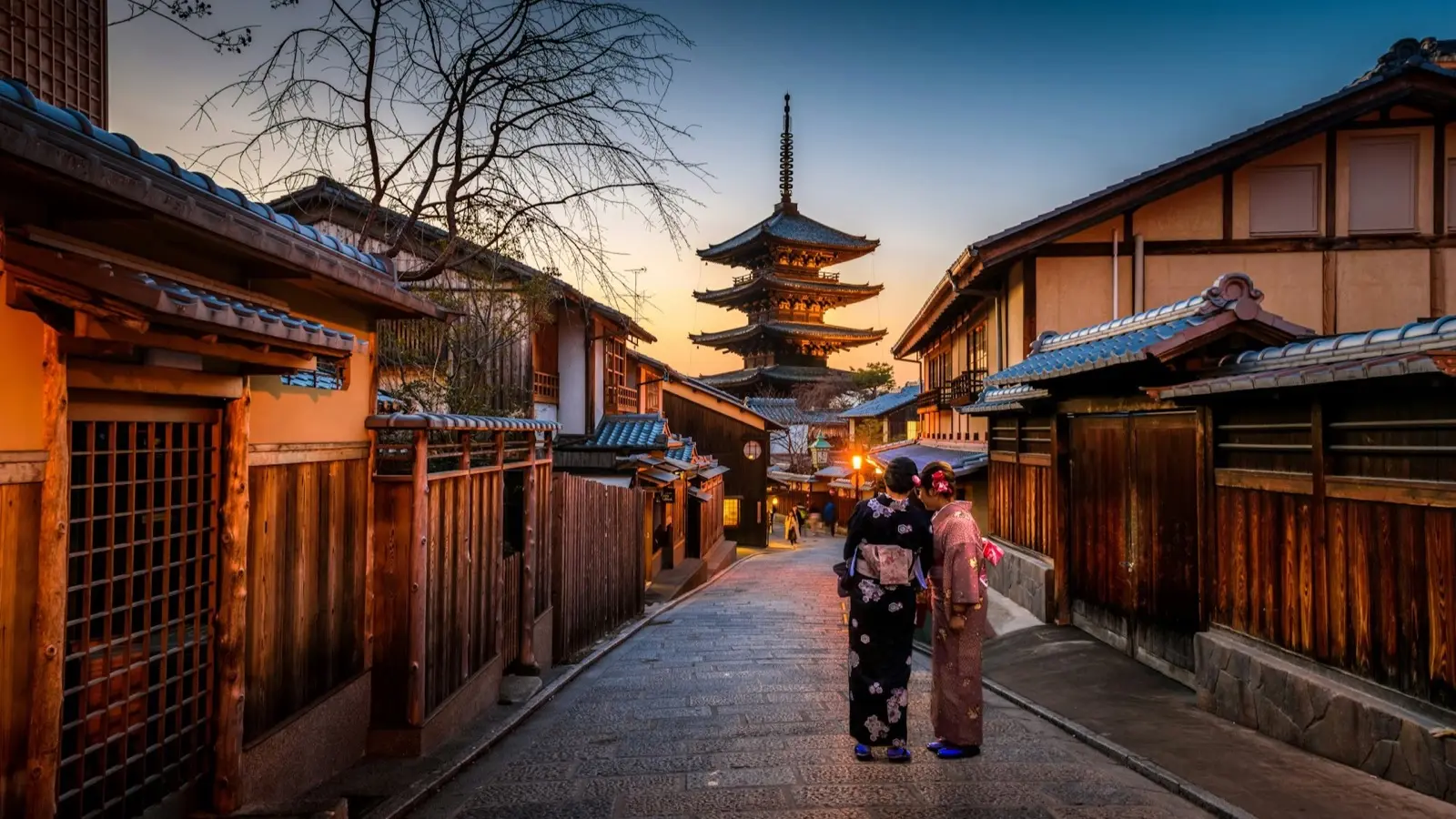
Kyoto on a Budget: Top 5 Value Hotels Under $90 and Station vs. Downtown Location Breakdown
Compared to neighboring Osaka, Kyoto hotel rates are notoriously 1.5 to 2 times higher, soaring to astronomical heights during spring cherry blossom and autumn foliage peaks. Finding clean, stylish accommodations between 50 and 90 dollars per night requires sharp logistical trade-offs. The Kyoto Station zone offers unbeatable rail access via the Kansai Airport Haruka Express, Shinkansen, and central bus terminals, while downtown Shijo Kawaramachi places you within walking distance of Gion, Nishiki Market, and evening riverside dining. From analyzing top value chains like Sotetsu Fresa Inn, Dormy Inn Premium, Sakura Terrace, and Daiwa Roynet to navigating Kyoto's 200 to 400 yen municipal lodging tax and selecting properties with restorative hot spring onsen baths, here is how to book smart in Japan's historic capital.
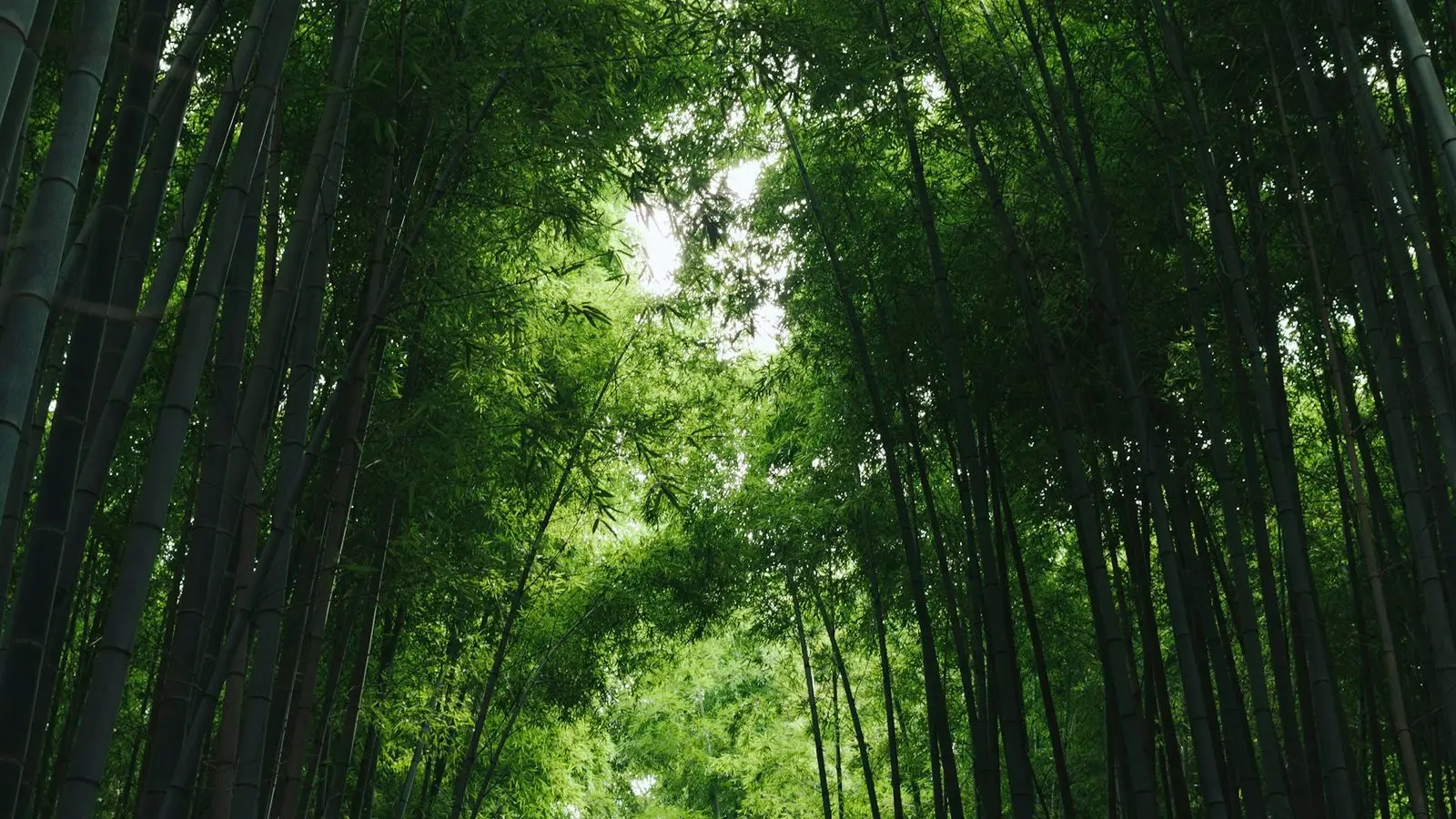
Dawn Through Sagano Bamboo Grove: Tenryu-ji Zen Gardens, Togetsukyo Mist, and Quiet Kyoto Mornings
By midday, the legendary bamboo avenues of Arashiyama in western Kyoto turn into a bustling hive of sightseers, camera flashes, and rickshaw queues. Yet at 7:00 AM, before the first tour coaches rumble into parking lots, Arashiyama reveals an ethereal, untouched beauty. Stepping into the famed Sagano Bamboo Grove (Chikurin no Michi) in the cool dawn air, visitors are enveloped by towering jade-green stalks creaking gently against the mountain breeze, an auditory symphony honored as one of Japan's preserved soundscapes. From sitting upon the polished cedar verandas of UNESCO-listed Tenryu-ji Temple gazing across misty pond gardens to crossing the historic wooden arches of Togetsukyo Bridge, this contemplative morning journey captures Kyoto at its purest. Discover the step-by-step dawn itinerary, Randen retro tramway transfers, and hidden tea pavilions that make early morning in Sagano truly magical.

Kyoto Uji Morning Matcha Journey: Byodoin Phoenix Hall, 10-Yen Coin Vistas, and Tsuen Tea's 860-Year Legacy
Escaping central Kyoto aboard the Keihan Uji shuttle whisks travelers about half an hour southward into an emerald riverside oasis steeped in the gentle perfume of roasted green tea leaves. Crossing historic Uji Bridge, first erected in 646 AD over turbulent river currents, instantly reveals why Heian-period imperial nobility chose this misty basin as their ultimate poetic country retreat. Pulling a polished 10-yen coin from your pocket to mirror the floating wooden silhouette of Byodoin Phoenix Hall across the reflecting lotus pond offers a timeless contemplation of Buddhist paradise. A short stroll upstream leads to Tsuen Tea, founded in 1160 and celebrated as Japan's oldest continuously operating tea house, where stone-ground matcha is ceremonially whisked over Tatami river views. From fragrant roasted hojicha aromas in the temple market to chilled matcha soba noodles, Uji delivers an enchanting morning itinerary.
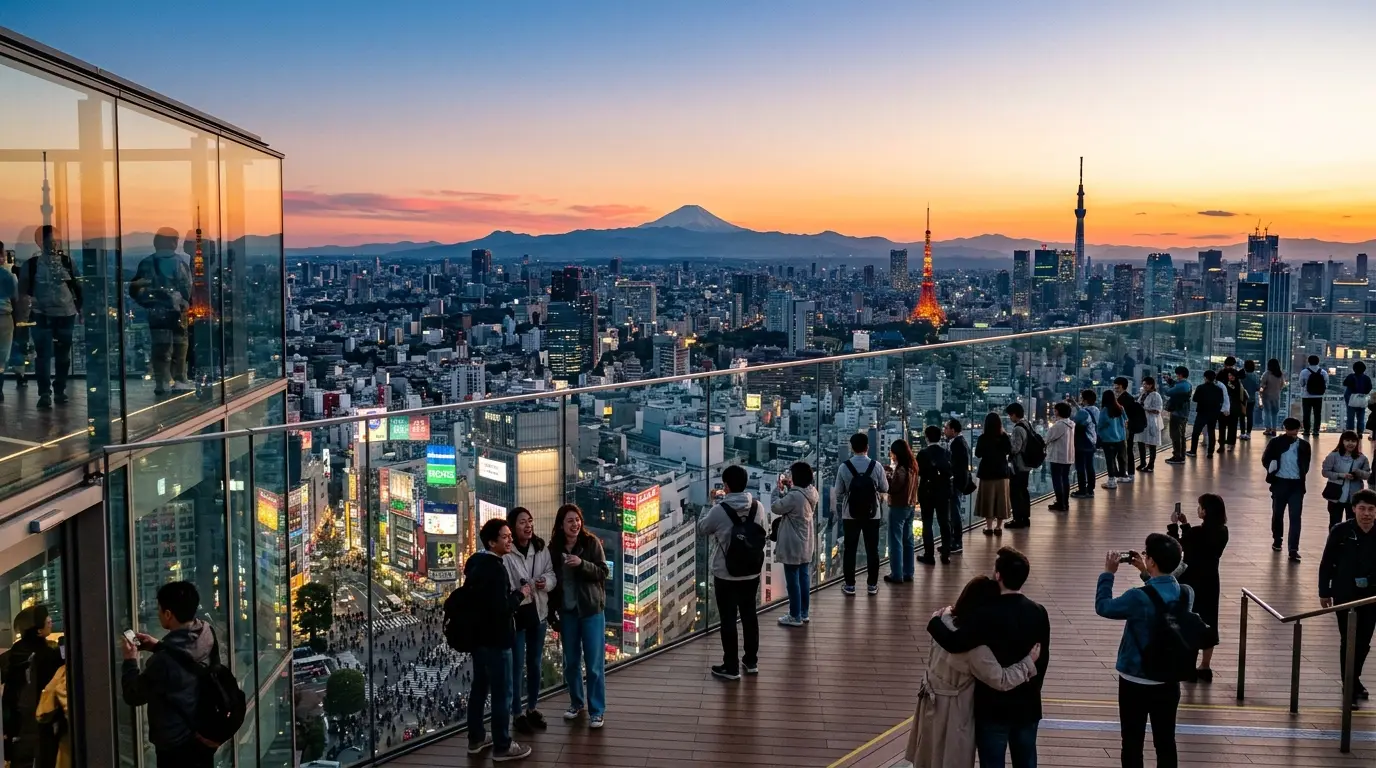
Where to Stay in Tokyo: Shinjuku vs Shibuya vs Ginza
Comparing room footprints across Shinjuku, Ginza, and Ueno, locking in sudden 14-day cancellation drops, and eliminating DCC fees with clean Yen checkout.
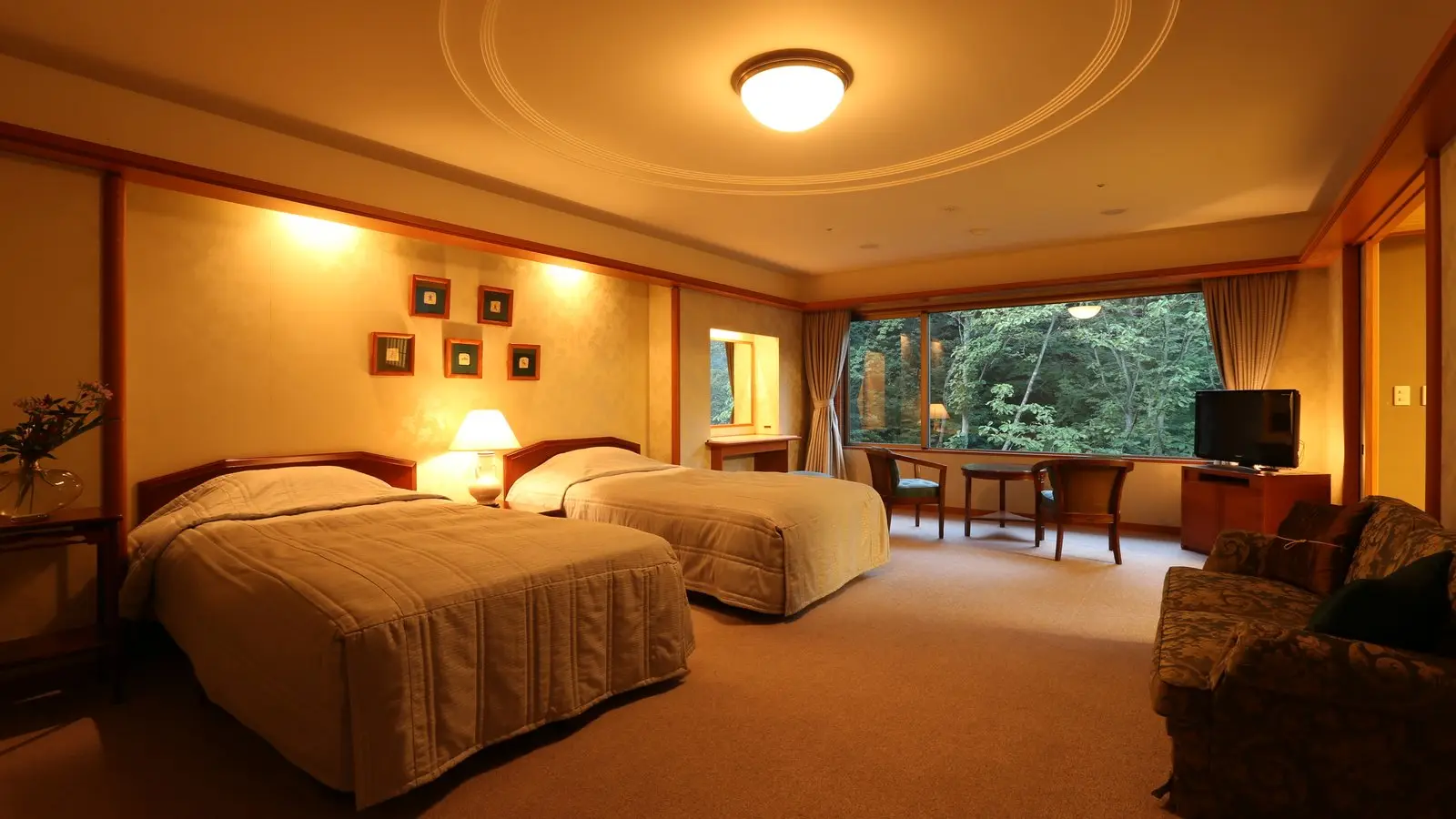
7 Budget Hotels in Tokyo Under $100 on the Yamanote Line
Even amid yen fluctuations, central Tokyo hotel rates have soared. Learn how to secure Yamanote loop line hotels at half the price of Shinjuku, compare onsen bath chains like Dormy Inn, trigger secret Agoda VIP and Booking.com Genius discounts, and dodge hidden currency fees with yen settlement.
How to Read the Tokyo Subway Map and Where to Stay on the Yamanote Line
How to choose between Keisei Skyliner and Narita Express, avoid the Tokyo Subway Ticket trap, use Apple Wallet Suica, and select the ideal hotel base in Tokyo.