
TokyoCurated
7 Budget Hotels in Tokyo Under $100 on the Yamanote Line
Dodge 300-dollar Shinjuku room rates: discover high-value hubs like Ueno, Kanda, and Otsuka with Agoda and Booking.com insider codes.
Rethinking the Yamanote Loop: Securing Strategic Hubs at Half Shinjuku Rates
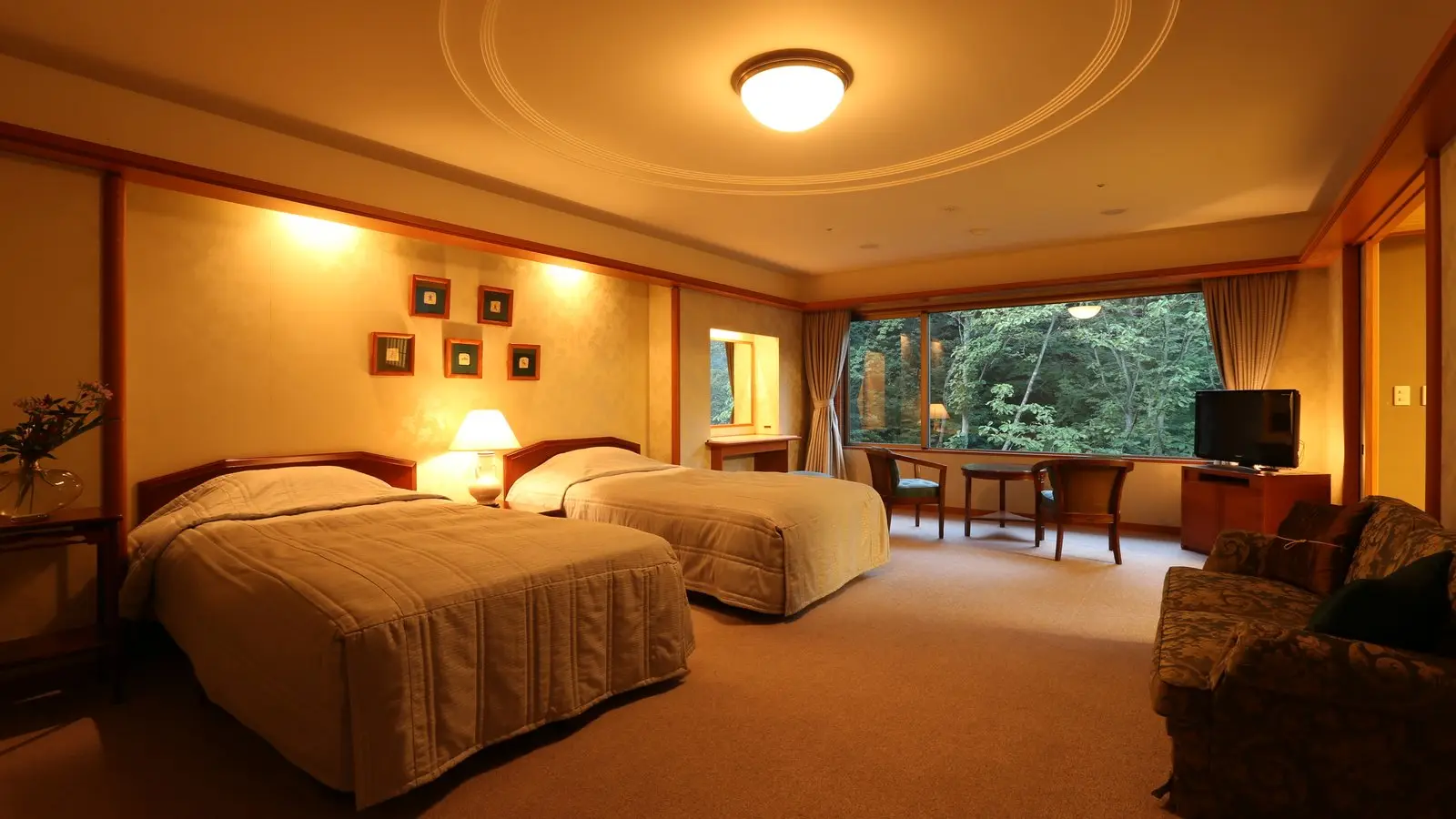
With overseas visitors inundating Shinjuku, Shibuya, and Ginza, standard business hotel rooms frequently exceed 250 to 300 dollars a night, easily pushing past 350 dollars on peak weekends. Despite favorable yen exchange rates, real lodging costs feel painfully steep. Plunging blindly into Shinjuku often lands you in a shoebox room facing noisy air conditioning exhaust and late-night alleyway shouts. Yet by studying the circular JR Yamanote loop rail map, savvy travelers can discover vibrant transit interchanges offering pristine, modern accommodations at less than half that cost.
Your top strategic footholds are Ueno and Kanda. Ueno connects directly to Narita Airport in 41 seamless minutes via the high-speed Keisei Skyliner and acts as a central hub where the Yamanote, Ginza, and Hibiya subway lines cross, placing Ginza, Asakusa, and Roppongi within a breezy 15-minute hop. Kanda sits just one stop from Tokyo Station, surrounded by classic worker taverns and authentic dining. You can easily walk to Ginza or Akihabara while enjoying quiet, uninterrupted sleep away from tourist crowds.
Looking eastward and northward, Otsuka and Akihabara emerge as unbeatable value champions. Otsuka, situated right beside bustling Ikebukuro along the retro Arakawa tram line, has blossomed with sleek modern boutique stays offering quiet neighborhood charm. Akihabara straddles the Chuo-Sobu line, giving you a smooth horizontal train ride across town toward Shinjuku without transfers.
When picking a hotel, prioritize an elevator-accessible station exit within a 3-minute walk over a flashy neighborhood name. Walking effortlessly into a tranquil hotel lobby after logging 20,000 steps across Tokyo concrete pavements is the truest luxury of urban exploration. Staying a few subway stops out from the busiest districts can add up to a meaningful saving across a three-night trip.
The 4 Essential Japanese Business Hotel Chains You Can Trust
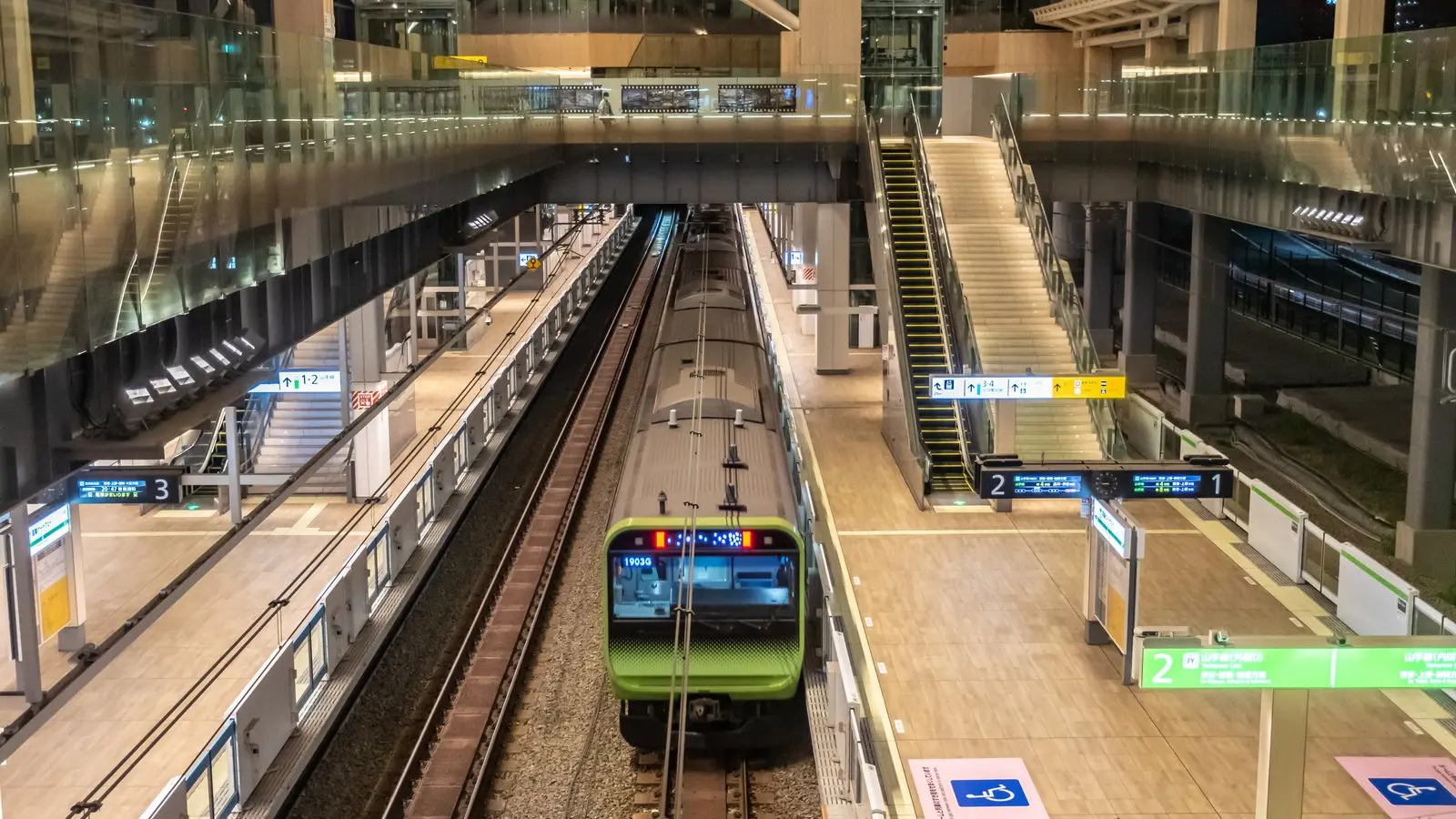
Booking unvetted budget motels based on polished wide-angle online photos frequently leads to instant regret upon opening your door. Squeezing into an 11-square-meter shoebox smelling of stale cigarette smoke ruins the mood of your trip from day one. In contrast, Japan top four standardized business chains deliver spotless cleanliness, dependable acoustic insulation, and foolproof security across every property nationwide.
Dormy Inn is the undisputed champion among experienced travelers. The chain builds natural mineral onsen baths and hot saunas right onto the upper floors of its city-center properties. Every evening from 9:30 PM, all guests are treated to freshly cooked bowls of complimentary Yonaki Soba soy ramen. In the morning, properties roll out lavish breakfast buffets piled with fresh salmon sashimi, local seafood, and crisp tempura, earning a fiercely loyal following.
Sotetsu Fresa Inn delivers crisp efficiency with automated self-check-in kiosks and Simmons beds. If you carry heavy shopping luggage, Daiwa Roynet is your best choice, with rooms that tend to be roomier than conventional business hotels alongside generous work desks and separate vanity layouts.
Meanwhile, remm by Hankyu Hanshin focuses entirely on the science of deep sleep. Guestrooms come standard with built-in massage armchairs, specialized rain showers, blackout blinds, and double-glazed acoustic windows to shut out urban noise. Choose Dormy Inn for hot spring restoration, Daiwa Roynet for breathing room, and Sotetsu Fresa Inn for hyper-convenient station proximity.
Urban Hot Springs and Nightly Ramen: Maximizing Practical Amenities
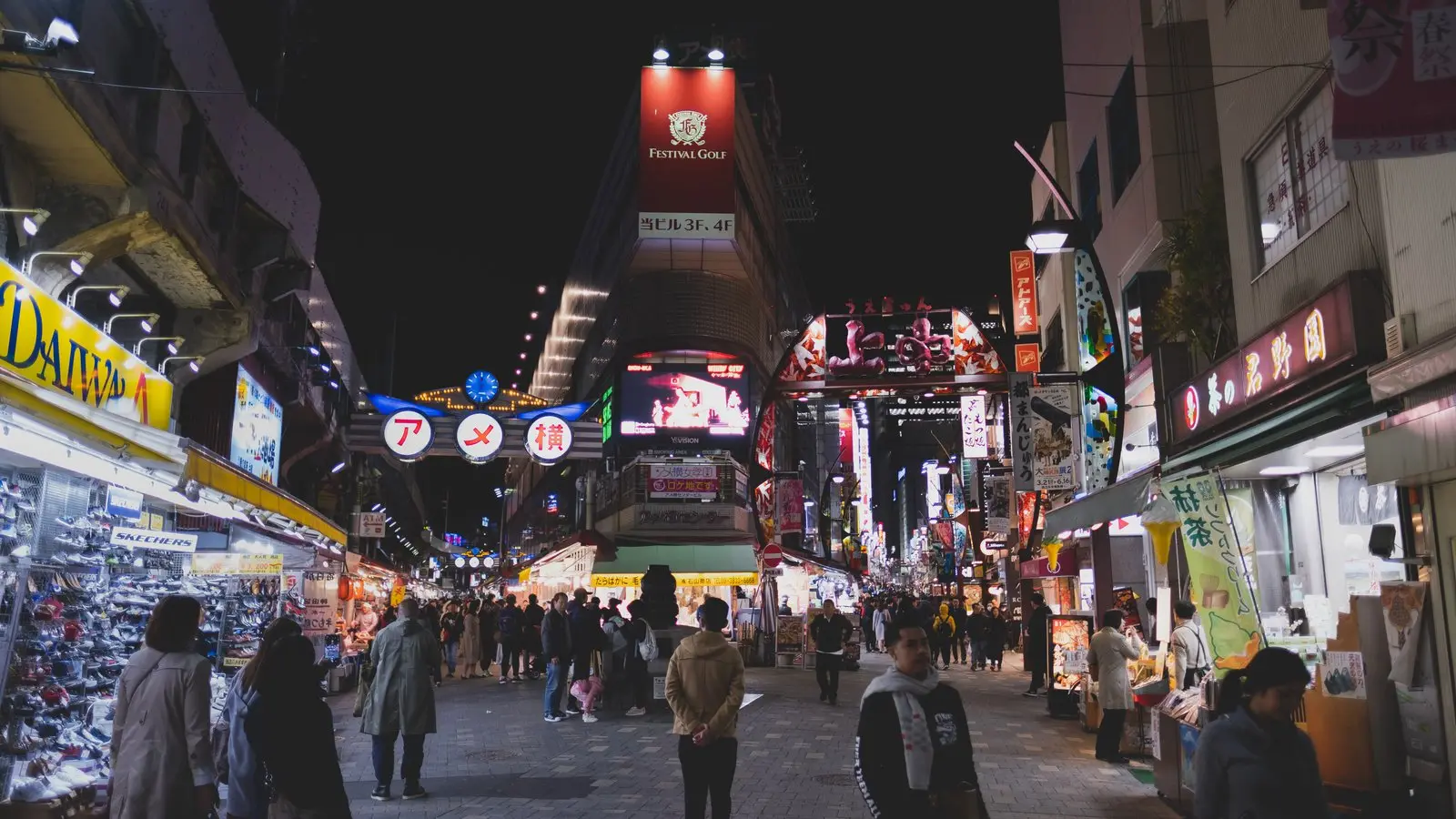
A full day exploring Tokyo inevitably racks up 15,000 to 20,000 steps on hard concrete sidewalks. Cramming yourself into a tiny modular plastic bathtub offers zero relief compared to sinking into a wide steaming onsen pool and feeling the night breeze on your shoulders. Without soaking away accumulated fatigue, day three of your trip will quickly ground to an exhausting halt.
Properties such as Dormy Inn Premium Tokyo Kodenmacho, Dormy Inn Akihabara, and ONSEN RYOKAN Yuen Shinjuku channel genuine thermal waters right in the urban core. Escaping to traditional countryside hot spring towns means hours of round-trip transit and a pricey ryokan night, while these city onsen hotels deliver a nightly soak for far less. Yuen Shinjuku is a ryokan-style property and usually sits in a higher price band than Dormy Inn.
The post-bath ritual is equally thoughtful. After cycling through a 90-degree dry sauna and 15-degree cold plunge bath, guests step into the locker area to find freezers stocked with complimentary ice cream bars. In the early morning, refrigerators are replenished with chilled probiotic yogurt drinks to kickstart your day.
Every night between 9:30 and 11:00 PM, the dining room bell chimes for complimentary Yonaki Soba ramen. The light, savory soy broth with bamboo shoots and nori seaweed warms tired stomachs without feeling heavy. Skipping late-night convenience store snacks easily trims 15 dollars off your daily expenses while elevating your stay.
Agoda VIP vs Booking.com Genius: Secret Codes and Payment Best Practices
Rates for the exact same room type on identical calendar dates can swing by 30 to 50 dollars depending on your booking route. Most travelers settle for the first headline price on portal searches, unaware that booking algorithms silently vary room tariffs based on your device and partner referral conduits.
Agoda sometimes adds an extra card discount when you enter through a card issuer partner link, so compare the app price with the partner link price before you book. Always remember to click the in-cart coupon drawer on the room details page before checkout, as instant vouchers must be manually claimed to secure the lowest total.
Booking.com rewards repeat reservations through its Genius loyalty tiers, offering 10 to 20 percent off at participating properties, plus free breakfasts and upgrades at some hotels for higher levels. Free cancellation plans, with deadlines set by each property, provide critical insurance against unexpected flight cancellations or schedule adjustments.
The single costliest mistake at checkout is accepting billing in your home currency. This triggers Dynamic Currency Conversion (DCC), an opaque mechanism where card processors and middlemen apply an arbitrary 3 to 5 percent exchange spread. On a 1,000-dollar booking, you lose 50 dollars for nothing. Always set your payment currency strictly to Japanese Yen (JPY).
The ultimate countermeasure is pairing your booking with a low-fee multi-currency card like Wise or Revolut. Loading yen on favorable exchange days and settling directly in JPY cuts conversion costs to a small fraction of a percent, and card foreign transaction fees to zero.
Airport Transit Arteries and Luggage Routing Checklist
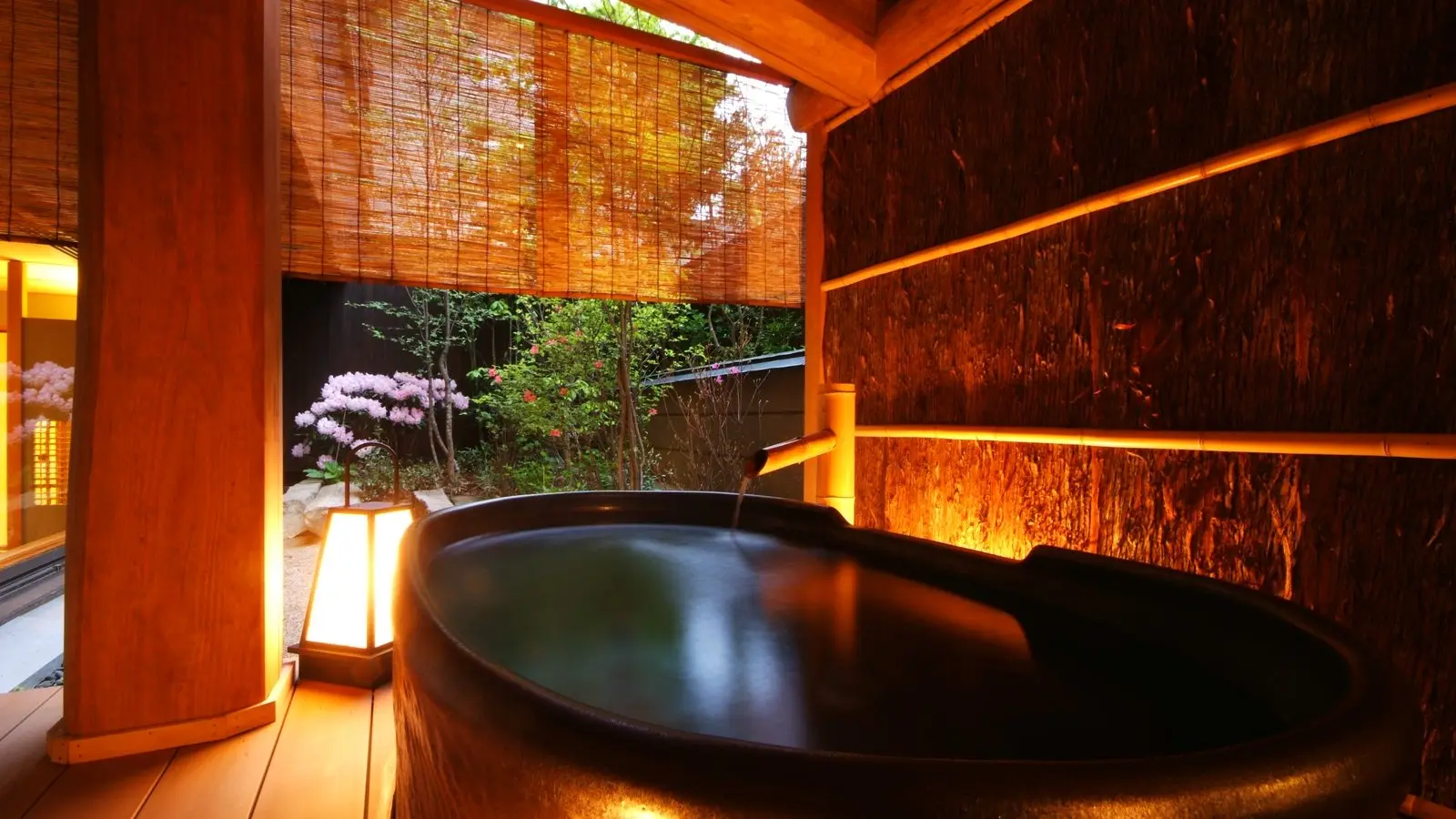
Tokyo primary railway hubs are sprawling multi-level subterranean labyrinths handling millions of commuters daily. No matter how bargain-priced your hotel may be, hauling a 20kg suitcase up endless flights of narrow emergency stairs leaves your back aching before your holiday even begins.
Before confirming your reservation, always cross-reference Google Street View and metro layout maps to verify that your nearest station exit features a street-level elevator. Stations like Ueno, Asakusabashi, Hamamatsucho, and Shimbashi offer step-free routes straight from platform turnstiles to street pavements.
For travelers flying through Narita Airport (NRT), basing yourself near Ueno or Nippori is the smartest move. The high-speed Keisei Skyliner races along rails at 160km/h, reaching Nippori in 36 minutes and Ueno in 41 minutes without requiring a single subway transfer with heavy bags.
For arrivals at Haneda Airport (HND), base yourself around Hamamatsucho on the Tokyo Monorail or along the Toei Asakusa line near Daimon and Mita. You can clear airport customs and stand at your hotel front desk in just 25 minutes, saving over two hours of transit fatigue to spend exploring Tokyo night markets.
Frequently Asked Questions
Field-tested answers to transit navigation, neighborhood choices, and payment traps.
Q1.How much is the Tokyo accommodation tax?
Q2.How long does it take from Narita Airport to Ueno?
Q3.What time is the free ramen at Dormy Inn?
Q4.Should I pay for a Tokyo hotel in yen or in my home currency?
The Smart Traveler's Essential Toolkit
Prepare instant mobile data, private airport transfers, and skip-the-line passes in one place.
Pick a base in Tokyo by your route
Choose the places you want to see and get the neighbourhood with the shortest travel.
Compare Tokyo Hotel Rates
Find the cheapest channel across Agoda and major booking engines with Tripdify.
Share This Guide with Your Companions
When shared via chat or social media, a curated summary card is sent along.
Recommended Guides
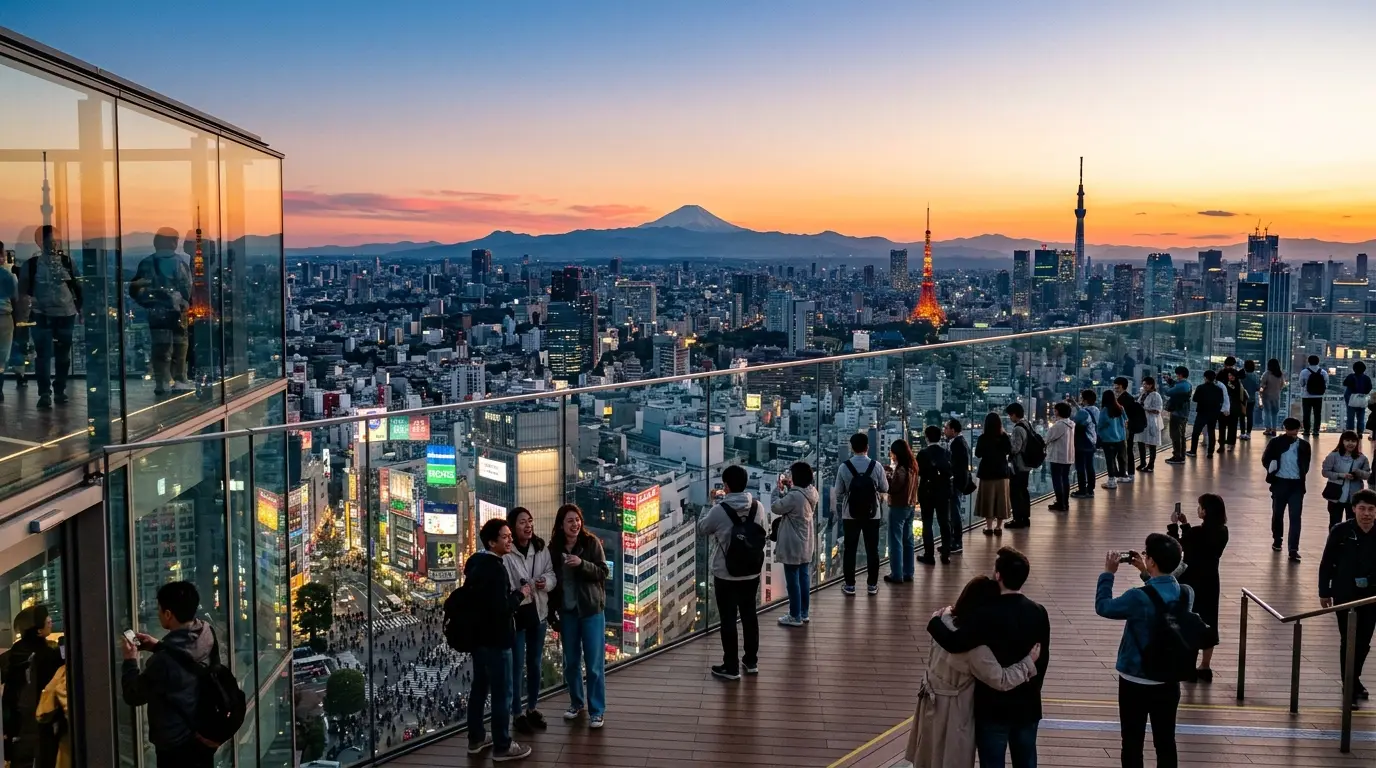
Where to Stay in Tokyo: Shinjuku vs Shibuya vs Ginza
Comparing room footprints across Shinjuku, Ginza, and Ueno, locking in sudden 14-day cancellation drops, and eliminating DCC fees with clean Yen checkout.
How to Read the Tokyo Subway Map and Where to Stay on the Yamanote Line
How to choose between Keisei Skyliner and Narita Express, avoid the Tokyo Subway Ticket trap, use Apple Wallet Suica, and select the ideal hotel base in Tokyo.
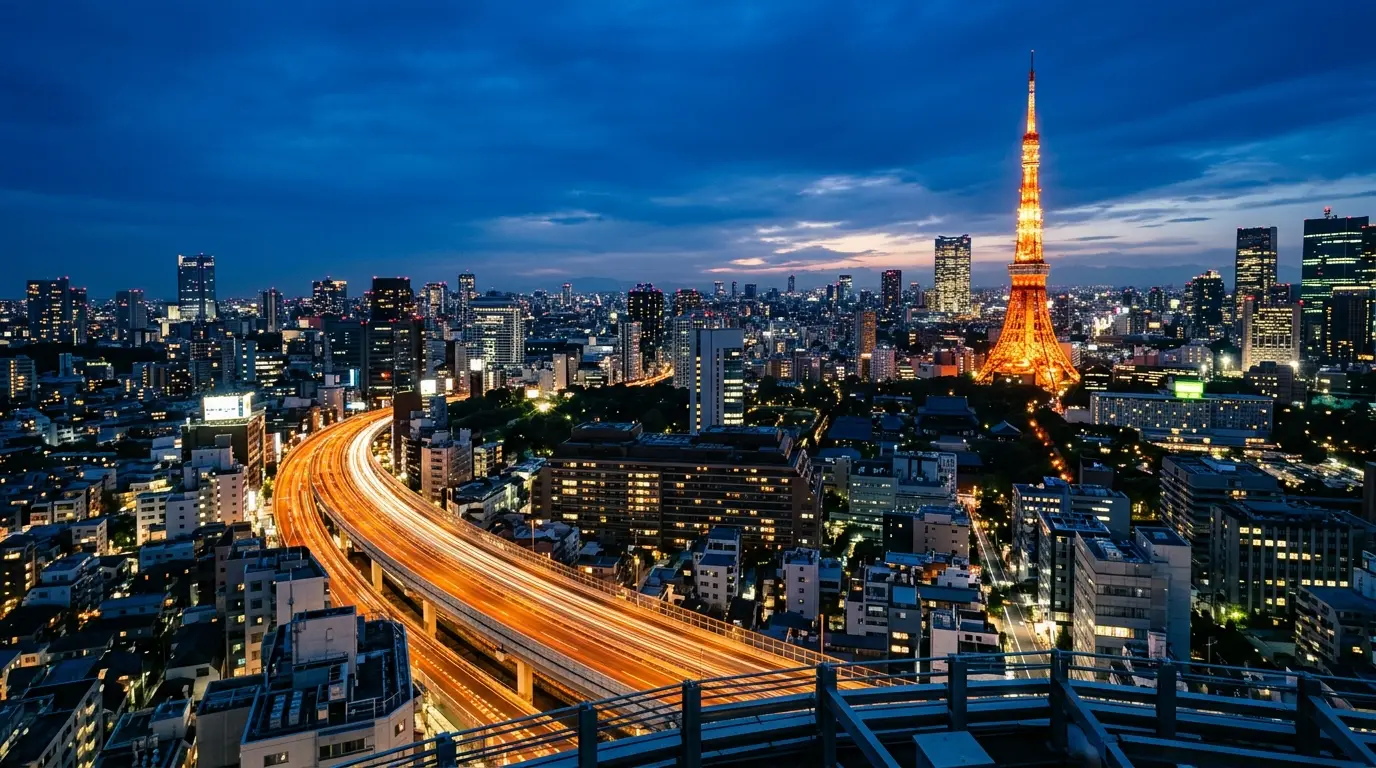
Tokyo Day 1 Itinerary: Narita Airport to the City and Your First 24 Hours
From stepping off at Narita Airport to mastering high-speed trains, navigating Tokyo's sprawling transit hubs, ordering counter ramen effortlessly, and catching sunset from Roppongi Hills. A definitive guide for your first 24 hours in Tokyo.
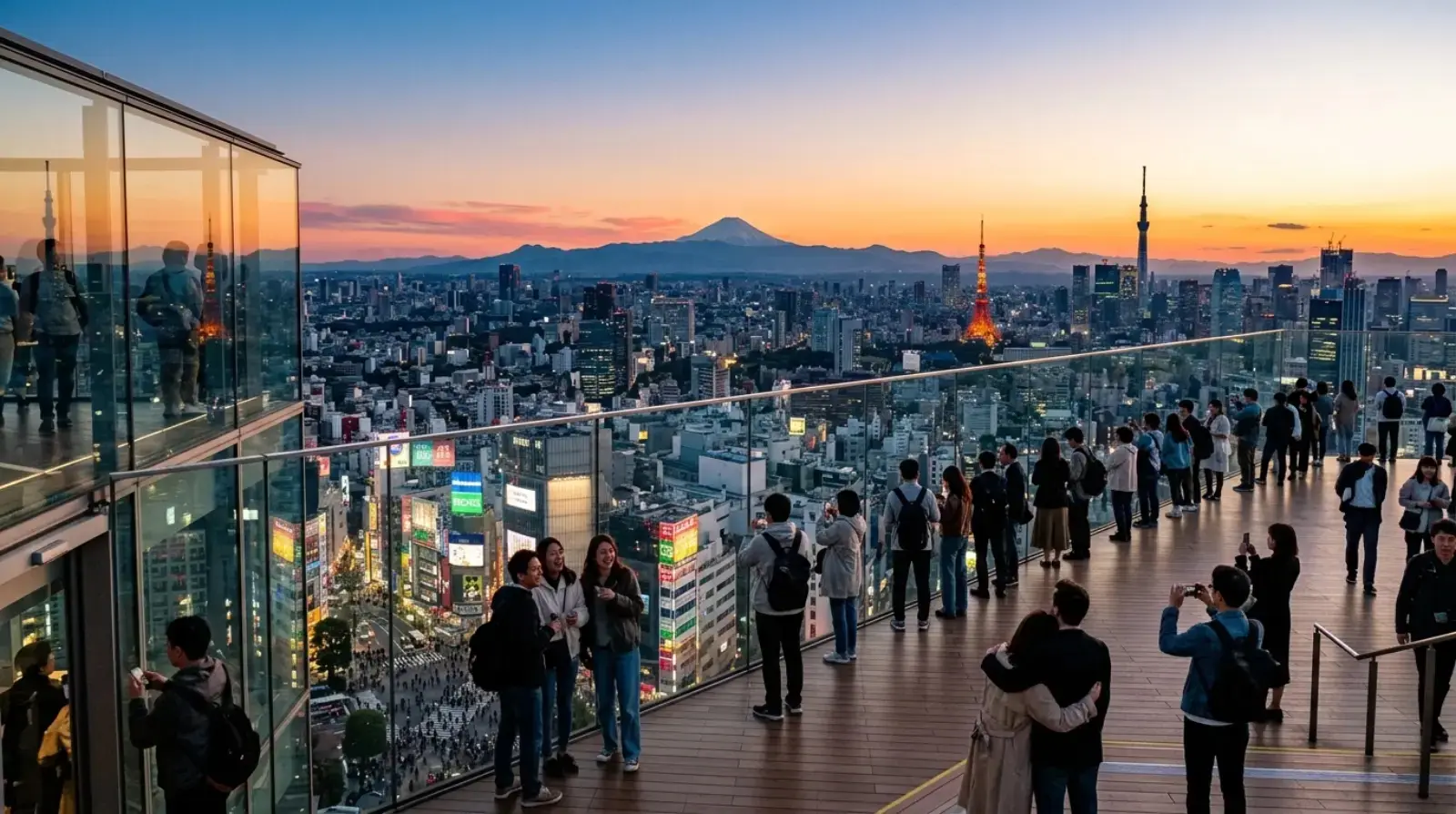
Tokyo Day 2 Itinerary: Booking Shibuya Sky, Harajuku Backstreets and Roppongi at Night
Securing prime sunset slots atop Shibuya Sky, navigating hidden boutiques along Harajuku Cat Street, immersing in the forested serenity of Meiji Jingu, and marveling at the crimson glow of Tokyo Tower from Roppongi Hills. A masterclass in Day 2 pacing.
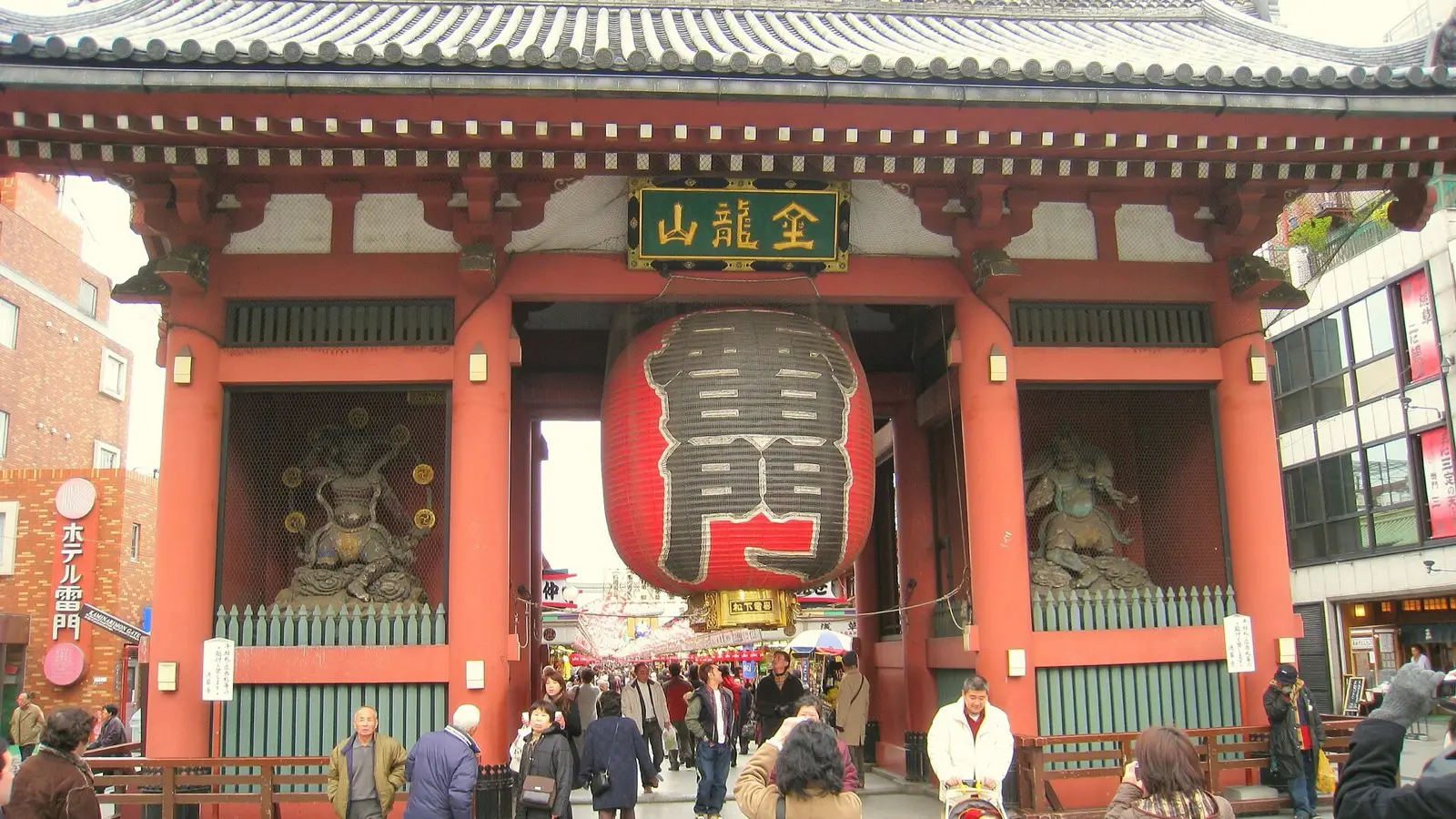
Tokyo Day 3 Itinerary: Asakusa, Akihabara, Ginza Depachika and Flying Home
The ultimate finale for your Tokyo stay: tranquil morning worship at Sensoji, retro subculture in Akihabara, Ginza Six architectural rooftop views and basement depachika feasts, capped by seamless Skyliner and N'EX airport connections.
Exchange Rate Tricks and Hidden Fees When Booking Hotels Abroad
An investigative playbook uncovering why OTA final totals escalate, why card issuer partner links are worth comparing against mobile app rates, and the exact local-currency checklist to stop hidden fees.
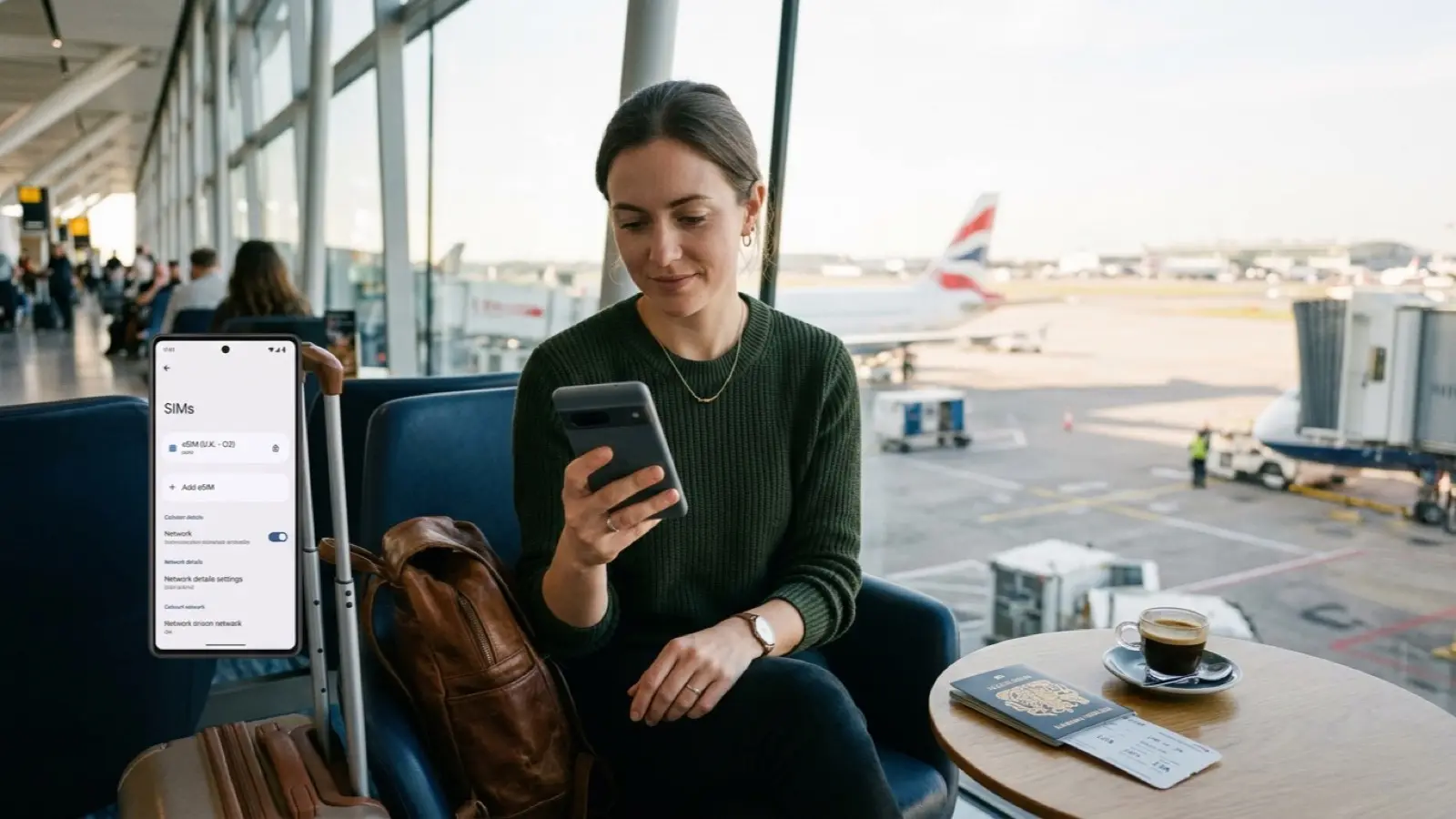
eSIM vs Roaming vs a Local SIM: Which Is Cheapest for Travel Data
Never wait in line for physical SIM swaps or haul heavy battery packs again. From solo weekend getaways to multi-week family tours, here is how to pick the right mobile data setup without wasting money.
Does Incognito Mode Make Flights Cheaper? What Dynamic Pricing Really Does
Does clearing cookies or going incognito actually save cash on flights and hotels? We pull back the curtain on airline revenue management engines, fare bucket mechanics, currency routing quirks, and what day-of-week booking data really shows.
Tax-Free Shopping in Japan: How It Works and What Voids It
While enjoying ten percent consumption tax exemptions in Japan is a cornerstone of travel, the country enforces rigorous customs data tracking and strict packing rules. From general goods accidentally locked inside tamper-evident consumable bags to department stores taking a 1.55 percent handling fee and airport electronic customs audits clawing back taxes on broken seals, here is your essential guide to navigating Japan duty-free shopping without penalty.
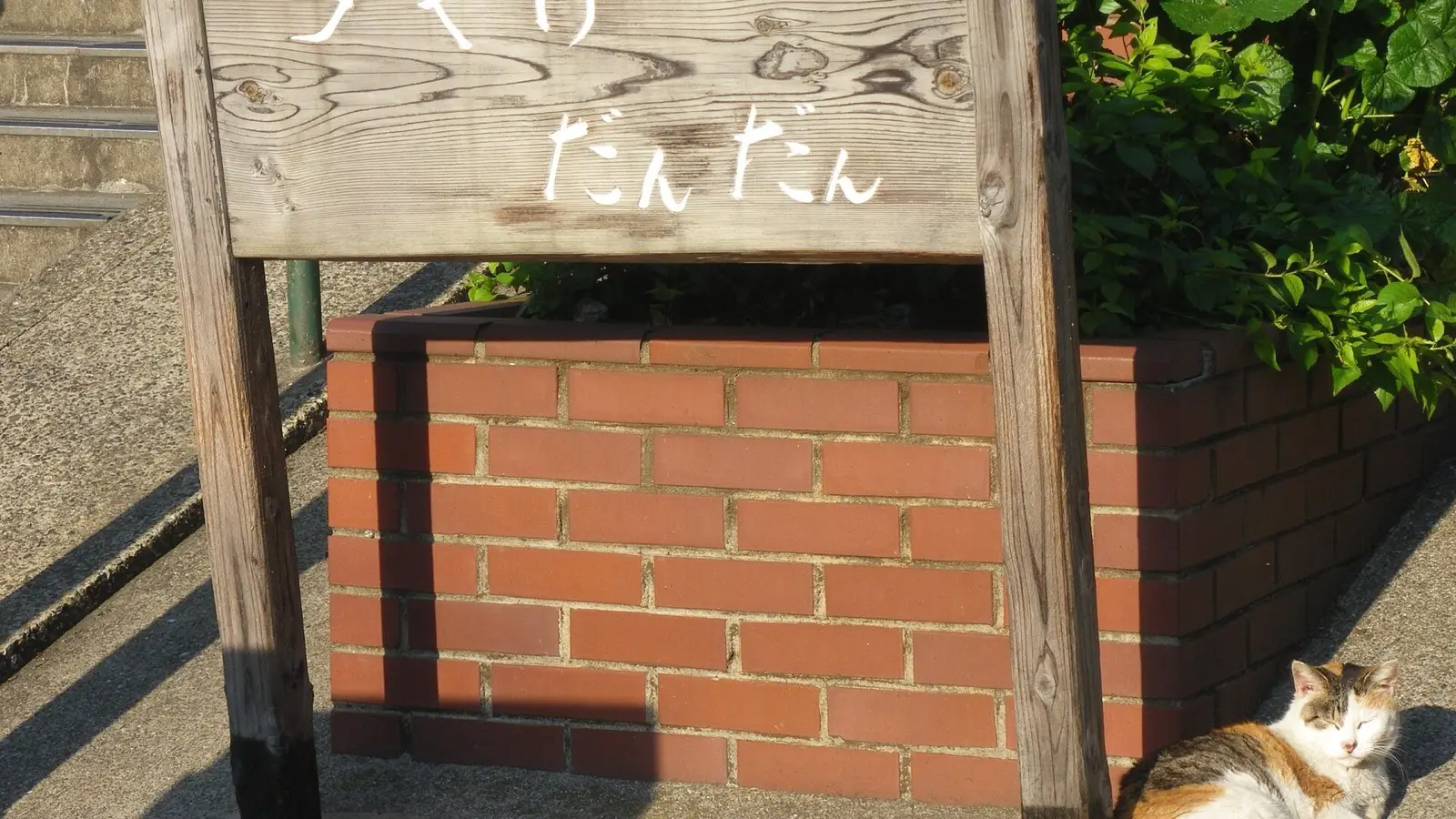
Tokyo's Yanaka Ginza Shitamachi Walk: Crispy Croquettes, Quiet Cat Alleys, and Showa Retro Soul
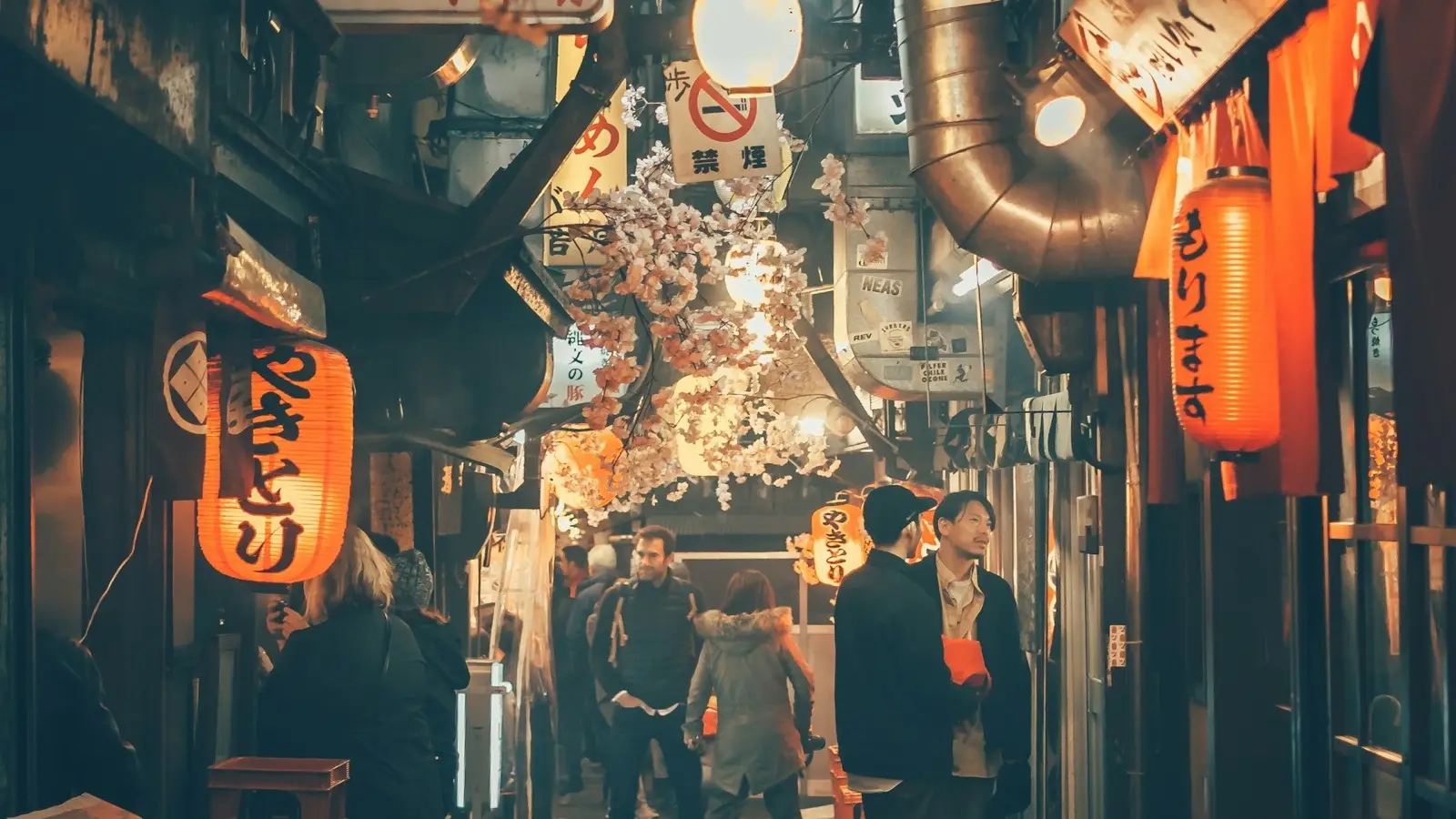
When the sensory overload of Shinjuku's neon billboards and Shibuya's scrambling crosswalks wears thin, seek refuge in Yanesen (the historic triangle of Yanaka, Nezu, and Sendagi), one of the exceedingly rare Tokyo neighborhoods that miraculously escaped both the 1923 Great Kanto Earthquake and World War II firebombings. Beginning from the west exit of JR Nippori Station, this serene walking route descends the famous Yuyake Dandan (Sunset Steps) into the nostalgic, pedestrian-only Yanaka Ginza shopping arcade. From biting into crispy beef menchi-katsu freshly fried at a multi-generational butcher stall to greeting neighborhood alley cats and sipping dark pour-over coffee on the tatami mats of 1938-built Kayaba Coffee, here is your definitive field guide to Tokyo's enduring Showa-era soul.

The Japan Shinkansen Booking Playbook: Mount Fuji Row E Strategy, Oversized Luggage, and Smart EX Savings
Slicing through Japan's industrial and cultural heartland between Tokyo, Kyoto, and Osaka, the Tokaido Shinkansen bullet train network represents the pinnacle of railway engineering. Cruising smoothly at 285 km/h, the Nozomi super-express covers the 515-kilometer corridor in just two hours and twenty minutes. Yet navigating the nuances of seat selection dictates whether your journey becomes a dream sightseeing passage or a cramped logistical hassle. Missing out on the coveted two-abreast 'Row E' window seats when departing Tokyo forfeits uninhibited vistas of Mount Fuji. Furthermore, failing to pre-book dedicated Oversized Baggage seats for luggage whose total dimensions exceed 160 cm triggers an unexpected 1,000 JPY penalty fee enforced by conductors on board. This tactical manual reveals the exact seat reservation rules, paperless Smart EX mobile discounts, oversized luggage exemptions, and post-price-hike JR Rail Pass breakeven mathematics.
Tokyo Shibamata Retro Journey: Taishakuten Temple Relic Carvings, Yamamoto-tei Garden, and Fresh Kusadango Sweets
When the hypnotic kaleidoscope of Shinjuku digital screens and Shibuya pedestrian swarms begins to exhaust your senses, head northeast toward the serene time-capsule village of Shibamata in Katsushika ward. Transferring onto the charming single-track Keisei Kanamachi Line shuttle whisks travelers back into the gentle, human-scale Tokyo of the 1960s Showa era. Stepping past the nostalgic bronze statue of wandering peddler Tora-san at the station square, a pedestrian pilgrimage avenue lined with Edo-period wooden facades unfolds before you. Here, the soothing aroma of freshly pounded green mugwort dumplings (Kusadango) and crackling hand-toasted rice senbei drifts through the air. Beyond the historic Daikyo-ji temple gate lies an astonishing museum corridor of intricate, three-dimensional Lotus Sutra wood reliefs, followed by the hybrid Taisho-era architecture of Yamamoto-tei and Edo River hand-rowed ferries.