
The Japan Shinkansen Booking Playbook: Mount Fuji Row E Strategy, Oversized Luggage, and Smart EX Savings
Conquering the Tokaido corridor: in-seat power outlets, avoiding 1,000 JPY baggage penalties, and paperless ticketing

The Tokyo-to-Osaka Mount Fuji Row E Rule and Seating Architecture
Standard carriages across the Tokaido Shinkansen fleet operate an asymmetric five-abreast layout: a three-seat bank (A, B, C) and a two-seat bank (D, E) parted by a central passenger aisle. Mastering which seat letters correspond to sweeping mountain views transforms an ordinary commute into breathtaking sightseeing.
When boarding westbound services departing Tokyo Station toward Nagoya, Kyoto, and Shin-Osaka, reserving window seat 'Row E' situated on the right-hand side of the train is essential. Between forty and fifty minutes into the journey around Shin-Fuji Station, Mount Fuji emerges directly outside passenger windows in all its majestic glory. The two-seat configuration also facilitates smooth aisle egress compared to three-seat Row A.
Crucially, eastbound services departing Kyoto or Shin-Osaka bound for Tokyo feature Mount Fuji on the opposite side of the rail line, aligning once again with left-hand window 'Row E'. In short, whether traveling eastbound or westbound along the Tokaido corridor, the ironclad rule remains invariant: always select Row E for uninterrupted Mount Fuji viewing.
The prime sighting window occurs approximately forty-five minutes after departing Tokyo (past Shin-Yokohama into Shizuoka Prefecture) or ninety minutes following Osaka departures. Crisp morning departures provide the highest probability of clear skies framing the iconic snow-covered volcanic peak before afternoon cloud cover rolls in.
The 160 cm Baggage Threshold: Securing Free Oversized Luggage Space
In May 2020, Japan Railway operators implemented mandatory reservations for oversized baggage across Tokaido, Sanyo, and Kyushu Shinkansen lines. Passengers carrying baggage whose total combined dimensions (length + width + height) measure between 160 cm and 250 cm must book dedicated storage seats in advance.
Standard large suitcases measuring 28 to 30 inches routinely exceed this 160 cm threshold. Reserving appropriate accommodation carries zero financial penalty when arranged before departure: selecting the 'Seat with an Oversized Baggage Area' option at automated ticket kiosks or via mobile platforms incurs identical rates to standard reserved seats.
However, boarding without advance oversized luggage reservations triggers an immediate 1,000 JPY penalty fee assessed by the train conductor. Furthermore, non-compliant baggage cannot remain at passenger seats and must be relocated to designated storage compartments at the extreme rear of the train, creating unnecessary boarding friction.
Strollers, sports equipment, and musical instruments remain officially exempt from mandatory oversized fees, though booking end-row seats ensures adequate physical clearances. Because storage seats are strictly confined to the rearmost row of each coach (such as Rows 16 or 17), reserving well ahead of peak travel windows remains vital.
Spotting Next-Generation N700S Trains and In-Seat Charging Perks
Keeping electronic navigation devices, cameras, and laptops powered during two and a half hours of transit is vital for modern travelers. However, charging availability varies substantially depending on the specific rolling stock generation operating your service.
The Tokaido Shinkansen fleet relies primarily on two models: legacy N700A trains and modern N700S (Supreme) trainsets introduced in 2020. Legacy N700A sets confine AC power outlets strictly to window seats (A and E) and front/rear bulkhead walls, leaving middle aisle seats (B, C, D) without direct power.
Conversely, state-of-the-art N700S trains provide individual electrical outlets integrated directly into every passenger armrest across the entire carriage, including center seats. The N700S also features synchronized seat recline mechanisms, advanced vibration-dampening active suspensions, and crisp full-color widescreen LCD departure panels.
When scanning timetables on the Smart EX platform, trains operated by N700S rolling stock display a distinct 'N700S' indicator badge. Opting into these specific runs ensures guaranteed power access alongside superior cabin acoustics. Furthermore, front-row bulkhead seats offer 1.5 times the standard legroom alongside full-width dining worktables.
Smart EX Mobile Booking Discounts and Paperless IC Card Integration
Standing in lengthy queues outside Tokyo Station Midori-no-Madoguchi ticket windows to collect paper tickets is entirely avoidable. The official Smart EX app allows international travelers to reserve and manage Shinkansen tickets seamlessly using overseas credit cards without handling paper coupons.
A major perk of Smart EX centers on early-bird advance discounts ('Hayatoku'). Securing reservations 21 days or 3 days in advance cuts standard Tokyo-to-Shin-Osaka Nozomi one-way fares (normally 14,720 JPY) down by over 2,000 JPY to the 12,000 JPY range, unlocking genuine cost savings.
Following app checkout, travelers can link the digital reservation directly to an iPhone Apple Wallet Suica or physical IC card by entering its 17-digit card code. Approaching the Shinkansen ticket gate, tapping your phone directly onto the reader automatically dispenses a small paper seat assignment slip and clears transit within one second.
Smart EX also affords unlimited complimentary itinerary modifications up to four minutes prior to train departure. If meeting schedules conclude early or shopping excursions run behind, travelers can shift reservations to earlier or later departures via mobile screens with zero penalty fees.

The Post-Price-Hike Nationwide JR Pass Breakeven Mathematics
Historically hailed as the ultimate budget weapon for foreign tourists in Japan, the nationwide Japan Rail Pass underwent a massive 65% to 70% price hike in autumn 2023, completely overturning long-standing financial recommendations. A standard 7-day nationwide ordinary pass now costs a steep 50,000 JPY.
The breakeven math is unambiguous. A standard round-trip Nozomi journey between Tokyo and Shin-Osaka totals approximately 29,440 JPY. For travelers executing a standard one-week itinerary linking Tokyo, Kyoto, and Osaka, purchasing the 50,000 JPY nationwide pass results in an outright loss exceeding 20,000 JPY.
To reach financial breakeven under the revised pricing scheme, passengers must execute intensive long-haul itineraries covering Tokyo, Osaka, Hiroshima, and Hakata (Fukuoka) within seven days, boarding bullet trains at least four separate times. Furthermore, riding premier Nozomi and Mizuho expresses demands supplementary surcharges even when holding passes.
For conventional Golden Route vacations, purchasing discounted point-to-point tickets via Smart EX paired with regional passes (such as the Kansai Thru Pass or local IC transit) represents by far the most economical and flexible logistical approach.
Frequently Asked Questions
Field-tested answers to transit navigation, neighborhood choices, and payment traps.
Q1.Which specific seat should I reserve to view Mount Fuji on the Tokaido Shinkansen?
Q2.What happens if I bring a 28-inch suitcase onto the Shinkansen without reserving an oversized baggage seat?
Q3.How do I board the Shinkansen using tickets purchased on the Smart EX mobile app?
Q4.Is the 7-day nationwide JR Pass cost-effective for a round-trip journey between Tokyo and Osaka?
The Smart Traveler's Essential Toolkit
Prepare instant mobile data, private airport transfers, and skip-the-line passes in one place.
Pick a base in Tokyo by your route
Choose the places you want to see and get the neighbourhood with the shortest travel.
Compare Tokyo Hotel Rates
Find the cheapest channel across Agoda and major booking engines with Tripdify.
Share This Guide with Your Companions
When shared via chat or social media, a curated summary card is sent along.

Recommended Guides
Where to Stay in Tokyo: Shinjuku vs Shibuya vs Ginza
Comparing room footprints across Shinjuku, Ginza, and Ueno, locking in sudden 14-day cancellation drops, and eliminating DCC fees with clean Yen checkout.
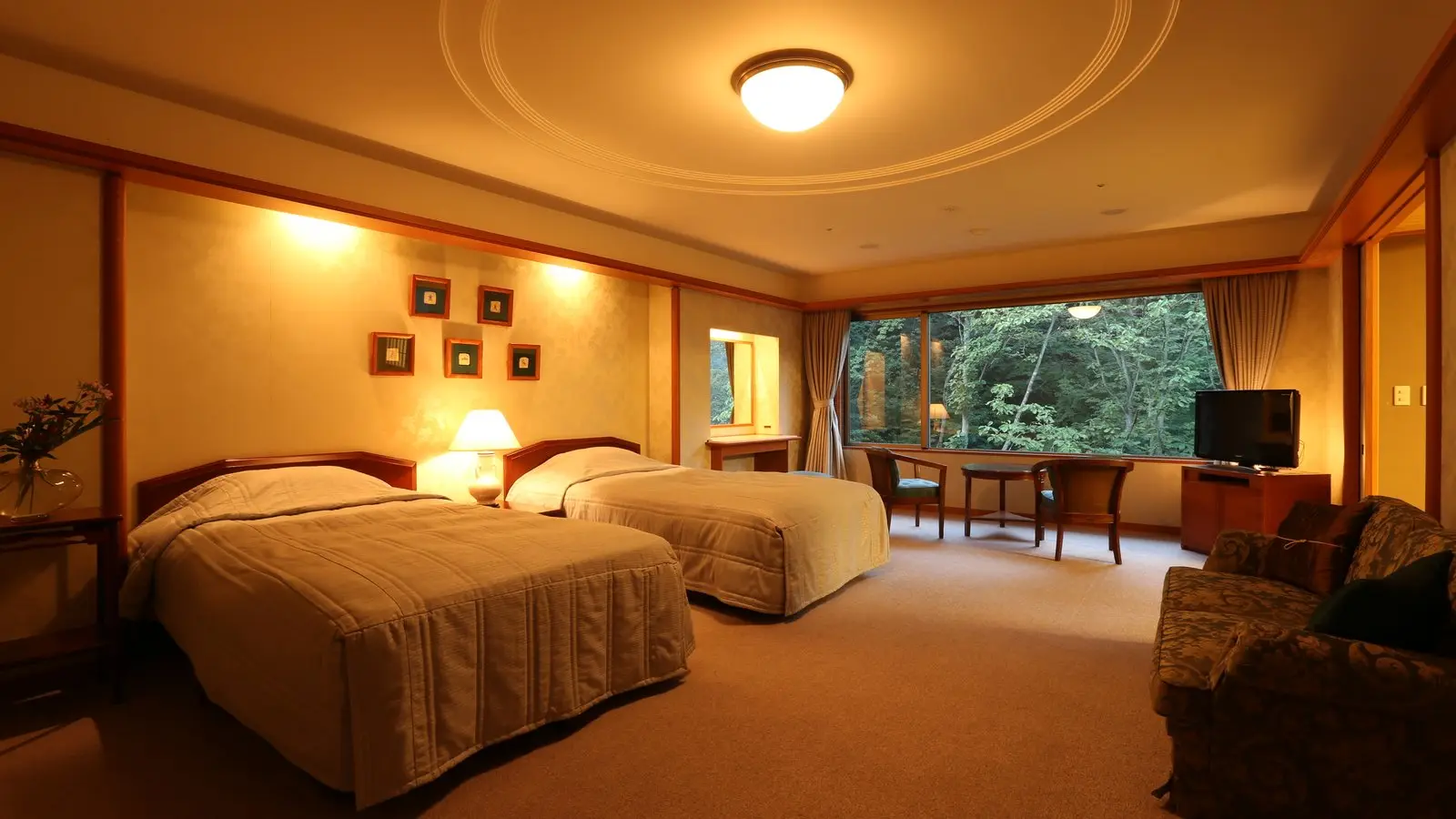
7 Budget Hotels in Tokyo Under $100 on the Yamanote Line
Even amid yen fluctuations, central Tokyo hotel rates have soared. Learn how to secure Yamanote loop line hotels at half the price of Shinjuku, compare onsen bath chains like Dormy Inn, trigger secret Agoda VIP and Booking.com Genius discounts, and dodge hidden currency fees with yen settlement.
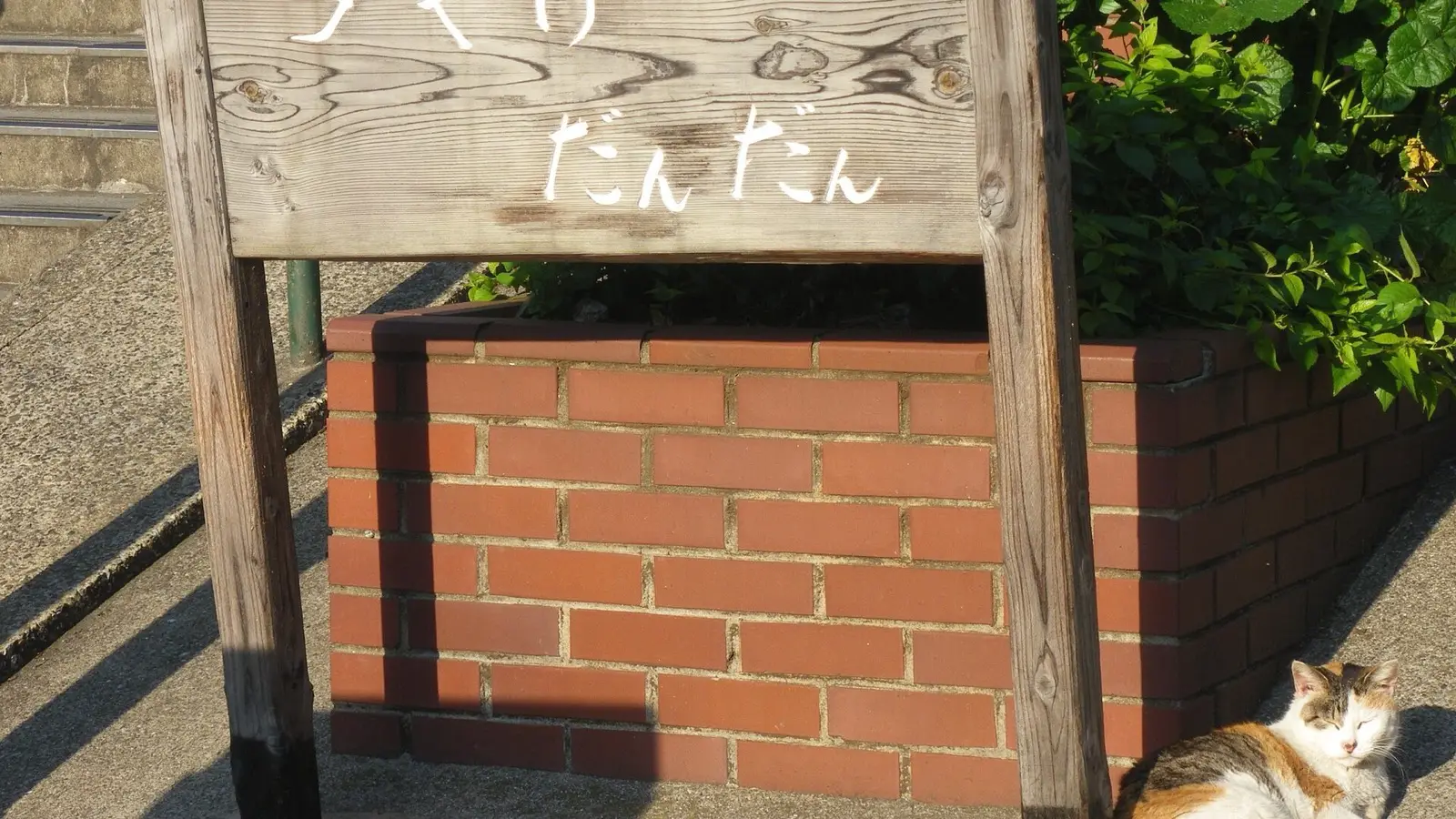
How to Read the Tokyo Subway Map and Where to Stay on the Yamanote Line
How to choose between Keisei Skyliner and Narita Express, avoid the Tokyo Subway Ticket trap, use Apple Wallet Suica, and select the ideal hotel base in Tokyo.
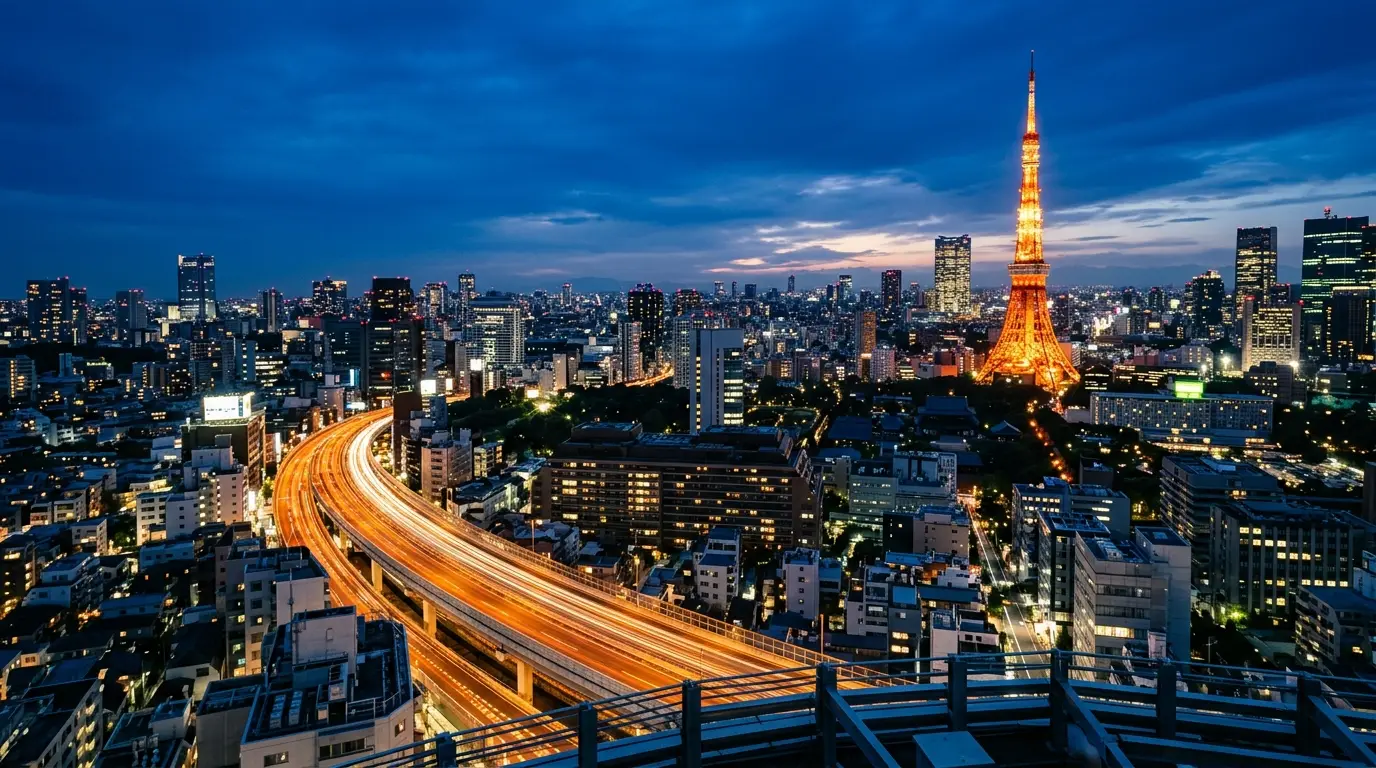
Tokyo Day 1 Itinerary: Narita Airport to the City and Your First 24 Hours
From stepping off at Narita Airport to mastering high-speed trains, navigating Tokyo's sprawling transit hubs, ordering counter ramen effortlessly, and catching sunset from Roppongi Hills. A definitive guide for your first 24 hours in Tokyo.
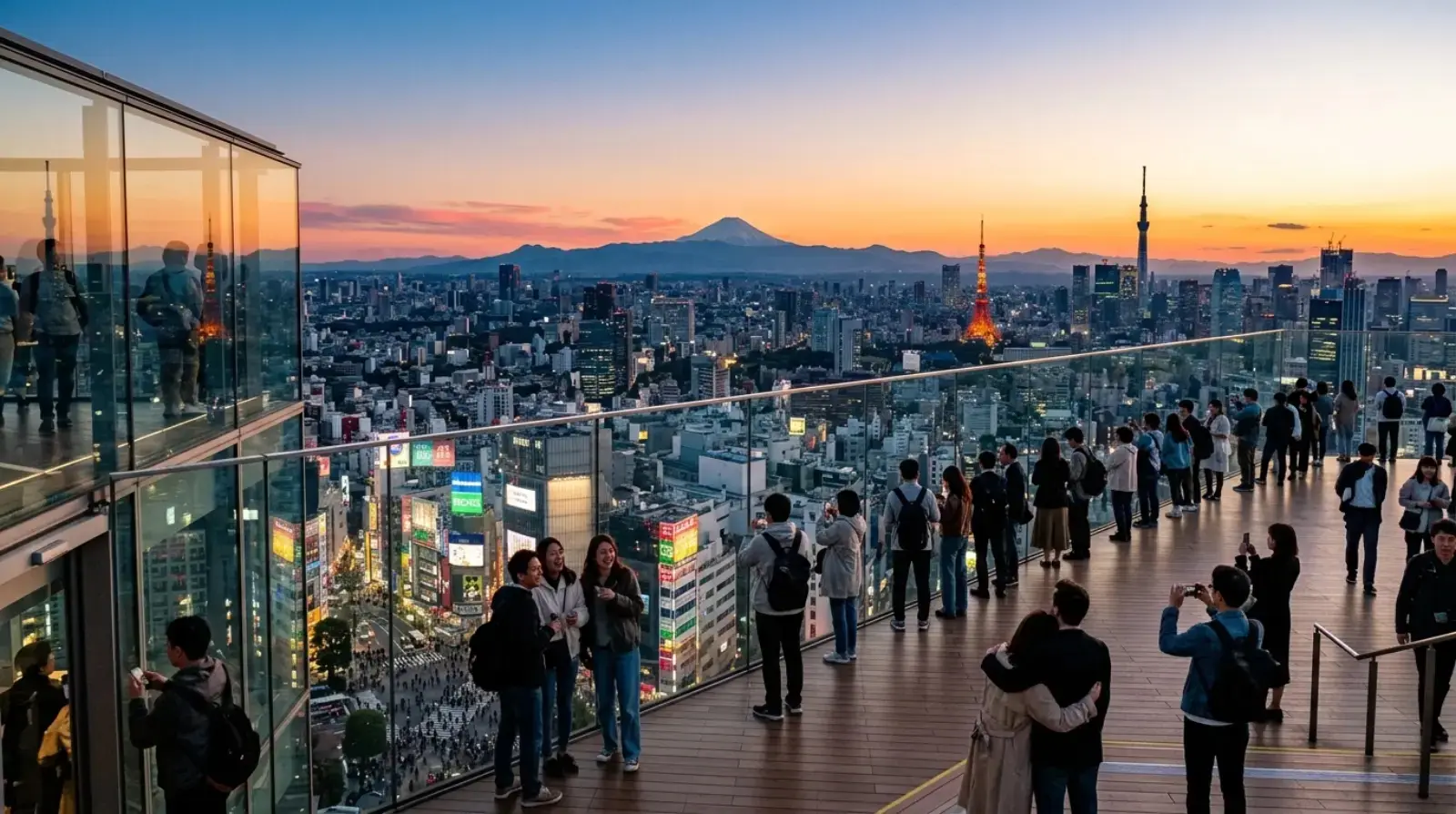
Tokyo Day 2 Itinerary: Booking Shibuya Sky, Harajuku Backstreets and Roppongi at Night
Securing prime sunset slots atop Shibuya Sky, navigating hidden boutiques along Harajuku Cat Street, immersing in the forested serenity of Meiji Jingu, and marveling at the crimson glow of Tokyo Tower from Roppongi Hills. A masterclass in Day 2 pacing.
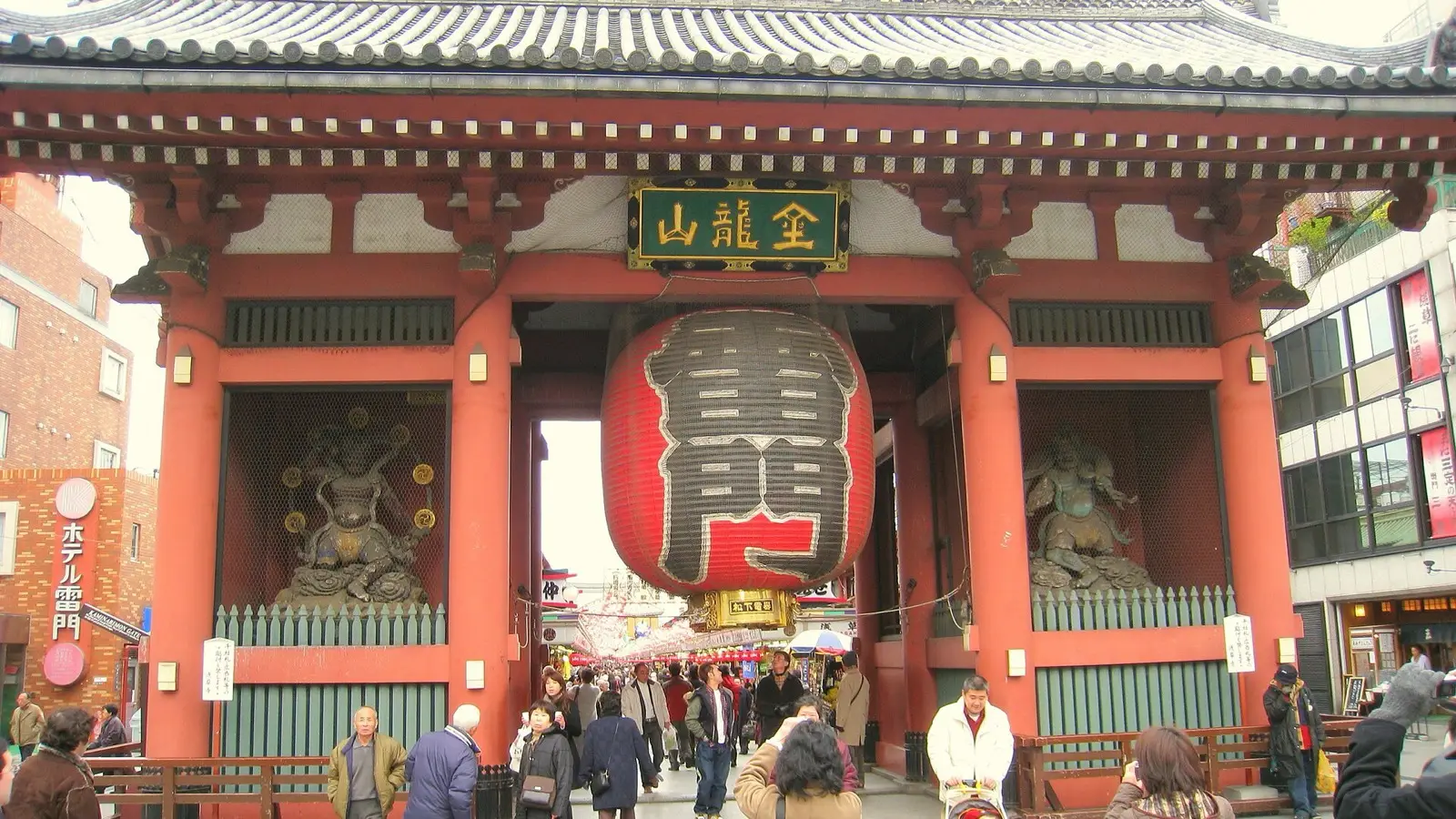
Tokyo Day 3 Itinerary: Asakusa, Akihabara, Ginza Depachika and Flying Home
The ultimate finale for your Tokyo stay: tranquil morning worship at Sensoji, retro subculture in Akihabara, Ginza Six architectural rooftop views and basement depachika feasts, capped by seamless Skyliner and N'EX airport connections.
Exchange Rate Tricks and Hidden Fees When Booking Hotels Abroad
An investigative playbook uncovering why OTA final totals escalate, how desktop bank partner links consistently beat mobile app rates, and the exact local-currency checklist to stop hidden fees.
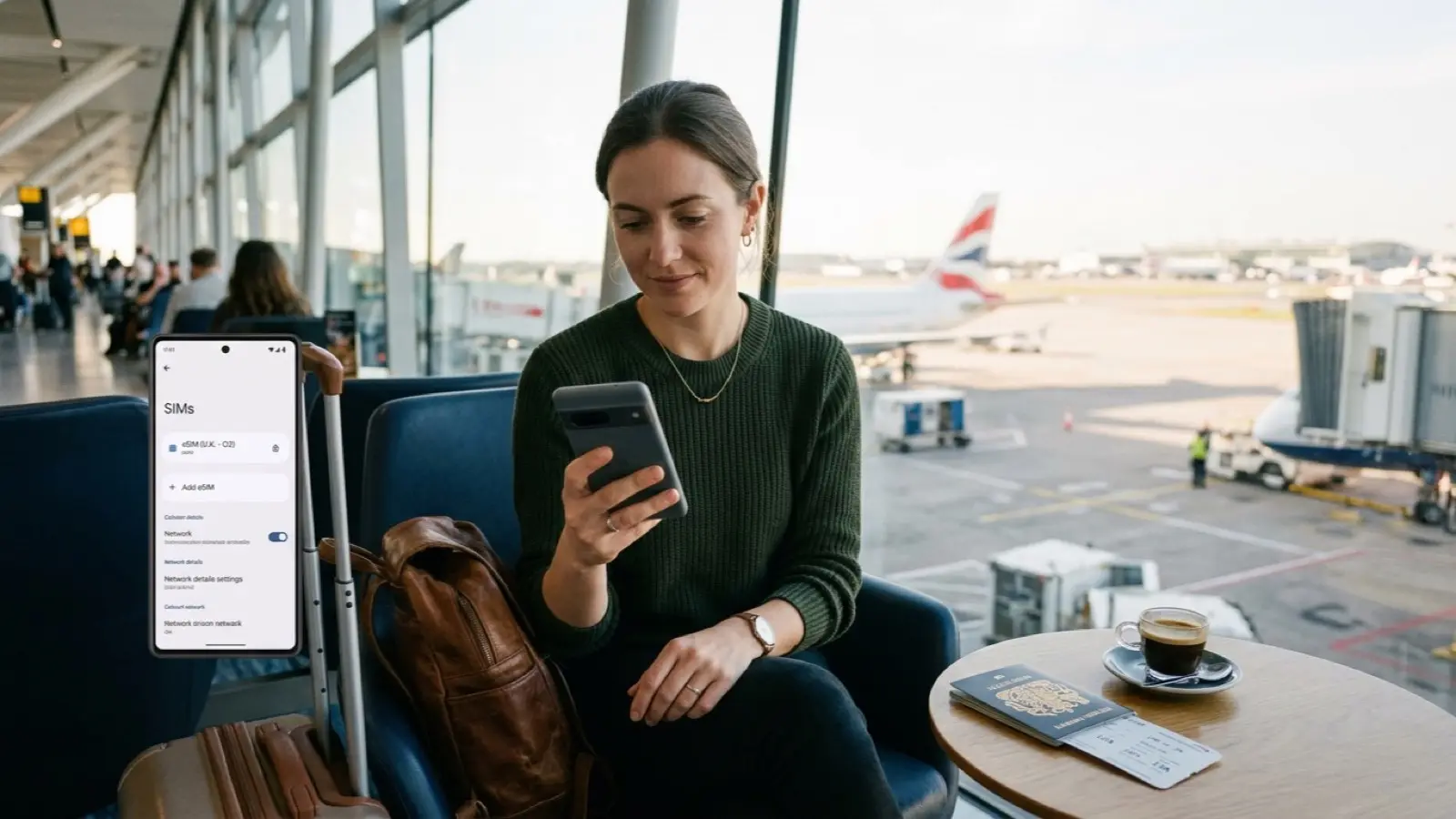
eSIM vs Roaming vs a Local SIM: Which Is Cheapest for Travel Data
Never wait in line for physical SIM swaps or haul heavy battery packs again. From solo weekend getaways to multi-week family tours, here is how to pick the right mobile data setup without wasting money.
Does Incognito Mode Make Flights Cheaper? What Dynamic Pricing Really Does
Does clearing cookies or going incognito actually save cash on flights and hotels? We pull back the curtain on airline revenue management engines, fare bucket mechanics, currency routing quirks, and the genuine mid-week price drop cycles that actually protect your travel wallet.
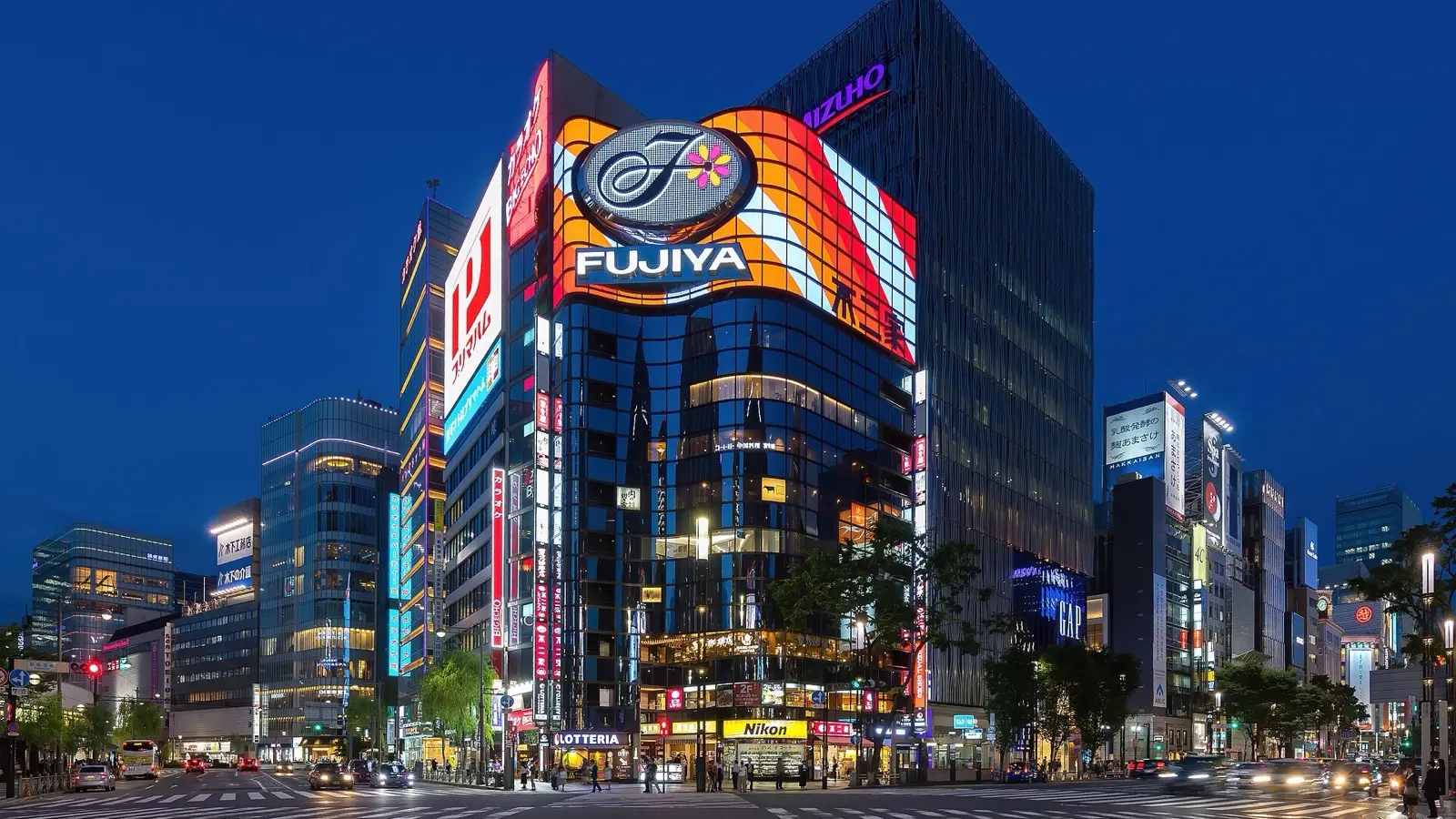
Tax-Free Shopping in Japan: How It Works and What Voids It
While enjoying ten percent consumption tax exemptions in Japan is a cornerstone of travel, the country enforces rigorous customs data tracking and strict packing rules. From general goods accidentally locked inside tamper-evident consumable bags to department stores taking a 1.55 percent handling fee and airport electronic customs audits clawing back taxes on broken seals, here is your essential guide to navigating Japan duty-free shopping without penalty.
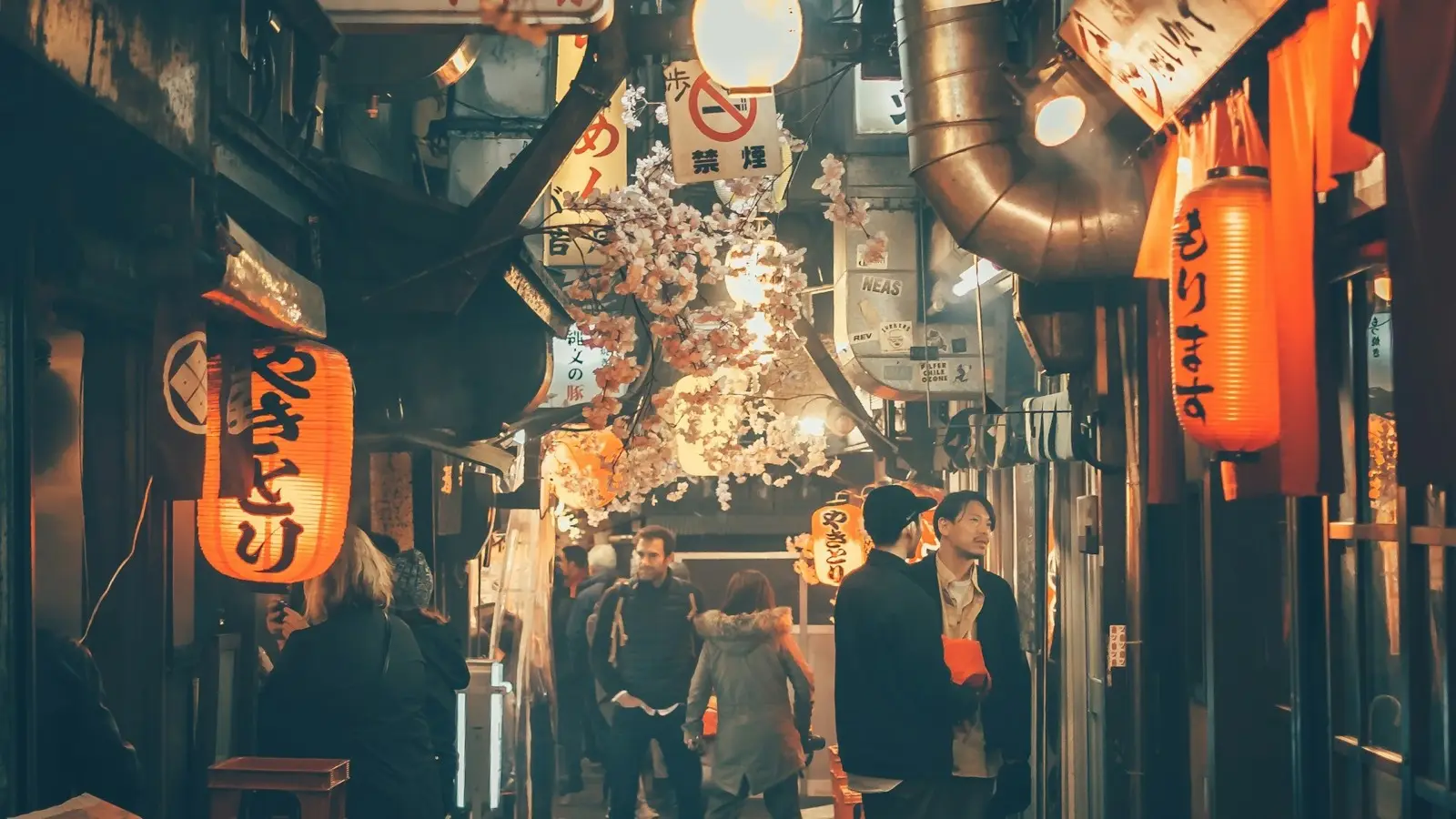
Tokyo's Yanaka Ginza Shitamachi Walk: Crispy Croquettes, Quiet Cat Alleys, and Showa Retro Soul
When the sensory overload of Shinjuku's neon billboards and Shibuya's scrambling crosswalks wears thin, seek refuge in Yanesen (the historic triangle of Yanaka, Nezu, and Sendagi), one of the exceedingly rare Tokyo neighborhoods that miraculously escaped both the 1923 Great Kanto Earthquake and World War II firebombings. Beginning from the west exit of JR Nippori Station, this serene walking route descends the famous Yuyake Dandan (Sunset Steps) into the nostalgic, pedestrian-only Yanaka Ginza shopping arcade. From biting into crispy beef menchi-katsu freshly fried at a multi-generational butcher stall to greeting neighborhood alley cats and sipping dark pour-over coffee on the tatami mats of 1938-built Kayaba Coffee, here is your definitive field guide to Tokyo's enduring Showa-era soul.
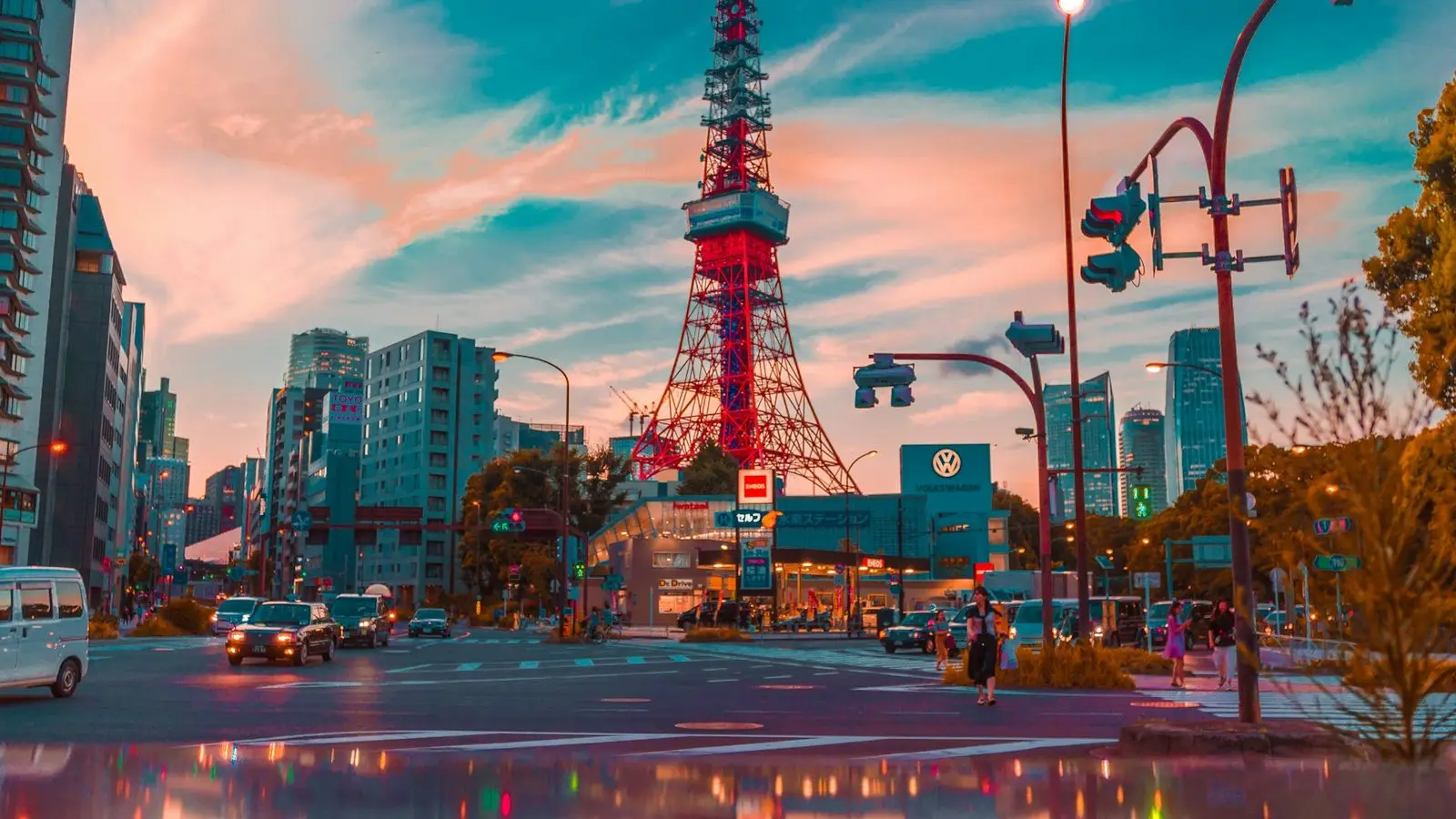
Tokyo Shibamata Retro Journey: Taishakuten Temple Relic Carvings, Yamamoto-tei Garden, and Fresh Kusadango Sweets
When the hypnotic kaleidoscope of Shinjuku digital screens and Shibuya pedestrian swarms begins to exhaust your senses, head northeast toward the serene time-capsule village of Shibamata in Katsushika ward. Transferring onto the charming single-track Keisei Kanamachi Line shuttle whisks travelers back into the gentle, human-scale Tokyo of the 1960s Showa era. Stepping past the nostalgic bronze statue of wandering peddler Tora-san at the station square, a pedestrian pilgrimage avenue lined with Edo-period wooden facades unfolds before you. Here, the soothing aroma of freshly pounded green mugwort dumplings (Kusadango) and crackling hand-toasted rice senbei drifts through the air. Beyond the historic Daikyo-ji temple gate lies an astonishing museum corridor of intricate, three-dimensional Lotus Sutra wood reliefs, followed by the hybrid Taisho-era architecture of Yamamoto-tei and Edo River hand-rowed ferries.