
TokyoTips
Tax-Free Shopping in Japan: How It Works and What Voids It
From combined general and consumable packing rules to liquids in checked bags and the November 2026 switch to refunds
Strict Separation of General and Consumable Goods: The 5,000 Yen Rule and Security Seals
Shopping is an essential pleasure of visiting Japan, but the country's tax-free exemption system carries stringent tax regulations and coordinated customs monitoring. Under the rules that apply until 31 October 2026, Japan's consumption tax stands at ten percent, and qualifying for tax exemption requires spending at least 5,000 yen excluding tax (5,500 yen including tax) at a single shop on the same calendar day. From 1 November 2026 the system switches to a refund model: you pay the tax at the till and get it back after airport customs confirms, within 90 days of purchase, that you are taking the goods out. The sealed consumable bag and the split between general and consumable goods disappear then, but the 5,000 yen minimum stays and anything used in Japan does not qualify. The sealing rules below apply to purchases made up to 31 October.
The most common point of confusion among travelers is the strict legal boundary between general goods (electronics, clothing, shoes, bags, luxury apparel) and consumable items (confectionery, packaged ramen, cosmetics, health supplements, alcohol). While general goods can be legally unpacked and worn or used inside Japan, consumables are exempted on the strict condition that they leave the country unopened, sealed inside designated plastic bags with red security tape.
What happens if you buy a 3,000-yen shirt and 2,500-yen worth of snacks in the same store to cross the 5,000-yen minimum? In this combined purchase scenario, the shirt forfeits its status as a general good and is classified as a consumable, sealed tightly in the tamper-evident bag until you clear international departures.
Opening the bag inside your hotel to wear the shirt or splitting packages to save suitcase room constitutes an immediate violation of Japanese tax law. If selected during customs screening at departure, you will be required to pay the full ten percent consumption tax on the spot. Items you plan to wear or consume during your stay must always be paid for separately with regular tax.
The Department Store 1.55% Handling Fee Trap vs Instant Retailer Deductions
When purchasing luxury goods at prestigious department stores in Ginza, Shinjuku, or Nihombashi, travelers who scrutinize their receipts often notice an unexpected discrepancy. Rather than receiving the full ten percent tax rebate, the customer service refund counter deducts a 1.55 percent handling fee, leaving an effective refund of only 8.45 percent.
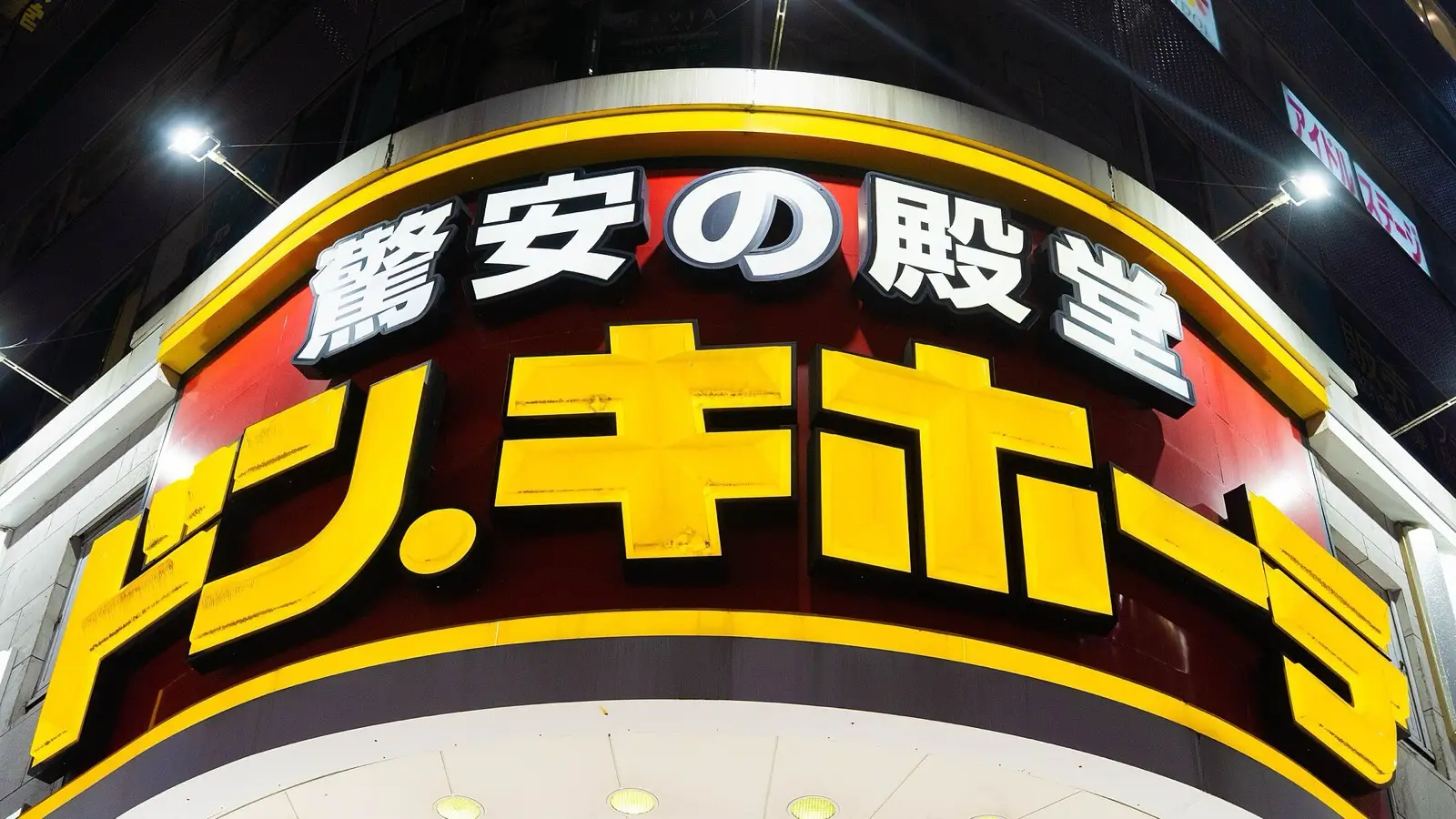
This administrative deduction is standard practice across member stores of the Japan Department Stores Association, silently siphoning substantial sums on high-ticket luxury designer items. In contrast, major discount retailers such as Don Quijote, Matsumoto Kiyoshi, and Bic Camera apply direct tax exemption at the register, subtracting the full ten percent immediately from your invoice.
When combined with promotional tourist coupon discounts ranging from five to seven percent, your actual savings at standalone retailers can climb as high as fifteen to seventeen percent. If a flagship boutique and a department store concession sit on the same avenue, purchasing directly from the standalone boutique without handling fees yields substantially more value.
Furthermore, claiming tax refunds at department stores requires presenting paper receipts, physical payment cards, and passports at the centralized counter before the store closes on the purchase day, with zero retroactive processing permitted on subsequent dates.
The Visit Japan Web Tax-Free QR Reality and Physical Passport Requirements
Japan's Digital Agency introduced a digital tax-free QR code feature within the Visit Japan Web portal to streamline tourist shopping. The initiative aimed to let visitors display a mobile screen barcode instead of handing over their physical travel document at retail registers across the country.
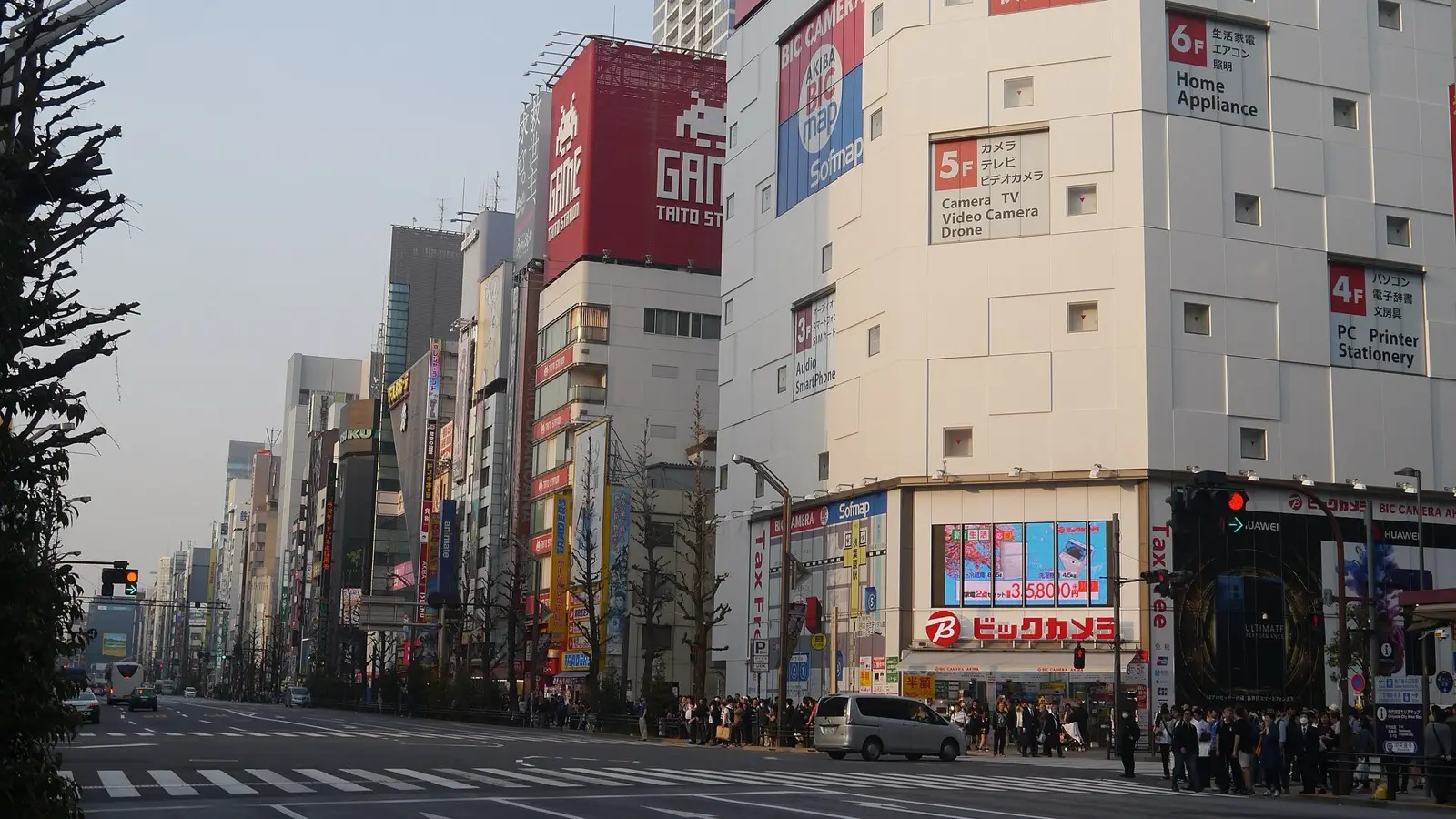
However, real-world retail infrastructure across Tokyo and Osaka remains noticeably fragmented. Outside of select electronics giants like Bic Camera and designated convenience chains, the vast majority of local boutiques, pharmacies, and specialty shops lack 2D barcode scanners and still require scanning your physical passport.
Paper photocopies and smartphone photos of your passport are not accepted. Travelers who leave their passports in the hotel safe can end up unable to buy anything tax-free that day.
Always carry your original, undamaged physical passport when shopping in Japan. Furthermore, if you use automated facial recognition e-gates upon entering the country without receiving the physical temporary visitor landing sticker, the shop may be unable to verify your status and refuse the exemption, so ask the immigration officer for a landing sticker after the gate, or use the Visit Japan Web tax-free QR code at shops that read it.
Airport Customs Electronic Terminals and Checking Liquid Duty-Free Items
Since April 2020, all tax-free purchase data throughout Japan has been synchronized in real time with National Tax Agency cloud servers. The moment a cashier scans your passport, transaction records and itemized manifests transmit directly to customs databases at Narita, Haneda, and Kansai airports.
Under standard regulations, duty-free items must be carried as cabin baggage so that customs officers stationed after security screening can inspect physical goods upon request. In response to commercial reselling abuse, customs authorities have stepped up random and targeted physical audits for passengers flagged with high spending totals.
A major conflict arises with liquid tax-free items exceeding 100ml, including skincare toners, sunscreen lotions, sake, and Japanese whisky, which are strictly prohibited in carry-on luggage under international aviation security rules. For purchases made up to 31 October 2026 they simply go in your checked suitcase; Narita Airport itself tells travelers to pack liquids bought at city tax-free shops in their suitcase and check them in.
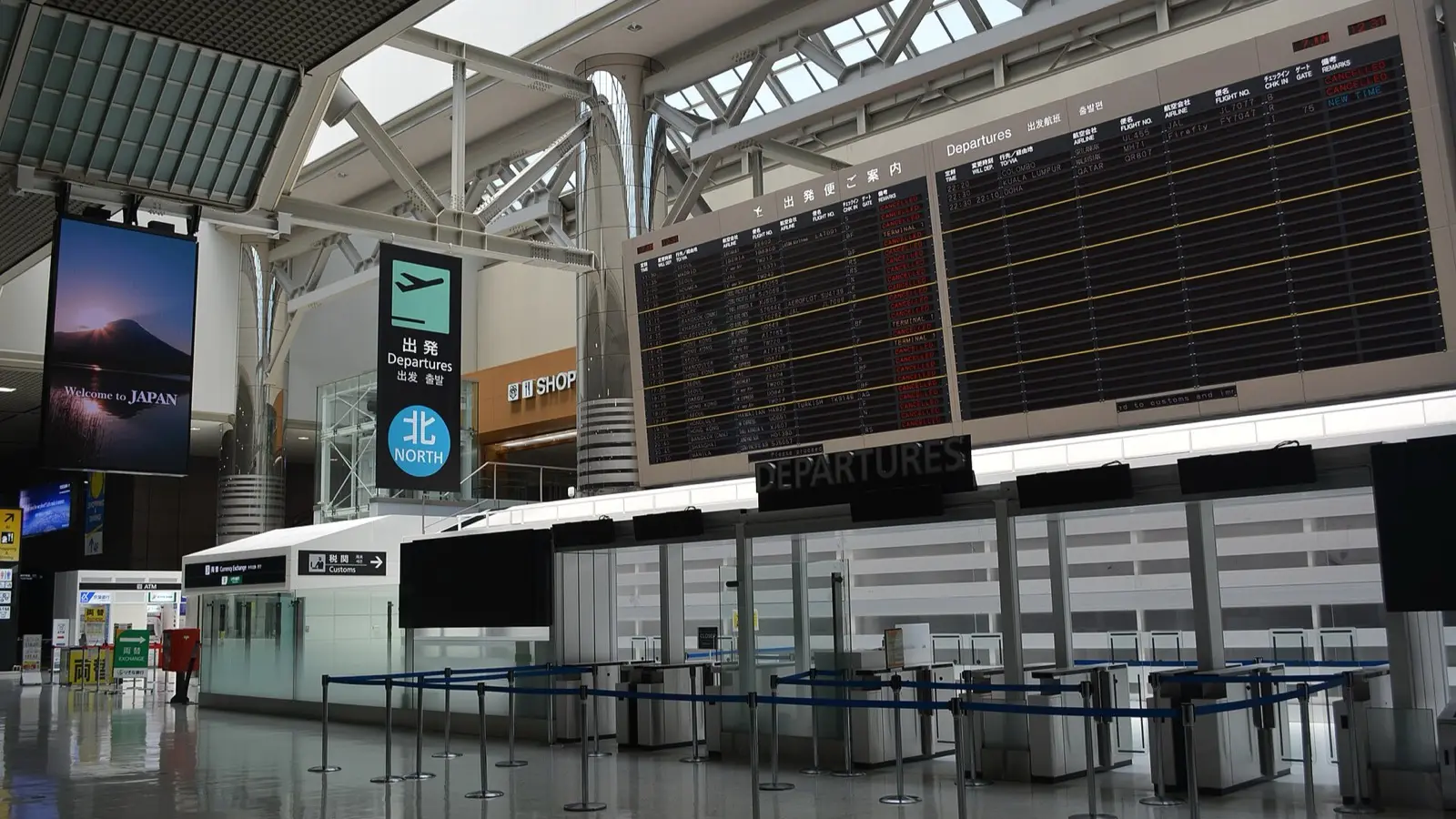
Keep the rest of your tax-free goods in your cabin bag, since customs at the departure booth may ask to see them. Purchases made from 1 November 2026 follow a different order: you must complete the customs confirmation at the airport kiosk before you hand your bag to the airline, and checking the bag first costs you the refund.
Credit Card Name Verification and Safe Unsealing Upon Return
The final hurdle at tax-free registers involves strict payment card matching rules. Many tax-free counters check that the name on your credit or debit card matches the name in the passport you present.
Attempting to pay with a spouse's card while presenting your own passport, or using a parent's card for a student's purchase, is commonly refused. Each traveler in your group must carry their own dedicated payment card matching their personal identification documents.
When paying in cash, the passport holder must still be physically present at the register, as proxy purchases on behalf of third parties are strictly prohibited. Always retain paper purchase receipts inside your wallet until you touch down in your home country, providing vital backup evidence should airport cloud records fail.
Only after your return flight takes off and crosses out of Japanese airspace are you legally permitted to break the red security tape on consumable bags. Unpacking your treasures at home ensures total compliance and guarantees a smooth, penalty-free conclusion to your journey.
Frequently Asked Questions
Field-tested answers to transit navigation, neighborhood choices, and payment traps.
Q1.Will Japanese customs really charge me 10% tax if I open duty-free bags inside Japan?
Q2.Can I combine general goods and consumables to meet the 5,000 yen tax-free threshold?
Q3.Can I present a passport photocopy or smartphone picture to claim tax exemption?
Q4.How do I clear customs for liquid tax-free items like cosmetics or sake packed in checked luggage?
The Smart Traveler's Essential Toolkit
Prepare instant mobile data, private airport transfers, and skip-the-line passes in one place.
Pick a base in Tokyo by your route
Choose the places you want to see and get the neighbourhood with the shortest travel.
Compare Tokyo Hotel Rates
Find the cheapest channel across Agoda and major booking engines with Tripdify.
Share This Guide with Your Companions
When shared via chat or social media, a curated summary card is sent along.
Recommended Guides
Where to Stay in Tokyo: Shinjuku vs Shibuya vs Ginza
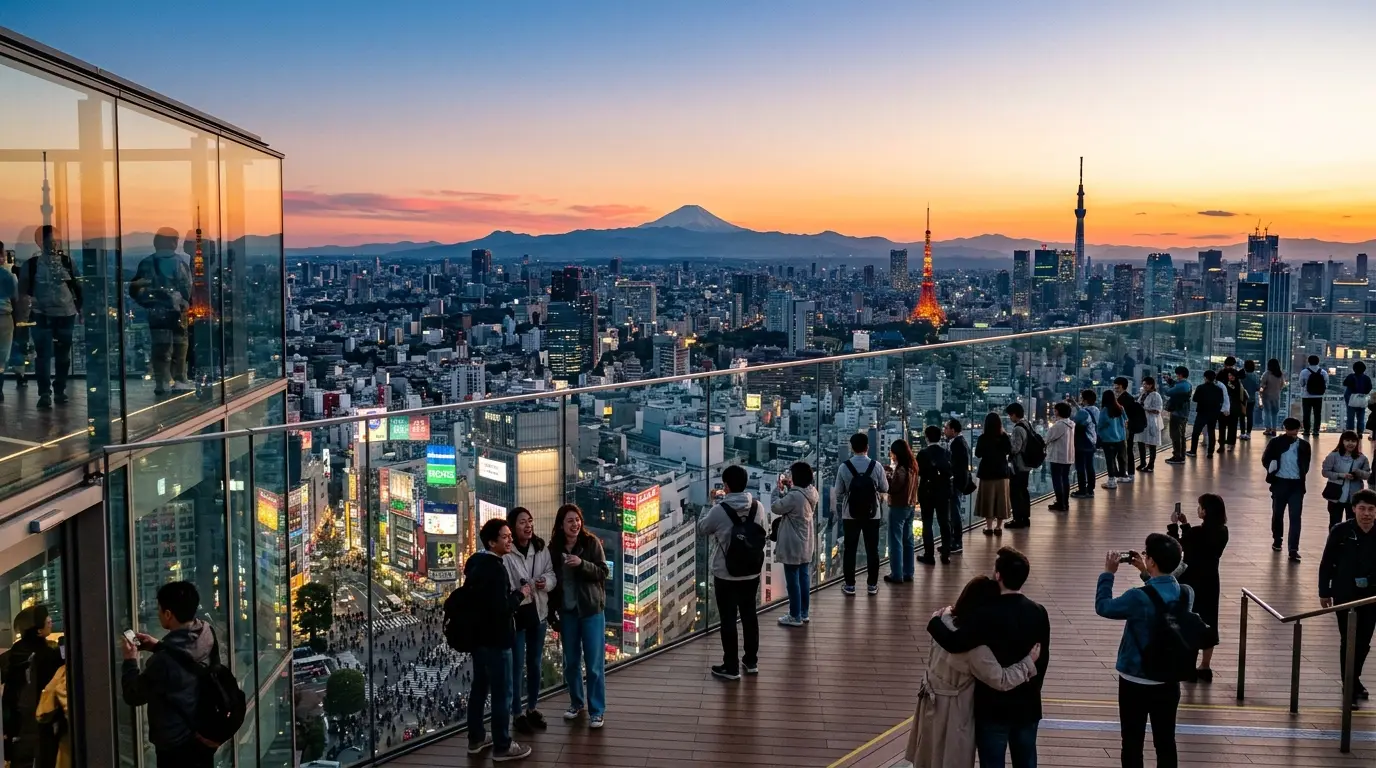
Comparing room footprints across Shinjuku, Ginza, and Ueno, locking in sudden 14-day cancellation drops, and eliminating DCC fees with clean Yen checkout.

7 Budget Hotels in Tokyo Under $100 on the Yamanote Line
Even amid yen fluctuations, central Tokyo hotel rates have soared. Learn how to secure Yamanote loop line hotels at half the price of Shinjuku, compare onsen bath chains like Dormy Inn, trigger secret Agoda VIP and Booking.com Genius discounts, and dodge hidden currency fees with yen settlement.
How to Read the Tokyo Subway Map and Where to Stay on the Yamanote Line
How to choose between Keisei Skyliner and Narita Express, avoid the Tokyo Subway Ticket trap, use Apple Wallet Suica, and select the ideal hotel base in Tokyo.
Tokyo Day 1 Itinerary: Narita Airport to the City and Your First 24 Hours
From stepping off at Narita Airport to mastering high-speed trains, navigating Tokyo's sprawling transit hubs, ordering counter ramen effortlessly, and catching sunset from Roppongi Hills. A definitive guide for your first 24 hours in Tokyo.
Tokyo Day 2 Itinerary: Booking Shibuya Sky, Harajuku Backstreets and Roppongi at Night
Securing prime sunset slots atop Shibuya Sky, navigating hidden boutiques along Harajuku Cat Street, immersing in the forested serenity of Meiji Jingu, and marveling at the crimson glow of Tokyo Tower from Roppongi Hills. A masterclass in Day 2 pacing.
Tokyo Day 3 Itinerary: Asakusa, Akihabara, Ginza Depachika and Flying Home
The ultimate finale for your Tokyo stay: tranquil morning worship at Sensoji, retro subculture in Akihabara, Ginza Six architectural rooftop views and basement depachika feasts, capped by seamless Skyliner and N'EX airport connections.
Exchange Rate Tricks and Hidden Fees When Booking Hotels Abroad
An investigative playbook uncovering why OTA final totals escalate, why card issuer partner links are worth comparing against mobile app rates, and the exact local-currency checklist to stop hidden fees.
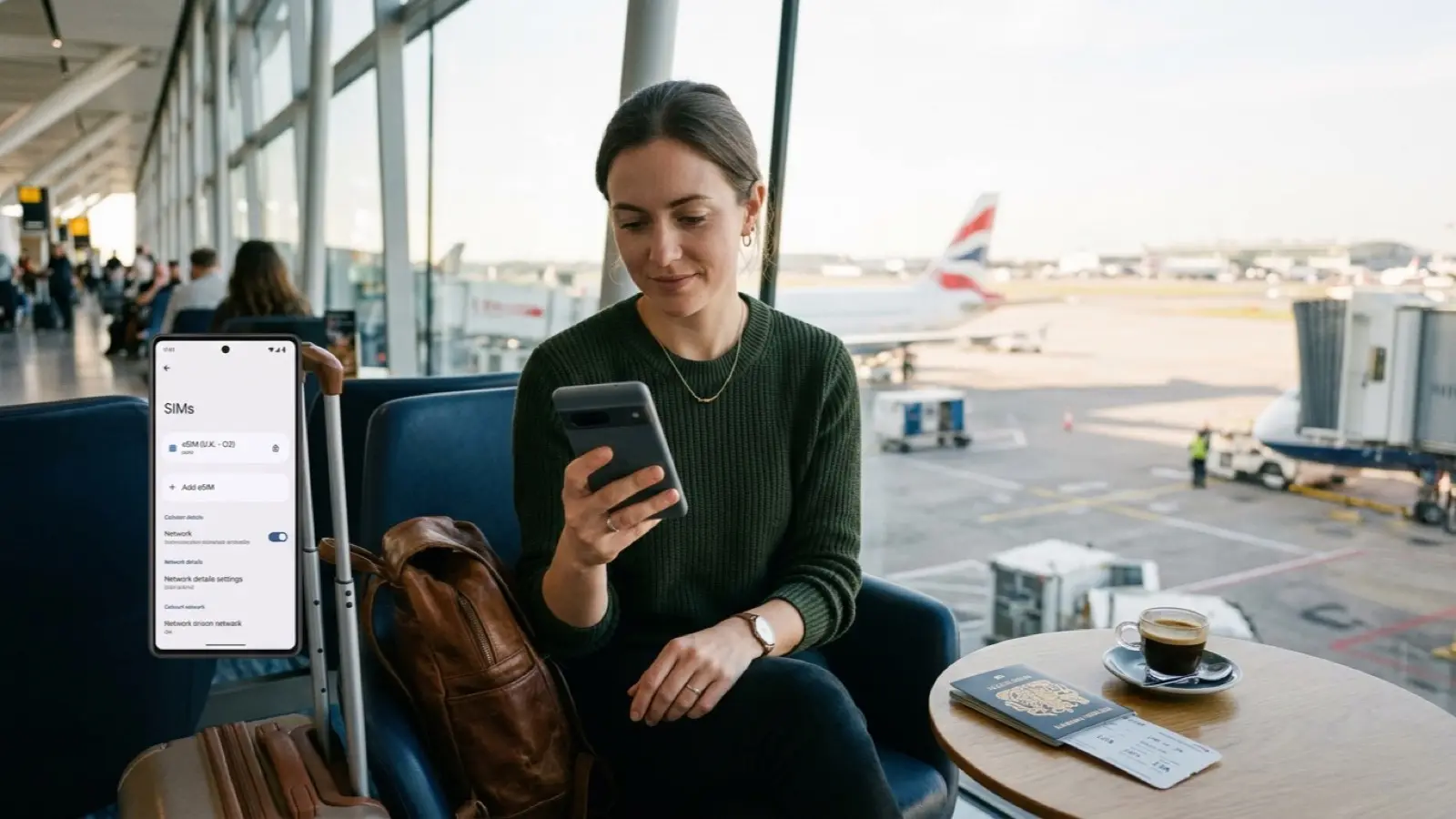
eSIM vs Roaming vs a Local SIM: Which Is Cheapest for Travel Data
Never wait in line for physical SIM swaps or haul heavy battery packs again. From solo weekend getaways to multi-week family tours, here is how to pick the right mobile data setup without wasting money.
Does Incognito Mode Make Flights Cheaper? What Dynamic Pricing Really Does
Does clearing cookies or going incognito actually save cash on flights and hotels? We pull back the curtain on airline revenue management engines, fare bucket mechanics, currency routing quirks, and what day-of-week booking data really shows.
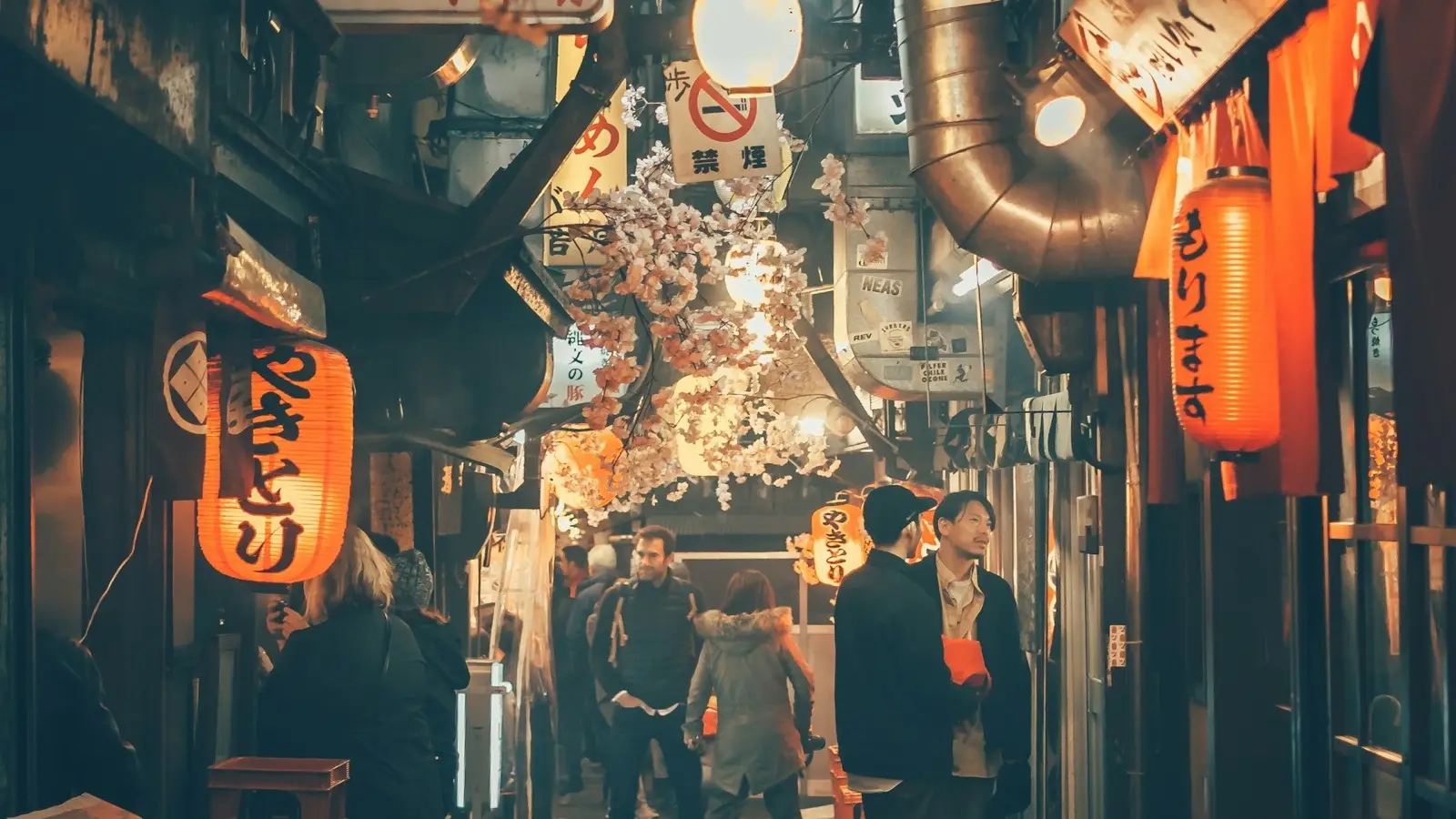
Tokyo's Yanaka Ginza Shitamachi Walk: Crispy Croquettes, Quiet Cat Alleys, and Showa Retro Soul
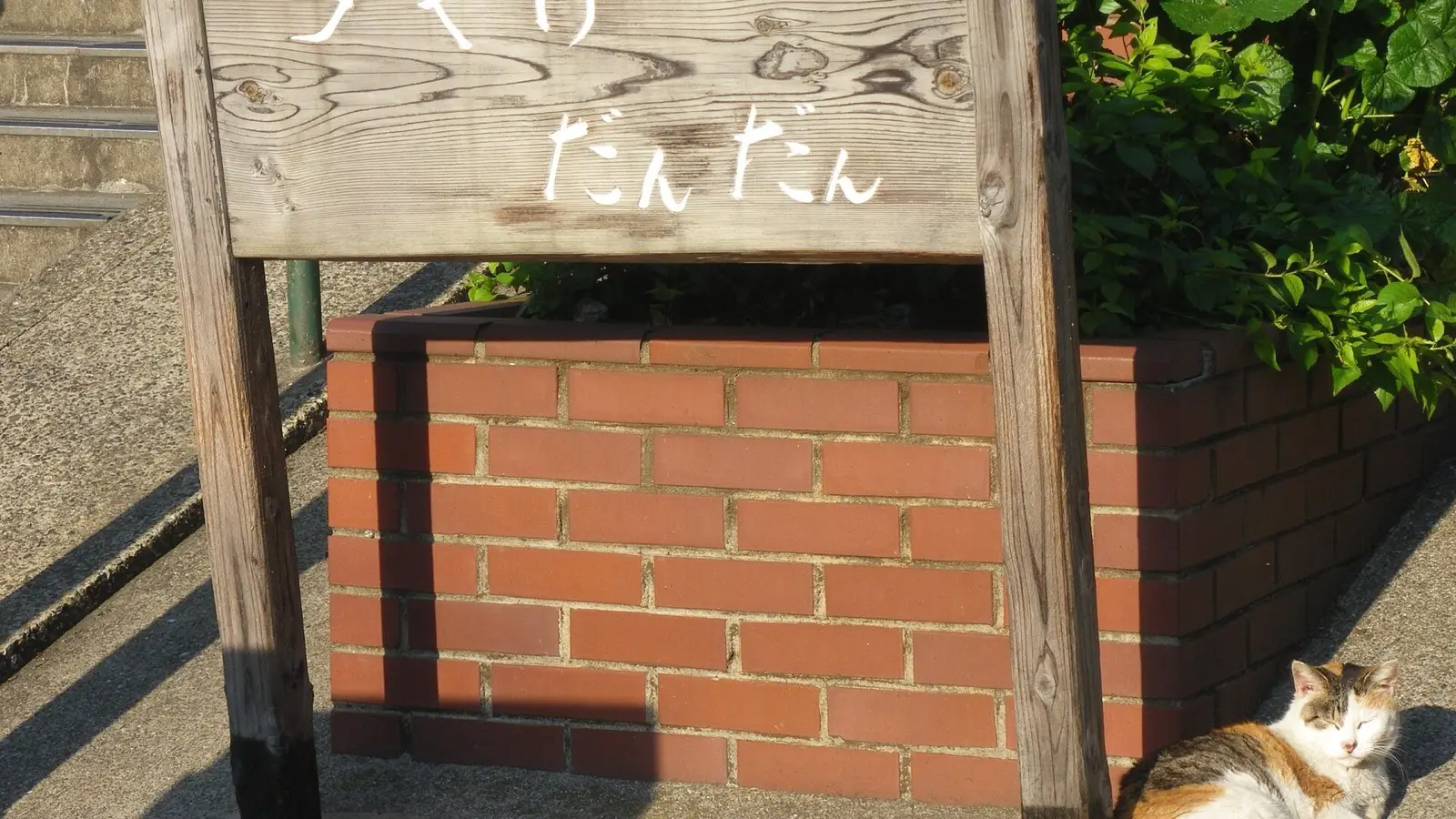
When the sensory overload of Shinjuku's neon billboards and Shibuya's scrambling crosswalks wears thin, seek refuge in Yanesen (the historic triangle of Yanaka, Nezu, and Sendagi), one of the exceedingly rare Tokyo neighborhoods that miraculously escaped both the 1923 Great Kanto Earthquake and World War II firebombings. Beginning from the west exit of JR Nippori Station, this serene walking route descends the famous Yuyake Dandan (Sunset Steps) into the nostalgic, pedestrian-only Yanaka Ginza shopping arcade. From biting into crispy beef menchi-katsu freshly fried at a multi-generational butcher stall to greeting neighborhood alley cats and sipping dark pour-over coffee on the tatami mats of 1938-built Kayaba Coffee, here is your definitive field guide to Tokyo's enduring Showa-era soul.

The Japan Shinkansen Booking Playbook: Mount Fuji Row E Strategy, Oversized Luggage, and Smart EX Savings
Slicing through Japan's industrial and cultural heartland between Tokyo, Kyoto, and Osaka, the Tokaido Shinkansen bullet train network represents the pinnacle of railway engineering. Cruising smoothly at 285 km/h, the Nozomi super-express covers the 515-kilometer corridor in just two hours and twenty minutes. Yet navigating the nuances of seat selection dictates whether your journey becomes a dream sightseeing passage or a cramped logistical hassle. Missing out on the coveted two-abreast 'Row E' window seats when departing Tokyo forfeits uninhibited vistas of Mount Fuji. Furthermore, failing to pre-book dedicated Oversized Baggage seats for luggage whose total dimensions exceed 160 cm triggers an unexpected 1,000 JPY penalty fee enforced by conductors on board. This tactical manual reveals the exact seat reservation rules, paperless Smart EX mobile discounts, oversized luggage exemptions, and post-price-hike JR Rail Pass breakeven mathematics.
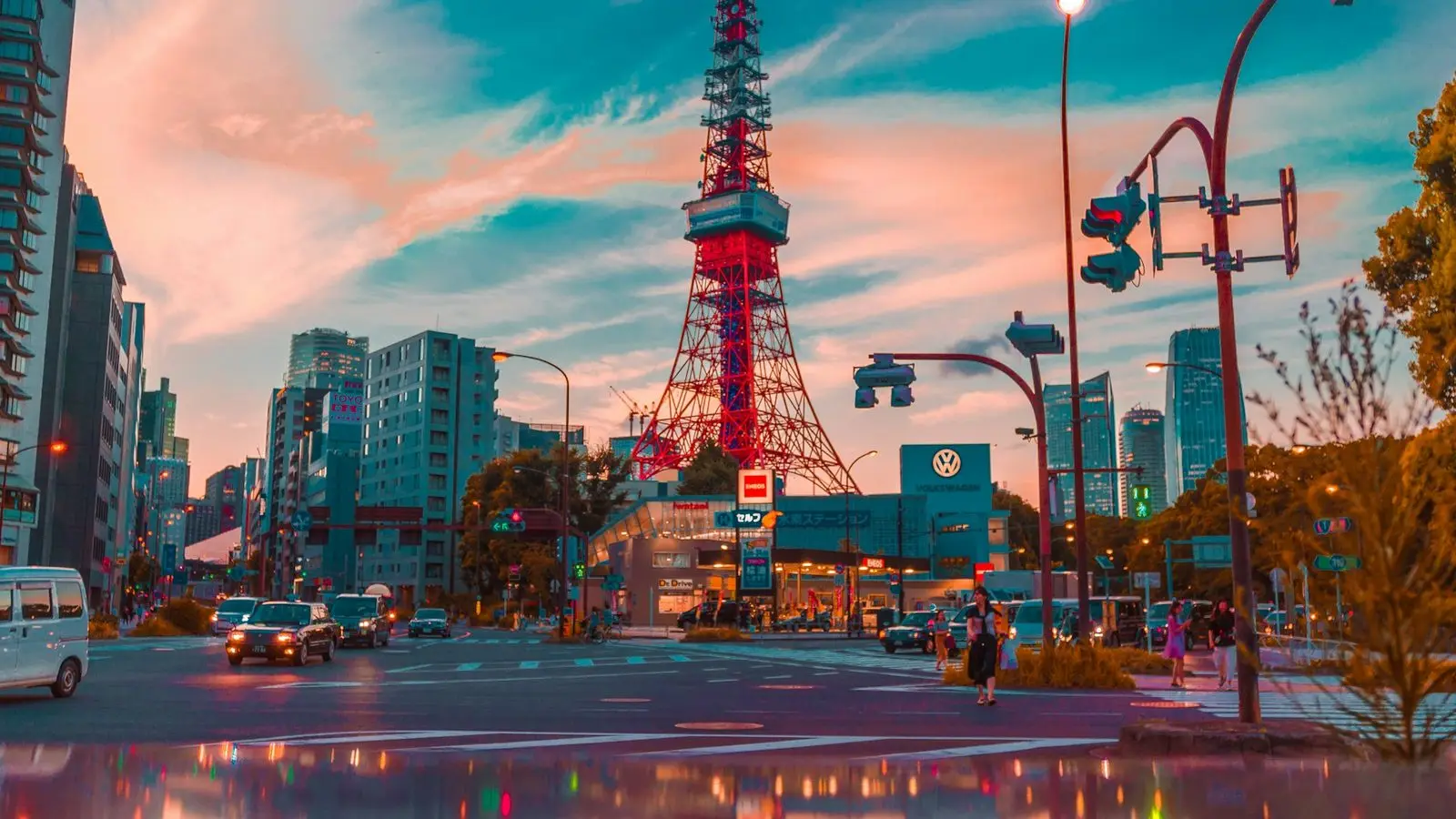
Tokyo Shibamata Retro Journey: Taishakuten Temple Relic Carvings, Yamamoto-tei Garden, and Fresh Kusadango Sweets
When the hypnotic kaleidoscope of Shinjuku digital screens and Shibuya pedestrian swarms begins to exhaust your senses, head northeast toward the serene time-capsule village of Shibamata in Katsushika ward. Transferring onto the charming single-track Keisei Kanamachi Line shuttle whisks travelers back into the gentle, human-scale Tokyo of the 1960s Showa era. Stepping past the nostalgic bronze statue of wandering peddler Tora-san at the station square, a pedestrian pilgrimage avenue lined with Edo-period wooden facades unfolds before you. Here, the soothing aroma of freshly pounded green mugwort dumplings (Kusadango) and crackling hand-toasted rice senbei drifts through the air. Beyond the historic Daikyo-ji temple gate lies an astonishing museum corridor of intricate, three-dimensional Lotus Sutra wood reliefs, followed by the hybrid Taisho-era architecture of Yamamoto-tei and Edo River hand-rowed ferries.