
TokyoCurated
How to Read the Tokyo Subway Map and Where to Stay on the Yamanote Line
Mastering Tokyo's rail maze: Narita Skyliner vs NEX speeds, Tokyo Subway Ticket math, Apple Wallet Suica, and strategic hub selection across Shinjuku, Ueno, and Ginza.
Narita vs Haneda Gateways: Skyliner, N'EX, and Low-Cost Airport Buses
Your fatigue on day one of a Tokyo trip depends entirely on how accurately you navigate its airport rail corridors. Arriving at Narita Airport, situated 60 kilometers outside the capital, the fastest and most seamless option is the Keisei Electric Railway's Skyliner. Cruising at 160 km/h, it reaches Nippori in 36 minutes and Keisei-Ueno Station in just 41 minutes (2,580 JPY one way). For travelers staying across eastern and central hubs like Ueno, Asakusa, Ginza, or Akihabara, the Skyliner is the undisputed champion.
Conversely, if your hotel sits across western Tokyo hubs like Shinjuku, Shibuya, or Shinagawa, taking JR East's limited express Narita Express (N'EX) is the smarter play. While travel times are longer (around 1 hour 15 minutes to Shinjuku), N'EX eliminates the friction of hauling heavy luggage through crowded underground transfer labyrinths, dropping you directly on your destination station platform. Purchasing the foreign visitor round-trip discount ticket for 5,200 JPY brings the cost down to 2,600 JPY per leg.
Budget-conscious travelers carrying light baggage can board the Airport Bus TYO-NRT for a flat 1,500 JPY in the daytime. It connects Narita directly to Tokyo Station Yaesu Exit and Ginza Station in 65 to 70 minutes for well under the rail fare. However, during morning and evening rush hours, severe expressway traffic bottlenecks can stretch travel times beyond two hours, making it strictly unadvisable for outbound departures back to the airport.
Arriving via Haneda Airport, positioned just 15 kilometers from downtown, grants vastly superior transit agility. The Tokyo Monorail whisks passengers to Hamamatsucho Station on the Yamanote line in 13 minutes, while the Keikyu Airport Line reaches Shinagawa Station in 11 minutes, unlocking any district in Tokyo within 30 minutes. Haneda taxi fares are also reasonable at 8,000 to 10,000 JPY late at night, making group ride-sharing viable after midnight arrivals.
Yamanote West (Shinjuku, Shibuya) vs East (Ueno, Ginza): Base Camp Strategy
Tokyo's urban geography divides neatly into western and eastern sectors along the loop of the olive-green JR Yamanote Line. The western powerhouses of Shinjuku and Shibuya are trend-setting, sleepless entertainment capitals. Lined with premier department stores, indie boutiques, and alleyway izakayas, they offer an exhilarating base for travelers eager to soak in nightlife and pop culture. However, station footprints are colossal and crowds are relentless, raising daily commuting friction with luggage.
In contrast, eastern bastions like Ueno and Asakusa present an authentic, budget-friendly neighborhood atmosphere. A 40-minute direct Skyliner link to Narita makes airport transit effortless, while hotel room rates are usually lower than in Shinjuku. With lively market streets in Ameyoko and the quiet greenery of Ueno Park, this quadrant serves as a functional, grounded base for families and extended stays.
Travelers prioritizing refined retail and business efficiency should look toward Ginza and Tokyo Station. Here, flagship luxury fashion houses, historic department stores, and Michelin-starred dining clusters line wide boulevards. Several subway lines meet the Shinkansen and JR lines here, offering frictionless day-trip access to Kamakura or Yokohama. While nightlife is peaceful and safety is pristine, baseline accommodation pricing remains premium.
The governing rule for choosing a base is aligning your airport timetable with your primary daily attractions. If you have an early morning departure from Narita, staying near Ueno guarantees peace of mind. If your itinerary revolves around Tokyo Disney Resort, hotels near Tokyo Station or Hatchobori along the JR Keiyo Line deliver the most efficient routing.
The Tokyo Subway Ticket Trap and the Apple Wallet Suica Advantage
Many visitors instinctively purchase the foreign tourist Tokyo Subway Ticket (from 14 March 2026: 24-hour 1,000 JPY, 48-hour 1,500 JPY, 72-hour 2,000 JPY) upon landing. While unlimited rides sound enticing, the pass carries a major structural limitation: it is valid exclusively on the 9 Tokyo Metro lines and 4 Toei Subway lines, entirely excluding the crucial JR Yamanote and Chuo surface lines.
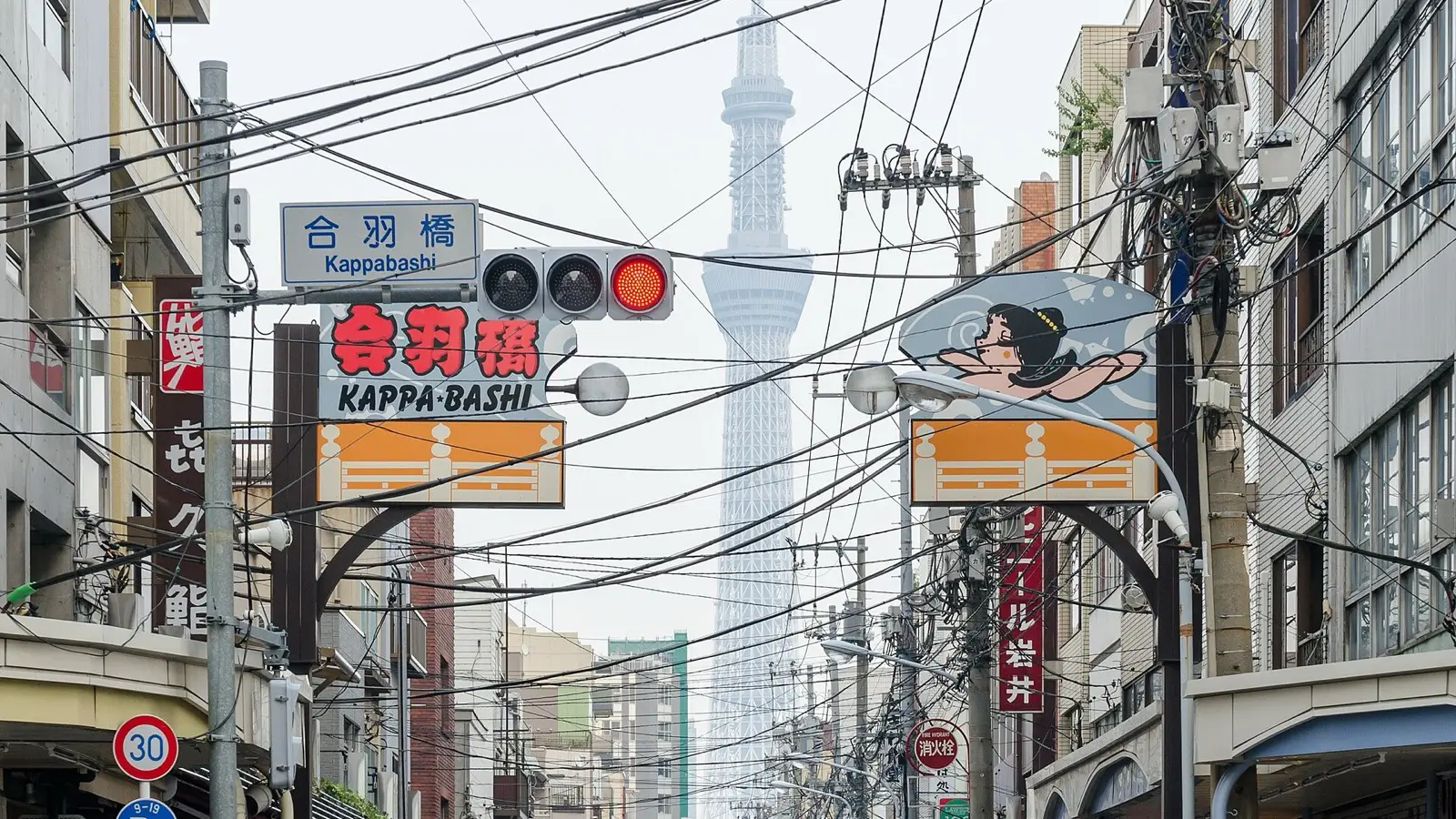
Traveling from Shinjuku to Shibuya on the JR Yamanote Line takes a direct 7 minutes. Forcing the journey onto the Subway Ticket means walking over to Shinjuku-sanchome for the Fukutoshin Line, which adds walking and time. Unless you take at least four subway hops every single day, the subway pass complicates transit navigation and wastes physical stamina.
The most battle-tested transit protocol is issuing a digital Suica or PASMO directly inside Apple Wallet or Google Pay. Sales of anonymous physical Suica cards, halted by the chip shortage, resumed in March 2025, but a mobile card can be added on an iPhone and loaded instantly with your existing credit card, with no queue. Most Android phones bought outside Japan cannot run mobile Suica.
With Express Transit mode enabled on mobile Suica, you do not even need to wake your phone screen or authenticate with Face ID. Simply tap the top edge of your device against turnstile sensors for instantaneous 0.2-second clearance. It works seamlessly across JR trains, private railways, subways, city buses, convenience stores, and vending machines nationwide without handling cash.
Navigating Tokyo's subway is simplified by color coding and alphanumeric codes: orange G for Ginza Line, red M for Marunouchi Line, silver H for Hibiya Line. Following letter and station numbers completely dissolves the language barrier. When transferring between Tokyo Metro and Toei Subway, passing through orange transfer gates maintains your 70 JPY fare discount.
Conquering the Shinjuku Dungeon and Steep Heritage Subway Staircases
Handling 3.5 million daily commuters, Shinjuku Station holds the Guinness World Record as the planet's busiest rail terminal, featuring over 200 distinct exits. The golden rule for preventing disorientation is simple: if lost, abandon the underground corridors and surface immediately to street level. Underground passageways twist across competing railway concessions, but once outdoors, towering landmarks and roadway signs orient you in seconds.
When traveling with heavy wheeled bags at Shinjuku, always target the South Exit (Minami-guchi) or New South Exit (Shin-Minami-guchi). These modern gates offer level elevator and escalator connections directly onto avenue streetscapes and the highway bus terminal (Busta Shinjuku). Conversely, the eastern subterranean corridors feature narrow heritage stairwells that become physical nightmares with luggage.
Historic subway routes like the Ginza Line (opened in 1927) and Marunouchi Line frequently lack escalators at older street exits, confronting travelers with 40 to 50 steep concrete steps. Hauling 28-inch suitcases up these flights is exhausting after a long flight.
When planning walking routes on Google Maps, toggle the wheelchair-accessible option, or consult Japanese transit apps like Japan Travel to identify elevator-equipped exit numbers in advance. Crossing an extra street-level pedestrian signal to reach a modern building tower elevator preserves your energy for sightseeing.
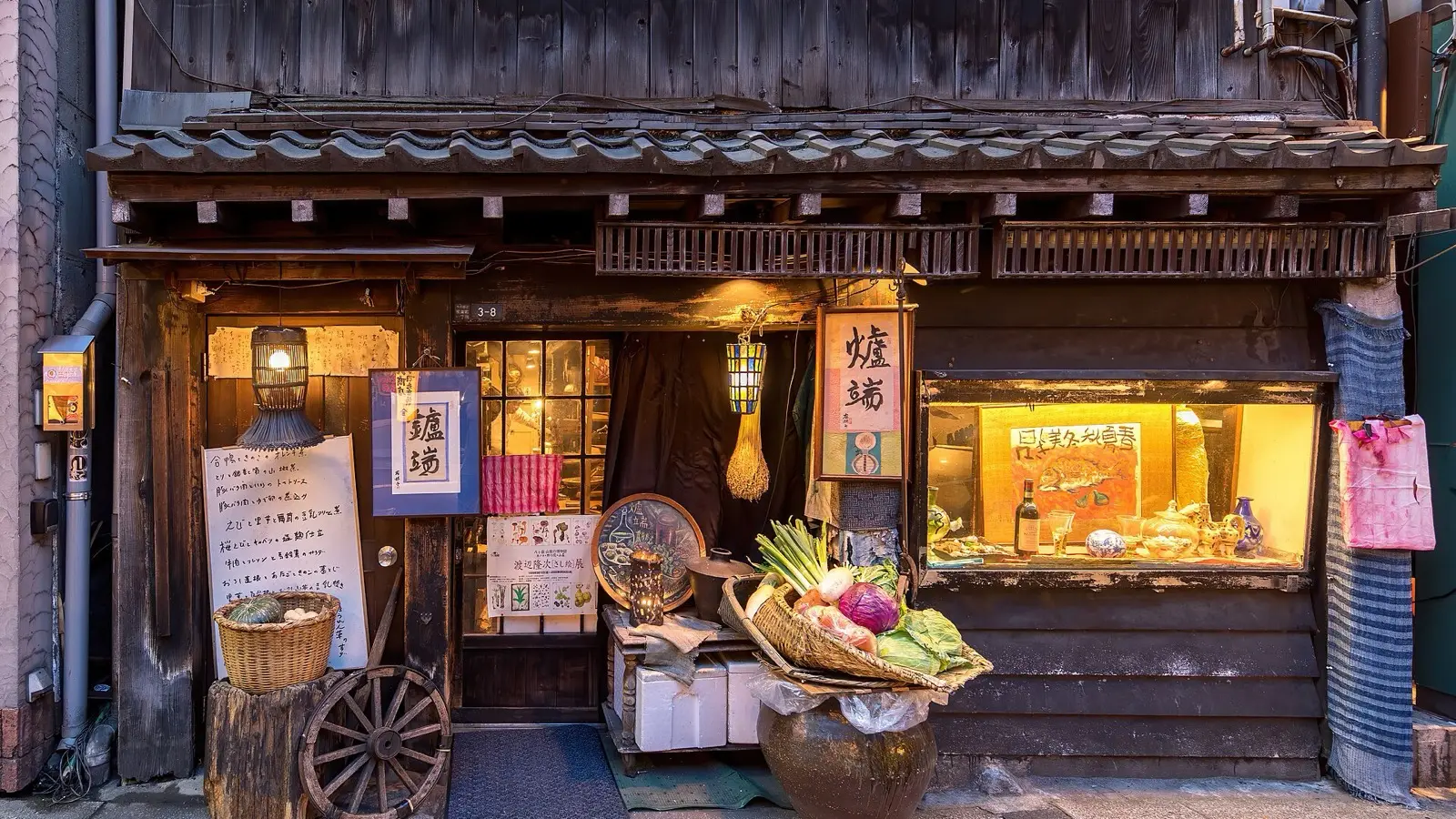
Standing Tachinomi Bars, Senbero Alleys, and Cash on Delivery Etiquette
The most authentic portal into Tokyo's evening culture is stepping into tachinomi (standing bars) and senbero alleyways where local salarymen gather after hours. Senbero is a Japanese portmanteau meaning 'drunk for 1,000 yen' (sen-en de bero-bero), representing an approachable dining tradition of drinks and small bites priced between 1,000 and 1,500 JPY.
Classic hubs include Shinjuku's Omoide Yokocho (Memory Lane), the elevated railway arches of Ueno Ameyoko, and the gritty after-work quarters beneath Shinbashi Station. Squeezing into narrow counters for charcoal-grilled yakitori or simmered beef tripe stew (motsunikomi) paired with crisp draft beer or highballs delivers unvarnished warmth.
Respecting venue etiquette ensures a frictionless evening. First, space is limited: stash backpacks into floor bins or under-counter hooks, and lean aside politely when patrons squeeze past. Second, many traditional counters operate on 'cash on delivery': place a 1,000 JPY banknote and coins into the small table basket, and servers will deduct exact change as each dish arrives.
Tokyo may appear daunting on a transit map, but its interlocking systems run with surgical precision. By mastering airport express rail routes, tapping turnstiles with digital Suica, and picking the right base between Shinjuku and Ueno, Tokyo shifts from a confusing labyrinth into the world's most navigable and rewarding metropolis.
Frequently Asked Questions
Field-tested answers to transit navigation, neighborhood choices, and payment traps.
Q1.From Narita Airport, should I take the Keisei Skyliner or the JR Narita Express (N'EX)?
Q2.Is the Tokyo Subway 72-Hour Ticket worth buying for international travelers?
Q3.Shinjuku vs Ueno: which base camp is better for a first-time Tokyo visitor?
Q4.If physical Suica cards are sold out at the airport, how can I ride public transit?
The Smart Traveler's Essential Toolkit
Prepare instant mobile data, private airport transfers, and skip-the-line passes in one place.
Pick a base in Tokyo by your route
Choose the places you want to see and get the neighbourhood with the shortest travel.
Compare Tokyo Hotel Rates
Find the cheapest channel across Agoda and major booking engines with Tripdify.
Share This Guide with Your Companions
When shared via chat or social media, a curated summary card is sent along.
Recommended Guides
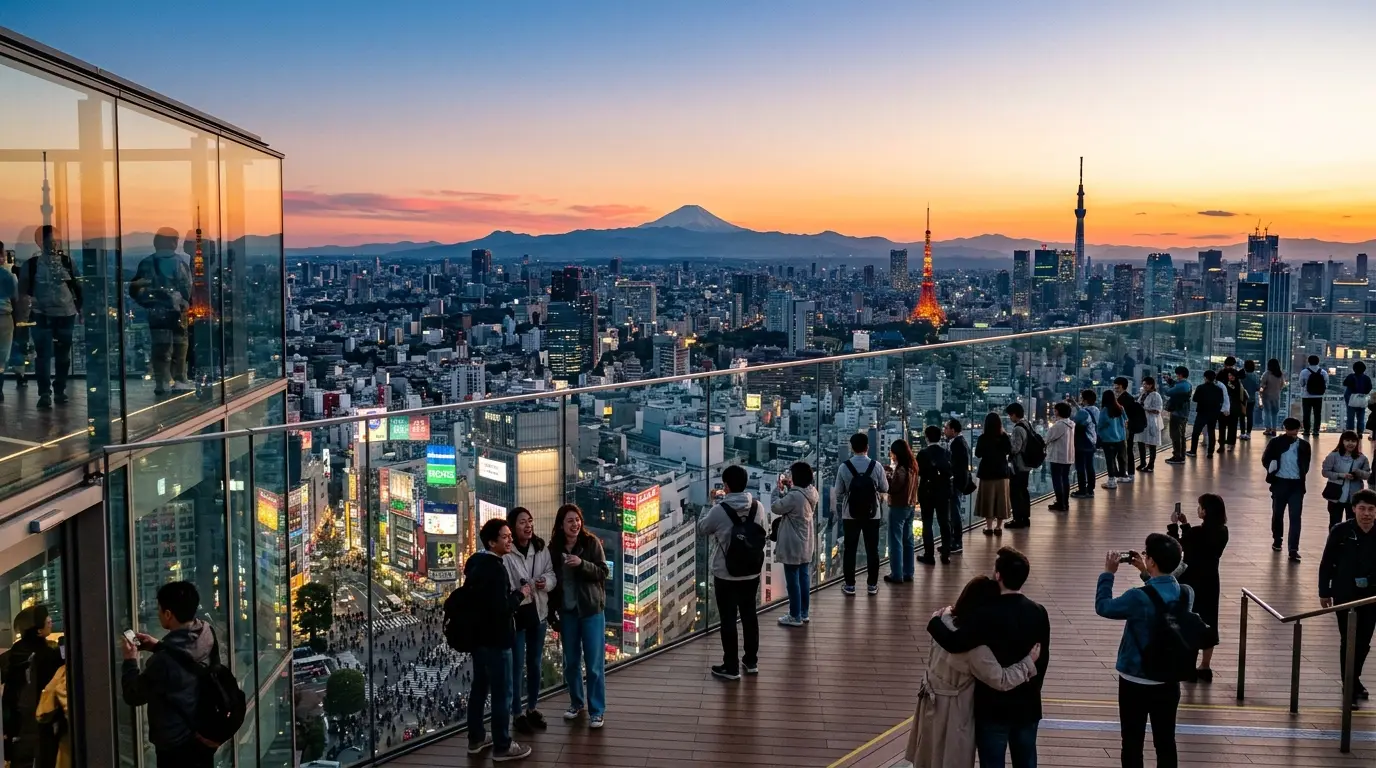
Where to Stay in Tokyo: Shinjuku vs Shibuya vs Ginza
Comparing room footprints across Shinjuku, Ginza, and Ueno, locking in sudden 14-day cancellation drops, and eliminating DCC fees with clean Yen checkout.
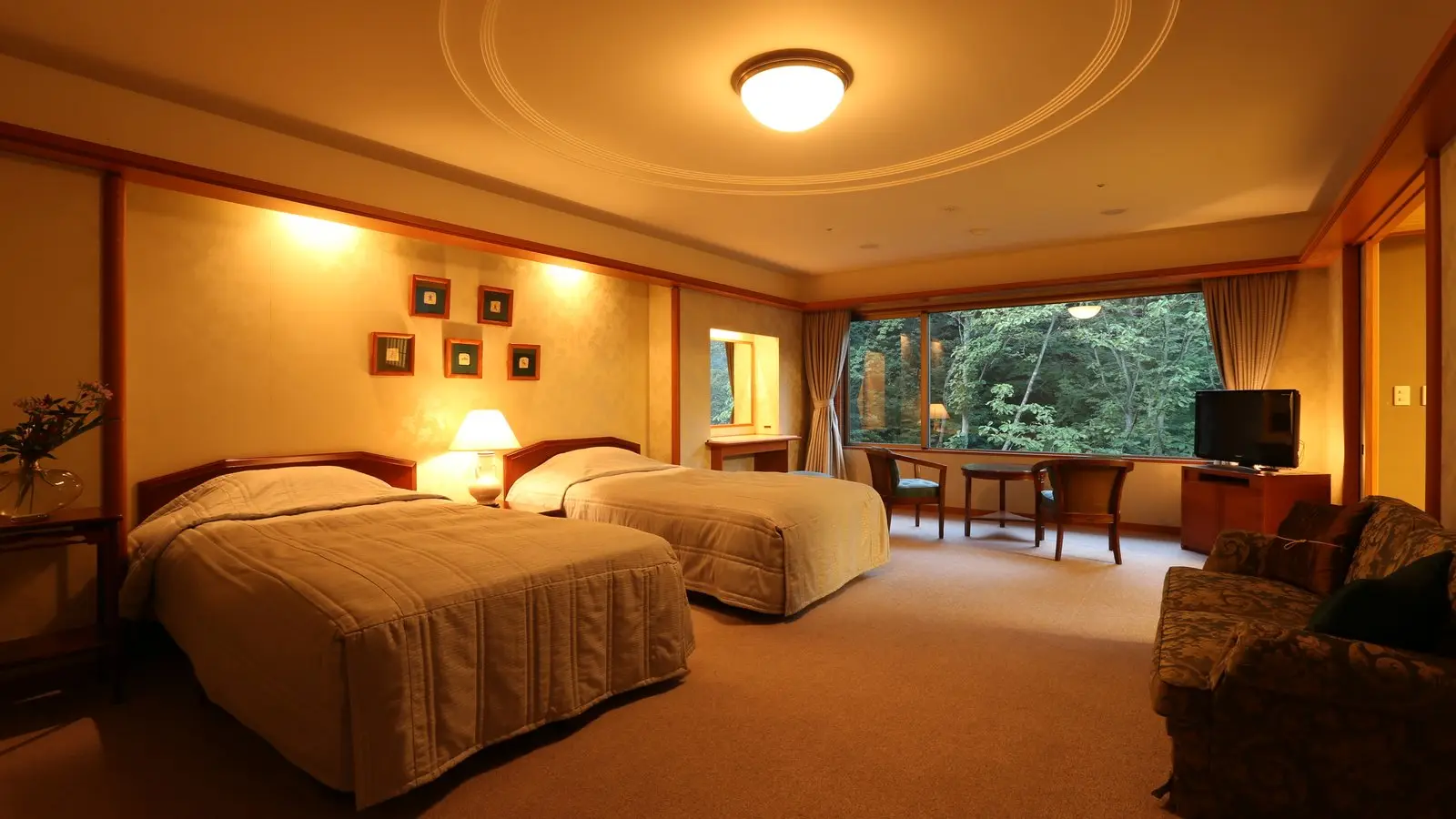
7 Budget Hotels in Tokyo Under $100 on the Yamanote Line
Even amid yen fluctuations, central Tokyo hotel rates have soared. Learn how to secure Yamanote loop line hotels at half the price of Shinjuku, compare onsen bath chains like Dormy Inn, trigger secret Agoda VIP and Booking.com Genius discounts, and dodge hidden currency fees with yen settlement.
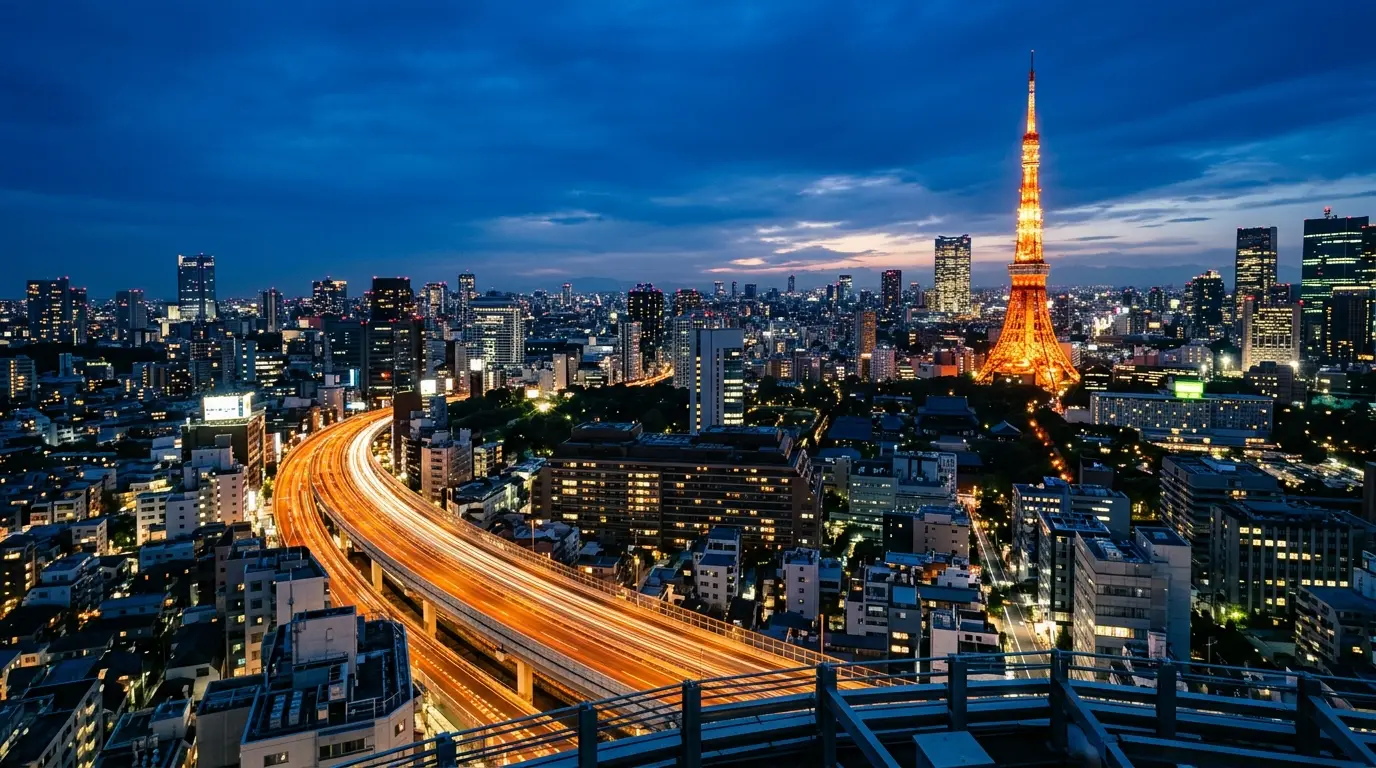
Tokyo Day 1 Itinerary: Narita Airport to the City and Your First 24 Hours
From stepping off at Narita Airport to mastering high-speed trains, navigating Tokyo's sprawling transit hubs, ordering counter ramen effortlessly, and catching sunset from Roppongi Hills. A definitive guide for your first 24 hours in Tokyo.
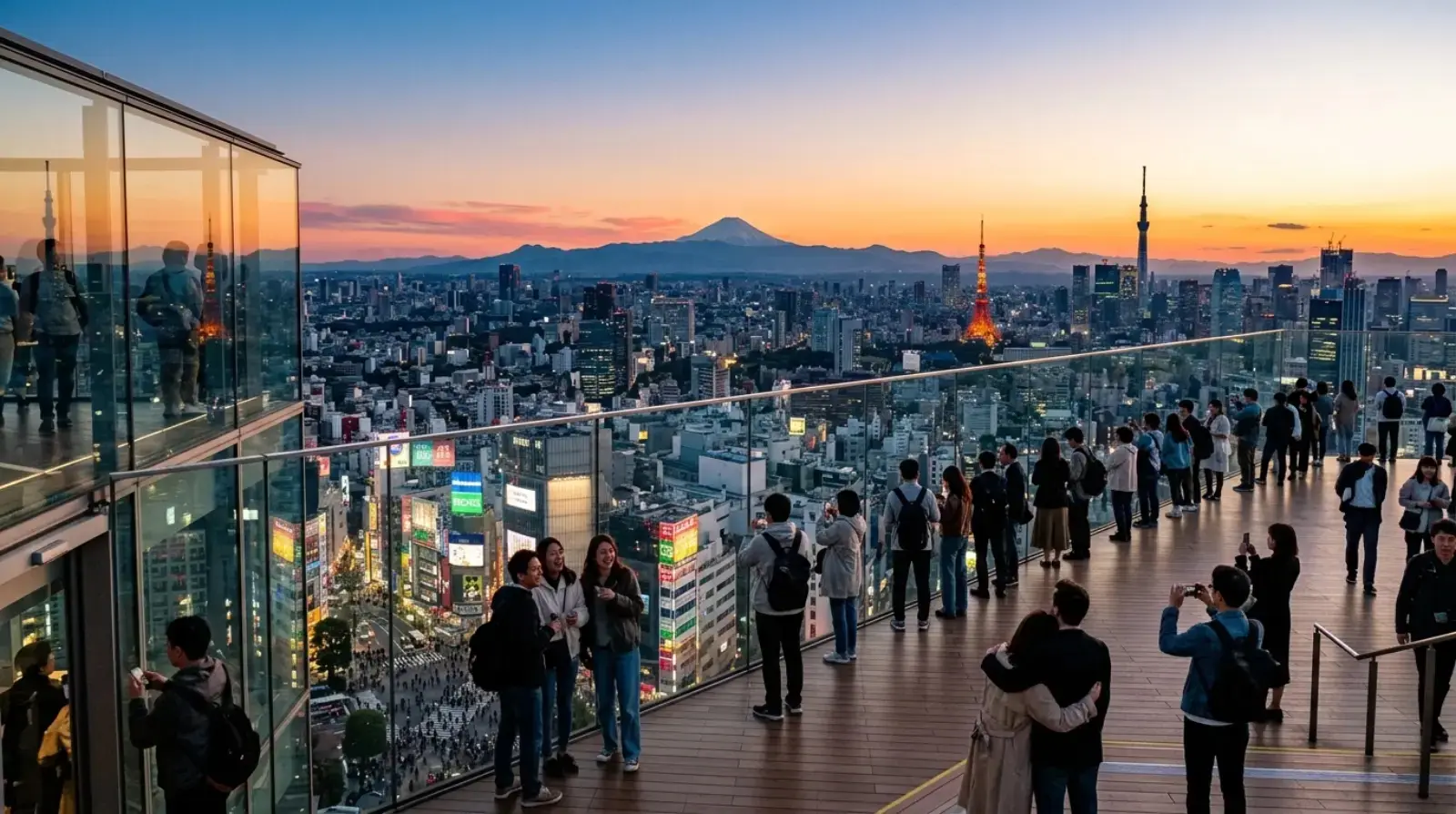
Tokyo Day 2 Itinerary: Booking Shibuya Sky, Harajuku Backstreets and Roppongi at Night
Securing prime sunset slots atop Shibuya Sky, navigating hidden boutiques along Harajuku Cat Street, immersing in the forested serenity of Meiji Jingu, and marveling at the crimson glow of Tokyo Tower from Roppongi Hills. A masterclass in Day 2 pacing.
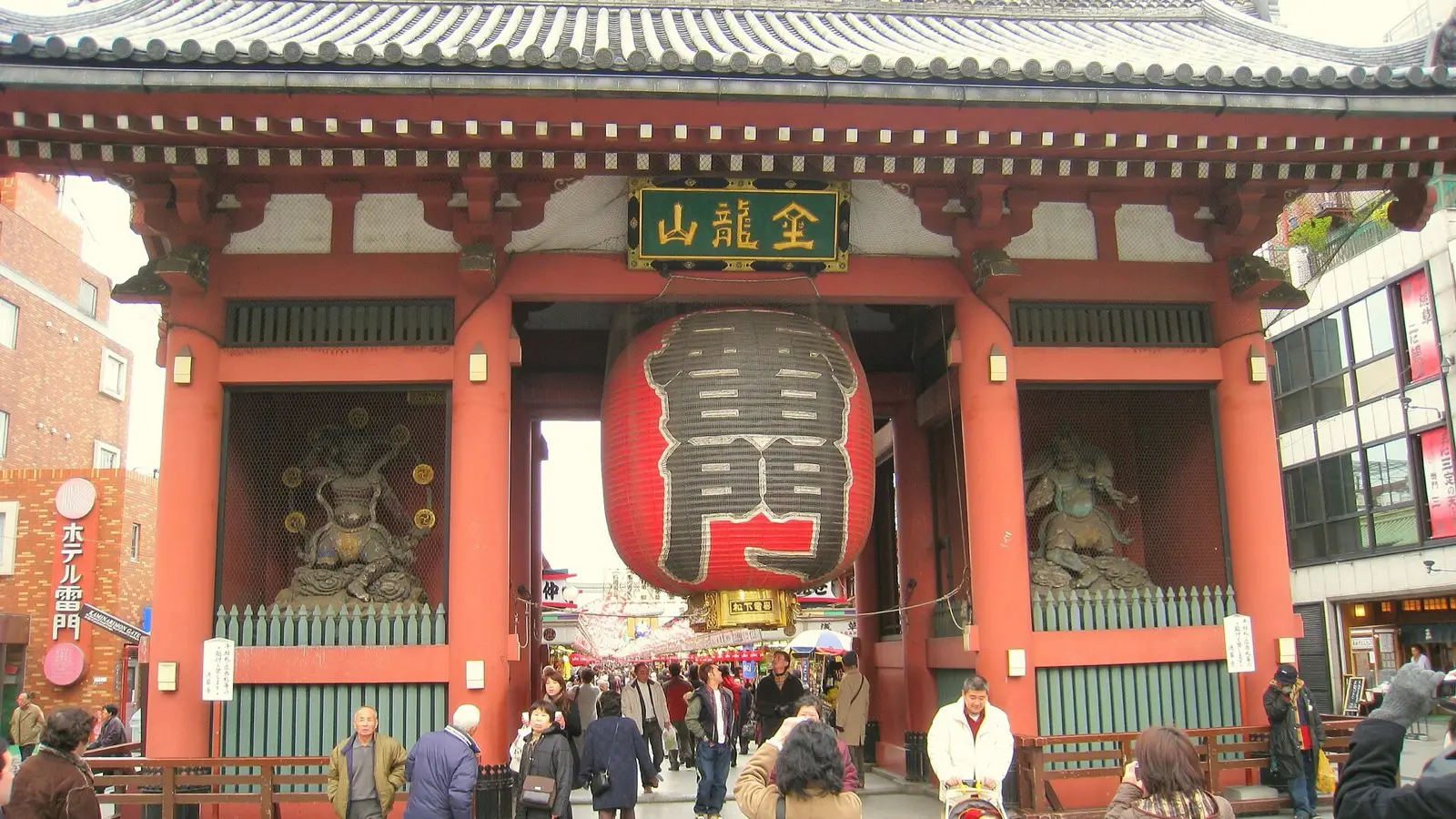
Tokyo Day 3 Itinerary: Asakusa, Akihabara, Ginza Depachika and Flying Home
The ultimate finale for your Tokyo stay: tranquil morning worship at Sensoji, retro subculture in Akihabara, Ginza Six architectural rooftop views and basement depachika feasts, capped by seamless Skyliner and N'EX airport connections.
Exchange Rate Tricks and Hidden Fees When Booking Hotels Abroad
An investigative playbook uncovering why OTA final totals escalate, why card issuer partner links are worth comparing against mobile app rates, and the exact local-currency checklist to stop hidden fees.

eSIM vs Roaming vs a Local SIM: Which Is Cheapest for Travel Data
Never wait in line for physical SIM swaps or haul heavy battery packs again. From solo weekend getaways to multi-week family tours, here is how to pick the right mobile data setup without wasting money.
Does Incognito Mode Make Flights Cheaper? What Dynamic Pricing Really Does
Does clearing cookies or going incognito actually save cash on flights and hotels? We pull back the curtain on airline revenue management engines, fare bucket mechanics, currency routing quirks, and what day-of-week booking data really shows.
Tax-Free Shopping in Japan: How It Works and What Voids It
While enjoying ten percent consumption tax exemptions in Japan is a cornerstone of travel, the country enforces rigorous customs data tracking and strict packing rules. From general goods accidentally locked inside tamper-evident consumable bags to department stores taking a 1.55 percent handling fee and airport electronic customs audits clawing back taxes on broken seals, here is your essential guide to navigating Japan duty-free shopping without penalty.
Tokyo's Yanaka Ginza Shitamachi Walk: Crispy Croquettes, Quiet Cat Alleys, and Showa Retro Soul
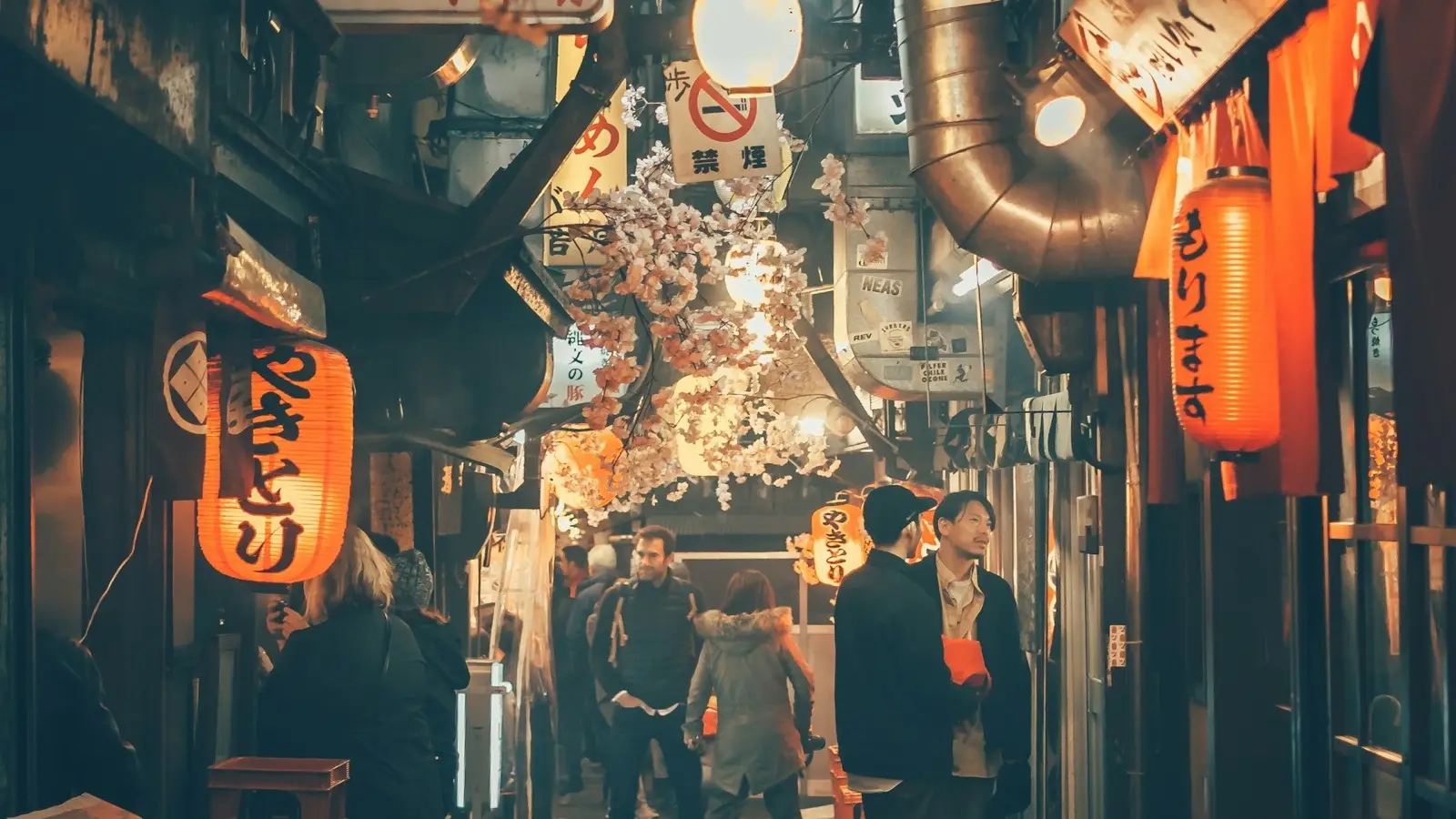
When the sensory overload of Shinjuku's neon billboards and Shibuya's scrambling crosswalks wears thin, seek refuge in Yanesen (the historic triangle of Yanaka, Nezu, and Sendagi), one of the exceedingly rare Tokyo neighborhoods that miraculously escaped both the 1923 Great Kanto Earthquake and World War II firebombings. Beginning from the west exit of JR Nippori Station, this serene walking route descends the famous Yuyake Dandan (Sunset Steps) into the nostalgic, pedestrian-only Yanaka Ginza shopping arcade. From biting into crispy beef menchi-katsu freshly fried at a multi-generational butcher stall to greeting neighborhood alley cats and sipping dark pour-over coffee on the tatami mats of 1938-built Kayaba Coffee, here is your definitive field guide to Tokyo's enduring Showa-era soul.

The Japan Shinkansen Booking Playbook: Mount Fuji Row E Strategy, Oversized Luggage, and Smart EX Savings
Slicing through Japan's industrial and cultural heartland between Tokyo, Kyoto, and Osaka, the Tokaido Shinkansen bullet train network represents the pinnacle of railway engineering. Cruising smoothly at 285 km/h, the Nozomi super-express covers the 515-kilometer corridor in just two hours and twenty minutes. Yet navigating the nuances of seat selection dictates whether your journey becomes a dream sightseeing passage or a cramped logistical hassle. Missing out on the coveted two-abreast 'Row E' window seats when departing Tokyo forfeits uninhibited vistas of Mount Fuji. Furthermore, failing to pre-book dedicated Oversized Baggage seats for luggage whose total dimensions exceed 160 cm triggers an unexpected 1,000 JPY penalty fee enforced by conductors on board. This tactical manual reveals the exact seat reservation rules, paperless Smart EX mobile discounts, oversized luggage exemptions, and post-price-hike JR Rail Pass breakeven mathematics.
Tokyo Shibamata Retro Journey: Taishakuten Temple Relic Carvings, Yamamoto-tei Garden, and Fresh Kusadango Sweets
When the hypnotic kaleidoscope of Shinjuku digital screens and Shibuya pedestrian swarms begins to exhaust your senses, head northeast toward the serene time-capsule village of Shibamata in Katsushika ward. Transferring onto the charming single-track Keisei Kanamachi Line shuttle whisks travelers back into the gentle, human-scale Tokyo of the 1960s Showa era. Stepping past the nostalgic bronze statue of wandering peddler Tora-san at the station square, a pedestrian pilgrimage avenue lined with Edo-period wooden facades unfolds before you. Here, the soothing aroma of freshly pounded green mugwort dumplings (Kusadango) and crackling hand-toasted rice senbei drifts through the air. Beyond the historic Daikyo-ji temple gate lies an astonishing museum corridor of intricate, three-dimensional Lotus Sutra wood reliefs, followed by the hybrid Taisho-era architecture of Yamamoto-tei and Edo River hand-rowed ferries.