
OsakaCurated
Where to Stay in Osaka: Umeda vs Namba Compared
Umeda underground maze navigation, Shin-Imamiya neighborhood boundaries, Osaka hotel taxes, and izakaya otoshi table charges.
Kita (Umeda) vs Minami (Namba): Contrasting Urban Personalities
Analyzing Osaka's urban landscape introduces travelers to an immediate geographic dichotomy: Kita (Umeda) anchoring the corporate north, and Minami (Namba and Dotonbori) defining the vibrant southern entertainment core. Umeda is Western Japan's premier transit citadel, converging JR Osaka Station, Hankyu, Hanshin, and three distinct municipal subway arteries. It serves as the ultimate logistical launchpad for day excursions to Kyoto, Kobe, and Nara, though its sprawling subterranean shopping complexes (dubbed the 'Umeda Dungeon') frequently baffle first-time navigators.
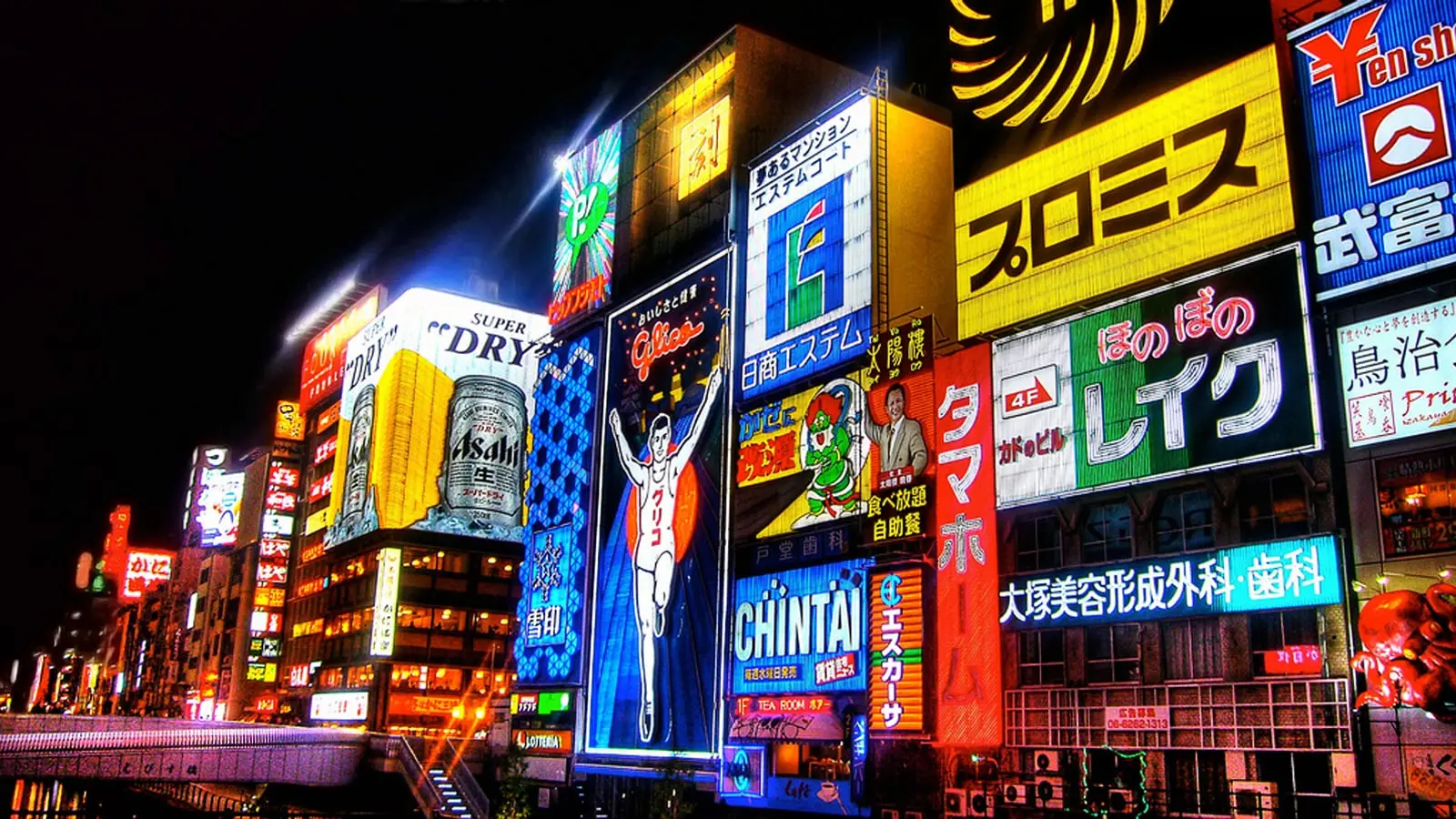
Conversely, Minami's Namba hub delivers immediate direct access to Kansai International Airport via the 38-minute Nankai Rapi:t express, while positioning Dotonbori's iconic nightlife at your doorstep. However, Namba operates under crushing pedestrian friction. Narrow sidewalks become heavily gridlocked with rolling suitcases, while late-night revelers and bar barkers generate continuous nocturnal disturbance, making undisturbed rest difficult to attain in low-floor commercial rooms.
To bridge northern rail efficiency with southern vibrancy while bypassing acoustic chaos, pragmatic travelers anchor themselves halfway along the Midosuji Subway spine in Honmachi or Yodoyabashi. As Osaka's historic financial banking district, these quarters undergo a dramatic transformation at dusk, transitioning into quiet, dignified streetscapes lined with pristine modern business hotels free from street crowds.
Riding the Midosuji Line from Honmachi delivers you to Umeda in four minutes (two stops north) or Namba in four minutes (two stops south). Rather than paying inflated premiums for cramped rooms amidst Dotonbori's chaos, settling in Honmachi offers superior spatial comfort, modern public bathhouse (onsen) facilities, and seamless transit flexibility across the Kansai region.
The Realities of Shin-Imamiya and Kamagasaki: Budget Lodging Traps
Sorting Osaka lodging options by lowest price on major booking portals invariably produces hundreds of private rooms advertised at astonishing rates between 2,000 and 3,500 JPY per night. Without exception, these properties cluster in the Nishinari ward directly south of JR Shin-Imamiya Station, historically known as Kamagasaki (Airin-chiku). Unsuspecting travelers captivated by direct airport train links often arrive to unexpected socioeconomic friction.
Kamagasaki developed historically as a high-density flophouse district (doyagai) housing day laborers during Japan's post-war reconstruction, evolving today into a specialized social welfare quarter. While violent street crime is historically low, streets feature dense populations of elderly vagrants, impromptu flea markets on cracked pavements, and low street illumination after dusk. Solo female travelers and families frequently report substantial psychological unease traversing these blocks at night.
Accommodations commanding 2,000 JPY typically represent minimalist conversions of historic three-tatami laborer rooms (measuring roughly 4.5 square meters). Furnishings are confined to a thin futon mattress and a small cooling fan, with communal toilets and coin-operated showers situated down narrow hallways. Partition walls consist of hollow timber boarding, transmitting adjacent snoring, coughing, and floor creaks without acoustic dampening.
While recent corporate hospitality investments north of Shin-Imamiya Station (such as Hoshino Resorts OMO7) have gentrified the immediate rail frontage, the southern perimeter retains distinct social boundaries. To ensure nocturnal peace of mind, prioritize certified accommodations situated around Tennoji Station or northward along the primary subway corridors.
Where Locals Actually Dwell: Nakazakicho vs Fukushima vs Tennoji
Travelers seeking authentic neighborhood culture beyond mass-market tourist hubs should evaluate three distinct urban sanctuaries. First is the historic wooden enclave of Nakazakicho, located a tranquil ten-minute walk east of Umeda. Miraculously spared from wartime aerial bombardment, Nakazakicho preserves century-old rowhouses (nagaya) tucked along narrow cobbled alleys, now housing third-wave specialty roasters, independent vintage boutiques, and artisan ceramics workshops.
Second is Osaka's premier epicurean residential quarter, Fukushima. Situated just one rail stop west of JR Osaka Station, Fukushima remains largely undiscovered by international tour groups while functioning as the evening dining destination for Osaka gourmands. Its lanes brim with celebrated yakitori bars, natural wine bistros, and Michelin-rated ramen establishments, offering pristine pedestrian safety and swift rail access toward Kobe.
Third is southern Osaka's monumental retail and rail gateway, Tennoji. Anchored by the soaring Abeno Harukas skyscraper and extensive department stores, Tennoji connects directly to Kansai Airport in 30 minutes via the JR Haruka express. Historic Shitennoji Temple and the sprawling lawns of Tennoji Park lie immediately north, providing generous green space within the dense metropolis.
When budgeting for lodging, travelers must account for the Osaka Prefectural Accommodation Tax. Municipal authorities levy an on-site surcharge based on room rates per person per night: since September 2025 it is 200 JPY for rates from 5,000 to 14,999 JPY, 400 JPY for 15,000 to 19,999 JPY, and 500 JPY for 20,000 JPY and above. Major booking portals exclude this municipal tax from upfront totals, requiring payment at check-in.
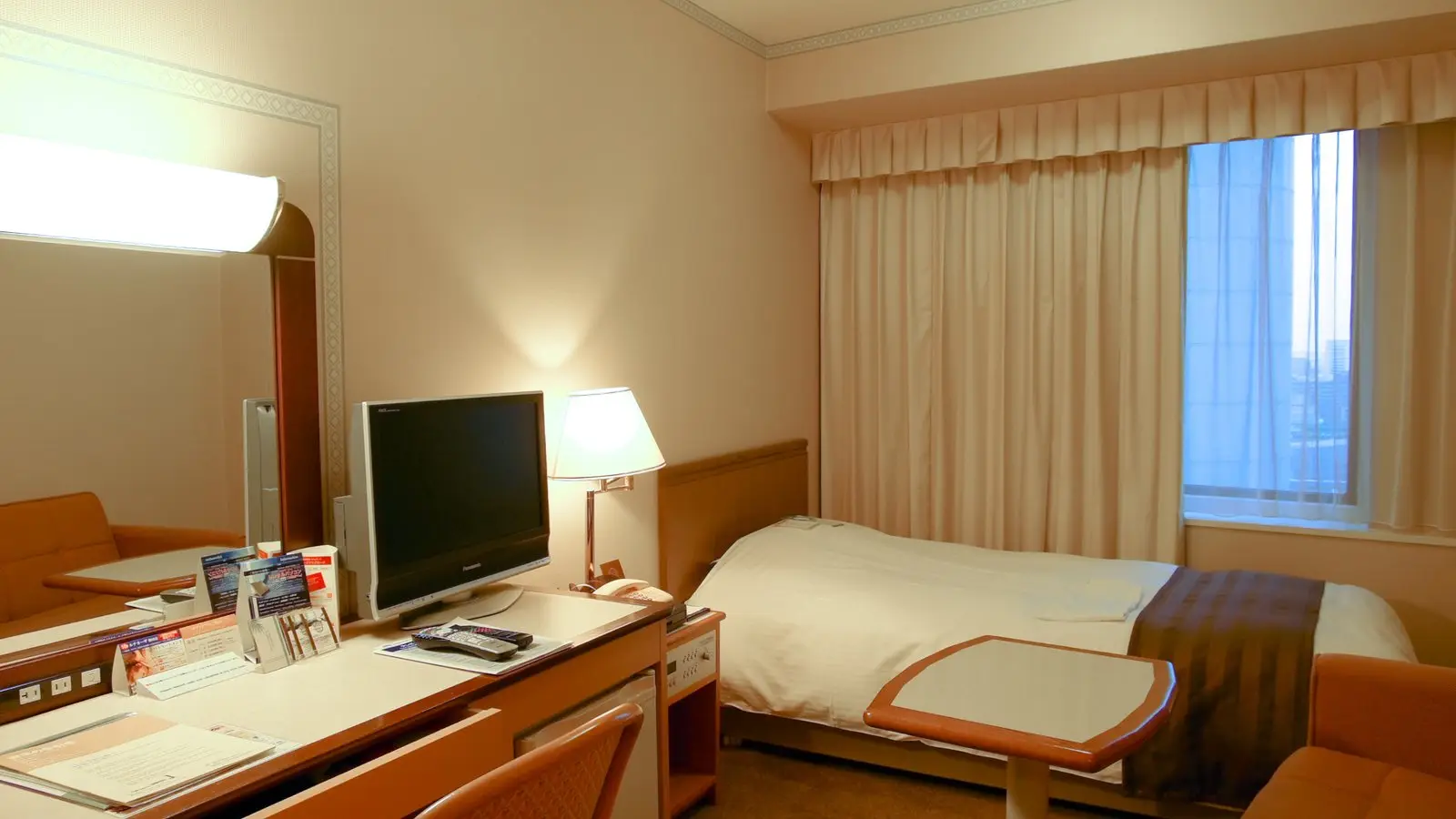
Dimensional realism is equally vital when booking Japanese business accommodations. Standard single and semi-double rooms average between 11 and 13 square meters. Accommodating two adults with multiple 28-inch suitcases within this footprint is physically impractical. Inspect floor plans for under-bed luggage storage or book twin configurations exceeding 16 square meters to ensure comfortable staging.
Kansai Airport (KIX) Transit Calculus: Nankai Rapi:t vs JR Haruka
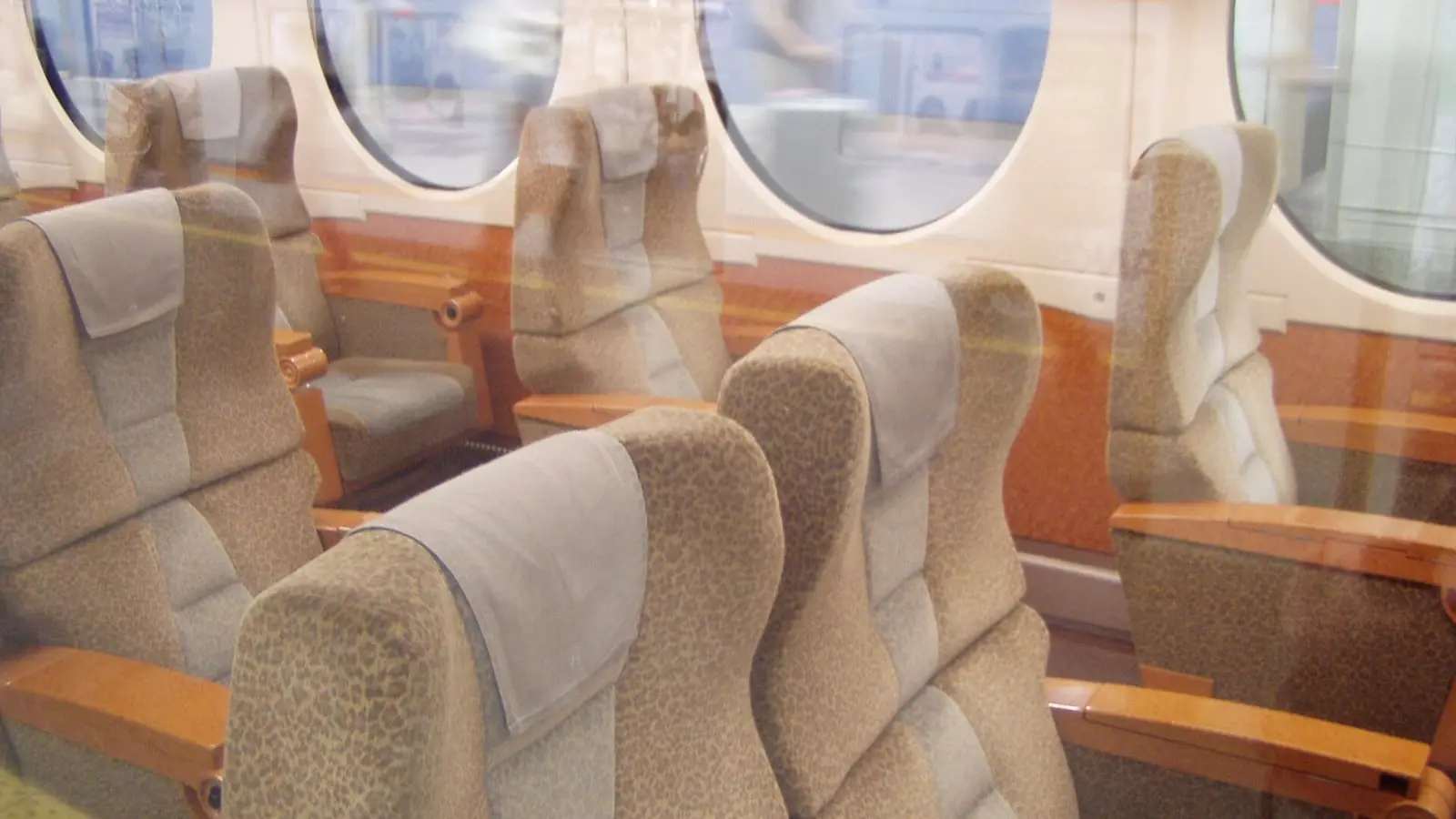
Navigating transit between Kansai International Airport (KIX) and downtown Osaka depends fundamentally on your chosen district. Travelers residing in southern Minami (Namba or Shinsaibashi) should invariably select the Nankai Electric Railway. The futuristic cobalt-blue Nankai Rapi:t express operates with reserved seating, whisking passengers to Namba Station in exactly 38 minutes for 1,490 JPY. Advance mobile vouchers purchased via travel platforms reduce this fare to roughly 1,300 JPY.
If Rapi:t departures are booked solid or you seek optimal economy, board the Nankai Airport Express commuter service along the identical tracks. Utilizing standard commuter seating, it reaches Namba in about 45 minutes (only a few minutes slower than the premium express) for a modest 970 JPY. While seats cannot be reserved, boarding at the airport origin platform generally guarantees seating during off-peak hours.
Conversely, for basecamps in Tennoji, Shin-Osaka, or onward itineraries toward Kyoto, the JR Haruka Limited Express is the definitive transport mode. The Haruka reaches Tennoji in 35 minutes, Shin-Osaka in 50 minutes, and Kyoto Station in 80 minutes without transfers. Foreign passport holders can leverage discounted Haruka One-Way tickets to secure significant fare reductions.
Families managing extensive baggage or traveling with toddlers should consider Kansai Airport Limousine Buses. Operating directly to major terminal points such as Hotel New Hankyu in Umeda or the Namba OCAT terminal, coaches stow luggage securely in undercarriage compartments. However, during morning and evening rush hours, Hanshin Expressway bottlenecks can introduce delays, necessitating a one-hour transit buffer when traveling to the airport.
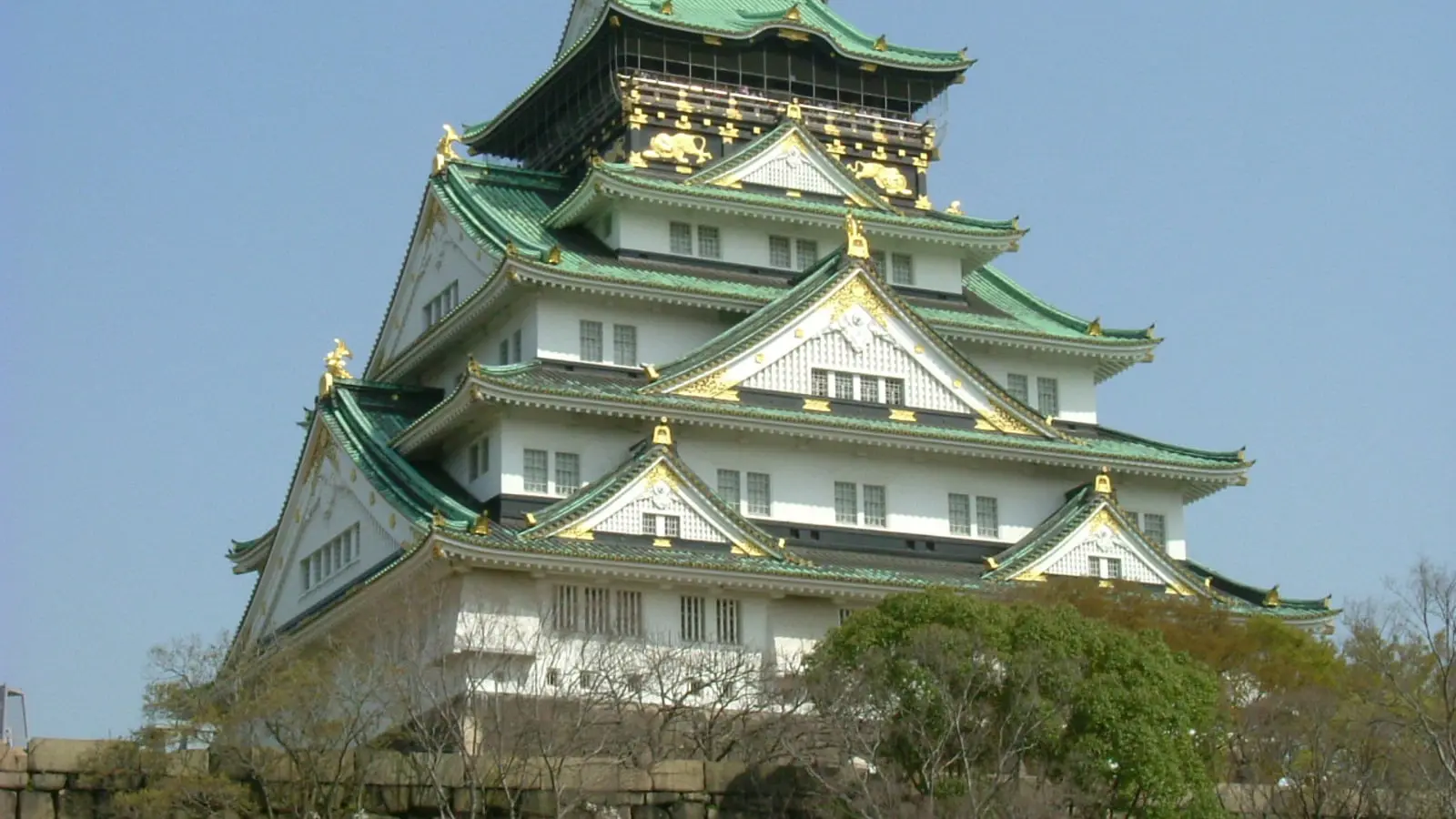
The Sacred 'No Double-Dipping' Rule and Evading Dotonbori Traps
Dining at Osaka's iconic Kushikatsu (skewered fried cutlet) parlors requires strict adherence to an unbending culinary commandment: 'Never dip your skewer into the communal sauce container twice' (Sauce no nido-zuke kinshi). Because stainless steel sauce vessels are shared among successive patrons, returning a bitten skewer to the sauce is a severe hygienic breach. If you require additional seasoning, use the complimentary raw cabbage leaf as a spoon to ladle sauce cleanly onto your cutlet.
When settling your dining check at authentic neighborhood izakayas, do not be alarmed by an unprompted charge of 300 to 500 JPY per person. This represents the 'Otoshi', a traditional Japanese small starter dish functioning as a table seating fee. While it is a long-established custom, beware of aggressive tourist-strip venues levying exorbitant otoshi fees exceeding 1,000 JPY without itemized disclosure.
Establishments along the primary Dotonbori pedestrian mall flaunting massive animatronic crabs or octopuses frequently prioritize high-volume tourist turnover over ingredient quality. To taste Osaka's authentic culinary heritage, venture three blocks inland to the winding alleys of Ura-Namba or Minami-Semba. Here, master craftsmen simmer traditional Doteyaki (beef tendon stewed in sweet white miso) and griddle authentic Takoyaki at half the commercial street tariff.
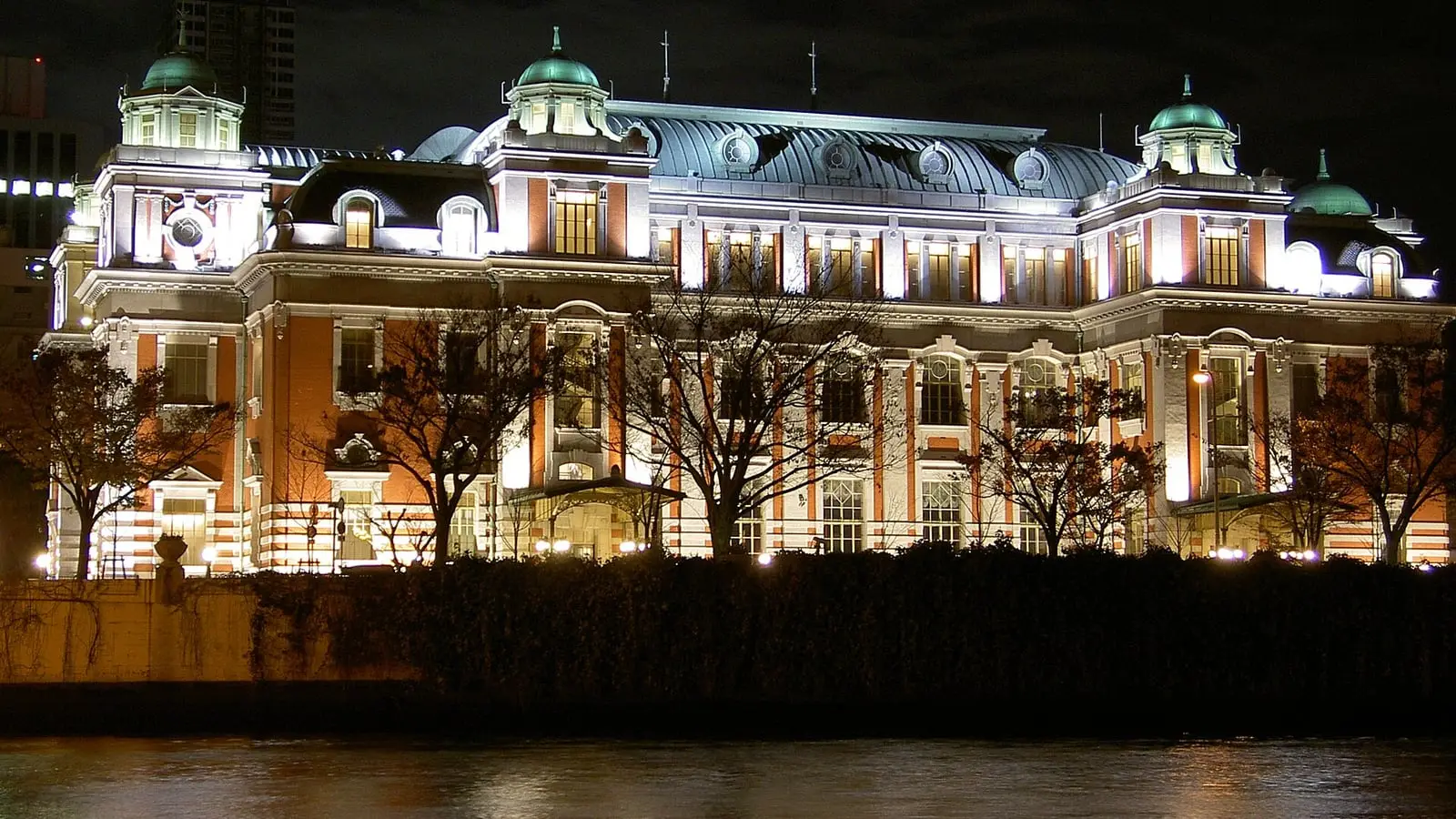
On your final morning, escape the neon corridors of Minami and stroll through the serene river park of Nakanoshima. Flanked by the majestic red-brick facade of the historic Osaka City Central Public Hall and manicured rose gardens, enjoying morning coffee along the river reveals Osaka's dignified architectural heritage. Armed with these seasoned insights, your journey through Osaka will blend culinary discovery, flawless transit, and lasting cultural connection.
Frequently Asked Questions
Field-tested answers to transit navigation, neighborhood choices, and payment traps.
Q1.From Kansai Airport (KIX) to Namba: should I take the Rapi:t Express or Airport Express?
Q2.Umeda vs Namba: which area is better for day trips to Kyoto and Kobe?
Q3.Is the Osaka Amazing Pass or 1-Day Metro Pass worth buying?
Q4.Does Osaka charge a mandatory hotel accommodation tax at check-in?
The Smart Traveler's Essential Toolkit
Prepare instant mobile data, private airport transfers, and skip-the-line passes in one place.
Pick a base in Osaka by your route
Choose the places you want to see and get the neighbourhood with the shortest travel.
Compare Osaka Hotel Rates
Find the cheapest channel across Agoda and major booking engines with Tripdify.
Share This Guide with Your Companions
When shared via chat or social media, a curated summary card is sent along.
Recommended Guides
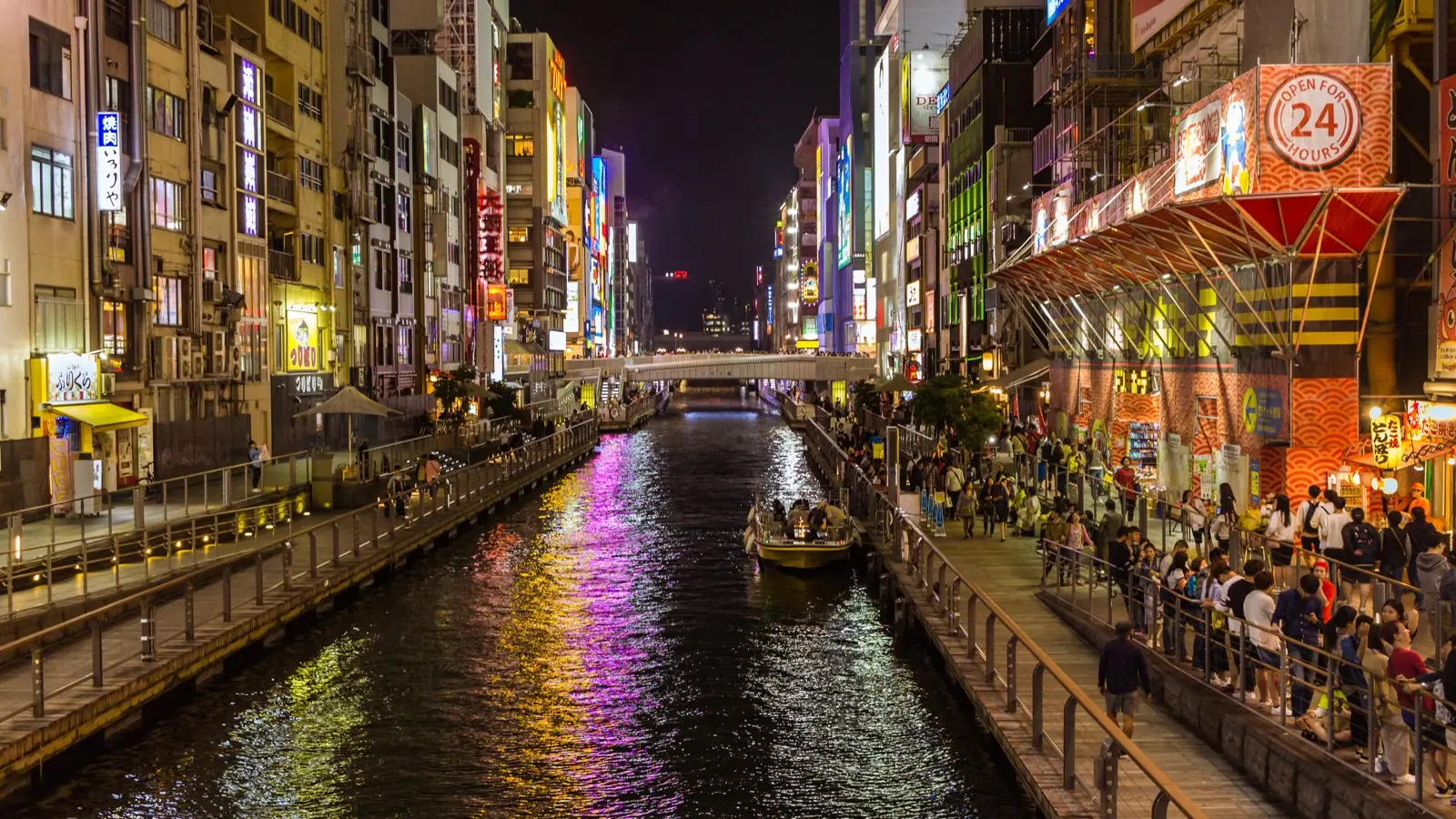
Osaka Itinerary: Dotonbori and Umeda in Two Nights
Osaka is Japan culinary powerhouse where feasting is an art. Navigate Rapi:t airport transfers, Namba vs Umeda hotels, and street food corridors with veteran precision.
Osaka or Kyoto: Where to Base Yourself and Whether to Split the Stay
Why splitting short Kansai trips across multiple hotels exhausts travelers, navigating Haruka vs. Rapi:t airport rail lines, and choosing between Umeda hubs and Gion alleys.
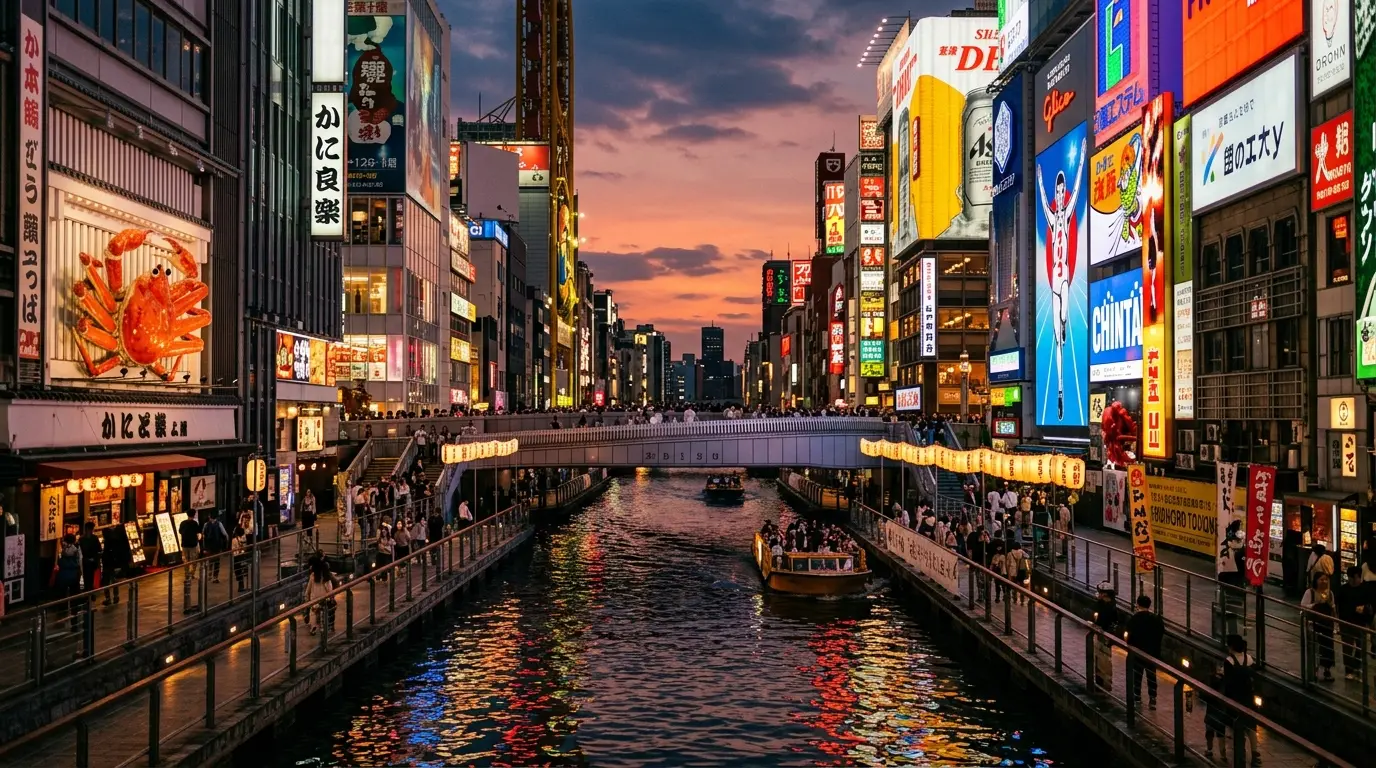
Osaka Day 1 Itinerary: Kansai Airport to Namba and Your First Night in Dotonbori
From boarding the 34-minute Nankai Rapi:t train at Kansai Airport to navigating Namba Station, mastering takoyaki ordering and kushikatsu sauce rules, and taking a sunset Dotonbori canal cruise. A frictionless masterclass for your first 24 hours in Osaka.
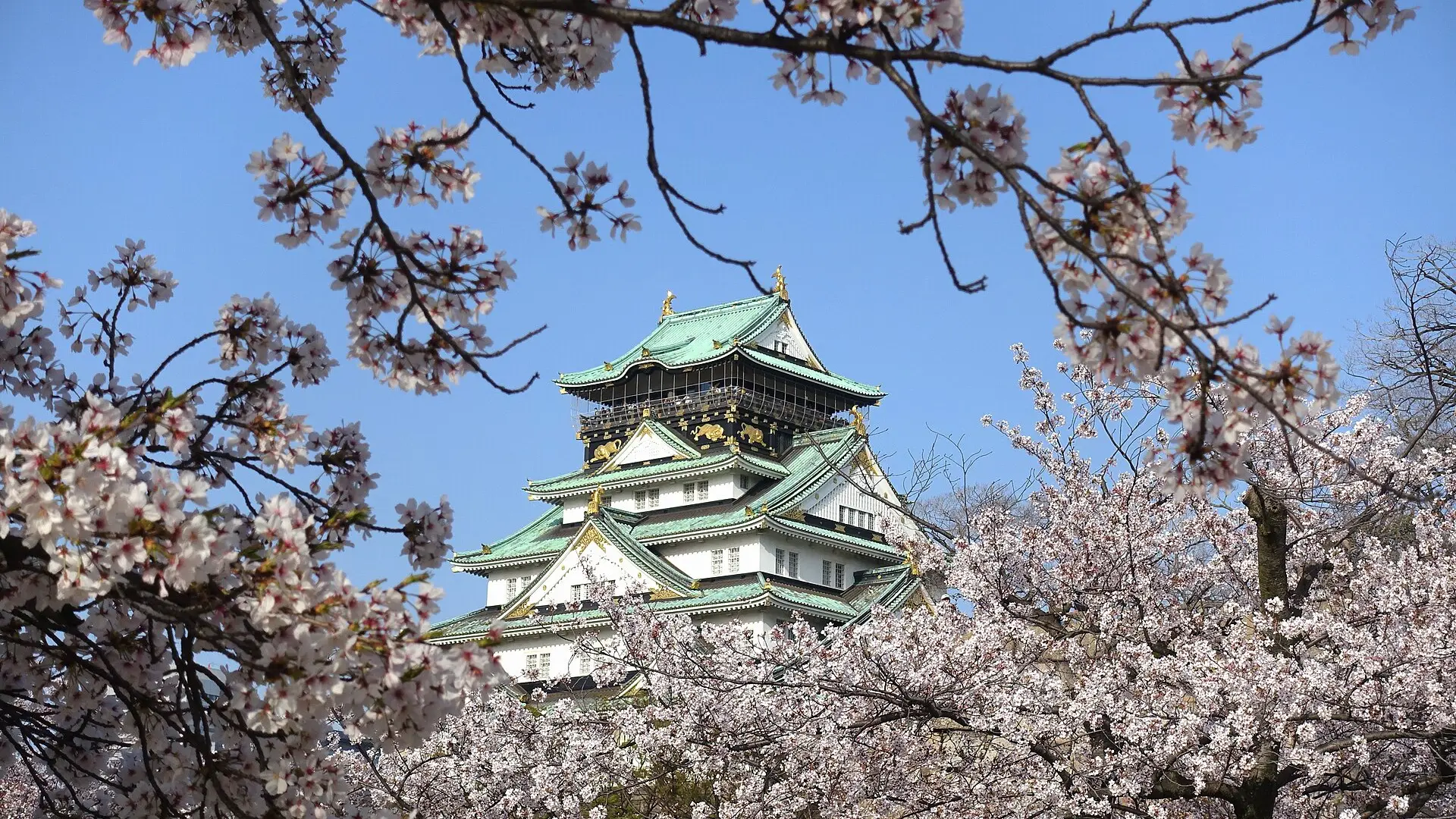
Osaka Day 2 Itinerary: Osaka Castle, Umeda Sky Building and Shinsekai Kushikatsu
Traversing past and future on Day 2 in Osaka: morning tranquility along the moats of Osaka Castle, futuristic open-air views from Umeda Sky Building, the iconic HEP FIVE red wheel, and dusk kushikatsu feasts in the neon shadow of Tsutenkaku.
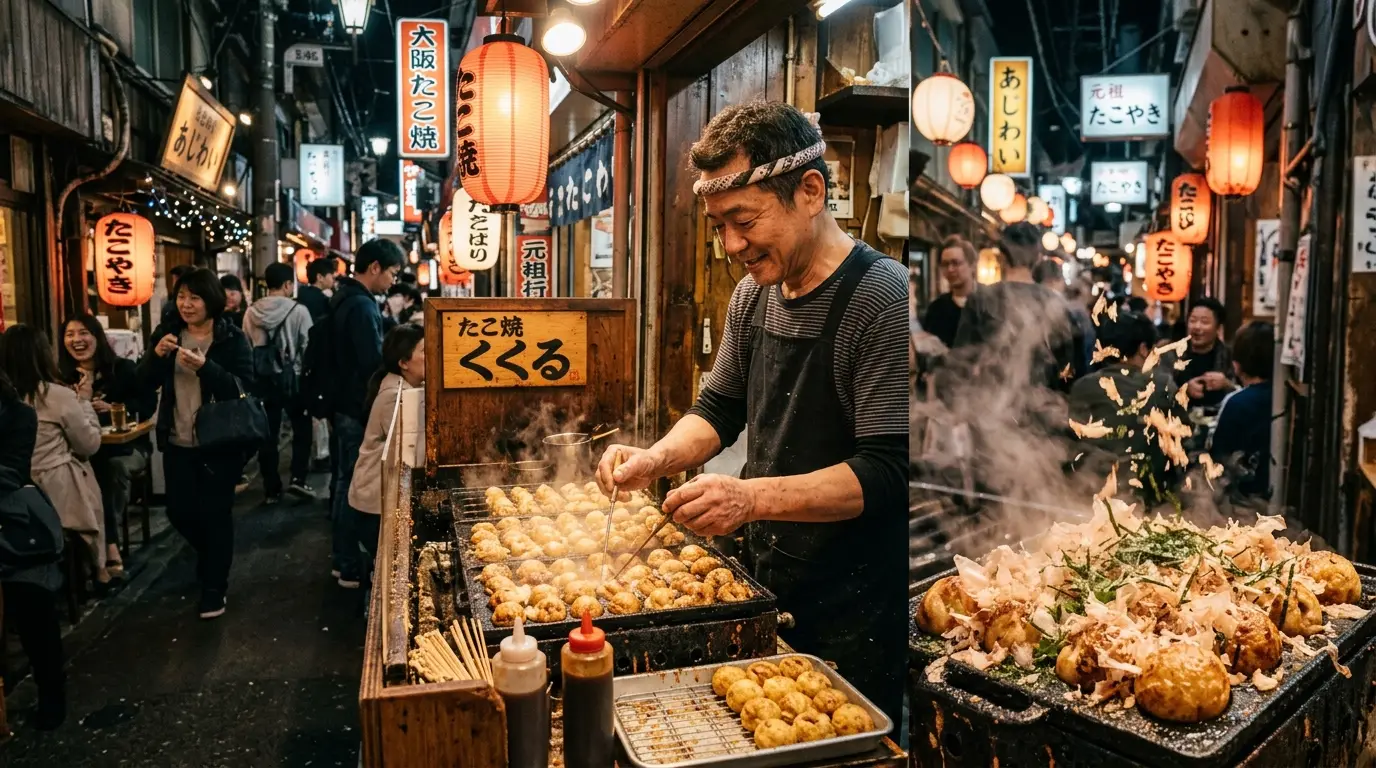
Osaka Day 3 Itinerary: Kuromon Market, Shinsaibashi Shopping and the Airport Run
The definitive closing chapter to your Osaka journey: fresh sashimi feasts at Kuromon Market, vintage shopping along Amerikamura, covered retail in Shinsaibashi, and 34-minute express transit to Kansai Airport (KIX) aboard the iconic Nankai Rapi:t.
Travel Card or Credit Card Abroad: Which Wins and When
A practical breakdown comparing multi-currency travel debit cards against premium credit card travel rewards, highlighting standalone ATM traps and hotel deposit holds.
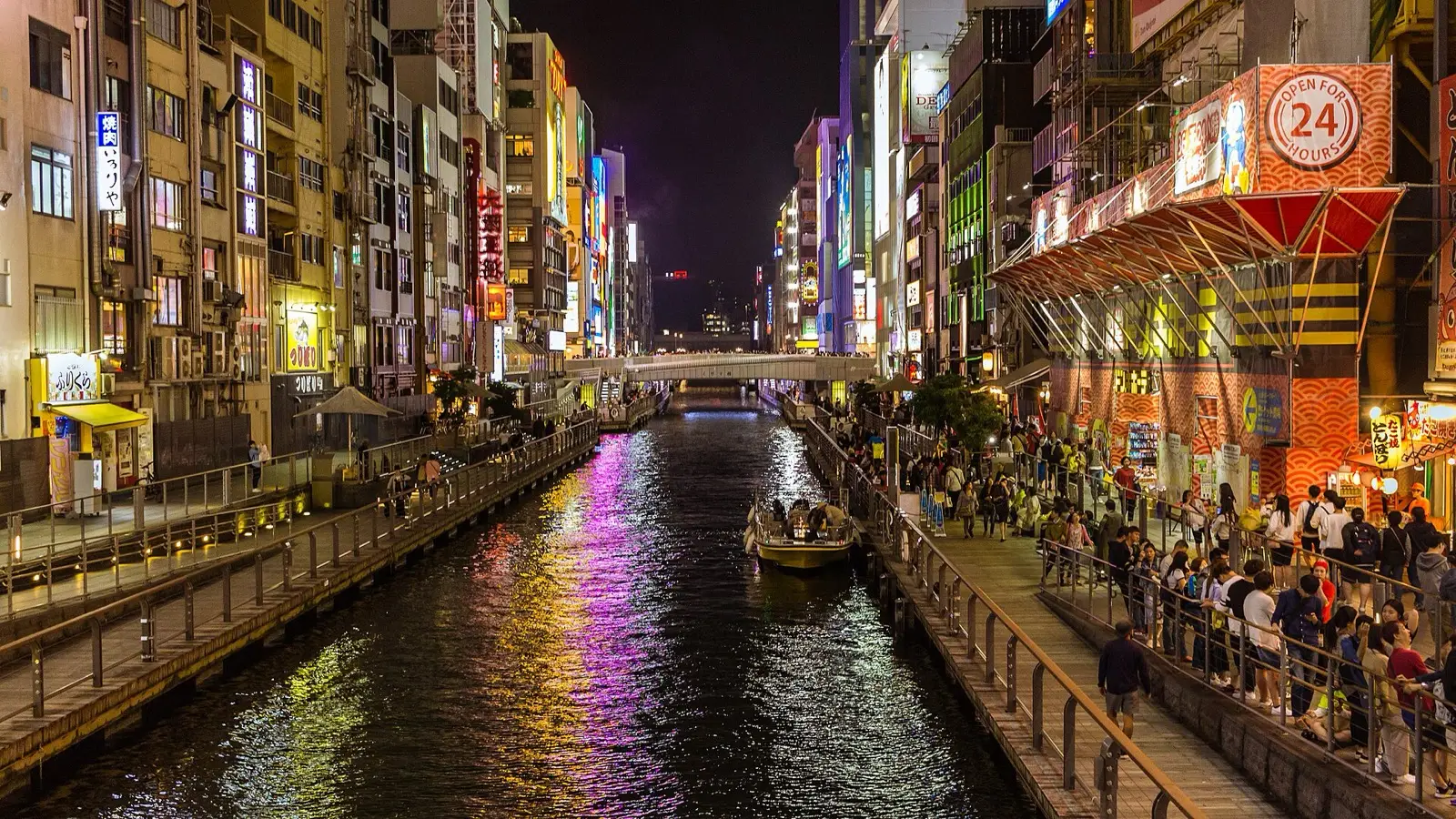
Best Hotels in Osaka: Namba vs Umeda vs Tennoji Compared
Selecting the ideal neighborhood base dictates the pace and ease of your entire Osaka itinerary. From the neon nightlife, late-night dining, and Nankai Rapi:t airport express links of Namba and Shinsaibashi, to the unmatched rail connectivity to Kyoto and Kobe found in Umeda, and the affordable panoramic luxury of Tennoji anchored by Abeno Harukas, this neighborhood curation breaks down top accommodations for every travel style.
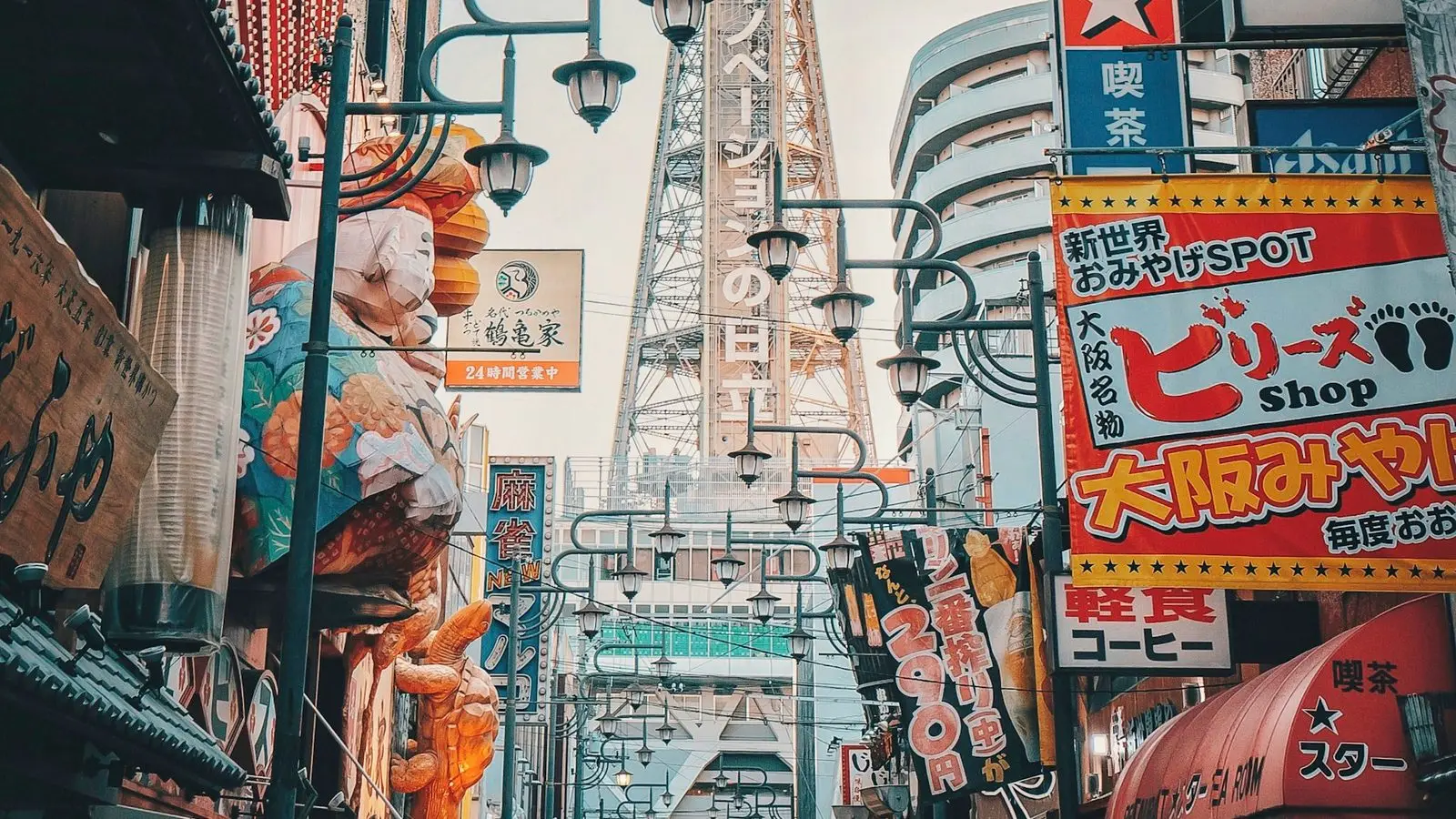
5 Best Value Hotels Near Osaka Namba & Dotonbori: Nankai Rapi:t Access and Quiet Alleyways
When planning an Osaka getaway, the Namba district invariably claims the top spot for accommodation. Boarding the futuristic Nankai Rapi:t airport express whisks travelers from Kansai International Airport straight into Nankai Namba Station in just 34 minutes without transfers, placing the famous Glico Running Man, sizzling takoyaki stalls, and Shinsaibashi shopping arcades within effortless walking distance. However, booking properties directly along the Dotonbori canal strip often backfires with thumping street noise, rowdy late-night crowds, and micro-sized floor plans that cannot accommodate open suitcases. The secret lies in positioning yourself just two blocks back into tranquil residential corridors like Sennichimae and Hozenji. Here is a definitive guide to five top-value Namba hotels under $100 per night, complete with natural hot spring onsen baths, complimentary late-night ramen, and restful soundproofing.
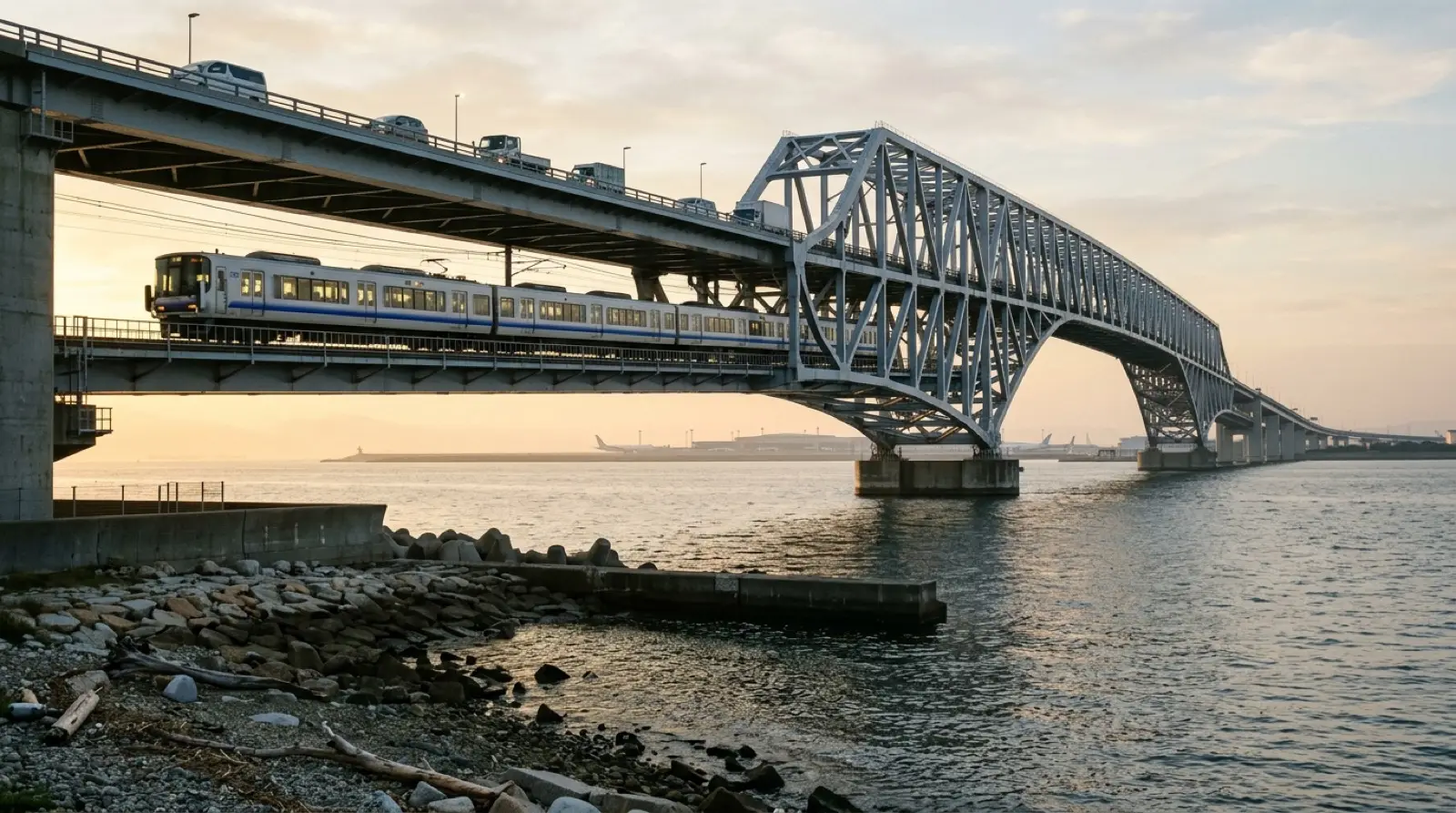
Kansai Airport to Osaka and Kyoto: Train, Bus and Taxi Fares Compared
For a hotel in Namba, the Nankai Airport Express is the cheapest ride at 970 yen and about 45 minutes, while the all-reserved Rapi:t does it in as little as 34. For Osaka Station, Shin-Osaka and Kyoto, JR's Haruka runs direct in about 47 and 80 minutes, and the discounted one-way ticket for short-term visitors brings Kyoto down to 2,200 yen. Land late and your options shrink to a cashless-only night bus to Umeda (0:15 from Terminal 1) or a taxi.
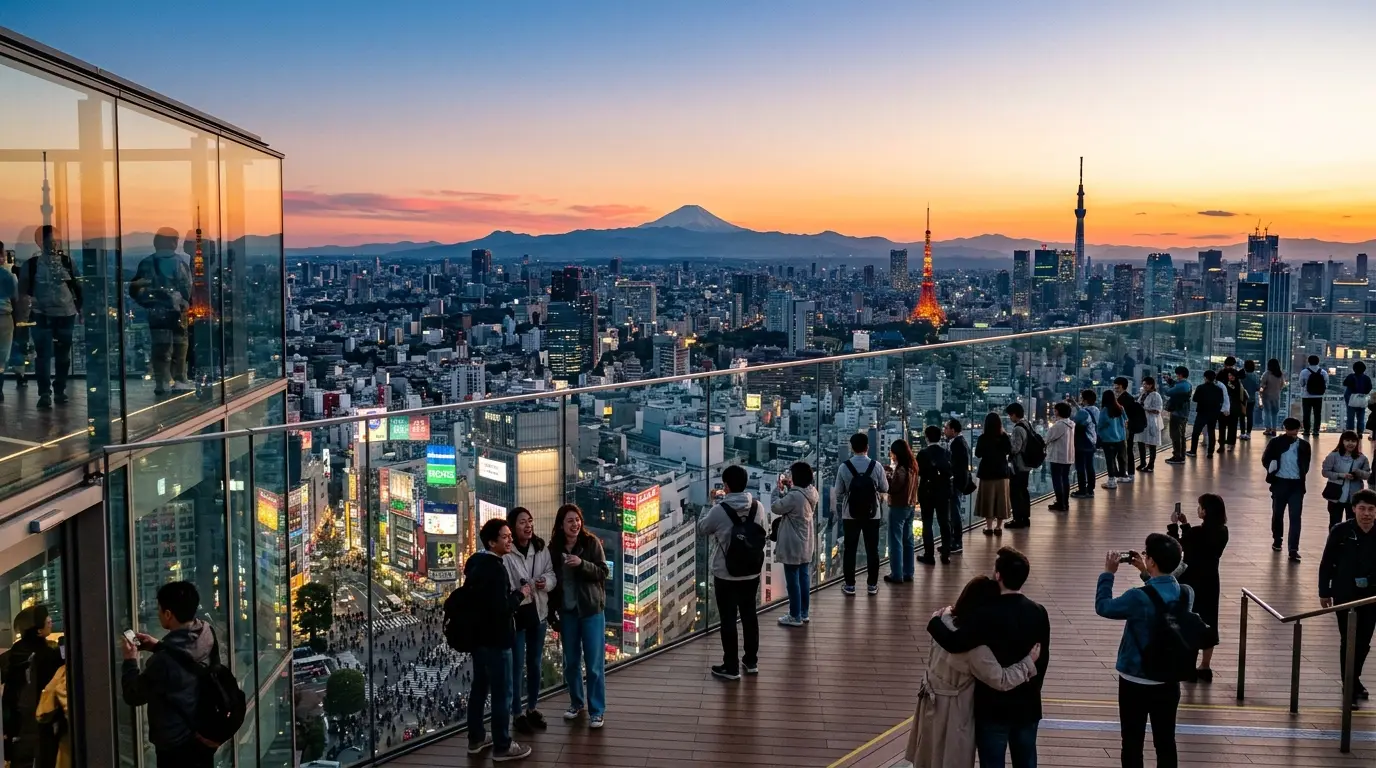
Where to Stay in Tokyo: Shinjuku vs Shibuya vs Ginza
Comparing room footprints across Shinjuku, Ginza, and Ueno, locking in sudden 14-day cancellation drops, and eliminating DCC fees with clean Yen checkout.
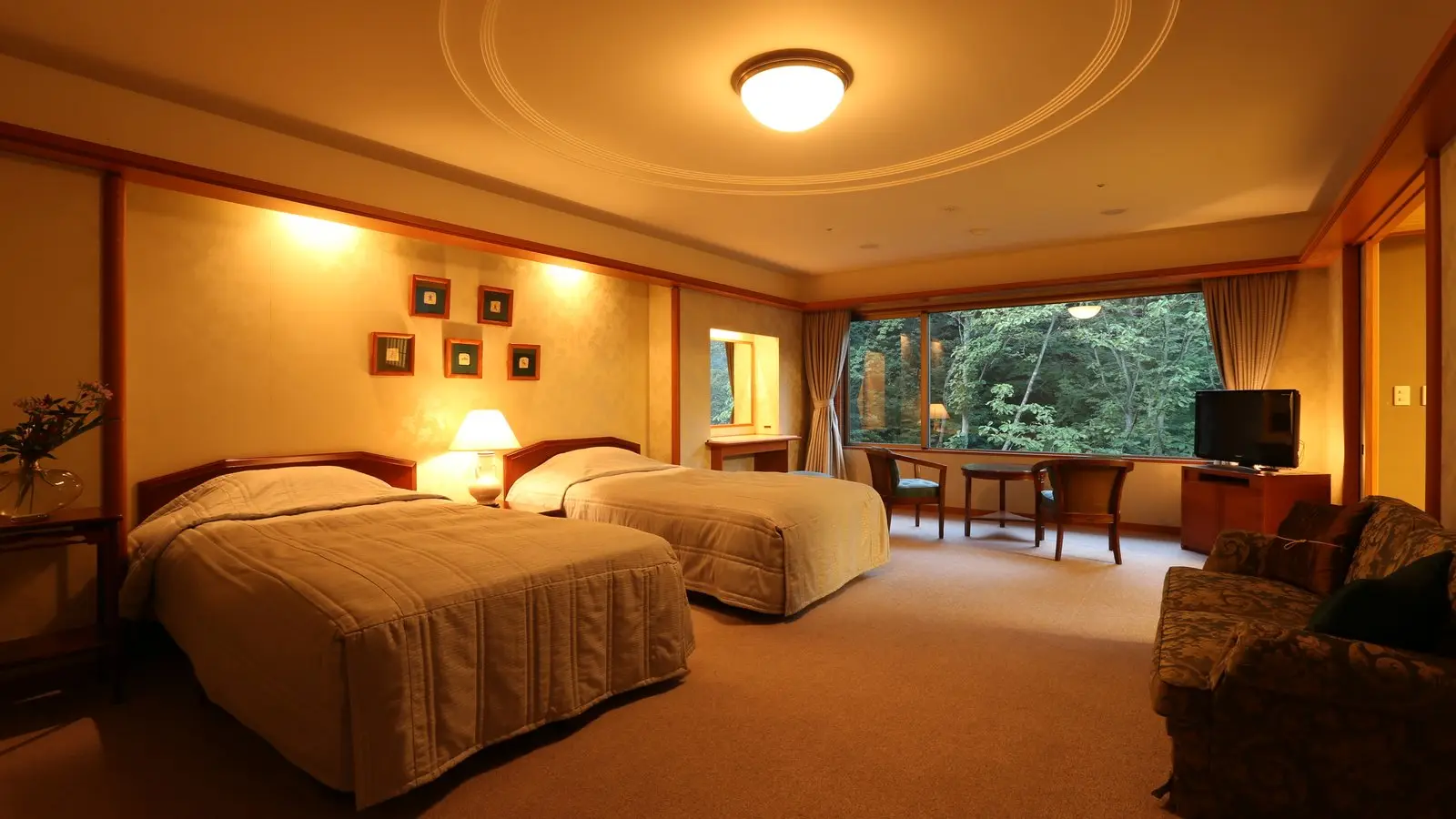
7 Budget Hotels in Tokyo Under $100 on the Yamanote Line
Even amid yen fluctuations, central Tokyo hotel rates have soared. Learn how to secure Yamanote loop line hotels at half the price of Shinjuku, compare onsen bath chains like Dormy Inn, trigger secret Agoda VIP and Booking.com Genius discounts, and dodge hidden currency fees with yen settlement.
How to Read the Tokyo Subway Map and Where to Stay on the Yamanote Line
How to choose between Keisei Skyliner and Narita Express, avoid the Tokyo Subway Ticket trap, use Apple Wallet Suica, and select the ideal hotel base in Tokyo.