
Da LatGuide
Da Lat Itinerary and Where to Stay: Highland Weather and French Villas
Leave the Saigon swelter behind for 1,500m highland air, working colonial fireplaces, and estate Arabica tastings.
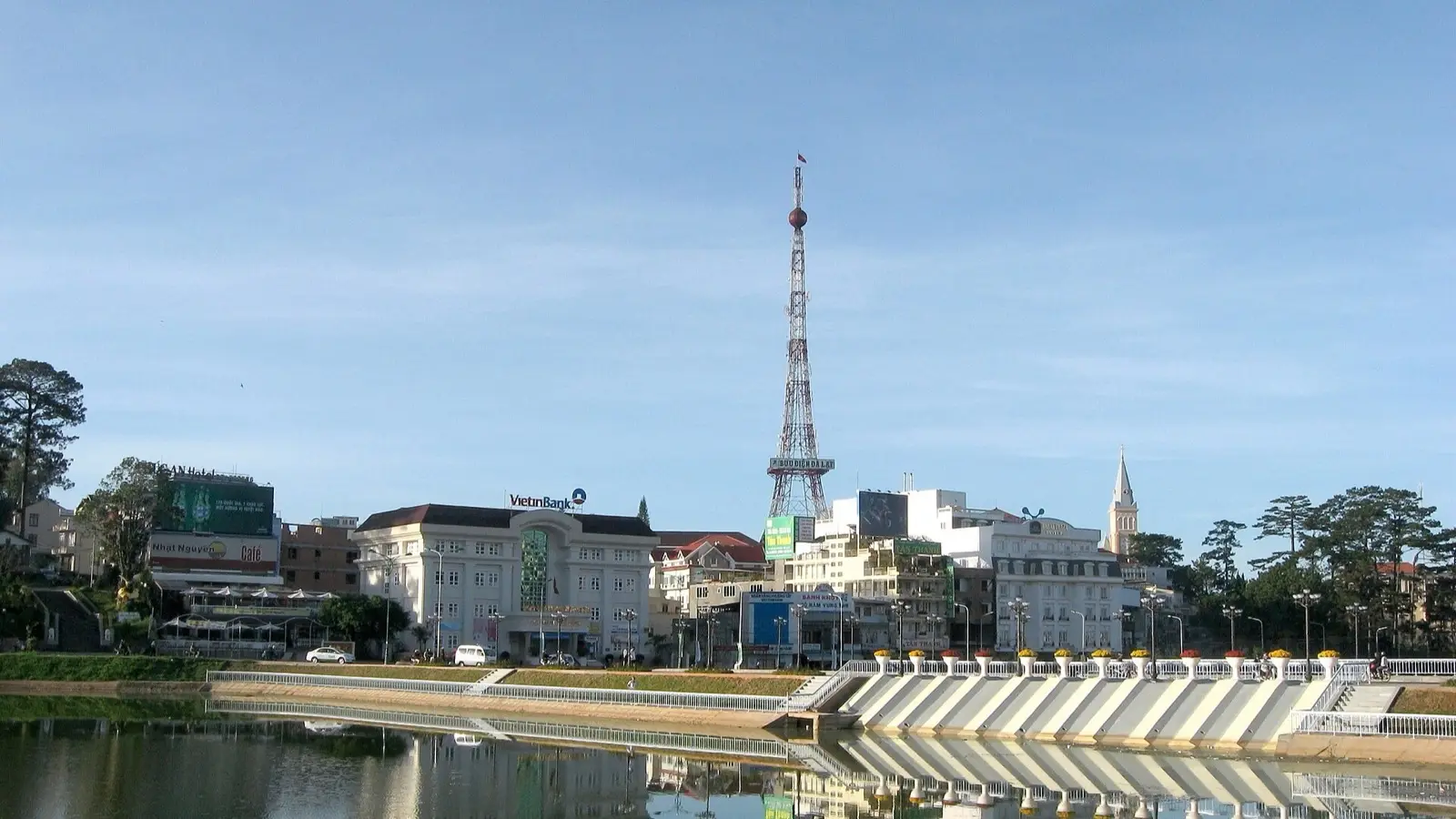
Into the 1,500m Pine Mist: Escaping Saigon's Swelter for the Central Highlands
Boarding a short domestic flight out of Ho Chi Minh City's stifling Tan Son Nhat tarmac, it takes under an hour for completely different mountain air to fill your lungs. Step onto the runway stairs in Da Lat and the thermometer reads a crisp 18C. Stripped of tropical monsoonal humidity, the invigorating chill and cedar scent instantly establish the identity of Vietnam's highland sanctuary. Ever since French bacteriologist Alexandre Yersin scouted this plateau in the late nineteenth century, Da Lat has stood as Indochina's lone retreat where visitors sleep under heavy duvets rather than air conditioning.
The most frequent blunder travelers commit is booking a seven-hour overnight sleeper bus from Saigon. Conquering the tortuous switchbacks and aggressive passing maneuvers across the Bao Loc Pass brings severe motion sickness and fragmented sleep, no matter how plush the private bunk curtains seem. To preserve both sanity and physical energy, taking a domestic flight straight into Lien Khuong Airport (DLI) is undeniably the superior move. From the terminal, a modern four-lane bypass slices through gentle pine hills into the city center in just thirty-five minutes.
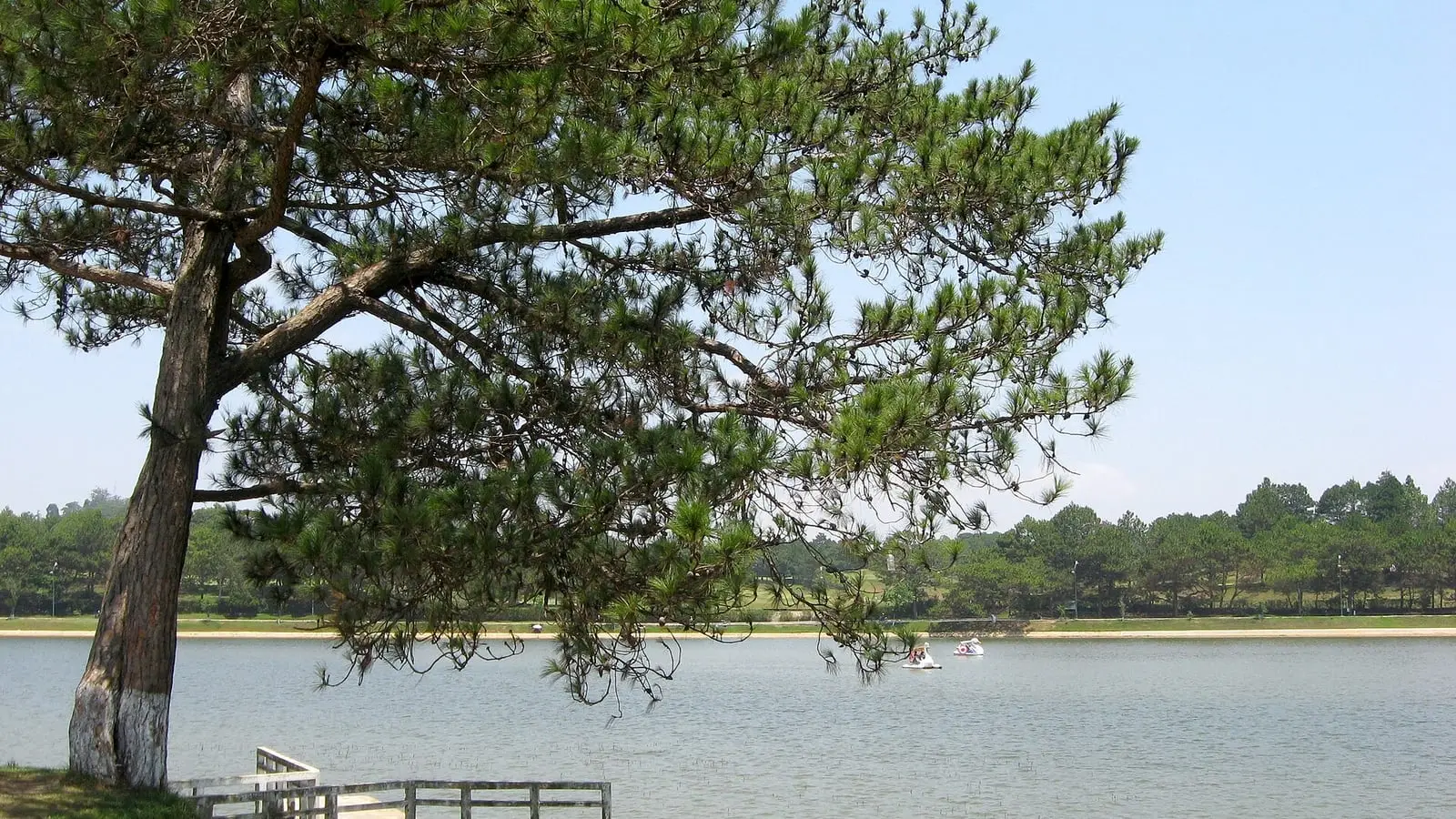
The highland sky changes moods repeatedly throughout a single day. In early morning, dense low-hanging mist blankets Xuan Huong Lake before dissolving under crystalline sunbeams illuminating hydrangea gardens. By late afternoon, cool alpine breezes usher in dramatic purple twilights filtering through pine branches.
This microclimate naturally decelerates your internal clock. Rather than rushing between crowded tourist stops, pulling on a light cardigan and breathing in fragrant mountain air becomes the defining pleasure of Da Lat.
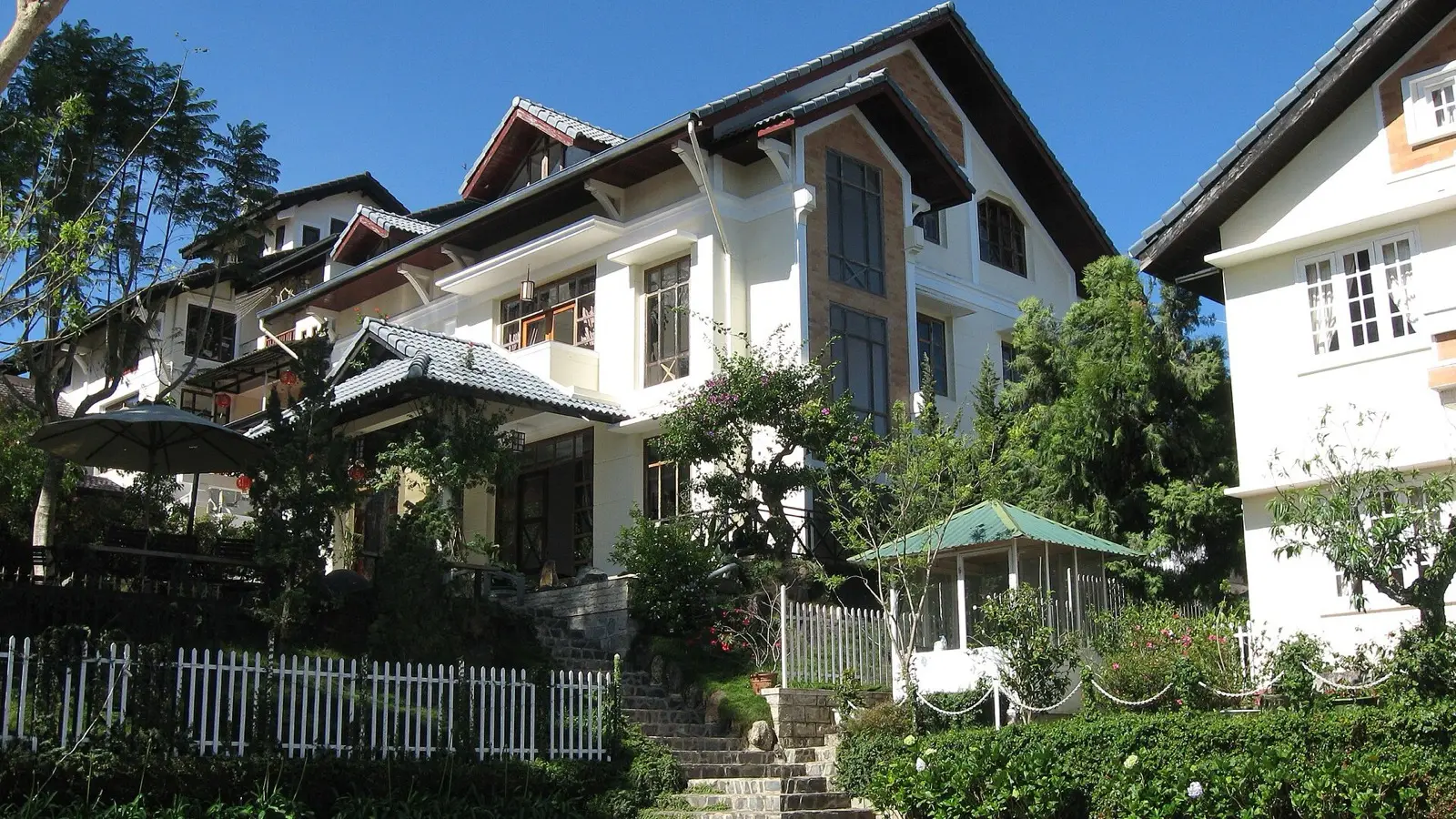
1920s French Colonial Villa Fireplaces vs Downtown Plywood Traps
Budget boutique hotels clustered around the central Da Lat night market appear convenient on booking maps, yet harbor notable downsides. Erected without thermal insulation, these concrete boxes amplify scooter horns and market megaphone chatter while doing nothing to block the damp mountain cold after sunset. Most offer cooling units without reverse-cycle heat, leaving unprepared guests shivering in 12C evening chill wearing every sweater packed in their suitcase.
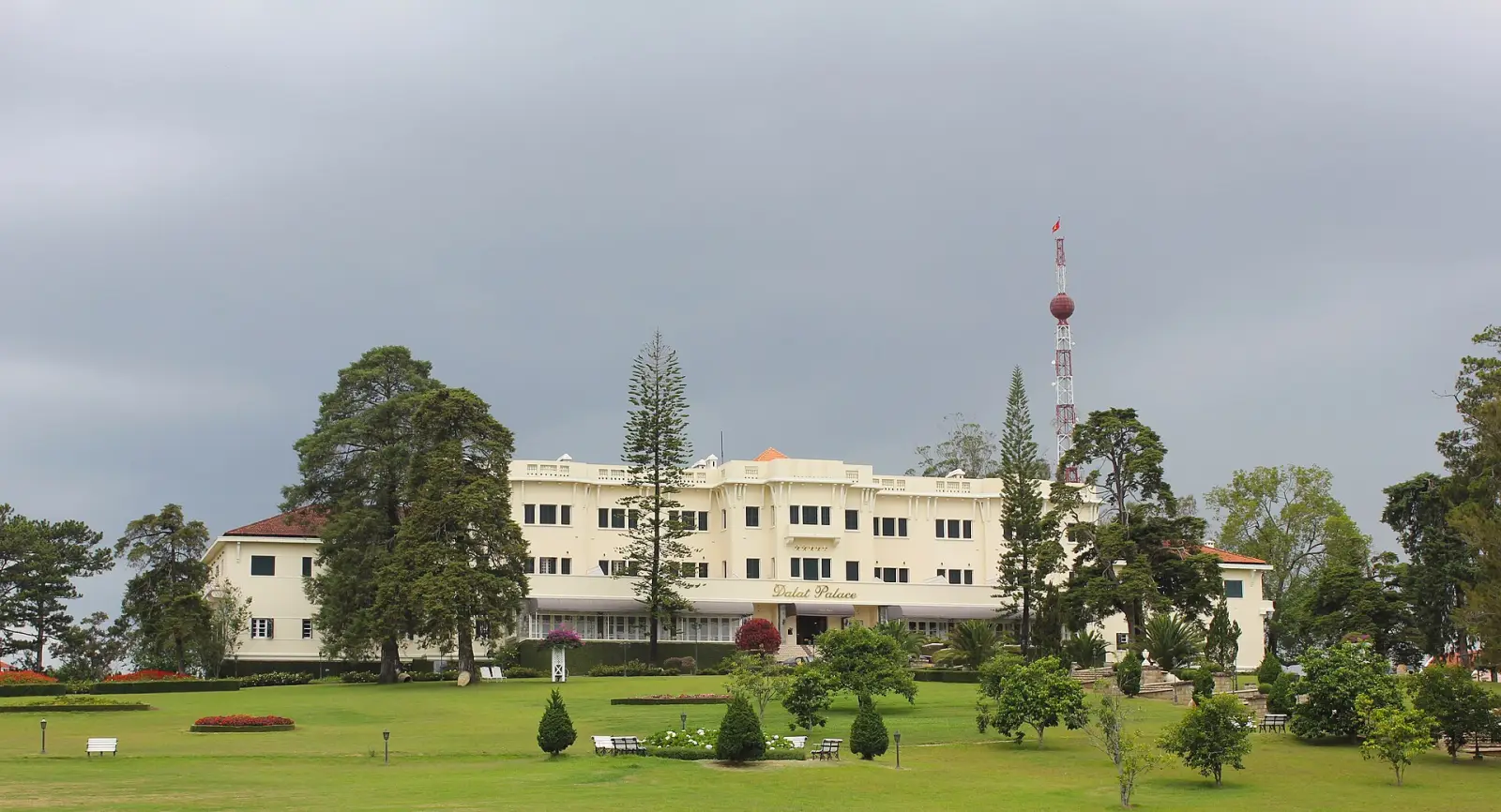
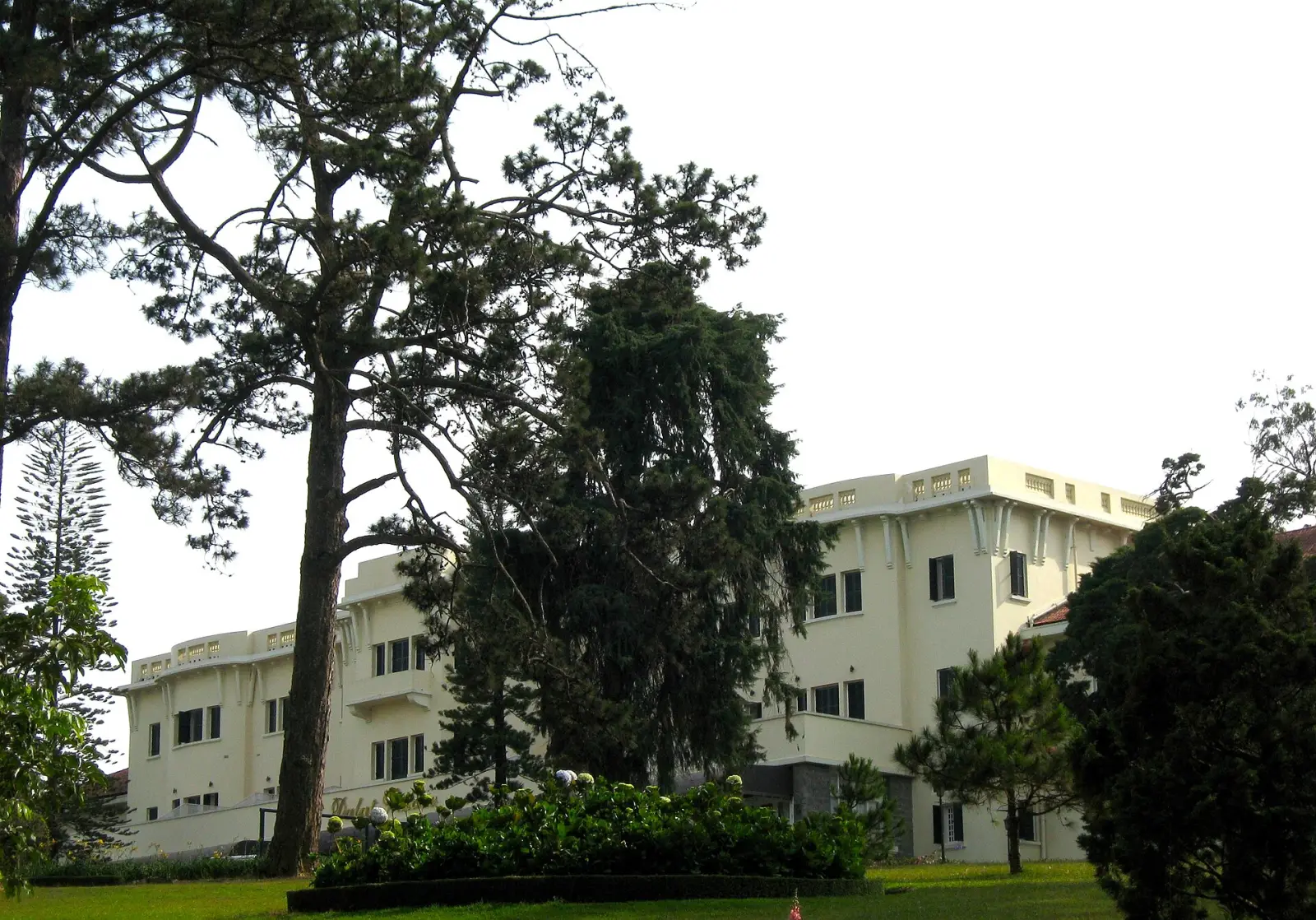
The genuine crown jewel of highland lodging lies within the French Quarter heritage villas established during the 1920s and 1930s for colonial administrators. Legendary estates such as Ana Mandara Villas Dalat and the Dalat Palace feature century-old polished teak floors, lofty timber ceilings, and authentic stone fireplaces. Following dinner, a private butler arrives to stack local pine logs in the hearth, filling your suite with crackling warmth and aromatic woodsmoke for an incomparable alpine evening.
Concerns about acoustic isolation in historic timber properties are dispelled by their detached layout, with separate private manors dispersed across rolling gardens safeguarding guests from neighboring noise. Waking up to morning birdsong and dew-soaked pine needles drifting across your veranda is an everyday luxury.
When checking out, always settle your bill in Vietnamese Dong (VND) rather than foreign currencies. Allowing payment terminals to convert charges to home currencies incurs unfavorable dynamic currency conversion fees of three to five percent.
The 3-Zone Blueprint: French Quarter, Xuan Huong Lake, and Tuyen Lam Pine Forests
The premier zone is the French Quarter, draped across rolling ridges east of Cam Ly Falls. Elegant Art Nouveau and Normandy timbered manors sit secluded behind lush pine groves and hydrangea hedges, offering peerless privacy and scenic walking paths. Located just five minutes by taxi from the center yet entirely insulated from traffic fumes, this enclave remains the definitive top recommendation for travelers seeking heritage architecture and restorative peace.
The second hub borders Xuan Huong Lake near the night market, tailored for practical explorers who prioritize walking access to street-food stalls and casual bakeries. However, weekend evenings bring dense pedestrian crowds and booming street buskers, making the quieter western lakefront perimeter the only sensible bet. The third sector spans the southern shores of Tuyen Lam Lake fifteen minutes out, where secluded five-star eco-resorts deliver Swiss alpine lake tranquility for pure off-grid rejuvenation.
While the French Quarter distills storied colonial elegance, Tuyen Lam Lake delivers pure Scandinavian-style pine forest seclusion. For visits of three nights or longer, split your stay: spend two nights in the French Quarter exploring heritage sites, then retreat to a lakeside resort for a final day of quiet contemplation.
Lakeside resorts also host peaceful dawn yoga and morning kayak sessions as morning mist lifts from calm glassy waters, easing tension accumulated from urban routines.
Heart of Vietnamese Arabica: The 1932 Art Deco Station and Mountain Roasteries
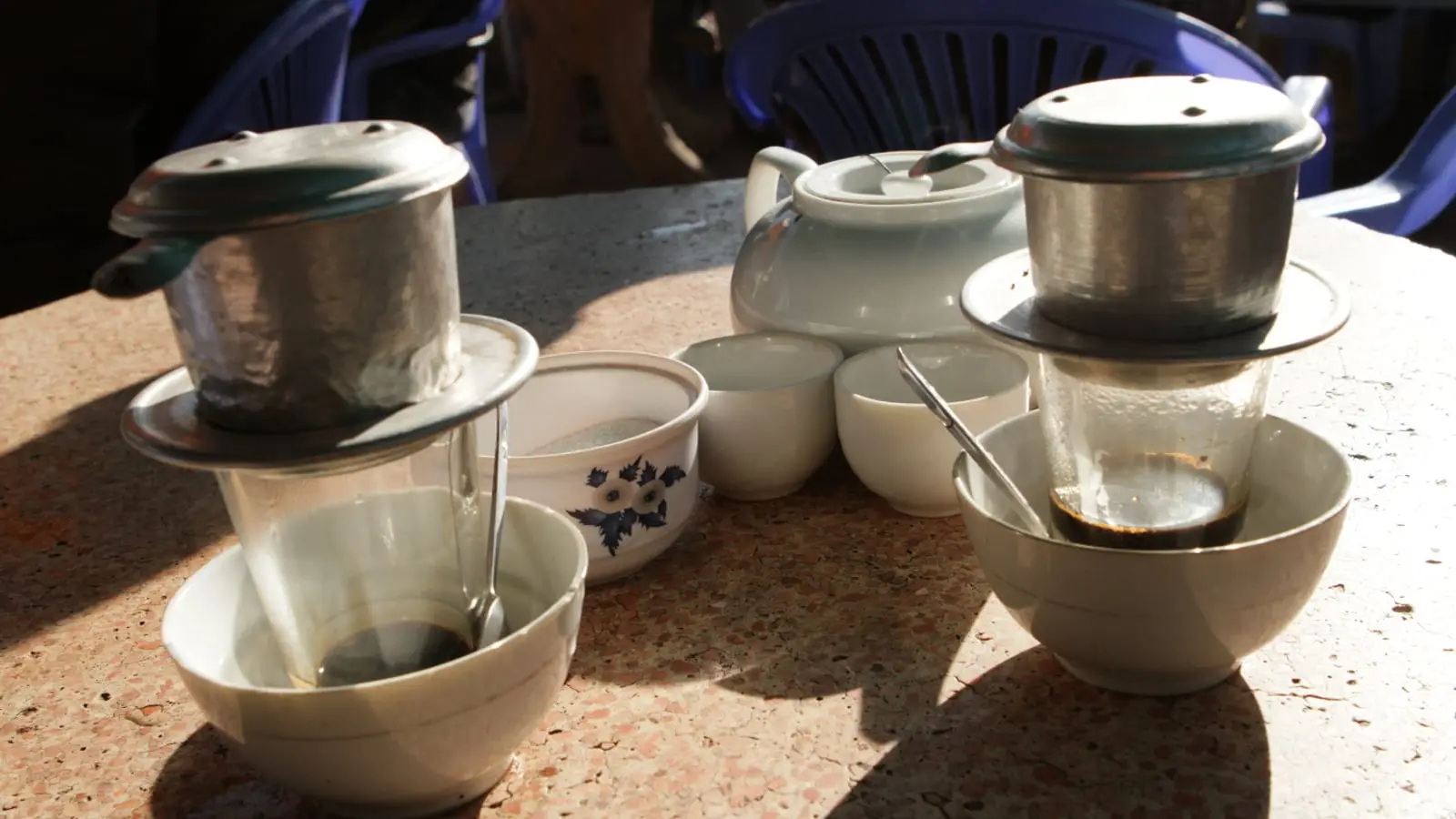
While Vietnamese coffee is globally recognized for robust, bitter Robusta varieties, Da Lat's Cau Dat district at 1,500 meters altitude possesses a volcanic microclimate capable of nurturing world-class Arabica. Independent craft roasteries dotting mountain lookouts showcase Typica and Bourbon harvests brewed via delicate V60 pour-overs, exhibiting bright citric acidity and honeyed sweetness. Wrapping your hands around a warm ceramic mug while morning mist drifts over the terrace is an indelible sensory highlight.
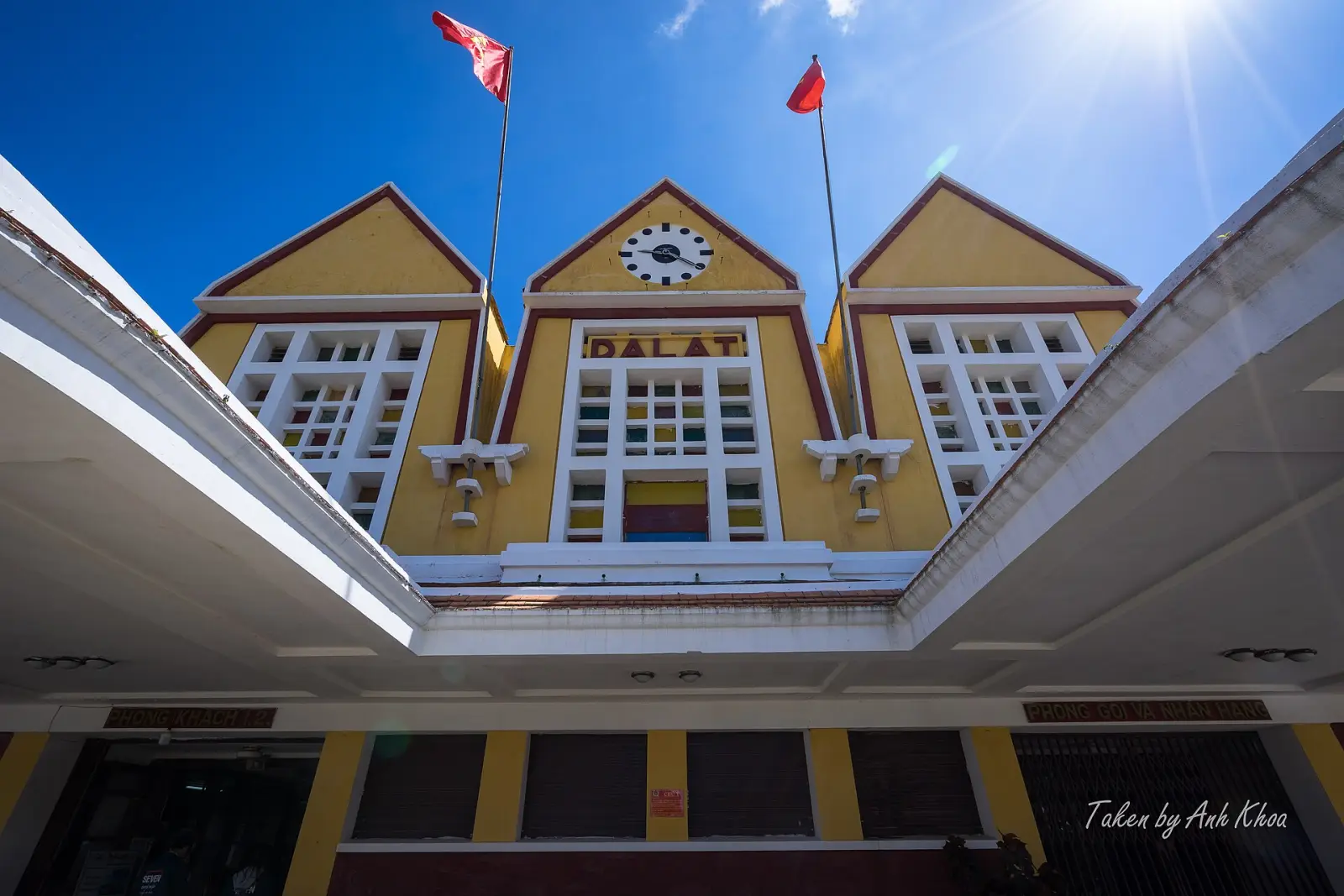
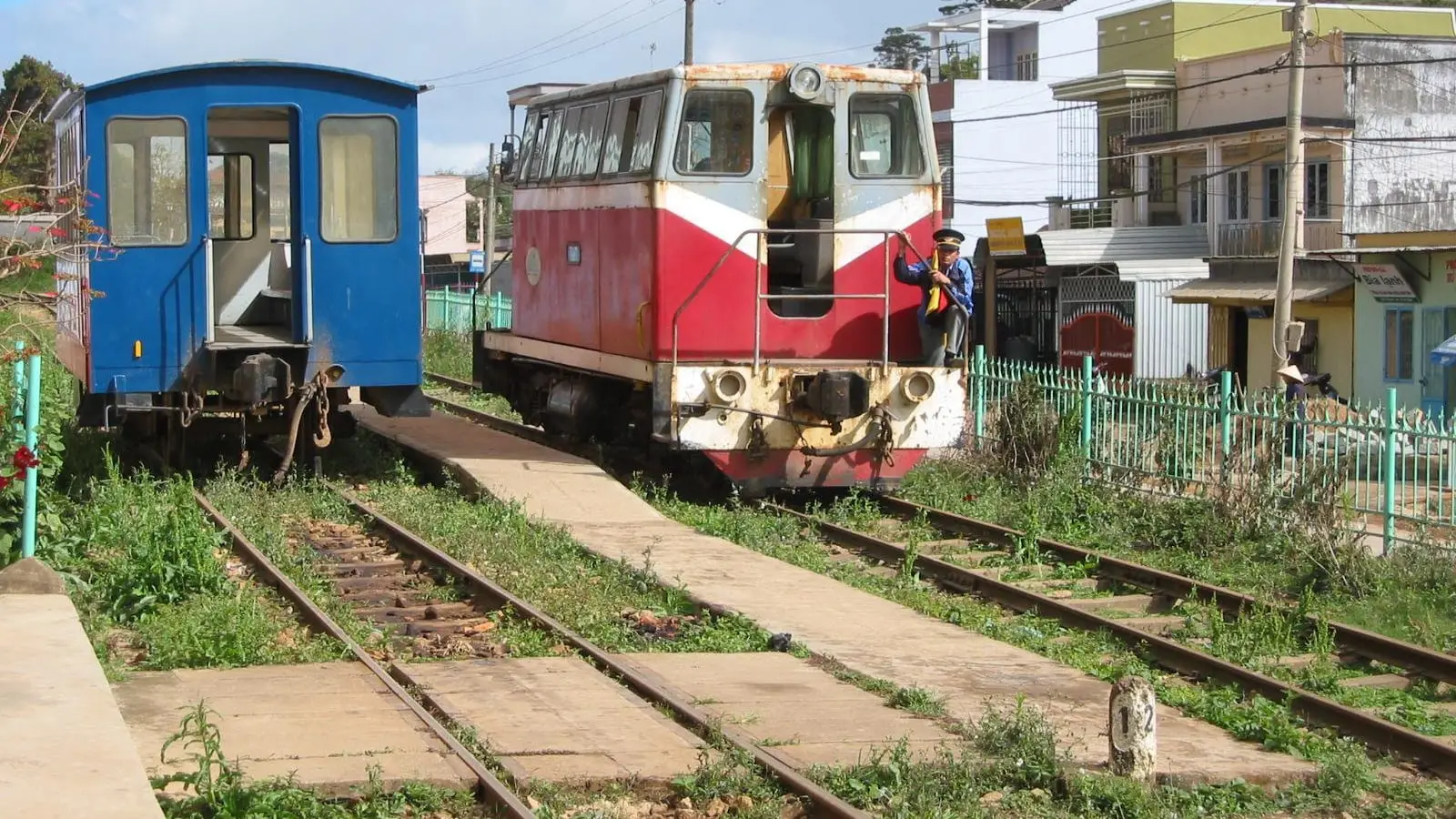
By 9 AM, head down to the 1932 Da Lat Railway Station. Designed by French architects Moncet and Reveron with inspiration from Normandy's Trouville-Deauville terminal, its three-pointed Art Deco rooflines and vibrant stained-glass panels represent the golden age of Indochina rail engineering. The line once climbed from Thap Cham on rack sections; today restored 1930s-style wooden coaches run short excursion trips to Trai Mat village, crawling past panoramic valleys of terraced greenhouse farms.
Reaching Trai Mat, visit Linh Phuoc Pagoda, renowned for its intricate mosaics fashioned from millions of recycled porcelain and glass fragments creating vibrant dragons and lotus blossoms. After exploring the temple grounds for an hour, reboard the vintage wooden train for a scenic journey back in time.
During the afternoon, pause at hillside cafes overlooking terraced valleys to savor local artichoke tea paired with fresh strawberry cream tarts. Cultivated in nutrient-rich volcanic highlands, Da Lat's crisp fruit and tea harvest offer a delicious celebration of mountain terroir.
The Highland Toolkit: Lien Khuong Private Pickups, Mountain eSIMs, and Ride-Hailing Rules
Lien Khuong International Airport sits approximately thirty kilometers south of Da Lat proper. Unofficial taxi touts lingering in the arrival hall frequently quote inflated flat rates or take circuitous backroads. Reserving a prepaid private airport transfer via Kiwitaxi guarantees a driver waiting with a personalized name sign at baggage claim, eliminating price disputes and delivering luggage straight to your villa entryway.
Because Da Lat's premier roasteries and scenic lookouts cling to steep mountain passes, dependable cellular connectivity is crucial. Selecting a high-tier eSIM running on the native Viettel network guarantees strong data reception in pine valleys when calling Grab rides or checking navigation. While downtown scooter rentals are ubiquitous, treacherous switchbacks, damp asphalt, and aggressive roundabout traffic make Grab cars a far safer choice for unseasoned riders.
When heading to remote lookout cafes or waterfalls, return Grab availability can be sparse. Negotiating a modest waiting fee directly with your drop-off driver to provide a round-trip ride saves considerable hassle in the mountains.
UV radiation at high elevations is surprisingly intense under clear skies, so apply sunscreen generously before heading out, and keep a compact travel umbrella or lightweight rain jacket in your daypack for sudden afternoon showers.
Midnight at Xuan Huong Lake: Scent of Damp Pines and Charcoal Grills
As midnight settles across Xuan Huong Lake, mountain breezes turn unmistakably autumnal regardless of calendar month. Once bustling market crowds disperse into shadowy alleys, street-food vendors remain perched on low wooden stools beside glowing terracotta brazier pots. The aroma of Banh Trang Nuong crispy grilled rice paper folded with quail eggs, scallions, and dried shrimp pairs sublimely with steaming cups of fresh hot soy milk to warm chilled fingers.
Returning to your villa suite where embers still glow softly in the hearth, you sink beneath a deep down duvet as wind whispers through tall pine needles beyond tall French windows. This serene chill and aromatic stillness, utterly removed from the frantic pace of lowland Southeast Asia, is the enduring spell that keeps travelers returning to Da Lat.
In the deep hours before dawn, streetlamps around the lake perimeter flicker off one by one, surrendering the glassy water to complete nocturnal calm. Restorative sleep enveloped in clean mountain pine air melts away weeks of built-up urban fatigue.
Opening French veranda doors the following morning, invigorating pine aromas and crystalline daylight flood your room. The gentle warmth and tranquility of this mountain retreat remain a lasting sanctuary in memory long after you return home.
Frequently Asked Questions
Field-tested answers to transit navigation, neighborhood choices, and payment traps.
Q1.Should I fly or take a sleeper bus from Ho Chi Minh City to Da Lat?
Q2.How cold does Da Lat get?
Q3.Where does the Da Lat railway station tourist train go?
Q4.How do I get from Lien Khuong Airport to the city?
The Smart Traveler's Essential Toolkit
Prepare instant mobile data, private airport transfers, and skip-the-line passes in one place.
Share This Guide with Your Companions
When shared via chat or social media, a curated summary card is sent along.

Recommended Guides
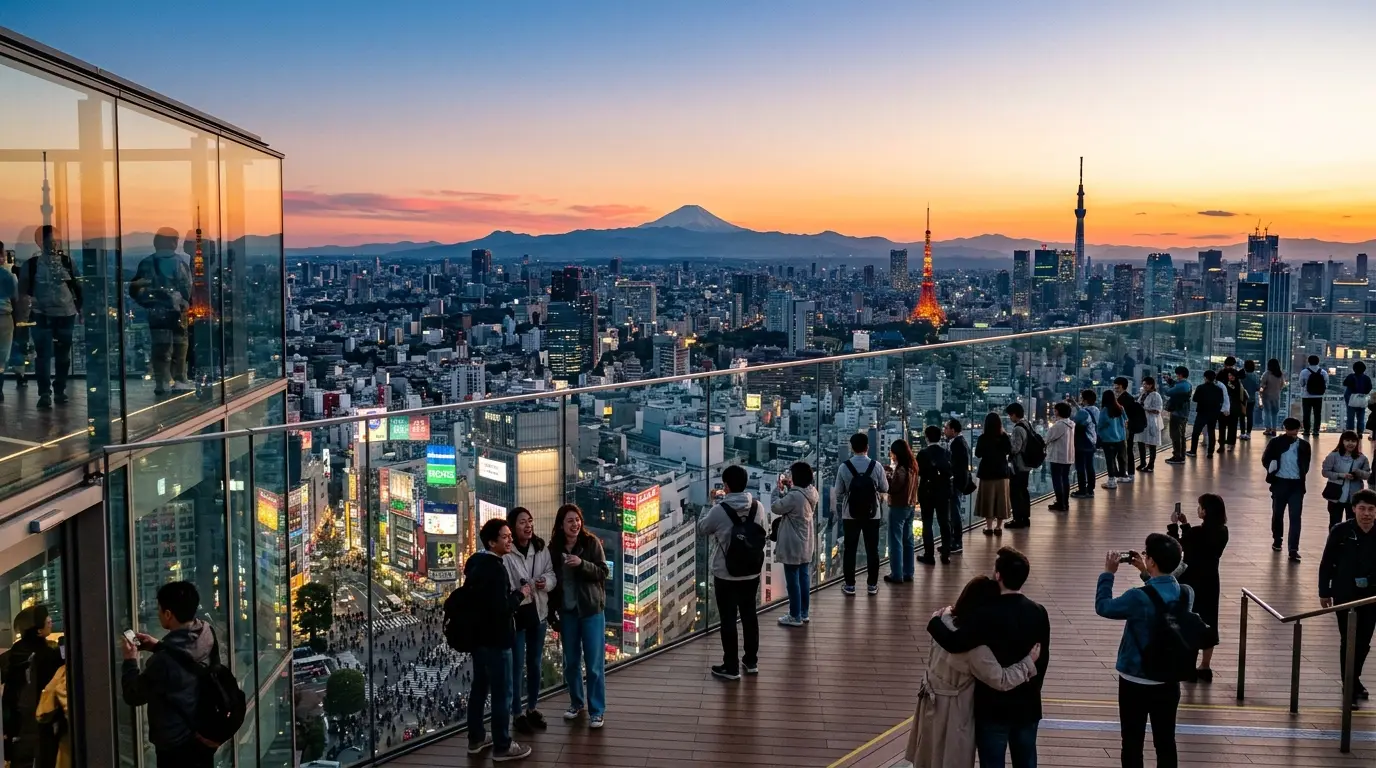
Where to Stay in Tokyo: Shinjuku vs Shibuya vs Ginza
Comparing room footprints across Shinjuku, Ginza, and Ueno, locking in sudden 14-day cancellation drops, and eliminating DCC fees with clean Yen checkout.
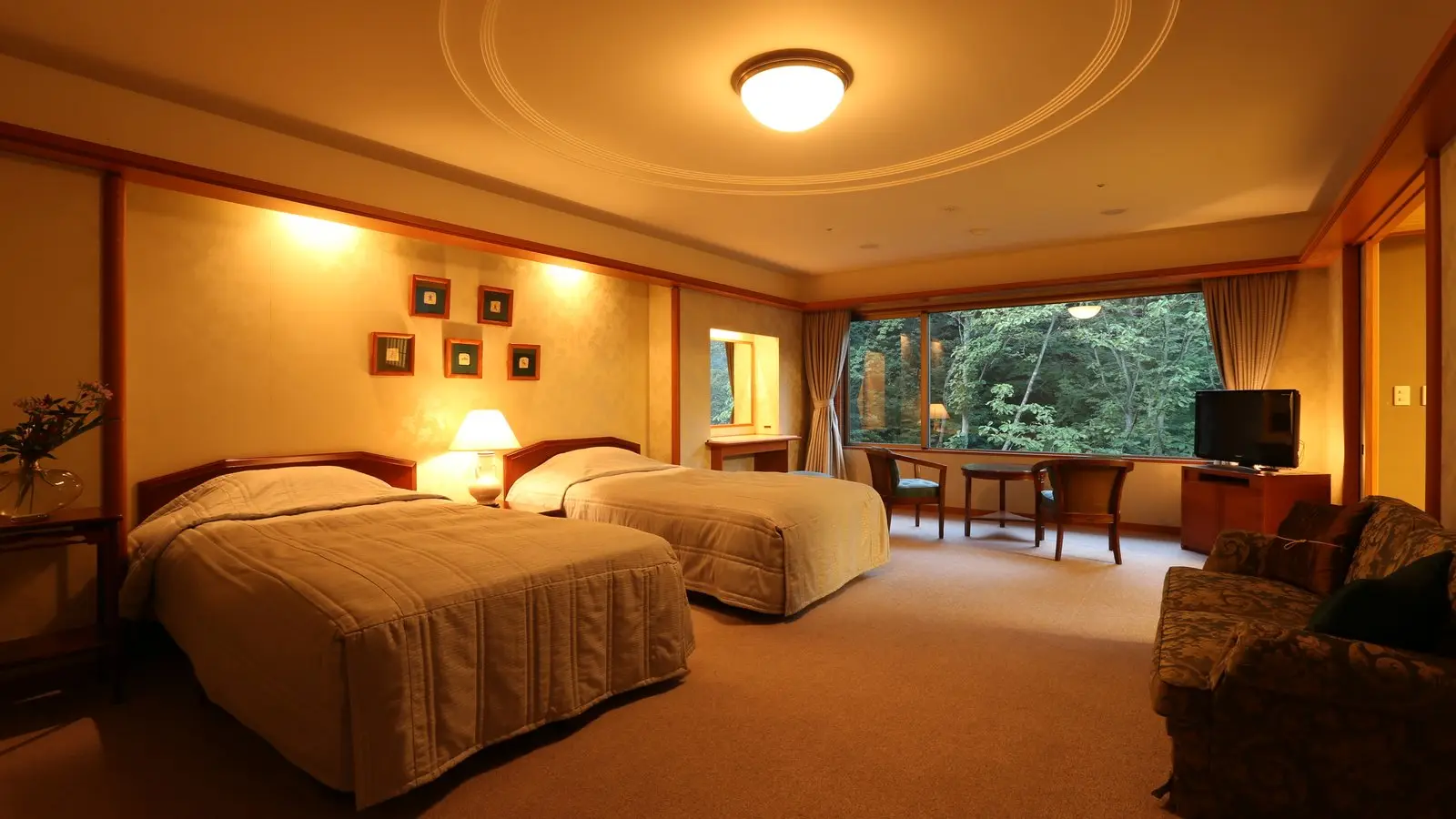
7 Budget Hotels in Tokyo Under $100 on the Yamanote Line
Even amid yen fluctuations, central Tokyo hotel rates have soared. Learn how to secure Yamanote loop line hotels at half the price of Shinjuku, compare onsen bath chains like Dormy Inn, trigger secret Agoda VIP and Booking.com Genius discounts, and dodge hidden currency fees with yen settlement.
How to Read the Tokyo Subway Map and Where to Stay on the Yamanote Line
How to choose between Keisei Skyliner and Narita Express, avoid the Tokyo Subway Ticket trap, use Apple Wallet Suica, and select the ideal hotel base in Tokyo.
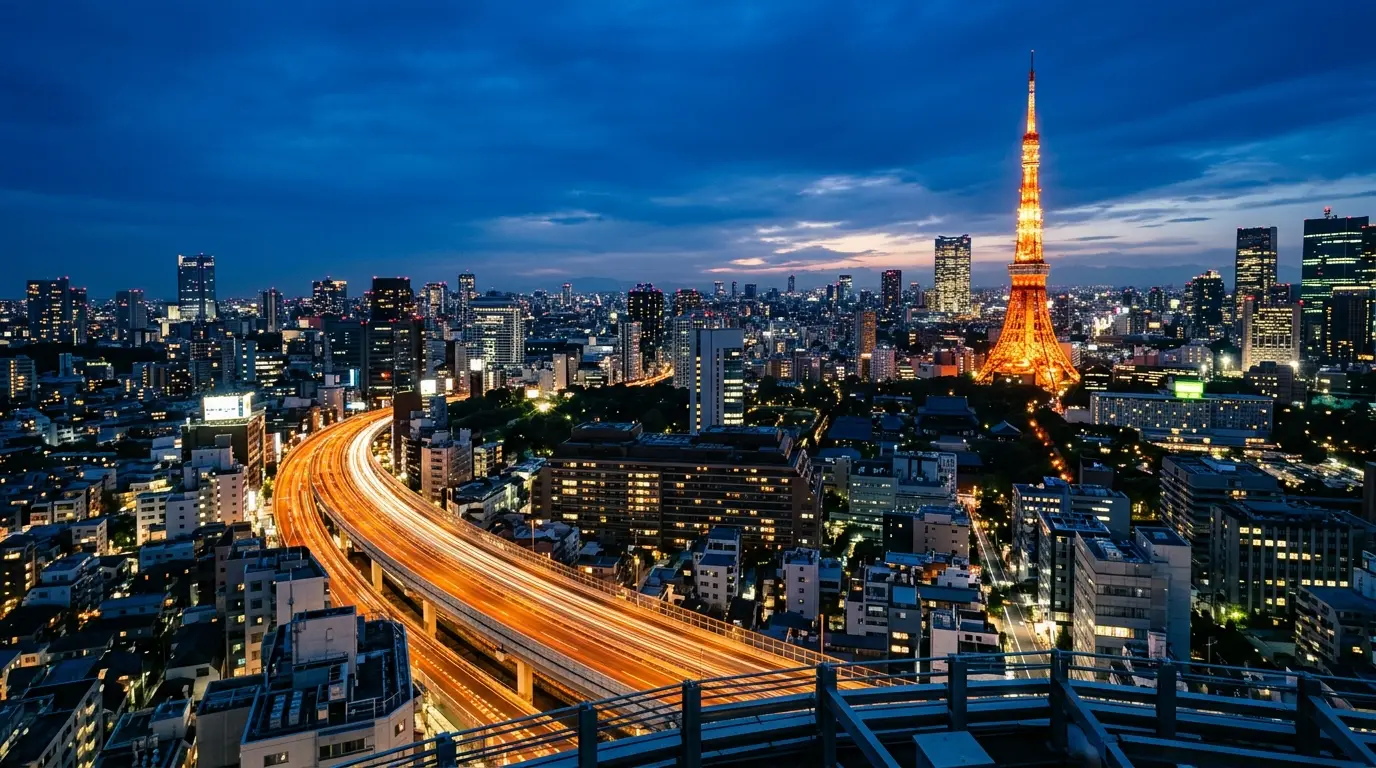
Tokyo Day 1 Itinerary: Narita Airport to the City and Your First 24 Hours
From stepping off at Narita Airport to mastering high-speed trains, navigating Tokyo's sprawling transit hubs, ordering counter ramen effortlessly, and catching sunset from Roppongi Hills. A definitive guide for your first 24 hours in Tokyo.
Tokyo Day 2 Itinerary: Booking Shibuya Sky, Harajuku Backstreets and Roppongi at Night
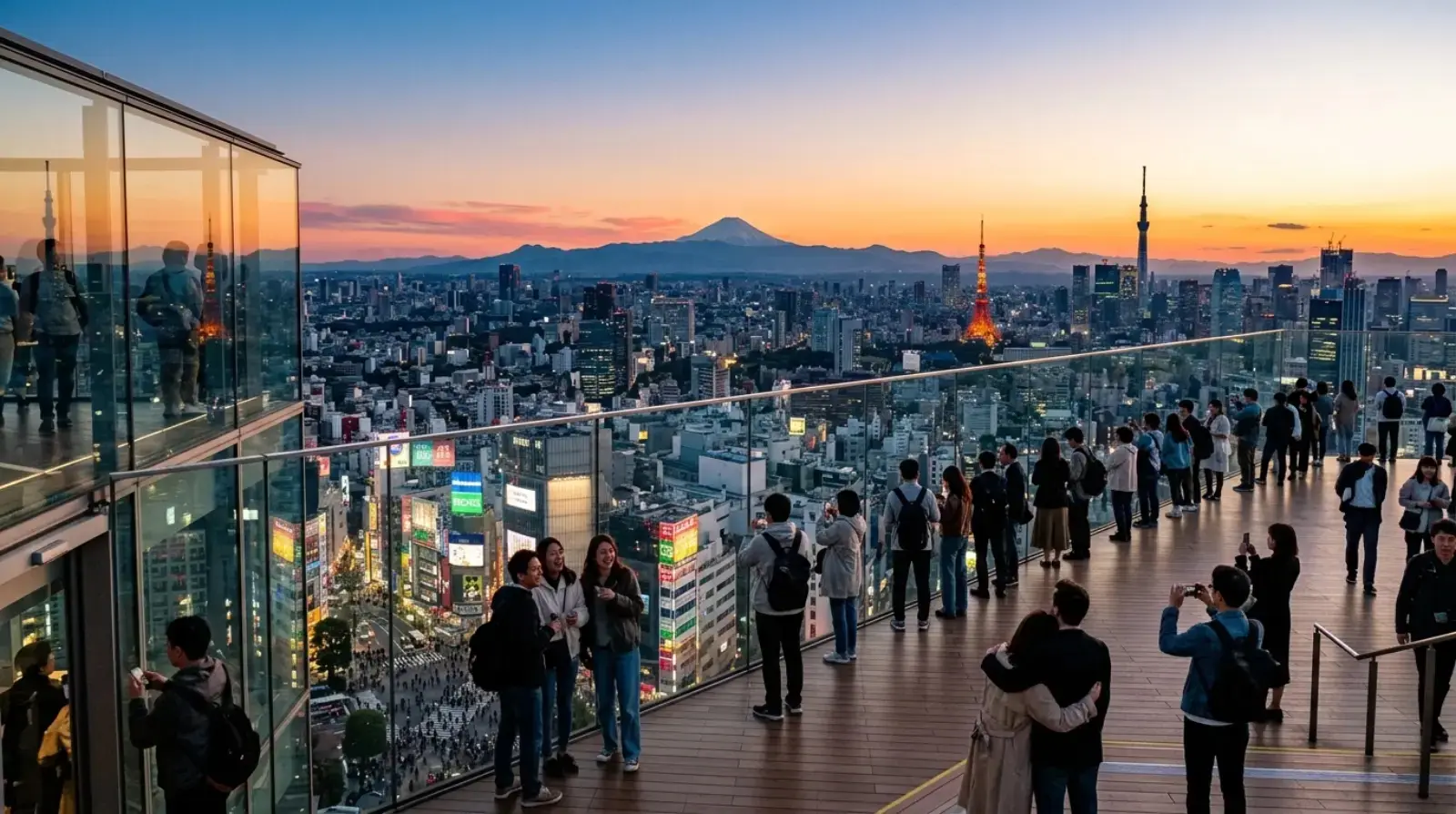
Securing prime sunset slots atop Shibuya Sky, navigating hidden boutiques along Harajuku Cat Street, immersing in the forested serenity of Meiji Jingu, and marveling at the crimson glow of Tokyo Tower from Roppongi Hills. A masterclass in Day 2 pacing.
Tokyo Day 3 Itinerary: Asakusa, Akihabara, Ginza Depachika and Flying Home
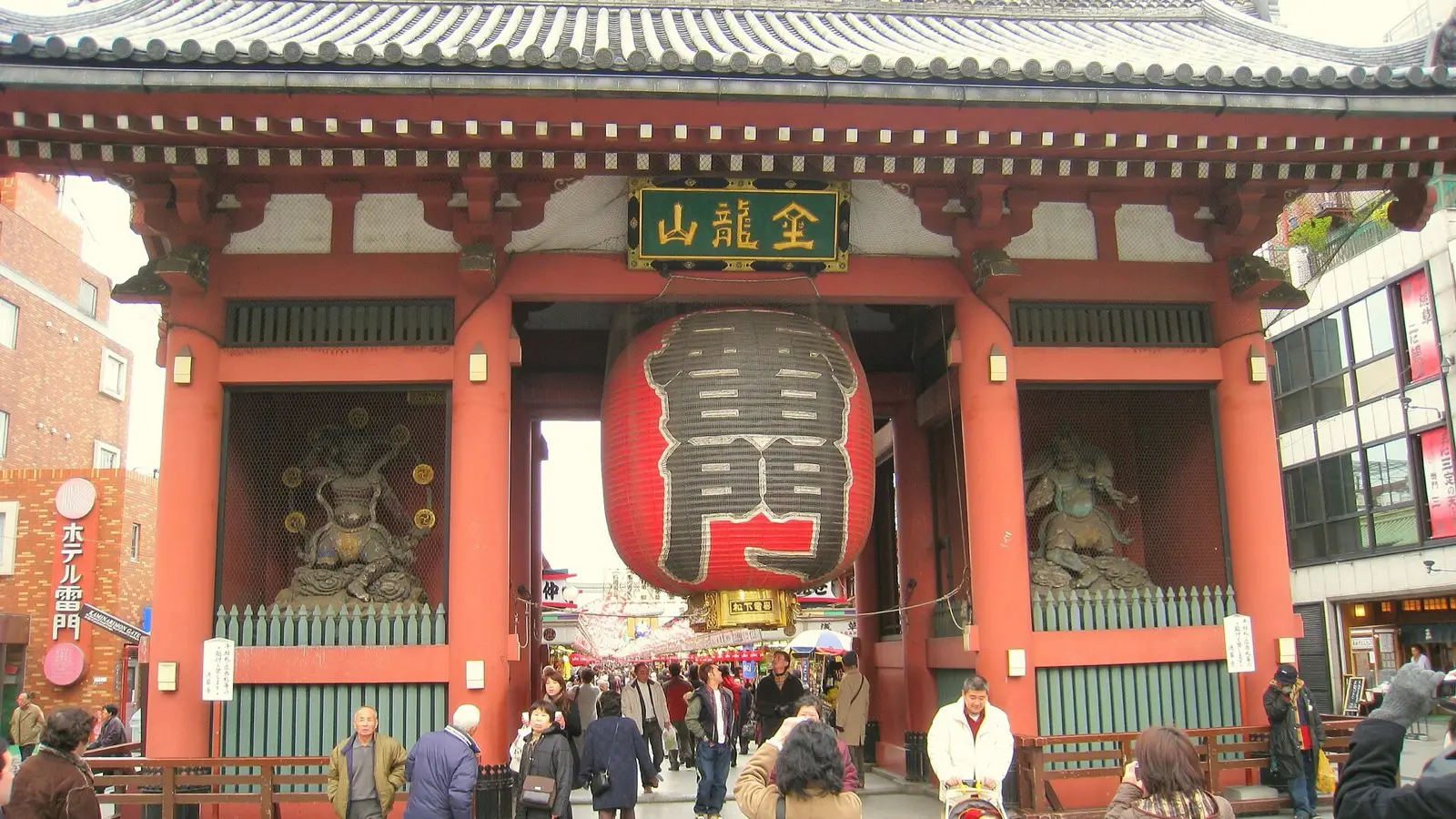
The ultimate finale for your Tokyo stay: tranquil morning worship at Sensoji, retro subculture in Akihabara, Ginza Six architectural rooftop views and basement depachika feasts, capped by seamless Skyliner and N'EX airport connections.
Osaka Itinerary: Dotonbori and Umeda in Two Nights
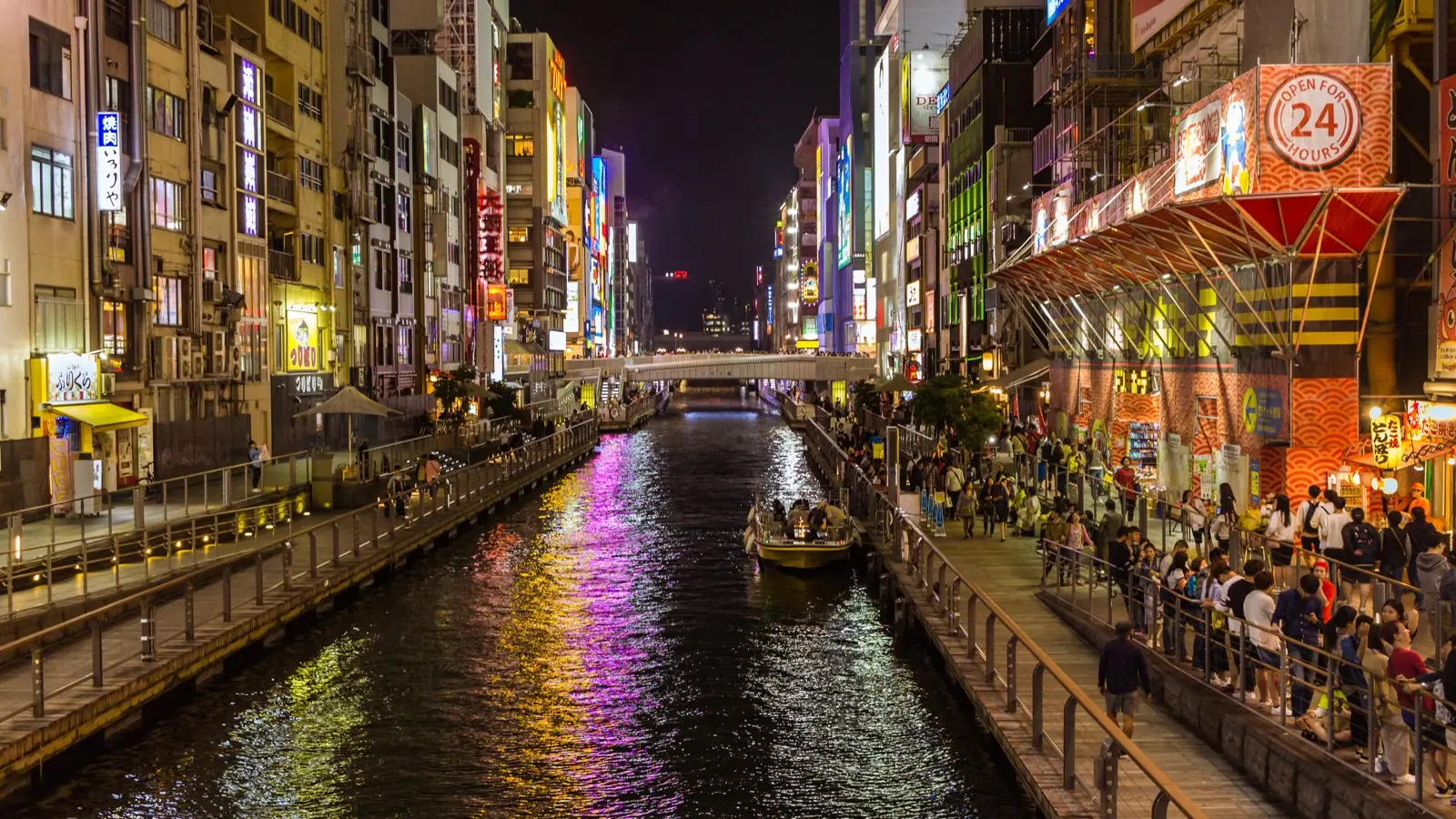
Osaka is Japan culinary powerhouse where feasting is an art. Navigate Rapi:t airport transfers, Namba vs Umeda hotels, and street food corridors with veteran precision.
Kyoto Itinerary: Arashiyama, Gion and How to Pick a Ryokan
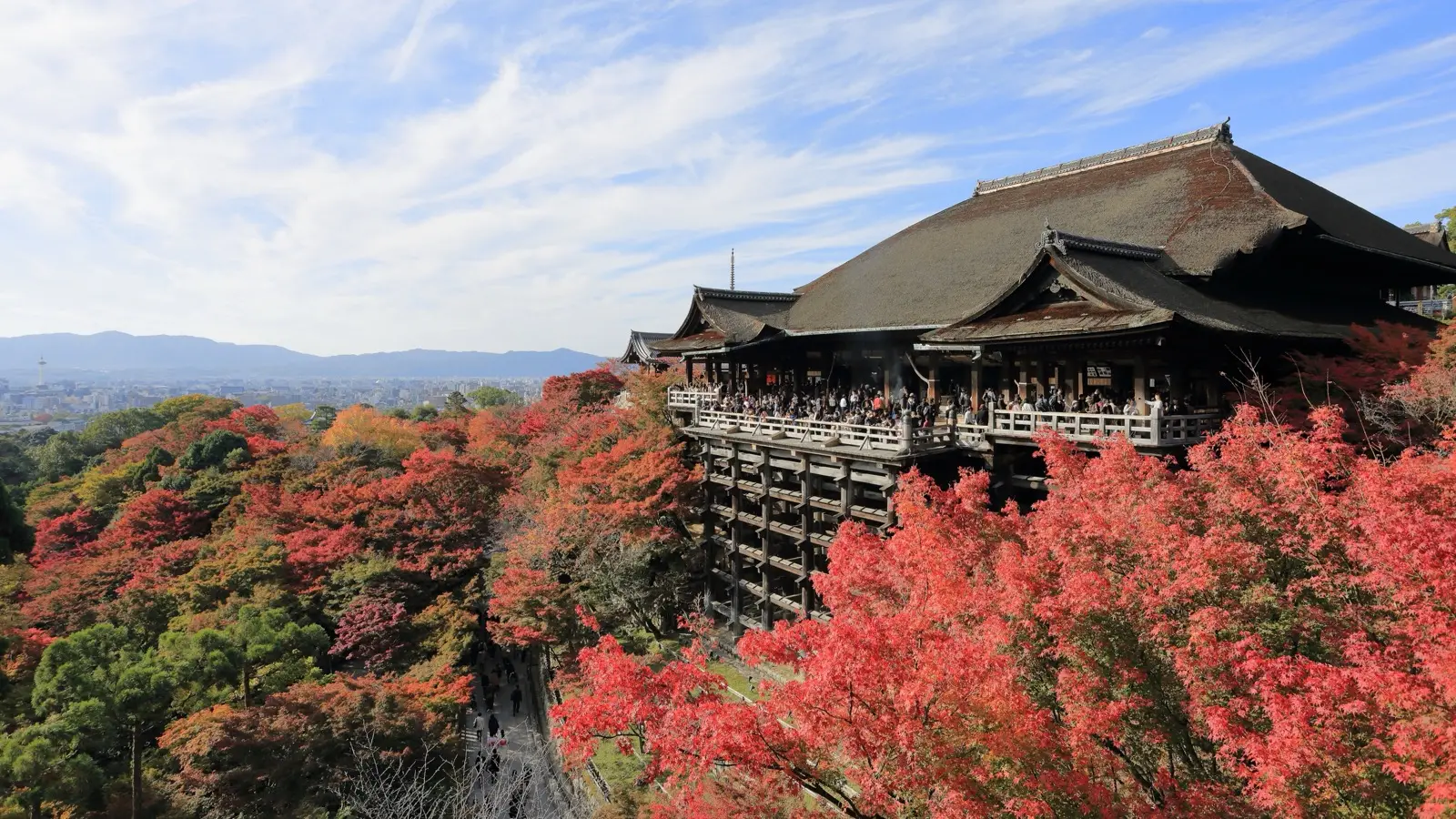
Kyoto compresses a millennium of Japanese aesthetic mastery. Discover how to evade bus congestion with private railways, master ryokan kaiseki booking windows, and savor early dawn stillness.
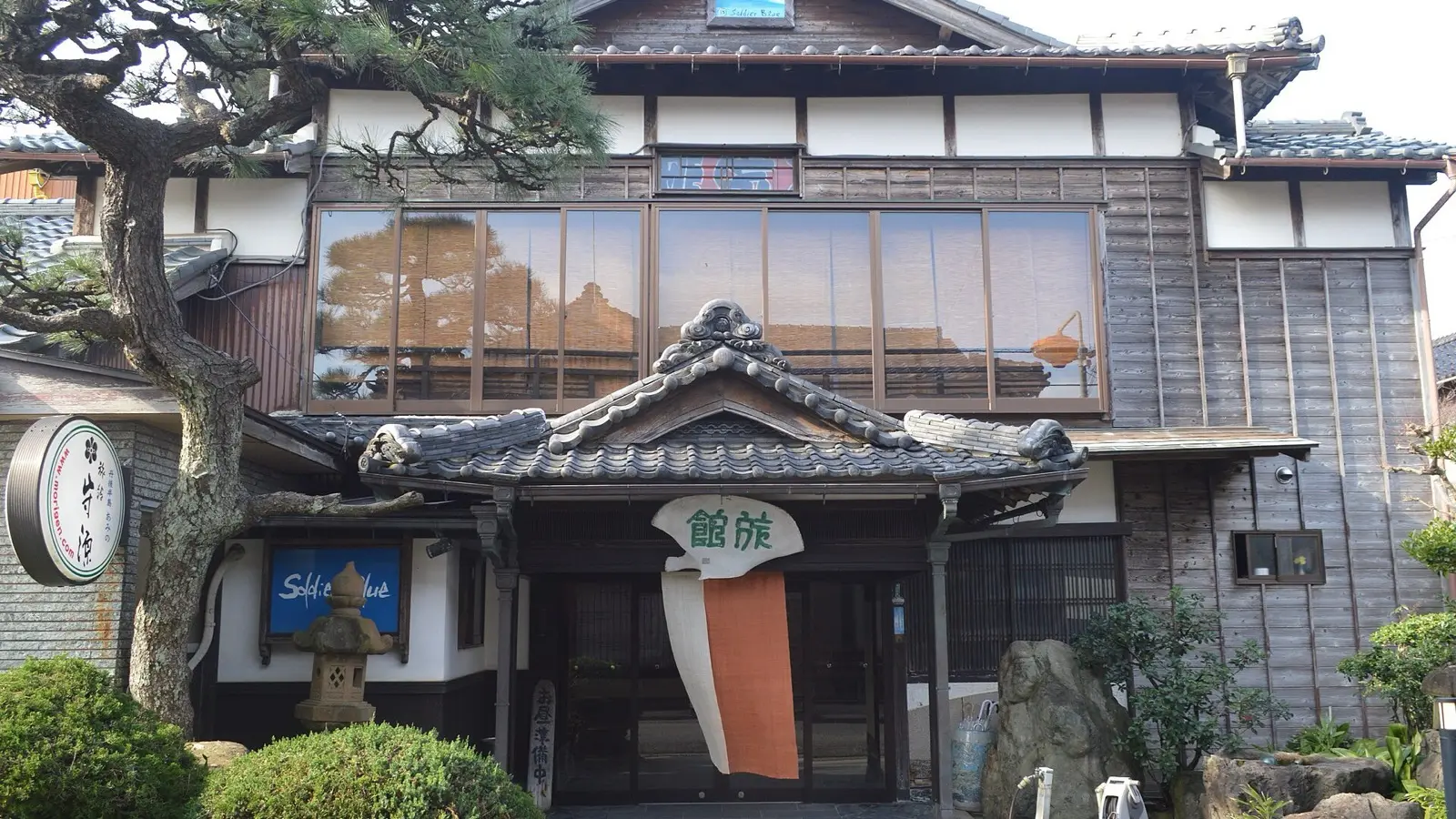
Kyoto Ryokan Prices and How to Choose: Kaiseki Terms and Machiya Stays
From hundred-year-old timber townhouses in Gion to misty Arashiyama riverside ryokan, staying in Kyoto demands cultural fluency and sharp booking discipline. An honest receipt audit covering kaiseki dinner curfews, private onsen etiquette, and avoiding dynamic pricing spikes.
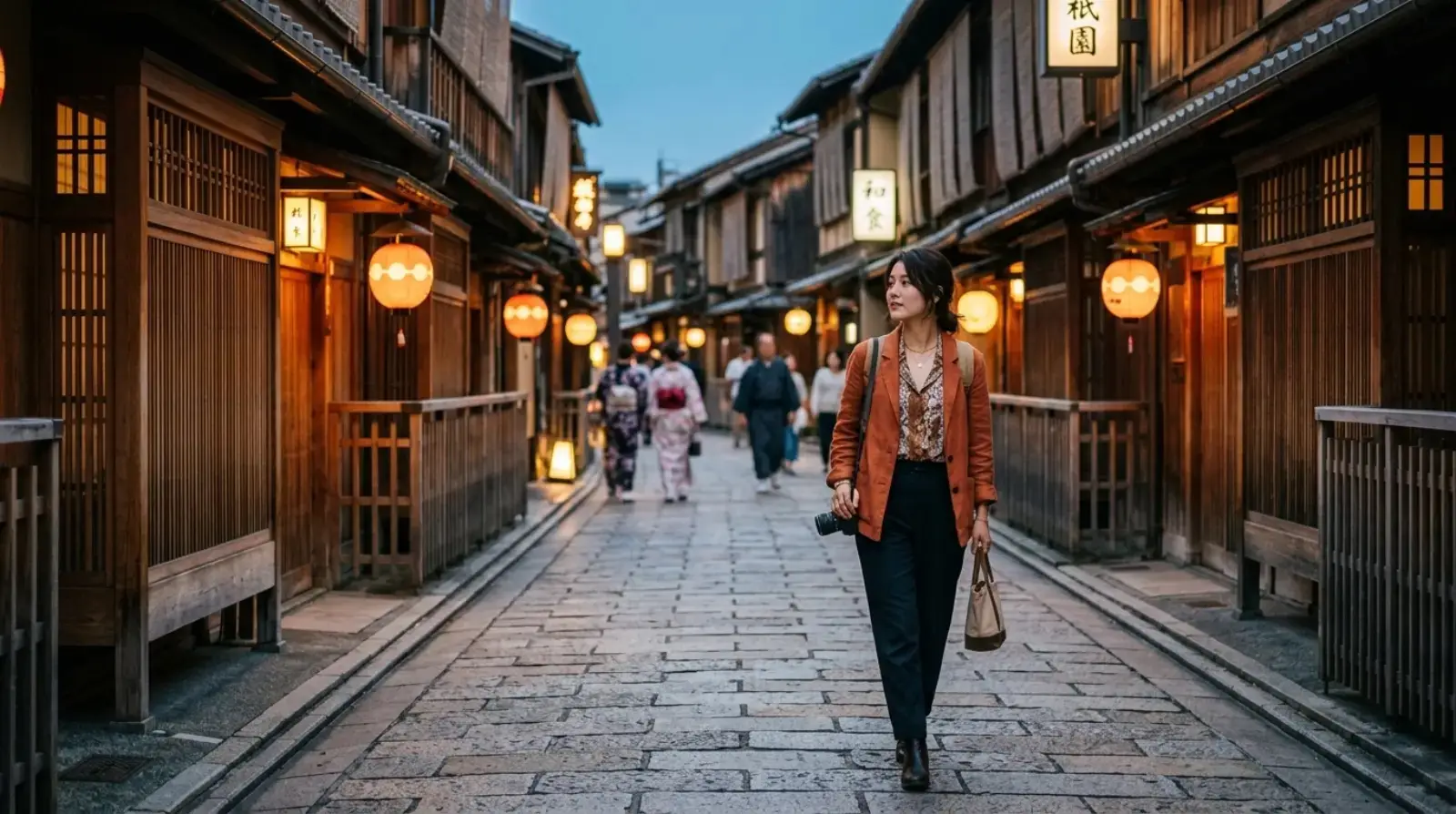
Kyoto Day 1 Itinerary: Kansai Airport to Kyoto and Your First Evening in Gion
Boarding the 75-minute Haruka Express from Kansai Airport, forwarding heavy bags straight to your hotel via Crosta at Kyoto Station, avoiding gridlocked buses using the subway, and an evening stroll through Gion to the Kamogawa. A field guide to your first 24 hours.
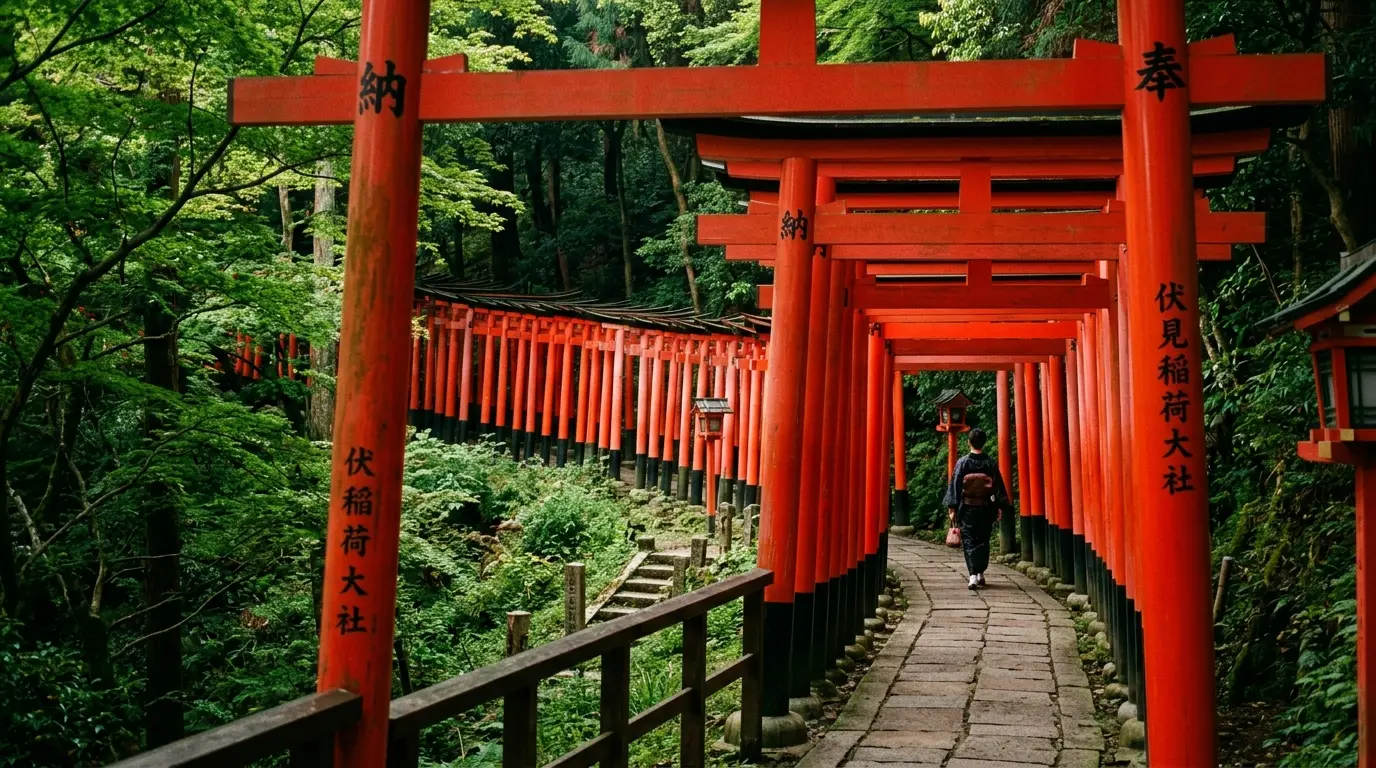
Kyoto Day 2 Itinerary: Fushimi Inari, Kiyomizu-dera, Sannenzaka and Gion
Day 2 immerses travelers into the spiritual heartbeat and preserved historic streets of Kyoto: early morning solace along thousands of vermilion torii gates at Fushimi Inari, sweeping mountain panoramas from the legendary wooden stage of Kiyomizu-dera, artisan tea shops and matcha sweets across cobblestoned Ninenzaka and Sannenzaka, followed by lantern-lit strolls in Gion Shirakawa and a refined multi-course Kaiseki dinner.
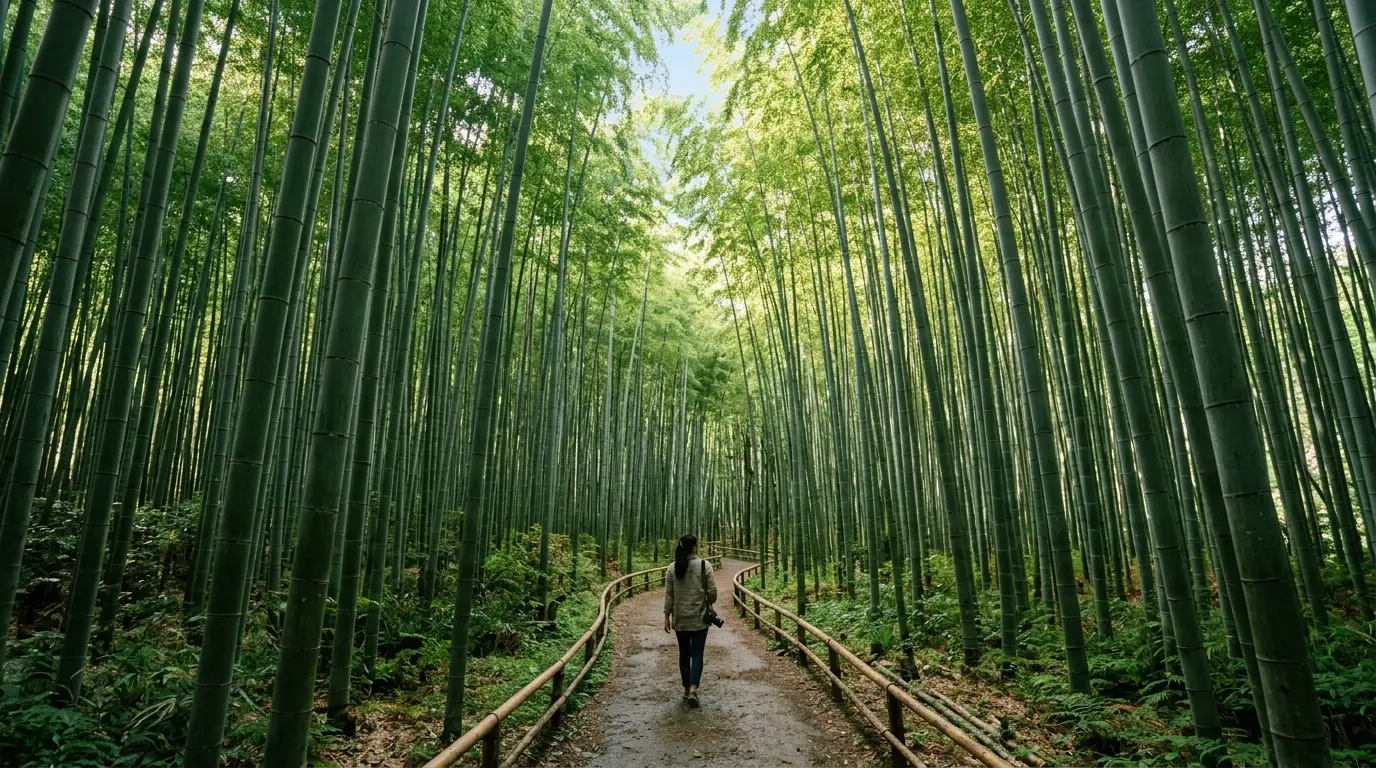
Kyoto Day 3 Itinerary: Arashiyama Bamboo Grove, Nishiki Market and the Journey Home
A sublime final chapter to your Kyoto journey: morning breezes whispering through towering emerald stalks in the Arashiyama Bamboo Grove, the UNESCO World Heritage mirror pond at Tenryu-ji, riverside specialty coffee by Togetsukyo Bridge, savory culinary treasures inside 400-year-old Nishiki Market, followed by Kyoto Station souvenir shopping and a swift 75-minute ride aboard the JR Haruka Express straight to Kansai Airport.