
OsakaGuide
Osaka Itinerary: Dotonbori and Umeda in Two Nights
From neon-lit canal crawls to sky-high observatory panoramas, master the culinary soul of Japan.
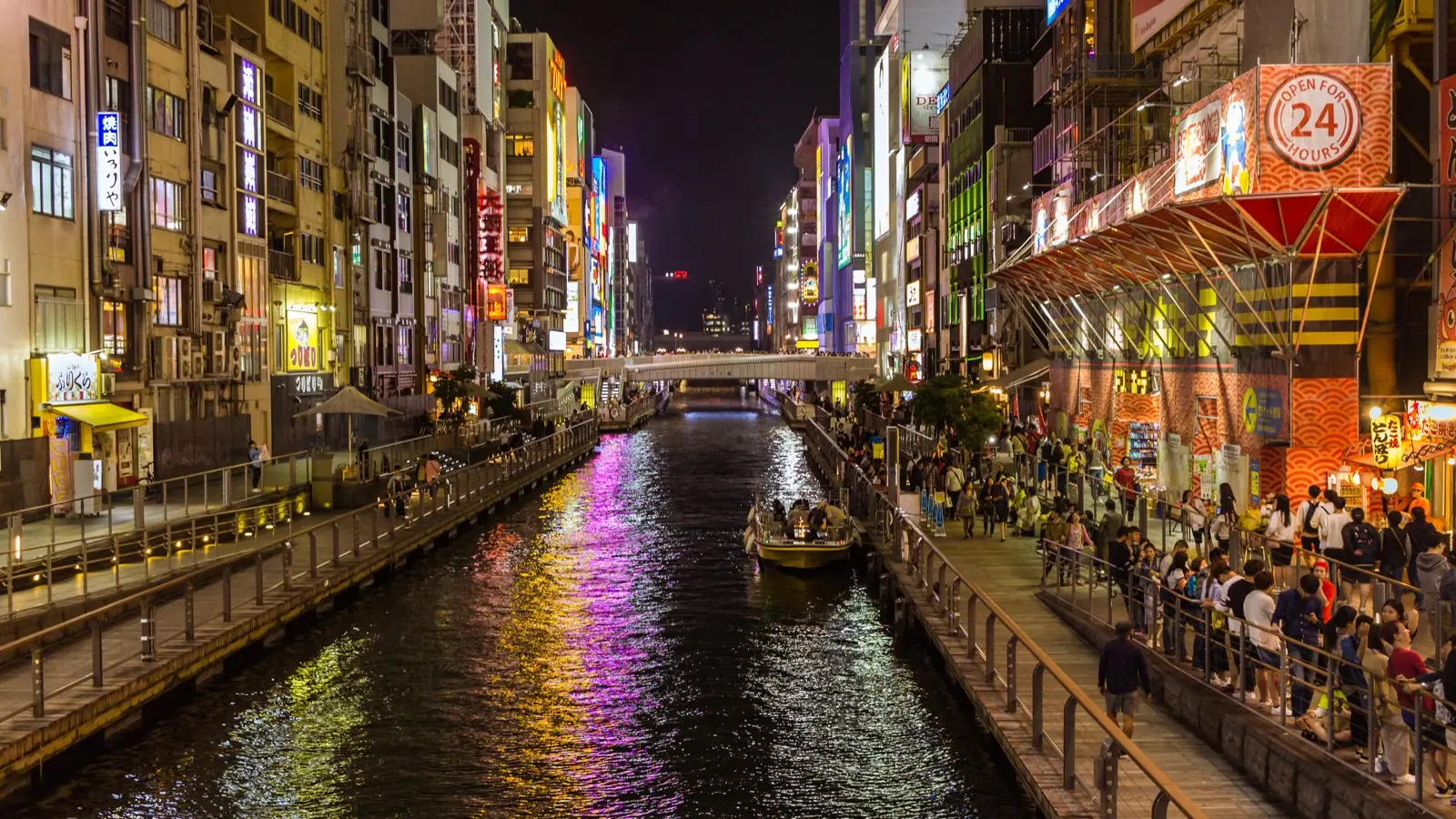
Midnight in Dotonbori: Channeling Raw Energy Beneath the Glico Sign
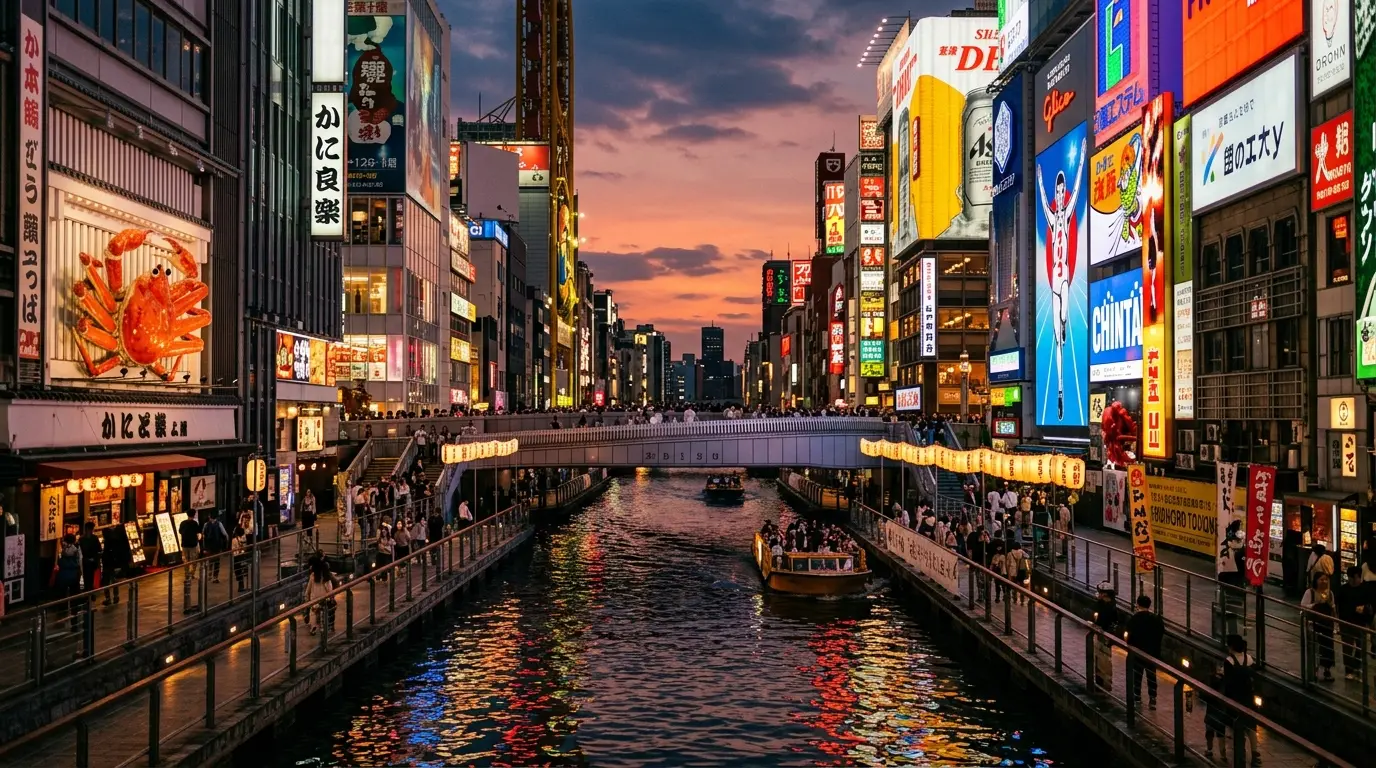
Even past 9 PM, Ebisu Bridge remains packed with photographers and travelers soaking in the vibrant neon pulse. The massive Glico running man reflecting on the dark waters of Dotonbori Canal alongside Kani Doraku motorized giant red crab embodies Osaka historic reputation as the dining capital of western Japan. Sizzling takoyaki sauce, bubbling batter in cast-iron pans, and street laughter merge into an intoxicating sensory surge.
Step just half a block south from the sensory blitz, and you enter the tranquil stone-paved stillness of Hozenji Yokocho. Having survived wartime fires, the moss-carpeted statue of Mizukake Fudo Myo-o stands in silent vigil. Ladling clear water across the deities green shoulders offers a profound moment of reflection in sharp contrast to the consumerist carnival outside.
Tucked deep inside narrow side alleys, historic izakayas send smoky aromas drifting past wooden sliding doors. Inside retro venues dating back to the 1950s Showa era, tired office workers and savvy travelers gather over clay pots of doteyaki, savory beef tendon simmered in sweet white miso for roughly 400 JPY per plate.
Cruising along the canal on the Tombori River Cruise provides a unique low-angle view of illuminated bridges and towering billboards. While free for Osaka Amazing Pass holders, popular evening slots can fill up early. Redeeming your ticket in the morning at the riverside ticket office, which opens an hour before the first sailing, secures golden hour views without frustrating delays.
Airport Express Showdown: Nankai Rapi:t vs JR Haruka Logistics
Clearing customs at Kansai International Airport (KIX), your first strategic decision is selecting your inbound airport rail link. Osaka splits distinctly between its southern entertainment core around Namba and its northern business powerhouse at Umeda. Failing to align your train ticket with your hotel address guarantees dragging bulky luggage through congested subway transfer labyrinths.
For travelers based in Namba, Shinsaibashi, or Nipponbashi, the cobalt-blue retro-futuristic Nankai Rapi:t express is the undisputed champion. Featuring all-reserved seating and distinctive circular aircraft windows, the Rapi:t glides from Kansai Airport Station to Namba Station in as little as 34 minutes. Queues at staffed airport ticketing counters can grow long during peak arrival waves, so pre-booked digital QR vouchers scanned directly at automated gates save real time.
Conversely, if your hotel lies in Umeda (Osaka Station), Shin-Osaka, or if you plan to proceed directly to Kyoto, the JR Haruka express takes precedence. Connecting through Tennoji directly into Osaka Station newly opened underground Umekita platforms in 47 minutes, Haruka now completely eliminates the cumbersome luggage transfer at Shin-Osaka that previously burdened northern Osaka arrivals.
For traveling parties of three or more or families managing strollers and heavy luggage, airport limousine buses present an appealing alternative. Dropping passengers directly at the porte-cochere of major properties including Hotel Hankyu Respire and Sheraton Miyako Hotel Osaka, limousine coaches remove platform stairs and turnstile bottlenecks entirely.
Namba vs Umeda: The Two Basecamps of Osaka Accommodation
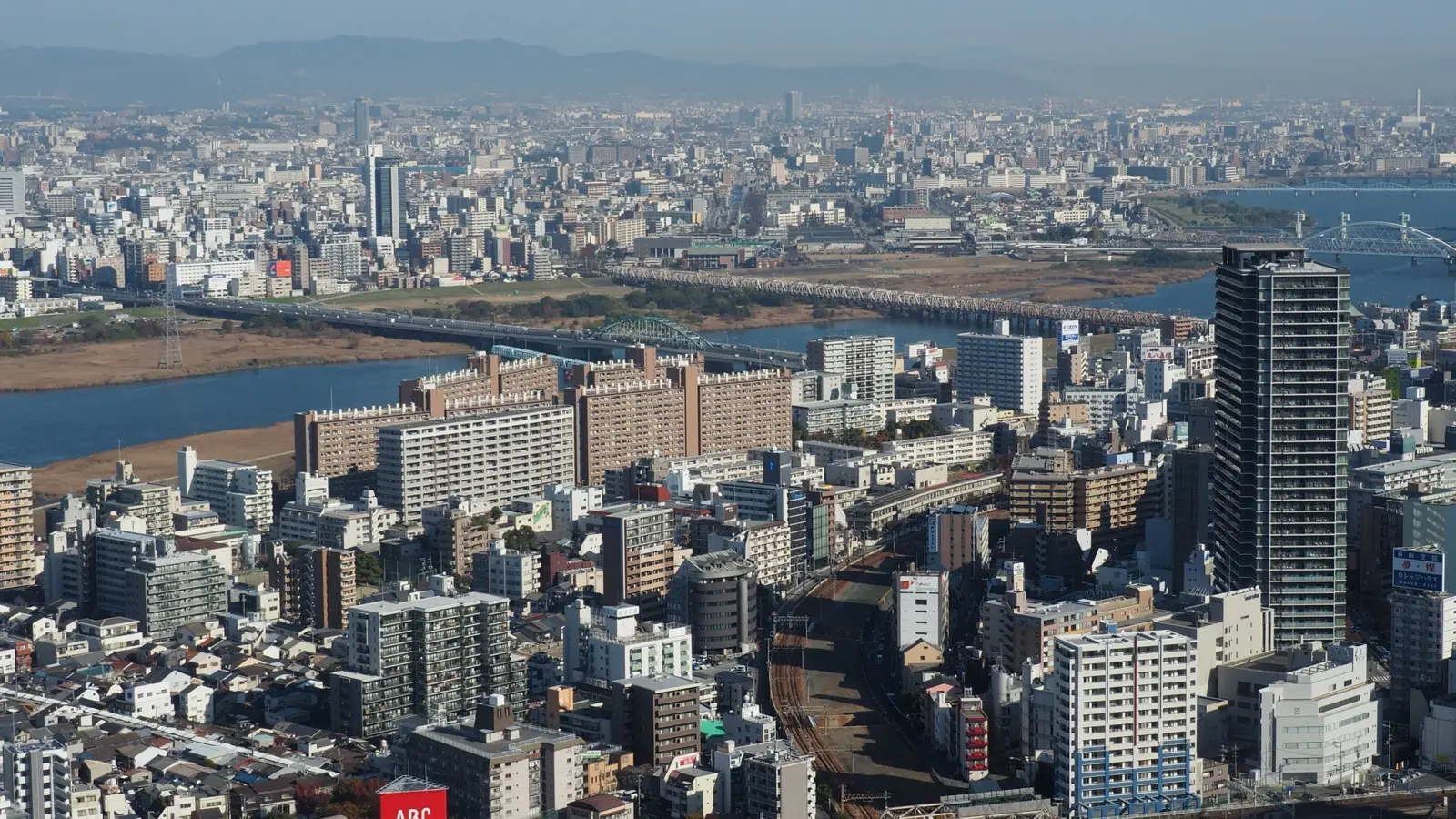
Nothing dictates the daily tempo of an Osaka journey more decisively than choosing between Namba and Umeda. Although separated by merely four subway stops (eight minutes) on the Midosuji Line, their urban personalities and nightlife rhythms diverge completely. Your decision rests on the environment you wish to return to after walking 20,000 steps.
For nocturnal foodies, cocktail enthusiasts, and shoppers craving round-the-clock street life, Namba and Shinsaibashi are unmatched. Properties like Cross Hotel Osaka, Candeo Hotels Osaka Namba, and Hotel Gracery Osaka Namba place guests within a five-minute stroll of Dotonbori, allowing you to sample midnight ramen and izakayas without watching the last subway departure. The trade-off is higher street decibels and lively weekend crowds outside your lobby.
Travelers planning two or more day excursions to Kyoto, Kobe, or Nara should anchor without hesitation in Umeda (Osaka Station). Consolidating JR Kyoto Line, Hankyu Railway, Hanshin Railway, and three municipal subway lines, Umeda allows direct morning trips without transfers: about 30 minutes to Kobe Sannomiya and a little over 40 to Kyoto Kawaramachi. High-rise sanctuaries like Hilton Osaka, InterContinental, and Hotel Hankyu Respire provide superior acoustic insulation and polished executive comfort.
For value-conscious globetrotters who refuse to sacrifice recovery, properties featuring natural hot spring baths like Dormy Inn Premium Namba or Onyado Nono Namba offer exceptional utility. Unwinding in cypress-scented mineral baths after pounding concrete, followed by complimentary nighttime Yonaki soba noodles and morning probiotic drinks, revitalizes weary limbs completely.
Travelers seeking greater space per dollar should consider Hommachi or Tennoji. Hommachi occupies the quiet corporate corridor midway between Namba and Umeda, where newly built business hotels often undercut Namba prices on weekends. Tennoji reaches KIX in 30 minutes via Haruka and houses the Harukas 300 observatory, representing an underrated haven for pragmatic travelers.
Shinsekai Kushikatsu & Kuromon Market: The Street Food Playbook
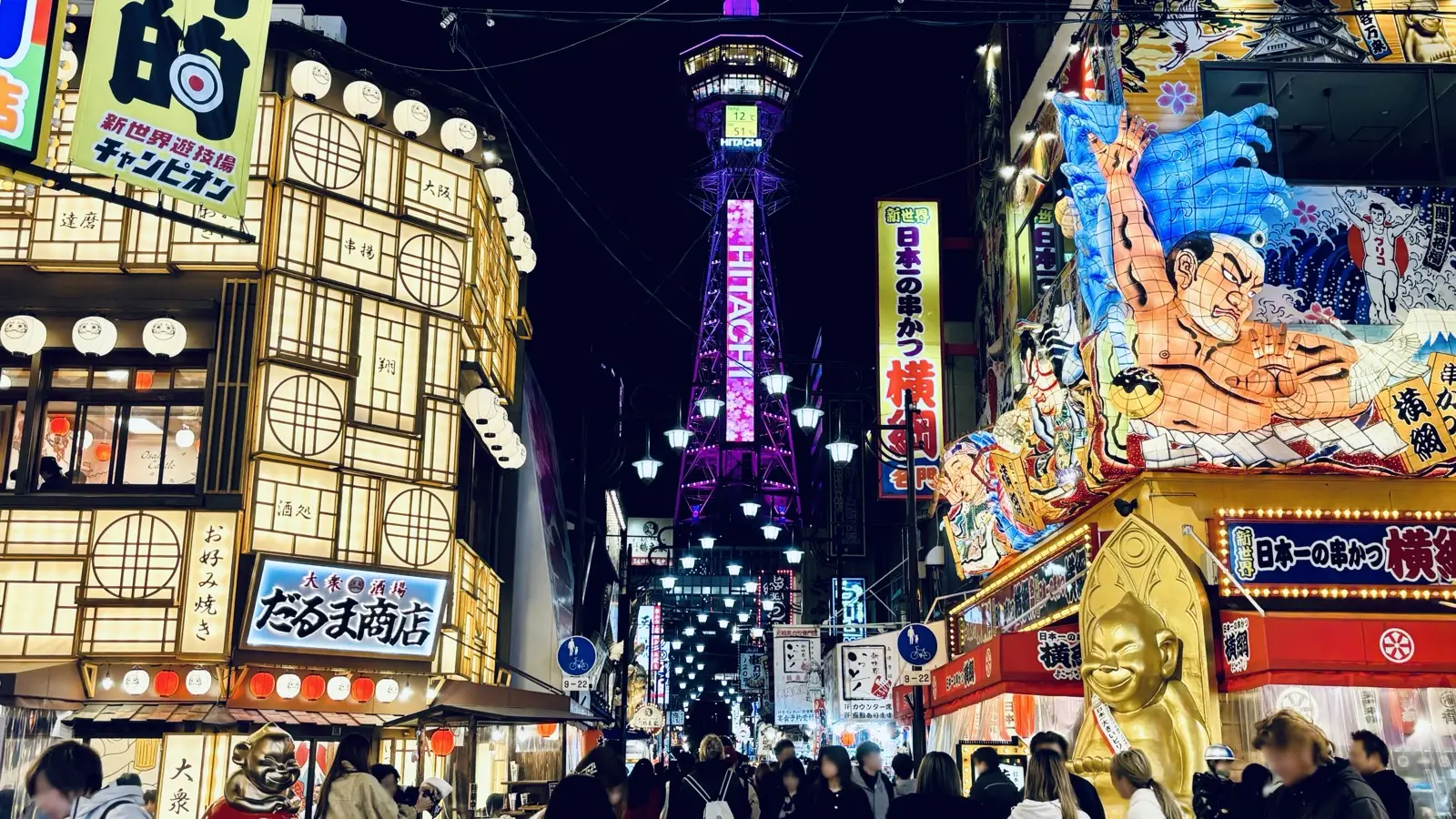
Osaka residents have long celebrated kuidaore (eat until you drop) as their defining civic motto. Nowhere is this spirit more tangibly preserved than in Shinsekai (New World), a nostalgic Showa-era district frozen in mid-century amber. Beneath the steel lattice of the 1912 Tsutenkaku Tower, glowing red paper lanterns illuminate narrow alleys rich with the fragrance of simmering beef tendon and hot frying oil.
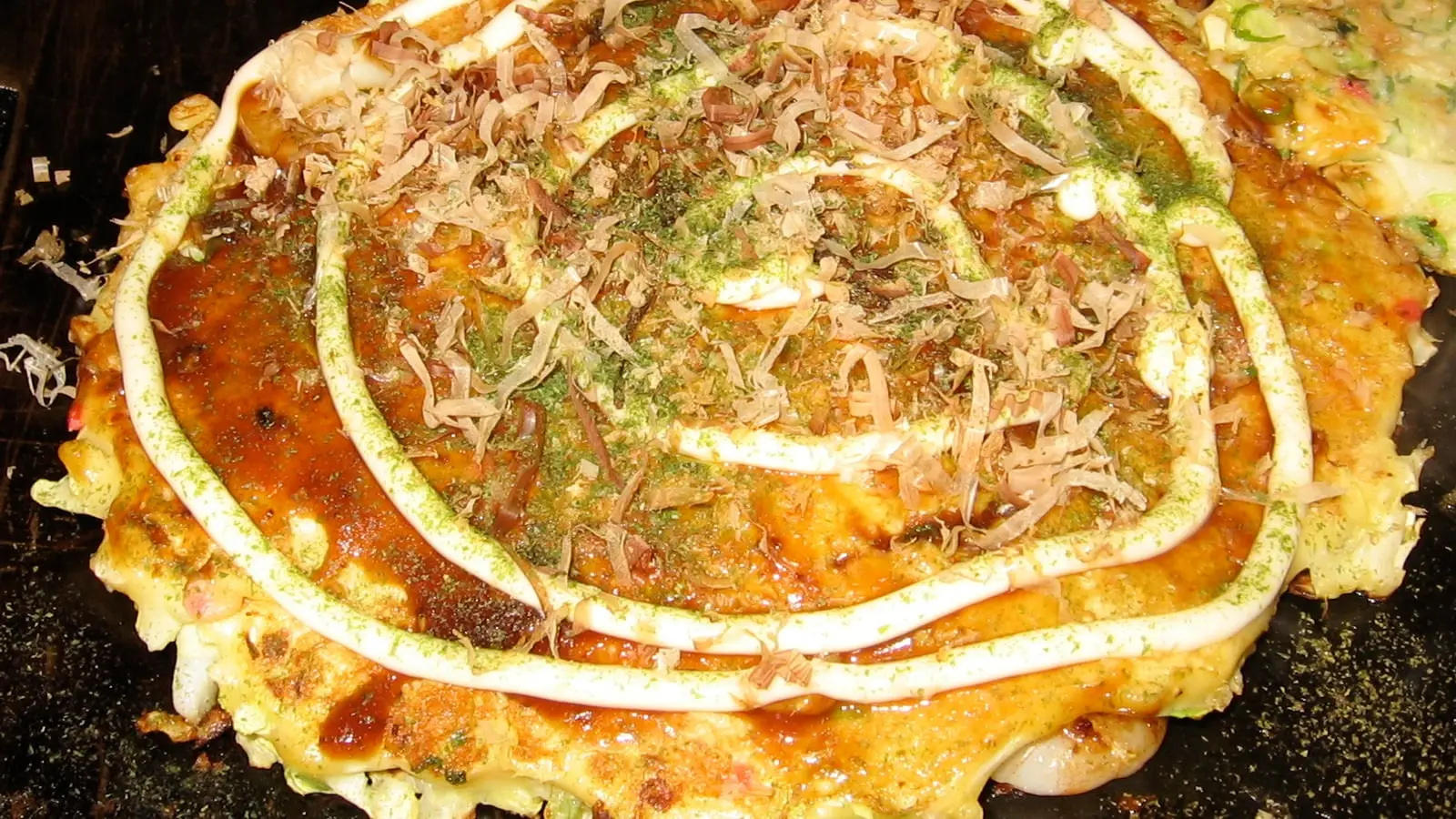
The undisputed crown jewel of Shinsekai dining is kushikatsu, golden skewers of beef, lotus root, quail egg, and seasonal seafood coated in delicate panko breadcrumbs and flash-fried in beef tallow. At historic counters utilizing shared sauce vats, the sacred decree of No Double Dipping (sauce wa nido-zuke kinshi) remains absolute. The interplay of crisp golden batter, cool crunchy cabbage, and frosty draft beer represents the pinnacle of Osaka working-class cuisine.
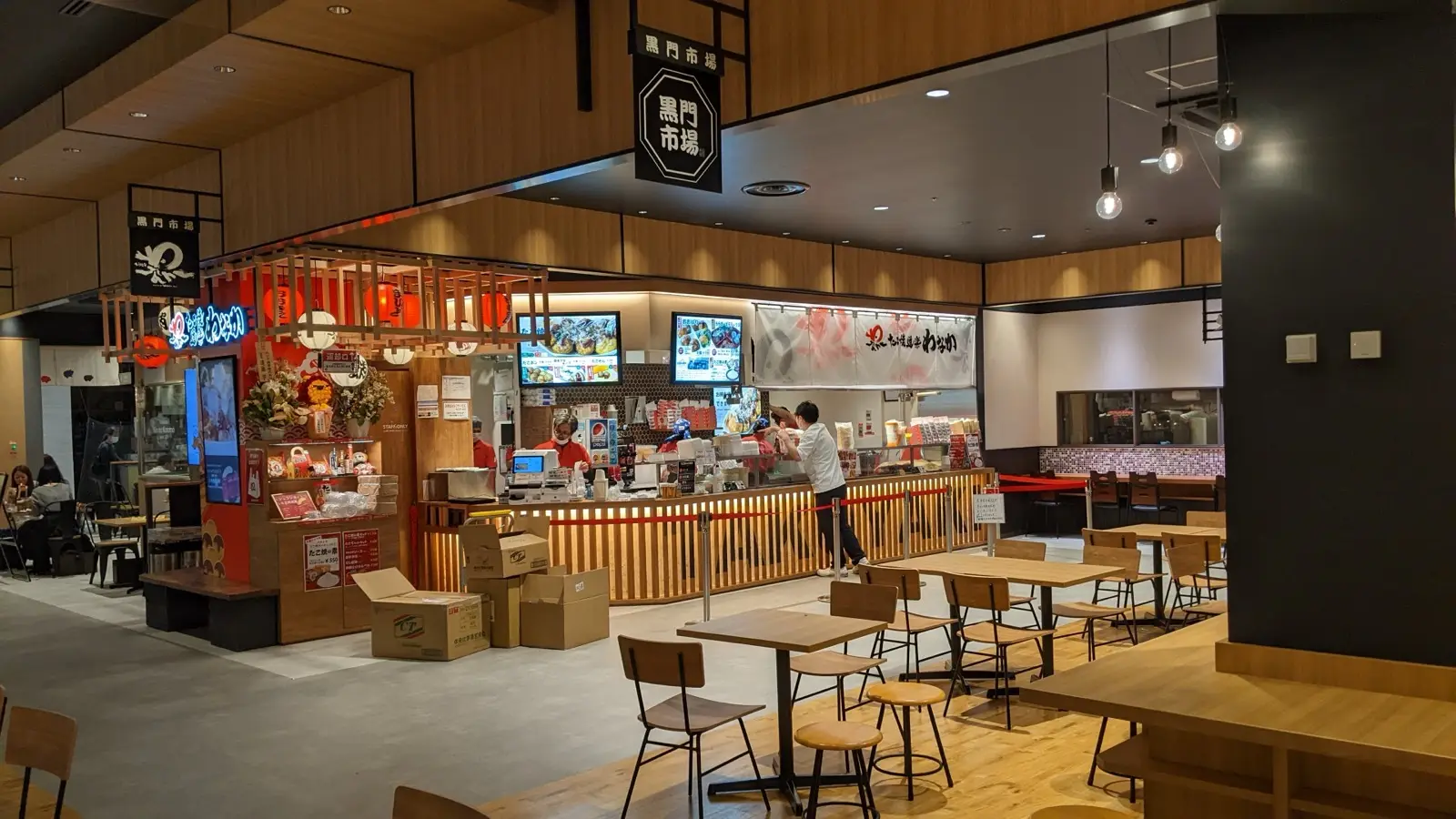
Known as Osaka Kitchen, 200-year-old Kuromon Market serves as an edible pilgrimage for seafood aficionados. Spanning 580 covered meters, bustling vendor stalls flame-torch palm-sized sea scallops with melted butter, grill heavily marbled A5 wagyu skewers, and slice glistening slabs of bluefin tuna otoro alongside pristine Hokkaido sea urchin.
To experience Kuromon comfortably, plan your visit between 9:30 AM and 10:00 AM. Arriving past 11:00 AM brings impenetrable tour bus crowds that turn every narrow passage into a standstill. Furthermore, carrying crisp 1,000 JPY banknotes ensures frictionless transactions at traditional stalls that do not accept digital cards.
Umeda Sky Observatory & Osaka Castle: Heritage Meets the Horizon
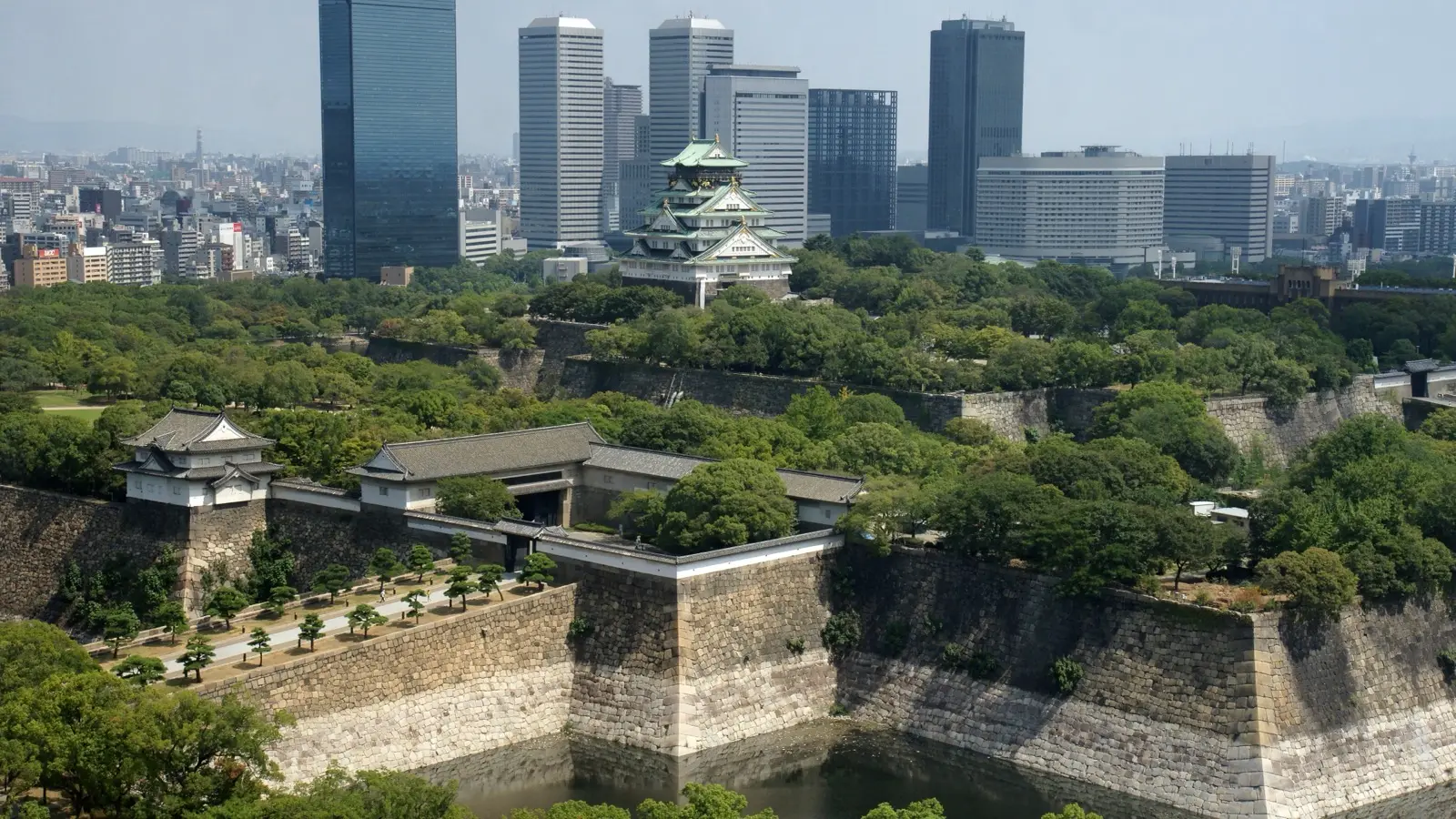
Having surveyed the city culinary depths, step back to absorb its monumental architecture. Osaka Castle, originally erected by warlord Toyotomi Hideyoshi, commands respect with its colossal granite ashlar walls and immense defensive moats. Strolling through tranquil surrounding parklands before ascending to the 8th-floor observation gallery rewards visitors with expansive panoramas of the Kansai plain framed by gilded eaves.
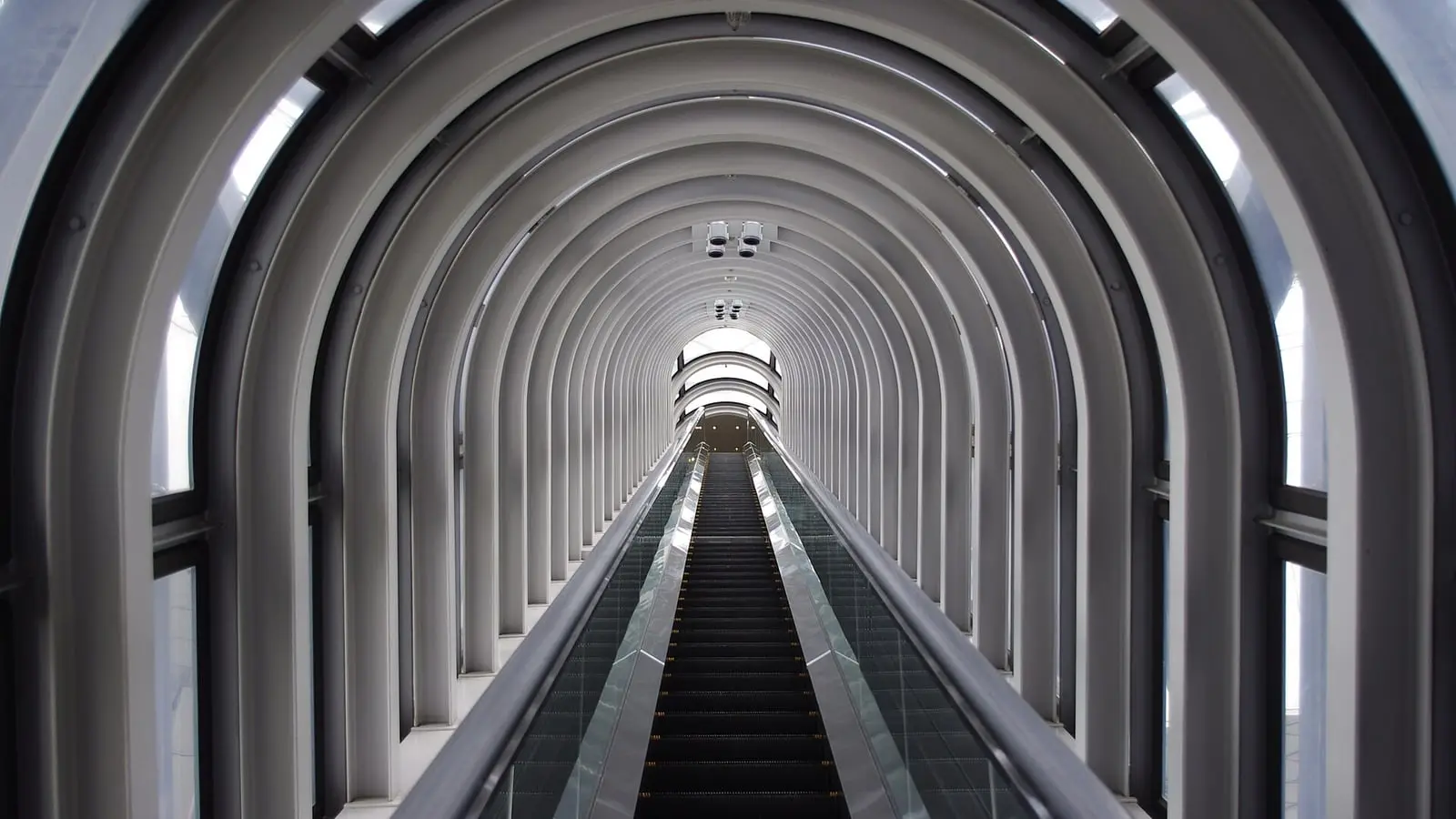
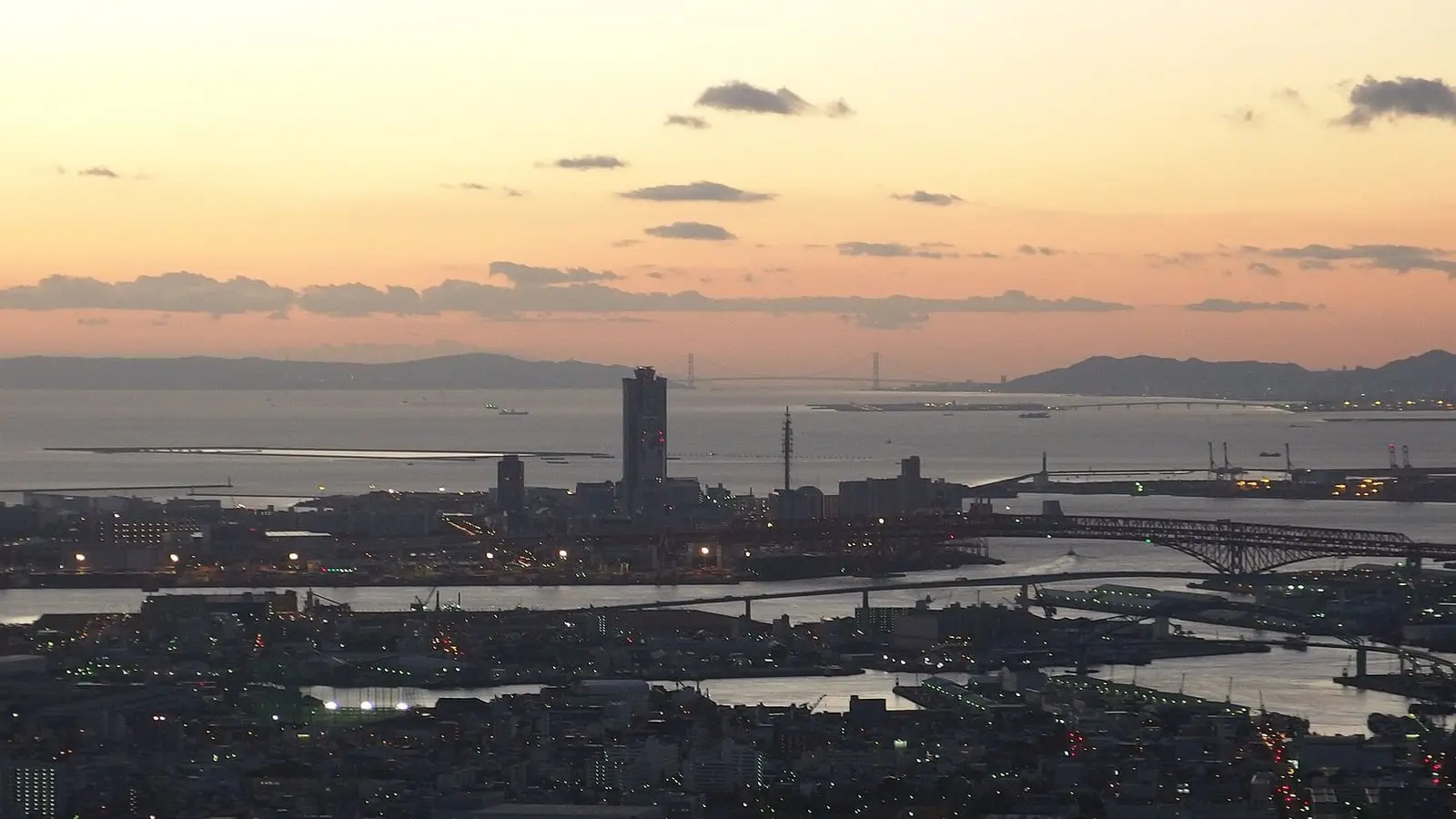
As late afternoon approaches, transition across town to the Umeda Sky Building Floating Garden Observatory. Suspended 173 meters in the clouds, this futuristic architectural bridge links two high-rise towers with a dramatic translucent glass escalator. Walking the open-air circular Lumi Sky Walk at dusk treats spectators to an unobstructed 360-degree sunset blazing over the Yodo River toward Osaka Bay, followed by metropolitan neon awakening below.
Maximizing your itinerary efficiency hinges on calculating the break-even math of the Osaka Amazing Pass. Covering unlimited rides across municipal subways and city buses, the pass grants free admission to over 40 top attractions, including Umeda Sky Observatory (pass entry until 3:00 PM), the Tombori River Cruise, Osaka Castle keep, and Tempozan Giant Ferris Wheel. Visiting three or more paid landmarks in a single day guarantees substantial financial savings.
For itineraries leaning heavily toward regional Kansai excursions into Kyoto or Kobe, private transit passes like the Hankyu Tourist Pass, Keihan Sightseeing Pass, or standard reloadable IC cards (ICOCA or Suica) offer greater economic flexibility. Aligning your transit pass with your specific sightseeing radius ensures a flawlessly executed Kansai expedition.
Frequently Asked Questions
Field-tested answers to transit navigation, neighborhood choices, and payment traps.
Q1.From Kansai Airport, should I take the Nankai Rapi:t or the Airport Express?
Q2.Is the Osaka Amazing Pass truly worth buying for international travelers?
Q3.Namba vs Umeda: which base camp is better for staying in Osaka?
Q4.How do table seating fees (Otoshi) work in authentic Osaka izakayas?
The Smart Traveler's Essential Toolkit
Prepare instant mobile data, private airport transfers, and skip-the-line passes in one place.
Pick a base in Osaka by your route
Choose the places you want to see and get the neighbourhood with the shortest travel.
Compare Osaka Hotel Rates
Find the cheapest channel across Agoda and major booking engines with Tripdify.
Share This Guide with Your Companions
When shared via chat or social media, a curated summary card is sent along.
Recommended Guides
Osaka or Kyoto: Where to Base Yourself and Whether to Split the Stay
Why splitting short Kansai trips across multiple hotels exhausts travelers, navigating Haruka vs. Rapi:t airport rail lines, and choosing between Umeda hubs and Gion alleys.
Where to Stay in Osaka: Umeda vs Namba Compared
Behind Osaka's vibrant culinary spirit and affable banter lies a sharp geographic contrast between northern corporate efficiency and southern commercial chaos. Choosing between the labyrinth of Umeda and the neon crowds of Namba dictates your transit ease to Kyoto and Kansai Airport. Here is an unvarnished field guide to selecting strategically sound lodging and avoiding neighborhood missteps.
Osaka Day 1 Itinerary: Kansai Airport to Namba and Your First Night in Dotonbori
From boarding the 34-minute Nankai Rapi:t train at Kansai Airport to navigating Namba Station, mastering takoyaki ordering and kushikatsu sauce rules, and taking a sunset Dotonbori canal cruise. A frictionless masterclass for your first 24 hours in Osaka.
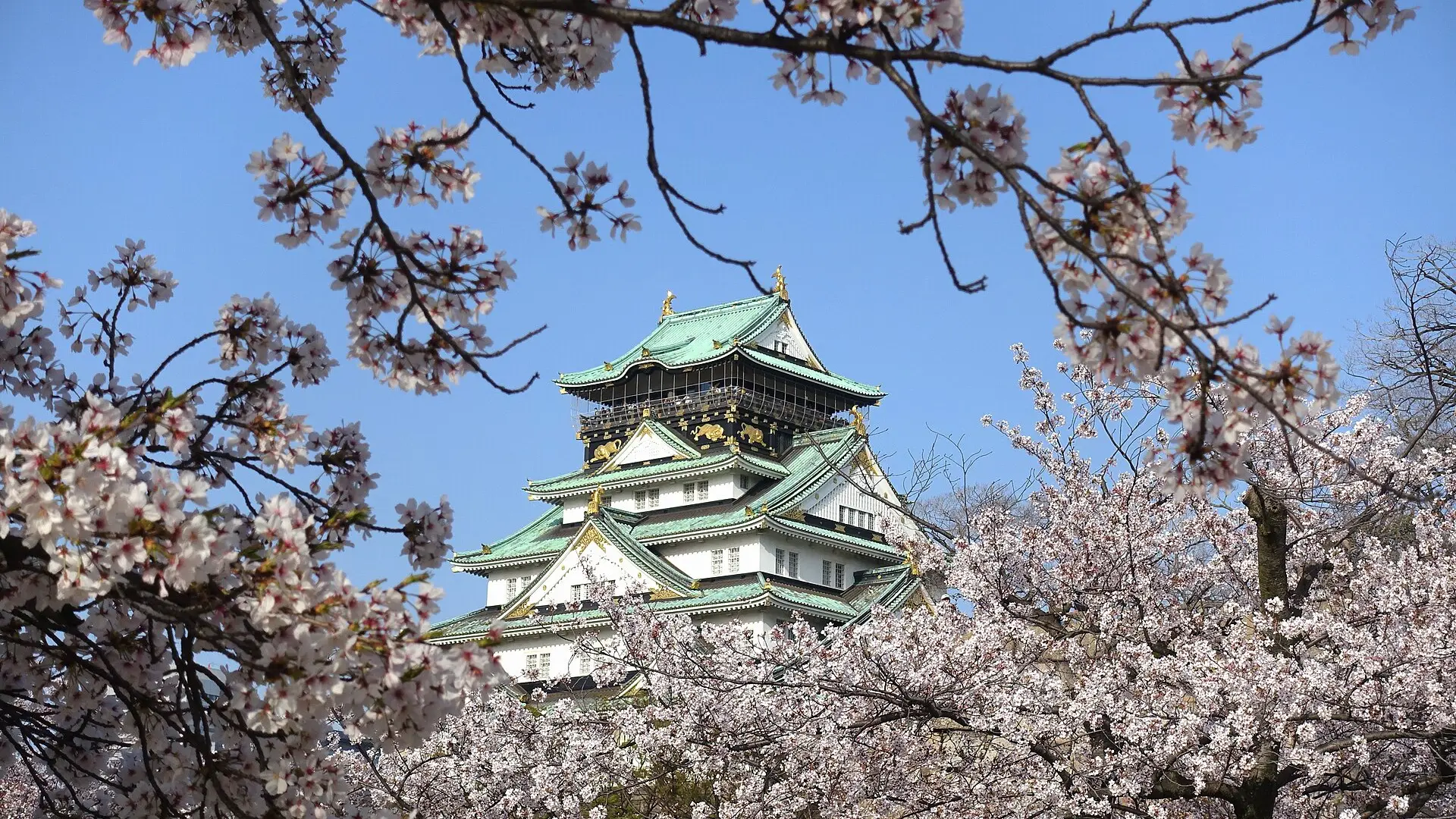
Osaka Day 2 Itinerary: Osaka Castle, Umeda Sky Building and Shinsekai Kushikatsu
Traversing past and future on Day 2 in Osaka: morning tranquility along the moats of Osaka Castle, futuristic open-air views from Umeda Sky Building, the iconic HEP FIVE red wheel, and dusk kushikatsu feasts in the neon shadow of Tsutenkaku.
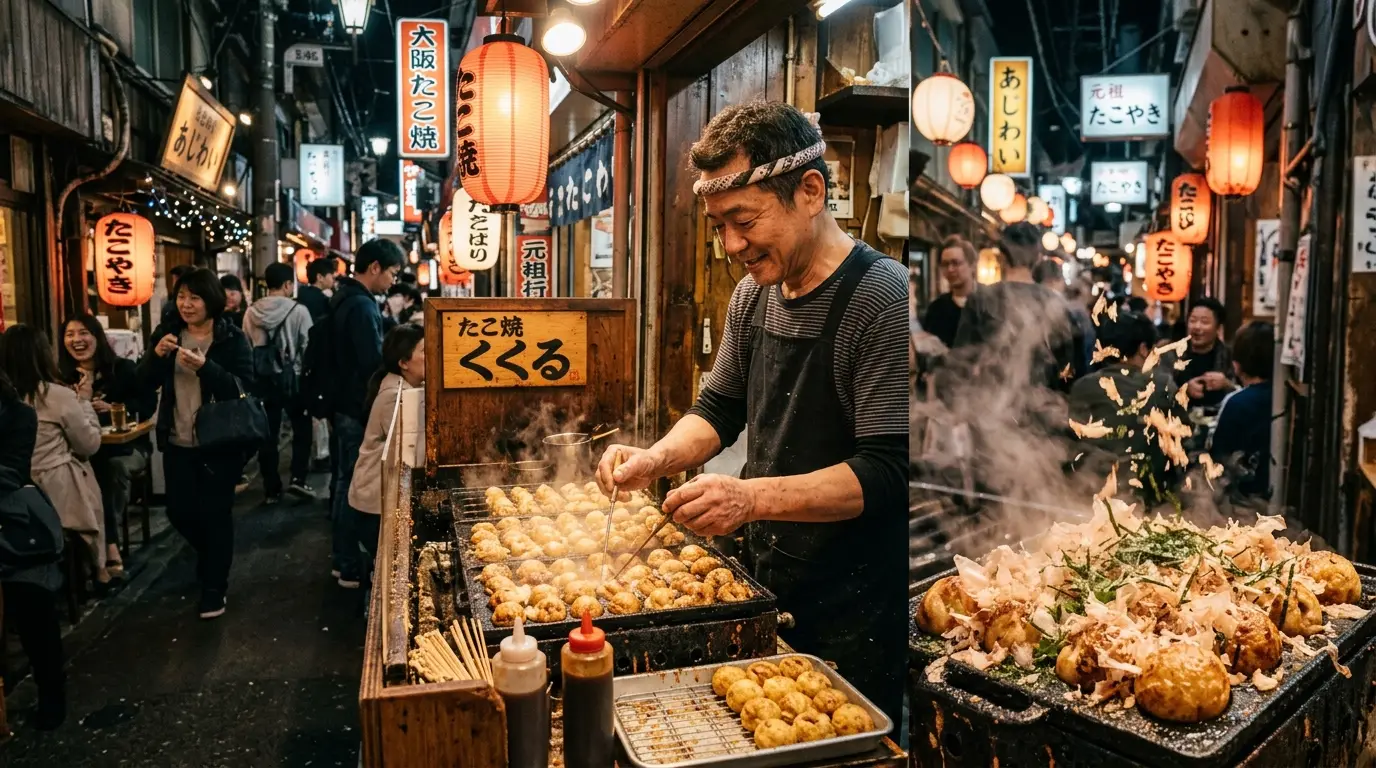
Osaka Day 3 Itinerary: Kuromon Market, Shinsaibashi Shopping and the Airport Run
The definitive closing chapter to your Osaka journey: fresh sashimi feasts at Kuromon Market, vintage shopping along Amerikamura, covered retail in Shinsaibashi, and 34-minute express transit to Kansai Airport (KIX) aboard the iconic Nankai Rapi:t.
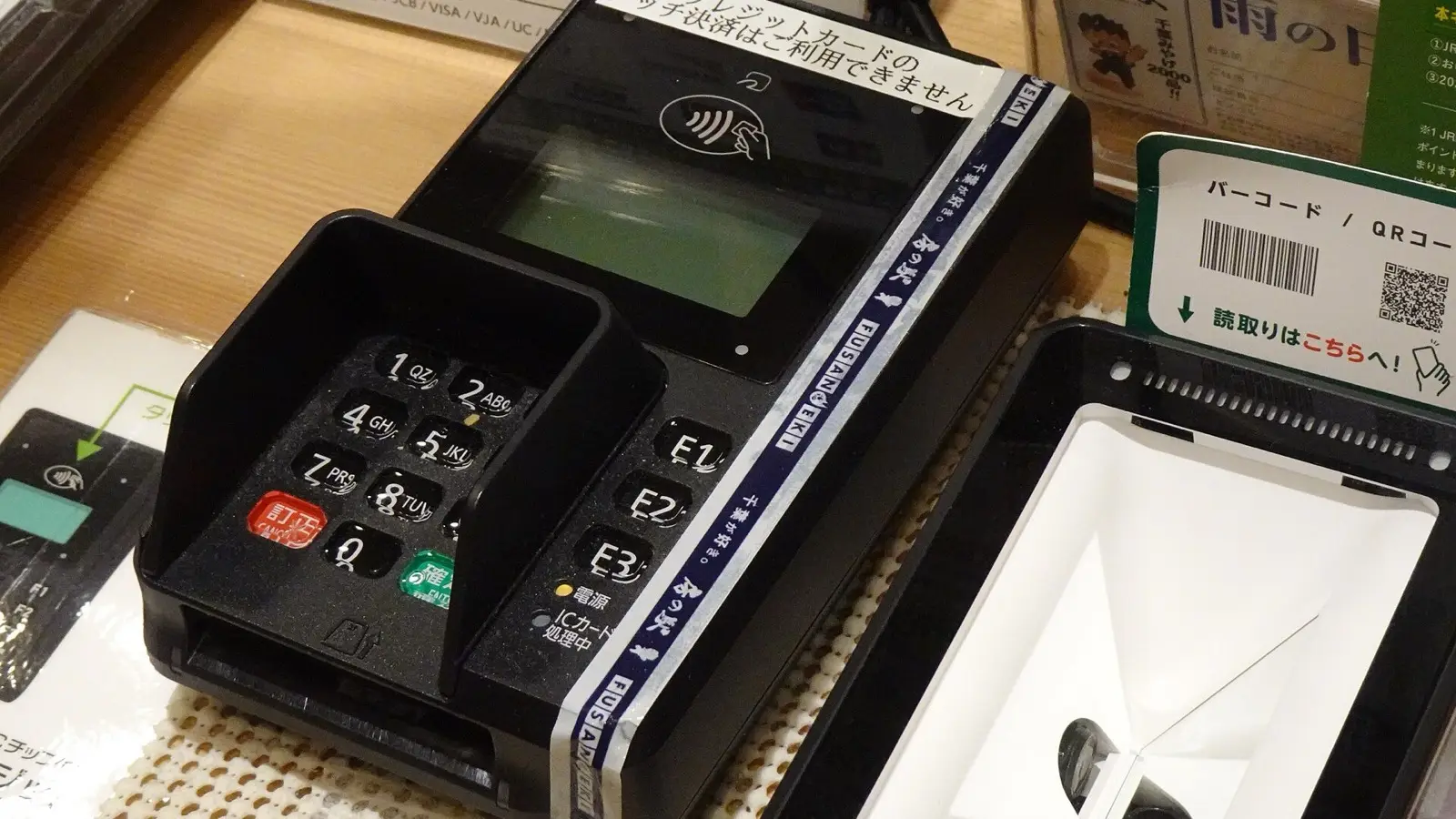
Travel Card or Credit Card Abroad: Which Wins and When
A practical breakdown comparing multi-currency travel debit cards against premium credit card travel rewards, highlighting standalone ATM traps and hotel deposit holds.
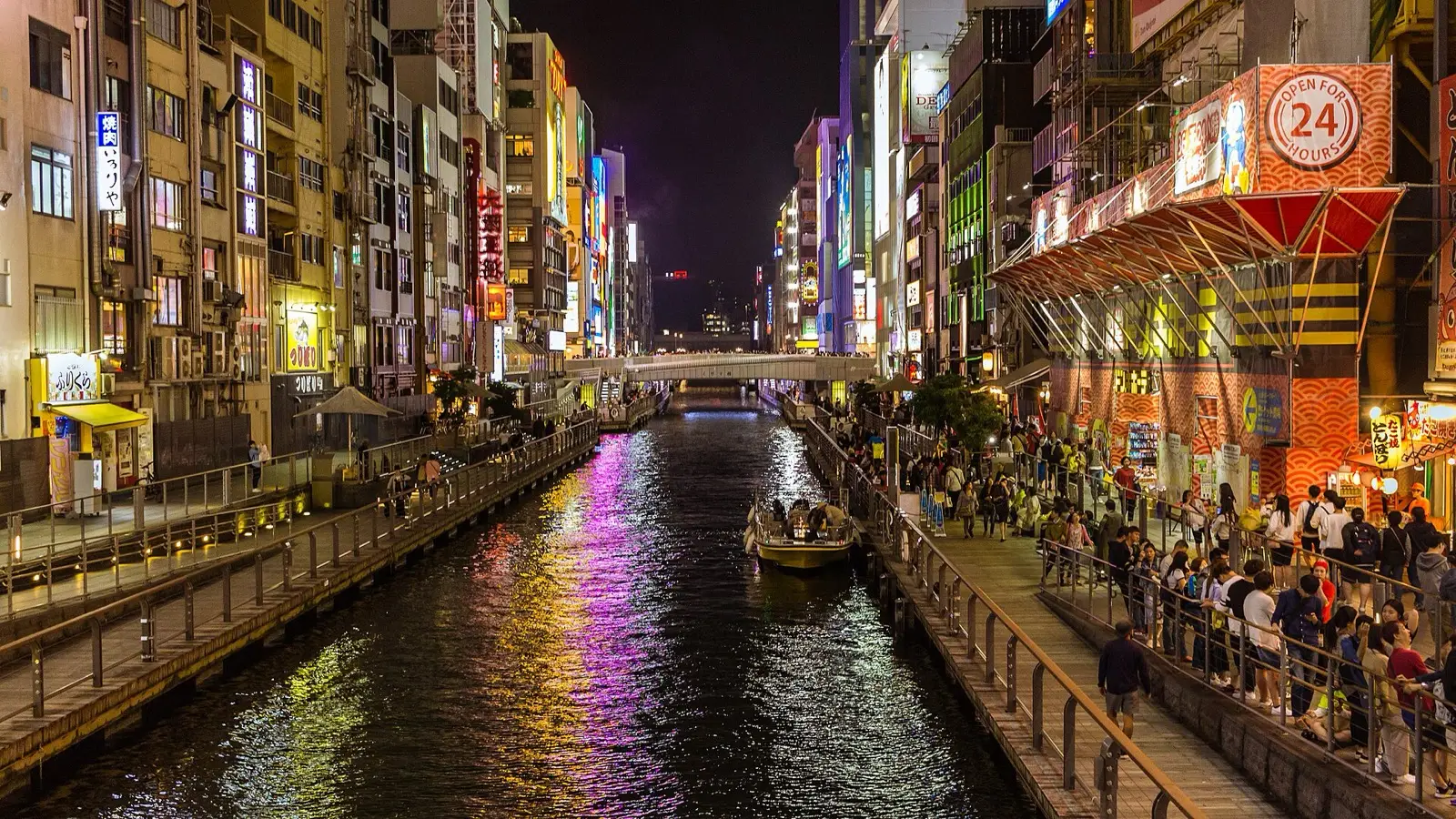
Best Hotels in Osaka: Namba vs Umeda vs Tennoji Compared
Selecting the ideal neighborhood base dictates the pace and ease of your entire Osaka itinerary. From the neon nightlife, late-night dining, and Nankai Rapi:t airport express links of Namba and Shinsaibashi, to the unmatched rail connectivity to Kyoto and Kobe found in Umeda, and the affordable panoramic luxury of Tennoji anchored by Abeno Harukas, this neighborhood curation breaks down top accommodations for every travel style.
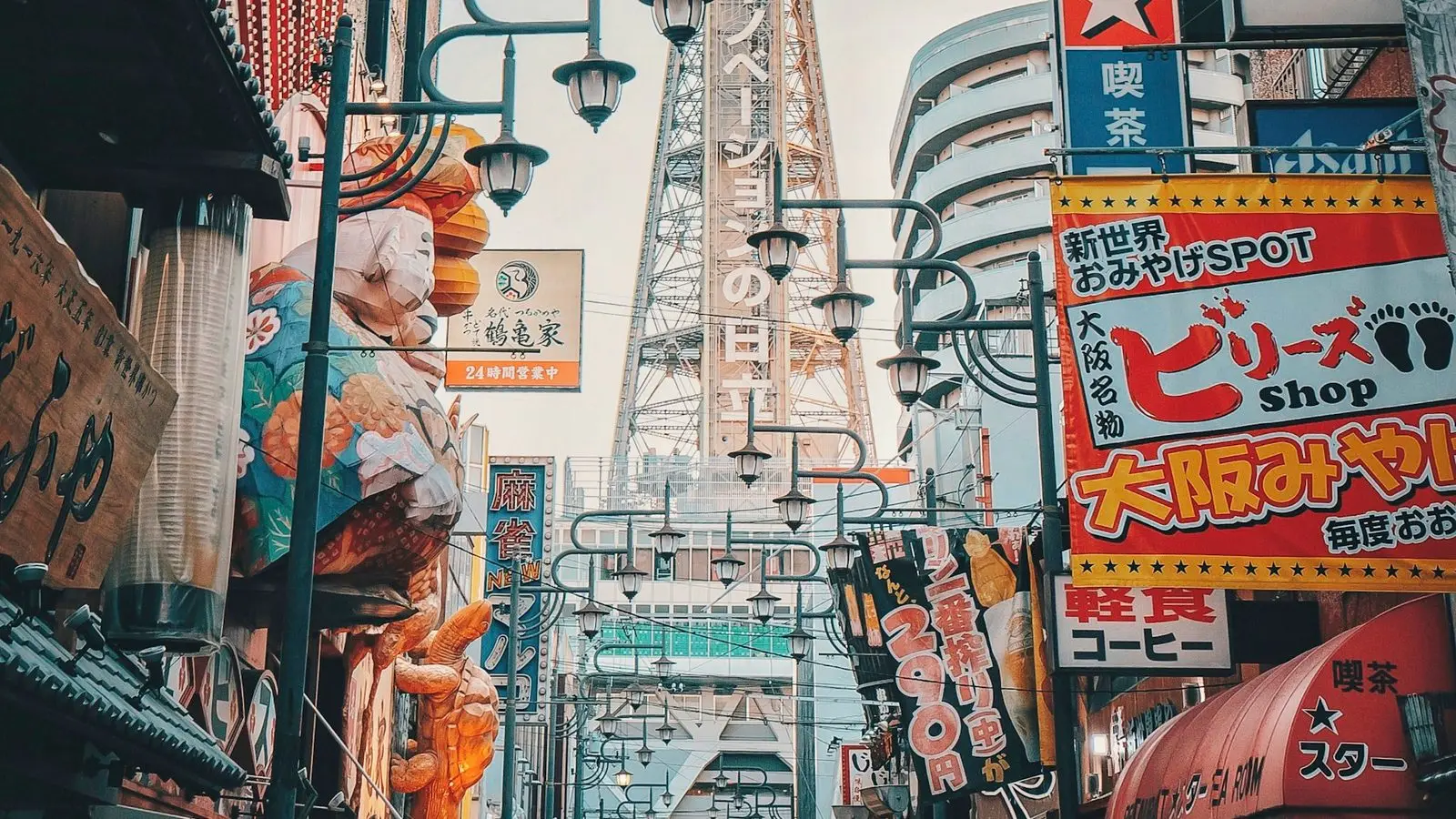
5 Best Value Hotels Near Osaka Namba & Dotonbori: Nankai Rapi:t Access and Quiet Alleyways
When planning an Osaka getaway, the Namba district invariably claims the top spot for accommodation. Boarding the futuristic Nankai Rapi:t airport express whisks travelers from Kansai International Airport straight into Nankai Namba Station in just 34 minutes without transfers, placing the famous Glico Running Man, sizzling takoyaki stalls, and Shinsaibashi shopping arcades within effortless walking distance. However, booking properties directly along the Dotonbori canal strip often backfires with thumping street noise, rowdy late-night crowds, and micro-sized floor plans that cannot accommodate open suitcases. The secret lies in positioning yourself just two blocks back into tranquil residential corridors like Sennichimae and Hozenji. Here is a definitive guide to five top-value Namba hotels under $100 per night, complete with natural hot spring onsen baths, complimentary late-night ramen, and restful soundproofing.
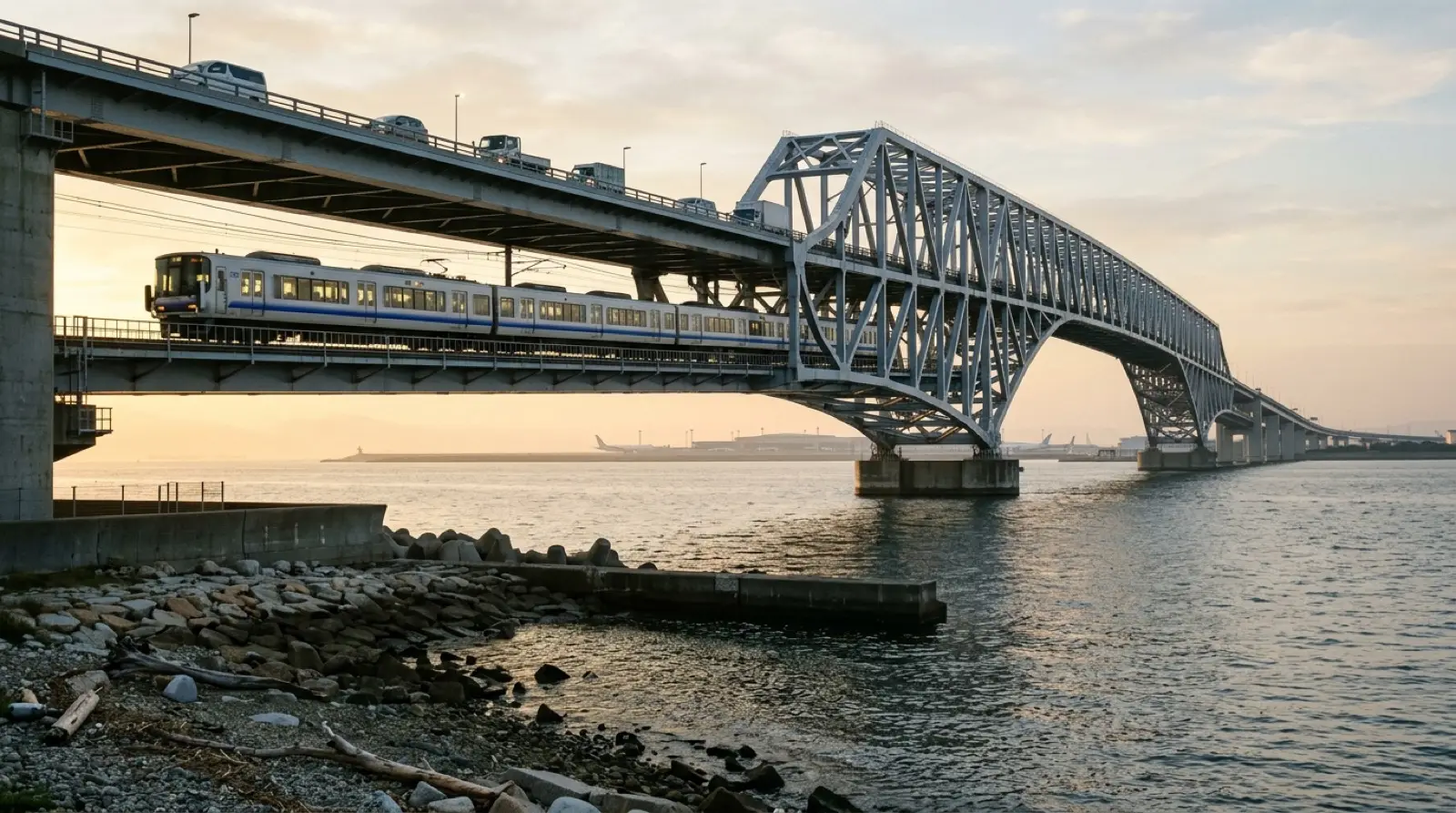
Kansai Airport to Osaka and Kyoto: Train, Bus and Taxi Fares Compared
For a hotel in Namba, the Nankai Airport Express is the cheapest ride at 970 yen and about 45 minutes, while the all-reserved Rapi:t does it in as little as 34. For Osaka Station, Shin-Osaka and Kyoto, JR's Haruka runs direct in about 47 and 80 minutes, and the discounted one-way ticket for short-term visitors brings Kyoto down to 2,200 yen. Land late and your options shrink to a cashless-only night bus to Umeda (0:15 from Terminal 1) or a taxi.
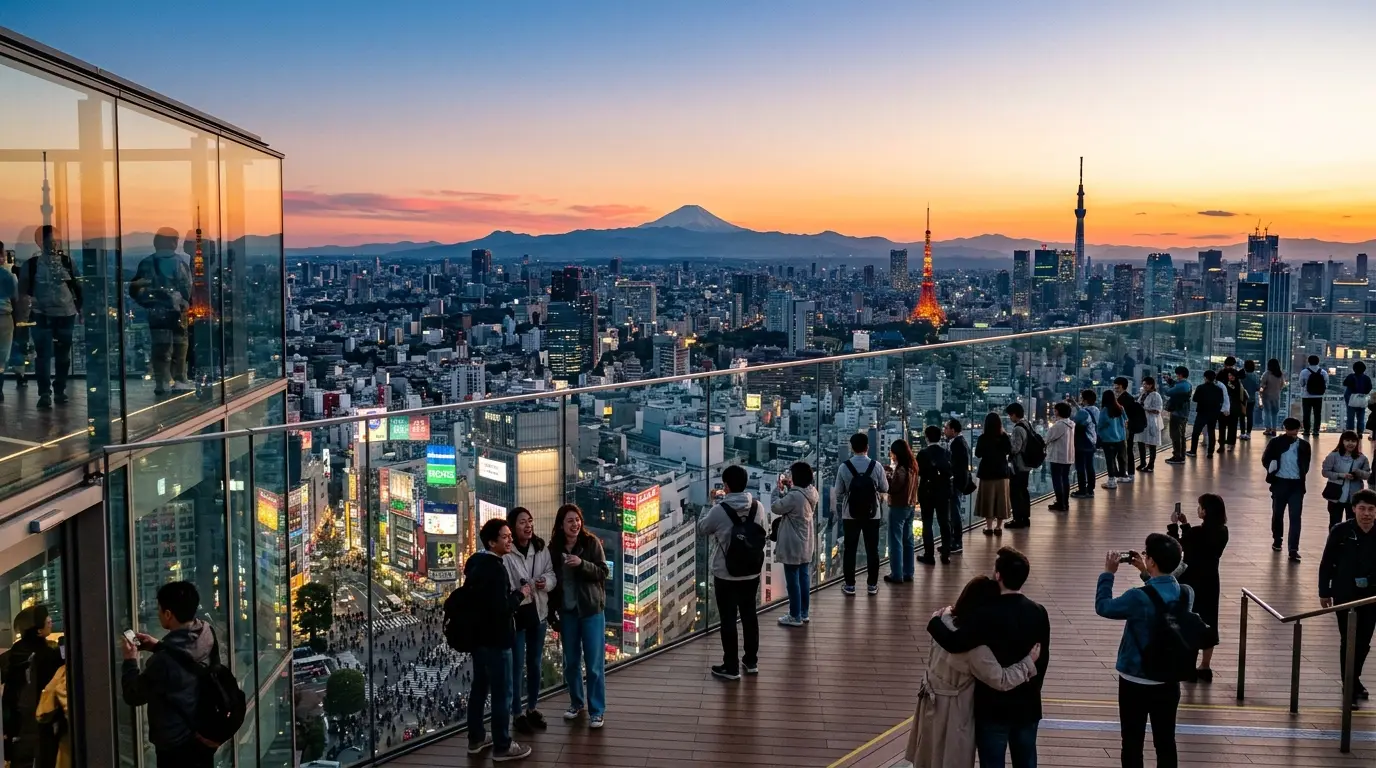
Where to Stay in Tokyo: Shinjuku vs Shibuya vs Ginza
Comparing room footprints across Shinjuku, Ginza, and Ueno, locking in sudden 14-day cancellation drops, and eliminating DCC fees with clean Yen checkout.
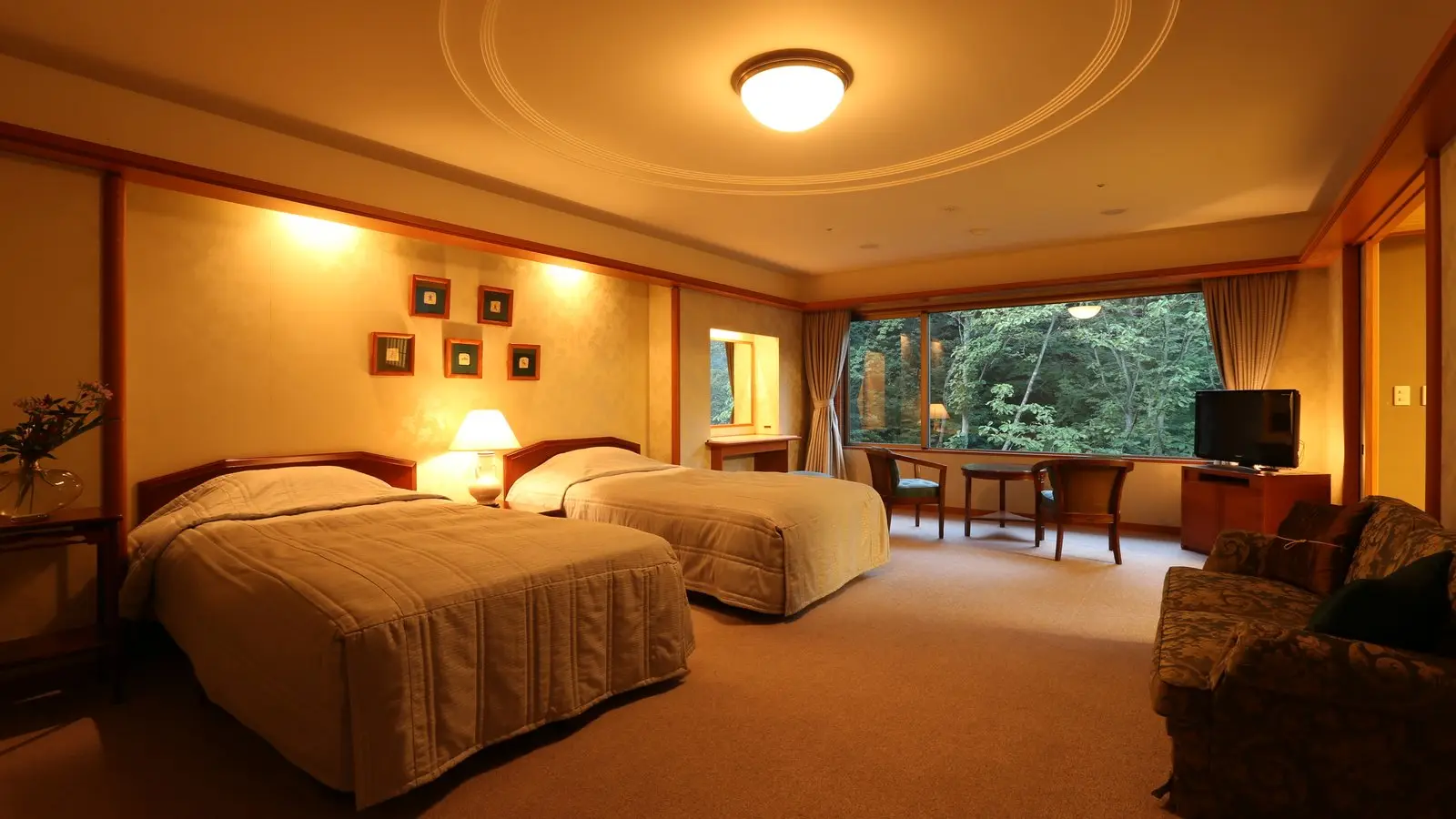
7 Budget Hotels in Tokyo Under $100 on the Yamanote Line
Even amid yen fluctuations, central Tokyo hotel rates have soared. Learn how to secure Yamanote loop line hotels at half the price of Shinjuku, compare onsen bath chains like Dormy Inn, trigger secret Agoda VIP and Booking.com Genius discounts, and dodge hidden currency fees with yen settlement.
How to Read the Tokyo Subway Map and Where to Stay on the Yamanote Line
How to choose between Keisei Skyliner and Narita Express, avoid the Tokyo Subway Ticket trap, use Apple Wallet Suica, and select the ideal hotel base in Tokyo.