
OsakaGuide
Osaka or Kyoto: Where to Base Yourself and Whether to Split the Stay
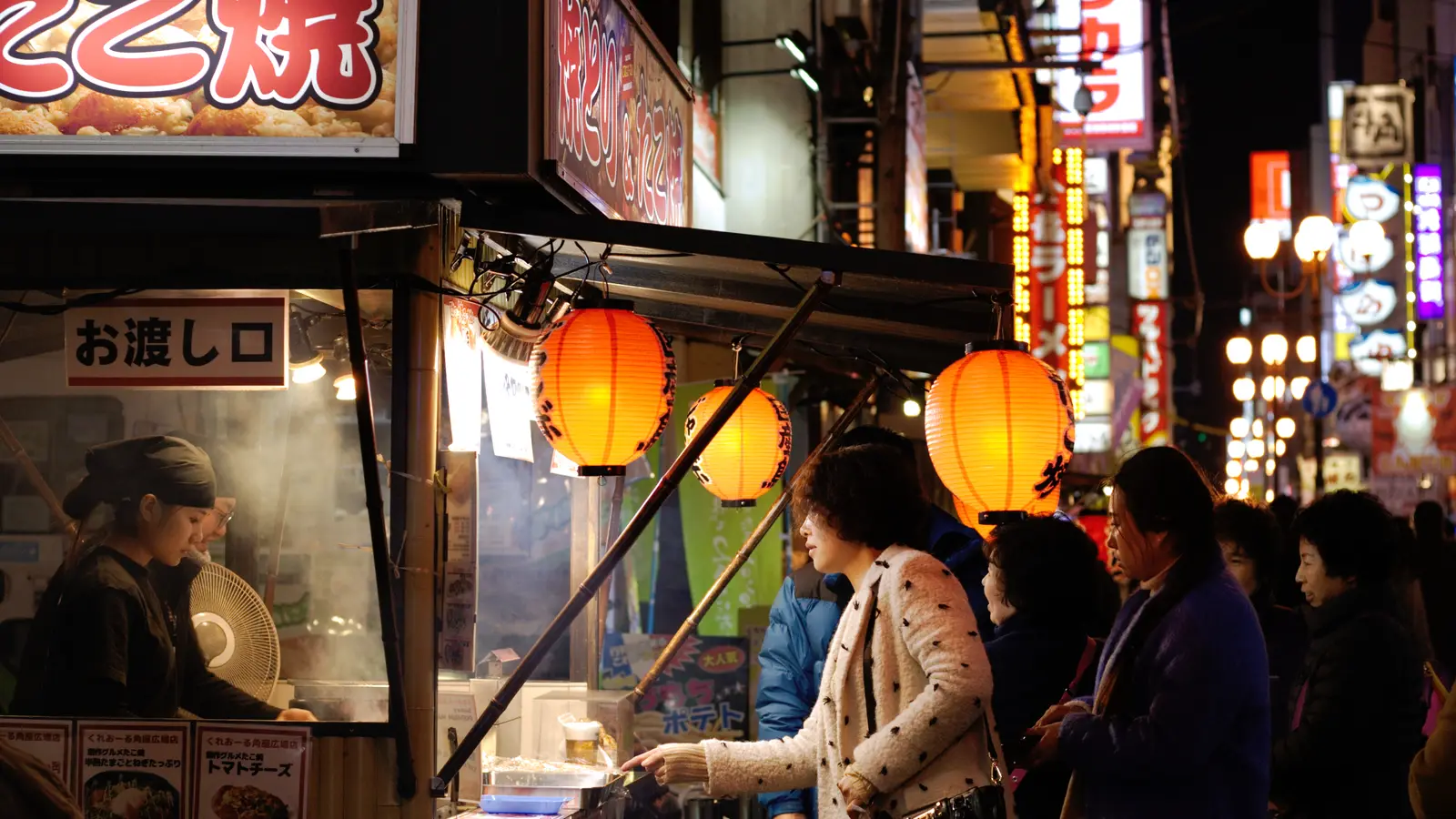
11 PM takoyaki steam in Dotonbori vs. 7 AM solitude in Arashiyama's bamboo groves. Structuring your Kansai stay without wasting half your trip dragging luggage between hotel lobbies.
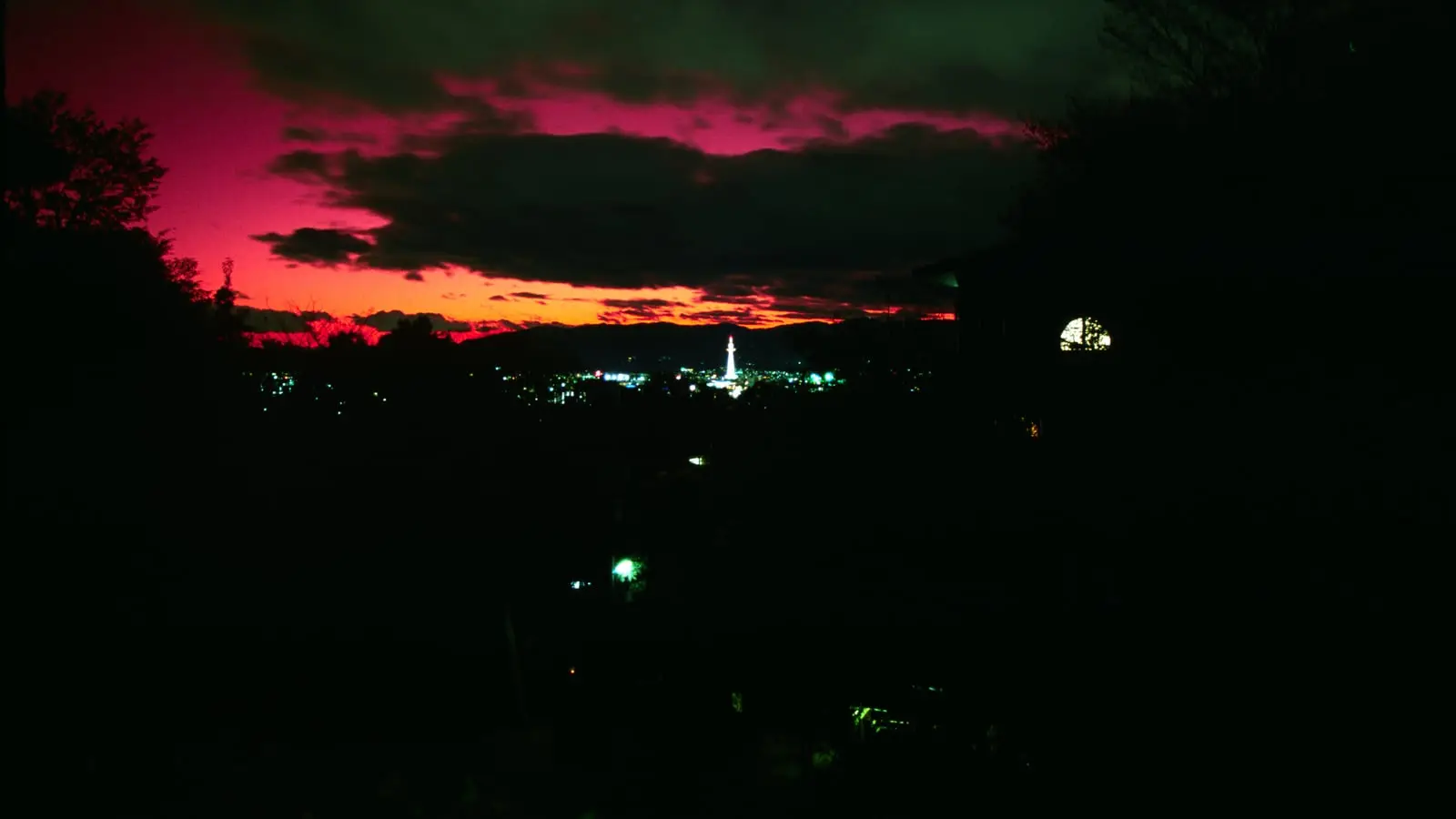
Why Packing Luggage Every Morning Ruins a Kansai Trip
The most frequent tactical misstep made by travelers on four- or five-day Kansai journeys is slicing reservations into two nights in Osaka and two nights in Kyoto. Packing luggage by 10 AM, surrendering bags to hotel reception, boarding commuter trains, and waiting for 3 PM check-in incinerates the prime five daylight hours of your day dragging suitcases along station platforms.
Hauling bulky 28-inch suitcases through packed rail stations and multi-level stairwells severely drains stamina. The moment baggage is in hand, your movement is restricted, and hunting for vacant coin lockers across Kyoto or Umeda stations routinely devours an hour while burning 800 yen for luggage storage fees.
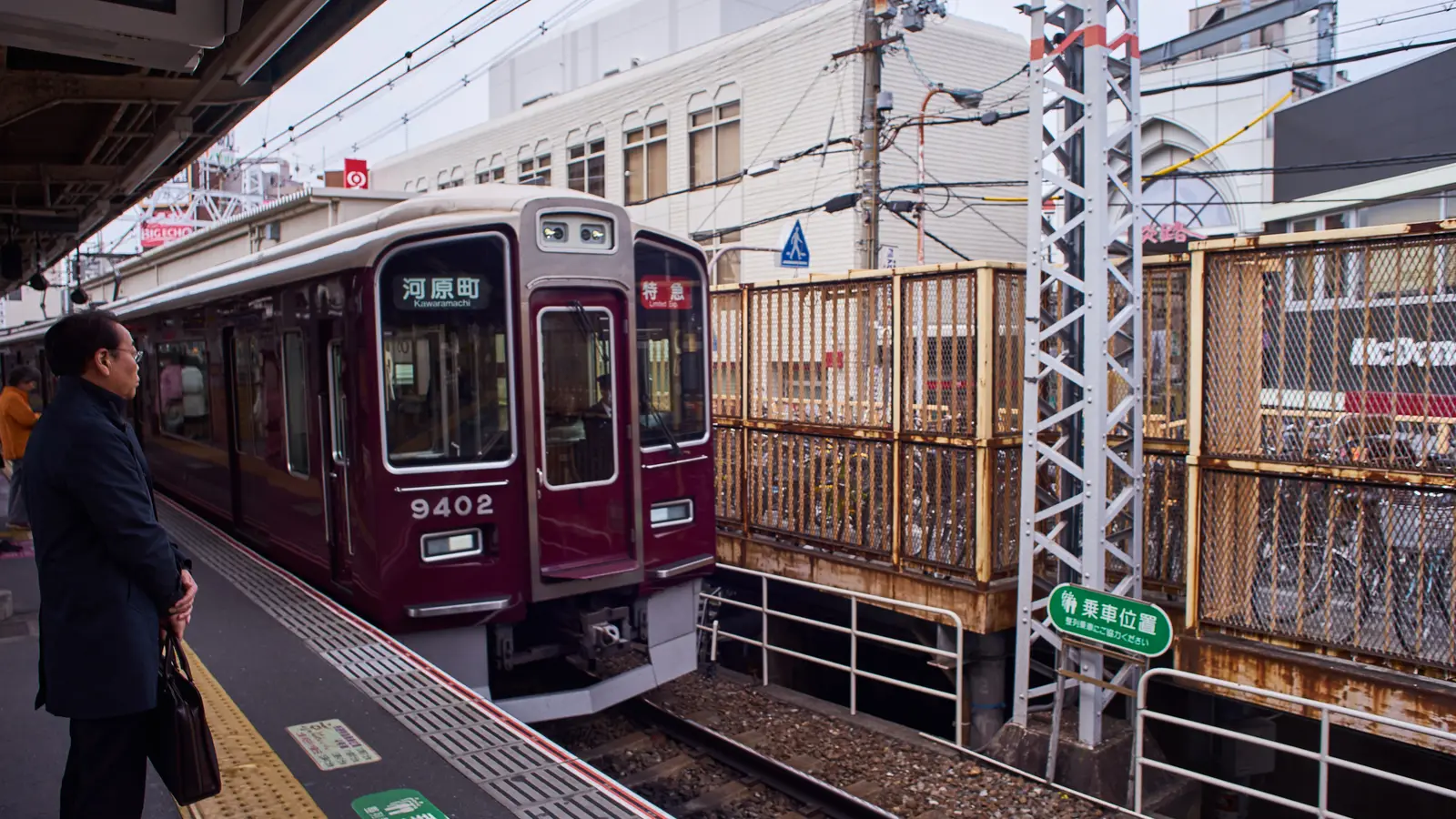
For itineraries spanning four nights or fewer, anchoring your stay in an Osaka transit hub and day-tripping to Kyoto via the Hankyu Limited Express is vastly superior. Whisking from Umeda to Kyoto-Kawaramachi in just 43 minutes for a modest 410 yen fare delivers seamless flexibility without repeated hotel transitions, preserving your schedule and daily rhythm.
| Lodging Strategy | Average 3-Night Lodging Cost (2 Guests) | Daily Kyoto Commute Time & Fares | Evening & Nightlife Atmosphere | Verdict & Recommended Profile |
|---|---|---|---|---|
| Osaka Umeda Hub (Commuter Strategy) | ~$320 to $480 USD (Smart Business) | Hankyu Express 43 min (410 JPY one-way) | Dynamic department store dining, late izakayas | Unrivaled regional transit mobility (Top Pick) |
| Osaka Namba / Dotonbori Base | ~$290 to $440 USD (Walking to canal) | 55 min via Umeda transfer (650 JPY) | Vibrant neon nightlife, street clamor past 2 AM | Night owls, clubgoers, late-night street food lovers |
| Kyoto Shijo Kawaramachi Base | ~$550 to $850 USD (Boutique hotel) | Zero commute, steps from Gion alleys | Peaceful, shops dim by 9 PM, historical charm | Early morning temple explorers, couples seeking tranquility |
| Kyoto Arashiyama Onsen Ryokan | ~$950 to $1,600 USD (Multi-course kaiseki) | Add 25 min scenic Randen tram from center | Absolute secluded retreat, bamboo rustle | Milestone anniversaries, family wellness retreats |
Conversely, if waking to Kyoto's crisp morning air and wandering tranquil Gion lantern paths after dark is essential, organize your journey cleanly: two nights based in Osaka followed by two consecutive nights in central Kawaramachi. Restricting hotel relocation to exactly one transfer lets you enjoy pulsating urban nights and serene ancient mornings without logistical friction.
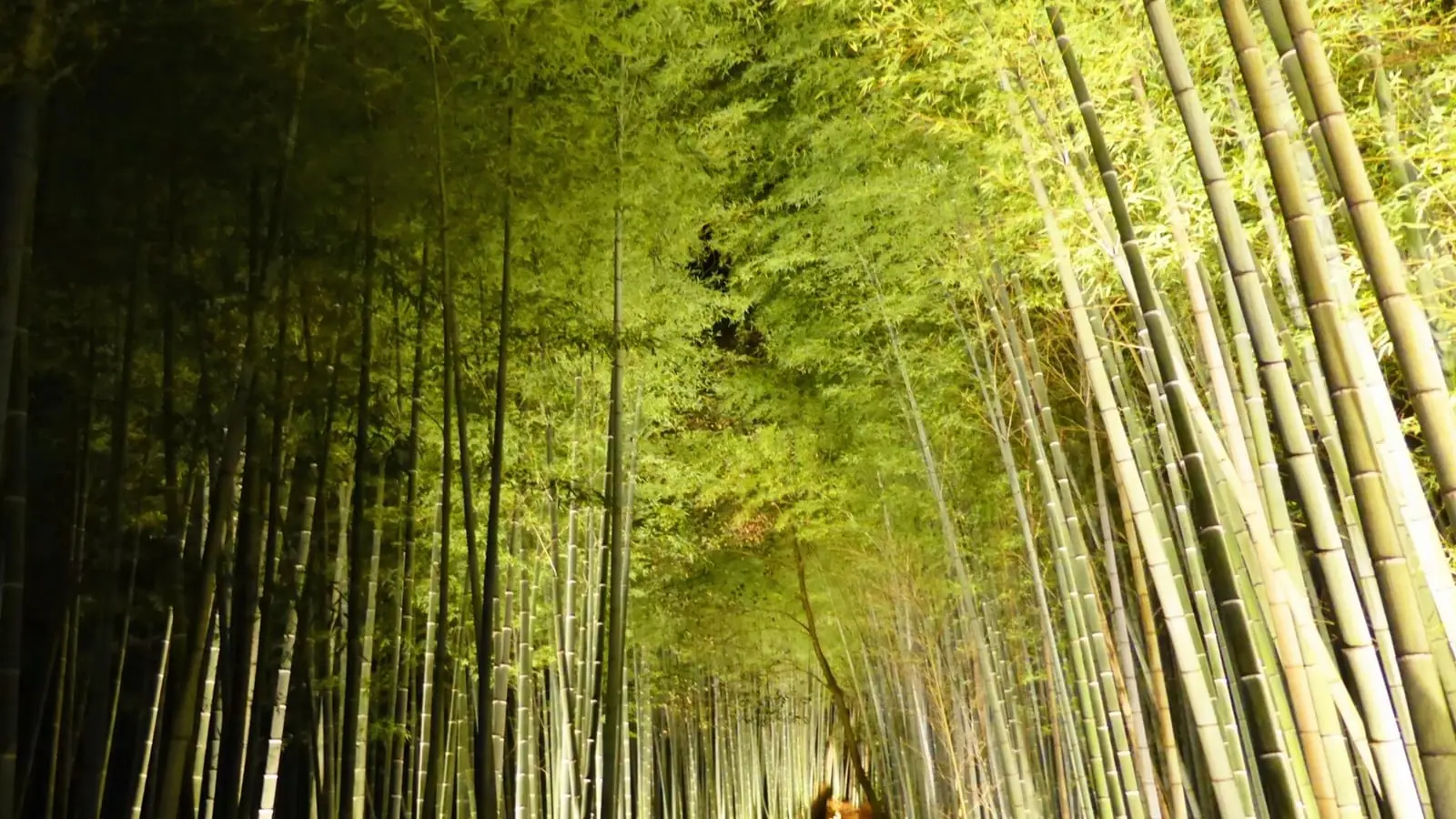
Namba for Airport Simplicity or Umeda for Transit Dominance
When selecting your Osaka base, Namba and Umeda cater to fundamentally distinct travel profiles. Although separated by just four subway stops (eight minutes) along the Midosuji line, the street-level environment and commuter efficiency represent entirely different universes.
From Kansai International Airport (KIX), the futuristic Nankai Rapi:t express speeds directly into Namba in 34 minutes without transfers. Dotonbori, Shinsaibashi arcades, and Kuromon Market lie within a five-minute stroll. For first-timers looking to enjoy sizzling takoyaki grills, late-night izakayas, and neon-lit canal views past midnight, Namba is unbeatable. However, rowdy nightlife crowds and street-level noise can disrupt light sleepers.
However, if your itinerary revolves around regional excursions to Kyoto, Kobe, and Nara, Umeda (Osaka Station) reigns supreme. Housing the interconnected terminals of JR, Hankyu, and Hanshin railways under one roof, you can hop between ancient temples and scenic port towns with zero friction, shaving 30 minutes of daily transfer friction.
Umeda also offers sleek, soundproofed business hotel towers, ensuring undisturbed rest away from late-night nightlife noise. Picking up gourmet sushi platters and pastries from Daimaru, Hankyu, or Hanshin department store basements to savor in quiet high-floor rooms is an exclusive privilege of Umeda guests.
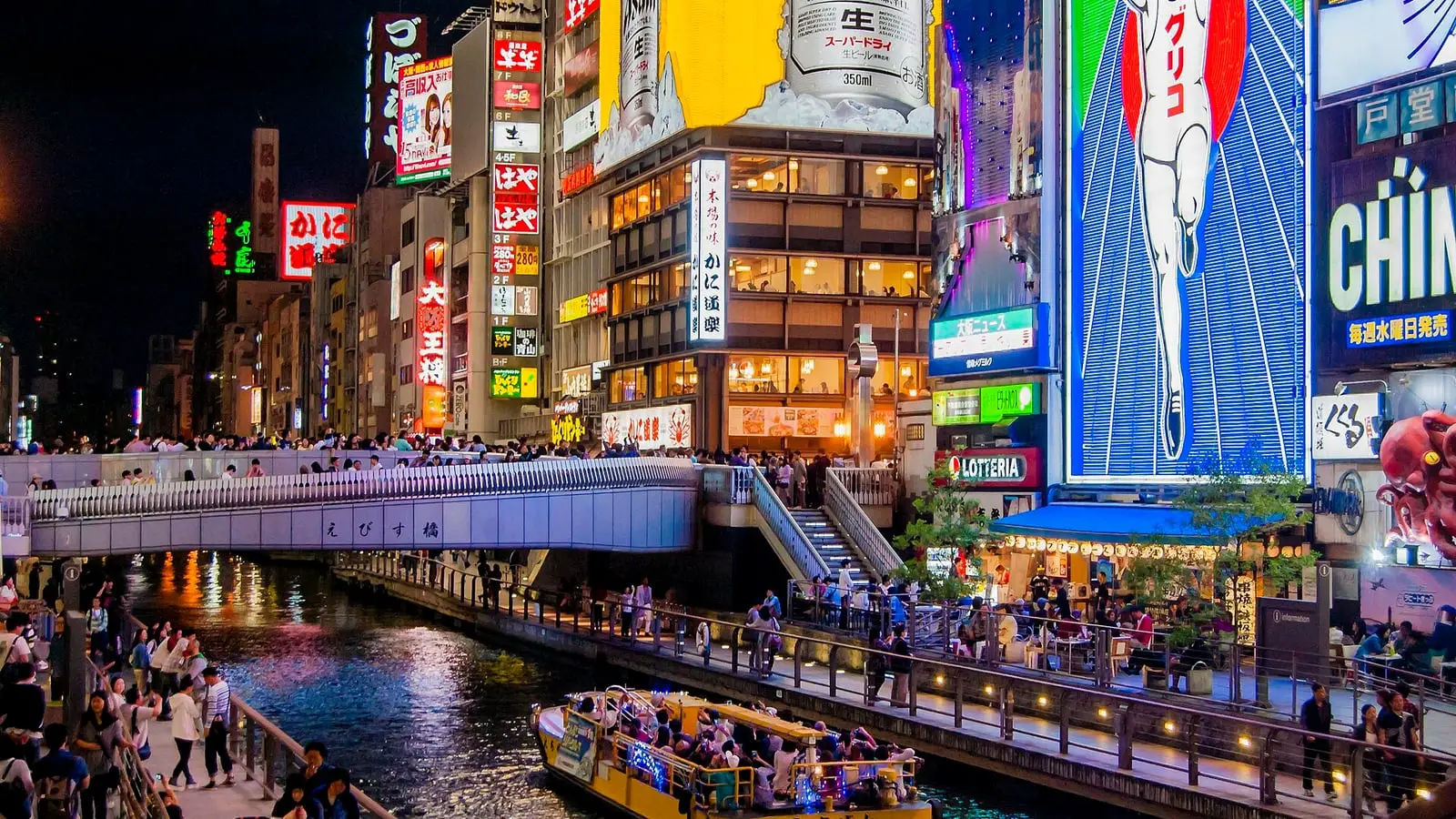
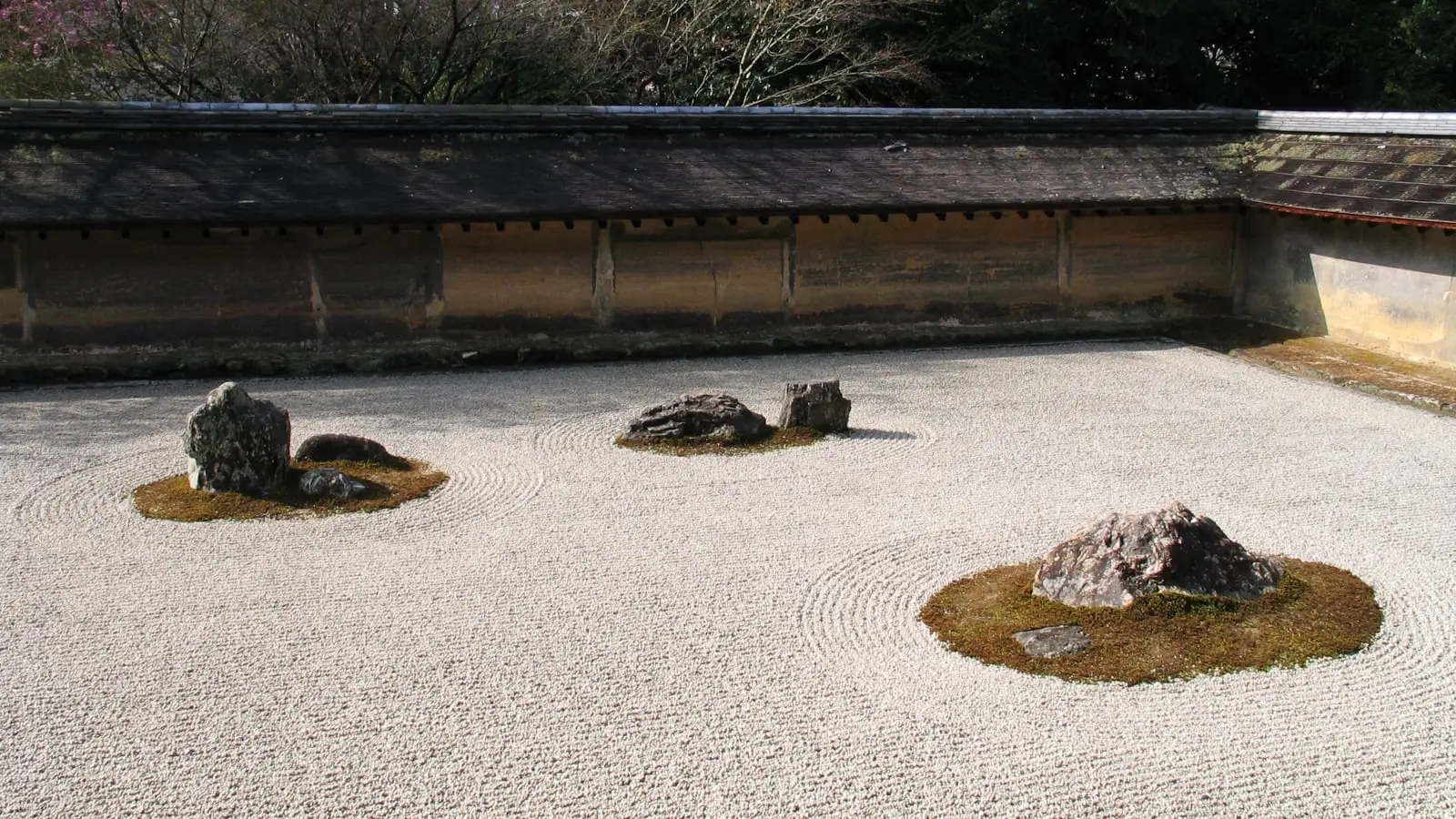
The Kyoto Station Bus Bottleneck vs. Kawaramachi's Canal Charms
First-time visitors frequently default to reserving high-rise hotels situated directly outside Kyoto Station due to Shinkansen and Haruka bullet train connectivity. Dropping bags immediately off the train platform sounds tempting, but it misunderstands Kyoto's geographic reality.
The moment travelers attempt to reach premier sights, they encounter disheartening 100-meter queues at city bus stops. Kyoto buses operate at full capacity year-round, and congested two-lane streets compound travel delays, turning a simple two-kilometer hop into a 40-minute crawl during peak daylight hours.
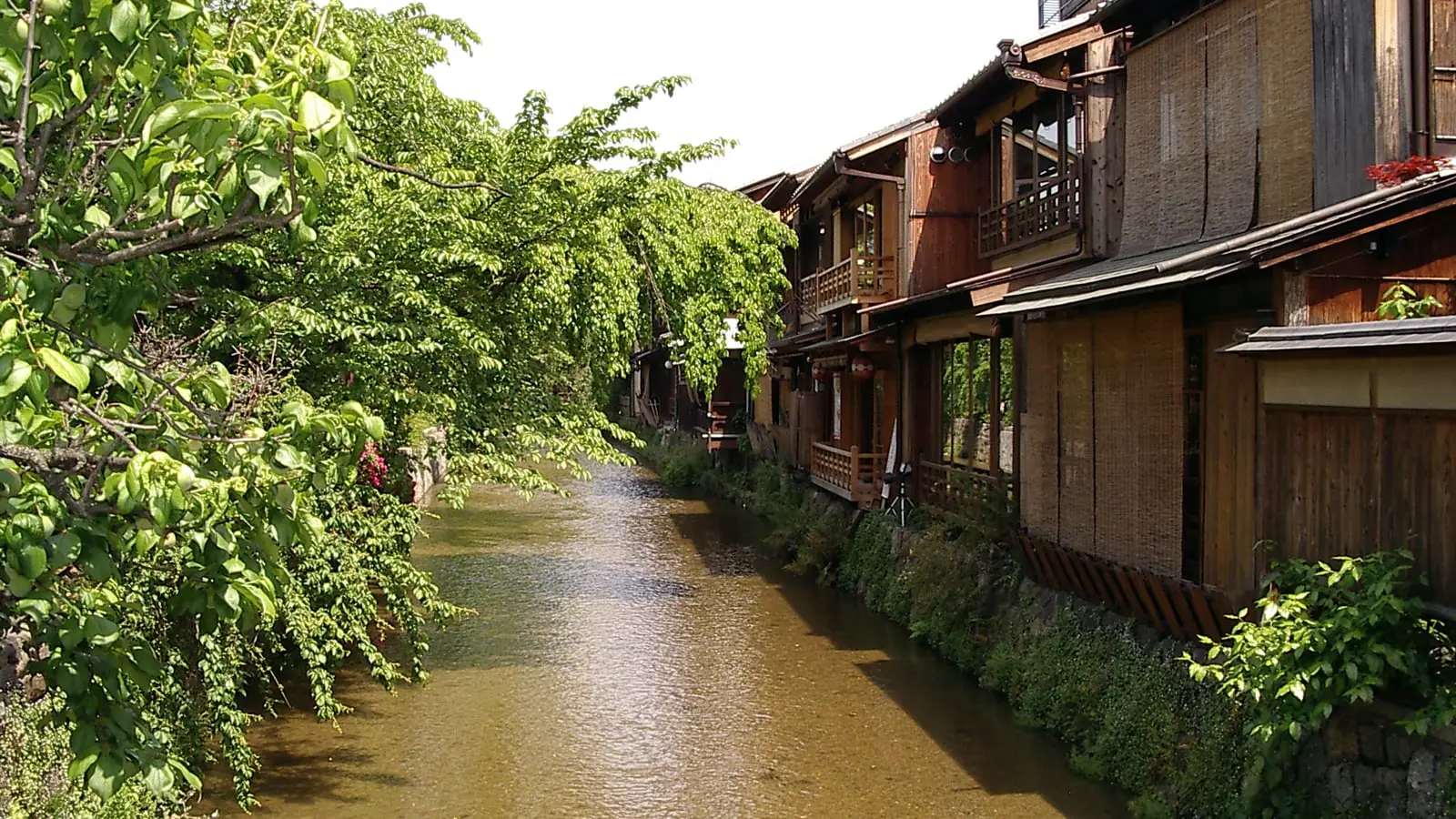
Kyoto's cultural core - Gion, Nishiki Market, the Kamo River, and Yasaka Shrine - clusters around Shijo Kawaramachi, two miles north of the main station. Returning along tranquil willow-lined riverbanks to glowing crimson lanterns outside wooden machiya teahouses is an exclusive perk of staying in Kawaramachi or Gion-Shijo.
| Rail Line & Service Tier | One-Way Adult Fare | Commute Time (from Umeda/Osaka) | Destination Terminus & Walkability | Pros, Cons & Strategic Verdict |
|---|---|---|---|---|
| Hankyu Railway (Kyoto Limited Express) | 410 JPY (No express surcharge) | ~43 min (Osaka-Umeda to Kyoto-Kawaramachi) | Kyoto-Kawaramachi (Heart of Gion / Shijo) | Lowest 410 JPY fare, direct Gion downtown arrival (Top Choice) |
| JR Kyoto Line (Special Rapid Service) | 580 JPY (Standard ticket only) | Just 29 min (Osaka Station to Kyoto Station) | Kyoto Station (Hub for Kintetsu, Shinkansen, Haruka) | Fastest 29-minute dash, ideal for Fushimi Inari connections |
| Keihan Main Line (Limited Express) | 430 JPY (Premium Car seat +500 JPY) | ~48 min (Yodoyabashi to Gion-Shijo) | Gion-Shijo Station, Kiyomizu-Gojo, Tofukuji | Perfect departure from Osaka financial district (Yodoyabashi) |
| Tokaido Shinkansen (Nozomi/Hikari) | 1,450 JPY (Non-reserved seat) | Blistering 14 min (Shin-Osaka to Kyoto) | Shin-Osaka Station to Kyoto Station | 14-min bullet speed but requires Shin-Osaka transit, low ROI |
Furthermore, morning visits to Kiyomizu-dera or Nanzen-ji can be completed on foot or via quick taxi hops, saving hours otherwise squandered at bus depots. Keep local cash ready: since March 2026 Kyoto levies an accommodation tax of 200 to 10,000 yen per person per night depending on the room rate, often charged separately at the front desk rather than included in your booking total.
Ditching the Lines Between Haruka and Rapi:t Express Trains
Exiting international arrivals at KIX only to face an endless serpentine queue at railway ticket windows is an exhausting way to begin your vacation. Wasting 40 minutes clutching a paper queue number after a tiring flight drains your first-day energy before you even reach the platform.
If bound for Namba, secure tickets for the cobalt-blue Nankai Rapi:t. If heading directly to Umeda or Kyoto, pre-purchase the rapid JR Haruka express. Rapi:t provides reserved seating and dedicated luggage racks, guaranteeing a restful transfer straight into the bustling south.
By acquiring digital QR vouchers ahead of departure, you can scan straight at dedicated automated ticket kiosks beside station gates, printing physical seats in seconds. This lets you bypass 40-minute ticket counter queues entirely.
When completing online hotel reservations, always settle charges in Japanese Yen (JPY) to dodge hidden 3% to 5% Dynamic Currency Conversion spreads. Scanning rates on Tripdify locks in transparent net pricing, saving tens of dollars over a typical four-night stay.
Mobile Transit Cards and Conquering Morning Temple Crowds
Purchasing single-journey paper tickets at vending machines throughout Kansai is an inefficient waste of holiday minutes. iPhone users can generate a digital Suica or PASMO card in Apple Wallet within seconds, while Android travelers can grab an ICOCA smart card at KIX or any convenience store for tap-and-go transit across all trains, buses, and konbini stores. The hassle of counting coins at ticket barriers disappears completely.
When navigating Umeda's subterranean underground mall complex, stepping up to street level and tracking prominent skyline towers (HEP Five wheel, Grand Front Osaka) is the most reliable way to avoid getting disoriented. Walking at street level is usually quicker than wandering the underground maze.
Iconic landmarks such as Arashiyama's bamboo path and Fushimi Inari's thousand vermilion gates become swarmed with tour groups after 9:00 AM, making contemplative photography impossible.
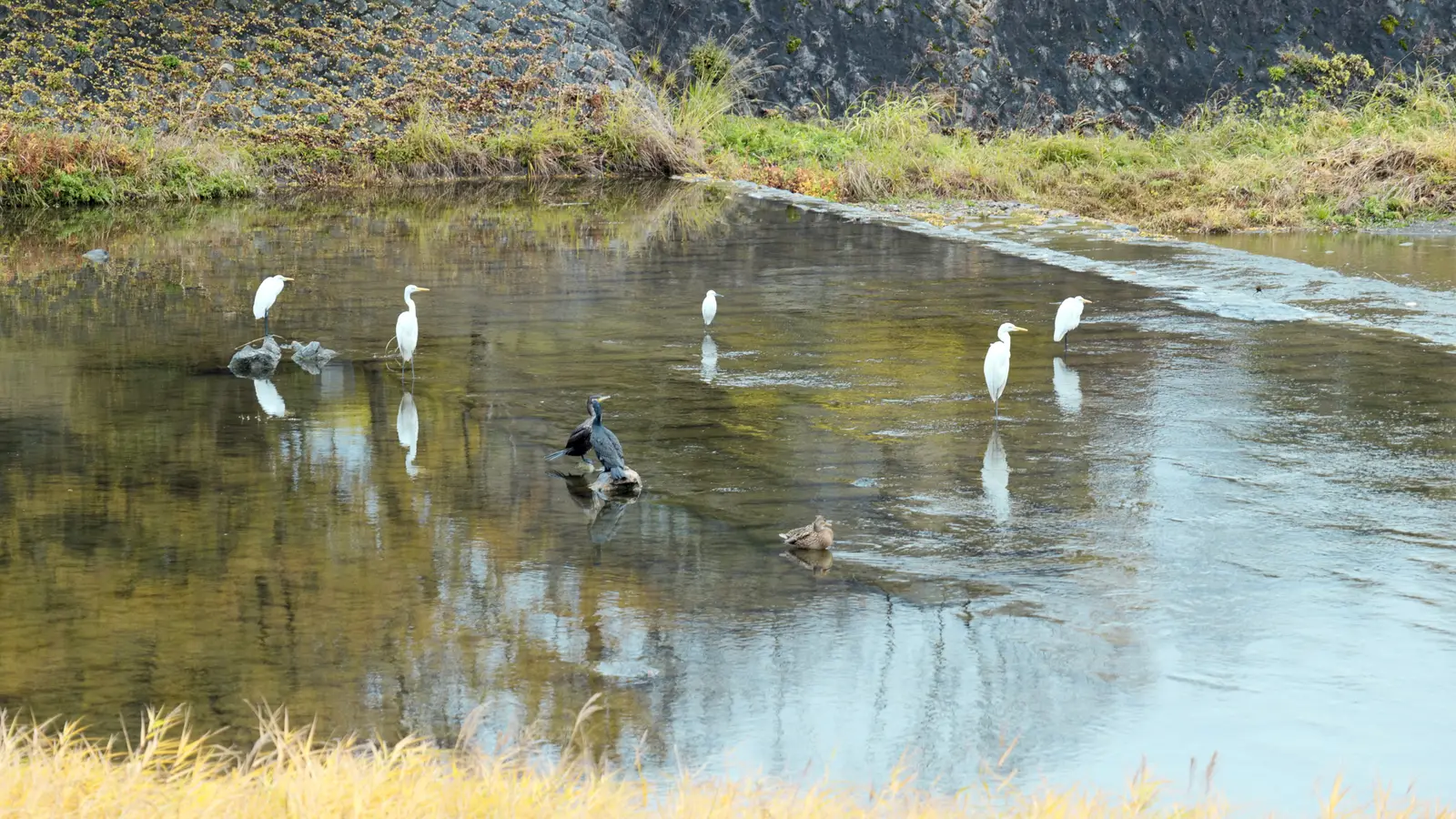
Arriving on-site between 7:00 and 8:00 AM rewards you with serene morning breezes and solitary temple bells, capturing the authentic tranquil spirit of ancient Kyoto. Concluding a quiet dawn walk with freshly brewed drip coffee along the Kamo River brings your Kansai adventure to an unforgettable, restorative close.
Frequently Asked Questions
Field-tested answers to transit navigation, neighborhood choices, and payment traps.
Q1.Should I stay in Osaka or Kyoto for a Kansai trip?
Q2.What is the cheapest way from Osaka to Kyoto?
Q3.How do I get from Kansai Airport to Namba or Kyoto?
Q4.How much is the Kyoto accommodation tax?
The Smart Traveler's Essential Toolkit
Prepare instant mobile data, private airport transfers, and skip-the-line passes in one place.
Pick a base in Osaka by your route
Choose the places you want to see and get the neighbourhood with the shortest travel.
Compare Osaka Hotel Rates
Find the cheapest channel across Agoda and major booking engines with Tripdify.
Share This Guide with Your Companions
When shared via chat or social media, a curated summary card is sent along.
Recommended Guides
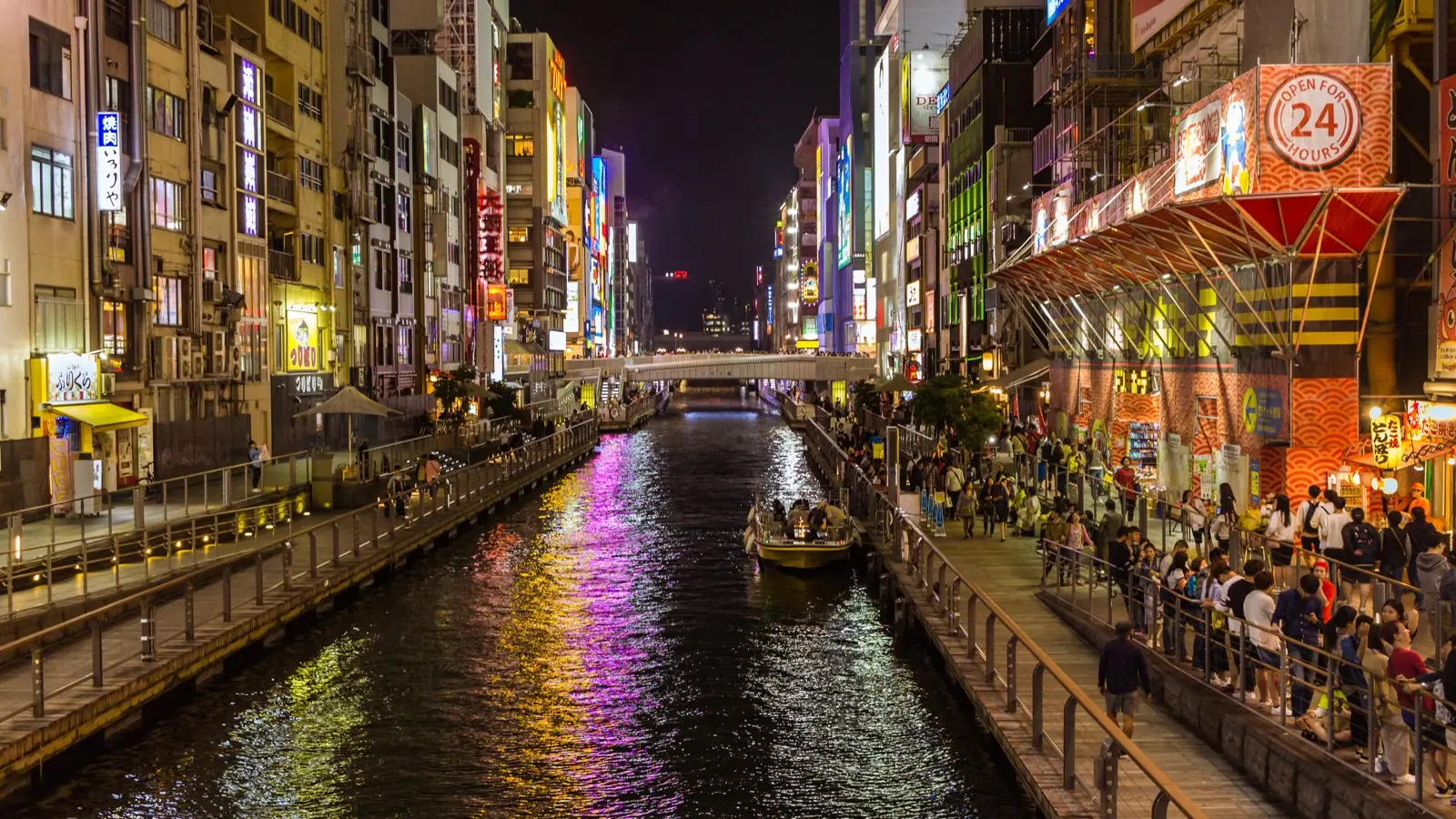
Osaka Itinerary: Dotonbori and Umeda in Two Nights
Osaka is Japan culinary powerhouse where feasting is an art. Navigate Rapi:t airport transfers, Namba vs Umeda hotels, and street food corridors with veteran precision.
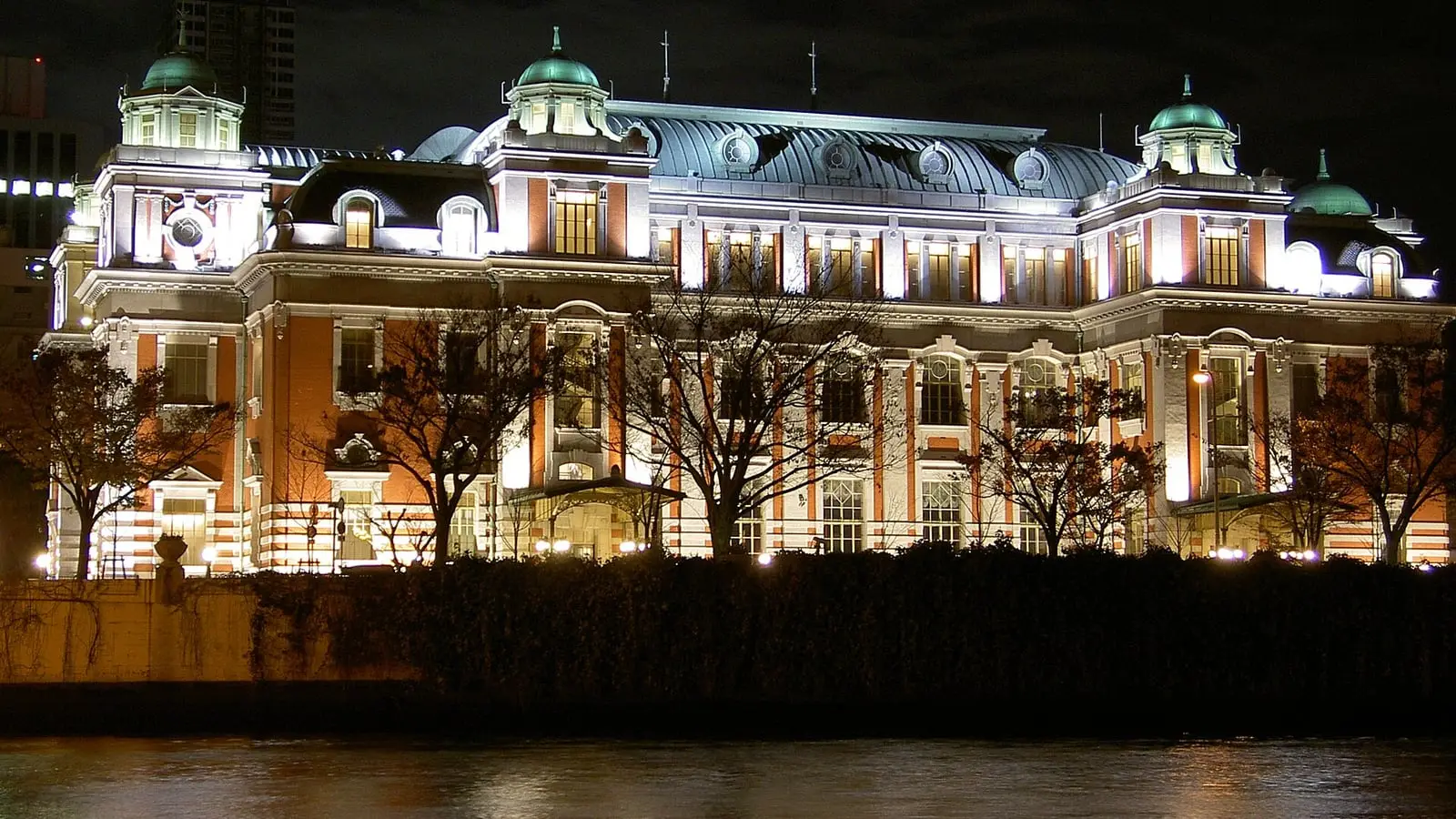
Where to Stay in Osaka: Umeda vs Namba Compared
Behind Osaka's vibrant culinary spirit and affable banter lies a sharp geographic contrast between northern corporate efficiency and southern commercial chaos. Choosing between the labyrinth of Umeda and the neon crowds of Namba dictates your transit ease to Kyoto and Kansai Airport. Here is an unvarnished field guide to selecting strategically sound lodging and avoiding neighborhood missteps.
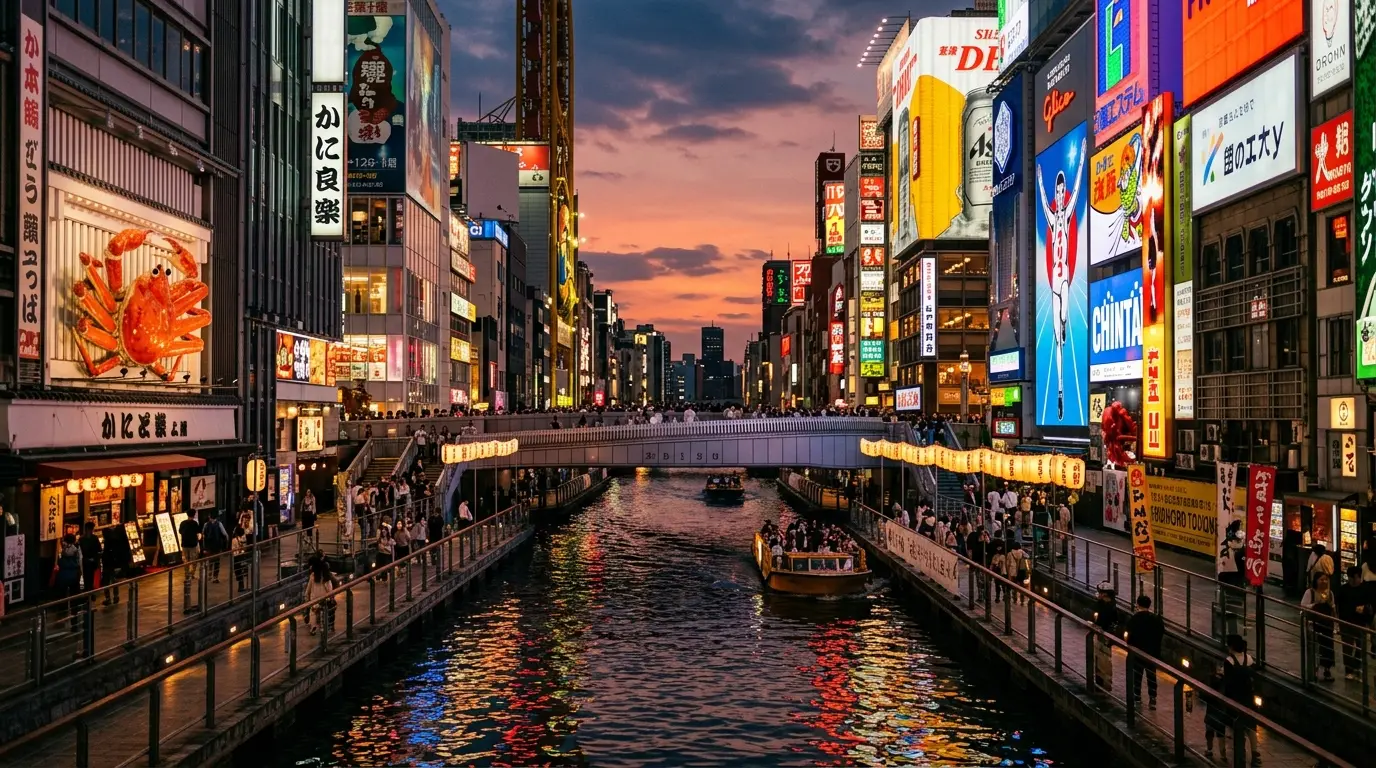
Osaka Day 1 Itinerary: Kansai Airport to Namba and Your First Night in Dotonbori
From boarding the 34-minute Nankai Rapi:t train at Kansai Airport to navigating Namba Station, mastering takoyaki ordering and kushikatsu sauce rules, and taking a sunset Dotonbori canal cruise. A frictionless masterclass for your first 24 hours in Osaka.
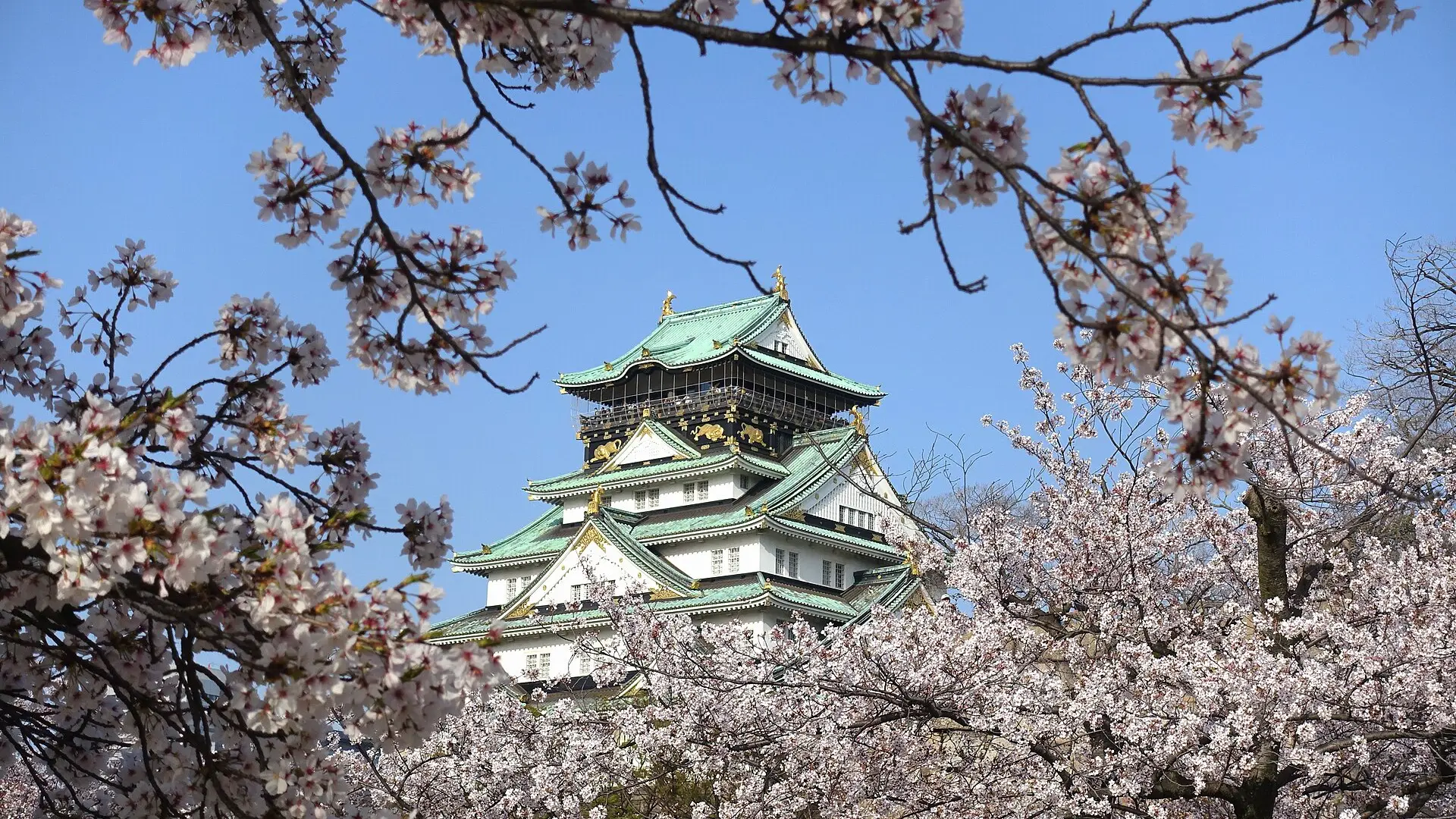
Osaka Day 2 Itinerary: Osaka Castle, Umeda Sky Building and Shinsekai Kushikatsu
Traversing past and future on Day 2 in Osaka: morning tranquility along the moats of Osaka Castle, futuristic open-air views from Umeda Sky Building, the iconic HEP FIVE red wheel, and dusk kushikatsu feasts in the neon shadow of Tsutenkaku.
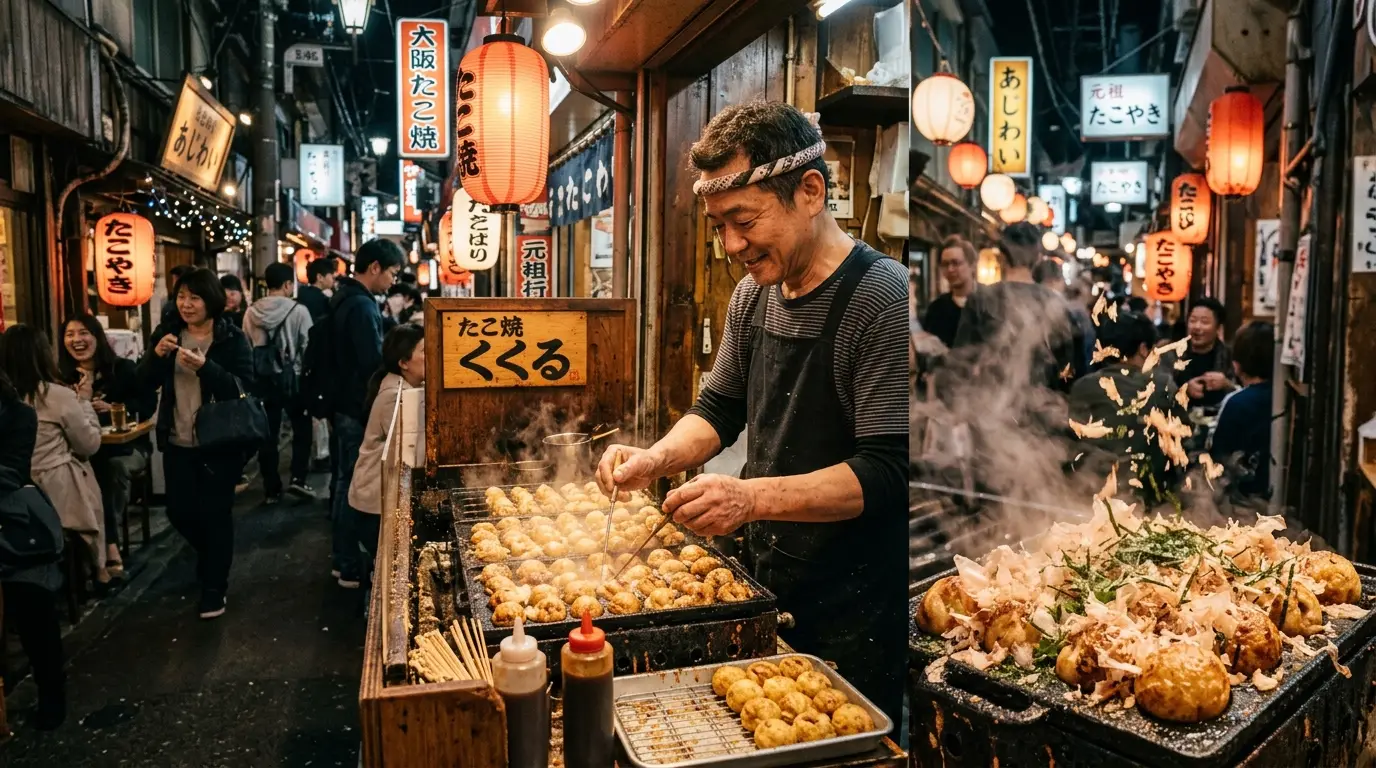
Osaka Day 3 Itinerary: Kuromon Market, Shinsaibashi Shopping and the Airport Run
The definitive closing chapter to your Osaka journey: fresh sashimi feasts at Kuromon Market, vintage shopping along Amerikamura, covered retail in Shinsaibashi, and 34-minute express transit to Kansai Airport (KIX) aboard the iconic Nankai Rapi:t.
Travel Card or Credit Card Abroad: Which Wins and When
A practical breakdown comparing multi-currency travel debit cards against premium credit card travel rewards, highlighting standalone ATM traps and hotel deposit holds.
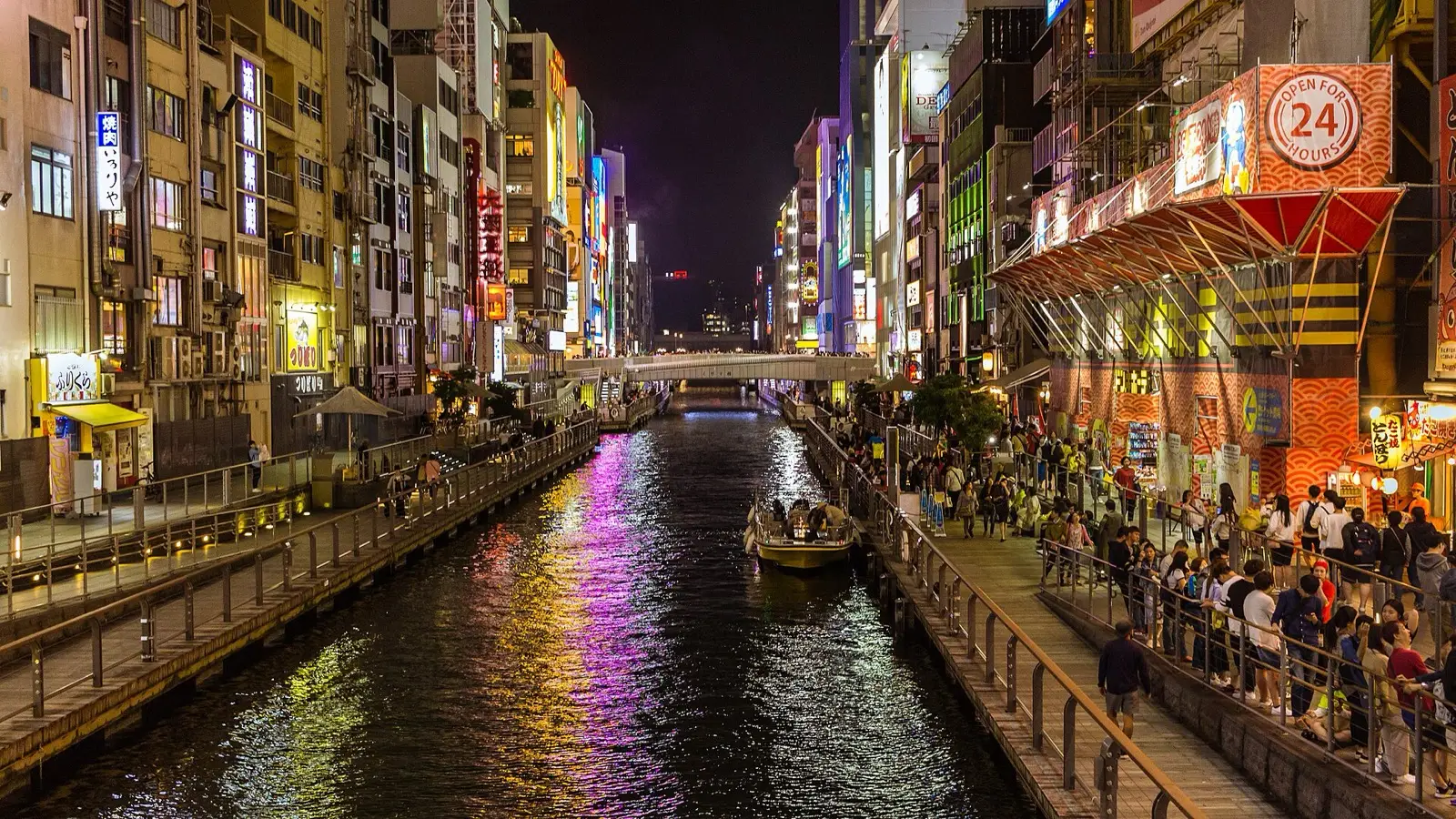
Best Hotels in Osaka: Namba vs Umeda vs Tennoji Compared
Selecting the ideal neighborhood base dictates the pace and ease of your entire Osaka itinerary. From the neon nightlife, late-night dining, and Nankai Rapi:t airport express links of Namba and Shinsaibashi, to the unmatched rail connectivity to Kyoto and Kobe found in Umeda, and the affordable panoramic luxury of Tennoji anchored by Abeno Harukas, this neighborhood curation breaks down top accommodations for every travel style.
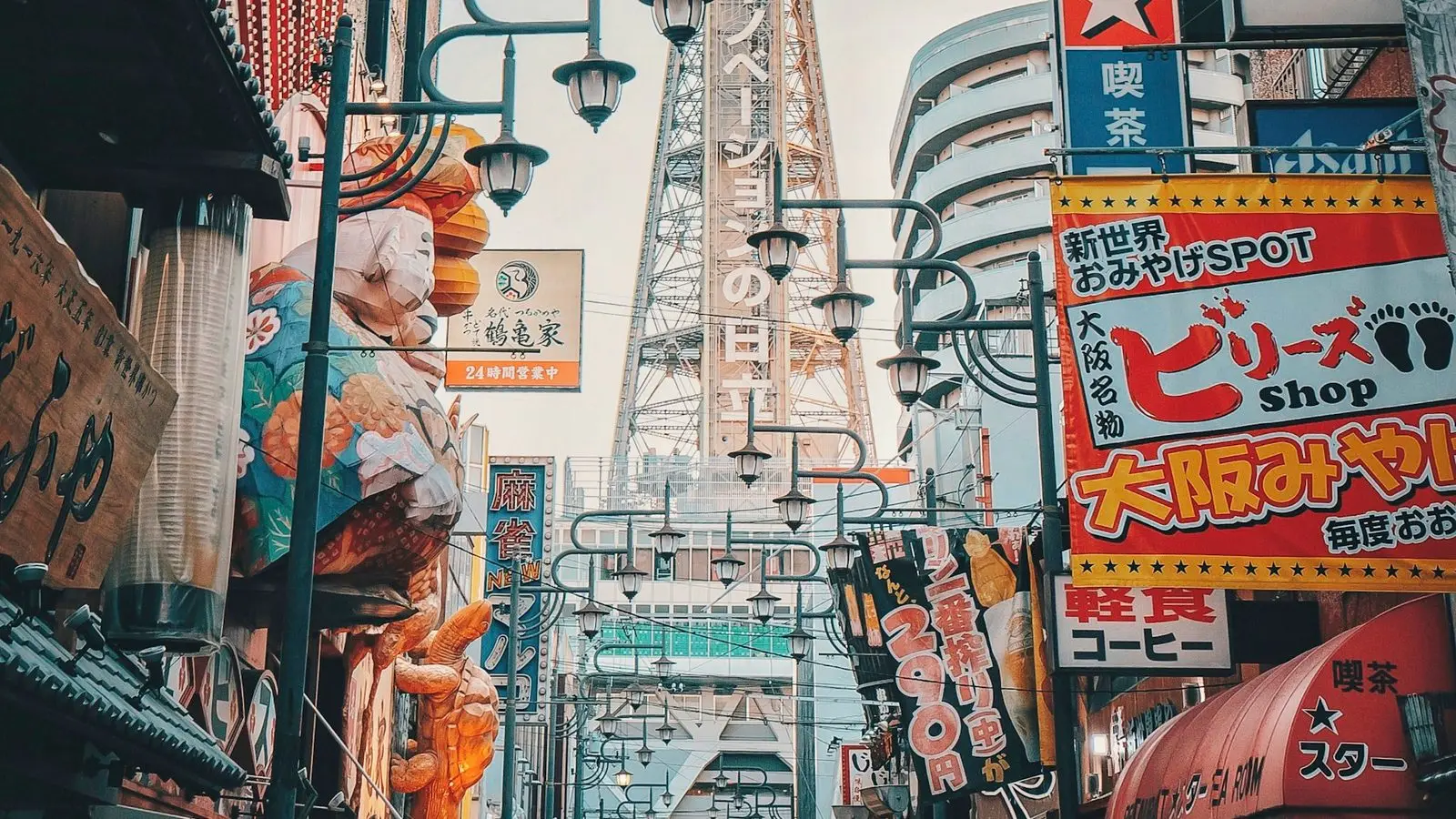
5 Best Value Hotels Near Osaka Namba & Dotonbori: Nankai Rapi:t Access and Quiet Alleyways
When planning an Osaka getaway, the Namba district invariably claims the top spot for accommodation. Boarding the futuristic Nankai Rapi:t airport express whisks travelers from Kansai International Airport straight into Nankai Namba Station in just 34 minutes without transfers, placing the famous Glico Running Man, sizzling takoyaki stalls, and Shinsaibashi shopping arcades within effortless walking distance. However, booking properties directly along the Dotonbori canal strip often backfires with thumping street noise, rowdy late-night crowds, and micro-sized floor plans that cannot accommodate open suitcases. The secret lies in positioning yourself just two blocks back into tranquil residential corridors like Sennichimae and Hozenji. Here is a definitive guide to five top-value Namba hotels under $100 per night, complete with natural hot spring onsen baths, complimentary late-night ramen, and restful soundproofing.
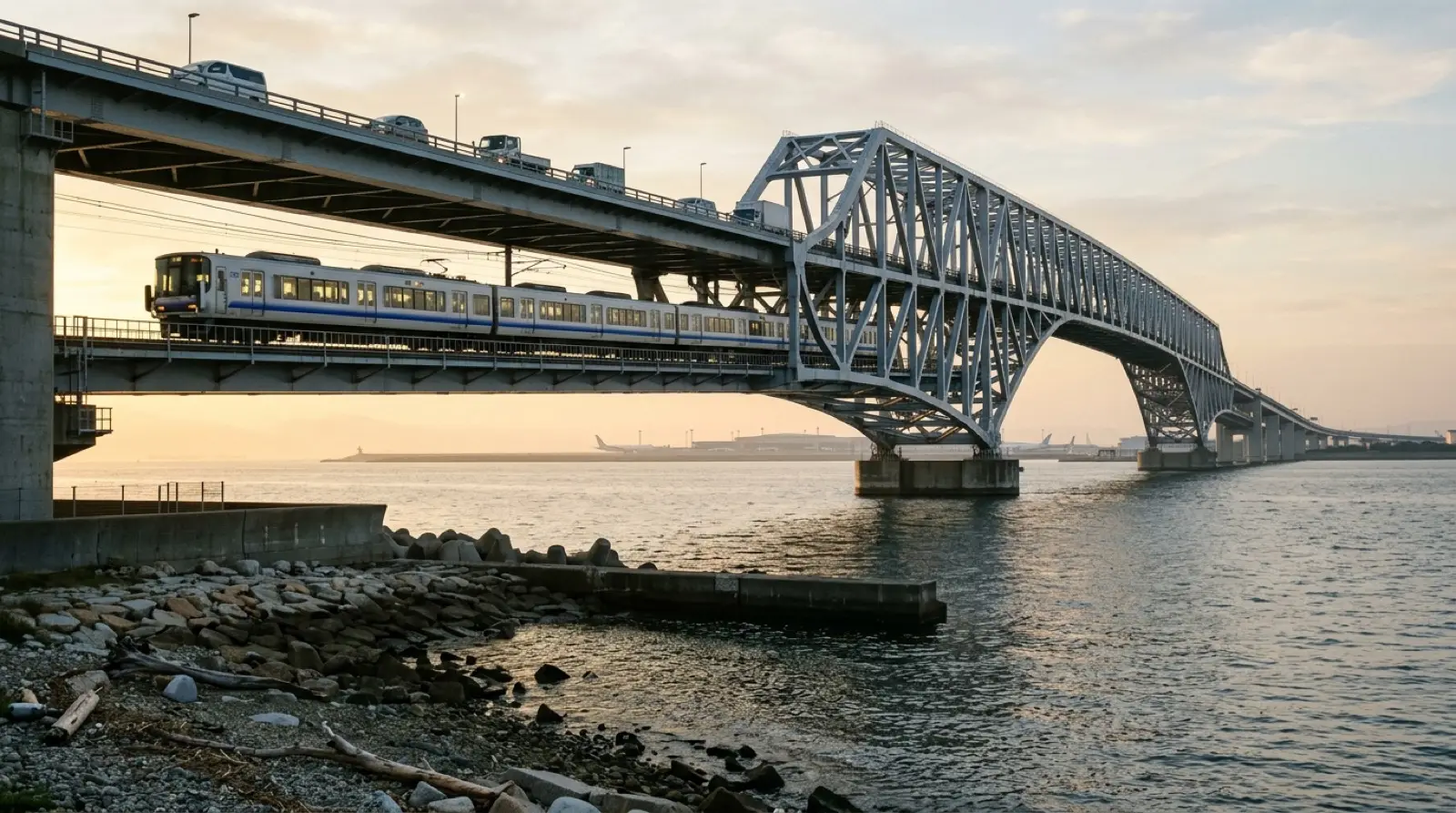
Kansai Airport to Osaka and Kyoto: Train, Bus and Taxi Fares Compared
For a hotel in Namba, the Nankai Airport Express is the cheapest ride at 970 yen and about 45 minutes, while the all-reserved Rapi:t does it in as little as 34. For Osaka Station, Shin-Osaka and Kyoto, JR's Haruka runs direct in about 47 and 80 minutes, and the discounted one-way ticket for short-term visitors brings Kyoto down to 2,200 yen. Land late and your options shrink to a cashless-only night bus to Umeda (0:15 from Terminal 1) or a taxi.
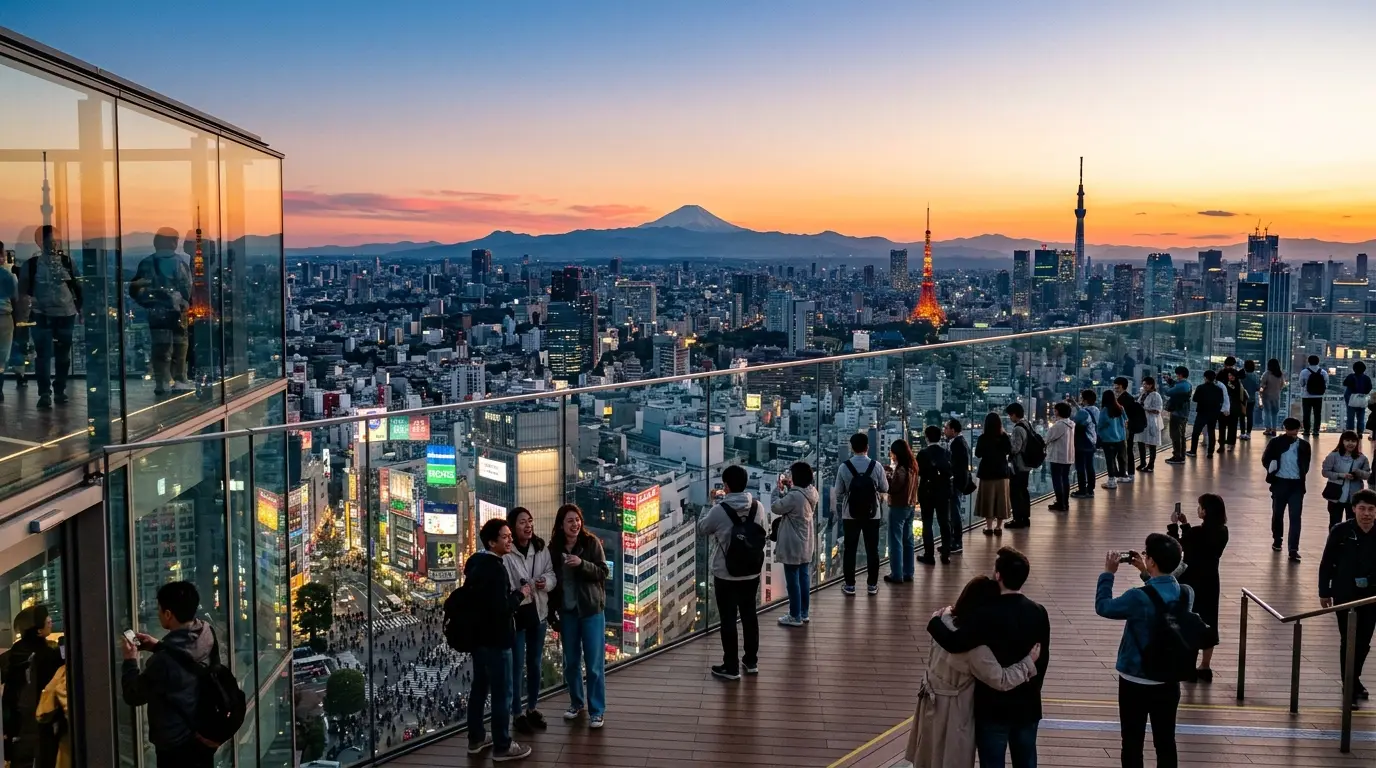
Where to Stay in Tokyo: Shinjuku vs Shibuya vs Ginza
Comparing room footprints across Shinjuku, Ginza, and Ueno, locking in sudden 14-day cancellation drops, and eliminating DCC fees with clean Yen checkout.
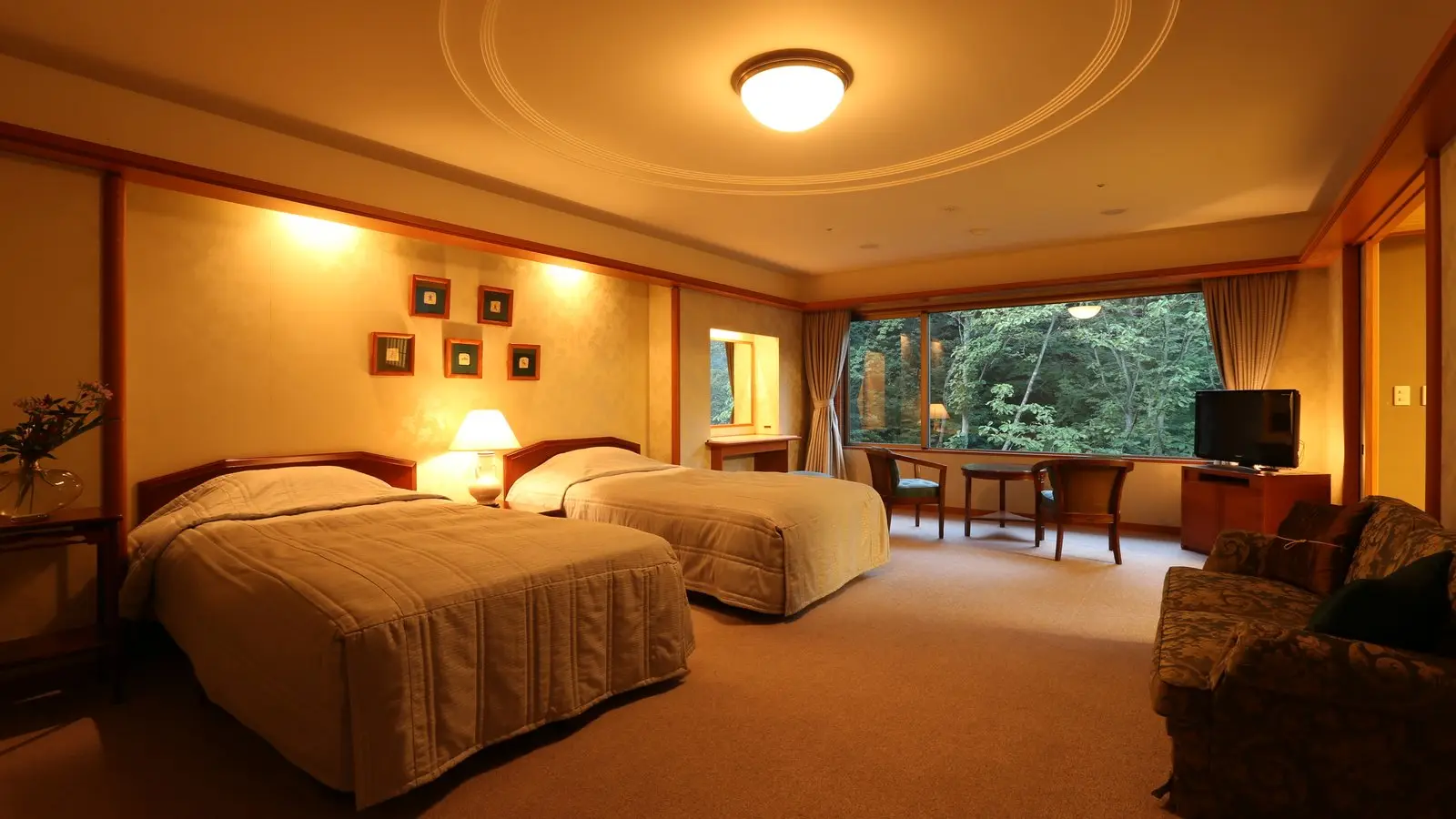
7 Budget Hotels in Tokyo Under $100 on the Yamanote Line
Even amid yen fluctuations, central Tokyo hotel rates have soared. Learn how to secure Yamanote loop line hotels at half the price of Shinjuku, compare onsen bath chains like Dormy Inn, trigger secret Agoda VIP and Booking.com Genius discounts, and dodge hidden currency fees with yen settlement.
How to Read the Tokyo Subway Map and Where to Stay on the Yamanote Line
How to choose between Keisei Skyliner and Narita Express, avoid the Tokyo Subway Ticket trap, use Apple Wallet Suica, and select the ideal hotel base in Tokyo.