
TokyoGuide
Where to Stay in Tokyo: Shinjuku vs Shibuya vs Ginza
From dodging 5% DCC markups to escaping Haneda red-eye taxis via 24-hour onsens, how to navigate Tokyo like a seasoned editor.
Why Early Bookers Often Get Fleeced in Shinjuku
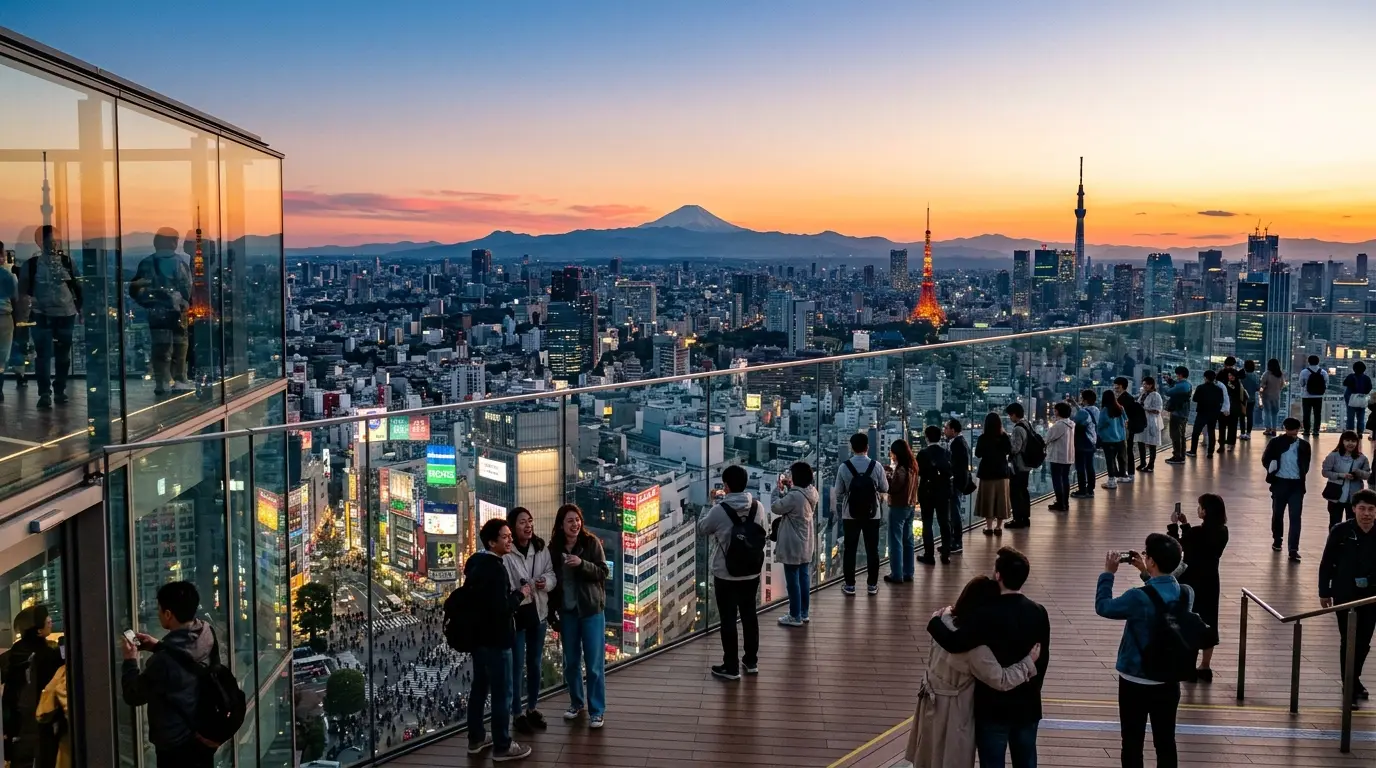
Past 1:00 AM, as the last Yamanote train rumbles into the dark and Kabukicho's neon reflects off rain-slicked tarmac, Tokyo's hotel pricing algorithms begin their most secretive shifts. Once the streets empty and the late trains shut down, revenue management systems quietly recalculate room yields to clear vacant beds. The cacophony of late-night karaoke fades, and algorithmic yield engines drop flash discounts that never surface during daytime business hours.
Travelers who locked in non-refundable 'early bird' deals three months out are often the ones getting fleeced. Tokyo's four-star boutique hotels fear only one thing: an empty bed. Hotel rooms are perishable commodities with an expiration window of exactly 24 hours; once midnight strikes, an unsold room's revenue potential evaporates to zero. Once your travel dates are on the calendar, your opening move should simply be securing a benchmark room under a flexible 'Free Cancellation' policy.
The real leverage happens 10 to 14 days before check-in. That is when corporate holds and cautious international bookings hit their penalty-free cutoffs, flooding the market with sudden cancellations. Business travelers altering schedules and overseas visitors refining itineraries release prime inventory back into the global pool simultaneously.
| Booking window | What often happens | What to do |
|---|---|---|
| 90 days out | Widest choice, refundable rates easy to find | Lock one refundable baseline stay |
| 30 to 60 days out | Rooms on busy dates thin out and prices tend to rise | Keep the booking and watch the rate |
| 10 to 14 days out | Free cancellation deadlines cluster, so cancelled rooms can return | Switch if the same hotel shows a lower rate or a better room |
| 1 to 3 days out | Hotels with empty rooms may cut rates, but weekends and peak dates can rise instead | Count on it only for flexible weekday trips |
Hotels unwilling to eat vacant rooms slash rates to stimulate last-minute demand. The same room can get noticeably cheaper close to check-in, and only travelers who set calendar alerts and track rates to the end will see it. Enabling Tripdify's automated price radar lets you catch these algorithmic repricing windows without lifting a finger.
Escaping the 13-Sqm Shoebox: The Raw Truth of Shinjuku vs Ginza vs Ueno
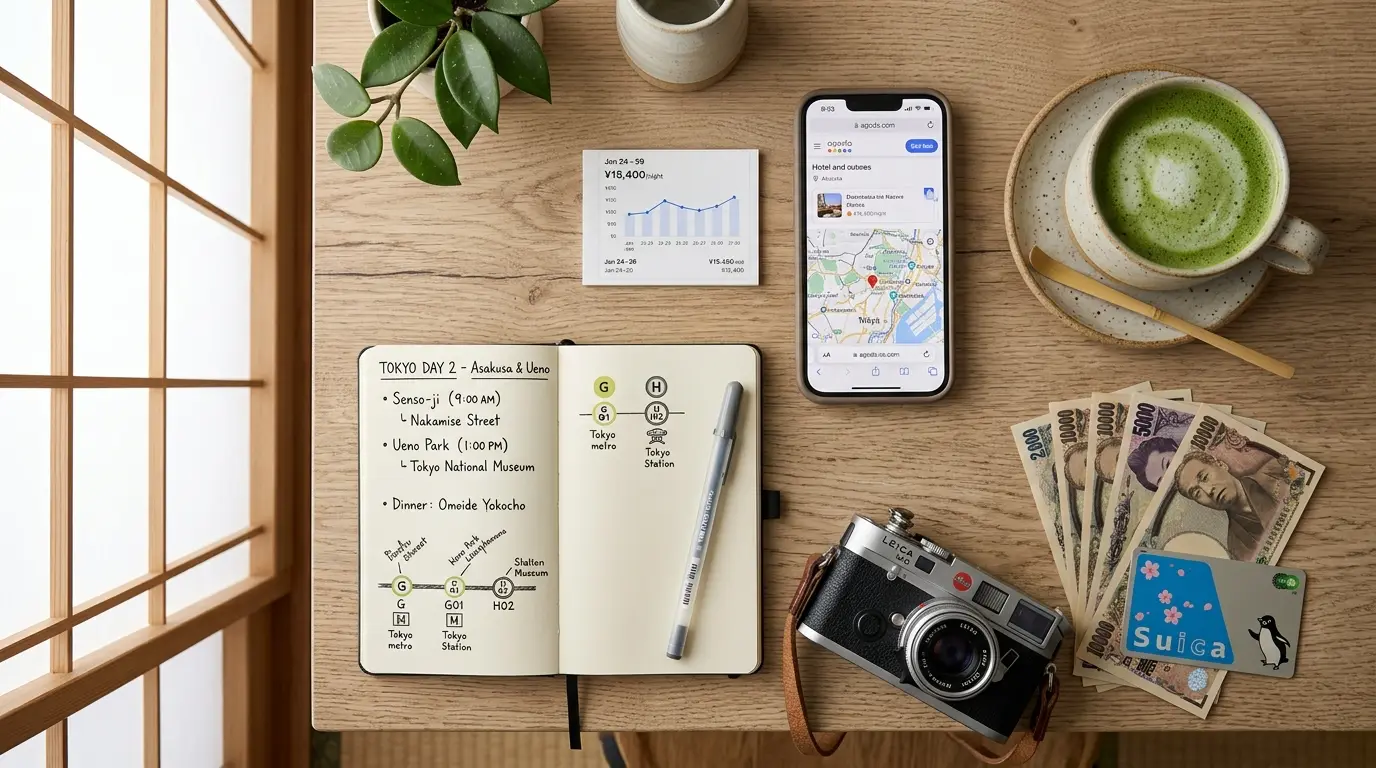
Tokyo is three times the footprint of Paris or central London. Trying to shave $20 a night by lodging in an obscure peripheral suburb means bleeding two hours every morning navigating packed commuter transfers. Tokyo subway transfers are notorious endurance trials; descending to deep subway lines like the Oedo or Fukutoshin routes requires riding three consecutive multi-story escalators before you even glimpse a train platform.
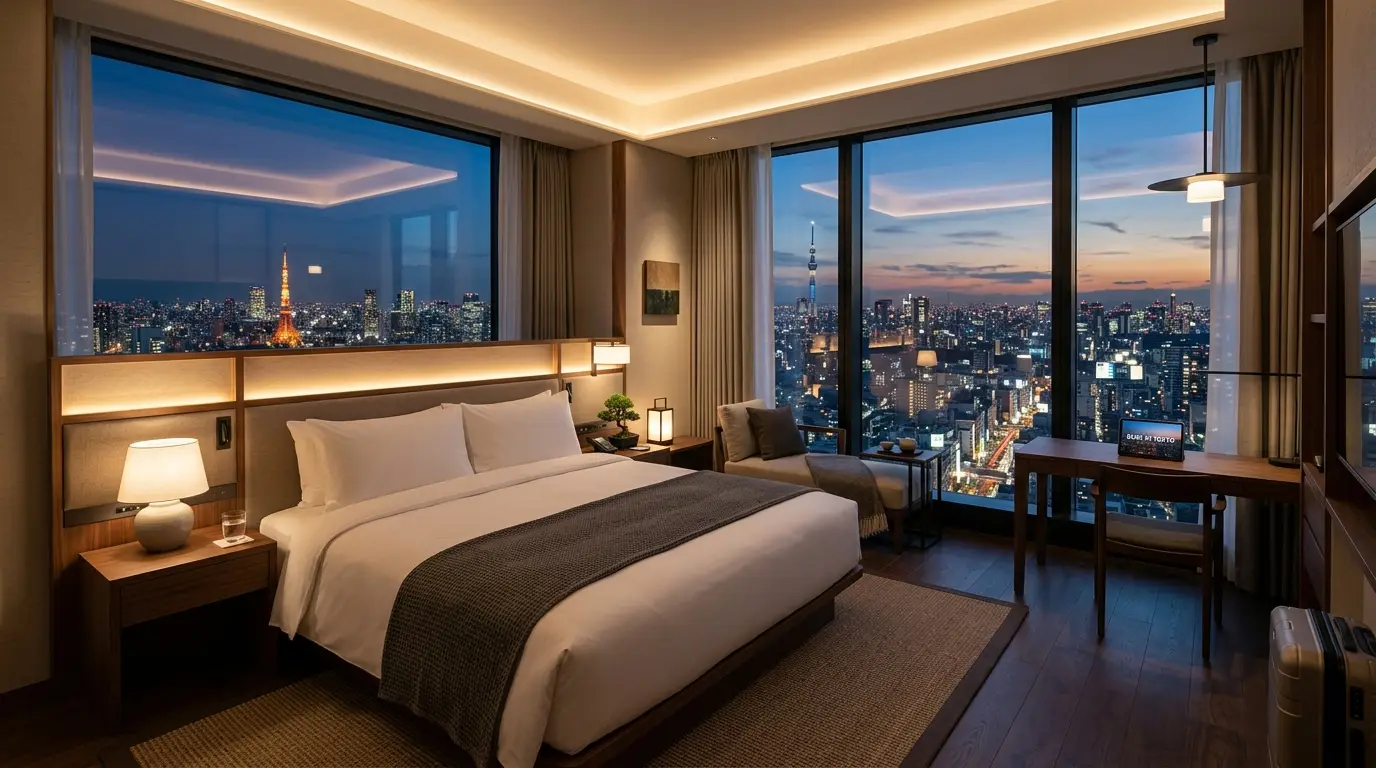
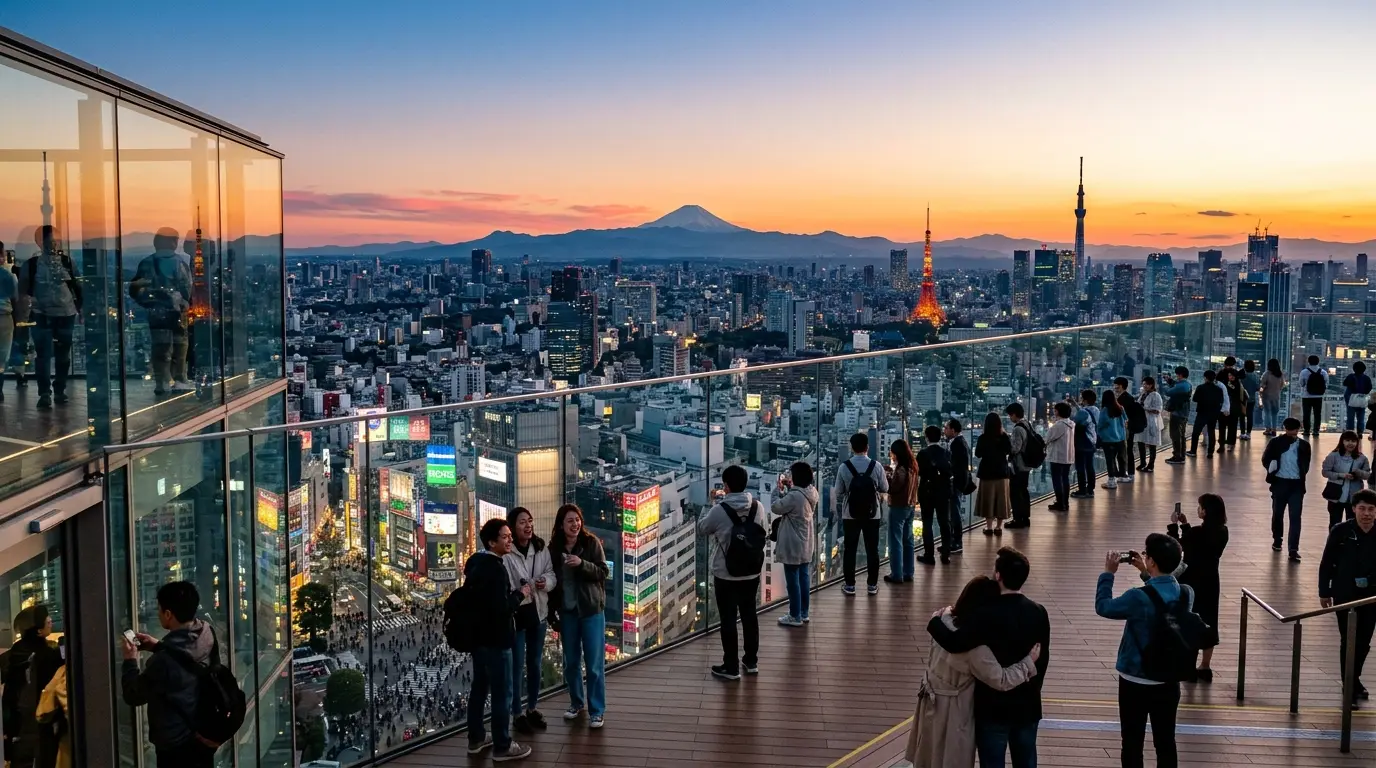
Shinjuku and Shibuya put you at the beating heart of Tokyo's neon nightlife, with yakitori smoke drifting from alleyways well past midnight and direct Narita Express access. The trade-off is footprint: budget $150 and you are landing in a 13-square-meter shoebox where opening a 28-inch suitcase blocks the bathroom door entirely. Having to climb onto the mattress just to zip open luggage adds constant friction to what should be an effortless escape.
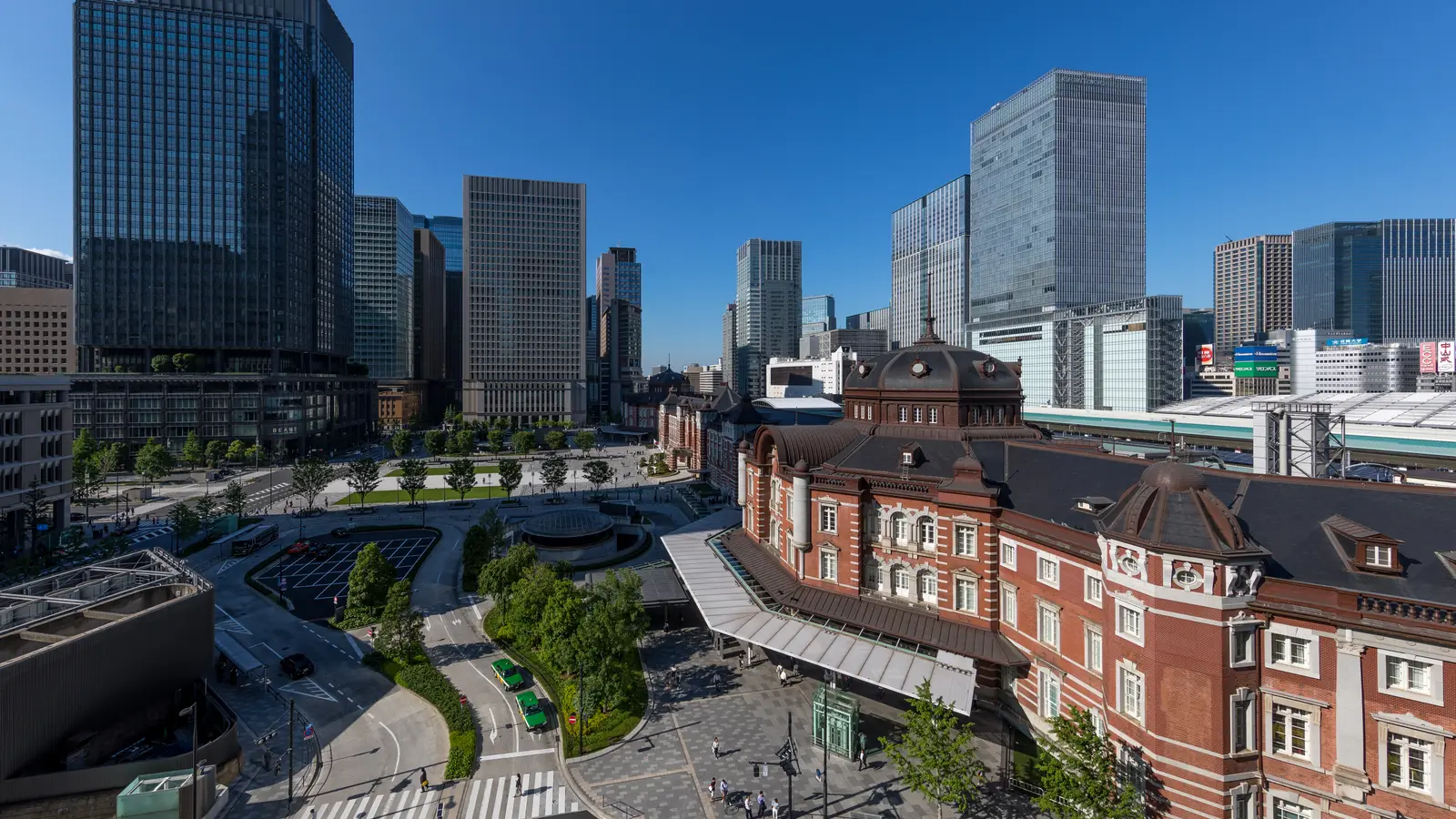
Ginza and Tokyo Station offer peerless street cleanliness, tranquil evenings, and seamless bullet train links to Kyoto. You can pick up seasonal bento boxes and grand cru vintages from luxury department store basements and retreat to impeccable quarters. The catch is that Ginza shuts down remarkably early; past 10 PM, finding an open neighborhood izakaya outside convenience stores takes genuine detective work.
For the ideal balance of space and sanity, Ueno is Tokyo's best-kept secret. Connected to Narita Airport in 41 minutes flat via the Keisei Skyliner, Ueno's design boutiques offer rooms 1.5 times the size of Shinjuku stays (18 to 22 square meters) at identical price points. You trade a 20-minute subway hop to Shibuya for room to actually unpack your luggage and stretch out comfortably after twenty thousand steps.
The 5% DCC Card Trap and Auditing Hidden Channel IDs
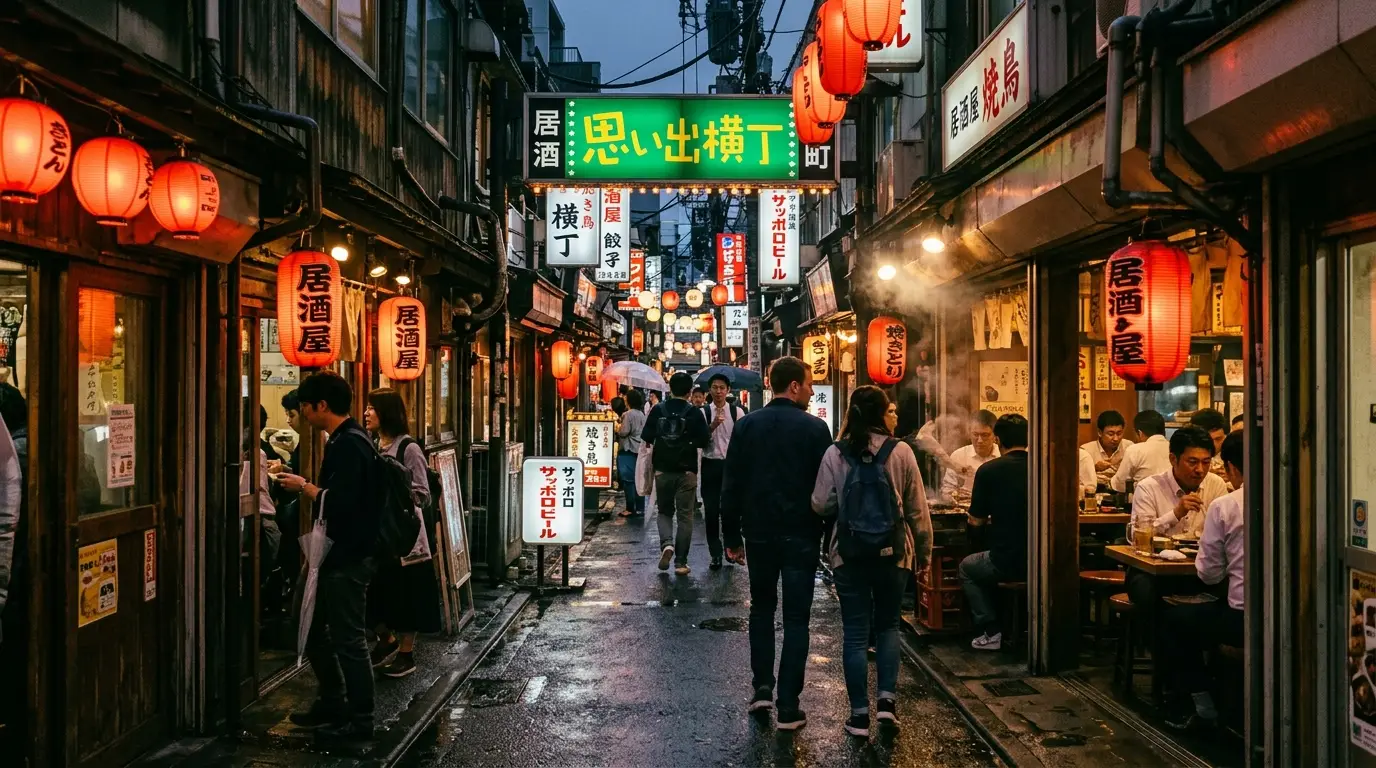
When the front desk clerk turns the card terminal toward you at checkout, take a second before tapping. Authorizing a total shown in your familiar home currency quietly burns 3% to 5% in hidden conversion markups. That is the notorious Dynamic Currency Conversion (DCC) trap. The home currency figure displayed on the terminal screen is not a courtesy; it is an inflated calculation based on unfavorable merchant exchange rates loaded with hidden fees.
Choosing your home currency triggers a double conversion hop (JPY to USD to Home Currency), padding profits for card networks and merchant processors at your expense. On a four-night hotel invoice of 100,000 JPY (roughly $650 USD), that single careless button tap hands $35 to $50 straight to the banking network.
The countermove is simple: lock your display and billing currency strictly to Japanese Yen (JPY). Paired with a zero-markup multi-currency travel debit card (Wise, Revolut, or Korean TravelLog), you settle payments at pure interbank rates with zero extra charges. That saved $50 funds an unforgettable kurobuta pork tonkatsu feast in an authentic Shinjuku basement.
| Transit Pass / Card Type | Pricing Structure | Coverage Network | Issuance & Settlement Method | Strategic Use Case & Value Score |
|---|---|---|---|---|
| Tokyo Subway Ticket (24/48/72-Hour) | 24h 800 JPY / 72h 1,500 JPY | 13 Lines (9 Tokyo Metro + 4 Toei Subway) | Pre-book online, redeem via station QR ticket kiosks | Unbeatable value for 4+ daily subway trips, excludes JR (5/5) |
| Mobile Suica / Pasmo (Contactless IC) | Pay-as-you-go per ride deduction | All JR lines, private railways, subways, buses, retail | Apple Wallet / Google Wallet instant free issuance | Supreme frictionless convenience across all transit operators |
| JR Tokunai 1-Day Pass | Adults 760 JPY (1-Day Unlimited) | JR East lines within Tokyo 23 special wards | Purchase at JR ticket vending machines | Best for JR-centric hops (Shinjuku, Shibuya, Ueno, Akihabara) |
| Narita Express (N'EX Round-Trip) | 5,000 JPY round-trip (Foreign passports) | Narita Airport to Shinjuku, Shibuya, Tokyo direct | JR East Travel Service Centers at Narita Airport | Ideal for heavy luggage and seamless Shinjuku/Shibuya arrivals |
The exact same principle governs hotel bookings. Platforms quietly embed exclusive promotional channel IDs (CIDs) based on banking sponsorships or search portals. By simply pasting a hotel link into Tripdify, the engine scans over 100 partner endpoints in seconds, stripping away opaque markups and delivering the genuine lowest rate.
The Friday Red-Eye Playbook: Ditching the $120 Taxi for a 24-Hour Onsen
Landing at Haneda Airport at 1:00 AM on a Friday red-eye flight leaves travelers stranded after rails and limousines shut down. Burning $120 on a late-night highway taxi into central Tokyo is an unnecessary budget drain. Standing in a freezing taxi queue for 40 minutes only to endure an expensive highway transfer accelerates travel fatigue before your journey truly begins.
Veteran travelers execute a far smarter play: retreat into Haneda Airport Garden's 24-hour natural onsen ('Izumi Tenku no Yu') or catch the complimentary shuttle to Heiwajima Onsen for a restorative soak under open skies, sleeping in quiet recliner lounges for under $35 USD. Soaking in mineral-rich geothermal waters completely dissolves the muscular tension caused by cramped economy seating.
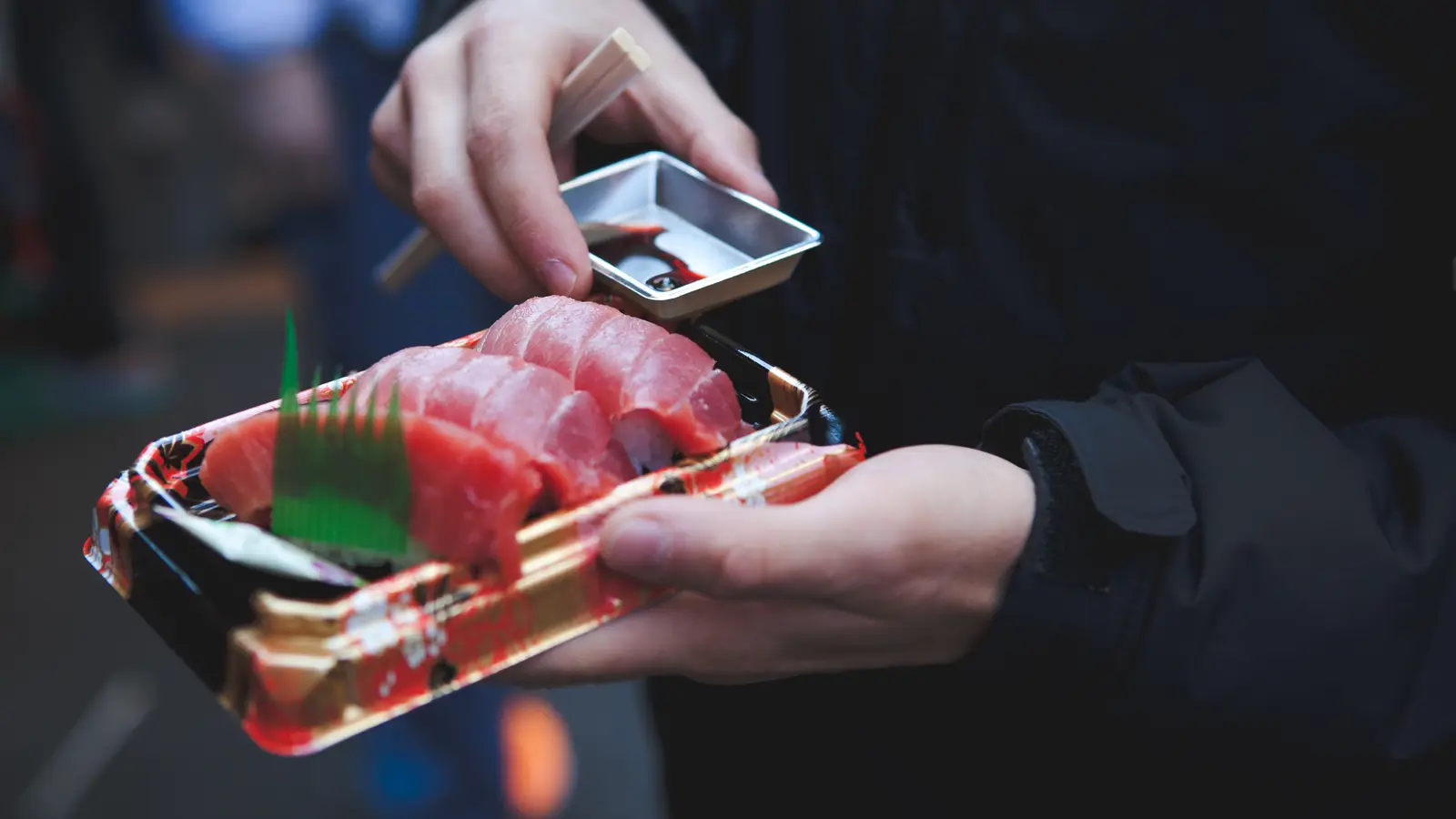
At 5:15 AM, board the first Tokyo Monorail into town, drop your bags penalty-free at your Shinagawa or Ueno hotel, and dive straight into Tsukiji Outer Market for piping hot tamagoyaki and morning sashimi before the crowds emerge. You pay for one less hotel night while milking every minute of a 72-hour weekend. While ordinary tourists are still groggily hitting snooze, you are already savoring Tokyo's finest morning delicacies.
Basing yourself near major subway arteries like Shinbashi or Tokyo Station lets you drop luggage before 8:00 AM, enjoying quiet artisan morning coffee in Ginza hours before other tourists awaken. An efficient morning blueprint redefines the productivity of your entire weekend getaway.
Frictionless Transit Tech and Field-Tested Tokyo Boutiques
The first essential tool for navigating Tokyo's transit labyrinth is adding a digital Suica or Pasmo card directly into Apple Wallet. Tapping your phone at station turnstiles eliminates line-ups at ticket machines and powers cashless convenience store purchases with zero latency. The cumbersome ritual of fishing through pockets for coins vanishes entirely.
Securing high-speed mobile data through an Airalo Japan eSIM ensures unbroken 5G mapping across deep underground metro platforms and labyrinthine alleyways in Harajuku or Omotesando. Even amidst the swirling crowds of Shibuya Scramble, responsive mapping keeps your bearings crystal clear.
For accommodations that punch well above their weight, OMO5 Tokyo Otsuka by Hoshino Resorts (one minute from Otsuka Station on the Yamanote line) delivers innovative bi-level wooden lofts and neighborhood walking tours for under $140 nightly. The property marries warm traditional tatami woodcraft with sharp contemporary Scandinavian minimalism.
If central Shinjuku is a must, Hotel Gracery Shinjuku offers soundproof sanctuaries with full deep-soaking bathtubs, while Hotel Monterey Ginza provides quiet boutique refinement right in the center of world-class shopping avenues. In a city where neon electricity meets profound serenity, a carefully vetted hotel room becomes the most restorative highlight of your Japanese odyssey.
Frequently Asked Questions
Field-tested answers to transit navigation, neighborhood choices, and payment traps.
Q1.Should I stay in Shinjuku, Ginza or Ueno on a first trip to Tokyo?
Q2.When is the cheapest time to book a Tokyo hotel?
Q3.Should I pay in my home currency or yen at a Japanese hotel?
Q4.How much is the Tokyo Subway Ticket?
The Smart Traveler's Essential Toolkit
Prepare instant mobile data, private airport transfers, and skip-the-line passes in one place.
Pick a base in Tokyo by your route
Choose the places you want to see and get the neighbourhood with the shortest travel.
Compare Tokyo Hotel Rates
Find the cheapest channel across Agoda and major booking engines with Tripdify.
Share This Guide with Your Companions
When shared via chat or social media, a curated summary card is sent along.
Recommended Guides
7 Budget Hotels in Tokyo Under $100 on the Yamanote Line
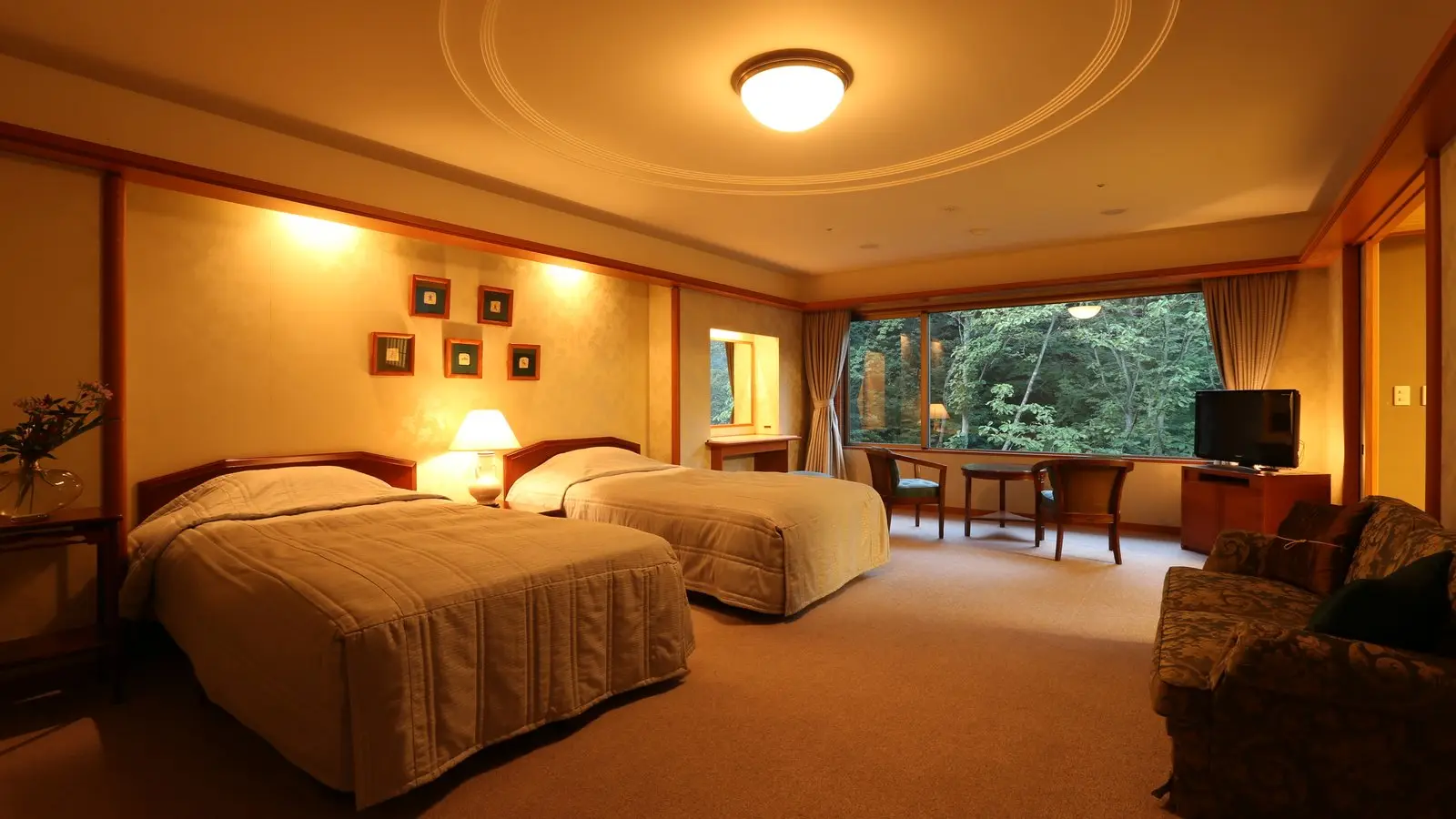
Even amid yen fluctuations, central Tokyo hotel rates have soared. Learn how to secure Yamanote loop line hotels at half the price of Shinjuku, compare onsen bath chains like Dormy Inn, trigger secret Agoda VIP and Booking.com Genius discounts, and dodge hidden currency fees with yen settlement.
How to Read the Tokyo Subway Map and Where to Stay on the Yamanote Line
How to choose between Keisei Skyliner and Narita Express, avoid the Tokyo Subway Ticket trap, use Apple Wallet Suica, and select the ideal hotel base in Tokyo.
Tokyo Day 1 Itinerary: Narita Airport to the City and Your First 24 Hours
From stepping off at Narita Airport to mastering high-speed trains, navigating Tokyo's sprawling transit hubs, ordering counter ramen effortlessly, and catching sunset from Roppongi Hills. A definitive guide for your first 24 hours in Tokyo.
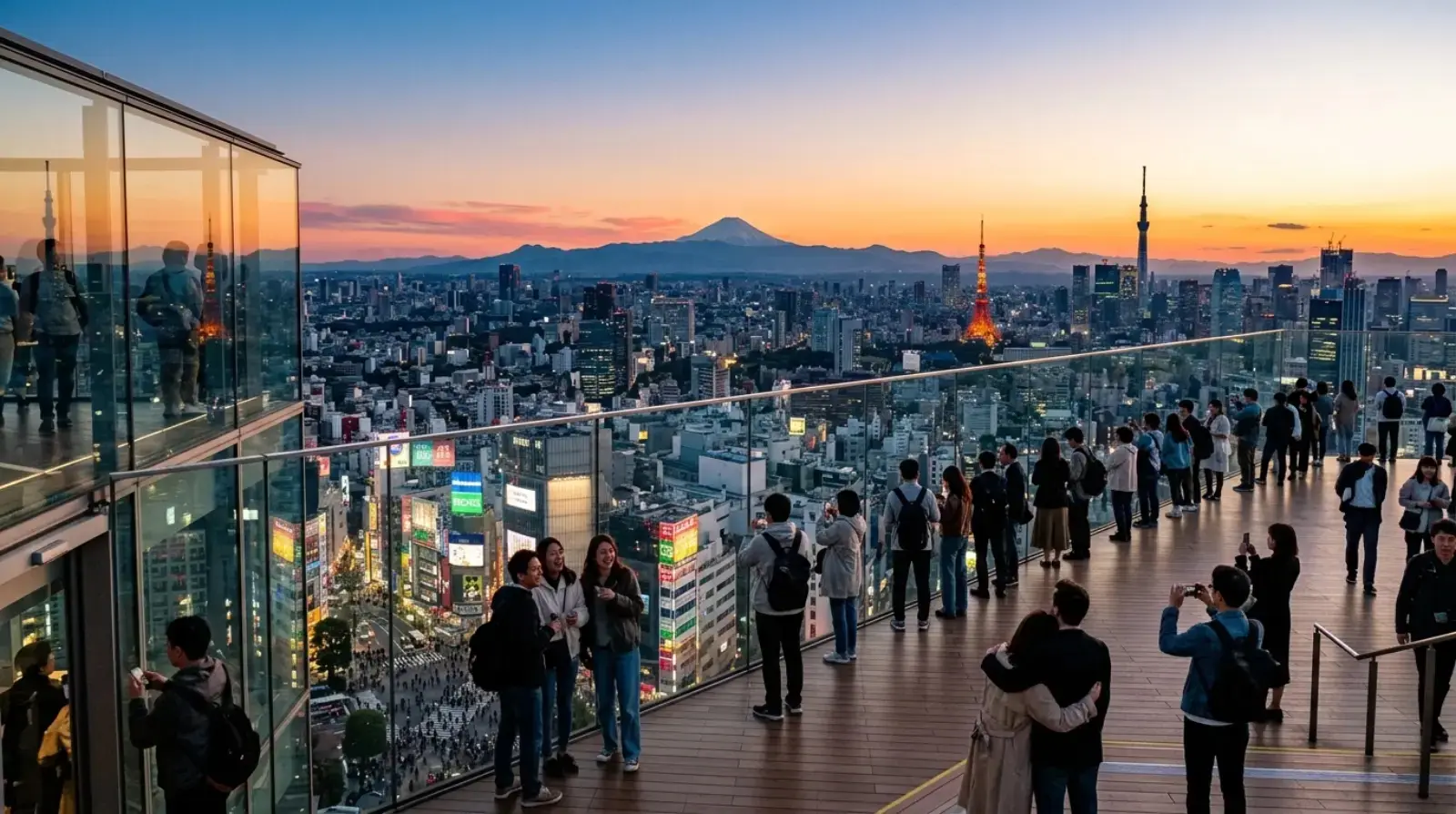
Tokyo Day 2 Itinerary: Booking Shibuya Sky, Harajuku Backstreets and Roppongi at Night
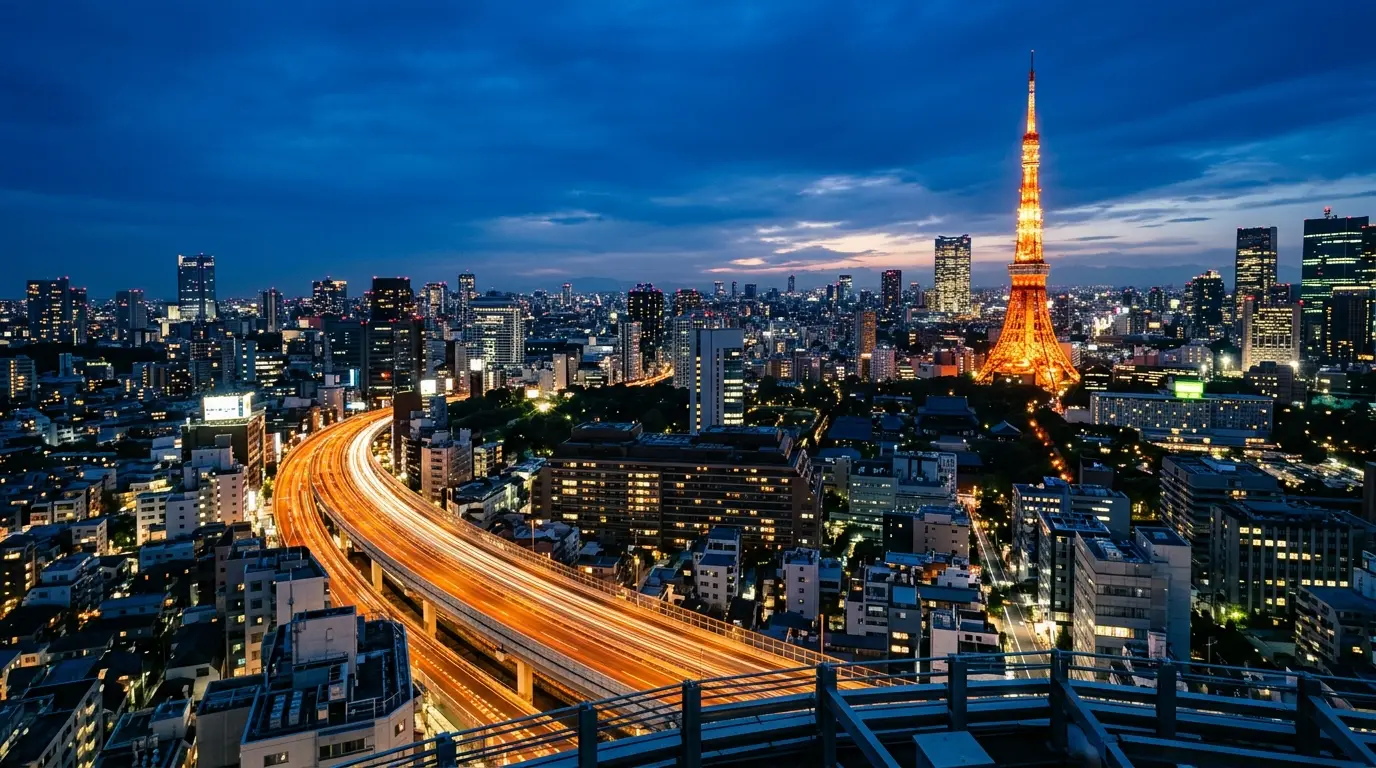
Securing prime sunset slots atop Shibuya Sky, navigating hidden boutiques along Harajuku Cat Street, immersing in the forested serenity of Meiji Jingu, and marveling at the crimson glow of Tokyo Tower from Roppongi Hills. A masterclass in Day 2 pacing.
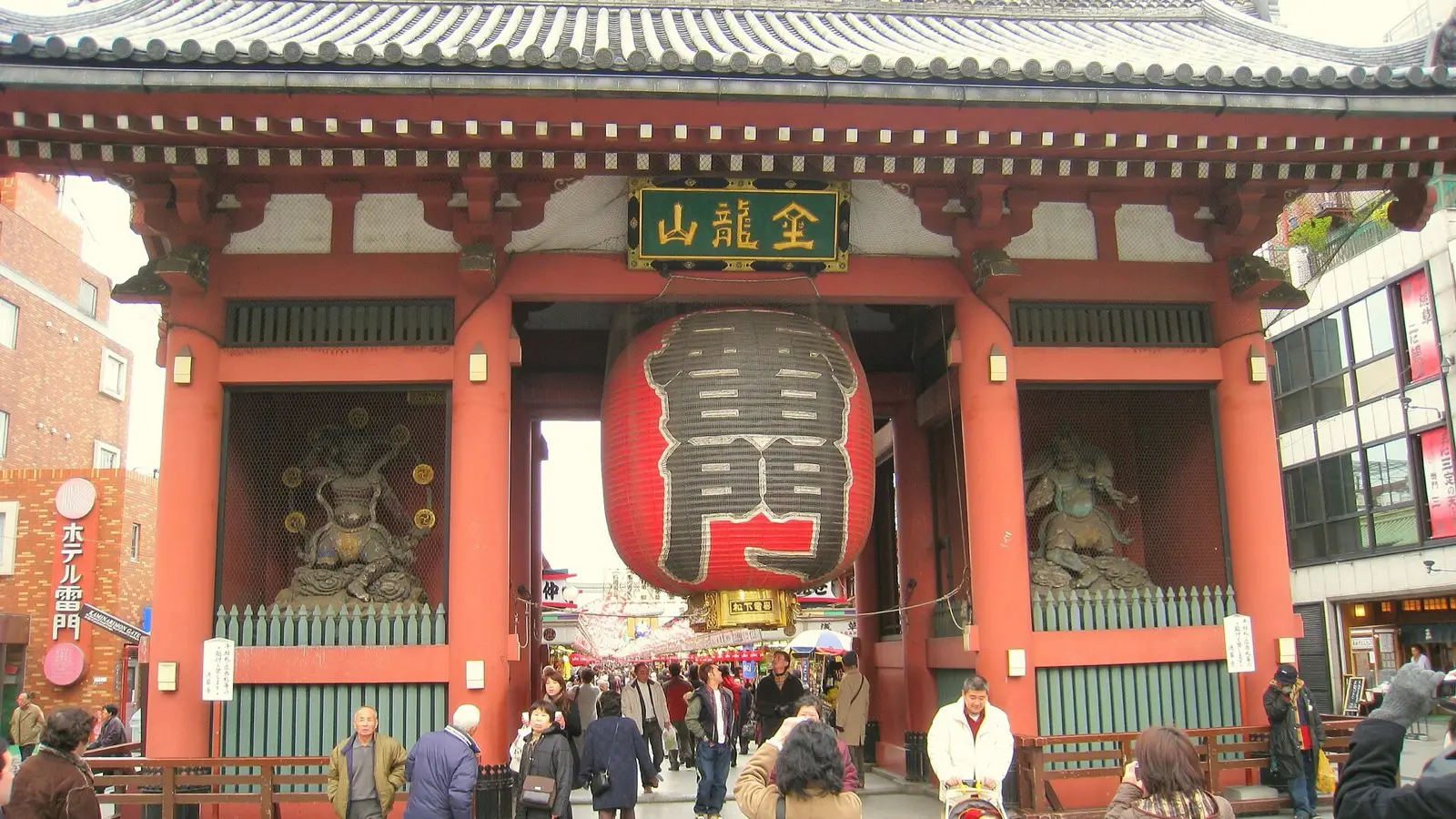
Tokyo Day 3 Itinerary: Asakusa, Akihabara, Ginza Depachika and Flying Home
The ultimate finale for your Tokyo stay: tranquil morning worship at Sensoji, retro subculture in Akihabara, Ginza Six architectural rooftop views and basement depachika feasts, capped by seamless Skyliner and N'EX airport connections.
Exchange Rate Tricks and Hidden Fees When Booking Hotels Abroad
An investigative playbook uncovering why OTA final totals escalate, why card issuer partner links are worth comparing against mobile app rates, and the exact local-currency checklist to stop hidden fees.
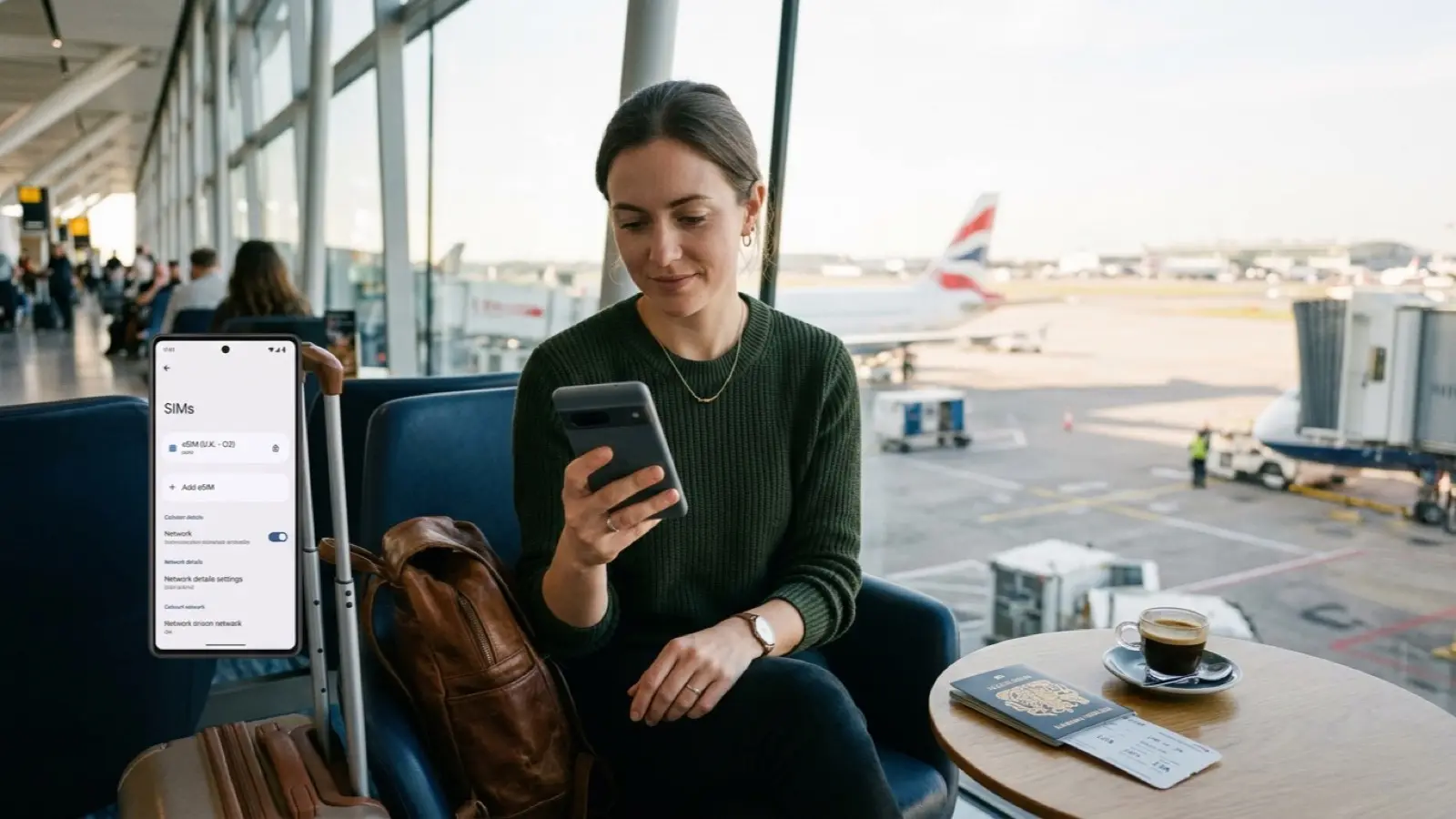
eSIM vs Roaming vs a Local SIM: Which Is Cheapest for Travel Data
Never wait in line for physical SIM swaps or haul heavy battery packs again. From solo weekend getaways to multi-week family tours, here is how to pick the right mobile data setup without wasting money.
Does Incognito Mode Make Flights Cheaper? What Dynamic Pricing Really Does
Does clearing cookies or going incognito actually save cash on flights and hotels? We pull back the curtain on airline revenue management engines, fare bucket mechanics, currency routing quirks, and what day-of-week booking data really shows.
Tax-Free Shopping in Japan: How It Works and What Voids It
While enjoying ten percent consumption tax exemptions in Japan is a cornerstone of travel, the country enforces rigorous customs data tracking and strict packing rules. From general goods accidentally locked inside tamper-evident consumable bags to department stores taking a 1.55 percent handling fee and airport electronic customs audits clawing back taxes on broken seals, here is your essential guide to navigating Japan duty-free shopping without penalty.
Tokyo's Yanaka Ginza Shitamachi Walk: Crispy Croquettes, Quiet Cat Alleys, and Showa Retro Soul
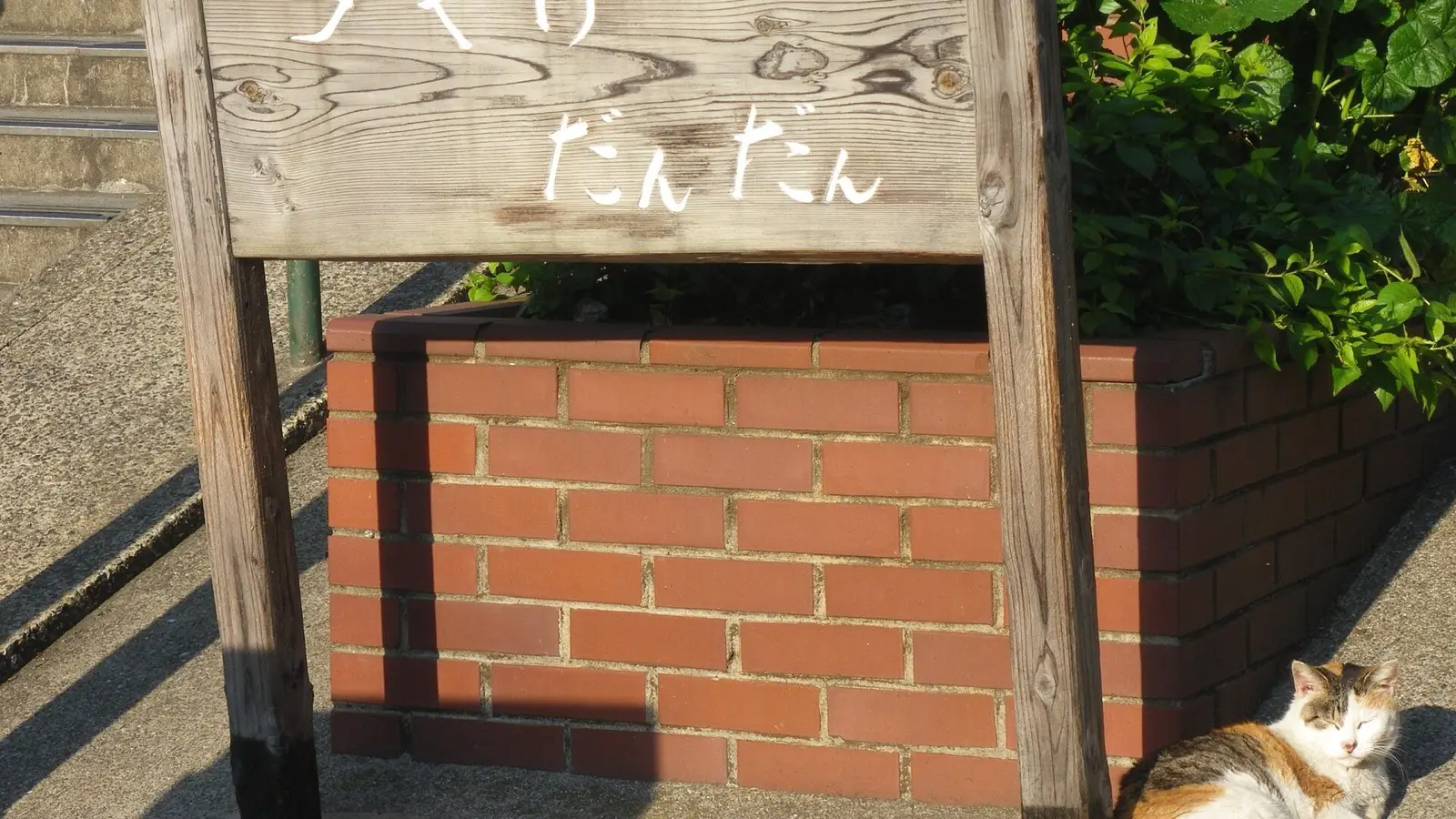
When the sensory overload of Shinjuku's neon billboards and Shibuya's scrambling crosswalks wears thin, seek refuge in Yanesen (the historic triangle of Yanaka, Nezu, and Sendagi), one of the exceedingly rare Tokyo neighborhoods that miraculously escaped both the 1923 Great Kanto Earthquake and World War II firebombings. Beginning from the west exit of JR Nippori Station, this serene walking route descends the famous Yuyake Dandan (Sunset Steps) into the nostalgic, pedestrian-only Yanaka Ginza shopping arcade. From biting into crispy beef menchi-katsu freshly fried at a multi-generational butcher stall to greeting neighborhood alley cats and sipping dark pour-over coffee on the tatami mats of 1938-built Kayaba Coffee, here is your definitive field guide to Tokyo's enduring Showa-era soul.

The Japan Shinkansen Booking Playbook: Mount Fuji Row E Strategy, Oversized Luggage, and Smart EX Savings
Slicing through Japan's industrial and cultural heartland between Tokyo, Kyoto, and Osaka, the Tokaido Shinkansen bullet train network represents the pinnacle of railway engineering. Cruising smoothly at 285 km/h, the Nozomi super-express covers the 515-kilometer corridor in just two hours and twenty minutes. Yet navigating the nuances of seat selection dictates whether your journey becomes a dream sightseeing passage or a cramped logistical hassle. Missing out on the coveted two-abreast 'Row E' window seats when departing Tokyo forfeits uninhibited vistas of Mount Fuji. Furthermore, failing to pre-book dedicated Oversized Baggage seats for luggage whose total dimensions exceed 160 cm triggers an unexpected 1,000 JPY penalty fee enforced by conductors on board. This tactical manual reveals the exact seat reservation rules, paperless Smart EX mobile discounts, oversized luggage exemptions, and post-price-hike JR Rail Pass breakeven mathematics.
Tokyo Shibamata Retro Journey: Taishakuten Temple Relic Carvings, Yamamoto-tei Garden, and Fresh Kusadango Sweets
When the hypnotic kaleidoscope of Shinjuku digital screens and Shibuya pedestrian swarms begins to exhaust your senses, head northeast toward the serene time-capsule village of Shibamata in Katsushika ward. Transferring onto the charming single-track Keisei Kanamachi Line shuttle whisks travelers back into the gentle, human-scale Tokyo of the 1960s Showa era. Stepping past the nostalgic bronze statue of wandering peddler Tora-san at the station square, a pedestrian pilgrimage avenue lined with Edo-period wooden facades unfolds before you. Here, the soothing aroma of freshly pounded green mugwort dumplings (Kusadango) and crackling hand-toasted rice senbei drifts through the air. Beyond the historic Daikyo-ji temple gate lies an astonishing museum corridor of intricate, three-dimensional Lotus Sutra wood reliefs, followed by the hybrid Taisho-era architecture of Yamamoto-tei and Edo River hand-rowed ferries.