
Tokyo's Yanaka Ginza Shitamachi Walk: Crispy Croquettes, Quiet Cat Alleys, and Showa Retro Soul
From Nippori's Yuyake Dandan sunset staircase to Kayaba Coffee's signature egg toast: the definitive walking route
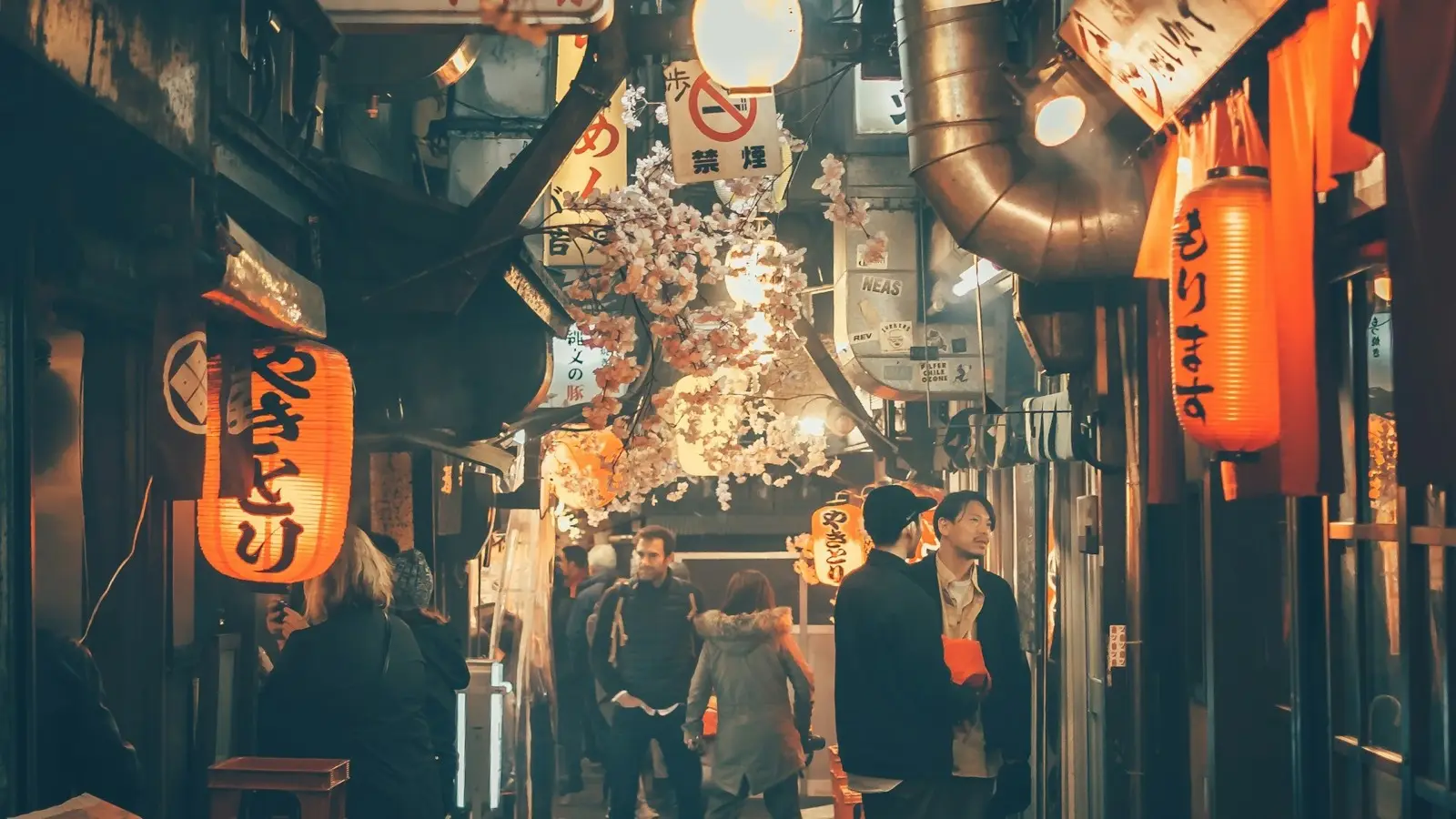
The Miracle of Historic Tokyo: The Enduring Heritage of Yanesen
Central Tokyo was virtually leveled twice in the twentieth century: first by the 1923 Great Kanto Earthquake and later by Allied firebombings in 1945. Almost every landmark, elevated expressway, and glass skyscraper that defines modern Tokyo today was erected during the rapid postwar reconstruction era.
However, tucked just northwest of Ueno Park lies the historic residential triangle known colloquially as Yanesen: Yanaka, Nezu, and Sendagi. Thanks to natural topographic luck and defensive firebreaks, this pocket miraculously survived both cataclysms unscathed, preserving thousands of authentic pre-war wooden machiya residences, communal wells, and Buddhist temple compounds intact.
High-rise zoning was never permitted here. Instead, narrow labyrinthine residential lanes, charred cedar board siding, potted bonsai spilling onto pavements, and the gentle whir of vintage commuter bicycles create an enchanting temporal suspension where Tokyo's frantic pace dissolves.
Treasured by pioneering Japanese literary giants including Natsume Soseki and Mori Ogai, Yanesen is not an artificial reproduction, but a living, breathing neighborhood museum showcasing the soulful working-class shitamachi culture of traditional Tokyo.
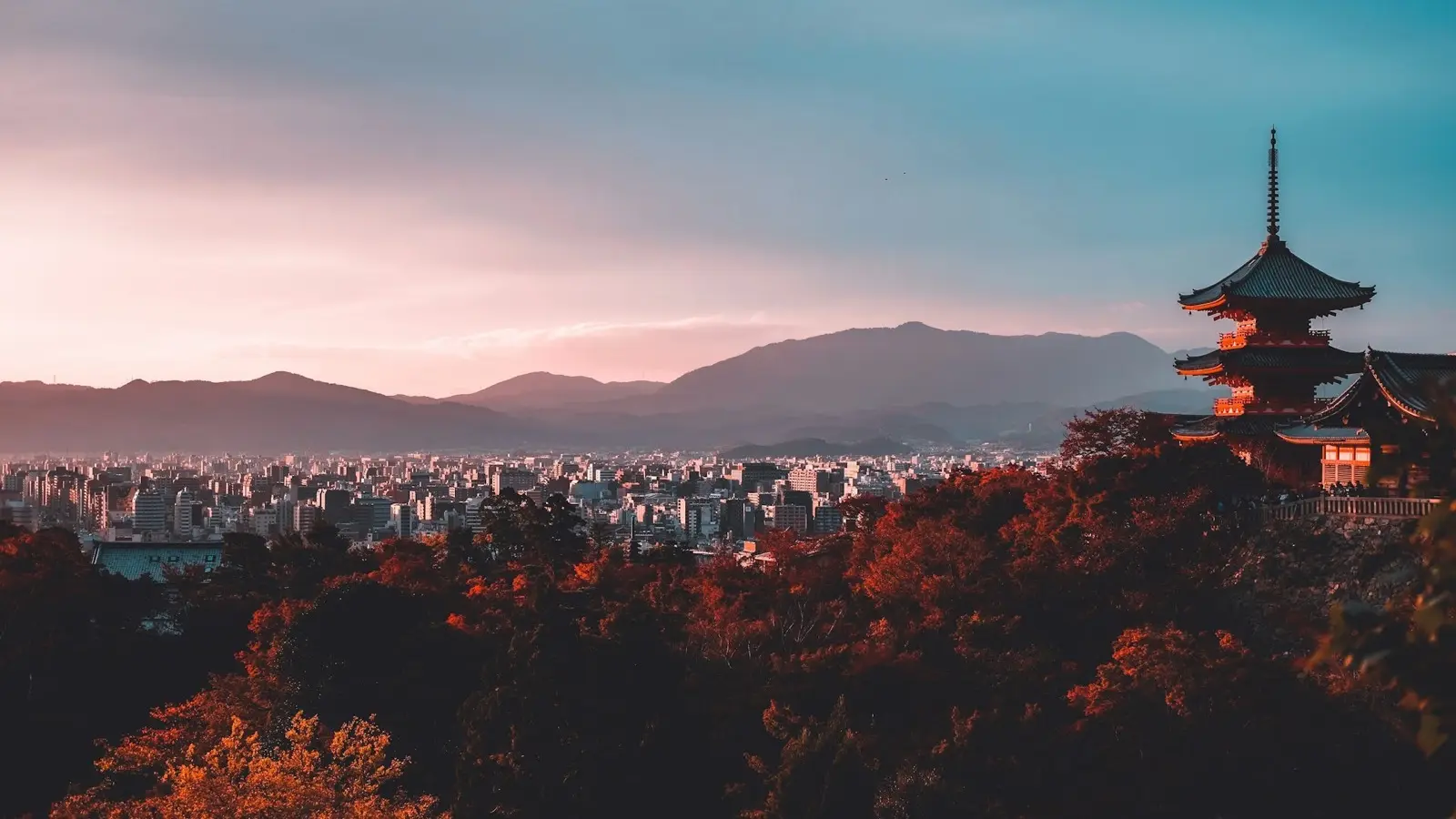
From Nippori Station to Yuyake Dandan: The Sunset Steps and Cat Alleys
The ideal starting point for your exploration is the west exit of JR Nippori Station along the Yamanote loop. Stepping out into fresh air, a peaceful three-minute stroll through the cherry-lined pathways of historic Yanaka Cemetery leads you directly to the crest of the iconic stone staircase known as Yuyake Dandan.
Translating poetically to the 'Sunset Steps,' this elevated stone terrace frames a celebrated cinematic vista where late-afternoon amber sunlight casts long, golden shadows across the timber shop awnings of Yanaka Ginza below. Named by local author Akihiko Shibazaki in the 1990s, pausing at the iron railing at dusk is one of the most sublime visual rituals in northern Tokyo.
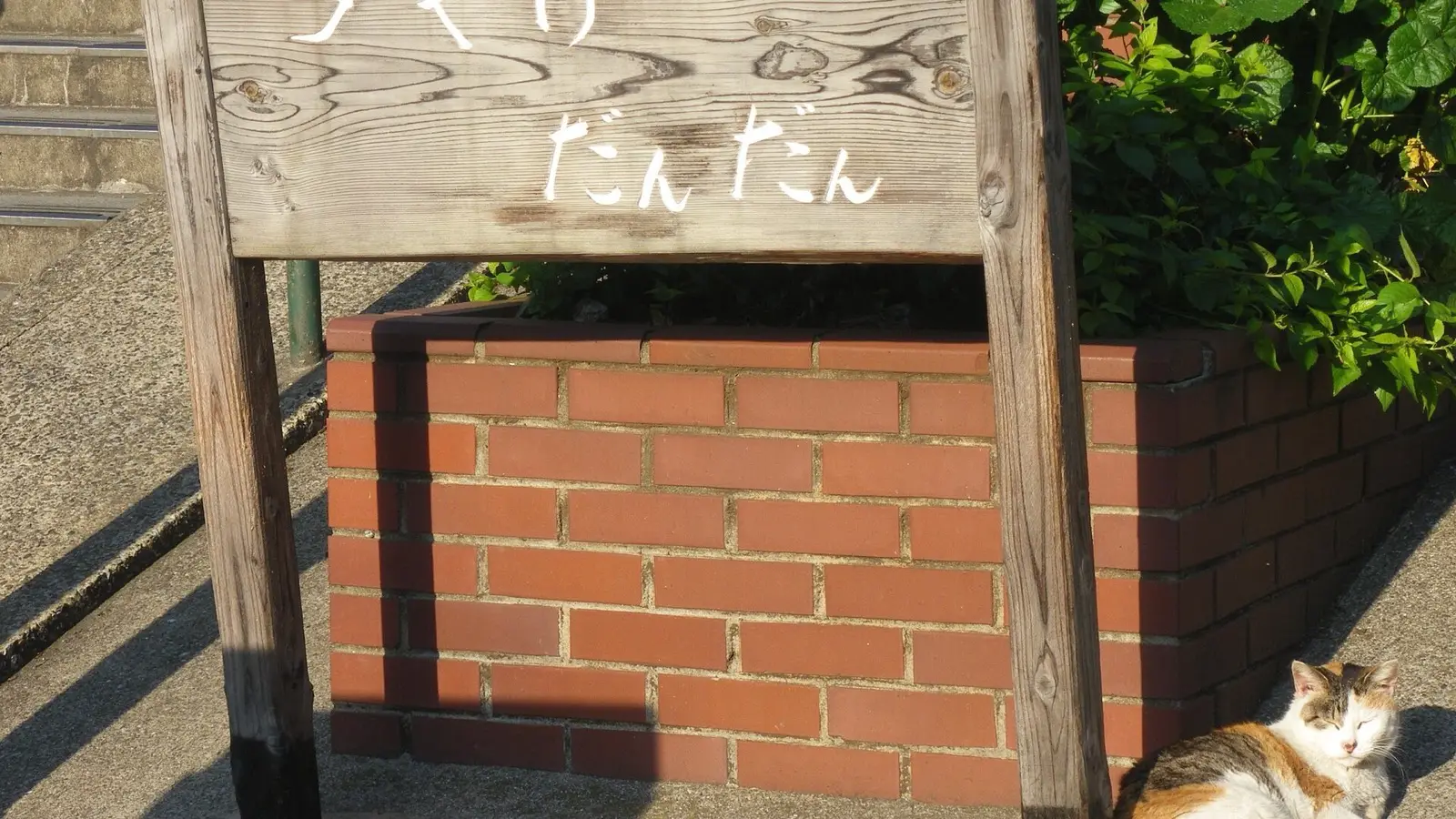
Yanaka is equally legendary across Japan as a beloved sanctuary for neighborhood felines. Hand-carved wooden cat sculptures perch playfully atop streetlamps and ceramic roof ridges throughout the shopping street, while relaxed alley cats can frequently be seen dozing contentedly across temple flagstones and sunny brick walls.
Independent bakeries crafting cat-tail sponge cakes and artisan wooden craft stalls themed around felines line the lanes, ensuring cat enthusiasts and casual flaneurs alike walk with continuous delight.
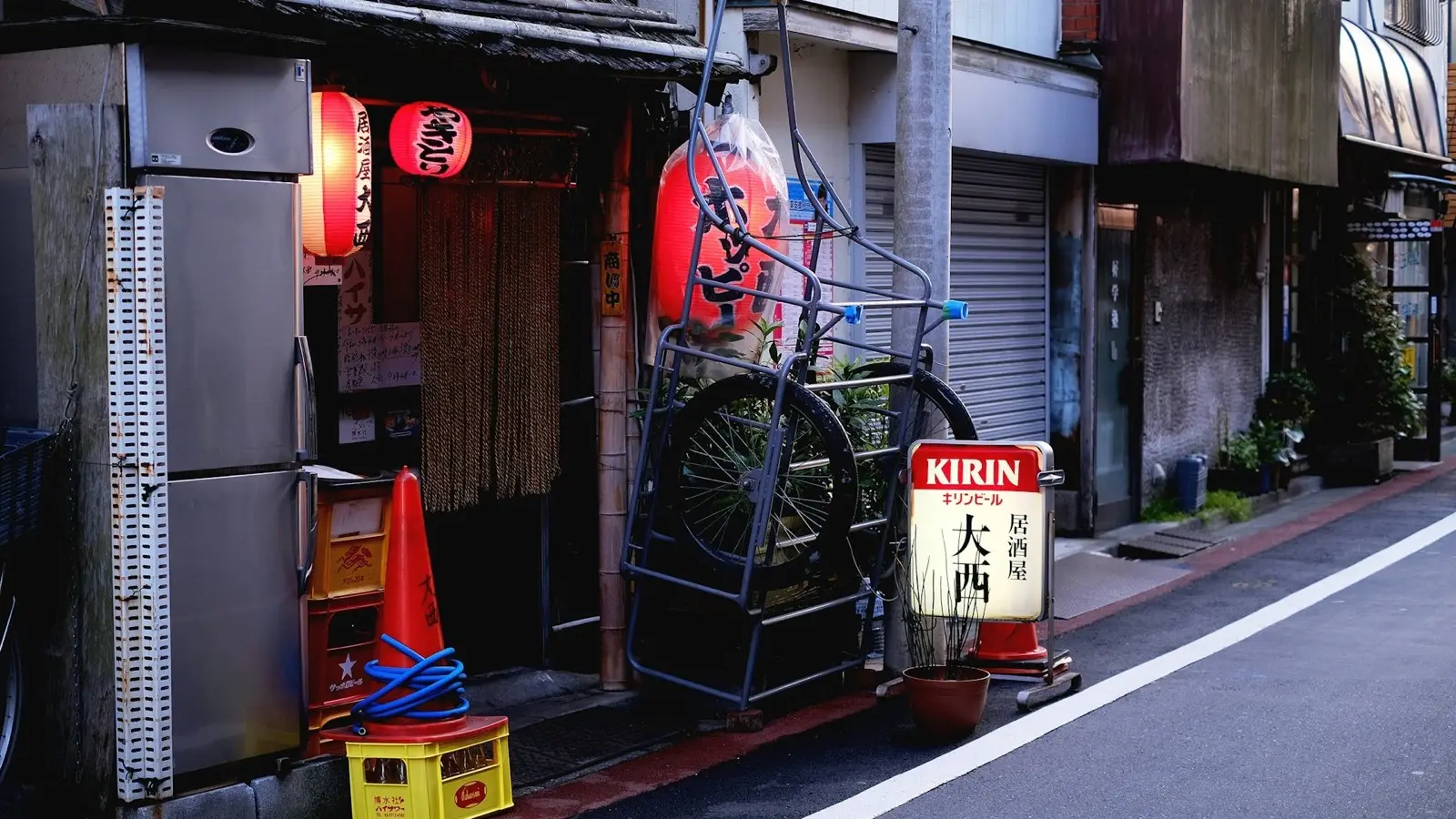
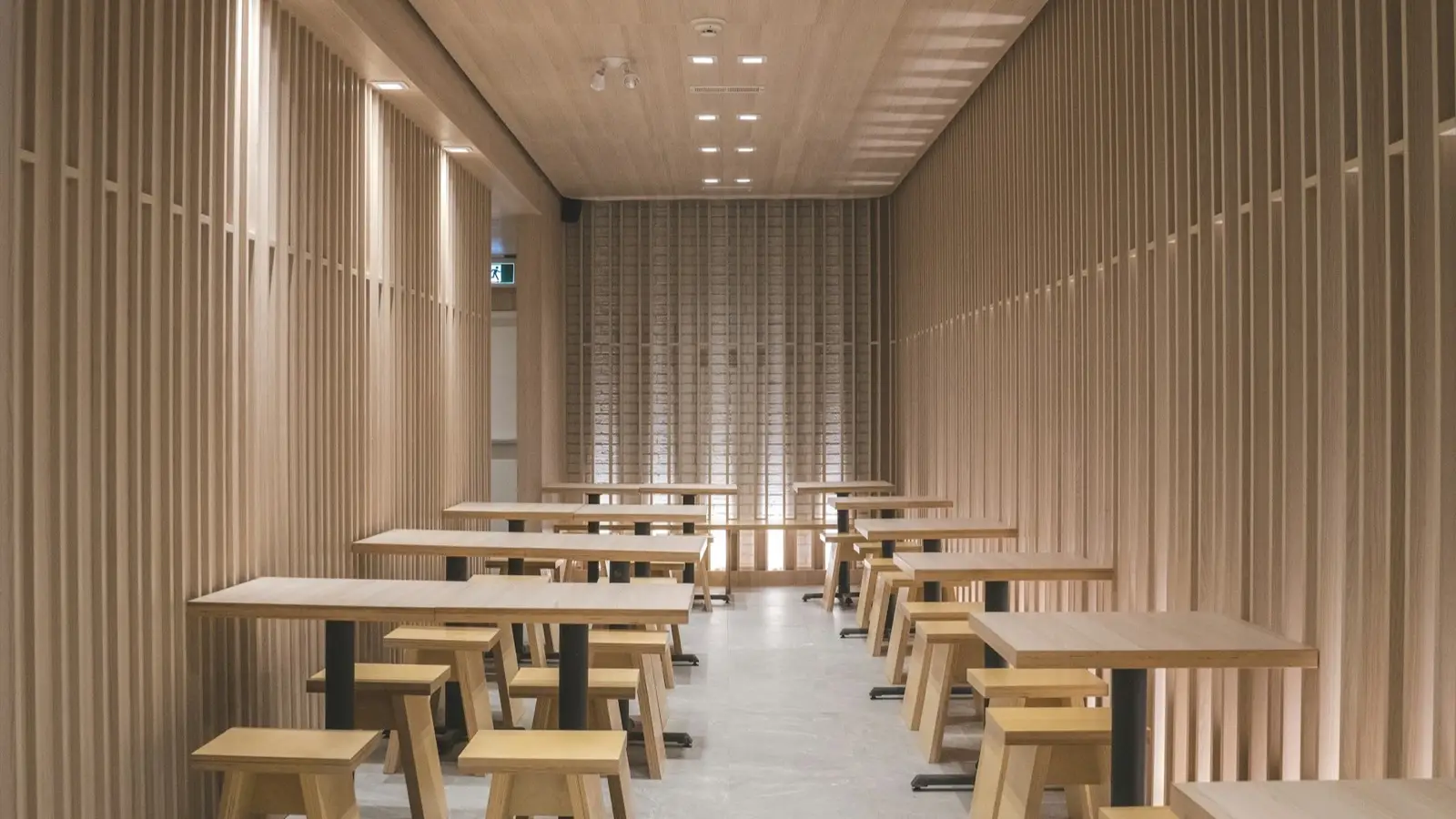
Seventy Years of Sizzling Flavor: Iconic Street Eats of Yanaka Ginza
Descending the steps lands you squarely into Yanaka Ginza, a historic 170-meter pedestrian shopping street housing roughly sixty mom-and-pop storefronts. The defining cultural custom here is 'Tabearuki' (grazing on freshly made snacks while wandering the open-air market).
The undisputed heavyweight of the market is Niku no Suzuki, a traditional butcher stall established in 1933. Their celebrated Genki Menchi-katsu (minced beef cutlet) is fried continuously in bubbling vats. Encased within an ultra-crisp golden panko crust, the filling of premium minced chuck and caramelized sweet onions releases a burst of savory broth with your first bite.
Just across the paved lane stands their friendly rival, Niku no Sato. Serving their signature Yanaka Menchi combining ground beef and pork in a harmonious blend for roughly 200 yen, purchasing one cutlet from each venerable purveyor to conduct a side-by-side taste comparison is a cherished traveler tradition.
For dessert, seek out Shippoya for warm baked cake sticks patterned after whimsical cat tails, or visit multi-generational senbei stalls where seasoned masters bake savory soy-glazed rice crackers over hot charcoal. Retaining affordable prices, a single 1,000 yen bill unlocks a lavish feast of old-town culinary heritage.
Stepping into 1938 Showa Architecture: Kayaba Coffee's Tatami Loft
Emerging from the bustling retail arcade and walking south toward Nezu Shrine for ten minutes brings you to an unmissable two-story dark timber landmark anchored on a quiet corner: the storied Kayaba Coffee.
First opened in 1938 (the thirteenth year of the Showa era), this traditional merchant townhouse faced demolition when its founding family closed the shop in 2006. Recognizing its irreplaceable heritage, passionate local preservationists and contemporary artists joined forces to meticulously restore its structural timber framework, re-opening its doors in 2009. Ascending its steep, creaking wooden staircase reveals a tranquil second-story tatami loft overlooking neighborhood foliage.
The cafe's iconic culinary staple is its pillowy Egg Toast (Tamago Sandwich). Featuring a thick, gently steamed Japanese omelet cradled between slices of warm toasted milk bread with a hint of pungent yellow mustard, its texture is velvety and supremely comforting.
Paired with a concentrated, aromatic cup of dark-roasted nel drip coffee or hot honey ginger milk, settling cross-legged onto the woven rush mats transports you into a serene bygone epoch. Basking in the soft afternoon light filtering through antique wooden lattice is an intimate luxury impossible to replicate in modern glass towers.
A Curated Afternoon Blueprint and Respectful Walking Etiquette
The definitive half-day itinerary begins at 2:00 PM. Exit Nippori Station west portal, wander through the historic cemetery gardens, and reach the crest of Yuyake Dandan by 3:00 PM. Graze through freshly fried menchi-katsu in Yanaka Ginza, then migrate toward Kayaba Coffee by 4:00 PM to rest your legs over pour-over coffee.
Conclude your excursion at twilight by strolling over to neighboring Nezu Shrine to wander through its famous hillside tunnel of vermilion torii gates, completing your journey at Nezu Station on the Tokyo Metro Chiyoda Line for an immaculate four-hour urban walk.
When exploring, observing considerate neighborhood manners is essential. Yanaka remains a quiet residential haven for working families and elderly craftspeople. Feeding local cats scraps of fried cutlets or processed snacks is strictly forbidden by municipal community health rules.
Furthermore, standard Japanese street etiquette frowns upon walking while eating (eating on the move). Step aside to enjoy your hot menchi-katsu directly in front of the stall or on public benches, returning used paper wrappers to the shopkeeper's waste bin. Walking with quiet mindfulness ensures Yanaka remains a welcoming haven for generations to come.
Frequently Asked Questions
Field-tested answers to transit navigation, neighborhood choices, and payment traps.
Q1.What is the best day of the week and time to visit Yanaka Ginza?
Q2.Can I really encounter lots of stray cats while walking around Yanaka?
Q3.Can I order Kayaba Coffee's signature egg sandwich for takeout?
Q4.Is the walking distance from Yanaka Ginza to Nezu Shrine difficult or far?
The Smart Traveler's Essential Toolkit
Prepare instant mobile data, private airport transfers, and skip-the-line passes in one place.
Pick a base in Tokyo by your route
Choose the places you want to see and get the neighbourhood with the shortest travel.
Compare Tokyo Hotel Rates
Find the cheapest channel across Agoda and major booking engines with Tripdify.
Share This Guide with Your Companions
When shared via chat or social media, a curated summary card is sent along.
Recommended Guides
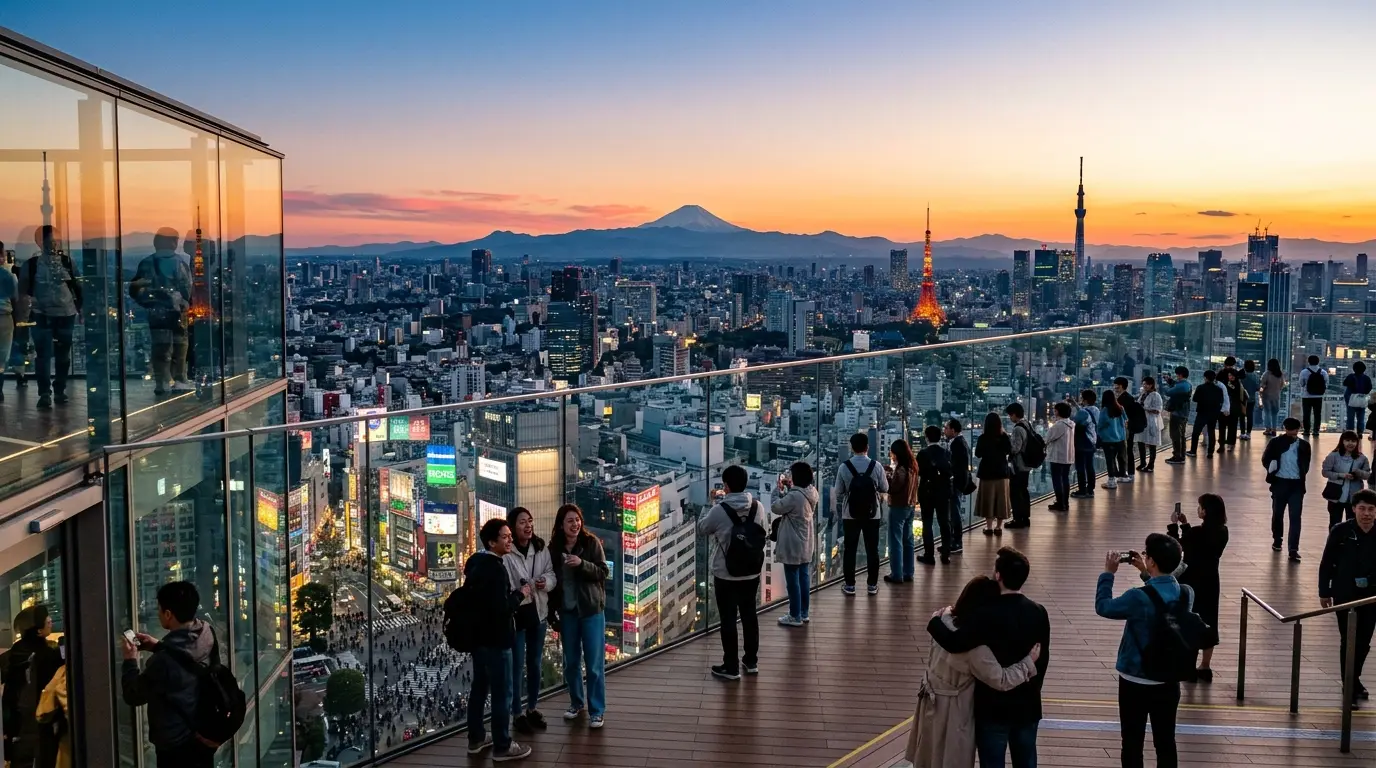
Where to Stay in Tokyo: Shinjuku vs Shibuya vs Ginza
Comparing room footprints across Shinjuku, Ginza, and Ueno, locking in sudden 14-day cancellation drops, and eliminating DCC fees with clean Yen checkout.
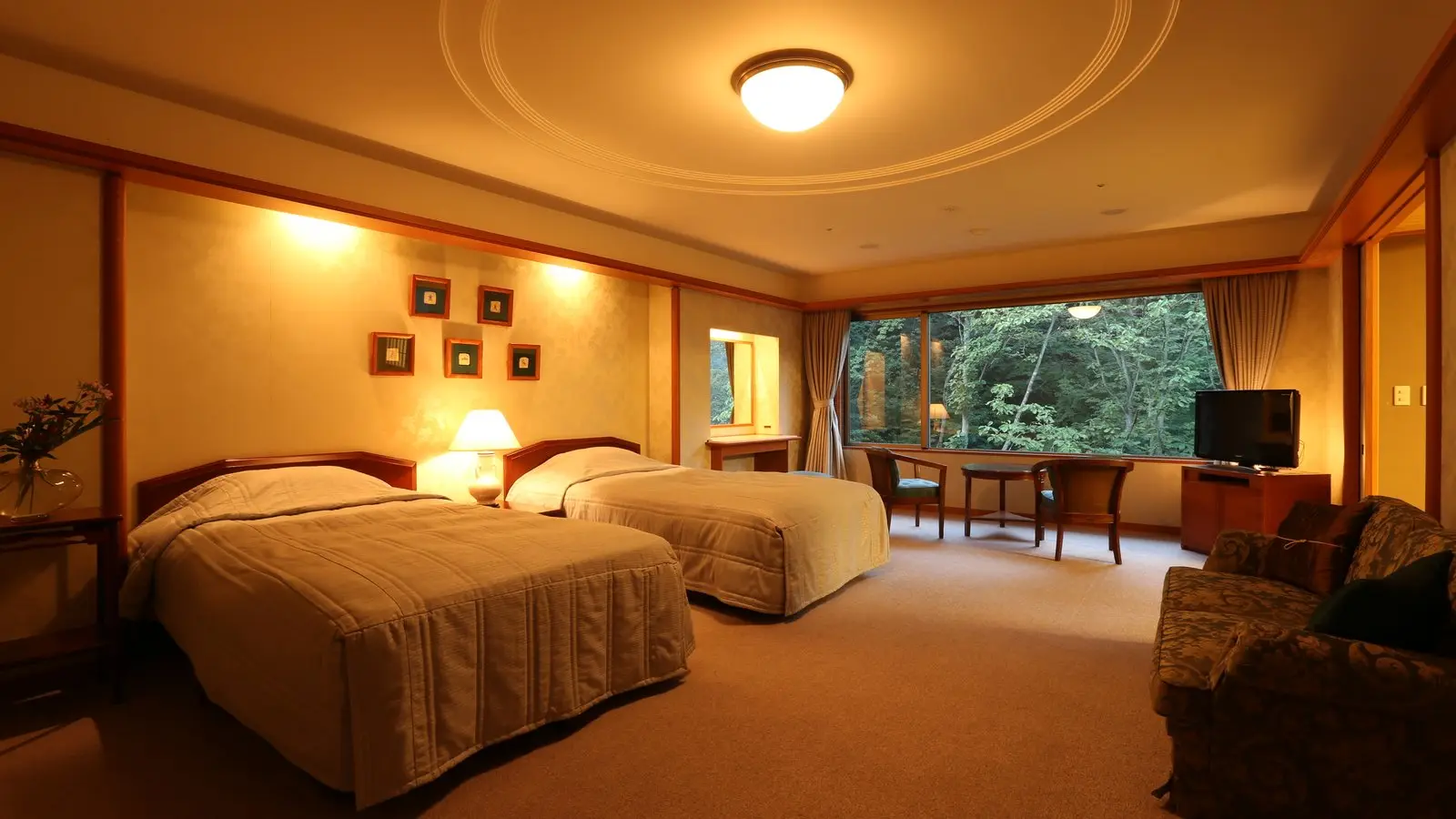
7 Budget Hotels in Tokyo Under $100 on the Yamanote Line
Even amid yen fluctuations, central Tokyo hotel rates have soared. Learn how to secure Yamanote loop line hotels at half the price of Shinjuku, compare onsen bath chains like Dormy Inn, trigger secret Agoda VIP and Booking.com Genius discounts, and dodge hidden currency fees with yen settlement.
How to Read the Tokyo Subway Map and Where to Stay on the Yamanote Line
How to choose between Keisei Skyliner and Narita Express, avoid the Tokyo Subway Ticket trap, use Apple Wallet Suica, and select the ideal hotel base in Tokyo.
Tokyo Day 1 Itinerary: Narita Airport to the City and Your First 24 Hours
From stepping off at Narita Airport to mastering high-speed trains, navigating Tokyo's sprawling transit hubs, ordering counter ramen effortlessly, and catching sunset from Roppongi Hills. A definitive guide for your first 24 hours in Tokyo.
Tokyo Day 2 Itinerary: Booking Shibuya Sky, Harajuku Backstreets and Roppongi at Night
Securing prime sunset slots atop Shibuya Sky, navigating hidden boutiques along Harajuku Cat Street, immersing in the forested serenity of Meiji Jingu, and marveling at the crimson glow of Tokyo Tower from Roppongi Hills. A masterclass in Day 2 pacing.
Tokyo Day 3 Itinerary: Asakusa, Akihabara, Ginza Depachika and Flying Home
The ultimate finale for your Tokyo stay: tranquil morning worship at Sensoji, retro subculture in Akihabara, Ginza Six architectural rooftop views and basement depachika feasts, capped by seamless Skyliner and N'EX airport connections.
Exchange Rate Tricks and Hidden Fees When Booking Hotels Abroad
An investigative playbook uncovering why OTA final totals escalate, how desktop bank partner links consistently beat mobile app rates, and the exact local-currency checklist to stop hidden fees.

eSIM vs Roaming vs a Local SIM: Which Is Cheapest for Travel Data
Never wait in line for physical SIM swaps or haul heavy battery packs again. From solo weekend getaways to multi-week family tours, here is how to pick the right mobile data setup without wasting money.
Does Incognito Mode Make Flights Cheaper? What Dynamic Pricing Really Does
Does clearing cookies or going incognito actually save cash on flights and hotels? We pull back the curtain on airline revenue management engines, fare bucket mechanics, currency routing quirks, and the genuine mid-week price drop cycles that actually protect your travel wallet.
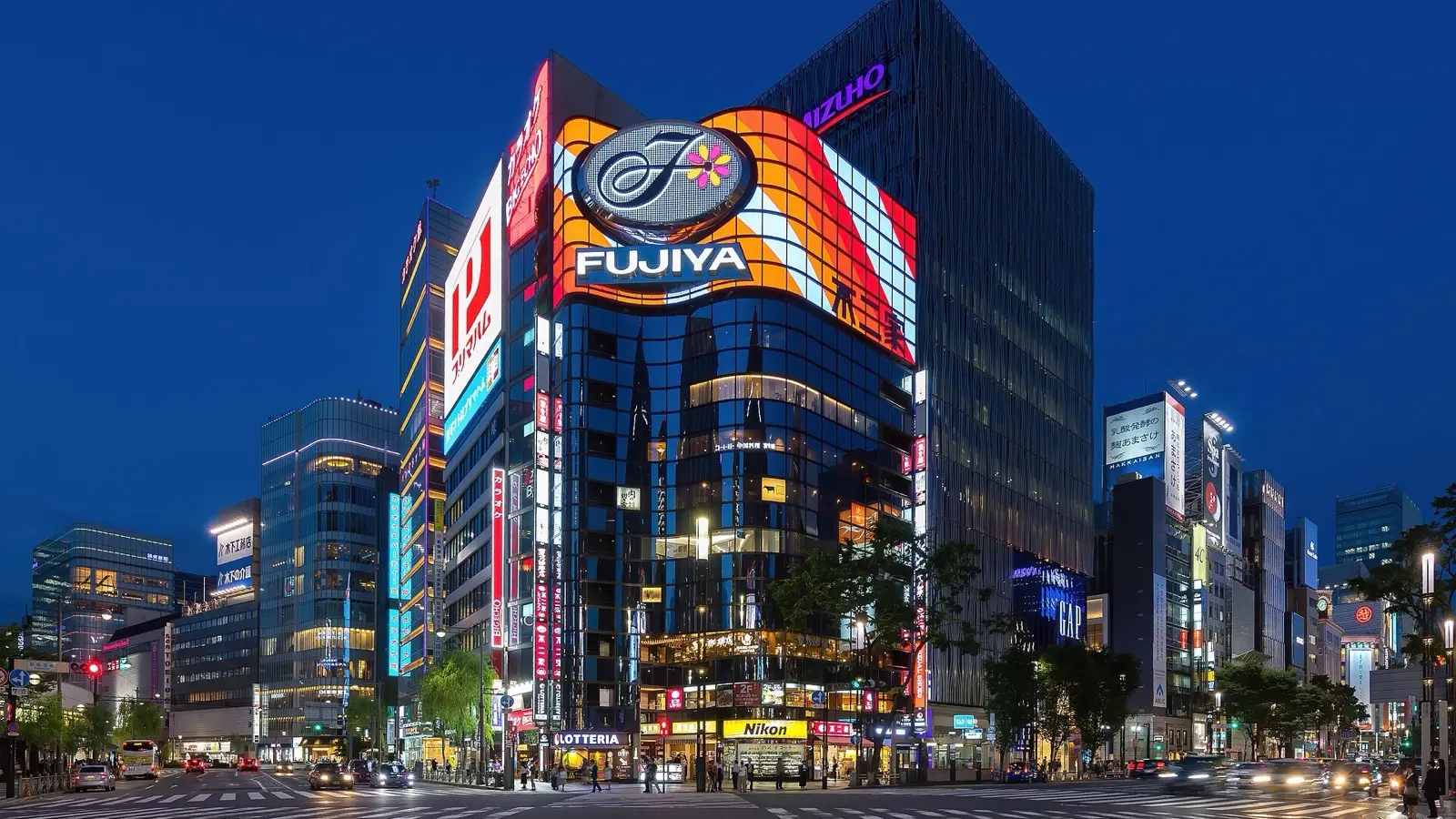
Tax-Free Shopping in Japan: How It Works and What Voids It
While enjoying ten percent consumption tax exemptions in Japan is a cornerstone of travel, the country enforces rigorous customs data tracking and strict packing rules. From general goods accidentally locked inside tamper-evident consumable bags to department stores taking a 1.55 percent handling fee and airport electronic customs audits clawing back taxes on broken seals, here is your essential guide to navigating Japan duty-free shopping without penalty.

The Japan Shinkansen Booking Playbook: Mount Fuji Row E Strategy, Oversized Luggage, and Smart EX Savings
Slicing through Japan's industrial and cultural heartland between Tokyo, Kyoto, and Osaka, the Tokaido Shinkansen bullet train network represents the pinnacle of railway engineering. Cruising smoothly at 285 km/h, the Nozomi super-express covers the 515-kilometer corridor in just two hours and twenty minutes. Yet navigating the nuances of seat selection dictates whether your journey becomes a dream sightseeing passage or a cramped logistical hassle. Missing out on the coveted two-abreast 'Row E' window seats when departing Tokyo forfeits uninhibited vistas of Mount Fuji. Furthermore, failing to pre-book dedicated Oversized Baggage seats for luggage whose total dimensions exceed 160 cm triggers an unexpected 1,000 JPY penalty fee enforced by conductors on board. This tactical manual reveals the exact seat reservation rules, paperless Smart EX mobile discounts, oversized luggage exemptions, and post-price-hike JR Rail Pass breakeven mathematics.
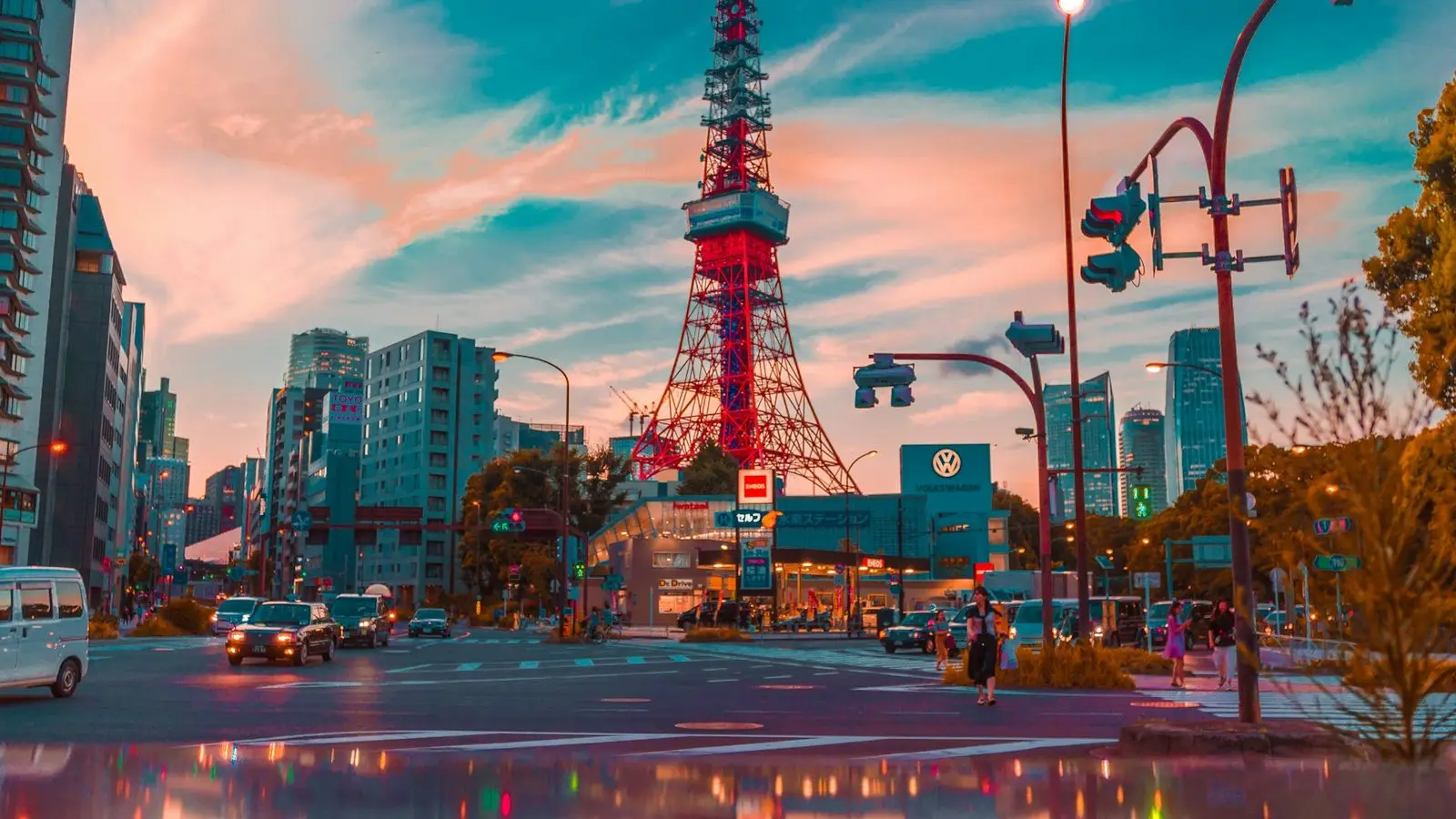
Tokyo Shibamata Retro Journey: Taishakuten Temple Relic Carvings, Yamamoto-tei Garden, and Fresh Kusadango Sweets
When the hypnotic kaleidoscope of Shinjuku digital screens and Shibuya pedestrian swarms begins to exhaust your senses, head northeast toward the serene time-capsule village of Shibamata in Katsushika ward. Transferring onto the charming single-track Keisei Kanamachi Line shuttle whisks travelers back into the gentle, human-scale Tokyo of the 1960s Showa era. Stepping past the nostalgic bronze statue of wandering peddler Tora-san at the station square, a pedestrian pilgrimage avenue lined with Edo-period wooden facades unfolds before you. Here, the soothing aroma of freshly pounded green mugwort dumplings (Kusadango) and crackling hand-toasted rice senbei drifts through the air. Beyond the historic Daikyo-ji temple gate lies an astonishing museum corridor of intricate, three-dimensional Lotus Sutra wood reliefs, followed by the hybrid Taisho-era architecture of Yamamoto-tei and Edo River hand-rowed ferries.