
Tokyo Shibamata Retro Journey: Taishakuten Temple Relic Carvings, Yamamoto-tei Garden, and Fresh Kusadango Sweets
Riding the Keisei single-track shuttle into nostalgic Edo-era sando arcades, exquisite lotus sutra panels, and hand-rowed wooden ferries
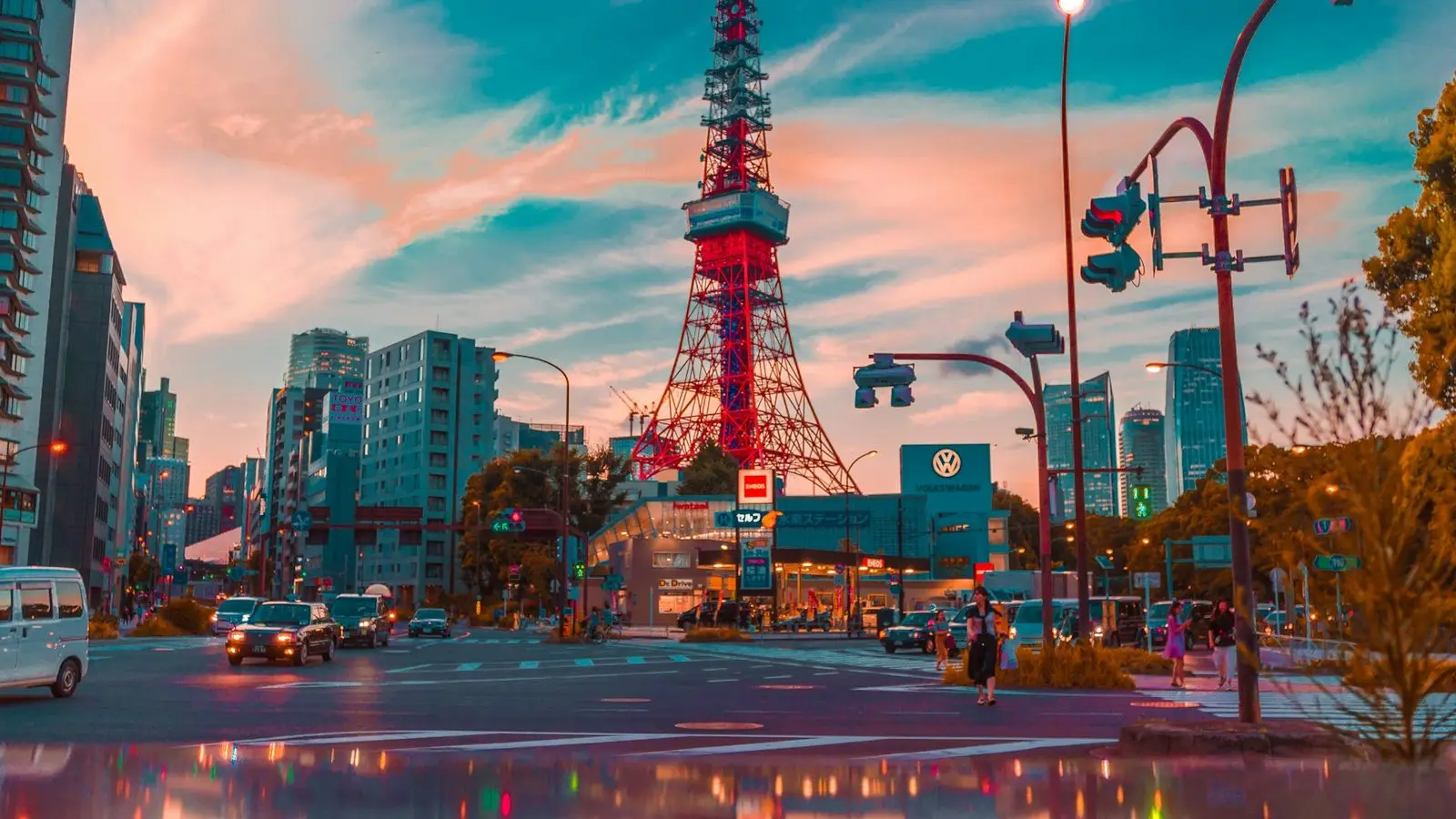
Nostalgic Arrival: The Four-Car Keisei Train and Tora-san's Bronze Farewell
Escaping Tokyo's neon canyons for Shibamata feels like stepping into a parallel dimension from the moment of your train transfer. Departing Ueno or Asakusa on the Keisei Main Line brings you to Keisei-Takasago Station, where an isolated track hosts the charming, stubby four-car Keisei Kanamachi Line shuttle.
Trundling across gentle single-track rails for just two minutes, the train pulls into Shibamata Station. With open wooden roof trusses and retro pillar signage rather than automated platform gates, the atmosphere instantly wraps travelers in the nostalgic warmth of 1960s Showa-era Tokyo.
Exiting the ticket barriers reveals a heartwarming sight at the station square: the beloved bronze statue of Kuruma Torajiro (Tora-san), the traveling peddler protagonist of Japan's record-breaking film series 'Otoko wa Tsurai yo' (It's Tough Being a Man). Facing him across the plaza stands his sister Sakura, watching his departure with affectionate melancholy.
As the authentic cinematic setting for nearly five decades of beloved movies, Shibamata preserves not merely preserved physical architecture, but the genuine, unhurried community warmth of old Tokyo's shitamachi merchant quarters.
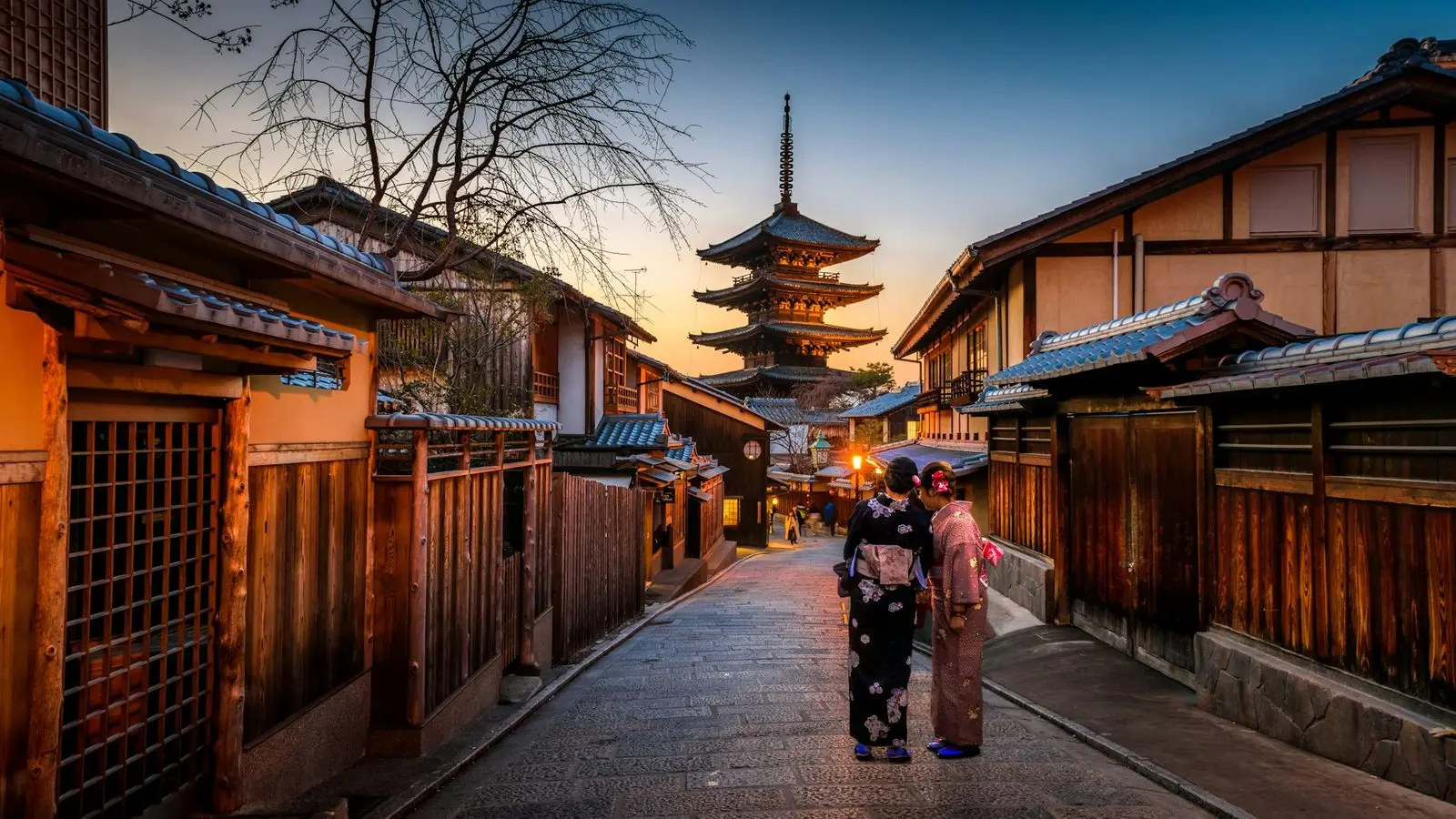
Pilgrimage Confections: Wood-Framed Sando and Fresh Pounded Mugwort Kusadango
Turning westward from the station square, the historic Taishakuten Sando pilgrimage avenue stretches 200 meters directly toward the temple precinct. Flanked on both sides by century-old two-story wooden merchant homes from the Edo and Meiji eras, the pedestrian lane exudes timeless charm.
The undisputed gastronomic icon along the avenue is Kusadango: emerald-green mochi dumplings vigorously pounded with fresh wild Japanese mugwort, crowned with generous dollops of glistening sweetened red adzuki bean paste.
Heritage teahouses like the 140-year-old Takagiya Rōpo and Toraya, both frequent filming haunts for cast and crew, draw gentle queues of sweet lovers. Ordering a plate of warm, freshly steamed dumplings arrives alongside a steaming bowl of fragrant bancha tea, delivering the earthy herbal richness of mugwort beautifully balanced against velvet sweet bean paste.
As you wander further, the rhythmic cracking of handmade rice senbei grilling over charcoal braziers and the musical chopping of traditional Sarashi candy on wooden blocks fill the air with irresistible retro sensory delight.
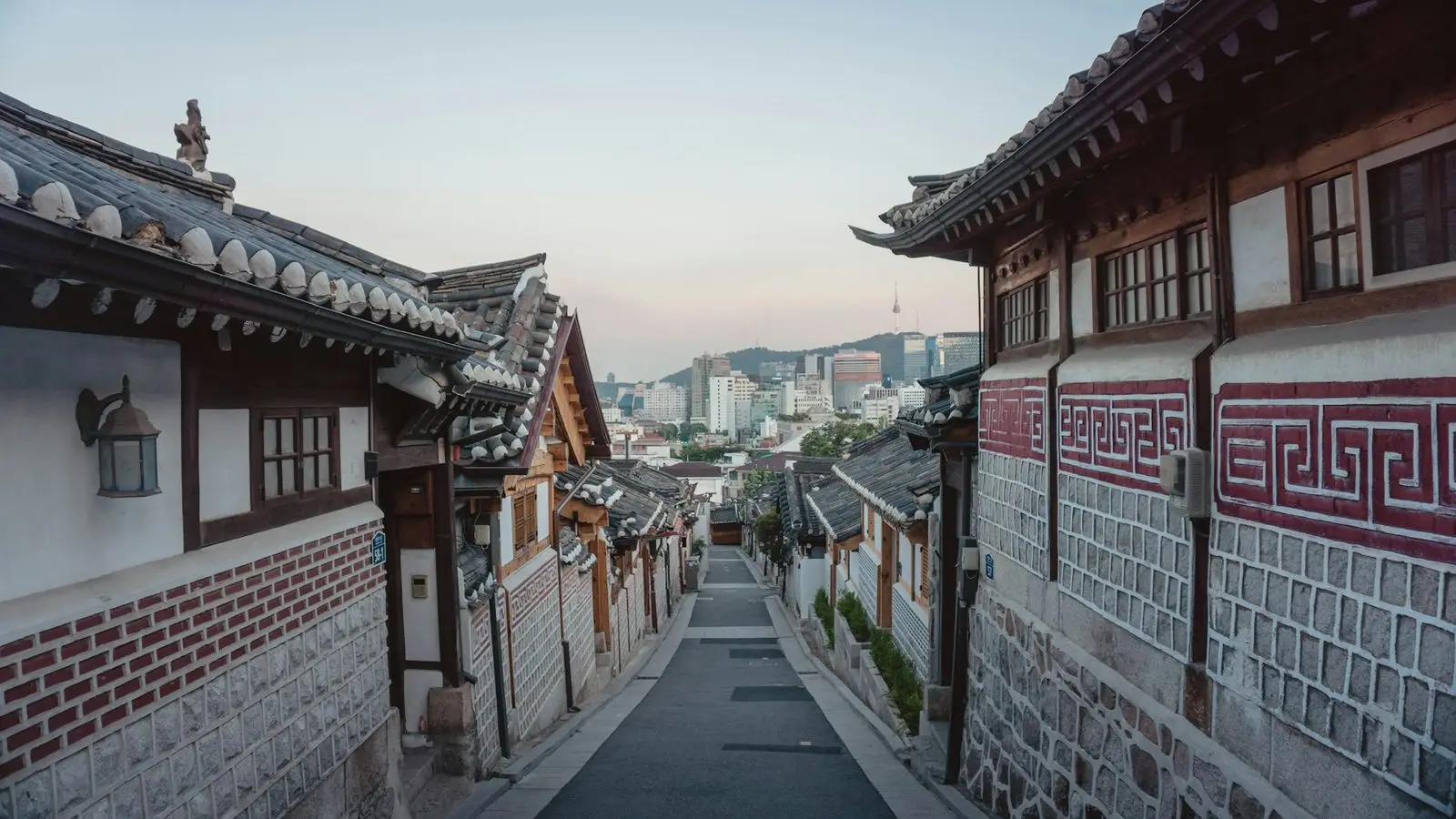

Sacred Artistry: Glass-Enclosed Lotus Sutra Wood Carvings at Taishakuten
At the terminus of the sando stands the majestic Nitenmon Gate, towering with immense keyaki Japanese zelkova timbers. Founded in 1629, Shibamata Taishakuten (Daikyo-ji Temple) welcomes visitors through an extraordinary portal joined entirely with master timber joinery without a single iron nail.
However, the temple's crowning jewel awaits tucked behind the main worship hall. For an admission ticket of 400 yen, visitors slip off their shoes and step into the climate-controlled Carving Gallery, where the entire exterior facade of the inner sanctum is sheltered behind architectural museum glass.
Over a span of 13 years during the late Taisho and early Showa periods, ten master woodcarvers painstakingly sculpted ten colossal relief murals from solid zelkova timber. Illustrating parabolic scenes from the Buddhist Lotus Sutra, the panels achieve astonishing three-dimensional depth: sinuous dragons twist through billowing clouds, heavenly maidens float with fluttering silk robes, and tumultuous ocean waves surge with breathtaking anatomical realism.
Following the covered cedar boardwalk around the temple leads into Suikei-en, a sublime hidden courtyard pond garden. Gazing out at the 400-year-old pine tree sweeping low over quiet koi waters while seated upon polished wooden verandas provides profound spiritual tranquility.
Taisho Romance at Yamamoto-tei: Framed Zen Waterfalls and Green Tea
A one-minute stroll through quiet residential lanes north of Taishakuten brings you to the stately earthen gates of Yamamoto-tei. Originally constructed in the 1920s as the private residence of camera parts industrialist Einosuke Yamamoto, the estate encapsulates the aesthetic movement known as Taisho Romance.
The property marvelously fuses traditional Japanese shoin-zukuri carpentry with European Art Deco sensibilities. Immediately adjacent to the cedar vestibule sits an elegant Western parlor outfitted with plush crimson velvet armchairs, leaded stained-glass windows, and a marble hearth.
Yet the grand tatami drawing hall commands the deepest admiration. Gazing outward through floor-to-ceiling glass sliding panels, the carefully composed stroll pond garden unfolds like an exquisite living scroll, where miniature stone lanterns, layered moss mounds, and gentle cascading waterfalls exist in sublime balance.
For just 600 yen, visitors can order a bowl of freshly whisked Uji matcha paired with an artisanal seasonal wagashi sweet. Sitting cross-legged on scarlet wool floor runners while listening to the resonant clack of the bamboo shishi-odoshi water dropper clears all residual urban fatigue.
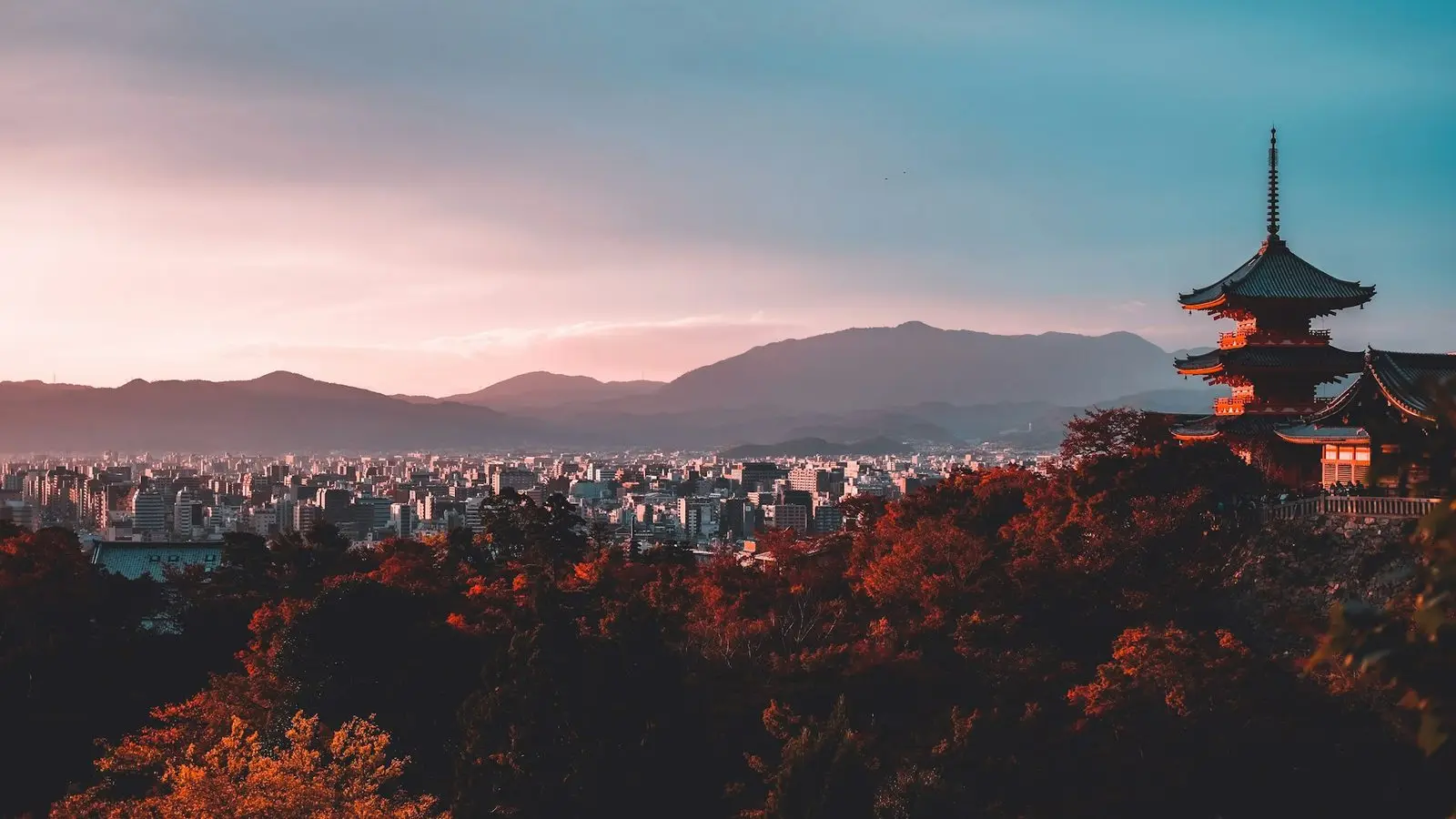
Crossing Time: The Hand-Rowed Yagiri no Watashi Ferry on the Edo River
Emerging past the Tora-san Museum and cresting the grassy embankment opens up panoramic vistas over the wide, shimmering waters of the Edo River. Marking the natural boundary between Tokyo and Chiba prefecture, this peaceful riverside holds Tokyo's sole surviving Edo-era hand-rowed ferry: Yagiri no Watashi.
Originating nearly 400 years ago during the early Tokugawa shogunate to transport local farmers across to fertile rice paddies, the modest crossing continues operating without petroleum engines or modern mechanical rigging.
Handing a modest 200 yen fare to the boatman, passengers step onto the rocking wooden skiff as he gently works a single long wooden oar back and forth. Gliding soundlessly across the 150-meter channel accompanied only by the soft splash of river currents and reed breezes, the crossing offers five minutes of timeless tranquility.
Stepping onto the rustic Chiba shore before returning across the tranquil river, linger on the embankment benches to watch the golden sun dip below Tokyo's distant skyline. Experiencing such gentle, unhurried heritage just 30 minutes from central Tokyo restores the true soul of travel.
Frequently Asked Questions
Field-tested answers to transit navigation, neighborhood choices, and payment traps.
Q1.What is the best transit route from Asakusa or Tokyo Station to Shibamata?
Q2.How much time should I budget for an authentic walking tour of Shibamata?
Q3.What are the admission fees for the Taishakuten Carving Gallery and Yamamoto-tei?
Q4.When does the Yagiri no Watashi hand-rowed ferry operate, and what does it cost?
The Smart Traveler's Essential Toolkit
Prepare instant mobile data, private airport transfers, and skip-the-line passes in one place.
Pick a base in Tokyo by your route
Choose the places you want to see and get the neighbourhood with the shortest travel.
Compare Tokyo Hotel Rates
Find the cheapest channel across Agoda and major booking engines with Tripdify.
Share This Guide with Your Companions
When shared via chat or social media, a curated summary card is sent along.
Recommended Guides
Where to Stay in Tokyo: Shinjuku vs Shibuya vs Ginza
Comparing room footprints across Shinjuku, Ginza, and Ueno, locking in sudden 14-day cancellation drops, and eliminating DCC fees with clean Yen checkout.
7 Budget Hotels in Tokyo Under $100 on the Yamanote Line
Even amid yen fluctuations, central Tokyo hotel rates have soared. Learn how to secure Yamanote loop line hotels at half the price of Shinjuku, compare onsen bath chains like Dormy Inn, trigger secret Agoda VIP and Booking.com Genius discounts, and dodge hidden currency fees with yen settlement.
How to Read the Tokyo Subway Map and Where to Stay on the Yamanote Line
How to choose between Keisei Skyliner and Narita Express, avoid the Tokyo Subway Ticket trap, use Apple Wallet Suica, and select the ideal hotel base in Tokyo.
Tokyo Day 1 Itinerary: Narita Airport to the City and Your First 24 Hours
From stepping off at Narita Airport to mastering high-speed trains, navigating Tokyo's sprawling transit hubs, ordering counter ramen effortlessly, and catching sunset from Roppongi Hills. A definitive guide for your first 24 hours in Tokyo.
Tokyo Day 2 Itinerary: Booking Shibuya Sky, Harajuku Backstreets and Roppongi at Night
Securing prime sunset slots atop Shibuya Sky, navigating hidden boutiques along Harajuku Cat Street, immersing in the forested serenity of Meiji Jingu, and marveling at the crimson glow of Tokyo Tower from Roppongi Hills. A masterclass in Day 2 pacing.
Tokyo Day 3 Itinerary: Asakusa, Akihabara, Ginza Depachika and Flying Home
The ultimate finale for your Tokyo stay: tranquil morning worship at Sensoji, retro subculture in Akihabara, Ginza Six architectural rooftop views and basement depachika feasts, capped by seamless Skyliner and N'EX airport connections.
Exchange Rate Tricks and Hidden Fees When Booking Hotels Abroad
An investigative playbook uncovering why OTA final totals escalate, how desktop bank partner links consistently beat mobile app rates, and the exact local-currency checklist to stop hidden fees.

eSIM vs Roaming vs a Local SIM: Which Is Cheapest for Travel Data
Never wait in line for physical SIM swaps or haul heavy battery packs again. From solo weekend getaways to multi-week family tours, here is how to pick the right mobile data setup without wasting money.
Does Incognito Mode Make Flights Cheaper? What Dynamic Pricing Really Does
Does clearing cookies or going incognito actually save cash on flights and hotels? We pull back the curtain on airline revenue management engines, fare bucket mechanics, currency routing quirks, and the genuine mid-week price drop cycles that actually protect your travel wallet.
Tax-Free Shopping in Japan: How It Works and What Voids It
While enjoying ten percent consumption tax exemptions in Japan is a cornerstone of travel, the country enforces rigorous customs data tracking and strict packing rules. From general goods accidentally locked inside tamper-evident consumable bags to department stores taking a 1.55 percent handling fee and airport electronic customs audits clawing back taxes on broken seals, here is your essential guide to navigating Japan duty-free shopping without penalty.
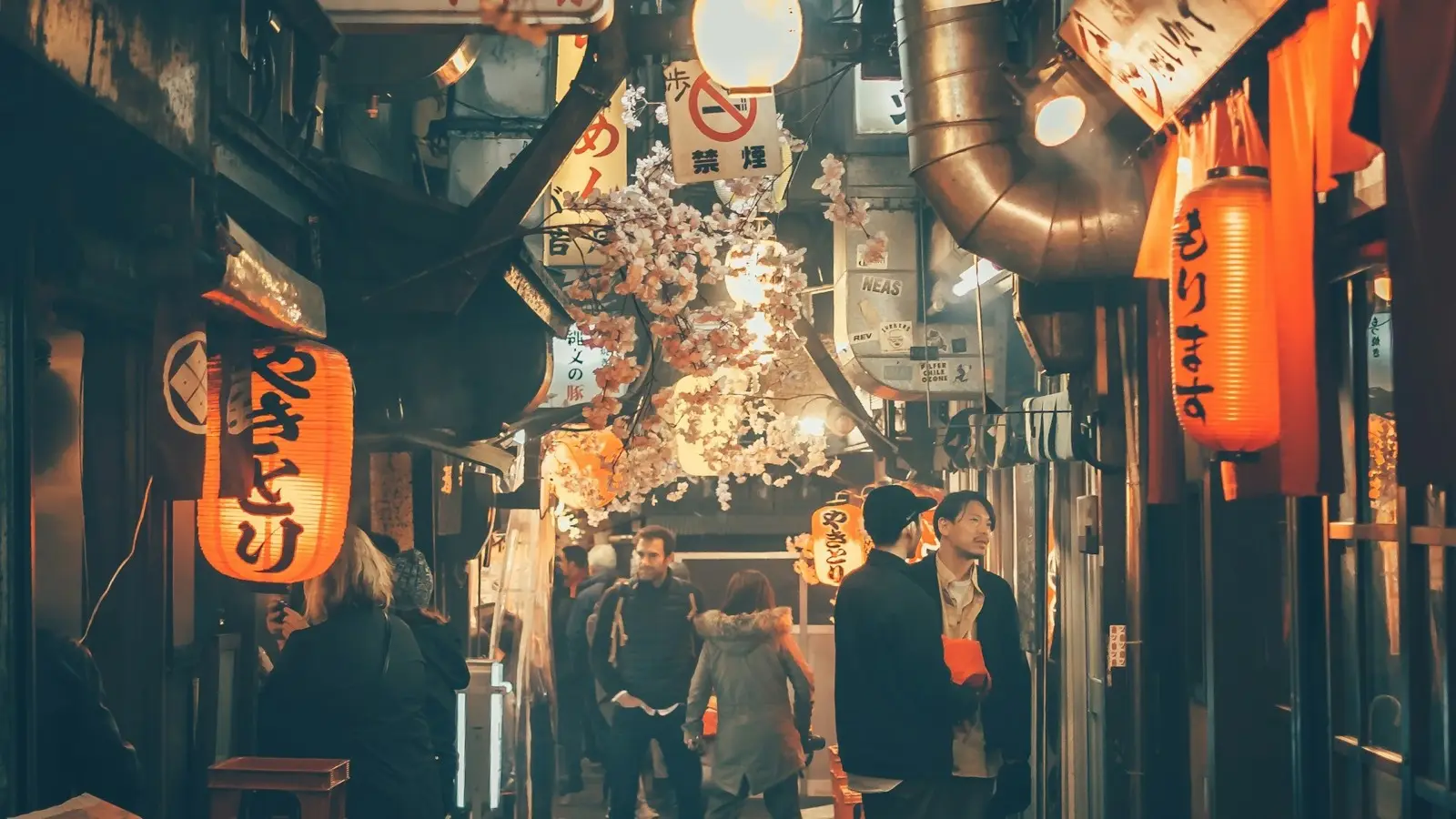
Tokyo's Yanaka Ginza Shitamachi Walk: Crispy Croquettes, Quiet Cat Alleys, and Showa Retro Soul
When the sensory overload of Shinjuku's neon billboards and Shibuya's scrambling crosswalks wears thin, seek refuge in Yanesen (the historic triangle of Yanaka, Nezu, and Sendagi), one of the exceedingly rare Tokyo neighborhoods that miraculously escaped both the 1923 Great Kanto Earthquake and World War II firebombings. Beginning from the west exit of JR Nippori Station, this serene walking route descends the famous Yuyake Dandan (Sunset Steps) into the nostalgic, pedestrian-only Yanaka Ginza shopping arcade. From biting into crispy beef menchi-katsu freshly fried at a multi-generational butcher stall to greeting neighborhood alley cats and sipping dark pour-over coffee on the tatami mats of 1938-built Kayaba Coffee, here is your definitive field guide to Tokyo's enduring Showa-era soul.

The Japan Shinkansen Booking Playbook: Mount Fuji Row E Strategy, Oversized Luggage, and Smart EX Savings
Slicing through Japan's industrial and cultural heartland between Tokyo, Kyoto, and Osaka, the Tokaido Shinkansen bullet train network represents the pinnacle of railway engineering. Cruising smoothly at 285 km/h, the Nozomi super-express covers the 515-kilometer corridor in just two hours and twenty minutes. Yet navigating the nuances of seat selection dictates whether your journey becomes a dream sightseeing passage or a cramped logistical hassle. Missing out on the coveted two-abreast 'Row E' window seats when departing Tokyo forfeits uninhibited vistas of Mount Fuji. Furthermore, failing to pre-book dedicated Oversized Baggage seats for luggage whose total dimensions exceed 160 cm triggers an unexpected 1,000 JPY penalty fee enforced by conductors on board. This tactical manual reveals the exact seat reservation rules, paperless Smart EX mobile discounts, oversized luggage exemptions, and post-price-hike JR Rail Pass breakeven mathematics.