
TokyoGuide
Tokyo Day 1 Itinerary: Narita Airport to the City and Your First 24 Hours
Choosing between 36-min Skyliners and JR N'EX, navigating massive Shinjuku maze, ticket machine ramen formulas, Roppongi sunset, and night konbini survival.
Mastering Narita and Haneda: High-Speed Train Selection
Landing at Narita International Airport (NRT), your immediate strategic challenge is conquering the 60-kilometer distance separating the terminal from central Tokyo. If your hotel is located in eastern districts such as Ueno, Asakusa, Akihabara, Ginza, or near Tokyo Station, descending to the basement platform for the Keisei Skyliner is unquestionably your best move. Cruising at an exhilarating 160 km/h, the Skyliner whisks you to Nippori in 36 minutes and Keisei-Ueno in just 41 minutes, offering reserved seating and spacious luggage bays.
Conversely, if your accommodations are anchored in bustling western sub-centers like Shinjuku, Shibuya, or Shinagawa, boarding the JR Narita Express (N'EX) provides the luxury of a direct transfer-free journey. Reaching Tokyo Station in 55 minutes and Shinjuku in 75 minutes, it eliminates the exhaustion of navigating crowded transfer stairways with heavy suitcases. For travelers arriving via Haneda Airport (HND), the Tokyo Monorail to Hamamatsucho or Keikyu Line to Shinagawa offers rapid, cost-effective transit within 20 minutes.
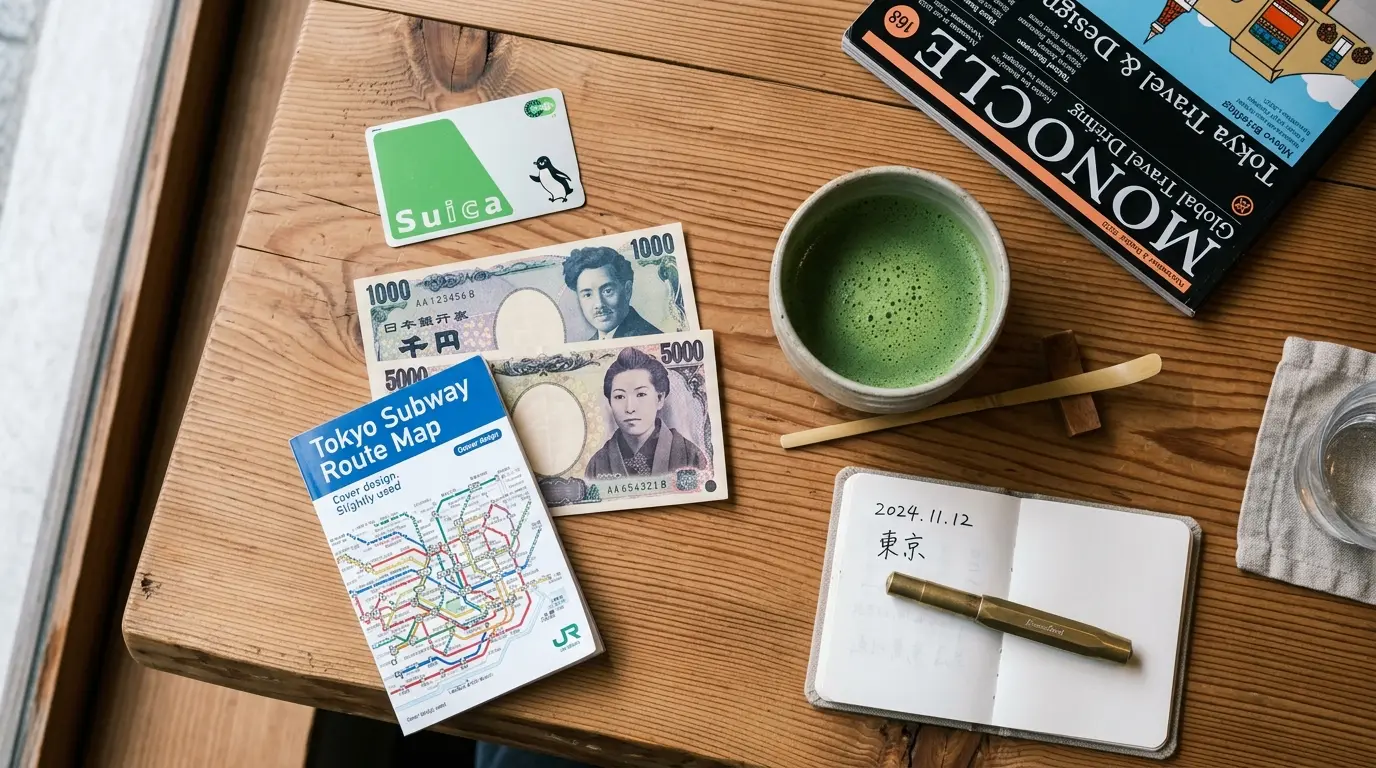
Rather than waiting in long ticket queues for physical plastic cards, iPhone users can instantly add a digital Suica or PASMO directly within Apple Wallet with zero deposit fees, reloading via credit card on the fly. Android travelers can purchase a Welcome Suica card (valid for 28 days without a deposit fee) at the airport terminal. If your itinerary involves heavy subway transit, pick up the 72-hour Tokyo Subway Ticket (1,500 JPY), granting unlimited rides across all Tokyo Metro and Toei Subway lines.
Avoid expensive currency exchange counters at airport arrivals; instead, use the ubiquitous Seven Bank ATMs inside 7-Eleven outlets to withdraw modest amounts of Japanese Yen cash (a few 1,000 and 5,000 JPY bills for coin-operated lockers and street ramen). With a simple tap of your phone at the ticket gates, your frictionless journey into Tokyo begins.
Conquering Shinjuku and Tokyo Station: Coin Locker Survival
Stepping off at massive railway complexes like Tokyo Station or Shinjuku Station, international travelers are routinely astonished by the sheer scale of humanity and labyrinths containing over 200 exits. Shinjuku is officially the world's busiest transport hub; rather than wandering aimlessly through underground passages, fix your gaze on the elevated overhead signage following color-coded line symbols like the green circular Yamanote Line (JY) or directional portals (East, West, or South Exit).
Prior to the standard 3:00 PM hotel check-in window, dropping your bulky bags at your hotel's front desk is the easiest and most cost-effective tactic. Virtually all Japanese business and boutique hotels hold luggage free of charge before check-in and after checkout. If your itinerary requires immediate exploration directly from the transit hub, station coin lockers provide secure storage, though finding vacant lockers after 11:00 AM can prove challenging.
To secure luggage space effortlessly, target digital locker banks payable via IC card (Suica/PASMO) or reserve guaranteed storage through the 'ecbo cloak' app, which partners with local cafes and boutiques near major stations. Always snap a clear smartphone photograph of your locker number, its terminal screen, and the nearest numbered pillar to ensure you can locate it without retracing endless hallways.
When taking a taxi for short group hops with heavy bags, remember that the rear passenger doors open and close completely automatically; never attempt to force them by hand. Tokyo licensed taxis accept credit cards, mobile apps, and Suica taps seamlessly, ensuring zero fumbling for coins.
The Frictionless First Meal: Counter Ramen and Ticket Vending Mastery
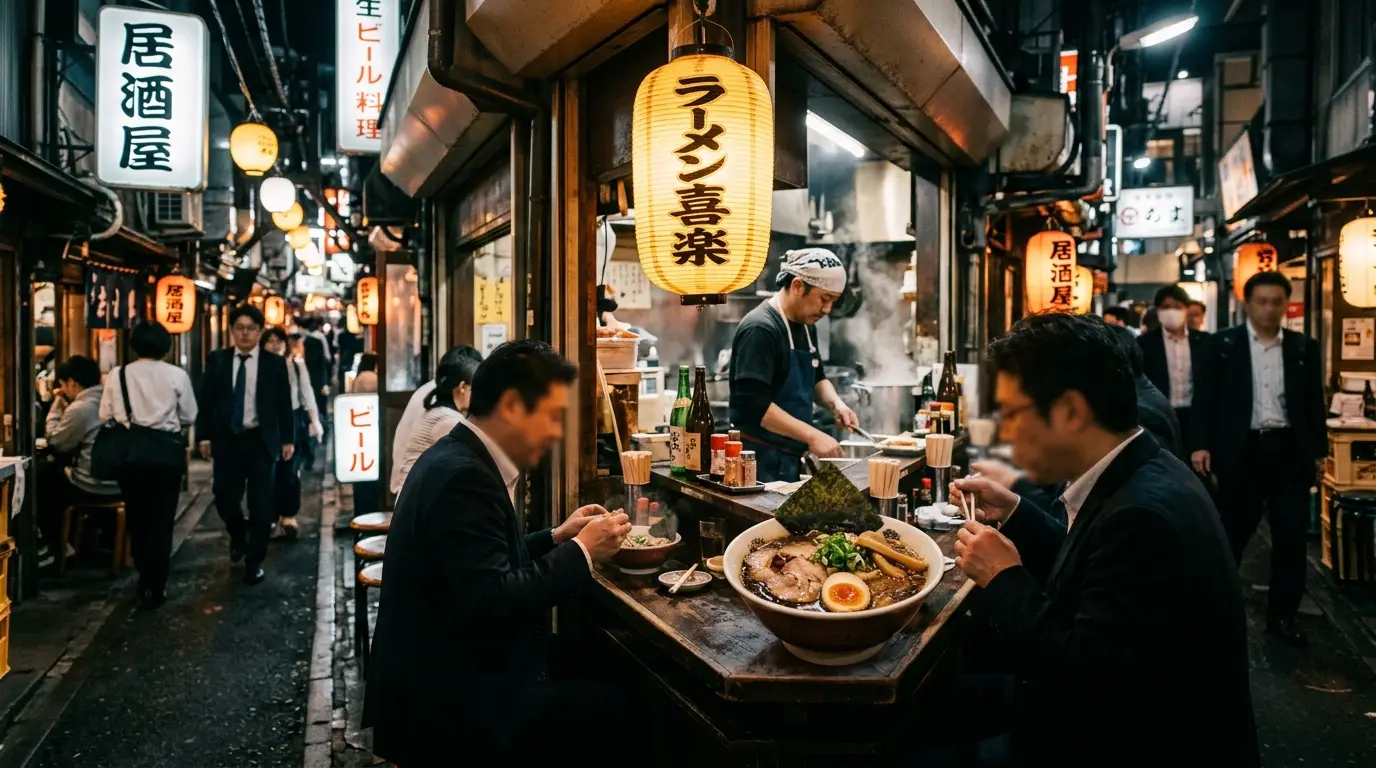
Divested of your luggage, nothing revitalizes stamina after a flight quite like an authentic bowl of piping hot ramen. Bypass crowded commercial chains and duck into an intimate, ten-seat neighborhood noodle shop tucked along a side alley, where steam curls beneath a glowing yellow paper lantern and the aroma of slow-simmered pork marrow broth fills the evening air.
Upon entering, your first interaction is with the ticket vending machine (券売機, Kenbaiki). Insert a 1,000-yen note or tap your mobile Suica against the contactless reader. In traditional shops, the top-left button is almost universally reserved for the chef's signature specialty. Selecting 'Ajitama Ramen' (味玉ラーメン, ramen with seasoned soft-boiled egg) or 'Chashumen' (チャーシュー麺, loaded with tender roast pork) dispenses your food ticket alongside your change.
Slide into an available wooden counter stool and place your ticket on the raised ledge. The chef may ask for noodle preferences: reply 'Men katame' (麺硬め) for firm noodles, 'Aji usume' (味薄め) if you prefer a less salty broth, or 'Abura sukuname' (油少なめ) for reduced oil. Help yourself to ice-cold water from the counter pitcher, and within five minutes, a masterpiece of steaming noodles and savory broth is placed before you.
Sample a spoonful of the pure broth first, then savor the rich chashu and tender noodles. Mid-meal, introduce a sprinkle of white pepper, toasted sesame seeds, or a dollop of crushed garlic from the condiment tray to experience dynamic flavor progression. If you finish your noodles but have broth remaining, place 150 yen on the counter and request 'Kaedama onegaishimasu' (替玉お願いします) for a fresh hot noodle refill.
When finished, follow authentic Japanese counter etiquette: place your empty bowl and water cup on the upper ledge, and use the clean counter cloth to wipe your space. Offering a warm 'Gochisousama deshita' (ごちそうさまでした, thank you for the feast) to the kitchen as you exit marks the perfect conclusion to your inaugural Tokyo meal.
Tokyo Golden Hour: Roppongi Hills and Shibuya Sky Sunsets
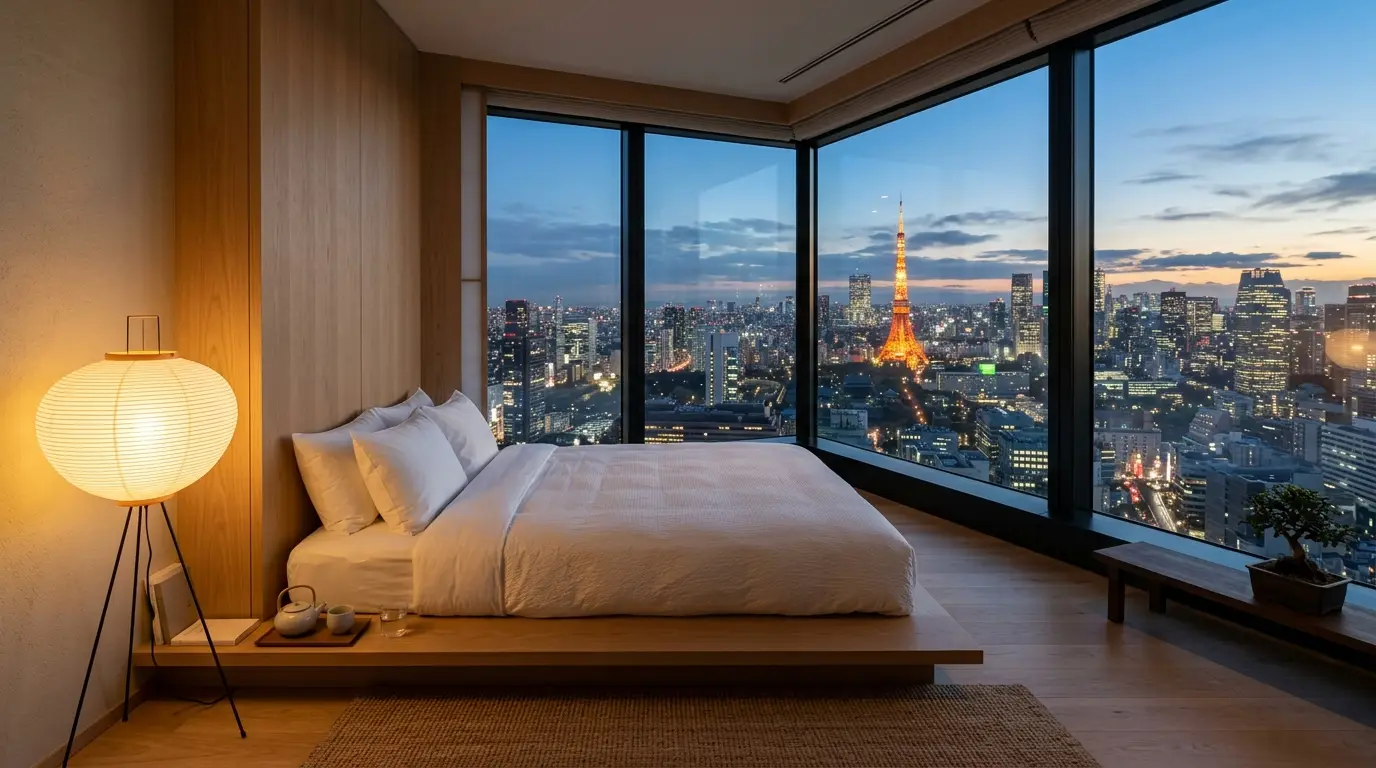
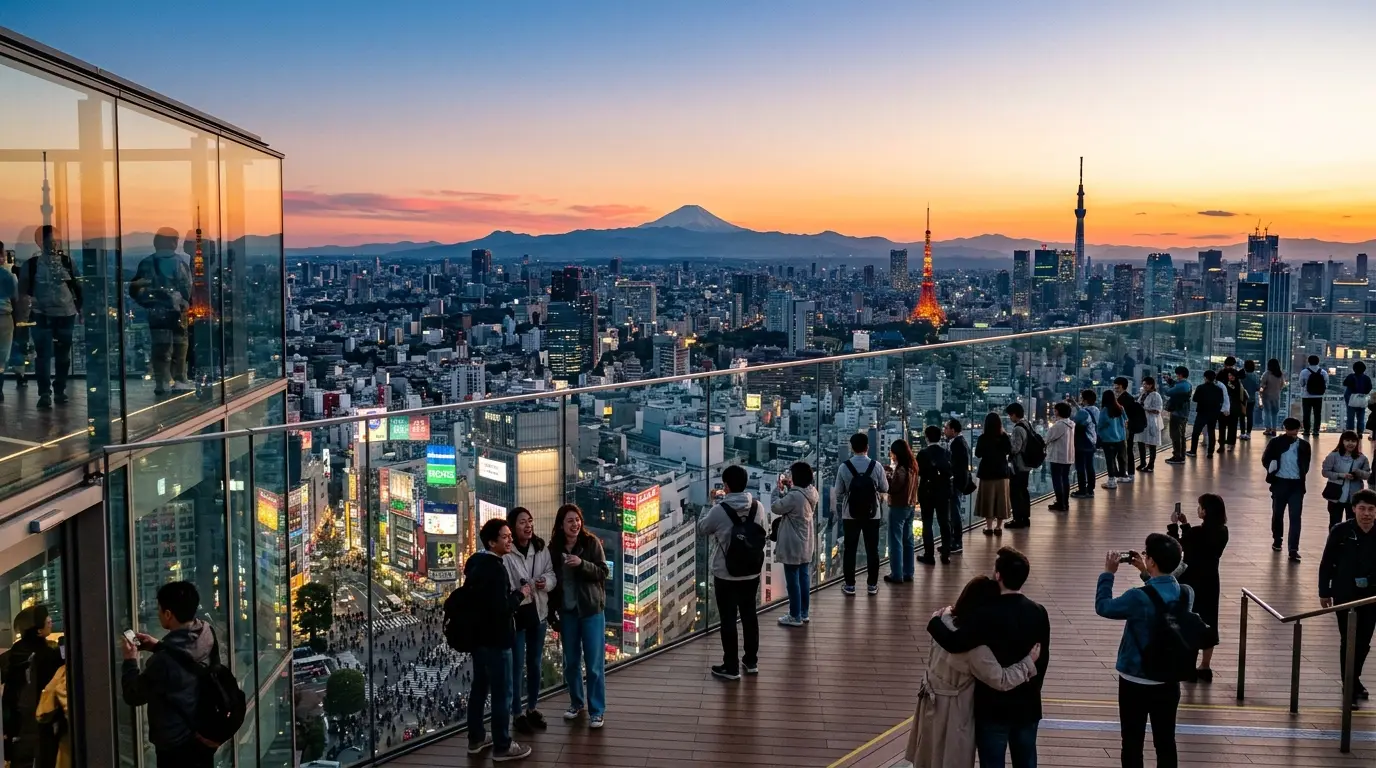
Check in to your hotel around 3:30 PM, unpack your essentials, and take a quick shower to refresh. By 4:40 PM, set off toward an observation deck to take in Tokyo's breathtaking urban expanse at dusk. While SHIBUYA SKY offers an iconic 360-degree open-air rooftop view over the famous scramble crossing, golden hour sunset slots typically book out two to three weeks in advance.
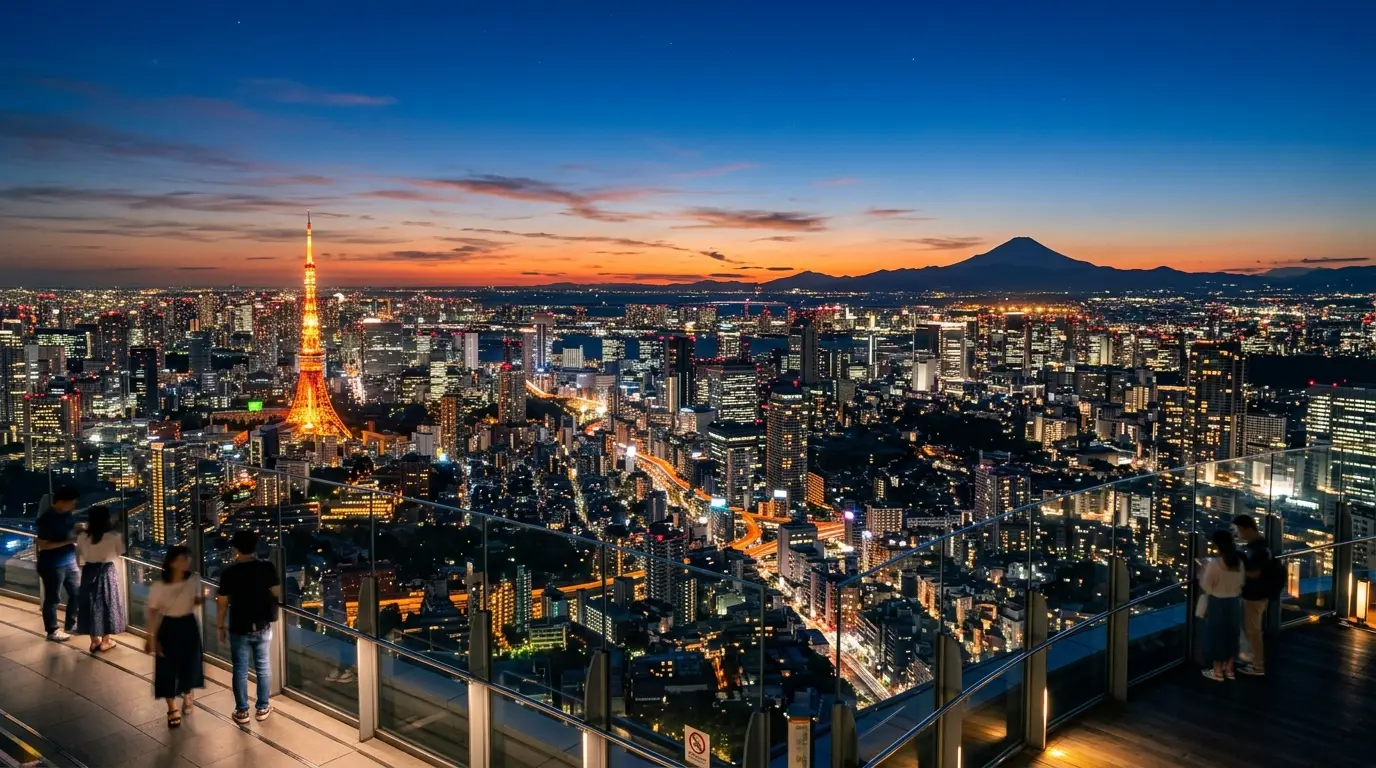
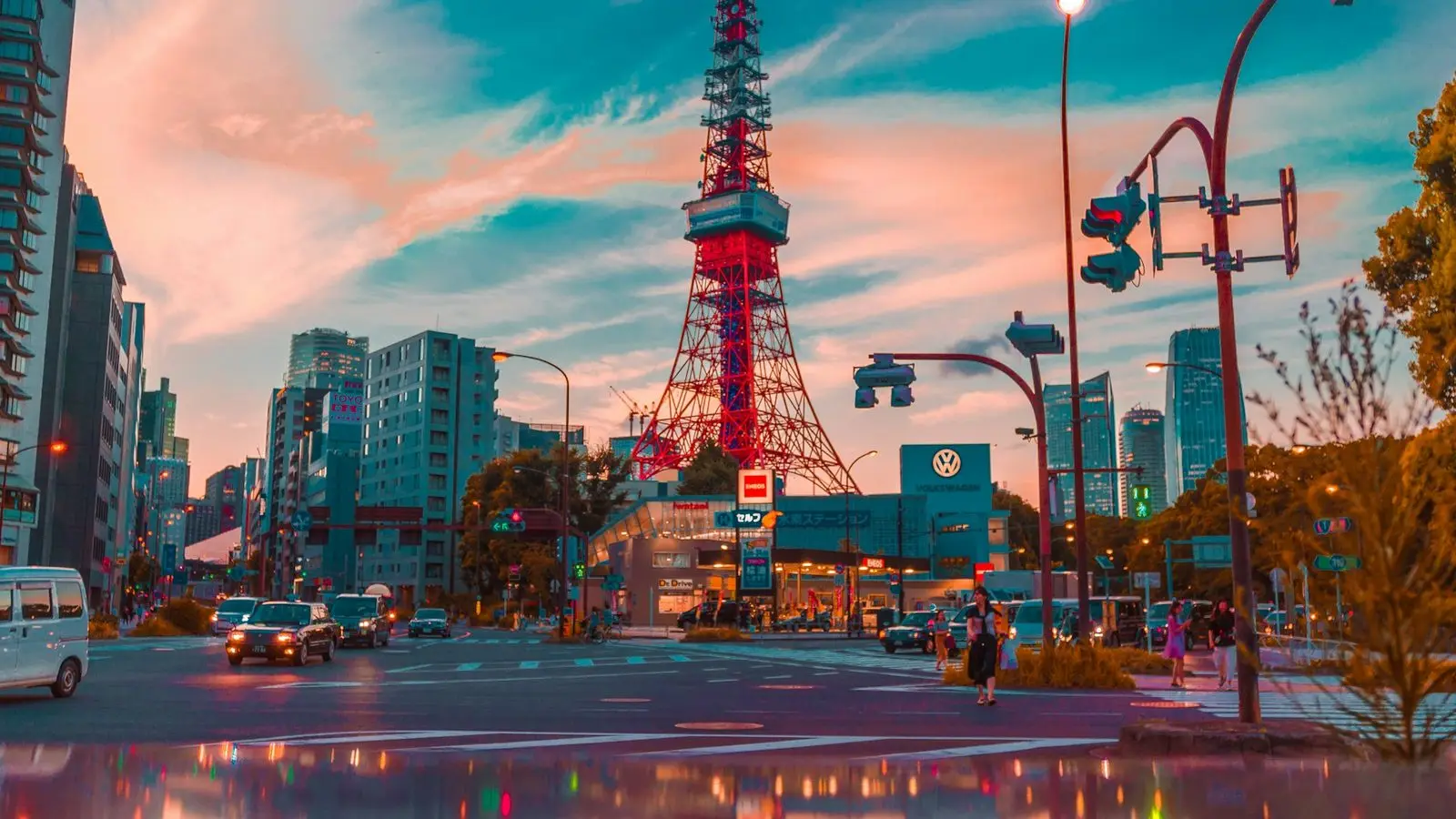
If you lack advance reservations, head directly to Roppongi Hills Mori Tower's 'Tokyo City View' on the 52nd floor. Same-day walk-up tickets are generally accessible, and the indoor and outdoor decks provide the single most stunning vantage point in the capital, framing Tokyo Tower dead-center against the skyline.
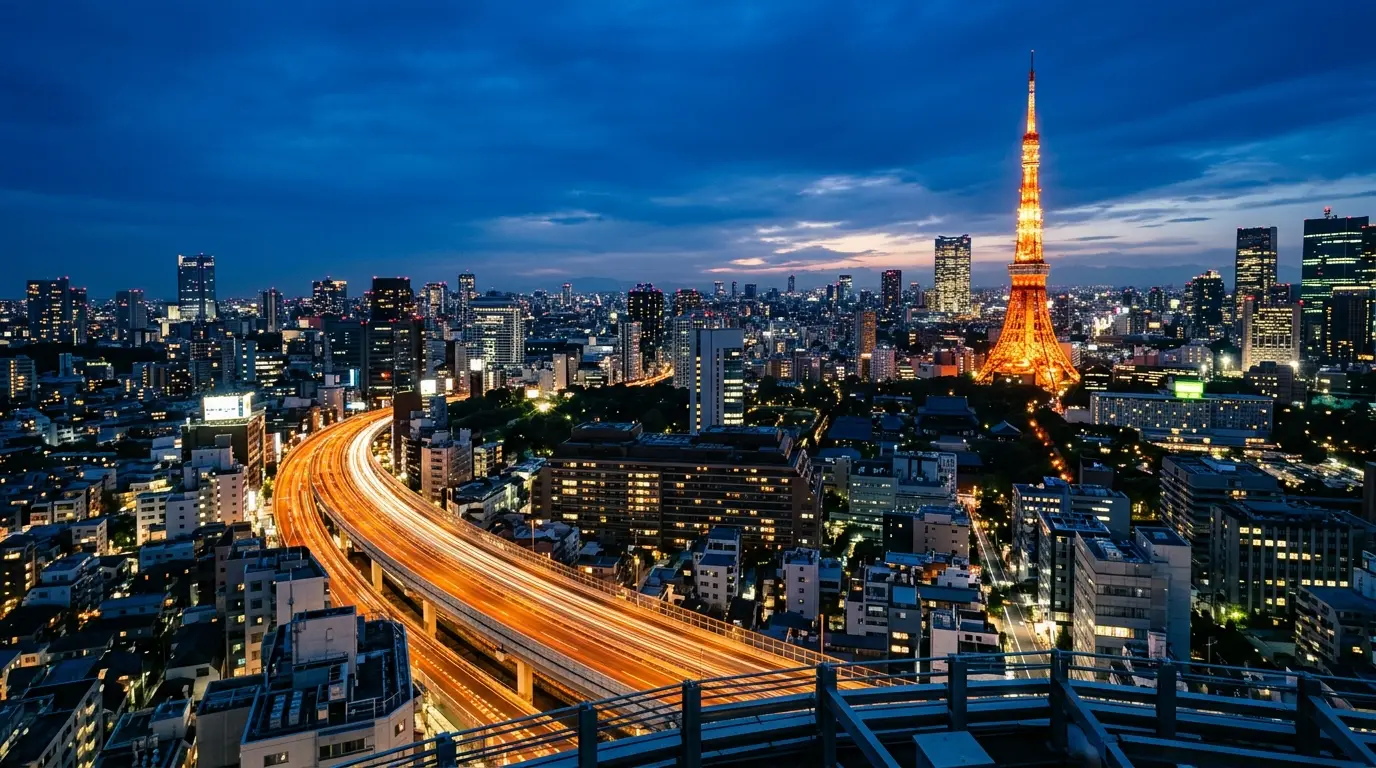
Around 5:15 PM, as the sunset washes the sky in crimson, violet, and deep cobalt blue, the magnificent silhouette of Mount Fuji reveals itself across the distant Kanto plain. Below, the intricate neon artery of the Shuto Expressway begins to pulse with vehicular light trails, and the instant Tokyo Tower ignites in incandescent amber, the sheer magnificence of Tokyo takes your breath away.
After descending, take an unhurried evening stroll through the quieter side streets of Daikanyama or along the tree-lined canals of Nakameguro. With warm boutique shopfronts and charming independent bookstores casting gentle light along quiet residential lanes, you experience Tokyo's refined, peaceful nighttime charm.
Convenience Store Mastery: Late-Night Survival at 7-Eleven and Lawson
Returning toward your hotel after dark, cap off your first day by immersing yourself in Japan's legendary konbini (コンビニ) culture. Stepping through the sliding automatic doors of a 7-Eleven, Lawson, or FamilyMart greeted by a cheerful melodic chime, you enter an impeccably organized wonderland of gastronomic treats.
Begin your shopping basket with practical essentials: grab a 2-liter bottle of natural mineral water, a bottle of Pocari Sweat or Aquarius to restore electrolytes, and an unsweetened green tea (Oi Ocha or Ayataka). Rehydrating before sleeping counteracts the drying effects of long flights and thousands of walking steps, ensuring you awaken fresh and energized.
For midnight cravings, assemble the ultimate konbini trifecta: 7-Eleven's pillowy, rich egg salad sandwich (Tamago Sando), FamilyMart's crispy, piping hot boneless fried chicken (FamiChiki), and Lawson's celebrated Uchi Café premium fresh cream roll cake. When the cashier points to hot foods and asks 'Atatame masu ka?' (Would you like it heated?), simply nod and reply 'Onegaishimasu.'
Before checking out, stop by the wellness rack for Kyusoku Jikan (休足時間, cooling gel pads for fatigued calf muscles) and MegRhythm steam eye masks (めぐりズム, self-heating lavender-scented masks). Applying cooling sheets to your legs and slipping on a soothing warm eye mask in bed melts away every ounce of flight exhaustion, ushering in deep, restorative sleep for day two in Tokyo.
Frequently Asked Questions
Field-tested answers to transit navigation, neighborhood choices, and payment traps.
Q1.Which is faster from Narita Airport to Tokyo: Skyliner or Narita Express (N'EX)?
Q2.Can I use the Tokyo Subway Ticket on the JR Yamanote Line?
Q3.How do I order from a Japanese ramen ticket machine if I cannot read kanji?
Q4.Which sunset view is better: SHIBUYA SKY or Roppongi Hills Mori Tower?
The Smart Traveler's Essential Toolkit
Prepare instant mobile data, private airport transfers, and skip-the-line passes in one place.
Pick a base in Tokyo by your route
Choose the places you want to see and get the neighbourhood with the shortest travel.
Compare Tokyo Hotel Rates
Find the cheapest channel across Agoda and major booking engines with Tripdify.
Share This Guide with Your Companions
When shared via chat or social media, a curated summary card is sent along.
Recommended Guides
Where to Stay in Tokyo: Shinjuku vs Shibuya vs Ginza
Comparing room footprints across Shinjuku, Ginza, and Ueno, locking in sudden 14-day cancellation drops, and eliminating DCC fees with clean Yen checkout.
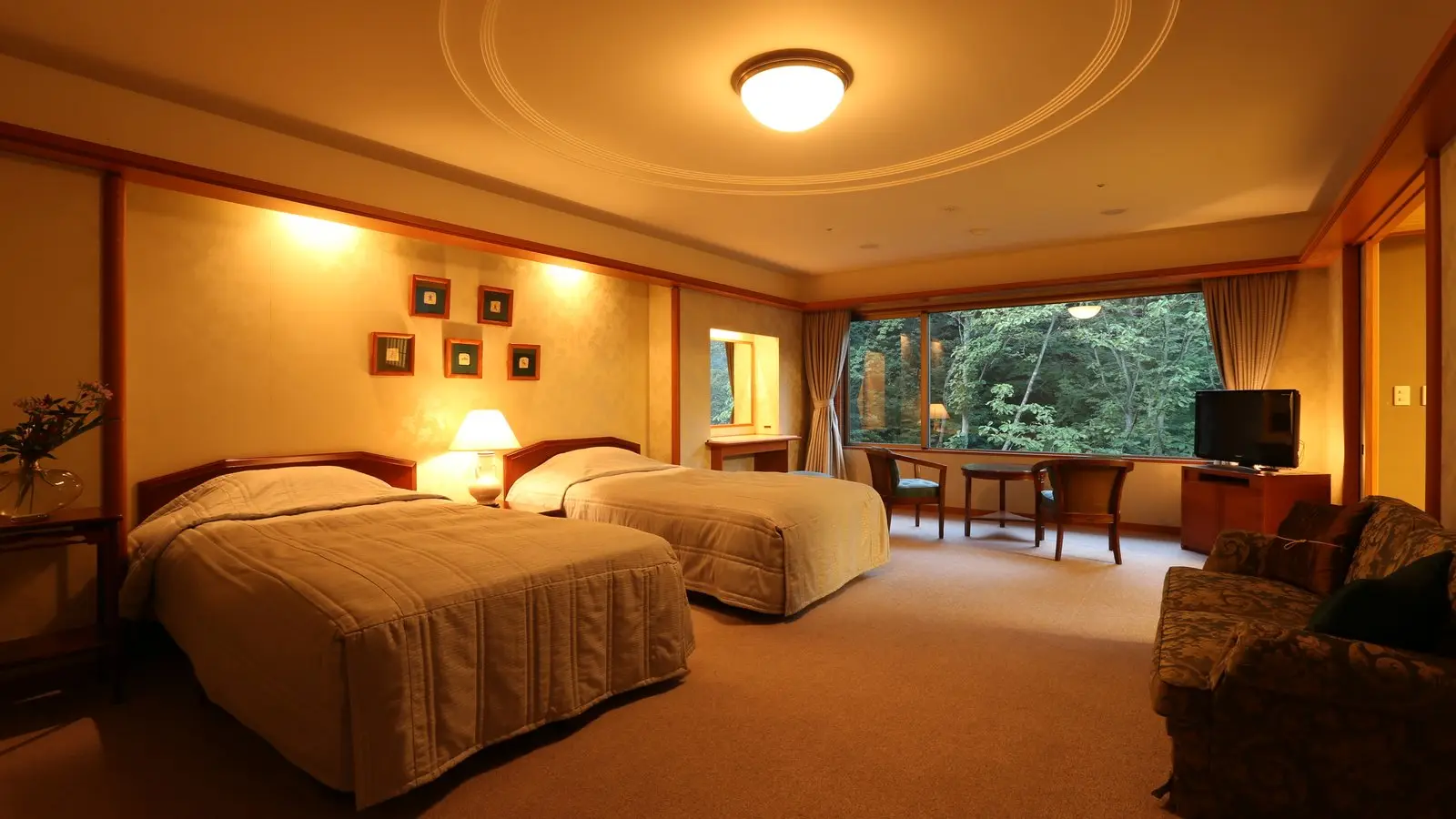
7 Budget Hotels in Tokyo Under $100 on the Yamanote Line
Even amid yen fluctuations, central Tokyo hotel rates have soared. Learn how to secure Yamanote loop line hotels at half the price of Shinjuku, compare onsen bath chains like Dormy Inn, trigger secret Agoda VIP and Booking.com Genius discounts, and dodge hidden currency fees with yen settlement.
How to Read the Tokyo Subway Map and Where to Stay on the Yamanote Line
How to choose between Keisei Skyliner and Narita Express, avoid the Tokyo Subway Ticket trap, use Apple Wallet Suica, and select the ideal hotel base in Tokyo.
Tokyo Day 2 Itinerary: Booking Shibuya Sky, Harajuku Backstreets and Roppongi at Night
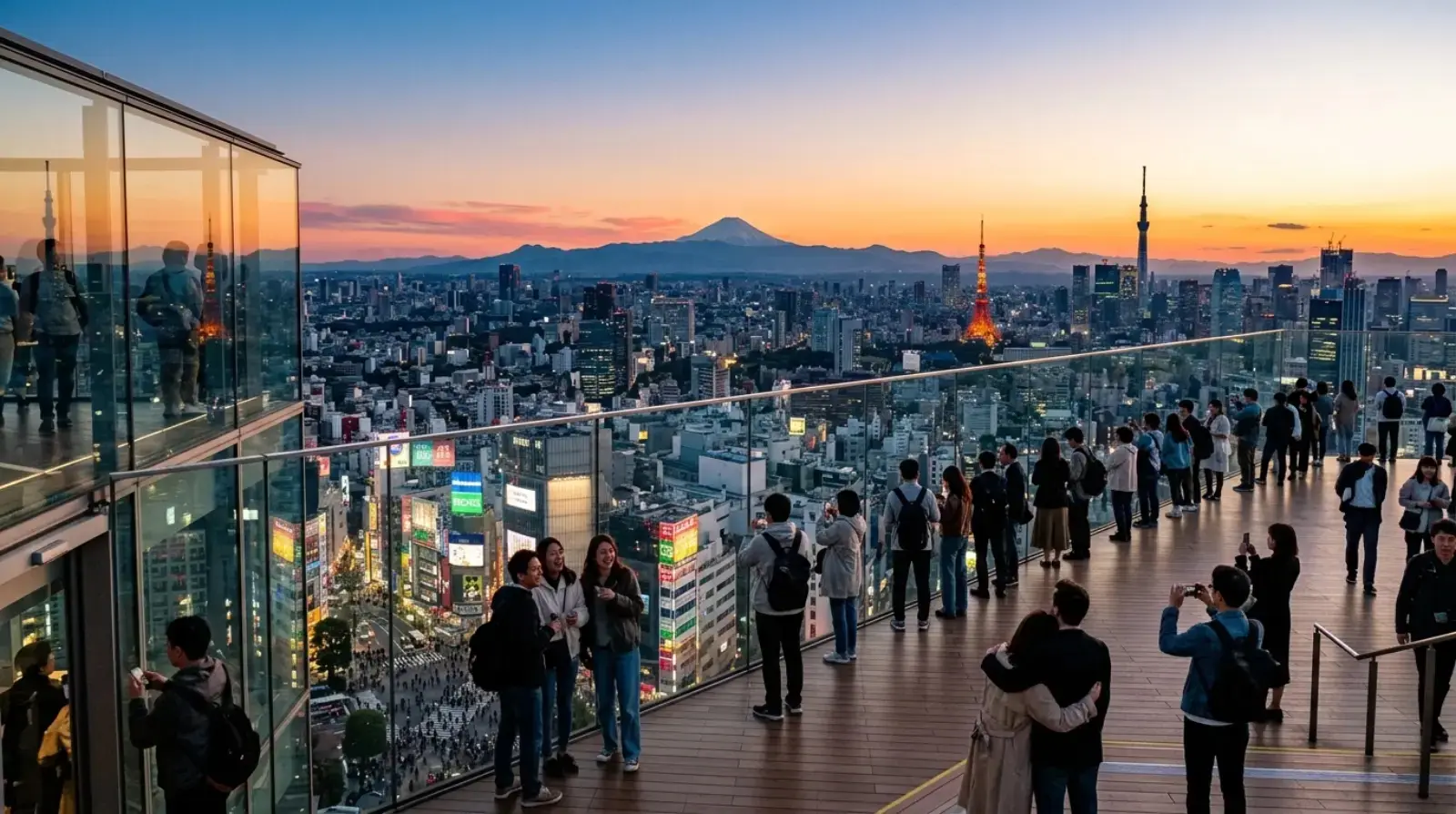
Securing prime sunset slots atop Shibuya Sky, navigating hidden boutiques along Harajuku Cat Street, immersing in the forested serenity of Meiji Jingu, and marveling at the crimson glow of Tokyo Tower from Roppongi Hills. A masterclass in Day 2 pacing.
Tokyo Day 3 Itinerary: Asakusa, Akihabara, Ginza Depachika and Flying Home
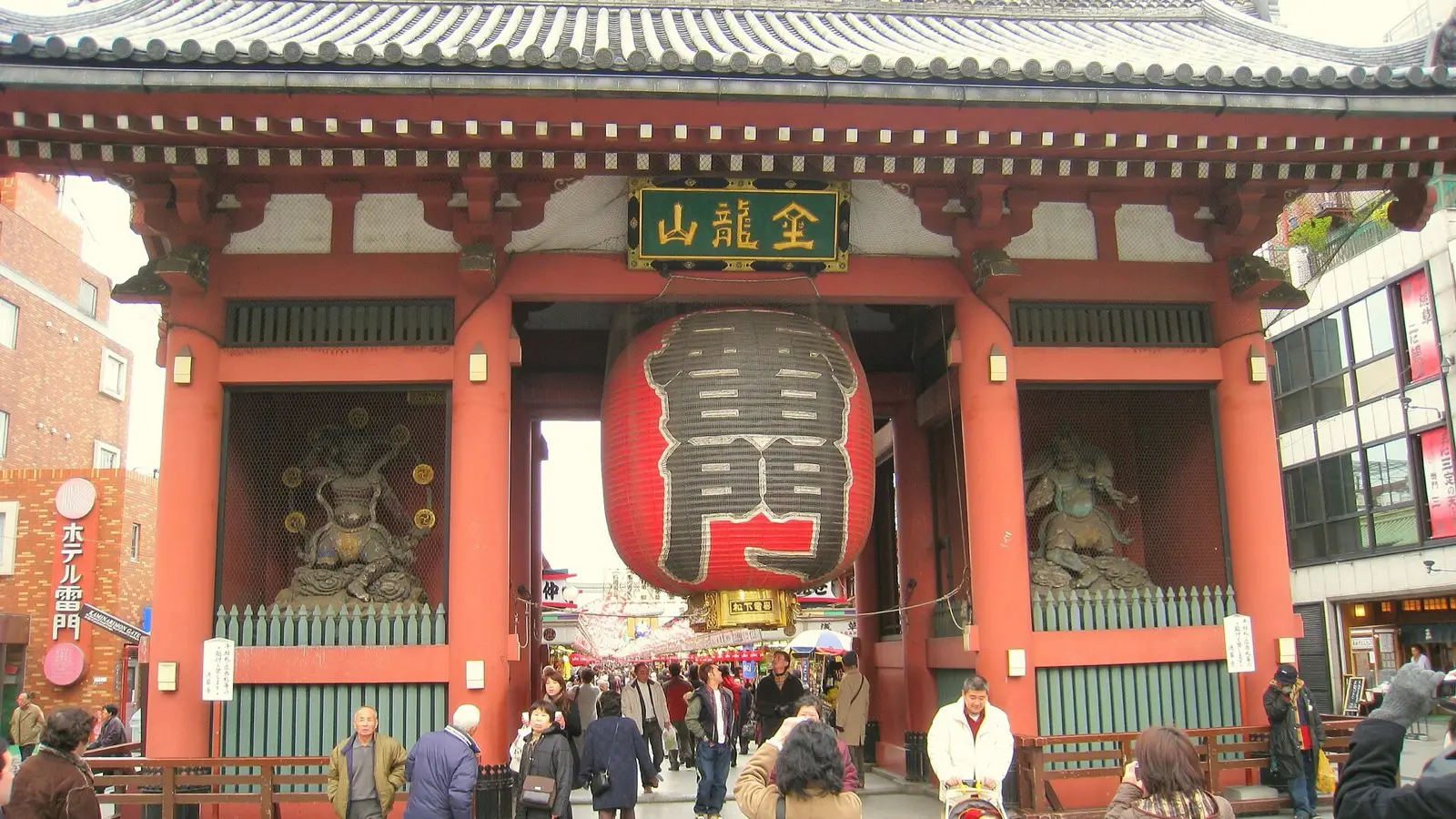
The ultimate finale for your Tokyo stay: tranquil morning worship at Sensoji, retro subculture in Akihabara, Ginza Six architectural rooftop views and basement depachika feasts, capped by seamless Skyliner and N'EX airport connections.
Exchange Rate Tricks and Hidden Fees When Booking Hotels Abroad
An investigative playbook uncovering why OTA final totals escalate, why card issuer partner links are worth comparing against mobile app rates, and the exact local-currency checklist to stop hidden fees.
eSIM vs Roaming vs a Local SIM: Which Is Cheapest for Travel Data
Never wait in line for physical SIM swaps or haul heavy battery packs again. From solo weekend getaways to multi-week family tours, here is how to pick the right mobile data setup without wasting money.
Does Incognito Mode Make Flights Cheaper? What Dynamic Pricing Really Does
Does clearing cookies or going incognito actually save cash on flights and hotels? We pull back the curtain on airline revenue management engines, fare bucket mechanics, currency routing quirks, and what day-of-week booking data really shows.
Tax-Free Shopping in Japan: How It Works and What Voids It
While enjoying ten percent consumption tax exemptions in Japan is a cornerstone of travel, the country enforces rigorous customs data tracking and strict packing rules. From general goods accidentally locked inside tamper-evident consumable bags to department stores taking a 1.55 percent handling fee and airport electronic customs audits clawing back taxes on broken seals, here is your essential guide to navigating Japan duty-free shopping without penalty.
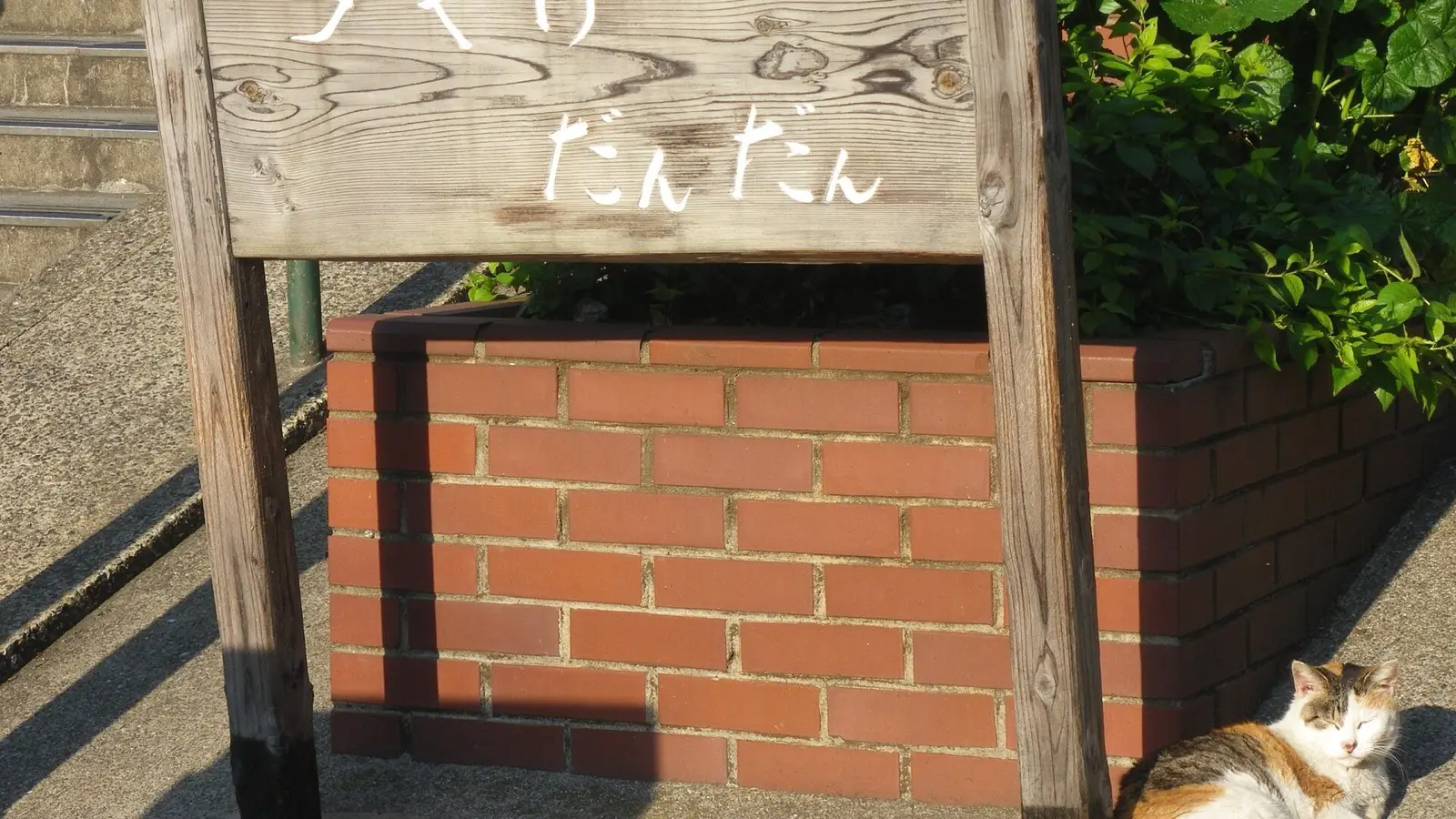
Tokyo's Yanaka Ginza Shitamachi Walk: Crispy Croquettes, Quiet Cat Alleys, and Showa Retro Soul
When the sensory overload of Shinjuku's neon billboards and Shibuya's scrambling crosswalks wears thin, seek refuge in Yanesen (the historic triangle of Yanaka, Nezu, and Sendagi), one of the exceedingly rare Tokyo neighborhoods that miraculously escaped both the 1923 Great Kanto Earthquake and World War II firebombings. Beginning from the west exit of JR Nippori Station, this serene walking route descends the famous Yuyake Dandan (Sunset Steps) into the nostalgic, pedestrian-only Yanaka Ginza shopping arcade. From biting into crispy beef menchi-katsu freshly fried at a multi-generational butcher stall to greeting neighborhood alley cats and sipping dark pour-over coffee on the tatami mats of 1938-built Kayaba Coffee, here is your definitive field guide to Tokyo's enduring Showa-era soul.

The Japan Shinkansen Booking Playbook: Mount Fuji Row E Strategy, Oversized Luggage, and Smart EX Savings
Slicing through Japan's industrial and cultural heartland between Tokyo, Kyoto, and Osaka, the Tokaido Shinkansen bullet train network represents the pinnacle of railway engineering. Cruising smoothly at 285 km/h, the Nozomi super-express covers the 515-kilometer corridor in just two hours and twenty minutes. Yet navigating the nuances of seat selection dictates whether your journey becomes a dream sightseeing passage or a cramped logistical hassle. Missing out on the coveted two-abreast 'Row E' window seats when departing Tokyo forfeits uninhibited vistas of Mount Fuji. Furthermore, failing to pre-book dedicated Oversized Baggage seats for luggage whose total dimensions exceed 160 cm triggers an unexpected 1,000 JPY penalty fee enforced by conductors on board. This tactical manual reveals the exact seat reservation rules, paperless Smart EX mobile discounts, oversized luggage exemptions, and post-price-hike JR Rail Pass breakeven mathematics.
Tokyo Shibamata Retro Journey: Taishakuten Temple Relic Carvings, Yamamoto-tei Garden, and Fresh Kusadango Sweets
When the hypnotic kaleidoscope of Shinjuku digital screens and Shibuya pedestrian swarms begins to exhaust your senses, head northeast toward the serene time-capsule village of Shibamata in Katsushika ward. Transferring onto the charming single-track Keisei Kanamachi Line shuttle whisks travelers back into the gentle, human-scale Tokyo of the 1960s Showa era. Stepping past the nostalgic bronze statue of wandering peddler Tora-san at the station square, a pedestrian pilgrimage avenue lined with Edo-period wooden facades unfolds before you. Here, the soothing aroma of freshly pounded green mugwort dumplings (Kusadango) and crackling hand-toasted rice senbei drifts through the air. Beyond the historic Daikyo-ji temple gate lies an astonishing museum corridor of intricate, three-dimensional Lotus Sutra wood reliefs, followed by the hybrid Taisho-era architecture of Yamamoto-tei and Edo River hand-rowed ferries.