
ManilaGuide
Manila Itinerary: Intramuros and BGC in Two Nights
From terminal Grab pickup survival to San Agustin Church, Manila Bay sunsets, and BGC luxury stays
Arrival Realities: Evading Airport Taxi Scams and Using Official Grab Kiosks
Stepping out of Ninoy Aquino International Airport (NAIA) plunges arriving travelers into an immediate gauntlet of aggressive touts loudly pitching unmetered rides into the city for 2,000 to 3,000 PHP ($35 to $55). Tampered taxi meters, fabricated congestion fees, and deliberate withholding of banknote change are well-documented hazards, making unauthorized private airport vehicles a hazard to be bypassed without hesitation.
Even standard yellow metered airport cabs often prove problematic during torrential tropical downpours or heavy rush hours, with drivers regularly refusing to engage meters or demanding arbitrary flat surcharges. For first-time visitors, avoiding initial travel fatigue requires bypassing all persistent lobby solicitors and walking with purpose directly toward the designated transport platforms outside terminal arrivals.
The single most reliable, secure, and cost-effective remedy is heading straight to the official Grab booking booth positioned along the terminal curbside. Travelers with active eSIM data connections can dispatch rides directly via the Grab mobile app. For those without immediate cellular access, booth staff will manually input your destination into their dispatch terminal and hand you a printed dispatch voucher with a guaranteed fare (typically 300 to 450 PHP to BGC or Makati).
When transferring between separate NAIA terminals, traversing the perimeter public roads risks getting trapped in gridlock that can easily cause missed connecting flights. Use the free inter-terminal shuttle buses instead of hailing a car, or explicitly instruct drivers to take the elevated toll Skyway expressway over surface streets to bypass metropolitan traffic bottlenecks.
Echoes of Colonial Spain: Intramuros Bamboo Bikes and Baroque San Agustin
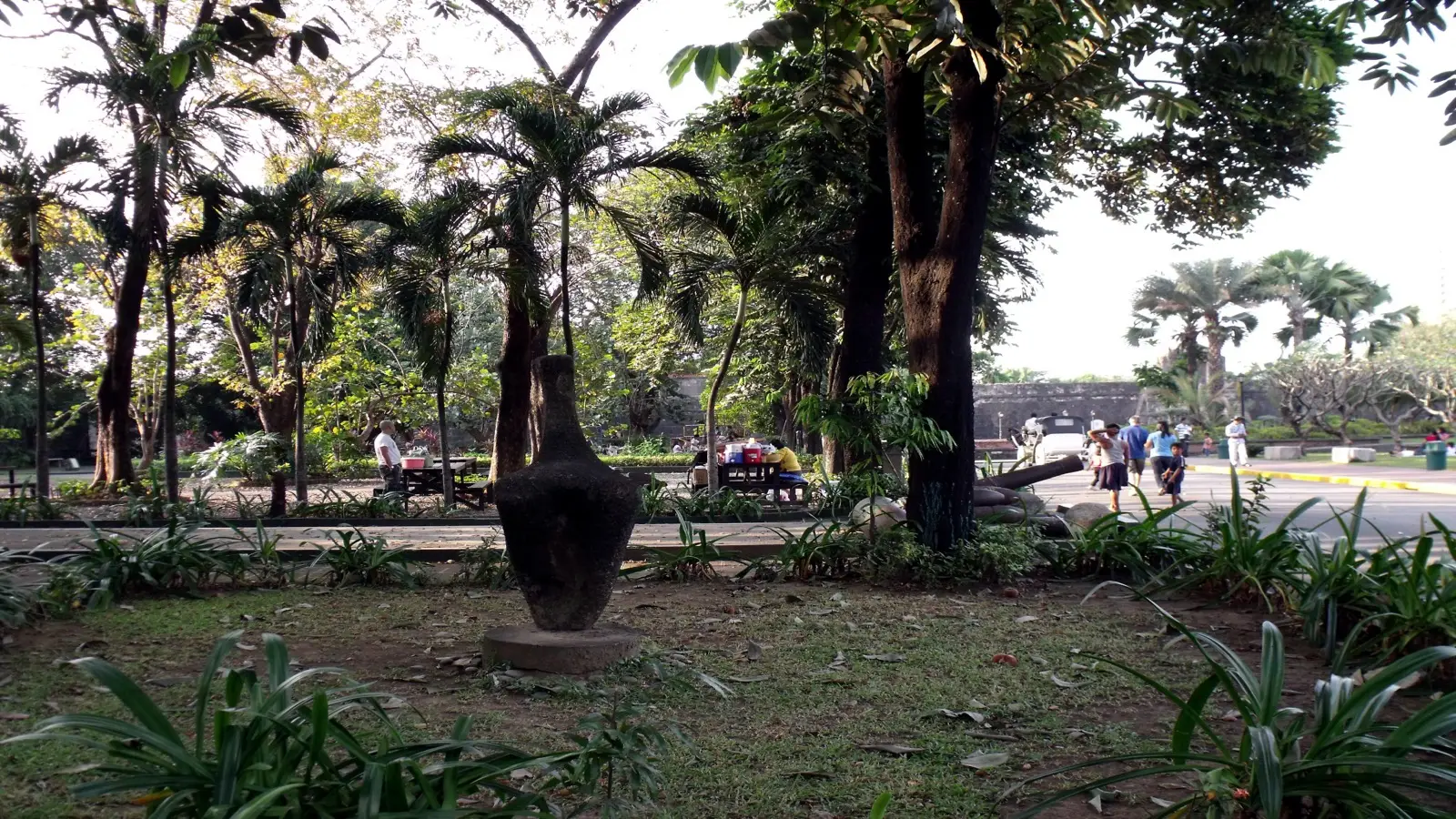
Rising along the southern bank of the Pasig River, Intramuros stands as the historic stone fortress founded in 1571 by Spanish conquistador Miguel Lopez de Legazpi as the seat of the Spanish East Indies government. Translating from Latin as 'within the walls', this historic precinct is ringed by 4.5 kilometers of volcanic tuff stone ramparts that muffle modern city sirens into quiet cobblestone vistas.
The most evocative way to traverse this historic citadel is on a guided tour with Bambike, handcrafted ecological bicycles built by local artisans from indigenous Philippine bamboo. Pedaling atop ancient defensive stone bastions like the Baluarte de San Diego, where Spanish cannons once guarded against Dutch and Chinese maritime armadas, offers an exhilarating perspective on four centuries of imperial history.
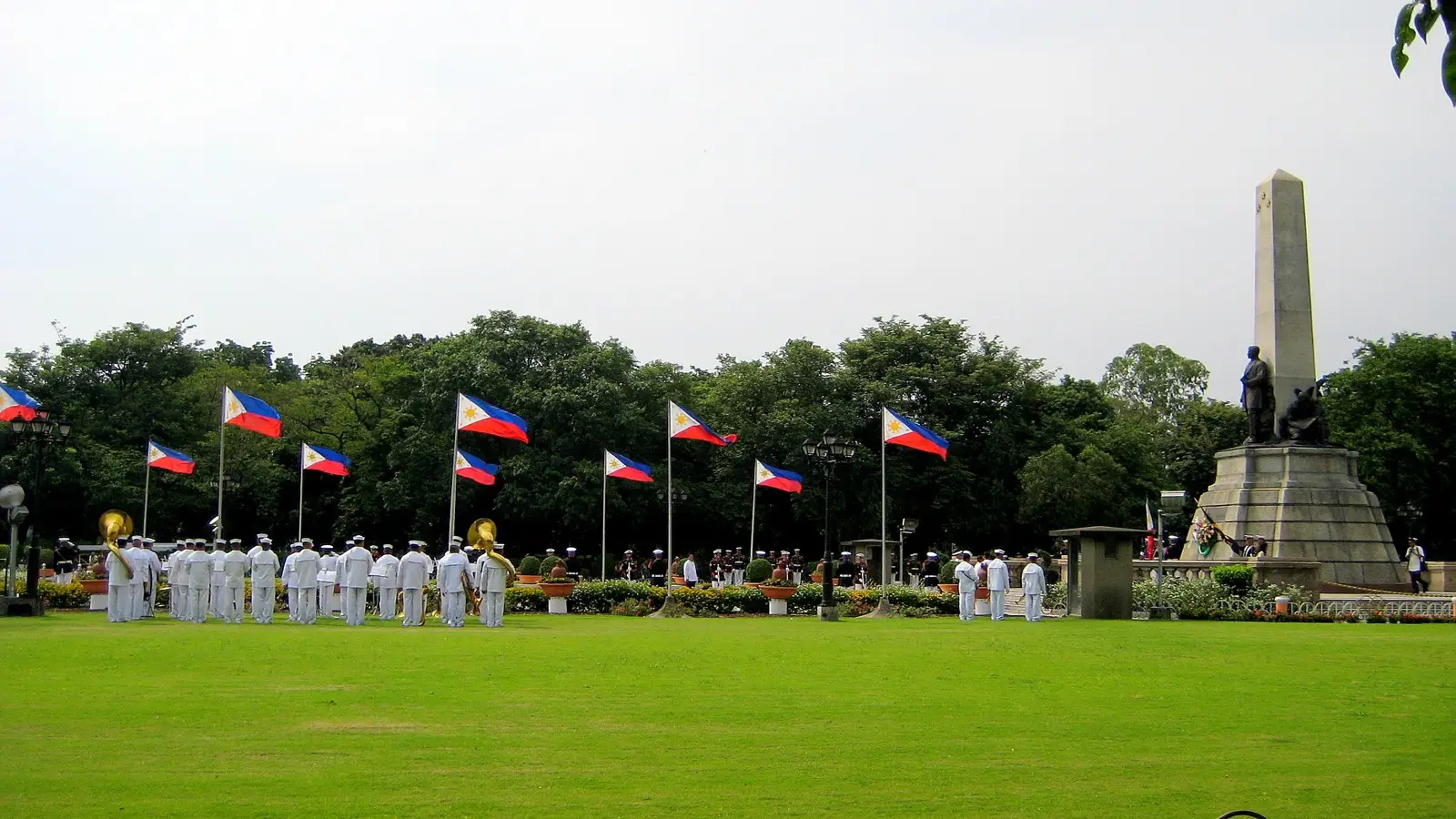
At the northwestern ramparts stands Fort Santiago, the grim stone fortress where national hero and polymath Jose Rizal was imprisoned prior to his military execution in 1896. Walking along the courtyard pathways marked by bronze footprints tracing his final walk to Luneta Park instills a profound appreciation for the resilience of the Philippine independence movement against colonial rule.
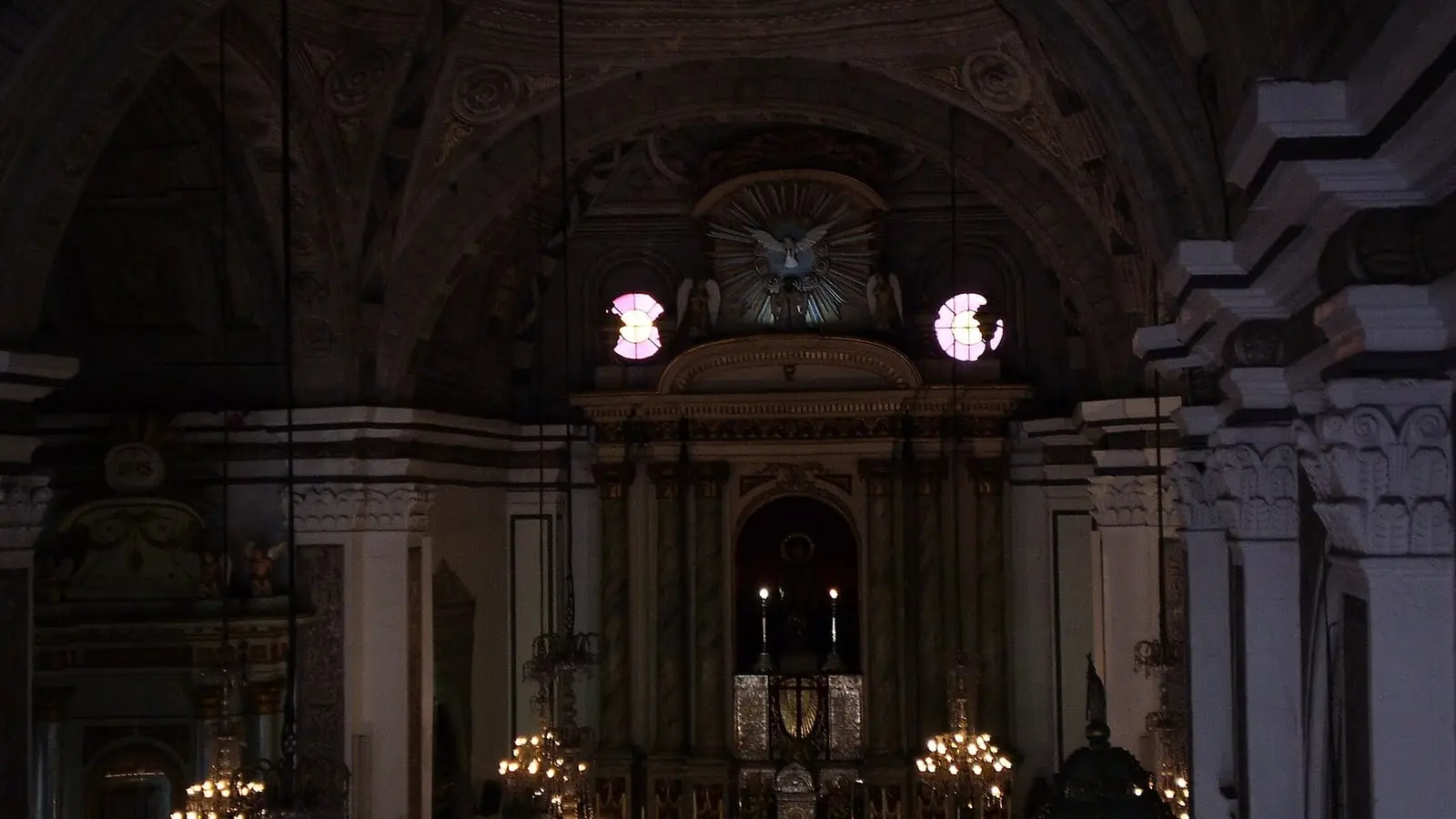
Just down General Luna Street stands San Agustin Church, completed in 1607 and recognized as the oldest surviving stone church in the nation and a UNESCO World Heritage site. Having miraculously withstood major seismic earthquakes and the devastating aerial bombings of World War II, its majestic sanctuary boasts breathtaking trompe-l'oeil ceiling frescoes and a serene monastery courtyard cloister.
Binondo Culinary Heritage: Exploring the World Oldest Chinatown
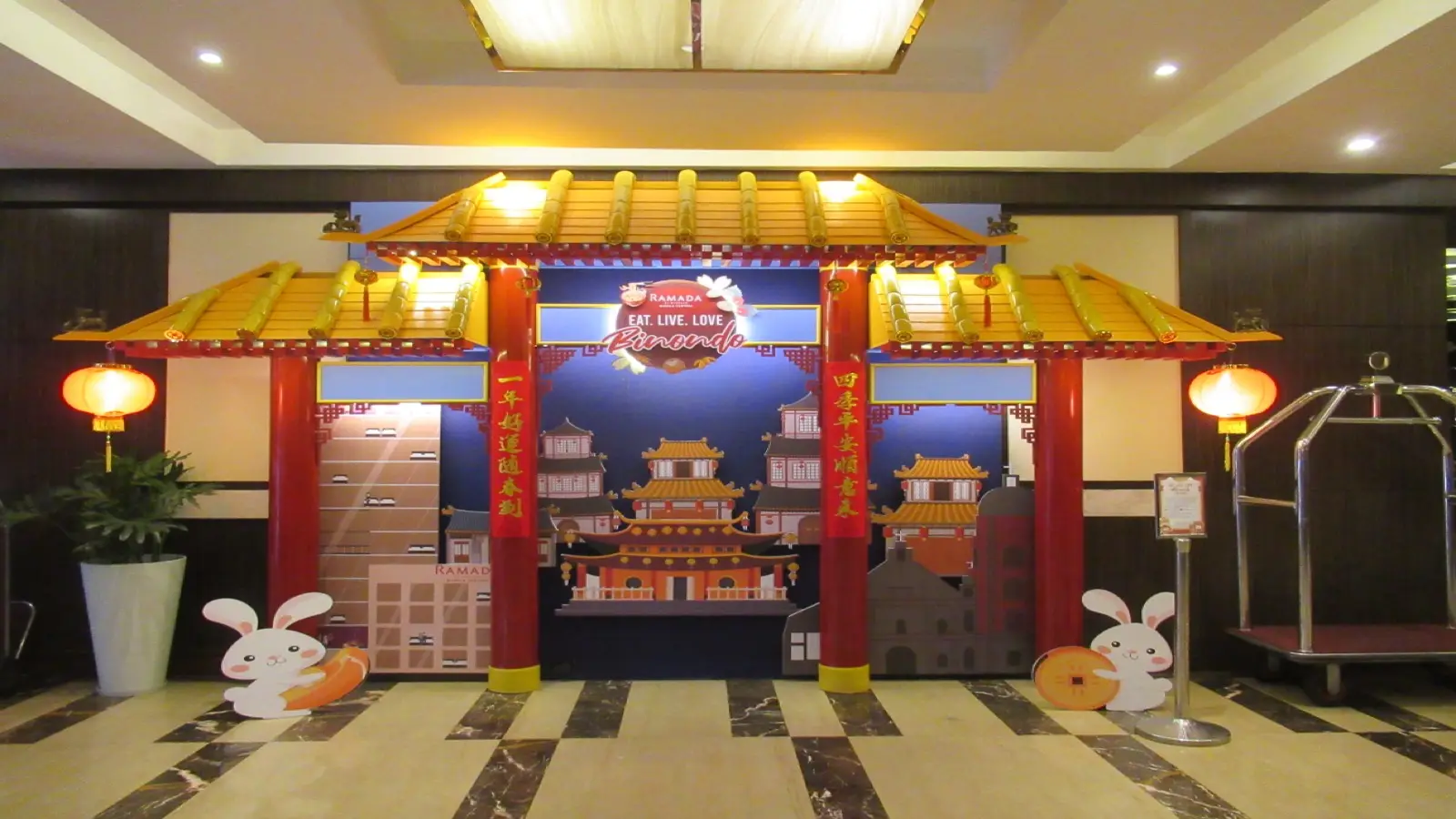
Crossing the neoclassical arches of Jones Bridge spanning the Pasig River brings travelers into Binondo, established in 1594 by Spanish authorities as a dedicated settlement for Catholic Chinese merchants. Celebrating over four centuries of continuous commercial vibrancy, Binondo reigns as the world oldest Chinatown and Manila premier culinary treasure trove.
Along Ongpin Street and Plaza Lorenzo Ruiz, vivid red calligraphic shopfronts, incense smoke curling from Taoist roadside shrines, and the rich aromas of simmering herbal broths and roasting chestnuts create an intoxicating sensory landscape. Hidden within these historic lanes are multi-generational family kitchens guarding century-old culinary secrets.
A classic Binondo gastronomic walking tour begins at Dong Bei Dumplings, where cooks swiftly hand-roll delicate wrappers filled with pork and Chinese chives before pan-frying them to crispy perfection. From there, weave through alleyways to New Po-Heng Lumpia House for fresh Hokkien spring rolls packed with crisp cabbage, crushed peanuts, and sweet garlic glaze.
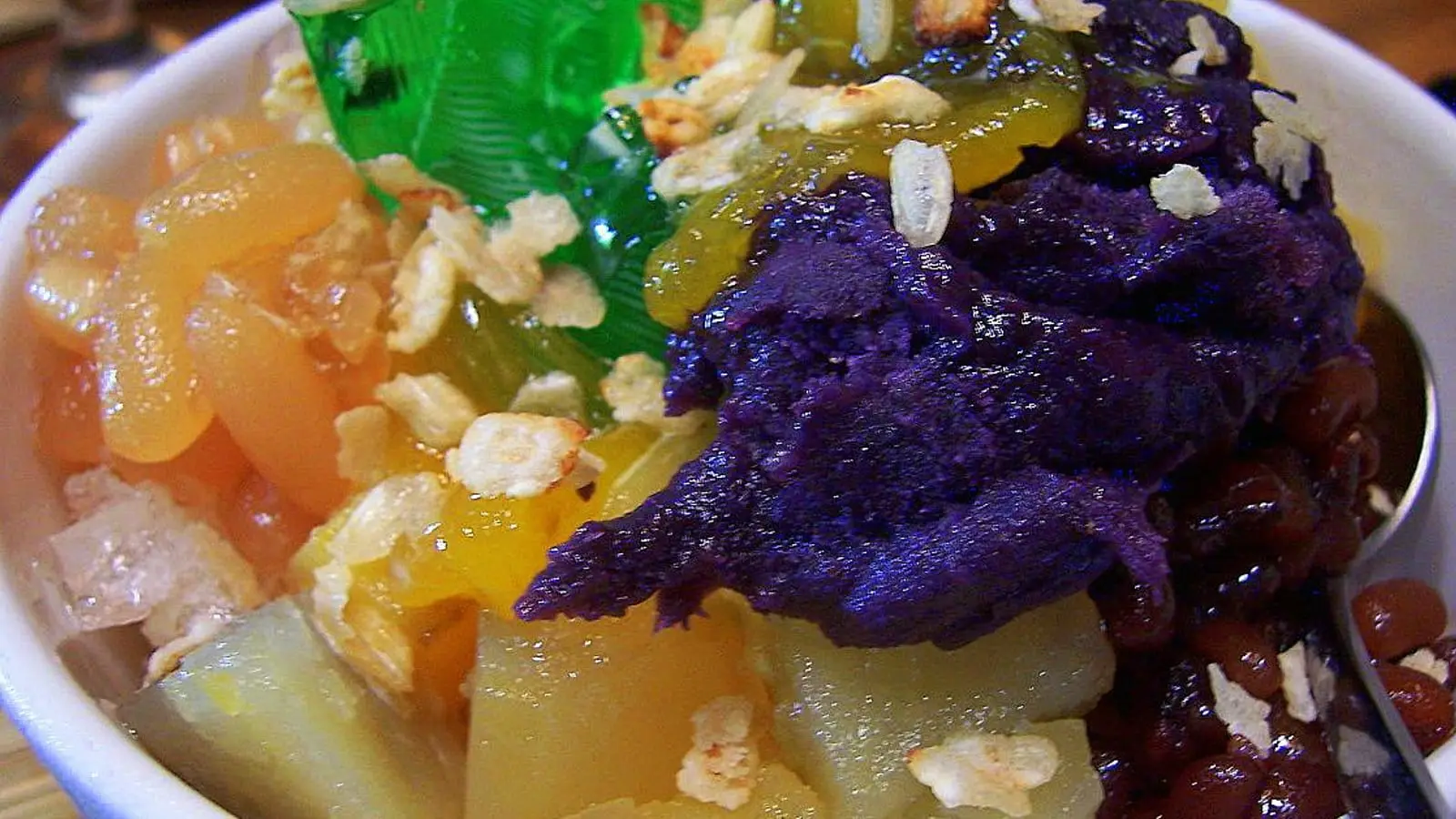
After savoring savory dim sum and steamed pork buns at Wai Ying Fastfood, pilgrimage to Eng Bee Tin Chinese Bakery, operating since 1912. Celebrated for pioneering purple yam (ube) hopia pastries and sticky tikoy cakes, this landmark bakery produces the quintessential edible souvenirs cherished by international travelers and locals alike.
Anchoring the western boundary of the district stands Binondo Church (Minor Basilica of St. Lorenzo Ruiz). Its curious architectural harmony marries octagonal Chinese pagoda bell tower geometry with Spanish colonial baroque stone facades, symbolizing four hundred years of cultural synthesis that continues to define the multifaceted soul of metropolitan Manila.
Manila Bay Golden Hour & Poblacion: Fiery Sunsets and Nightlife Hubs
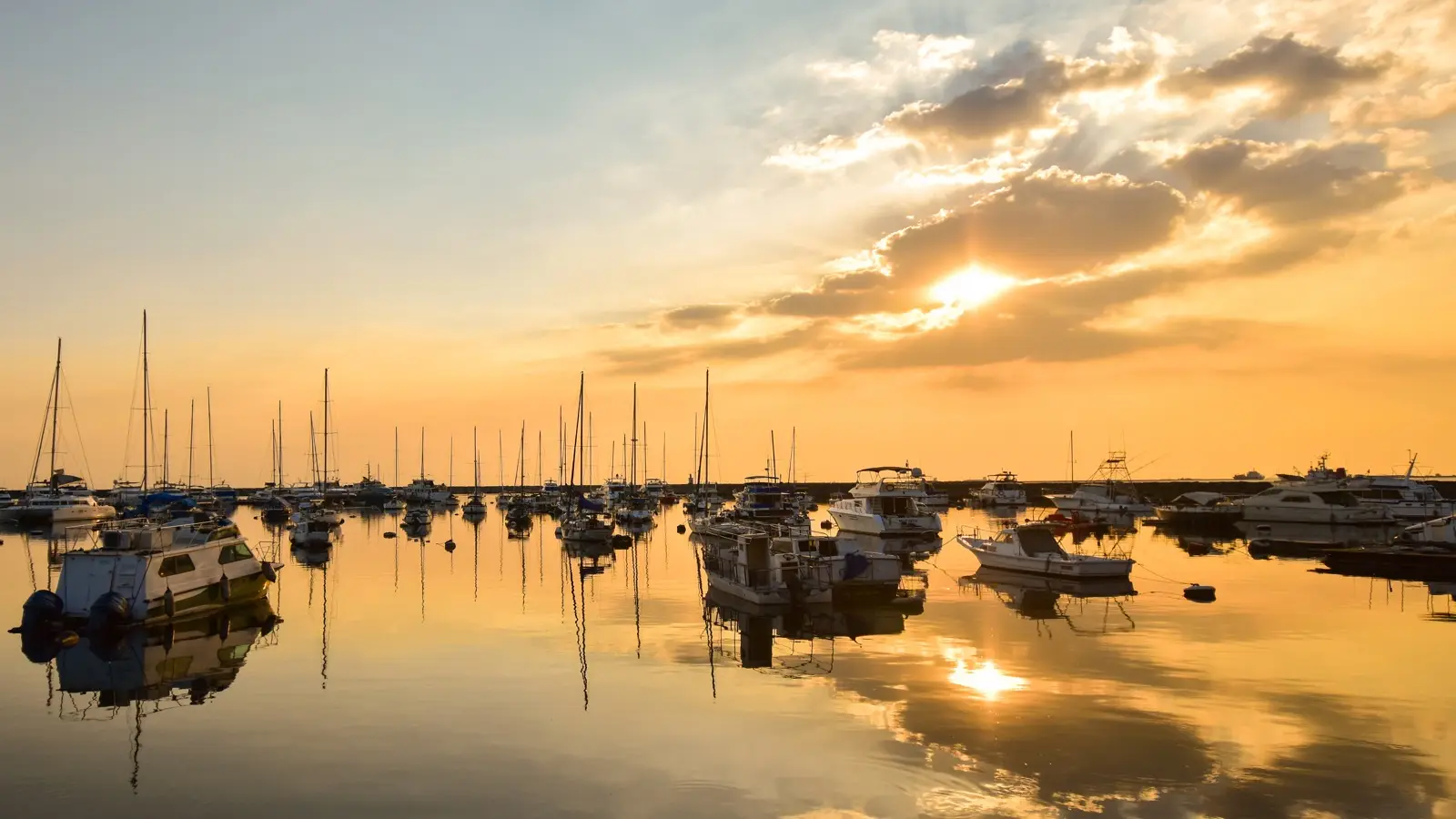
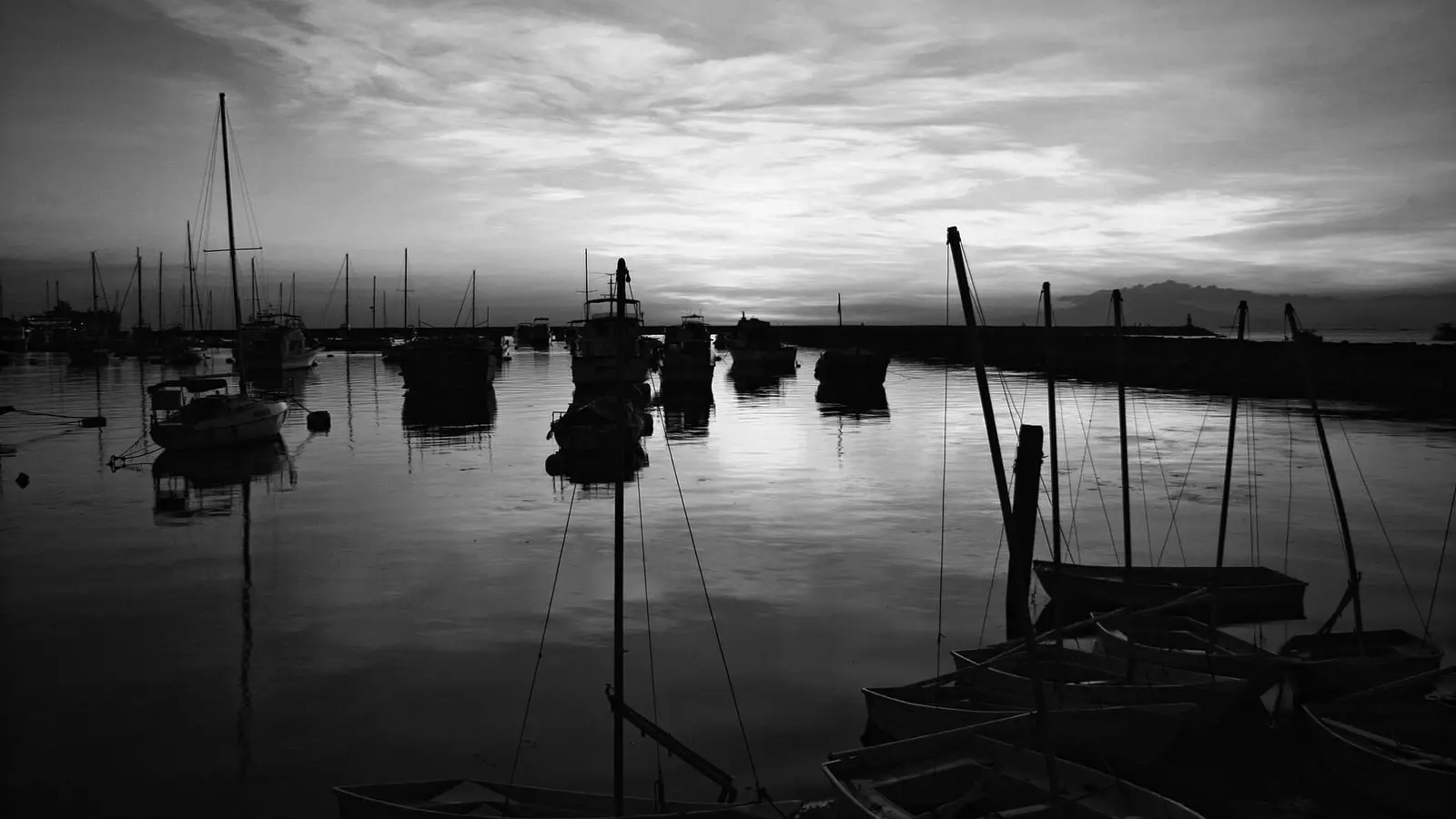
As late afternoon approaches around 5:00 PM, make your way toward the waterfront promenades of the Manila Baywalk or the open seaside esplanade at SM Mall of Asia (MOA). Widely celebrated alongside Santorini and Kota Kinabalu as one of the world most dramatic maritime sunsets, Manila Bay dusk unfolds as a sweeping natural symphony of fiery crimson, amber gold, and deep violet reflections.
To escape the dense shoreline pedestrian crowds, the ultimate vantage point lies atop the elevated outdoor terrace bars of luxury bayfront hotels. Sinking into plush lounge seating at Conrad Manila's C Lounge or another bayfront hotel lounge while sipping a calamansi-infused craft cocktail or an ice-cold San Miguel beer delivers the definitive sunset indulgence.
Once the sun dips below the oceanic horizon, transfer eastward into Poblacion in northern Makati. Once a sleepy residential enclave of narrow ancestral streets, this heritage neighborhood has transformed into Manila most dynamic creative district, teeming with hidden speakeasies, artisan taprooms, and experimental culinary bistros.
Wandering between atmospheric alleyways reveals rooftop lounges overlooking illuminated Makati skyscrapers, where travelers can sample sizzling pork sisig served on piping hot cast-iron skillets alongside modern Philippine craft beers, soaking in the youthful, cosmopolitan pulse of Manila nightlife.
Modern Sanctuary: Bonifacio Global City (BGC) Lodging Strategy
When deciding on an accommodation headquarters in Manila, Bonifacio Global City (BGC) in Taguig is the undisputed gold standard. Master-planned upon former military cantonment lands (Fort Bonifacio), this gleaming commercial and residential sanctuary presents a futuristic urban oasis completely distinct from traditional chaotic perceptions of the capital.
BGC features round-the-clock private security patrols and comprehensive surveillance networks, creating a thoroughly safe pedestrian environment where travelers can stroll freely late into the evening. With all electrical and telecommunications wiring buried cleanly underground, tree-shaded public parks, open lawn plazas, and playful outdoor contemporary art murals echo the pristine urban design of Singapore.
The vibrant spine of the district is Bonifacio High Street, a one-kilometer pedestrian shopping corridor flanked by international fashion boutiques, outdoor coffee shops, and flagship global eateries. On weekends, landscaped lawns fill with pet-walking residents and international expatriates enjoying a relaxed, refined open-air community rhythm.
Framing High Street are world-class luxury properties including Shangri-La The Fort, Grand Hyatt Manila, and Ascott Bonifacio. Offering panoramic rooftop infinity pools overlooking the metropolitan skyline and fine dining establishments, staying in BGC ensures that after diving into the historical intensity of Old Manila, you retreat into supreme comfort and tranquility.
Frequently Asked Questions
Field-tested answers to transit navigation, neighborhood choices, and payment traps.
Q1.What is the safest way from Manila airport to the city?
Q2.Where should I stay in Manila?
Q3.What should I see in Intramuros?
Q4.What should I eat in Binondo Chinatown?
The Smart Traveler's Essential Toolkit
Prepare instant mobile data, private airport transfers, and skip-the-line passes in one place.
Pick a base in Manila by your route
Choose the places you want to see and get the neighbourhood with the shortest travel.
Compare Manila Hotel Rates
Find the cheapest channel across Agoda and major booking engines with Tripdify.
Share This Guide with Your Companions
When shared via chat or social media, a curated summary card is sent along.

Recommended Guides
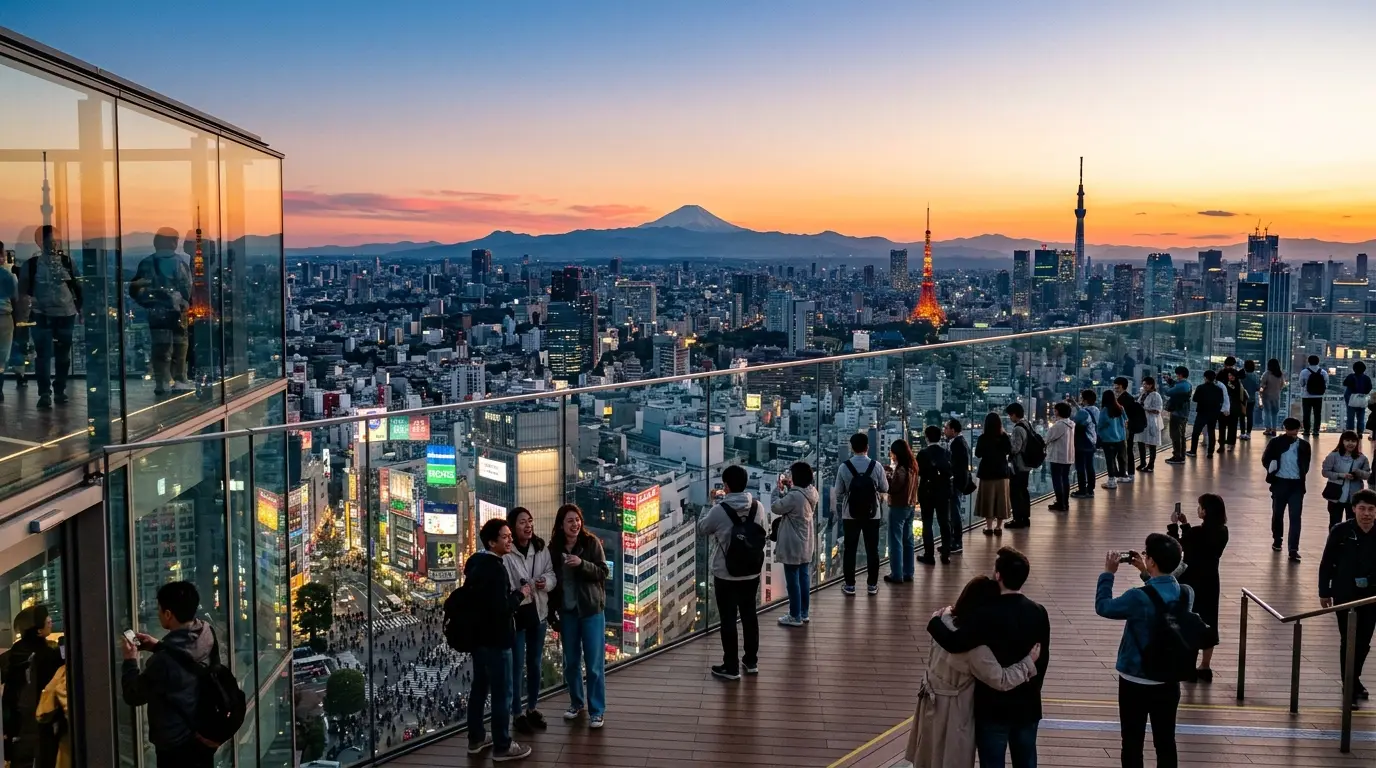
Where to Stay in Tokyo: Shinjuku vs Shibuya vs Ginza
Comparing room footprints across Shinjuku, Ginza, and Ueno, locking in sudden 14-day cancellation drops, and eliminating DCC fees with clean Yen checkout.
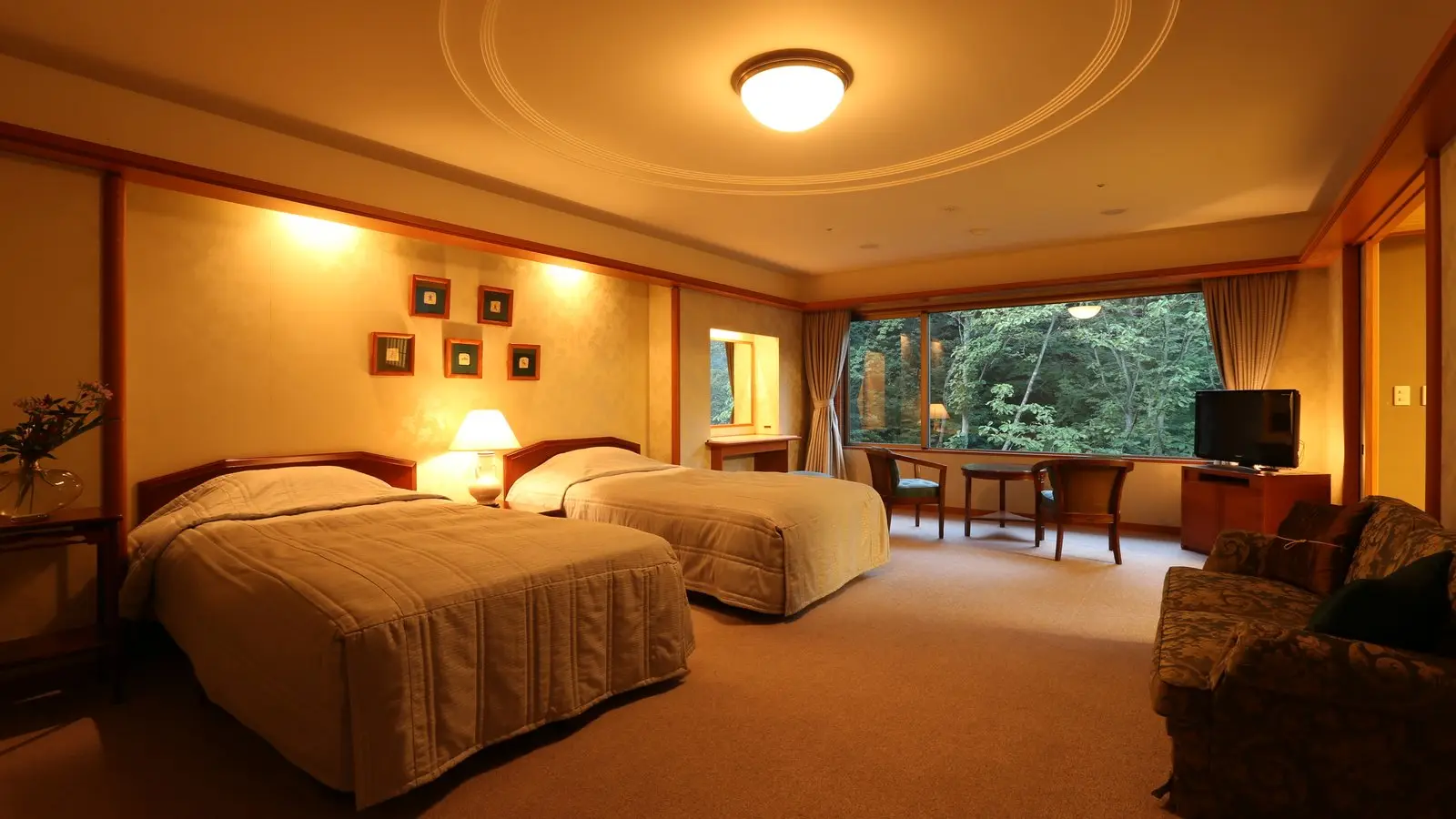
7 Budget Hotels in Tokyo Under $100 on the Yamanote Line
Even amid yen fluctuations, central Tokyo hotel rates have soared. Learn how to secure Yamanote loop line hotels at half the price of Shinjuku, compare onsen bath chains like Dormy Inn, trigger secret Agoda VIP and Booking.com Genius discounts, and dodge hidden currency fees with yen settlement.
How to Read the Tokyo Subway Map and Where to Stay on the Yamanote Line
How to choose between Keisei Skyliner and Narita Express, avoid the Tokyo Subway Ticket trap, use Apple Wallet Suica, and select the ideal hotel base in Tokyo.
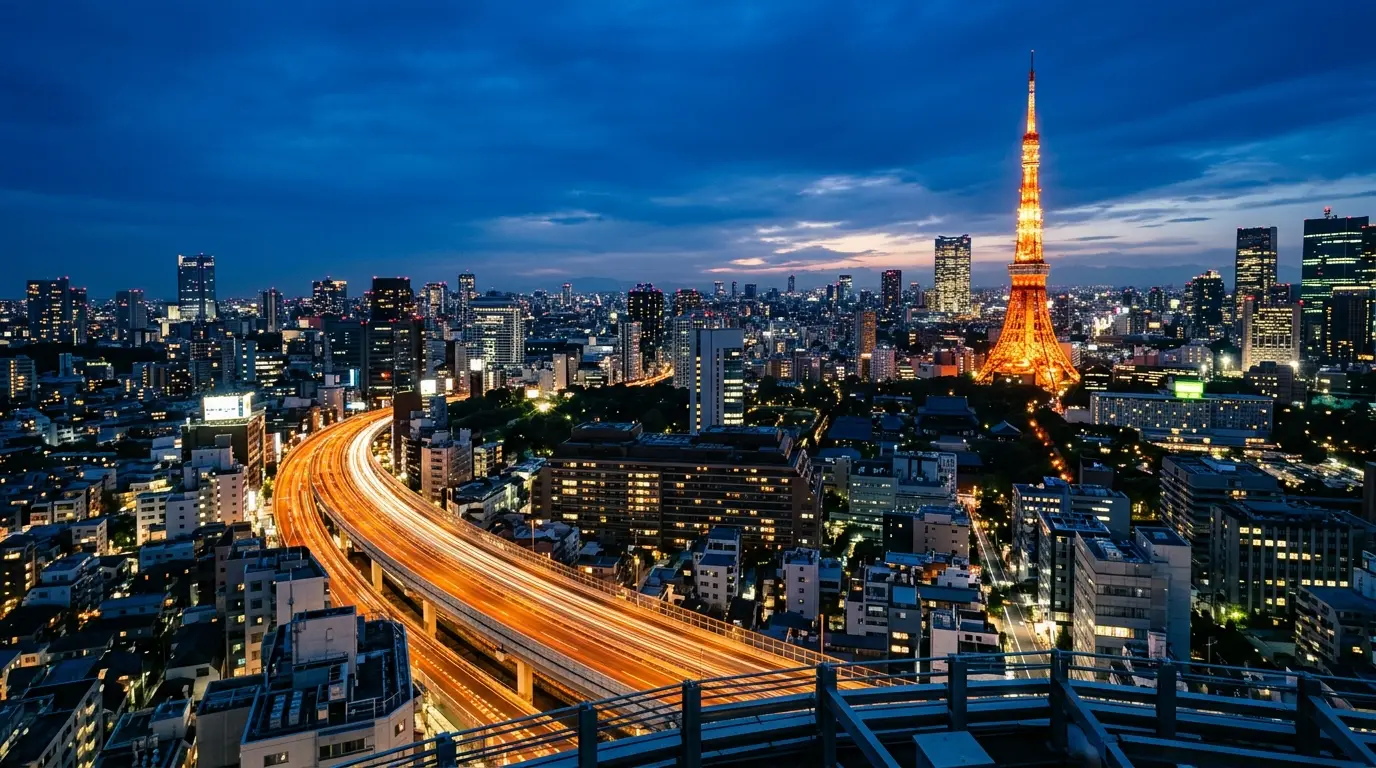
Tokyo Day 1 Itinerary: Narita Airport to the City and Your First 24 Hours
From stepping off at Narita Airport to mastering high-speed trains, navigating Tokyo's sprawling transit hubs, ordering counter ramen effortlessly, and catching sunset from Roppongi Hills. A definitive guide for your first 24 hours in Tokyo.
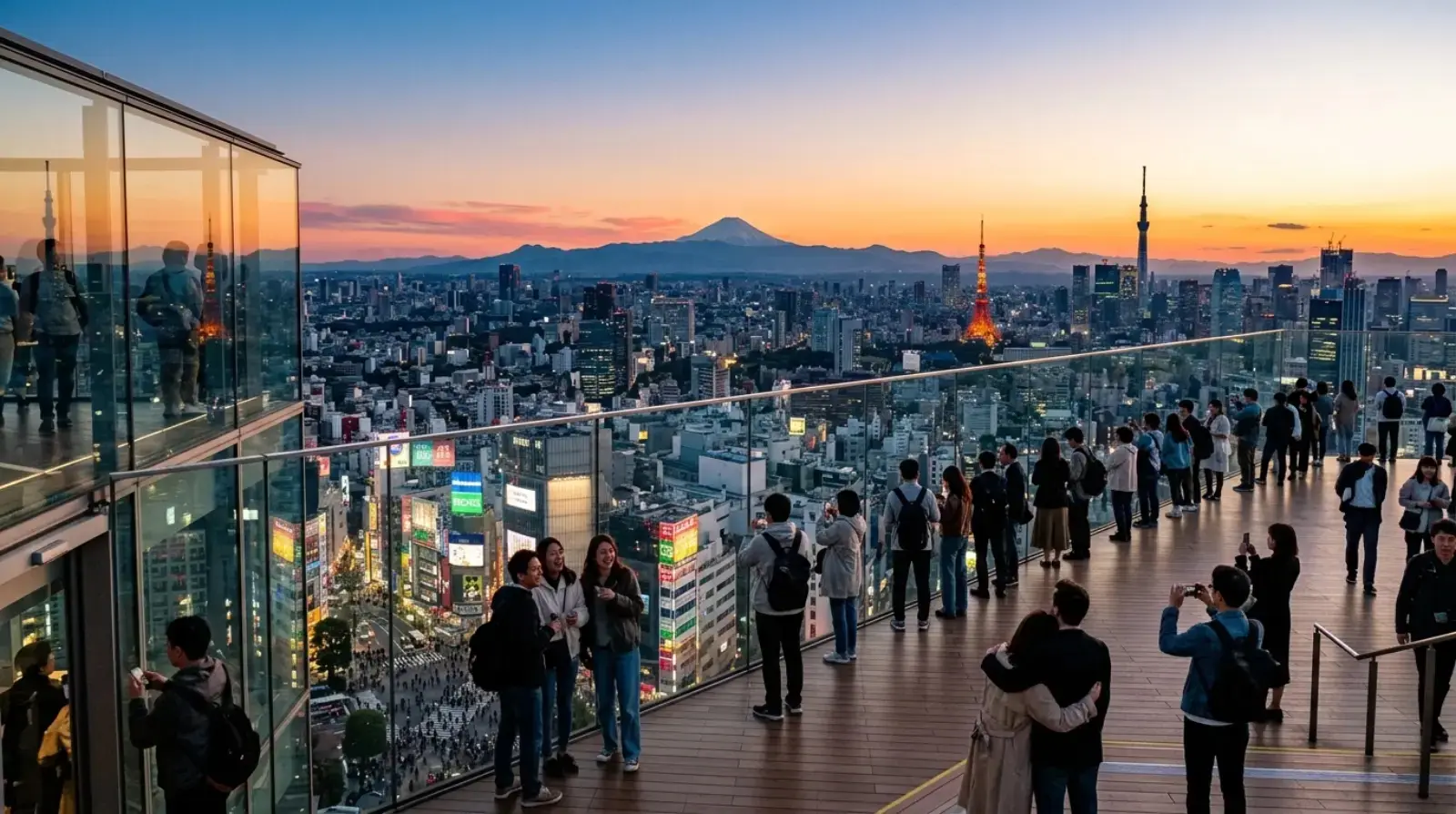
Tokyo Day 2 Itinerary: Booking Shibuya Sky, Harajuku Backstreets and Roppongi at Night
Securing prime sunset slots atop Shibuya Sky, navigating hidden boutiques along Harajuku Cat Street, immersing in the forested serenity of Meiji Jingu, and marveling at the crimson glow of Tokyo Tower from Roppongi Hills. A masterclass in Day 2 pacing.
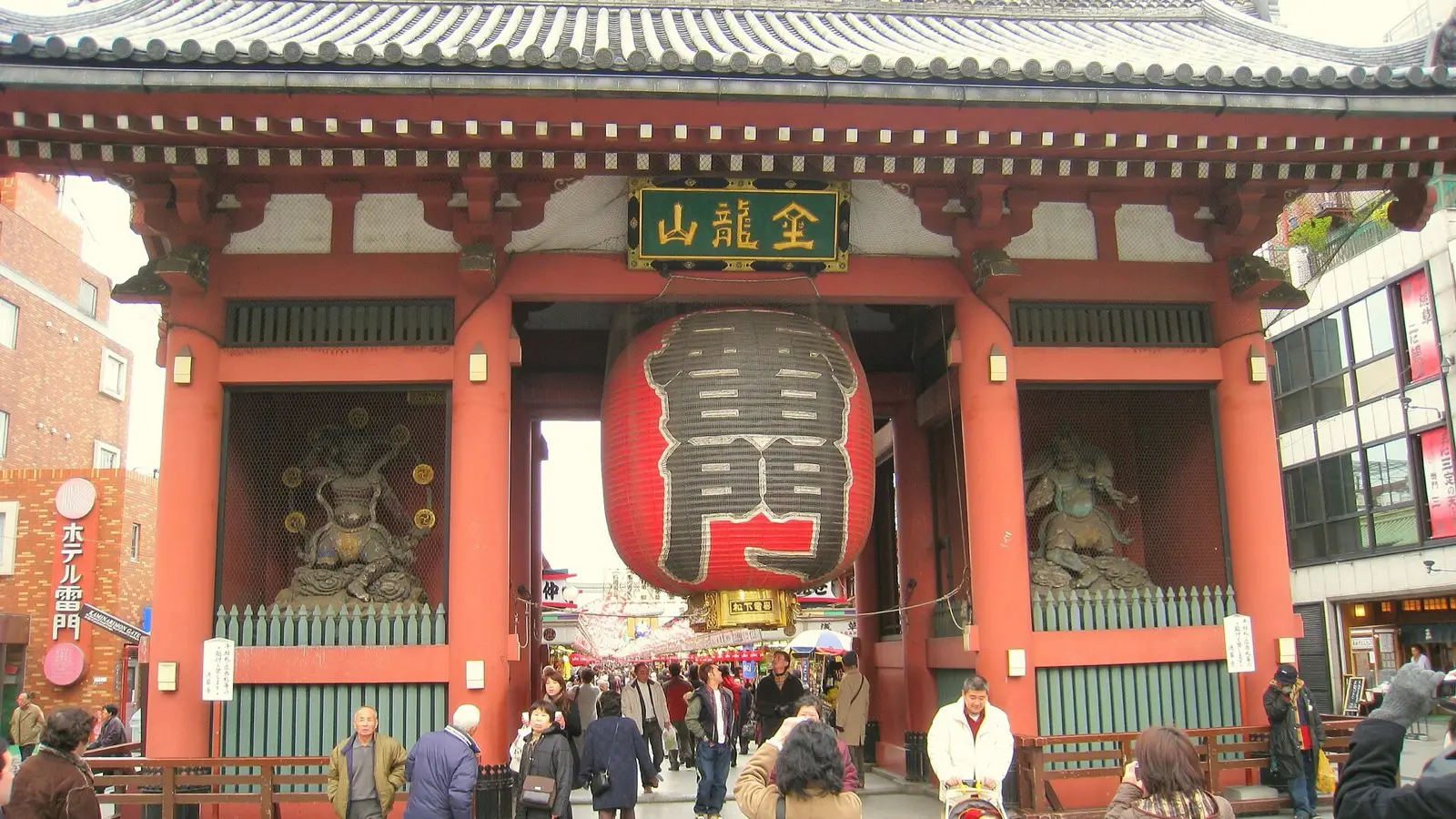
Tokyo Day 3 Itinerary: Asakusa, Akihabara, Ginza Depachika and Flying Home
The ultimate finale for your Tokyo stay: tranquil morning worship at Sensoji, retro subculture in Akihabara, Ginza Six architectural rooftop views and basement depachika feasts, capped by seamless Skyliner and N'EX airport connections.
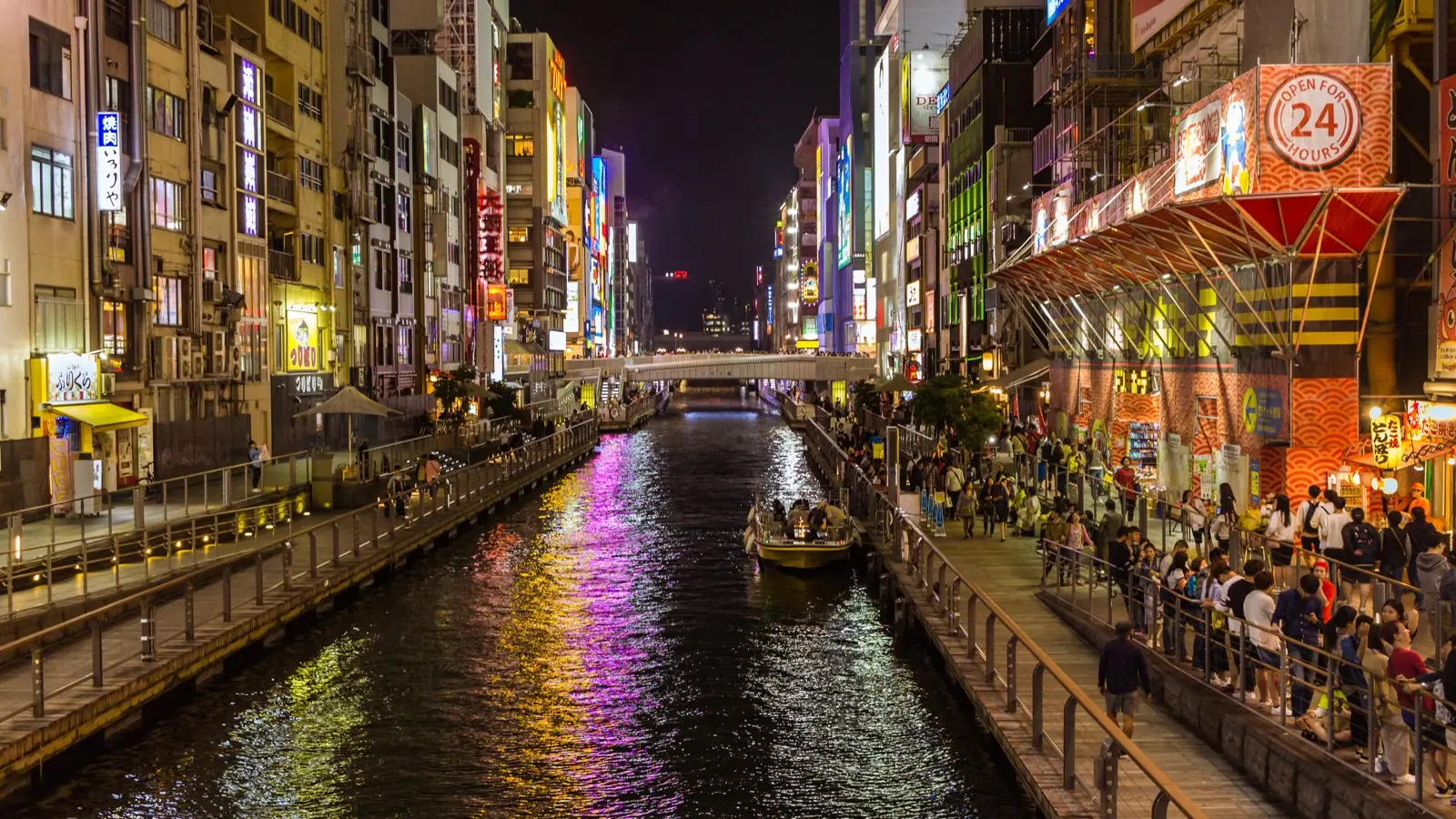
Osaka Itinerary: Dotonbori and Umeda in Two Nights
Osaka is Japan culinary powerhouse where feasting is an art. Navigate Rapi:t airport transfers, Namba vs Umeda hotels, and street food corridors with veteran precision.
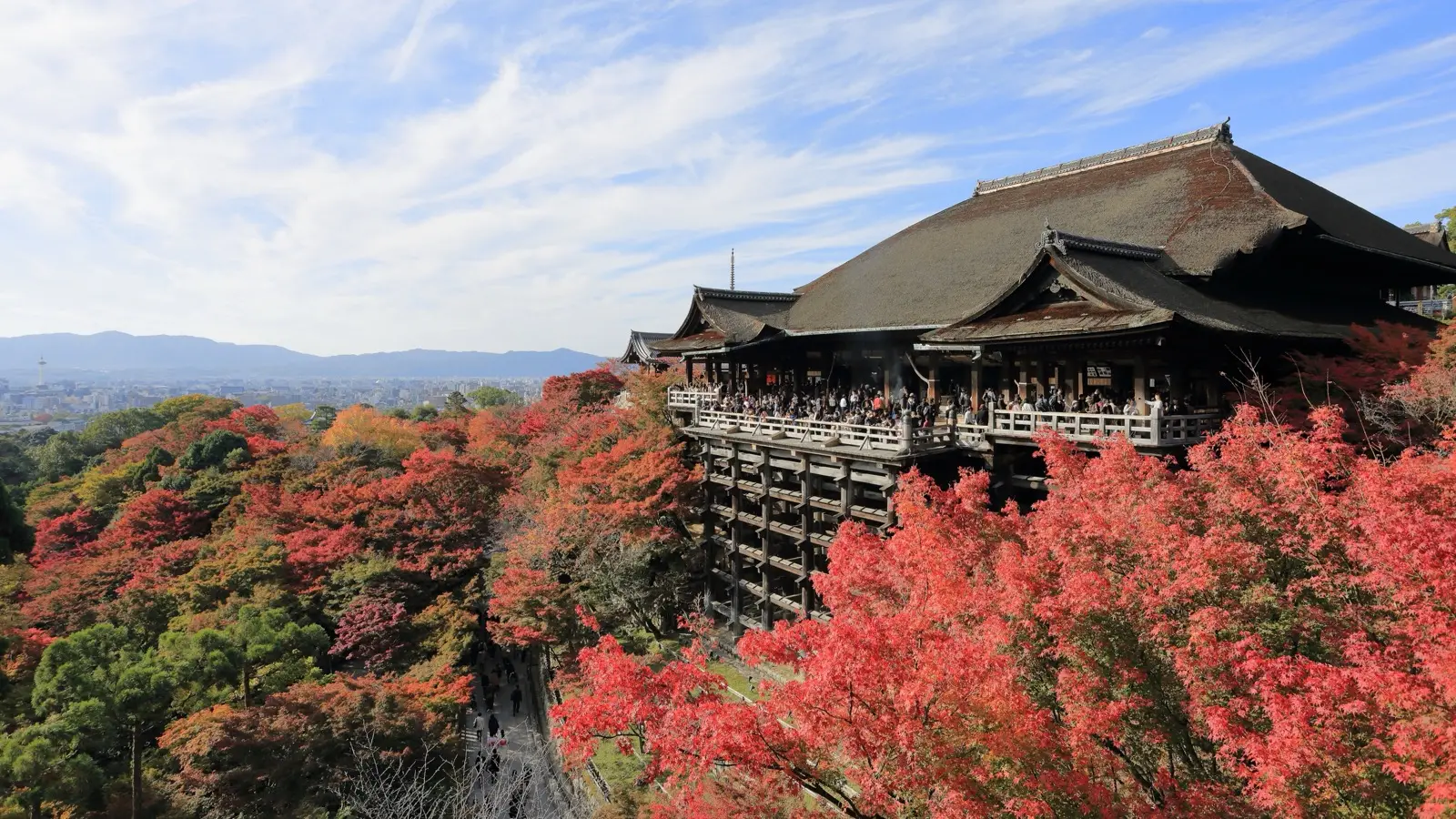
Kyoto Itinerary: Arashiyama, Gion and How to Pick a Ryokan
Kyoto compresses a millennium of Japanese aesthetic mastery. Discover how to evade bus congestion with private railways, master ryokan kaiseki booking windows, and savor early dawn stillness.
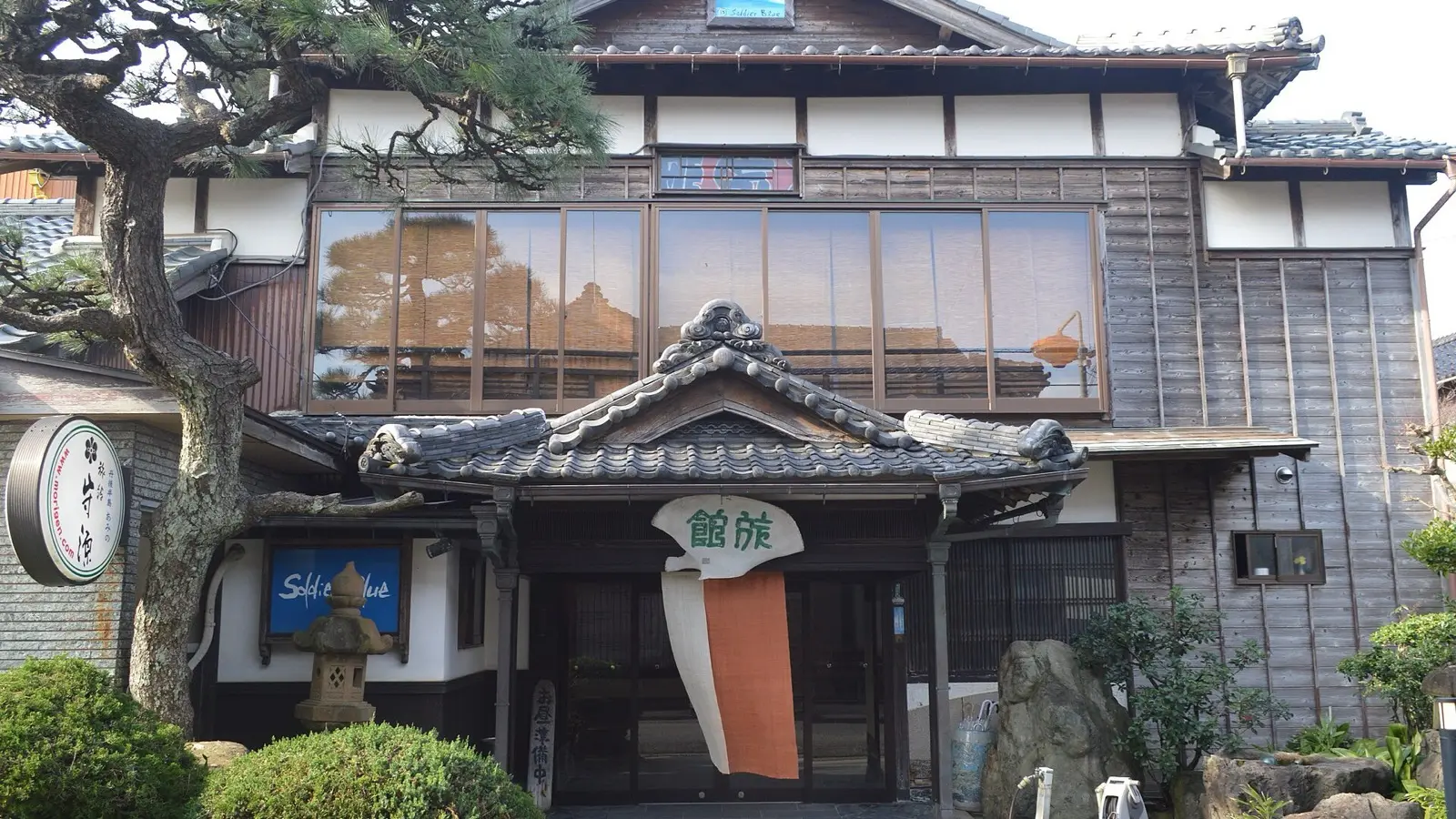
Kyoto Ryokan Prices and How to Choose: Kaiseki Terms and Machiya Stays
From hundred-year-old timber townhouses in Gion to misty Arashiyama riverside ryokan, staying in Kyoto demands cultural fluency and sharp booking discipline. An honest receipt audit covering kaiseki dinner curfews, private onsen etiquette, and avoiding dynamic pricing spikes.
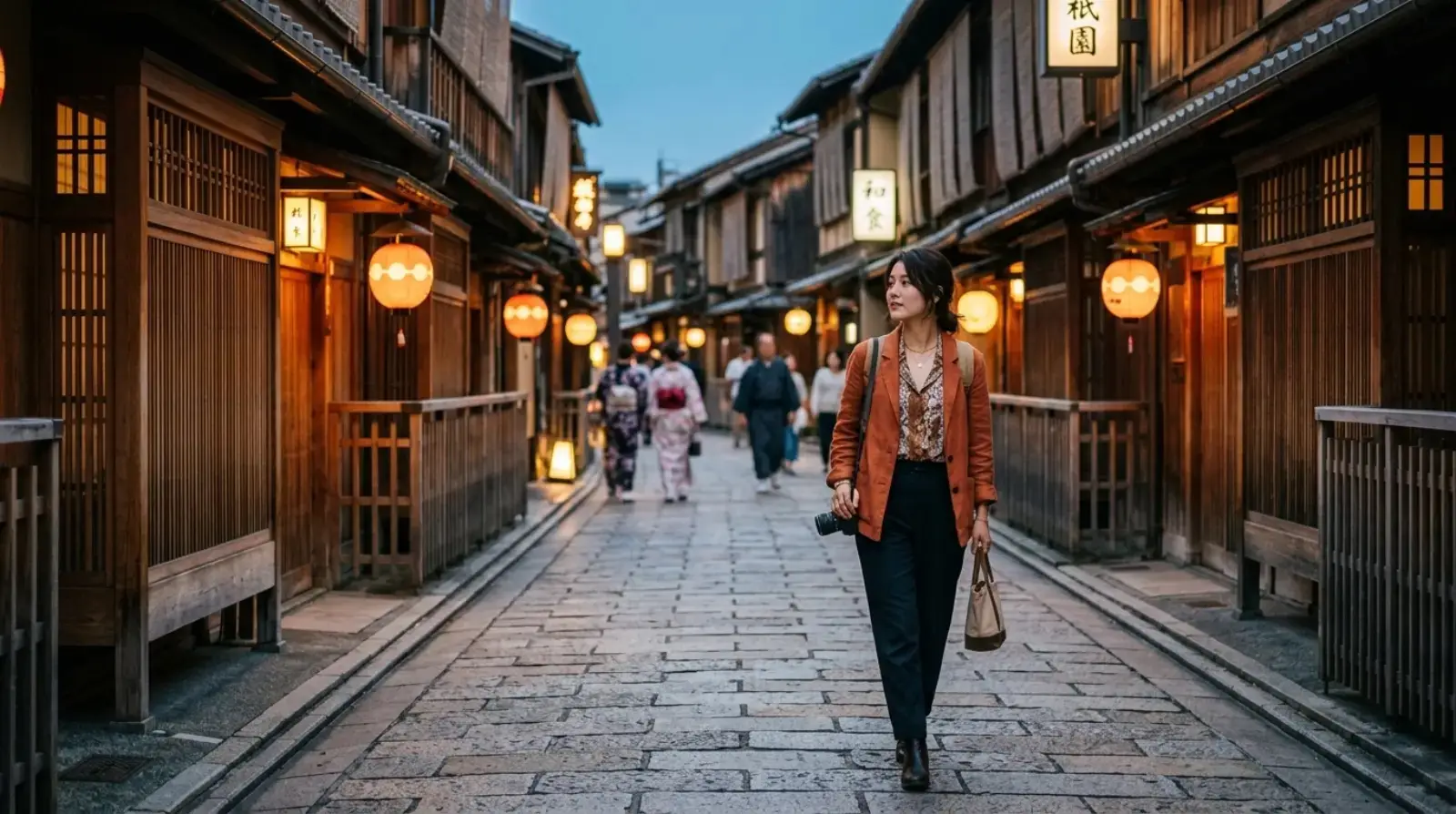
Kyoto Day 1 Itinerary: Kansai Airport to Kyoto and Your First Evening in Gion
Boarding the 75-minute Haruka Express from Kansai Airport, forwarding heavy bags straight to your hotel via Crosta at Kyoto Station, avoiding gridlocked buses using the subway, and an evening stroll through Gion to the Kamogawa. A field guide to your first 24 hours.
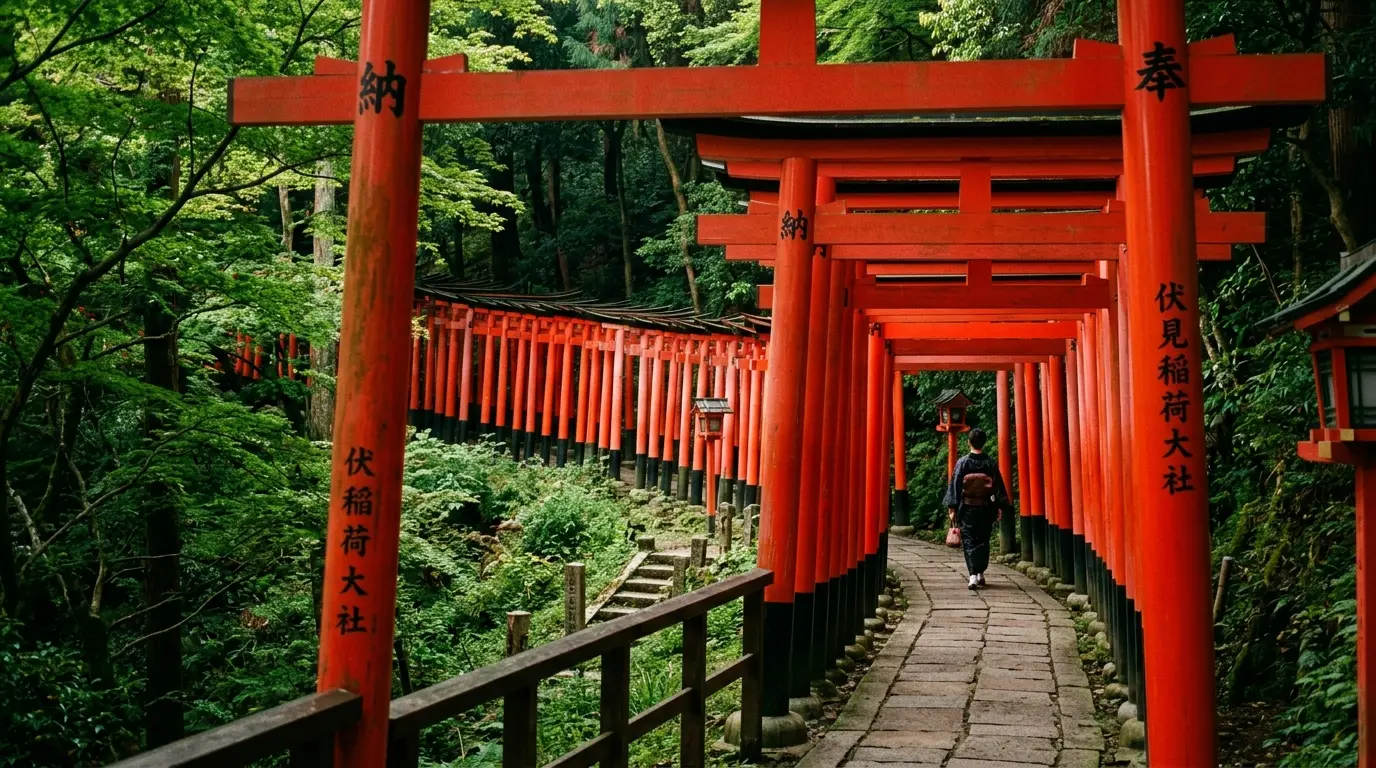
Kyoto Day 2 Itinerary: Fushimi Inari, Kiyomizu-dera, Sannenzaka and Gion
Day 2 immerses travelers into the spiritual heartbeat and preserved historic streets of Kyoto: early morning solace along thousands of vermilion torii gates at Fushimi Inari, sweeping mountain panoramas from the legendary wooden stage of Kiyomizu-dera, artisan tea shops and matcha sweets across cobblestoned Ninenzaka and Sannenzaka, followed by lantern-lit strolls in Gion Shirakawa and a refined multi-course Kaiseki dinner.
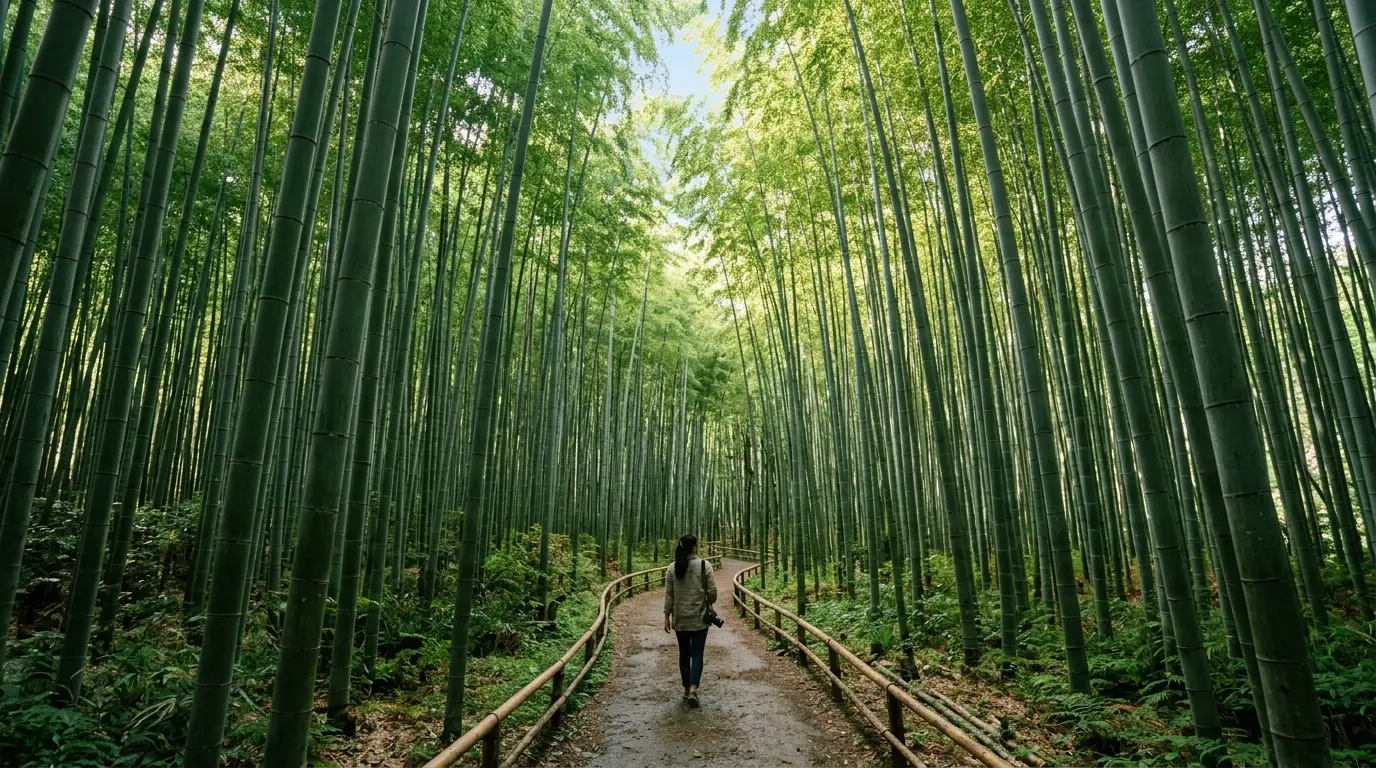
Kyoto Day 3 Itinerary: Arashiyama Bamboo Grove, Nishiki Market and the Journey Home
A sublime final chapter to your Kyoto journey: morning breezes whispering through towering emerald stalks in the Arashiyama Bamboo Grove, the UNESCO World Heritage mirror pond at Tenryu-ji, riverside specialty coffee by Togetsukyo Bridge, savory culinary treasures inside 400-year-old Nishiki Market, followed by Kyoto Station souvenir shopping and a swift 75-minute ride aboard the JR Haruka Express straight to Kansai Airport.