
Ho Chi Minh CityGuide
Ho Chi Minh City Itinerary: The French Quarter, Cafe Apartment and a River Cruise
From the 19th-century Central Post Office to 42 Nguyen Hue vintage cafes and Grab bike food trails
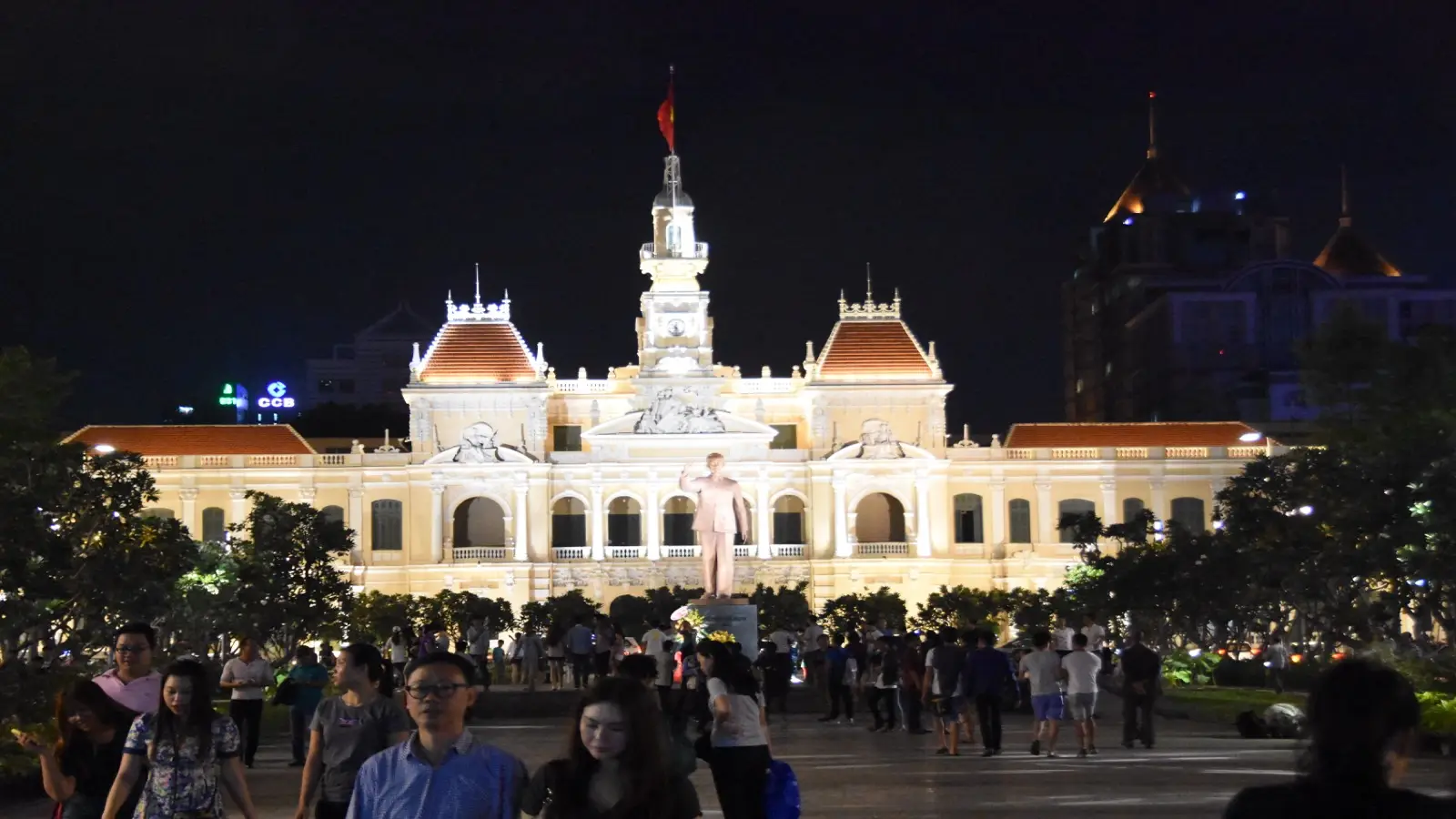
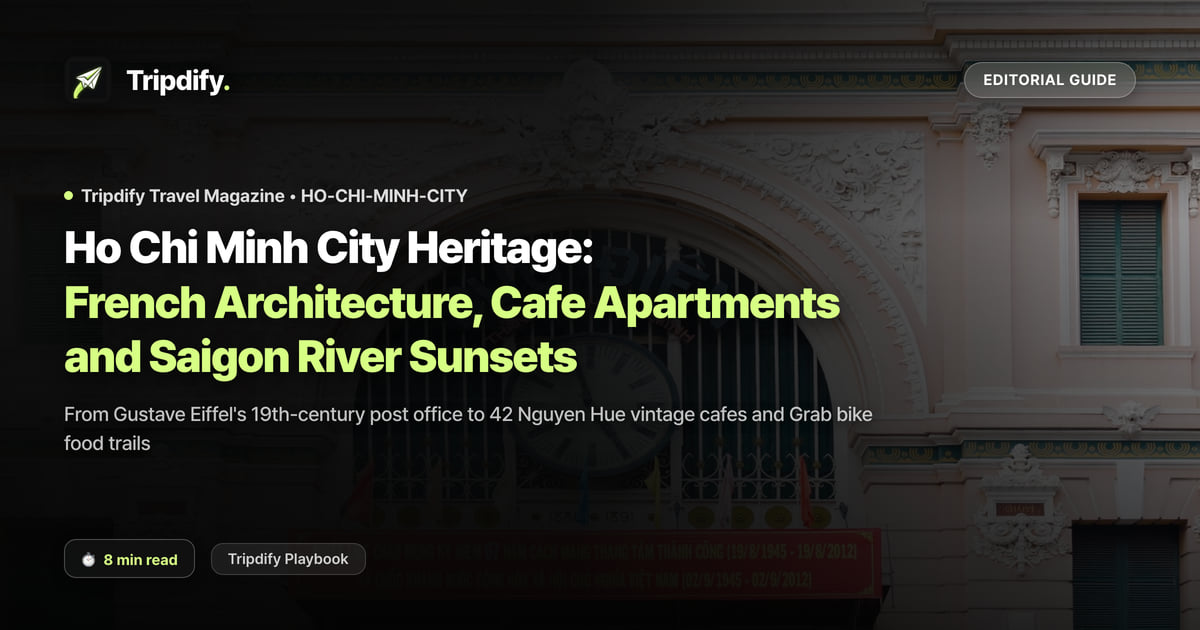
Saigon Central Post Office & Notre-Dame: The Zenith of 19th-Century French Architecture
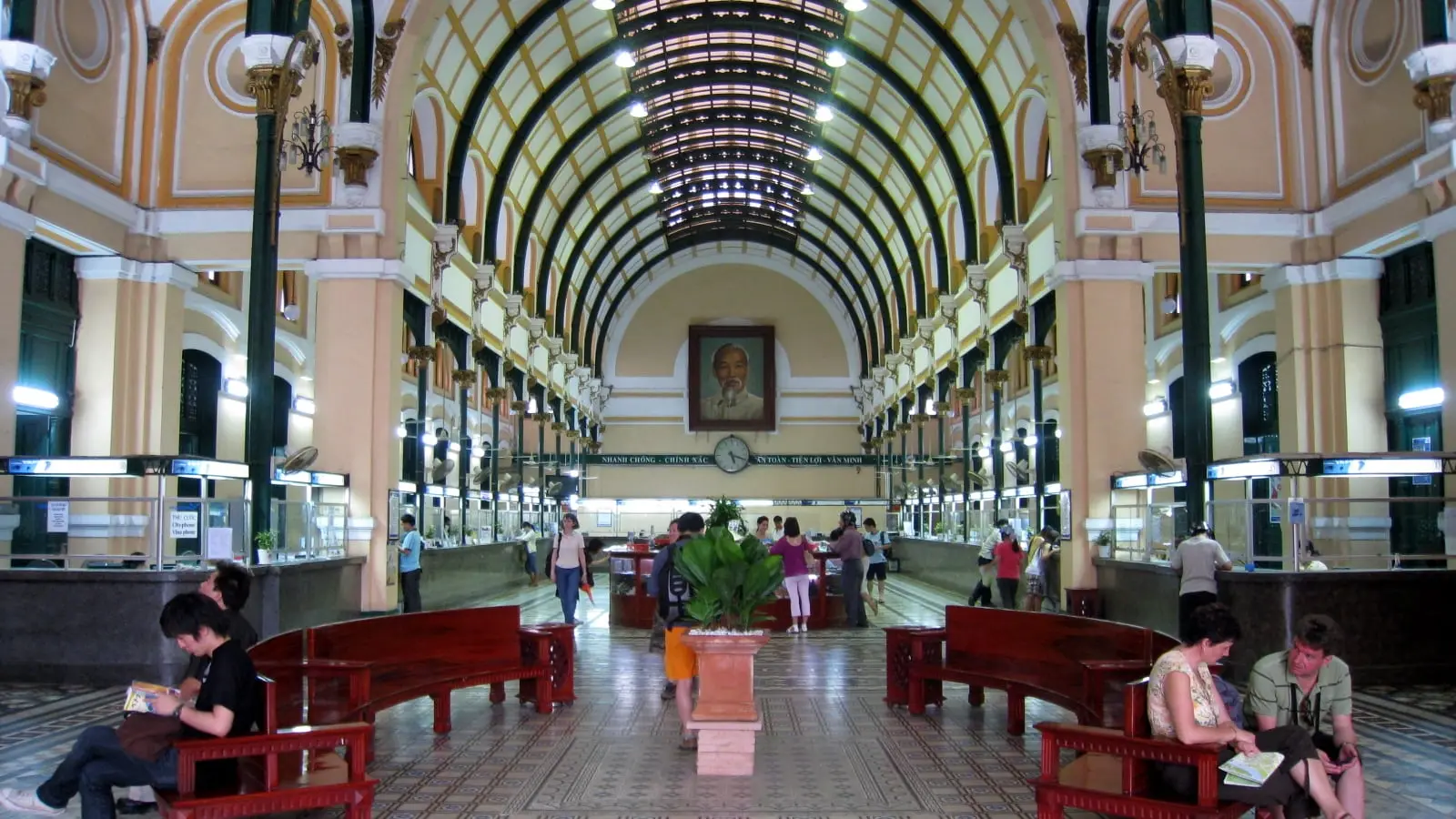
Standing gracefully at the cultural epicenter of District 1, the Saigon Central Post Office represents a monumental architectural legacy completed in 1891 during the French Indochina period. Designed by Alfred Foulhoux, the colony's chief architect, the soaring vaulted iron roof ribs and elegant Art Nouveau arched iron framework instantly capture the attention of arriving travelers. The building is often credited to Gustave Eiffel, but that attribution is a popular myth.
Beneath towering cathedral ceilings, old wooden telephone booths and elaborately painted colonial-era map murals remain impeccably preserved, transporting visitors straight into a classic analog era. Stamping souvenir postcards purchased on site with official vintage postmarks before dispatching them to loved ones overseas remains an enduringly romantic Saigon tradition.
Directly across the landscaped civic plaza rises the neo-Romanesque Saigon Notre-Dame Cathedral Basilica, constructed with vibrant red clay bricks fired in Marseille and transported across ocean routes. As morning sunbeams illuminate the towering twin stone belfries and pigeons swirl above leafy park fountains, the aristocratic poise that earned colonial Saigon its title as the Paris of the East revives with remarkable clarity.
The surrounding boulevard features generous flagstone pavements and century-old mahogany shade trees, forming an idyllic morning walking district. Pausing on a shaded park bench to sip an iced condensed milk coffee handed over in plastic cups by local street vendors offers an intimate window into the city energetic morning routine.
The Cafe Apartments at 42 Nguyen Hue: 9 Stories of Independent Design
Bisecting the expansive pedestrian boulevard of Nguyen Hue stretching toward the Saigon River sits an iconic mid-century concrete block originally constructed in the 1960s as military officer housing. Once a weathered residential facade, this nine-story concrete monolith has reinvented itself into Ho Chi Minh City preeminent creative incubator: The Cafe Apartments, where grid-patterned balconies host independent roasteries, lifestyle ateliers, and designer boutiques.
Paying the modest elevator fee of a few thousand dong (3,000 to 5,000 VND) to ascend directly to the ninth floor before winding leisurely down the spiral concrete staircase is the premier way to explore this creative hive. Each landing reveals vintage teak interiors, ceramic craft workshops, and artisanal cold-brew parlors, offering a treasure hunt of modern Vietnamese youth culture.
Securing a coveted outdoor balcony table in late afternoon while nursing an authentic Ca Phe Sua Da represents a quintessential Saigon highlight. Watching the dynamic sea of pedestrians, street musicians, and flashing LED billboards across Nguyen Hue promenade below delivers an urban panorama matching the finest luxury rooftop lounges.
Many boutique cafes gladly rebate your elevator fee upon settling your beverage order. Retaining your elevator ticket slip ensures you turn this small logistical fee into an effortless complimentary discount.
District 1 Ben Thanh, Dong Khoi Luxury, and District 2 Thao Dien Blueprint
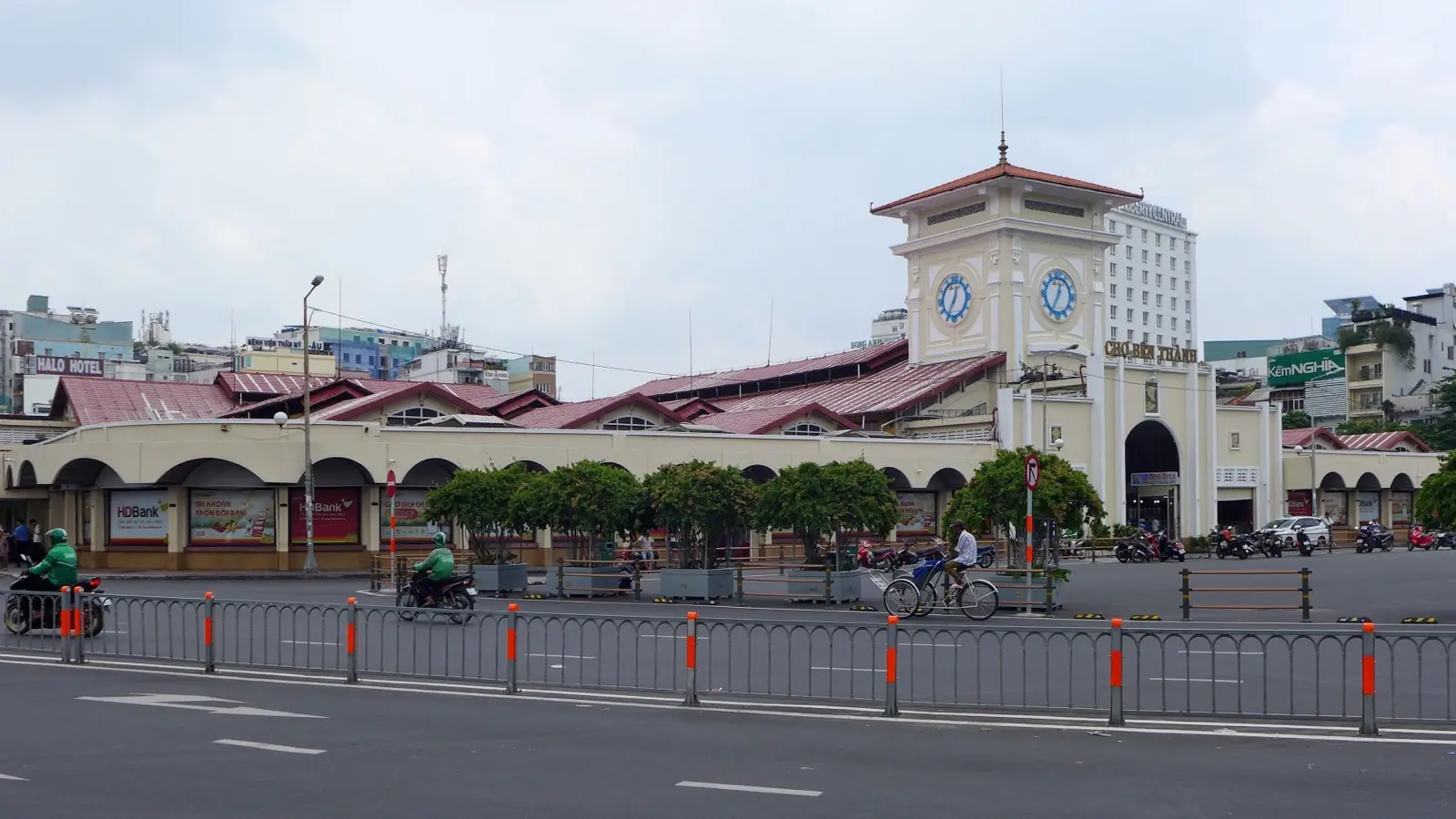
Accommodations in Ho Chi Minh City divide cleanly into three distinct geographic hubs, each catering to different vacation temperaments. The bustling corridor surrounding historic Ben Thanh Market forms the city pulsating commercial heartbeat. Centered on the iconic 1914 clock tower facade, sprawling indoor textile alleys and nightly street food rows provide unmatched pedestrian access for budget travelers and solo explorers.
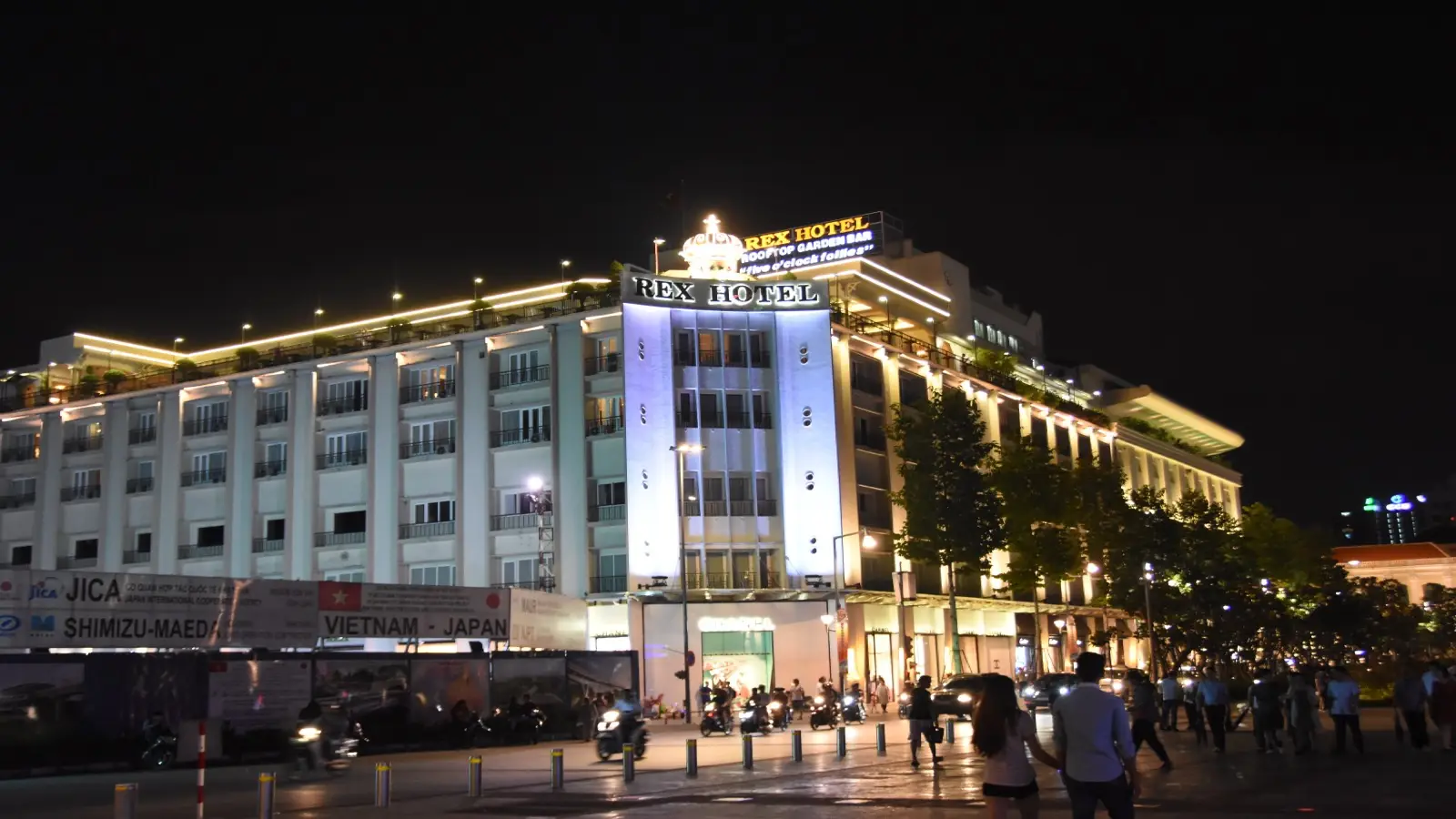
The second quadrant, Dong Khoi Street, embodies the refined colonial boulevard culture of the French Quarter surrounding the Saigon Opera House. Hosting historic five-star dames like the Caravelle and Park Hyatt alongside luxury boutiques and fine dining bistros, it delivers a tranquil pedestrian refuge ideal for mature travelers, couples, and multi-generational families.
The third district crosses the river into District 2 Thao Dien enclave, an affluent suburban peninsula populated by foreign diplomats and multinational executives. Here, tranquil riverside villas, open-air organic bakeries, artisanal micro-distilleries, and design studios line shaded residential lanes, providing an idyllic sanctuary entirely detached from downtown motor scooter congestion.
Travelers prioritizing central sightseeing, museums, and street markets should base themselves near Dong Khoi in District 1 to eliminate taxi commutes, while visitors craving laid-back European brunch culture and quiet riverside dining will find Thao Dien deeply rewarding.
For stays exceeding three nights, dividing your itinerary with two initial nights in District 1 for active touring followed by a final night in a Thao Dien boutique riverside villa unlocks the multifaceted personality of modern Saigon.
Pasteur Street Craft Beer & Late-Night Ben Thanh Culinary Alleys
Ho Chi Minh City anchors Southeast Asia most adventurous craft brewing movement. Originating in 2014 down a nondescript alleyway near Pasteur Street, the pioneering Pasteur Street Brewing Company swept international awards by pairing American IPA brewing traditions with exotic indigenous ingredients like Vietnamese wild jasmine, Dalat cacao, and fresh passion fruit.
After refreshing your palate with a cold flight of floral ales on the intimate taproom deck, walk toward the dusk perimeter of Ben Thanh Market as streetside vendors set up plastic folding tables across the asphalt. The night comes alive with sizzling sounds and savory aromas wafting through twilight lanes.
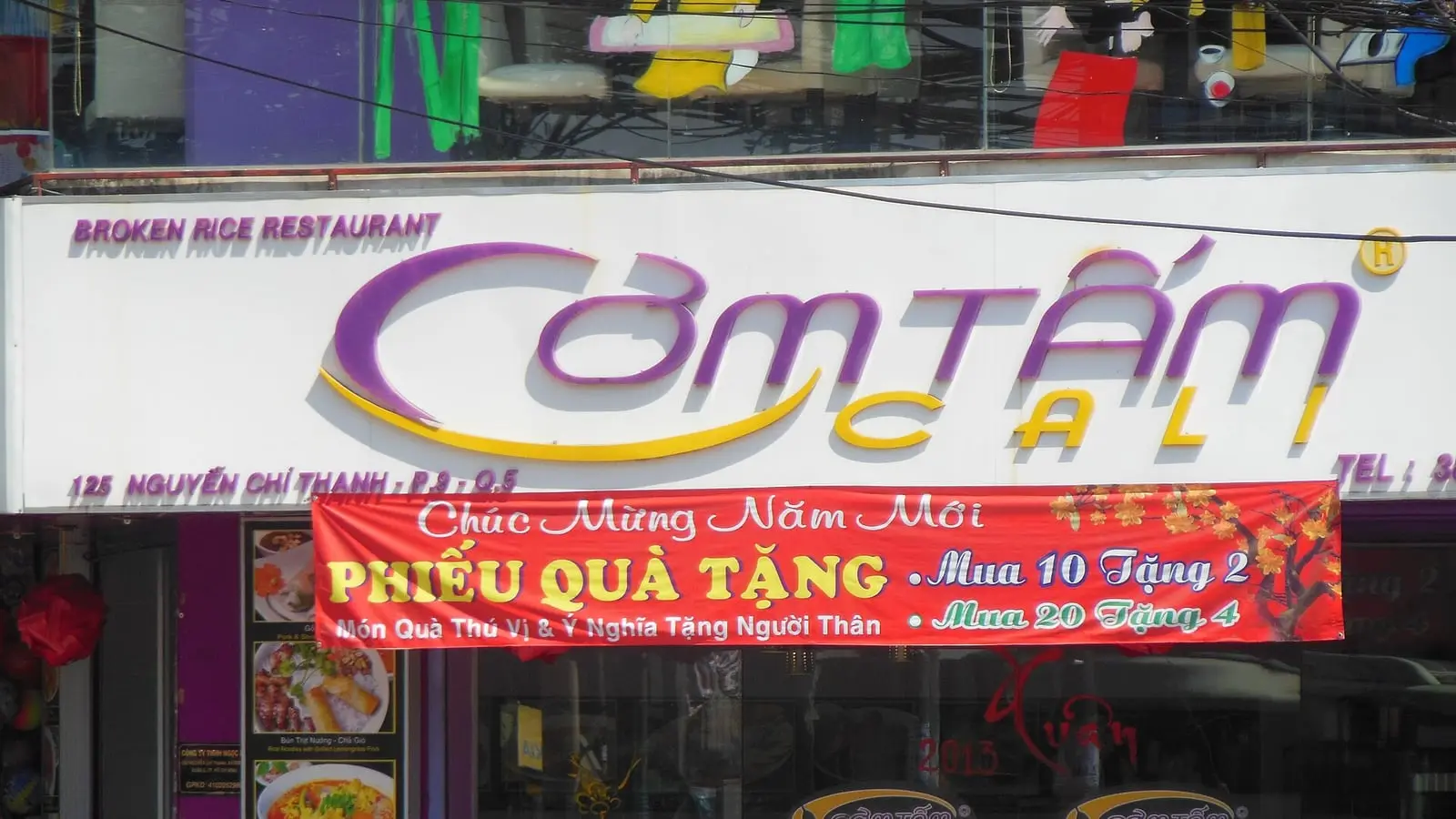
The essential culinary centerpiece is Com Tam, a signature southern dish built on broken rice grains topped with tender pork chops marinated in lemongrass and sweet garlic, charred over glowing charcoal grills. Crowned with a crispy fried egg and drizzled with sweet chili fish sauce, each bite provides a deeply comforting taste of authentic street gastronomy.
Follow this with crispy Banh Xeo, a sizzling golden rice flour crepe infused with turmeric and packed with bean sprouts, plump river shrimp, and thin pork belly slices. Wrapping crispy crepe morsels inside fresh mustard greens with fragrant mint leaves before dipping them into tangy dipping sauce showcases the brilliant texture and brightness of southern Vietnamese cuisine.
Saigon Waterbus Sunsets & Landmark 81, Airport Transit and Safety Checklist
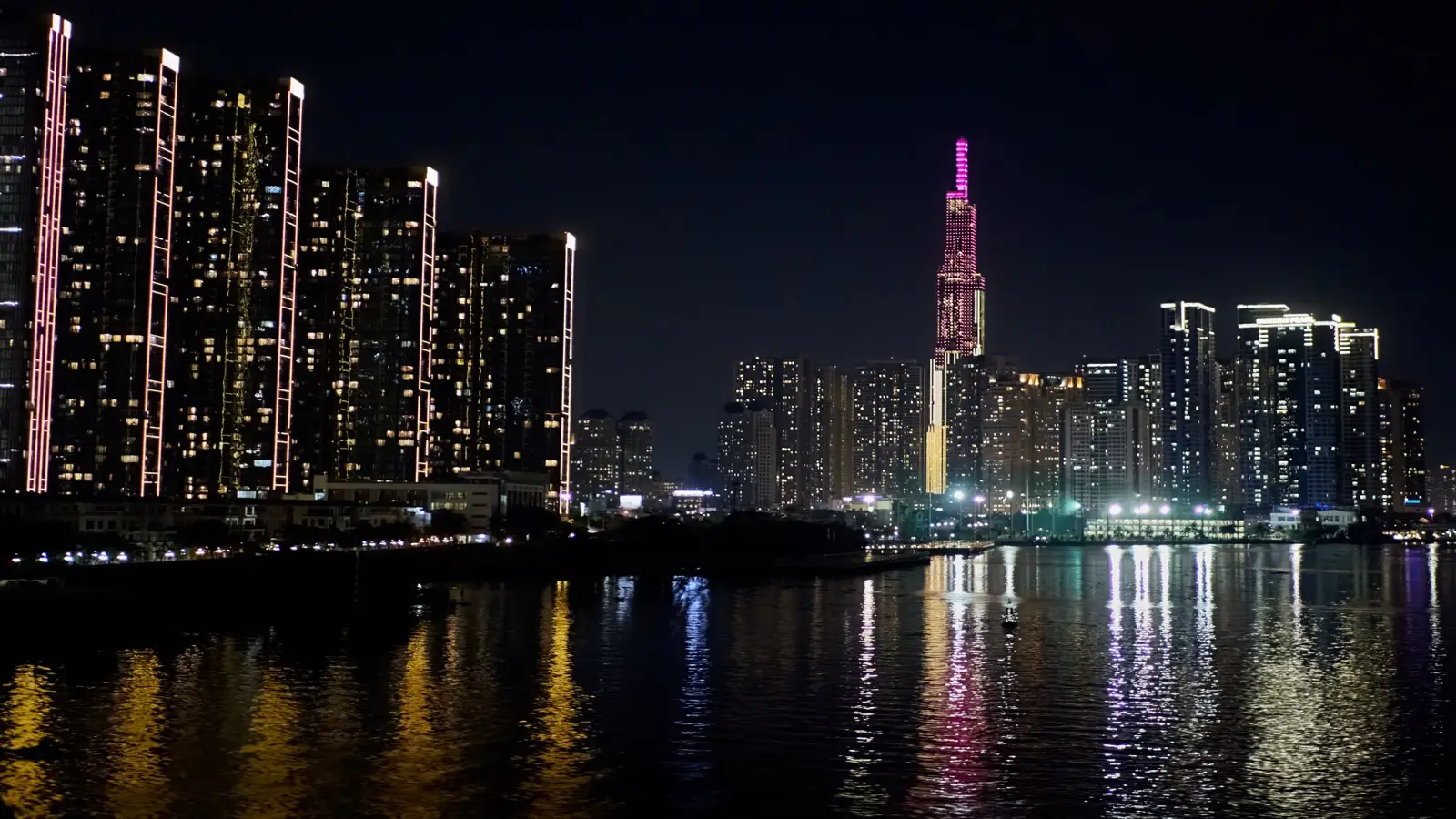
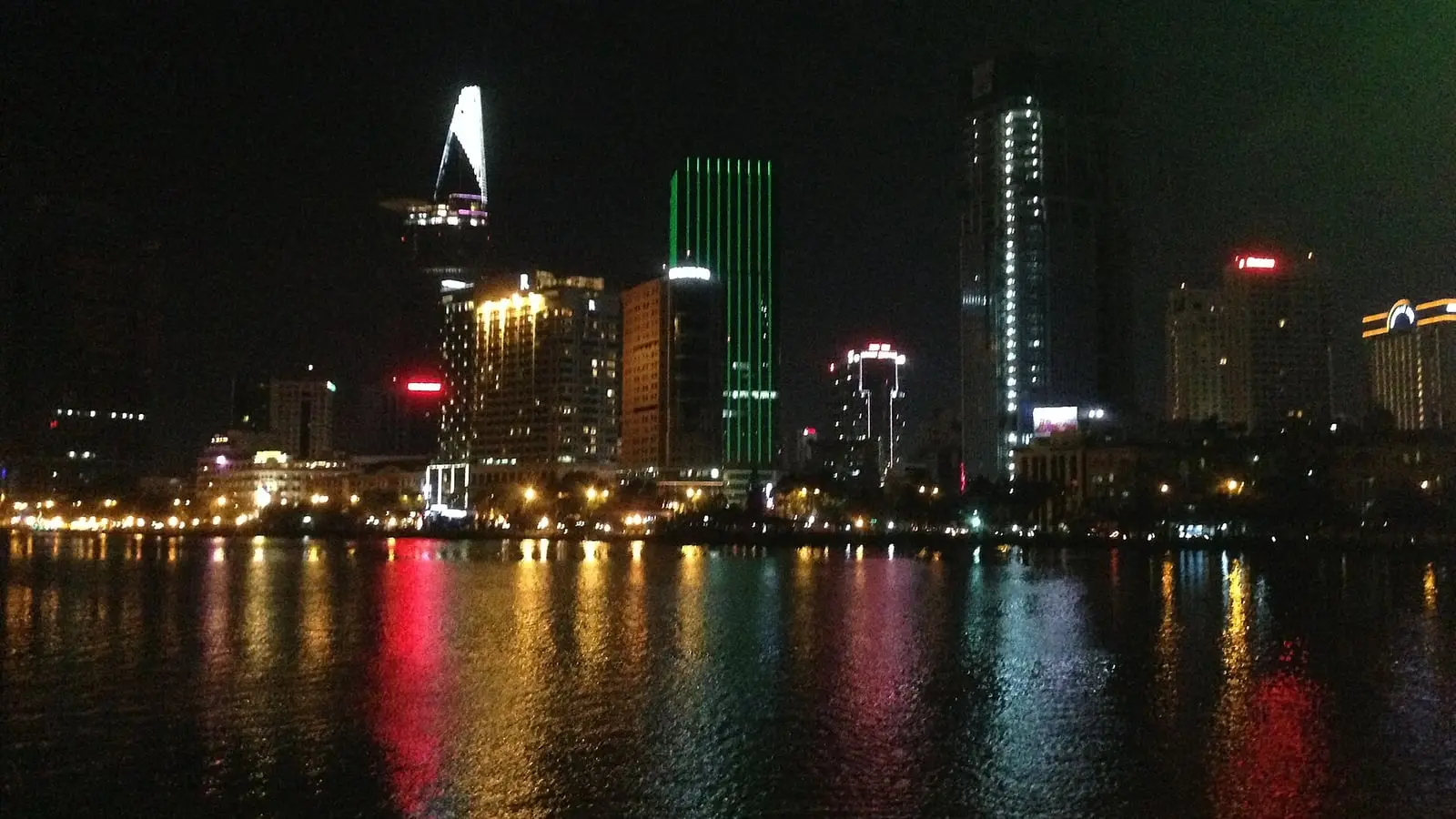
Experiencing Saigon finest river vistas for just 15,000 VND (barely sixty US cents) is effortlessly accomplished aboard the public Saigon Waterbus departing from Bach Dang Station in District 1. Boats leave every 20 to 30 minutes, and catching one around 5:00 PM treats passengers to cooling river breezes as amber sunset reflections ripple across the tranquil waters of the Saigon River.
Cruising north along winding waterways reveals the commanding 461-meter spire of Landmark 81, Vietnam tallest architectural marvel. Watching its synchronized LED facade illuminate against deep purple dusk skies provides an unforgettable contrast between French Indochinese heritage and the blazing economic ascent of twenty-first-century Vietnam.
When managing airport transit at Tan Son Nhat International Airport, beware of unlicensed freelance taxi drivers who congregate outside terminal gates. Firmly decline aggressive touts, proceeding directly to authorized Vinasun or Mai Linh taxi dispatcher booths, or connect to airport Wi-Fi to book rides via the Grab app from designated garage levels.
Finally, maintain basic vigilance against drive-by motorbike phone snatching along crowded streets. When consulting mobile navigation on sidewalks, always face away from vehicular traffic, step back toward storefront walls, and grip your device firmly with both hands to ensure a smooth, worry-free vacation.
Frequently Asked Questions
Field-tested answers to transit navigation, neighborhood choices, and payment traps.
Q1.How much is the Saigon Waterbus and where do I board?
Q2.Did Gustave Eiffel design the Saigon Central Post Office?
Q3.How do I visit the Cafe Apartment at 42 Nguyen Hue?
Q4.What should I watch for getting from Tan Son Nhat Airport into the city?
The Smart Traveler's Essential Toolkit
Prepare instant mobile data, private airport transfers, and skip-the-line passes in one place.
Pick a base in Ho Chi Minh City by your route
Choose the places you want to see and get the neighbourhood with the shortest travel.
Compare Ho Chi Minh City Hotel Rates
Find the cheapest channel across Agoda and major booking engines with Tripdify.
Share This Guide with Your Companions
When shared via chat or social media, a curated summary card is sent along.
Recommended Guides
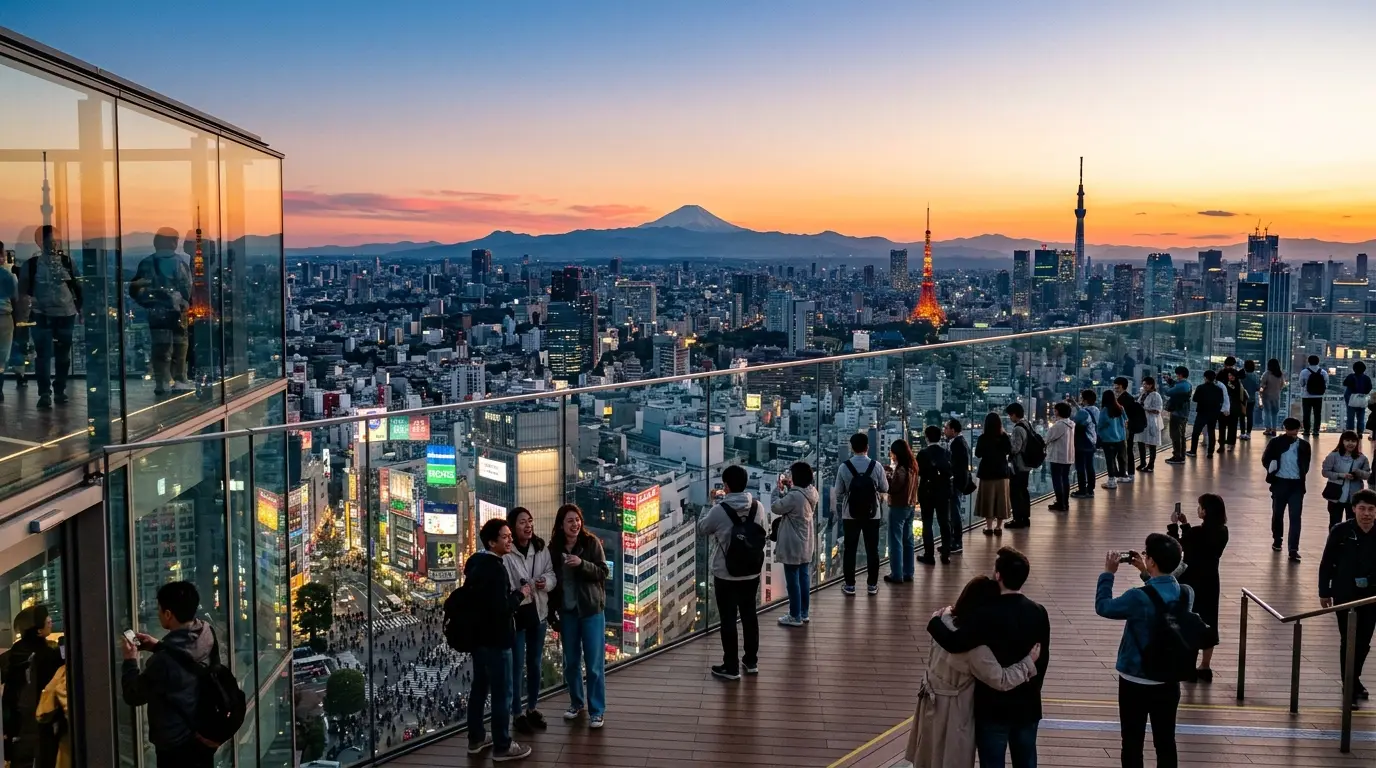
Where to Stay in Tokyo: Shinjuku vs Shibuya vs Ginza
Comparing room footprints across Shinjuku, Ginza, and Ueno, locking in sudden 14-day cancellation drops, and eliminating DCC fees with clean Yen checkout.
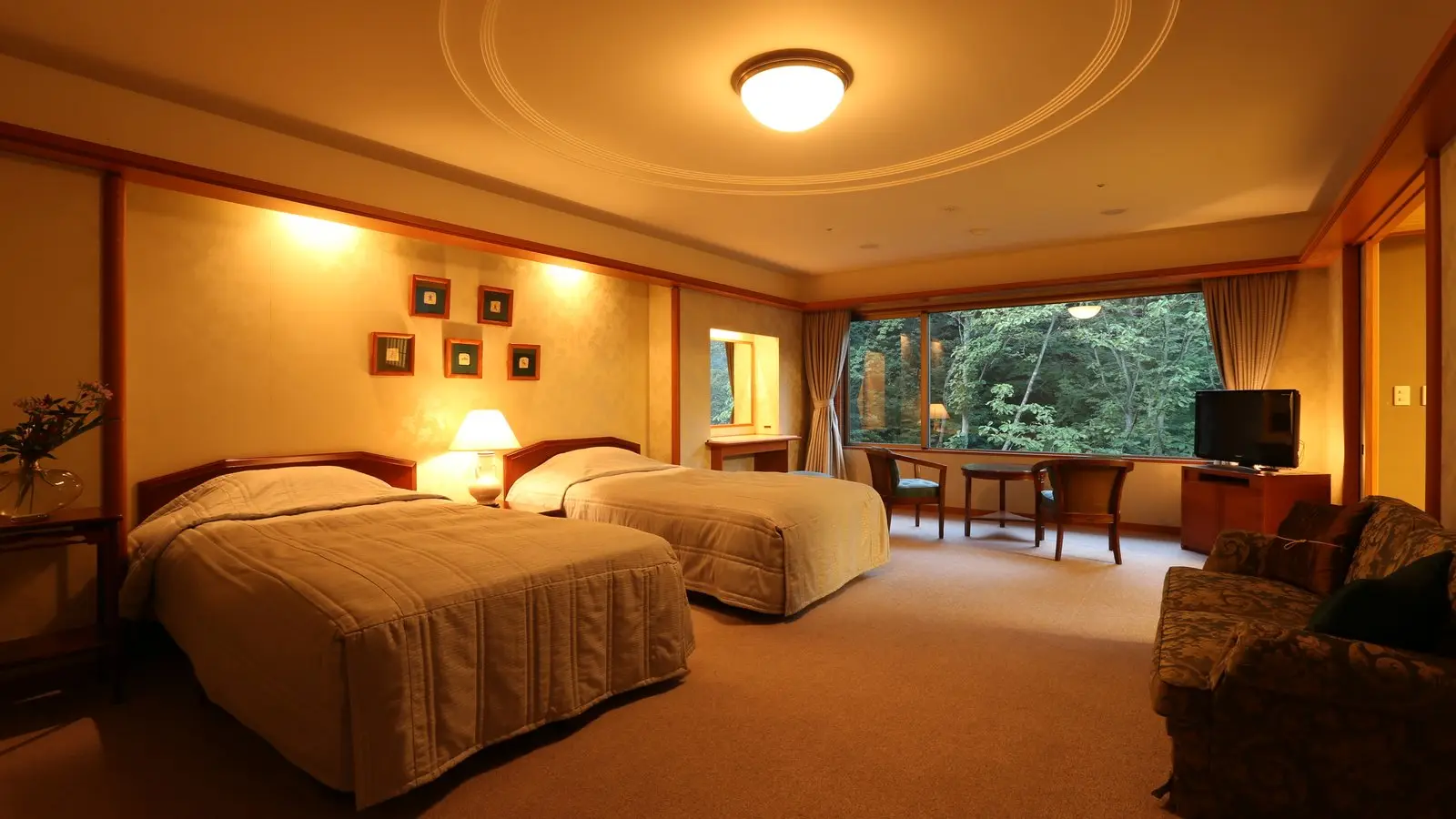
7 Budget Hotels in Tokyo Under $100 on the Yamanote Line
Even amid yen fluctuations, central Tokyo hotel rates have soared. Learn how to secure Yamanote loop line hotels at half the price of Shinjuku, compare onsen bath chains like Dormy Inn, trigger secret Agoda VIP and Booking.com Genius discounts, and dodge hidden currency fees with yen settlement.
How to Read the Tokyo Subway Map and Where to Stay on the Yamanote Line
How to choose between Keisei Skyliner and Narita Express, avoid the Tokyo Subway Ticket trap, use Apple Wallet Suica, and select the ideal hotel base in Tokyo.
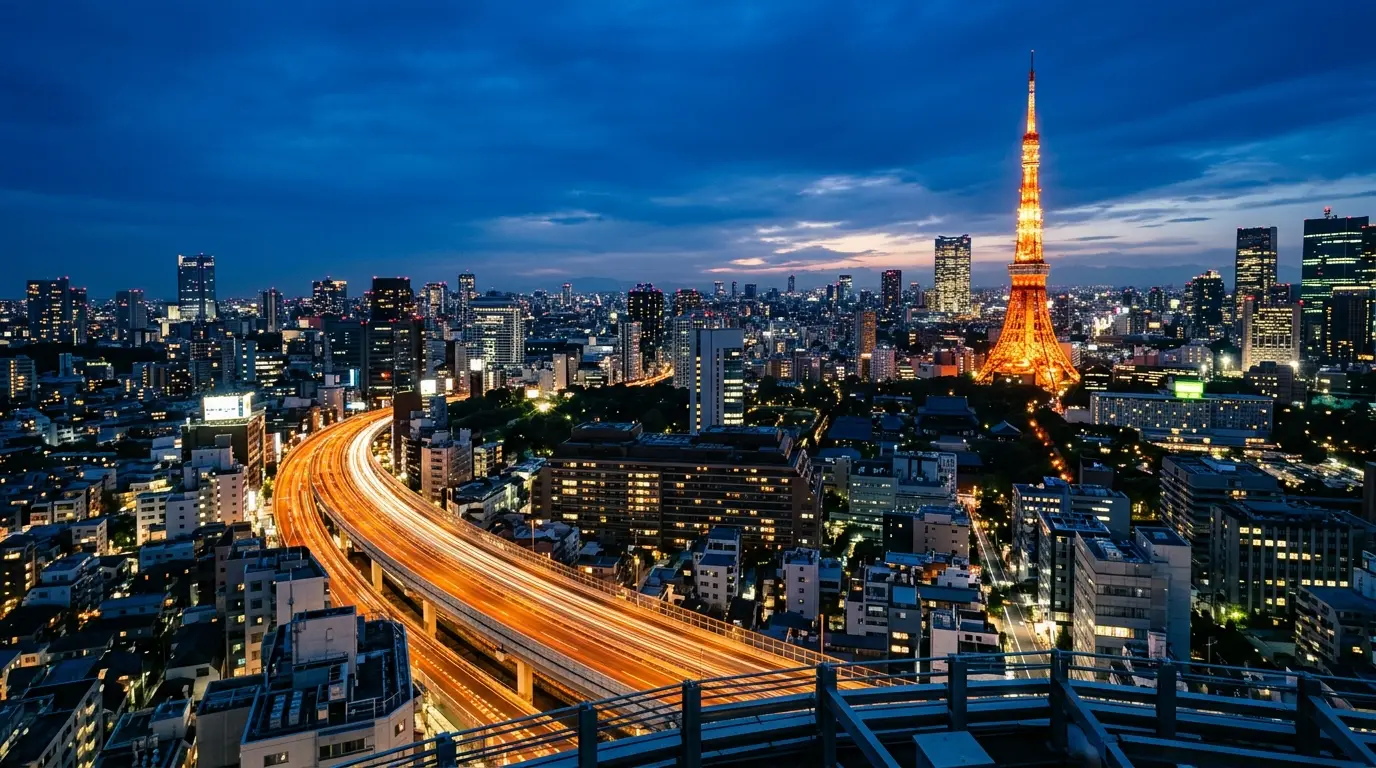
Tokyo Day 1 Itinerary: Narita Airport to the City and Your First 24 Hours
From stepping off at Narita Airport to mastering high-speed trains, navigating Tokyo's sprawling transit hubs, ordering counter ramen effortlessly, and catching sunset from Roppongi Hills. A definitive guide for your first 24 hours in Tokyo.
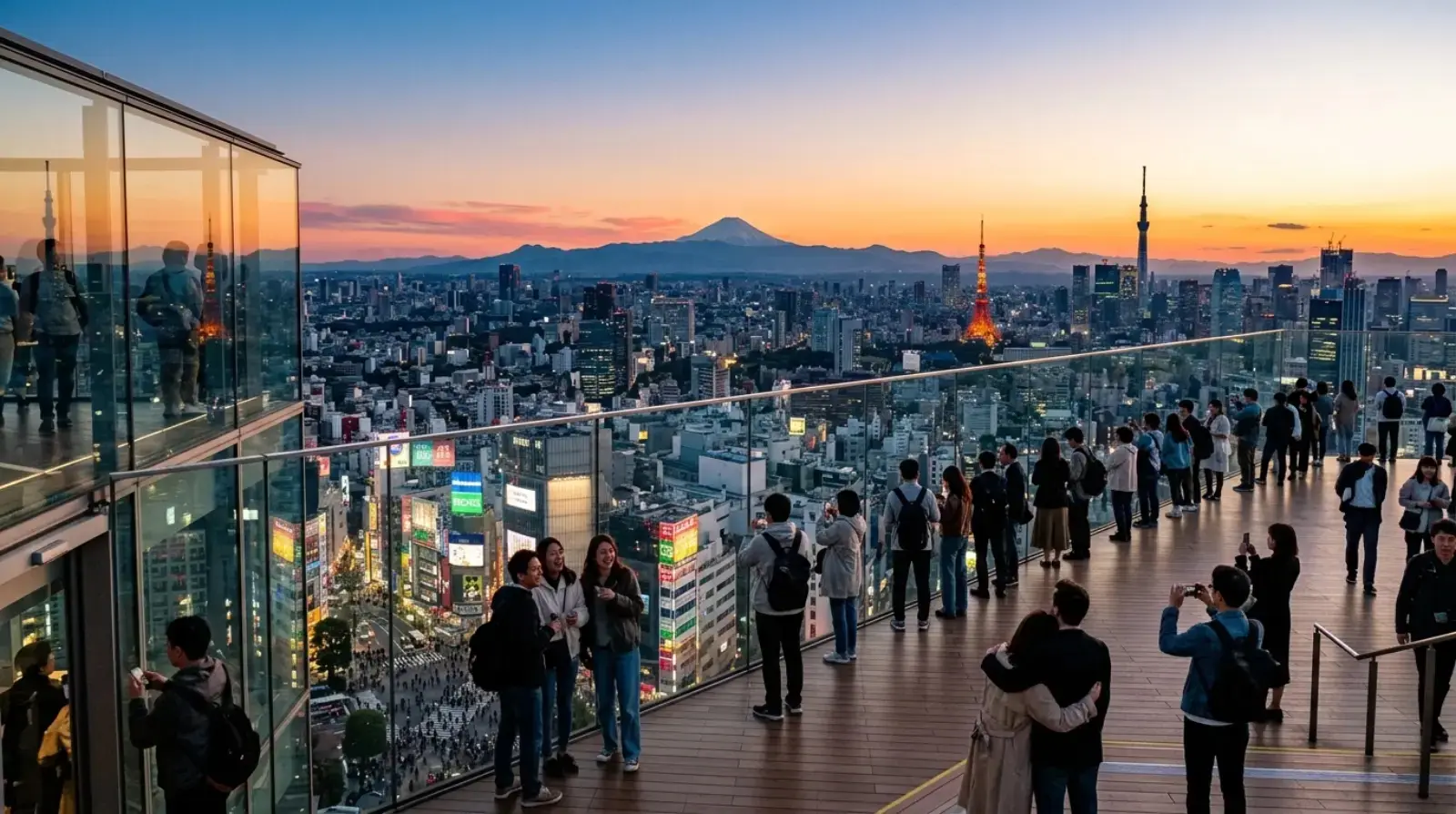
Tokyo Day 2 Itinerary: Booking Shibuya Sky, Harajuku Backstreets and Roppongi at Night
Securing prime sunset slots atop Shibuya Sky, navigating hidden boutiques along Harajuku Cat Street, immersing in the forested serenity of Meiji Jingu, and marveling at the crimson glow of Tokyo Tower from Roppongi Hills. A masterclass in Day 2 pacing.
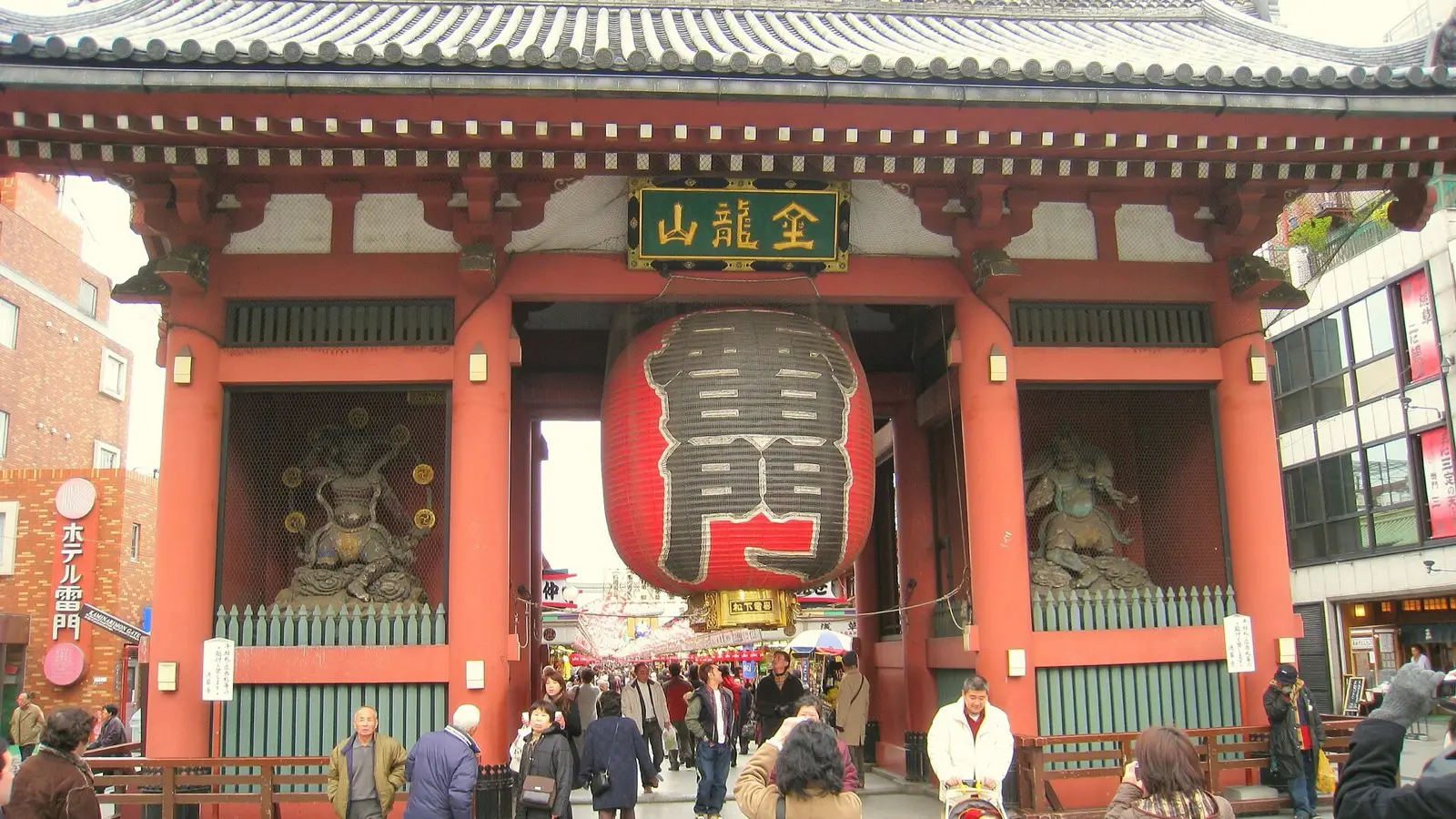
Tokyo Day 3 Itinerary: Asakusa, Akihabara, Ginza Depachika and Flying Home
The ultimate finale for your Tokyo stay: tranquil morning worship at Sensoji, retro subculture in Akihabara, Ginza Six architectural rooftop views and basement depachika feasts, capped by seamless Skyliner and N'EX airport connections.
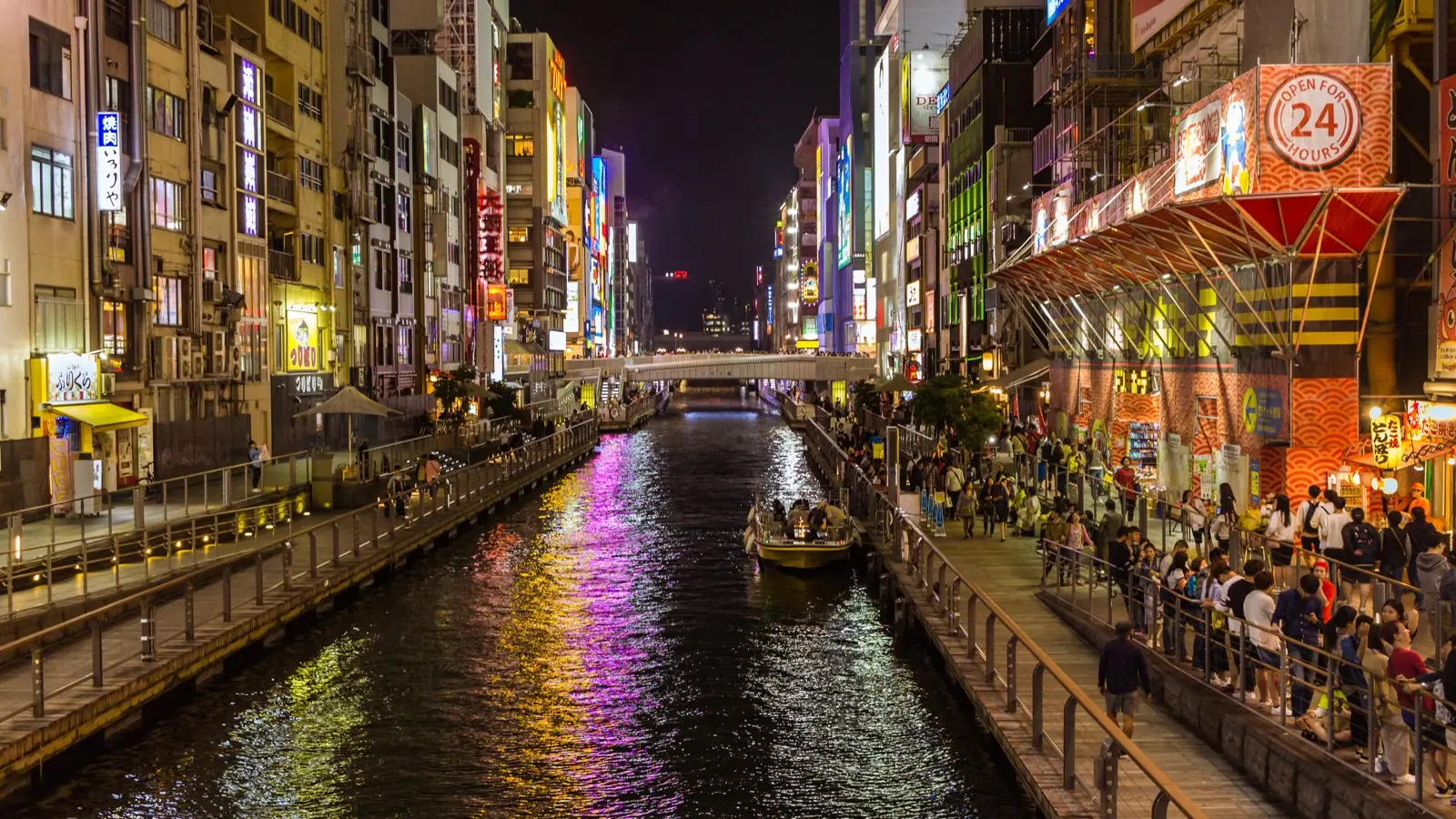
Osaka Itinerary: Dotonbori and Umeda in Two Nights
Osaka is Japan culinary powerhouse where feasting is an art. Navigate Rapi:t airport transfers, Namba vs Umeda hotels, and street food corridors with veteran precision.
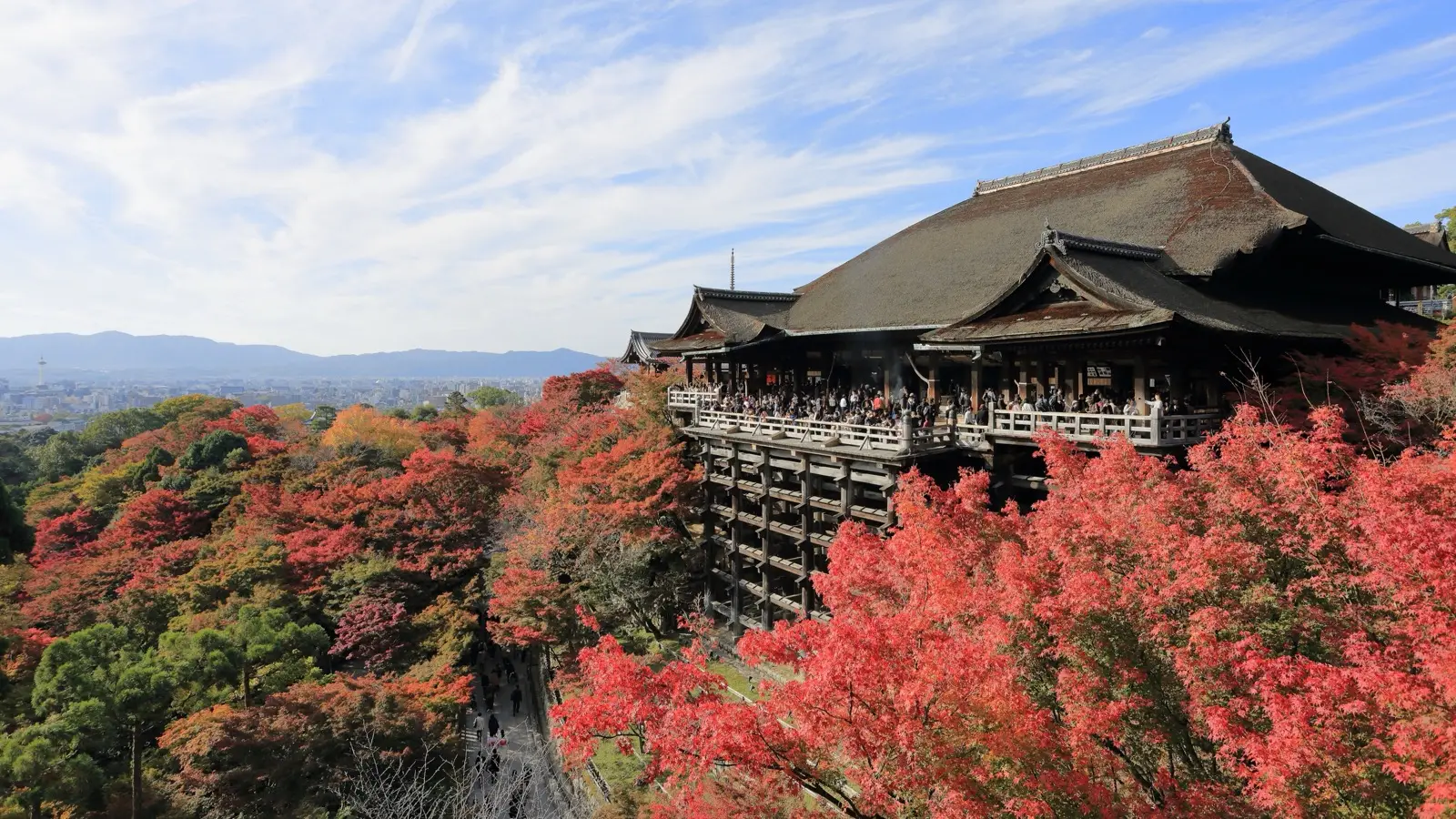
Kyoto Itinerary: Arashiyama, Gion and How to Pick a Ryokan
Kyoto compresses a millennium of Japanese aesthetic mastery. Discover how to evade bus congestion with private railways, master ryokan kaiseki booking windows, and savor early dawn stillness.
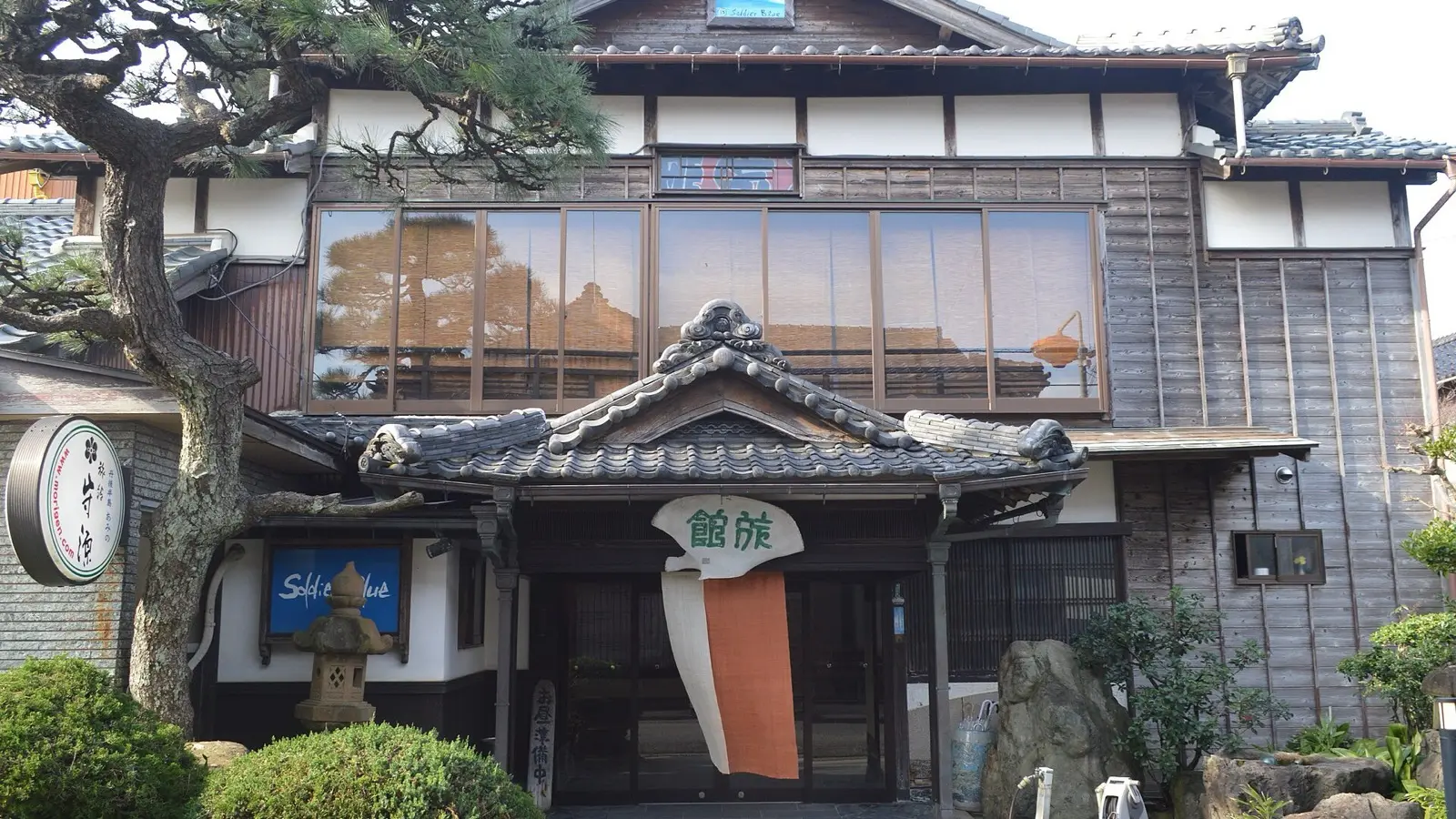
Kyoto Ryokan Prices and How to Choose: Kaiseki Terms and Machiya Stays
From hundred-year-old timber townhouses in Gion to misty Arashiyama riverside ryokan, staying in Kyoto demands cultural fluency and sharp booking discipline. An honest receipt audit covering kaiseki dinner curfews, private onsen etiquette, and avoiding dynamic pricing spikes.
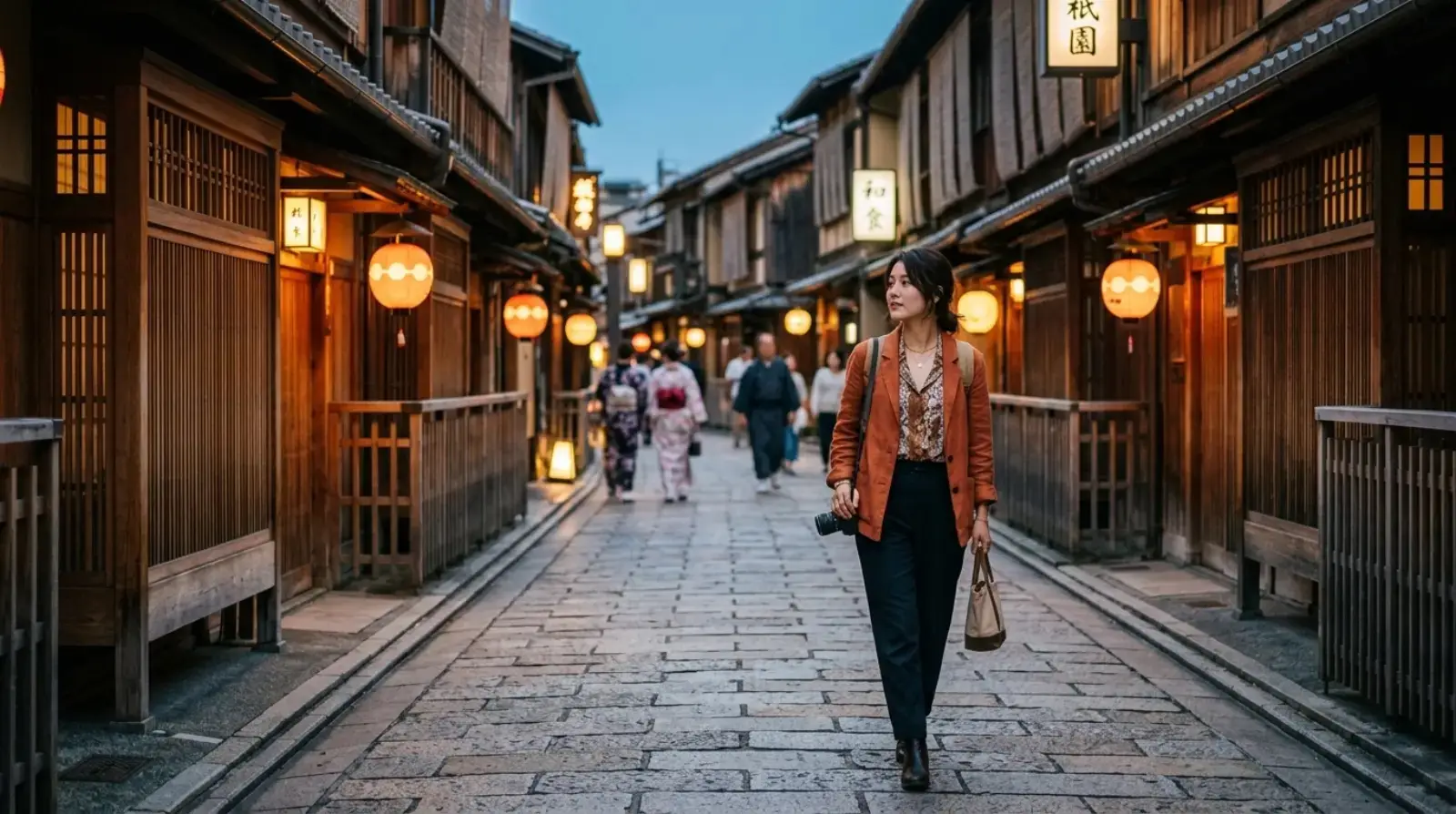
Kyoto Day 1 Itinerary: Kansai Airport to Kyoto and Your First Evening in Gion
Boarding the 75-minute Haruka Express from Kansai Airport, forwarding heavy bags straight to your hotel via Crosta at Kyoto Station, avoiding gridlocked buses using the subway, and an evening stroll through Gion to the Kamogawa. A field guide to your first 24 hours.
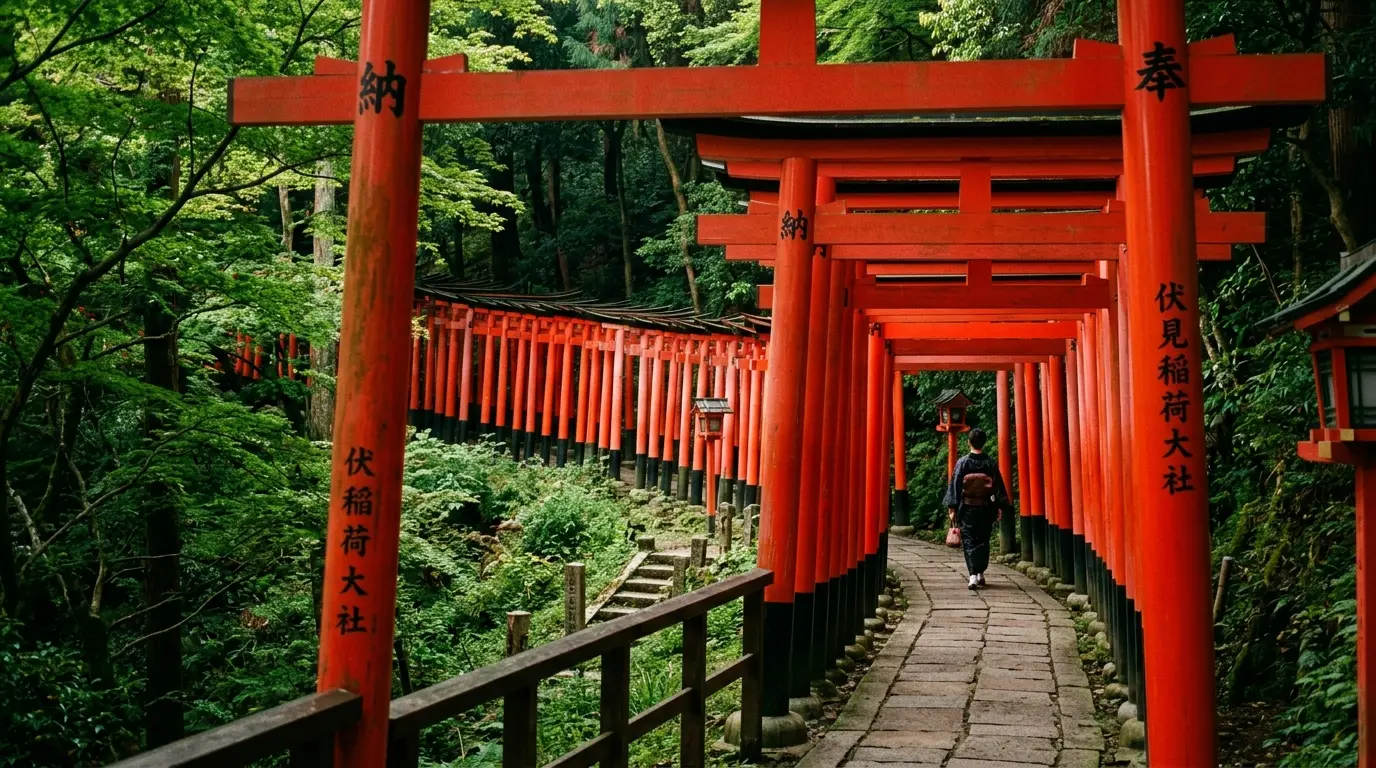
Kyoto Day 2 Itinerary: Fushimi Inari, Kiyomizu-dera, Sannenzaka and Gion
Day 2 immerses travelers into the spiritual heartbeat and preserved historic streets of Kyoto: early morning solace along thousands of vermilion torii gates at Fushimi Inari, sweeping mountain panoramas from the legendary wooden stage of Kiyomizu-dera, artisan tea shops and matcha sweets across cobblestoned Ninenzaka and Sannenzaka, followed by lantern-lit strolls in Gion Shirakawa and a refined multi-course Kaiseki dinner.
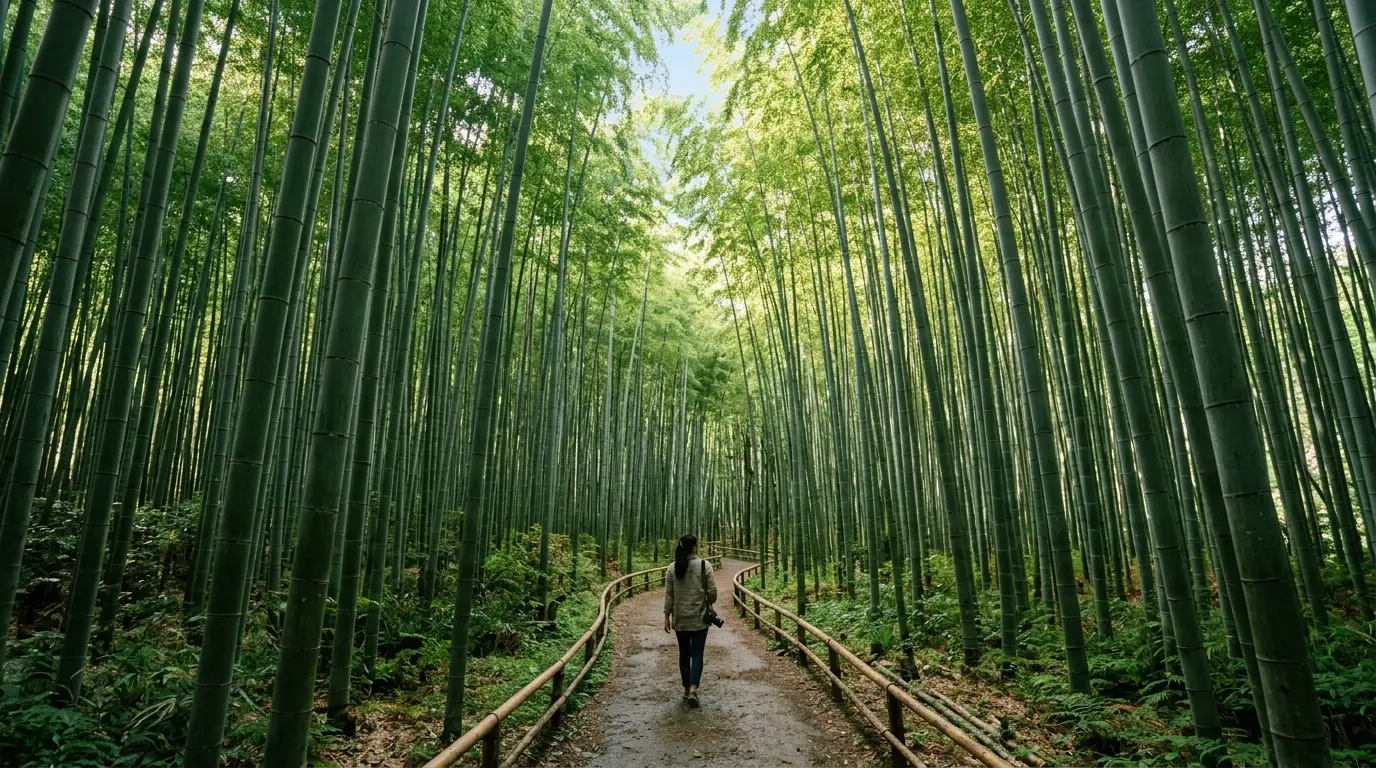
Kyoto Day 3 Itinerary: Arashiyama Bamboo Grove, Nishiki Market and the Journey Home
A sublime final chapter to your Kyoto journey: morning breezes whispering through towering emerald stalks in the Arashiyama Bamboo Grove, the UNESCO World Heritage mirror pond at Tenryu-ji, riverside specialty coffee by Togetsukyo Bridge, savory culinary treasures inside 400-year-old Nishiki Market, followed by Kyoto Station souvenir shopping and a swift 75-minute ride aboard the JR Haruka Express straight to Kansai Airport.