
KyotoGuide
Kyoto Day 3 Itinerary: Arashiyama Bamboo Grove, Nishiki Market and the Journey Home
Sunlit morning bamboo corridors, riverside Arabica coffee by Togetsukyo, 400-year-old market delicacies, and 75-minute airport transit.
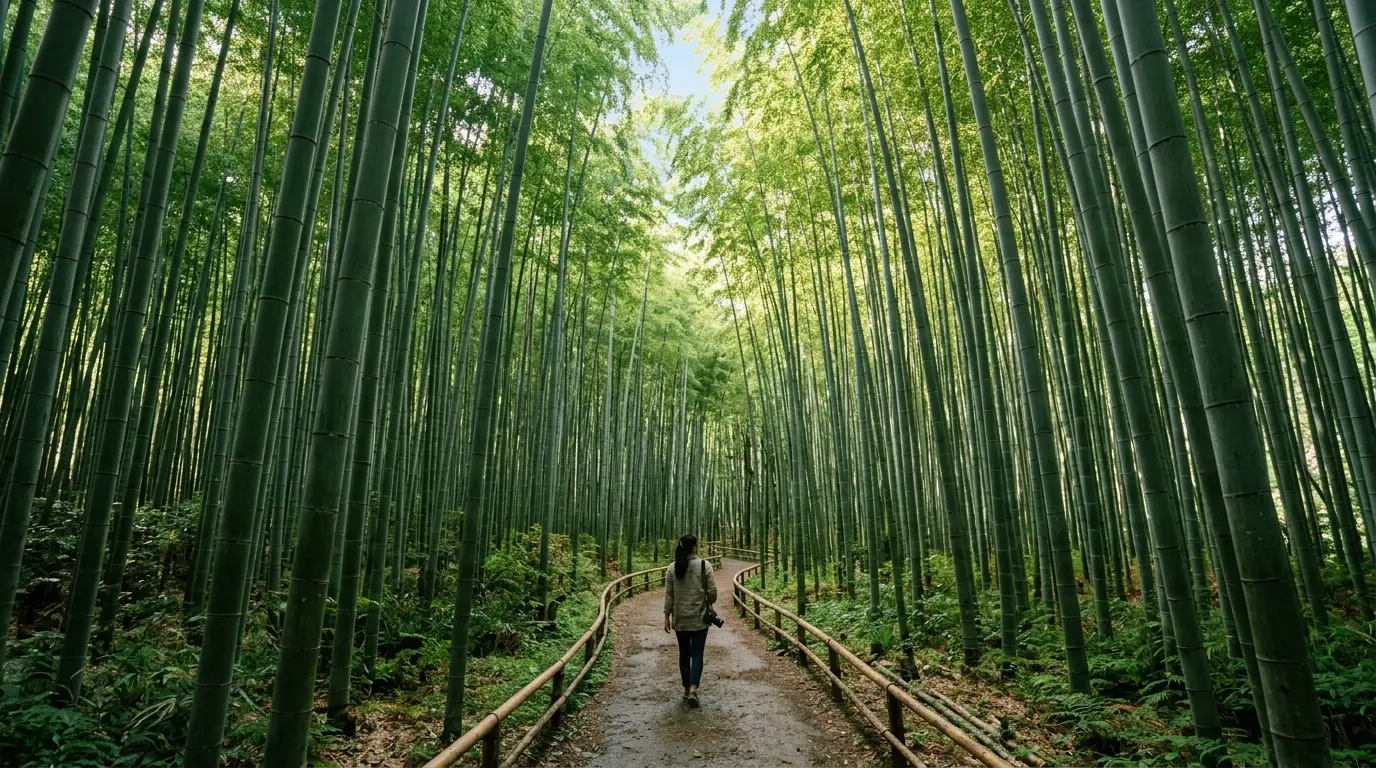
AM - Arashiyama Bamboo Grove: Sunlight Filtering Through Emerald Stalks
The final chapter of your Kyoto journey begins early in the western foothills of Arashiyama (嵐山). Board the JR San-in (Sagano) Line from Kyoto Station for an effortless sixteen-minute express journey to Saga-Arashiyama Station. A brisk ten-minute walk through peaceful residential lanes brings you to the entrance of the celebrated Sagano Bamboo Grove (竹林の小径).
At 8:00 AM, before the arrival of rickshaws and tourist coaches, the grove is enveloped in majestic serenity. Towering jade bamboo stalks reach skyward, their leafy canopies rustling softly in morning drafts like an ancient nature symphony as slanted sunbeams illuminate the earthen footpath.
Along the trail, discover Nonomiya Shrine (野宮神社) nestled behind rustic cedar fences. Immortalized in The Tale of Genji as a sacred sanctuary where imperial princesses purified themselves before serving at Ise Grand Shrine, it is distinguished by its rare Kuroki Torii, fashioned from unbarked black oak trunks.
Continue for 400 meters toward the gates of Okochi Sanso Villa. In this peaceful enclosure completely insulated from urban clamor, deep breaths of crisp forest air infuse you with grounding mountain energy.
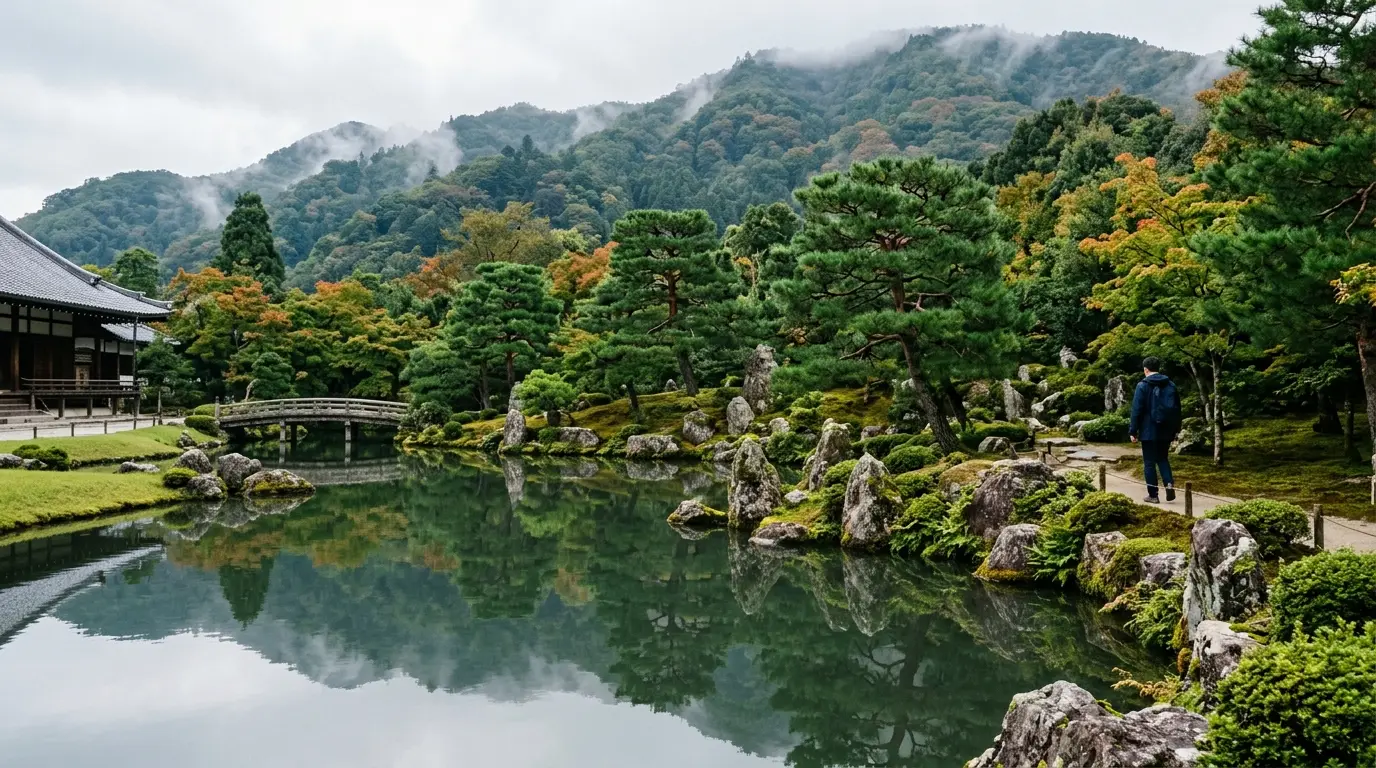
AM - Tenryu-ji and Togetsukyo: Zen Mirror Gardens and Riverside Arabica Coffee
Enter through the north gate into the expansive grounds of Tenryu-ji (天龍寺), a UNESCO World Heritage site and head temple of the Rinzai Zen sect, established in 1339 by shogun Ashikaga Takauji to honor Emperor Go-Daigo.
The temple's crown jewel is Sogenchi Garden (曹源池庭園), preserved in its pristine 14th-century design. Utilizing Shakkei (borrowed scenery), the garden visually incorporates the forested ridges of Arashiyama into the background of its central pond. Sitting silently on the polished veranda of the Hojo hall while watching pines mirror across the glass-like water clears the mind entirely.
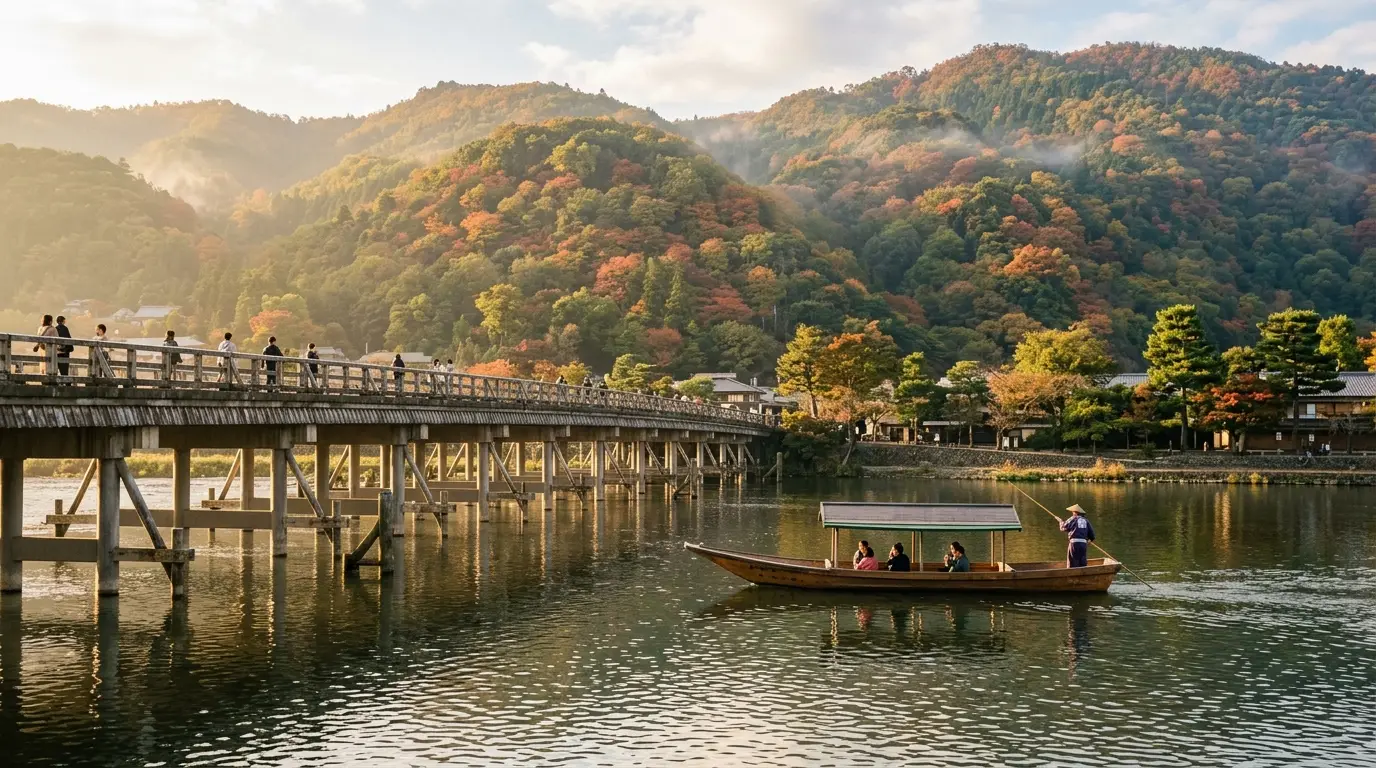
Exiting the main precinct toward the south, stroll along the Oi River to reach iconic Togetsukyo Bridge (渡月橋, Moon Crossing Bridge). Wooden pleasure boats drift beneath timber pillars against the backdrop of rolling hills, composing a living classical Japanese landscape.
Stop by % Arabica Kyoto Arashiyama perched directly on the riverside promenade. Order an iced caffe latte crafted from single-origin beans, find a perch on the sunlit riverbank stones, and savor one of the most idyllic coffee pauses in Asia.
PM - Nishiki Market: A 400-Year Street Food Crawl Through Kyoto's Kitchen
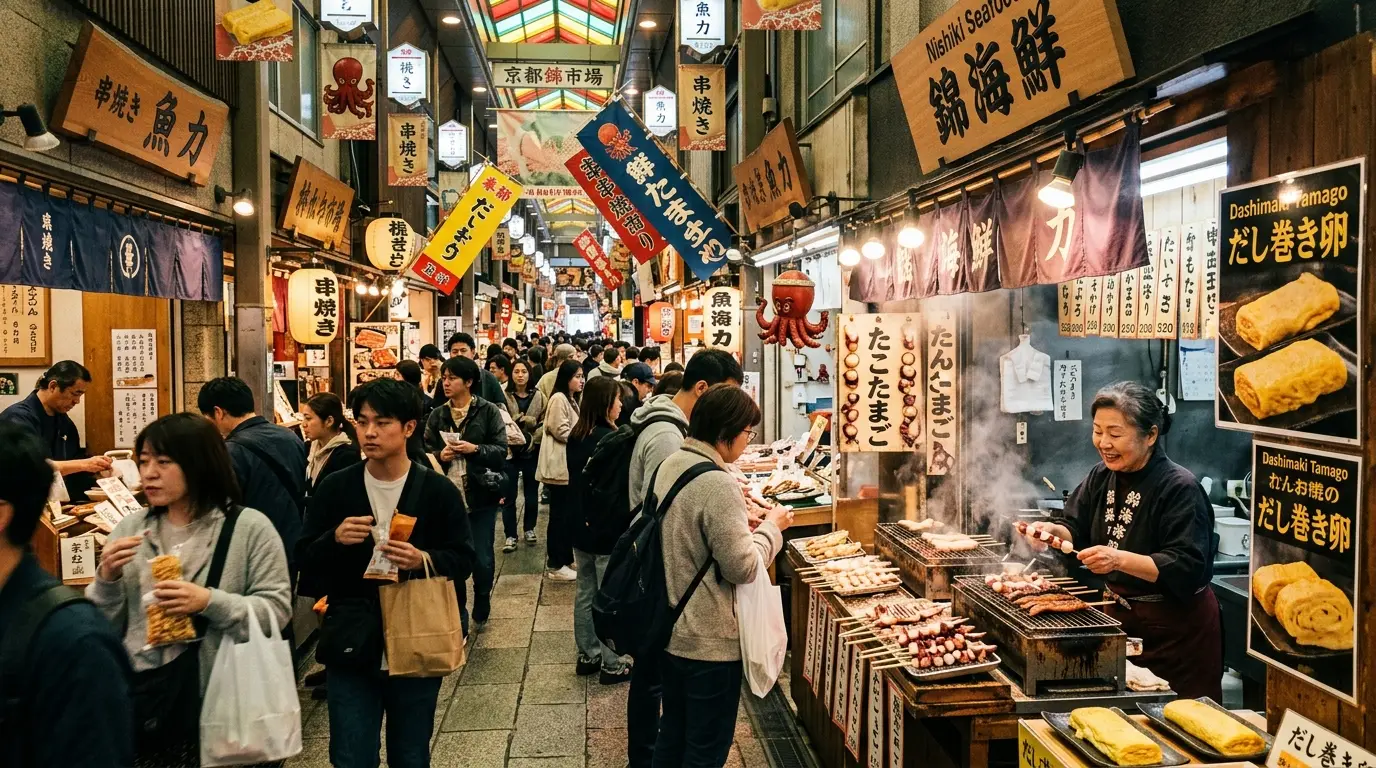
Board the Hankyu Arashiyama Line from Arashiyama Station, change at Katsura to the Hankyu Kyoto Line and ride to Karasuma Station, walking five minutes east into the bustling arcade of Nishiki Market (錦市場). Spanning five narrow cobblestone blocks with over 130 historic food purveyors, this 400-year-old culinary corridor is celebrated as 'Kyoto's Kitchen.'
Follow the intoxicating aroma of simmering dashi to Miki Keiran or Tanaka Keiran, where master egg chefs craft piping hot Dashimaki Tamago on copper griddles. Each bite bursts with delicate bonito fish broth, melting on the tongue like a savory cloud.
Sample skewered Tako Tamago (candied baby octopuses stuffed with hard-boiled quail eggs), golden fried yuba (tofu skin) croquettes, and sizzling unagi freshwater eel skewers. Traditional Kyoto pickle (Tsukemono) barrels offer complimentary tastings of crunchy seasonal vegetables preserved in salted rice bran.
Look up while browsing to admire colorful stained-glass ceiling banners featuring the vibrant animal artwork of Edo-period master Ito Jakuchu, whose family owned a greengrocer stall in this very market. At the eastern terminus, the market seamlessly connects with Nishiki Tenmangu Shrine.
Having indulged in an unforgettable tasting feast, board the Karasuma subway line back to Kyoto Station to retrieve stored luggage with plenty of time to spare.
PM - Kyoto Station Architecture: Skyway Vistas and Souvenir Treasures
Before retrieving your bags, take time to explore the architectural marvel of Kyoto Station (京都駅), masterminded by architect Hiroshi Hara. Soaring 16 stories high with over 4,000 glass panels supported by exposed steel trusses, this futuristic transport hub stands in thrilling contrast to ancient temples.
Ascend the dramatic Grand Staircase on the western concourse to reach the Skyway aerial walkway suspended 45 meters in the air. Floor-to-ceiling windows offer sweeping panoramic views of Kyoto Tower gleaming red and white against the mountain basin.
Descend to the underground Porta shopping mall and JR Isetan department store food halls to select exquisite souvenirs. Kyoto's signature Nama-Yatsuhashi (folded cinnamon rice dough filled with sweet red bean paste) and Malebranche's famed 'Cha no Ka' matcha langue de chat cookies make magnificent gifts.
Retrieve your checked luggage from the hotel front desk. Broad escalators and accessible elevators throughout the station complex ensure smooth rolling transit directly down to train platforms.
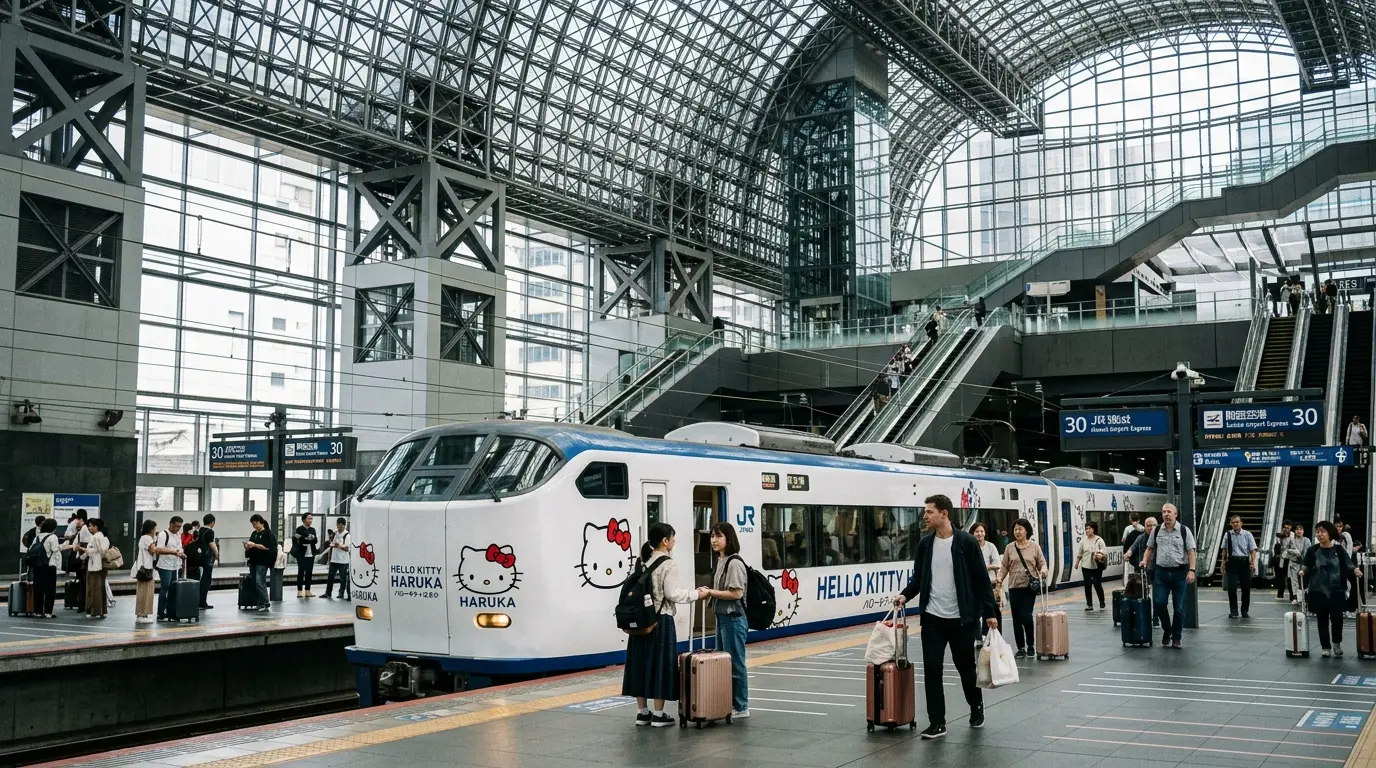
PM - Boarding the JR Haruka Express: 75 Minutes to Kansai Airport
Head through the western ticket barriers directly to dedicated Platform 30, where the sleek white JR Kansai Airport Express Haruka (特急はるか) awaits. The Hello Kitty livery still seen on some trainsets is being retired by JR West in stages through around summer 2027.
Stopping at a few major stations such as Shin-Osaka, Osaka and Tennoji before arriving directly inside Kansai International Airport Terminal 1 Station in just 75 minutes, the Haruka represents the fastest and most stress-free connection available. Luggage racks for large suitcases sit near the carriage doors.
Sink into your reserved window seat, unpack a gourmet Ekiben (station boxed bento) paired with chilled green tea, and watch Kyoto Tower fade into the evening dusk as trains glide toward Osaka Bay. Memories of vermilion torii corridors, cantilevered temple cliffs, and tranquil bamboo trails play back in vivid warmth.
Alighting at the airport station, proceed smoothly through security to your boarding gate. Kyoto's thousand years of preserved cultural dignity, meditative gardens, and heartfelt hospitality will remain an enduring sanctuary in your heart, beckoning your return.
Frequently Asked Questions
Field-tested answers to transit navigation, neighborhood choices, and payment traps.
Q1.What is the optimal time to visit Arashiyama Bamboo Grove without large crowds?
Q2.What is the fastest and most convenient transport from Kyoto Station to Kansai Airport (KIX)?
Q3.What dining rules should visitors observe when tasting food in Nishiki Market?
Q4.Can I buy Malebranche Cha no Ka matcha cookies at Kansai Airport duty-free?
The Smart Traveler's Essential Toolkit
Prepare instant mobile data, private airport transfers, and skip-the-line passes in one place.
Pick a base in Kyoto by your route
Choose the places you want to see and get the neighbourhood with the shortest travel.
Compare Kyoto Hotel Rates
Find the cheapest channel across Agoda and major booking engines with Tripdify.
Share This Guide with Your Companions
When shared via chat or social media, a curated summary card is sent along.

Recommended Guides
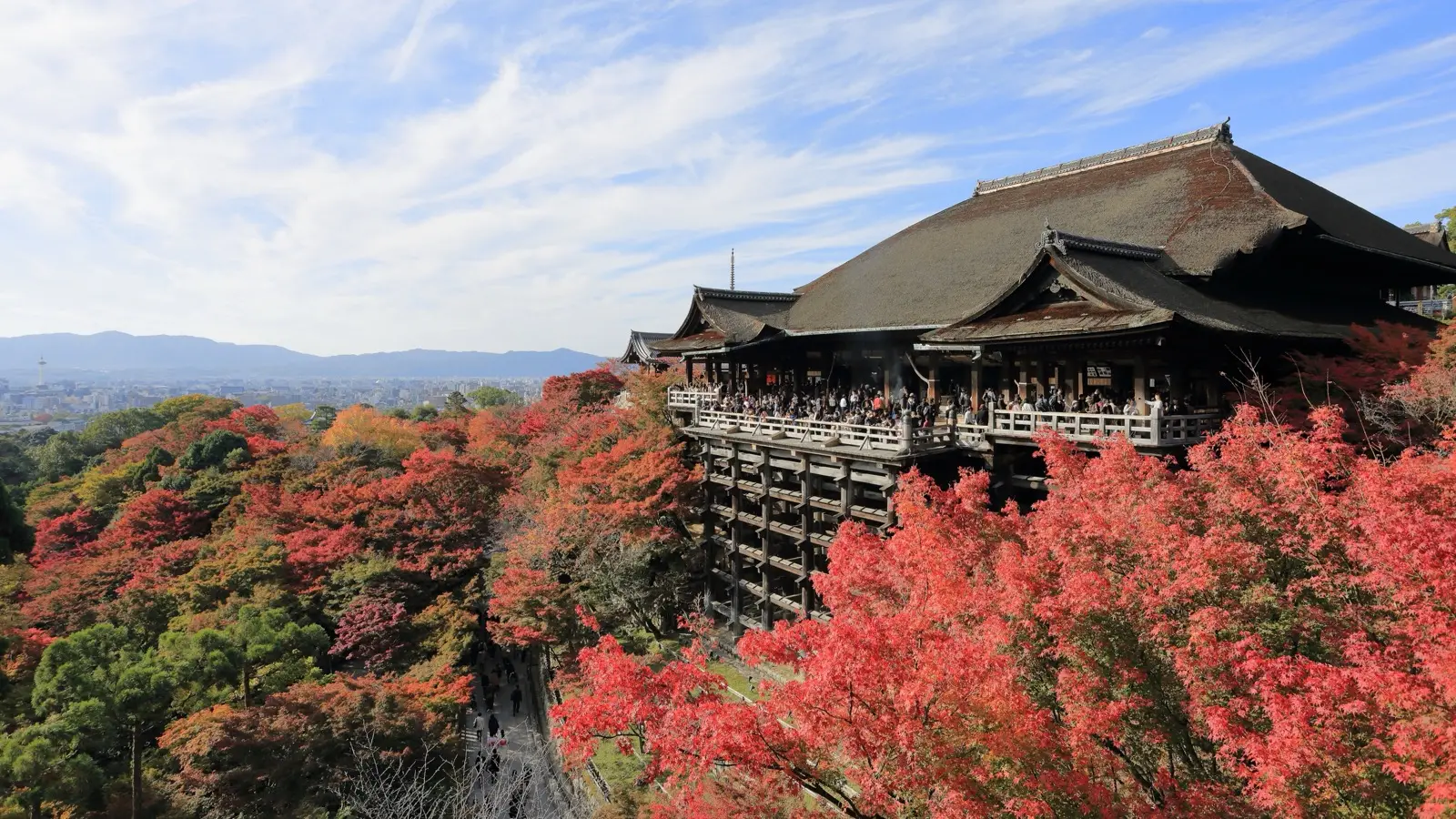
Kyoto Itinerary: Arashiyama, Gion and How to Pick a Ryokan
Kyoto compresses a millennium of Japanese aesthetic mastery. Discover how to evade bus congestion with private railways, master ryokan kaiseki booking windows, and savor early dawn stillness.
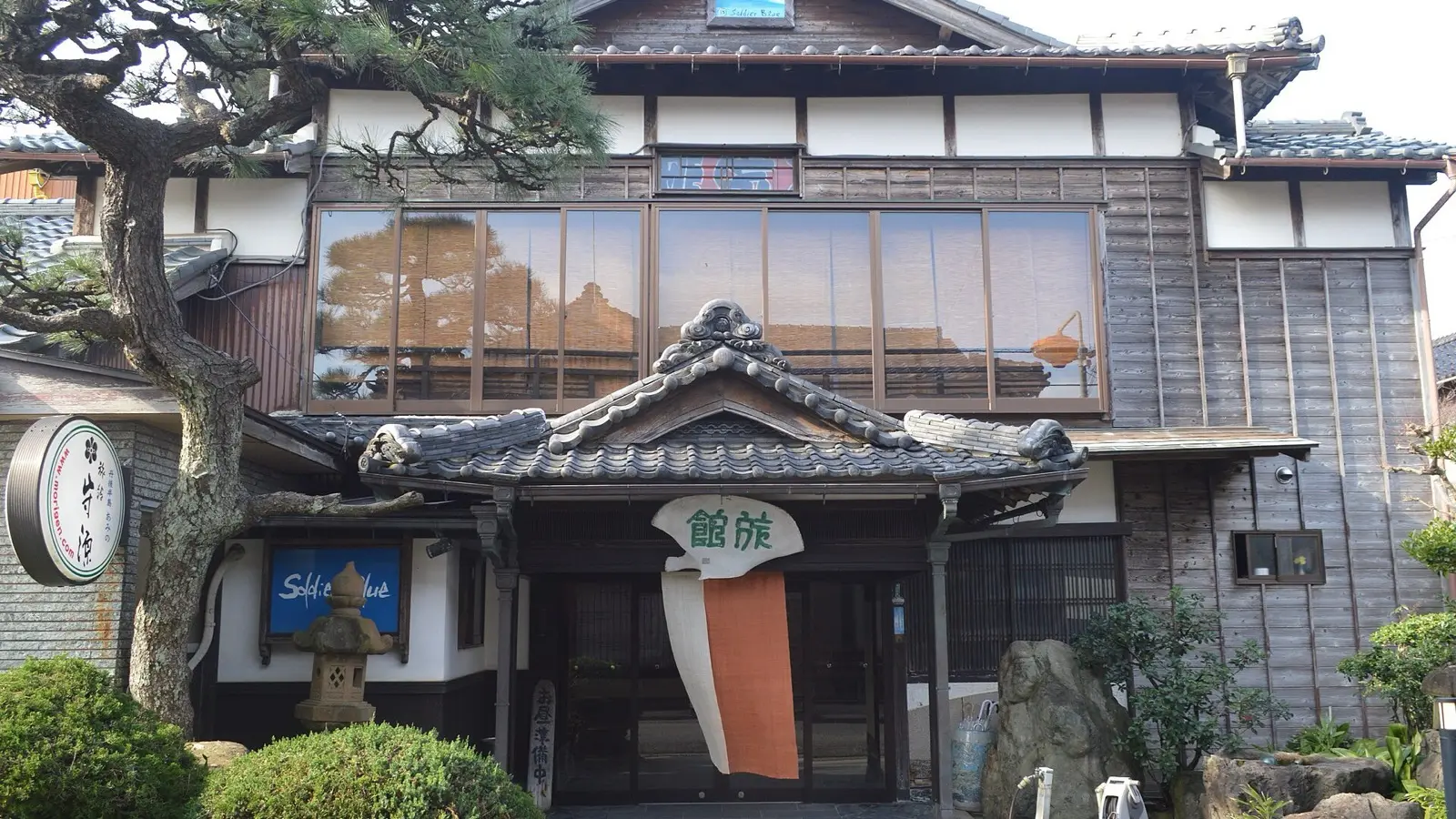
Kyoto Ryokan Prices and How to Choose: Kaiseki Terms and Machiya Stays
From hundred-year-old timber townhouses in Gion to misty Arashiyama riverside ryokan, staying in Kyoto demands cultural fluency and sharp booking discipline. An honest receipt audit covering kaiseki dinner curfews, private onsen etiquette, and avoiding dynamic pricing spikes.
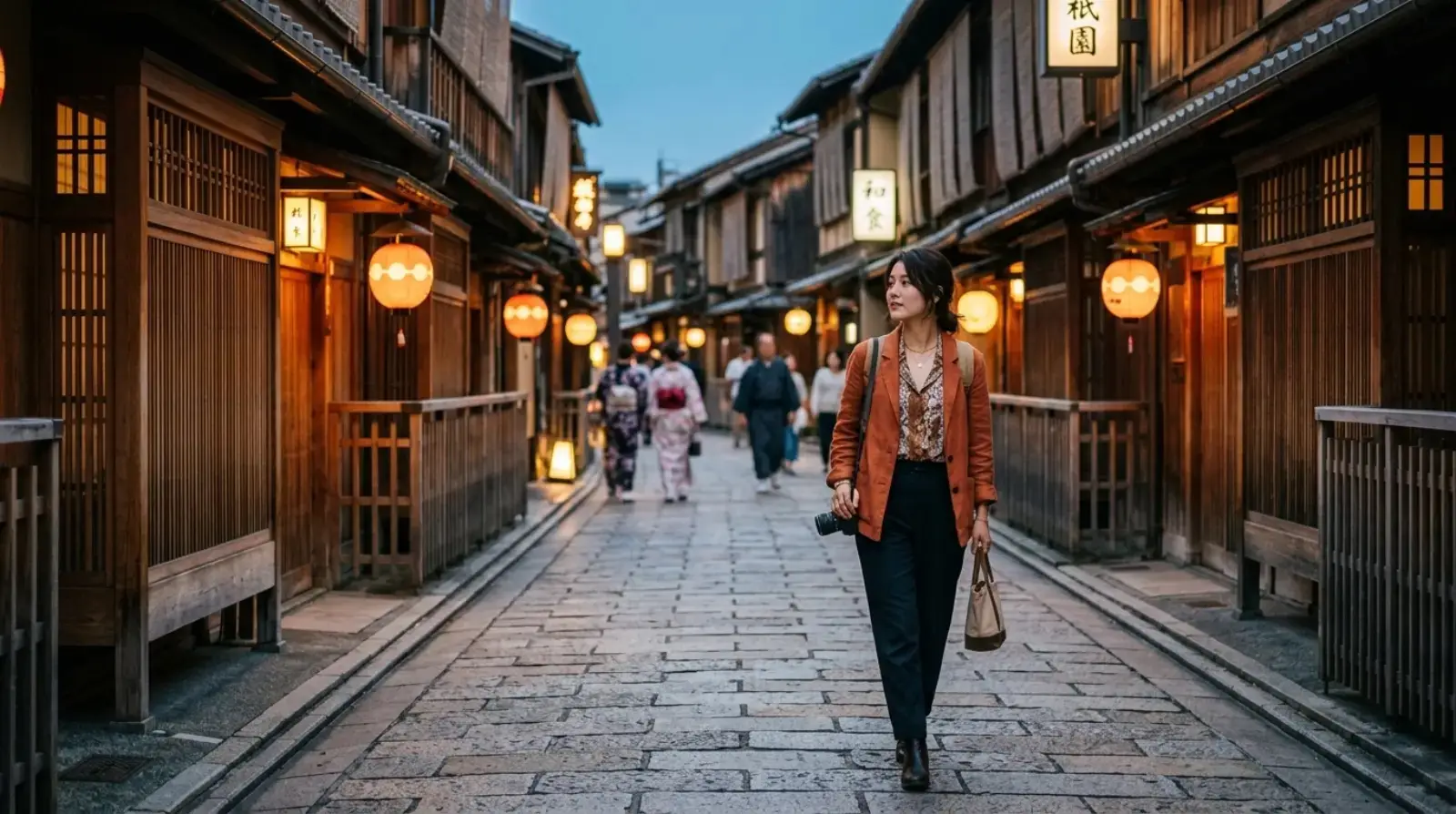
Kyoto Day 1 Itinerary: Kansai Airport to Kyoto and Your First Evening in Gion
Boarding the 75-minute Haruka Express from Kansai Airport, forwarding heavy bags straight to your hotel via Crosta at Kyoto Station, avoiding gridlocked buses using the subway, and an evening stroll through Gion to the Kamogawa. A field guide to your first 24 hours.
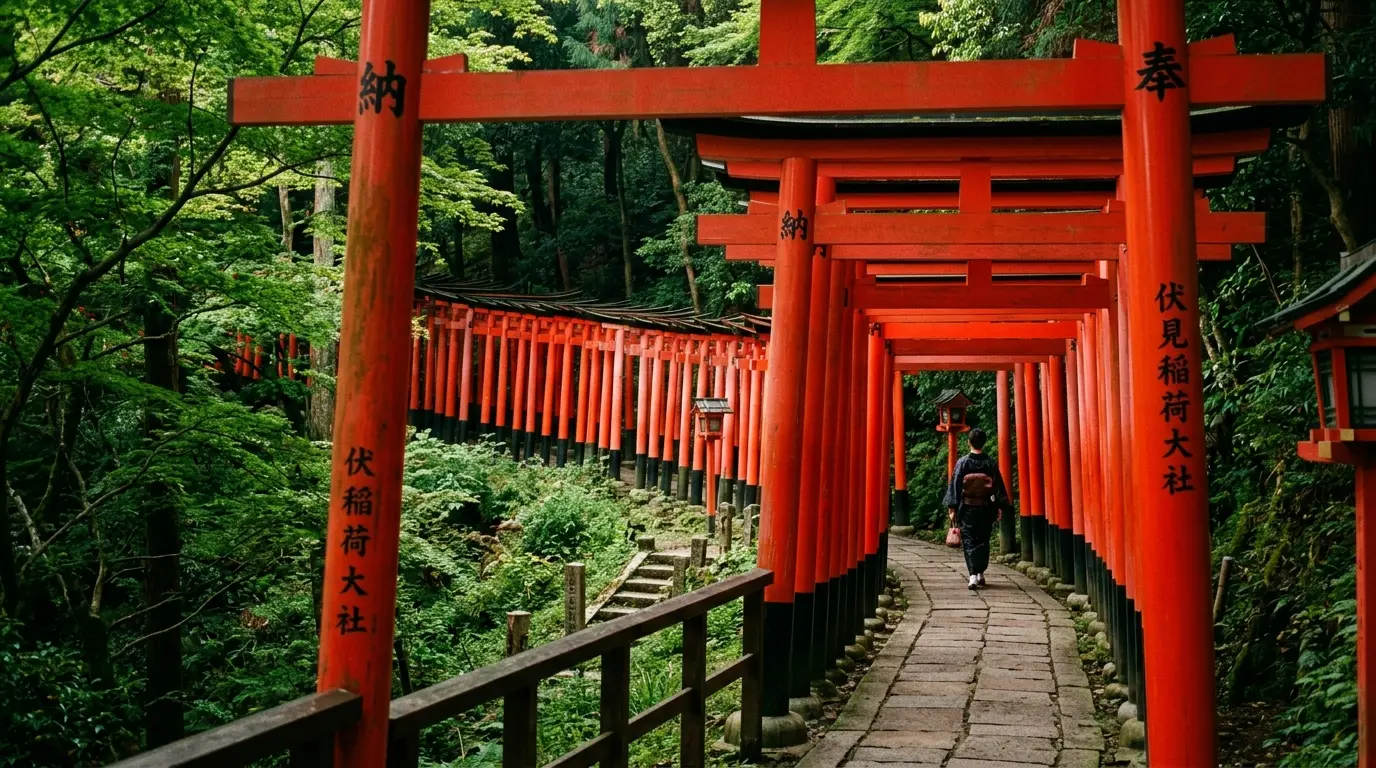
Kyoto Day 2 Itinerary: Fushimi Inari, Kiyomizu-dera, Sannenzaka and Gion
Day 2 immerses travelers into the spiritual heartbeat and preserved historic streets of Kyoto: early morning solace along thousands of vermilion torii gates at Fushimi Inari, sweeping mountain panoramas from the legendary wooden stage of Kiyomizu-dera, artisan tea shops and matcha sweets across cobblestoned Ninenzaka and Sannenzaka, followed by lantern-lit strolls in Gion Shirakawa and a refined multi-course Kaiseki dinner.
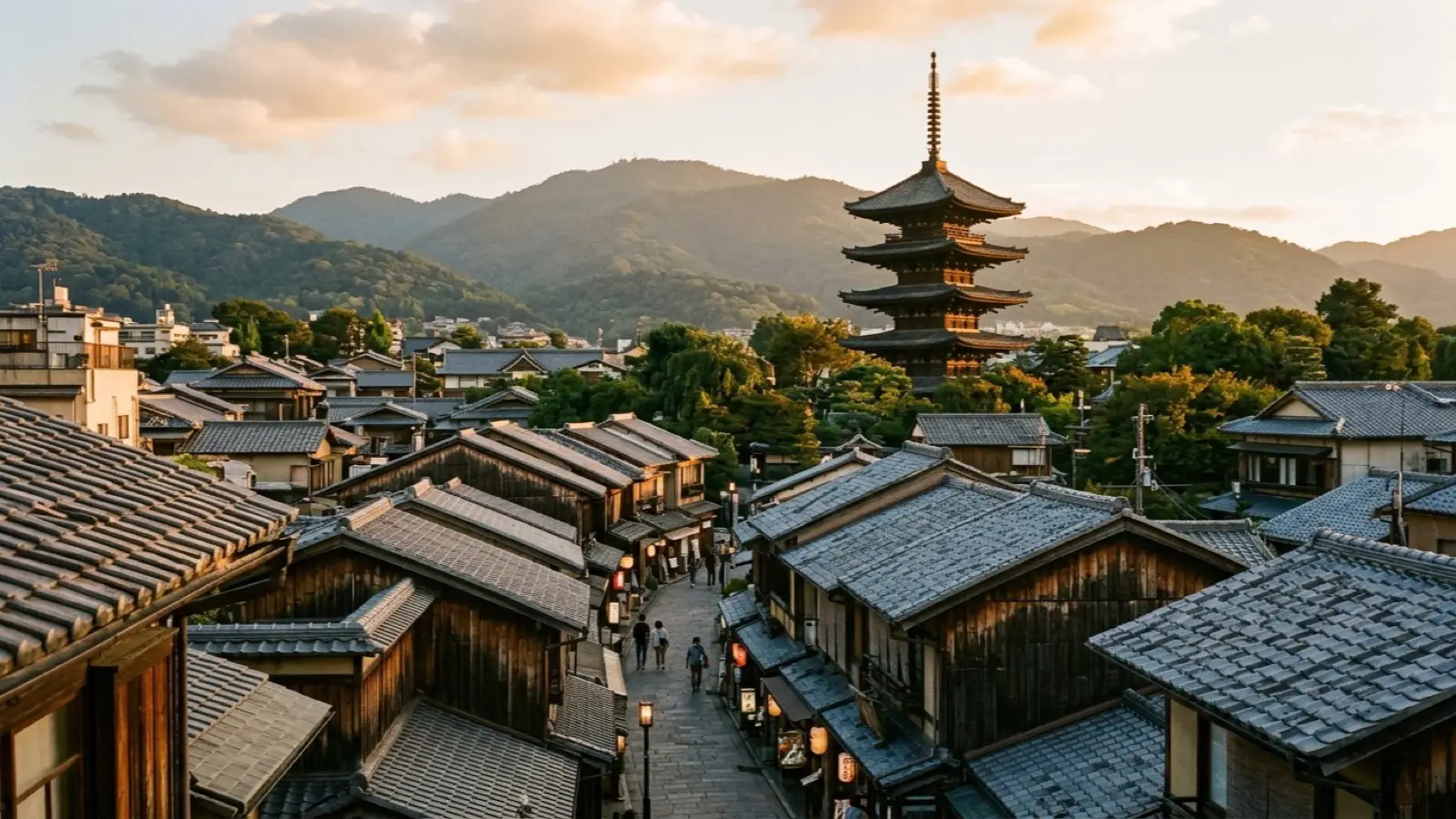
Where to Stay in Kyoto: Kyoto Station vs Gion vs Kawaramachi Compared
Your choice of base determines your entire Kyoto experience. Will you navigate crowded city buses with heavy luggage, or stroll riverside alleys lined with lantern-lit bistros? Here is a definitive breakdown of Kyoto's four premier districts.
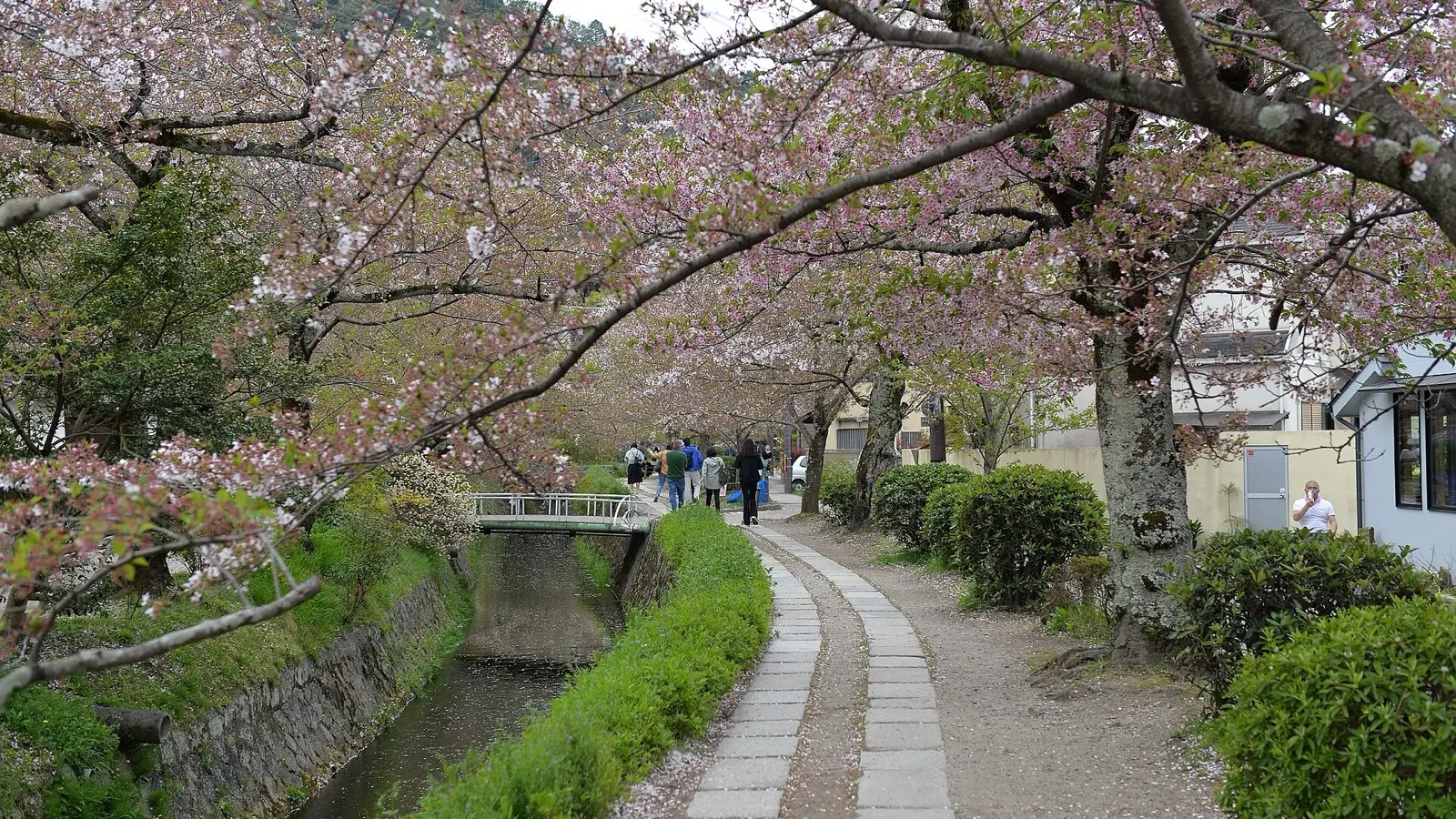
Kyoto Philosopher's Path Walk: From Ginkaku-ji to Nanzen-ji
To touch the true contemplative soul of Kyoto away from midday tour buses and crowds, one must walk the stone flagstones of the Philosopher's Path (Tetsugaku-no-Michi) under the soft mist of early dawn. Stretching two kilometers along the Lake Biwa Canal from Ginkaku-ji to Nanzen-ji, this tranquil waterway is where 20th-century philosopher Kitaro Nishida walked daily in meditative contemplation. From the murmur of mountain water and the moss-thatched timber gate of secluded Honen-in, to the weathered red-brick Romanesque arches of Suirokaku hidden within deep cedar woods, this immersive field report traces Kyoto's finest meditative journey.
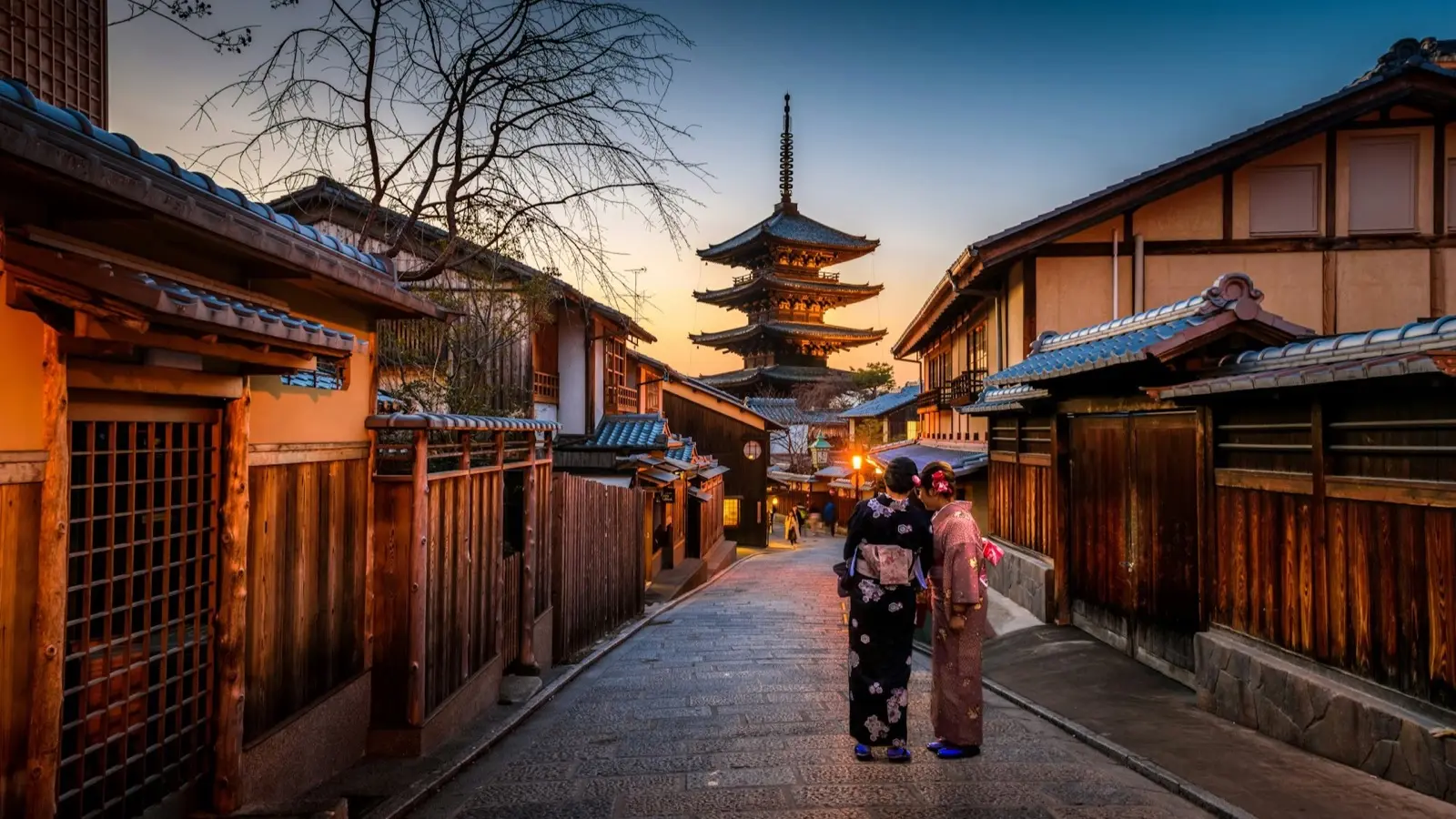
Kyoto on a Budget: Top 5 Value Hotels Under $90 and Station vs. Downtown Location Breakdown
Compared to neighboring Osaka, Kyoto hotel rates are notoriously 1.5 to 2 times higher, soaring to astronomical heights during spring cherry blossom and autumn foliage peaks. Finding clean, stylish accommodations between 50 and 90 dollars per night requires sharp logistical trade-offs. The Kyoto Station zone offers unbeatable rail access via the Kansai Airport Haruka Express, Shinkansen, and central bus terminals, while downtown Shijo Kawaramachi places you within walking distance of Gion, Nishiki Market, and evening riverside dining. From analyzing top value chains like Sotetsu Fresa Inn, Dormy Inn Premium, Sakura Terrace, and Daiwa Roynet to navigating Kyoto's 200 to 400 yen municipal lodging tax and selecting properties with restorative hot spring onsen baths, here is how to book smart in Japan's historic capital.
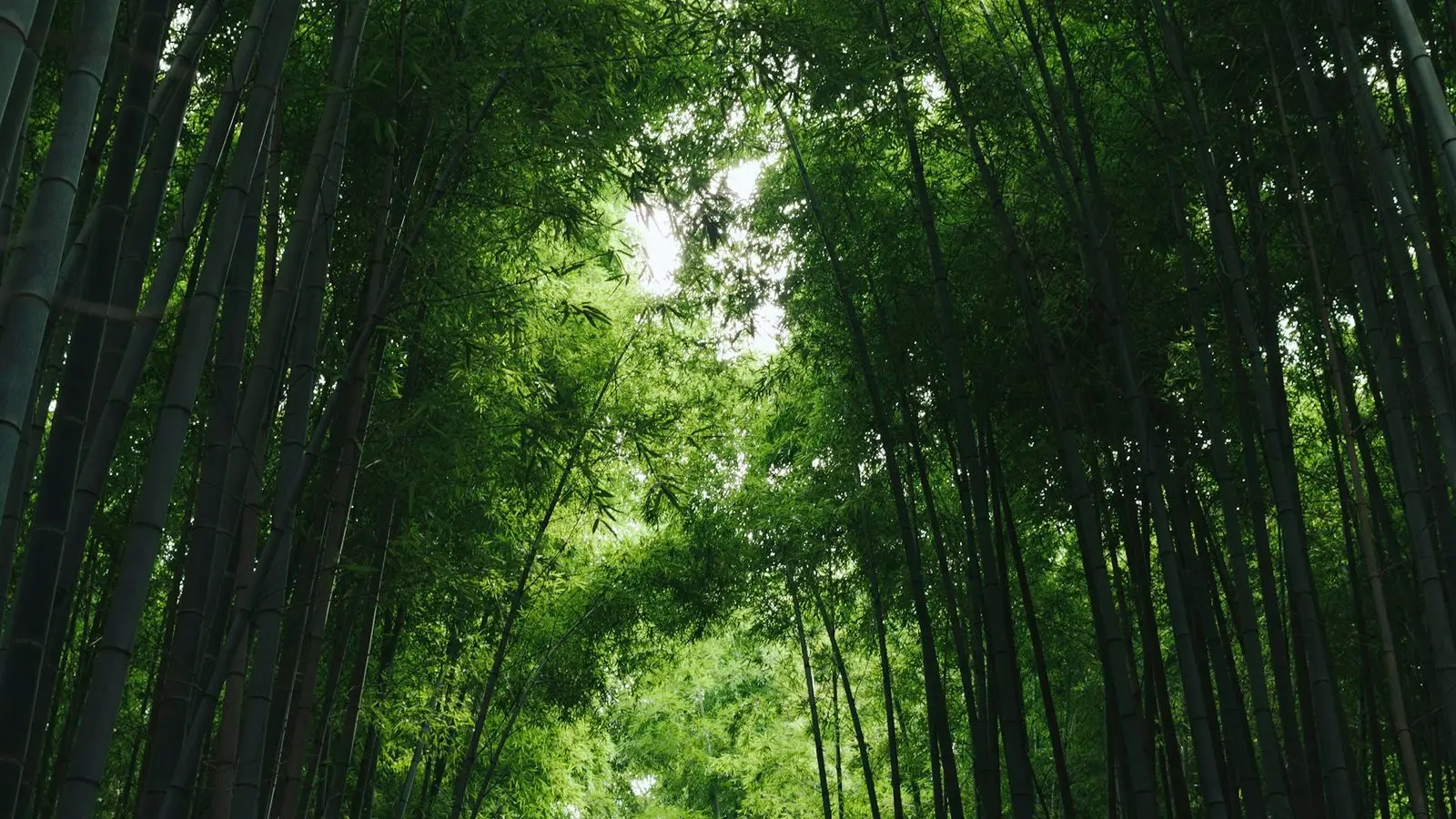
Dawn Through Sagano Bamboo Grove: Tenryu-ji Zen Gardens, Togetsukyo Mist, and Quiet Kyoto Mornings
By midday, the legendary bamboo avenues of Arashiyama in western Kyoto turn into a bustling hive of sightseers, camera flashes, and rickshaw queues. Yet at 7:00 AM, before the first tour coaches rumble into parking lots, Arashiyama reveals an ethereal, untouched beauty. Stepping into the famed Sagano Bamboo Grove (Chikurin no Michi) in the cool dawn air, visitors are enveloped by towering jade-green stalks creaking gently against the mountain breeze, an auditory symphony honored as one of Japan's preserved soundscapes. From sitting upon the polished cedar verandas of UNESCO-listed Tenryu-ji Temple gazing across misty pond gardens to crossing the historic wooden arches of Togetsukyo Bridge, this contemplative morning journey captures Kyoto at its purest. Discover the step-by-step dawn itinerary, Randen retro tramway transfers, and hidden tea pavilions that make early morning in Sagano truly magical.
Kyoto Uji Morning Matcha Journey: Byodoin Phoenix Hall, 10-Yen Coin Vistas, and Tsuen Tea's 860-Year Legacy
Escaping central Kyoto aboard the Keihan Uji shuttle whisks travelers about half an hour southward into an emerald riverside oasis steeped in the gentle perfume of roasted green tea leaves. Crossing historic Uji Bridge, first erected in 646 AD over turbulent river currents, instantly reveals why Heian-period imperial nobility chose this misty basin as their ultimate poetic country retreat. Pulling a polished 10-yen coin from your pocket to mirror the floating wooden silhouette of Byodoin Phoenix Hall across the reflecting lotus pond offers a timeless contemplation of Buddhist paradise. A short stroll upstream leads to Tsuen Tea, founded in 1160 and celebrated as Japan's oldest continuously operating tea house, where stone-ground matcha is ceremonially whisked over Tatami river views. From fragrant roasted hojicha aromas in the temple market to chilled matcha soba noodles, Uji delivers an enchanting morning itinerary.
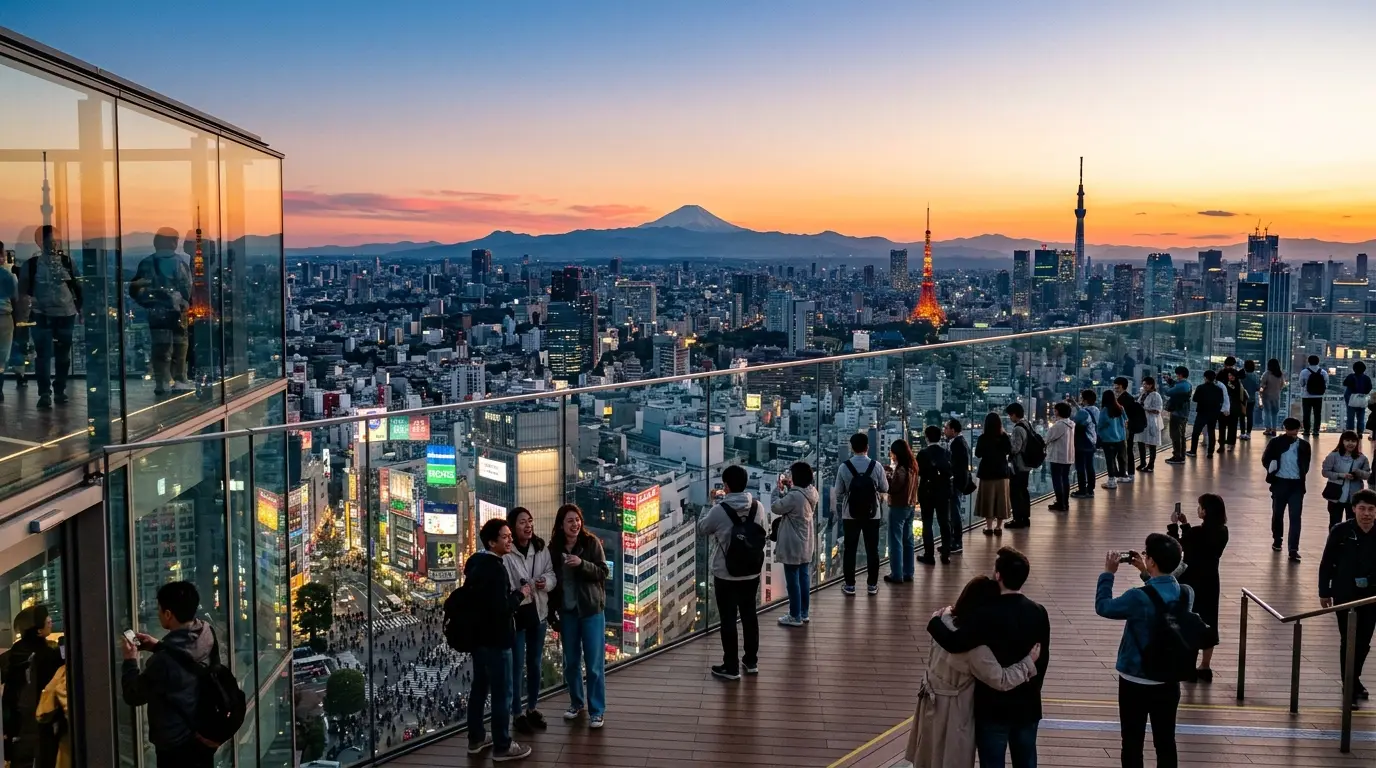
Where to Stay in Tokyo: Shinjuku vs Shibuya vs Ginza
Comparing room footprints across Shinjuku, Ginza, and Ueno, locking in sudden 14-day cancellation drops, and eliminating DCC fees with clean Yen checkout.
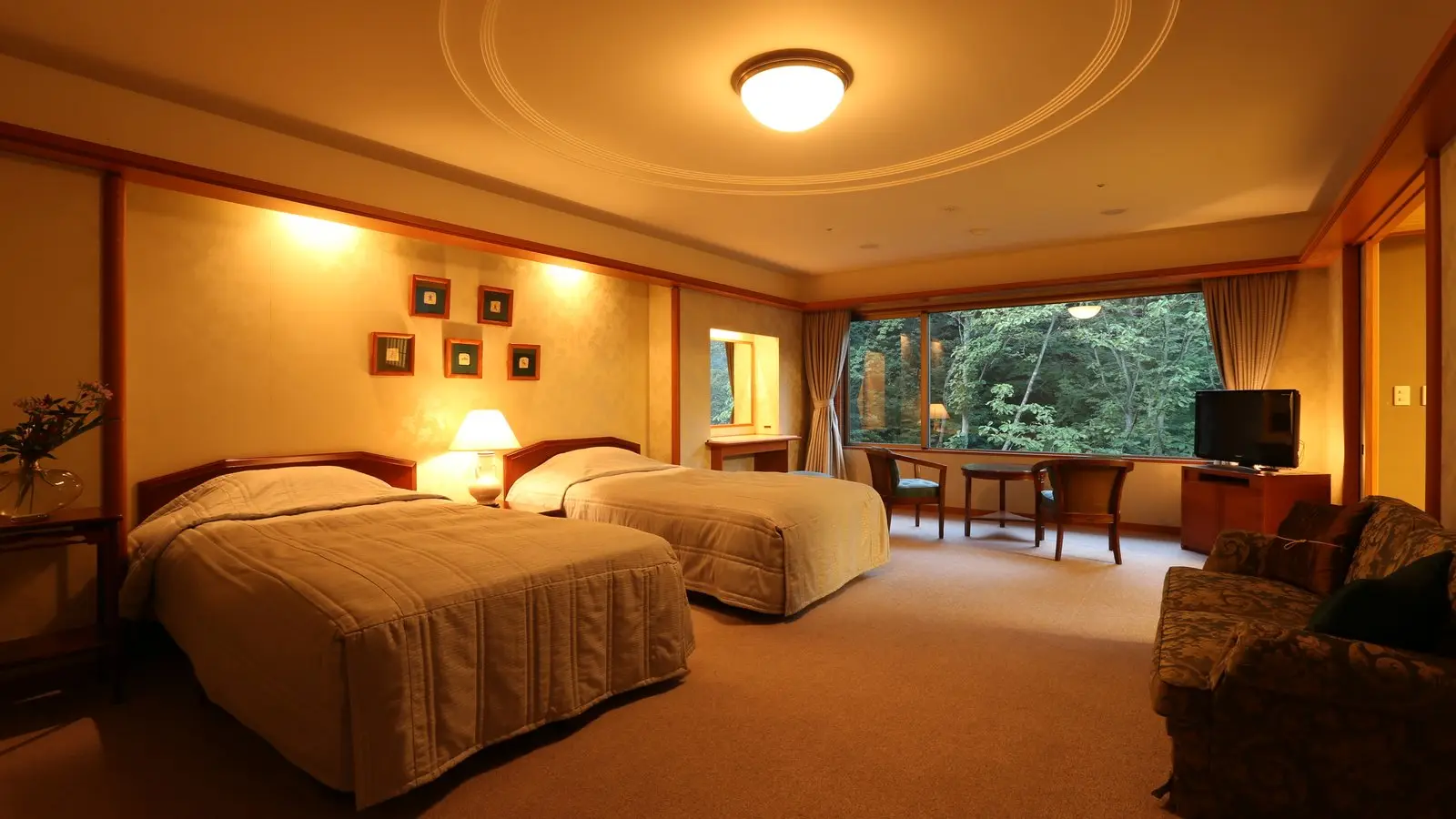
7 Budget Hotels in Tokyo Under $100 on the Yamanote Line
Even amid yen fluctuations, central Tokyo hotel rates have soared. Learn how to secure Yamanote loop line hotels at half the price of Shinjuku, compare onsen bath chains like Dormy Inn, trigger secret Agoda VIP and Booking.com Genius discounts, and dodge hidden currency fees with yen settlement.
How to Read the Tokyo Subway Map and Where to Stay on the Yamanote Line
How to choose between Keisei Skyliner and Narita Express, avoid the Tokyo Subway Ticket trap, use Apple Wallet Suica, and select the ideal hotel base in Tokyo.