
Hong KongGuide
Hong Kong Day 1 Itinerary: Airport to the City and Victoria Harbour by Night
AEL train vs. Cityflyer bus choices, Octopus mobile ticketing, Cha Chaan Teng sharing tables, and Ding Ding tram tips.
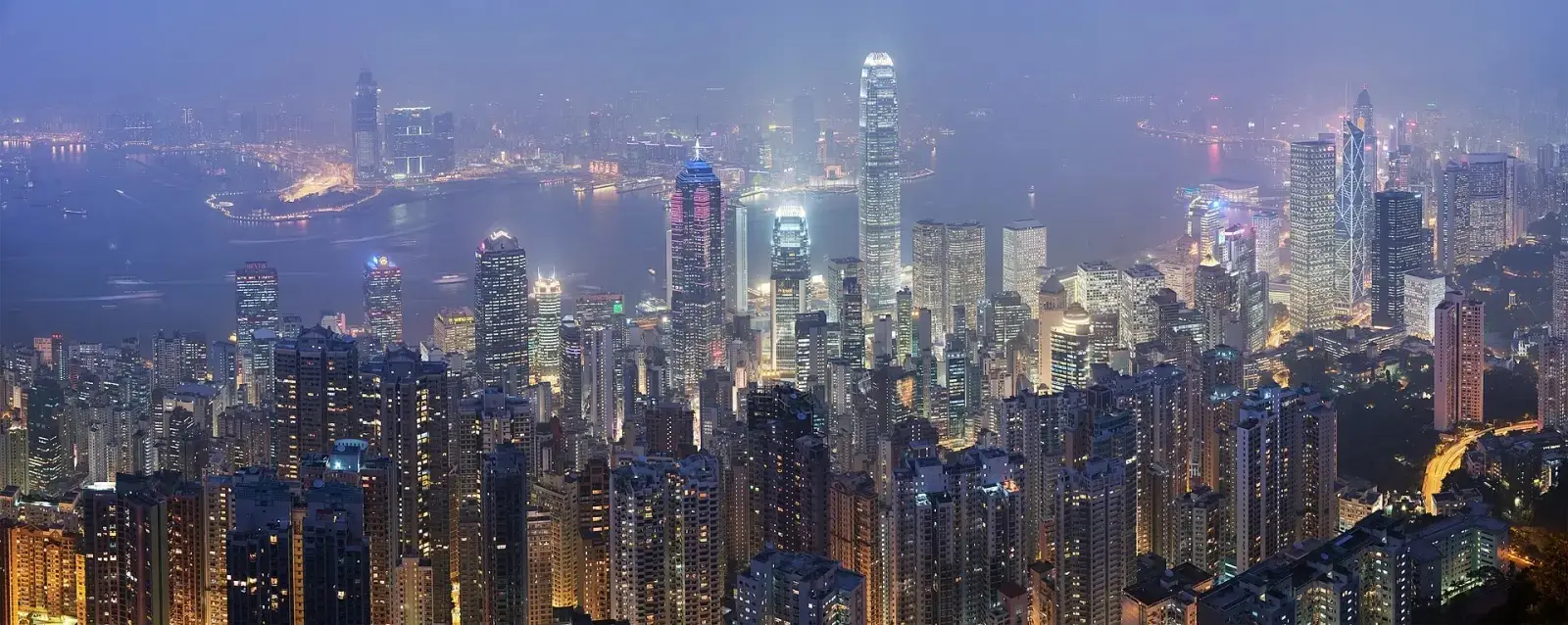
Gateway Transit: 24-Minute Airport Express vs. Scenic Cityflyer A21 Double-Decker
Stepping into the arrivals hall of Hong Kong International Airport (HKG) immediately reveals one of the most sophisticated transit infrastructures in the world. Arriving travelers primarily weigh two distinct options: the blistering speed of the Airport Express (AEL) train, or the panoramic, doorstep convenience of the Cityflyer double-decker bus network.
For travelers prioritizing rapid hotel check-in, the Airport Express remains unmatched. The platform connects seamlessly from the arrivals concourse on a step-free single level, a triumph of architectural ergonomics. There are no turnstiles at the airport entry; passengers board directly, reaching Tsing Yi in 14 minutes, Kowloon in 22 minutes, and Central Hong Kong Station in just 24 minutes. Every carriage offers USB charging ports and high-speed Wi-Fi.
Conversely, if your hotel sits within Tsim Sha Tsui or Mong Kok on the Kowloon peninsula, Cityflyer Route A21 presents an attractive alternative. It is substantially more economical than the train. Securing a seat on the upper deck's front row delivers a cinematic descent across Tsing Ma Bridge, past monumental shipping terminals and straight into the neon-lit corridors of Nathan Road. Dedicated lower-deck luggage racks are monitored via CCTV screens upstairs.
Balance your decision against your accommodation's geography. For Central, Sheung Wan, or Admiralty, AEL straight to Hong Kong Station is indisputably superior. For accommodations along the Nathan Road spine, an express double-decker bus often saves you an awkward transfer through underground subway concourses with heavy suitcases.
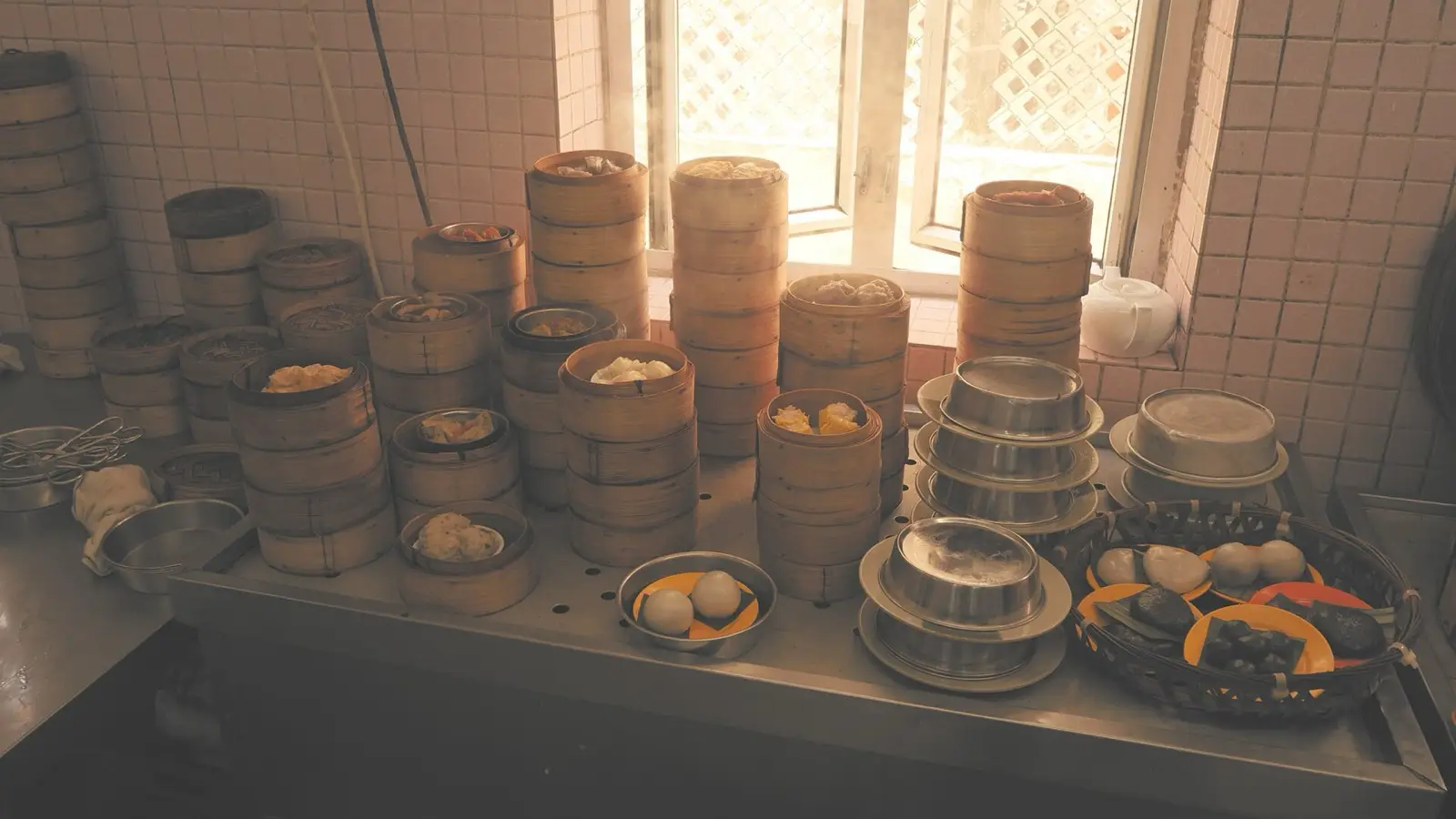
Frictionless Mobility: Mastering Mobile Octopus and the Heritage Ding Ding Tram
Effortless urban mobility in Hong Kong pivots entirely upon one legendary instrument: the Octopus card (八達通). Seamlessly accepted across MTR railways, buses, trams, Star Ferries, convenience stores, and vending machines, it eliminates the inconvenience of coins. iPhone users can generate a digital Octopus card directly within Apple Wallet in minutes, recharging via linked international cards without visiting physical counters.
Cruising along the northern shore of Hong Kong Island, the 120-year-old double-decker 'Ding Ding' tram is arguably the world's most romantic mass transit system. Rattling from Sheung Wan through Central, Wan Chai, and Causeway Bay, it navigates the city's sensory corridors at an unhurried pace. Riders board through the rear turnstile and tap their Octopus card exclusively at the front door when disembarking.
Securing the upper deck front row is the golden rule of tram travel. Ascending the narrow spiral staircase delivers an unobstructed vista where neon hanging signs and towering double-decker buses seem within arm's reach. Venturing into non-air-conditioned vintage cars with wooden windows pushed wide lets you absorb the warm maritime breeze and the ambient roar of Hong Kong evening street life.
During rush hours through Central and Admiralty, trams often crawl slower than pedestrians due to vehicular congestion. Treat the Ding Ding not as a high-speed commute, but as a cheap cinematic sightseeing cruise through the neon-drenched veins of Hong Kong Island.
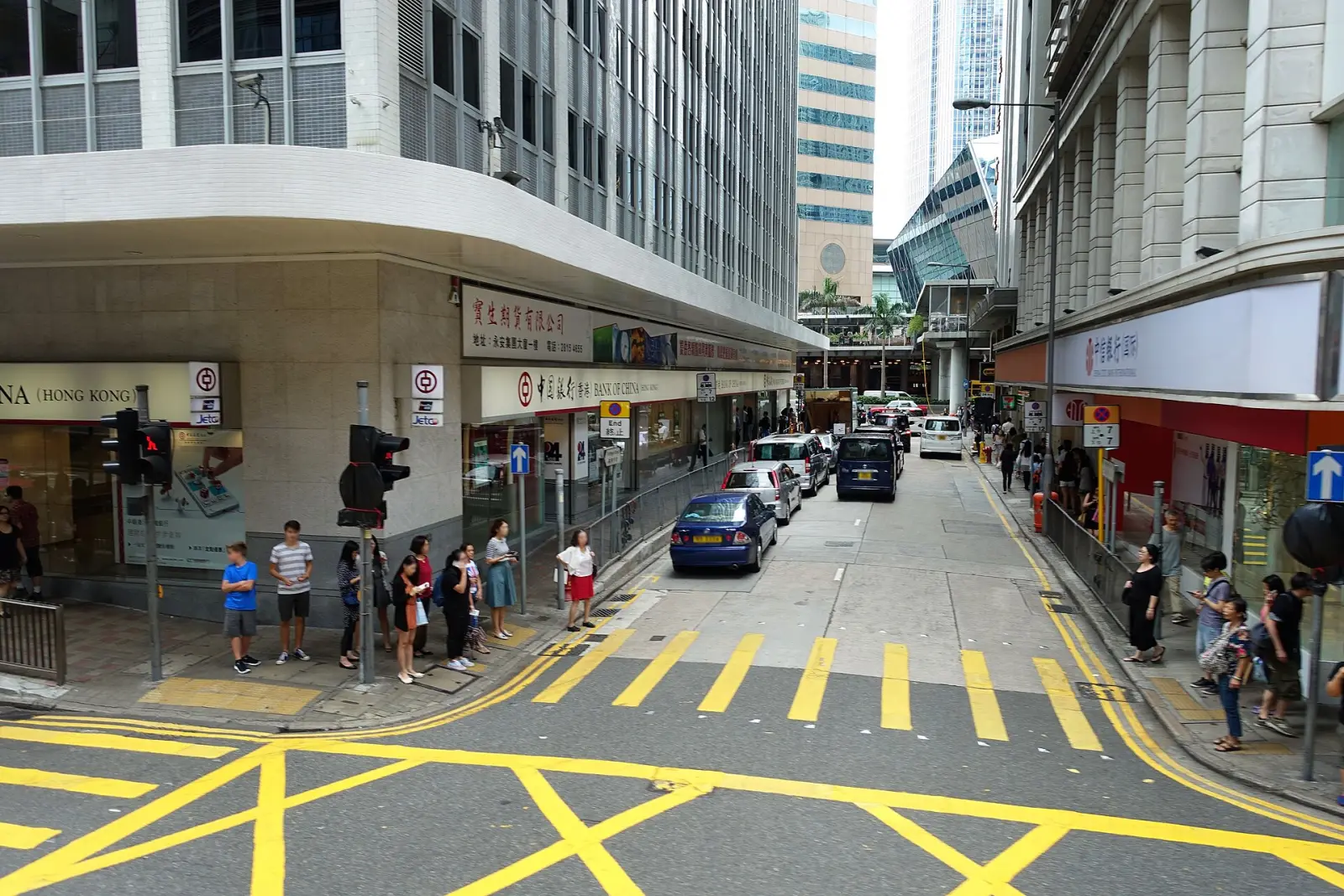
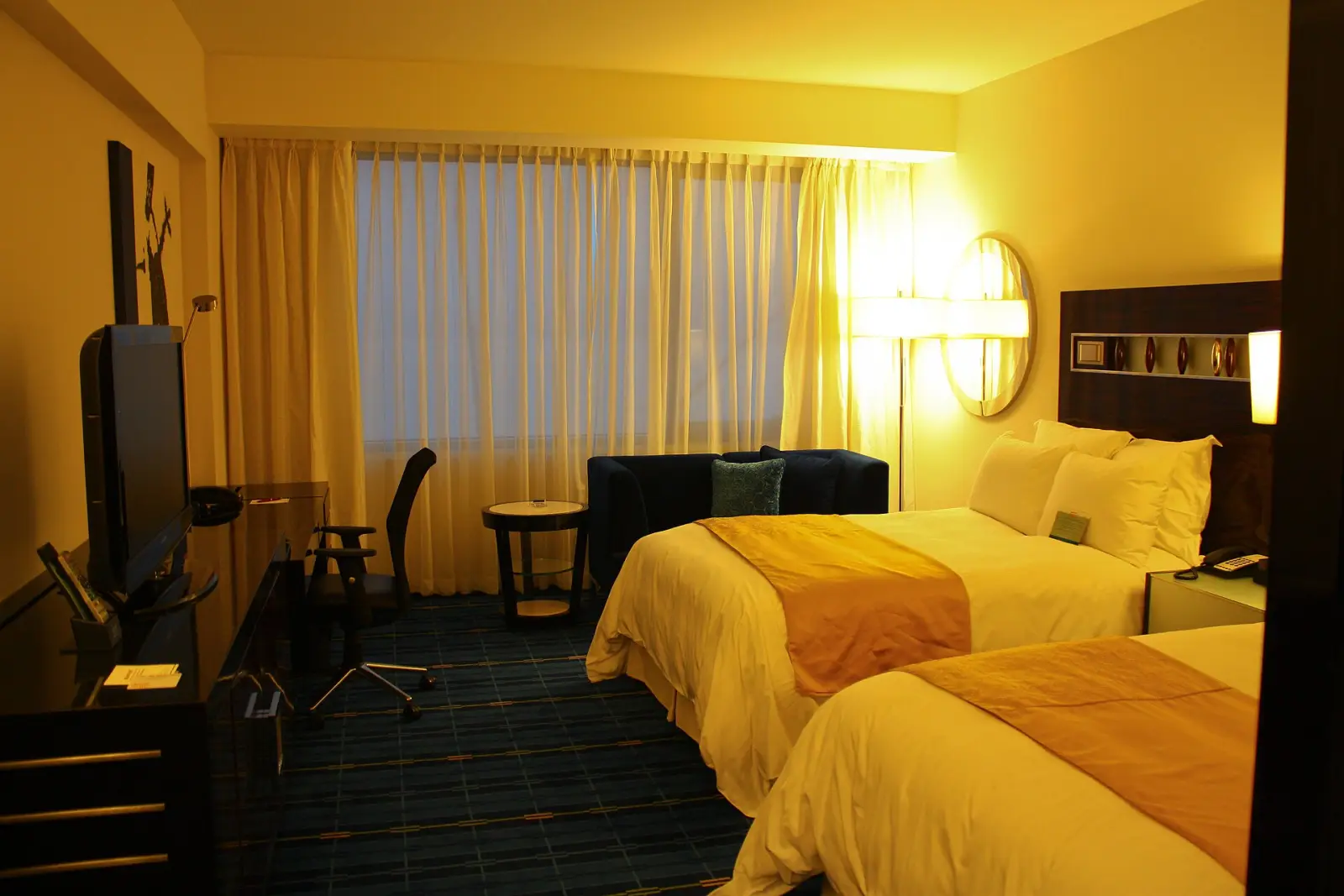
First Feast Without Regret: Dim Sum Teacup Rinsing (Sai Bui) and Cha Chaan Teng Table Etiquette
After shedding heavy luggage, nothing rewards weary travelers like authentic dim sum parlors or bustling Cha Chaan Teng diners. As staff seat you, they immediately place a deep plastic basin alongside a steaming teapot in the center of your table. This introduces Hong Kong's cherished ritual of 'Sai Bui' (洗杯, utensil rinsing).
Without hesitation, pour the piping hot tea water over your teacup, swirl your chopsticks and ceramic spoon inside the cup, and empty the rinse water into the central basin. Push the filled basin toward the table corner; waitstaff will swiftly whisk it away. Now, pour a fresh serving from the teapot to drink. Choose between earthy Pu-erh (Bo Lei), aromatic Tieguanyin, or delicate Jasmine (Heung Pin).
Selecting dim sum is straightforward using pencil order sheets or roving steam trolleys. The quintessential triad comprises Har Gow (steamed crystal shrimp dumplings with translucent pleats), Siu Mai (pork and shrimp dumplings crowned with flying fish roe), and Char Siu Bao (fluffy steamed barbecue pork buns). When your teapot runs low, balance the lid ajar on the rim to summon silent, steaming refills from passing servers.
Opting instead for a dynamic Cha Chaan Teng lunch brings you face to face with 'Daap Toi' (搭檯, compulsory table sharing). Space is intensely economized; strangers share four-seat booths shoulder to shoulder without awkwardness. Simply nod pleasantly, order a warm Polo Bun (菠蘿包) crowned with chilled butter alongside a glass of silky evaporated milk tea (Pang Lai Cha), and relish the kinetic rhythm of Cantonese dining.
Settling the bill takes place at the front cashier register. Take your stamped paper slip from the table clip to the counter. Remember that many vintage neighbourhood eateries accept exclusively cash or Octopus cards, declining foreign credit cards outright.
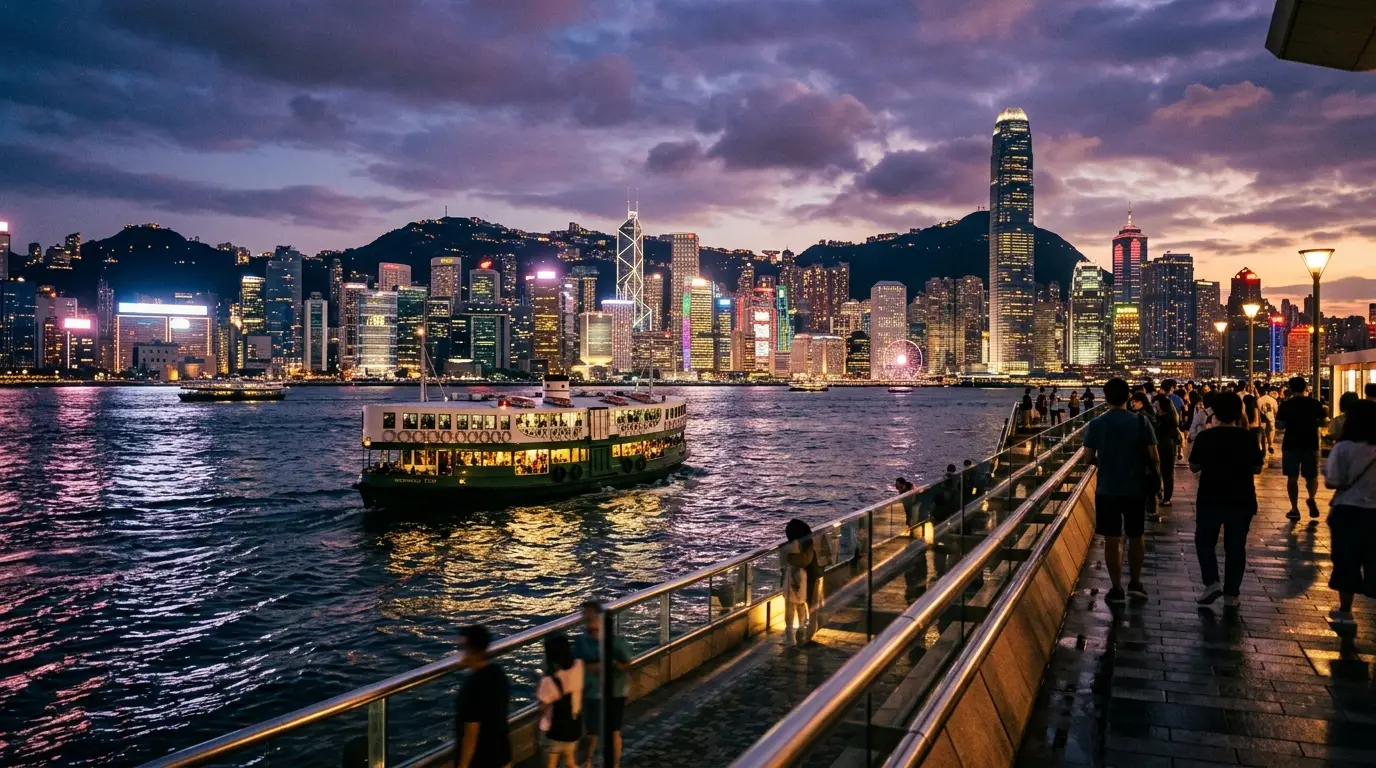
Twilight Skyline Stroll: Tsim Sha Tsui Promenade and the Historic Star Ferry Crossing
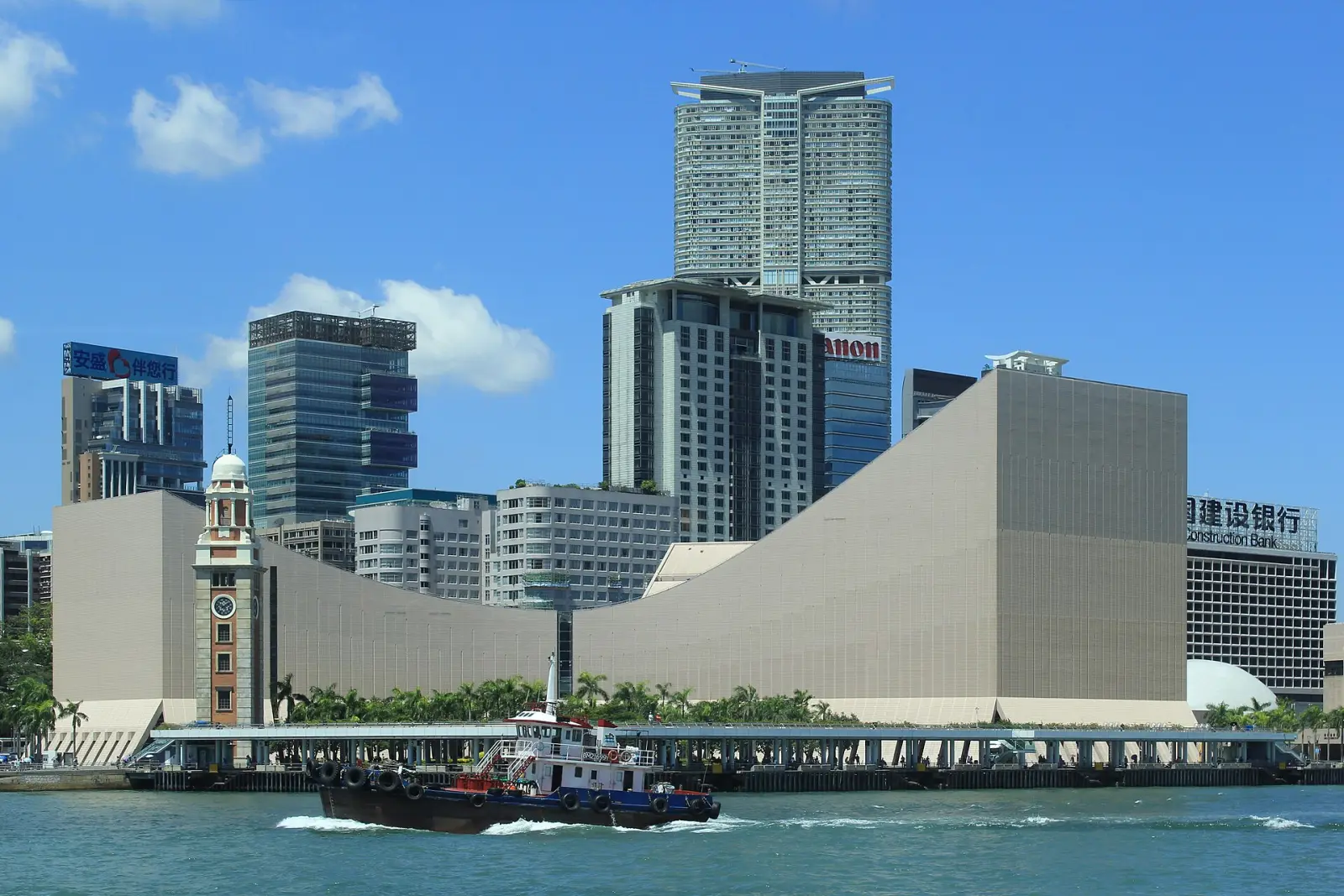
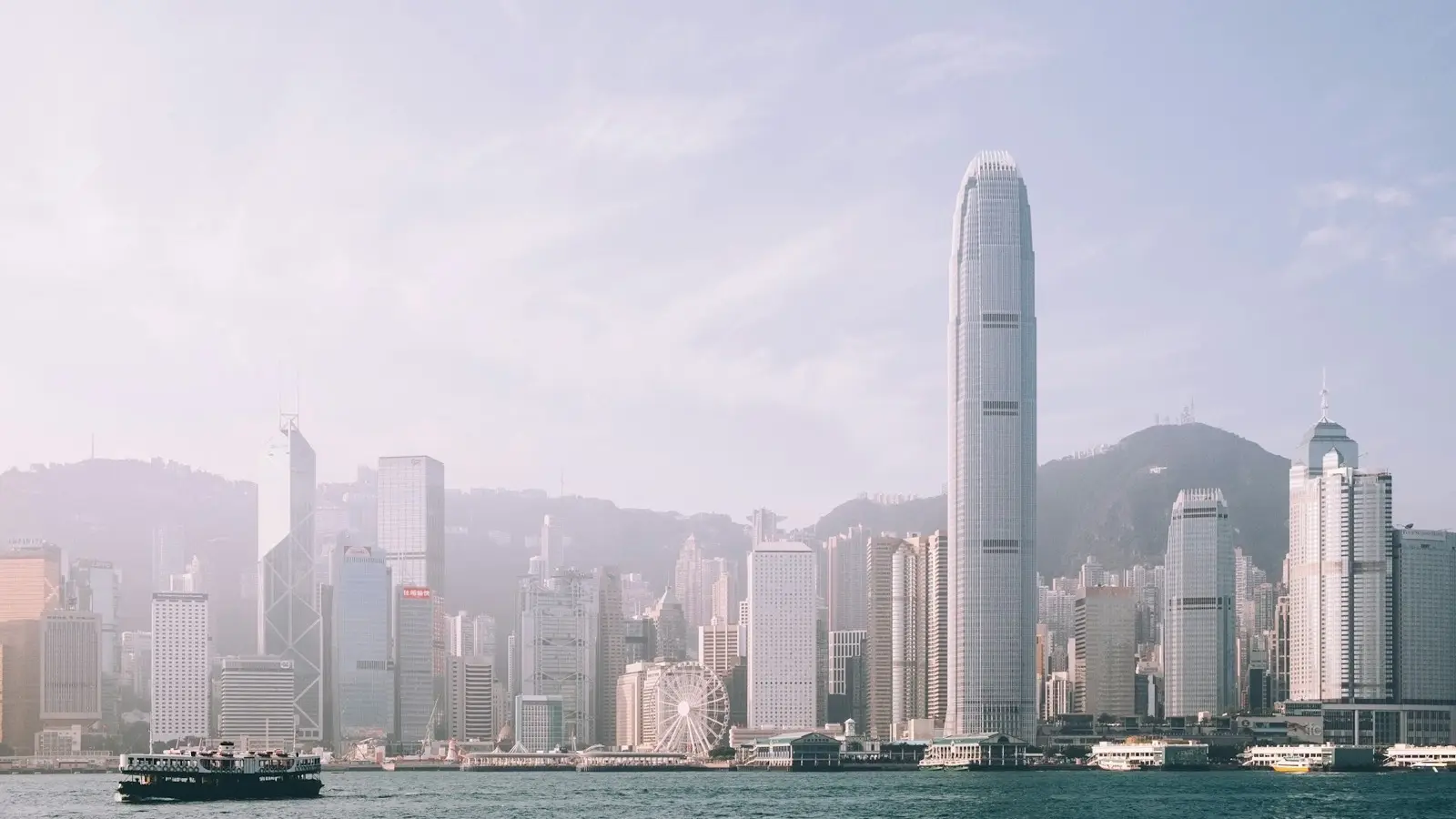
As late afternoon yields to 5:00 PM, break away from dense urban alleyways toward the open waterfront. Stretching from the historic Tsim Sha Tsui Clock Tower past K11 Musea along the Avenue of Stars, the harbour promenade provides the most breathtaking sunset panoramas in Hong Kong. Watching Hong Kong Island's dense thicket of skyscrapers shift from amber reflections to deep indigo twilight washes away flight exhaustion instantly.
Promptly at 8:00 PM every evening, the skyline erupts into 'A Symphony of Lights', recognized as the world's largest permanent sound and light show. Lasers and architectural beams synchronized across towering corporate monoliths sweep across the harbour waters. For optimum audio clarity, stake out a railing spot along the Avenue of Stars 15 minutes ahead near outdoor speakers.
When the display concludes, bypass subterranean metro turnstiles and head directly to the historic Tsim Sha Tsui Star Ferry Pier. Operating continuously since 1888, the heritage green-and-white double-ended ferries embody Hong Kong's maritime soul. Tap your Octopus card and ascend to the Upper Deck, where slatted teakwood seats and the salty harbor breeze await.
During the eight-minute voyage toward Central Pier, looking up from sea level at illuminated financial skyscrapers reveals a monumental grandeur invisible from land. At roughly 5 HKD, this brief passage across Victoria Harbour remains universally acclaimed by seasoned voyagers as one of travel's purest wonders.
Late-Night Sanctuary: Convenience Store Egg Tarts, Vitasoy, and Restful Recovery
Winding down Day 1 on the stroll back to your hotel, step into a brightly illuminated 7-Eleven or Circle K. Hong Kong convenience stores serve as nocturnal gastronomic sanctuaries. Reach for a hot glass bottle of classic Vitasoy (維他奶) or chilled Vita Lemon Tea (VLT), paired with flaky Portuguese-style egg tarts freshly warmed in counter warmers.
Pick up bottled water and perhaps a piping hot cup of street-style curry fish balls (咖喱魚蛋) for a late-night bite. Be mindful of Hong Kong's extreme air conditioning: while streets may be humid and tropical, indoors are cooled aggressively. Keep a lightweight linen shirt or thin knit handy in your hotel room, maintaining your thermostat around 24°C to prevent thermal shock.
Upon returning to your room, address your electronic charging station immediately. Reflecting British historical ties, Hong Kong utilizes UK Type-G three-prong rectangular power outlets (220V, 50Hz). While newly renovated properties integrate international sockets or USB-C outlets, boutique properties still demand standard UK travel adapters. Plug in power banks and unwind under a hot pressure shower.
Gazing out across the silhouetted skyline with a chilled carton of lemon tea in hand, any residual travel anxiety crystallizes into absolute wanderlust. You have conquered the 24-minute airport transit, mastered local dim sum rituals, rode the vintage Ding Ding tram, and sailed the legendary Star Ferry. Sleep deeply; Central Hollywood Road and the heights of Victoria Peak await tomorrow.
Frequently Asked Questions
Field-tested answers to transit navigation, neighborhood choices, and payment traps.
Q1.What is the best way to travel from Hong Kong International Airport to Kowloon or Central?
Q2.Should visitors choose a physical Octopus card or the mobile Octopus app?
Q3.What essential dining etiquette should travelers observe in local Dim Sum parlors and Cha Chaan Tengs?
Q4.What is the most recommended sunset and night skyline route for Day 1 in Hong Kong?
The Smart Traveler's Essential Toolkit
Prepare instant mobile data, private airport transfers, and skip-the-line passes in one place.
Pick a base in Hong Kong by your route
Choose the places you want to see and get the neighbourhood with the shortest travel.
Compare Hong Kong Hotel Rates
Find the cheapest channel across Agoda and major booking engines with Tripdify.
Share This Guide with Your Companions
When shared via chat or social media, a curated summary card is sent along.
Recommended Guides
Hong Kong Itinerary and Where to Stay: Victoria Harbour in Two Nights
Skip the turnstiles straight onto the Airport Express, fund mobile Octopus cards instantly, and choose spacious Sheung Wan boutique lofts over cramped Tsim Sha Tsui shoebox rooms for a smarter 72-hour Hong Kong trip.
Boutique Hotels in Hong Kong: Central and Sheung Wan Compared
From the nostalgic romance of century-old Star Ferry crossings to chic boutique design havens in Sheung Wan and SoHo culinary alleys, an authoritative four-day Hong Kong guide.
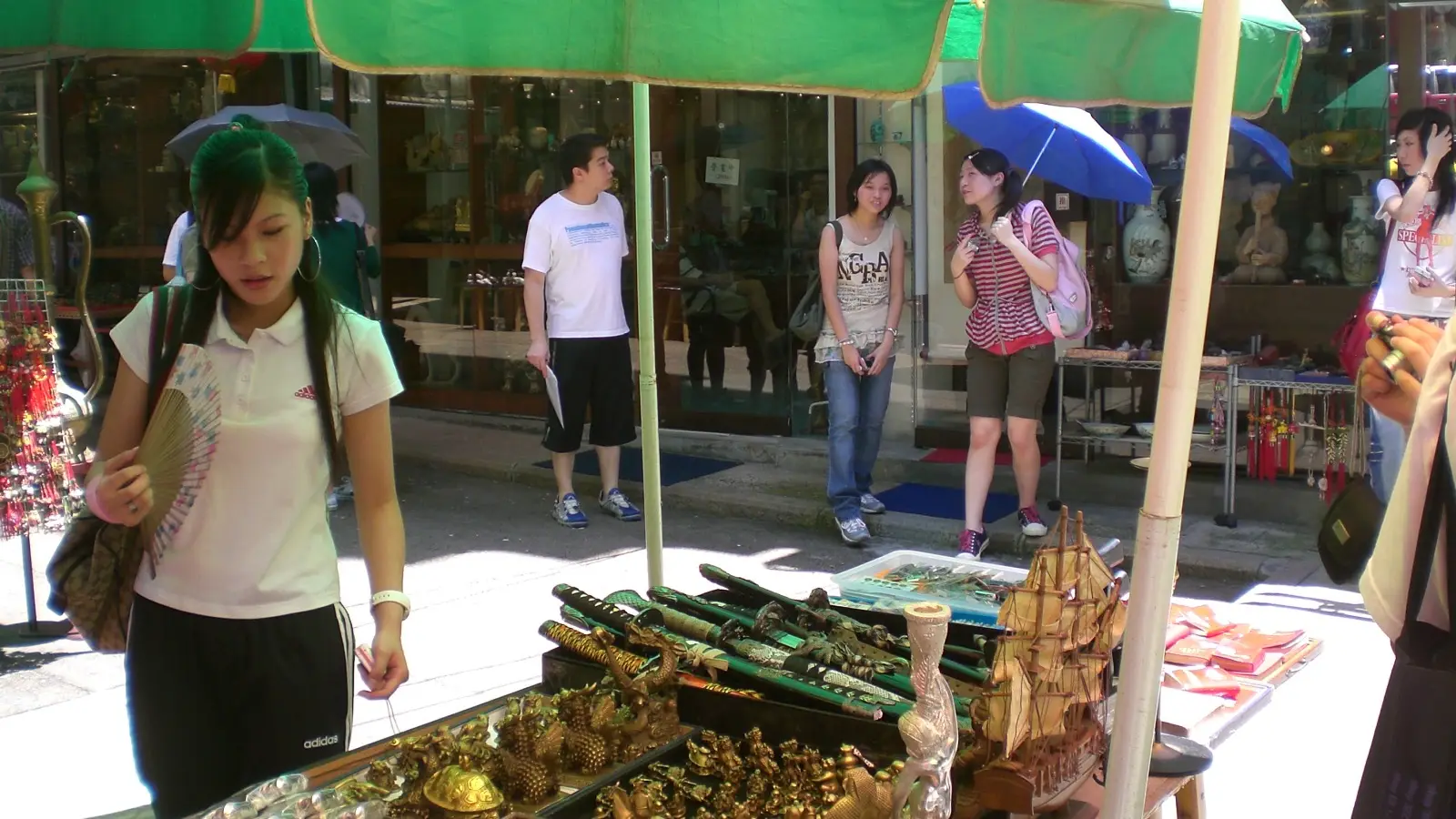
Where to Stay in Hong Kong: Tsim Sha Tsui vs Sheung Wan vs Hong Kong Island
Behind Hong Kong's dazzling skyline lies one of the world's most hyper-dense urban environments, where astronomical real estate costs have spawned notorious windowless micro-rooms. Escaping the elevator queues and safety liabilities of Kowloon's aging mansions requires strategic district selection. Here is an unvarnished field guide to securing functional, secure lodging and navigating local dining culture.
Hong Kong Day 2 Itinerary: Peak Tram, Soho, the Star Ferry and Tsim Sha Tsui
Beat the crowds on an early morning Peak Tram ascent, glide through Soho on the worlds longest outdoor escalator, savor crisp roast goose, and cross Victoria Harbour on the historic Star Ferry for the iconic Symphony of Lights.
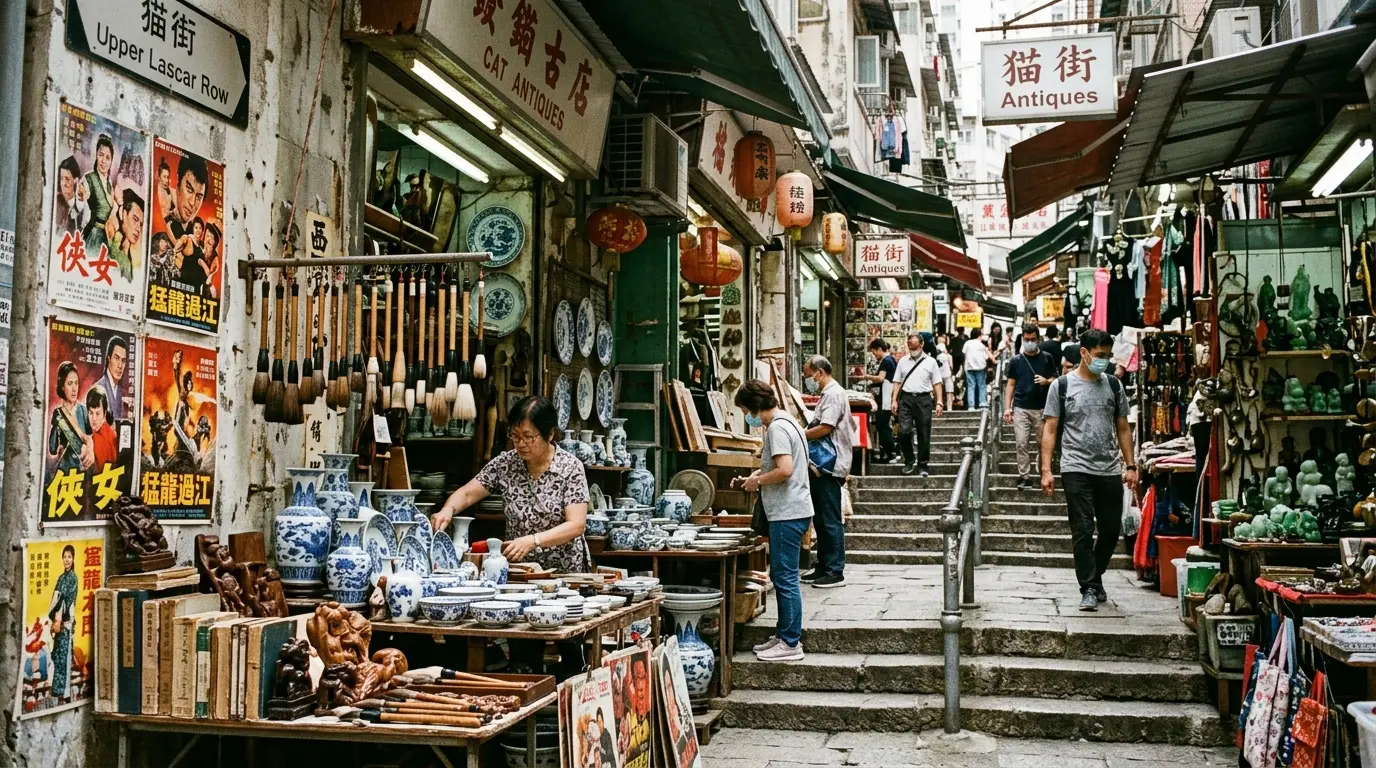
Hong Kong Day 3 Itinerary: Dim Sum, Sham Shui Po, M+ and In-Town Check-In
Start your final morning with authentic trolley dim sum, discover the authentic street pulse of Sham Shui Po, relax at the West Kowloon M+ waterfront, and use in-town check-in at Hong Kong Station for a baggage-free sprint to your flight.
Where to Stay in Hong Kong on a Budget: Avoiding Chungking and Booking Clean MTR Stays
Searching for a decent hotel room under 90 dollars per night in Hong Kong, home to the most expensive real estate on earth, can feel like navigating a minefield. Unsuspecting travelers lured by heavily filtered online photos often find themselves trapped in claustrophobic five-square-meter shoeboxes in Chungking Mansions, enduring long elevator queues, windowless internal shafts, and wet-room bathrooms where the showerhead douses the toilet paper. However, shifting your search parameters slightly reveals a fleet of modern, spotless boutique micro-hotels between 60 and 90 dollars per night located within a five-minute stroll of MTR subway stations, featuring dedicated glass shower enclosures and smart luggage architecture. Here is your definitive guide to securing clean, affordable sanctuary across Sheung Wan, Wan Chai, and Sham Shui Po.
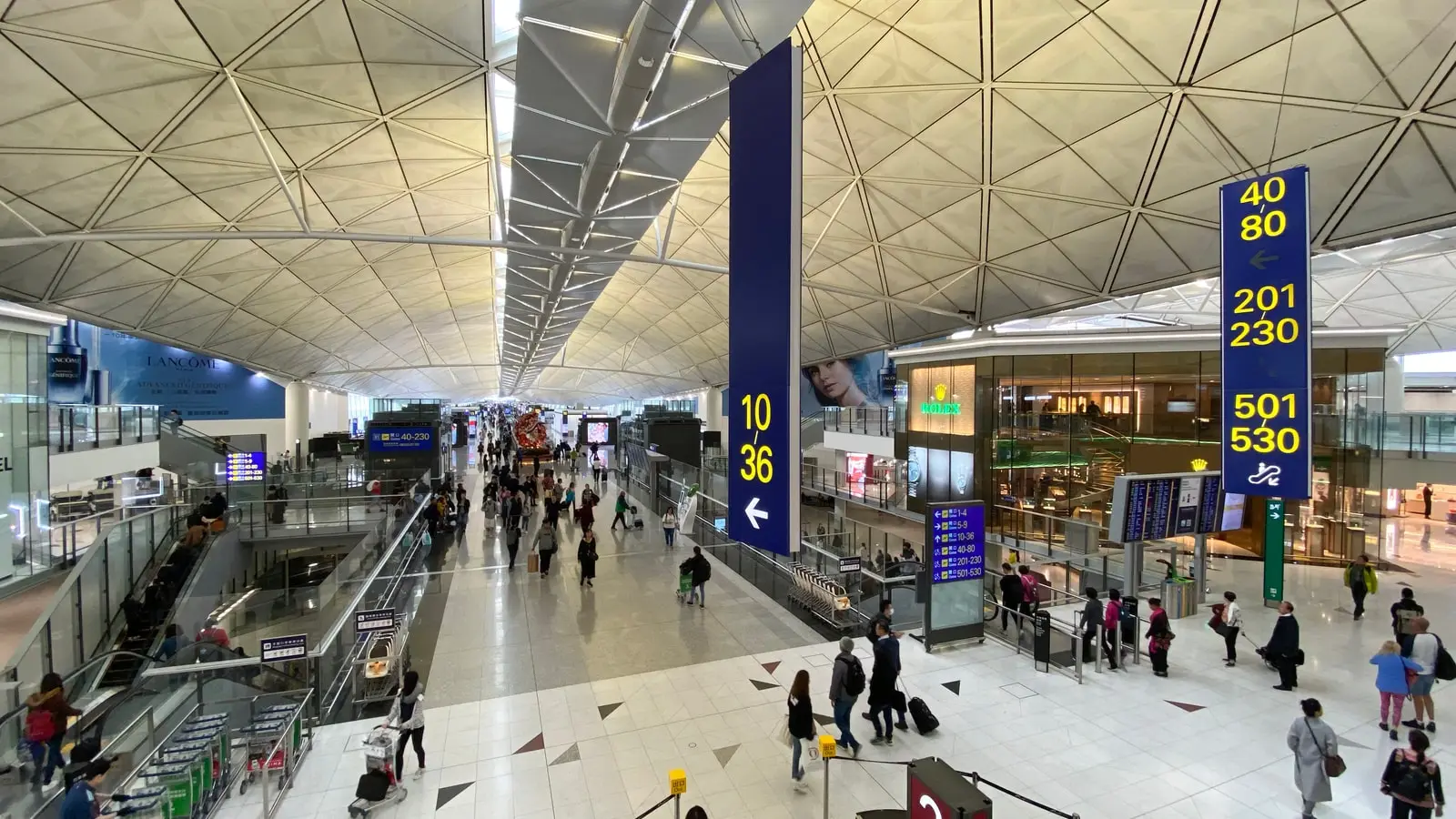
Hong Kong Airport to City: 24-Minute Airport Express, A21 Double-Decker for HK$33, Night N21, and Octopus Tips
The swiftest route from Hong Kong International Airport (HKG) into the city core is the Airport Express (AEL). With ticketless boarding at the terminal, it whisks passengers to Kowloon in 22 minutes and Hong Kong Station (Central) in 24. For travelers heading to Tsim Sha Tsui or Mong Kok on a budget, Cityflyer A21 double-decker bus offers dramatic Tsing Ma Bridge panoramas for just HK$33.
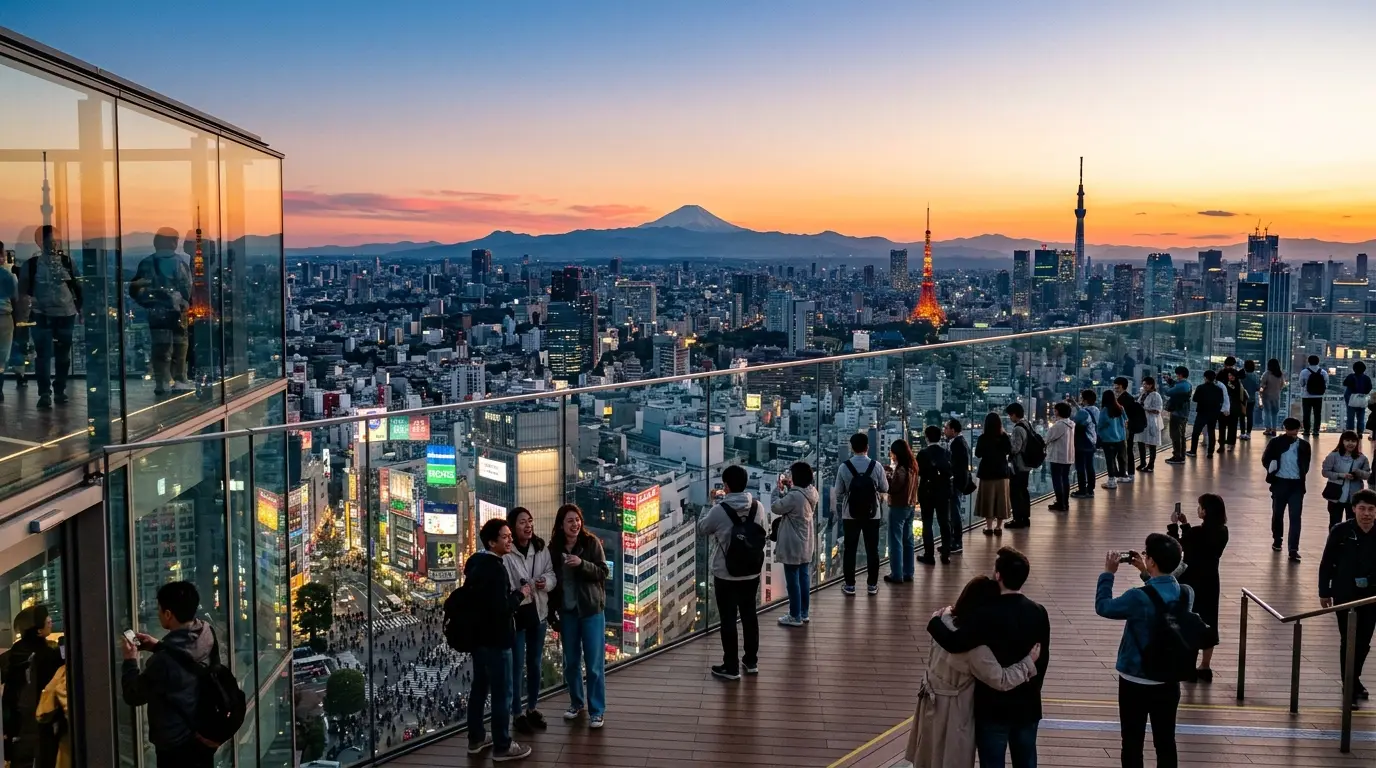
Where to Stay in Tokyo: Shinjuku vs Shibuya vs Ginza
Comparing room footprints across Shinjuku, Ginza, and Ueno, locking in sudden 14-day cancellation drops, and eliminating DCC fees with clean Yen checkout.
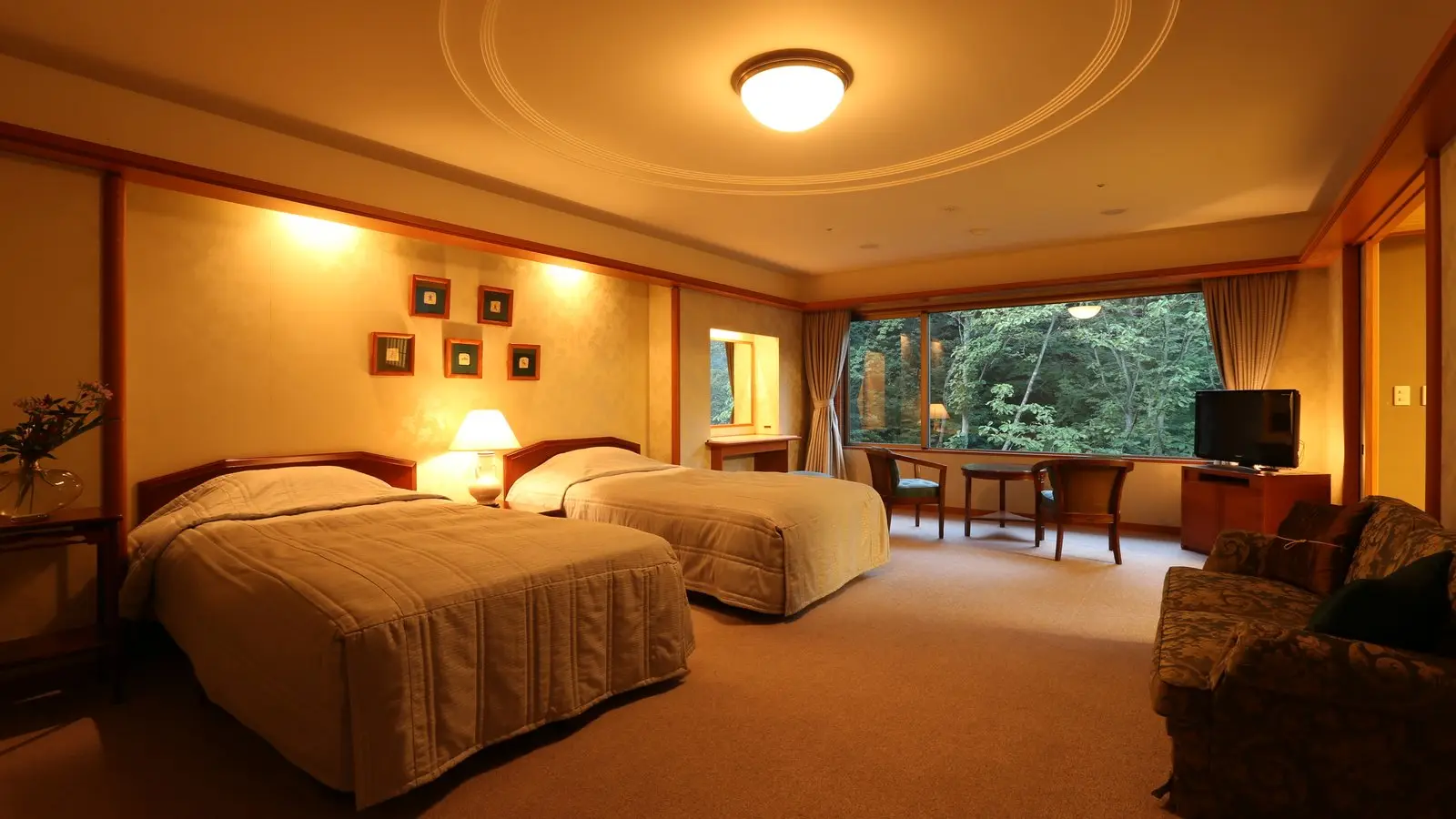
7 Budget Hotels in Tokyo Under $100 on the Yamanote Line
Even amid yen fluctuations, central Tokyo hotel rates have soared. Learn how to secure Yamanote loop line hotels at half the price of Shinjuku, compare onsen bath chains like Dormy Inn, trigger secret Agoda VIP and Booking.com Genius discounts, and dodge hidden currency fees with yen settlement.
How to Read the Tokyo Subway Map and Where to Stay on the Yamanote Line
How to choose between Keisei Skyliner and Narita Express, avoid the Tokyo Subway Ticket trap, use Apple Wallet Suica, and select the ideal hotel base in Tokyo.
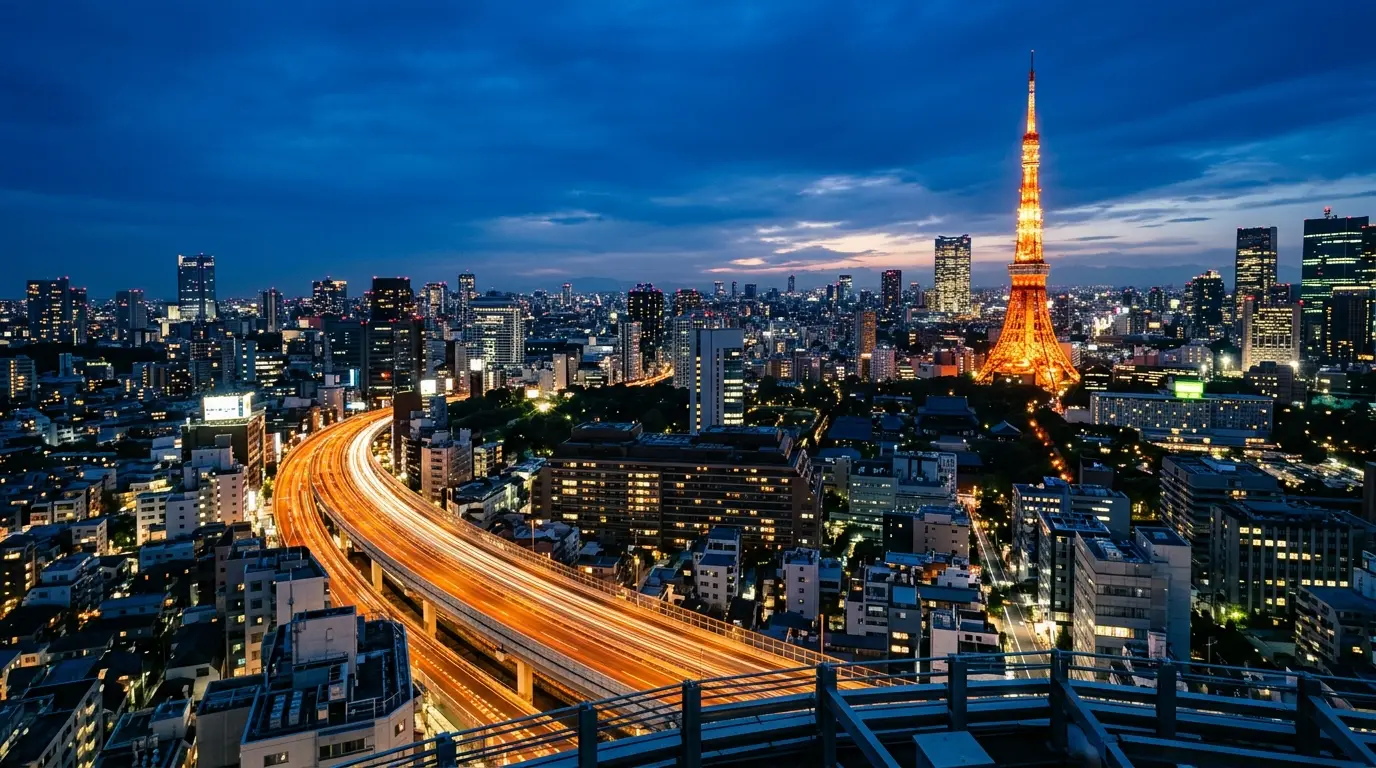
Tokyo Day 1 Itinerary: Narita Airport to the City and Your First 24 Hours
From stepping off at Narita Airport to mastering high-speed trains, navigating Tokyo's sprawling transit hubs, ordering counter ramen effortlessly, and catching sunset from Roppongi Hills. A definitive guide for your first 24 hours in Tokyo.
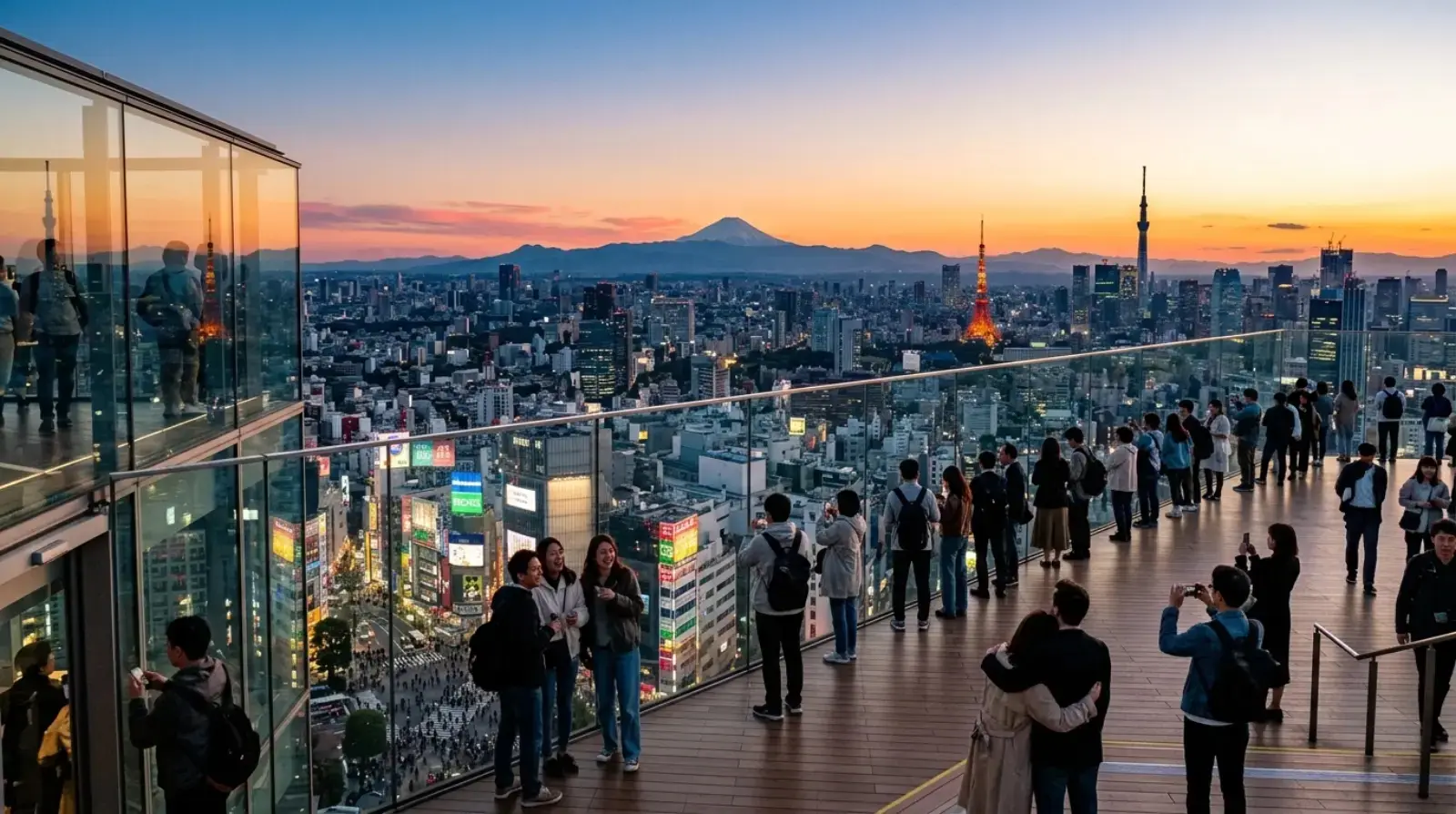
Tokyo Day 2 Itinerary: Booking Shibuya Sky, Harajuku Backstreets and Roppongi at Night
Securing prime sunset slots atop Shibuya Sky, navigating hidden boutiques along Harajuku Cat Street, immersing in the forested serenity of Meiji Jingu, and marveling at the crimson glow of Tokyo Tower from Roppongi Hills. A masterclass in Day 2 pacing.