
Hong KongCurated
Where to Stay in Hong Kong: Tsim Sha Tsui vs Sheung Wan vs Hong Kong Island
Decoding 7-square-meter shoebox hotel rooms, Airport Express vs Cityflyer A21 bus, and Cha Chaan Teng tableware washing customs.
North and South of the Harbour: Tsim Sha Tsui vs Central and Sheung Wan
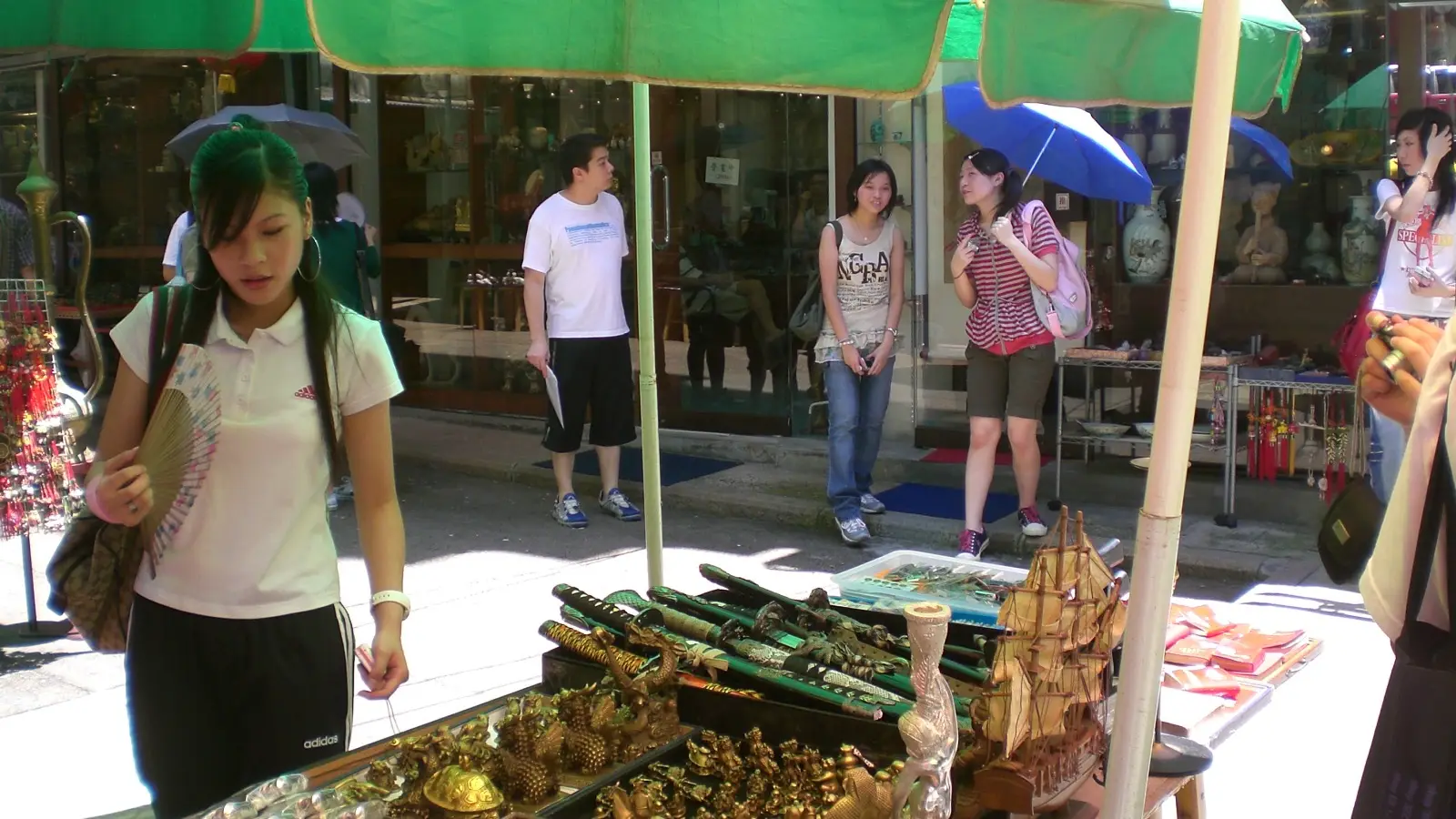
The initial strategic divide confronting any visitor to Hong Kong is choosing between Kowloon's southern tip of Tsim Sha Tsui and Hong Kong Island's northern spine spanning Central and Sheung Wan. Tsim Sha Tsui offers flat topography that accommodates rolling luggage effortlessly, anchored by crucial MTR interchange nodes connecting the Tsuen Wan and Tuen Ma lines. However, the crushing pedestrian density along Nathan Road and an overabundance of aging commercial high-rises make serene relaxation nearly impossible.
Across the harbour, Central and Sheung Wan feature heritage colonial alleyways, independent contemporary art galleries, and steep stone staircases lined with specialty cafes. While riding the historic double-decker 'Ding Ding' tram along Des Voeux Road provides iconic atmospheric charm, the severe logistical drawback is the punishing gradient. A hotel listed as a seven-minute walk from Sheung Wan MTR station often requires hauling heavy rolling suitcases up steep 30-degree slopes and flights of granite steps.
For travelers operating within realistic budgets between HK$800 and HK$1,200 per night, pivoting away from dense commercial hubs toward the tranquil eastern fringe of Hong Kong Island Fortress Hill or North Point delivers superior returns. Located just eight minutes from Central via the MTR Island Line, Fortress Hill is an affluent residential district offering modern boutique properties with rooms roughly 1.5 times the size of cramped Kowloon quarters, frequently accompanied by sweeping harbour views.
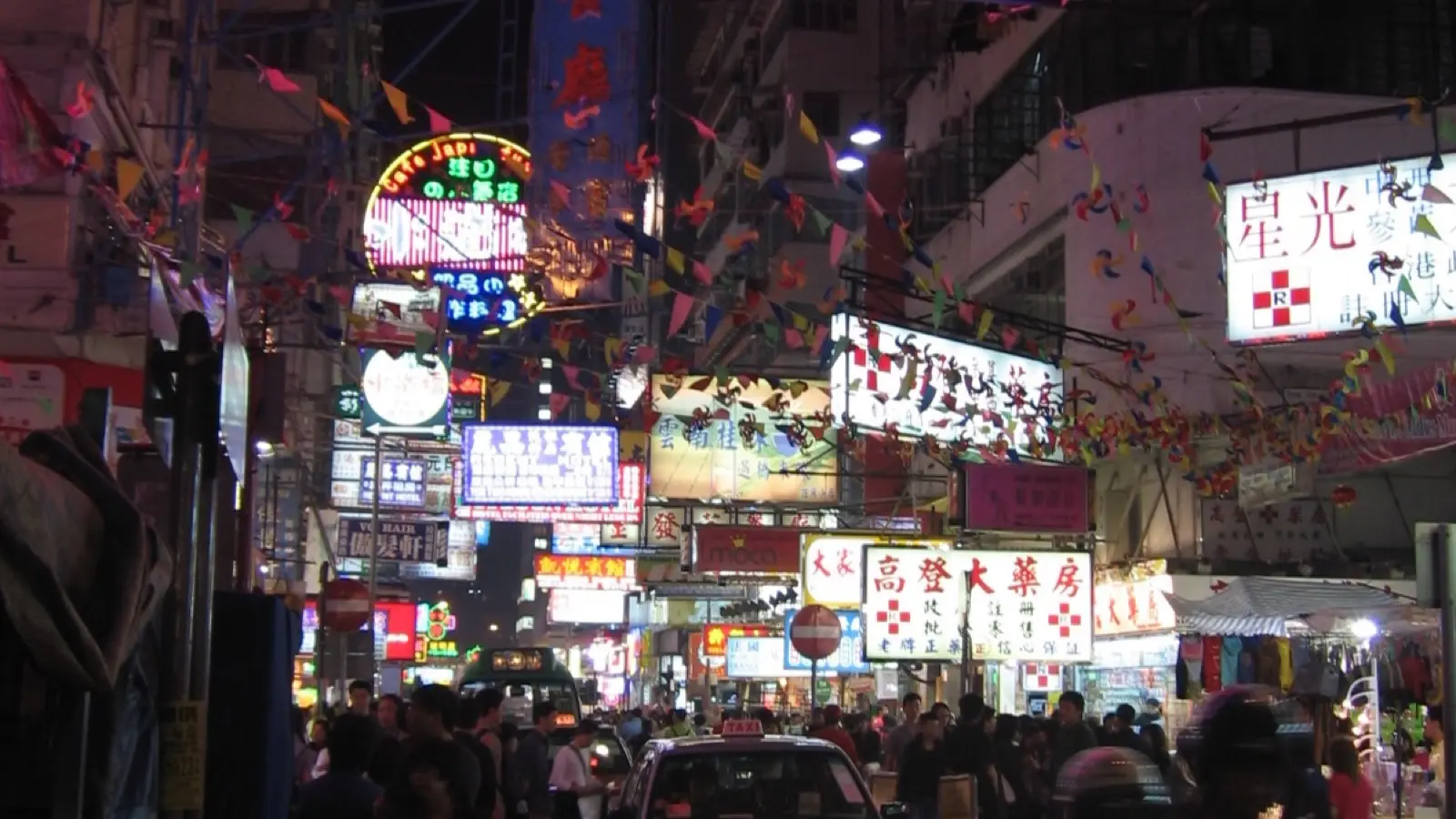
While Hong Kong consistently ranks among the world's safest global metropolises, nocturnal street literacy remains essential. The older market alleys of Mong Kok, Yau Ma Tei, and the nightlife alleys flanking Lockhart Road in Wan Chai experience rowdy bar crowds and street disputes late at night. Returning to your lodging after 11:00 PM is best done along well-lit primary transit arteries bordered by late-night convenience stores.
The Traps of Chungking and Mirador Mansions: Shoebox Micro-Rooms
Searching for lodging across Kowloon on major booking engines surfaces dozens of guesthouses advertising astonishingly low rates between HK$250 and HK$400 per night. Inspecting the physical addresses reveals that the vast majority occupy the notorious labyrinthine structures of Chungking Mansions or Mirador Mansions along Nathan Road. Booking these properties in pursuit of cinematic nostalgia inevitably degenerates into an exhausting exercise in urban endurance.
Constructed in the 1960s as high-density mixed-use complexes, Chungking Mansions houses thousands of transient residents and independent merchants across tangled interior corridors. The defining daily obstacle is elevator access. Each residential block is serviced by only two vintage elevators, creating long queues during morning and evening rush periods. The ground-floor retail arcade is heavily congested with aggressive touts pushing counterfeit watches and illicit services, generating relentless sensory fatigue.
More alarming is the physical reality of the accommodations. Most units represent illegal flat subdivisions carving residential apartments into six-square-meter shoeboxes. The bed occupies virtually the entire footprint, leaving no floor space to open a suitcase, while the bathroom comprises an unventilated stall where the shower head sits directly above the toilet. Many units lack exterior windows ('No Window'), presenting severe smoke inhalation hazards in the event of an electrical corridor fire.
Even for travelers on austere shoe-string budgets, commercial mansions along lower Nathan Road represent unacceptable safety compromises. Frugal travelers should instead consider licensed youth hostels in Mount Davis or international chain outposts in Kwai Chung or Tsuen Wan. Spending 20 minutes on the MTR delivers fully certified, fire-safe rooms featuring natural daylight and proper acoustic baffling at identical price points.
Where Locals Actually Reside: PoHo vs Sham Shui Po vs Fortress Hill
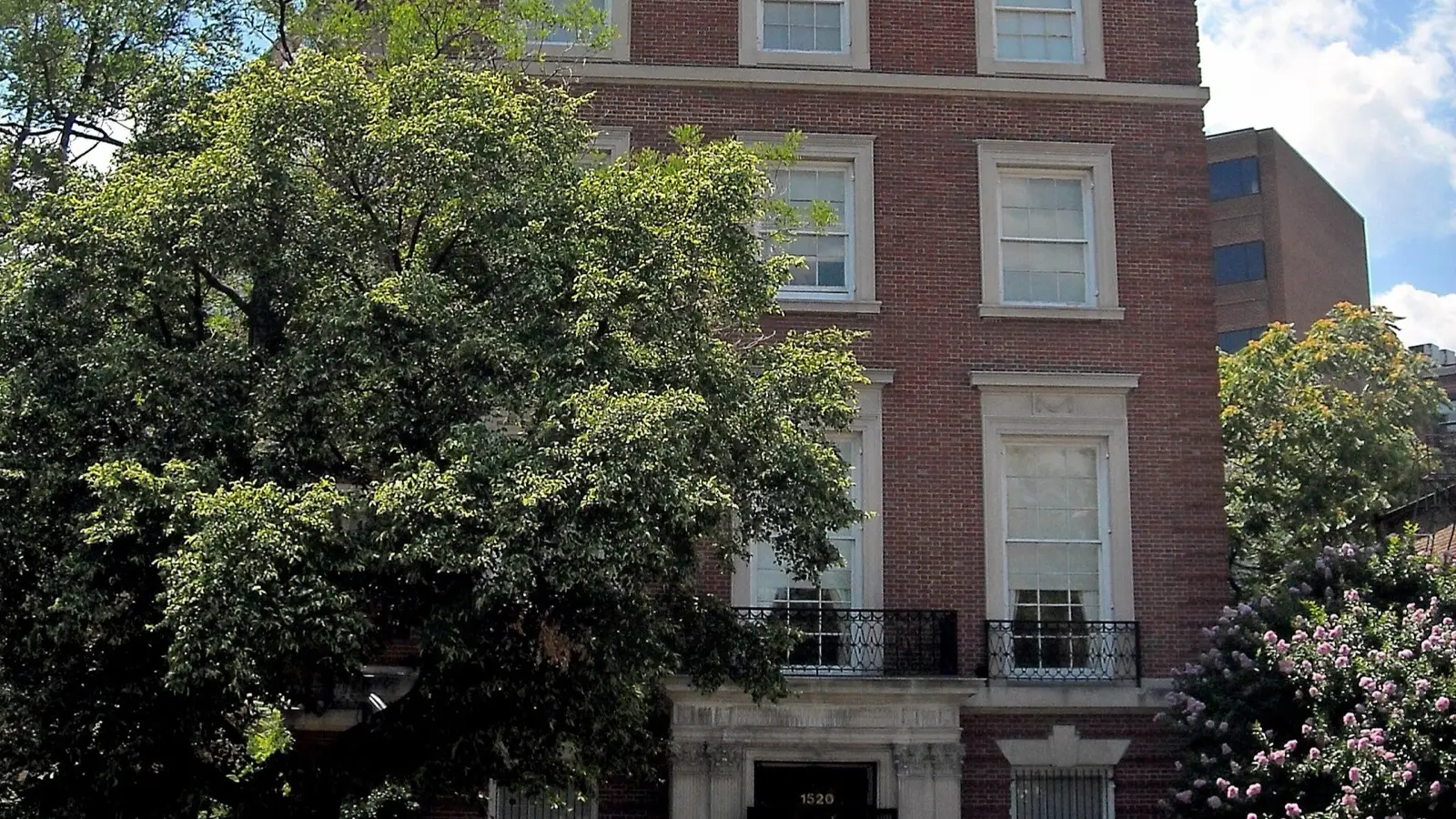
Immersing yourself in Hong Kong's sophisticated design culture while securing restful sleep requires lodging in distinct neighborhood sanctuaries. Premier among these is the tranquil enclave of PoHo and Tai Ping Shan Street, situated above western Sheung Wan. Shaded by ancient banyan trees whose roots cling to historic granite retaining walls, PoHo hosts independent print studios, bespoke tailors, and third-wave espresso bars, providing an elegant residential retreat free from commercial neon clutter.
Second is the authentic working-class redoubt of Sham Shui Po in northern Kowloon. Retaining the raw vitality of 1970s Hong Kong, Sham Shui Po is famous for its open-air fabric markets, the Apliu Street electronics bazaar, and celebrated street dining institutions serving silky handmade tofu pudding and Michelin-recognized wonton noodles. Recently, vintage tenements have been repurposed into creative youth hostels and artisan coffee collectives, offering rich retro character.
Third is the exceptionally functional residential enclave of Fortress Hill on eastern Hong Kong Island. Positioned directly along the MTR Island Line, Fortress Hill features immaculate tree-lined avenues patronized by corporate professionals and diplomatic staff. Victoria Park is reachable on foot for morning runs, while the Causeway Bay retail district is a five-minute tram ride away. Modern mid-scale hotels here offer generous square footage and peaceful surroundings ideal for families.
Navigating Hong Kong room layouts demands pragmatic dimensional awareness. Given extreme spatial constraints, quality three- and four-star properties employ ingenious naval architecture, integrating pull-out luggage drawers beneath platform beds and wall-mounted work surfaces. To avoid feeling claustrophobic, verify that your selected room measures at least 18 square meters. Units measuring under 14 square meters will not permit two adults to unpack simultaneously.
Furthermore, inspect climate control configurations before finalizing reservations. Subtropical humidity prompts Hong Kong properties to maintain indoor air conditioning at icy temperatures between 18 and 20 degrees Celsius. In older heritage properties, central air chillers frequently lack heating cycles or individual fan modulation. Ensure guest reviews confirm individual digital thermostat controls to prevent respiratory discomfort during your stay.
Airport Express vs Cityflyer A21 Bus and Octopus Card Mechanics
Touching down at Hong Kong International Airport (HKG) on Chek Lap Kok presents an immediate transit calculus between the high-speed Airport Express (AEL) and double-decker Cityflyer express buses. The Airport Express represents the gold standard of speed, whisking passengers to Kowloon Station in 22 minutes and Hong Kong Station in Central in just 24 minutes. While a standard single ticket to Hong Kong Station costs HK$130, purchasing digital mobile QR tickets through verified travel platforms in advance yields discounted fares.
Conversely, if your accommodations are located along the primary hotel strip of Tsim Sha Tsui or Mong Kok, boarding Cityflyer bus A21 is often the superior choice. Costing only HK$34.60 (less than a third of the train fare), the A21 avoids transfer friction at Kowloon Station, dropping passengers directly along Nathan Road outside major hotel entrances. Securing a seat on the panoramic upper deck provides breathtaking open-air vistas while crossing the monumental Tsing Ma suspension bridge.
The ubiquitous Octopus Card remains an indispensable universal passport across Hong Kong, accepted across all rail networks, public buses, ferries, convenience stores, and neighborhood diners. Avoid non-refundable tourist smartcards and purchase a standard 'On-Loan Adult Octopus Card' at any airport MTR customer service kiosk for HK$150 (inclusive of a HK$50 refundable deposit). Returning the card at departure recovers your unused balance and deposit, minus a nominal HK$11 administrative fee for cards held under 90 days.
When utilizing Hong Kong's red urban taxis, strict cash protocols and baggage surcharge rules apply. Beyond the metered fare, regulations authorize drivers to levy a mandatory HK$6 surcharge per piece of luggage stowed in the vehicle boot. Furthermore, despite government initiatives promoting electronic payments, many veteran cabbies decline credit cards or Octopus settlement. Always inspect your wallet for HK$50 and HK$100 banknotes prior to flagging a cab.
Cha Chaan Teng Table-Sharing Realities and Morning Dim Sum Etiquette
Stepping into a bustling neighborhood Cha Chaan Teng (traditional diner) immerses travelers in Hong Kong's fast-paced, unvarnished service culture. When seats vacate, waitstaff briskly bark 'Dap Toi!' (share tables), gesturing toward an occupied booth. Squeezing into tight communal tables where strangers sit shoulder to shoulder is an authentic Hong Kong institution. Hesitating over the menu invites sharp impatience, so familiarize yourself with staples like iced milk tea (Dong Nai Cha) and pineapple buns with butter (Boh Loh Baao) to order swiftly.
If the server places a clear plastic basin and a pot of pale, steaming tea on your table upon arrival, do not drink it. This initial brew is 'washing tea' (Sai Pui Cha), provided exclusively for sterilizing your cutlery, chopsticks, and teacups at the table. Local patrons routinely submerge utensils into the basin to rinse off residual oil before beginning their meal. Once cleansed, place your utensils on your napkin and enjoy your separately ordered iced beverage.
To experience the living heritage of Hong Kong dining, venture to classic morning dim sum institutions like Lin Heung Tea House in Sheung Wan at 7:00 AM. Elderly dim sum attendants wheel steaming metal carts through the dining room as patrons converge to claim freshly steamed baskets of har gow (shrimp dumplings) and siu mai. Having your paper dining card hand-stamped with each selection offers a sensory connection to colonial-era culinary traditions found nowhere else.
Ultimately, Hong Kong rewards those who embrace its compact intensity and kinetic momentum. By avoiding the precarious pitfalls of Kowloon's aging mansions, claiming a tranquil basecamp along the Island line, and adapting naturally to local dining customs, you unlock the authentic soul of this maritime metropolis. Armed with these seasoned rules, your exploration of Hong Kong will be defined by effortless transit, architectural wonder, and unforgettable cultural depth.
Frequently Asked Questions
Field-tested answers to transit navigation, neighborhood choices, and payment traps.
Q1.Taking the Airport Express (AEL) from HKG: is an Octopus Card or online mobile QR ticket cheaper?
Q2.Can I add an Octopus card to Apple Wallet and top up with foreign credit cards?
Q3.Tsim Sha Tsui vs Sheung Wan: which base is best for shopping versus dining and cafe culture?
Q4.Do I still need physical cash (HKD) when traveling in Hong Kong?
The Smart Traveler's Essential Toolkit
Prepare instant mobile data, private airport transfers, and skip-the-line passes in one place.
Pick a base in Hong Kong by your route
Choose the places you want to see and get the neighbourhood with the shortest travel.
Compare Hong Kong Hotel Rates
Find the cheapest channel across Agoda and major booking engines with Tripdify.
Share This Guide with Your Companions
When shared via chat or social media, a curated summary card is sent along.
Recommended Guides
Hong Kong Itinerary and Where to Stay: Victoria Harbour in Two Nights
Skip the turnstiles straight onto the Airport Express, fund mobile Octopus cards instantly, and choose spacious Sheung Wan boutique lofts over cramped Tsim Sha Tsui shoebox rooms for a smarter 72-hour Hong Kong trip.
Boutique Hotels in Hong Kong: Central and Sheung Wan Compared
From the nostalgic romance of century-old Star Ferry crossings to chic boutique design havens in Sheung Wan and SoHo culinary alleys, an authoritative four-day Hong Kong guide.
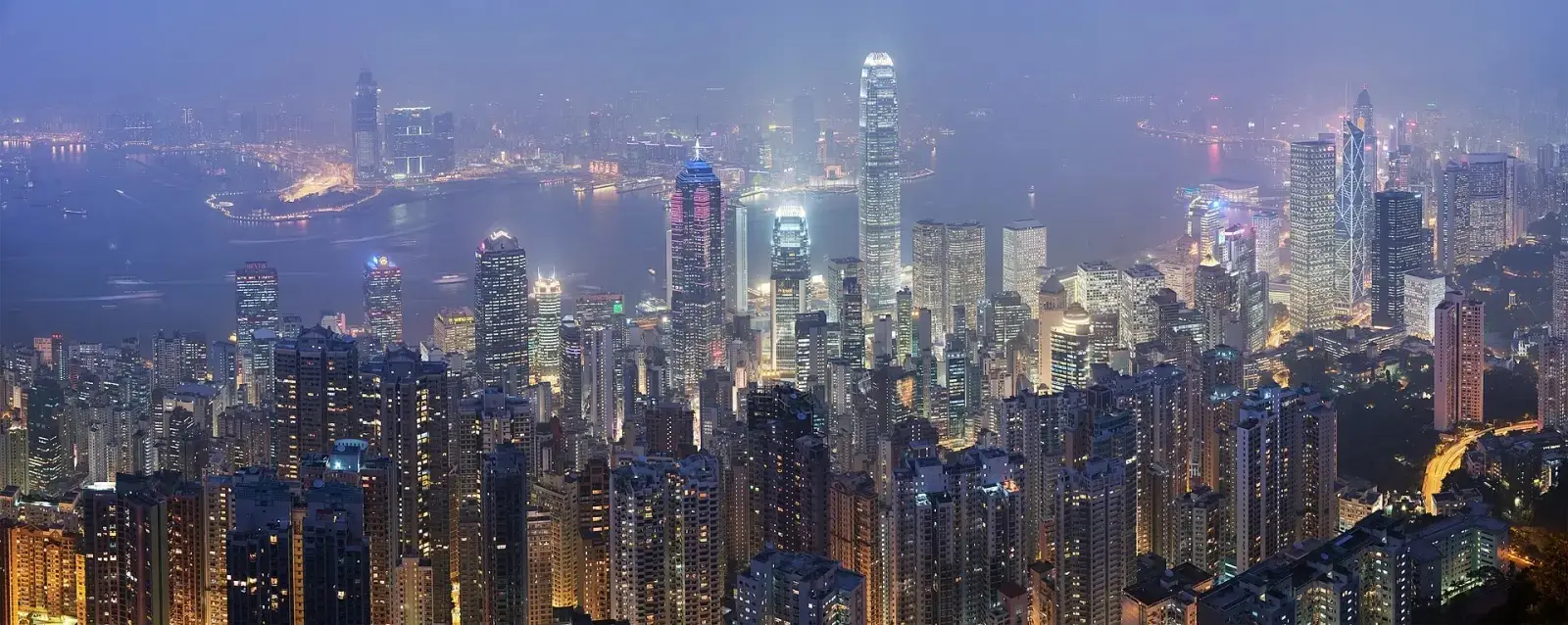
Hong Kong Day 1 Itinerary: Airport to the City and Victoria Harbour by Night
Mastering the 24-minute Airport Express to Central versus the scenic Cityflyer bus, authentic dim sum teacup rinsing rituals, and evening strolls along Victoria Harbour. A veteran field guide to your first 24 hours.
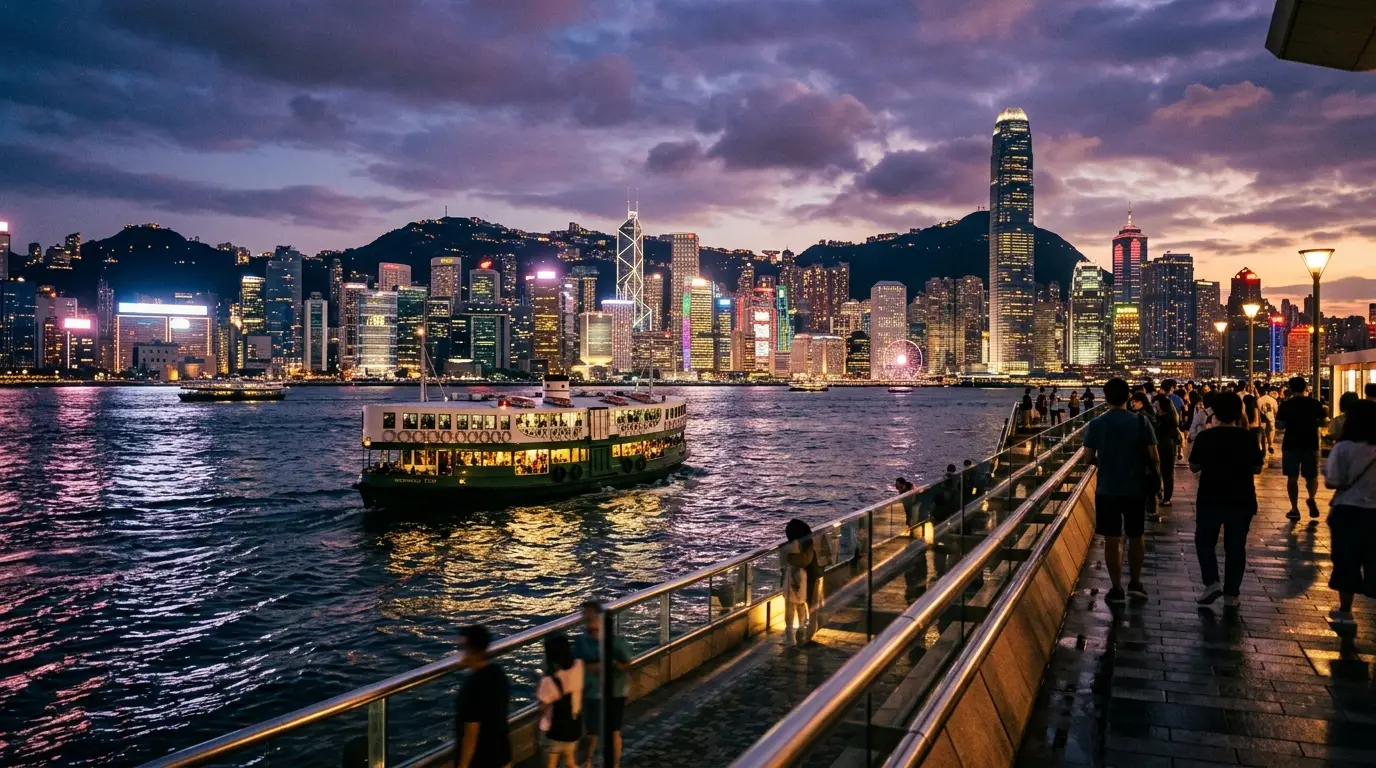
Hong Kong Day 2 Itinerary: Peak Tram, Soho, the Star Ferry and Tsim Sha Tsui
Beat the crowds on an early morning Peak Tram ascent, glide through Soho on the worlds longest outdoor escalator, savor crisp roast goose, and cross Victoria Harbour on the historic Star Ferry for the iconic Symphony of Lights.
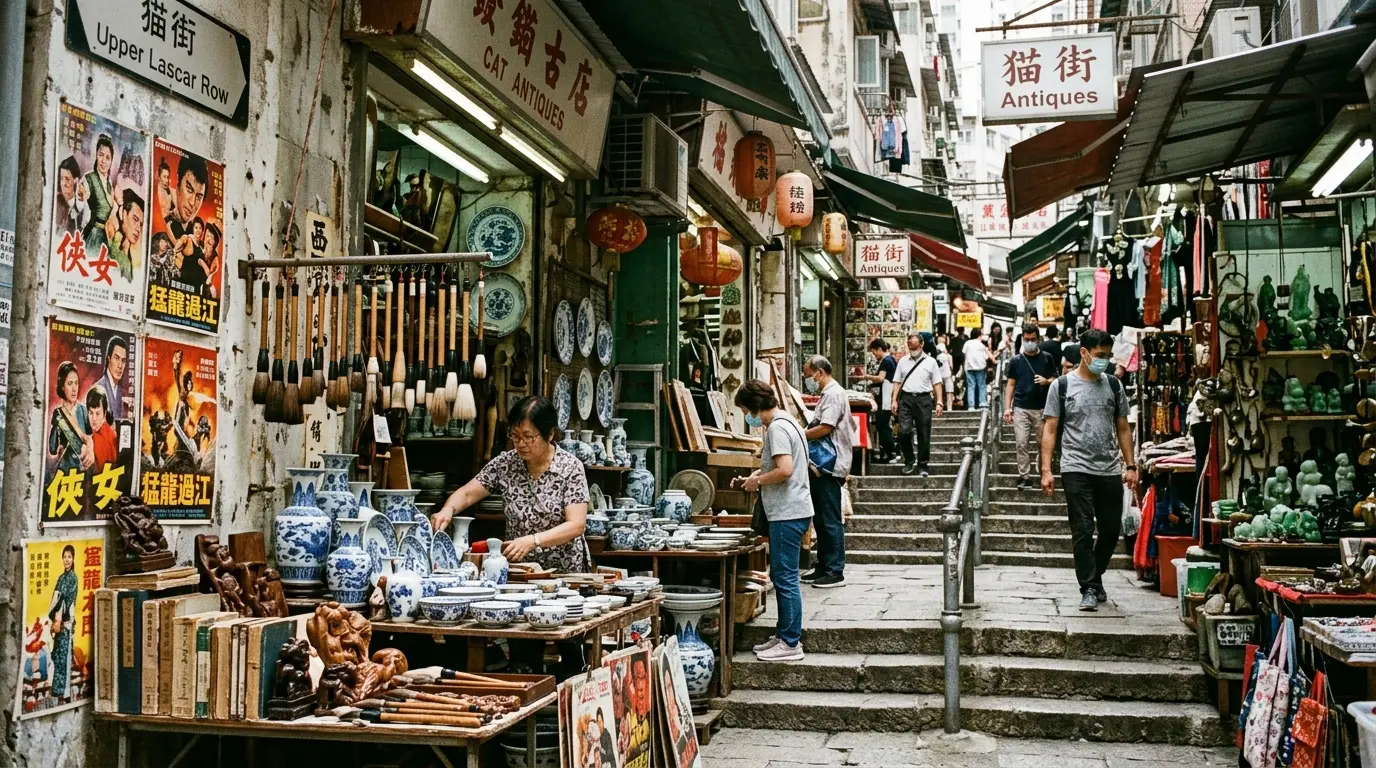
Hong Kong Day 3 Itinerary: Dim Sum, Sham Shui Po, M+ and In-Town Check-In
Start your final morning with authentic trolley dim sum, discover the authentic street pulse of Sham Shui Po, relax at the West Kowloon M+ waterfront, and use in-town check-in at Hong Kong Station for a baggage-free sprint to your flight.
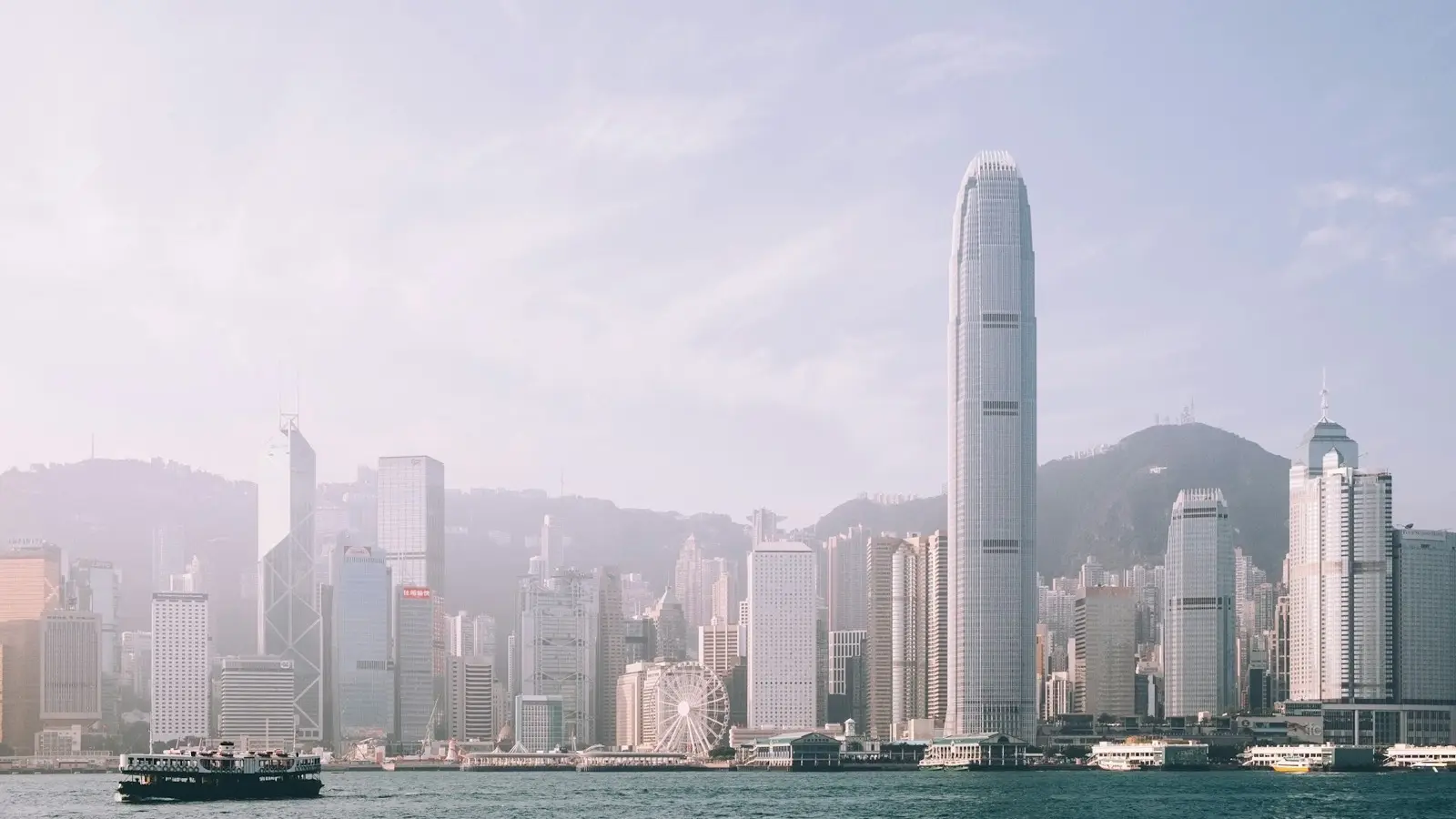
Where to Stay in Hong Kong on a Budget: Avoiding Chungking and Booking Clean MTR Stays
Searching for a decent hotel room under 90 dollars per night in Hong Kong, home to the most expensive real estate on earth, can feel like navigating a minefield. Unsuspecting travelers lured by heavily filtered online photos often find themselves trapped in claustrophobic five-square-meter shoeboxes in Chungking Mansions, enduring long elevator queues, windowless internal shafts, and wet-room bathrooms where the showerhead douses the toilet paper. However, shifting your search parameters slightly reveals a fleet of modern, spotless boutique micro-hotels between 60 and 90 dollars per night located within a five-minute stroll of MTR subway stations, featuring dedicated glass shower enclosures and smart luggage architecture. Here is your definitive guide to securing clean, affordable sanctuary across Sheung Wan, Wan Chai, and Sham Shui Po.
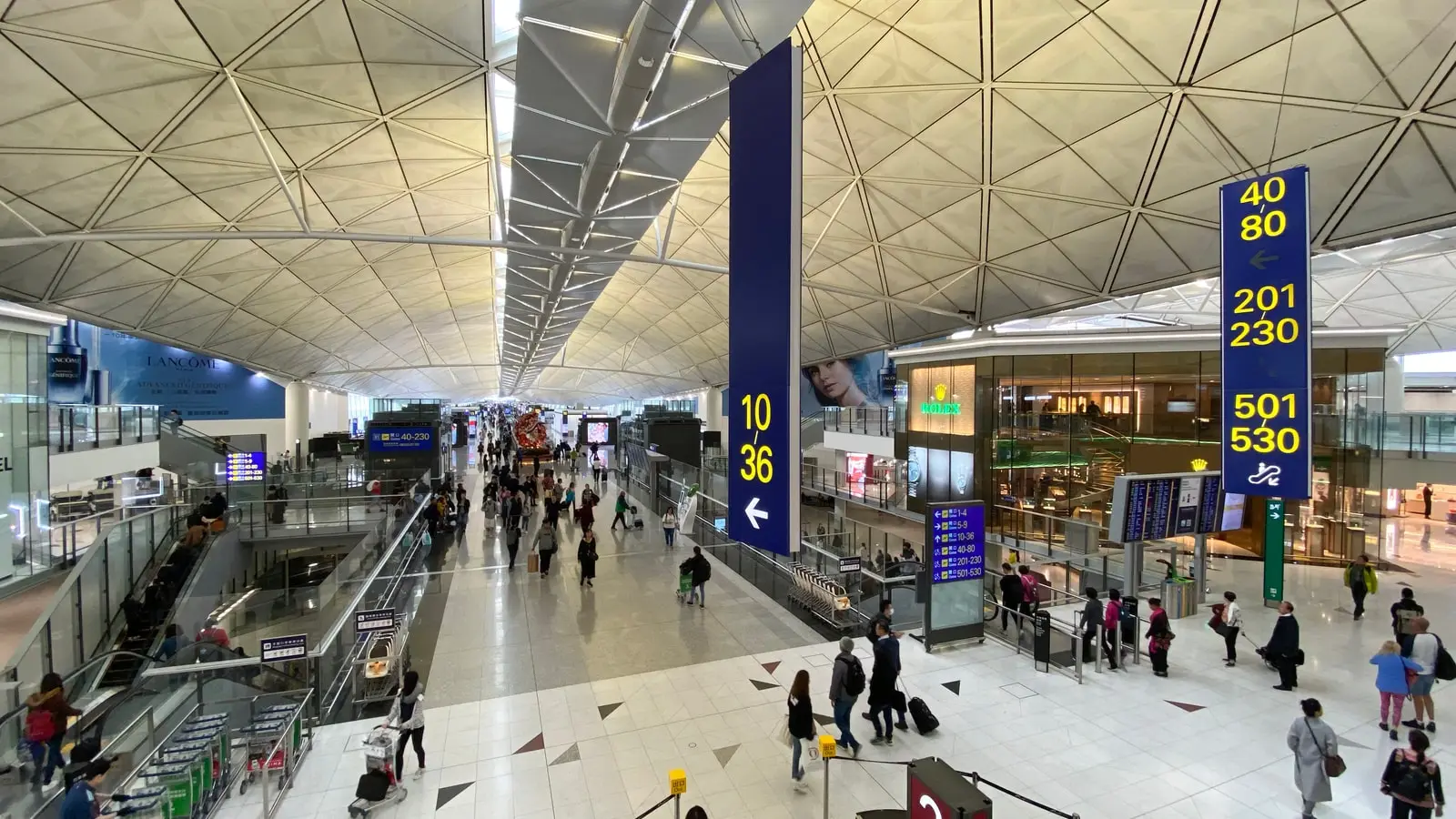
Hong Kong Airport to City: 24-Minute Airport Express, A21 Double-Decker for HK$33, Night N21, and Octopus Tips
The swiftest route from Hong Kong International Airport (HKG) into the city core is the Airport Express (AEL). With ticketless boarding at the terminal, it whisks passengers to Kowloon in 22 minutes and Hong Kong Station (Central) in 24. For travelers heading to Tsim Sha Tsui or Mong Kok on a budget, Cityflyer A21 double-decker bus offers dramatic Tsing Ma Bridge panoramas for just HK$33.
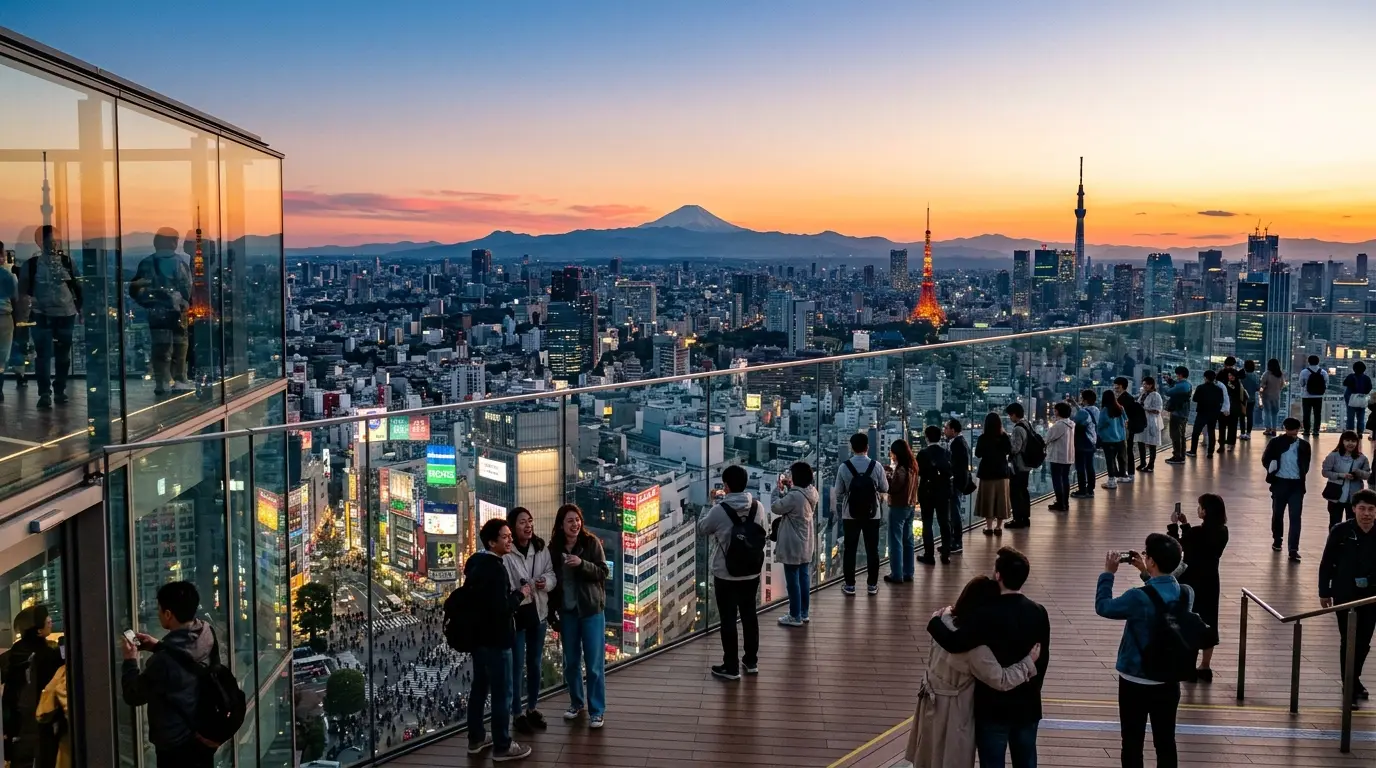
Where to Stay in Tokyo: Shinjuku vs Shibuya vs Ginza
Comparing room footprints across Shinjuku, Ginza, and Ueno, locking in sudden 14-day cancellation drops, and eliminating DCC fees with clean Yen checkout.
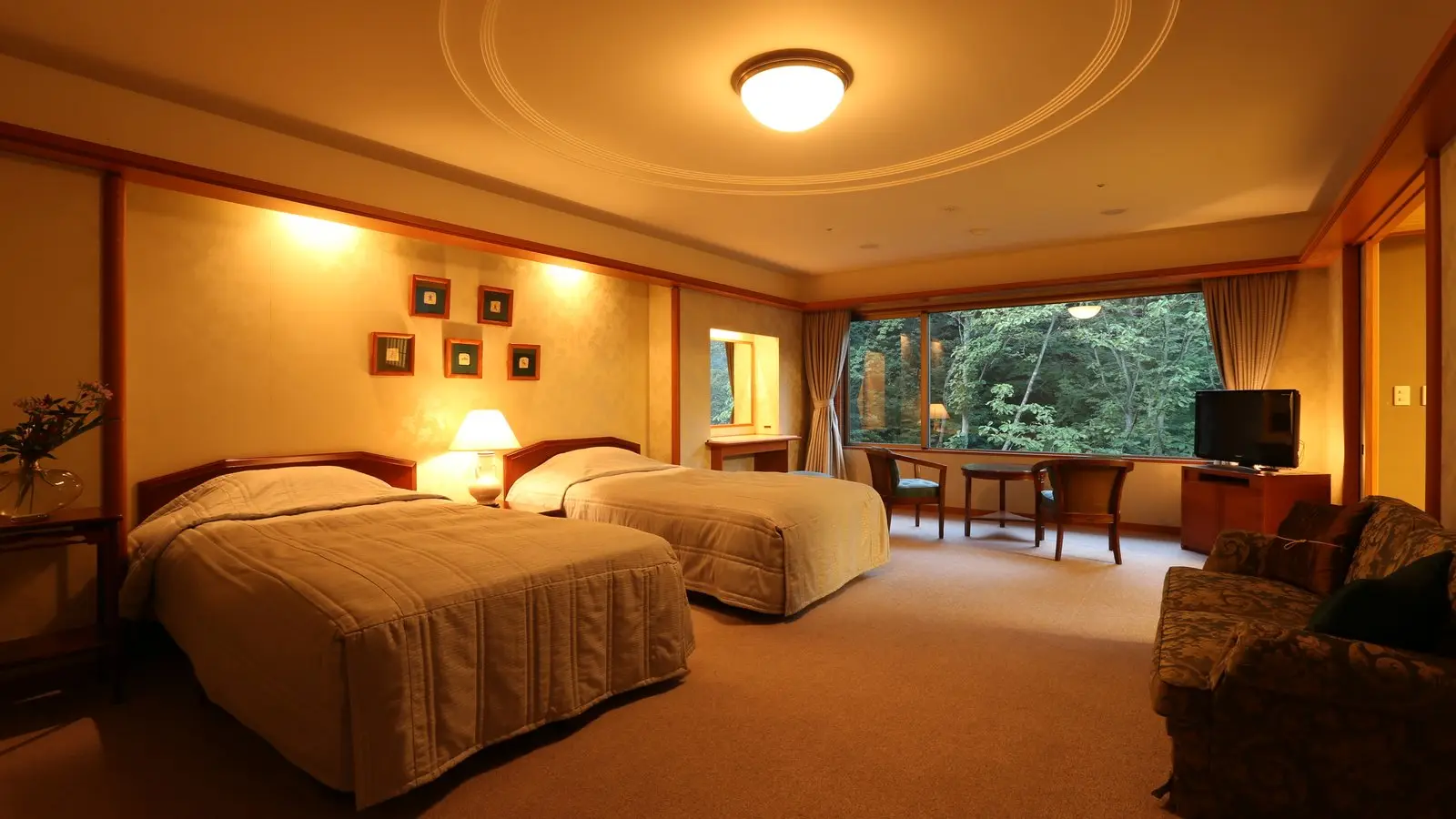
7 Budget Hotels in Tokyo Under $100 on the Yamanote Line
Even amid yen fluctuations, central Tokyo hotel rates have soared. Learn how to secure Yamanote loop line hotels at half the price of Shinjuku, compare onsen bath chains like Dormy Inn, trigger secret Agoda VIP and Booking.com Genius discounts, and dodge hidden currency fees with yen settlement.
How to Read the Tokyo Subway Map and Where to Stay on the Yamanote Line
How to choose between Keisei Skyliner and Narita Express, avoid the Tokyo Subway Ticket trap, use Apple Wallet Suica, and select the ideal hotel base in Tokyo.
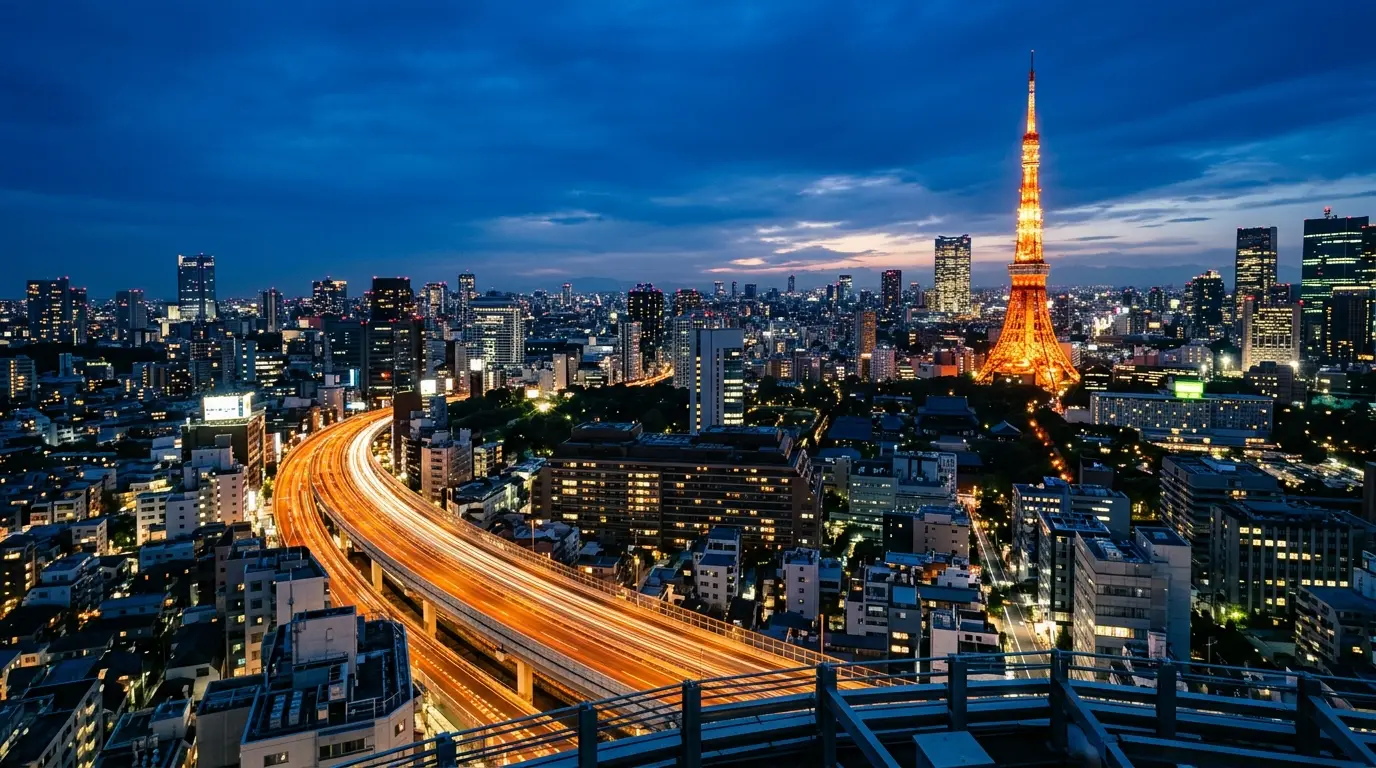
Tokyo Day 1 Itinerary: Narita Airport to the City and Your First 24 Hours
From stepping off at Narita Airport to mastering high-speed trains, navigating Tokyo's sprawling transit hubs, ordering counter ramen effortlessly, and catching sunset from Roppongi Hills. A definitive guide for your first 24 hours in Tokyo.
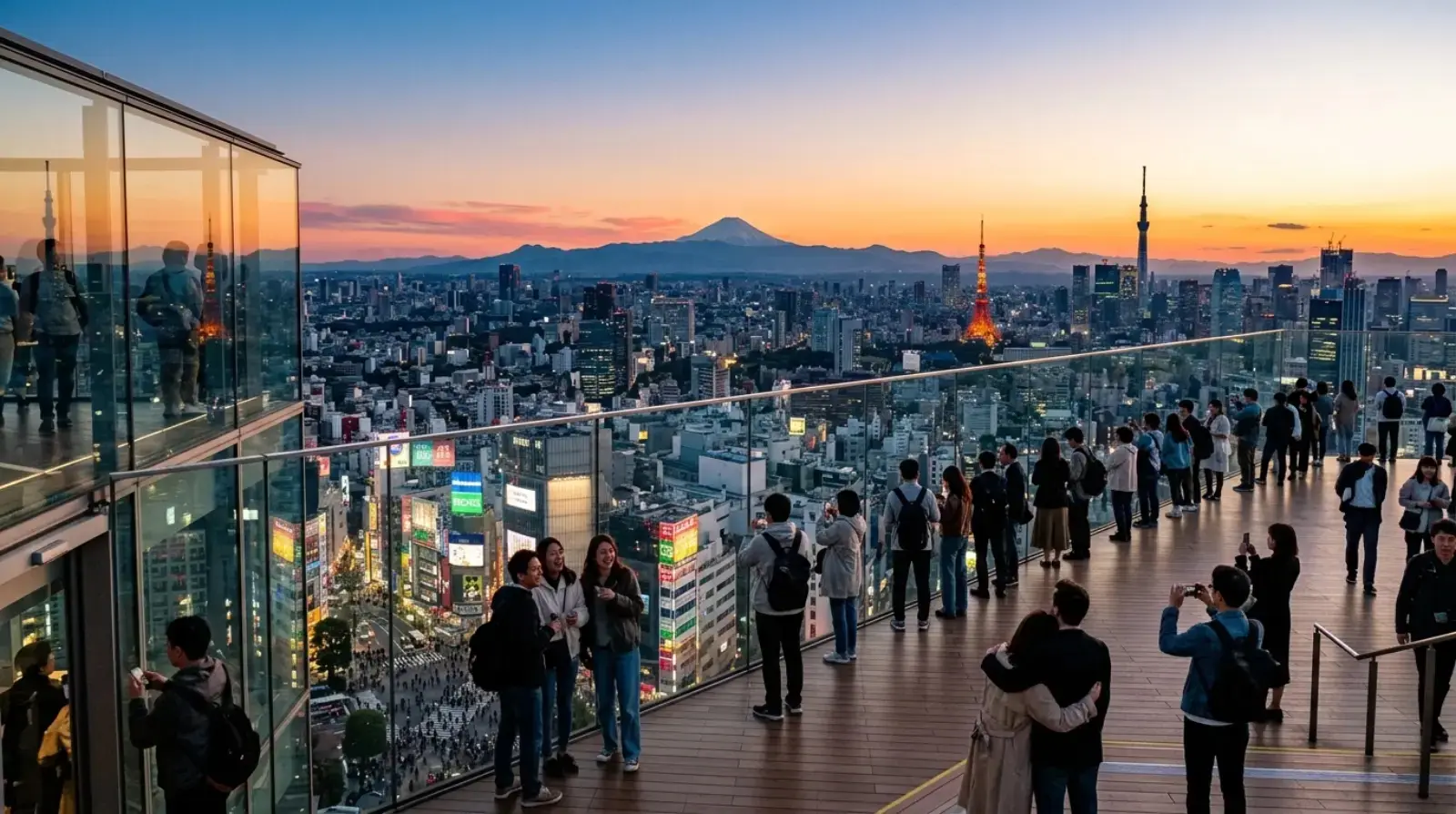
Tokyo Day 2 Itinerary: Booking Shibuya Sky, Harajuku Backstreets and Roppongi at Night
Securing prime sunset slots atop Shibuya Sky, navigating hidden boutiques along Harajuku Cat Street, immersing in the forested serenity of Meiji Jingu, and marveling at the crimson glow of Tokyo Tower from Roppongi Hills. A masterclass in Day 2 pacing.