
SeoulStory
Hanok Stays in Seoul: How to Book in Bukchon and What to See in Seongsu
Comparing Bukchon private courtyard stays with Seochon artistic townhouses: visiting-hour limits, ondol logistics, and empty palace morning walks.
Raindrops on Curved Tiles and Warm Paper Shoji: The Living Rhythm of a Hanok
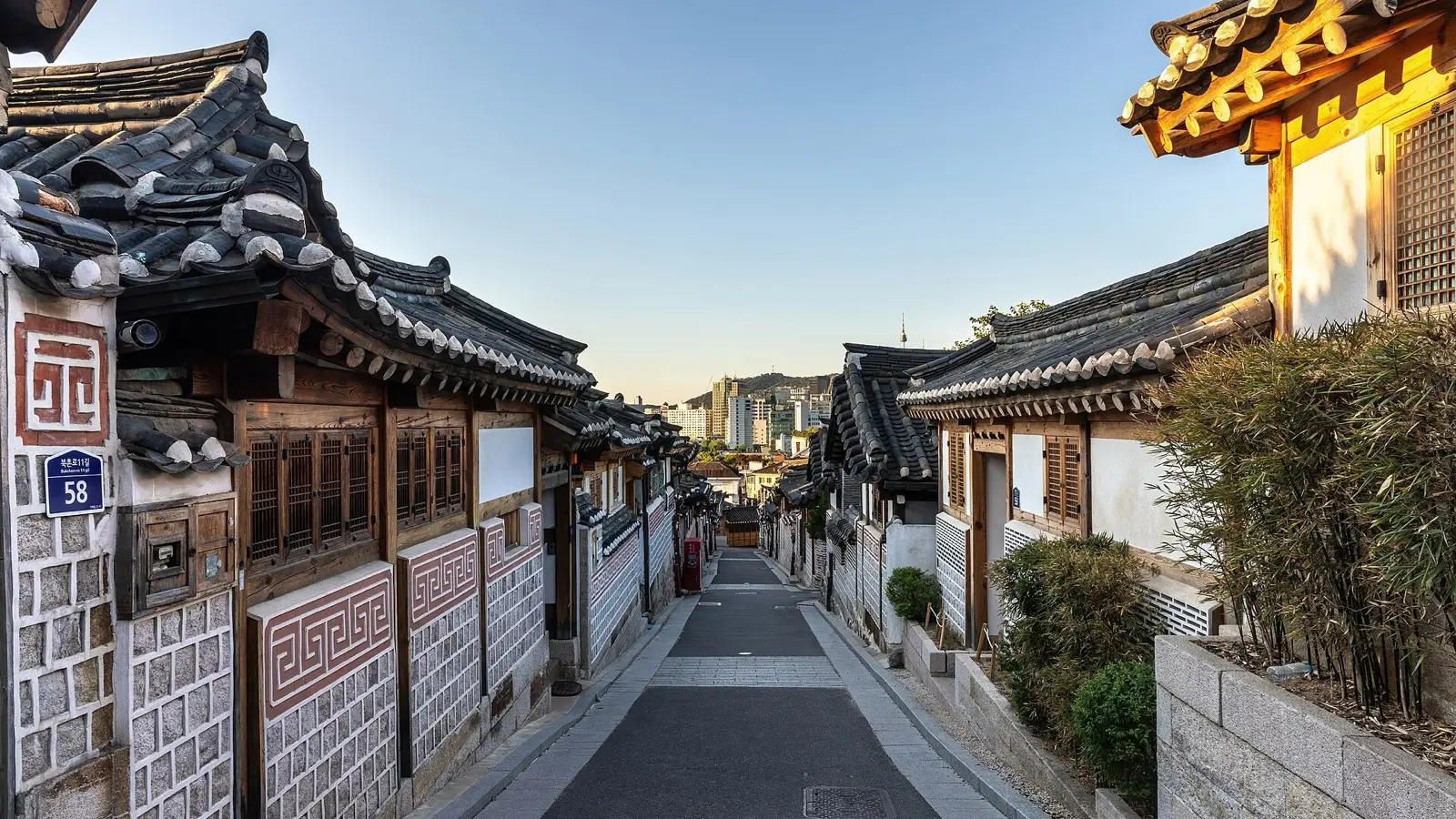
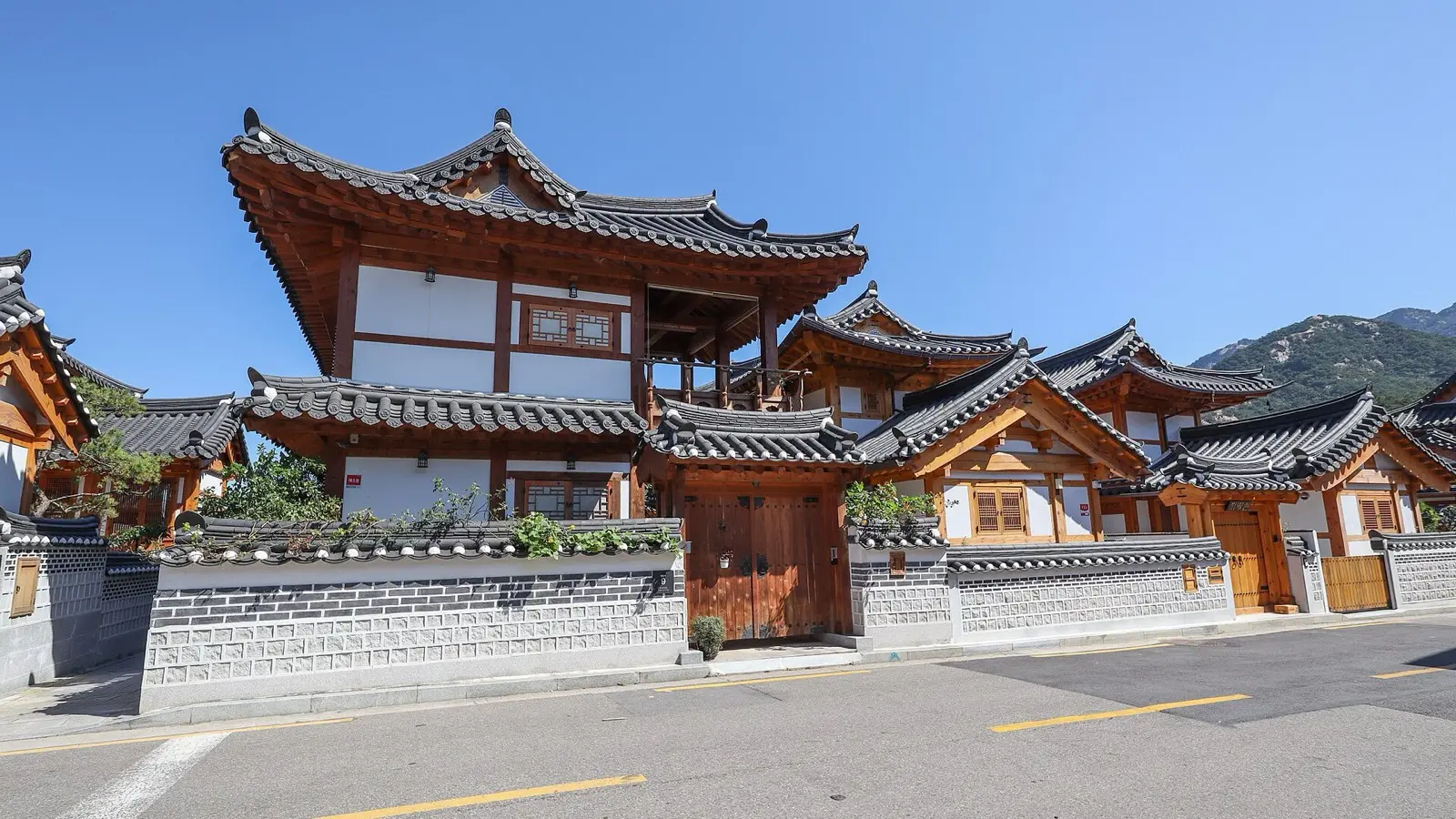
At half past six in the evening, ascending the cobblestone rise from Anguk Station to push past the heavy timber gate of a Bukchon residence, the deafening roar of metropolitan Seoul vanishes into thin air. Looking upward from the square courtyard, the soft curve of black tiled roof eaves frames a distant silhouette of the N Seoul Tower glowing blue against the twilight sky. Outside, traffic speeds along eight-lane boulevards at modern velocity; inside, the pendulum of time swings backward to the measured cadence of the late Joseon dynasty.
While international luxury chain hotels supply standardized climate control and thick concrete insulation, an authentic hanok functions as a living organism where natural seasons communicate directly with human senses. The rich aroma of damp courtyard earth, the pine resin scent drifting from red timber pillars, and the moonlight diffusing through mulberry paper sliding doors deliver a profound emotional stillness no modern glass tower can match.
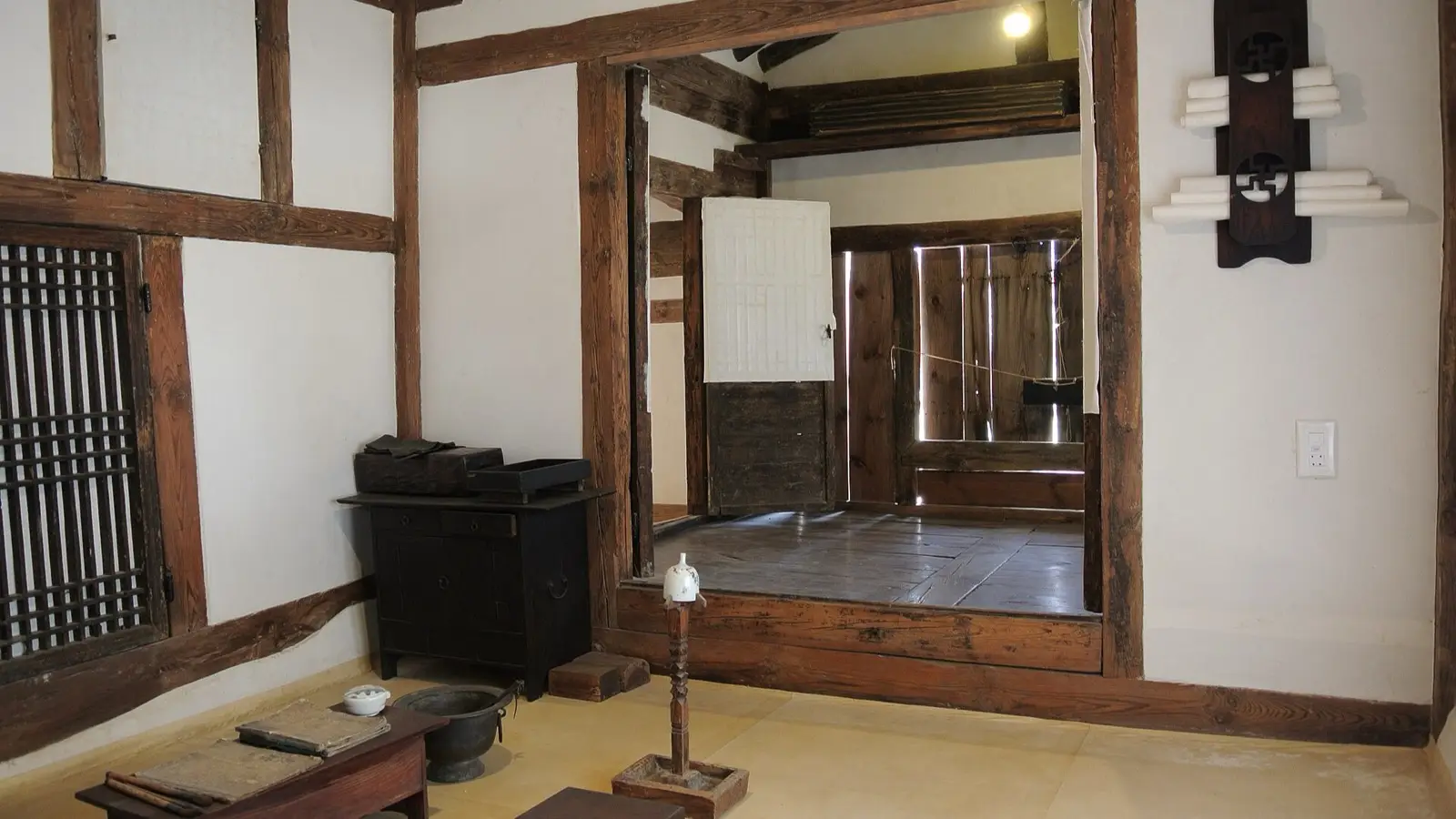
Structural friction is part of the heritage agreement. Historic timber homes preserved from the early twentieth century feature paper lattice screens rather than acoustic soundproof paneling, allowing courtyard footsteps and street murmurs to drift inside. Low ceiling rafters demand watchful posture, while narrow hillside alleyways prohibit taxi drop-offs directly at your threshold, requiring a brief luggage haul up stone steps.
Yet global travelers willingly bypass generic luxury suites in Gangnam for these creaking wooden sanctums because the sensory reward is irreplaceable. The barefoot warmth of radiant ondol clay floors, the pleasure of sipping green tea on an open wooden veranda, and watching sparrows land on weathered terracotta ridges provide an unhurried luxury impossible to replicate.
Bukchon Heritage at $450 vs Seochon Artist Lofts at $250: Auditing the Rates
Evaluating a hanok stay in central Seoul requires choosing between Bukchon to the east of Gyeongbokgung Palace and Seochon to the west. A fully private, detached Bukchon residence accommodating four guests commands $350 to $550 per night on weekends, while intimate converted artistic shophouses in Seochon price moderately between $200 and $280, providing accessible value.
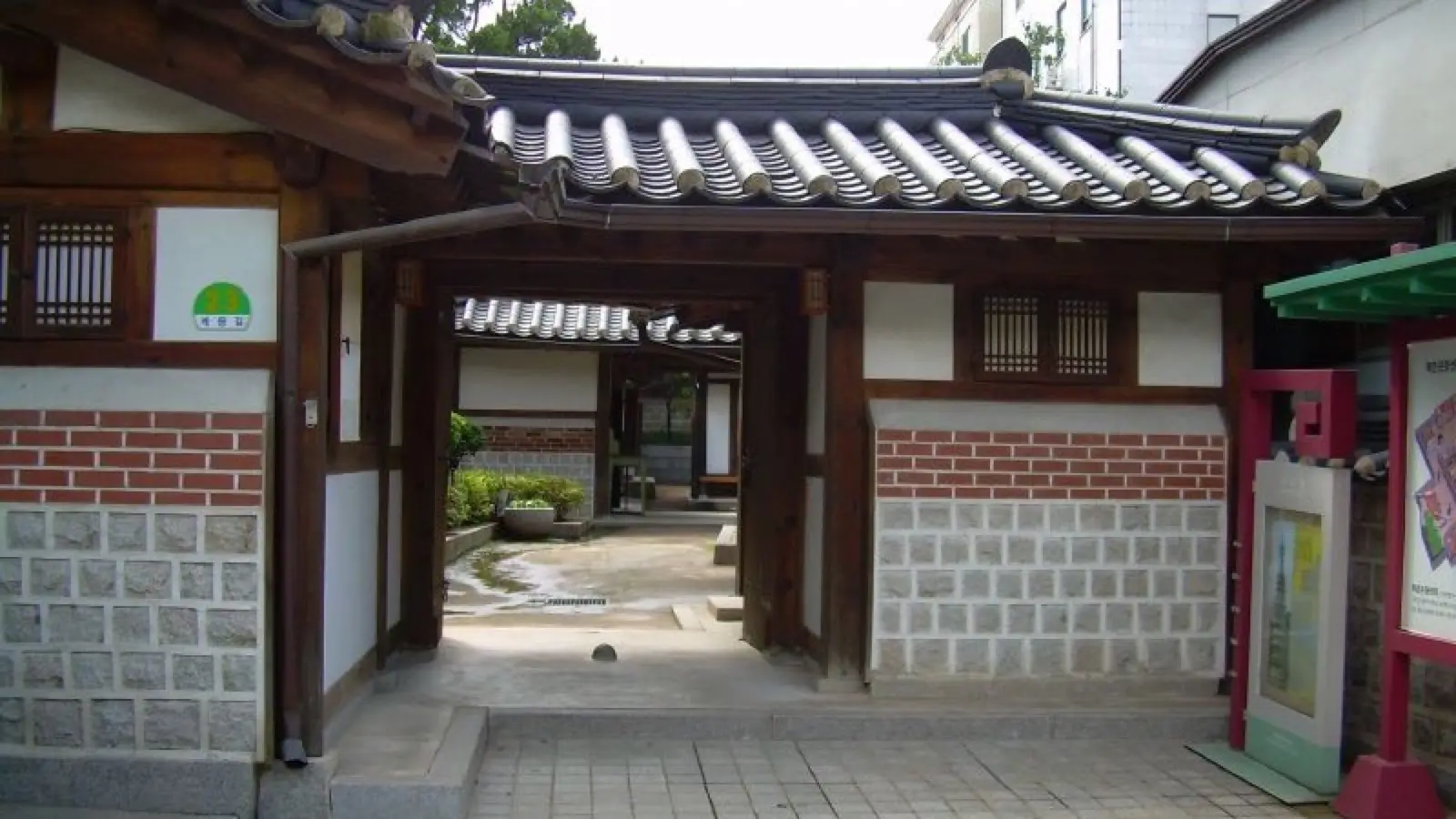
Examining the receipts illustrates the divergence in character. Bukchon reflects its aristocratic heritage with grand entry portals, soaring crossbeams, and expansive interior courtyards ideal for quiet contemplation. Conversely, Seochon townhouses sit nestled within bohemian artist lanes, directly integrated with independent bookstores, natural wine bars, and artisanal bakeries popular among young creative professionals.
Booking online demands strict attention to currency conversion pitfalls. When reserving Korean properties through international booking portals, dynamic currency conversion often adds an unwelcome three to five percent markup. Ensure your billing currency is explicitly locked in Korean Won (KRW) or US Dollars (USD) and utilize a credit card with zero foreign transaction surcharges to avoid losing dozens of dollars in hidden spreads.
From a party perspective, renting an entire detached hanok proves surprisingly cost-effective. For a family of four or a small group of friends, booking two separate luxury hotel rooms easily exceeds $500 per night. Renting an entire private residence with communal courtyard lounging and late-night conversation delivers unmatched privacy and authentic cultural immersion.
Bukchon, Seochon, Seongsu, and Ikseon: Four Distinct Seoul Quarters
Bukchon represents the quintessential gateway for travelers seeking historic majesty. Strolling empty flagstone lanes at eight in the morning before tourist bus caravans arrive, followed by a ten-minute walk to explore the secret gardens and lotus ponds of Changdeokgung Palace, constitutes a privilege exclusive to neighborhood guests.
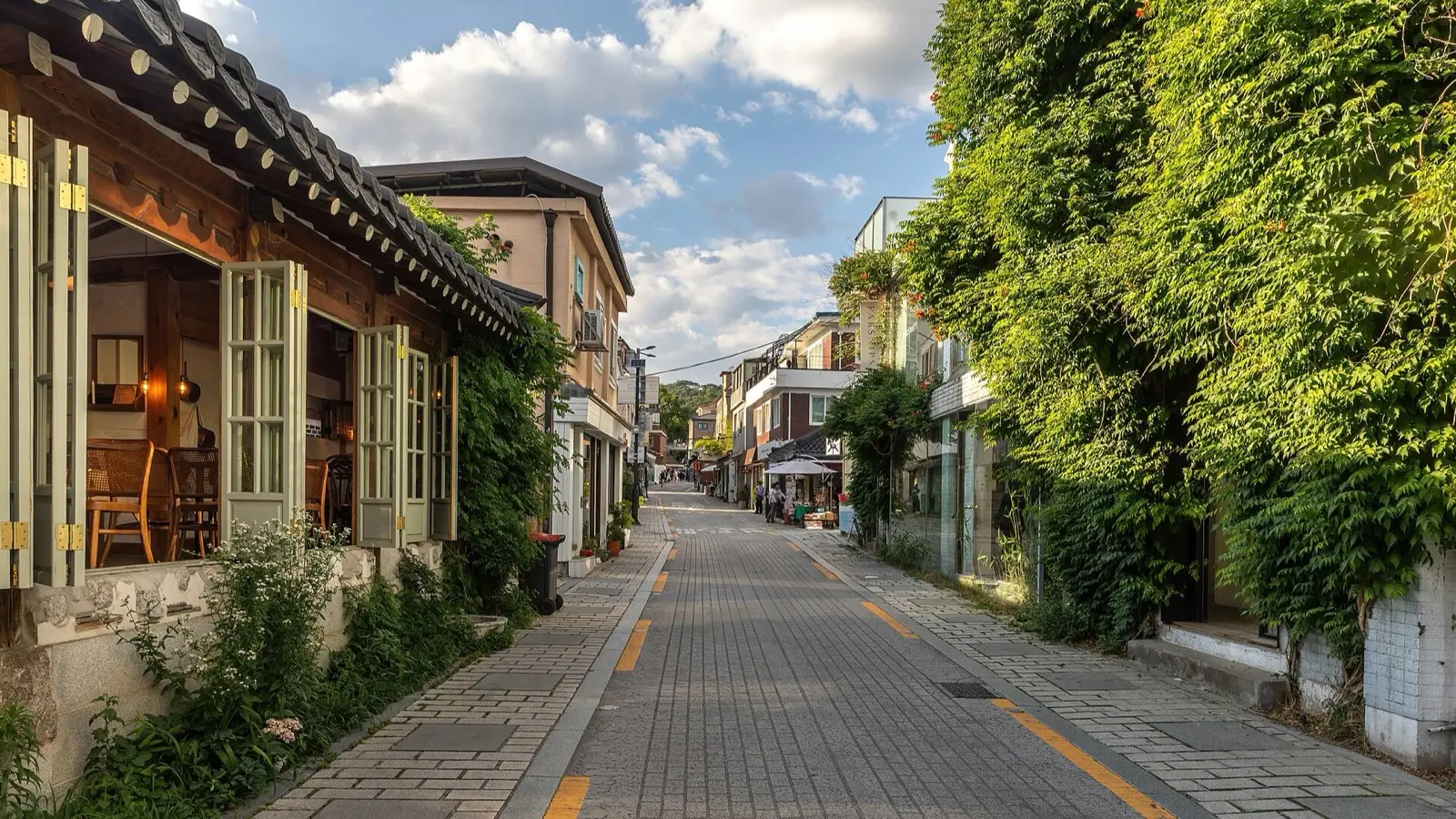
Seochon offers an irresistible fusion of historic preservation and culinary vitality. Exploring the heritage residences of modernist writers like Yi Sang, sampling oil tteokbokki at Tongin Market, and discovering candlelit natural wine bars creates a richly textured day. Its relatively flat terrain makes walking and cycling exceptionally comfortable.
Ikseon-dong preserves a labyrinth of compact 1920s urban hanoks transformed into a buzzing lifestyle district. Narrow alleys overflow with artisanal bakeries, specialty coffee roasters, and craft beer cellars, offering infectious evening energy for travelers who relish nightlife nestled inside heritage architecture.
Seongsu-dong stands as the industrial creative counterweight to historic palaces. Former red-brick shoe factories and printing presses now host global fashion pop-ups and avant-garde roasteries, illustrating Seoul's remarkable transformation from manufacturing hub to design capital. Splitting your days between Bukchon's contemplative timber and Seongsu's industrial pulse captures the city's dual nature.
The most effective itinerary formula balances a transit hotel with a dedicated heritage stay. Spend your initial two nights at a functional hotel near Gwanghwamun or Hongdae to knock out distant shopping and nightlife, then dedicate your final evening to a private Bukchon hanok, remaining inside its peaceful courtyard from afternoon check-in until morning departure.
The Ritual of Tea and Veranda Meditation: Ondol and Private Jacuzzis
Upon settling into your hanok, the immediate ritual is brewing local tea. Laying out delicate white porcelain cups and steeping wild green tea leaves harvested from Mount Jirisan into warm water demands unhurried attention. As fragrant floral aromas fill the room, setting aside digital distractions anchors genuine mental restoration.
A defining luxury in restored premium hanoks is the addition of private stone soaking tubs. Relaxing in steaming water within a sunken granite bath looking through floor-to-ceiling glass onto a quiet pine courtyard provides year-round rejuvenation, especially captivating during crisp autumn evenings and snowy winter nights.
Navigating steep stone staircases and narrow alleys with heavy luggage requires foresight. Bukchon's terrain is punishing on thirty-inch rolling suitcases; store primary luggage at Anguk Station or Seoul Station AREX lockers and pack a single overnight duffel for your hanok stay to avoid unnecessary exertion.
Embracing seasonal rhythms enhances your stay. During humid summer months, sliding paper screens apart allows cross-breezes to cool the raised timber deck. In freezing winters, resting on radiant ondol floors under thick cotton quilts while enjoying roasted sweet potatoes delivers profound domestic comfort.
Morning Warmth in Brass Bowls: What Seoul Leaves Behind
At half past eight in the morning, soft sunlight filters through paper lattice doors as a nourishing Korean breakfast arrives in traditional brass tableware. Savoring hot abalone porridge, seasoned wild mountain greens, and crisp watery kimchi warms the digestive system and provides clean energy for the day ahead.
Stepping past the courtyard gate at eleven o'clock checkout reveals the quiet lanes of Samcheong-dong before galleries and boutiques open. Inhaling the cool pine breeze blowing down from the ridges of Mount Inwang reinforces the extraordinary historical continuity underpinning this relentless metropolis.
Seoul's true magic is found not merely in gleaming consumer towers, but in the contemplative coexistence of six-hundred-year-old timber sanctuaries nestled beside cutting-edge design laboratories. Touching weathered wooden pillars while hearing traffic in the distance anchors a rare, poetic equilibrium.
Boarding the airport express train to Incheon with an artisanal tea tin tucked into your bag, you carry an enduring realization: the rhythmic patter of rain on Joseon roof tiles and the soothing warmth of an ondol floor remain an everlasting shelter whenever modern life feels hurried.
Frequently Asked Questions
Field-tested answers to transit navigation, neighborhood choices, and payment traps.
Q1.What hours can you visit Bukchon Hanok Village?
Q2.Bukchon or Seochon: where should I book a hanok stay in Seoul?
Q3.Can I bring a large suitcase to a hanok stay?
Q4.How many nights should I spend in a hanok?
The Smart Traveler's Essential Toolkit
Prepare instant mobile data, private airport transfers, and skip-the-line passes in one place.
Pick a base in Seoul by your route
Choose the places you want to see and get the neighbourhood with the shortest travel.
Compare Seoul Hotel Rates
Find the cheapest channel across Agoda and major booking engines with Tripdify.
Share This Guide with Your Companions
When shared via chat or social media, a curated summary card is sent along.

Recommended Guides
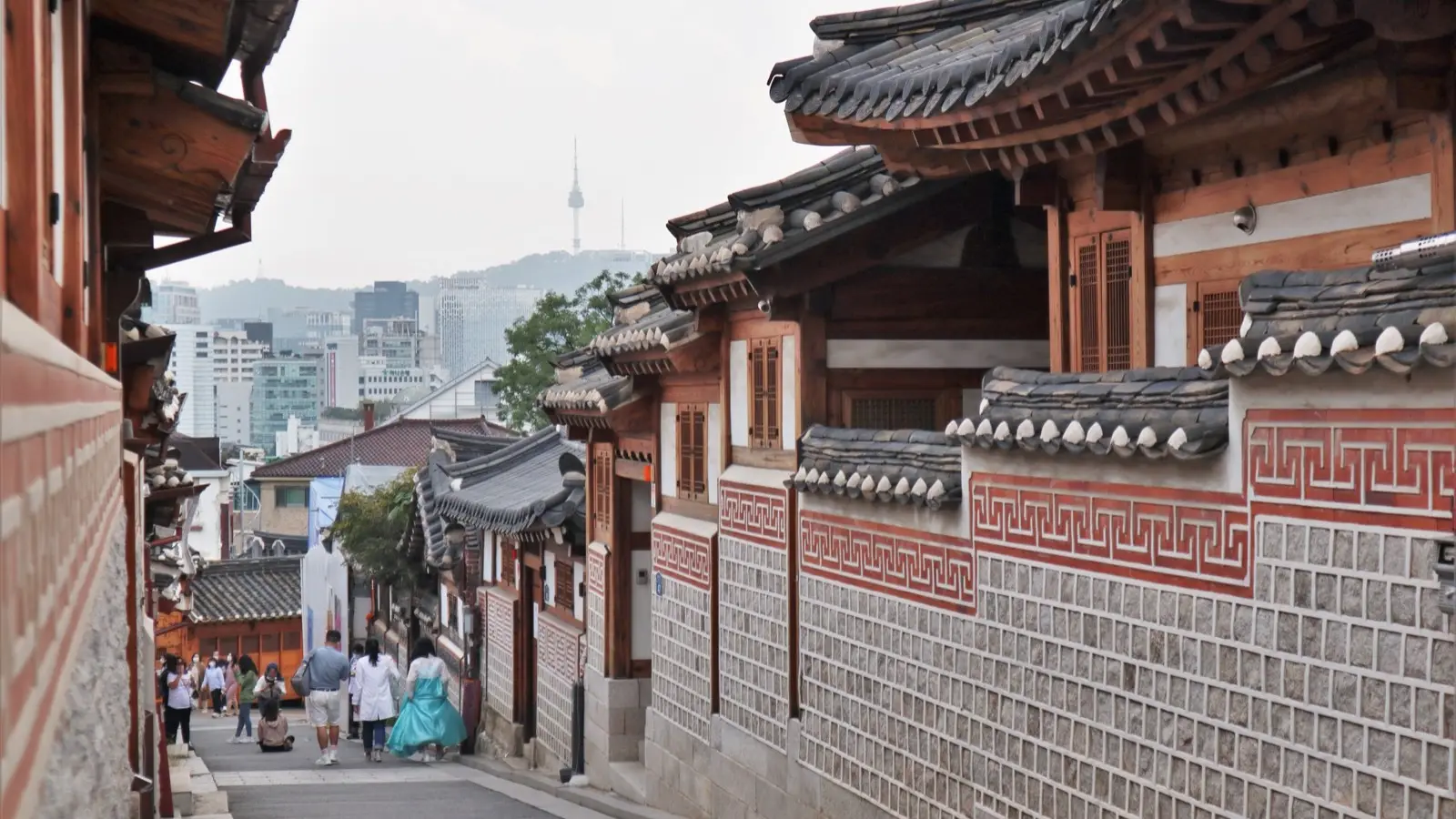
Seoul Itinerary: Bukchon, Seongsu and the Han River in Two Nights
From the 43-minute AREX express from Incheon Airport to tranquil Hanok courtyard stays, industrial red brick roasteries in Seongsu, and Banpo Han River instant ramen picnics.
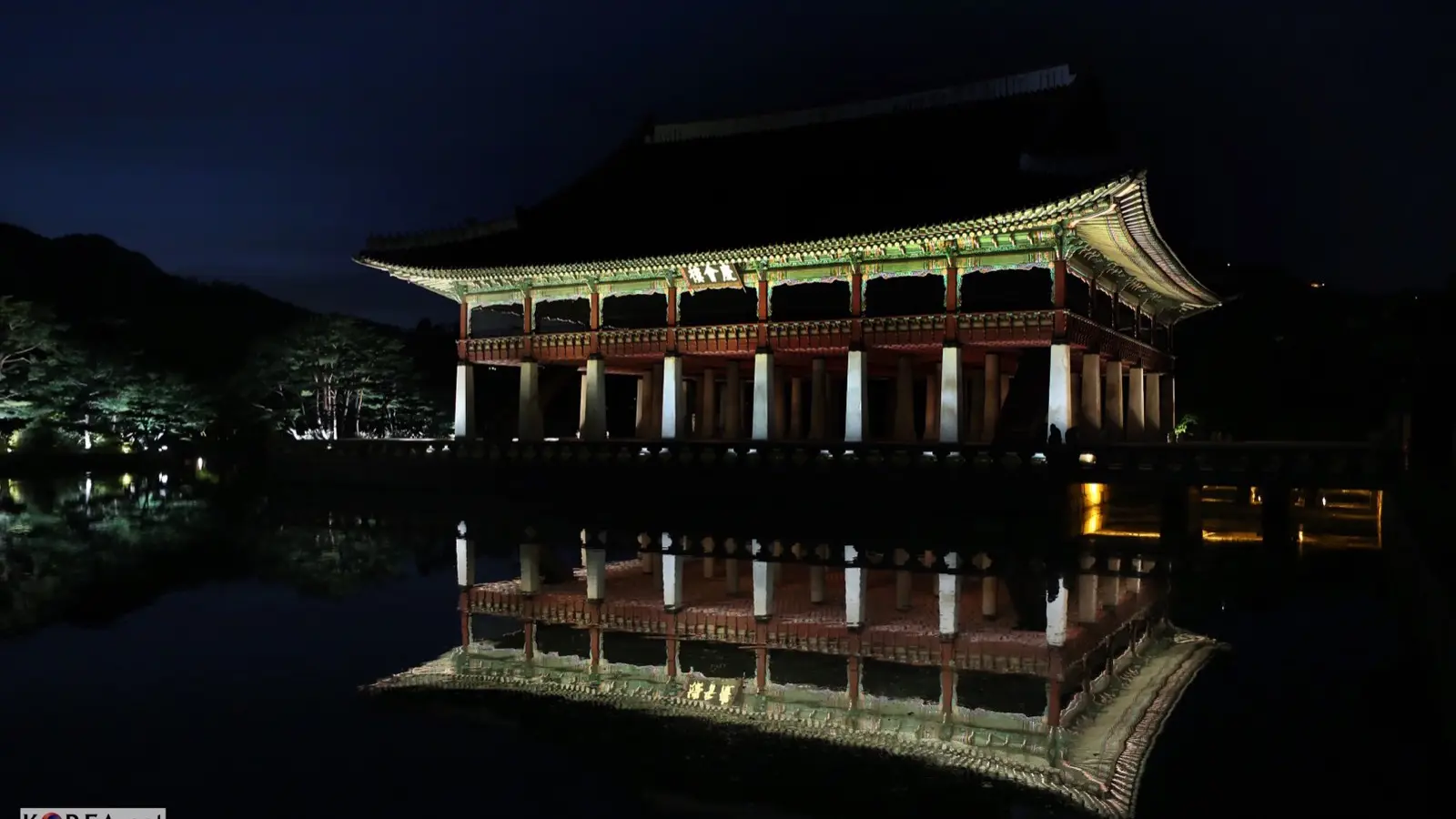
Seoul Day 1 Itinerary: Incheon Airport to the City, Bukchon and Gwangjang Market
The definitive first 24-hour Seoul playbook: mastering the 43-minute AREX airport express, navigating Bukchon quiet hours, savoring sizzling Gwangjang mung bean pancakes, and ending with a serene midnight stroll along Cheonggyecheon stream.
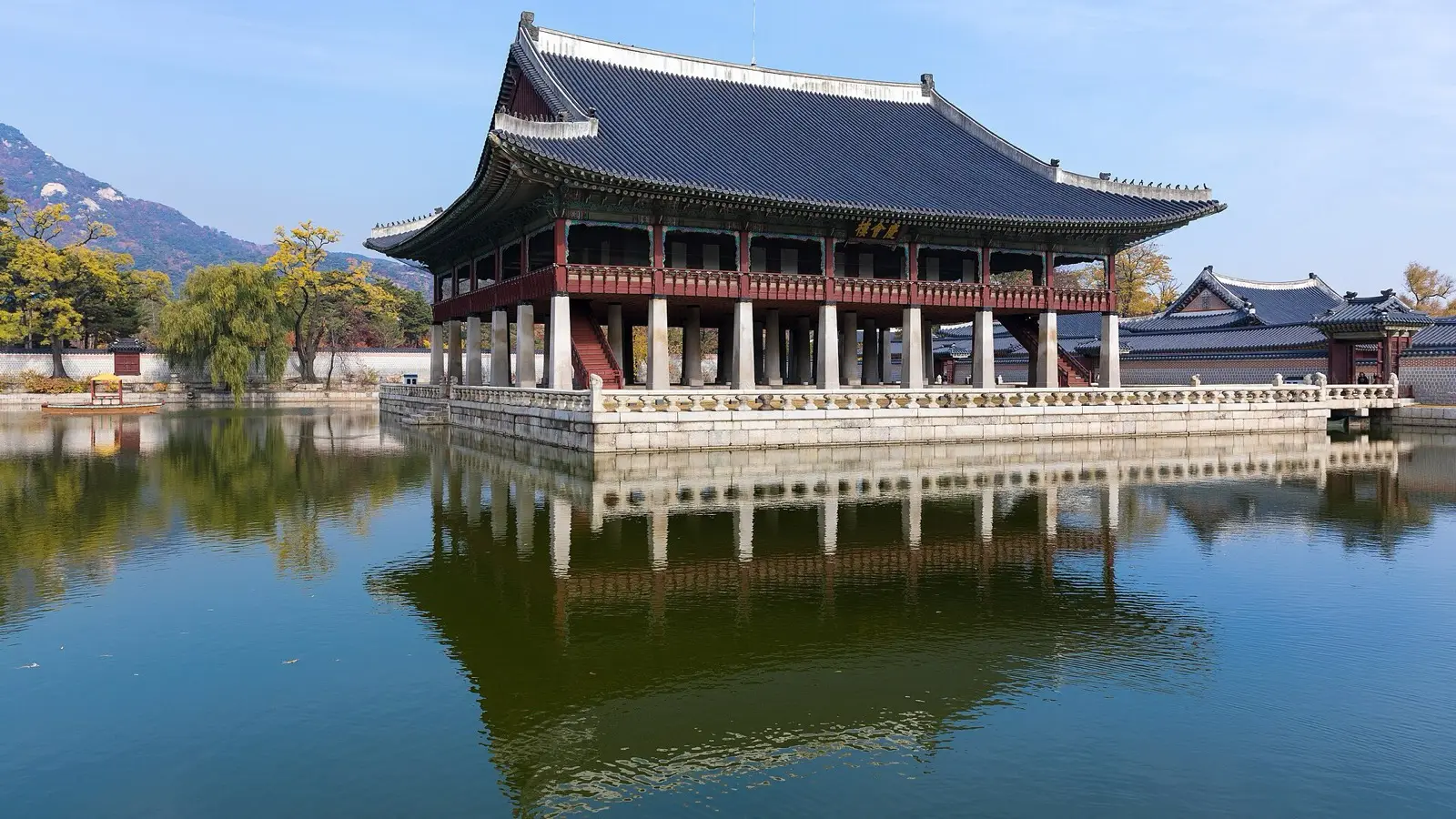
Seoul Day 2 Itinerary: Gyeongbokgung Guard Ceremony, Seongsu Cafes and N Seoul Tower
An extraordinary second day across Seoul: witnessing the solemn Changing of the Royal Guard at Gyeongbokgung, bartering antique brass coins for lunch in Seochon, discovering Seongsu's industrial-chic design universe, and capping the twilight with riverside instant ramen and glittering N Seoul Tower views.
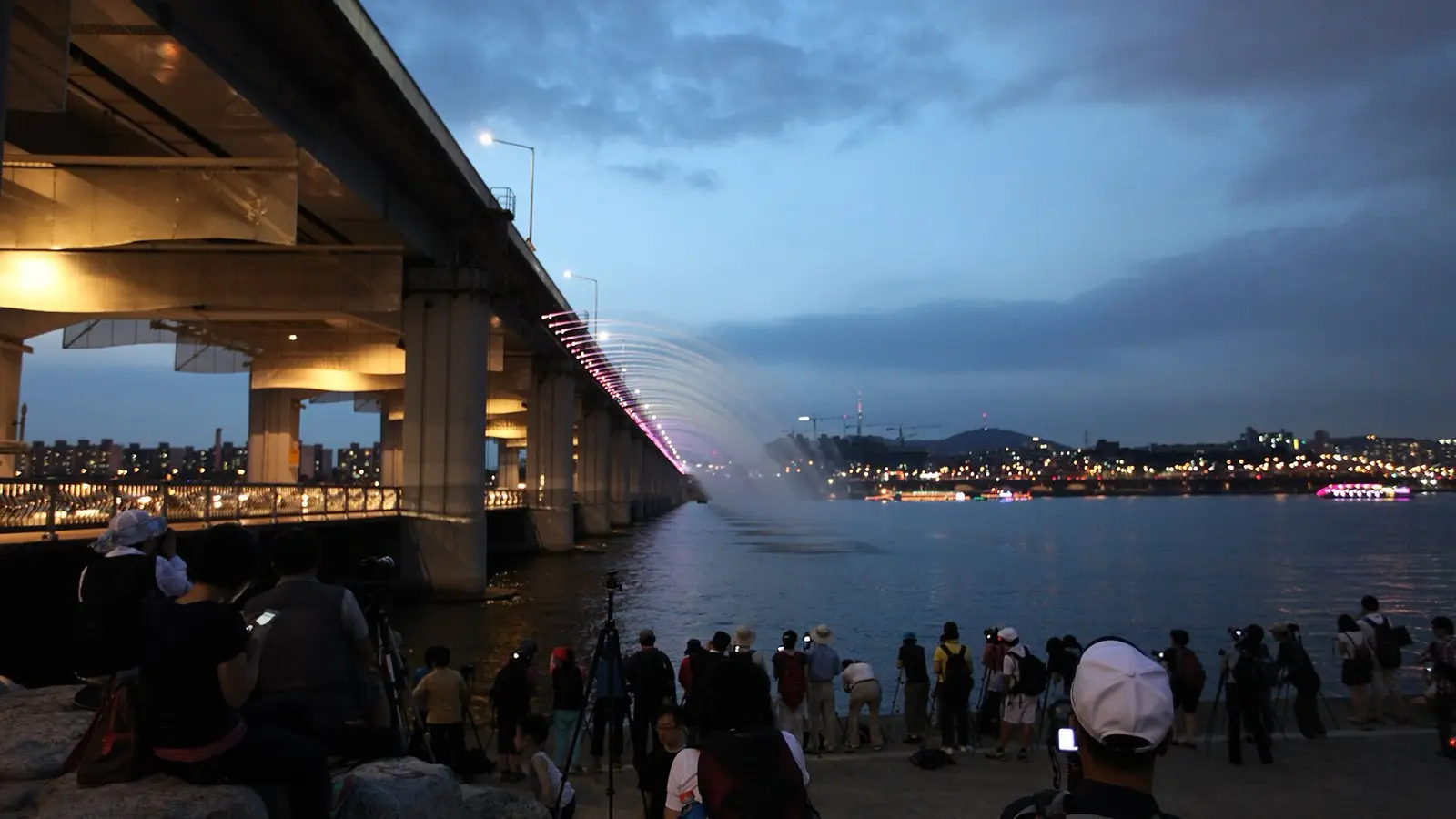
Seoul Day 3 Itinerary: Yeonnam-dong, The Hyundai Seoul and City Airport Check-In
The ultimate finale in Seoul: a morning stroll down the lush Gyeongui Line Forest Trail, browsing trendsetting designer boutiques in Hongdae, experiencing the architectural wonder of The Hyundai Seoul, and utilizing Seoul Station's in-town check-in to glide through Incheon Airport departure queues hands-free.
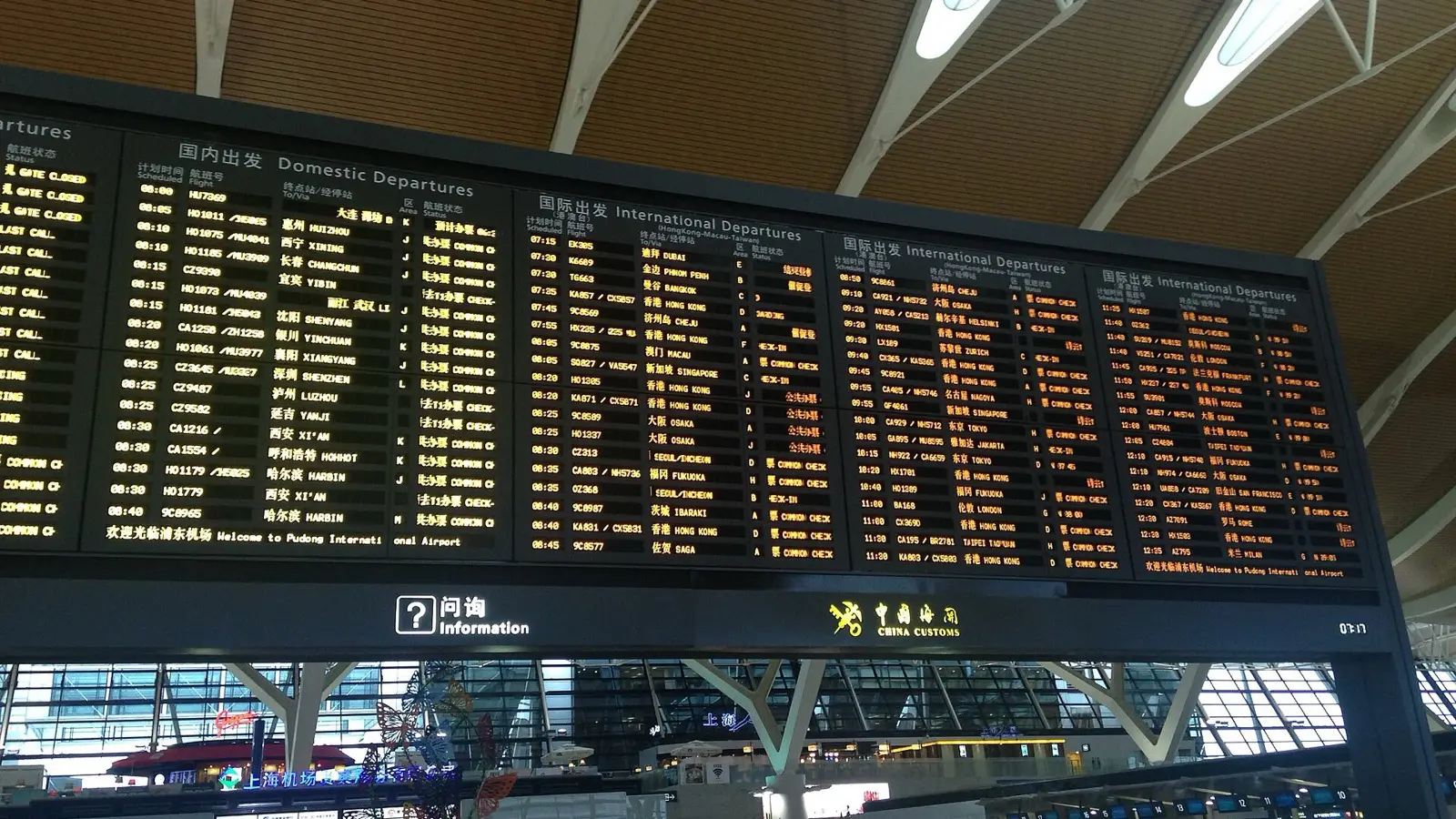
How to Book Flights Cheaply: Split Ticketing and Why Fares Move
An investigative deep dive into airline revenue management algorithms, exposing why incognito mode fails while multi-city open-jaw routing and baggage decoupling can cut flight costs noticeably.
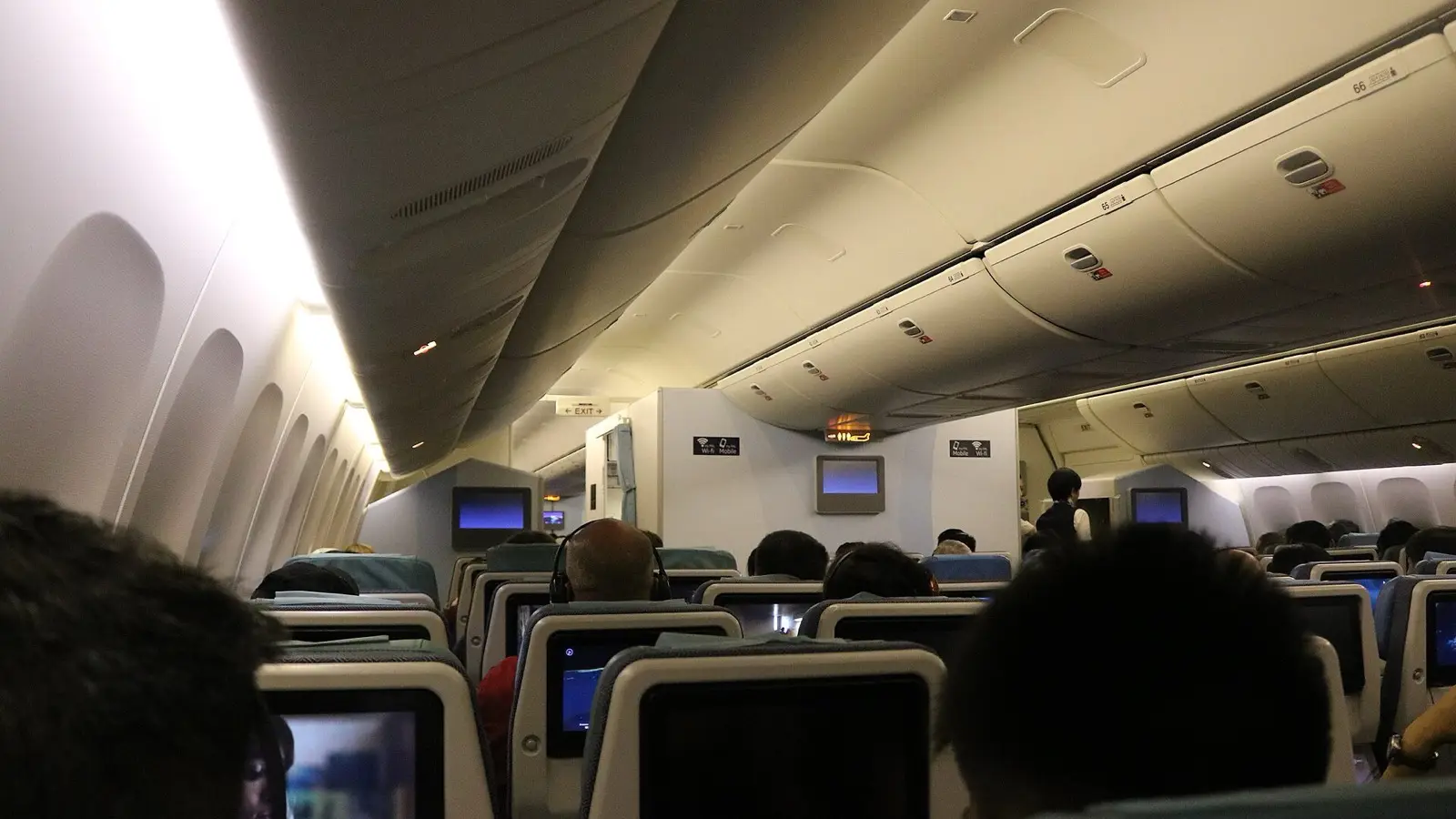
5 Secrets to Snagging Prime Airline Seats: The Exit Row Paradox, Tail-Section Twins, and Check-in Golden Hours
On long-haul flights spanning ten hours across continents, your seat allocation dictates whether you arrive invigorated or physically broken. Within standard 31-inch economy cabins, subtle variations create vast differences in comfort. From the unvarnished realities of exit rows and bulkhead bassinet positions to sidestepping misaligned 'windowless window seats', claiming quiet two-seat pairs along tapering tail fuselages, and timing the check-in window, 24 to 48 hours before departure, when some paid seats often open free of charge, here is your definitive field guide to mastering aircraft seat selection.
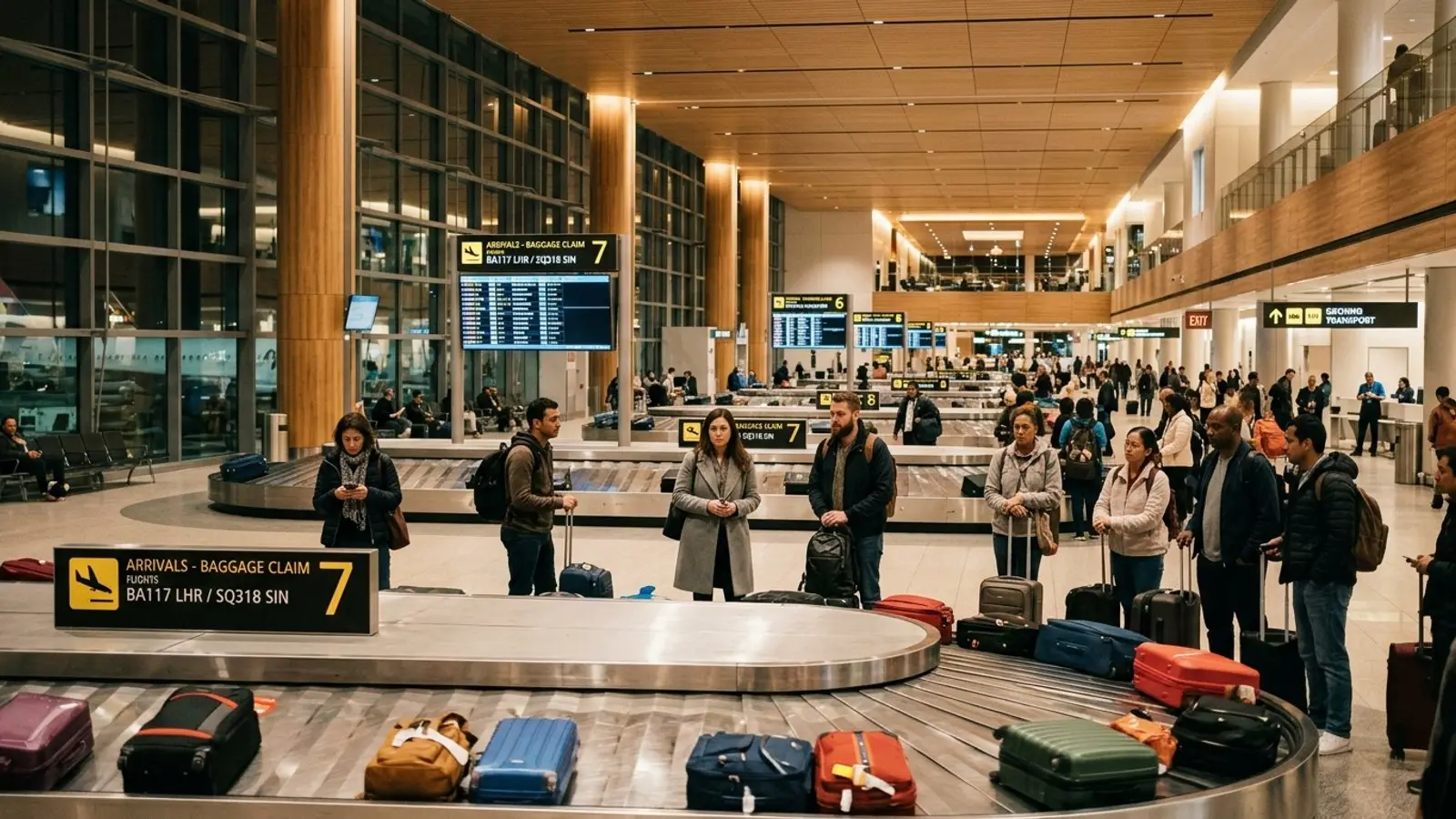
The Definitive Airline Baggage Claim Playbook: Montreal Convention SDR Caps, On-Site PIR Filing, and Insurance Stacking
Watching the final suitcase circle the baggage carousel while yours fails to materialize, or seeing your hardshell case emerge with sheared wheels and split seams, is every international traveler's acute nightmare. Stepping past the customs exit doors without official paperwork permanently forfeits your statutory leverage. From securing the critical Property Irregularity Report (PIR) before leaving the baggage reclaim area to invoking the Montreal Convention liability cap of roughly 2,000 dollars (1,519 SDR), claiming emergency clothes and toiletries on the carrier's dime, and legally stacking airline payouts against private travel insurance policies, here is your definitive field guide to getting fully reimbursed.
The Hotel Best Rate Guarantee (BRG) Playbook: Finding Cheaper OTAs and Claiming 25% Off
Many travelers assume online travel agencies (OTAs) like Agoda or Trip.com are always cheaper than booking direct, while others blindly believe official hotel websites guarantee the absolute lowest rate. To avoid paying steep 15 to 25 percent middleman commissions, global hotel giants operate Best Rate Guarantee (BRG) programs: if you find a lower public rate elsewhere, they will match it and slash an additional 20 to 25 percent off or award thousands of loyalty points. From unpacking the exact rules of Marriott Bonvoy, Hilton Honors, World of Hyatt, and IHG One Rewards to matching room tiers, cancellation deadlines, and currency conversion traps, here is your definitive field guide to locking in luxury rooms at unheard-of discounts.
The Budget Airline 7kg Carry-On Survival Guide: Dodging Gate Fees and Airport Scale Discrepancies
Scoring an ultra-cheap budget airline flight ticket feels like a major victory until you reach the boarding gate and watch the scale read 7.4kg, triggering a ruthless 50 to 80 dollar gate baggage penalty on the spot. Low-cost carriers including Jeju Air, Peach Aviation, AirAsia, and Scoot generate massive ancillary revenue by rigorously policing the 7kg to 10kg carry-on allowance across two personal pieces. From understanding mechanical scale calibration differences across airport zones to leveraging wearable cargo tricks, tech pouch distribution, and duty-free exemption rules, this comprehensive playbook ensures your cabin bag glides through check-in and gate scrutiny without paying an extra dime.
Seoul's Euljiro Alleyways: Industrial Print Shops, Vintage Tearooms, and Hidden Hipjiro Wine Bars
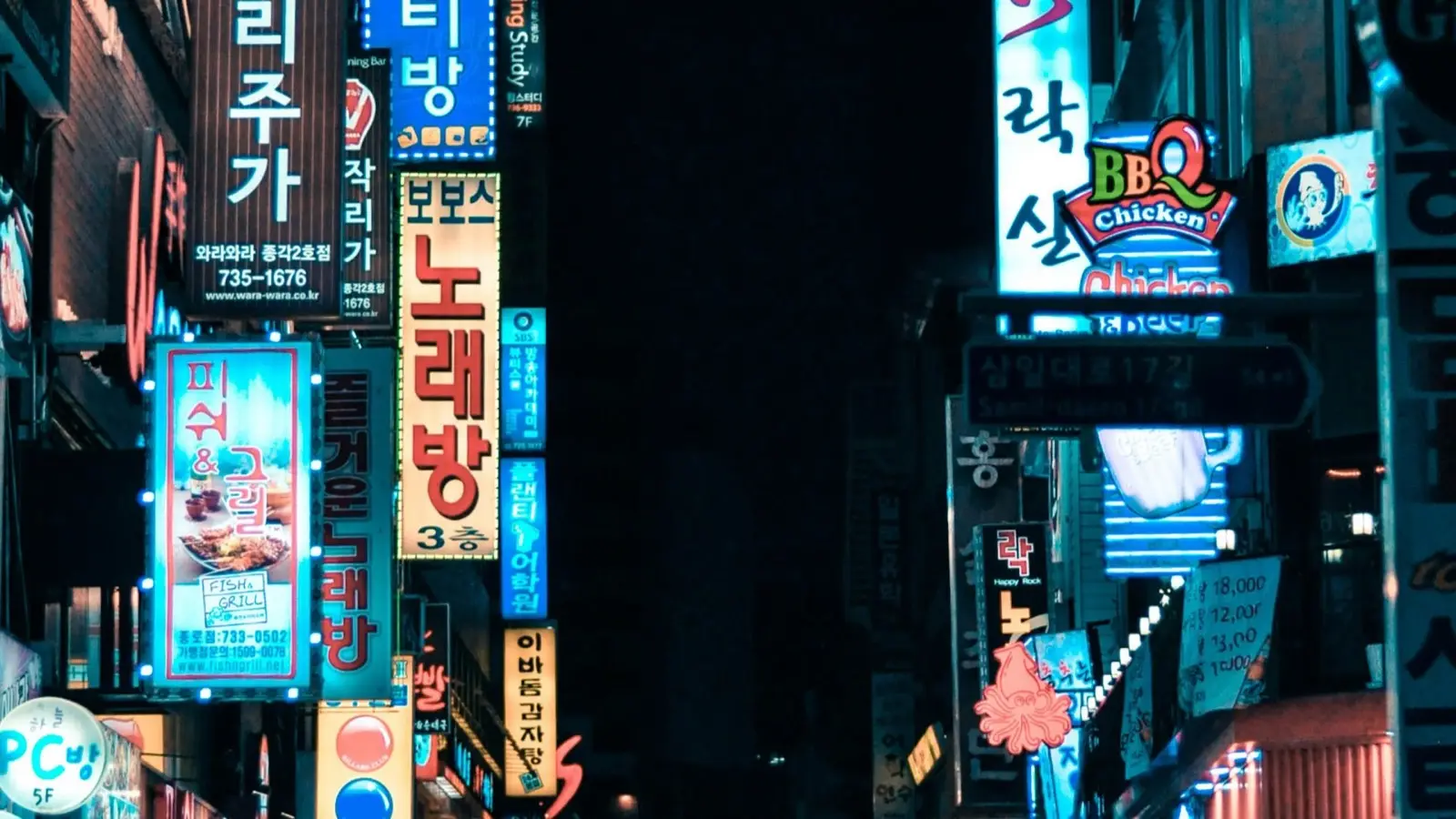
Nestled between central Seoul's Jongno and Toegyero avenues, Euljiro is an urban paradox where day and night belong to completely different eras. At high noon, its labyrinthine alleys hum with roaring printing presses, metal-cutting lathes, and darting delivery scooters. Yet as dusk settles over its weathered concrete, narrow unlit stairwells illuminate with warm tungsten glow, unlocking the magnetic retro world known locally as Hipjiro. From decades-old dabang tearooms serving egg-yolk herbal tea to speakeasy natural wine bars tucked behind nondescript iron doors, here is your insider's guide to navigating Euljiro's legendary blend of working-class heritage and cutting-edge culture.
Seoul Neighborhoods Guide: Hongdae, Myeongdong, Seongsu, and Bukchon Area Breakdown
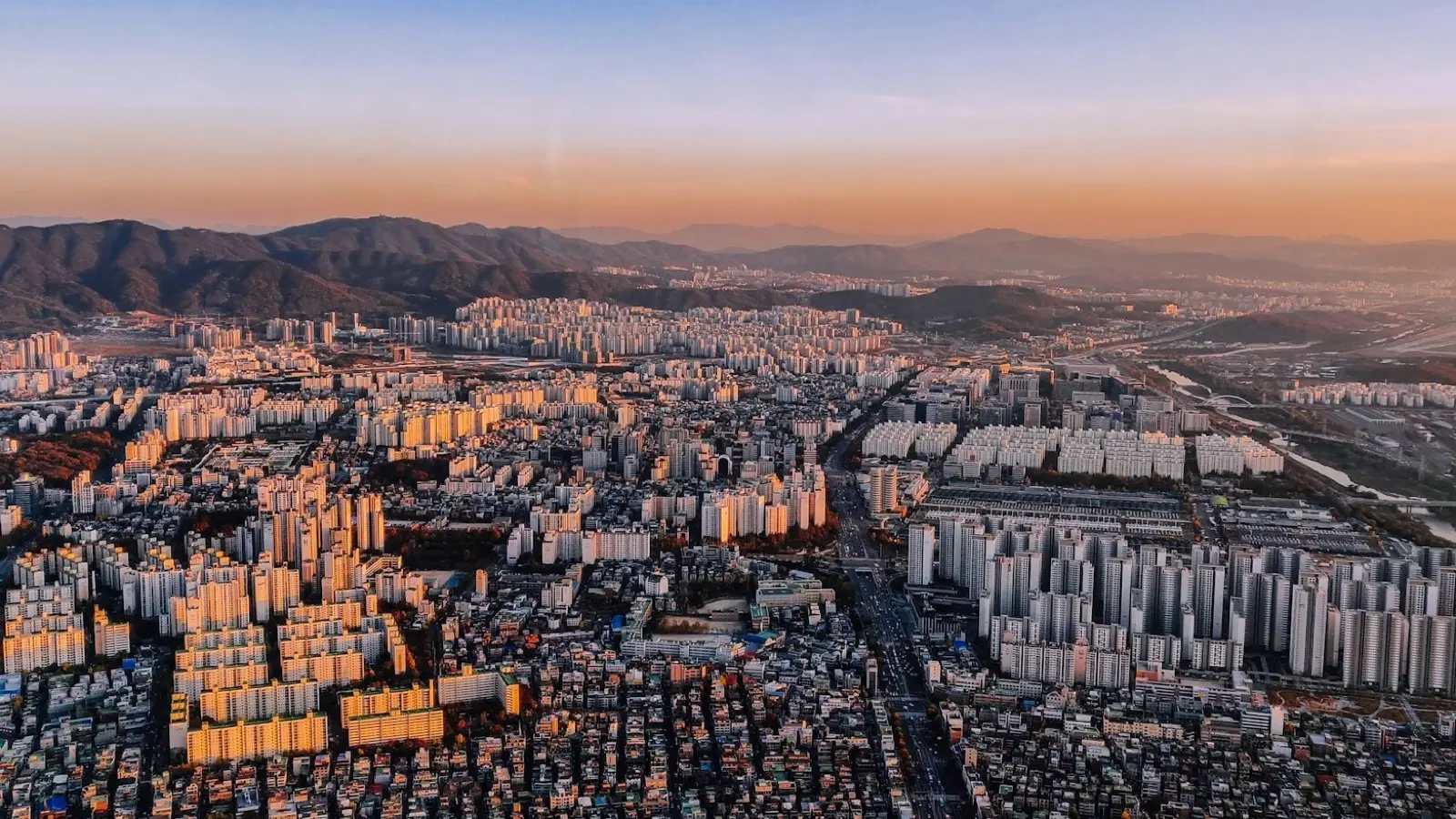
Covering 605 square kilometers, Seoul is a dynamic global metropolis where six-hundred-year-old royal palaces seamlessly coexist with cutting-edge streetwear pop-ups and neon-lit skyscrapers. First-time visitors often default to Myeongdong or Dongdaemun, but choosing where to sleep fundamentally transforms your daily transit efficiency and evening lifestyle. From Hongdae and Yeonnam-dong with their direct Airport Railroad link and indie art vitality to Myeongdong and Euljiro's central shopping convenience, Seongsu-dong's post-industrial creative enclaves, Gangnam's sleek luxury towers, and Bukchon's serene hanok alleys, this exhaustive field guide dissects Seoul's five primary neighborhood clusters to help you book your perfect base.
The Traveler Duty-Free & Customs Playbook: $800 Limits, Alcohol Formulas, and Voluntary Declaration Savings
Scoring designer handbags, rare single-malt whiskeys, and luxury skincare abroad delivers immense retail satisfaction, yet misinterpreting customs border regulations frequently turns a bargain trip into a fiscal headache. Under South Korean and standard international customs protocols, the baseline personal duty-free exemption stands at $800 USD per traveler. Crucially, this allowance operates strictly on an individual basis: a traveling couple cannot combine allowances into a shared $1,600 pool to clear a single luxury handbag duty-free. Conversely, specialized commodities enjoy separate exemptions entirely isolated from the $800 general cap: up to two bottles of liquor (totaling under 2 liters and $400 USD), 200 cigarettes (one carton), and up to 100ml of perfume. Voluntarily declaring excess goods unlocks an immediate 30% tax reduction (capped at 200,000 KRW), whereas attempting concealment triggers an unforgiving 40% penalty surcharge. This master guide unpacks exact tax deduction math, paperless mobile declaration QR codes, and smart item ordering.