
The Traveler Duty-Free & Customs Playbook: $800 Limits, Alcohol Formulas, and Voluntary Declaration Savings
Demystifying customs arithmetic: why family allowances cannot pool, 2-bottle spirit rules, and 30% tax discounts
The $800 General Exemption Baseline and Strict Anti-Pooling Rules
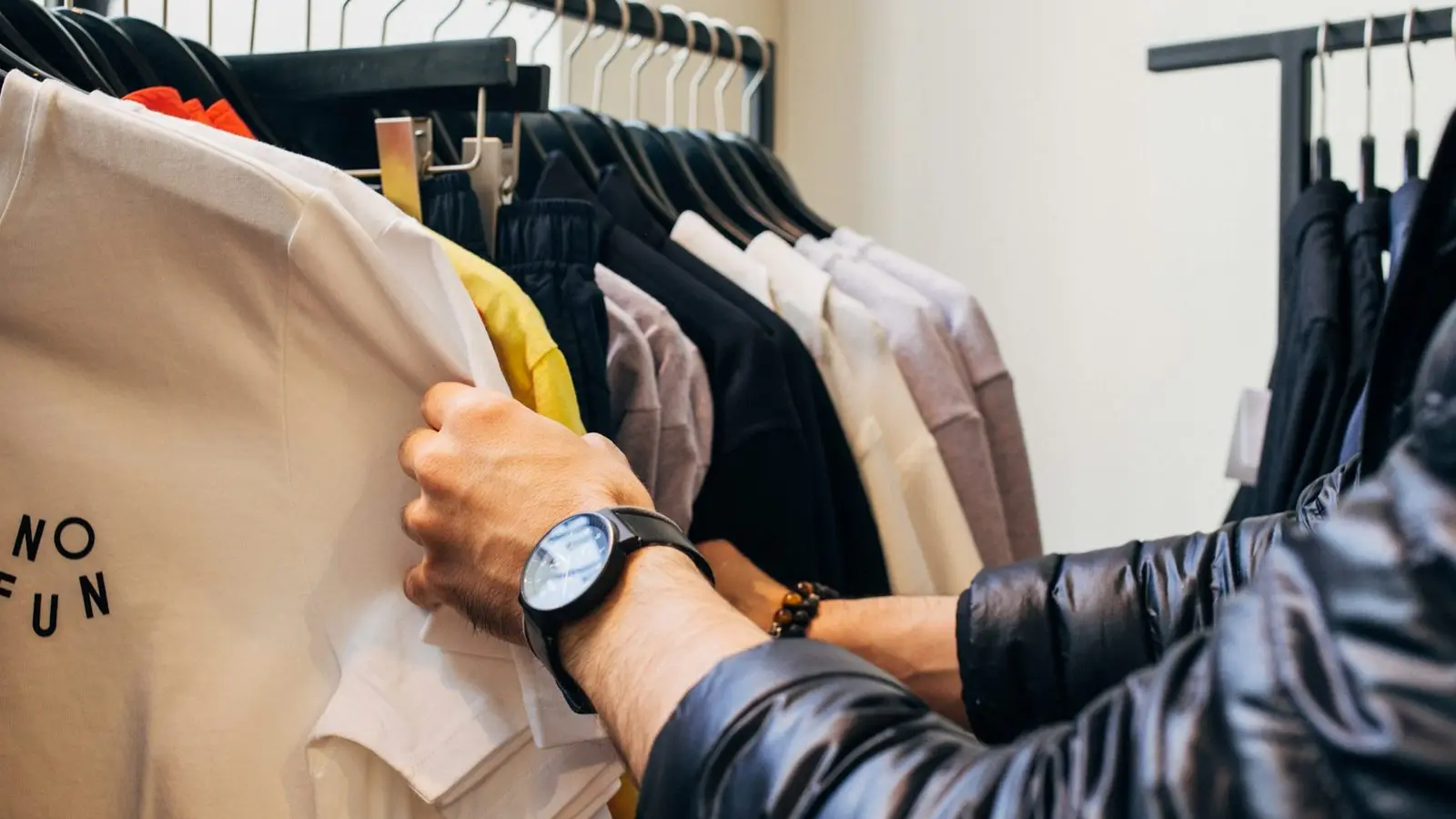
When shopping abroad, the most vital threshold to memorize is $800 USD. If the combined aggregate value of goods acquired at domestic departure duty-free outlets, inflight carts, and overseas foreign boutiques remains under $800 per traveler, you can cross customs border checkpoints completely tax-free.
The most expensive misconception among international travelers is assuming family members can pool exemptions. A married couple returning home with a single $1,500 designer handbag often erroneously assumes their combined $1,600 allowance shields the item from all taxation.
Under statutory customs codes worldwide, duty-free exemptions apply strictly on an individual, non-transferable basis. When a single individual commodity exceeds $800, only one traveler's personal exemption can be deducted against its purchase price. Thus, a $1,500 luxury handbag incurs customs duties on the remaining $700 surplus value, as allowances cannot be pooled across family members.
However, dividing separate low-cost items is entirely permissible under customs regulations. For instance, purchasing two independent $500 leather wallets on separate receipts allows each spouse to carry one wallet, utilizing individual $800 thresholds to clear border controls completely duty-free.
Standalone Allowances: 2 Bottles of Alcohol, Tobacco, and 100ml Fragrance
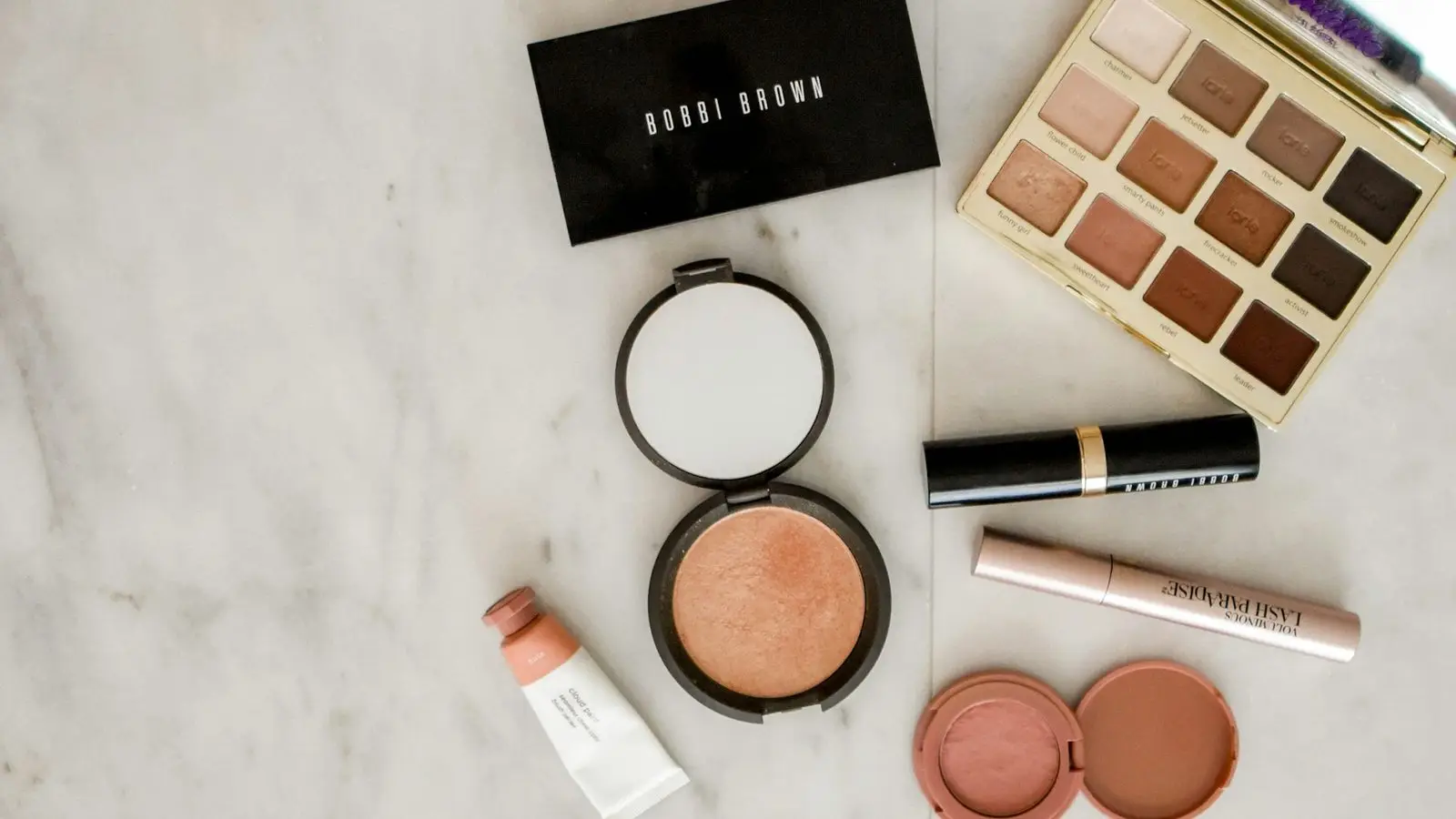
Operating completely outside the standard $800 general cap, international travelers enjoy specialized duty-free exemptions for alcohol, tobacco, and fragrances that do not erode your general retail allowance.
First, alcoholic spirits qualify for full duty exemption up to two bottles, provided combined volume remains under 2 liters and total combined purchase cost does not exceed $400 USD. Savoring two 700ml bottles of premium $180 scotch totals 1.4 liters and $360, qualifying for zero customs tax while leaving your $800 general allowance intact.
Second, tobacco exemptions permit up to 200 cigarettes (one standard carton) or 20ml of e-cigarette nicotine liquid without tax liabilities. Third, perfume and eau de parfum enjoy duty-free entry up to 100ml in volume, regardless of bottle count or retail valuation.
Crucially, travelers under 19 years of age receive zero duty-free allowances for alcoholic beverages or tobacco products. Parents attempting to allocate extra spirits or cigar boxes under a minor's customs manifest will find the items fully taxed at commercial border rates.

Voluntary Declarations with 30% Tax Discounts vs 40% Penalty Fines
When your shopping haul surpasses the statutory $800 threshold, you face a definitive fork in the road: executing a voluntary customs declaration or gambling on an uninspected exit through green channels. Following the law is overwhelmingly more cost-effective.
Executing a voluntary declaration by detailing excess items on customs forms awards an immediate statutory 30% tax discount on your total calculated levy (capped at 200,000 KRW). If your computed import duty totals 300,000 KRW, the 30% discount eliminates 90,000 KRW, reducing your out-of-pocket payment to just 210,000 KRW.
Conversely, attempting to smuggle undeclared luxury goods through baggage channels triggers an automatic 40% punitive surcharge tacked on top of baseline duties. Habitual offenders caught twice within a two-year window face escalating surcharges reaching up to 60%.
Customs administrations utilize real-time international credit card transaction tracking and flight passenger manifest algorithms to flag high-value shoppers. Even if luxury watches or jewelry are buried deep inside checked luggage, automated baggage X-ray scanners will flag bags with electronic tamper seals, making voluntary declaration the only sensible move.
Paperless Mobile Customs Apps and Automated QR Clearance Lanes
The antiquated era of borrowing ink pens from flight attendants to scribble onto paper declaration slips is officially obsolete. Modern customs border services provide streamlined mobile applications and online web portals enabling rapid digital submissions in seconds.
Prior to boarding return flights or right after landing on tarmac corridors, travelers input biographical details and purchased item values to generate a secure, encrypted mobile QR code. Approaching the dedicated automated customs gates, scanning your smartphone screen opens barrier gates within one second.
For travelers carrying goods strictly within duty-free limits, the obligation to submit declaration forms was eliminated in 2023. After collecting checked suitcases from airport carousels, travelers simply exit uninhibited through green 'Nothing to Declare' corridors without handing over paperwork.
Even for those owing duty on surplus items, completing digital declarations automatically computes applicable 30% discounts and transmits a digital payment invoice straight to your mobile screen. Duties can be settled later via online banking or credit cards without queuing at cashier desks.
Prioritizing High-Tax Commodities for Maximum Deduction Benefits
When purchasing diverse merchandise categories that collectively exceed the $800 limit, how customs authorities allocate your basic exemption makes a substantial difference in final tax liability.
Under standard statutory customs appraisal mandates, the basic $800 exemption must be applied preferentially against items bearing the highest ad-valorem tax rates. This taxpayer-friendly methodology legally minimizes your net customs burden.
For example, if you acquire luxury garments taxed at a 20% simplified tariff rate ($500) alongside consumer electronics carrying an 8% duty rate ($500), your $800 exemption deducts the entire $500 garment alongside $300 of the electronics. You pay import taxes solely on the remaining $200 of electronics at the low 8% tariff rate.
Additionally, note foreign exchange translation standards. Customs valuations do not use the currency exchange rate on the date of swipe; rather, they apply the weekly baseline customs exchange rate published by the Customs Service for your date of flight arrival. Confirming high-tariff item deductions with inspectors ensures optimal tax efficiency.
Frequently Asked Questions
Field-tested answers to transit navigation, neighborhood choices, and payment traps.
Q1.Can a married couple combine their individual $800 allowances to clear a $1,500 handbag duty-free?
Q2.Do two bottles of duty-free whiskey count against the general $800 personal exemption?
Q3.What specific financial benefits are granted when voluntarily declaring excess goods at customs?
Q4.How does customs assess import duties if I lose foreign purchase receipts from an outlet?
The Smart Traveler's Essential Toolkit
Prepare instant mobile data, private airport transfers, and skip-the-line passes in one place.
Pick a base in Seoul by your route
Choose the places you want to see and get the neighbourhood with the shortest travel.
Compare Seoul Hotel Rates
Find the cheapest channel across Agoda and major booking engines with Tripdify.
Share This Guide with Your Companions
When shared via chat or social media, a curated summary card is sent along.
Recommended Guides

Seoul Itinerary: Bukchon, Seongsu and the Han River in Two Nights
From the 43-minute AREX express from Incheon Airport to tranquil Hanok courtyard stays, industrial red brick roasteries in Seongsu, and Banpo Han River instant ramen picnics.

Hanok Stays in Seoul: How to Book in Bukchon and What to See in Seongsu
Amid the relentless futuristic pace of contemporary Seoul, stepping through the wooden gate of a century-old hanok courtyard offers an astonishing immersion in quietude. From booking private heritage residences in Bukchon and Seochon to navigating Seongsu craft coffee roasteries, this field guide audits real costs, noise curfews, and transit hacks.

Seoul Day 1 Itinerary: Incheon Airport to the City, Bukchon and Gwangjang Market
The definitive first 24-hour Seoul playbook: mastering the 43-minute AREX airport express, navigating Bukchon quiet hours, savoring sizzling Gwangjang mung bean pancakes, and ending with a serene midnight stroll along Cheonggyecheon stream.

Seoul Day 2 Itinerary: Gyeongbokgung Guard Ceremony, Seongsu Cafes and N Seoul Tower
An extraordinary second day across Seoul: witnessing the solemn Changing of the Royal Guard at Gyeongbokgung, bartering antique brass coins for lunch in Seochon, discovering Seongsu's industrial-chic design universe, and capping the twilight with riverside instant ramen and glittering N Seoul Tower views.
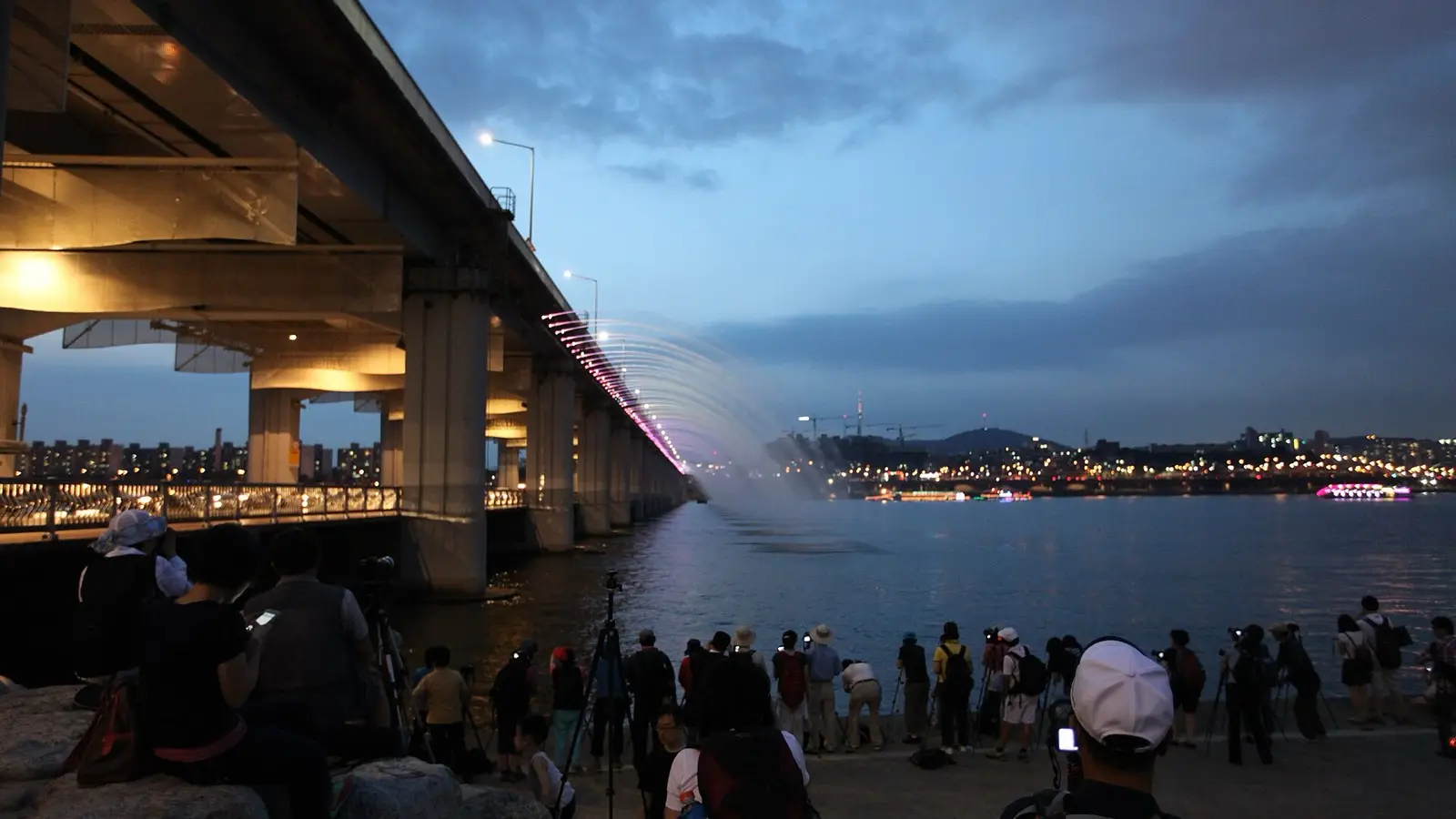
Seoul Day 3 Itinerary: Yeonnam-dong, The Hyundai Seoul and City Airport Check-In
The ultimate finale in Seoul: a morning stroll down the lush Gyeongui Line Forest Trail, browsing trendsetting designer boutiques in Hongdae, experiencing the architectural wonder of The Hyundai Seoul, and utilizing Seoul Station's in-town check-in to glide through Incheon Airport departure queues hands-free.
How to Book Flights Cheaply: Split Ticketing and Why Fares Move
An investigative deep dive into airline revenue management algorithms, exposing why incognito mode fails while multi-city open-jaw routing and baggage decoupling slash flight costs by over 30%.
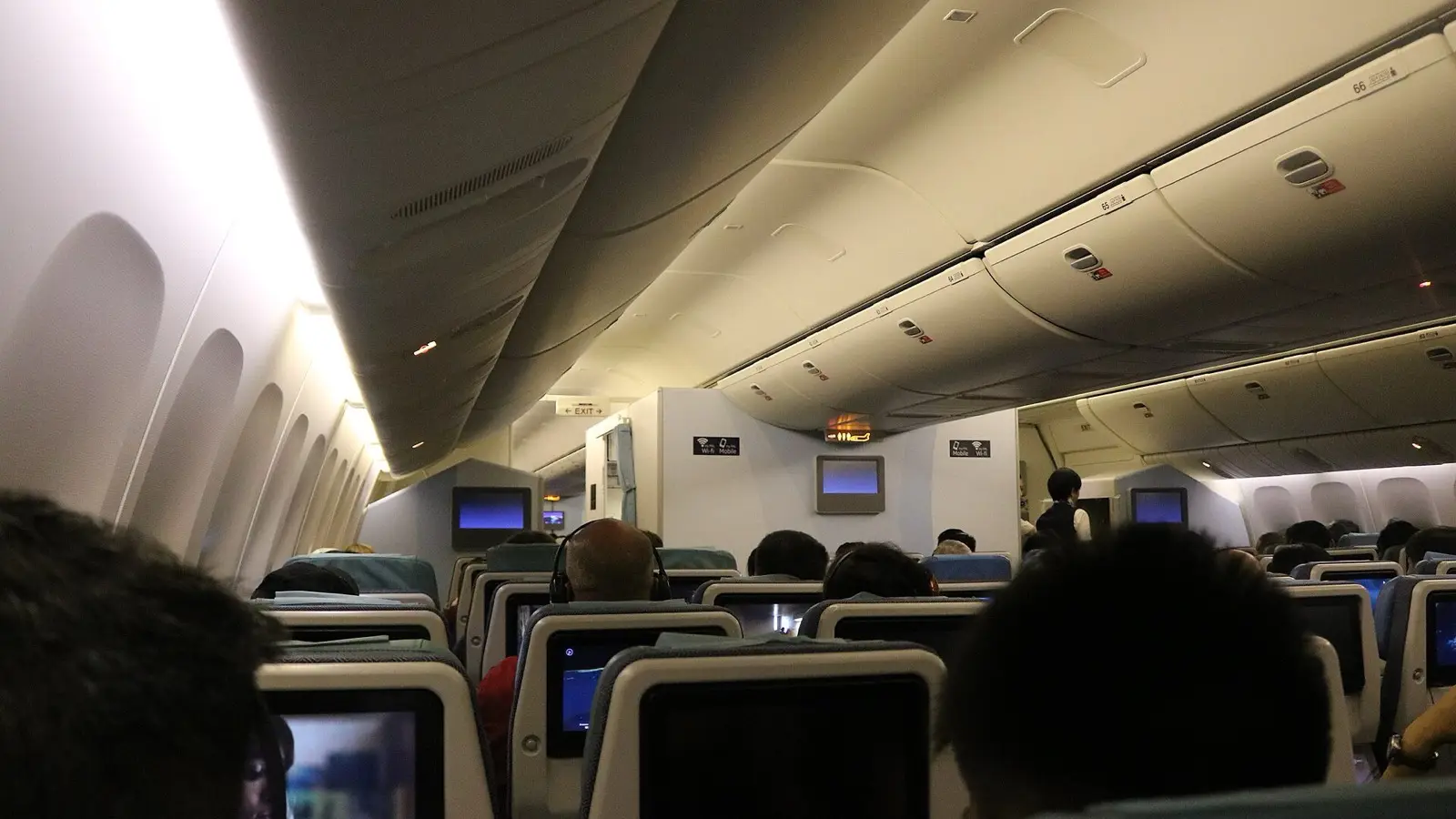
5 Secrets to Snagging Prime Airline Seats: The Exit Row Paradox, Tail-Section Twins, and Check-in Golden Hours
On long-haul flights spanning ten hours across continents, your seat allocation dictates whether you arrive invigorated or physically broken. Within standard 31-inch economy cabins, subtle variations create vast differences in comfort. From the unvarnished realities of exit rows and bulkhead bassinet positions to sidestepping misaligned 'windowless window seats', claiming quiet two-seat pairs along tapering tail fuselages, and timing the precise 24-hour pre-flight check-in window when premium rows open free of charge, here is your definitive field guide to mastering aircraft seat selection.
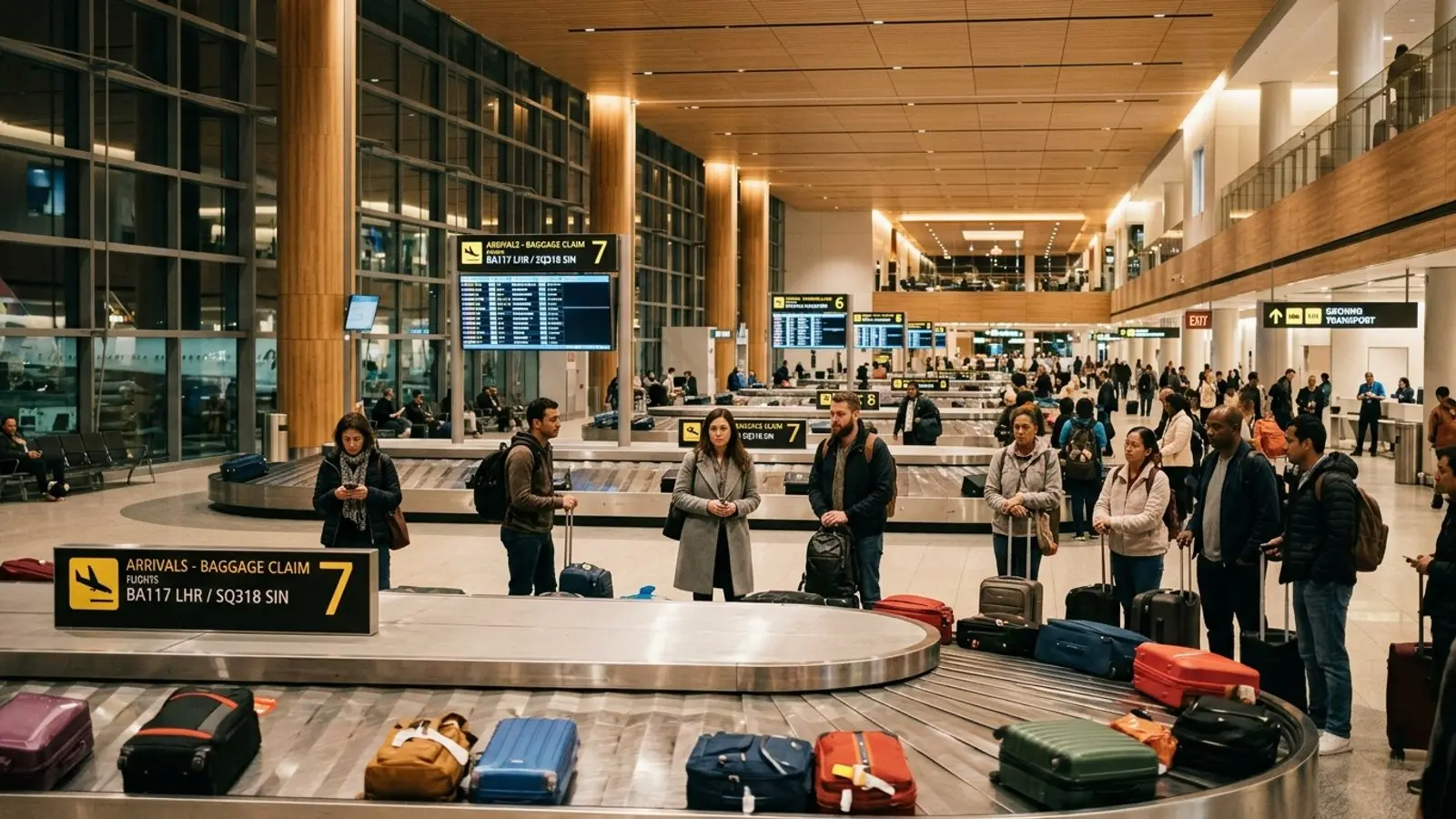
The Definitive Airline Baggage Claim Playbook: Montreal Convention SDR Caps, On-Site PIR Filing, and Insurance Stacking
Watching the final suitcase circle the baggage carousel while yours fails to materialize, or seeing your hardshell case emerge with sheared wheels and split seams, is every international traveler's acute nightmare. Stepping past the customs exit doors without official paperwork permanently forfeits your statutory leverage. From securing the critical Property Irregularity Report (PIR) before leaving the baggage reclaim area to invoking the Montreal Convention liability cap of roughly 1,700 dollars (1,288 SDR), claiming emergency clothes and toiletries on the carrier's dime, and legally stacking airline payouts against private travel insurance policies, here is your definitive field guide to getting fully reimbursed.
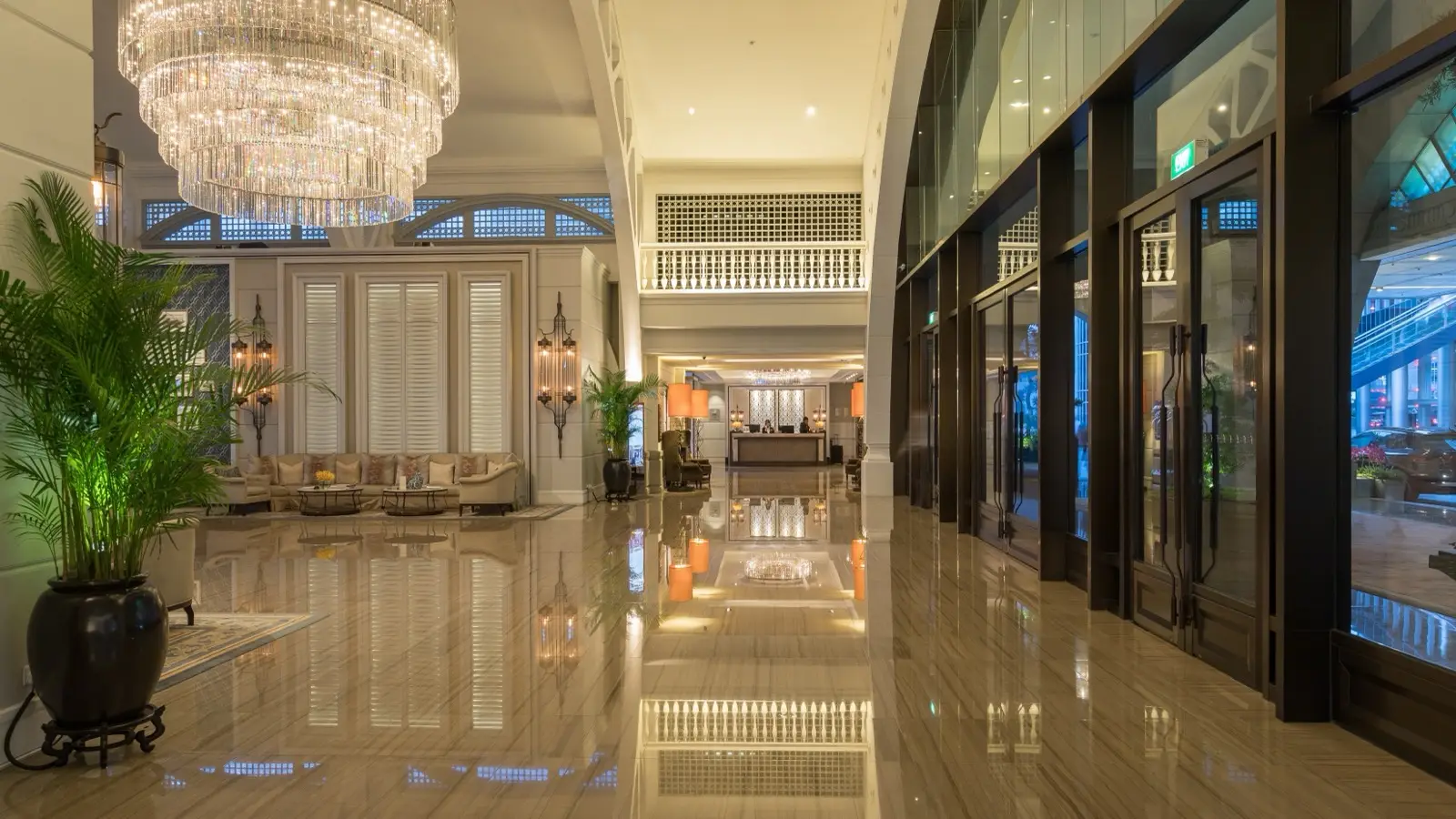
The Hotel Best Rate Guarantee (BRG) Playbook: Finding Cheaper OTAs and Claiming 25% Off
Many travelers assume online travel agencies (OTAs) like Agoda or Trip.com are always cheaper than booking direct, while others blindly believe official hotel websites guarantee the absolute lowest rate. To avoid paying steep 15 to 25 percent middleman commissions, global hotel giants operate Best Rate Guarantee (BRG) programs: if you find a lower public rate elsewhere, they will match it and slash an additional 20 to 25 percent off or award thousands of loyalty points. From unpacking the exact rules of Marriott Bonvoy, Hilton Honors, World of Hyatt, and IHG One Rewards to matching room tiers, cancellation deadlines, and currency conversion traps, here is your definitive field guide to locking in luxury rooms at unheard-of discounts.
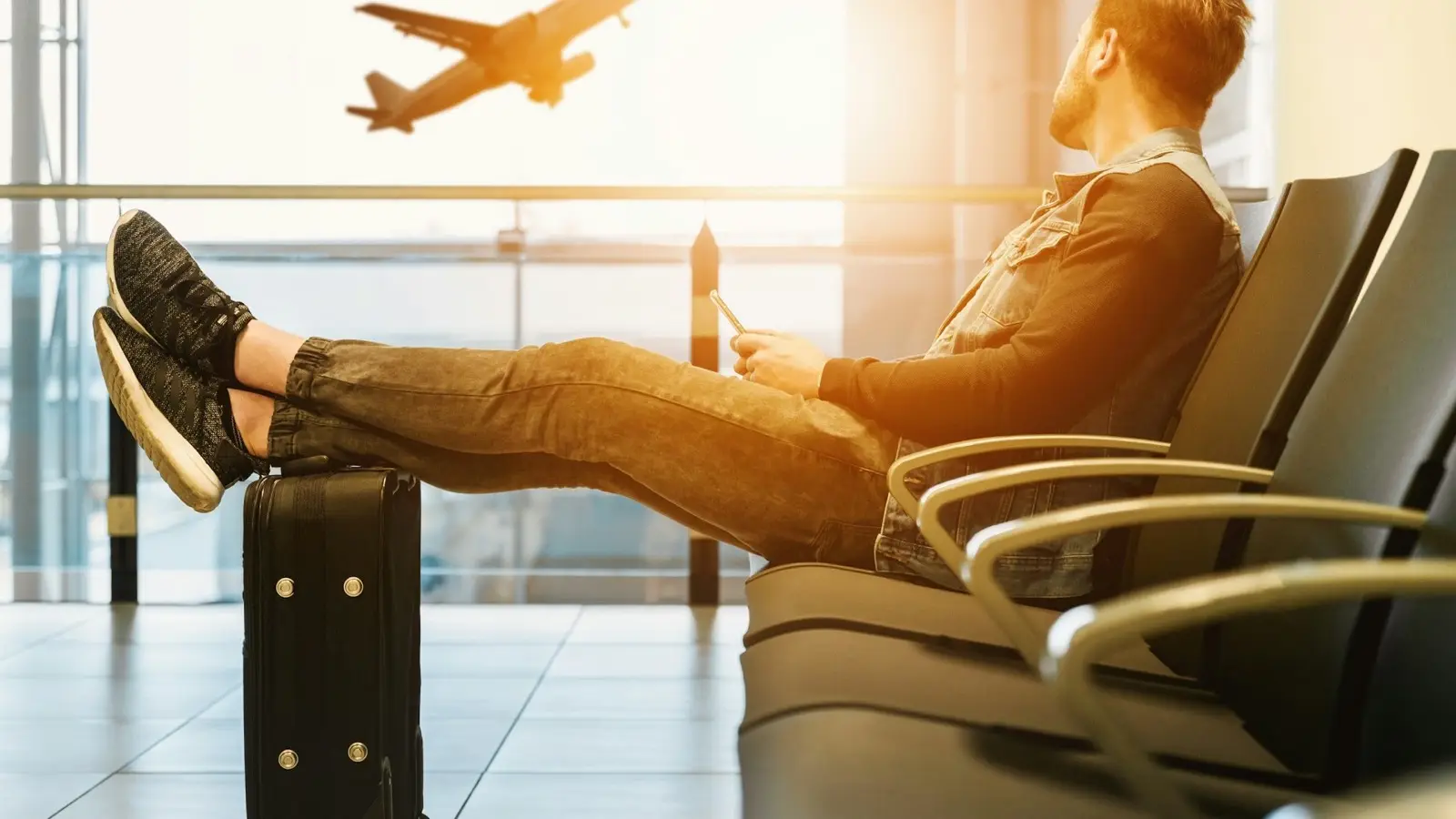
The Budget Airline 7kg Carry-On Survival Guide: Dodging Gate Fees and Airport Scale Discrepancies
Scoring an ultra-cheap budget airline flight ticket feels like a major victory until you reach the boarding gate and watch the scale read 7.4kg, triggering a ruthless 50 to 80 dollar gate baggage penalty on the spot. Low-cost carriers including Jeju Air, Peach Aviation, AirAsia, and Scoot generate massive ancillary revenue by rigorously policing the 7kg to 10kg carry-on allowance across two personal pieces. From understanding mechanical scale calibration differences across airport zones to leveraging wearable cargo tricks, tech pouch distribution, and duty-free exemption rules, this comprehensive playbook ensures your cabin bag glides through check-in and gate scrutiny without paying an extra dime.
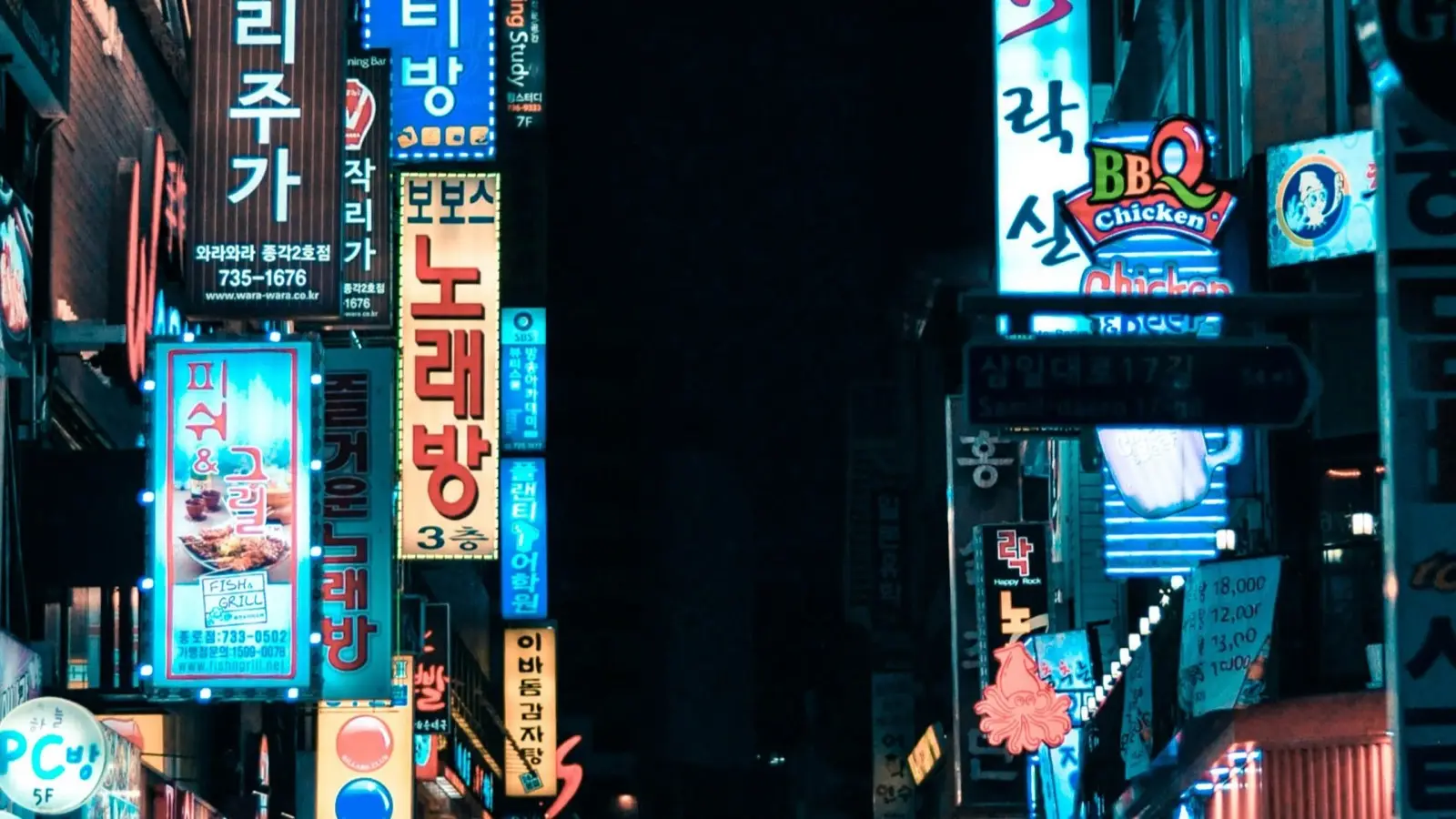
Seoul's Euljiro Alleyways: Industrial Print Shops, Vintage Tearooms, and Hidden Hipjiro Wine Bars
Nestled between central Seoul's Jongno and Toegyero avenues, Euljiro is an urban paradox where day and night belong to completely different eras. At high noon, its labyrinthine alleys hum with roaring printing presses, metal-cutting lathes, and darting delivery scooters. Yet as dusk settles over its weathered concrete, narrow unlit stairwells illuminate with warm tungsten glow, unlocking the magnetic retro world known locally as Hipjiro. From historic 1970s dabang tearooms serving egg-yolk herbal tea to speakeasy natural wine bars tucked behind nondescript iron doors, here is your insider's guide to navigating Euljiro's legendary blend of working-class heritage and cutting-edge culture.
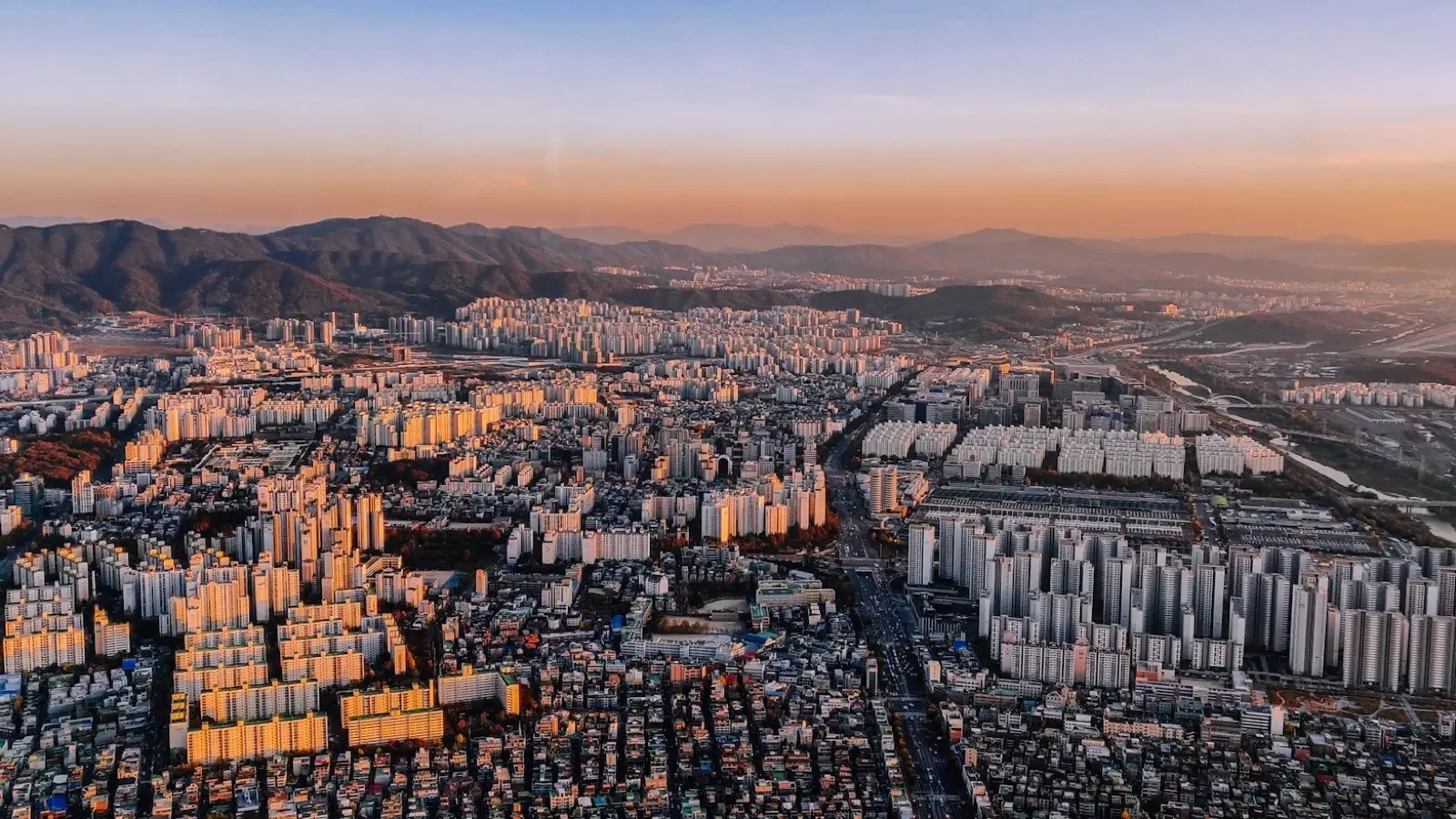
Seoul Neighborhoods Guide: Hongdae, Myeongdong, Seongsu, and Bukchon Area Breakdown
Covering 605 square kilometers, Seoul is a dynamic global metropolis where six-hundred-year-old royal palaces seamlessly coexist with cutting-edge streetwear pop-ups and neon-lit skyscrapers. First-time visitors often default to Myeongdong or Dongdaemun, but choosing where to sleep fundamentally transforms your daily transit efficiency and evening lifestyle. From Hongdae and Yeonnam-dong with their direct Airport Railroad link and indie art vitality to Myeongdong and Euljiro's central shopping convenience, Seongsu-dong's post-industrial creative enclaves, Gangnam's sleek luxury towers, and Bukchon's serene hanok alleys, this exhaustive field guide dissects Seoul's five primary neighborhood clusters to help you book your perfect base.