
The Definitive Airline Baggage Claim Playbook: Montreal Convention SDR Caps, On-Site PIR Filing, and Insurance Stacking
From airport carousel damage reports to claiming essential clothing purchases and maxing out statutory liability
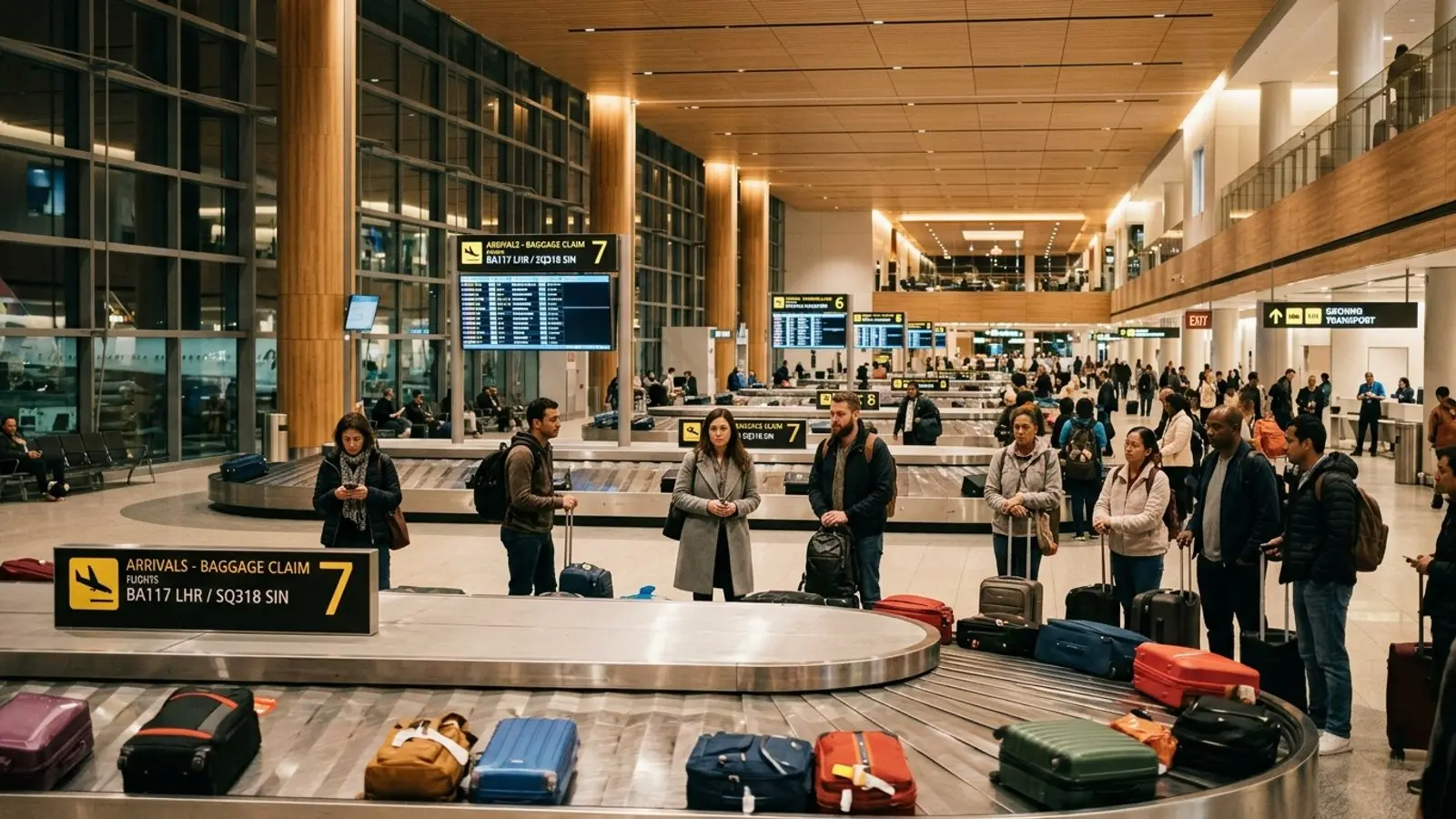
Terminal Reclaim Nightmares: 3 Golden-Hour Actions the Moment Bags Arrive Damaged
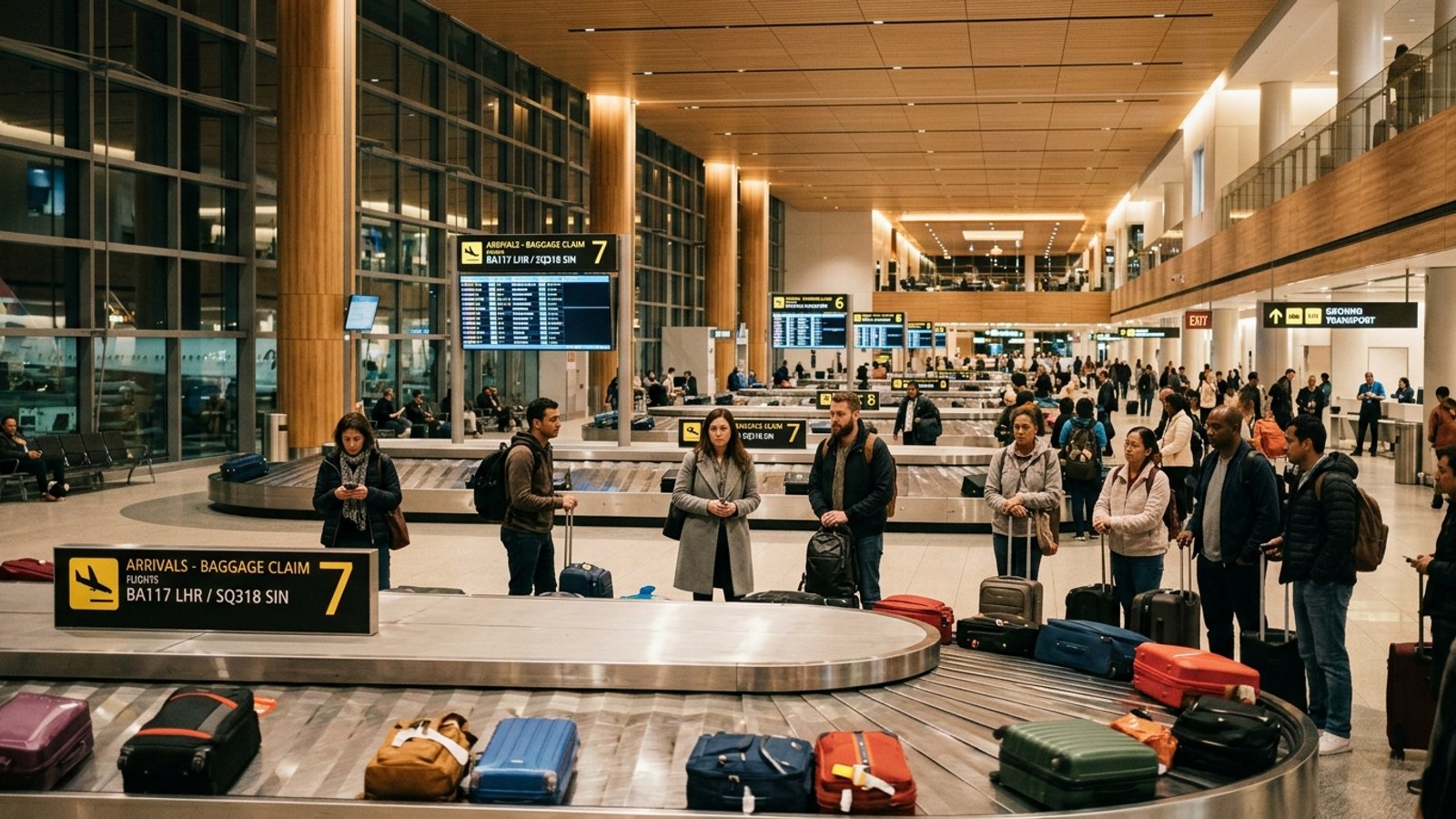
Watching your checked suitcase tumble onto the luggage carousel with shattered wheels or cracked corners, or waiting until the conveyor halts without seeing your bag, requires immediate decisive action on the terminal floor. Locating the airline's ground handling service desk situated directly within the baggage reclaim hall dictates whether you recover damages.
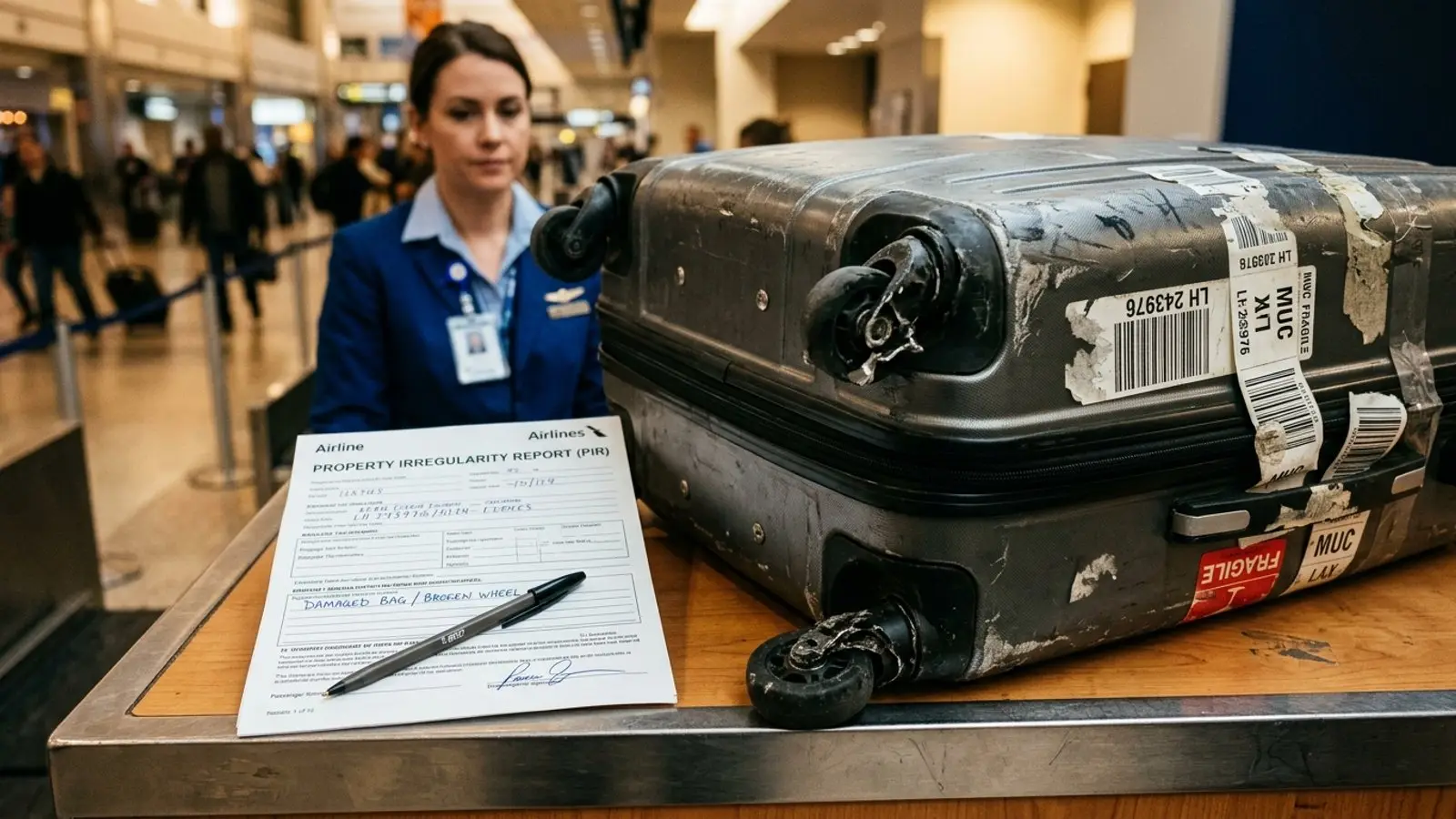
Your immediate first move is capturing crisp, high-resolution photographic evidence in situ. Photograph the cracks, dents, and sheared wheels while the bag rests upon the rubber carousel slats or adjacent inspection desk, ensuring the barcode baggage tag and transit sticker remain clearly legible within the frame.
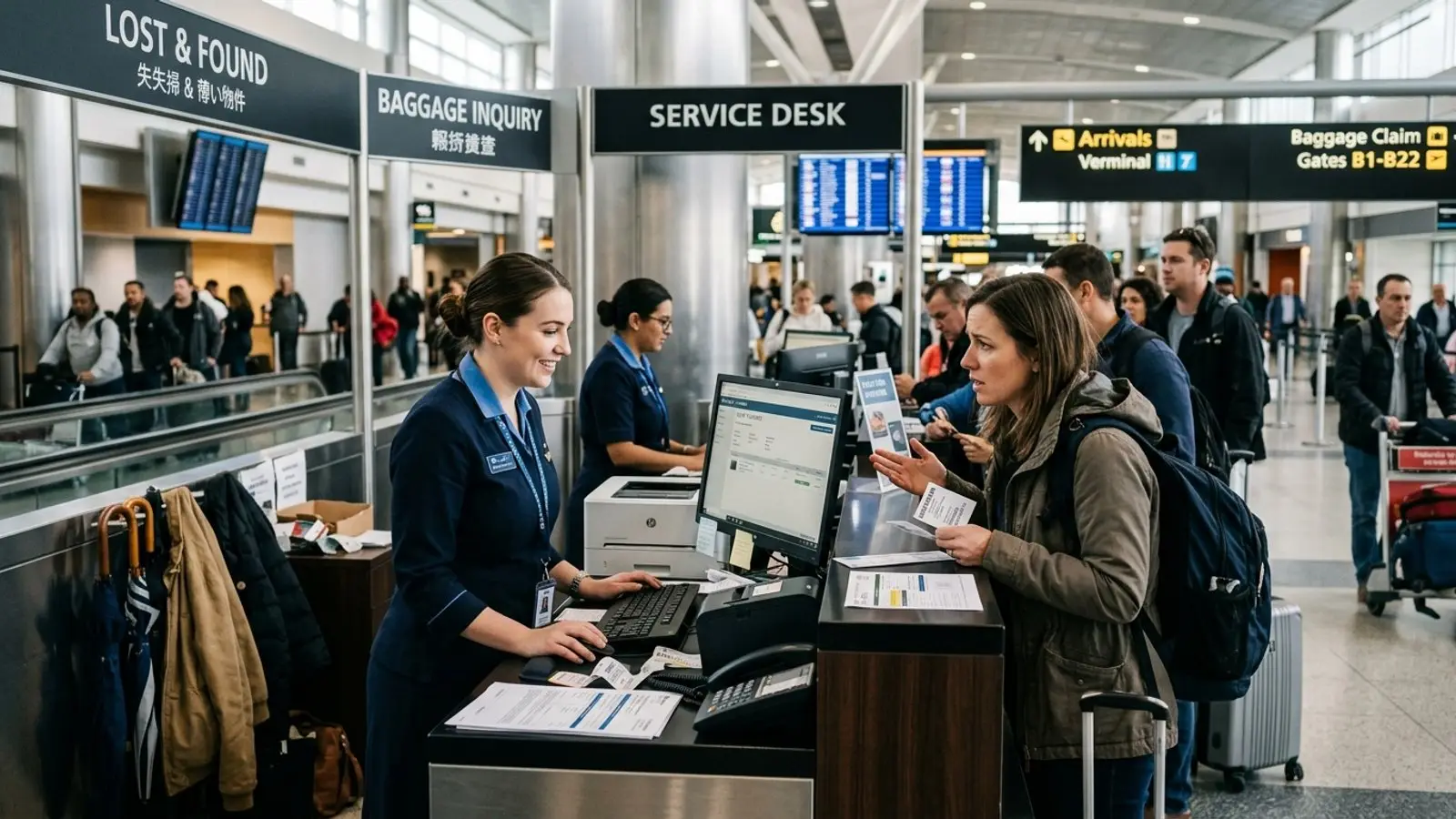
Your second imperative is demanding a Property Irregularity Report, universally known across aviation as a PIR. This official document records your file reference (such as ICNKE12345), passenger name, flight number, damage description, and agent signature. It constitutes the indispensable legal backbone for all subsequent repair authorizations and monetary payouts.
Third, request the agent's direct desk email and full name handwritten on your PIR duplicate. Generic airline switchboards consume hours on hold, whereas having the verified contact details of the ground representative who handled your initial claim accelerates resolution by weeks upon your return home.
The Montreal Convention and 1,288 SDR: Unmasking Statutory Airline Liability
Airlines routinely draft terms claiming exemptions for cosmetic scratches, protruding wheels, handles, or delicate zippers to minimize payouts. However, the Montreal Convention, ratified by virtually all major aviation nations including the United States, South Korea, Japan, and the European Union, legally supersedes carrier boilerplate disclaimers.
Under the terms of the Montreal Convention, an airline carries strict statutory liability for checked baggage destruction, damage, loss, or delay up to 1,288 Special Drawing Rights (SDR) per passenger. Converted to real currency, this equals roughly 1,700 US dollars or 2.3 million Korean won, dwarfing the arbitrary internal caps representatives quote.
Consequently, when a desk agent attempts to brush off a fractured wheel as wear and tear, remain calm, invoke your rights under the Montreal Convention, and insist upon logging the damage onto an official PIR. The moment ground staff recognize you understand binding international treaty law, resistance gives way to compliant assistance.
Note that personal electronics, paper cash, and high-value jewelry remain vulnerable to statutory negligence clauses if checked. Costly equipment like laptops, prime camera lenses, and watches should never enter aircraft cargo holds; keep them secured inside your carry-on cabin baggage without exception.
Claiming Delayed Baggage Expenses: How to Invoice Emergency Clothes and Essentials
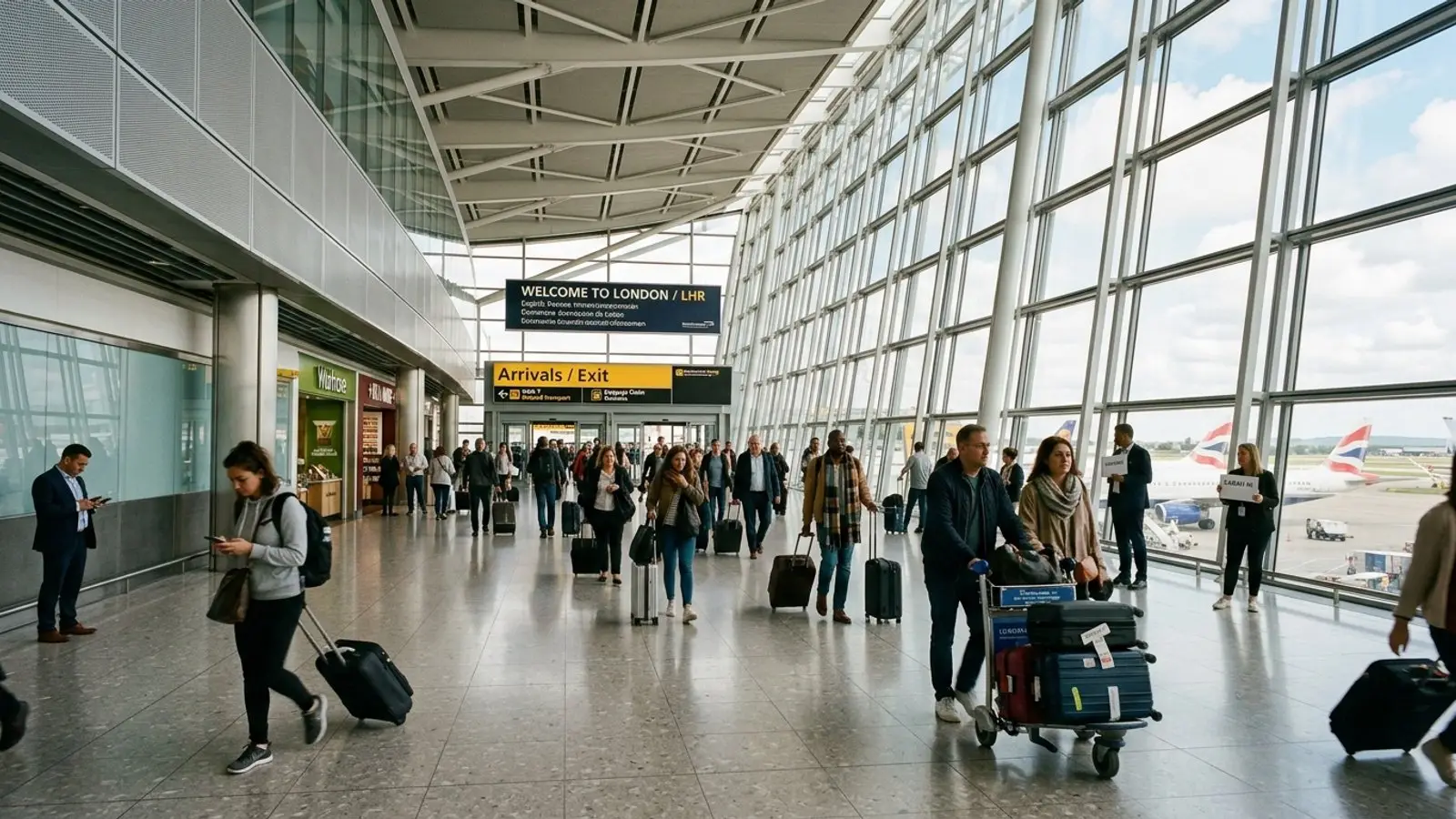
When tight airport transfers leave your luggage stranded in an overseas hub, you arrive at your destination hotel without a toothbrush or clean attire. Surprisingly few passengers realize that carriers are legally obligated to reimburse reasonable emergency out-of-pocket expenses incurred while awaiting reunited baggage.
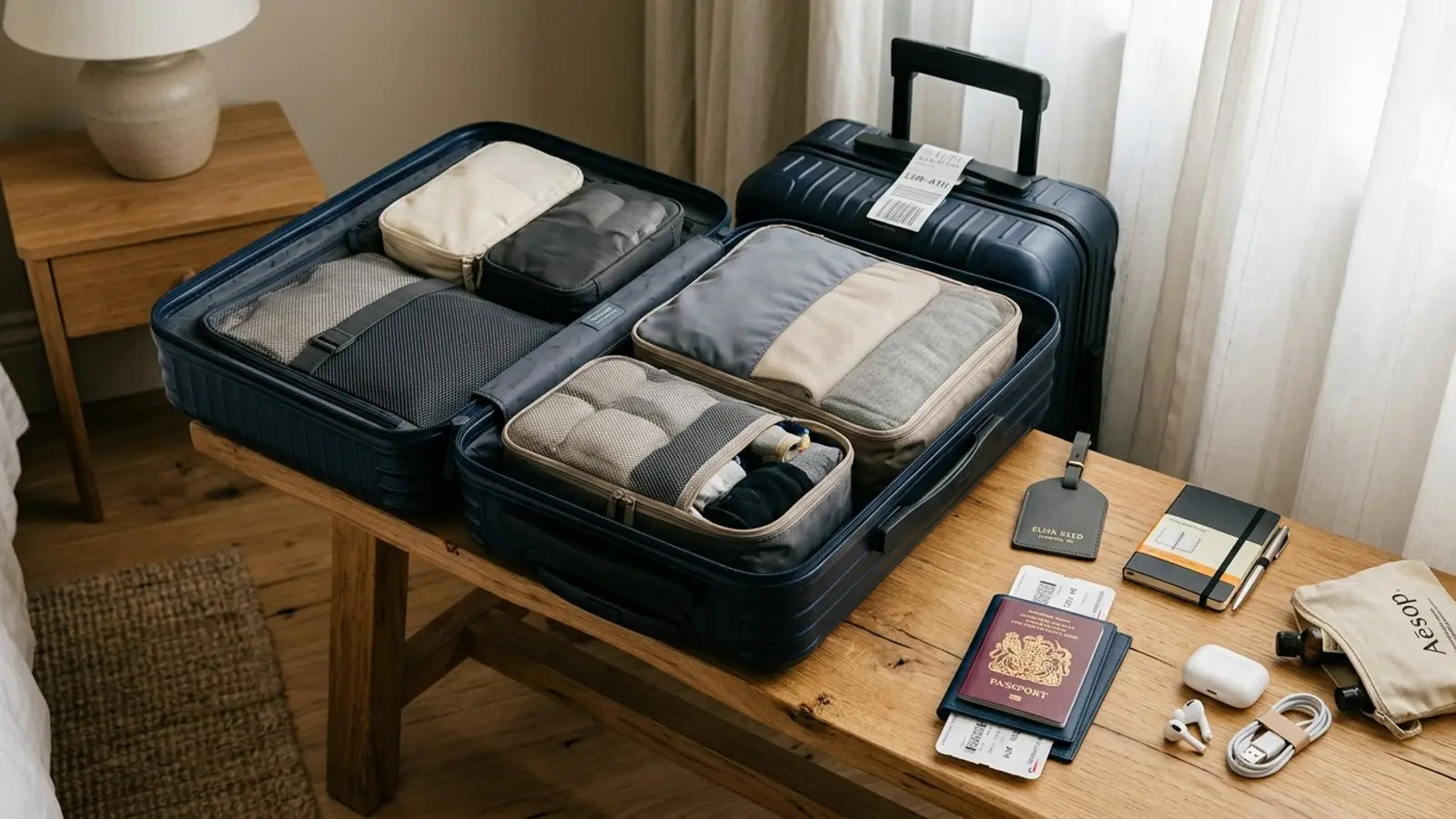
During the delay window, passengers possess the established right to purchase necessities required to maintain dignity and comfort, including basic underwear, socks, weather-appropriate shirts, essential toiletries, skincare basics, and smartphone charging cables. Submitting itemized receipts yields prompt direct reimbursement of 100 to 200 dollars per traveler.
Keep purchases within reasonable boundaries by patronizing accessible high-street stores such as Uniqlo, Zara, H&M, or local pharmacies. Submitting receipts for designer apparel or high-end perfumes invites immediate partial rejection, as claims adjusters disallow items exceeding basic subsistence standards.
Photograph every physical receipt immediately upon leaving store cash registers and archive digital copies in cloud folders alongside paper originals. Reimbursement adjudicators rigorously cross-reference receipt timestamps against the carrier's final delivery docket to confirm all items were purchased prior to bag handover.
On-Site Replacements vs. Cash Repair Settlements: Calculating Real Traveler Value
When a suitcase suffers structural fractures preventing continued transit, airlines typically offer two choices: an immediate on-site exchange for a brand-new generic suitcase from their airport locker, or deferred manufacturer repair and residual cash compensation upon returning home.
If your luggage bursts on Day 1 of an overseas holiday and lacks structural integrity to reach your hotel, accepting the carrier's immediate replacement suitcase represents the most pragmatic option. While not a bespoke designer piece, receiving a sturdy new 28-inch polycarbonate case within fifteen minutes preserves your itinerary.
Conversely, if damage is detected upon your return flight home or involves premium luggage like Rimowa or Tumi, rejecting instant generic replacements and opting for formal repair evaluation yields significantly higher payouts. When an authorized repair center issues an irreparable destruction letter, the carrier must settle in cash.
Airlines calculate depreciation schedules around ten percent per year based on original purchase receipts. Preserving electronic invoices for premium luggage within your email archives guarantees you recoup maximum replacement value rather than discounted default settlements.
Airline Settlements Plus Private Travel Insurance: The Art of Legitimate Dual Claims
Prudent travelers frequently hold standalone travel insurance policies alongside complimentary flight delay coverage bundled into premium credit cards. Understanding how private insurance policies interact with statutory carrier compensation allows you to legally recover every dollar of luggage damage.
Under standard indemnity principles, private insurance bridges the gap between airline settlements and total loss. If an airline deducts depreciation and pays 150 dollars for a suitcase originally valued at 400 dollars, you can file the remaining 250-dollar shortfall with your private insurer to achieve complete reimbursement.
Furthermore, many premium travel insurance policies feature fixed baggage delay clauses that pay lump-sum stipends after four to six hours of separation, irrespective of whatever toiletries the airline reimburses. Validating these claims requires submitting your PIR copy, airline baggage tag receipts, and original boarding passes.
Never neglect the complimentary travel protection tied to your credit card. If you paid the airfare with an eligible card, a single phone call initiates corporate claim processing. Filing digital copies of your PIR across both your airline and insurance carriers ensures your travel budget remains entirely unscathed.
Frequently Asked Questions
Field-tested answers to transit navigation, neighborhood choices, and payment traps.
Q1.What is the very first step when discovering damaged or missing luggage at the airport?
Q2.What is the statutory liability limit for baggage under the Montreal Convention?
Q3.Are emergency clothes and toiletry purchases fully refunded during baggage delays?
Q4.Can I claim compensation from both the airline and private travel insurance?
The Smart Traveler's Essential Toolkit
Prepare instant mobile data, private airport transfers, and skip-the-line passes in one place.
Pick a base in Seoul by your route
Choose the places you want to see and get the neighbourhood with the shortest travel.
Compare Seoul Hotel Rates
Find the cheapest channel across Agoda and major booking engines with Tripdify.
Share This Guide with Your Companions
When shared via chat or social media, a curated summary card is sent along.
Recommended Guides

Seoul Itinerary: Bukchon, Seongsu and the Han River in Two Nights
From the 43-minute AREX express from Incheon Airport to tranquil Hanok courtyard stays, industrial red brick roasteries in Seongsu, and Banpo Han River instant ramen picnics.

Hanok Stays in Seoul: How to Book in Bukchon and What to See in Seongsu
Amid the relentless futuristic pace of contemporary Seoul, stepping through the wooden gate of a century-old hanok courtyard offers an astonishing immersion in quietude. From booking private heritage residences in Bukchon and Seochon to navigating Seongsu craft coffee roasteries, this field guide audits real costs, noise curfews, and transit hacks.

Seoul Day 1 Itinerary: Incheon Airport to the City, Bukchon and Gwangjang Market
The definitive first 24-hour Seoul playbook: mastering the 43-minute AREX airport express, navigating Bukchon quiet hours, savoring sizzling Gwangjang mung bean pancakes, and ending with a serene midnight stroll along Cheonggyecheon stream.

Seoul Day 2 Itinerary: Gyeongbokgung Guard Ceremony, Seongsu Cafes and N Seoul Tower
An extraordinary second day across Seoul: witnessing the solemn Changing of the Royal Guard at Gyeongbokgung, bartering antique brass coins for lunch in Seochon, discovering Seongsu's industrial-chic design universe, and capping the twilight with riverside instant ramen and glittering N Seoul Tower views.
Seoul Day 3 Itinerary: Yeonnam-dong, The Hyundai Seoul and City Airport Check-In
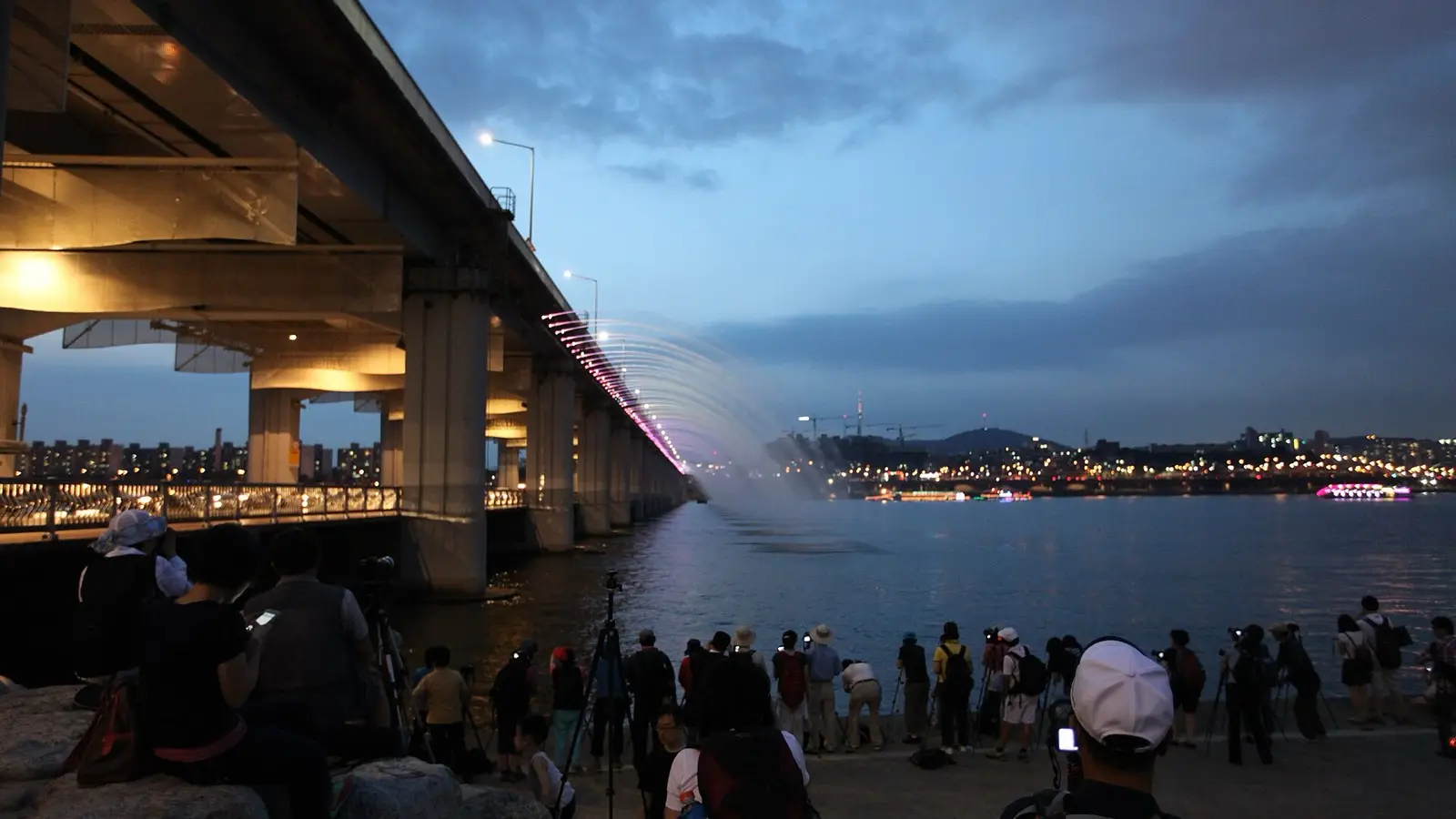
The ultimate finale in Seoul: a morning stroll down the lush Gyeongui Line Forest Trail, browsing trendsetting designer boutiques in Hongdae, experiencing the architectural wonder of The Hyundai Seoul, and utilizing Seoul Station's in-town check-in to glide through Incheon Airport departure queues hands-free.
How to Book Flights Cheaply: Split Ticketing and Why Fares Move
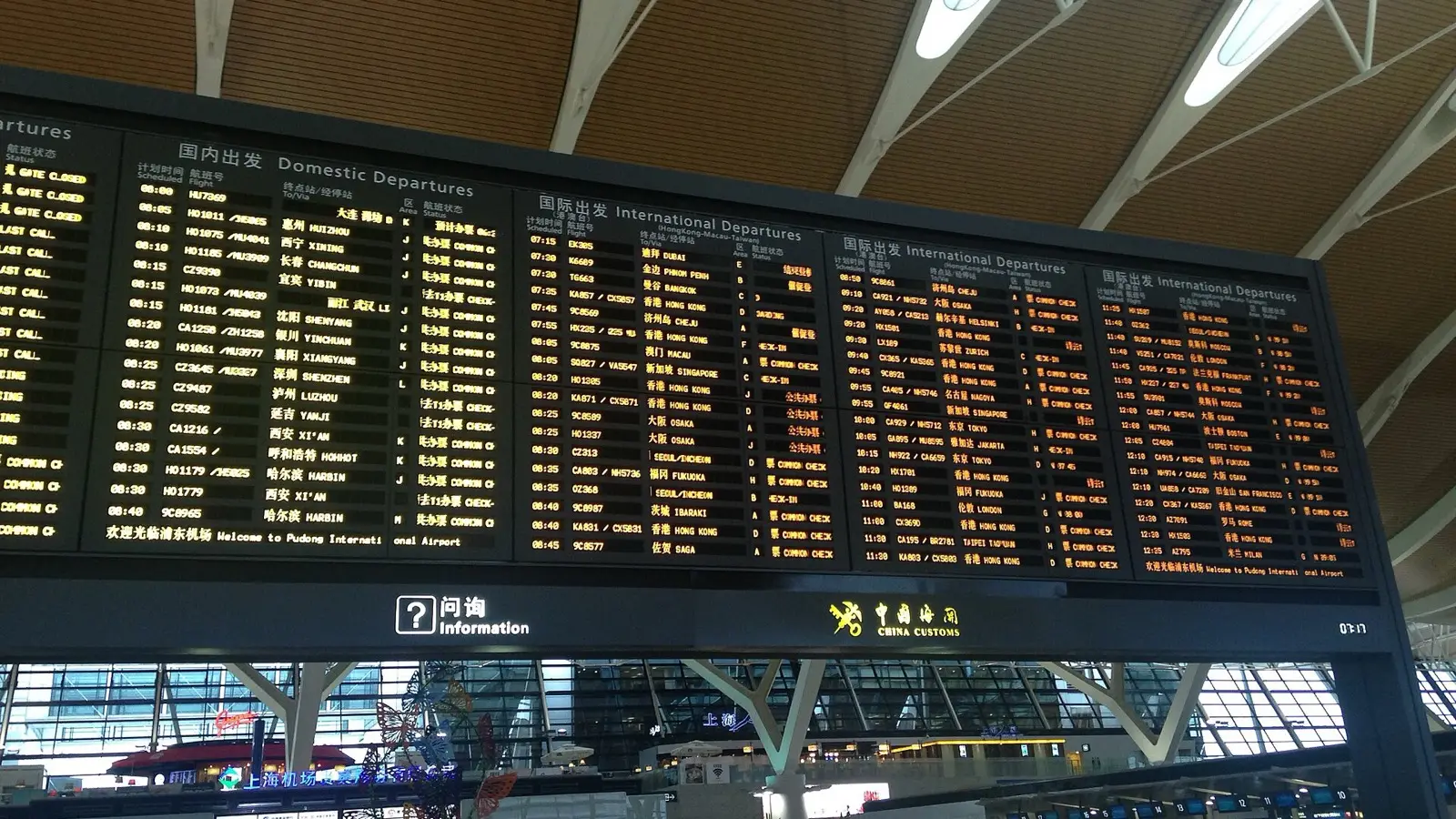
An investigative deep dive into airline revenue management algorithms, exposing why incognito mode fails while multi-city open-jaw routing and baggage decoupling slash flight costs by over 30%.
5 Secrets to Snagging Prime Airline Seats: The Exit Row Paradox, Tail-Section Twins, and Check-in Golden Hours
On long-haul flights spanning ten hours across continents, your seat allocation dictates whether you arrive invigorated or physically broken. Within standard 31-inch economy cabins, subtle variations create vast differences in comfort. From the unvarnished realities of exit rows and bulkhead bassinet positions to sidestepping misaligned 'windowless window seats', claiming quiet two-seat pairs along tapering tail fuselages, and timing the precise 24-hour pre-flight check-in window when premium rows open free of charge, here is your definitive field guide to mastering aircraft seat selection.
The Hotel Best Rate Guarantee (BRG) Playbook: Finding Cheaper OTAs and Claiming 25% Off
Many travelers assume online travel agencies (OTAs) like Agoda or Trip.com are always cheaper than booking direct, while others blindly believe official hotel websites guarantee the absolute lowest rate. To avoid paying steep 15 to 25 percent middleman commissions, global hotel giants operate Best Rate Guarantee (BRG) programs: if you find a lower public rate elsewhere, they will match it and slash an additional 20 to 25 percent off or award thousands of loyalty points. From unpacking the exact rules of Marriott Bonvoy, Hilton Honors, World of Hyatt, and IHG One Rewards to matching room tiers, cancellation deadlines, and currency conversion traps, here is your definitive field guide to locking in luxury rooms at unheard-of discounts.

Where to Stay in Tokyo: Shinjuku vs Shibuya vs Ginza
Comparing room footprints across Shinjuku, Ginza, and Ueno, locking in sudden 14-day cancellation drops, and eliminating DCC fees with clean Yen checkout.

7 Budget Hotels in Tokyo Under $100 on the Yamanote Line
Even amid yen fluctuations, central Tokyo hotel rates have soared. Learn how to secure Yamanote loop line hotels at half the price of Shinjuku, compare onsen bath chains like Dormy Inn, trigger secret Agoda VIP and Booking.com Genius discounts, and dodge hidden currency fees with yen settlement.

How to Read the Tokyo Subway Map and Where to Stay on the Yamanote Line
How to choose between Keisei Skyliner and Narita Express, avoid the Tokyo Subway Ticket trap, use Apple Wallet Suica, and select the ideal hotel base in Tokyo.
Tokyo Day 1 Itinerary: Narita Airport to the City and Your First 24 Hours
From stepping off at Narita Airport to mastering high-speed trains, navigating Tokyo's sprawling transit hubs, ordering counter ramen effortlessly, and catching sunset from Roppongi Hills. A definitive guide for your first 24 hours in Tokyo.