
5 Secrets to Snagging Prime Airline Seats: The Exit Row Paradox, Tail-Section Twins, and Check-in Golden Hours
How to avoid windowless window seats and exploit wide-body fuselage taper rows without paying extra
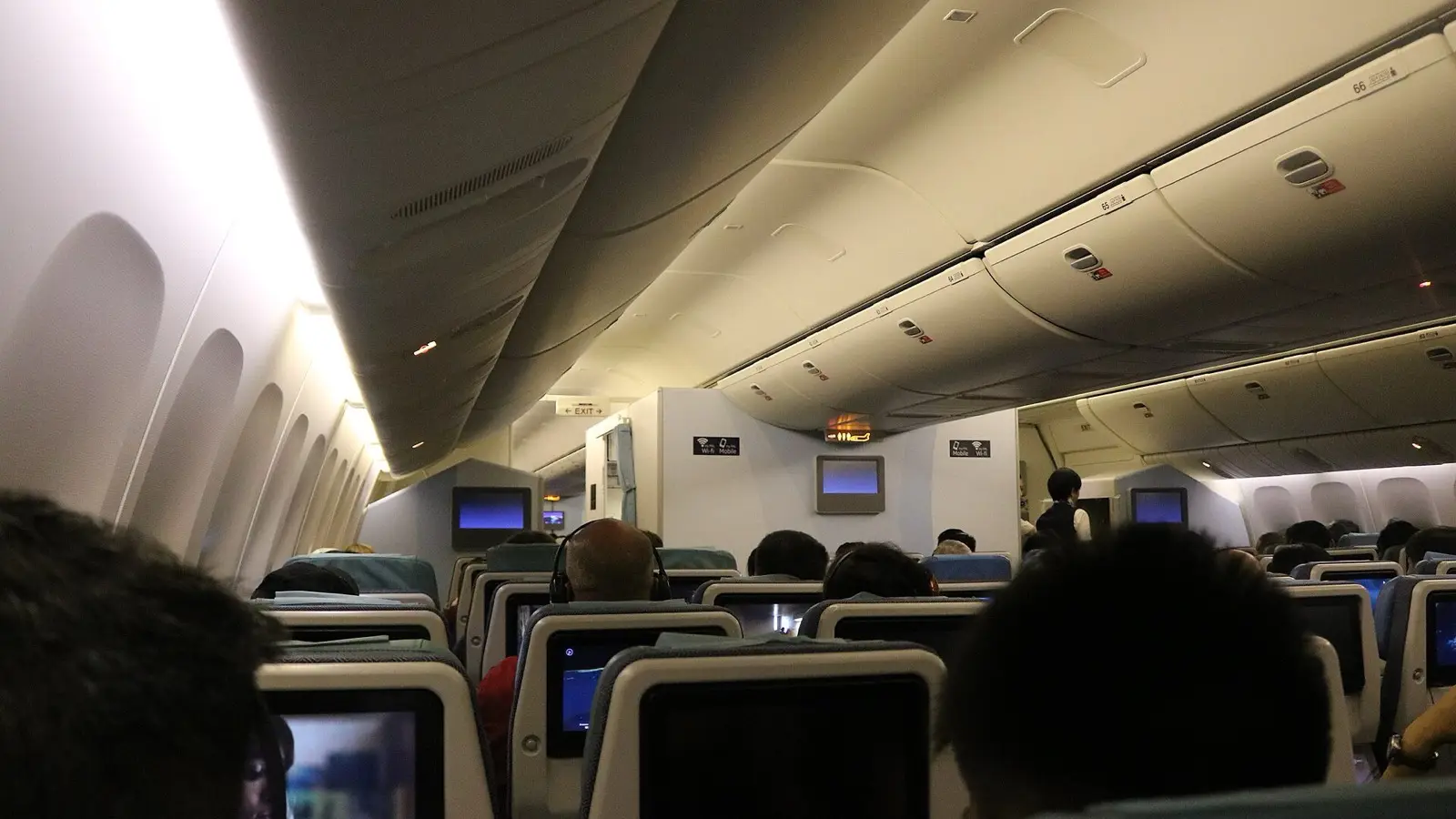
The Geometry of 31-Inch Cabins: Decoding Pitch, Aisle Flow, and Noise Contours
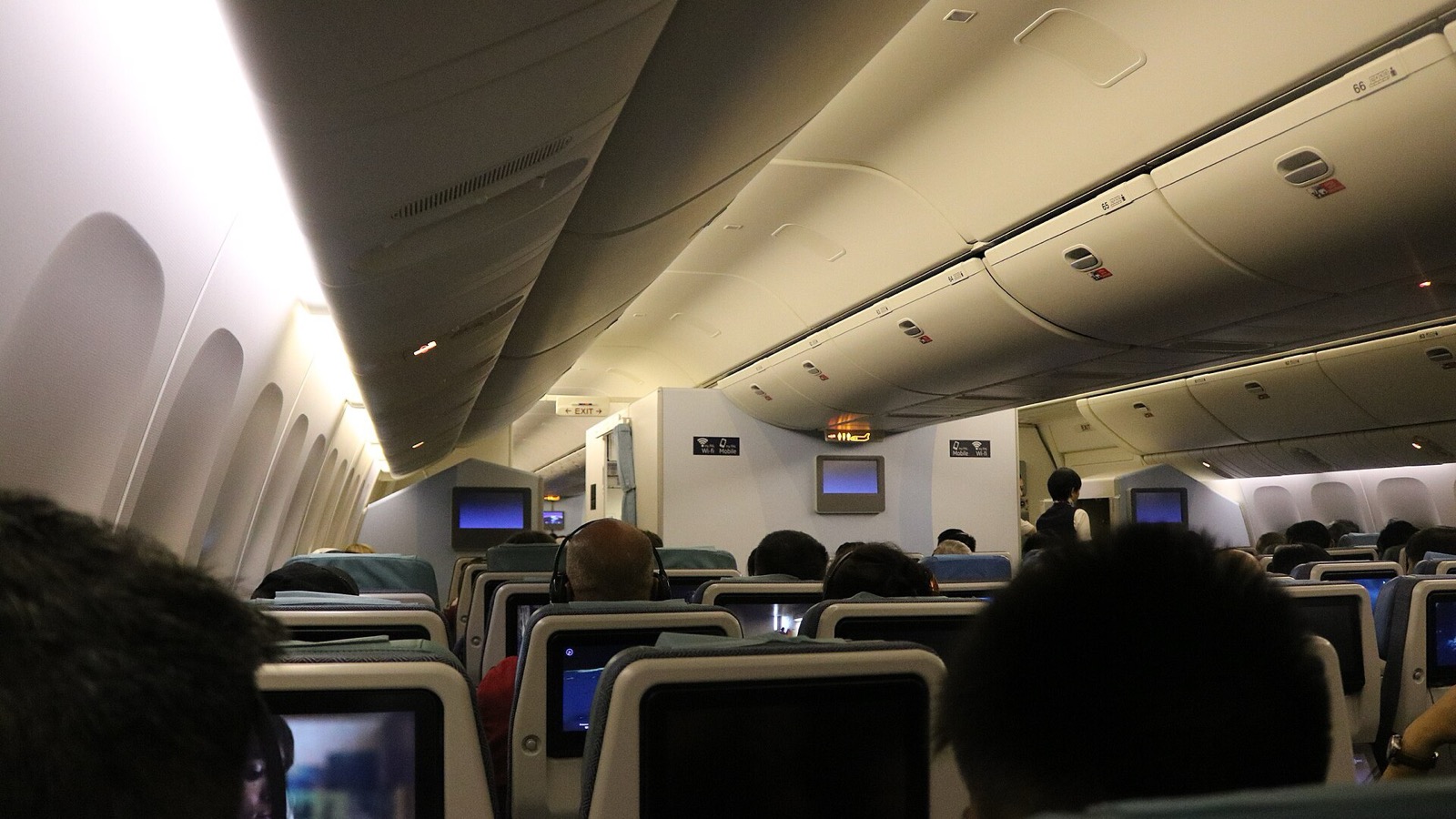
Standard long-haul economy cabins aboard full-service network carriers are engineered around a nominal seat pitch of 31 to 32 inches (roughly 78 to 81 centimeters). For a traveler of average height, this leaves barely a clenched fist between kneecaps and seatback magazine pockets: a restrictive posture across an eleven-hour ocean crossing.
However, cabin topography produces vast experiential divides within the same ticket class. Seats positioned directly adjacent to wing-mounted jet engines endure continuous low-frequency hums exceeding 85 decibels. Meanwhile, rows immediately buffering lavatories subject passengers to flickering door lights, flushing hydraulic thumps, and idling restroom queues throughout the night.
Fuselage cross-sections introduce further variables. Boeing 777 aircraft predominantly configure ten-abreast (3-4-3), whereas Airbus A350s and A330s maintain nine-abreast (3-3-3) or eight-abreast (2-4-2) layouts. For traveling couples, booking the twin outboard seats of an A330 or targeting the tapered tail of a 777 guarantees undisturbed privacy without a stranger in your row.
Establishing a routine of inspecting the exact aircraft subtype and cabin configuration immediately upon ticketing is essential. Relying on airport check-in agents to assign whatever remains unallocated invariably banishes you to high-friction middle seats for half a day.
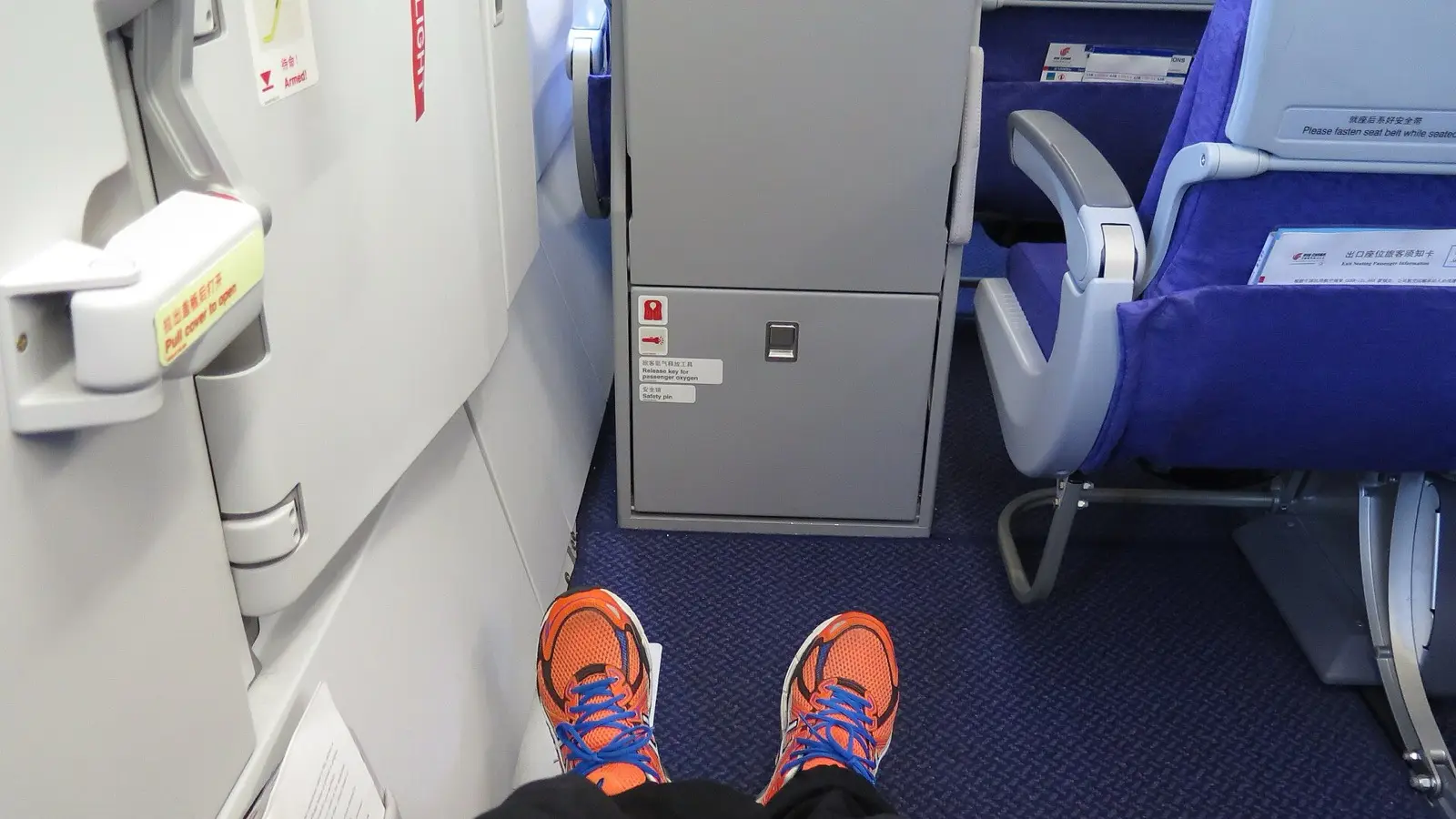
The Exit Row and Bulkhead Paradox: Evaluating Legroom Against Fixed Dividers
The most fiercely contested economy coordinates are exit rows and bulkhead partitions directly behind galley dividers. Presenting boundless forward airspace that allows passengers to extend their legs completely without obstruction, these seats mimic premium economy dimensions.
Yet these prized rows conceal pronounced ergonomic trade-offs. Because bulkhead rows lack a preceding seatback, personal in-flight entertainment screens and dining tray tables stow within the armrests. This replaces cushioned side clearance with rigid metal dividers that narrow usable seat width by approximately one full inch, producing tight hip pinch points for broader travelers.
Furthermore, bulkhead walls incorporate structural clip-in brackets for infant bassinets. The statistical probability of sharing immediate airspace with distressed crying babies is notably elevated, turning an expensive legroom splurge into an exhausting ordeal for light sleepers.
Exit row occupants also encounter strict safety mandates: zero carry-on luggage, laptop sleeves, or handbags may rest on the floor during takeoff and landing. Moreover, outboard exit doors house bulky emergency escape slide canisters that project directly into passenger foot space, forcing occupants to sit with canted legs on certain airframes.

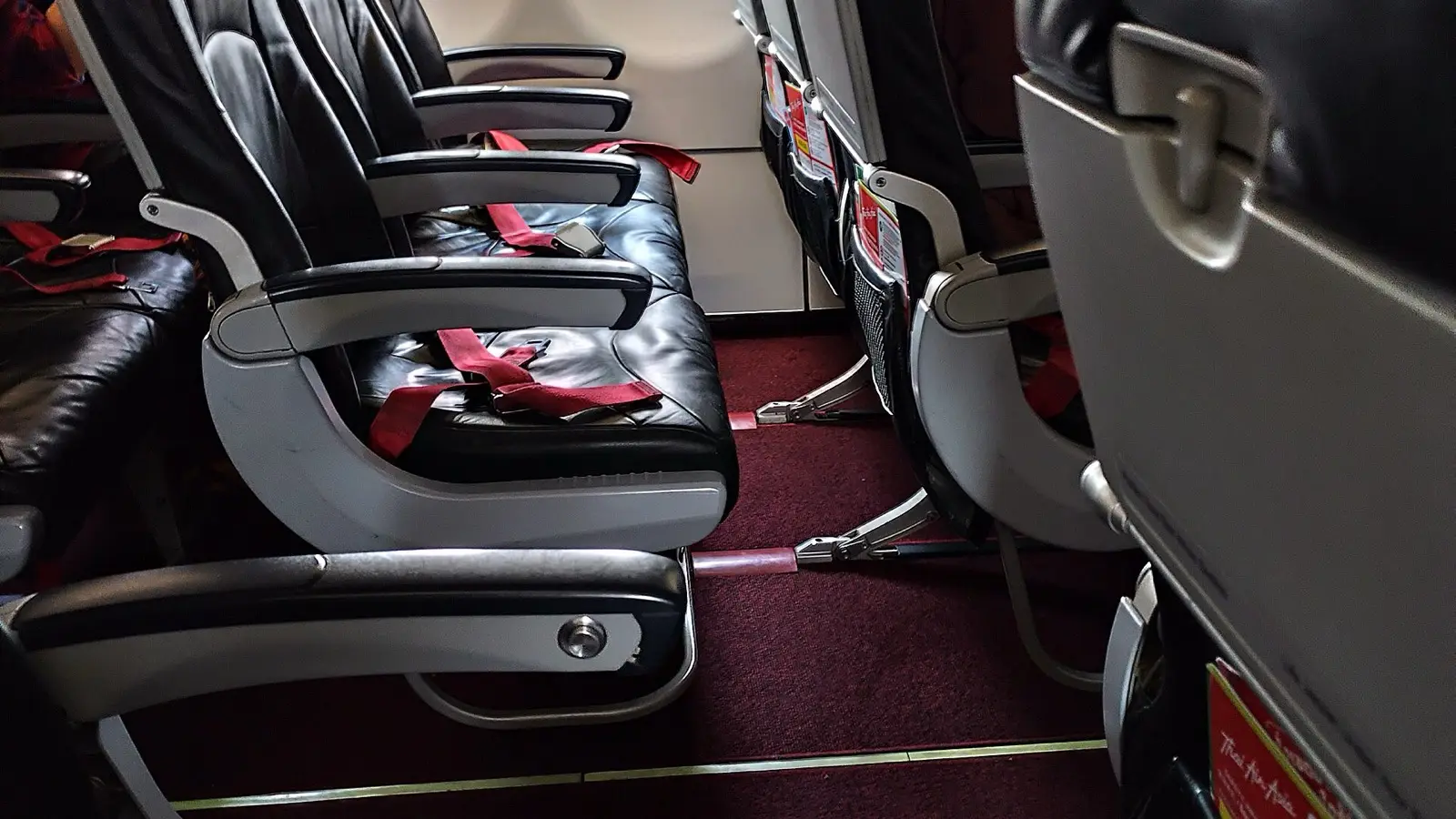
Sidestepping Windowless Rows and Circumventing Wing Obstructions
Holding a boarding pass stamped with seat letters 'A' or 'K' naturally conjures expectations of sunrise vistas and horizon cloudscapes. In reality, unlucky flyers frequently encounter blank plastic sidewalls: the dreaded 'windowless window seat' caused by internal fuselage air ducts and electrical risers interrupting hull symmetry.
Carriers routinely sell these visually blocked coordinates under standard window classifications. Unable to rest an ear against glass or orient your equilibrium to outside daylight, windowless seats trigger claustrophobia. Notorious examples include Row 9A or 11A on various Boeing 737 variants and specific mid-cabin cuts on wide-body jets.
Similarly, flyers seeking dramatic photography frequently find their view entirely eclipsed by massive wings and turbofan nacelles. Capturing landscape vistas requires positioning either five rows forward of the wing leading edge or at least six rows aft of trailing flap edges.
Consulting specialized aircraft cabin mapping platforms like SeatGuru and AeroLOPA eliminates guesswork. Inputting your flight number, carrier code, and departure date provides instant color-coded warnings, flagging misaligned windows and unpadded sidewalls within seconds.
The Tail-Taper Two-Seat Dividend: Embracing Aft Cabin Solitude
General traveler wisdom reflexively avoids the rear cabin, associating aft rows with extended deplaning queues and heightened turbulence sensation. Yet on long-haul wide-body craft like the Boeing 777 or Airbus A350, the final three to four fuselage rows represent the cabin's best-kept secret.
Due to the aerodynamic inward taper of the aircraft empennage, the standard ten-abreast (3-4-3) layout naturally shrinks to two outboard seats against the fuselage windows. Instead of enduring middle-seat confinement alongside strangers, traveling duos secure self-contained twin clusters with direct aisle and window control.
Crucially, because two seats occupy floor space originally measured for three, a generous gap of ten to twelve inches opens between your outer shoulder and the cabin wall. This alcove provides comfortable stowage for winter parkas and duty-free bags, eliminating shoulder collision with the fuselage curvature.
Additionally, when passenger load factors drop, the aft cabin yields the highest frequency of entirely empty middle clusters: enabling resourceful flyers to fold up armrests and construct lie-flat economy beds across three or four unoccupied cushions.
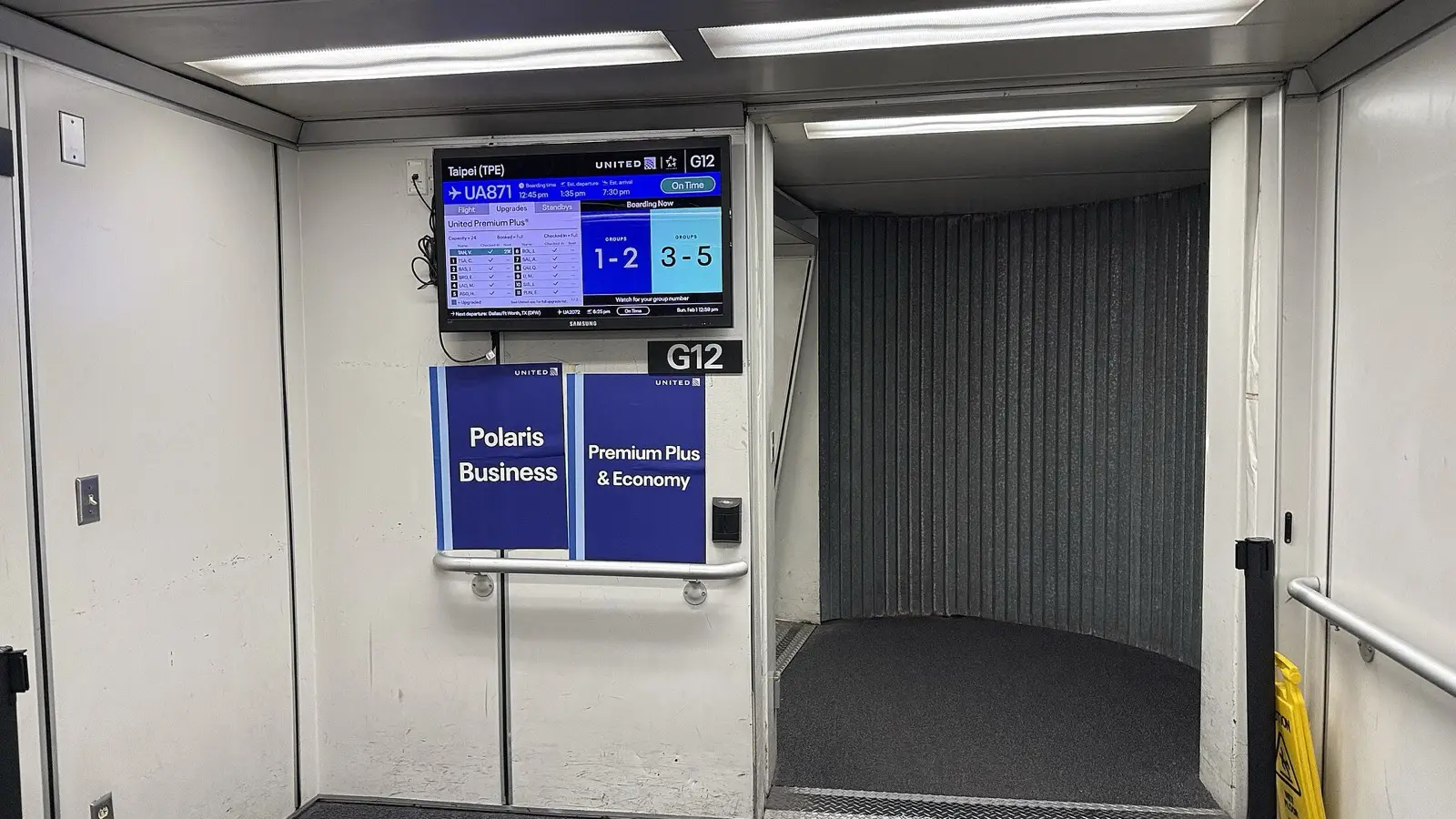
Timing the 24-Hour Check-in Window and Orchestrating Gate Upgrades
Travelers holding deeply discounted promotional economy fares frequently resign themselves to unassigned seats due to exorbitant advance selection fees. However, understanding airline global distribution logic unlocks premium seats without expenditure. The decisive battleground is the formal mobile check-in launch.
Airlines reserve forward rows and desirable aisle seats for elite frequent flyers and fee-paying customers until the final 24-hour mark. Once mobile check-in goes live, unsold premium inventory unlocks for the general traveling public. Logging in during the opening minute secures front-cabin exit rows and quiet forward corridors instantly.
If desirable seats elude you online, inquire cordially with counter agents upon arriving at the airport terminal. Passenger itinerary cancellations and business class upgrades routinely produce last-minute cancellations (open inventory) two hours before departure.
The ultimate frontier is the departure gate podium. When long-haul flights experience economy overbooking, computer algorithms preferentially select smartly dressed solo travelers for operational upgrades (op-ups) into Premium Economy or Business Class. Maintaining composure at the gate scanner can culminate in that magical double-beep and a freshly printed forward-cabin boarding pass.
Frequently Asked Questions
Field-tested answers to transit navigation, neighborhood choices, and payment traps.
Q1.What critical qualifications and limitations apply to emergency exit seats?
Q2.Which platforms best identify missing windows and obstructed views?
Q3.When do locked fee-based preferred seats become free to choose?
Q4.What makes the rear tail-section two-seat pairs desirable on wide-body jets?
The Smart Traveler's Essential Toolkit
Prepare instant mobile data, private airport transfers, and skip-the-line passes in one place.
Pick a base in Seoul by your route
Choose the places you want to see and get the neighbourhood with the shortest travel.
Compare Seoul Hotel Rates
Find the cheapest channel across Agoda and major booking engines with Tripdify.
Share This Guide with Your Companions
When shared via chat or social media, a curated summary card is sent along.
Recommended Guides

Seoul Itinerary: Bukchon, Seongsu and the Han River in Two Nights
From the 43-minute AREX express from Incheon Airport to tranquil Hanok courtyard stays, industrial red brick roasteries in Seongsu, and Banpo Han River instant ramen picnics.

Hanok Stays in Seoul: How to Book in Bukchon and What to See in Seongsu
Amid the relentless futuristic pace of contemporary Seoul, stepping through the wooden gate of a century-old hanok courtyard offers an astonishing immersion in quietude. From booking private heritage residences in Bukchon and Seochon to navigating Seongsu craft coffee roasteries, this field guide audits real costs, noise curfews, and transit hacks.

Seoul Day 1 Itinerary: Incheon Airport to the City, Bukchon and Gwangjang Market
The definitive first 24-hour Seoul playbook: mastering the 43-minute AREX airport express, navigating Bukchon quiet hours, savoring sizzling Gwangjang mung bean pancakes, and ending with a serene midnight stroll along Cheonggyecheon stream.

Seoul Day 2 Itinerary: Gyeongbokgung Guard Ceremony, Seongsu Cafes and N Seoul Tower
An extraordinary second day across Seoul: witnessing the solemn Changing of the Royal Guard at Gyeongbokgung, bartering antique brass coins for lunch in Seochon, discovering Seongsu's industrial-chic design universe, and capping the twilight with riverside instant ramen and glittering N Seoul Tower views.
Seoul Day 3 Itinerary: Yeonnam-dong, The Hyundai Seoul and City Airport Check-In
The ultimate finale in Seoul: a morning stroll down the lush Gyeongui Line Forest Trail, browsing trendsetting designer boutiques in Hongdae, experiencing the architectural wonder of The Hyundai Seoul, and utilizing Seoul Station's in-town check-in to glide through Incheon Airport departure queues hands-free.
How to Book Flights Cheaply: Split Ticketing and Why Fares Move
An investigative deep dive into airline revenue management algorithms, exposing why incognito mode fails while multi-city open-jaw routing and baggage decoupling slash flight costs by over 30%.
The Definitive Airline Baggage Claim Playbook: Montreal Convention SDR Caps, On-Site PIR Filing, and Insurance Stacking
Watching the final suitcase circle the baggage carousel while yours fails to materialize, or seeing your hardshell case emerge with sheared wheels and split seams, is every international traveler's acute nightmare. Stepping past the customs exit doors without official paperwork permanently forfeits your statutory leverage. From securing the critical Property Irregularity Report (PIR) before leaving the baggage reclaim area to invoking the Montreal Convention liability cap of roughly 1,700 dollars (1,288 SDR), claiming emergency clothes and toiletries on the carrier's dime, and legally stacking airline payouts against private travel insurance policies, here is your definitive field guide to getting fully reimbursed.
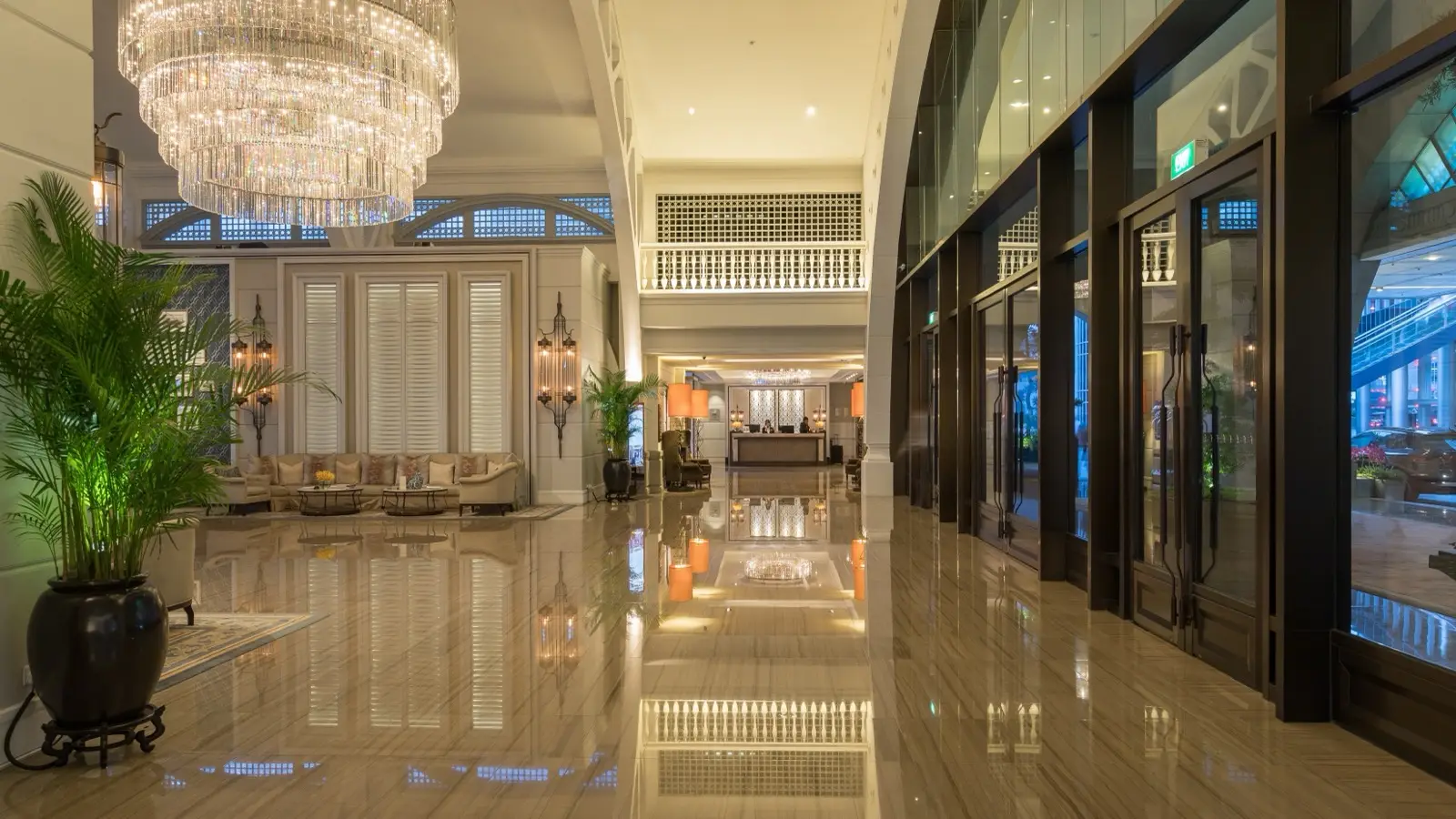
The Hotel Best Rate Guarantee (BRG) Playbook: Finding Cheaper OTAs and Claiming 25% Off
Many travelers assume online travel agencies (OTAs) like Agoda or Trip.com are always cheaper than booking direct, while others blindly believe official hotel websites guarantee the absolute lowest rate. To avoid paying steep 15 to 25 percent middleman commissions, global hotel giants operate Best Rate Guarantee (BRG) programs: if you find a lower public rate elsewhere, they will match it and slash an additional 20 to 25 percent off or award thousands of loyalty points. From unpacking the exact rules of Marriott Bonvoy, Hilton Honors, World of Hyatt, and IHG One Rewards to matching room tiers, cancellation deadlines, and currency conversion traps, here is your definitive field guide to locking in luxury rooms at unheard-of discounts.

Where to Stay in Tokyo: Shinjuku vs Shibuya vs Ginza
Comparing room footprints across Shinjuku, Ginza, and Ueno, locking in sudden 14-day cancellation drops, and eliminating DCC fees with clean Yen checkout.
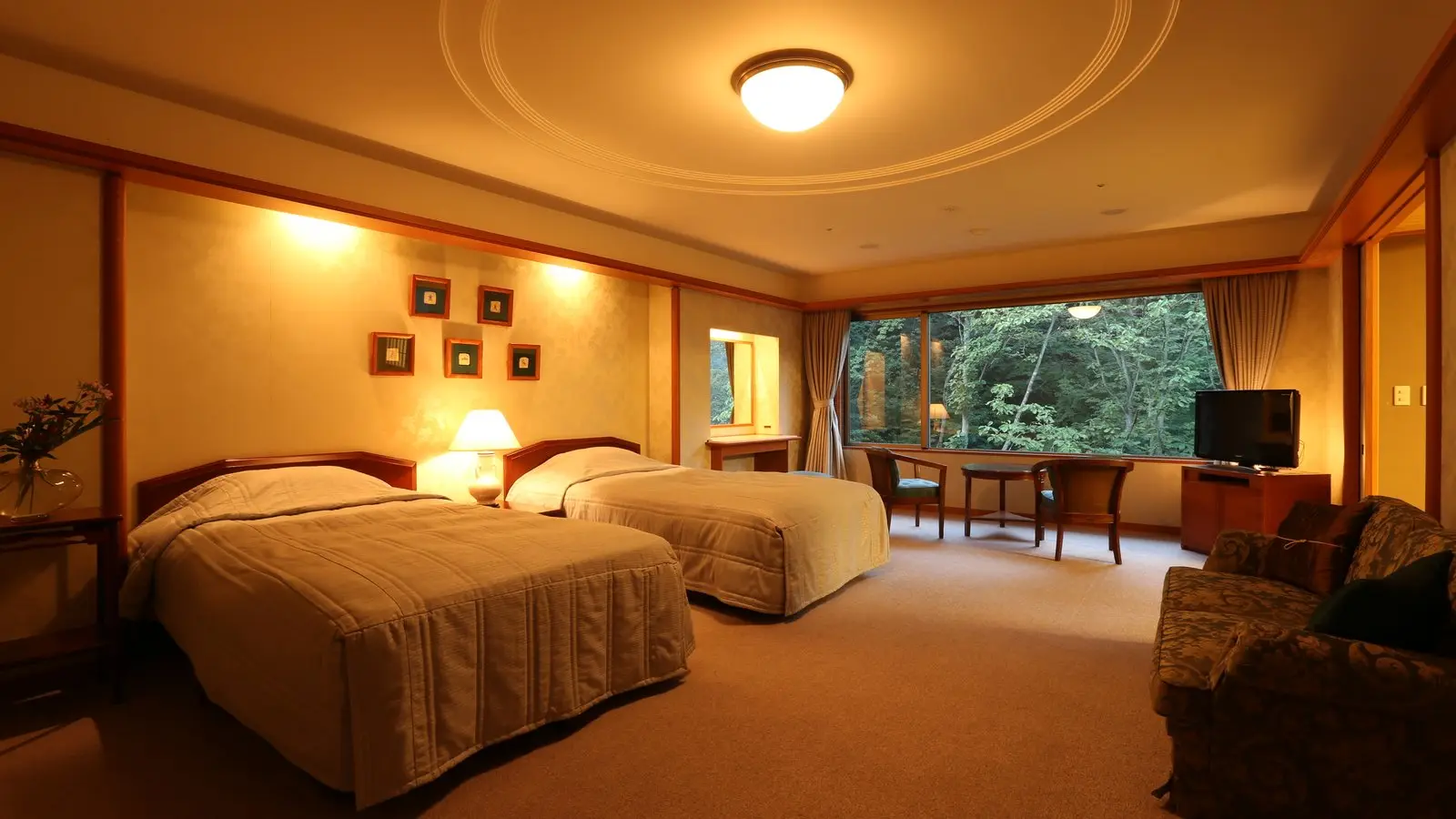
7 Budget Hotels in Tokyo Under $100 on the Yamanote Line
Even amid yen fluctuations, central Tokyo hotel rates have soared. Learn how to secure Yamanote loop line hotels at half the price of Shinjuku, compare onsen bath chains like Dormy Inn, trigger secret Agoda VIP and Booking.com Genius discounts, and dodge hidden currency fees with yen settlement.

How to Read the Tokyo Subway Map and Where to Stay on the Yamanote Line
How to choose between Keisei Skyliner and Narita Express, avoid the Tokyo Subway Ticket trap, use Apple Wallet Suica, and select the ideal hotel base in Tokyo.
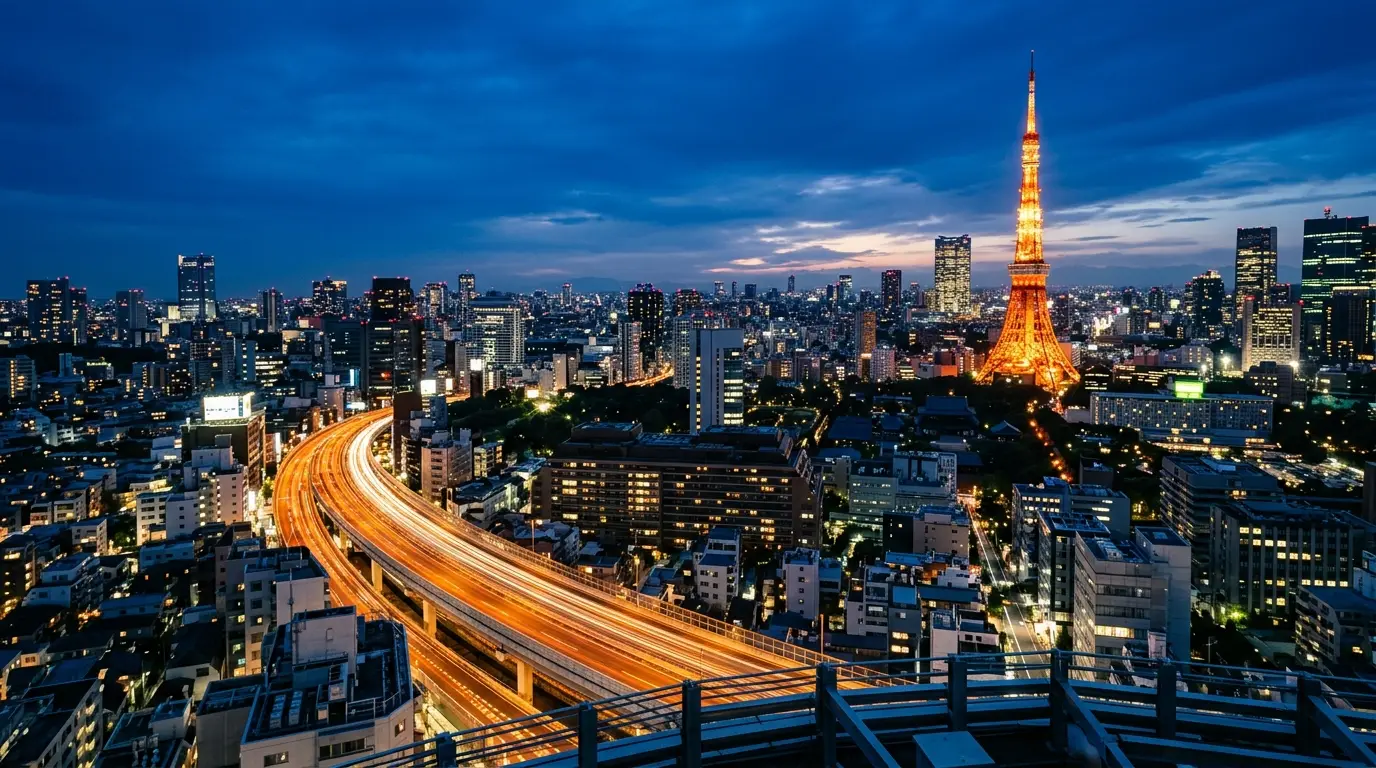
Tokyo Day 1 Itinerary: Narita Airport to the City and Your First 24 Hours
From stepping off at Narita Airport to mastering high-speed trains, navigating Tokyo's sprawling transit hubs, ordering counter ramen effortlessly, and catching sunset from Roppongi Hills. A definitive guide for your first 24 hours in Tokyo.