
Seoul's Euljiro Alleyways: Industrial Print Shops, Vintage Tearooms, and Hidden Hipjiro Wine Bars
Steel machinery by day, jazz and vinyl by night: navigating unmarked stairwells and legendary dried pollack streets
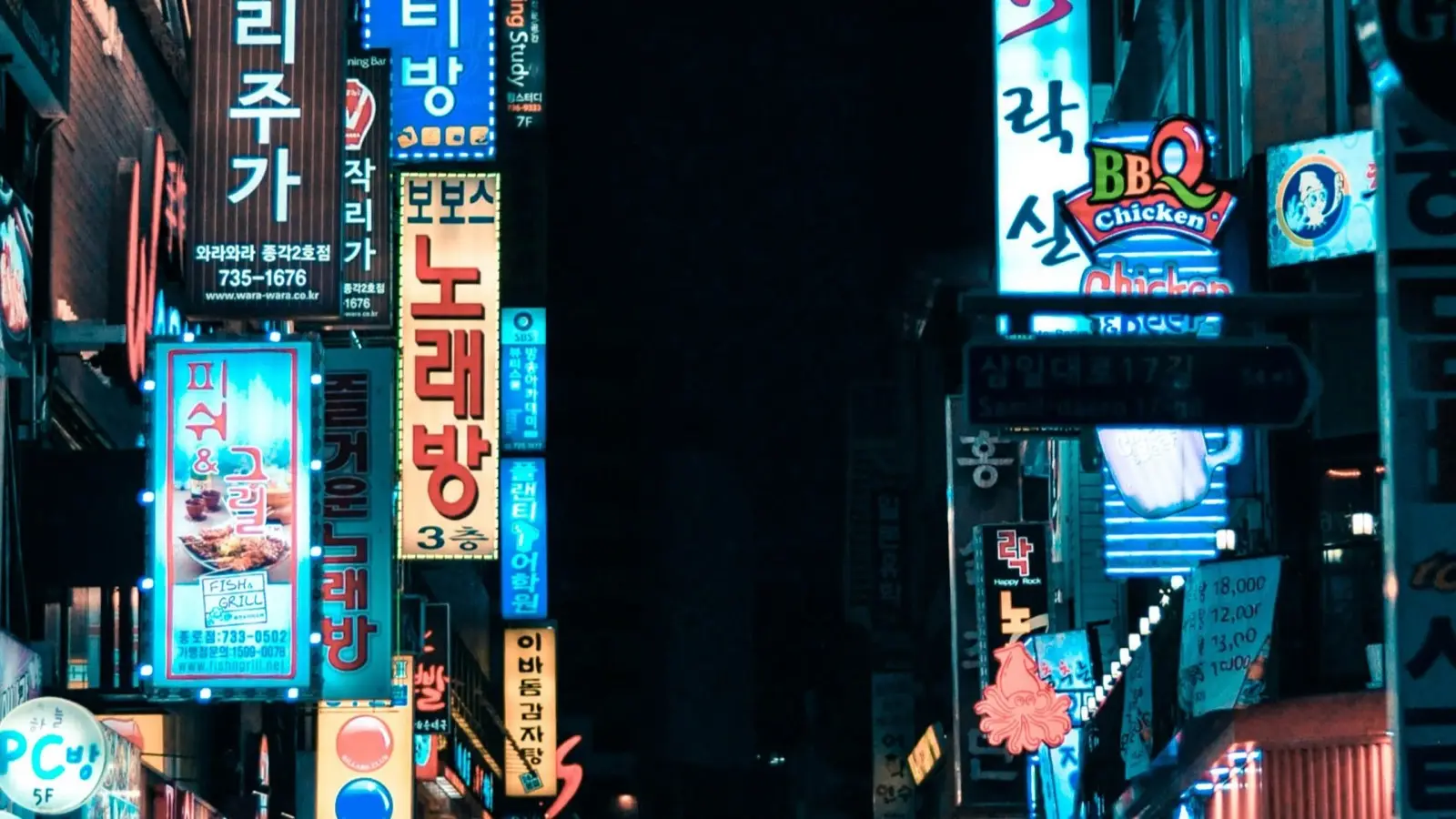
The Raw Allure of Seoul's Historic Printing Alleyways
Stepping out of exits 1 or 3 at Euljiro 3-ga Station, where Seoul Subway Lines 2 and 3 intersect, immediately plunges you into a gritty urban time capsule tucked directly behind the city's glossy glass skyscrapers. The scent of motor grease, dense stacks of raw paper rolls, and the rhythmic percussion of Heidelberg letterpresses instantly envelope the senses.
From the early 1960s through the late 1980s, Euljiro stood as the throbbing heart of South Korea's miraculous industrialization. Local lore proudly proclaimed that with a single hand-drawn blueprint, the master machinists and lathe turners of Euljiro could manufacture anything from a tank to a space satellite.
During midday hours, Euljiro is not a tourist playground, but an intense theater of blue-collar labor. Motorbikes laden with hundreds of kilograms of freshly bound paper negotiate alleys with astonishing finesse, while veteran technicians in dust-coated overalls fine-tune industrial equipment. Scuffed steel shutters and weathered doorways reflect decades of dedicated artisanship.
Yet when dusk descends after 6:00 PM and the rolling metal shutters clang shut, the alleyways undergo a captivating metamorphosis. As mechanical rumblings fade, mellow jazz rhythms and roasted coffee aromas drift from upper-story windows, drawing curious night owls into the hypnotic universe known as Hipjiro.
Vintage Soul from the 1970s: Eulji Dabang and Ssanghwa-cha
Any meaningful pilgrimage into Euljiro begins inside an authentic dabang, Korea's traditional mid-century tearoom. Eulji Dabang, with its original 1970s orange vinyl booths, dark wood paneling, and aged floral wallpaper, feels like stepping onto a vintage cinematic film set. In a city saturated with sterile, minimalist corporate coffee chains, its warm analog atmosphere provides deep nostalgic comfort.
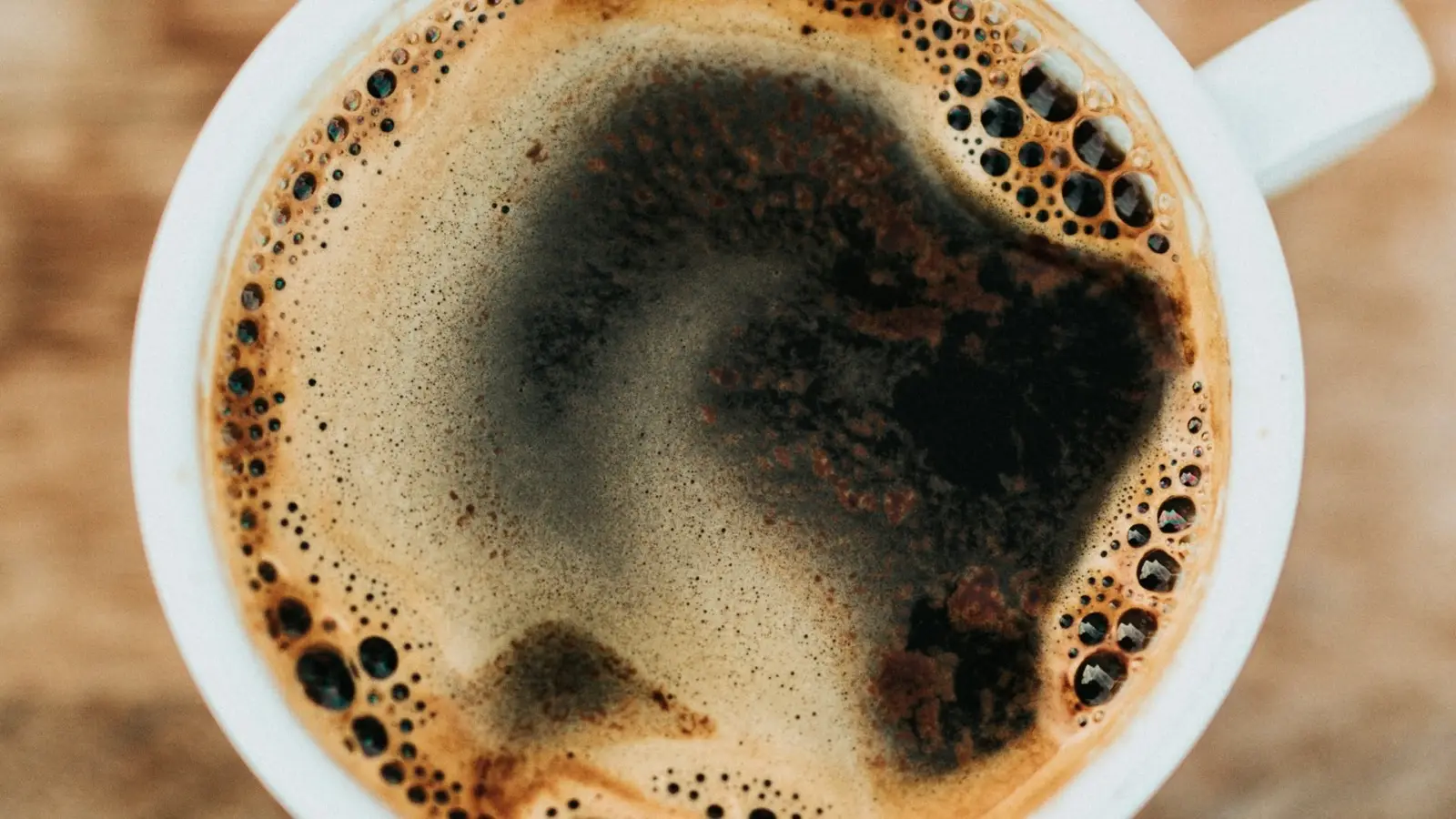
The undisputed centerpiece of the menu is traditional Ssanghwa-cha, an aromatic herbal decoction crowned with a raw organic egg yolk. Simmered from medicinal herbs including angelica root, peony, and milkvetch, the rich dark tea arrives steaming hot, garnished generously with slivered dates, sunflower kernels, pine nuts, and a delicate golden yolk suspended in the center.
According to long-standing neighborhood custom, one should never stir the egg yolk into the hot tea. Instead, gently scoop the warm yolk with your porcelain spoon and swallow it whole. The creamy richness of the yolk coats your palate before you take a deep, soothing sip of the bittersweet herbal tea, instantly warming your core on chilly afternoons.
Visiting early in the morning offers an authentic glimpse into local life, as neighborhood print shop owners and lighting merchants gather around low tables to drink sweet morning instant coffee. At roughly 6,000 won (about $4.50 USD), a cup of Ssanghwa-cha delivers an irreproducible taste of Seoul's living cultural history.
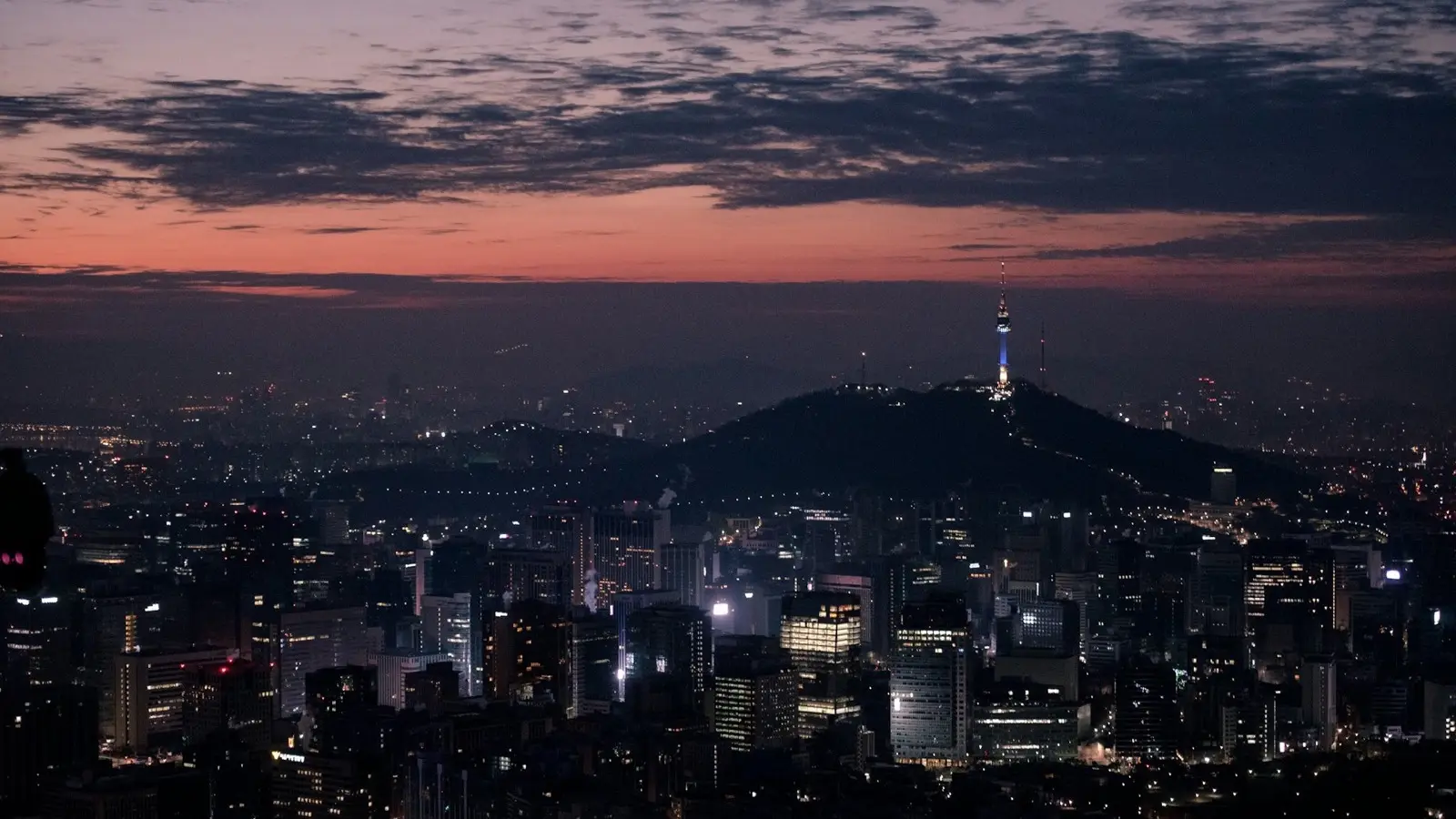
The Thrill of the Unmarked Fourth Floor: Speakeasies and Natural Wine
The signature paradox defining the Hipjiro phenomenon is the complete absence of exterior storefront signage. First-time explorers frequently pace past their target building multiple times, bewildered as their smartphone map pinpoints an unassuming concrete doorway flanked by stacks of acrylic sheeting or discarded circuit boards.
Ascending the dim, narrow stairwells of these multi-story industrial walk-ups feels like an urban treasure hunt. As you pass electroplating workshops on the second floor and climb toward the fourth level, exposed water pipes and peeling plaster create an eerie sense of suspense: could there truly be an establishment up here?
Gently pushing open a heavy, scuffed fire door reveals an astonishing secret sanctuary. Turntables spin warm vinyl jazz grooves, soft ambient lighting emanates from antique brass fixtures, and exposed red brick walls display rows of rare European natural wines.
Young Seoul designers and restaurateurs intentionally preserved the rugged concrete shells of these former printing mills, juxtaposing raw architectural scars with plush vintage sofas, mid-century lamps, and provocative modern artwork. Sipping an amber macerated orange wine while gazing through industrial window panes onto dark alleyways below is an intoxicating Euljiro ritual.
Ice-Cold Drafts and Dried Pollack: The Legendary Nogari Alley
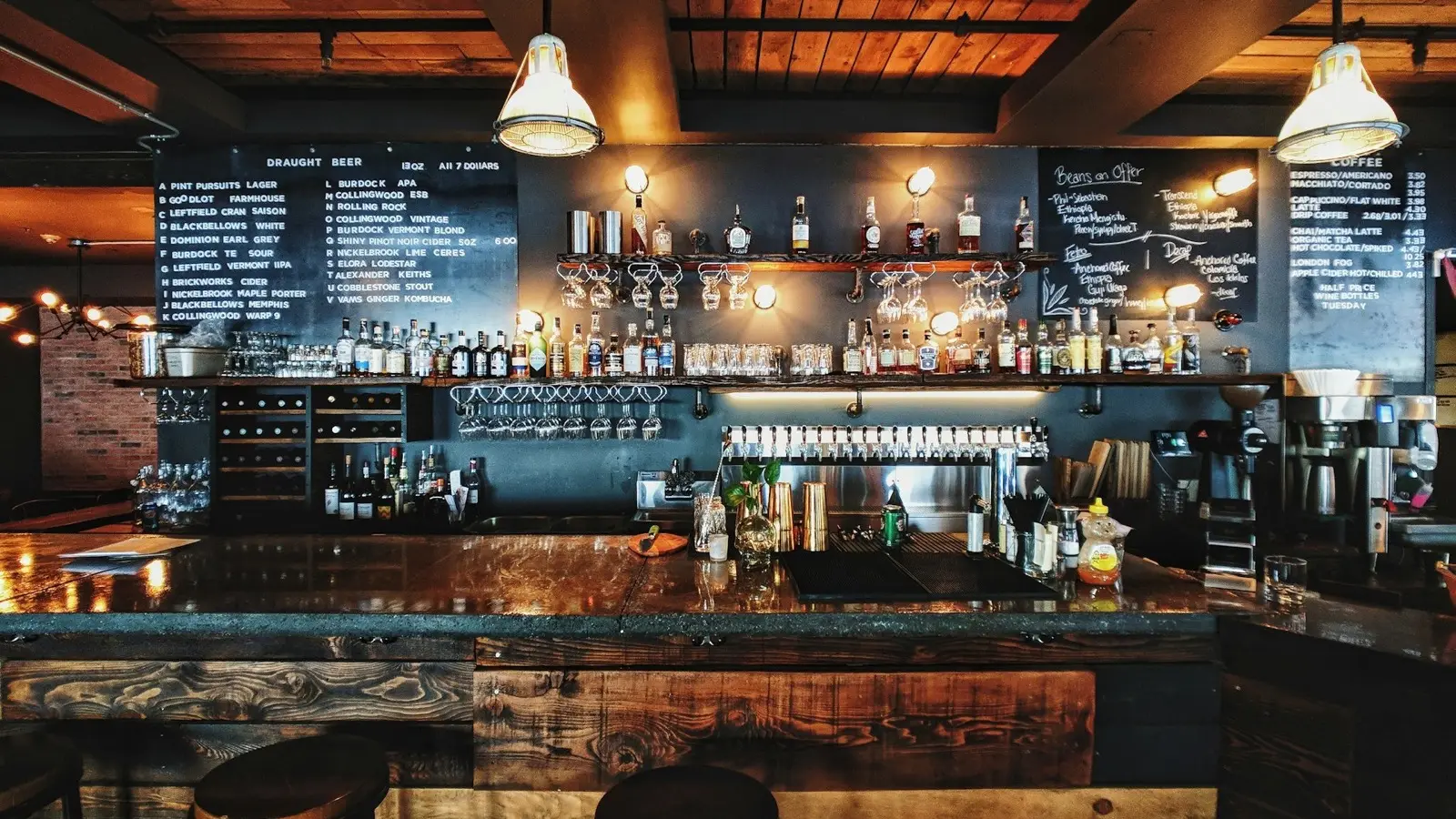
Nothing embodies the communal soul of Euljiro quite like Nogari Alley, situated just behind exits 3 and 4 of Euljiro 3-ga Station. Since the early 1980s, this strip of open-air beer pubs (hofs) has served as an egalitarian sanctuary where working-class laborers and salarymen gathered to shed daily stress over affordable refreshments.
At twilight, the asphalt streets transform as pub staff roll out hundreds of bright blue and red plastic patio tables. Towering 500cc frosted mugs of chilled draft lager appear within seconds, accompanied by freshly grilled nogari (young dried Alaska pollack) toasted over charcoal briquettes for a modest 1,500 won apiece.
The culinary magic lies in the fiery dipping sauce: an addictive combination of spicy homemade red chili paste and creamy Japanese mayonnaise. Tearing strips of chewy, fragrant grilled pollack by hand, dredging them through spicy mayo, and chasing them with crisp, bubbly beer provides an instant rush of culinary satisfaction.
The true joy of Nogari Alley is its effortless social tapestry. Pinstriped financial executives, hipsters in oversized vintage denim, and elderly neighborhood regulars sit elbow-to-elbow under the night sky, raising clinking glasses in unpretentious harmony.
Essential Walking Route and Respectful Alley Etiquette
The ideal itinerary for experiencing Euljiro unfolds starting at 3:00 PM. Arrive at Euljiro 3-ga Station in mid-afternoon to witness the bustling paper trade and ironware shops in full swing, followed by a reflective break over hot herbal tea inside Euljiro Dabang.
By 5:00 PM, explore unmarked upper-floor indie bookstores and artisan coffee roasters tucked within the walk-ups. At 6:30 PM, when twilight blankets the avenues, claim an outdoor plastic seat in Nogari Alley for casual beer and snacks, before migrating to a fourth-floor natural wine hideaway for intimate late-night conversation.
While exploring, maintaining considerate neighborhood etiquette is paramount. Euljiro is not an artificial movie set; it remains the active, hardworking livelihood of hundreds of metalworkers and printmakers. Walk single-file along alley margins to avoid obstructing delivery scooters, and never point cameras directly into busy workshops without warm verbal permission.
Balancing grimy grit with poetic refinement, machine noise with smooth vinyl jazz, Euljiro presents an authentic cross-section of Seoul's dynamic spirit. Climb its weathered staircases with open curiosity and savor the timeless character hidden behind every heavy iron door.
Frequently Asked Questions
Field-tested answers to transit navigation, neighborhood choices, and payment traps.
Q1.What is the best time of day to explore Euljiro's hidden cafes and wine bars?
Q2.Is the traditional herbal Ssanghwa-cha at Eulji Dabang too bitter or medicinal for beginners?
Q3.Does Euljiro Nogari Alley operate outdoor tables during rainy weather or cold winters?
Q4.How can I find unmarked Hipjiro speakeasies without getting hopelessly lost?
The Smart Traveler's Essential Toolkit
Prepare instant mobile data, private airport transfers, and skip-the-line passes in one place.
Pick a base in Seoul by your route
Choose the places you want to see and get the neighbourhood with the shortest travel.
Compare Seoul Hotel Rates
Find the cheapest channel across Agoda and major booking engines with Tripdify.
Share This Guide with Your Companions
When shared via chat or social media, a curated summary card is sent along.
Recommended Guides
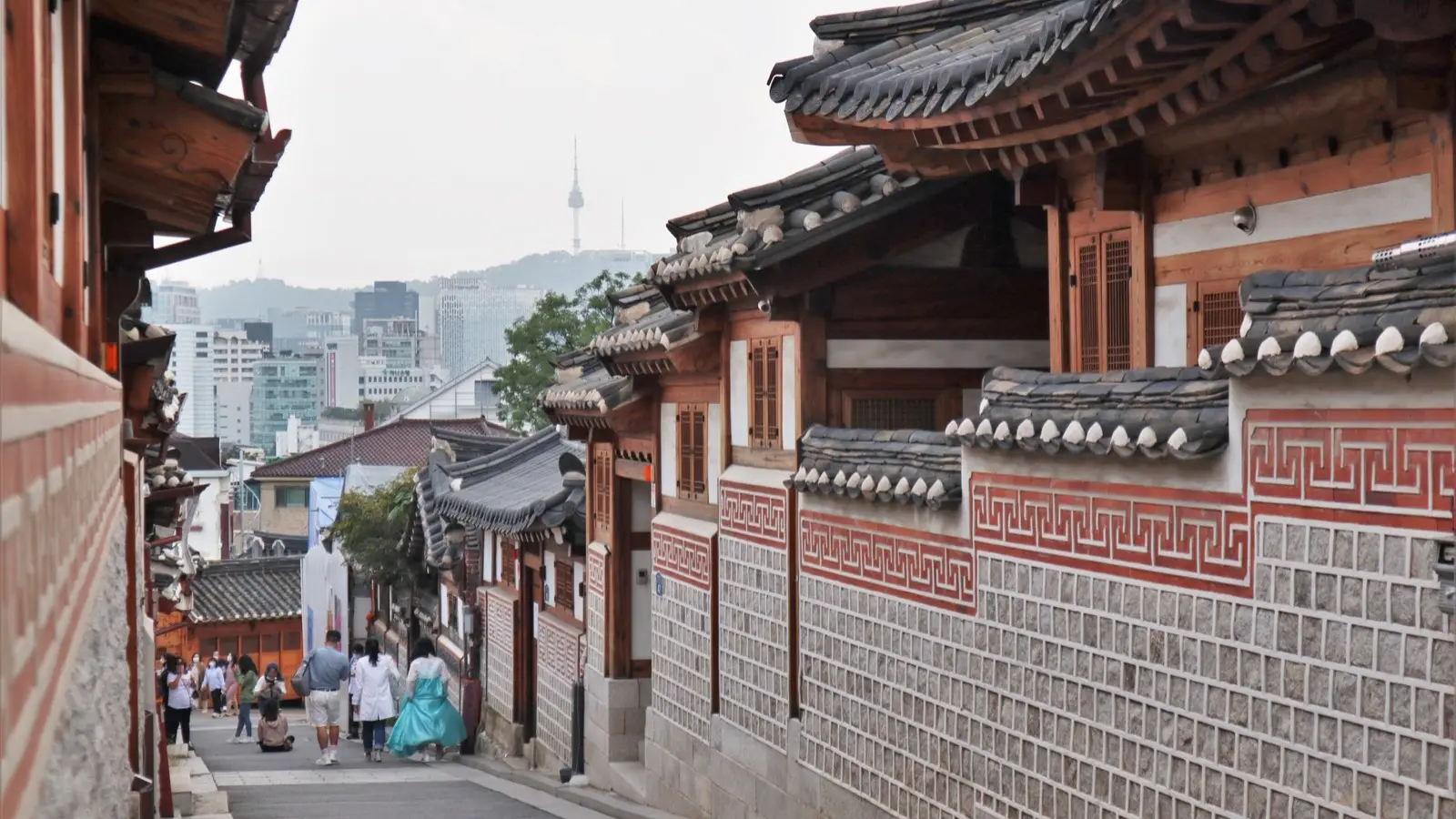
Seoul Itinerary: Bukchon, Seongsu and the Han River in Two Nights
From the 43-minute AREX express from Incheon Airport to tranquil Hanok courtyard stays, industrial red brick roasteries in Seongsu, and Banpo Han River instant ramen picnics.
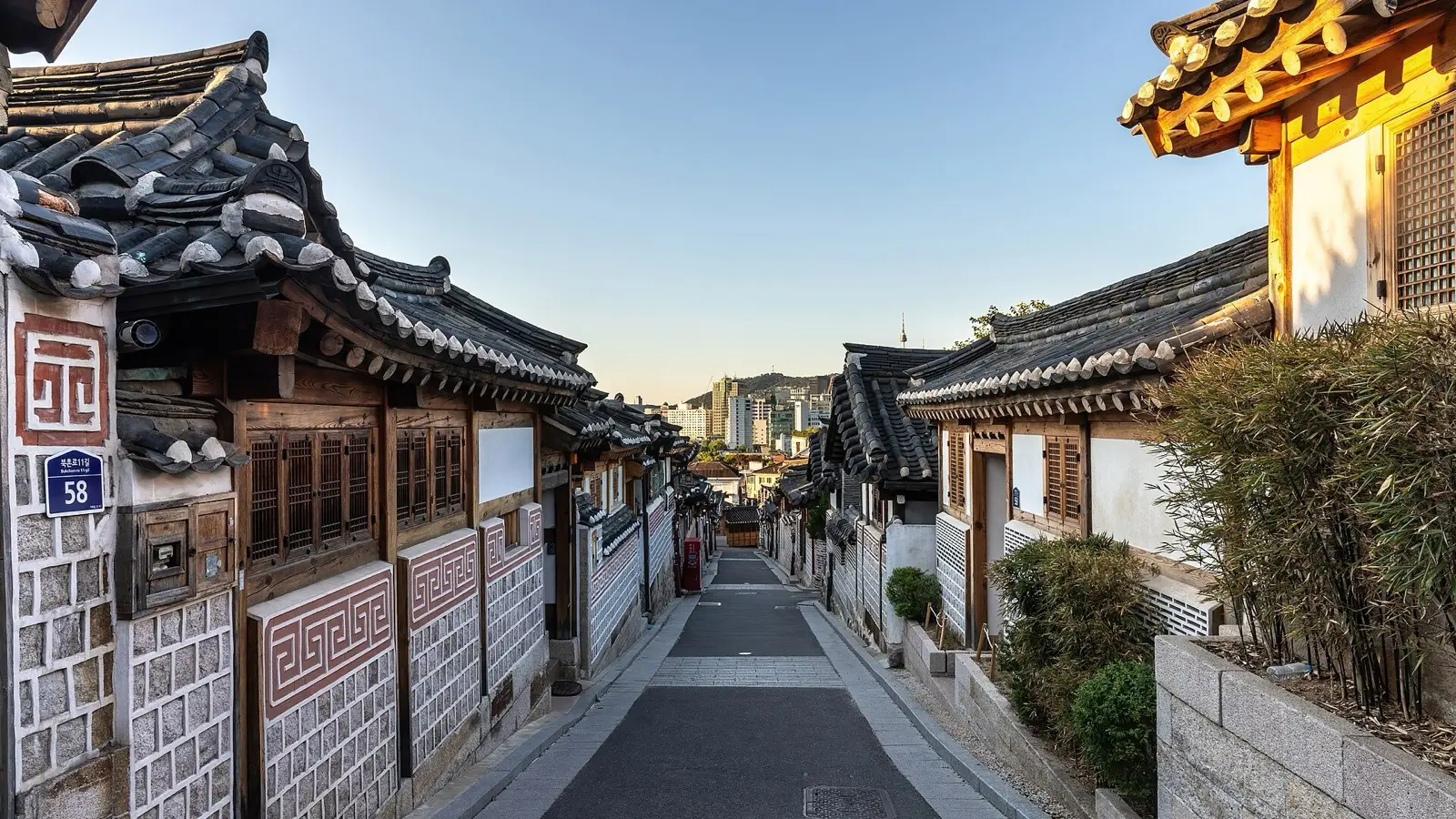
Hanok Stays in Seoul: How to Book in Bukchon and What to See in Seongsu
Amid the relentless futuristic pace of contemporary Seoul, stepping through the wooden gate of a century-old hanok courtyard offers an astonishing immersion in quietude. From booking private heritage residences in Bukchon and Seochon to navigating Seongsu craft coffee roasteries, this field guide audits real costs, noise curfews, and transit hacks.
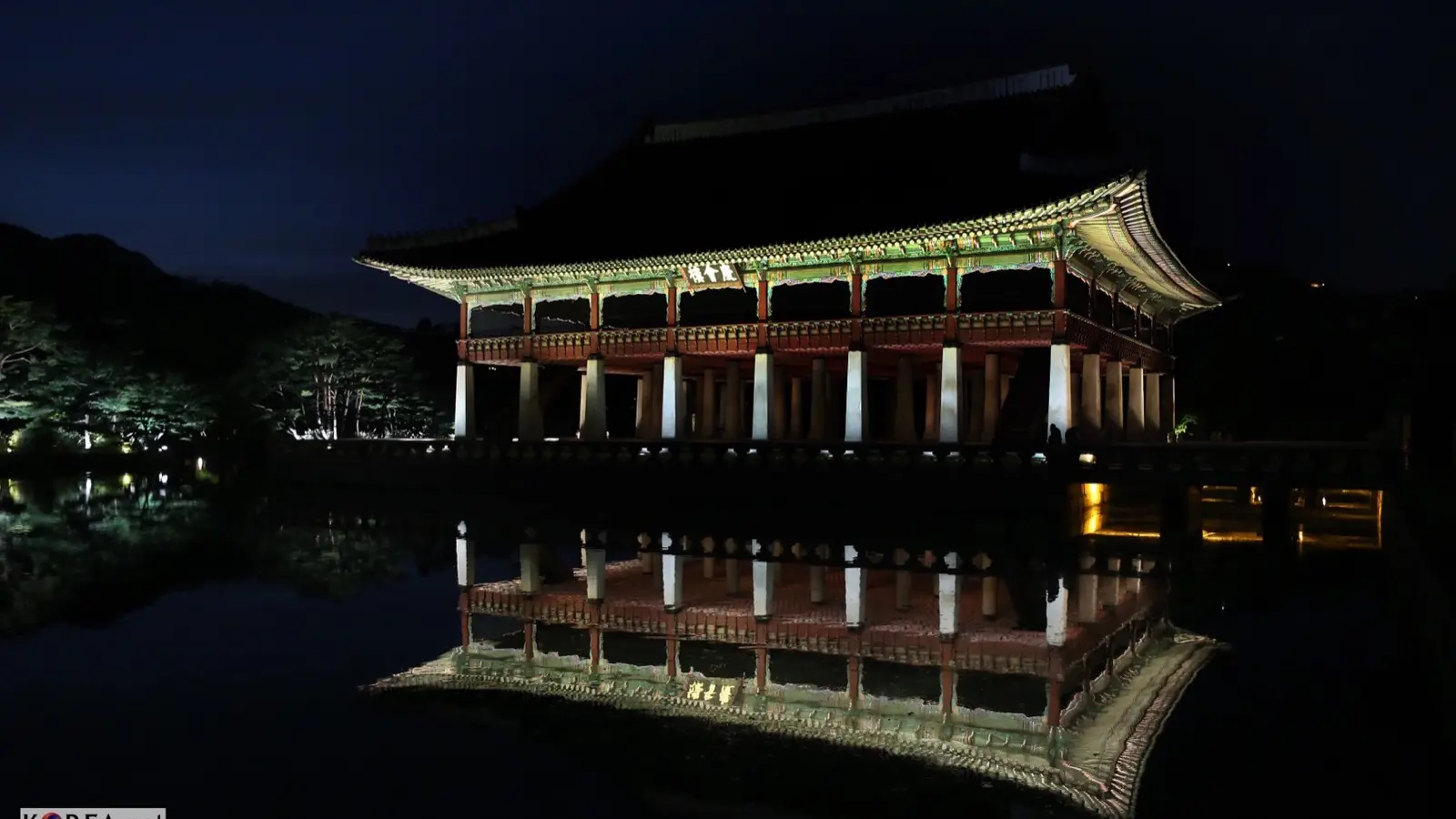
Seoul Day 1 Itinerary: Incheon Airport to the City, Bukchon and Gwangjang Market
The definitive first 24-hour Seoul playbook: mastering the 43-minute AREX airport express, navigating Bukchon quiet hours, savoring sizzling Gwangjang mung bean pancakes, and ending with a serene midnight stroll along Cheonggyecheon stream.
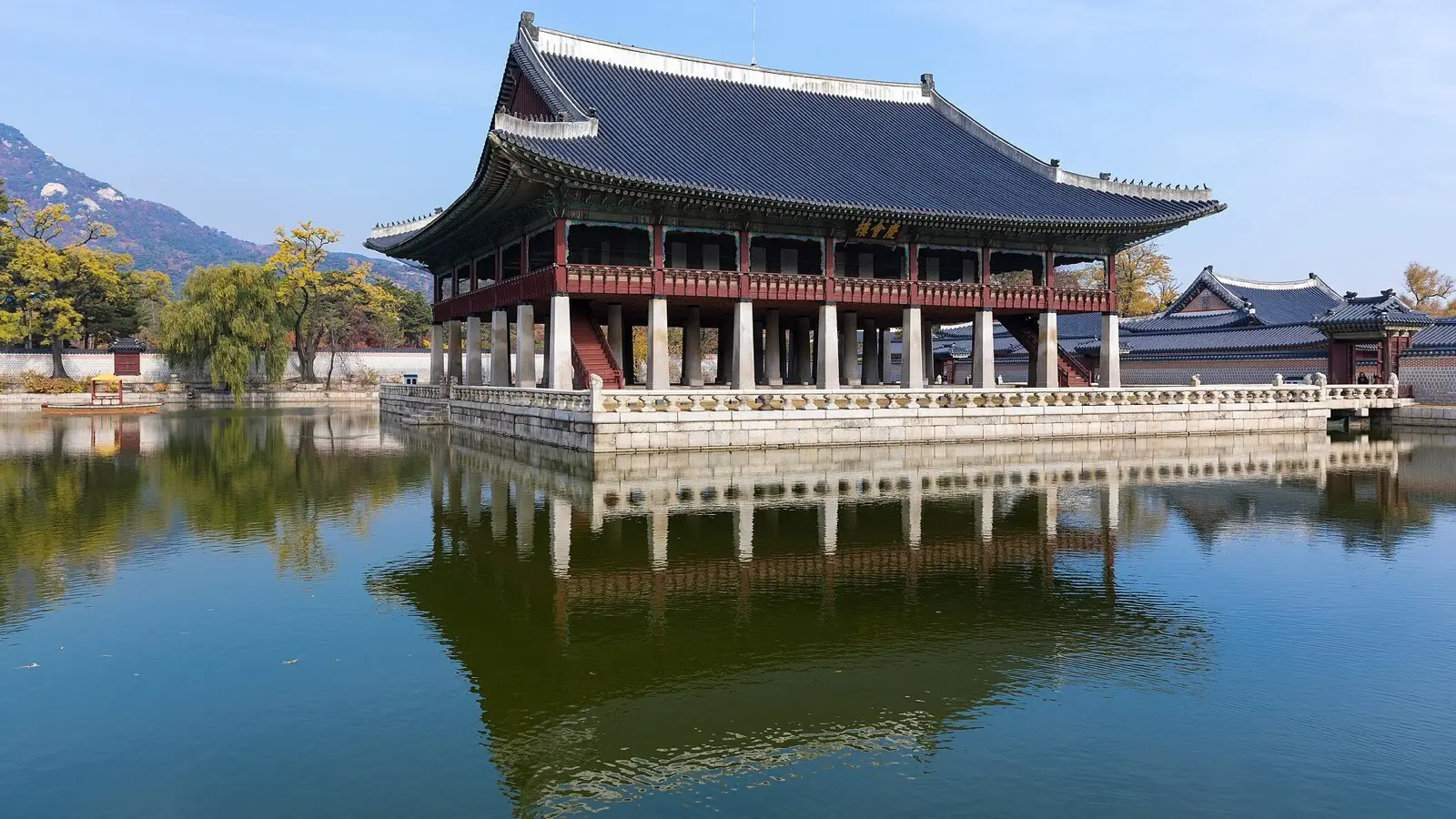
Seoul Day 2 Itinerary: Gyeongbokgung Guard Ceremony, Seongsu Cafes and N Seoul Tower
An extraordinary second day across Seoul: witnessing the solemn Changing of the Royal Guard at Gyeongbokgung, bartering antique brass coins for lunch in Seochon, discovering Seongsu's industrial-chic design universe, and capping the twilight with riverside instant ramen and glittering N Seoul Tower views.
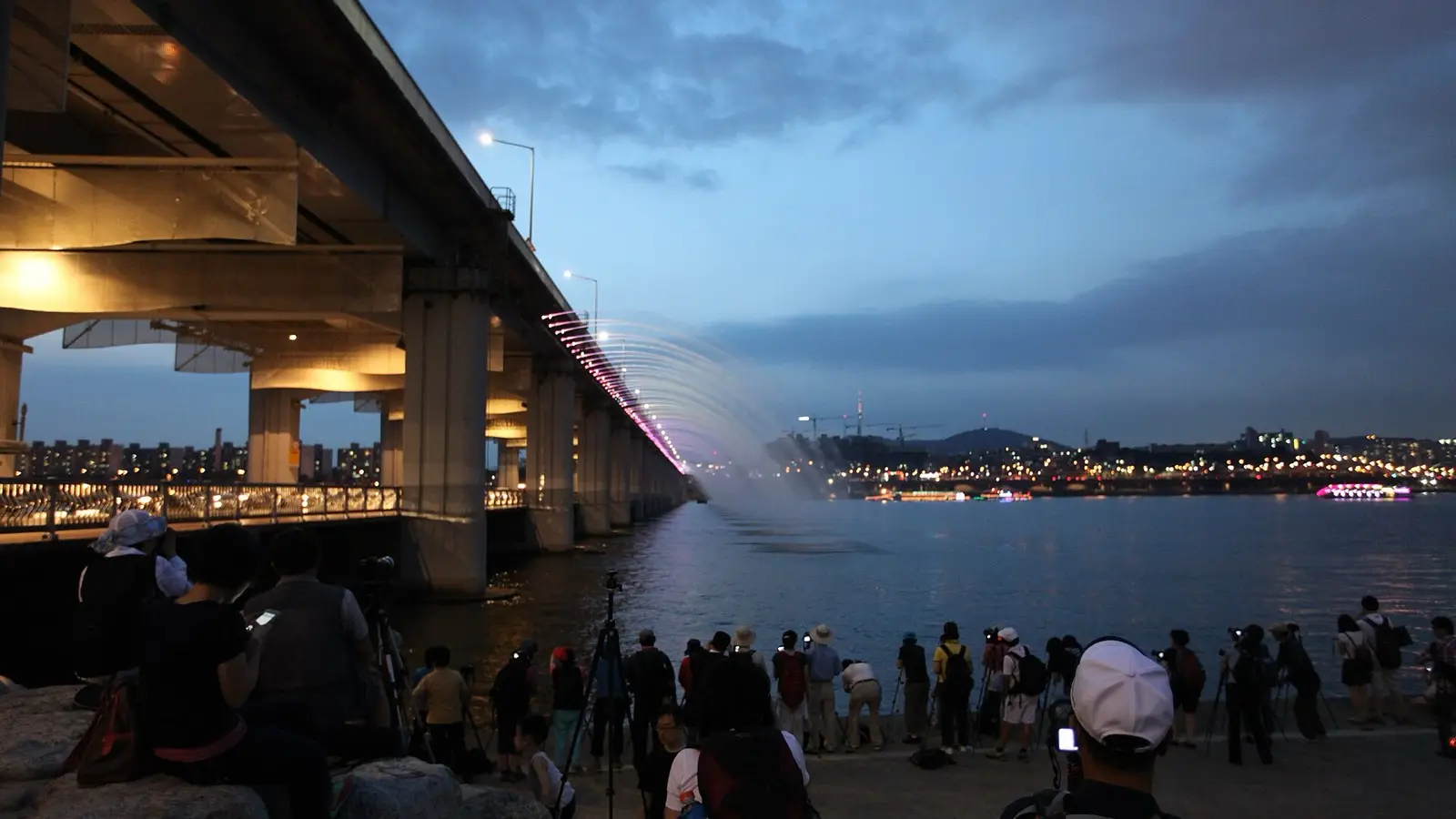
Seoul Day 3 Itinerary: Yeonnam-dong, The Hyundai Seoul and City Airport Check-In
The ultimate finale in Seoul: a morning stroll down the lush Gyeongui Line Forest Trail, browsing trendsetting designer boutiques in Hongdae, experiencing the architectural wonder of The Hyundai Seoul, and utilizing Seoul Station's in-town check-in to glide through Incheon Airport departure queues hands-free.
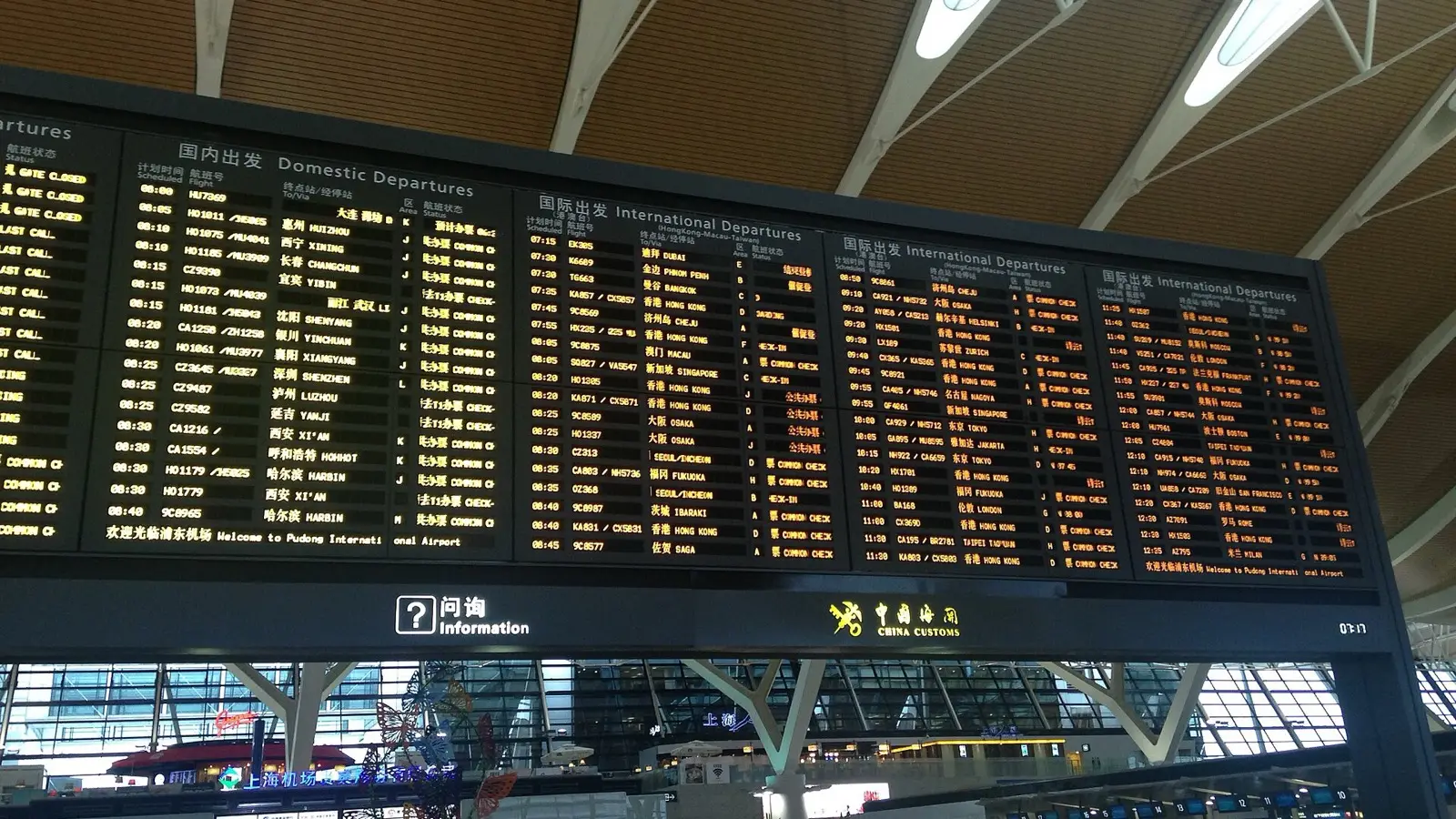
How to Book Flights Cheaply: Split Ticketing and Why Fares Move
An investigative deep dive into airline revenue management algorithms, exposing why incognito mode fails while multi-city open-jaw routing and baggage decoupling slash flight costs by over 30%.
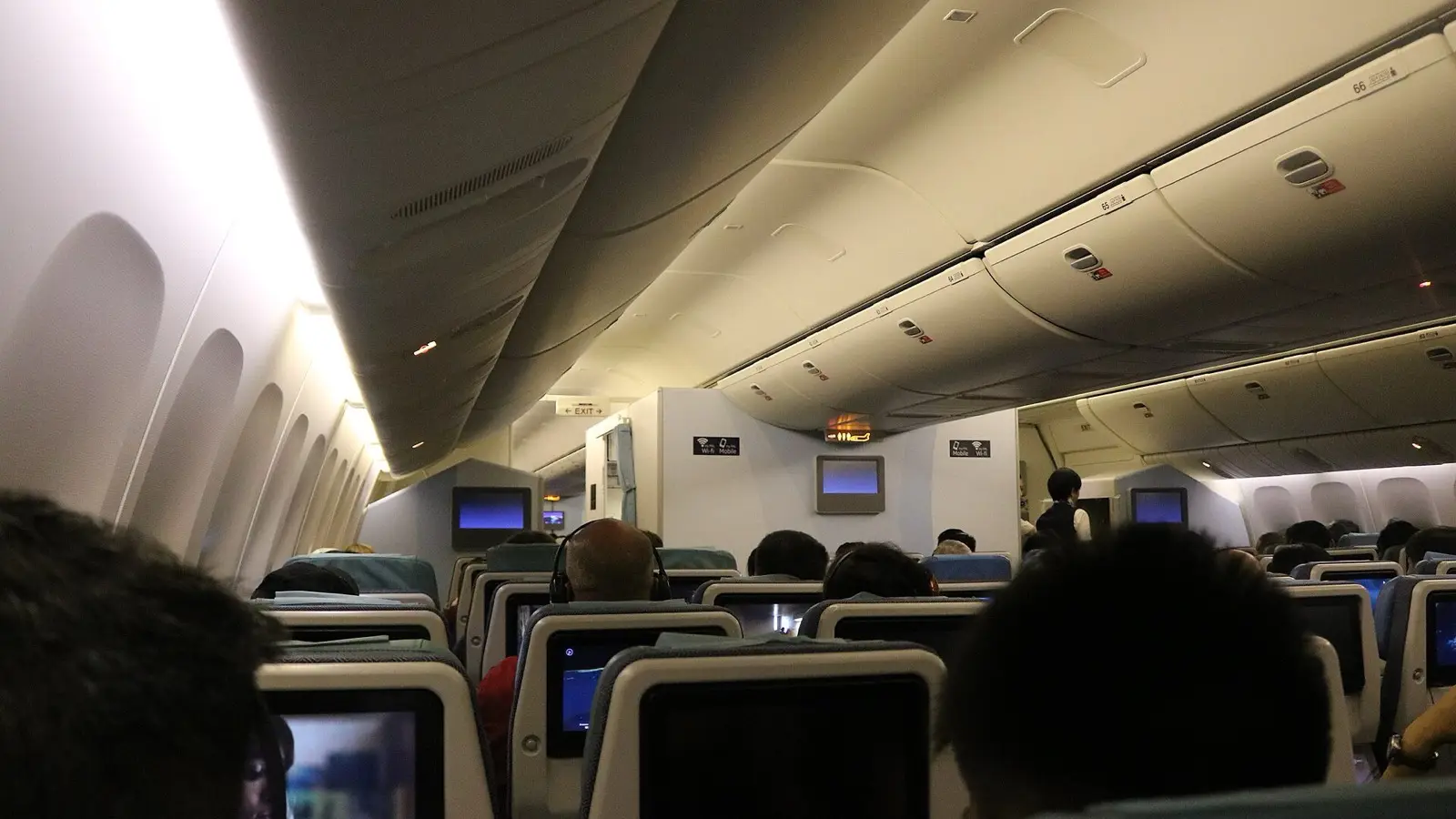
5 Secrets to Snagging Prime Airline Seats: The Exit Row Paradox, Tail-Section Twins, and Check-in Golden Hours
On long-haul flights spanning ten hours across continents, your seat allocation dictates whether you arrive invigorated or physically broken. Within standard 31-inch economy cabins, subtle variations create vast differences in comfort. From the unvarnished realities of exit rows and bulkhead bassinet positions to sidestepping misaligned 'windowless window seats', claiming quiet two-seat pairs along tapering tail fuselages, and timing the precise 24-hour pre-flight check-in window when premium rows open free of charge, here is your definitive field guide to mastering aircraft seat selection.
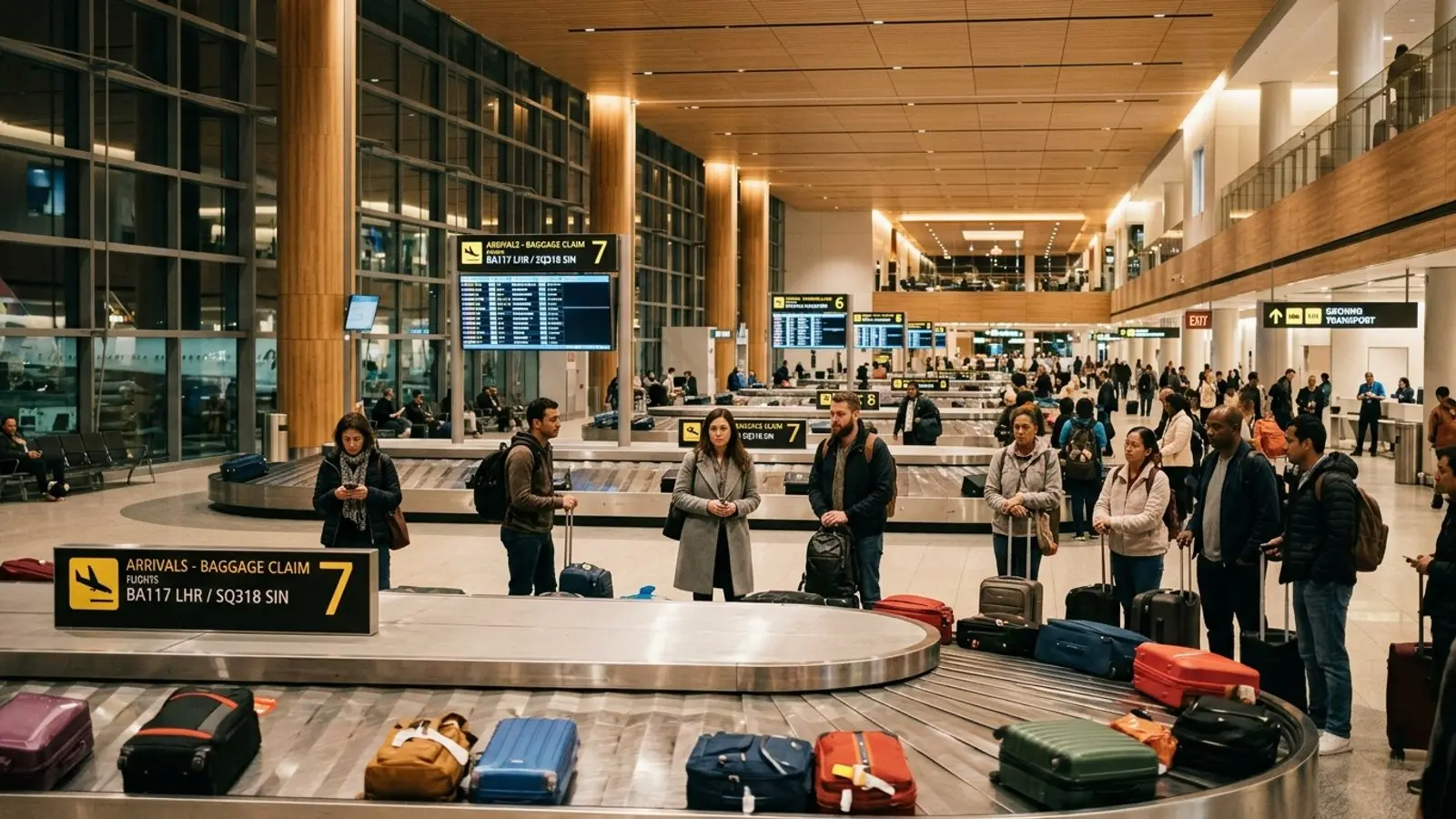
The Definitive Airline Baggage Claim Playbook: Montreal Convention SDR Caps, On-Site PIR Filing, and Insurance Stacking
Watching the final suitcase circle the baggage carousel while yours fails to materialize, or seeing your hardshell case emerge with sheared wheels and split seams, is every international traveler's acute nightmare. Stepping past the customs exit doors without official paperwork permanently forfeits your statutory leverage. From securing the critical Property Irregularity Report (PIR) before leaving the baggage reclaim area to invoking the Montreal Convention liability cap of roughly 1,700 dollars (1,288 SDR), claiming emergency clothes and toiletries on the carrier's dime, and legally stacking airline payouts against private travel insurance policies, here is your definitive field guide to getting fully reimbursed.
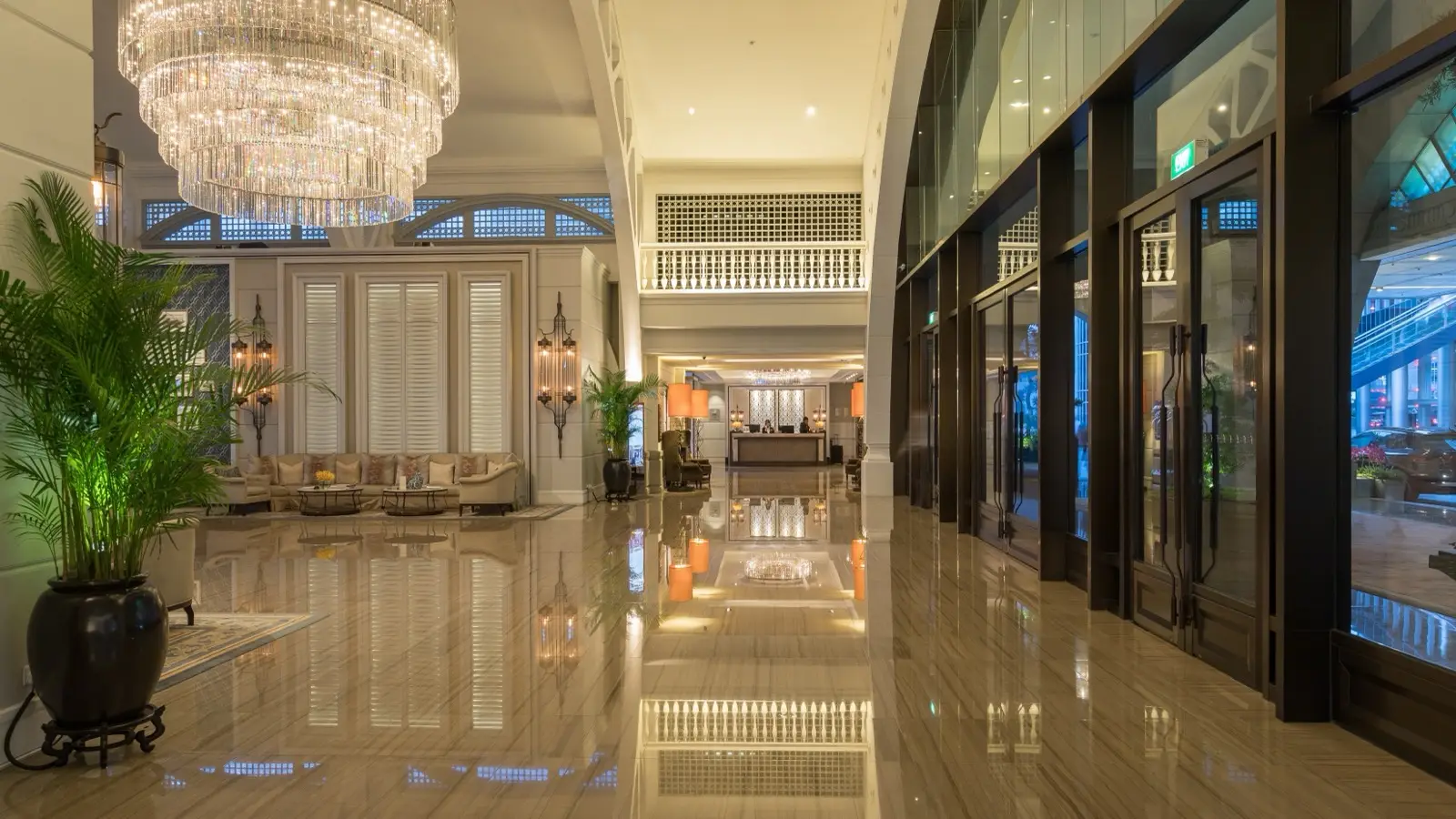
The Hotel Best Rate Guarantee (BRG) Playbook: Finding Cheaper OTAs and Claiming 25% Off
Many travelers assume online travel agencies (OTAs) like Agoda or Trip.com are always cheaper than booking direct, while others blindly believe official hotel websites guarantee the absolute lowest rate. To avoid paying steep 15 to 25 percent middleman commissions, global hotel giants operate Best Rate Guarantee (BRG) programs: if you find a lower public rate elsewhere, they will match it and slash an additional 20 to 25 percent off or award thousands of loyalty points. From unpacking the exact rules of Marriott Bonvoy, Hilton Honors, World of Hyatt, and IHG One Rewards to matching room tiers, cancellation deadlines, and currency conversion traps, here is your definitive field guide to locking in luxury rooms at unheard-of discounts.
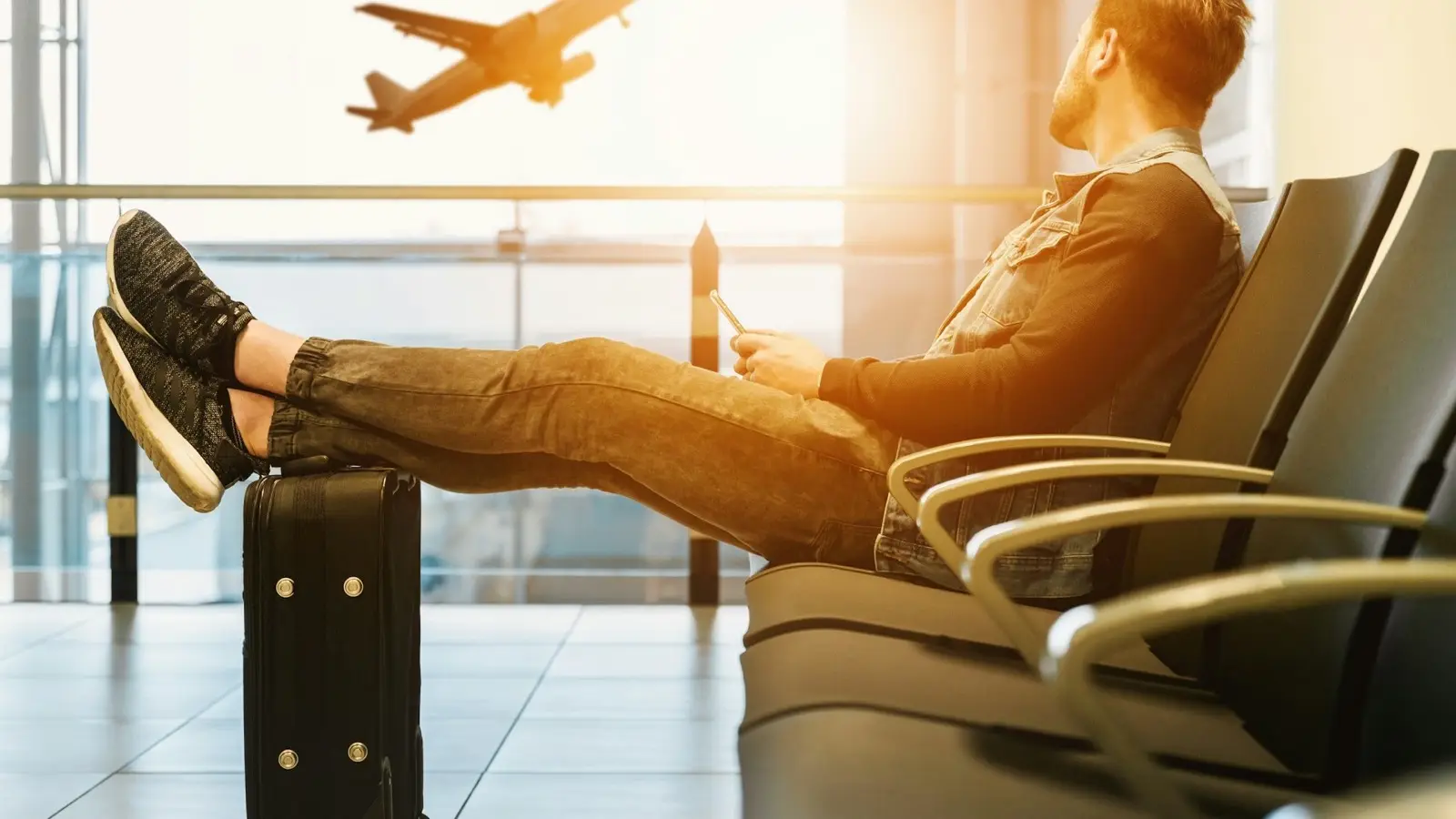
The Budget Airline 7kg Carry-On Survival Guide: Dodging Gate Fees and Airport Scale Discrepancies
Scoring an ultra-cheap budget airline flight ticket feels like a major victory until you reach the boarding gate and watch the scale read 7.4kg, triggering a ruthless 50 to 80 dollar gate baggage penalty on the spot. Low-cost carriers including Jeju Air, Peach Aviation, AirAsia, and Scoot generate massive ancillary revenue by rigorously policing the 7kg to 10kg carry-on allowance across two personal pieces. From understanding mechanical scale calibration differences across airport zones to leveraging wearable cargo tricks, tech pouch distribution, and duty-free exemption rules, this comprehensive playbook ensures your cabin bag glides through check-in and gate scrutiny without paying an extra dime.
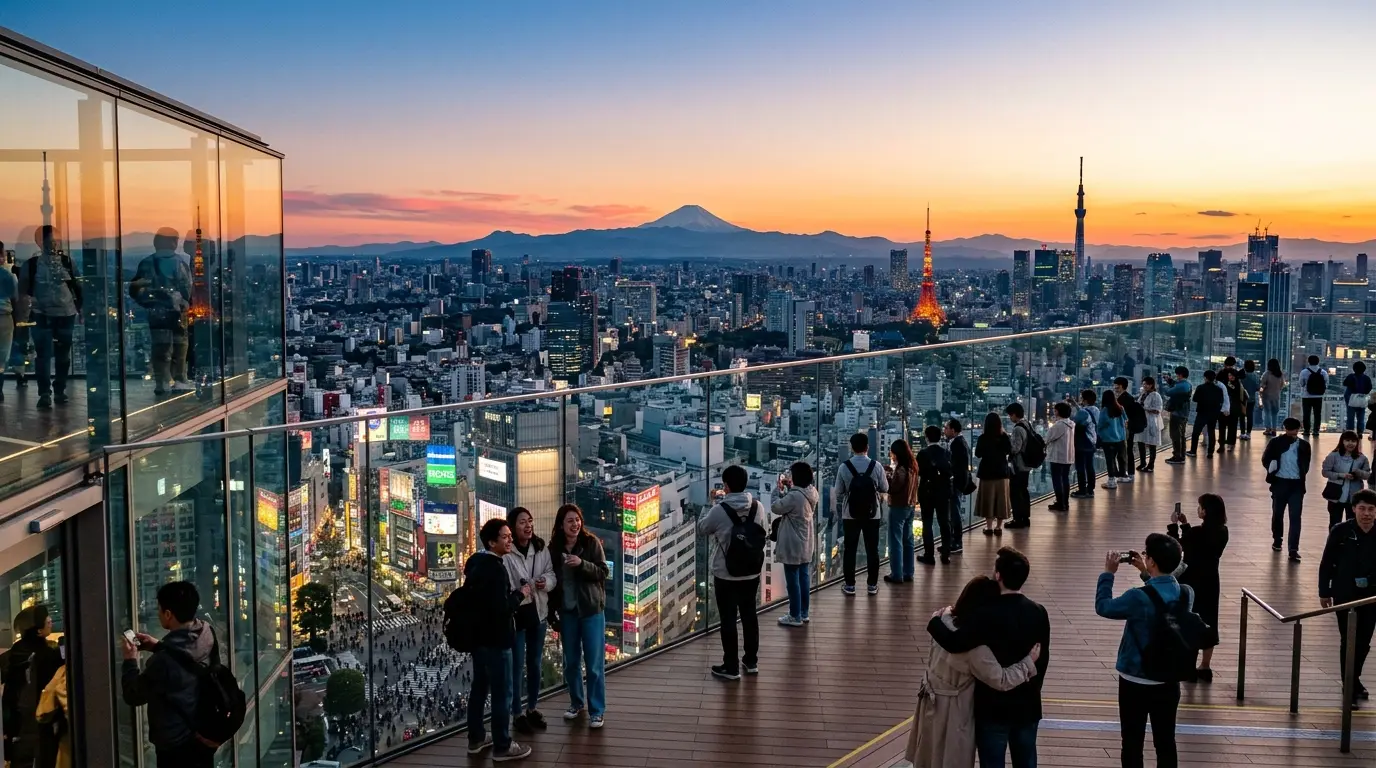
Where to Stay in Tokyo: Shinjuku vs Shibuya vs Ginza
Comparing room footprints across Shinjuku, Ginza, and Ueno, locking in sudden 14-day cancellation drops, and eliminating DCC fees with clean Yen checkout.
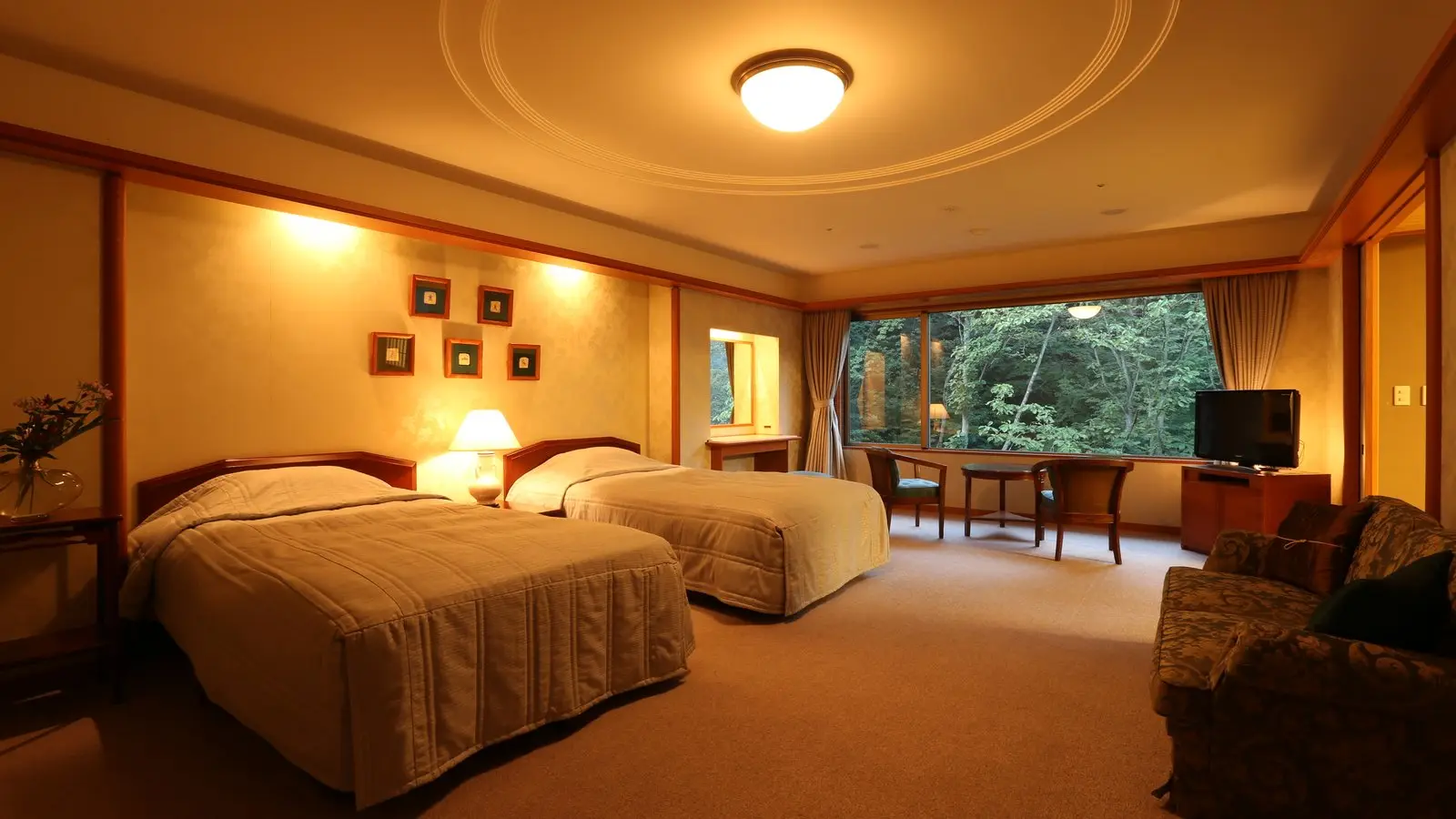
7 Budget Hotels in Tokyo Under $100 on the Yamanote Line
Even amid yen fluctuations, central Tokyo hotel rates have soared. Learn how to secure Yamanote loop line hotels at half the price of Shinjuku, compare onsen bath chains like Dormy Inn, trigger secret Agoda VIP and Booking.com Genius discounts, and dodge hidden currency fees with yen settlement.