
The Budget Airline 7kg Carry-On Survival Guide: Dodging Gate Fees and Airport Scale Discrepancies
Jeju Air, Peach, AirAsia and Scoot gate inspection rules: wearable cargo tactics and scale calibration secrets

Why Budget Airlines Obsess Over the Strict 7kg Carry-On Limit
Behind astonishingly cheap promotional flight fares lies a meticulously calculated auxiliary revenue machine. Unlike legacy full-service carriers, low-cost carriers (LCCs) slash base ticket prices to the bone while harvesting their primary profits from checked baggage, seat selection, onboard meals, and hefty gate-check baggage penalties. Last-minute gate baggage fees are purposely priced two to three times higher than advance online rates, creating a highly lucrative penalty channel for airline balance sheets.
Across major Asian low-cost airlines, the standard carry-on baggage allowance is strictly capped at 7kg (some Korean carriers allow up to 10kg), encompassing one main cabin bag plus one small personal accessory. Even a minor excess of 7.2kg or 7.4kg frequently triggers an inflexible demand for a credit card swipe because rigorous gate scale enforcement directly drives bottom-line profitability.
Operational flight safety and aircraft weight balance provide the legitimate technical foundation for these rules. Narrow-body jetliners such as Boeing 737s and Airbus A320s possess strict physical weight load limits on each overhead bin compartment. If every flyer jammed 12kg suitcases above, center-of-gravity takeoff calculations would drift and overhead latch hinges would risk structural fatigue.
Navigating budget cabin baggage is an intentional tactical puzzle. Once you understand the rules of engagement and master techniques to glide onto the scale at a comfortable 6.7kg, you unlock the purest form of travel mobility: zero checked luggage fees, zero luggage carousel waiting times, and stepping into the city center minutes after touchdown.

Unmasking Airport Scale Discrepancies: Check-In vs. Gate Scales
Nothing induces a sudden cold sweat quite like carefully weighing your backpack at home on a luggage scale to precisely 6.9kg, only to watch the check-in conveyor belt scale illuminate 7.4kg. These discrepancies often stem from cheaper handheld spring sensors or minor calibration drifts between home scales and commercial airport load cells.
Major international airports including Incheon, Kansai, and Bangkok Suvarnabhumi place complimentary public digital scales across departure concourses before passport control. Always seek out these calibrated departure scales before entering the check-in queue. Place your backpack squarely in the geometric center of the metal platform, ensuring straps and loose cords do not dangle onto the surrounding floor to obtain a true reading.
Receiving an approved carry-on tag at the initial check-in counter is no guarantee of total immunity. At specialized low-cost terminals in Osaka Kansai, Fukuoka, Taipei Taoyuan, and Bangkok Don Mueang, ground staff routinely deploy portable ground scales right at the boarding gate chute, conducting random secondary inspections as boarding passes are scanned.
Stuffing heavy duty-free purchases, bottled spirits, or cosmetics into your cabin bag after security clearance represents a major financial hazard. When gate agents order a mandatory re-weigh of your combined personal bag and shopping sack, crossing the 7kg ceiling will result in an immediate 50 to 80 dollar gate collection.

The Wearable Cargo Tactic: Redistributing Dense Gadgets Onto Your Body
A careful examination of airline carriage terms reveals one indisputable loophole: clothing and apparel worn on a passenger's physical body are never included in the 7kg cabin baggage calculation. This fundamental rule represents your most potent, completely legal defense against gate overage fees.
Bulky outerwear, thick hoodies, and heavy footwear represent the primary culprits behind excess bag weight. Packing a heavy denim jacket or fleece pullover inside your bag consumes over 1.5kg of baseline allowance instantly. Regardless of ambient temperature, wear your heaviest shoes and slip on your bulky jacket when checking in and stepping past gate attendants.
Outerwear pockets serve as high-capacity auxiliary storage pods. Dense electronics like 20,000mAh power banks (weighing roughly 400g), multi-port gallium nitride fast chargers, digital camera bodies, lenses, and tablet screens dramatically drive up backpack scale readings. Slipping these high-density metal objects into deep coat pockets removes them entirely from the scale platform.
Transferring an iPad, two power banks, and a charging brick from a 7.2kg backpack into your trench coat pockets instantly lowers the bag weight to an immaculate 5.4kg. Once you have cleared inspection and boarded the plane, you can comfortably unpack the gadgets back into your bag at your seat.
Slashing Bag Tare Weight: Why an 800g Backpack Beats a Hard Suitcase
The most widespread strategic blunder travelers make under 7kg constraints is hauling a standard 20-inch hardshell rolling suitcase. Between telescopic aluminum handles, rubberized caster wheels, and zip lock hardware, an empty 20-inch hardshell spinner weighs between 2.8kg and 3.5kg before you pack a single pair of socks.
When the empty container claims nearly half your allowable limit, your actual usable payload drops to a paltry 3.5 to 4 kilograms. A couple of outfits and a toiletry kit exhaust your margin, leaving zero room for local souvenirs, clothing, or coffee beans.
Conversely, a purpose-built 35L to 40L lightweight nylon travel backpack tips the scales at merely 750g to 900g empty. Choosing a lightweight travel pack over a rolling spinner automatically gifts you over two full kilograms of functional packing capacity for free, granting ample headroom to pass scale checks without tension.
Moreover, soft backpacks rarely trigger visual scrutiny from gate attendants. Hard rolling spinners are conspicuous rectangular visual cues that ground crew easily single out for scale placement, whereas an ergonomic backpack worn snugly over both shoulders looks remarkably compact, dropping your chances of a random gate pull.
Handling Overweight Flags at the Gate and Duty-Free Shopping Bag Rules
If an agent points to a 7.5kg readout at the check-in desk or boarding gate, never immediately reach for a credit card. Politely request a momentary pause: 'Excuse me, let me quickly adjust my personal items and re-weigh.' Ground staff overwhelmingly appreciate passengers making quick adjustments rather than arguing or escalating fees.
Open your bag swiftly and pull out the three heaviest single items. Grab the physical book you are reading in your hand, slip your heavy power bank and steel water bottle into your jacket, and toss your knit sweater over your shoulders. In under sixty seconds, you can shed 900g to 1.3kg, returning the digital display to safe green territory.
Stay acutely aware of airport duty-free shopping bag policies. Technically, most low-cost carriers count retail bags toward your overall two-piece personal allowance. Sealed tamper-evident bags (STEB) holding duty-free liquids are protected by aviation safety rules, but bulky confectionary or clothing boxes should be packed tightly inside your bag or consolidated into a single discreet tote.
Mastering the 7kg budget cabin challenge is not about enduring deprivation, but discovering the freedom of ultralight travel. With an 800g pack and strategic garment distribution, you protect your wallet from ruthless airport fees while walking straight from the jet bridge to city transit in total agility.
Frequently Asked Questions
Field-tested answers to transit navigation, neighborhood choices, and payment traps.
Q1.Does the 7kg budget airline carry-on limit include both my backpack and a small cross-body purse?
Q2.Will gate agents really charge a penalty if my bag weighs 7.2kg, just 200g over the limit?
Q3.Do airport duty-free shopping bags count toward the 7kg cabin baggage allowance?
Q4.Can I hold my laptop or tablet computer in my hand to reduce bag scale weight?
The Smart Traveler's Essential Toolkit
Prepare instant mobile data, private airport transfers, and skip-the-line passes in one place.
Pick a base in Seoul by your route
Choose the places you want to see and get the neighbourhood with the shortest travel.
Compare Seoul Hotel Rates
Find the cheapest channel across Agoda and major booking engines with Tripdify.
Share This Guide with Your Companions
When shared via chat or social media, a curated summary card is sent along.

Recommended Guides

Seoul Itinerary: Bukchon, Seongsu and the Han River in Two Nights
From the 43-minute AREX express from Incheon Airport to tranquil Hanok courtyard stays, industrial red brick roasteries in Seongsu, and Banpo Han River instant ramen picnics.

Hanok Stays in Seoul: How to Book in Bukchon and What to See in Seongsu
Amid the relentless futuristic pace of contemporary Seoul, stepping through the wooden gate of a century-old hanok courtyard offers an astonishing immersion in quietude. From booking private heritage residences in Bukchon and Seochon to navigating Seongsu craft coffee roasteries, this field guide audits real costs, noise curfews, and transit hacks.

Seoul Day 1 Itinerary: Incheon Airport to the City, Bukchon and Gwangjang Market
The definitive first 24-hour Seoul playbook: mastering the 43-minute AREX airport express, navigating Bukchon quiet hours, savoring sizzling Gwangjang mung bean pancakes, and ending with a serene midnight stroll along Cheonggyecheon stream.

Seoul Day 2 Itinerary: Gyeongbokgung Guard Ceremony, Seongsu Cafes and N Seoul Tower
An extraordinary second day across Seoul: witnessing the solemn Changing of the Royal Guard at Gyeongbokgung, bartering antique brass coins for lunch in Seochon, discovering Seongsu's industrial-chic design universe, and capping the twilight with riverside instant ramen and glittering N Seoul Tower views.

Seoul Day 3 Itinerary: Yeonnam-dong, The Hyundai Seoul and City Airport Check-In
The ultimate finale in Seoul: a morning stroll down the lush Gyeongui Line Forest Trail, browsing trendsetting designer boutiques in Hongdae, experiencing the architectural wonder of The Hyundai Seoul, and utilizing Seoul Station's in-town check-in to glide through Incheon Airport departure queues hands-free.
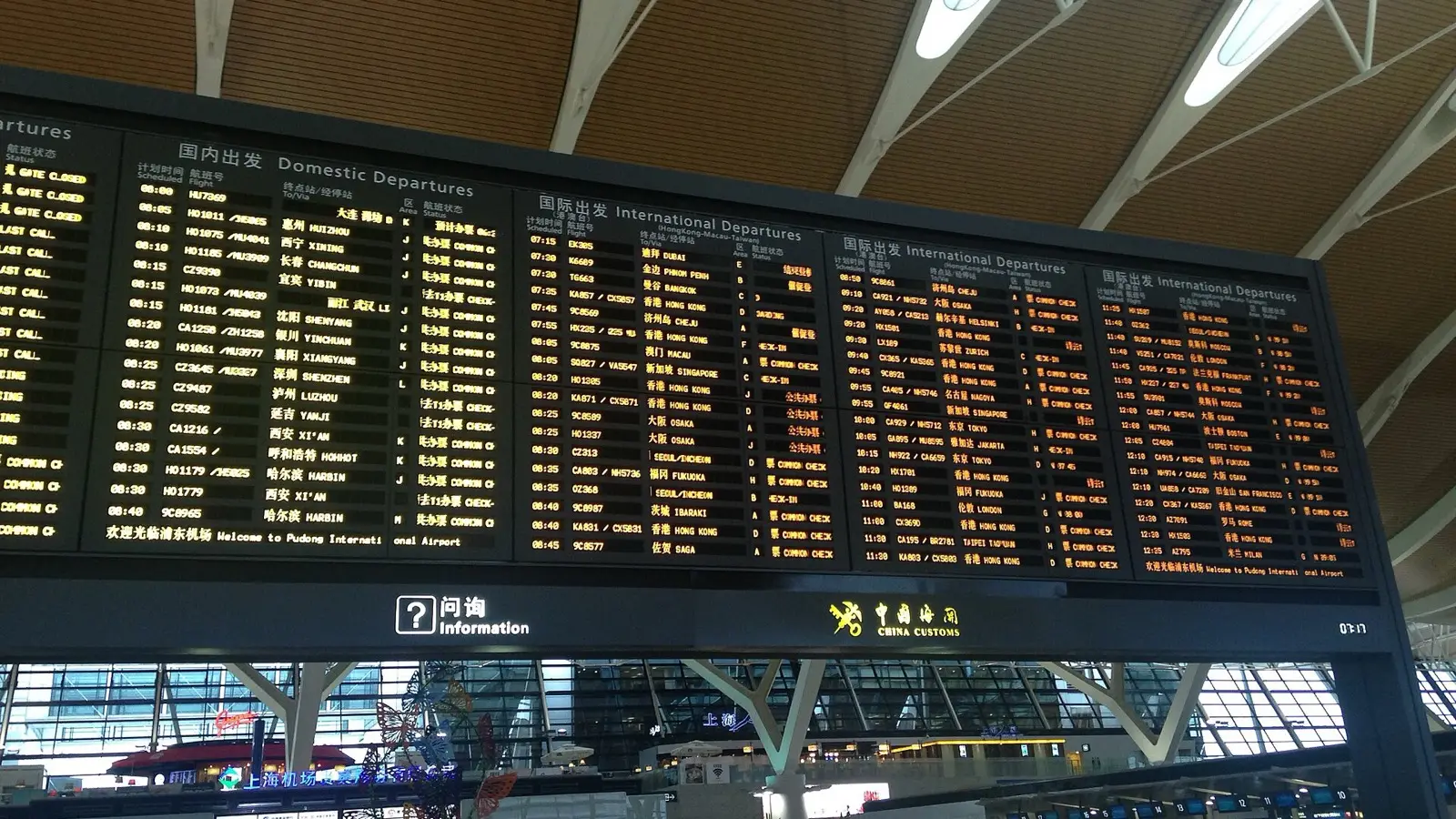
How to Book Flights Cheaply: Split Ticketing and Why Fares Move
An investigative deep dive into airline revenue management algorithms, exposing why incognito mode fails while multi-city open-jaw routing and baggage decoupling slash flight costs by over 30%.
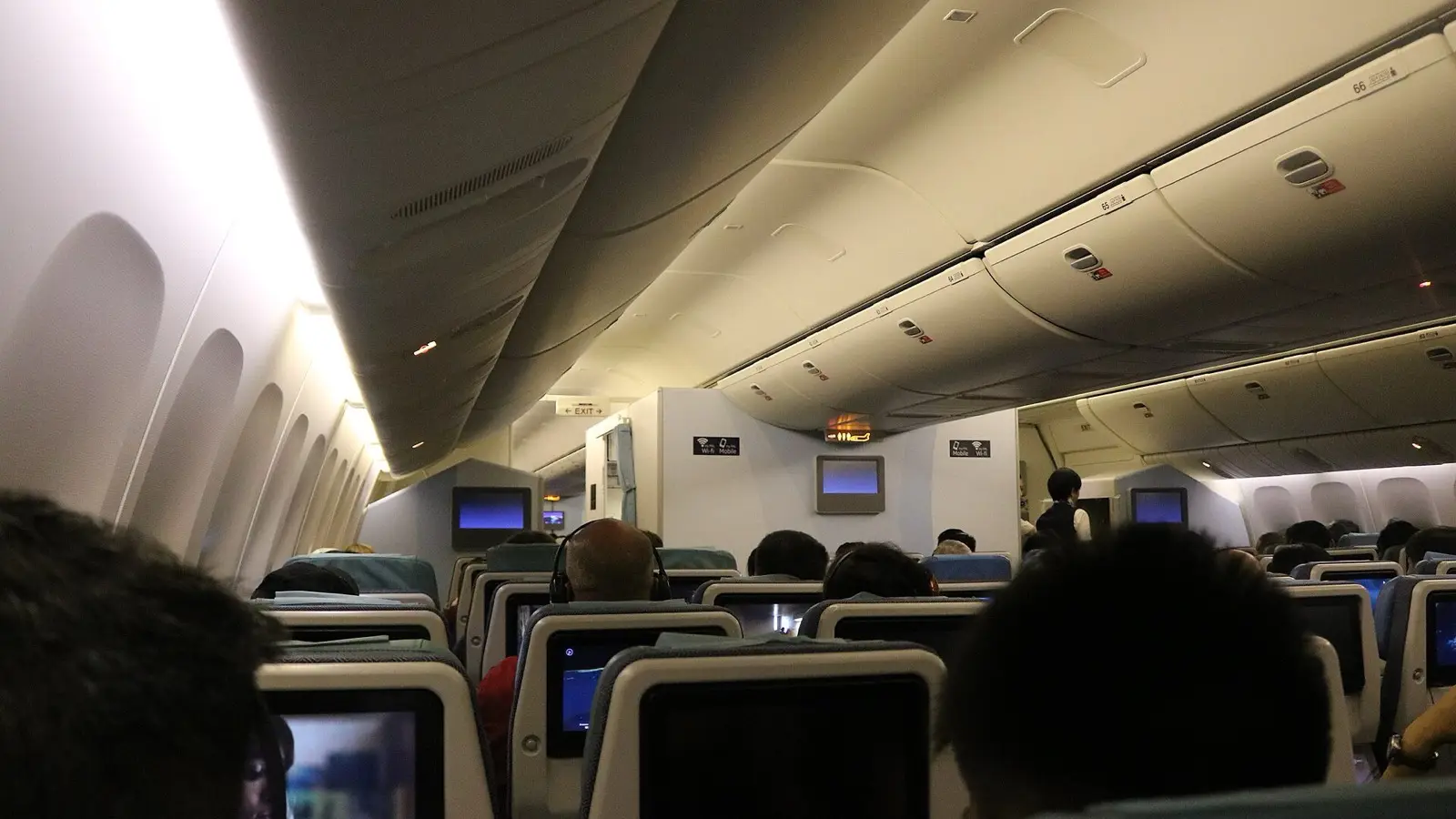
5 Secrets to Snagging Prime Airline Seats: The Exit Row Paradox, Tail-Section Twins, and Check-in Golden Hours
On long-haul flights spanning ten hours across continents, your seat allocation dictates whether you arrive invigorated or physically broken. Within standard 31-inch economy cabins, subtle variations create vast differences in comfort. From the unvarnished realities of exit rows and bulkhead bassinet positions to sidestepping misaligned 'windowless window seats', claiming quiet two-seat pairs along tapering tail fuselages, and timing the precise 24-hour pre-flight check-in window when premium rows open free of charge, here is your definitive field guide to mastering aircraft seat selection.
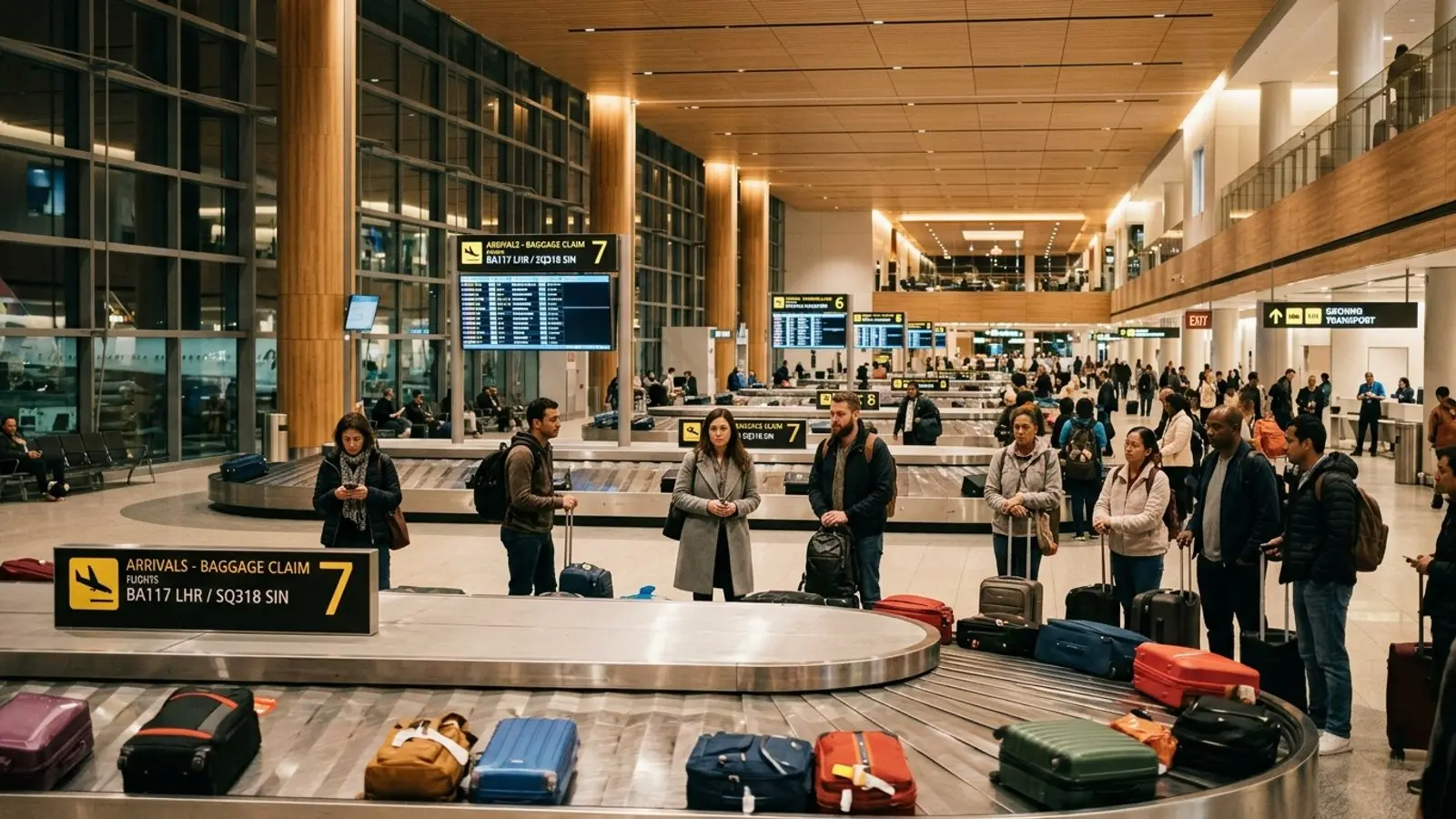
The Definitive Airline Baggage Claim Playbook: Montreal Convention SDR Caps, On-Site PIR Filing, and Insurance Stacking
Watching the final suitcase circle the baggage carousel while yours fails to materialize, or seeing your hardshell case emerge with sheared wheels and split seams, is every international traveler's acute nightmare. Stepping past the customs exit doors without official paperwork permanently forfeits your statutory leverage. From securing the critical Property Irregularity Report (PIR) before leaving the baggage reclaim area to invoking the Montreal Convention liability cap of roughly 1,700 dollars (1,288 SDR), claiming emergency clothes and toiletries on the carrier's dime, and legally stacking airline payouts against private travel insurance policies, here is your definitive field guide to getting fully reimbursed.
The Hotel Best Rate Guarantee (BRG) Playbook: Finding Cheaper OTAs and Claiming 25% Off
Many travelers assume online travel agencies (OTAs) like Agoda or Trip.com are always cheaper than booking direct, while others blindly believe official hotel websites guarantee the absolute lowest rate. To avoid paying steep 15 to 25 percent middleman commissions, global hotel giants operate Best Rate Guarantee (BRG) programs: if you find a lower public rate elsewhere, they will match it and slash an additional 20 to 25 percent off or award thousands of loyalty points. From unpacking the exact rules of Marriott Bonvoy, Hilton Honors, World of Hyatt, and IHG One Rewards to matching room tiers, cancellation deadlines, and currency conversion traps, here is your definitive field guide to locking in luxury rooms at unheard-of discounts.

Seoul's Euljiro Alleyways: Industrial Print Shops, Vintage Tearooms, and Hidden Hipjiro Wine Bars
Nestled between central Seoul's Jongno and Toegyero avenues, Euljiro is an urban paradox where day and night belong to completely different eras. At high noon, its labyrinthine alleys hum with roaring printing presses, metal-cutting lathes, and darting delivery scooters. Yet as dusk settles over its weathered concrete, narrow unlit stairwells illuminate with warm tungsten glow, unlocking the magnetic retro world known locally as Hipjiro. From historic 1970s dabang tearooms serving egg-yolk herbal tea to speakeasy natural wine bars tucked behind nondescript iron doors, here is your insider's guide to navigating Euljiro's legendary blend of working-class heritage and cutting-edge culture.

Where to Stay in Tokyo: Shinjuku vs Shibuya vs Ginza
Comparing room footprints across Shinjuku, Ginza, and Ueno, locking in sudden 14-day cancellation drops, and eliminating DCC fees with clean Yen checkout.

7 Budget Hotels in Tokyo Under $100 on the Yamanote Line
Even amid yen fluctuations, central Tokyo hotel rates have soared. Learn how to secure Yamanote loop line hotels at half the price of Shinjuku, compare onsen bath chains like Dormy Inn, trigger secret Agoda VIP and Booking.com Genius discounts, and dodge hidden currency fees with yen settlement.