
Seoul Neighborhoods Guide: Hongdae, Myeongdong, Seongsu, and Bukchon Area Breakdown
Line 2 subway corridors deconstructed: Airport Railroad access, budget boutique stays, and curated foodie districts
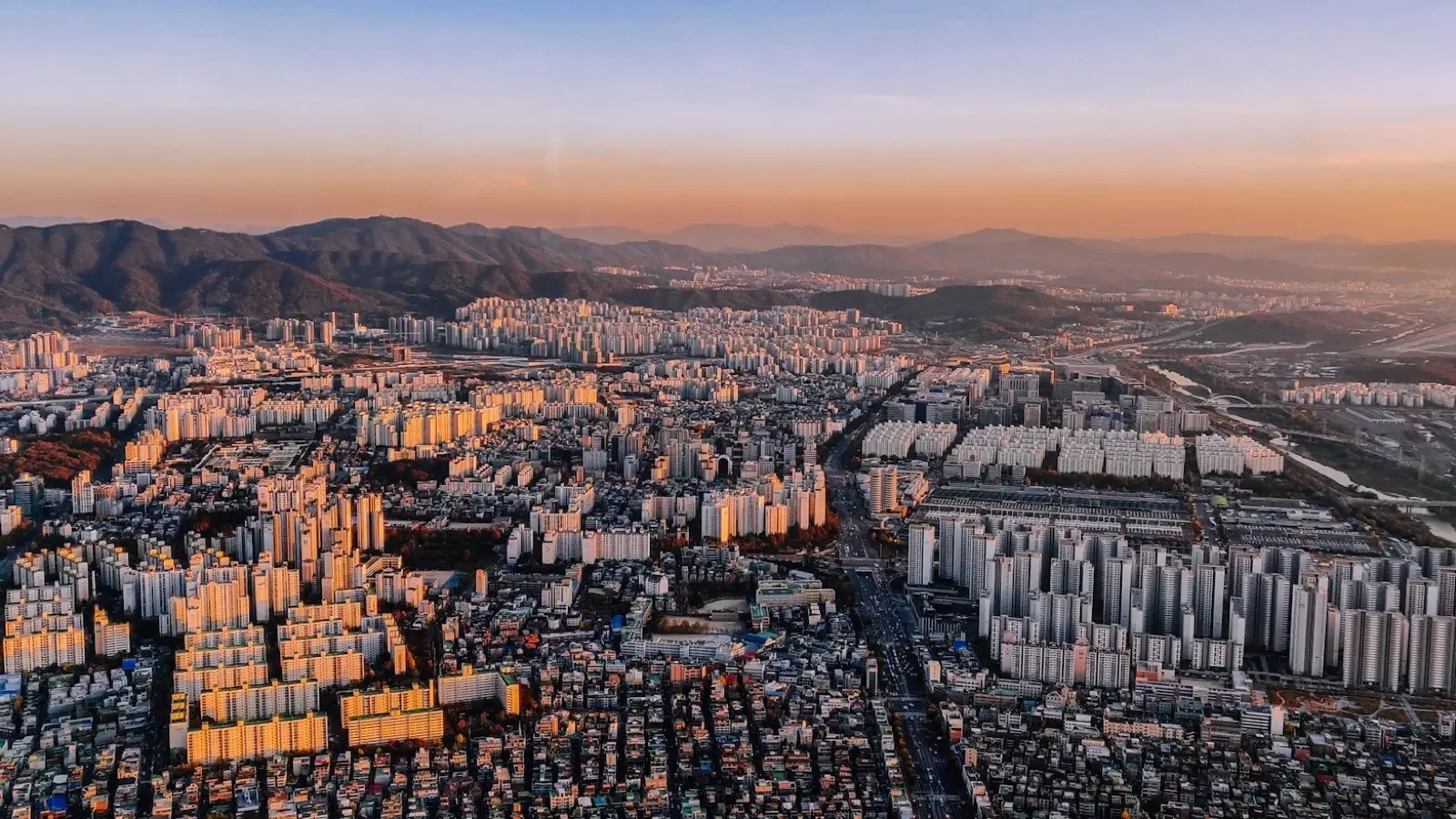
The Golden Transit Rule: Mastering Seoul Metro Line 2
If there is one non-negotiable rule when selecting accommodations in Seoul, it is ensuring your property sits within walking distance of Seoul Metro Line 2 (the green circular line). While Seoul's subterranean rail network encompasses over twenty sprawling lines, Line 2 is the singular loop connecting every critical commercial, culinary, and cultural node across the Han River.
From Hongdae and Sinchon in the west to City Hall and Euljiro in the historic center, onward to Seongsu and Konkuk in the creative east, and crossing south to Jamsil and Gangnam, almost every hotspot is anchored directly along Line 2. Booking a hotel within five minutes of a Line 2 station enables effortless 20-to-30-minute direct subway hops without descending into labyrinthine transfer passages.
Line 2 stations also offer superior nighttime pedestrian safety. Trains operate until roughly midnight on weekdays, and surrounding avenues remain brilliantly illuminated with 24-hour convenience stores, pharmacies, and supper eateries, providing reassuring neighborhood security for solo travelers.
When researching properties, do not merely judge a hotel by its map pin. Verify that the walking route to the nearest Line 2 subway portal is under 500 meters along a level, well-paved road. Sparing yourself steep hillside climbs will save immense physical energy across a four-day trip.
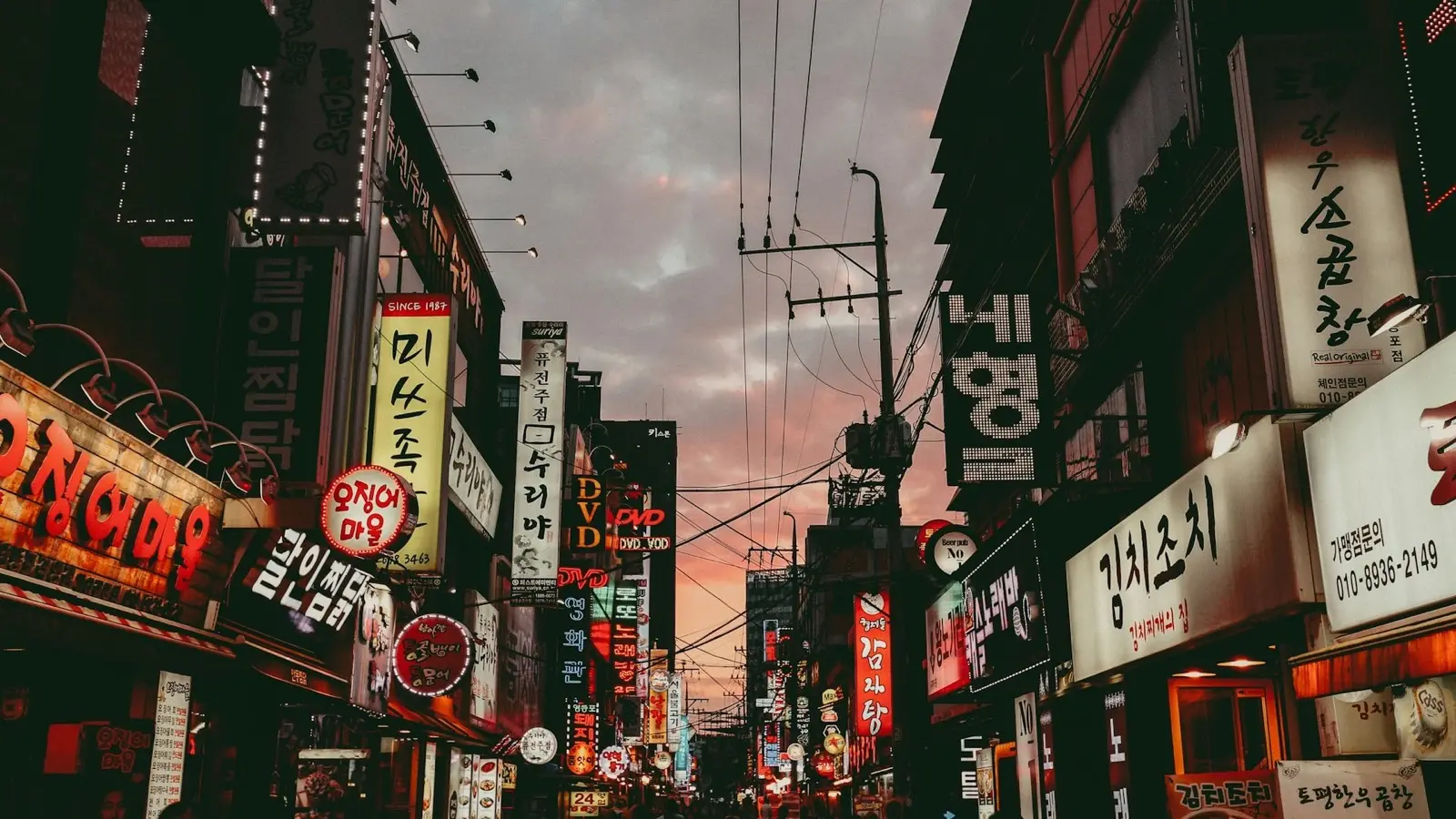
Airport Express Access and Youthful Indie Soul: Hongdae & Yeonnam
Stepping off a flight at Incheon International Airport and boarding the AREX all-stop commuter train delivers you directly to Hongik University (Hongdae) Station in exactly 53 minutes. Bypassing expensive airport limousine buses and hauling heavy luggage up crowded transit stairs via a single transit card swipe makes Hongdae the most logistically effortless arrival hub in Seoul.
Hongdae represents Seoul's uncontainable creative incubator, brimming with live acoustic buskers, underground dance clubs, and indie fashion ateliers. While the bustling alleys behind Exit 9 pulsate with nightlife, stepping out of Exit 3 introduces you to the tranquil Gyeongui Line Forest Park in Yeonnam-dong (locally dubbed 'Yeontral Park'), an idyllic green promenade lined with artisanal dessert bakeries and serene craft beer terraces.
Hospitality options are delightfully versatile. From sleek, contemporary 4-star properties directly connected to station portals such as L7 Hongdae and Mercure Ambassador Hongdae to boutique residential design lofts tucked inside Yeonnam alleys, rooms range comfortably between $60 and $140 USD per night.
Hongdae is the ultimate base for energetic travelers eager to experience Seoul's late-night social culture and street dining. To dodge weekend club music thumping into the early morning hours, book properties situated on the Yeonnam-dong residential park side rather than directly along the central pedestrian nightlife strip.
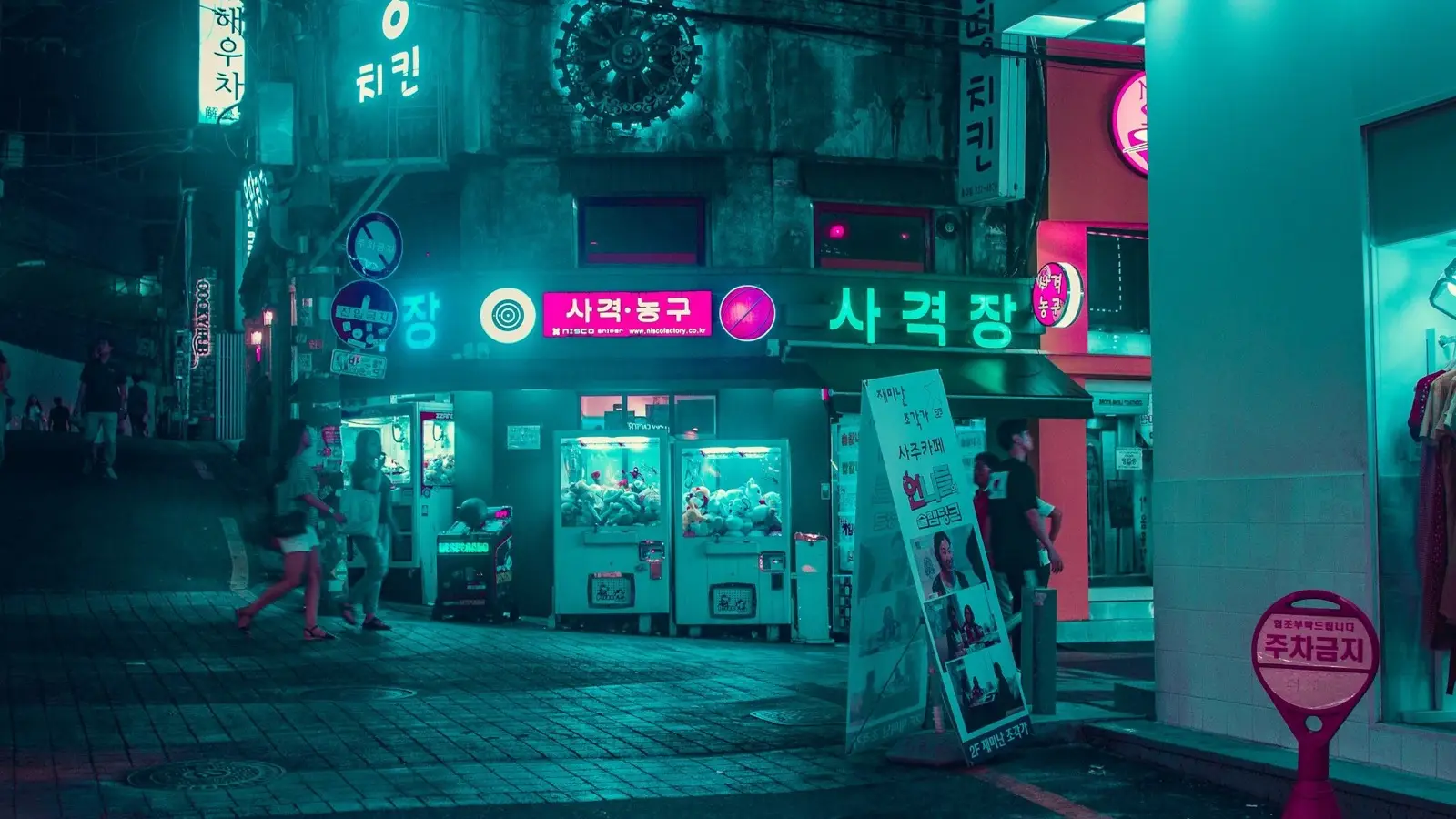
The Traditional Retail Heavyweight and Central Hub: Myeongdong & Euljiro
For family vacations, travelers accompanying seniors, or those prioritizing beauty retail and historic palaces, Myeongdong and neighboring Euljiro remain Seoul's timeless heavyweight base. Stationed along Subway Line 4 (Myeongdong) and Subway Line 2 (Euljiro 1-ga), this district offers unmatched multi-directional transit connectivity.
The pedestrian avenues of Myeongdong house multi-story Olive Young beauty flagships alongside the sprawling Lotte and Shinsegae flagship department stores, creating an all-weather shopping mecca. Lively street food carts roll out every evening, while a pleasant fifteen-minute stroll delivers you to the gates of Deoksugung, Gyeongbokgung, or the refreshing waters of Cheonggyecheon Stream.
Directly across the boulevard lies Euljiro, affectionately known as 'Hipjiro.' By day, its working-class letterpress alleyways hum with industrial energy; by night, they transform into an enchanting speakeasy district filled with retro draft beer alleys and hidden fourth-floor wine bars. Parents can shop comfortably in Myeongdong while younger travelers explore vintage cocktail lounges across the street.
This corridor boasts Seoul's highest concentration of reliable international hotels: L7 Myeongdong, Four Points by Sheraton Josun Myeongdong, Royal Hotel Seoul, and Sotetsu Hotels The Splaisir. Impeccable housekeeping standards and fluent multilingual service make this zone totally beginner-friendly.
Seoul's Brooklyn and the Cutting Edge of K-Fashion: Seongsu & Gangnam
Today, the epicenter of global fashion in Seoul is unquestionably Seongsu-dong. Once an industrial district of shoe factories and metal printing warehouses, its red-brick structures along Yeonmujang-gil now house experimental flagship boutiques, high-concept concept cafes, and avant-garde pop-ups from brands like Chanel, Dior, and Gentle Monster.
Seongsu borders the sprawling green lawns of Seoul Forest Park, allowing visitors to start mornings strolling under ginkgo trees before diving into specialty pour-over coffee roasteries. Because high-end hotel developments within central Seongsu remain scarce, savvy travelers stay one stop away on Line 2 around Wangsimni or Konkuk University stations, or reserve boutique residential lofts near Ttukseom Station.
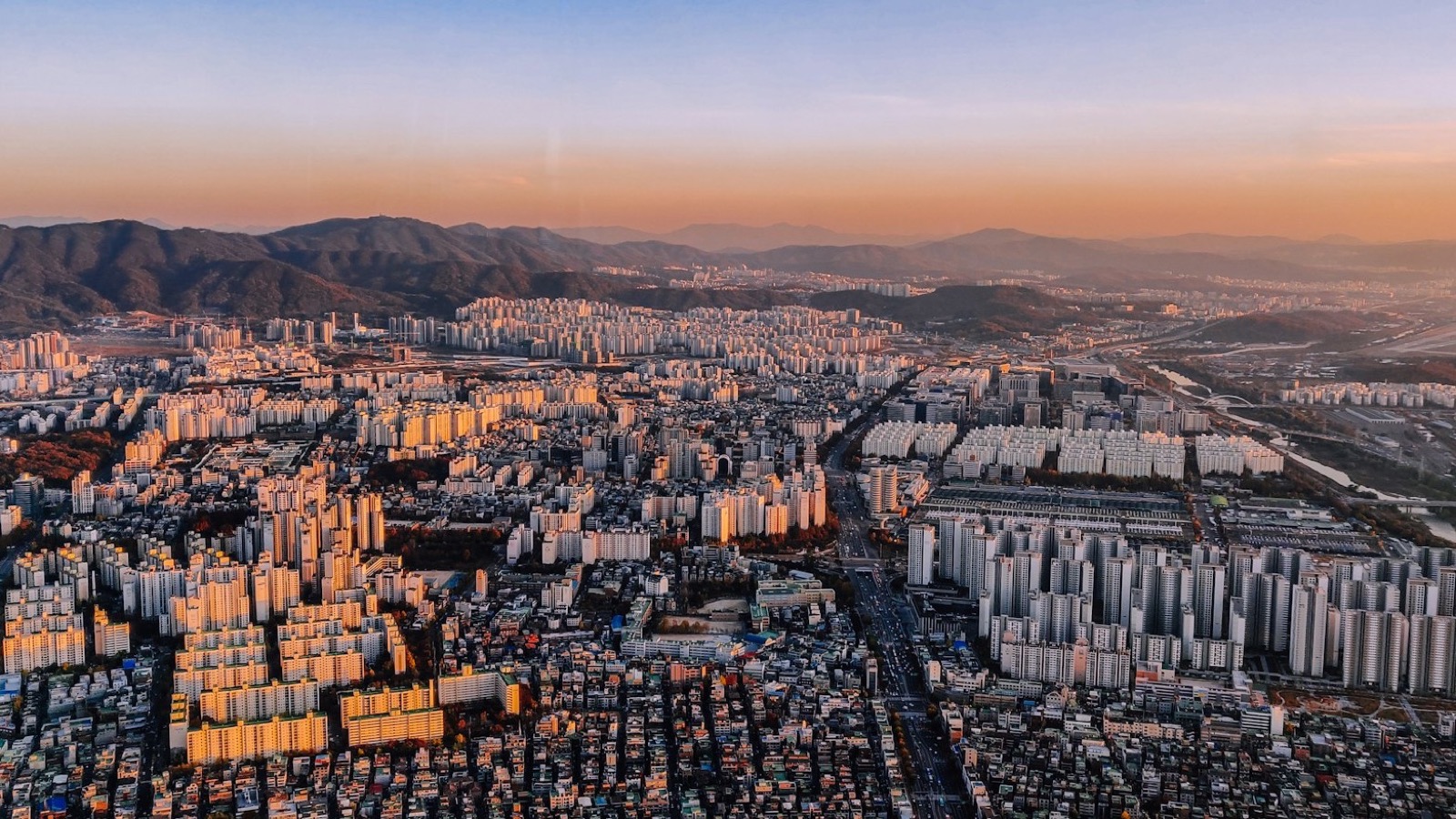
South of the Han River, the Gangnam and Sinsa corridor embodies polished cosmopolitan luxury, aesthetic dermatology clinics, and fine dining. Encompassing the subterranean Starfield COEX Mall, Bongeunsa Temple, Sinsa-dong Garosu-gil, and Apgujeong Rodeo, it is an irresistible paradise for K-beauty treatments and Michelin-starred gastronomy.
Gangnam delivers world-class luxury accommodations including Grand InterContinental Seoul Parnas, Andaz Seoul Gangnam, and voco Seoul Gangnam. However, vehicular traffic between Incheon Airport and southern Seoul during weekday rush hours is notorious; opt for the Subway Line 9 Express train rather than highway buses to avoid missing outbound flights.
Historic Hanok Serenity and Cultural Quiet: Bukchon & Insadong
If your soul craves an escape from pulsating LED screens in favor of stone-paved lanes and misty palace mornings, the historic northern enclave of Bukchon, Seochon, and Insadong offers an enchanting sanctuary.
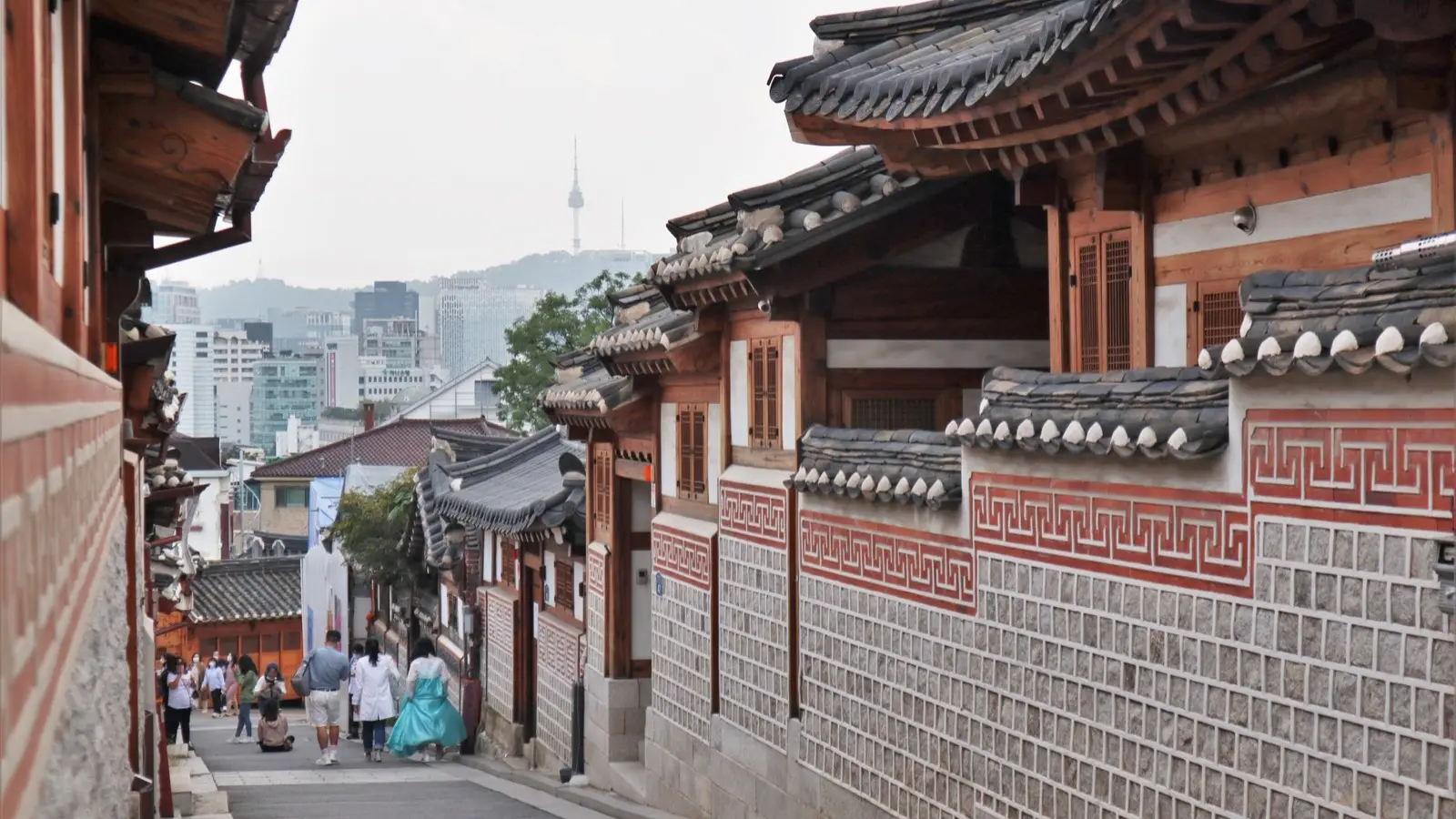
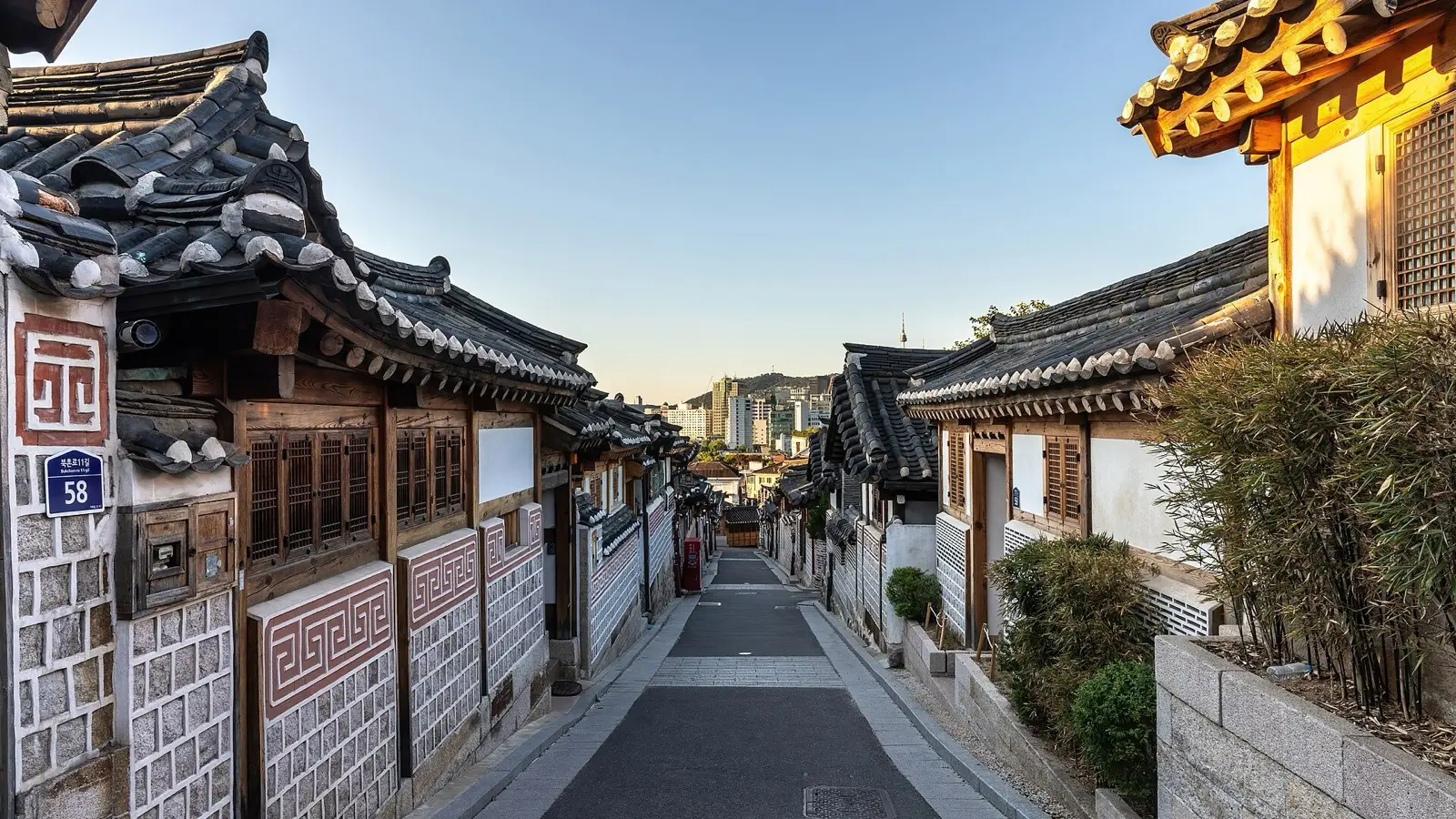
Cradled between Gyeongbokgung and Changdeokgung palaces, Bukchon Hanok Village preserves hundreds of traditional wooden tiled-roof residences dating back to the Joseon Dynasty. Reserving a private, lovingly restored heritage hanok stay complete with an open-air stone courtyard and hinoki wood soaking tub delivers an intimate tranquility that standard hotel rooms simply cannot replicate.
West of the palace, Seochon presents an authentic bohemian enclave immortalized by mid-century Korean poets and painters. Its charming maze hides independent literary bookstores, ceramic workshops, and the famous Tongin Market where visitors assemble brass coin lunchboxes. Neighboring Insadong offers tea houses and calligraphy galleries ideal for contemplative afternoon promenades.
While boutique hanok stays dominate the residential hills, contemporary full-service hotels like Nine Tree Premier Hotel Insadong and Somerset Palace Seoul provide modern creature comforts within walking distance of Anguk Station. Staying here lets you witness morning palace guard ceremonies before crowds assemble.
Frequently Asked Questions
Field-tested answers to transit navigation, neighborhood choices, and payment traps.
Q1.Which neighborhood is best for a first-time visitor traveling to Seoul?
Q2.Where should I stay if my flight lands at Incheon Airport late at night or early in the morning?
Q3.Are traditional hanok guesthouses in Bukchon comfortable during freezing winters or humid summers?
Q4.Where should I stay if my itinerary focuses heavily on exploring Seongsu-dong cafes and pop-ups?
The Smart Traveler's Essential Toolkit
Prepare instant mobile data, private airport transfers, and skip-the-line passes in one place.
Pick a base in Seoul by your route
Choose the places you want to see and get the neighbourhood with the shortest travel.
Compare Seoul Hotel Rates
Find the cheapest channel across Agoda and major booking engines with Tripdify.
Share This Guide with Your Companions
When shared via chat or social media, a curated summary card is sent along.
Recommended Guides
Seoul Itinerary: Bukchon, Seongsu and the Han River in Two Nights
From the 43-minute AREX express from Incheon Airport to tranquil Hanok courtyard stays, industrial red brick roasteries in Seongsu, and Banpo Han River instant ramen picnics.
Hanok Stays in Seoul: How to Book in Bukchon and What to See in Seongsu
Amid the relentless futuristic pace of contemporary Seoul, stepping through the wooden gate of a century-old hanok courtyard offers an astonishing immersion in quietude. From booking private heritage residences in Bukchon and Seochon to navigating Seongsu craft coffee roasteries, this field guide audits real costs, noise curfews, and transit hacks.
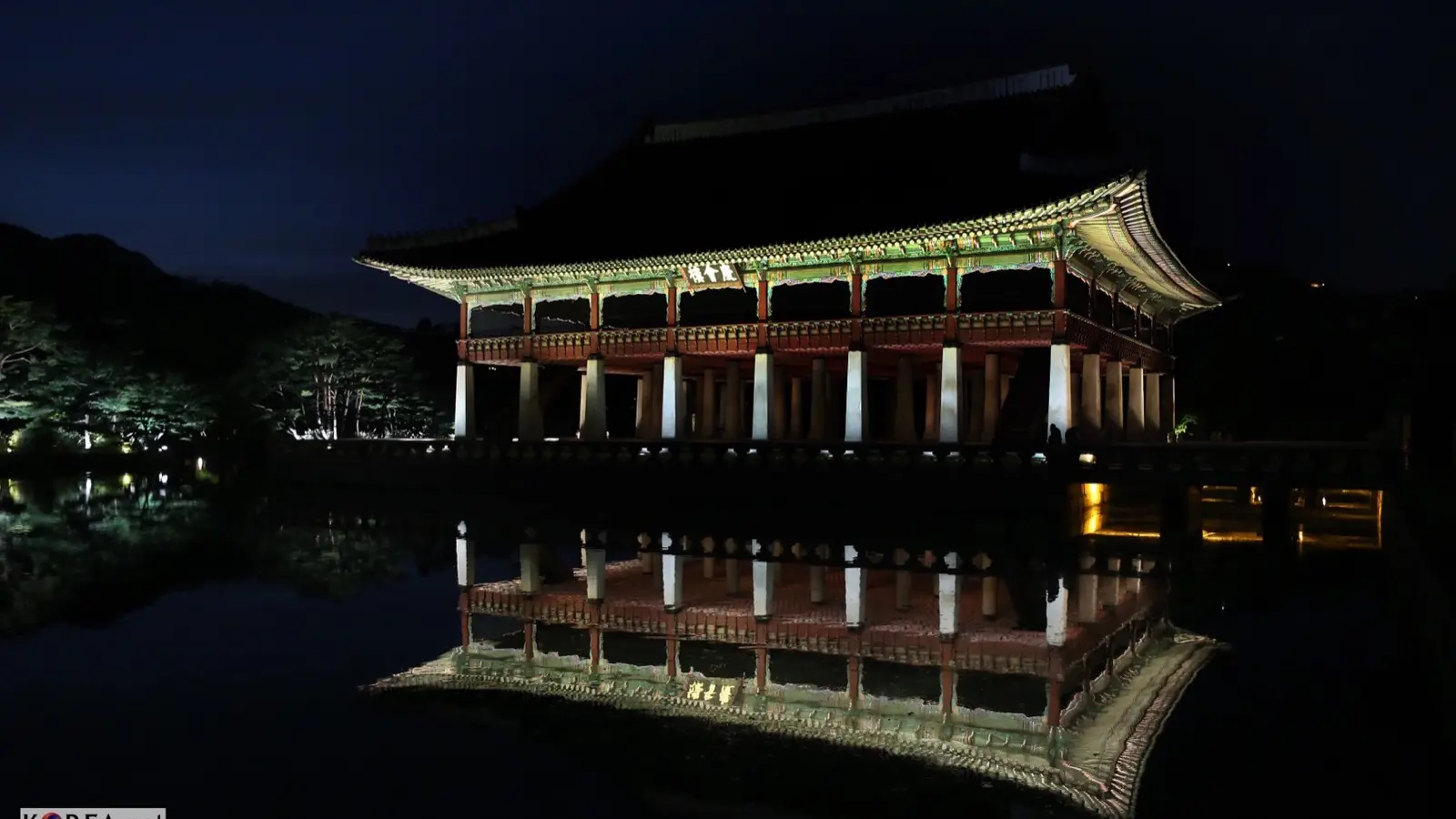
Seoul Day 1 Itinerary: Incheon Airport to the City, Bukchon and Gwangjang Market
The definitive first 24-hour Seoul playbook: mastering the 43-minute AREX airport express, navigating Bukchon quiet hours, savoring sizzling Gwangjang mung bean pancakes, and ending with a serene midnight stroll along Cheonggyecheon stream.
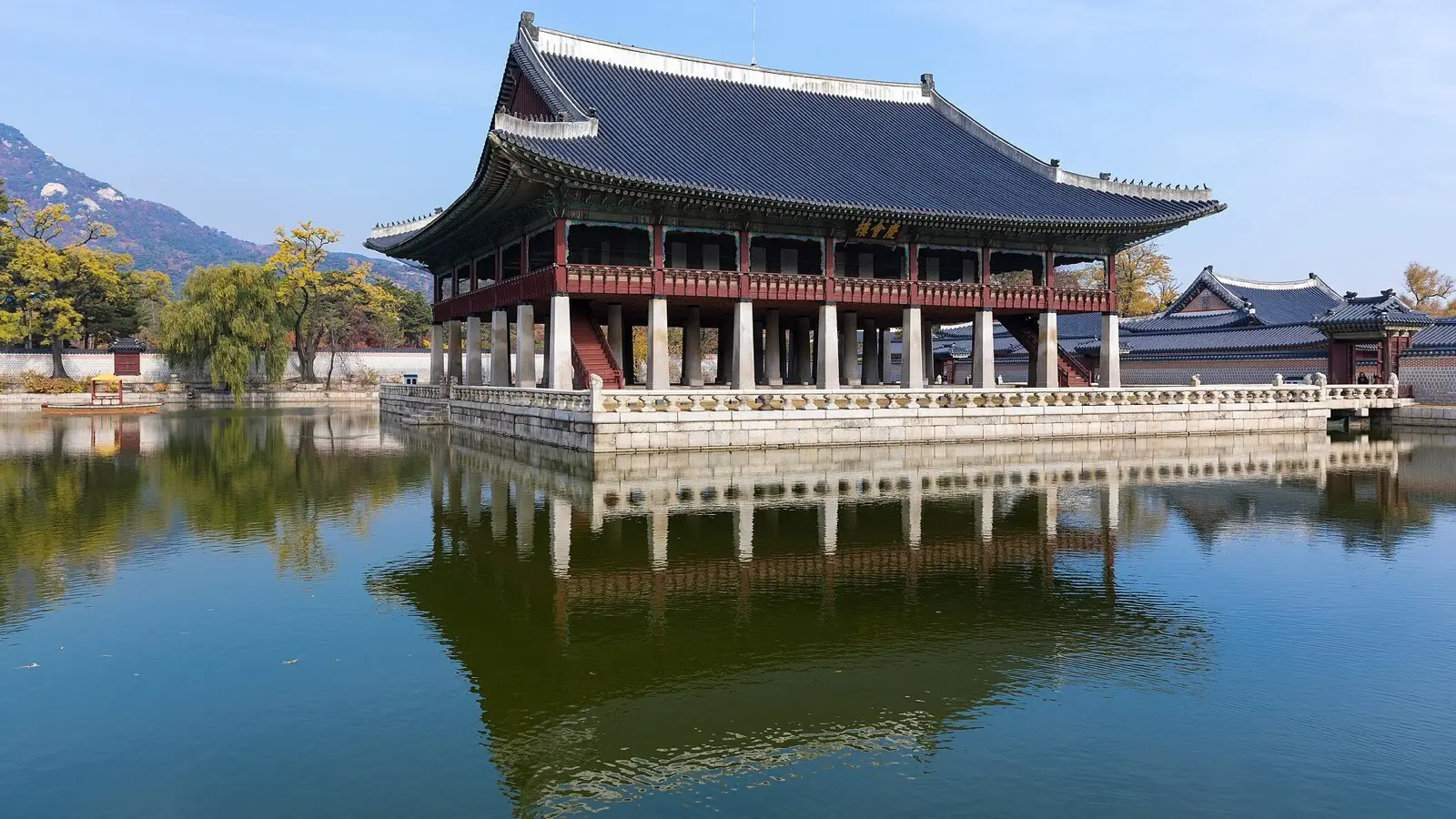
Seoul Day 2 Itinerary: Gyeongbokgung Guard Ceremony, Seongsu Cafes and N Seoul Tower
An extraordinary second day across Seoul: witnessing the solemn Changing of the Royal Guard at Gyeongbokgung, bartering antique brass coins for lunch in Seochon, discovering Seongsu's industrial-chic design universe, and capping the twilight with riverside instant ramen and glittering N Seoul Tower views.
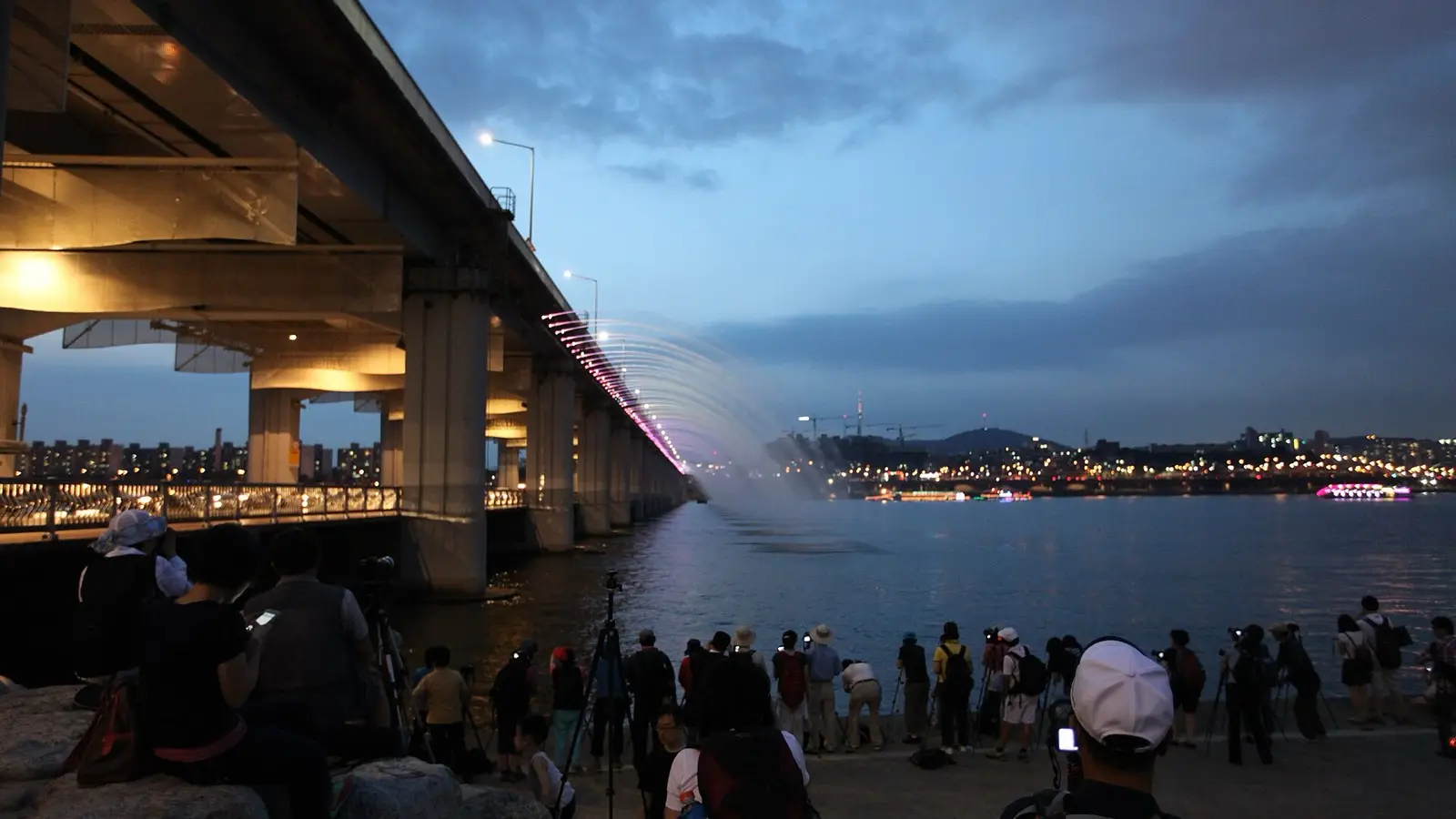
Seoul Day 3 Itinerary: Yeonnam-dong, The Hyundai Seoul and City Airport Check-In
The ultimate finale in Seoul: a morning stroll down the lush Gyeongui Line Forest Trail, browsing trendsetting designer boutiques in Hongdae, experiencing the architectural wonder of The Hyundai Seoul, and utilizing Seoul Station's in-town check-in to glide through Incheon Airport departure queues hands-free.
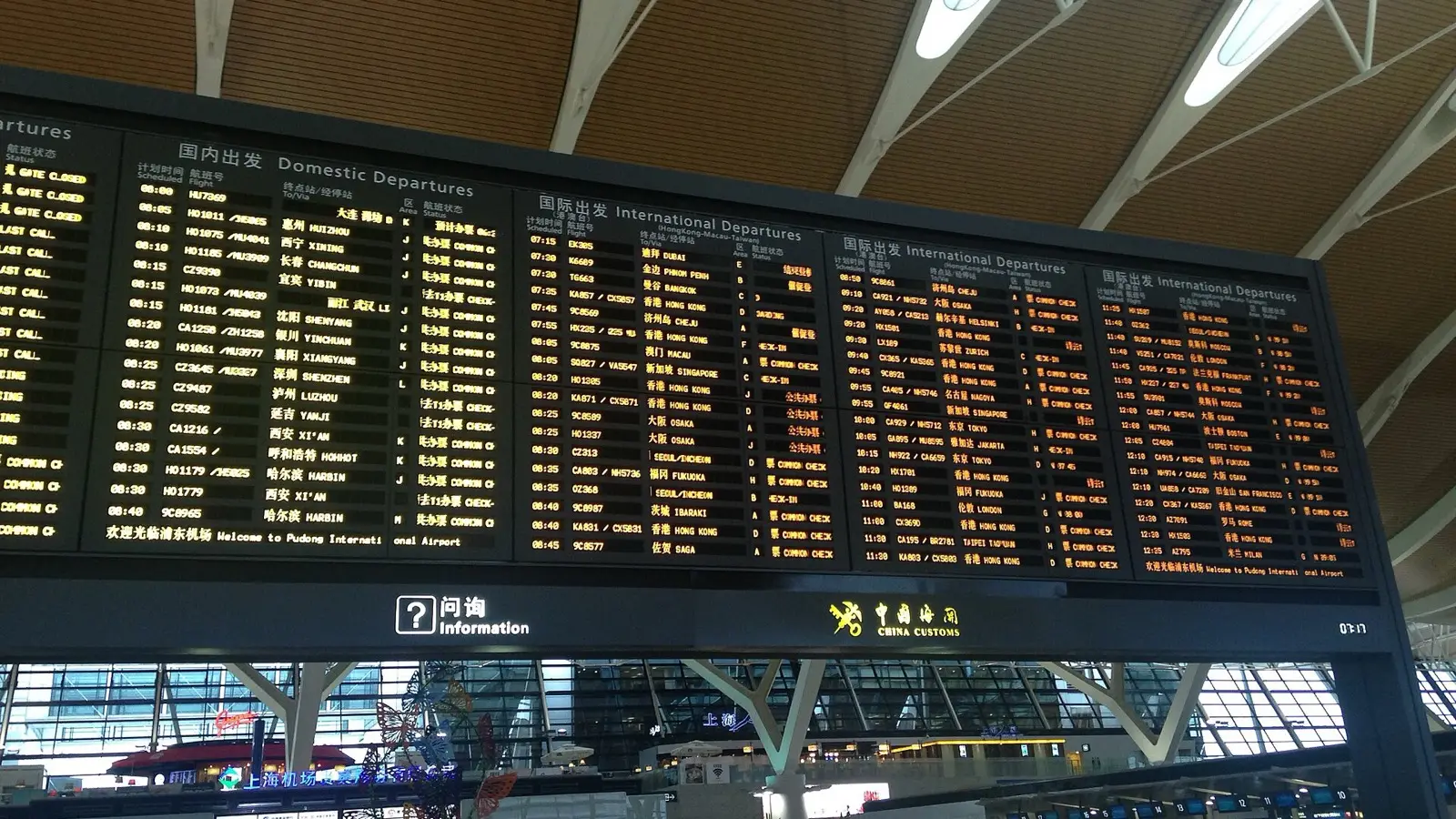
How to Book Flights Cheaply: Split Ticketing and Why Fares Move
An investigative deep dive into airline revenue management algorithms, exposing why incognito mode fails while multi-city open-jaw routing and baggage decoupling slash flight costs by over 30%.
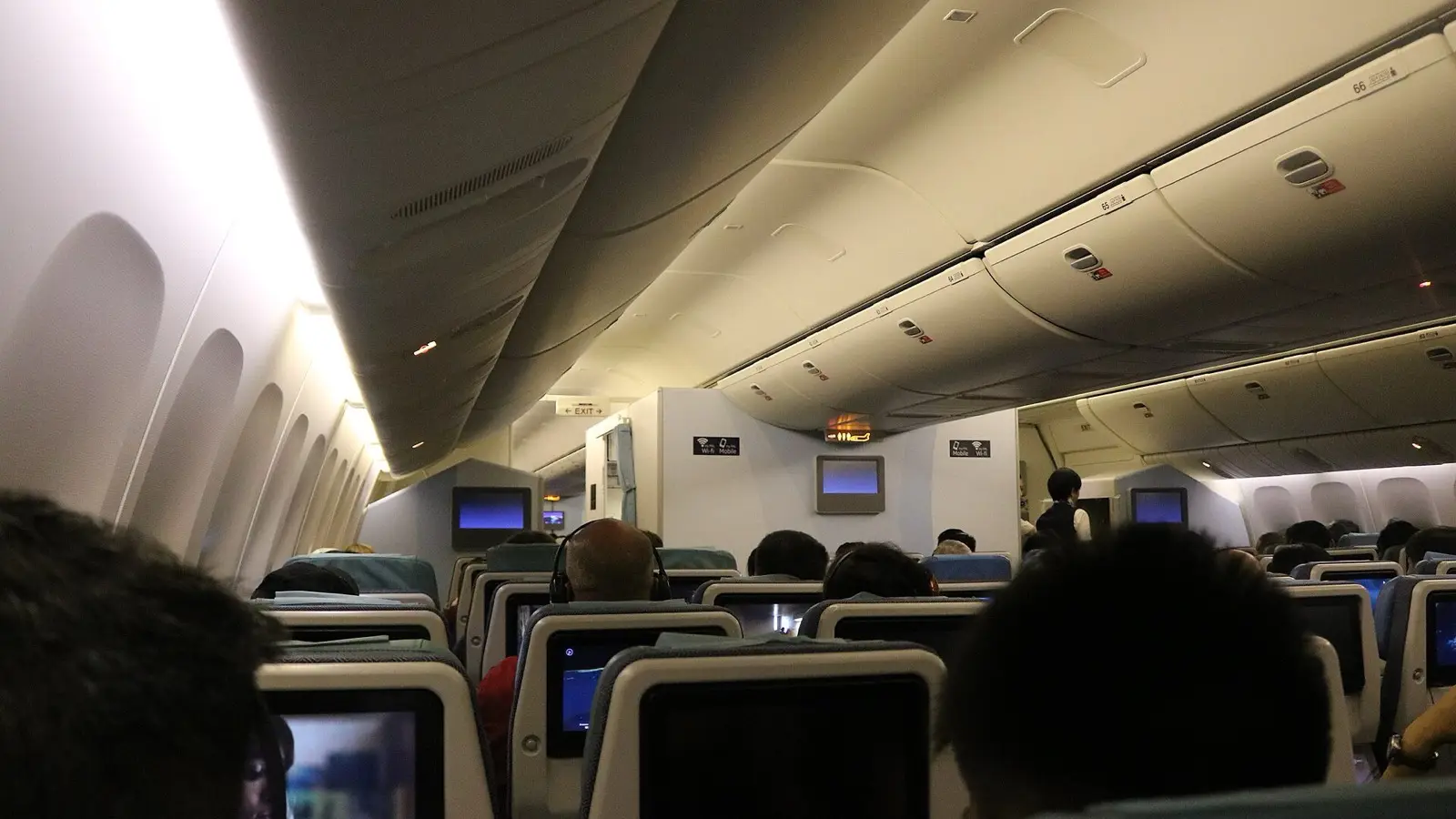
5 Secrets to Snagging Prime Airline Seats: The Exit Row Paradox, Tail-Section Twins, and Check-in Golden Hours
On long-haul flights spanning ten hours across continents, your seat allocation dictates whether you arrive invigorated or physically broken. Within standard 31-inch economy cabins, subtle variations create vast differences in comfort. From the unvarnished realities of exit rows and bulkhead bassinet positions to sidestepping misaligned 'windowless window seats', claiming quiet two-seat pairs along tapering tail fuselages, and timing the precise 24-hour pre-flight check-in window when premium rows open free of charge, here is your definitive field guide to mastering aircraft seat selection.
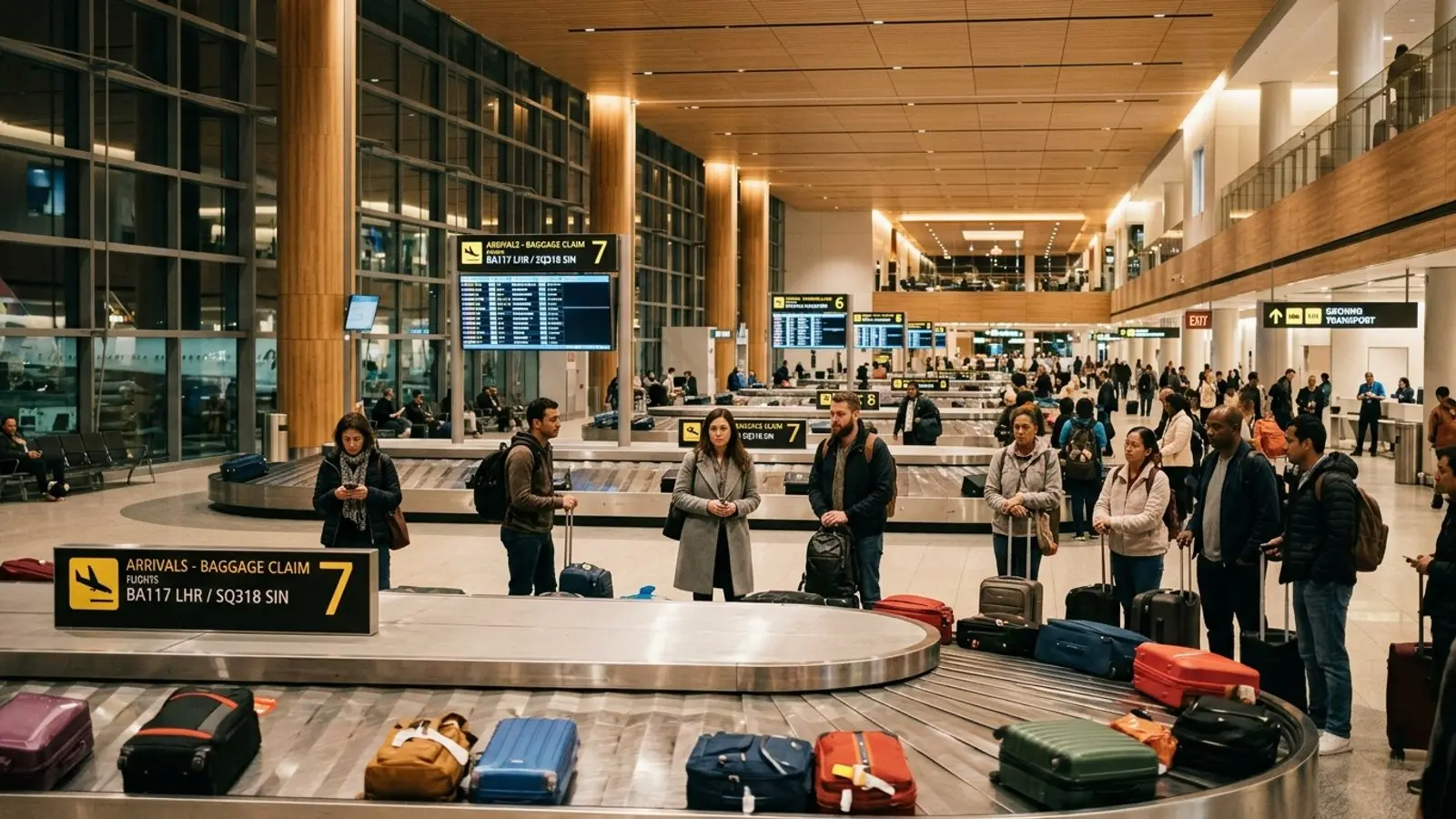
The Definitive Airline Baggage Claim Playbook: Montreal Convention SDR Caps, On-Site PIR Filing, and Insurance Stacking
Watching the final suitcase circle the baggage carousel while yours fails to materialize, or seeing your hardshell case emerge with sheared wheels and split seams, is every international traveler's acute nightmare. Stepping past the customs exit doors without official paperwork permanently forfeits your statutory leverage. From securing the critical Property Irregularity Report (PIR) before leaving the baggage reclaim area to invoking the Montreal Convention liability cap of roughly 1,700 dollars (1,288 SDR), claiming emergency clothes and toiletries on the carrier's dime, and legally stacking airline payouts against private travel insurance policies, here is your definitive field guide to getting fully reimbursed.
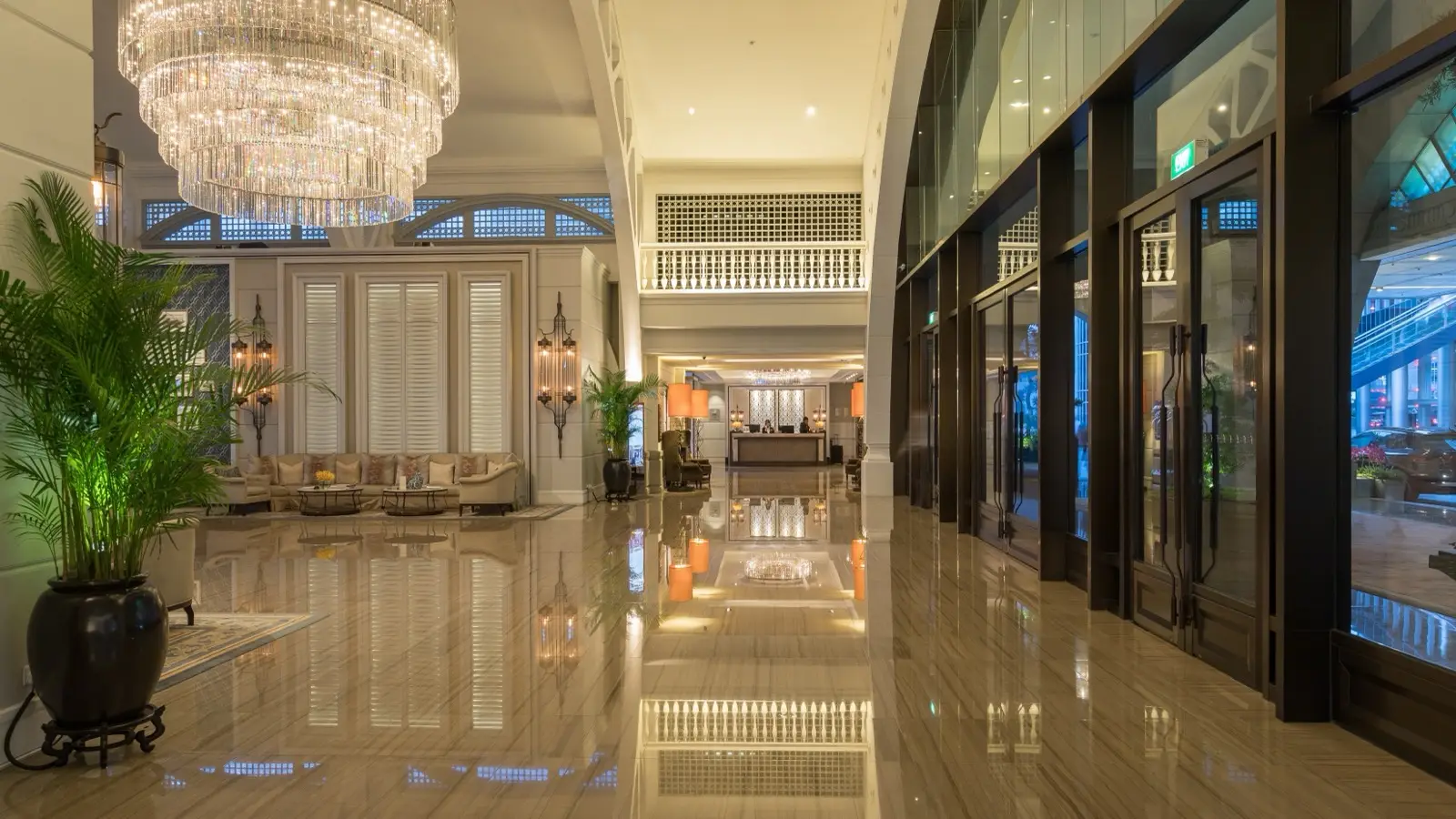
The Hotel Best Rate Guarantee (BRG) Playbook: Finding Cheaper OTAs and Claiming 25% Off
Many travelers assume online travel agencies (OTAs) like Agoda or Trip.com are always cheaper than booking direct, while others blindly believe official hotel websites guarantee the absolute lowest rate. To avoid paying steep 15 to 25 percent middleman commissions, global hotel giants operate Best Rate Guarantee (BRG) programs: if you find a lower public rate elsewhere, they will match it and slash an additional 20 to 25 percent off or award thousands of loyalty points. From unpacking the exact rules of Marriott Bonvoy, Hilton Honors, World of Hyatt, and IHG One Rewards to matching room tiers, cancellation deadlines, and currency conversion traps, here is your definitive field guide to locking in luxury rooms at unheard-of discounts.
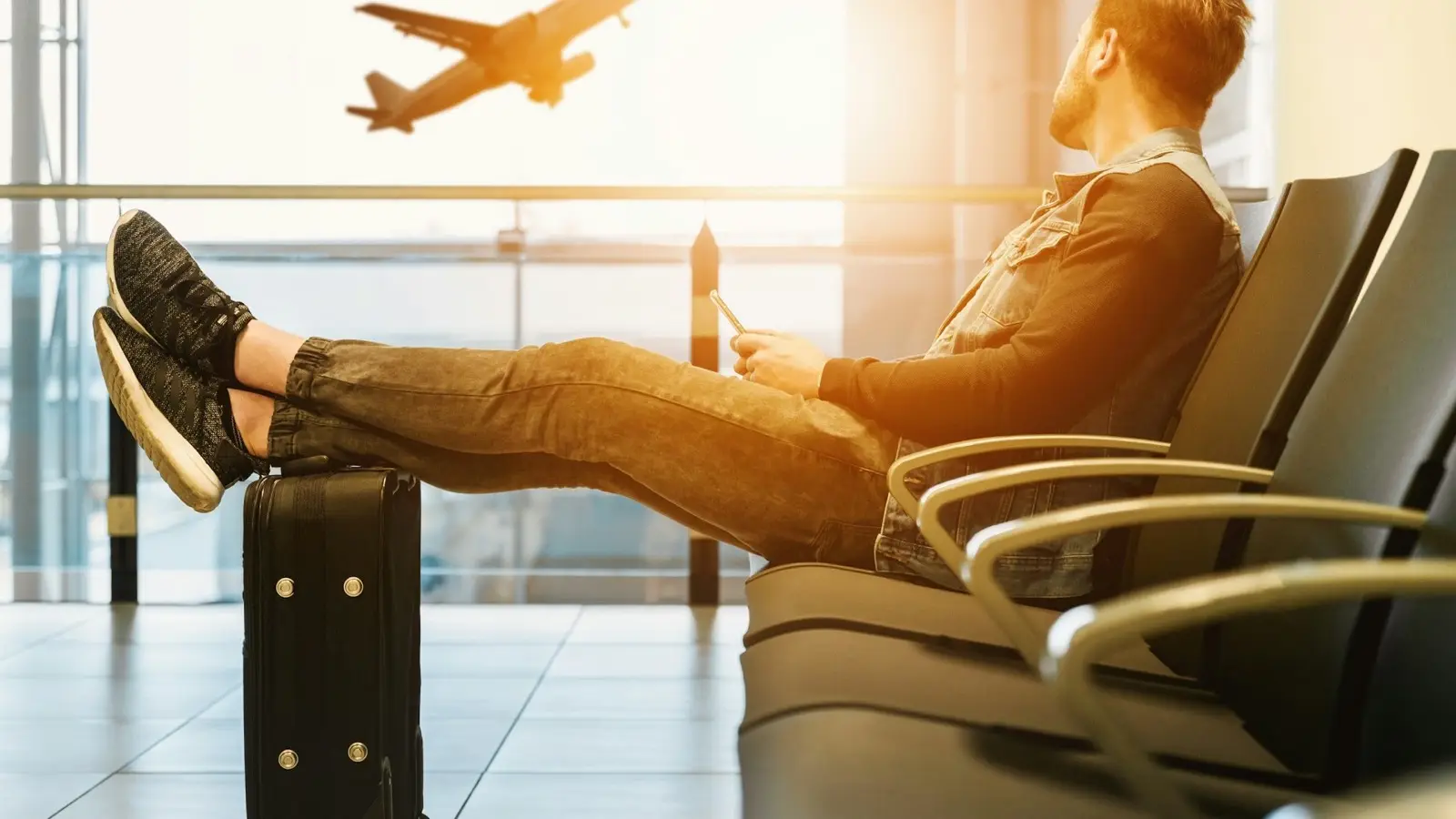
The Budget Airline 7kg Carry-On Survival Guide: Dodging Gate Fees and Airport Scale Discrepancies
Scoring an ultra-cheap budget airline flight ticket feels like a major victory until you reach the boarding gate and watch the scale read 7.4kg, triggering a ruthless 50 to 80 dollar gate baggage penalty on the spot. Low-cost carriers including Jeju Air, Peach Aviation, AirAsia, and Scoot generate massive ancillary revenue by rigorously policing the 7kg to 10kg carry-on allowance across two personal pieces. From understanding mechanical scale calibration differences across airport zones to leveraging wearable cargo tricks, tech pouch distribution, and duty-free exemption rules, this comprehensive playbook ensures your cabin bag glides through check-in and gate scrutiny without paying an extra dime.
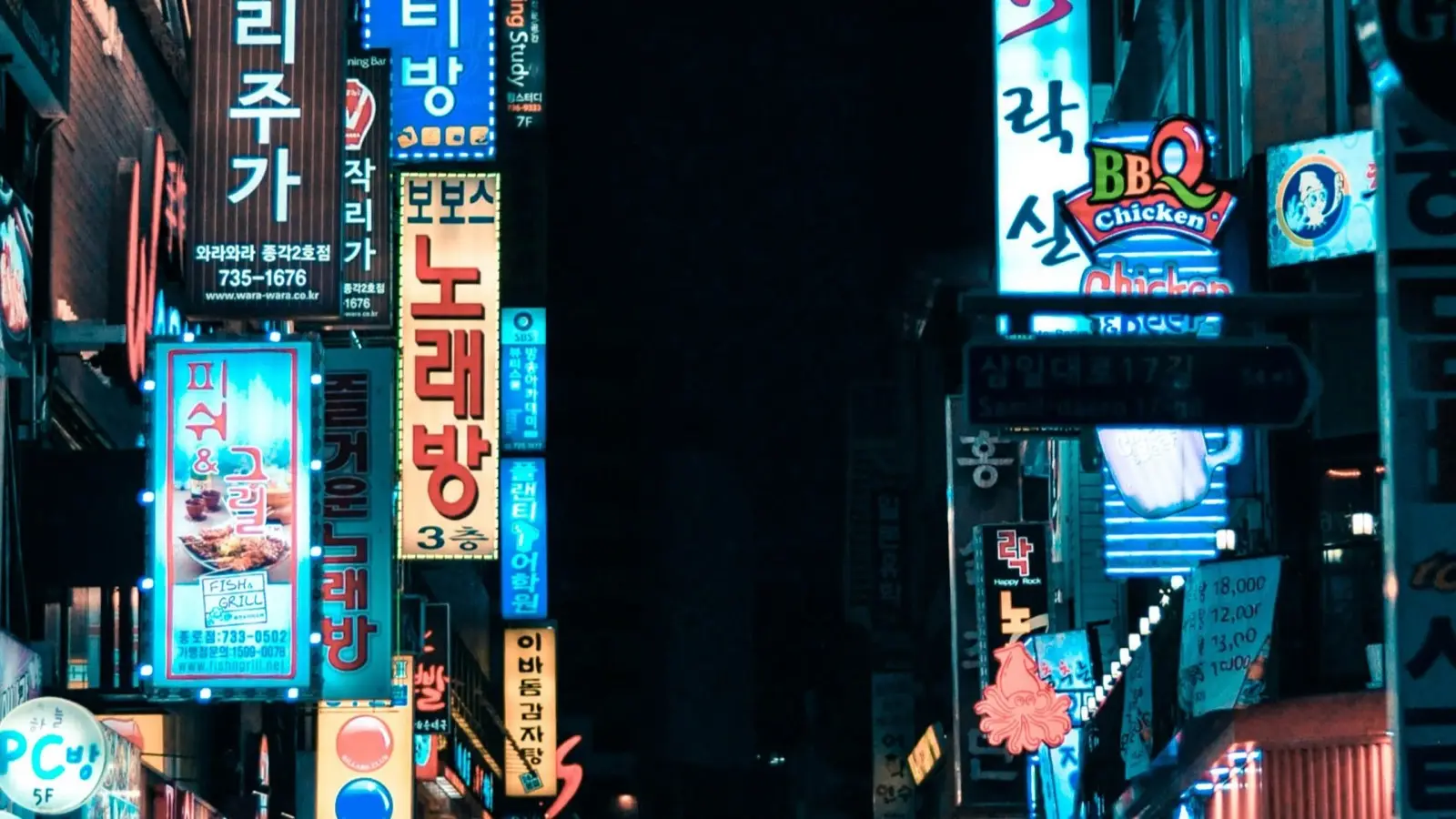
Seoul's Euljiro Alleyways: Industrial Print Shops, Vintage Tearooms, and Hidden Hipjiro Wine Bars
Nestled between central Seoul's Jongno and Toegyero avenues, Euljiro is an urban paradox where day and night belong to completely different eras. At high noon, its labyrinthine alleys hum with roaring printing presses, metal-cutting lathes, and darting delivery scooters. Yet as dusk settles over its weathered concrete, narrow unlit stairwells illuminate with warm tungsten glow, unlocking the magnetic retro world known locally as Hipjiro. From historic 1970s dabang tearooms serving egg-yolk herbal tea to speakeasy natural wine bars tucked behind nondescript iron doors, here is your insider's guide to navigating Euljiro's legendary blend of working-class heritage and cutting-edge culture.
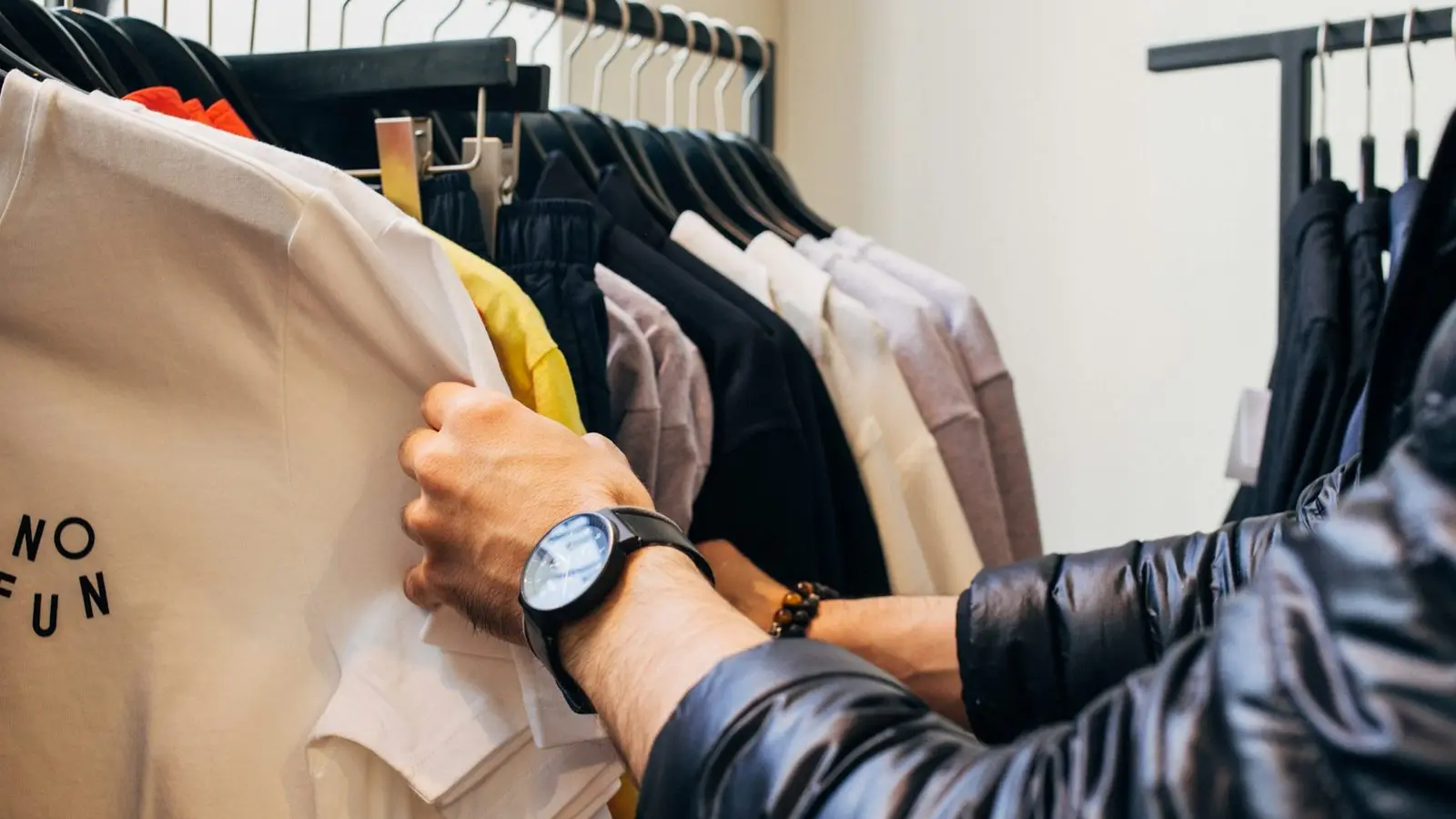
The Traveler Duty-Free & Customs Playbook: $800 Limits, Alcohol Formulas, and Voluntary Declaration Savings
Scoring designer handbags, rare single-malt whiskeys, and luxury skincare abroad delivers immense retail satisfaction, yet misinterpreting customs border regulations frequently turns a bargain trip into a fiscal headache. Under South Korean and standard international customs protocols, the baseline personal duty-free exemption stands at $800 USD per traveler. Crucially, this allowance operates strictly on an individual basis: a traveling couple cannot combine allowances into a shared $1,600 pool to clear a single luxury handbag duty-free. Conversely, specialized commodities enjoy separate exemptions entirely isolated from the $800 general cap: up to two bottles of liquor (totaling under 2 liters and $400 USD), 200 cigarettes (one carton), and up to 100ml of perfume. Voluntarily declaring excess goods unlocks an immediate 30% tax reduction (capped at 200,000 KRW), whereas attempting concealment triggers an unforgiving 40% penalty surcharge. This master guide unpacks exact tax deduction math, paperless mobile declaration QR codes, and smart item ordering.