
SeoulGuide
Seoul Day 1 Itinerary: Incheon Airport to the City, Bukchon and Gwangjang Market
Terminal 1 and 2 express train gate navigation, Climate Card vs T-money purchase points, Bukchon curfew rules, and authentic Gwangjang bindaetteok feasts.
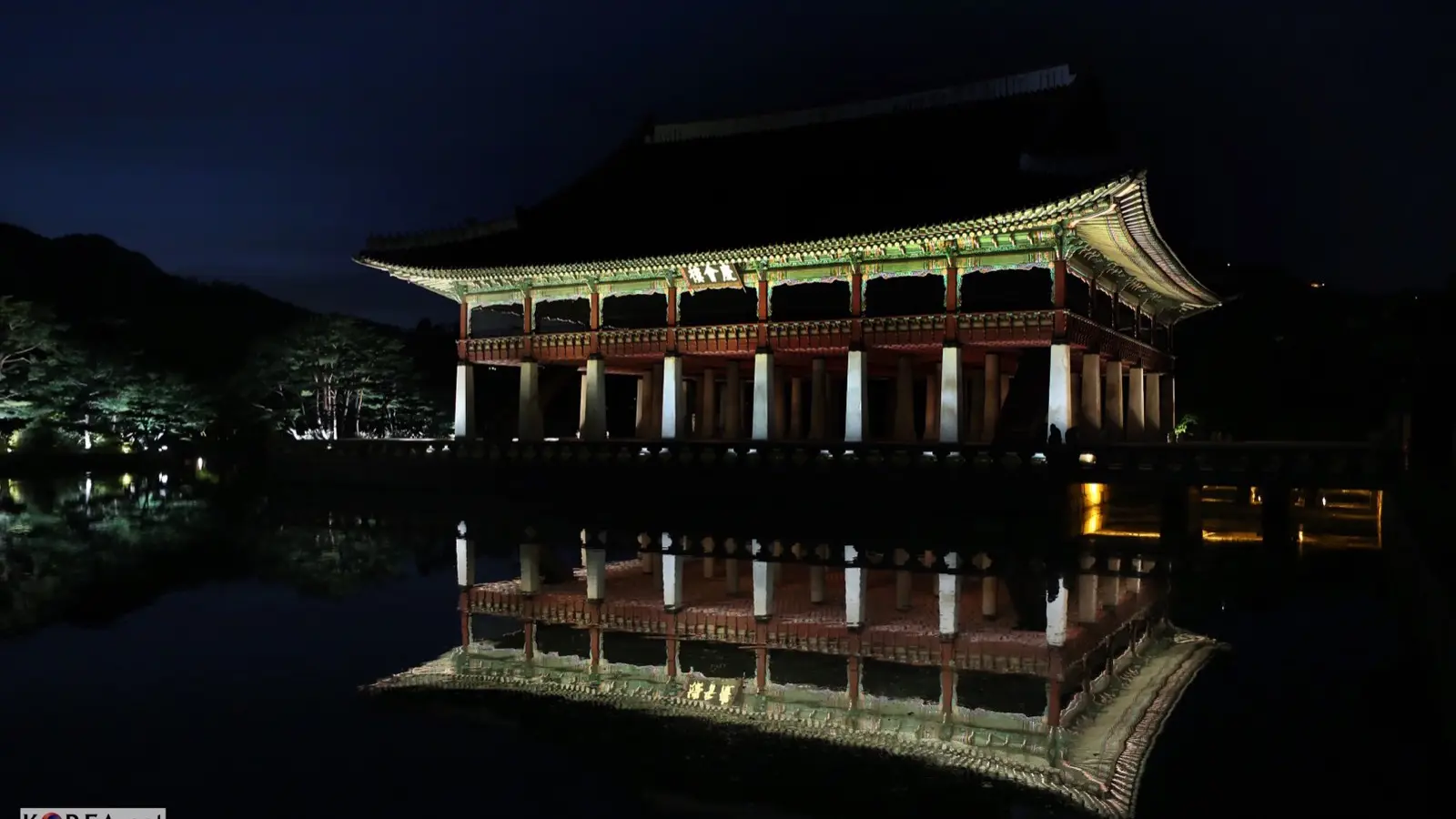
Incheon Airport Gateway: Mastering the 43-Minute AREX Express and Climate Card
Stepping into the arrivals hall of Incheon International Airport Terminal 1, the crisp air immediately signals your arrival in one of Asia's most dynamic capitals. Clearing immigration and customs typically takes about forty minutes. As you emerge, resist the urge to exchange large sums of cash at airport bank booths, where exchange rates are noticeably worse than downtown. Instead, utilize bank ATMs (Shinhan, Woori, Hana) with global debit cards or exchange smaller sums until you reach downtown Myeongdong.
The fastest and most civilized transit into central Seoul is the AREX (Airport Railroad Express) non-stop train. Heading down to the B1 Transportation Center, you will face two distinct turnstiles: the blue all-stop commuter line and the orange express gate. While the blue train stops at fourteen stations and fills with peak-hour commuters, the orange express rockets non-stop to Seoul Station in forty-three minutes (fifty-one minutes from Terminal 2) with assigned plush seating and high-speed Wi-Fi.
Purchasing your AREX mobile QR ticket online through authorized partner channels often costs less than buying at station ticket machines. Scanning the digital barcode at the gate opens the platform barriers smoothly. Upon arrival at Seoul Station, your second critical operational weapon is securing the Seoul Metropolitan Government's unlimited transit pass, the Climate Card.
Available at station customer service centers and convenience stores for 3,000 KRW, the physical card can be loaded with short-term tourist passes (5,000 KRW for 1 day, 10,000 KRW for 3 days) using cash at ticket kiosks. If your itinerary involves four or more subway and bus rides daily, this pass pays for itself within the first afternoon.
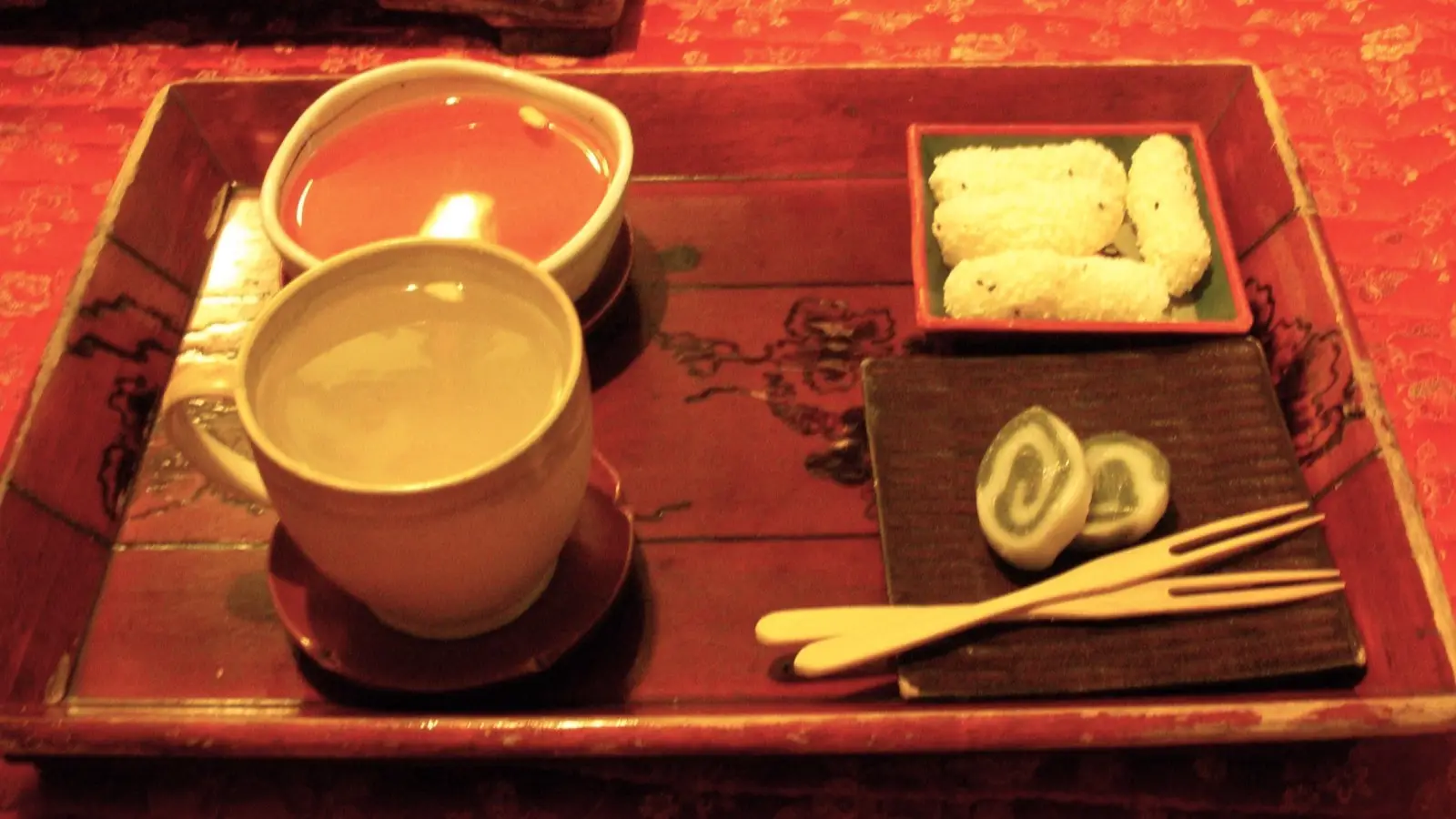
Seoul Station Transfer to Bukchon: Transitioning from High-Speed Rail to Serene Hanok
When the AREX express halts at Seoul Station's deep basement platform, travelers ascend via high-speed glass elevators into the bustling ground concourse. Seoul Station is a multi-layered hive connecting KTX bullet trains with subway lines 1 and 4. If your hotel lies in Bukchon, Insadong, or Jongno, wrestling heavy suitcases through packed transfer staircases is an unnecessary ordeal. Head directly to the official taxi rank outside the station.
A mid-sized sedan taxi to the Bukchon Hanok quarter takes roughly fifteen minutes outside rush hour, costing a modest 7,000 to 9,000 KRW. For pairs or small groups, sharing a taxi eliminates transit stair-climbing entirely while offering panoramic street-level views of Sungnyemun Gate and Gwanghwamun Square through the window.
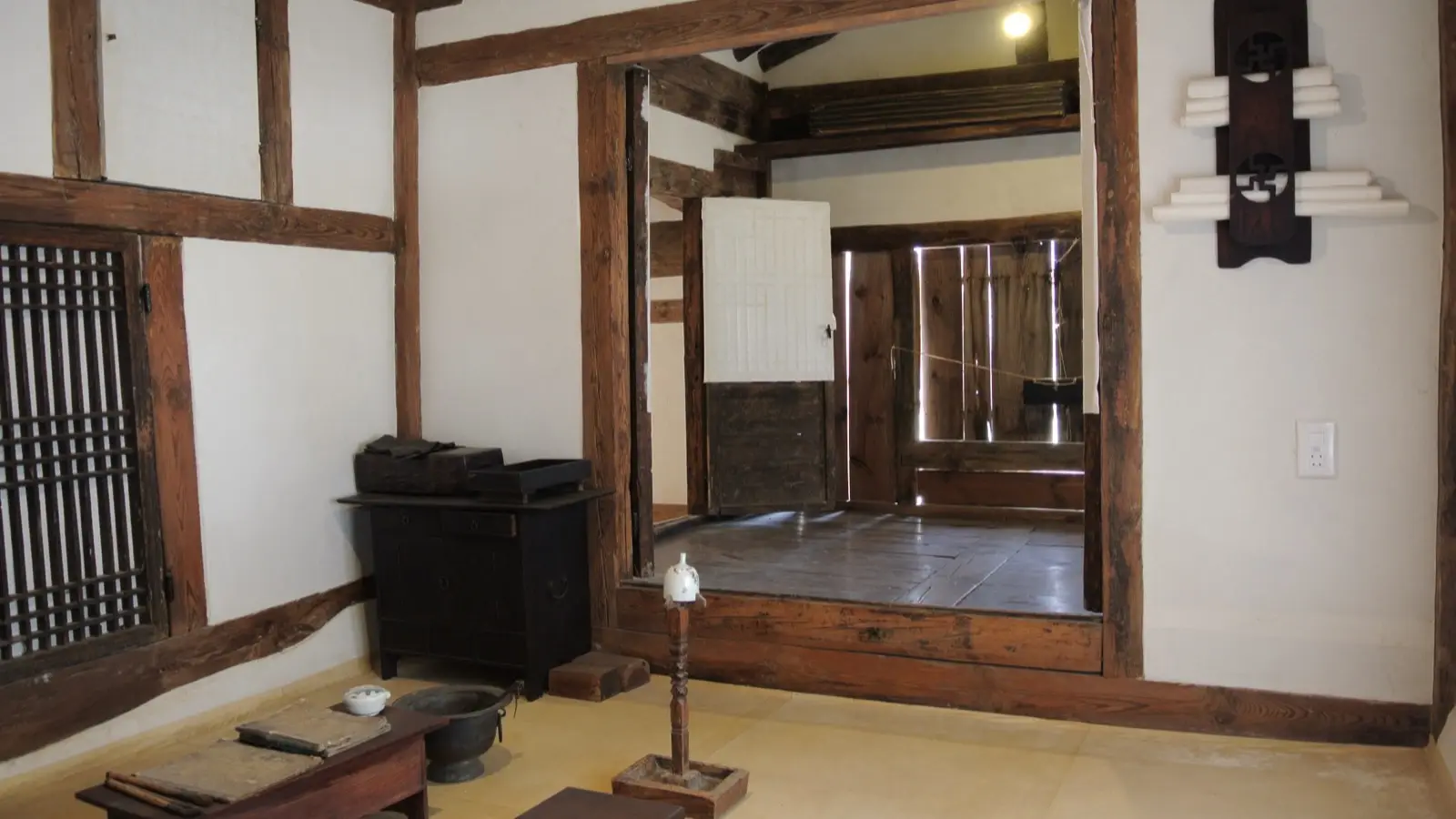
Arriving at your traditional Hanok stay or boutique hotel in Bukchon, the rich scent of aged red pine and cedar immediately washes away flight fatigue. Hanok architecture features ondol underfloor heating and elegant swept eaves framing inner open-air courtyards. In place of generic hotel carpets, natural timber and mulberry paper doors provide a calming sensory grounding.
After receiving your brass room key, drop your luggage and request a cold bottle of mineral water from the concierge. While Seoul tap water is thoroughly treated and potable, grabbing bottled volcanic spring water (Samdasoo) ensures maximum digestive comfort as you set off on your inaugural neighborhood stroll.
Bukchon Hanok Golden Hour: Samcheong-dong Art Alleys and Historic Teahouses
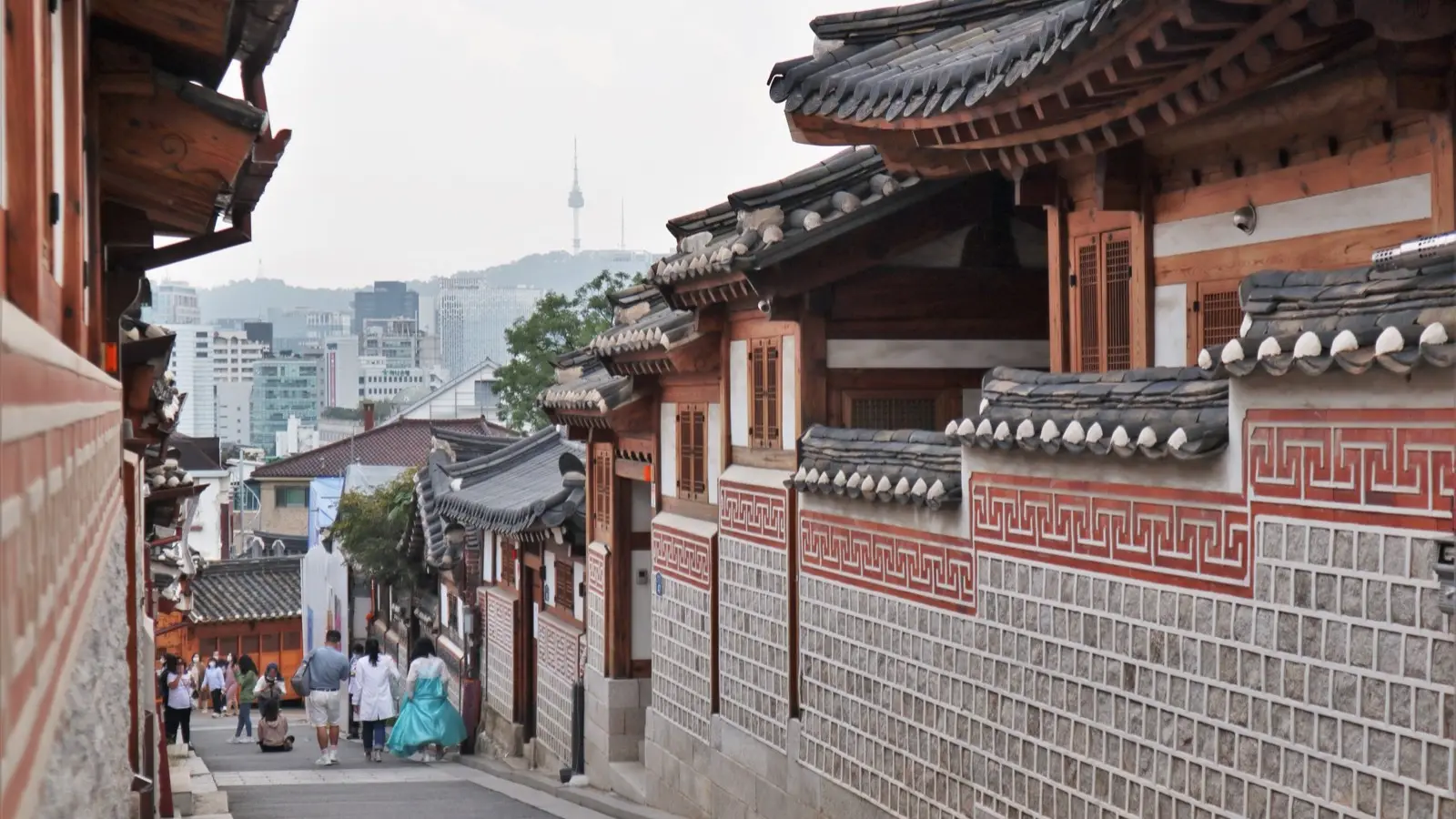
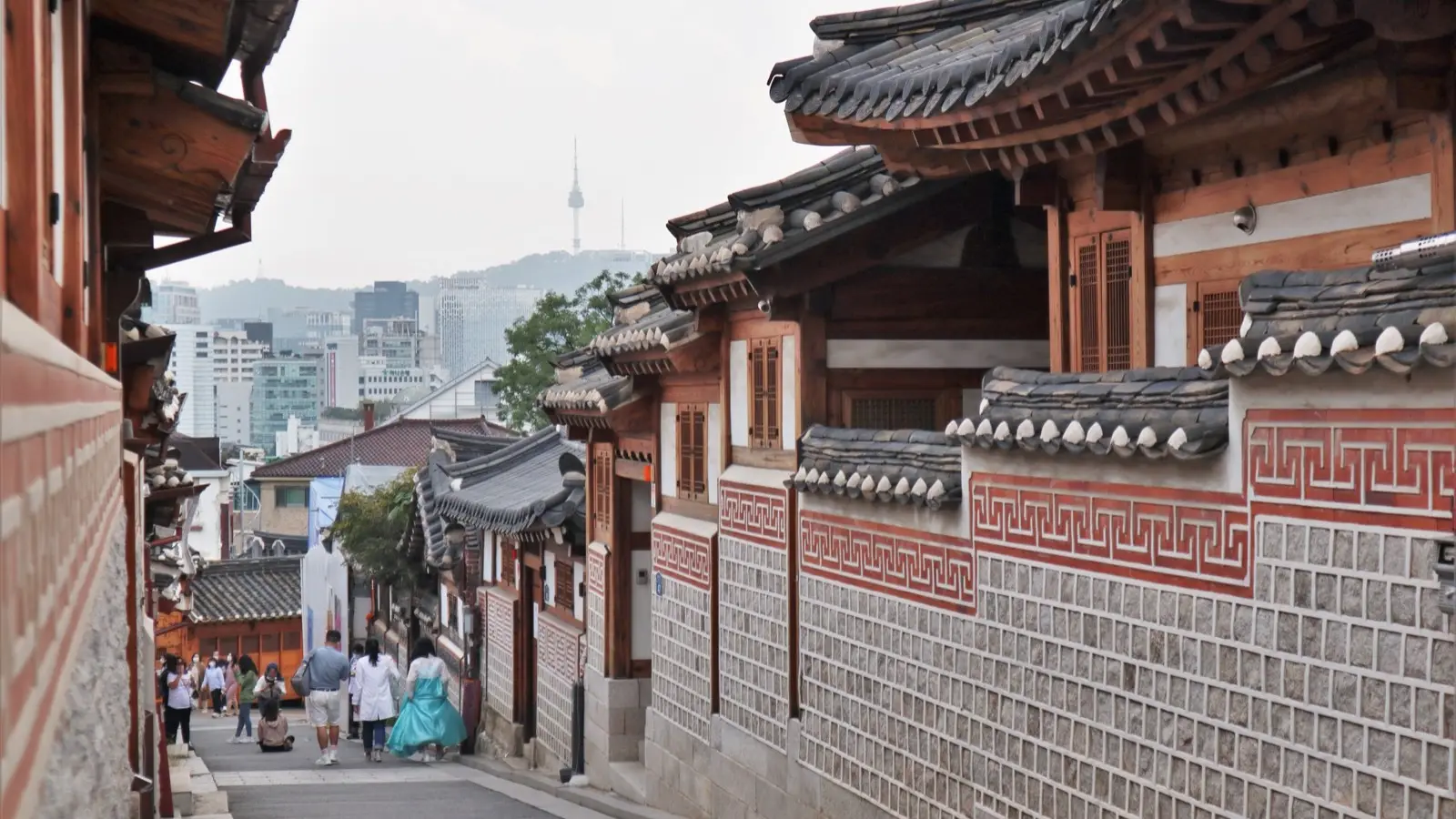
As the late afternoon sun dips behind Mount Inwangsan, warm golden rays bathe the grey tiled rooftops of Bukchon in radiant amber. When exploring this heritage quarter, keep in mind that Bukchon remains an active residential enclave where generations of families live. Jongno District bars tourists from the designated red zone of the Bukchon special management area between 17:00 and 10:00 to safeguard resident tranquility, with a 100,000 KRW fine for entering during those hours. Residents and guests of hanok stays are exempt.
Smart travelers pivot toward the Samcheong-dong cafe corridor and stone wall alleys as dusk approaches. Flanking Samcheong-ro, contemporary glass art galleries, century-old red brick villas, and modest traditional timber houses co-exist in effortless architectural harmony, radiating an authentic neighborhood charm.
The gentle sloping lanes host independent leather ateliers, local fashion studios, and heritage teahouses. Drawn by the earthy fragrance of simmering ssanghwa-cha and dried jujubes, step across the raised wooden threshold of an old teahouse courtyard.
Settling onto the warm heated paper floor, a bowl of hot omija tea delivers its signature five flavor notes (sweet, sour, salty, bitter, and pungent) while crisp rice crackers melt on the tongue. The soft chime of brass windbells swinging beneath timber eaves silences all traces of urban frenzy.
Continuing down the stone walls of Gamgodang-gil toward Anguk Station, warm amber streetlamps flicker to life in front of the National Museum of Modern and Contemporary Art. Early evening in Jongno provides the quintessential romantic prologue to your Seoul journey.
Gwangjang Market Feast: Sizzling Mung Bean Bindaetteok and Sesame Mayak Gimbap
Heading a short bus or taxi ride east, or riding subway Line 1 to Jongno 5-ga, deposits you before the bustling East Gate of Gwangjang Market, Korea's oldest continuous daily marketplace established in 1905. The immediate sensory shock upon entering the central food alley is the rich, intoxicating aroma of ground mung beans frying in bubbling vegetable oil over colossal iron skillets.
Make a beeline for the legendary Sunhui-ne Bindaetteok stalls, where granite millstones continuously pulverize soaked mung beans into thick batter blended with fresh bean sprouts and scallions. Dropped into hot oil, the resulting golden pancake (5,000 KRW) boasts a shatteringly crisp exterior and a fluffy interior. Dipping each piping hot morsel into sweet pickled onion soy sauce balances the richness impeccably.
Next to the pancakes sit towering pyramids of glistening 'Mayak Gimbap' (narcotic rice rolls). Slender rolls of seaweed stuffed simply with pickled radish and carrots are brushed generously with toasted sesame oil. Dipped into sharp hot mustard soy sauce, their bite-sized simplicity delivers an addictive kick that explains the legendary moniker.
Meat enthusiasts must venture deeper into the adjoining yukhoe alley. At Michelin-recognized Buchon Yukhoe, a plate of chilled beef tartare tossed with sesame oil, matchstick pears, and a golden raw egg yolk delivers silky richness and pristine freshness. Paired with an icy bowl of Jangsu draft makgeolli rice wine, every ounce of travel fatigue dissolves instantly.
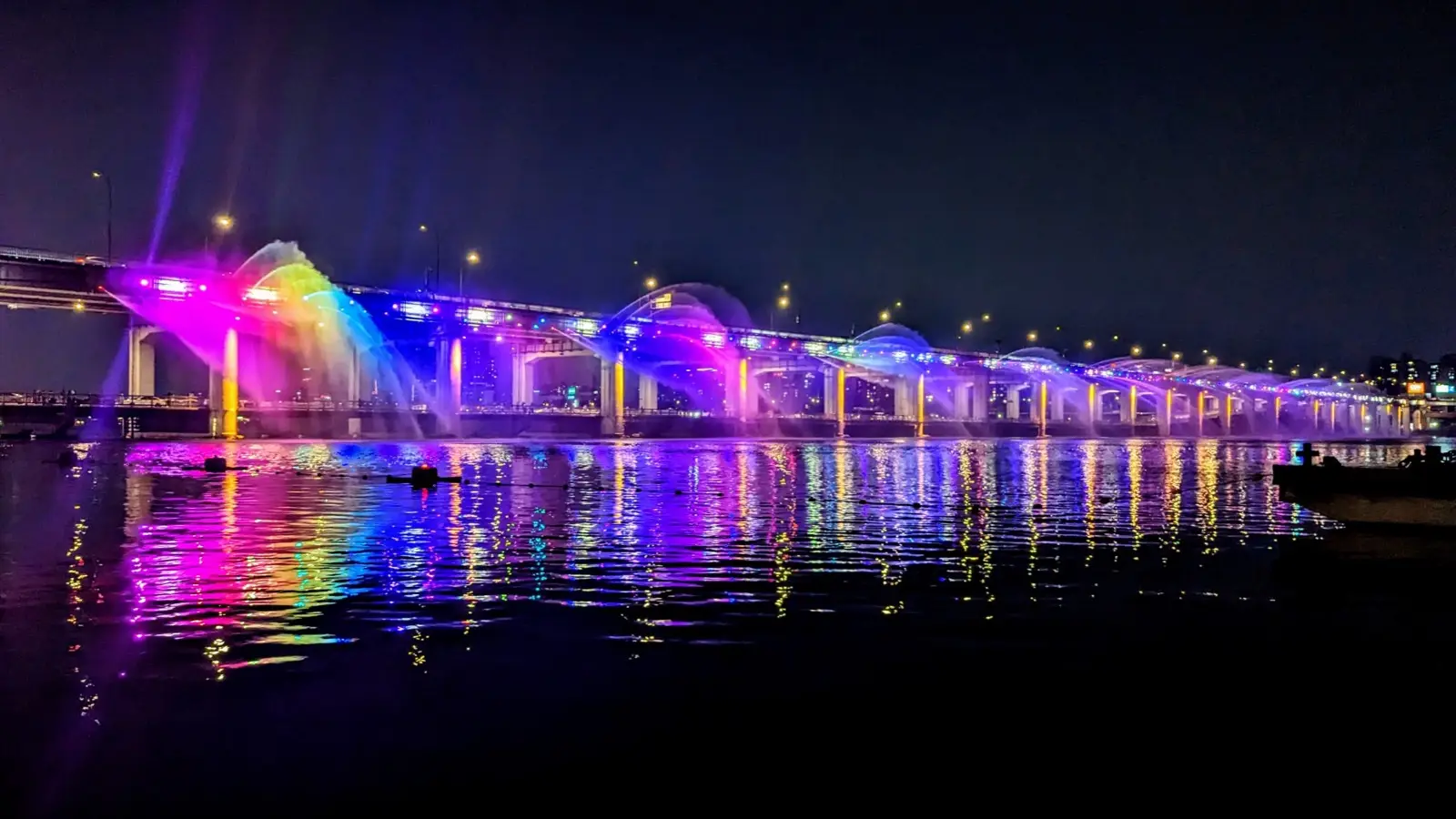
Cheonggyecheon Midnight Walk and Convenience Store Rations: Wrapping Up Day 1
Stepping out of Gwangjang Market toward Cheonggye 5-ga, descend the stone stairwells into the subterranean sunken promenade of Cheonggyecheon stream. Restored as a six-kilometer urban waterway, the stream serves as a tranquil nocturnal sanctuary where locals unwind on stepped stone banks after work.
Walking westward toward Gwangtonggyo Bridge, the gentle murmur of clear cascading water masks surrounding street noise. Pausing beside the flat stepping stones above the cool current soothes burning soles after ten thousand steps on asphalt.
On your stroll back toward Bukchon, duck into a brightly lit 24-hour convenience store (CU, GS25, or 7-Eleven). In South Korea, convenience stores are sophisticated neighborhood lifeline centers. Head straight to the dairy coolers for an iconic jar of Binggrae banana milk, refreshing roasted corn silk tea, and hangover-preventing oriental raisin water.
Before heading to the cashier, grab cooling hydrogel foot patches (Rest Time) and herbal digestive ampoules from the over-the-counter wellness shelf. Sinking into the plush bedding of your heated Hanok room as pine timber aromas linger in the air, your first twenty-four hours in Seoul come to a peaceful close.
Frequently Asked Questions
Field-tested answers to transit navigation, neighborhood choices, and payment traps.
Q1.What is the difference between the AREX Express Train and All-Stop Train from Incheon Airport?
Q2.Where can visitors purchase and recharge the Seoul Climate Card?
Q3.What are the curfew and quiet hours for visiting Bukchon Hanok Village?
Q4.Can I use international credit cards at Gwangjang Market food stalls?
The Smart Traveler's Essential Toolkit
Prepare instant mobile data, private airport transfers, and skip-the-line passes in one place.
Pick a base in Seoul by your route
Choose the places you want to see and get the neighbourhood with the shortest travel.
Compare Seoul Hotel Rates
Find the cheapest channel across Agoda and major booking engines with Tripdify.
Share This Guide with Your Companions
When shared via chat or social media, a curated summary card is sent along.
Recommended Guides
Seoul Itinerary: Bukchon, Seongsu and the Han River in Two Nights
From the 43-minute AREX express from Incheon Airport to tranquil Hanok courtyard stays, industrial red brick roasteries in Seongsu, and Banpo Han River instant ramen picnics.
Hanok Stays in Seoul: How to Book in Bukchon and What to See in Seongsu
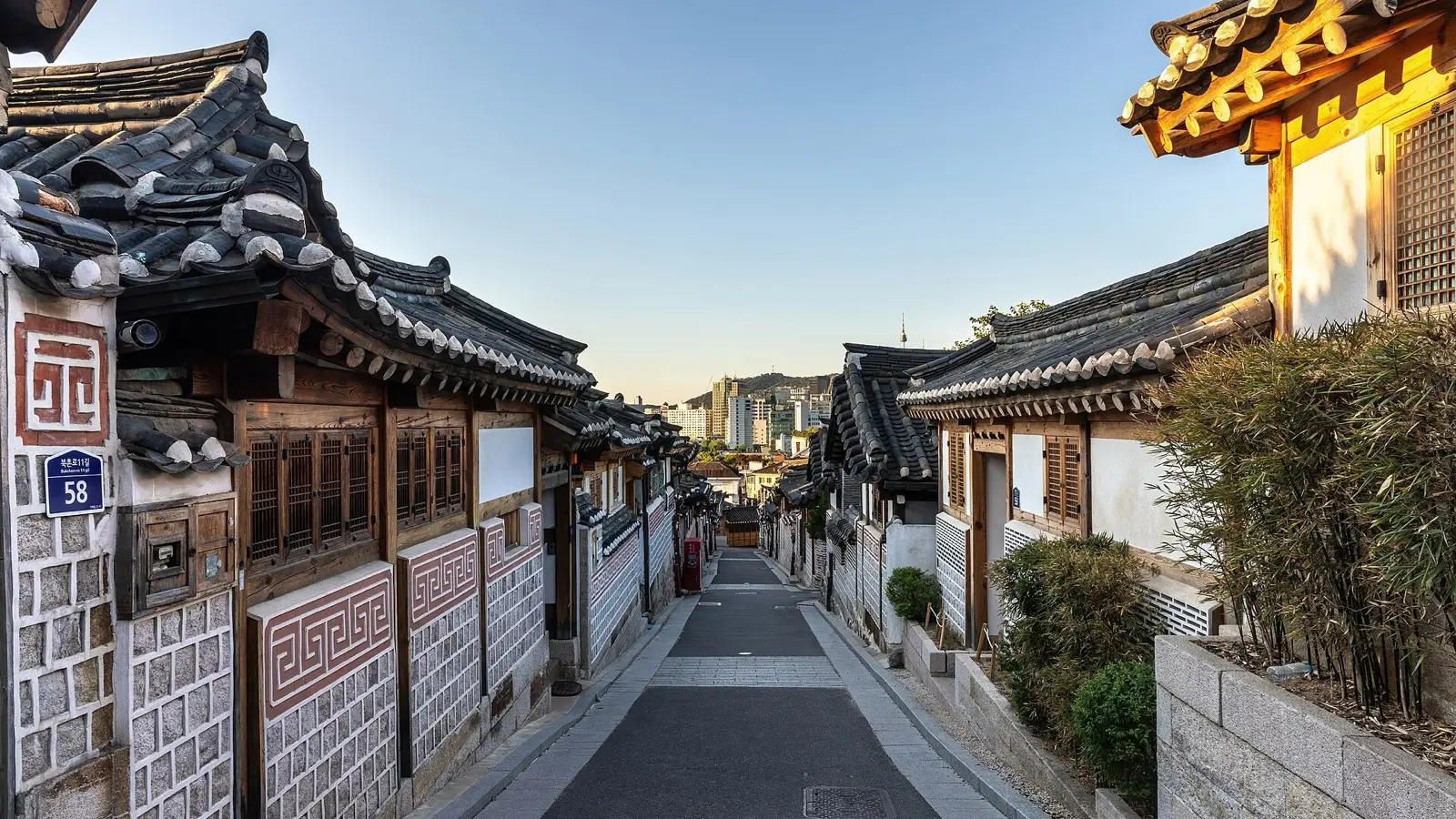
Amid the relentless futuristic pace of contemporary Seoul, stepping through the wooden gate of a century-old hanok courtyard offers an astonishing immersion in quietude. From booking private heritage residences in Bukchon and Seochon to navigating Seongsu craft coffee roasteries, this field guide audits real costs, visiting-hour limits, and transit hacks.
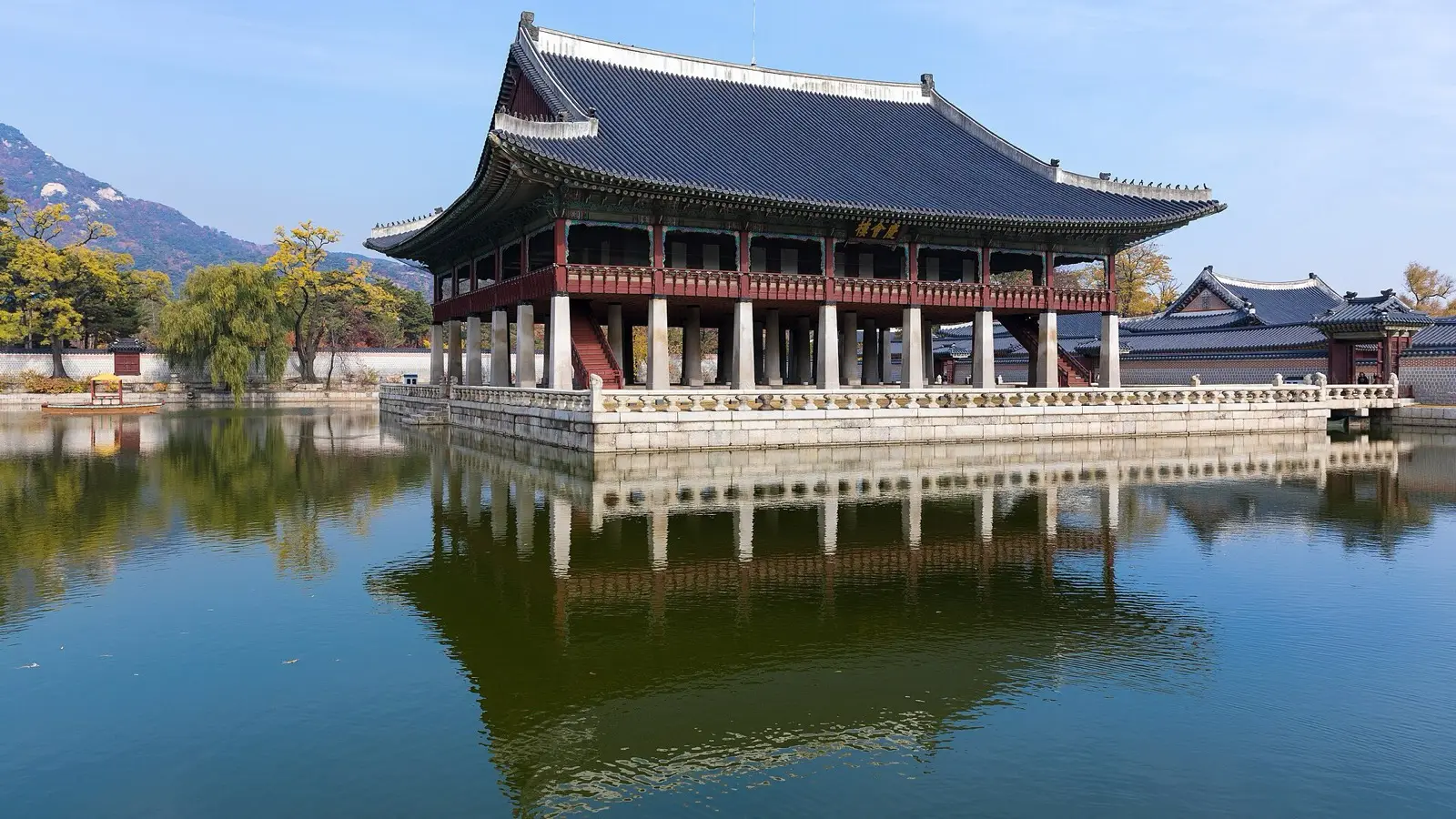
Seoul Day 2 Itinerary: Gyeongbokgung Guard Ceremony, Seongsu Cafes and N Seoul Tower
An extraordinary second day across Seoul: witnessing the solemn Changing of the Royal Guard at Gyeongbokgung, bartering antique brass coins for lunch in Seochon, discovering Seongsu's industrial-chic design universe, and capping the twilight with riverside instant ramen and glittering N Seoul Tower views.
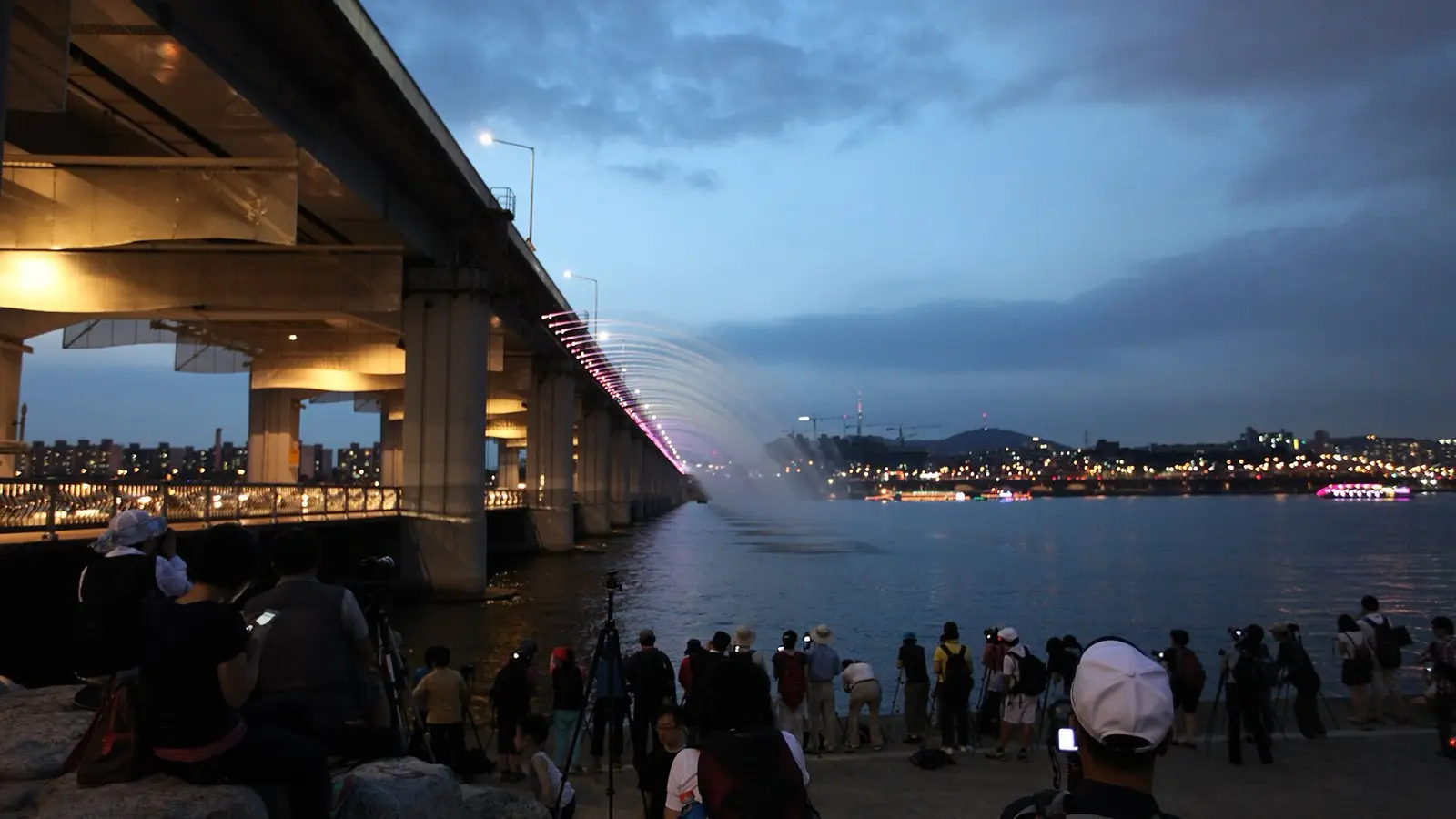
Seoul Day 3 Itinerary: Yeonnam-dong, The Hyundai Seoul and City Airport Check-In
The ultimate finale in Seoul: a morning stroll down the lush Gyeongui Line Forest Trail, browsing trendsetting designer boutiques in Hongdae, experiencing the architectural wonder of The Hyundai Seoul, and utilizing Seoul Station's in-town check-in to glide through Incheon Airport departure queues hands-free.
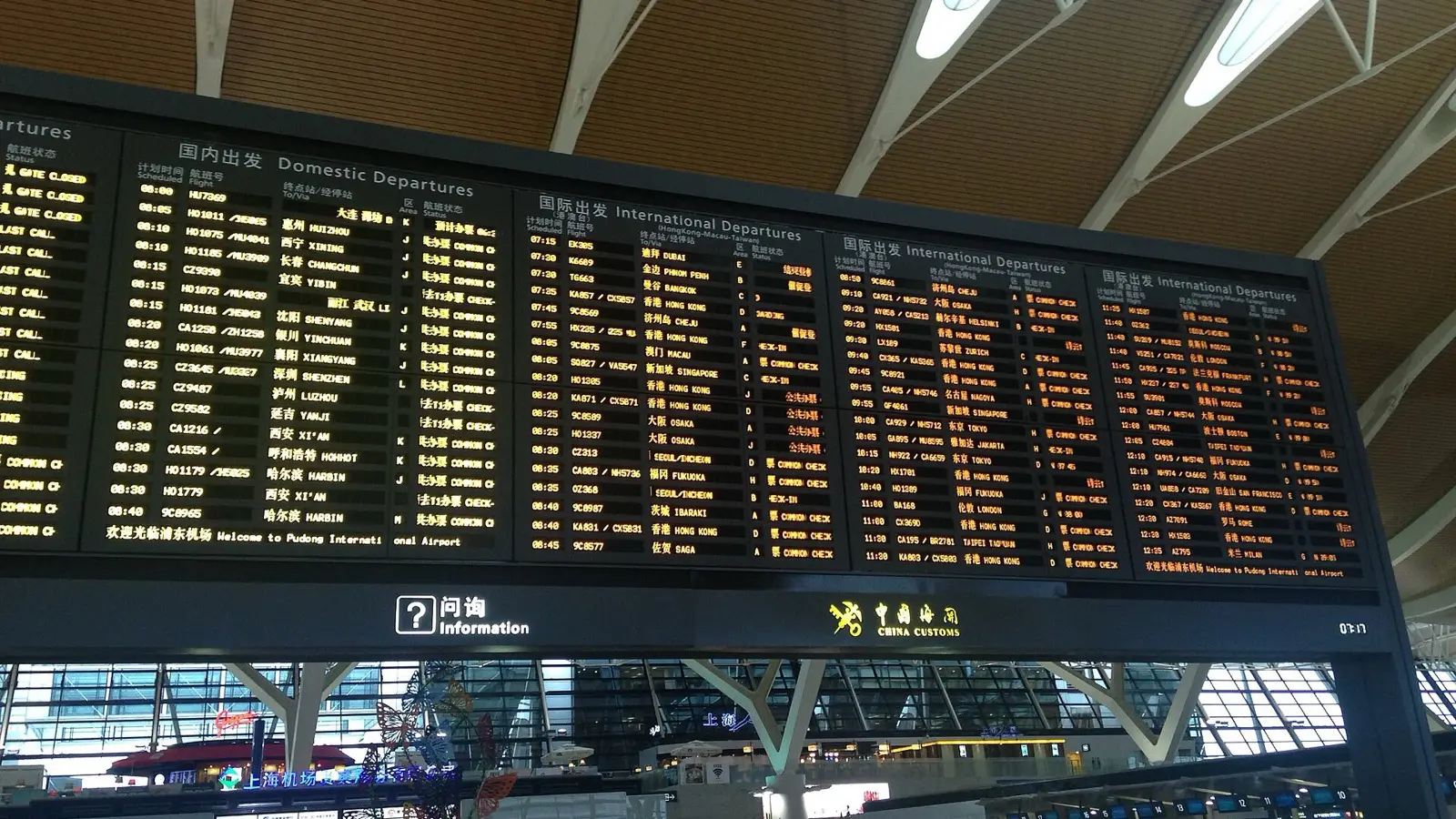
How to Book Flights Cheaply: Split Ticketing and Why Fares Move
An investigative deep dive into airline revenue management algorithms, exposing why incognito mode fails while multi-city open-jaw routing and baggage decoupling can cut flight costs noticeably.
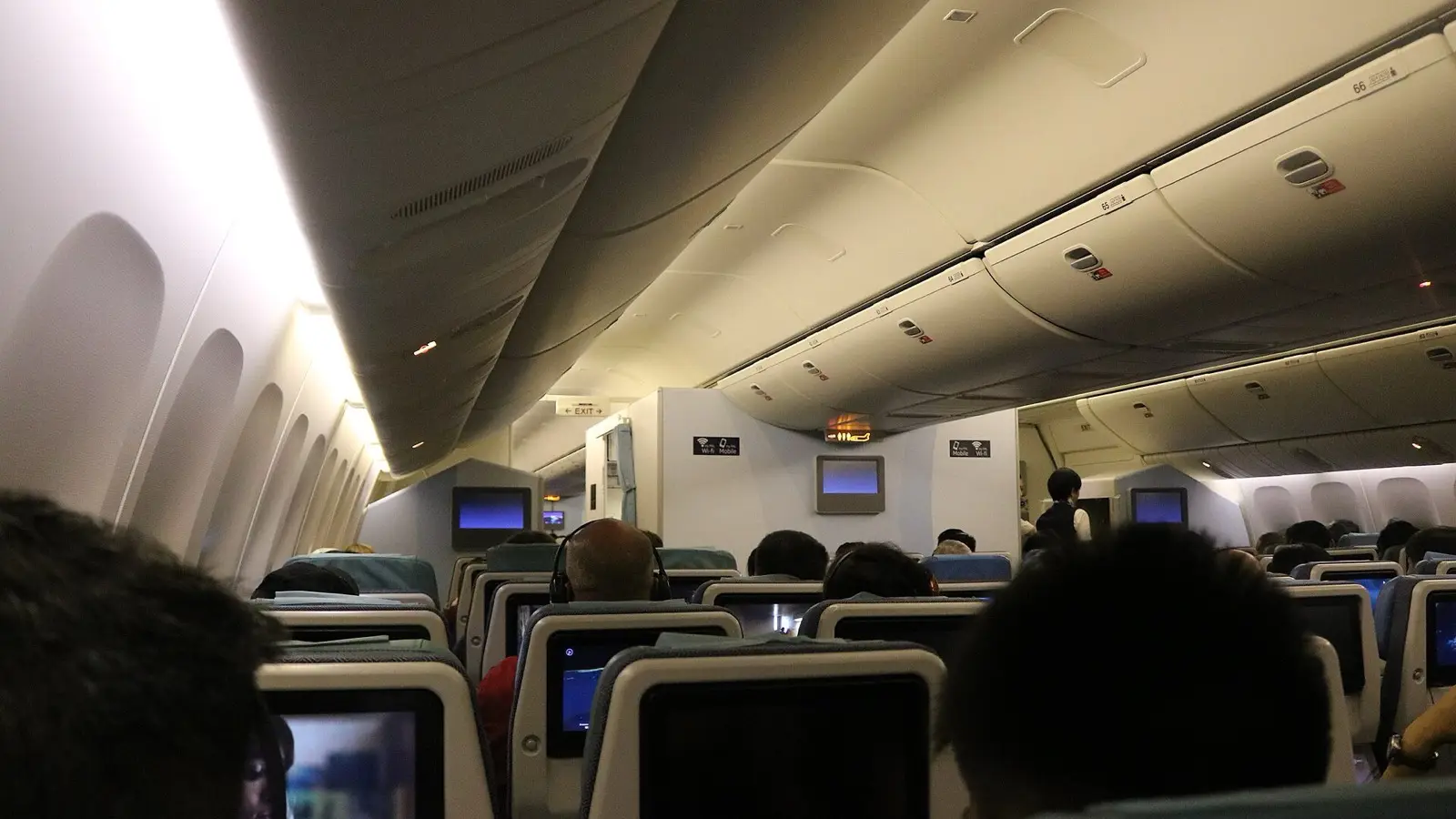
5 Secrets to Snagging Prime Airline Seats: The Exit Row Paradox, Tail-Section Twins, and Check-in Golden Hours
On long-haul flights spanning ten hours across continents, your seat allocation dictates whether you arrive invigorated or physically broken. Within standard 31-inch economy cabins, subtle variations create vast differences in comfort. From the unvarnished realities of exit rows and bulkhead bassinet positions to sidestepping misaligned 'windowless window seats', claiming quiet two-seat pairs along tapering tail fuselages, and timing the check-in window, 24 to 48 hours before departure, when some paid seats often open free of charge, here is your definitive field guide to mastering aircraft seat selection.
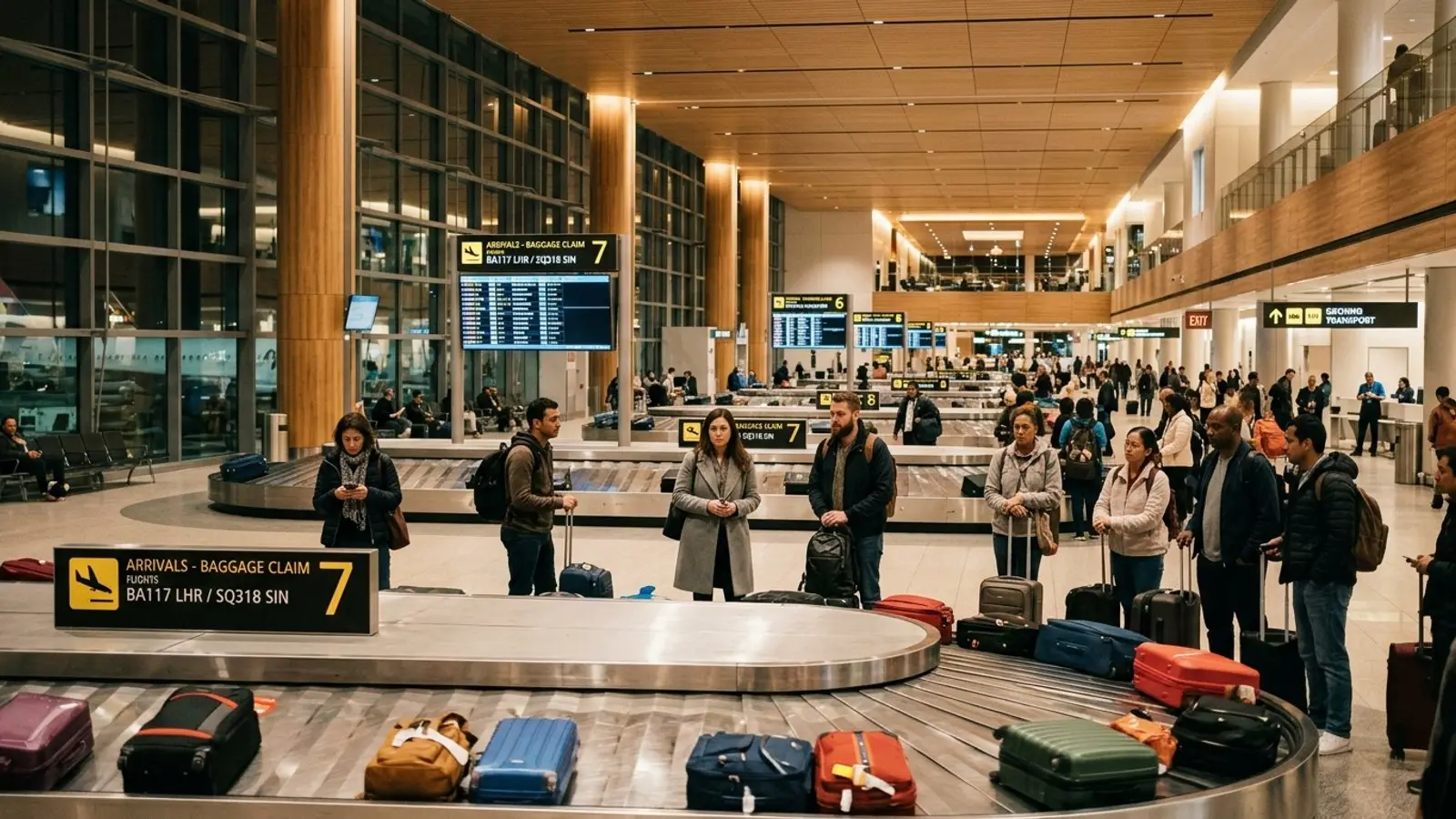
The Definitive Airline Baggage Claim Playbook: Montreal Convention SDR Caps, On-Site PIR Filing, and Insurance Stacking
Watching the final suitcase circle the baggage carousel while yours fails to materialize, or seeing your hardshell case emerge with sheared wheels and split seams, is every international traveler's acute nightmare. Stepping past the customs exit doors without official paperwork permanently forfeits your statutory leverage. From securing the critical Property Irregularity Report (PIR) before leaving the baggage reclaim area to invoking the Montreal Convention liability cap of roughly 2,000 dollars (1,519 SDR), claiming emergency clothes and toiletries on the carrier's dime, and legally stacking airline payouts against private travel insurance policies, here is your definitive field guide to getting fully reimbursed.
The Hotel Best Rate Guarantee (BRG) Playbook: Finding Cheaper OTAs and Claiming 25% Off
Many travelers assume online travel agencies (OTAs) like Agoda or Trip.com are always cheaper than booking direct, while others blindly believe official hotel websites guarantee the absolute lowest rate. To avoid paying steep 15 to 25 percent middleman commissions, global hotel giants operate Best Rate Guarantee (BRG) programs: if you find a lower public rate elsewhere, they will match it and slash an additional 20 to 25 percent off or award thousands of loyalty points. From unpacking the exact rules of Marriott Bonvoy, Hilton Honors, World of Hyatt, and IHG One Rewards to matching room tiers, cancellation deadlines, and currency conversion traps, here is your definitive field guide to locking in luxury rooms at unheard-of discounts.
The Budget Airline 7kg Carry-On Survival Guide: Dodging Gate Fees and Airport Scale Discrepancies
Scoring an ultra-cheap budget airline flight ticket feels like a major victory until you reach the boarding gate and watch the scale read 7.4kg, triggering a ruthless 50 to 80 dollar gate baggage penalty on the spot. Low-cost carriers including Jeju Air, Peach Aviation, AirAsia, and Scoot generate massive ancillary revenue by rigorously policing the 7kg to 10kg carry-on allowance across two personal pieces. From understanding mechanical scale calibration differences across airport zones to leveraging wearable cargo tricks, tech pouch distribution, and duty-free exemption rules, this comprehensive playbook ensures your cabin bag glides through check-in and gate scrutiny without paying an extra dime.
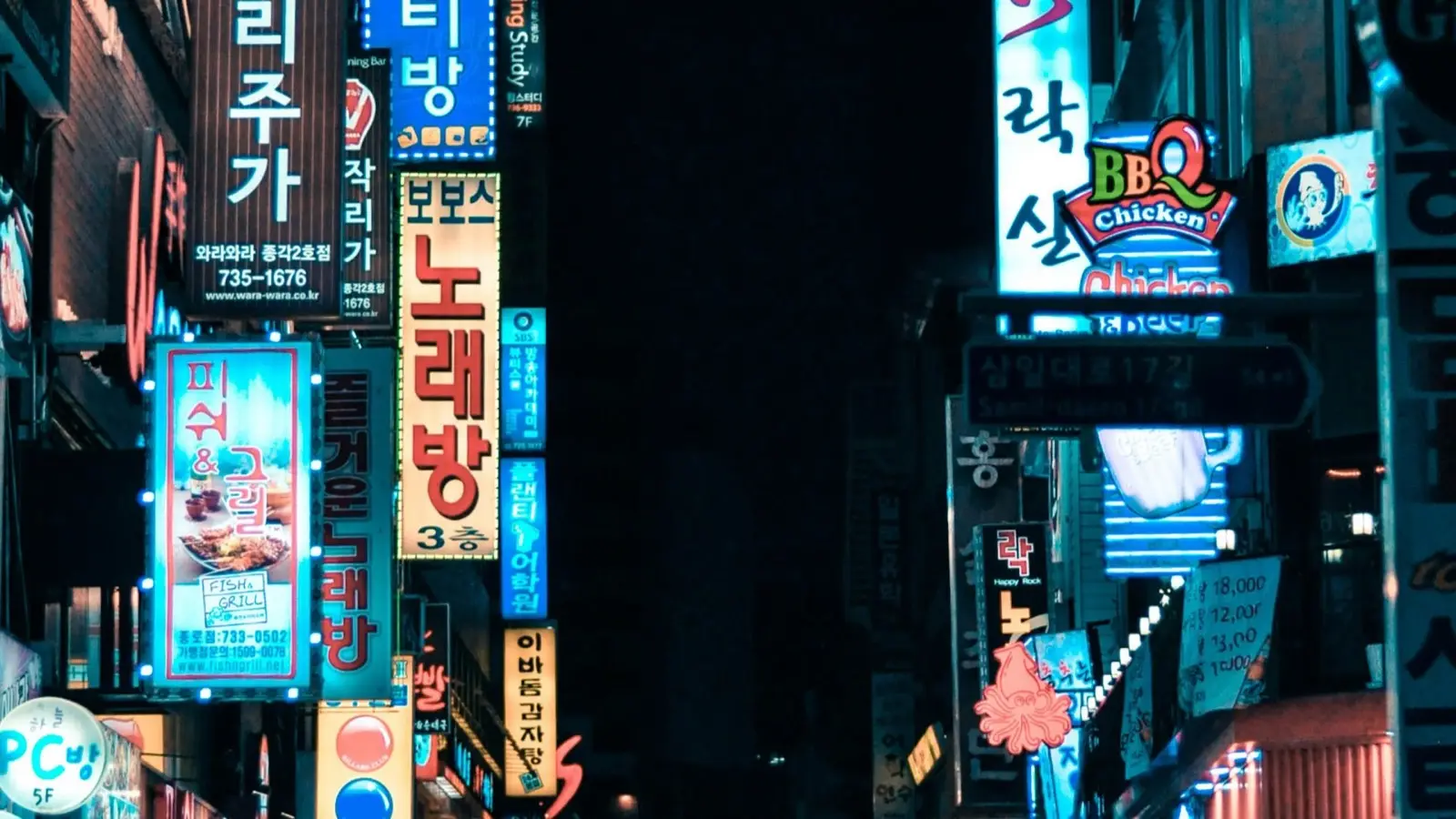
Seoul's Euljiro Alleyways: Industrial Print Shops, Vintage Tearooms, and Hidden Hipjiro Wine Bars
Nestled between central Seoul's Jongno and Toegyero avenues, Euljiro is an urban paradox where day and night belong to completely different eras. At high noon, its labyrinthine alleys hum with roaring printing presses, metal-cutting lathes, and darting delivery scooters. Yet as dusk settles over its weathered concrete, narrow unlit stairwells illuminate with warm tungsten glow, unlocking the magnetic retro world known locally as Hipjiro. From decades-old dabang tearooms serving egg-yolk herbal tea to speakeasy natural wine bars tucked behind nondescript iron doors, here is your insider's guide to navigating Euljiro's legendary blend of working-class heritage and cutting-edge culture.
Seoul Neighborhoods Guide: Hongdae, Myeongdong, Seongsu, and Bukchon Area Breakdown
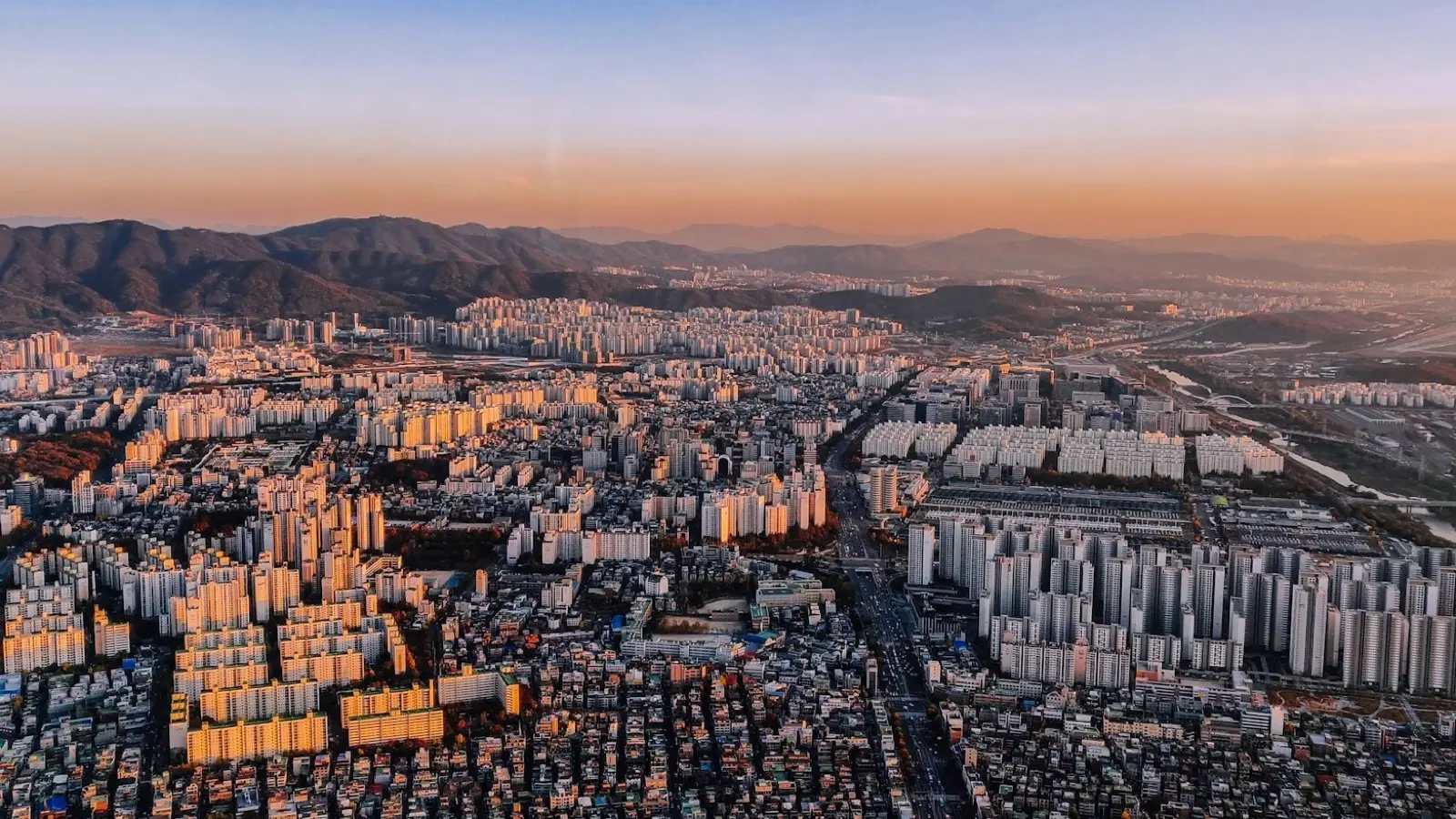
Covering 605 square kilometers, Seoul is a dynamic global metropolis where six-hundred-year-old royal palaces seamlessly coexist with cutting-edge streetwear pop-ups and neon-lit skyscrapers. First-time visitors often default to Myeongdong or Dongdaemun, but choosing where to sleep fundamentally transforms your daily transit efficiency and evening lifestyle. From Hongdae and Yeonnam-dong with their direct Airport Railroad link and indie art vitality to Myeongdong and Euljiro's central shopping convenience, Seongsu-dong's post-industrial creative enclaves, Gangnam's sleek luxury towers, and Bukchon's serene hanok alleys, this exhaustive field guide dissects Seoul's five primary neighborhood clusters to help you book your perfect base.
The Traveler Duty-Free & Customs Playbook: $800 Limits, Alcohol Formulas, and Voluntary Declaration Savings
Scoring designer handbags, rare single-malt whiskeys, and luxury skincare abroad delivers immense retail satisfaction, yet misinterpreting customs border regulations frequently turns a bargain trip into a fiscal headache. Under South Korean and standard international customs protocols, the baseline personal duty-free exemption stands at $800 USD per traveler. Crucially, this allowance operates strictly on an individual basis: a traveling couple cannot combine allowances into a shared $1,600 pool to clear a single luxury handbag duty-free. Conversely, specialized commodities enjoy separate exemptions entirely isolated from the $800 general cap: up to two bottles of liquor (totaling under 2 liters and $400 USD), 200 cigarettes (one carton), and up to 100ml of perfume. Voluntarily declaring excess goods unlocks an immediate 30% tax reduction (capped at 200,000 KRW), whereas attempting concealment triggers an unforgiving 40% penalty surcharge. This master guide unpacks exact tax deduction math, paperless mobile declaration QR codes, and smart item ordering.