
YufuinStory
Yufuin Day Trip from Hakata: How to Get There and Which Onsen
The emerald Yufuin no Mori forest express and rising steam over Lake Kinrin. Scoring front-row train seats at 10 AM and finding private open-air baths without overpaying.
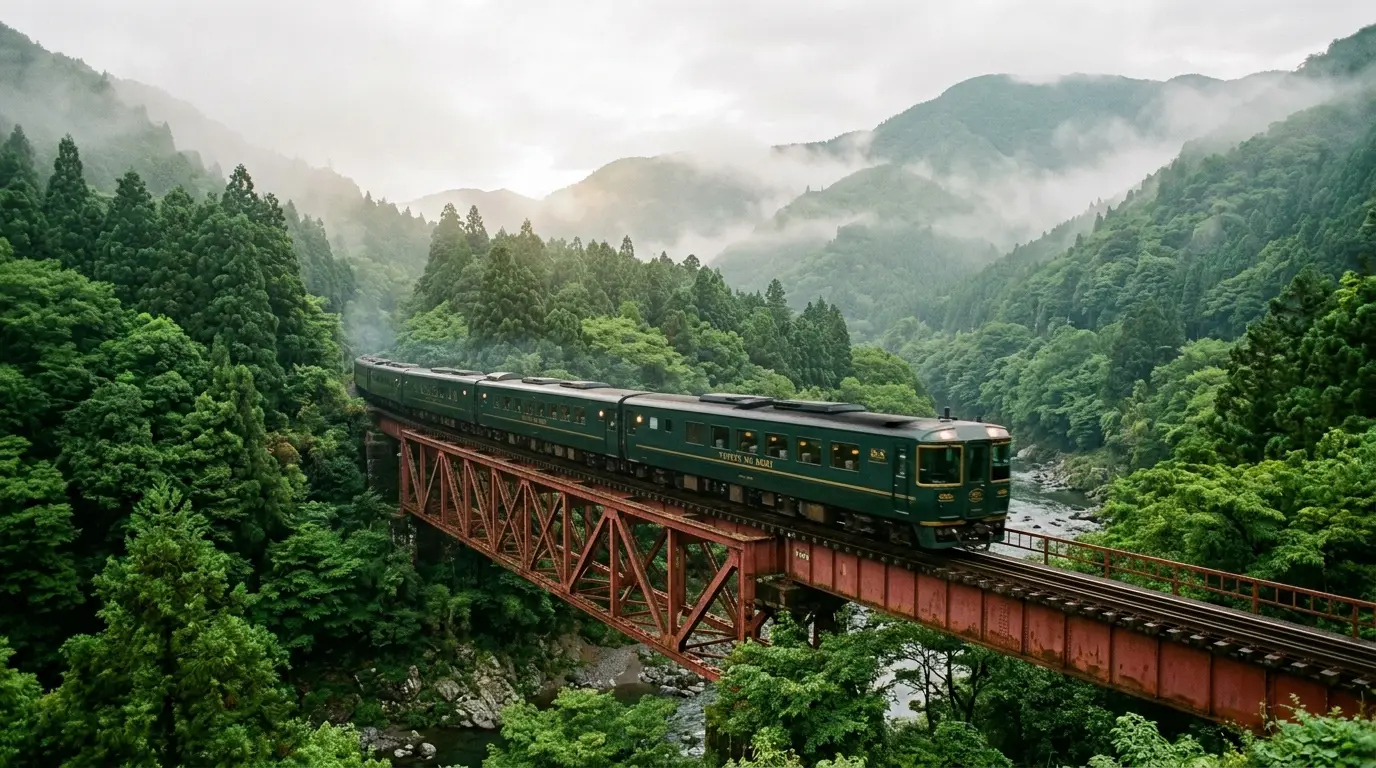
When the Emerald Forest Train Glides into Hakata Station
Ahead of its 9:17 AM departure from Hakata Station, the retro dark green livery of the Yufuin no Mori express glides smoothly to a halt, instantly lifting the anticipation of waiting travelers. Golden emblems gleam against deep metallic lacquer as passengers board via elevated hardwood steps, trading Fukuoka high rise towers for soaring Kyushu cedar forests and stepped emerald rice paddies.
Yufuin represents the quintessential mountain sanctuary within a two hour rail journey from Fukuoka city center. Towering over the basin is the volcanic double peak of Mount Yufu, cradling a pastoral alpine village where clear, geothermally heated spring waters murmur continuously through stone street culverts.
However, Yufuin enduring international acclaim triggers intense competition for premier accommodations. Heritage properties featuring around the clock open air private hot spring tubs and seasonal multi course Bungo beef banquets routinely hang up no vacancy notices three full months before holiday weekends.
A truly rewarding Yufuin escape does not require recklessly overspending on opulent five star estates. By systematically aligning geographic proximity to transit hubs, geothermal mineral profiles, and dining configurations, smart travelers can spend noticeably less per person while unlocking deeper rejuvenation.
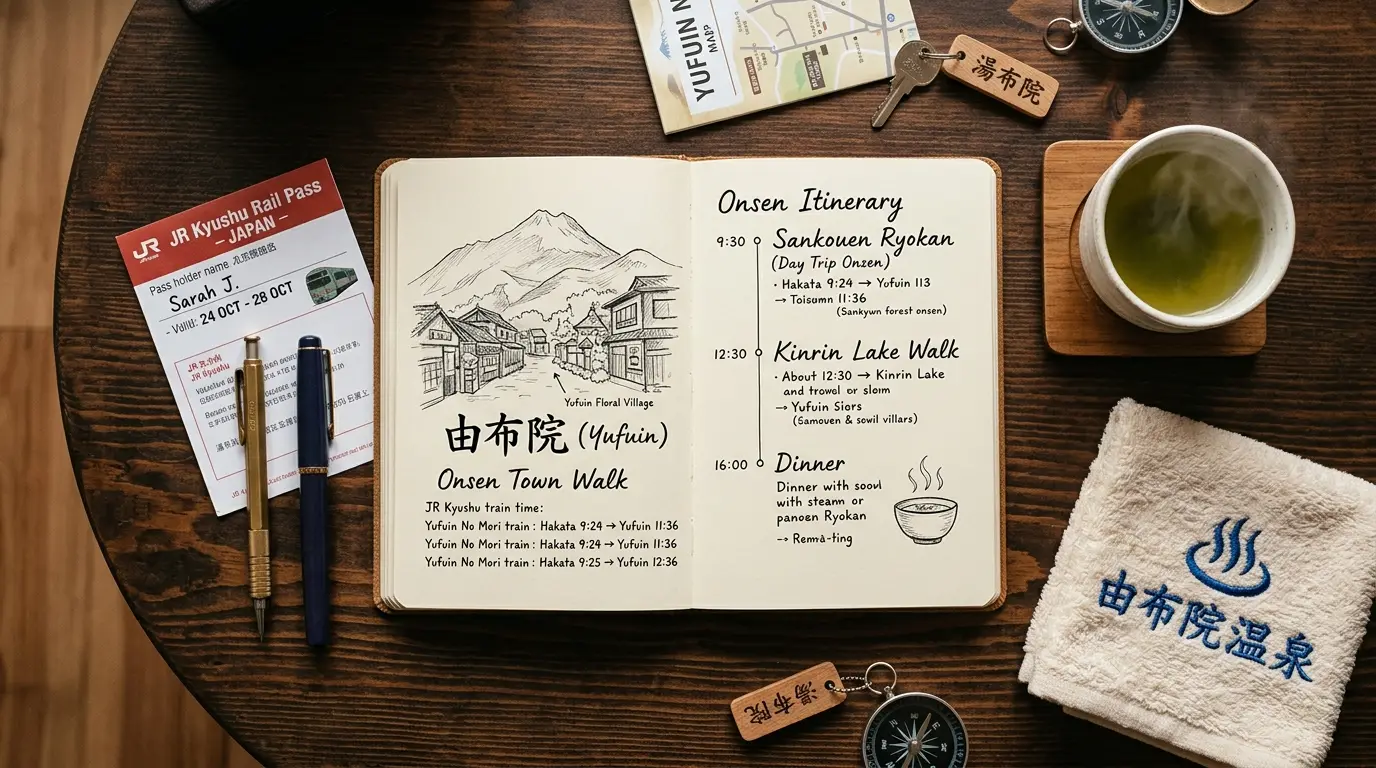
The Critical 10:00 AM Ticket Rush Exactly One Month Out
The single most decisive milestone when planning a journey to Yufuin is securing seats aboard the legendary Yufuin no Mori train. Built with classic hardwood flooring, vintage salon lounges, and elevated viewing decks, this scenic express runs on a strict 100 percent reserved seating schedule with unreserved tickets prohibited.
Seat reservations open one month before the travel date at 10:00 AM Japan Standard Time on the official JR Kyushu online ticketing portal. The front row of Car 1, specifically seats 1A through 1D, offers an unbroken panoramic vista looking straight past the conductor console into dense mountain tunnels and falls silent within thirty seconds of launch.
Should rapid keystrokes fail to secure seats on the morning forest express, there is no reason to abandon the itinerary. The crimson painted Limited Express Yufu traverses the identical scenic rail route multiple times daily, while reserved-seat highway express coaches depart Hakata Bus Terminal to reach the Yufuin Station forecourt in about two hours and twenty minutes.
Highway coaches provide greater scheduling flexibility and lower baseline fares than premium scenic trains. Because Sunday afternoon expressway traffic occasionally experiences bottlenecks near interchange bottlenecks, seasoned travelers frequently split bookings by riding highway buses into Yufuin and returning to Hakata via afternoon rail.
Dawn Thermal Steam at Lake Kinrin vs. Starlit Okuyufuin Hideaways
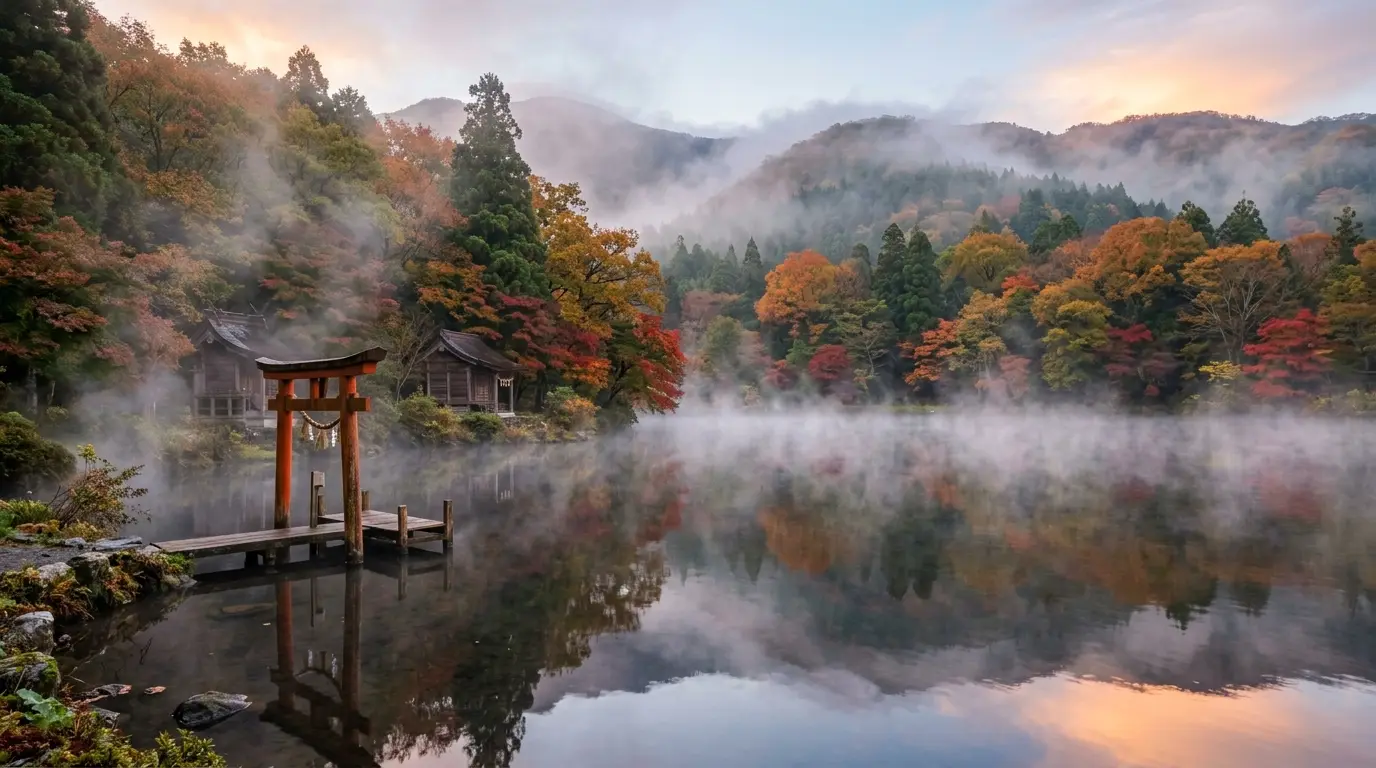
Accommodations in Yufuin cluster into three distinct districts, each shaping an entirely different travel experience. The premier zone surrounding Lake Kinrin offers prime territory for visitors determined to catch Yufuin most ethereal morning phenomenon without an exhausting early trek.
Because warm geothermal springs surge continuously from the lakebed alongside icy mountain aquifers, crisp autumn and winter dawns trigger thick white vapor clouds blanketing the entire lake surface. Staying at a heritage ryokan within three minutes of the shore allows guests to slip on a yukata robe at 6:00 AM and wander tranquil boardwalks in peaceful solitude.
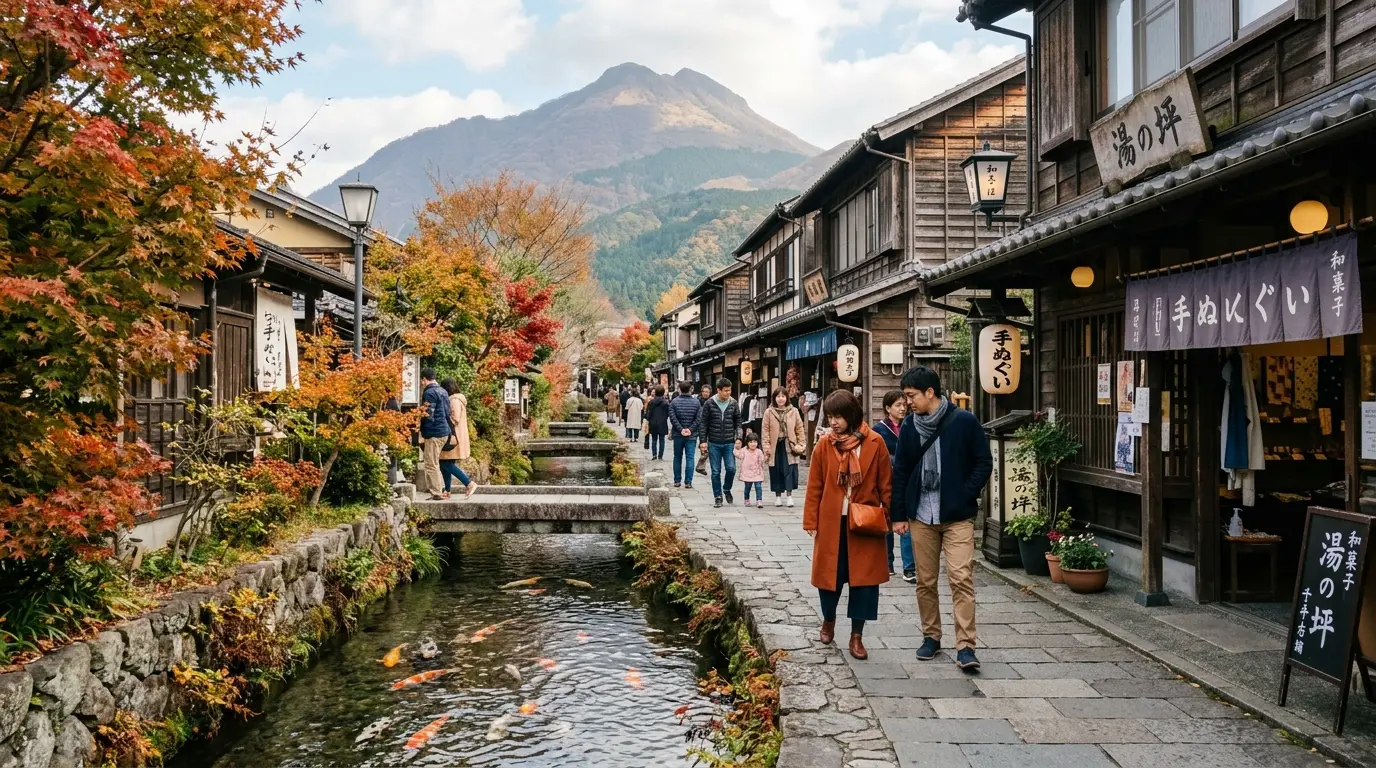
The bustling corridor along Yunotsubo Street provides effortless pedestrian access to famous patisseries, rolled cake bakeries, and traditional woodcraft boutiques, making it particularly convenient for travelers relying solely on foot transit. While vibrant during daytime hours, midday visitor foot traffic swells noticeably, making accommodations set one block back from the main strip preferable for light sleepers.
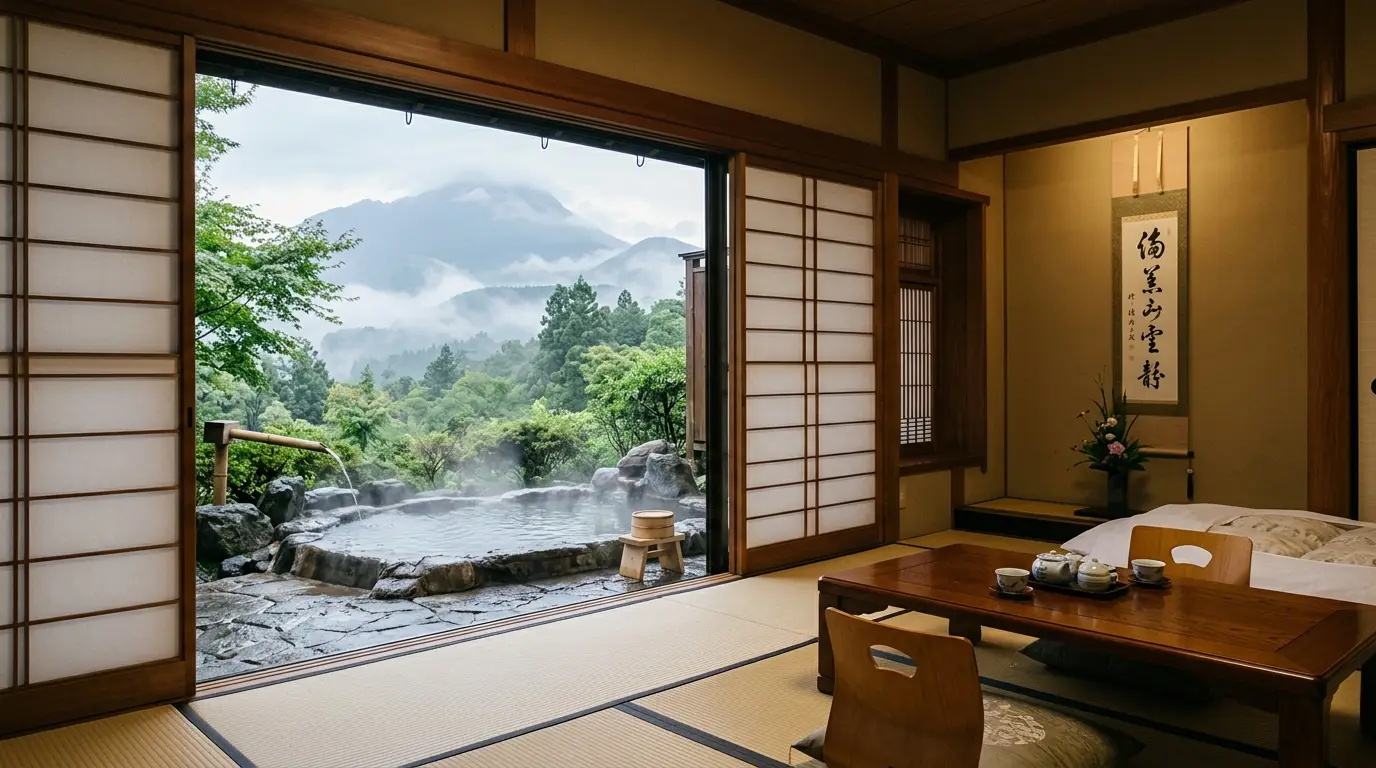
The third district ascends into the secluded forest foothills of Okuyufuin along Mount Yufu valleys. Far removed from commercial storefronts, this quiet haven features standalone detached villas with expansive Japanese gardens, designed specifically for guests seeking complete privacy and meditative stillness.
Soaking inside a private cedar tub in Okuyufuin treats bathers to sweeping nighttime starscapes framed by whispering pine canopies. Because properties sit a ten to fifteen minute drive from the train terminal, reserving the inn complimentary station shuttle service during online booking is essential to avoid being stranded.
Balancing the Multi Course Kaiseki with Village Izakayas
The crowning highlight of classic ryokan hospitality remains the half board arrangement, comprising an artfully staged multi course kaiseki banquet served inside private dining alcoves or traditional tatami suites. Sizzling earthenware plates of richly marbled local Bungo wagyu, charcoal grilled river sweetfish, and crisp wild mountain greens elevate dinner into a culinary celebration.
Nevertheless, committing to a full scale kaiseki spread is not universally required for every traveler. Guests with lighter appetites or those traveling with picky eaters often benefit from choosing breakfast only or room only lodging options, which preserve valuable scheduling agility.
Waiving the formal dinner noticeably lowers the per person nightly rate. Those redirected funds can be spent exploring neighborhood dining establishments, such as rustic charcoal grilled local chicken izakayas and historic sake taverns clustered along the western alleys of Yufuin Station.
Visitors dining out must bear in mind that local culinary establishments in rural mountain towns generally shut their doors by 8:00 PM. Those selecting room only plans should establish restaurant reservations or arrive early for dinner, picking up local craft ales and snacks from convenience markets on their stroll back to the hot springs.
Day Visit Thermal Baths and Practical Onsite Checklists
Travelers constrained by tight flight schedules or hotel budgets can still absorb the authentic onsen ambiance through day visit bath facilities. Several historic inns open their open air thermal pools and private family baths to external day visitors during midday maintenance intervals.
Entry fees for day visitors typically range between 800 and 1500 JPY per person, granting access to historic communal rock pools framed by sweeping views of Mount Yufu. Families or couples desiring seclusion can rent private family onsen pavilions for around 2500 JPY per hour directly at reception desks, forming a rewarding day trip from Hakata.
Guests must prepare for mandatory municipal regulations regarding thermal resort fees. Under Yufu City rules, an onsen bathing tax is levied per person per night on lodging guests (250 JPY since October 2024 when the basic room rate is 4,001 JPY or more), which is generally collected as a separate cash transaction at hotel reception during checkout.
Furthermore, historic bathhouses and vending machines across the village frequently lack international card processing capabilities. Withdrawing clean 1000 JPY banknotes and pocketing ten and hundred yen coins prior to boarding trains at Hakata Station guarantees a smooth and carefree Yufuin journey.
Frequently Asked Questions
Field-tested answers to transit navigation, neighborhood choices, and payment traps.
Q1.How long does it take to get from Hakata to Yufuin?
Q2.When do Yufuin no Mori tickets go on sale?
Q3.Is Yufuin worth it as a day trip?
Q4.Do Yufuin ryokan charge an onsen tax?
The Smart Traveler's Essential Toolkit
Prepare instant mobile data, private airport transfers, and skip-the-line passes in one place.
Share This Guide with Your Companions
When shared via chat or social media, a curated summary card is sent along.
Recommended Guides
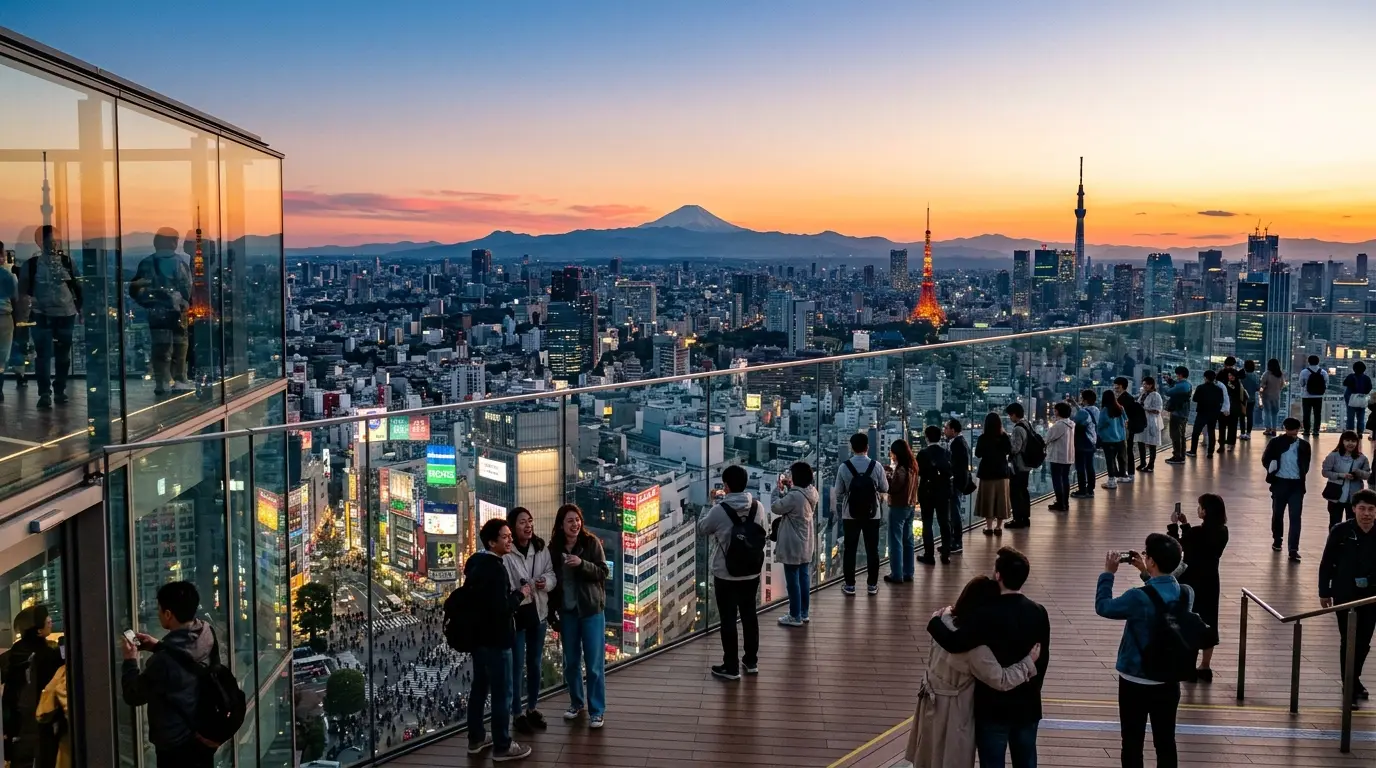
Where to Stay in Tokyo: Shinjuku vs Shibuya vs Ginza
Comparing room footprints across Shinjuku, Ginza, and Ueno, locking in sudden 14-day cancellation drops, and eliminating DCC fees with clean Yen checkout.
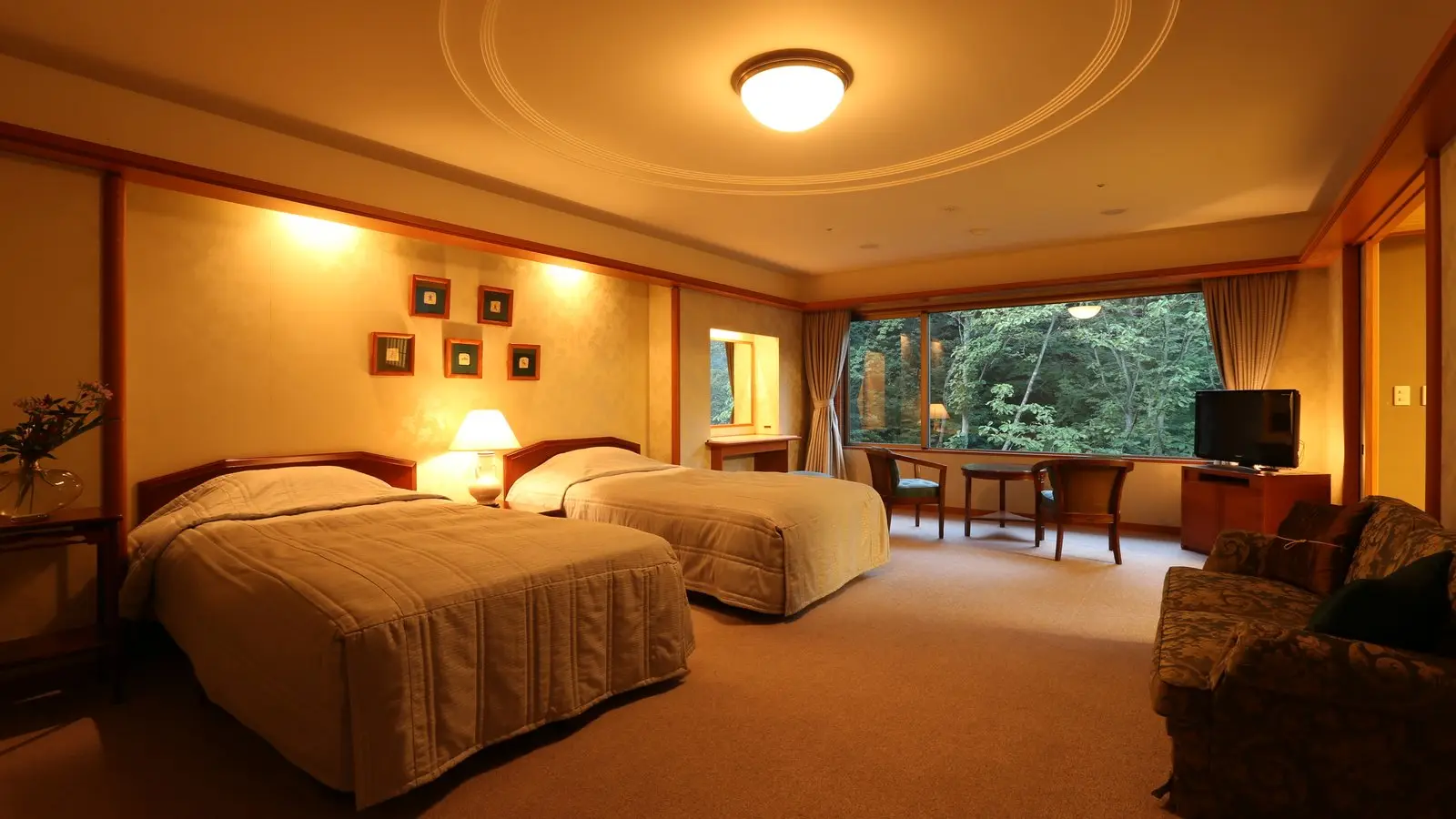
7 Budget Hotels in Tokyo Under $100 on the Yamanote Line
Even amid yen fluctuations, central Tokyo hotel rates have soared. Learn how to secure Yamanote loop line hotels at half the price of Shinjuku, compare onsen bath chains like Dormy Inn, trigger secret Agoda VIP and Booking.com Genius discounts, and dodge hidden currency fees with yen settlement.
How to Read the Tokyo Subway Map and Where to Stay on the Yamanote Line
How to choose between Keisei Skyliner and Narita Express, avoid the Tokyo Subway Ticket trap, use Apple Wallet Suica, and select the ideal hotel base in Tokyo.
Tokyo Day 1 Itinerary: Narita Airport to the City and Your First 24 Hours
From stepping off at Narita Airport to mastering high-speed trains, navigating Tokyo's sprawling transit hubs, ordering counter ramen effortlessly, and catching sunset from Roppongi Hills. A definitive guide for your first 24 hours in Tokyo.
Tokyo Day 2 Itinerary: Booking Shibuya Sky, Harajuku Backstreets and Roppongi at Night
Securing prime sunset slots atop Shibuya Sky, navigating hidden boutiques along Harajuku Cat Street, immersing in the forested serenity of Meiji Jingu, and marveling at the crimson glow of Tokyo Tower from Roppongi Hills. A masterclass in Day 2 pacing.
Tokyo Day 3 Itinerary: Asakusa, Akihabara, Ginza Depachika and Flying Home
The ultimate finale for your Tokyo stay: tranquil morning worship at Sensoji, retro subculture in Akihabara, Ginza Six architectural rooftop views and basement depachika feasts, capped by seamless Skyliner and N'EX airport connections.
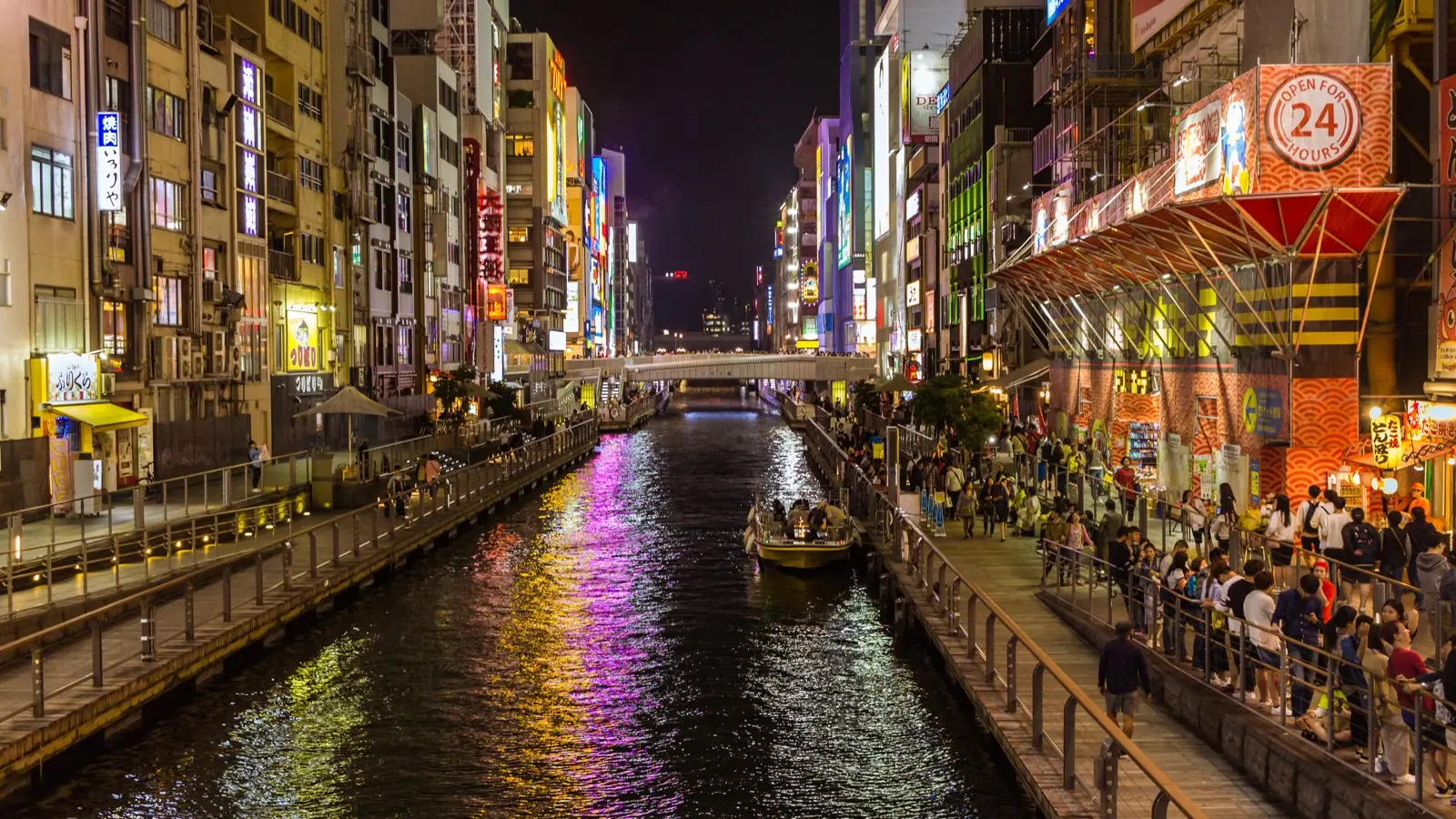
Osaka Itinerary: Dotonbori and Umeda in Two Nights
Osaka is Japan culinary powerhouse where feasting is an art. Navigate Rapi:t airport transfers, Namba vs Umeda hotels, and street food corridors with veteran precision.
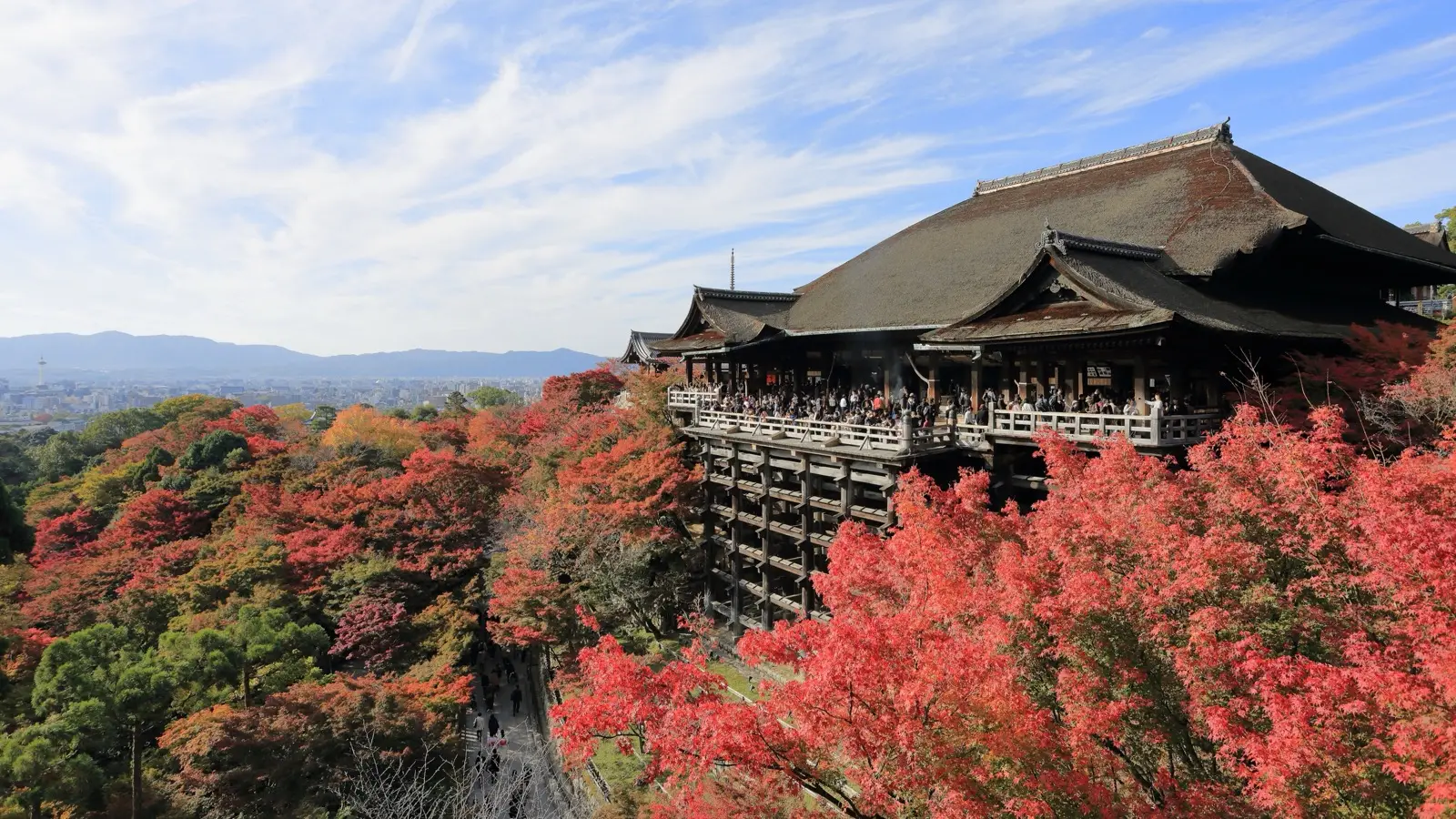
Kyoto Itinerary: Arashiyama, Gion and How to Pick a Ryokan
Kyoto compresses a millennium of Japanese aesthetic mastery. Discover how to evade bus congestion with private railways, master ryokan kaiseki booking windows, and savor early dawn stillness.
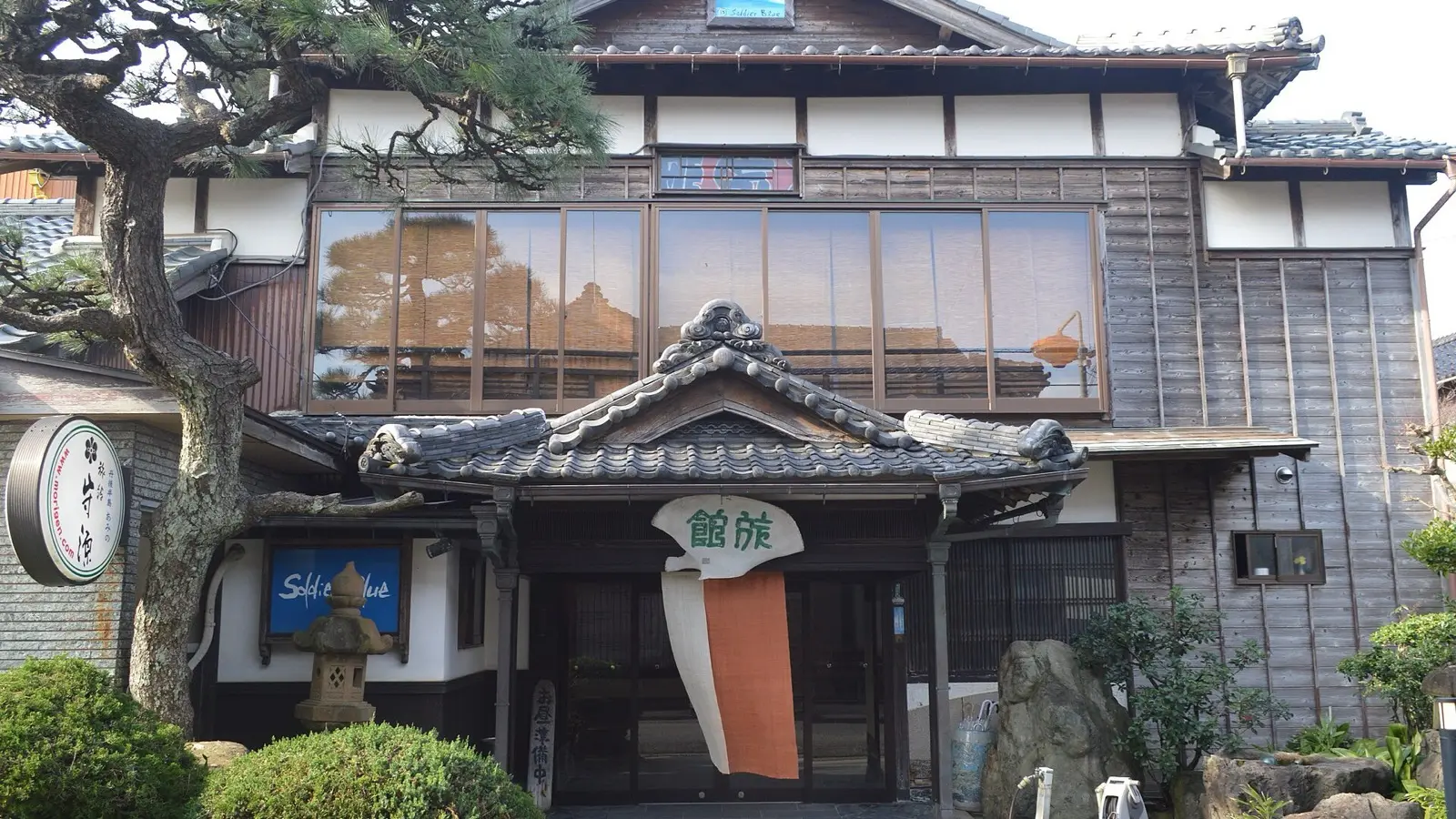
Kyoto Ryokan Prices and How to Choose: Kaiseki Terms and Machiya Stays
From hundred-year-old timber townhouses in Gion to misty Arashiyama riverside ryokan, staying in Kyoto demands cultural fluency and sharp booking discipline. An honest receipt audit covering kaiseki dinner curfews, private onsen etiquette, and avoiding dynamic pricing spikes.
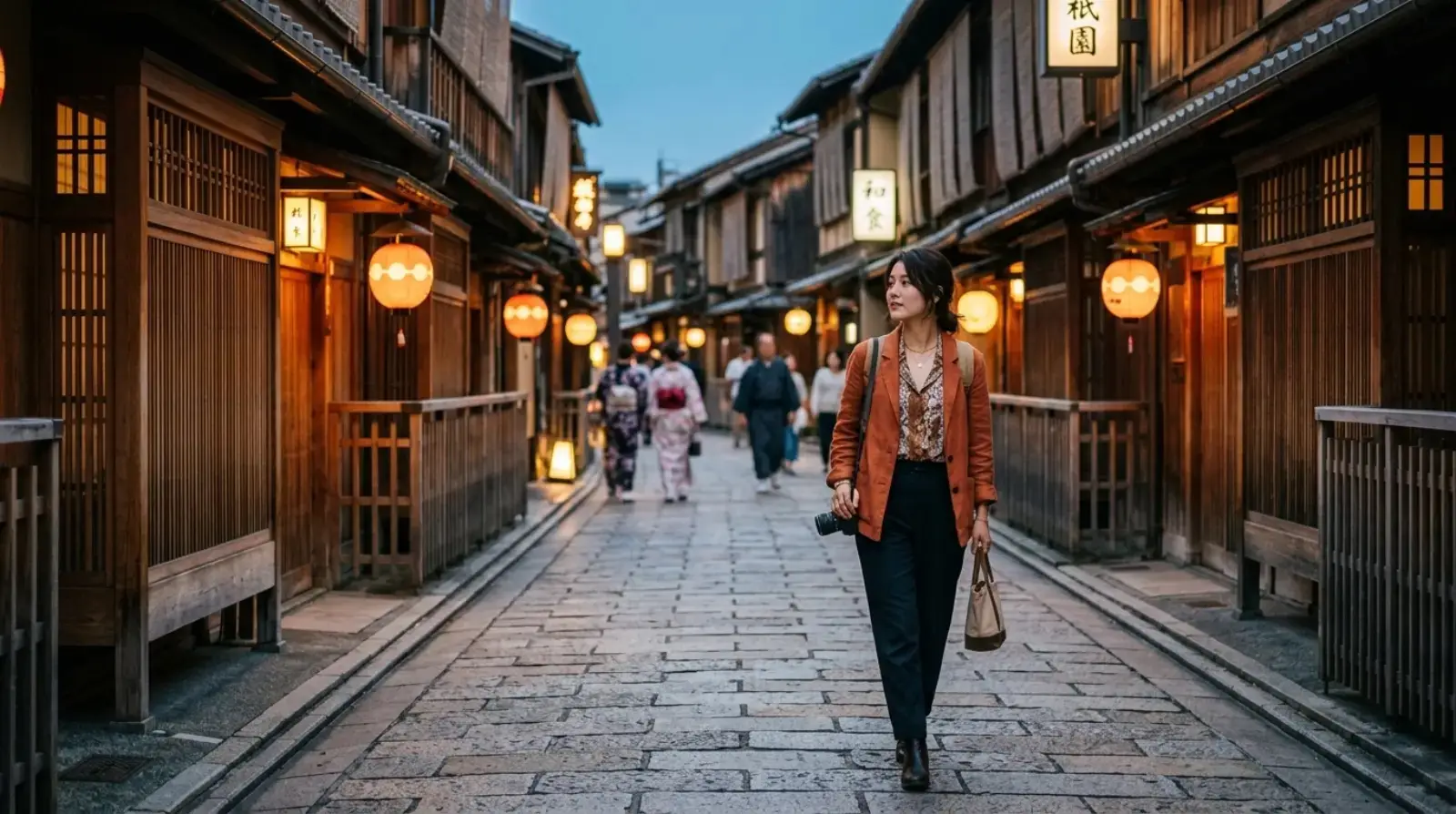
Kyoto Day 1 Itinerary: Kansai Airport to Kyoto and Your First Evening in Gion
Boarding the 75-minute Haruka Express from Kansai Airport, forwarding heavy bags straight to your hotel via Crosta at Kyoto Station, avoiding gridlocked buses using the subway, and an evening stroll through Gion to the Kamogawa. A field guide to your first 24 hours.
Kyoto Day 2 Itinerary: Fushimi Inari, Kiyomizu-dera, Sannenzaka and Gion
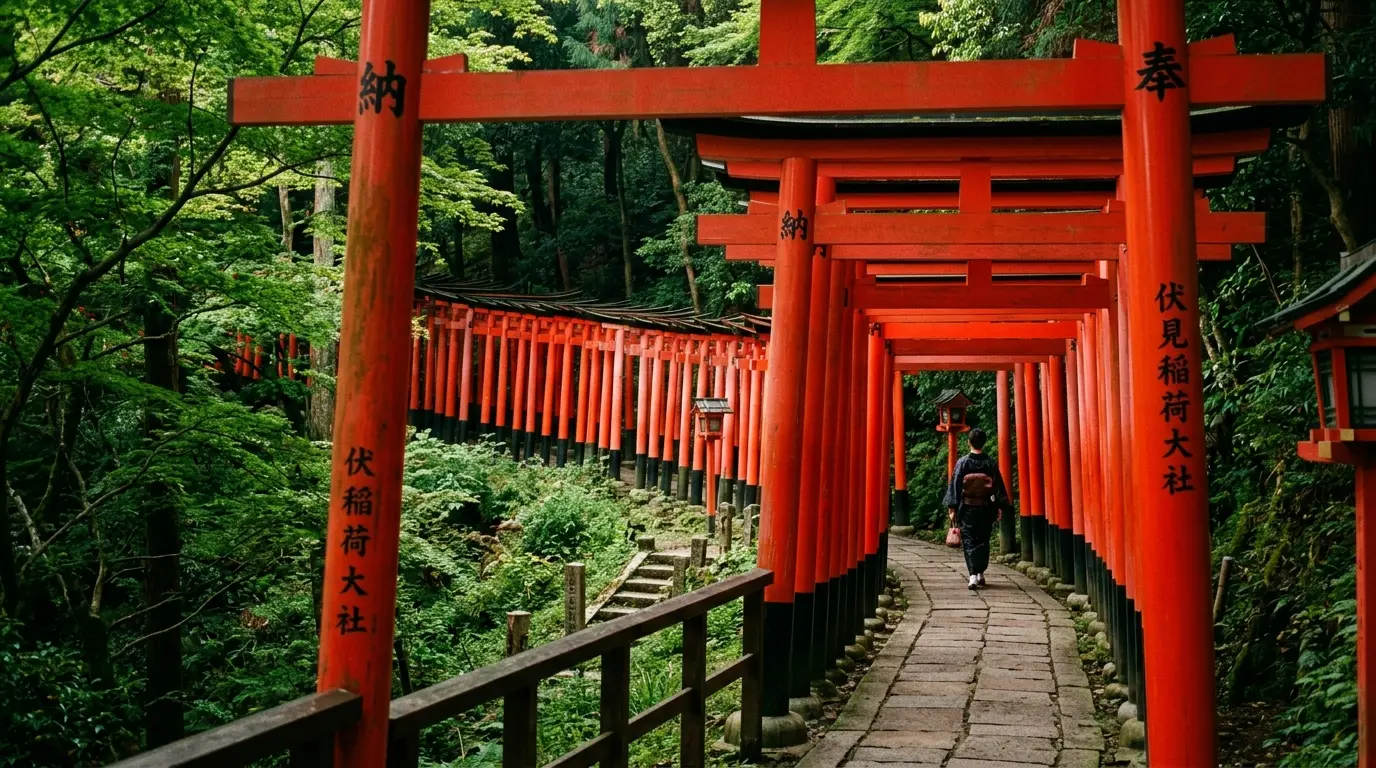
Day 2 immerses travelers into the spiritual heartbeat and preserved historic streets of Kyoto: early morning solace along thousands of vermilion torii gates at Fushimi Inari, sweeping mountain panoramas from the legendary wooden stage of Kiyomizu-dera, artisan tea shops and matcha sweets across cobblestoned Ninenzaka and Sannenzaka, followed by lantern-lit strolls in Gion Shirakawa and a refined multi-course Kaiseki dinner.
Kyoto Day 3 Itinerary: Arashiyama Bamboo Grove, Nishiki Market and the Journey Home
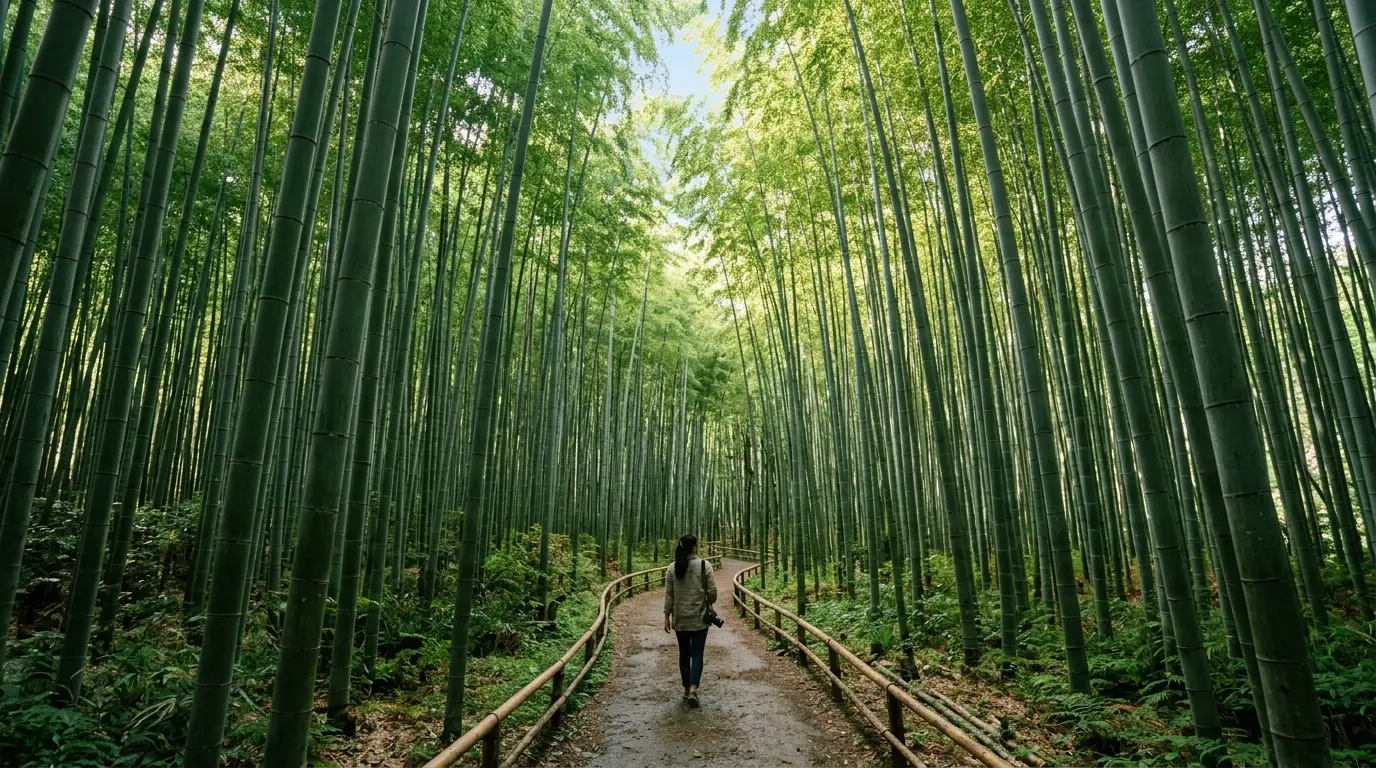
A sublime final chapter to your Kyoto journey: morning breezes whispering through towering emerald stalks in the Arashiyama Bamboo Grove, the UNESCO World Heritage mirror pond at Tenryu-ji, riverside specialty coffee by Togetsukyo Bridge, savory culinary treasures inside 400-year-old Nishiki Market, followed by Kyoto Station souvenir shopping and a swift 75-minute ride aboard the JR Haruka Express straight to Kansai Airport.