
Kota KinabaluGuide
Kota Kinabalu Itinerary: Where to Watch the Sunset and Resorts Under $100
When the South China Sea ignites in liquid gold and magenta at 6:15 PM. Conquering pristine Borneo coastal retreats and mangrove river expeditions without packaged tour markups.
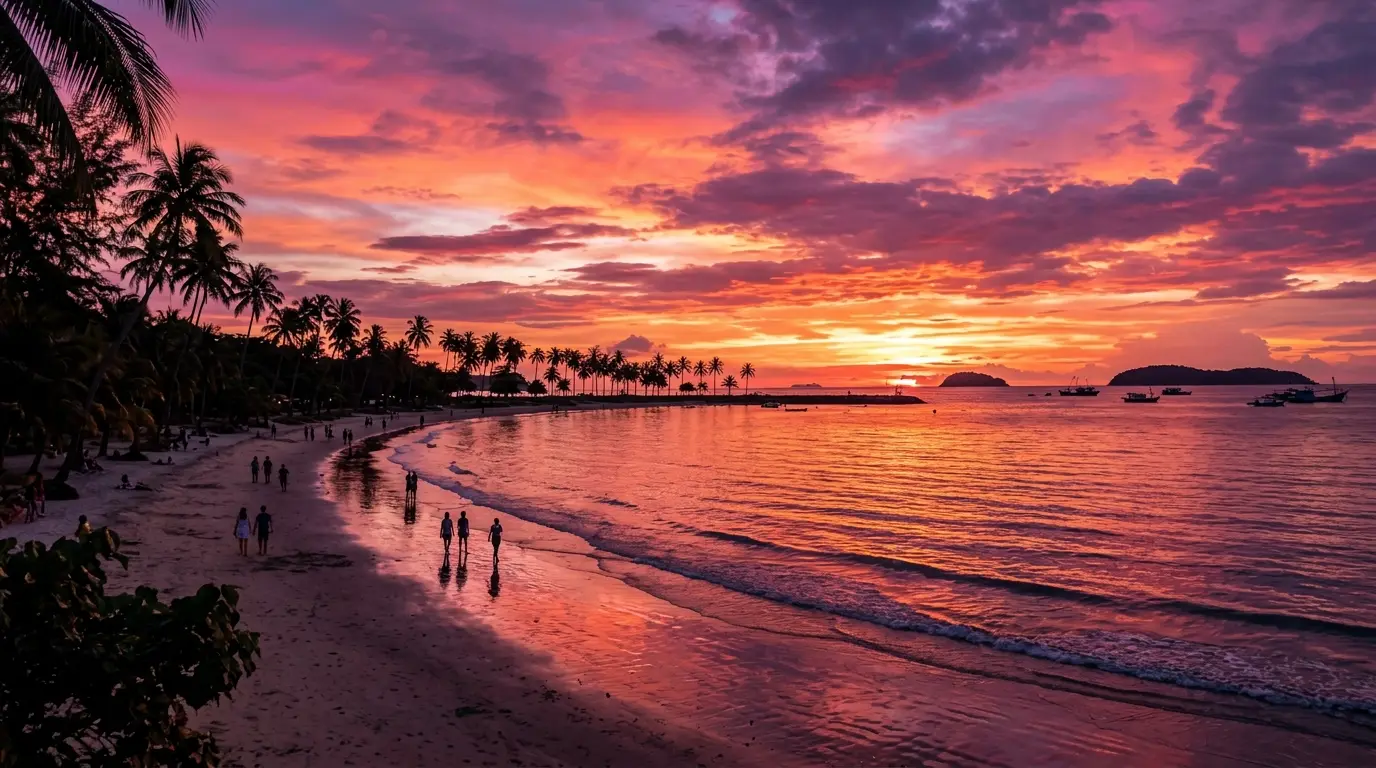
The Alchemy of World-Class Sunsets: 6:15 PM at Tanjung Aru
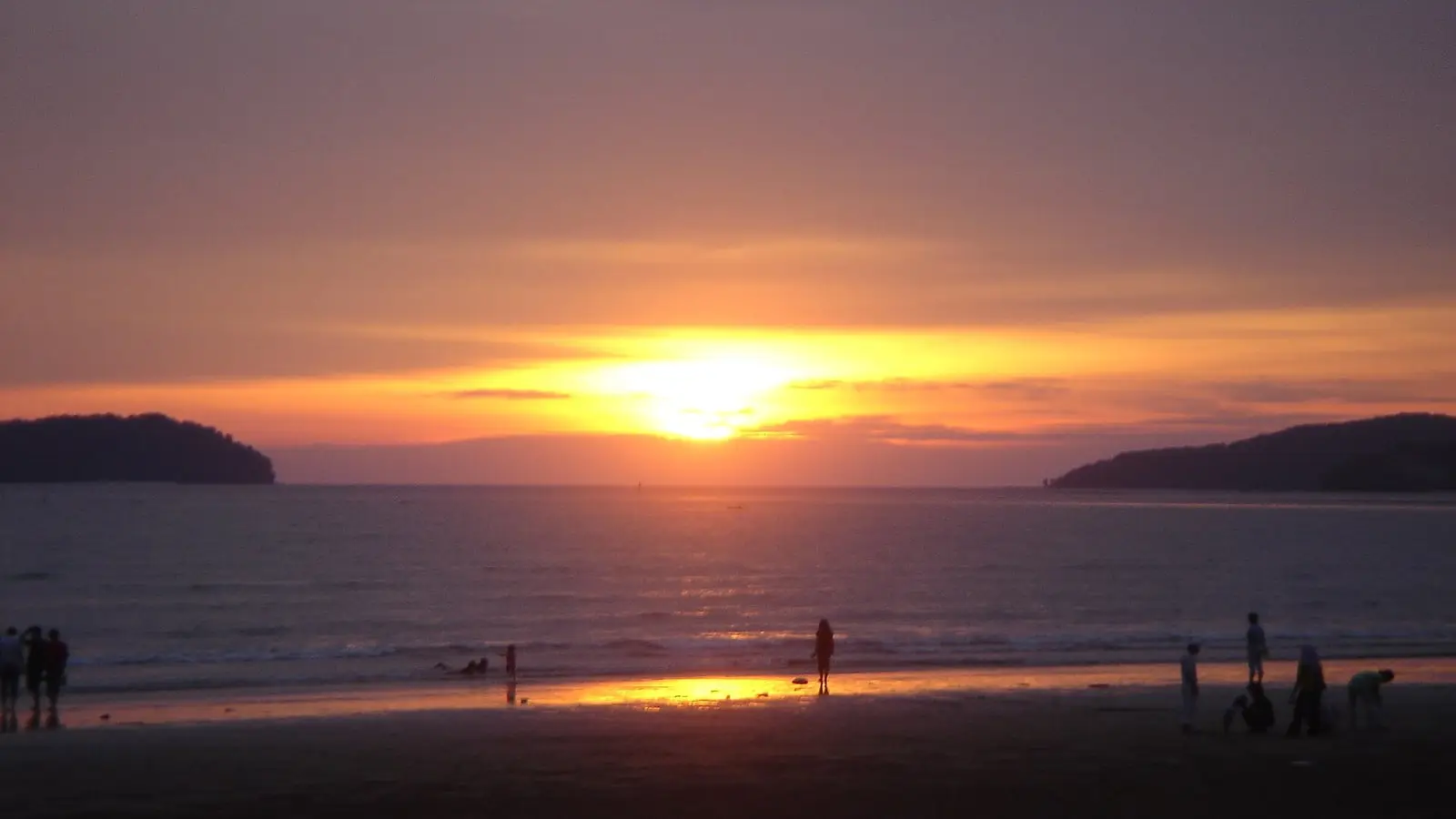
At 6:10 PM, the glassy surface of the South China Sea begins to ignite with liquid gold. Over the next fifteen minutes, the vast horizon shifts dramatically from warm honey tones to flaming peach, deep lavender, and rich crimson. As cooling ocean tides lap against bare feet, gentle gasps of wonder ripple down the shoreline. This is the legendary sunset of Tanjung Aru, celebrated alongside Santorini and Fiji among the top sunset spectacles on earth.
Anchoring the northern reaches of Borneo within the Malaysian state of Sabah, Kota Kinabalu is an exceptional tropical eco-sanctuary reachable via five-hour direct flights from major Asian gateways. Ancient virgin rainforests descend directly to turquoise coral bays, while the city generous hospitality and secure public environment make it an effortless haven for solo travelers and multi-generational families alike.
However, conventional mass package tours routinely diminish this natural magic. Trapping travelers in dated commercial hotels situated along ring-road motorways burdens guests with exhausting sixty-minute shuttle commutes each morning. Real Borneo renewal requires dropping anchor right at the water edge to immerse in the island coastal cadence.
Arranging your own itinerary liberates your evenings from highway traffic bottlenecks. Sitting on your private balcony while twilight paints the ocean allows you to absorb the tranquil island rhythm. Choosing the right neighborhood and transport channels comfortably cuts travel stress in half while delivering authentic relaxation.
Tanjung Aru Sunset Terraces vs Sutera Harbour Marina vs Gaya Street
Accommodations in Kota Kinabalu naturally segregate into three distinct geographic zones, each tailored to different vacation styles. The premier enclave along Tanjung Aru beach stands as the undisputed champion for travelers prioritizing dramatic sunset views and private beach seclusion.
Occupying a private coastal promontory, the iconic Shangri-La Tanjung Aru Resort enjoys uninterrupted 360-degree ocean views unmarred by neighboring buildings. Lounging beside the multi-tiered infinity pool with a fresh tropical drink while watching the blazing solar disc slip below the maritime horizon remains the definitive luxury experience of Sabah.
The second hub, Sutera Harbour Resort, provides an expansive activity wonderland for active family holidays. Combining the Magellan and Pacific hotel wings across an extensive estate featuring a 27-hole Graham Marsh championship golf course, private yacht marina, and large pools, it keeps adults and children thoroughly engaged without ever stepping beyond resort gates.
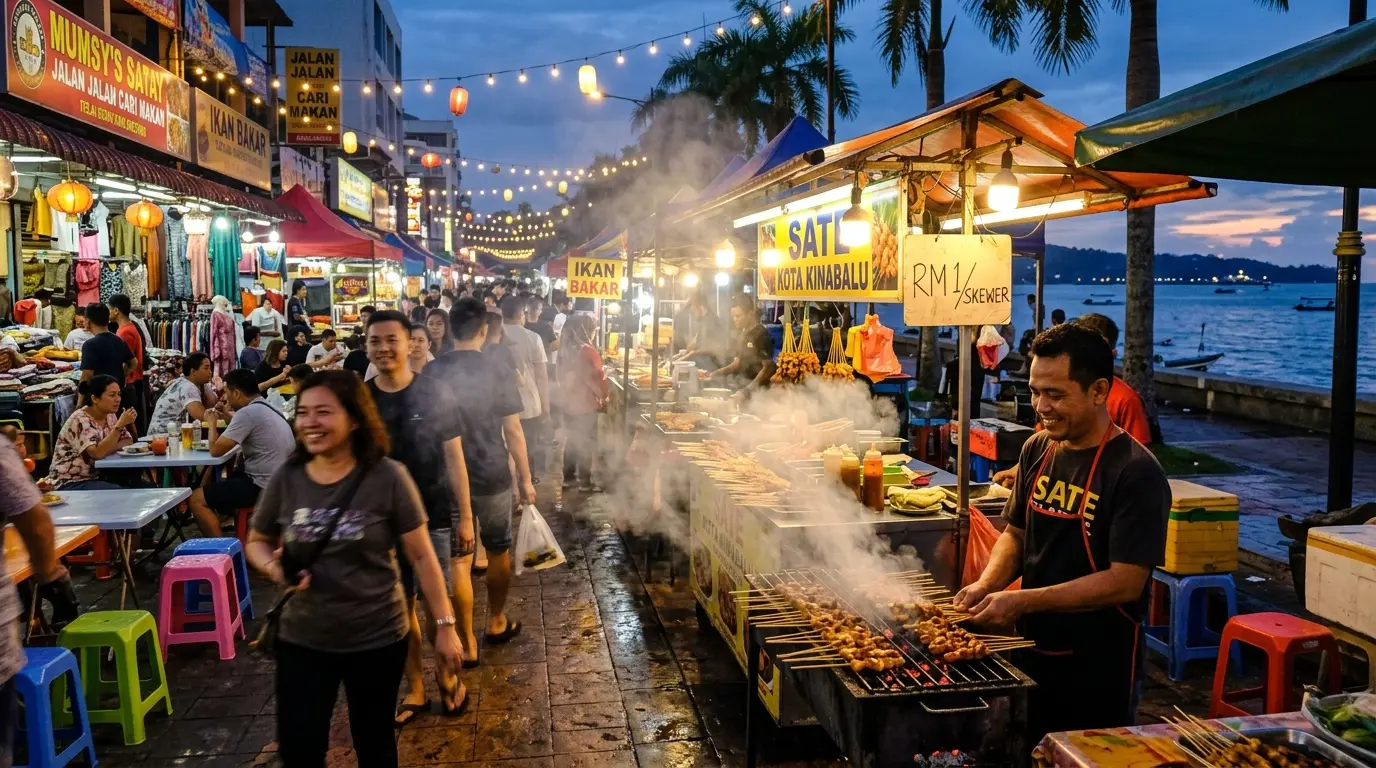
The third district centers along historic Gaya Street and the lively Waterfront promenade, ideal for travelers who thrive on street cuisine and night market explorations. Modern design-forward boutique hotels here hover between $40 and $70 nightly, placing famed laksa soup stalls, herbal pork rib restaurants, and seaside handicraft markets within leisurely barefoot walking distance.
Capturing $100 Oceanfront Balconies with Strategic Booking Tactics
Steering clear of July and August school holidays and Christmas holiday rush unlocks Kota Kinabalu five-star luxury resorts at extraordinary values, frequently dropping to $100 to $140 per night inclusive of daily gourmet buffet breakfasts.
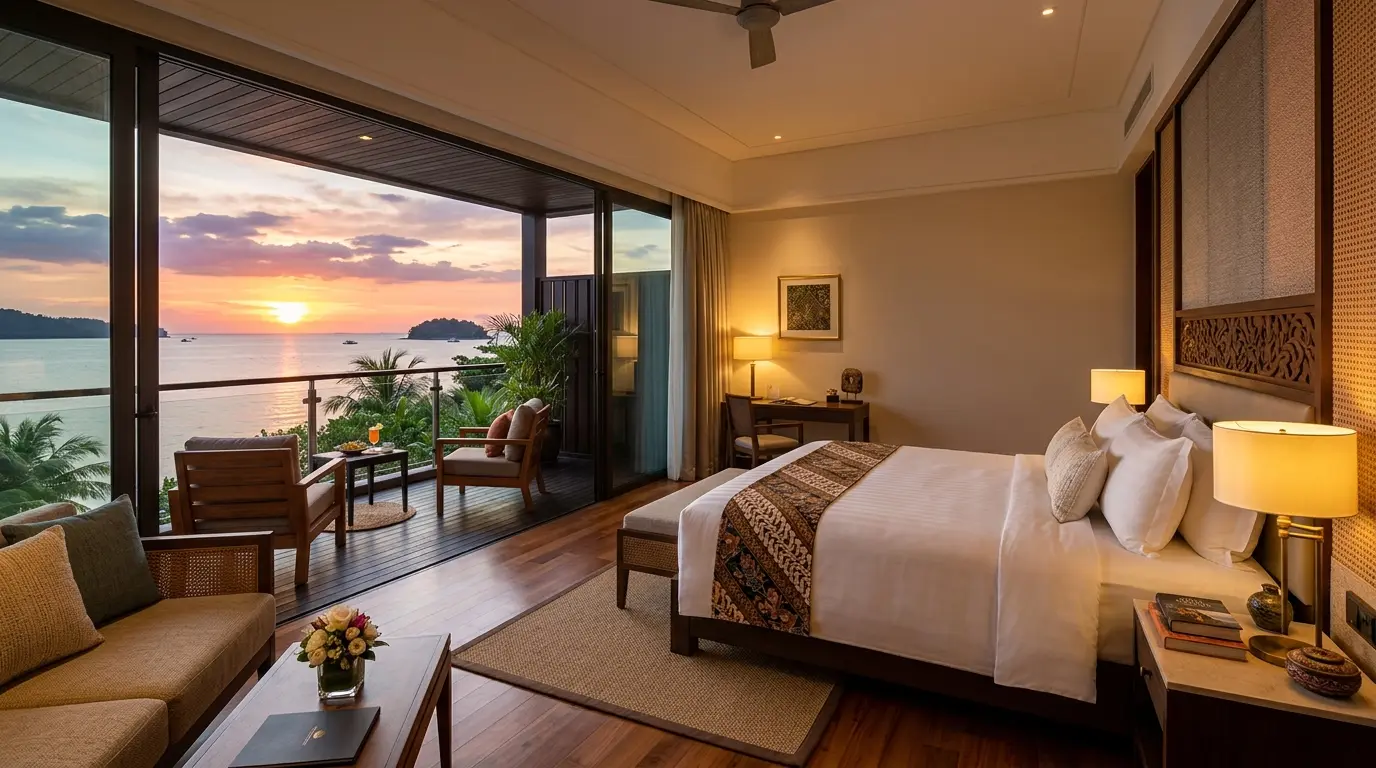
The essential operational technique when auditing resort inventory is comparing the subtle price margin between standard Garden View rooms and full Ocean Front suites. Depending on dates, the nightly gap between the two is often smaller than you would expect.
Paying this small nightly increment yields tremendous lifestyle value. Rather than competing for crowded tables at public beach bars during sunset peak, you enjoy front-row private terrace seating, sipping chilled craft beers in total privacy while the sky undergoes its fiery transition.
When checking out online, always ensure your transaction billing currency is locked to Malaysian Ringgit or clean US Dollars. This simple safeguard prevents predatory 3 to 5 percent double-conversion spreads, while applying cardholder promotional codes, when available, can lower the final price further.
Following booking confirmation, dispatching a polite advance note requesting an upper-floor room away from service elevators often inspires front-desk managers to bestow complimentary room upgrades to wider oceanfront terraces during arrival check-in.
Borneo Mangrove Firefly Expeditions and Tunku Abdul Rahman Island Hopping
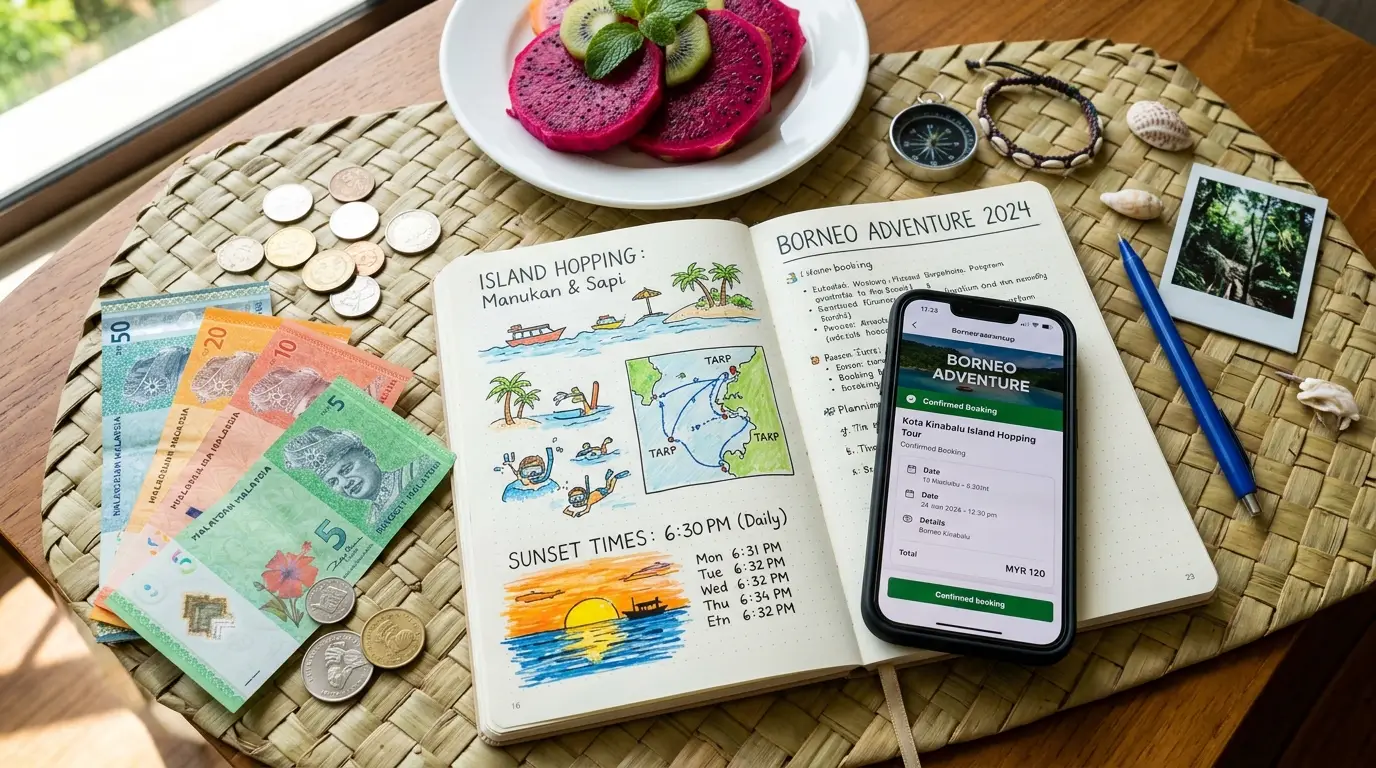
A quintessential Kota Kinabalu getaway always includes island hopping across Tunku Abdul Rahman Marine National Park. Boarding high-speed craft from Jesselton Point Ferry Terminal transports snorkelers to Sapi or Manukan Island in fifteen minutes, unlocking coral reefs populated by schools of tropical damselfish in waist-deep water.
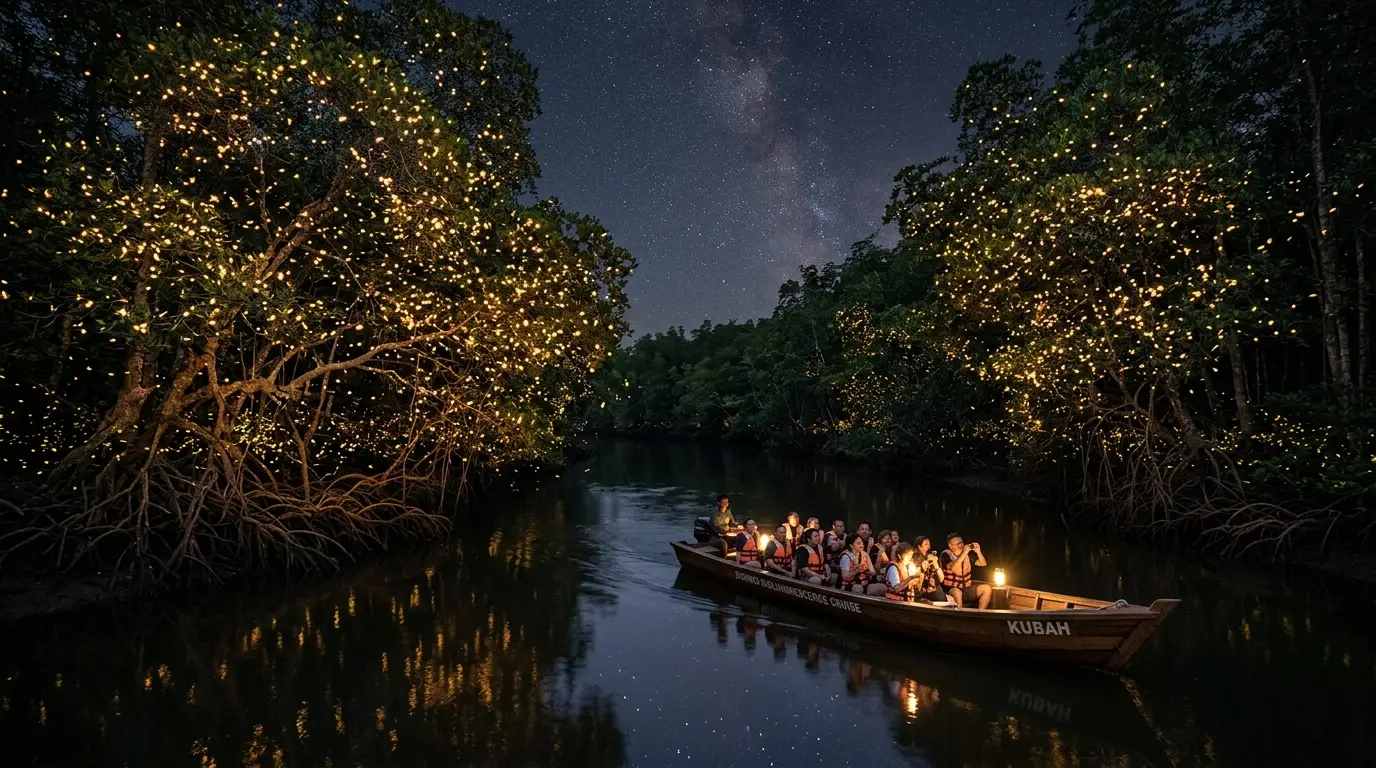
The true emotional peak of the trip occurs at twilight, boarding shallow riverboats to navigate ancient mangrove waterways during guided firefly eco-cruises. Travelling south to the peaceful Klias or Garama river estuaries reveals Sabah pristine wilderness at its most untouched.
Rather than bartering with street touts, securing verified excursions through established travel platforms guarantees modern air-conditioned vans, English-speaking guides, and fresh local dinners. After watching proboscis monkeys during the river twilight safari, complete darkness falls across the forest. As guides pulse specialized optical signals, thousands of bioluminescent fireflies harmonize in unison like illuminated Christmas trees, drifting right into the wooden boat.
Witnessing this silent starry constellation dancing across jungle waterways leaves passengers of all ages spellbound. Because river estuaries host tropical insects, wearing lightweight long sleeves in light colors and packing botanical insect repellant ensures an enchanting and comfortable evening.
Gaya Street Culinary Landmarks, Grab Mobility, and Departure Logistics
Navigating Kota Kinabalu is remarkably economical and smooth using the regional Grab ride-hailing app. Typical fares connecting city hotels, waterfront malls, and seafood markets average between 5 and 9 MYR ($1.20 to $2.20 USD), eliminating the need to trek under equatorial midday heat.
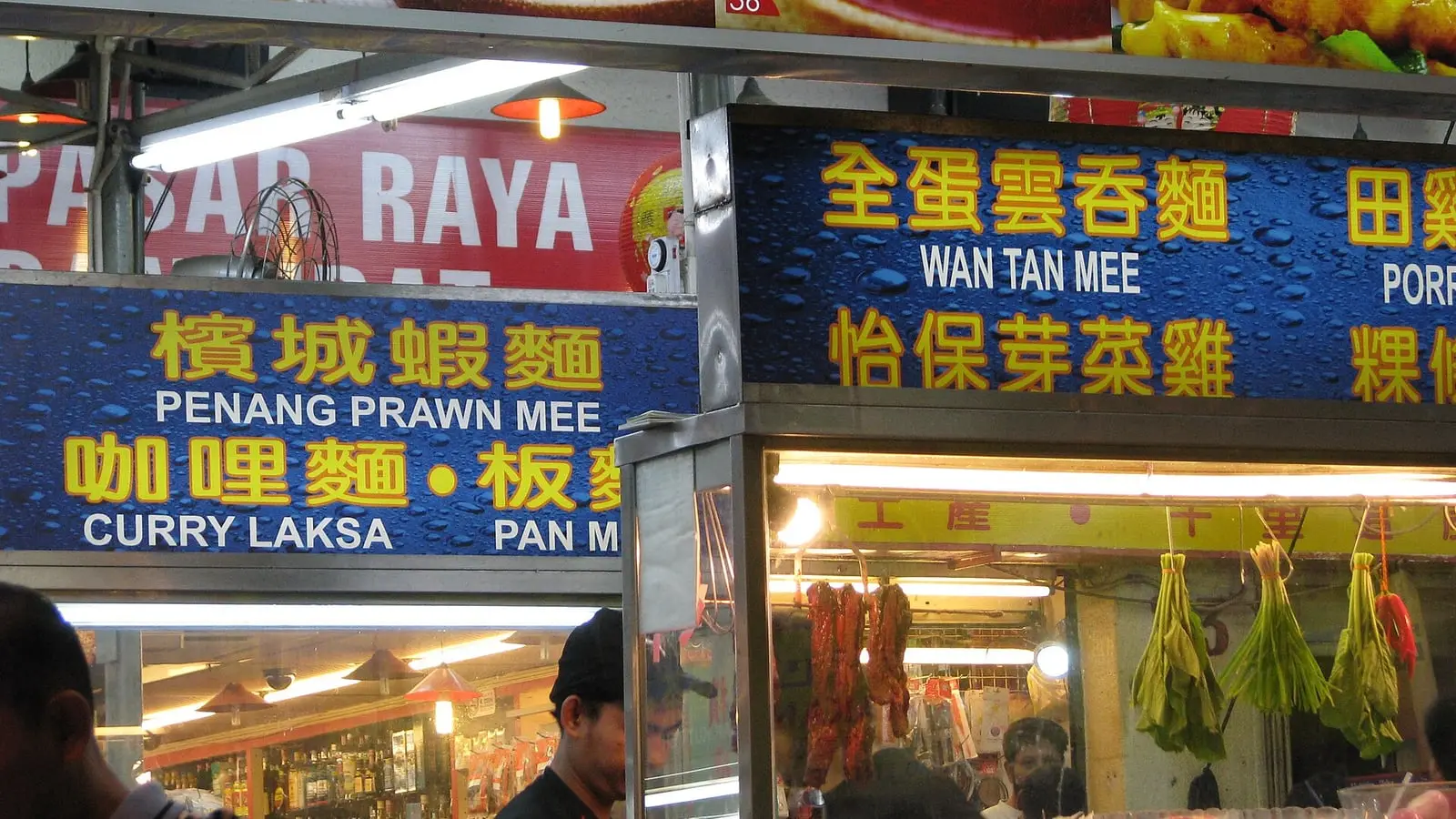
Epicurean highlights along Gaya Street demand tasting Yee Fung fragrant curry laksa, simmering with rich coconut broth, prawns, and shredded chicken, alongside steaming bowls of herbal pork ribs at Yu Kee Bak Kut Teh. Strolling the waterfront night market treats visitors to freshly grilled skewered satay and thick sweet mango smoothies at modest prices.
Exchanging currency is far more advantageous at authorized private exchange counters inside the ground floor of Wisma Merdeka mall than at airport arrival terminals. Bringing clean, uncreased banknotes yields the tightest spreads and highest Ringgit return with zero commission fees.
Because return flights back to East Asian capitals predominantly depart around midnight, designing your final day strategically prevents exhausting downtime. After morning checkout, store luggage with resort concierge desks to enjoy late afternoon river safaris or indulge in full-body aromatherapy at central day spas before private shuttles escort you directly to international departures.
Frequently Asked Questions
Field-tested answers to transit navigation, neighborhood choices, and payment traps.
Q1.What time is sunset in Kota Kinabalu?
Q2.Where do the firefly tours go?
Q3.How do I get to the Tunku Abdul Rahman islands?
Q4.How should I get around and change money?
The Smart Traveler's Essential Toolkit
Prepare instant mobile data, private airport transfers, and skip-the-line passes in one place.
Pick a base in Kota Kinabalu by your route
Choose the places you want to see and get the neighbourhood with the shortest travel.
Compare Kota Kinabalu Hotel Rates
Find the cheapest channel across Agoda and major booking engines with Tripdify.
Share This Guide with Your Companions
When shared via chat or social media, a curated summary card is sent along.
Recommended Guides
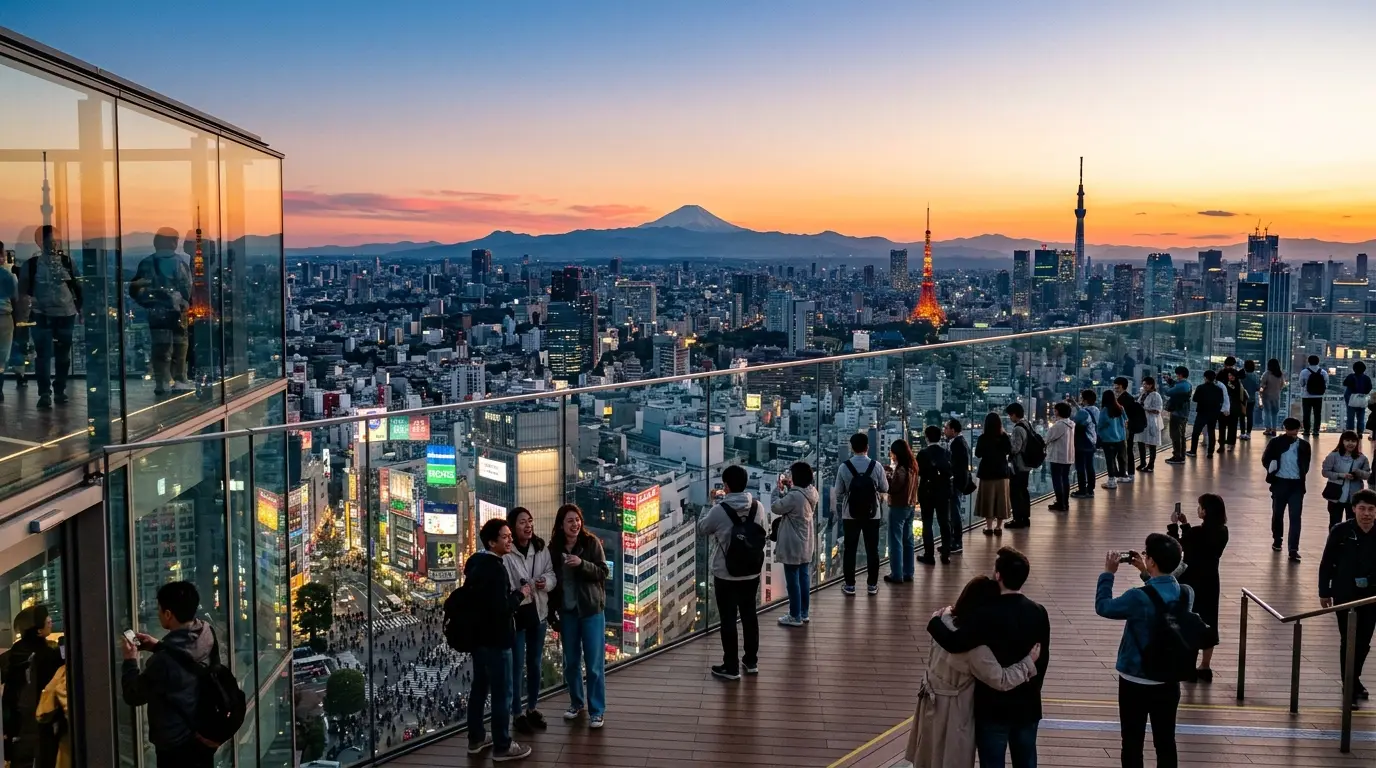
Where to Stay in Tokyo: Shinjuku vs Shibuya vs Ginza
Comparing room footprints across Shinjuku, Ginza, and Ueno, locking in sudden 14-day cancellation drops, and eliminating DCC fees with clean Yen checkout.
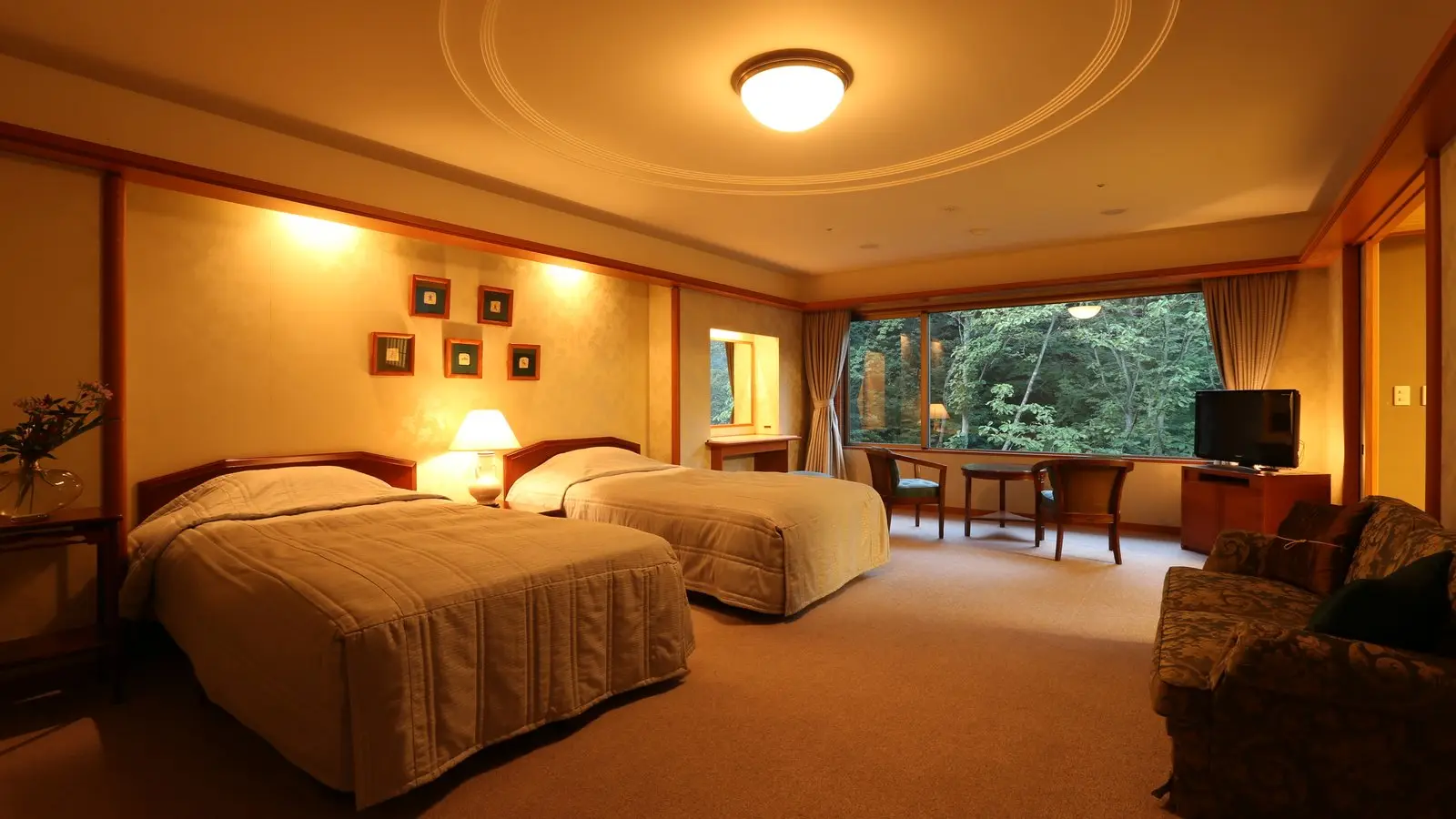
7 Budget Hotels in Tokyo Under $100 on the Yamanote Line
Even amid yen fluctuations, central Tokyo hotel rates have soared. Learn how to secure Yamanote loop line hotels at half the price of Shinjuku, compare onsen bath chains like Dormy Inn, trigger secret Agoda VIP and Booking.com Genius discounts, and dodge hidden currency fees with yen settlement.
How to Read the Tokyo Subway Map and Where to Stay on the Yamanote Line
How to choose between Keisei Skyliner and Narita Express, avoid the Tokyo Subway Ticket trap, use Apple Wallet Suica, and select the ideal hotel base in Tokyo.
Tokyo Day 1 Itinerary: Narita Airport to the City and Your First 24 Hours
From stepping off at Narita Airport to mastering high-speed trains, navigating Tokyo's sprawling transit hubs, ordering counter ramen effortlessly, and catching sunset from Roppongi Hills. A definitive guide for your first 24 hours in Tokyo.
Tokyo Day 2 Itinerary: Booking Shibuya Sky, Harajuku Backstreets and Roppongi at Night
Securing prime sunset slots atop Shibuya Sky, navigating hidden boutiques along Harajuku Cat Street, immersing in the forested serenity of Meiji Jingu, and marveling at the crimson glow of Tokyo Tower from Roppongi Hills. A masterclass in Day 2 pacing.
Tokyo Day 3 Itinerary: Asakusa, Akihabara, Ginza Depachika and Flying Home
The ultimate finale for your Tokyo stay: tranquil morning worship at Sensoji, retro subculture in Akihabara, Ginza Six architectural rooftop views and basement depachika feasts, capped by seamless Skyliner and N'EX airport connections.
Osaka Itinerary: Dotonbori and Umeda in Two Nights
Osaka is Japan culinary powerhouse where feasting is an art. Navigate Rapi:t airport transfers, Namba vs Umeda hotels, and street food corridors with veteran precision.
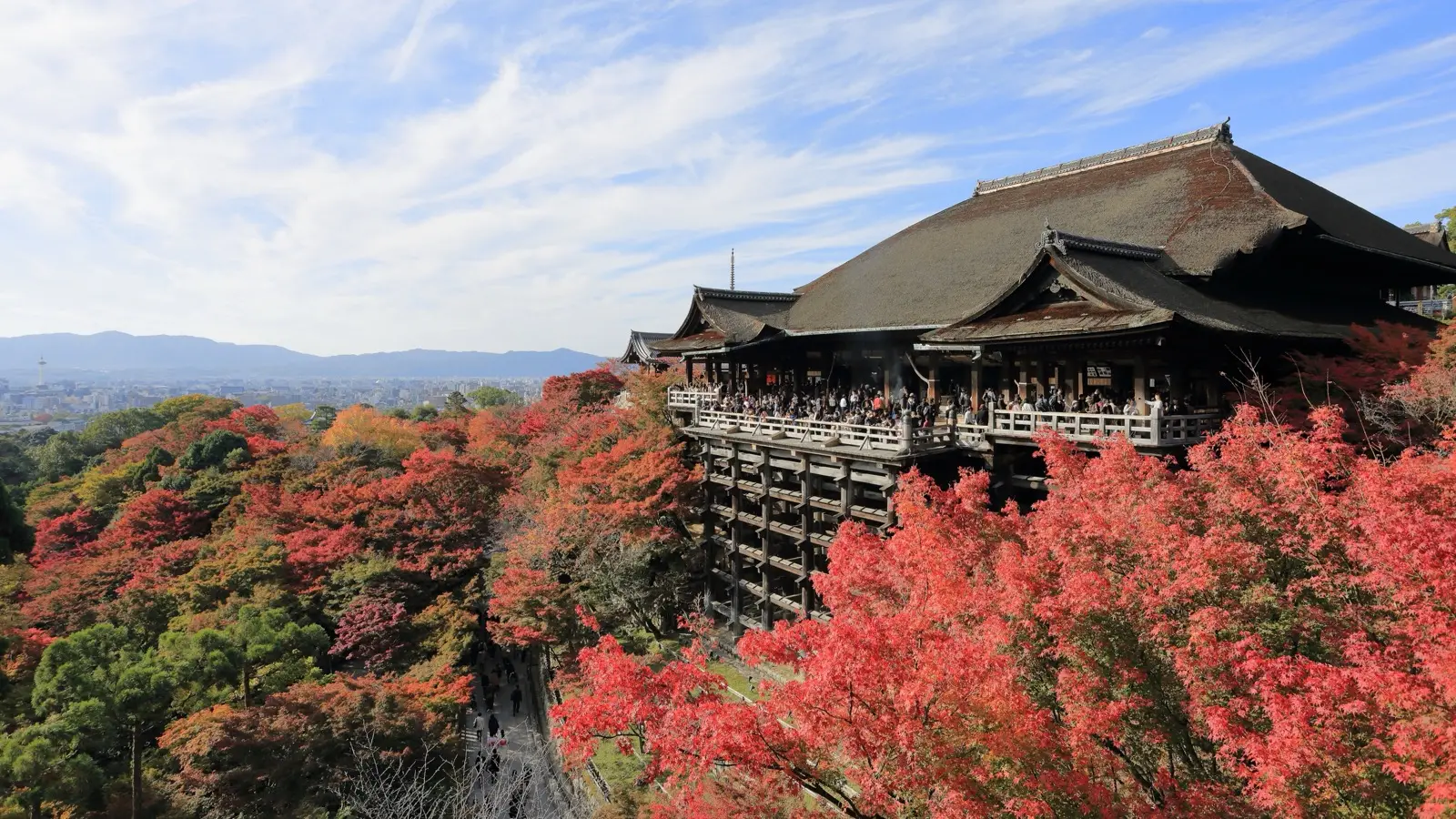
Kyoto Itinerary: Arashiyama, Gion and How to Pick a Ryokan
Kyoto compresses a millennium of Japanese aesthetic mastery. Discover how to evade bus congestion with private railways, master ryokan kaiseki booking windows, and savor early dawn stillness.
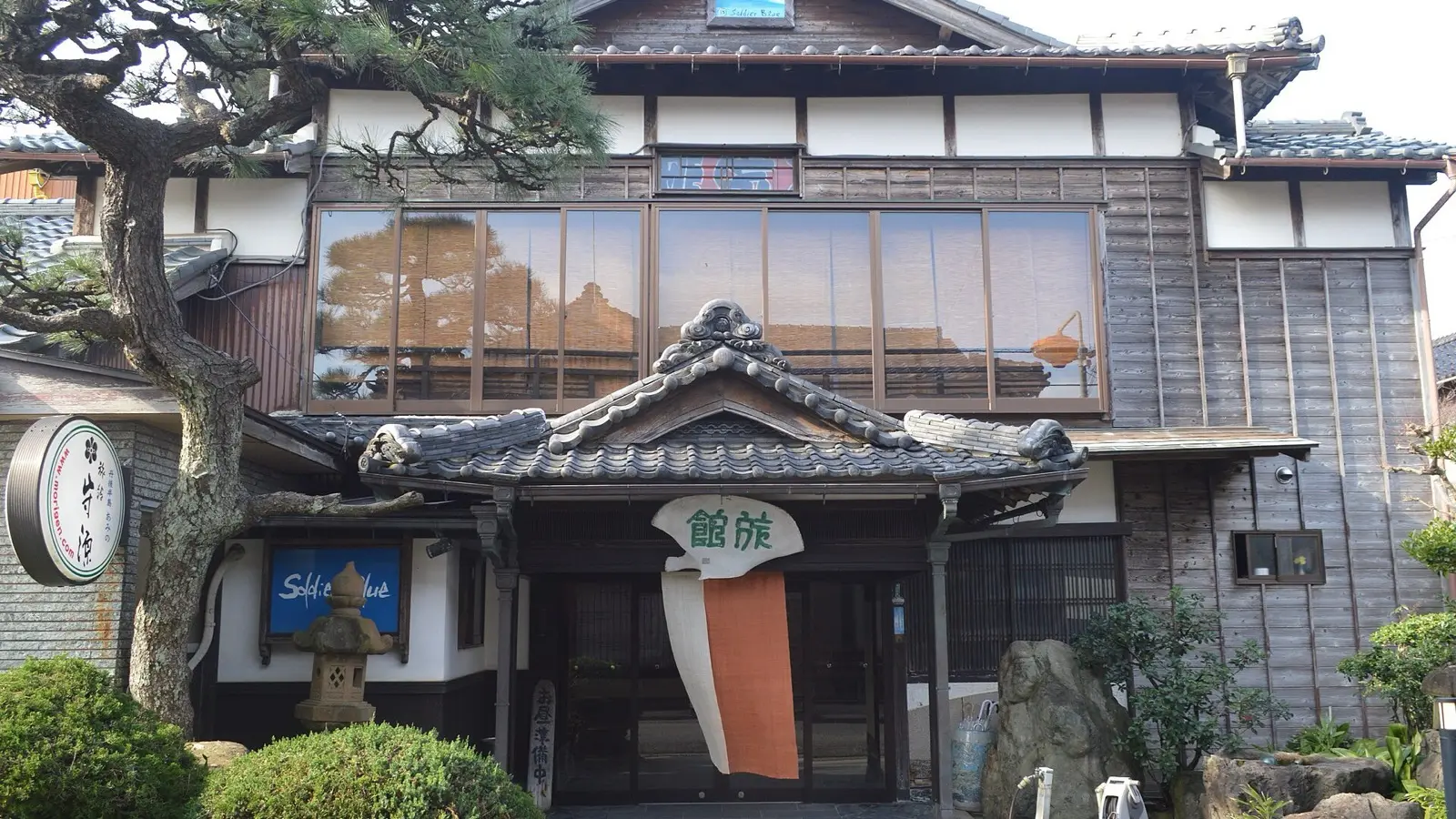
Kyoto Ryokan Prices and How to Choose: Kaiseki Terms and Machiya Stays
From hundred-year-old timber townhouses in Gion to misty Arashiyama riverside ryokan, staying in Kyoto demands cultural fluency and sharp booking discipline. An honest receipt audit covering kaiseki dinner curfews, private onsen etiquette, and avoiding dynamic pricing spikes.
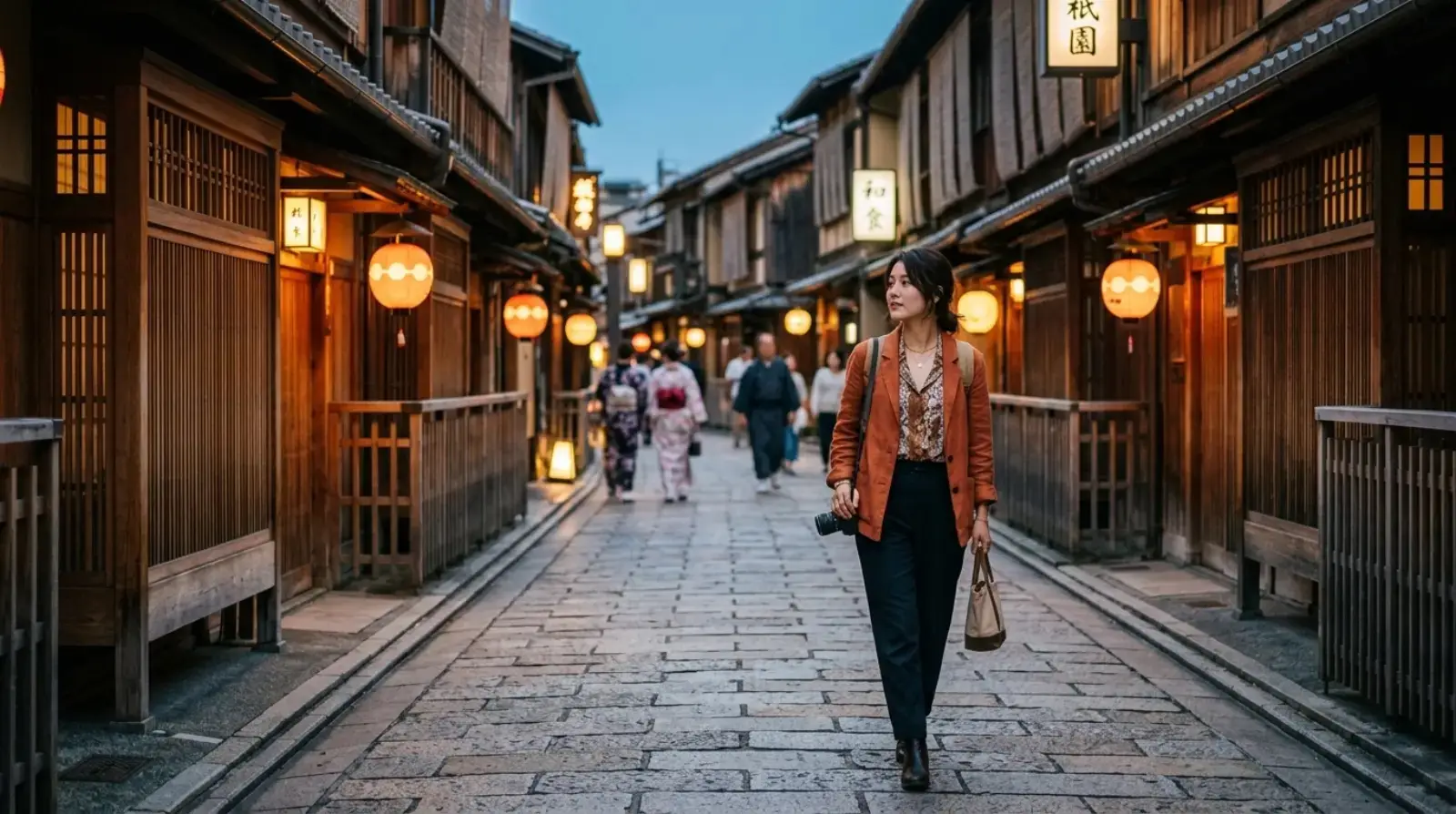
Kyoto Day 1 Itinerary: Kansai Airport to Kyoto and Your First Evening in Gion
Boarding the 75-minute Haruka Express from Kansai Airport, forwarding heavy bags straight to your hotel via Crosta at Kyoto Station, avoiding gridlocked buses using the subway, and an evening stroll through Gion to the Kamogawa. A field guide to your first 24 hours.
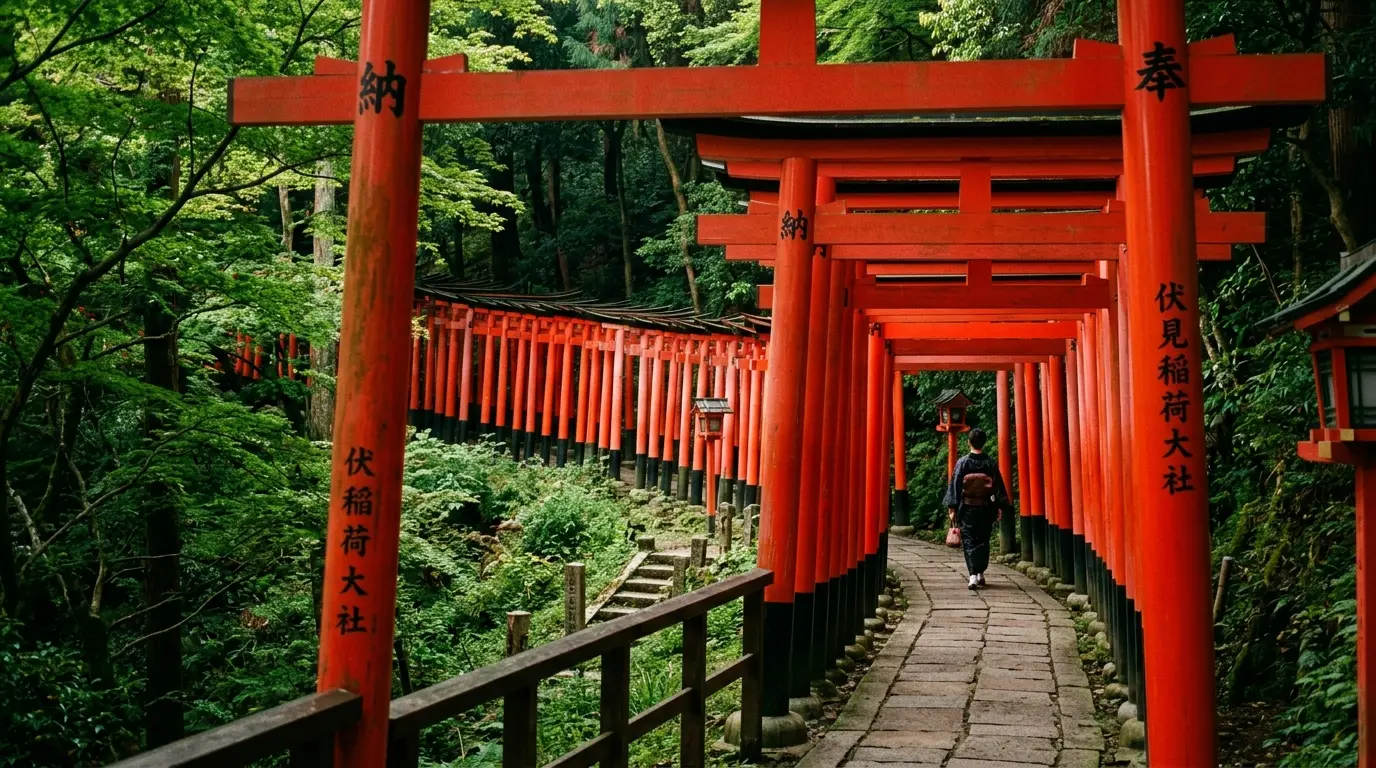
Kyoto Day 2 Itinerary: Fushimi Inari, Kiyomizu-dera, Sannenzaka and Gion
Day 2 immerses travelers into the spiritual heartbeat and preserved historic streets of Kyoto: early morning solace along thousands of vermilion torii gates at Fushimi Inari, sweeping mountain panoramas from the legendary wooden stage of Kiyomizu-dera, artisan tea shops and matcha sweets across cobblestoned Ninenzaka and Sannenzaka, followed by lantern-lit strolls in Gion Shirakawa and a refined multi-course Kaiseki dinner.
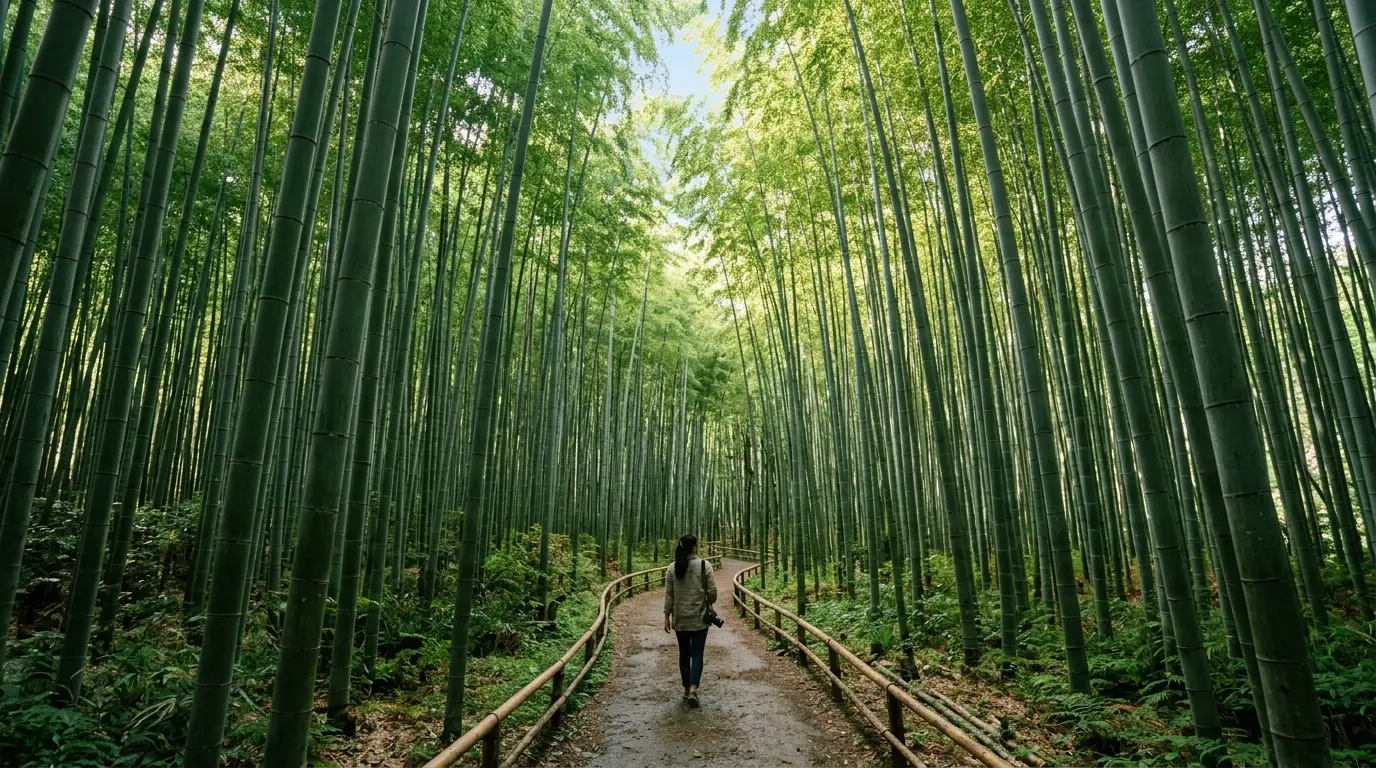
Kyoto Day 3 Itinerary: Arashiyama Bamboo Grove, Nishiki Market and the Journey Home
A sublime final chapter to your Kyoto journey: morning breezes whispering through towering emerald stalks in the Arashiyama Bamboo Grove, the UNESCO World Heritage mirror pond at Tenryu-ji, riverside specialty coffee by Togetsukyo Bridge, savory culinary treasures inside 400-year-old Nishiki Market, followed by Kyoto Station souvenir shopping and a swift 75-minute ride aboard the JR Haruka Express straight to Kansai Airport.