
UlaanbaatarStory
Mongolia Gobi Desert Tour: Six Days, What It Is Like and What to Pack
Zero light pollution under an incandescent galactic bridge and insulated modern gers with pressurized hot water. Balancing raw steppe romance with comfort across the Central Asian wild.
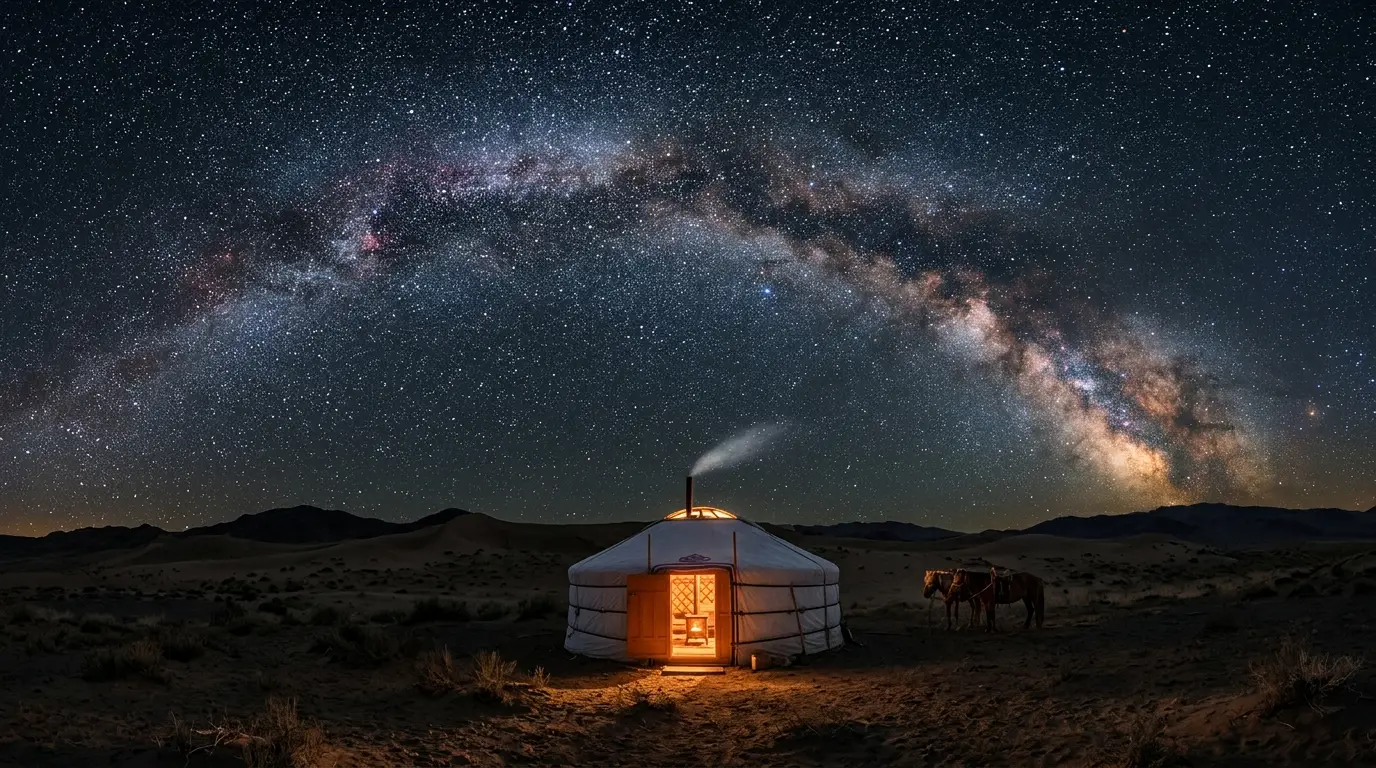
The Hour Silence Stood Still: Watching a River of Stars Arch Over the Desert
Stepping past the heavy felt door of your ger at half past midnight, every remnant of urban vibration vanishes instantly. Suspended under an atmosphere free from artificial glare for hundreds of miles, the Milky Way arches across the sky from one horizon to the other like a colossal river of diamond dust.
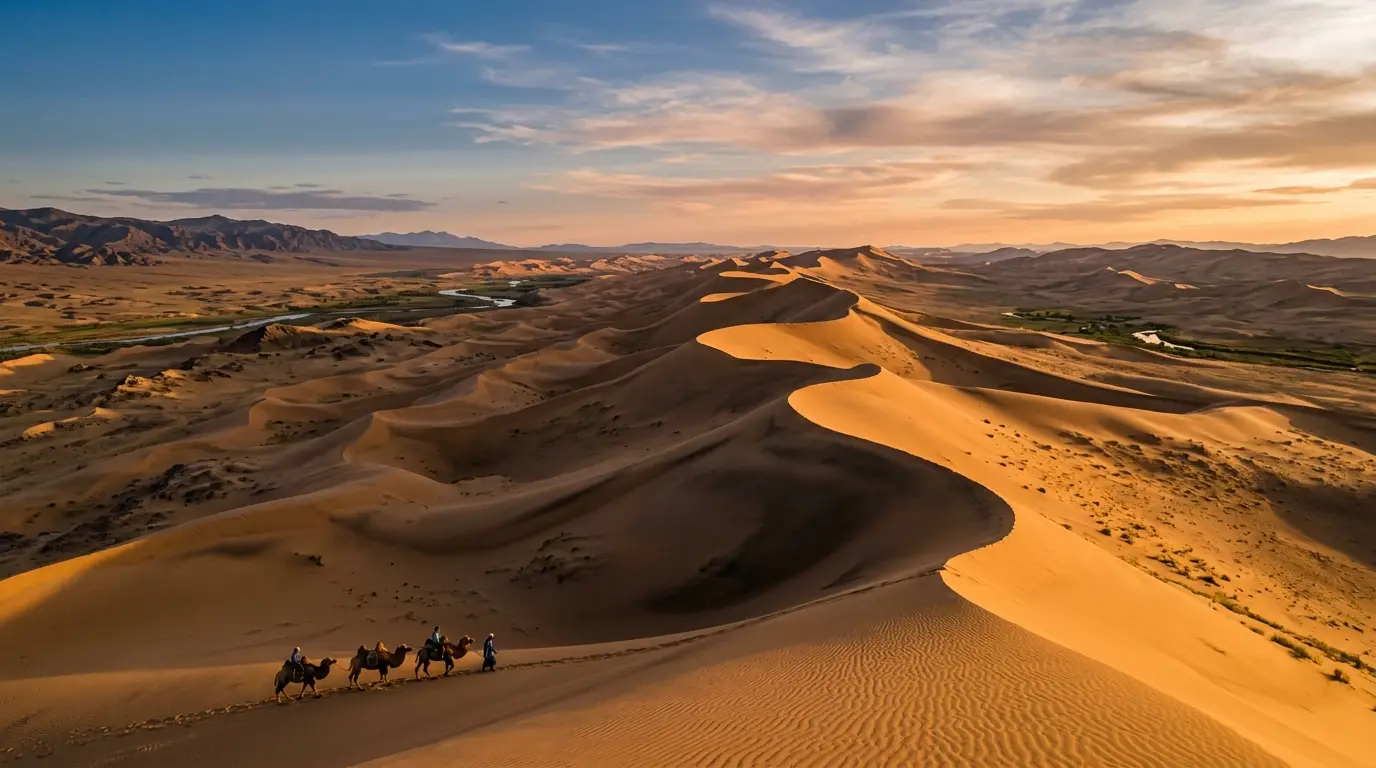
Mongolia offers city-weary travelers the ultimate spatial cleanse. Barely a four-hour flight from East Asia's capitals, you find yourself traversing landscapes that belong more to Mars than Earth, surrounded by infinite horizons.
Yet plunging into the wilderness without practical groundwork turns romance into physical misery. Eight to ten hours a day on corrugated dirt roads, dust infiltration, and days without proper bathing can break even seasoned adventurers. Balancing raw nomadic isolation with calculated comforts is the essential art of the steppe.
Seasonal timing is equally paramount. The expedition window stretches from June, when grasslands turn lush green, through September, when golden dunes meet crisp celestial skies. Late summer brings sharper nighttime chills, yet rewards travelers with peerless galactic clarity.
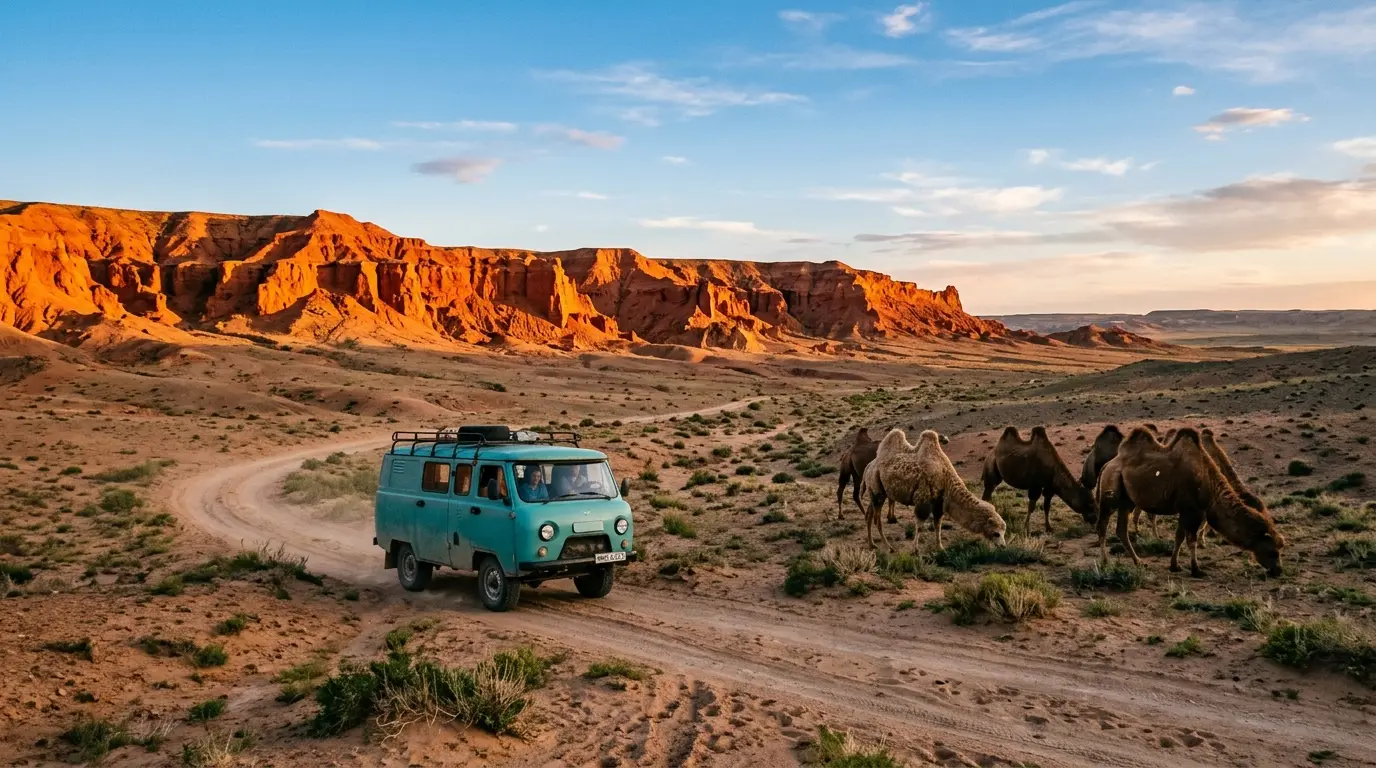
Soviet Furgon Nostalgia vs. Modern 4WD Comfort: Balancing Lenses with Lower Backs
The most consequential operational decision of a Mongolian expedition is vehicle selection.
The vintage Russian UAZ-452 Furgon mini-bus is a visual icon. Its pastel curves against infinite yellow grasslands look ripped from an indie cinematic masterpiece. But underneath sits unyielding leaf-spring suspension that transfers every rut directly to your spine, paired with rustic ventilation that struggles against high summer heat and autumn frost.
Modern 4WD wagons like the Toyota Land Cruiser or Hyundai Starex 4WD filter out brutal road vibrations with independent suspension, plush seating, and reliable climate control, noticeably easing physical fatigue over long days.
If viral photography is your primary objective, book the Furgon; if keeping your back intact over a thousand off-road miles takes priority, pick the modern 4WD.
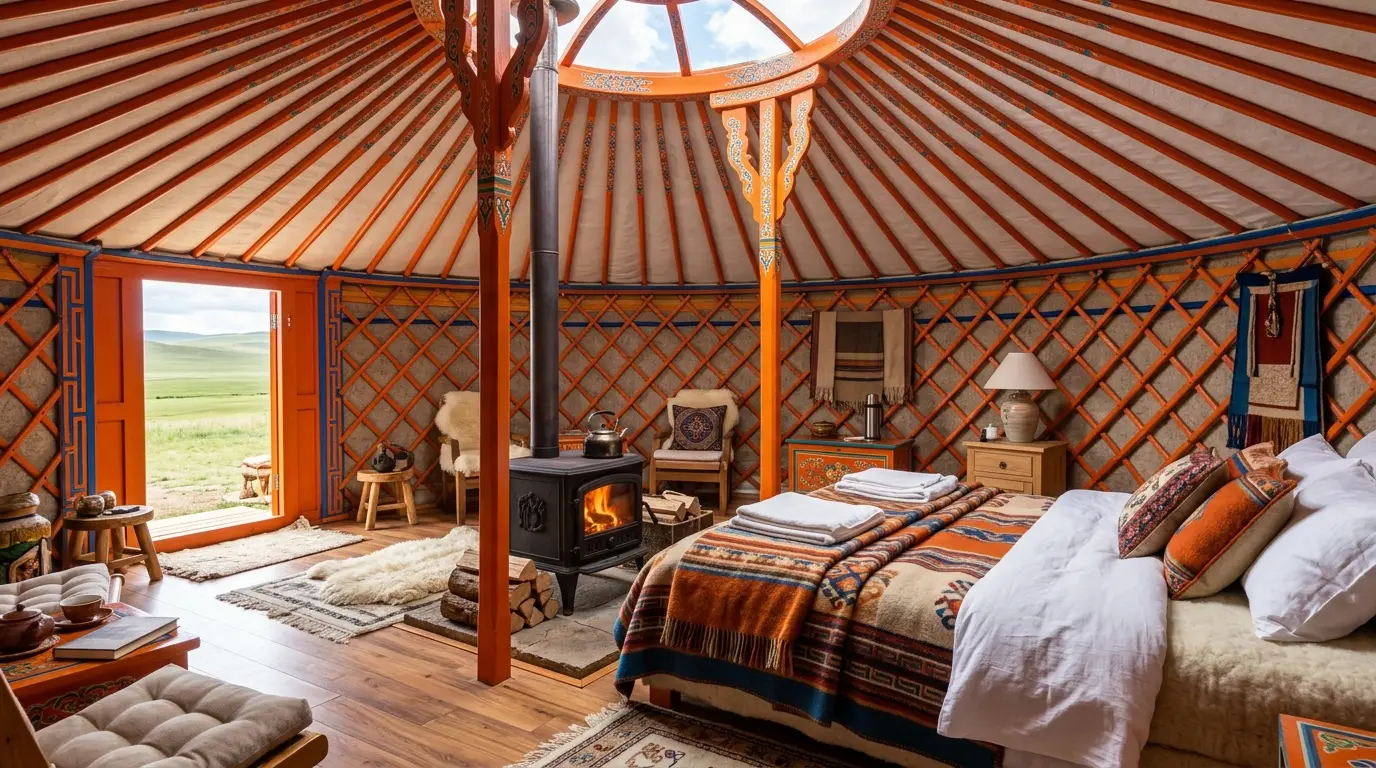
Rustic Felt Yurts vs. Heated Glamping Lodges: Where Camp Standards Dictate Stamina
Circular nomadic gers appear identical from afar, yet their internal infrastructure occupies opposite ends of the comfort spectrum.
Basic nomadic homestays and budget tour camps often rely on pit latrines and trickle-fed icy washbasins. Enduring multiple consecutive days without showers while coated in fine desert grit inevitably drains physical and mental stamina.
By contrast, upgraded modern tourist camps, which cost extra per night, provide 24-hour pressurized hot showers, porcelain flush toilets, 220V bedside sockets, and increasingly Starlink satellite internet access.
Even during peak July and August, nighttime temperatures in the Gobi plunge sharply toward 5 degrees Celsius (40 Fahrenheit). When the center stove's dung or wood fire dies out around 3:00 AM, the interior air turns bitterly cold.
Bringing a down sleeping bag comfort-rated to minus 5 degrees Celsius or verifying robust sleeping bag specs with your tour operator is essential for deep restorative sleep through freezing desert dawns.
The 6-Person Crew Equation: Splitting Fixed Overland Van Expenses Six Ways
The underlying economics of Mongolian expeditions are determined entirely by fixed vehicle charter overhead. The van, fuel consumption, driver salary, and bilingual field guide cost virtually the same whether one seat is filled or six.
Booking as a solo explorer or duo means the whole vehicle cost lands on one or two people, so private per-head quotes climb steeply. Gathering a crew of five to six travelers to fill a vehicle splits the same fixed cost six ways and brings the per-person price (excluding flights) down considerably. Exact figures vary by operator, vehicle and camp grade, so compare quotes from several companies.
Aligning group expectations beforehand on heated camp upgrades, vehicle choice, and photography pacing prevents friction inside the close quarters of an off-road cabin.
Synchronizing meal preferences and daily start times ensures the entire crew travels in harmony across hundreds of miles of remote steppe.
The Ulaanbaatar Provision Run: Essential Gear Before Leaving Pavement Behind
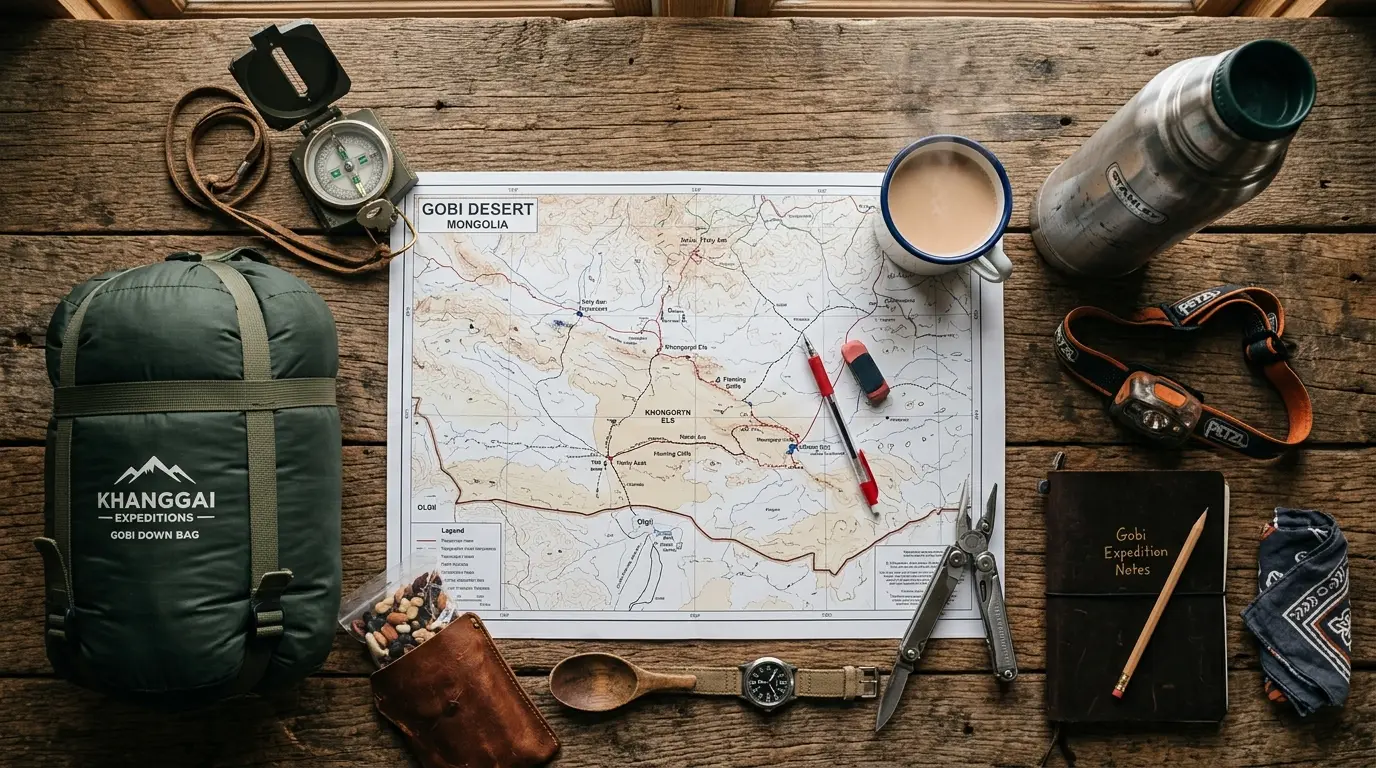
Raiding the State Department Store supermarket in central Ulaanbaatar is a mandatory survival rite. Once your wheels cross the city perimeter, convenience stores vanish completely. Load up on bottled water (at least two liters per person per day), heavy-duty disinfectant wipes, and no-rinse body cloths.
Prepare for harsh desert aridity with lubricating eye drops, high-SPF sunscreen, thick lip balms, and air-activated heat packs to slip into your sleeping bag during freezing mornings.
Equip phones with Mobicom or Unitel local eSIM profiles, which offer the broadest rural cell tower footprints whenever tracks cross minor nomadic settlements.
Climbing the soaring dunes of Khongoryn Els and the red cliffs of Bayanzag kicks up micron-fine quartz dust. Protect camera lenses with UV filters and seal phone charging ports with silicone plugs to keep electronics undamaged.
Frequently Asked Questions
Field-tested answers to transit navigation, neighborhood choices, and payment traps.
Q1.When is the best time for a Gobi Desert tour?
Q2.Is the Gobi cold at night in summer?
Q3.Should I pick a Furgon van or a modern 4WD?
Q4.Is there phone signal in the Gobi?
The Smart Traveler's Essential Toolkit
Prepare instant mobile data, private airport transfers, and skip-the-line passes in one place.
Pick a base in Ulaanbaatar by your route
Choose the places you want to see and get the neighbourhood with the shortest travel.
Compare Ulaanbaatar Hotel Rates
Find the cheapest channel across Agoda and major booking engines with Tripdify.
Share This Guide with Your Companions
When shared via chat or social media, a curated summary card is sent along.
Recommended Guides
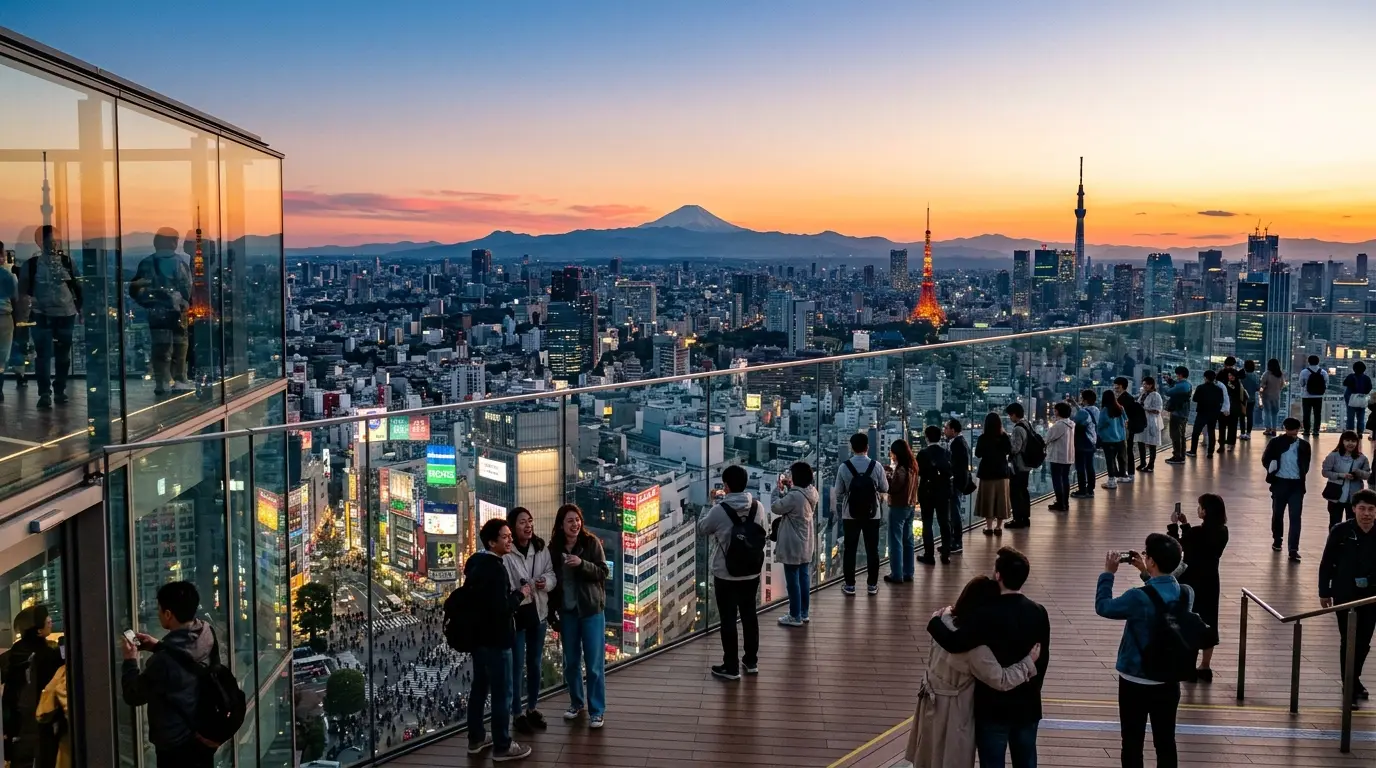
Where to Stay in Tokyo: Shinjuku vs Shibuya vs Ginza
Comparing room footprints across Shinjuku, Ginza, and Ueno, locking in sudden 14-day cancellation drops, and eliminating DCC fees with clean Yen checkout.
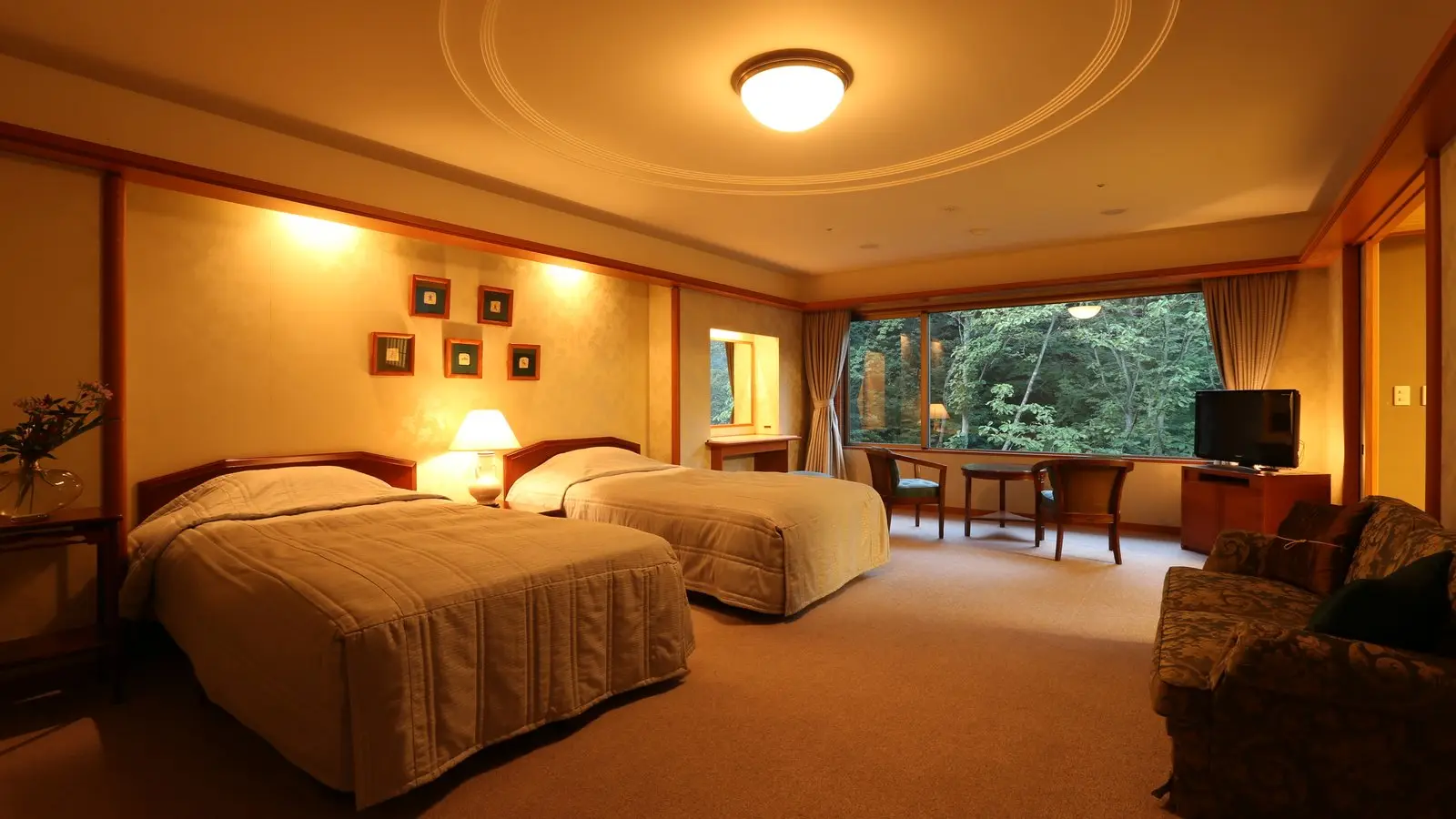
7 Budget Hotels in Tokyo Under $100 on the Yamanote Line
Even amid yen fluctuations, central Tokyo hotel rates have soared. Learn how to secure Yamanote loop line hotels at half the price of Shinjuku, compare onsen bath chains like Dormy Inn, trigger secret Agoda VIP and Booking.com Genius discounts, and dodge hidden currency fees with yen settlement.
How to Read the Tokyo Subway Map and Where to Stay on the Yamanote Line
How to choose between Keisei Skyliner and Narita Express, avoid the Tokyo Subway Ticket trap, use Apple Wallet Suica, and select the ideal hotel base in Tokyo.
Tokyo Day 1 Itinerary: Narita Airport to the City and Your First 24 Hours
From stepping off at Narita Airport to mastering high-speed trains, navigating Tokyo's sprawling transit hubs, ordering counter ramen effortlessly, and catching sunset from Roppongi Hills. A definitive guide for your first 24 hours in Tokyo.
Tokyo Day 2 Itinerary: Booking Shibuya Sky, Harajuku Backstreets and Roppongi at Night
Securing prime sunset slots atop Shibuya Sky, navigating hidden boutiques along Harajuku Cat Street, immersing in the forested serenity of Meiji Jingu, and marveling at the crimson glow of Tokyo Tower from Roppongi Hills. A masterclass in Day 2 pacing.
Tokyo Day 3 Itinerary: Asakusa, Akihabara, Ginza Depachika and Flying Home
The ultimate finale for your Tokyo stay: tranquil morning worship at Sensoji, retro subculture in Akihabara, Ginza Six architectural rooftop views and basement depachika feasts, capped by seamless Skyliner and N'EX airport connections.
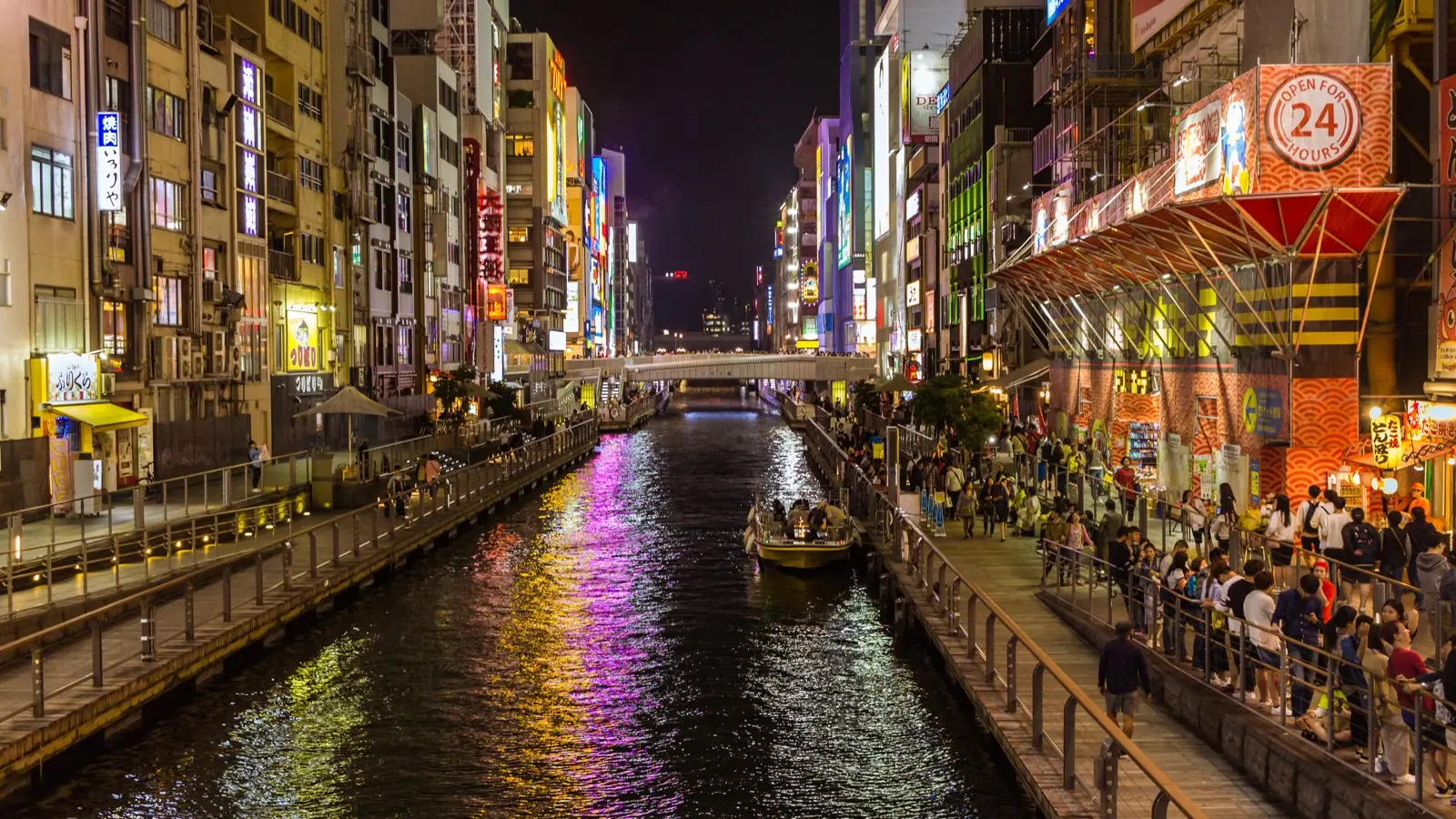
Osaka Itinerary: Dotonbori and Umeda in Two Nights
Osaka is Japan culinary powerhouse where feasting is an art. Navigate Rapi:t airport transfers, Namba vs Umeda hotels, and street food corridors with veteran precision.
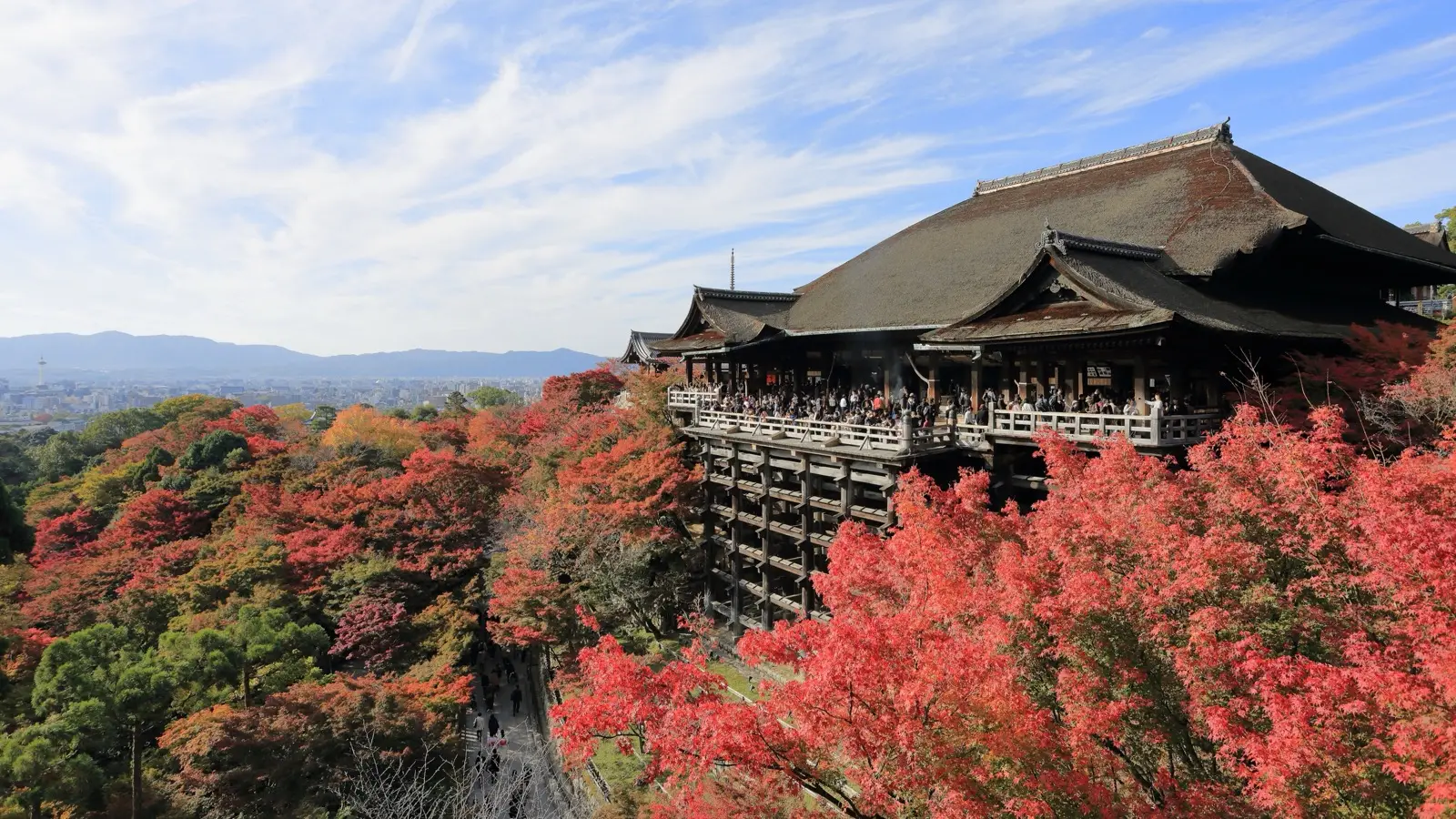
Kyoto Itinerary: Arashiyama, Gion and How to Pick a Ryokan
Kyoto compresses a millennium of Japanese aesthetic mastery. Discover how to evade bus congestion with private railways, master ryokan kaiseki booking windows, and savor early dawn stillness.
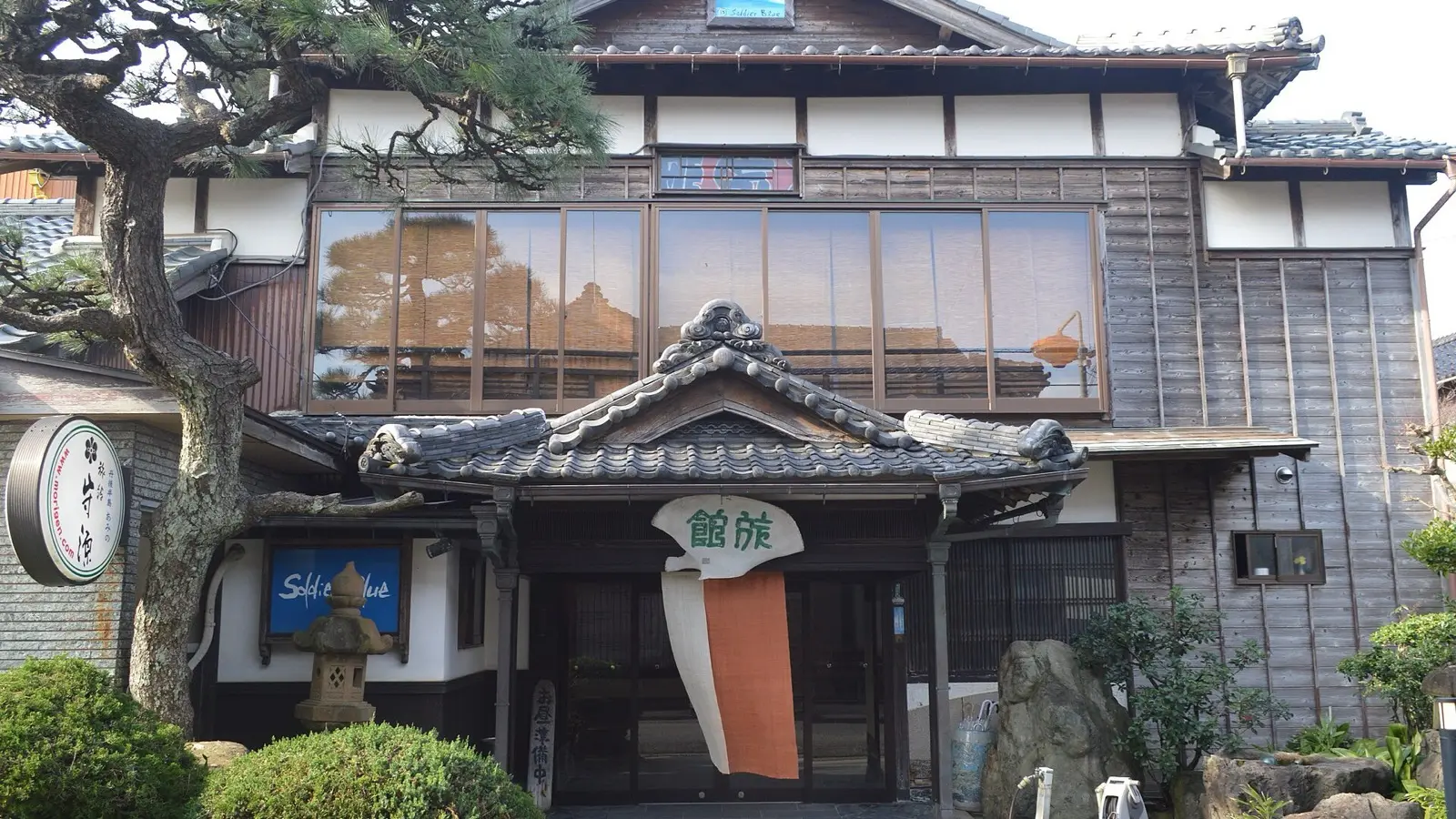
Kyoto Ryokan Prices and How to Choose: Kaiseki Terms and Machiya Stays
From hundred-year-old timber townhouses in Gion to misty Arashiyama riverside ryokan, staying in Kyoto demands cultural fluency and sharp booking discipline. An honest receipt audit covering kaiseki dinner curfews, private onsen etiquette, and avoiding dynamic pricing spikes.
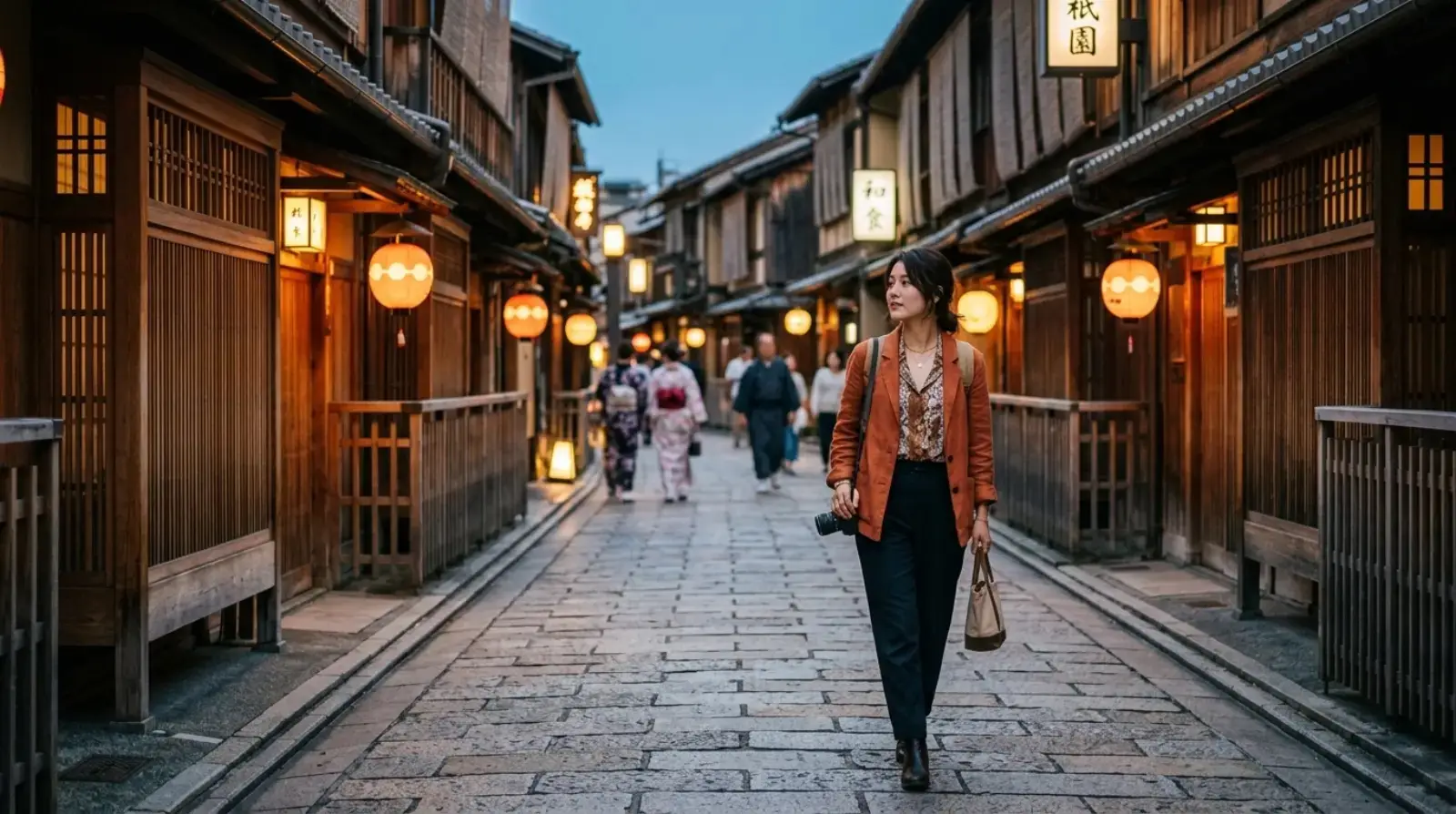
Kyoto Day 1 Itinerary: Kansai Airport to Kyoto and Your First Evening in Gion
Boarding the 75-minute Haruka Express from Kansai Airport, forwarding heavy bags straight to your hotel via Crosta at Kyoto Station, avoiding gridlocked buses using the subway, and an evening stroll through Gion to the Kamogawa. A field guide to your first 24 hours.
Kyoto Day 2 Itinerary: Fushimi Inari, Kiyomizu-dera, Sannenzaka and Gion
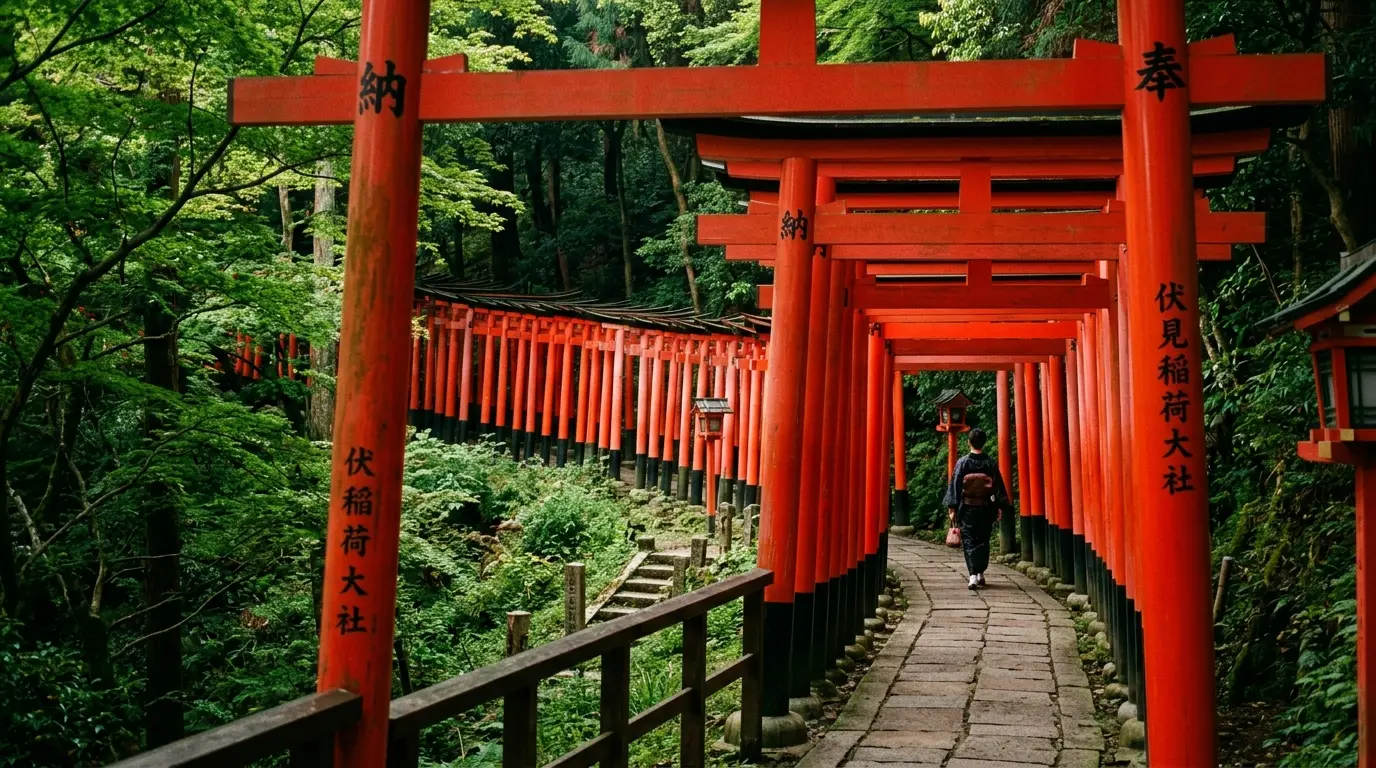
Day 2 immerses travelers into the spiritual heartbeat and preserved historic streets of Kyoto: early morning solace along thousands of vermilion torii gates at Fushimi Inari, sweeping mountain panoramas from the legendary wooden stage of Kiyomizu-dera, artisan tea shops and matcha sweets across cobblestoned Ninenzaka and Sannenzaka, followed by lantern-lit strolls in Gion Shirakawa and a refined multi-course Kaiseki dinner.
Kyoto Day 3 Itinerary: Arashiyama Bamboo Grove, Nishiki Market and the Journey Home
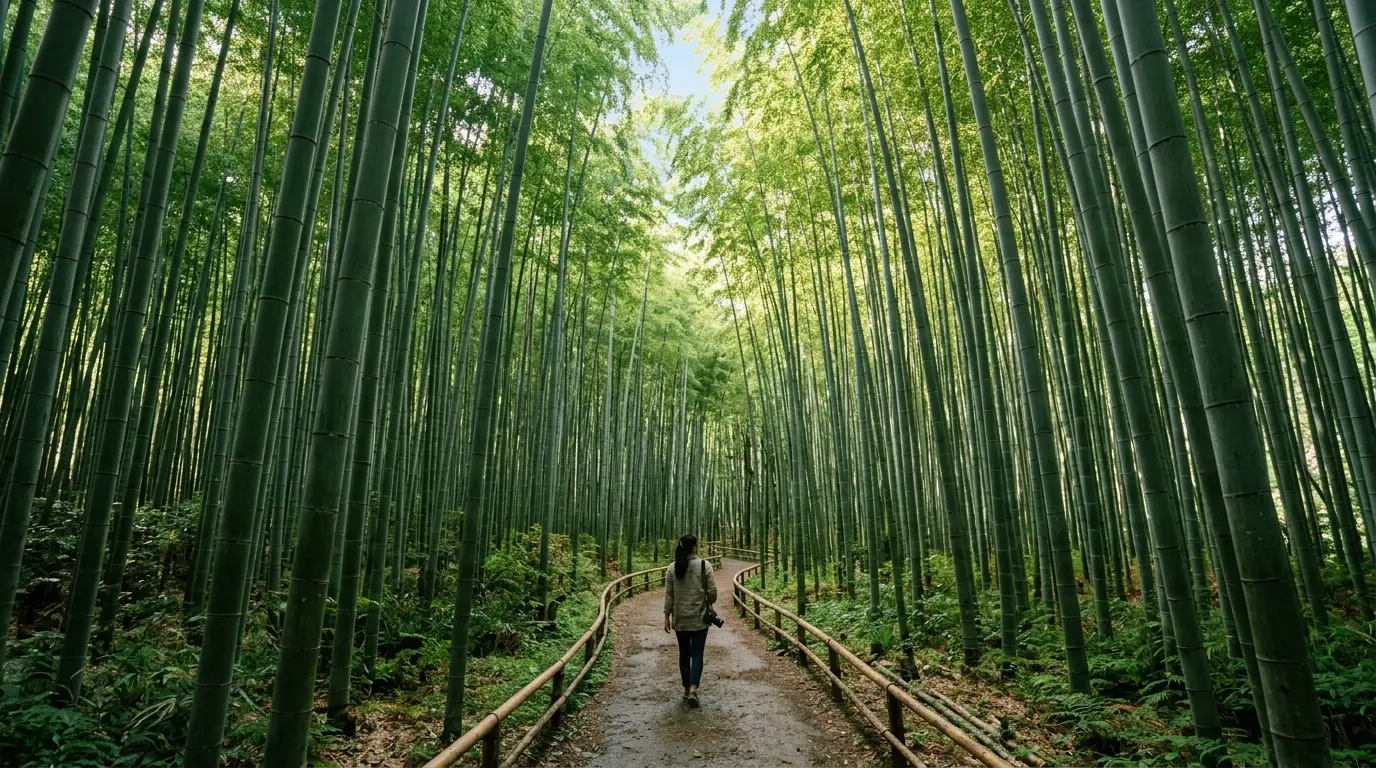
A sublime final chapter to your Kyoto journey: morning breezes whispering through towering emerald stalks in the Arashiyama Bamboo Grove, the UNESCO World Heritage mirror pond at Tenryu-ji, riverside specialty coffee by Togetsukyo Bridge, savory culinary treasures inside 400-year-old Nishiki Market, followed by Kyoto Station souvenir shopping and a swift 75-minute ride aboard the JR Haruka Express straight to Kansai Airport.