
ShanghaiGuide
Shanghai Weekend Itinerary: The Bund at Night in One Night
The 30-day visa-free leap into the Huangpu River nightscape. Defeating front-desk Yajin deposit freezes, setting up cashless Alipay, and picking between Art Deco stone and plane trees.
A Short Hop into a Hyper-Modern Metropolis
At 7:00 PM on Friday, boarding a flight from Seoul or Tokyo and touching down at Shanghai Pudong or Hongqiao takes about two hours from Seoul and about three from Tokyo. For an airtime not much longer than a domestic hop, stepping through the terminal doors introduces you to a breathtaking metropolis built on a futuristic scale.
With China's 30-day visa-free entry policy open to Korean and Japanese passport holders (currently in place through December 31, 2026), tedious consular forms, lengthy queues, and steep processing fees have become relics of the past. Packing light with just a passport on Friday afternoon and returning late Sunday night has evolved into a practical weekend ritual.
The overall rhythm of a weekend sprint depends on your airport transit strategy. Hongqiao connects directly into People's Square in about 40 minutes via Metro Line 2, while late-night arrivals landing at Pudong after the Maglev high-speed train ceases operation should reserve a private transfer to conserve vital physical stamina.
Seasonal changes transform the city entirely. Mild spring breezes and crisp autumn skies offer sublime walking weather along leafy boulevards, while midsummer humidity and chilly winter winds make short subway transfers and rideshares the wiser logistical choice.
The Front Desk Yajin Trap Freezing Your Bank Account
Stepping up to any hotel front desk in Shanghai, the receptionist will inevitably request Yajin, a refundable security deposit designed to guarantee mini-bar consumption and incidental room charges.
Properties usually require 500 to 1,000 CNY per night, equating to roughly $70 to $140 USD. Handing over a standard international debit card or travel card causes that money to be instantly deducted and frozen from your active bank balance. Even after checkout release, international banking clearing can take two to four weeks to return funds to your account.
The safest tactic is presenting a high-limit international credit card solely for pre-authorization. This blocks an authorization hold against your credit line without extracting real cash, preserving your daily liquidity throughout the trip.
Upon checkout, always insist that the reception desk print a physical pre-authorization cancellation slip. Keeping this paper receipt and confirming the transaction reversal notification on your mobile banking app prevents unexpected billing discrepancies.
The Bund's Glowing Supertowers vs. Wukang Road's Shaded Canopies
Deciding where to stay in Shanghai divides into two distinct aesthetic environments and urban rhythms.
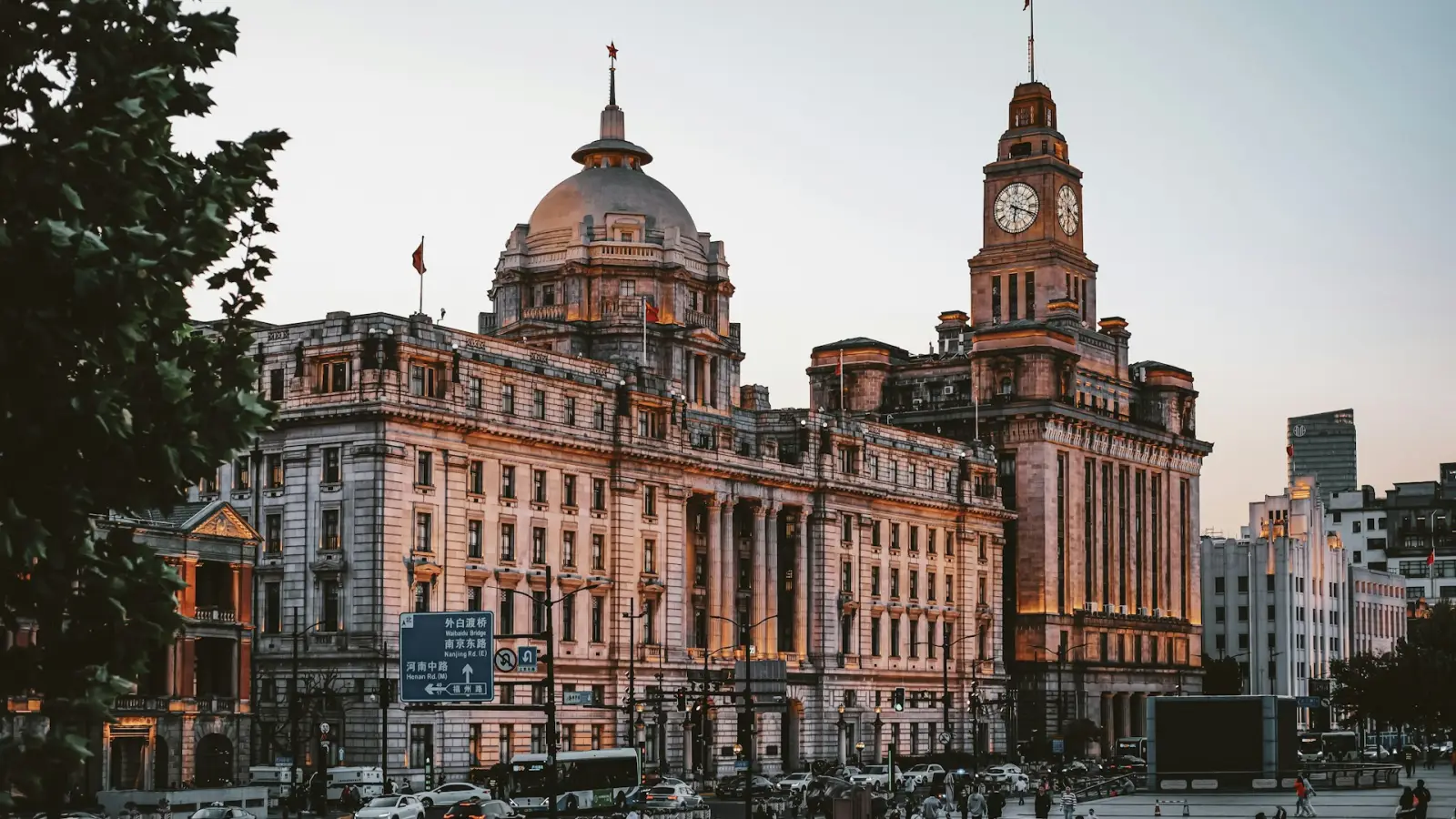
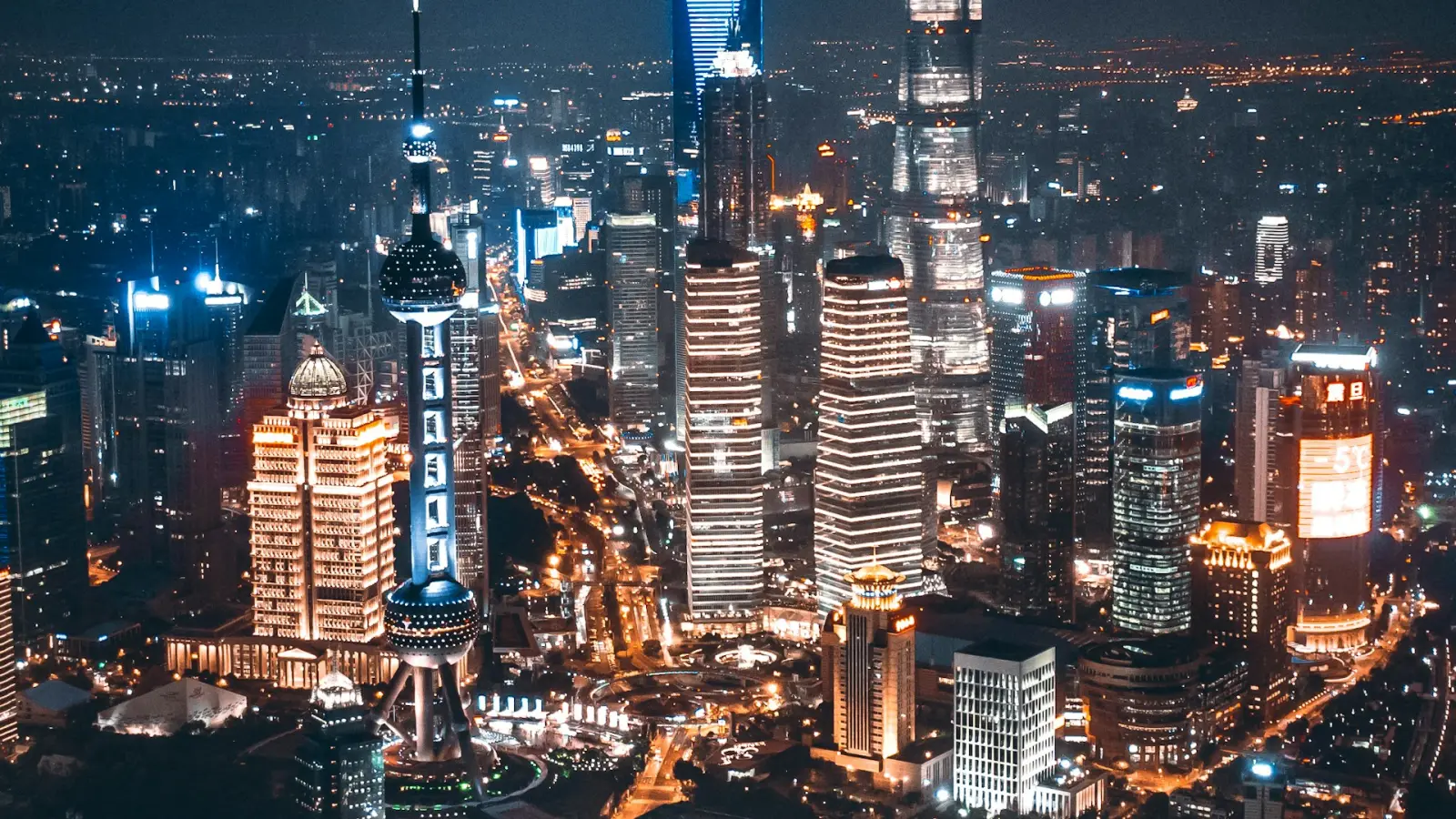
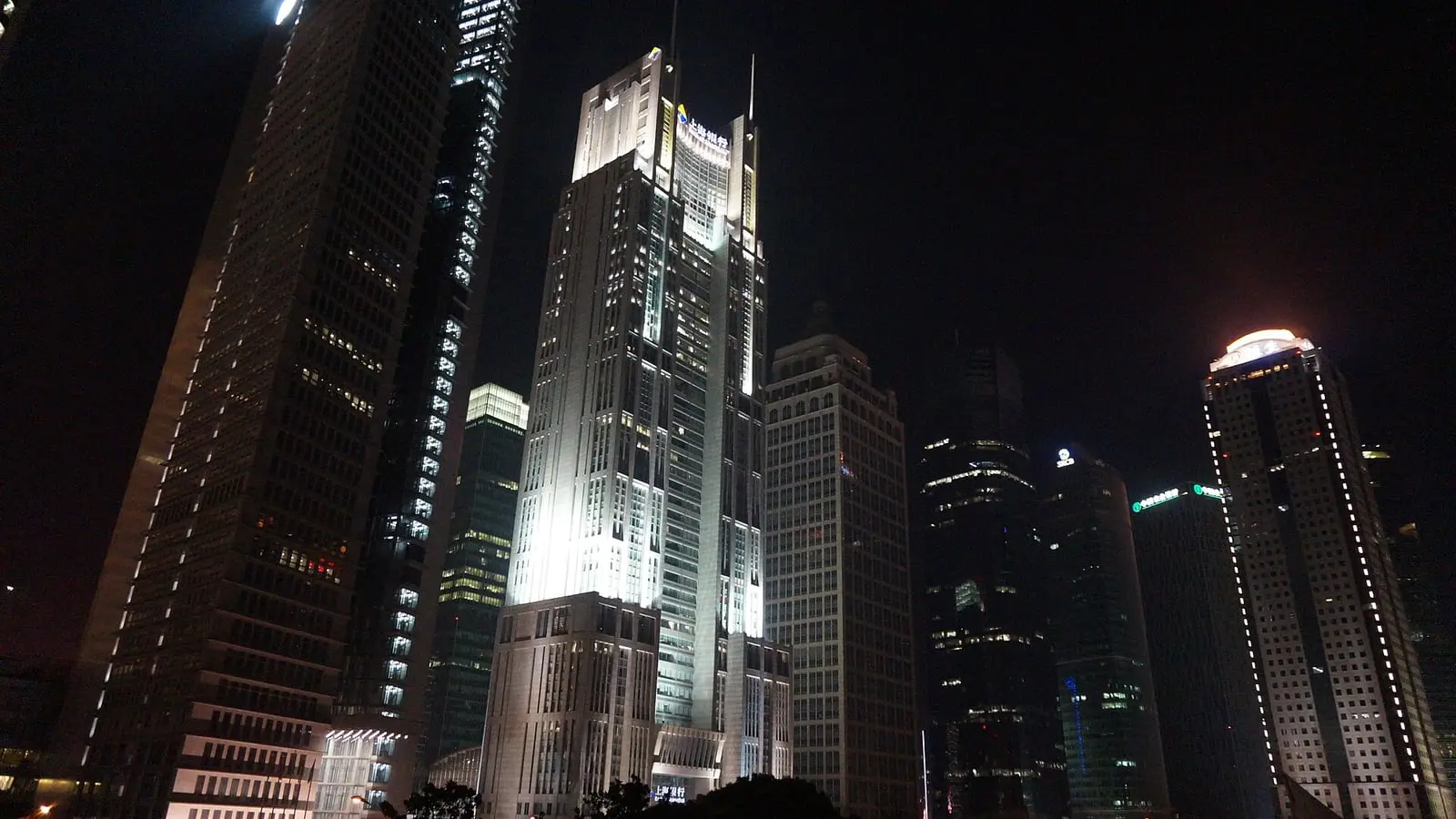
The Bund and East Nanjing Road command the city's iconic panoramas. Neoclassical stone palaces built in the 1920s face off across the Huangpu River against the futuristic neon towers of the Oriental Pearl and the 632-meter Shanghai Tower, visible right from your guestroom bed. Metro Line 2 right outside makes it the ultimate staging post for newcomers.
Enjoying a peaceful morning jog along the river promenade before tourist crowds arrive, watching dawn light break over Pudong's glass spires, is a privilege exclusive to riverside hotel guests.
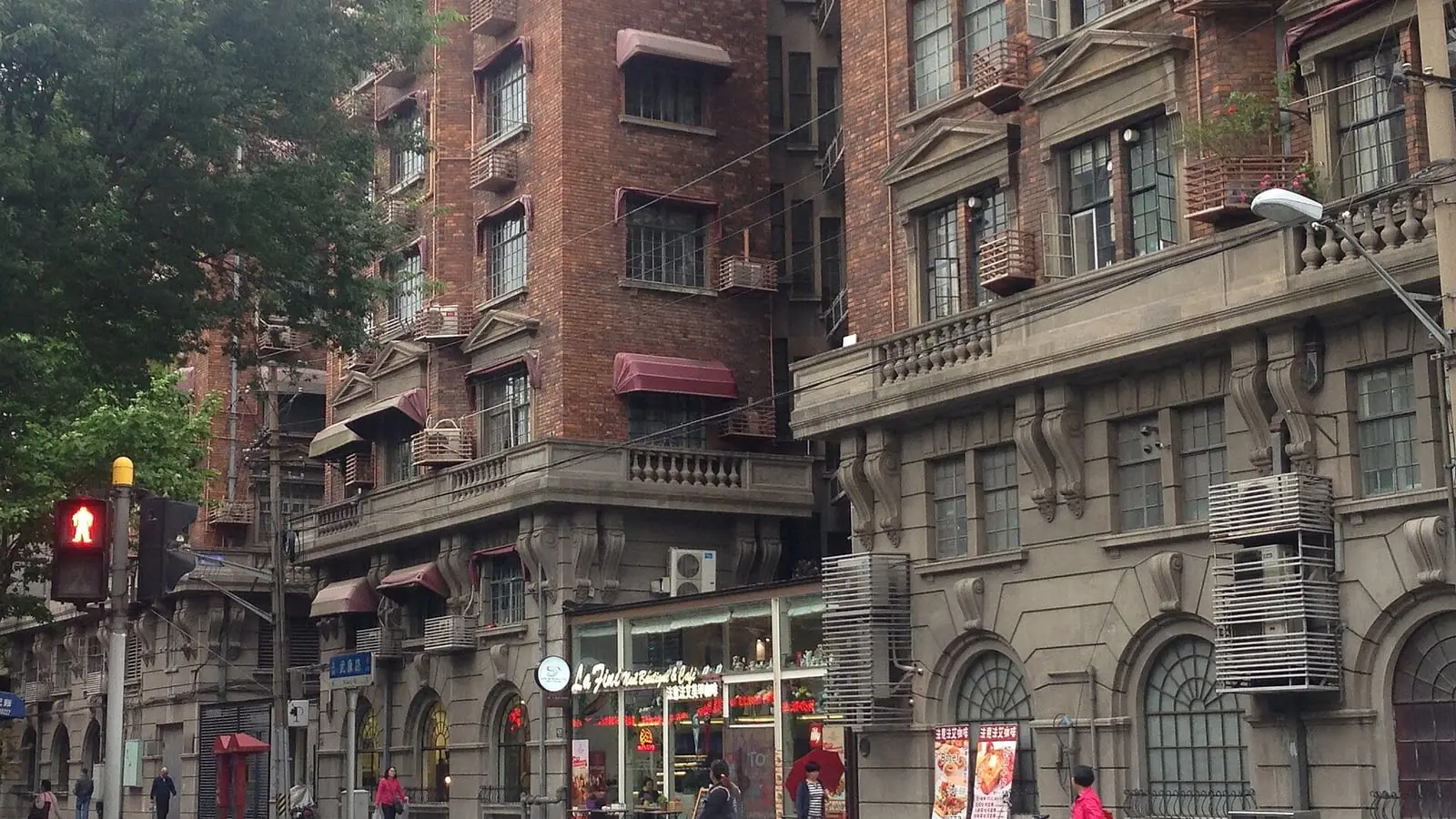
In contrast, the Former French Concession around Wukang Road and Xintiandi is shaded by century-old London plane trees. Heritage brick villas from the 1920s house curated boutique inns, independent artisanal bakeries, and tucked-away natural wine bars full of charm.
However, historic heritage villas often feature narrow wooden staircases and lack modern guest elevators, so travelers carrying heavy luggage should verify ground-floor placement or porter assistance prior to booking.
Surviving in a Completely Cashless Capital with Alipay and Didi
Shanghai has eradicated physical paper currency more thoroughly than almost any other global capital.
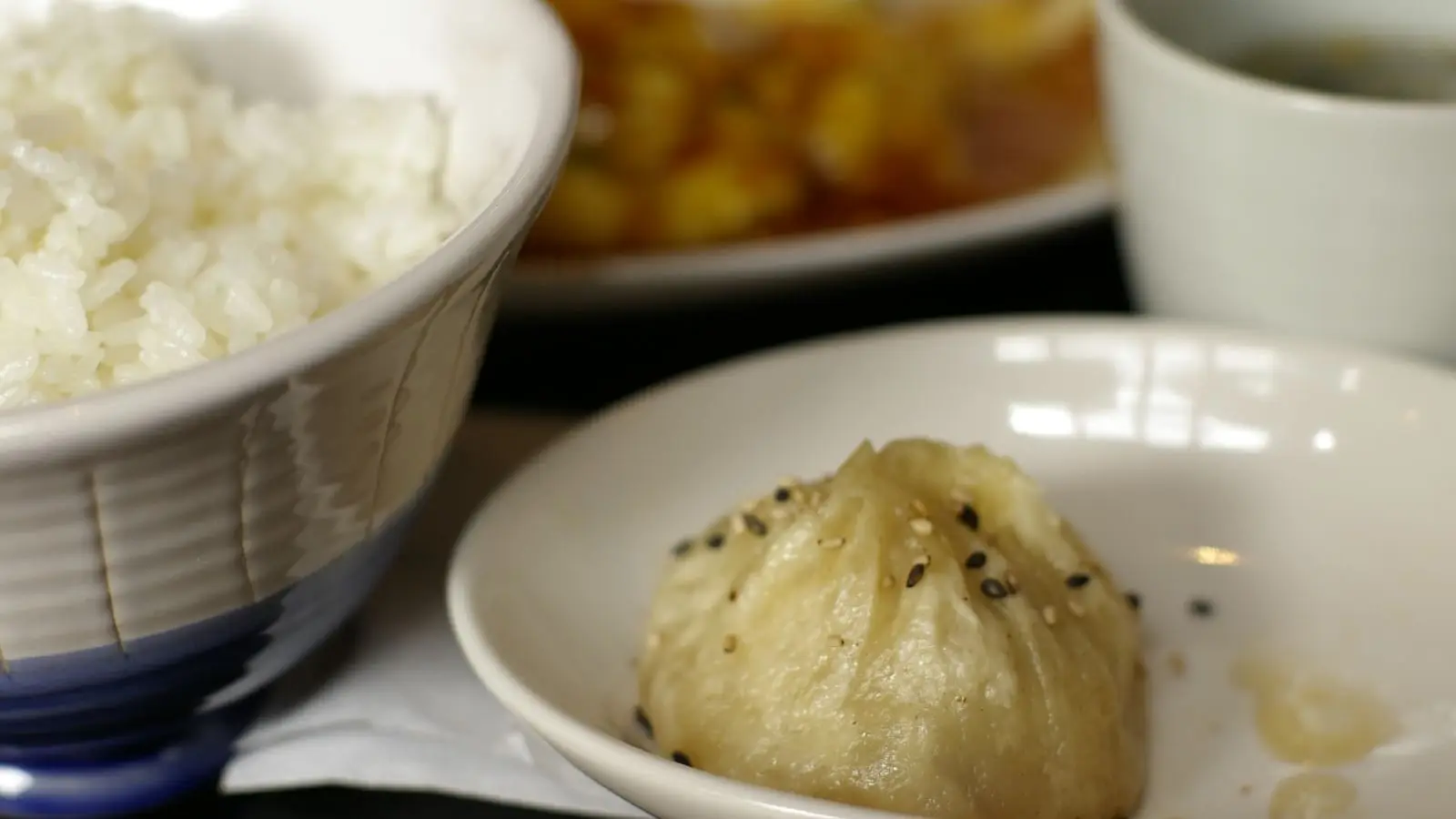
From street carts crisping pan-fried shengjianbao dumplings to flagship luxury department stores along West Nanjing Road, offering cash frequently leaves shopkeepers scrambling for change. Installing Alipay before departure and linking a zero-foreign-transaction-fee card enables effortless QR code payments at competitive exchange rates.
Navigating the subway system requires no token ticket lines. Activating the Shanghai Metro transit code inside the Alipay app allows you to swipe turnstiles smoothly using just your smartphone display.
When heading back from late-night cocktail lounges in the French Concession to your Bund hotel, hailing a Didi ride is the smartest choice. With upfront pricing, automated routing, and zero language barriers, a fifteen-minute cross-town trip costs under five dollars without any fare disputes.
Strategic Transit and Golden Hour Illumination across the River
Maximizing your stay in this electric metropolis requires rock-solid data connectivity. Using an unblocked international travel eSIM or roaming package bypasses local internet censorship, keeping essential tools like messaging apps, maps, and social platforms running reliably.
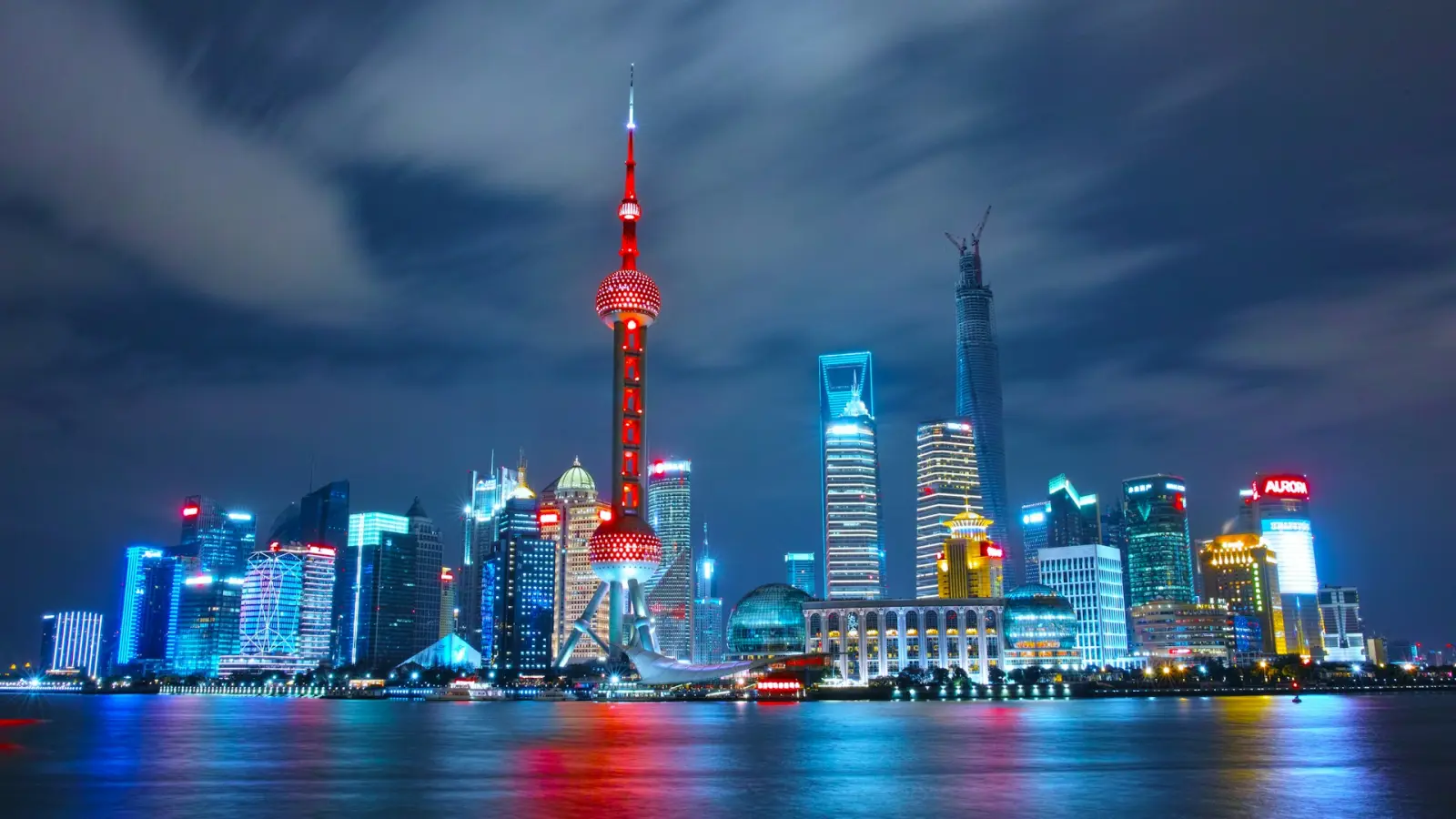
Architectural floodlights across the heritage Bund and Pudong supertowers switch on around dusk (roughly 6:00 PM in winter, 7:00 PM in summer) and usually go off at 10:00 PM, staying on later on summer nights, weekends and holidays. The schedule changes for events and energy-saving periods, so check before you plan around it. Timing your evening itinerary carefully around this lighting window is paramount for capturing spectacular vistas.
The prime golden hour unfolds between 8:00 PM and 9:00 PM. Securing an outdoor terrace table at a riverside rooftop lounge or boarding a public river ferry during this window immerses you in the radiant glow shimmering across the water.
On your final morning, savoring piping-hot soup dumplings at a historic teahouse before leisurely heading to the terminal ensures a seamless, deeply rewarding weekend getaway.
Frequently Asked Questions
Field-tested answers to transit navigation, neighborhood choices, and payment traps.
Q1.Do I need a visa to visit Shanghai?
Q2.How should I pay a Shanghai hotel's yajin deposit?
Q3.Can I travel around Shanghai without cash?
Q4.What time do the Bund lights turn on and off?
The Smart Traveler's Essential Toolkit
Prepare instant mobile data, private airport transfers, and skip-the-line passes in one place.
Pick a base in Shanghai by your route
Choose the places you want to see and get the neighbourhood with the shortest travel.
Compare Shanghai Hotel Rates
Find the cheapest channel across Agoda and major booking engines with Tripdify.
Share This Guide with Your Companions
When shared via chat or social media, a curated summary card is sent along.
Recommended Guides
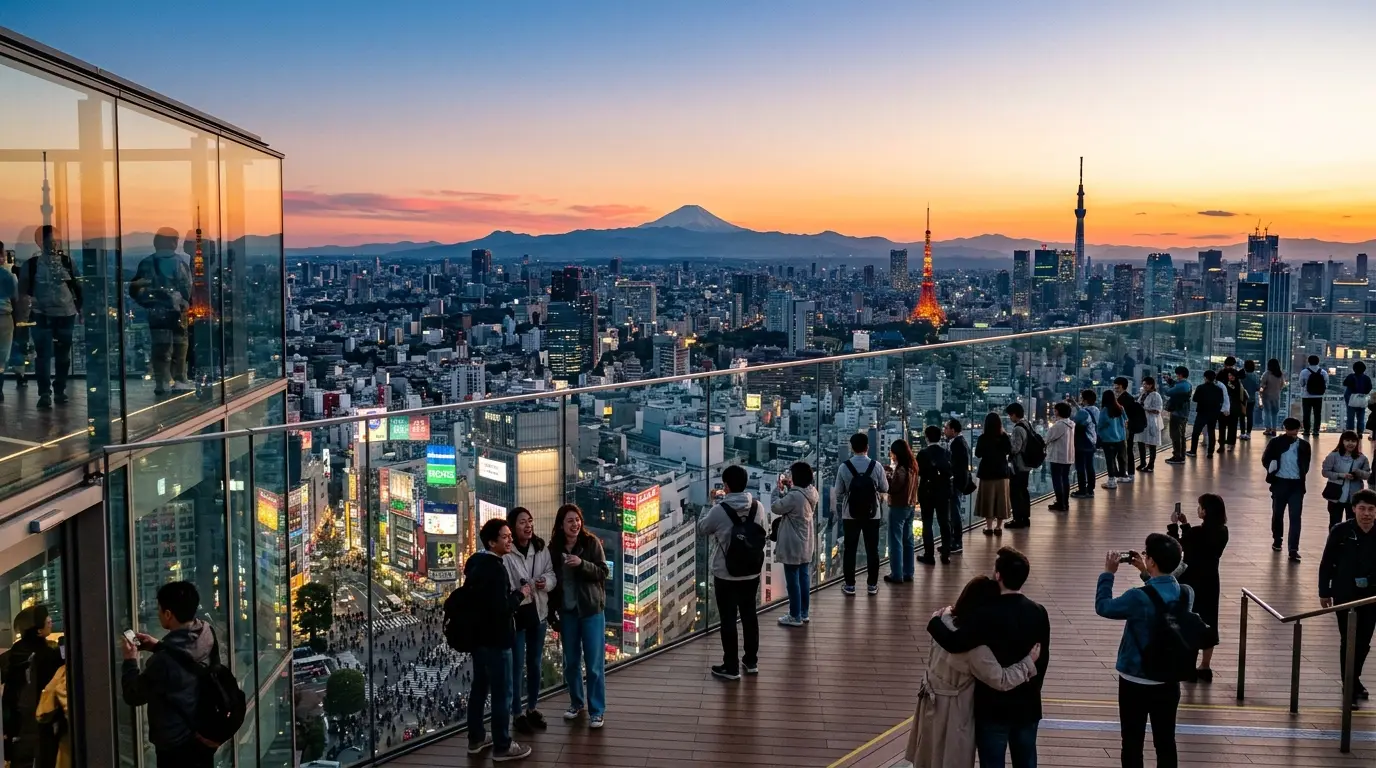
Where to Stay in Tokyo: Shinjuku vs Shibuya vs Ginza
Comparing room footprints across Shinjuku, Ginza, and Ueno, locking in sudden 14-day cancellation drops, and eliminating DCC fees with clean Yen checkout.
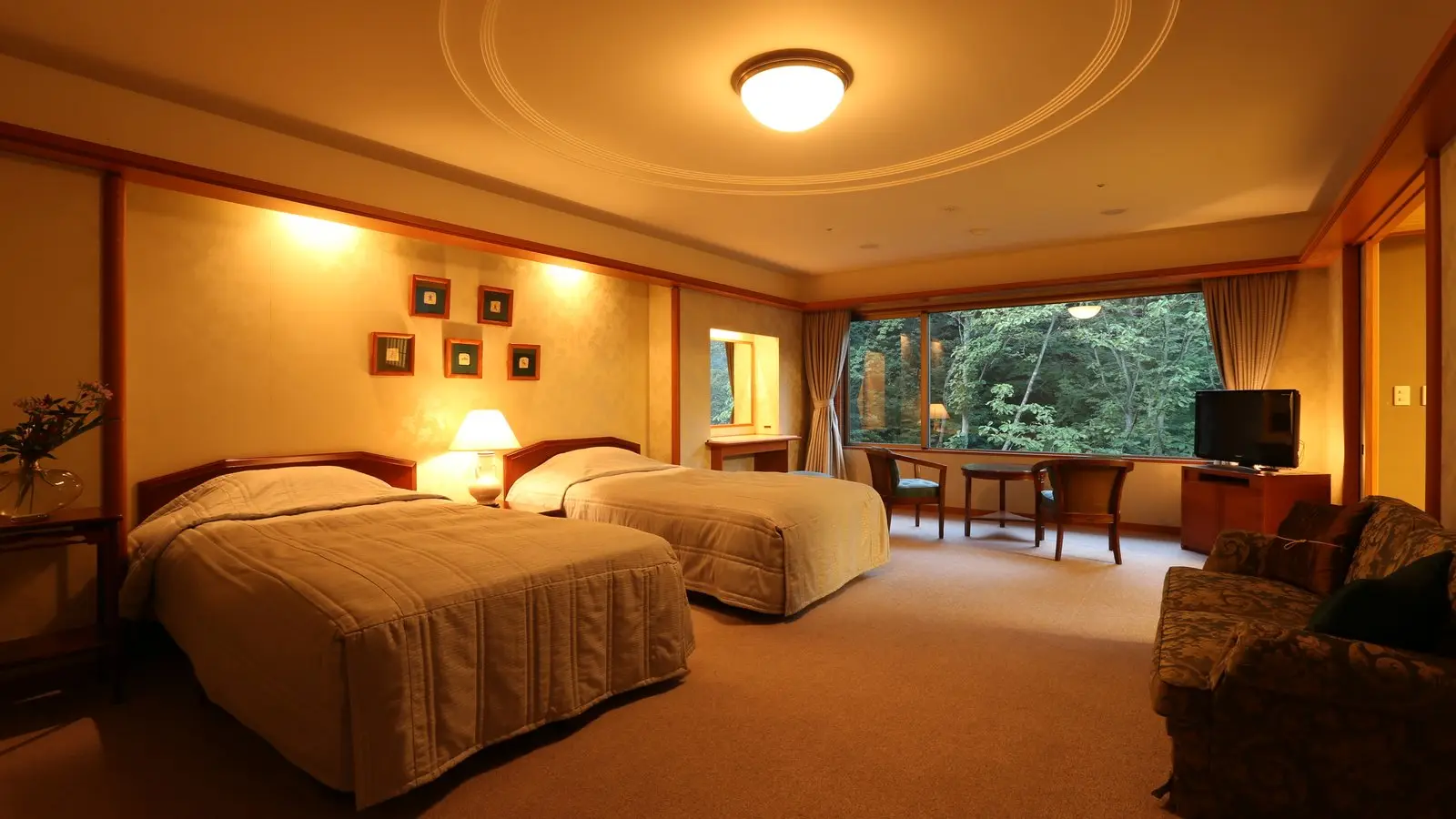
7 Budget Hotels in Tokyo Under $100 on the Yamanote Line
Even amid yen fluctuations, central Tokyo hotel rates have soared. Learn how to secure Yamanote loop line hotels at half the price of Shinjuku, compare onsen bath chains like Dormy Inn, trigger secret Agoda VIP and Booking.com Genius discounts, and dodge hidden currency fees with yen settlement.
How to Read the Tokyo Subway Map and Where to Stay on the Yamanote Line
How to choose between Keisei Skyliner and Narita Express, avoid the Tokyo Subway Ticket trap, use Apple Wallet Suica, and select the ideal hotel base in Tokyo.
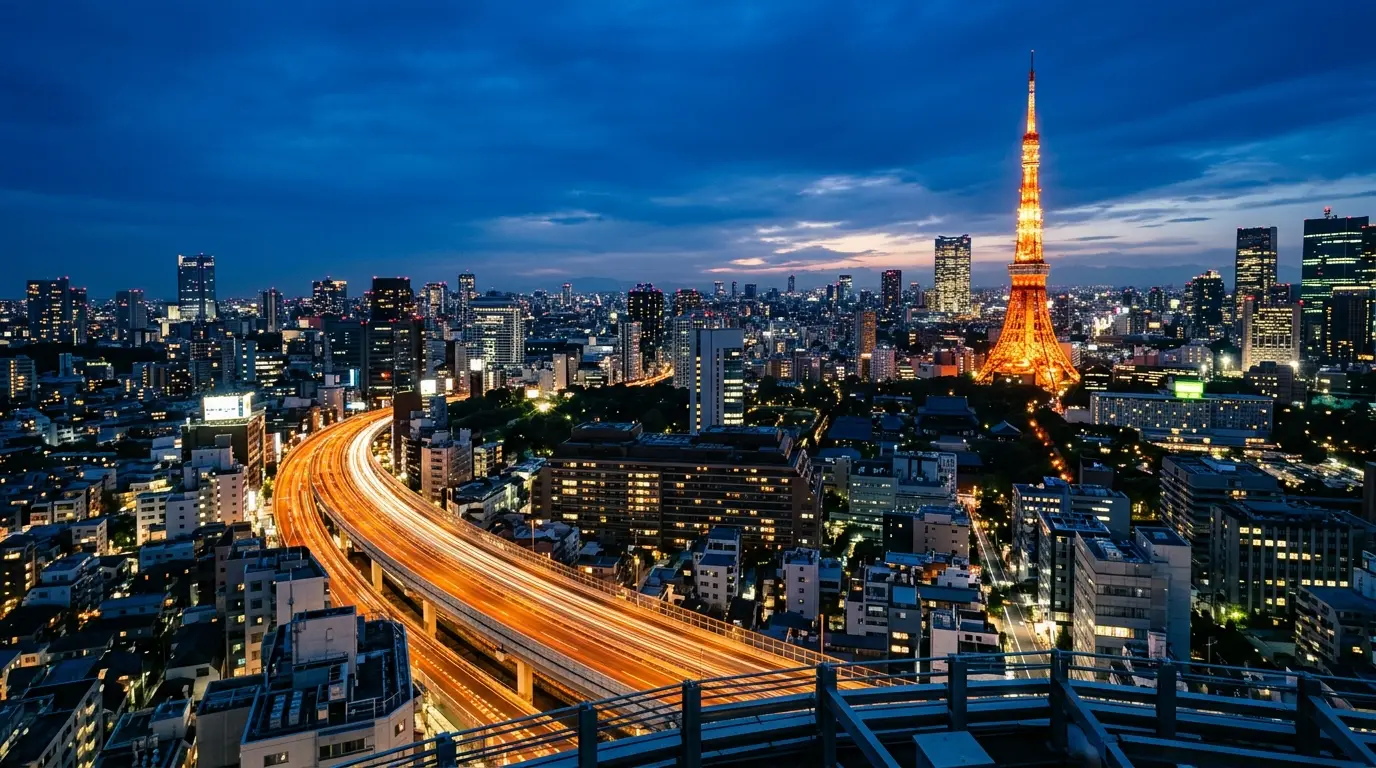
Tokyo Day 1 Itinerary: Narita Airport to the City and Your First 24 Hours
From stepping off at Narita Airport to mastering high-speed trains, navigating Tokyo's sprawling transit hubs, ordering counter ramen effortlessly, and catching sunset from Roppongi Hills. A definitive guide for your first 24 hours in Tokyo.
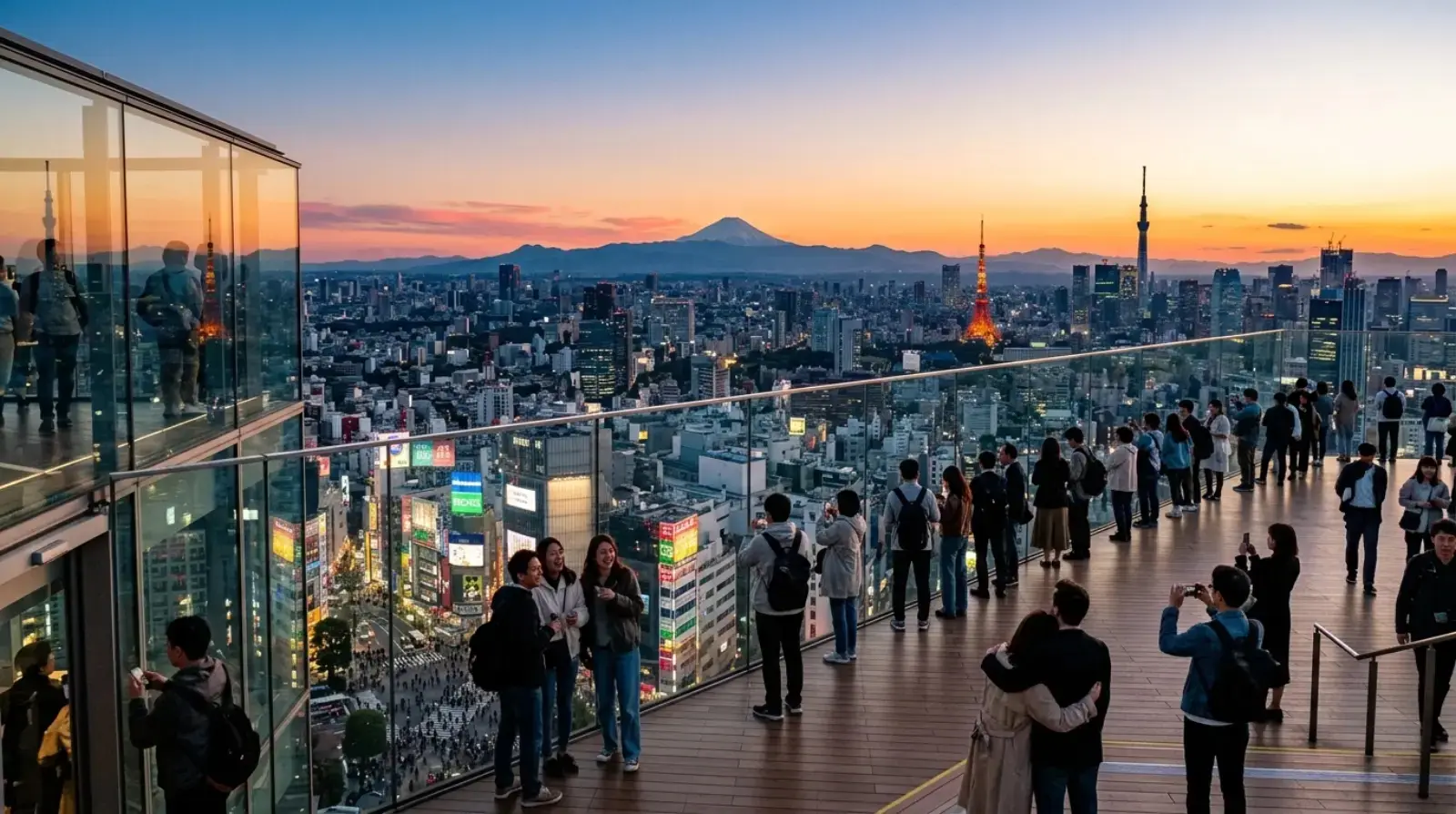
Tokyo Day 2 Itinerary: Booking Shibuya Sky, Harajuku Backstreets and Roppongi at Night
Securing prime sunset slots atop Shibuya Sky, navigating hidden boutiques along Harajuku Cat Street, immersing in the forested serenity of Meiji Jingu, and marveling at the crimson glow of Tokyo Tower from Roppongi Hills. A masterclass in Day 2 pacing.
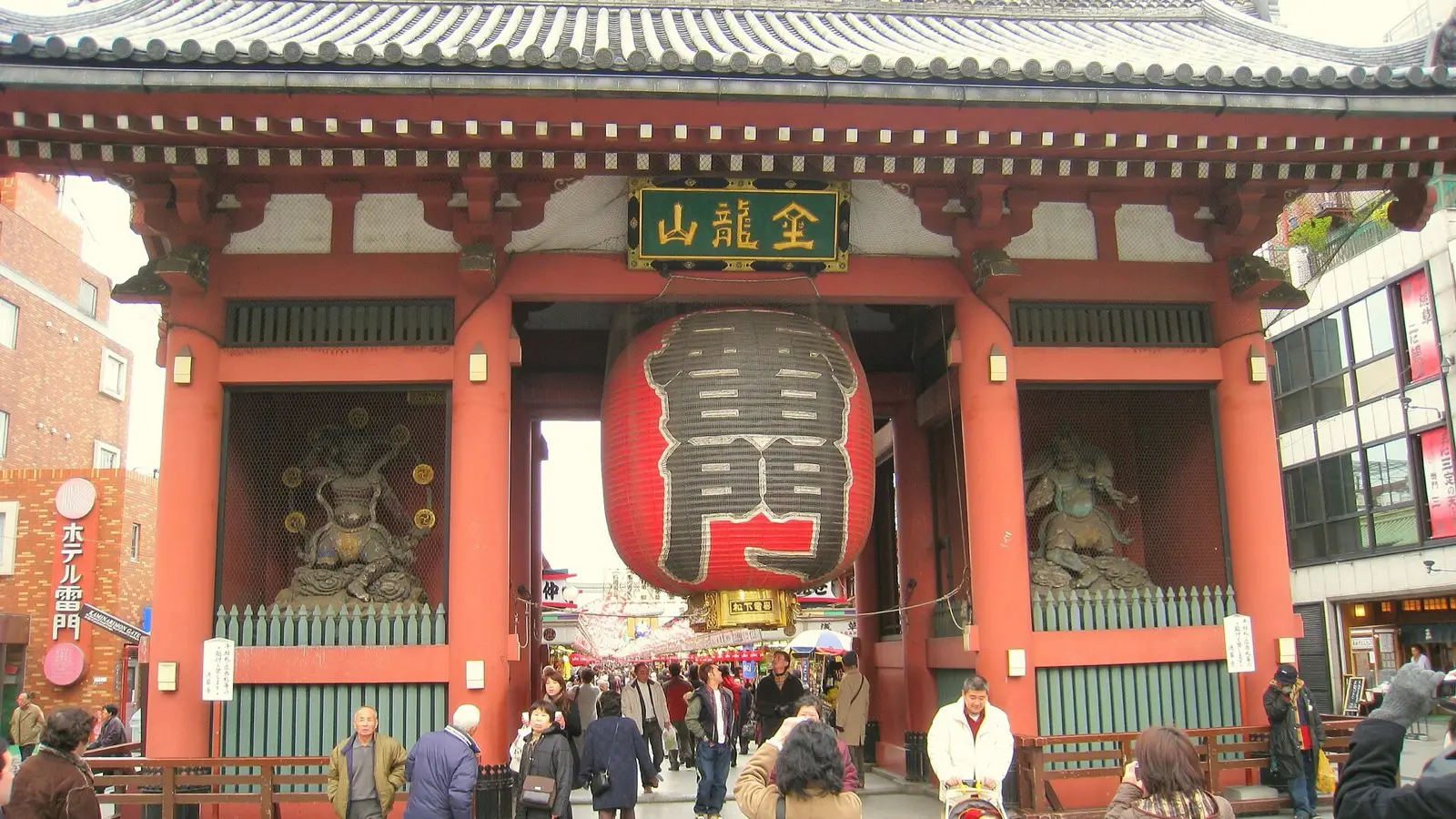
Tokyo Day 3 Itinerary: Asakusa, Akihabara, Ginza Depachika and Flying Home
The ultimate finale for your Tokyo stay: tranquil morning worship at Sensoji, retro subculture in Akihabara, Ginza Six architectural rooftop views and basement depachika feasts, capped by seamless Skyliner and N'EX airport connections.
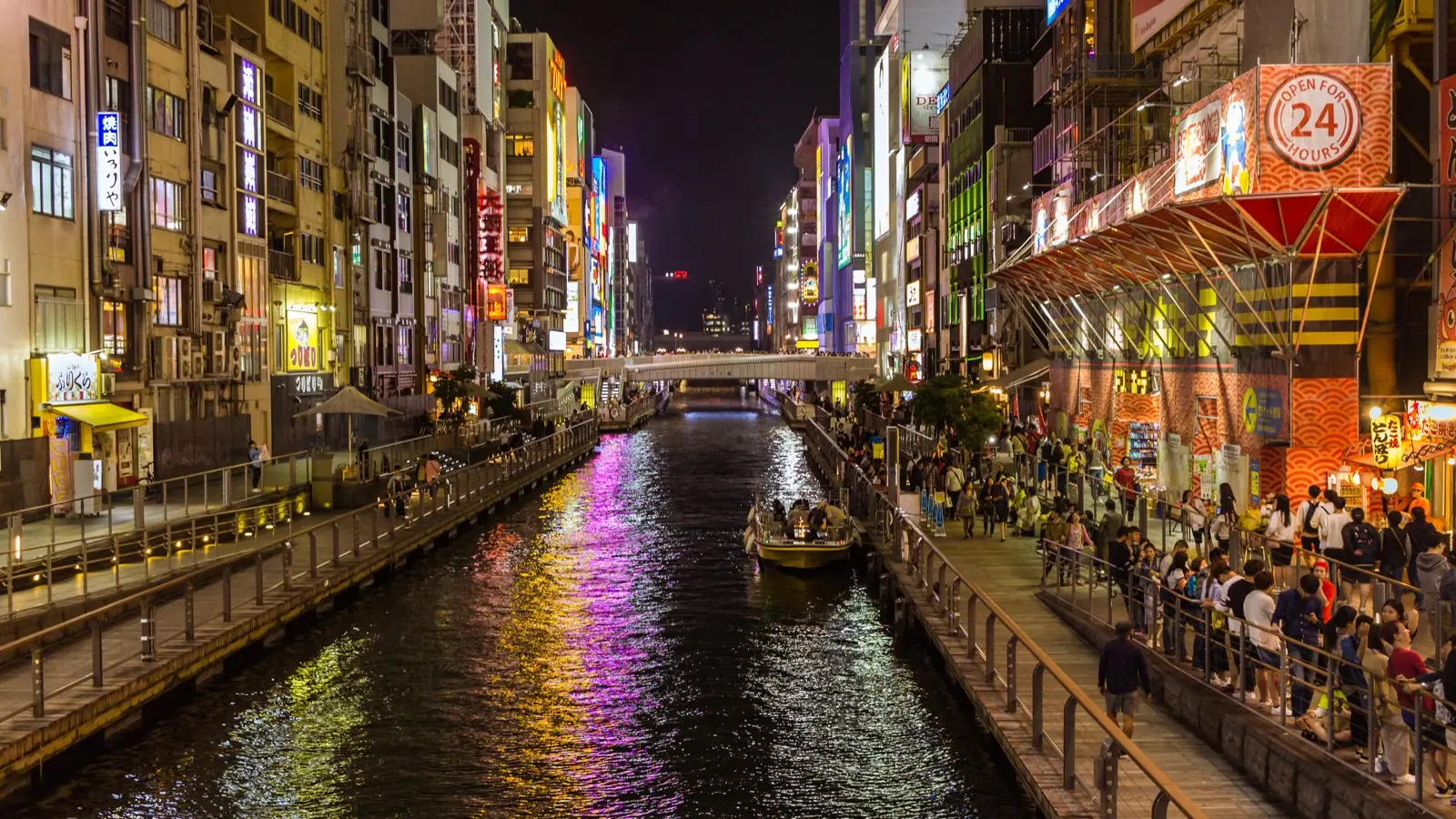
Osaka Itinerary: Dotonbori and Umeda in Two Nights
Osaka is Japan culinary powerhouse where feasting is an art. Navigate Rapi:t airport transfers, Namba vs Umeda hotels, and street food corridors with veteran precision.
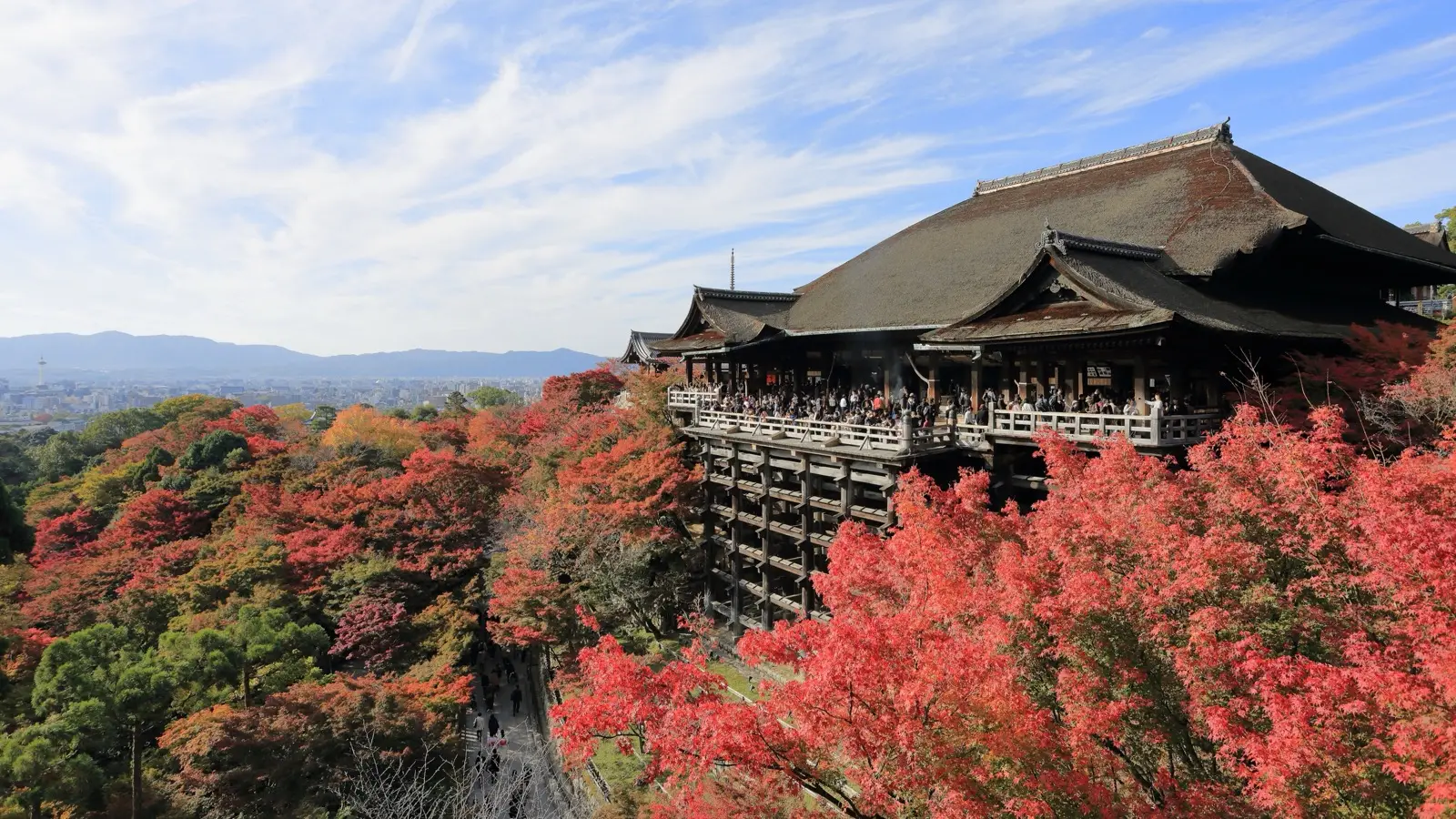
Kyoto Itinerary: Arashiyama, Gion and How to Pick a Ryokan
Kyoto compresses a millennium of Japanese aesthetic mastery. Discover how to evade bus congestion with private railways, master ryokan kaiseki booking windows, and savor early dawn stillness.
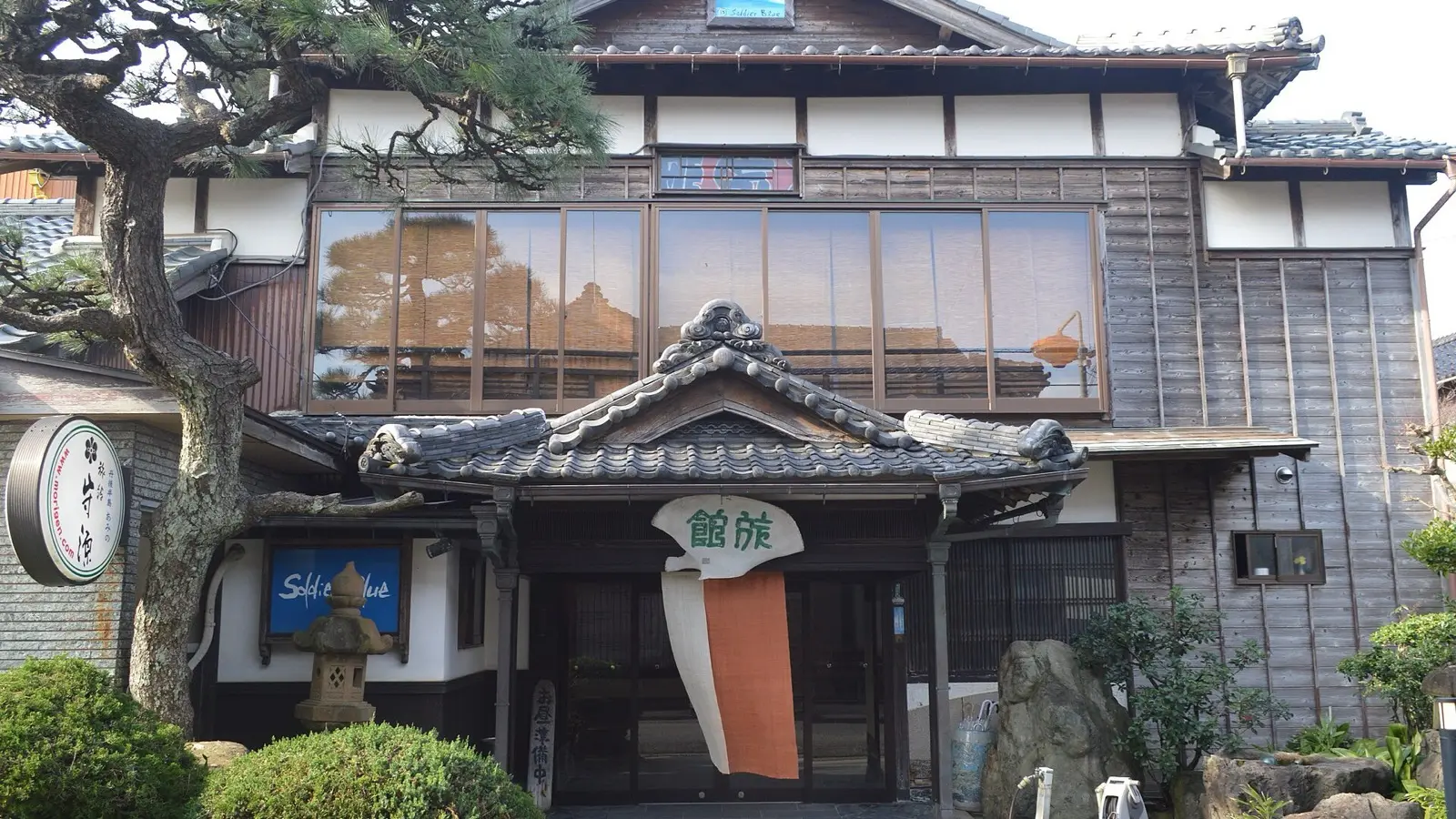
Kyoto Ryokan Prices and How to Choose: Kaiseki Terms and Machiya Stays
From hundred-year-old timber townhouses in Gion to misty Arashiyama riverside ryokan, staying in Kyoto demands cultural fluency and sharp booking discipline. An honest receipt audit covering kaiseki dinner curfews, private onsen etiquette, and avoiding dynamic pricing spikes.
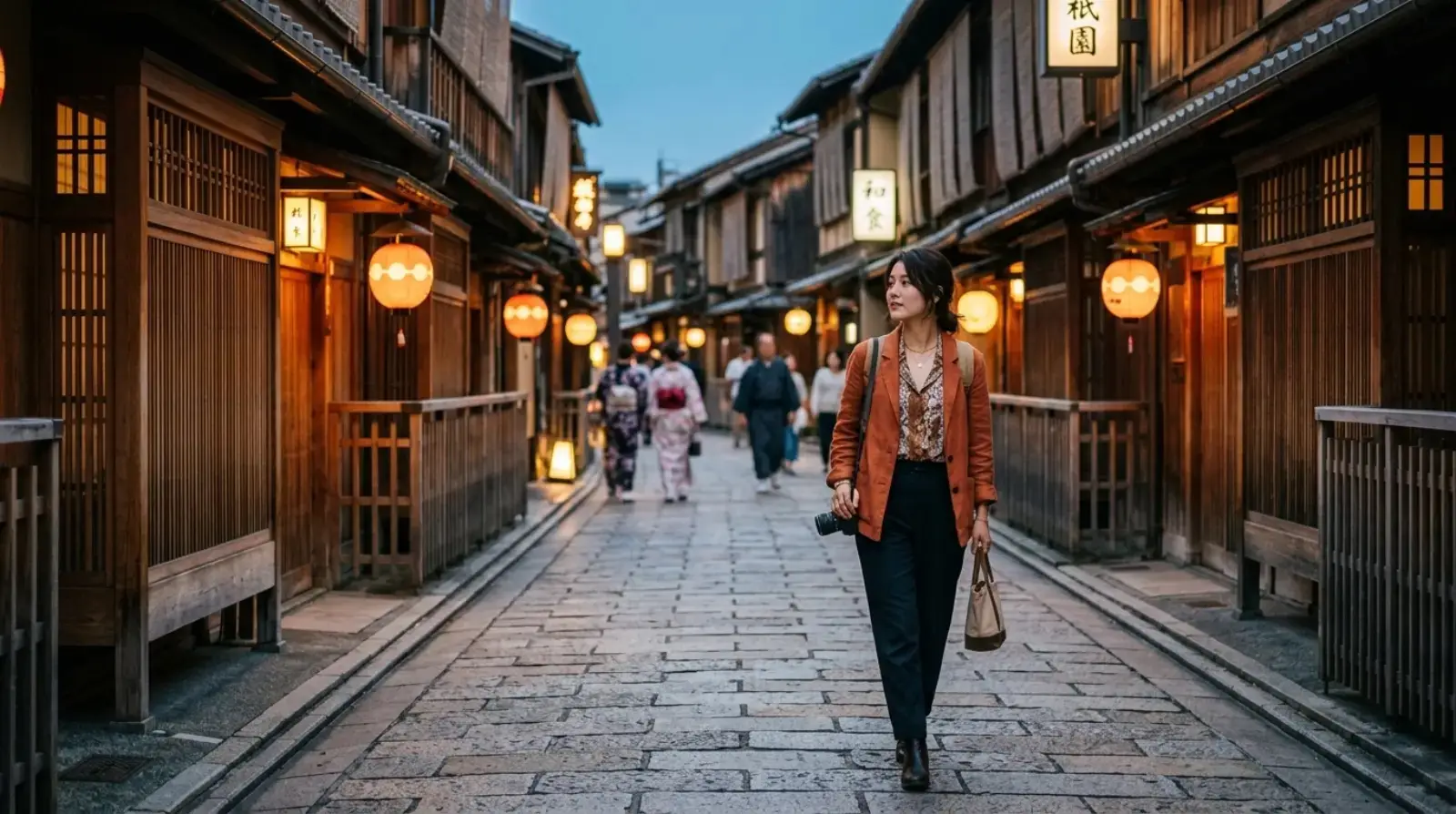
Kyoto Day 1 Itinerary: Kansai Airport to Kyoto and Your First Evening in Gion
Boarding the 75-minute Haruka Express from Kansai Airport, forwarding heavy bags straight to your hotel via Crosta at Kyoto Station, avoiding gridlocked buses using the subway, and an evening stroll through Gion to the Kamogawa. A field guide to your first 24 hours.
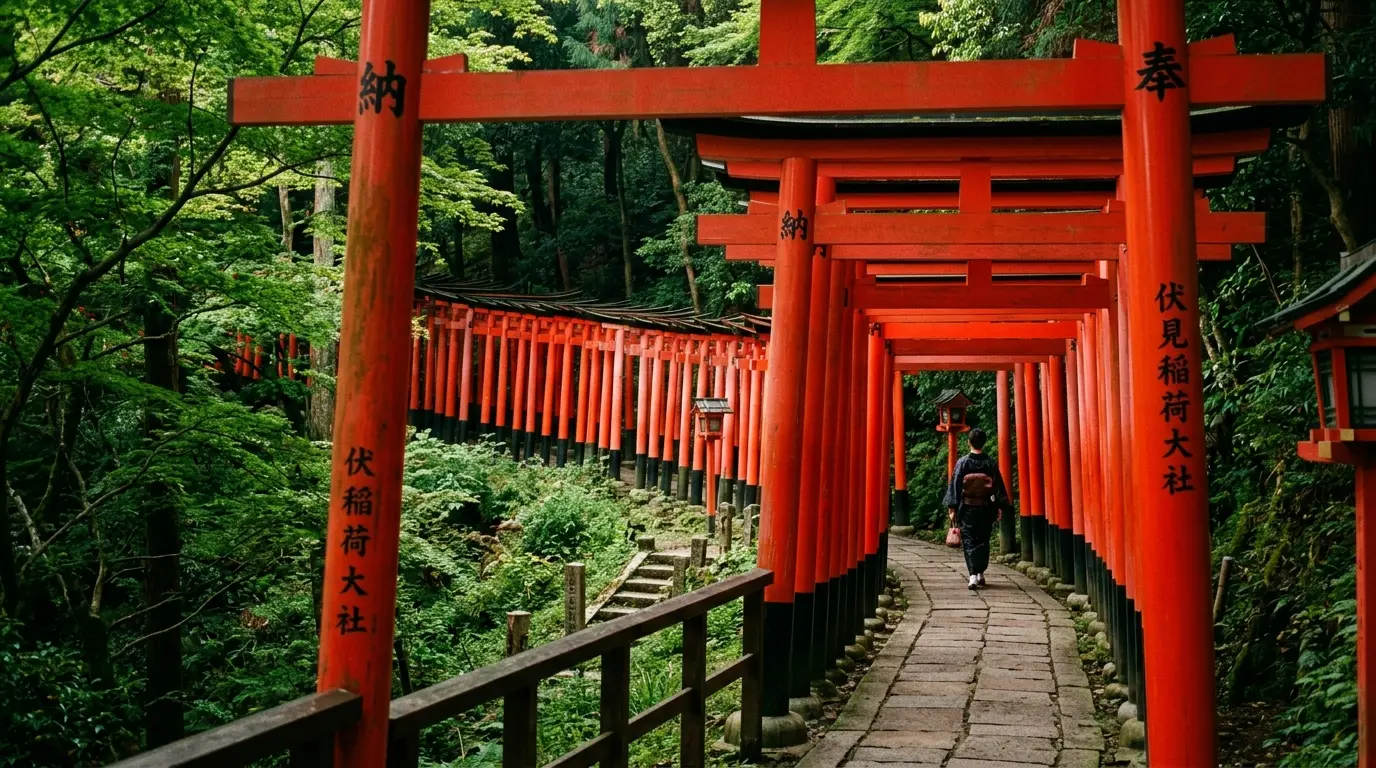
Kyoto Day 2 Itinerary: Fushimi Inari, Kiyomizu-dera, Sannenzaka and Gion
Day 2 immerses travelers into the spiritual heartbeat and preserved historic streets of Kyoto: early morning solace along thousands of vermilion torii gates at Fushimi Inari, sweeping mountain panoramas from the legendary wooden stage of Kiyomizu-dera, artisan tea shops and matcha sweets across cobblestoned Ninenzaka and Sannenzaka, followed by lantern-lit strolls in Gion Shirakawa and a refined multi-course Kaiseki dinner.
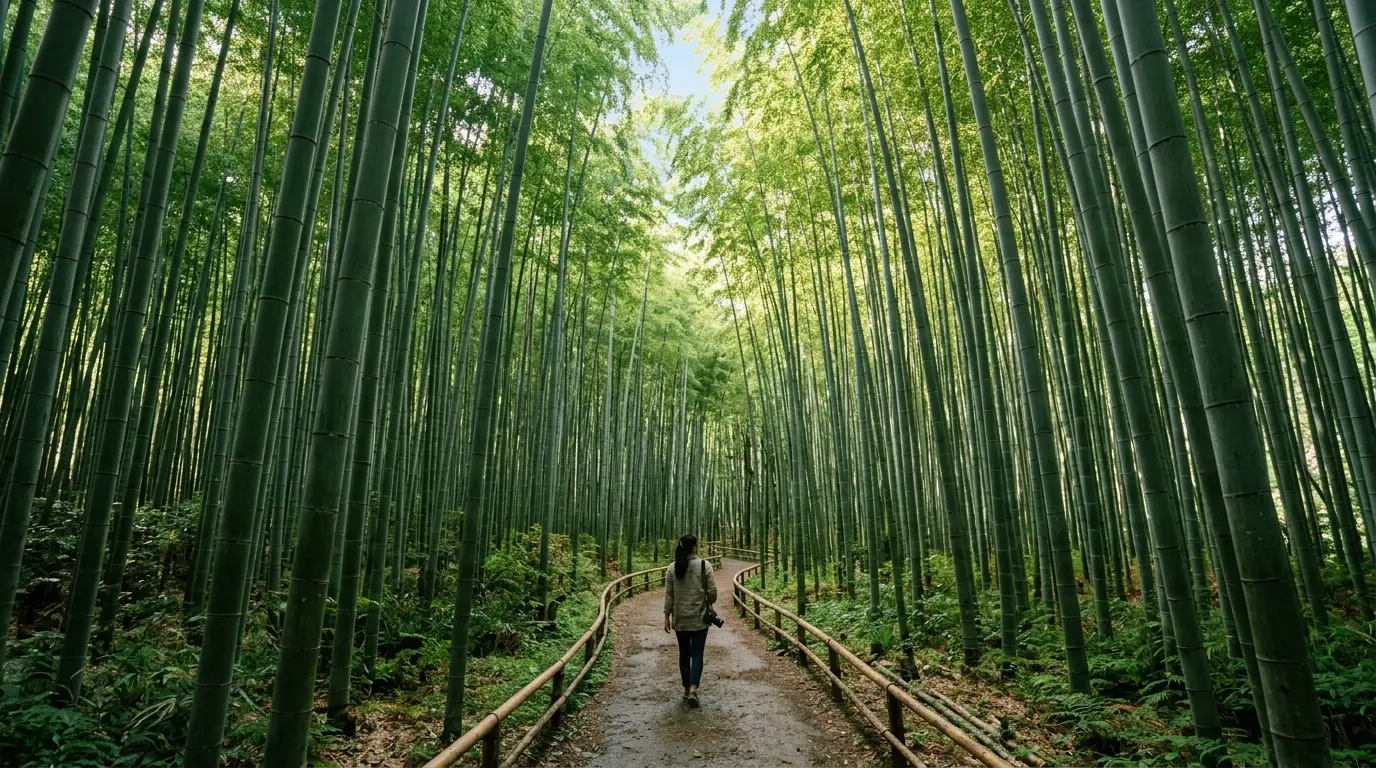
Kyoto Day 3 Itinerary: Arashiyama Bamboo Grove, Nishiki Market and the Journey Home
A sublime final chapter to your Kyoto journey: morning breezes whispering through towering emerald stalks in the Arashiyama Bamboo Grove, the UNESCO World Heritage mirror pond at Tenryu-ji, riverside specialty coffee by Togetsukyo Bridge, savory culinary treasures inside 400-year-old Nishiki Market, followed by Kyoto Station souvenir shopping and a swift 75-minute ride aboard the JR Haruka Express straight to Kansai Airport.