
KyotoGuide
Kyoto Day 2 Itinerary: Fushimi Inari, Kiyomizu-dera, Sannenzaka and Gion
Early morning walks through crowd-free vermilion shrines, cantilevered temple stages, preserved stone alleys, and lantern-lit geisha districts.
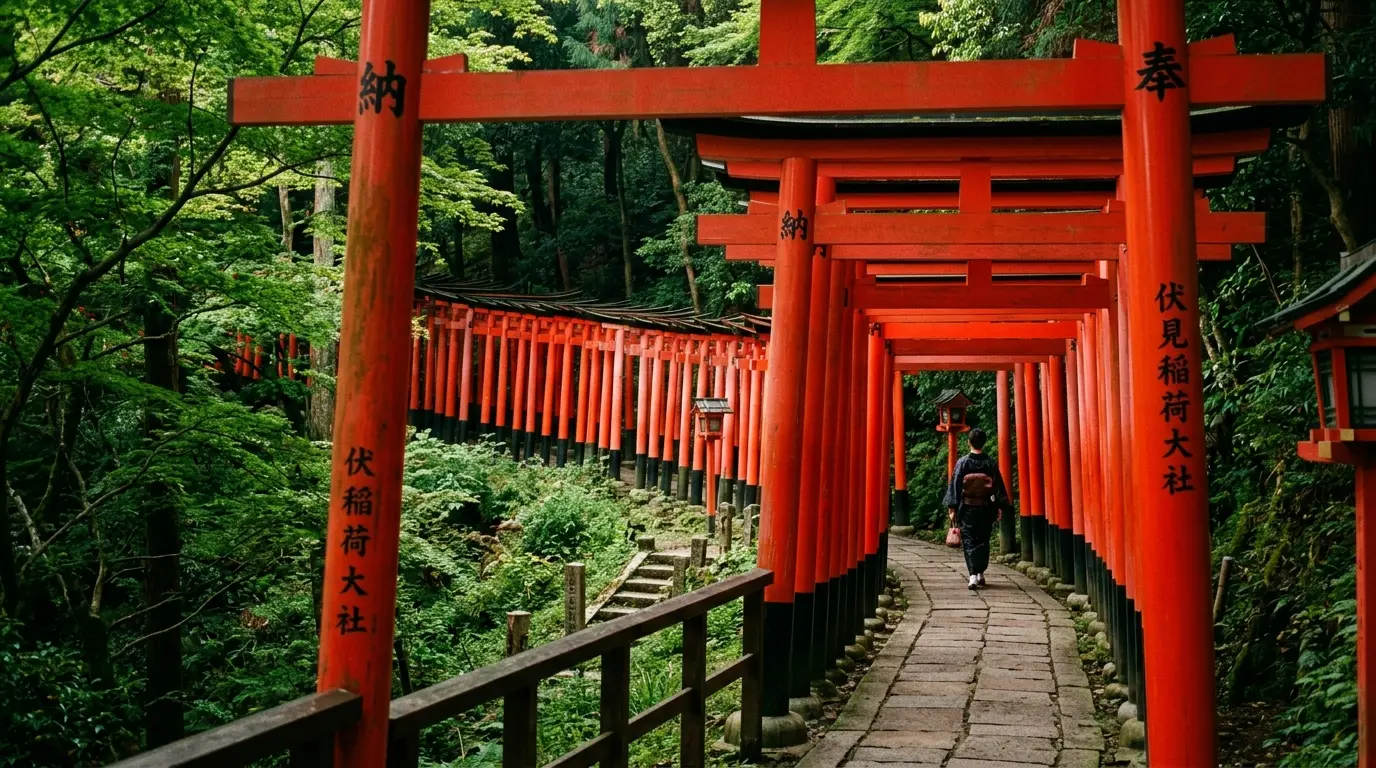
AM - Fushimi Inari Taisha: Serene Morning Walks Beneath Ten Thousand Torii Gates
Day 2 in Kyoto demands an early dawn awakening, stepping onto the sacred woodland trails of Fushimi Inari Taisha (伏見稲荷大社) at 7:30 AM before tourist crowds descend. Board the JR Nara Line at Kyoto Station for a brief five-minute two-stop ride to Inari Station, where towering vermilion gates and stone kitsune fox messengers immediately welcome you.
As the ancestral seat of Shinto devotion dedicated to agriculture, rice fertility, and commercial success, the mountain features over ten thousand torii gates donated by devotees and corporations since the Edo period. In the brisk morning air, soft sunlight filters through cedar branches, projecting cinematic red-orange patterns across the damp cobblestone path.
While midday brings heavy foot traffic, the tranquil early morning sanctuary belongs entirely to gentle birdcalls and rhythmic footsteps. A leisurely 30-minute hike brings you to the Yotsutsuji intersection and Okusha Inner Shrine, offering a sacred mountain retreat that resets your spirit.
On the descent, pause to admire fox-faced Ema votive plaques painted with playful personal wishes, and treat yourself to a freshly grilled Kitsune Senbei (crispy sesame fox crackers) at the temple gate approach to fuel up for the morning ahead.
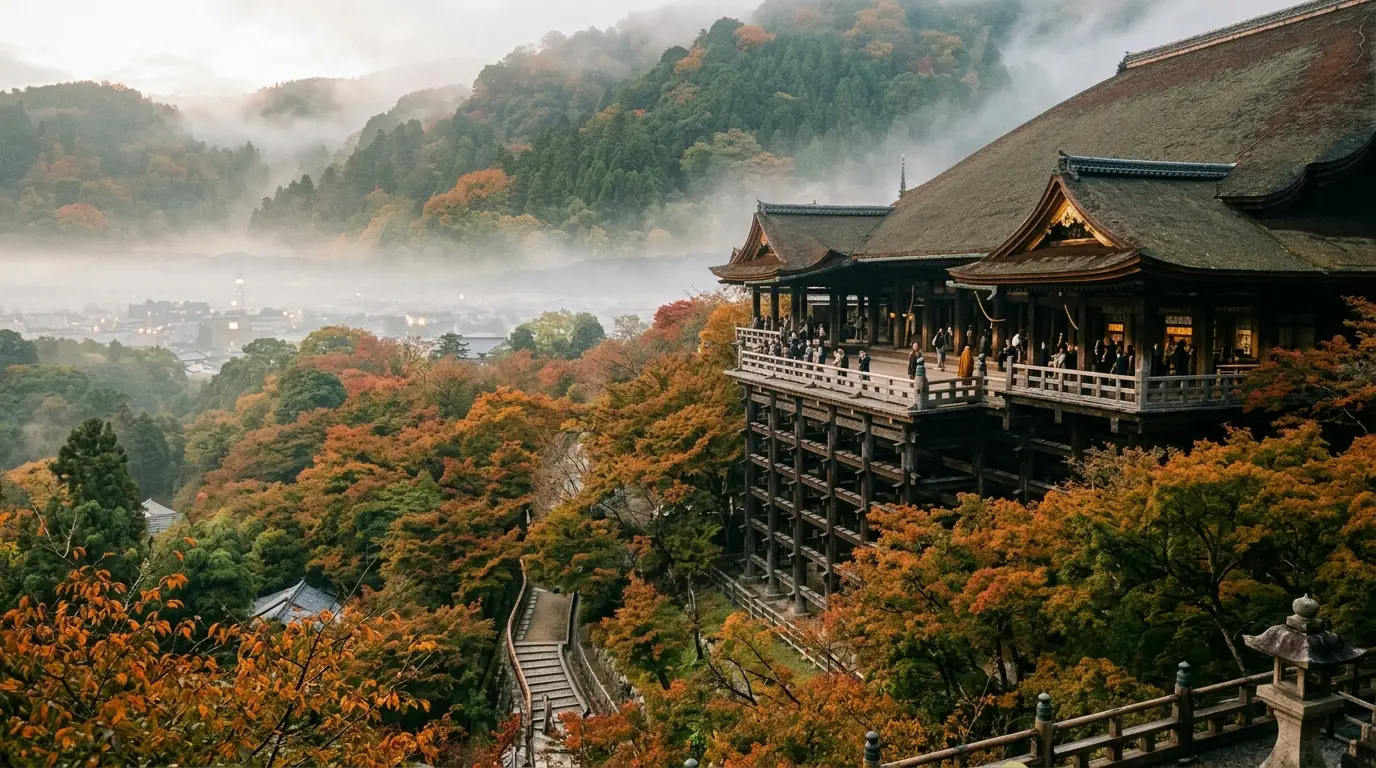
AM - Kiyomizu-dera: Cantilevered Wooden Stage Overhanging Mount Otowa
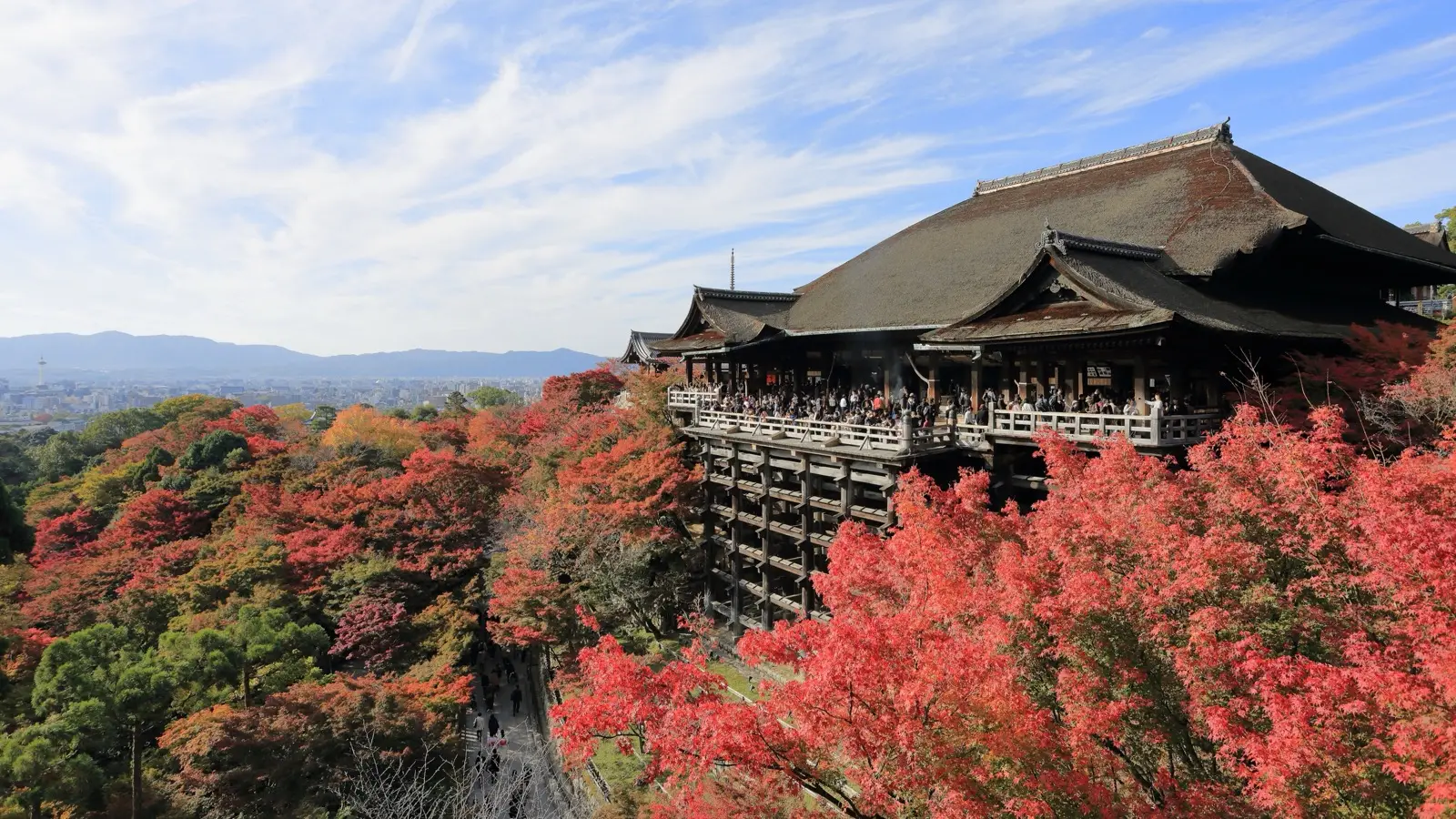
From Fushimi-Inari Station, board the Keihan Main Line to Kiyomizu-Gojo Station and take a pleasant fifteen-minute uphill stroll along Chawan-zaka to reach the UNESCO World Heritage site Kiyomizu-dera (清水寺). Emerging upon the temple plateau, the breathtaking 13-meter-high main wooden stage unfolds over the precipitous wooded gorge.
Engineered completely without nails using 139 massive Japanese zelkova tree pillars, the stage offers staggering views across the forested slopes of Higashiyama and the distant Kyoto cityscape. It serves as an awe-inspiring testament to traditional Japanese architecture and timeless spiritual fortitude.
After admiring the panoramic vista, wind down stone stairways to Otowa Waterfall (音羽の滝), where pure mountain water cascades into three separate streams. Visitors use long-handled metal cups to drink from the streams, which symbolize health, academic wisdom, and prosperous romance. Tradition warns that drinking from all three streams dilutes the blessings due to greed.
Quench your thirst with the chilled spring water, then frame postcard-worthy shots of the three-story Sanjunoto pagoda and Niomon gate against the sky. Note that Jishu Shrine behind the main hall, famous for its love-fortune stones, has been closed for renovation with no reopening date announced.
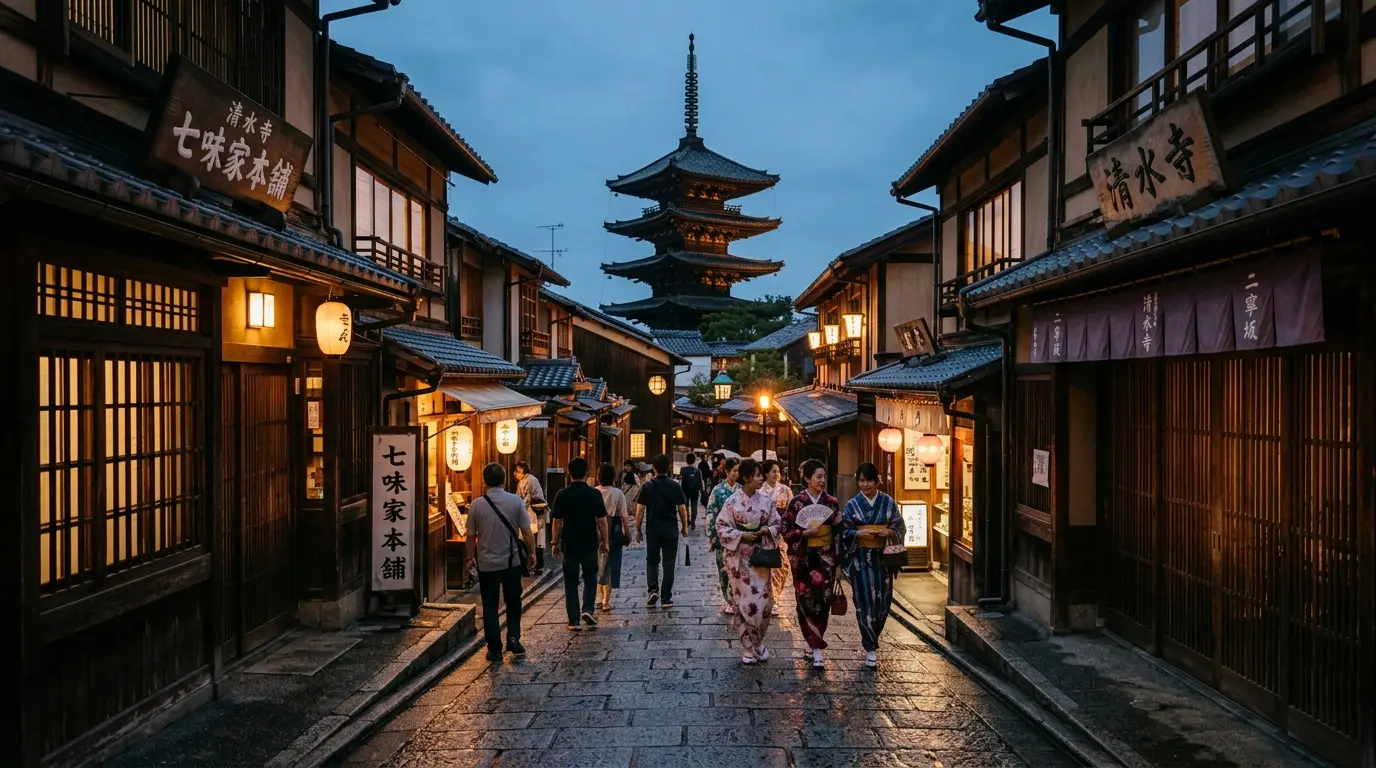
PM - Sannenzaka and Ninenzaka: Edo Merchant Houses and Matcha Warabi Mochi
Departing Kiyomizu-dera, step directly onto the stone stairs of Sannenzaka and Ninenzaka. Formally designated as national historic preservation districts, these winding, vehicle-free alleyways are framed by dark cedar machiya merchant houses, eaves strung with paper lanterns, and delightful artisanal boutiques.
Generations-old craft shops sell Kyoto folding fans, Kiyomizu porcelain ceramics, aromatic incense, and spicy shichimi chili powders. You will also encounter the much-photographed Starbucks Ninenzaka Yasaka Chaya, with tatami seating inside a 100-year-old traditional townhouse.
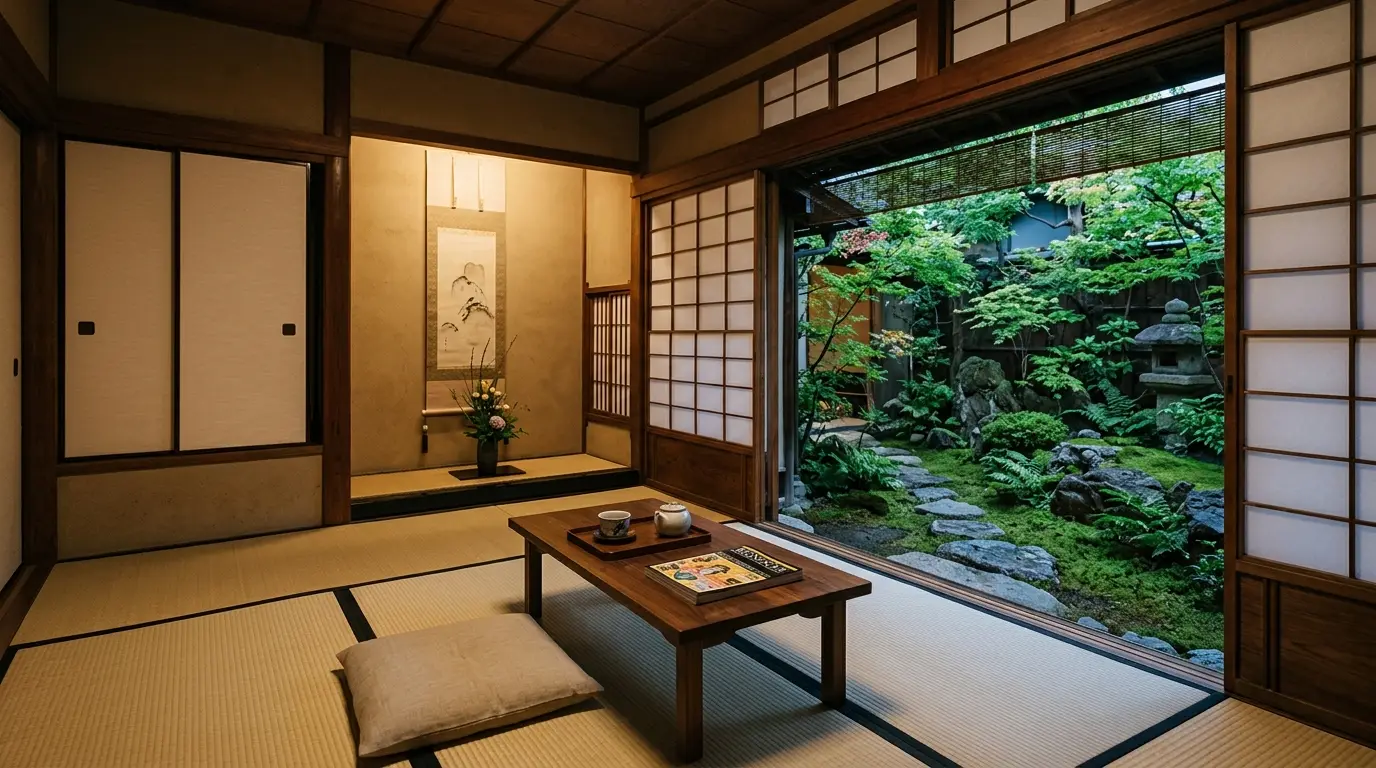
Rest your feet inside a heritage teahouse over a bowl of freshly whisked ceremonial Uji matcha paired with chilled matcha warabi mochi dusted in toasted kinako soybean flour and drizzled with rich brown sugar syrup (kuromitsu). The silky confection delivers pure tranquility.
Continue downhill toward Hokan-ji Temple to admire the five-story Yasaka Pagoda rising dramatically above the stone streets. The contrast between ancient wooden rooflines, cobblestones, and travelers strolling in silk kimonos creates one of the most romantic scenes in Japan.
Local folklore playfully warns that slipping on the stairs of Sannenzaka invites bad luck for three years. Mind your footing on the polished stone steps, and browse the gourd shops at the base of the stairs that sell protective carved gourds designed to ward off misfortune.
PM - Kodai-ji and Yasaka Shrine: Zen Rock Sanctuaries and Golden Lanterns
Wandering five minutes north brings you to Kodai-ji (高台寺), an exquisite Zen temple established in 1606 by Nene to commemorate her late husband, warlord Toyotomi Hideyoshi. While Kiyomizu-dera is lively, Kodai-ji presents a quiet haven of refined Zen contemplation.
Sit along the wooden veranda of the Hojo hall and gaze across the dry landscape gravel garden (Karesansui), where meticulously raked quartz sands evoke cosmic waves. Winding trails lead past two historic teahouses (Kasa-tei and Shigure-tei) and through a tranquil bamboo grove that rustles softly in the evening breeze.
Continue through Maruyama Park to arrive at Yasaka Shrine (八坂神社), the spiritual hub of the Gion district. Beneath the gabled eaves of the central Buden dance stage hang hundreds of white paper lanterns inscribed with the names of local Kyoto merchants and geisha teahouses.
As dusk falls around 5:00 PM, the lanterns illuminate simultaneously in a warm golden glow. Join visitors before the main sanctuary to tug the heavy hemp rope, ring the bronze bells, and clap twice to offer prayers for good fortune and peaceful travels.
PM - Gion Shirakawa Twilight and A Masterclass in Kyoto Kaiseki Dining
From Yasaka Shrine, slip into the cobblestone pathways flanking the Shirakawa Canal in Gion. Willow branches trail over crystal-clear waters, reflecting glowing paper lanterns from preserved wooden ochaya teahouses in an atmosphere steeped in vintage Kyoto romance.
Near Tatsumi Bridge, you may catch a fleeting glimpse of an apprentice geisha (Maiko) in elaborate white makeup and flowing kimono hurrying gracefully toward an evening banquet appointment. Observe respectfully from a polite distance to honor local neighborhood decorum.
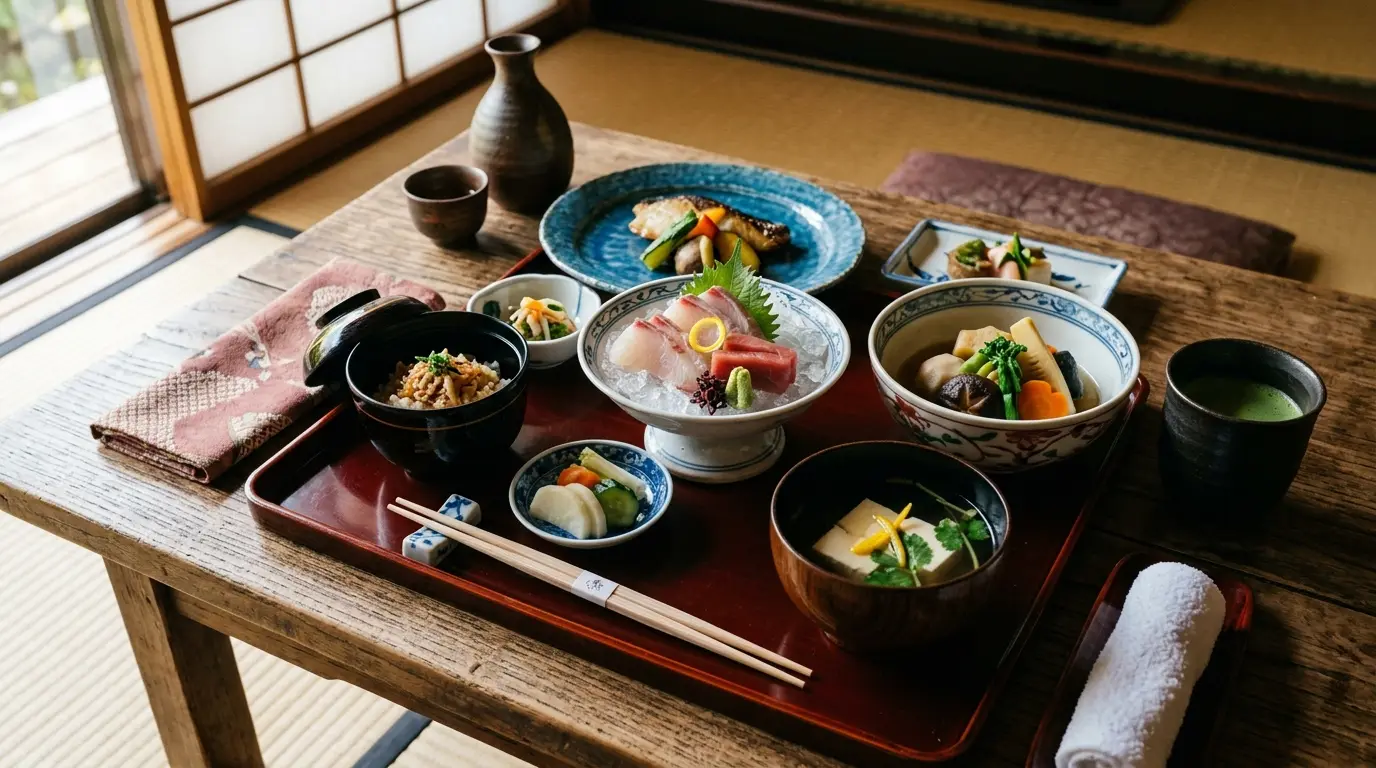
The crowning highlight of Day 2 is dinner inside a restored riverside machiya, indulging in authentic Kyoto Kaiseki (会席料理) or an Obanzai seasonal tasting menu. Each course is a miniature culinary painting: sashimi chilled over crushed ice, delicate sea bream soup infused with yuzu zest, and simmered seasonal Kyoto heirloom vegetables (Kyo-yasai).
Savor tender grilled black cod glazed with sweet Saikyo miso paired with chilled Kyoto craft sake. The interplay of centuries-old temple heritage, lantern-lit canals, and refined culinary mastery ensures Day 2 will linger in your memory long after returning home.
Frequently Asked Questions
Field-tested answers to transit navigation, neighborhood choices, and payment traps.
Q1.What is the absolute best time to visit Fushimi Inari to avoid tourist crowds?
Q2.Can I comfortably walk from Kiyomizu-dera to Gion via Ninenzaka and Sannenzaka?
Q3.What rules and etiquette should visitors follow regarding geisha and maiko in Gion?
Q4.Is advance booking required for authentic Kyoto Kaiseki dining?
The Smart Traveler's Essential Toolkit
Prepare instant mobile data, private airport transfers, and skip-the-line passes in one place.
Pick a base in Kyoto by your route
Choose the places you want to see and get the neighbourhood with the shortest travel.
Compare Kyoto Hotel Rates
Find the cheapest channel across Agoda and major booking engines with Tripdify.
Share This Guide with Your Companions
When shared via chat or social media, a curated summary card is sent along.
Recommended Guides
Kyoto Itinerary: Arashiyama, Gion and How to Pick a Ryokan
Kyoto compresses a millennium of Japanese aesthetic mastery. Discover how to evade bus congestion with private railways, master ryokan kaiseki booking windows, and savor early dawn stillness.
Kyoto Ryokan Prices and How to Choose: Kaiseki Terms and Machiya Stays
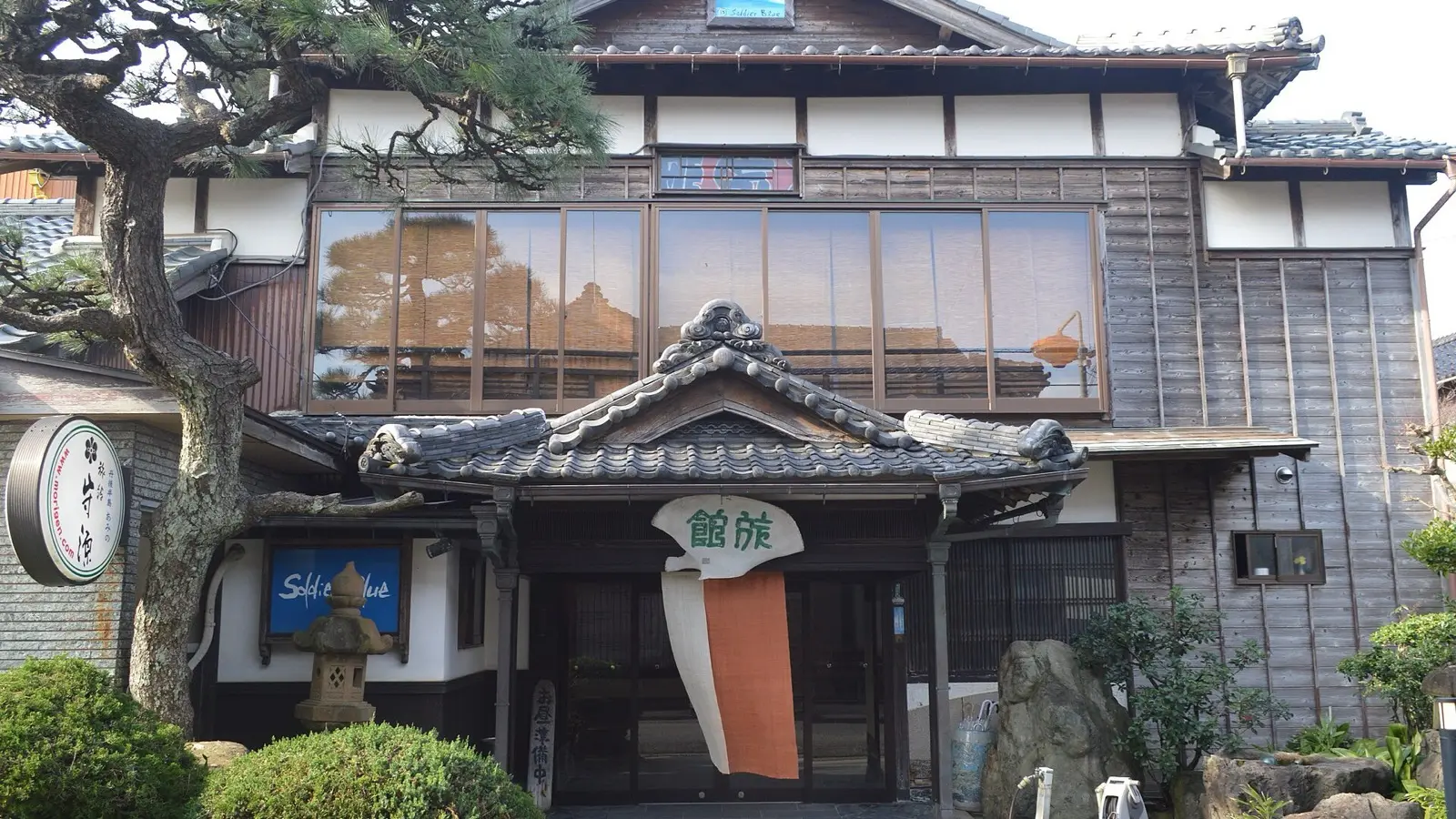
From hundred-year-old timber townhouses in Gion to misty Arashiyama riverside ryokan, staying in Kyoto demands cultural fluency and sharp booking discipline. An honest receipt audit covering kaiseki dinner curfews, private onsen etiquette, and avoiding dynamic pricing spikes.
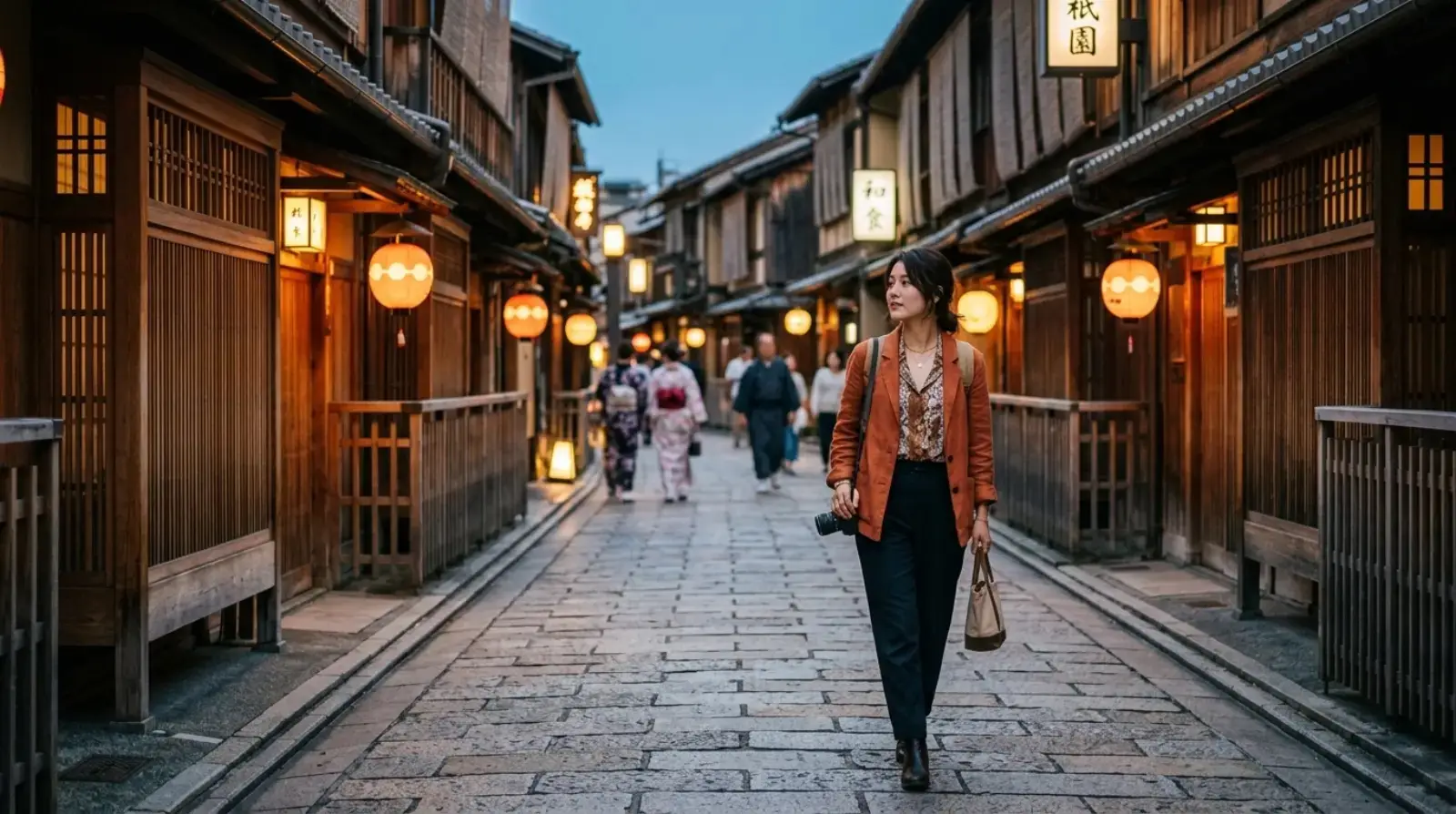
Kyoto Day 1 Itinerary: Kansai Airport to Kyoto and Your First Evening in Gion
Boarding the 75-minute Haruka Express from Kansai Airport, forwarding heavy bags straight to your hotel via Crosta at Kyoto Station, avoiding gridlocked buses using the subway, and an evening stroll through Gion to the Kamogawa. A field guide to your first 24 hours.
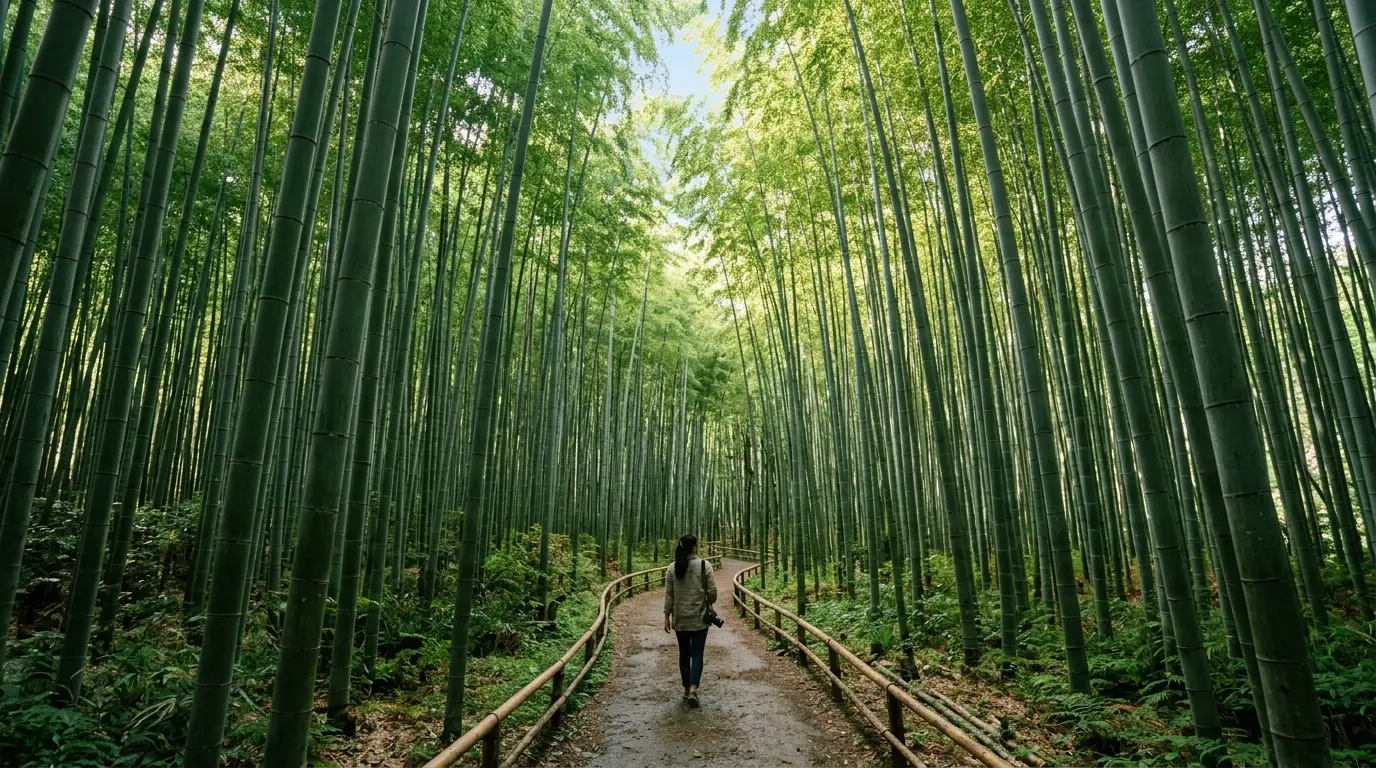
Kyoto Day 3 Itinerary: Arashiyama Bamboo Grove, Nishiki Market and the Journey Home
A sublime final chapter to your Kyoto journey: morning breezes whispering through towering emerald stalks in the Arashiyama Bamboo Grove, the UNESCO World Heritage mirror pond at Tenryu-ji, riverside specialty coffee by Togetsukyo Bridge, savory culinary treasures inside 400-year-old Nishiki Market, followed by Kyoto Station souvenir shopping and a swift 75-minute ride aboard the JR Haruka Express straight to Kansai Airport.
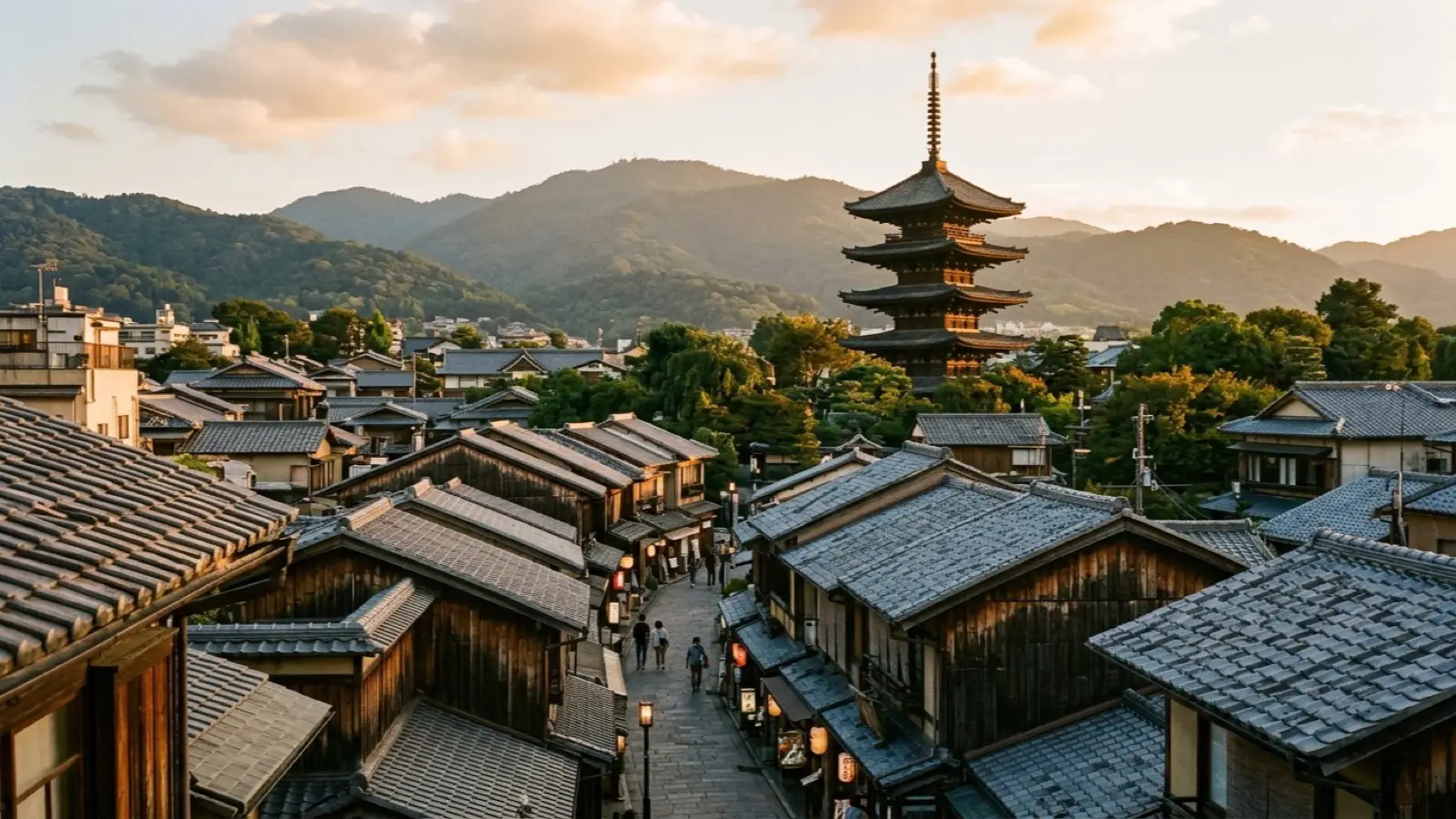
Where to Stay in Kyoto: Kyoto Station vs Gion vs Kawaramachi Compared
Your choice of base determines your entire Kyoto experience. Will you navigate crowded city buses with heavy luggage, or stroll riverside alleys lined with lantern-lit bistros? Here is a definitive breakdown of Kyoto's four premier districts.
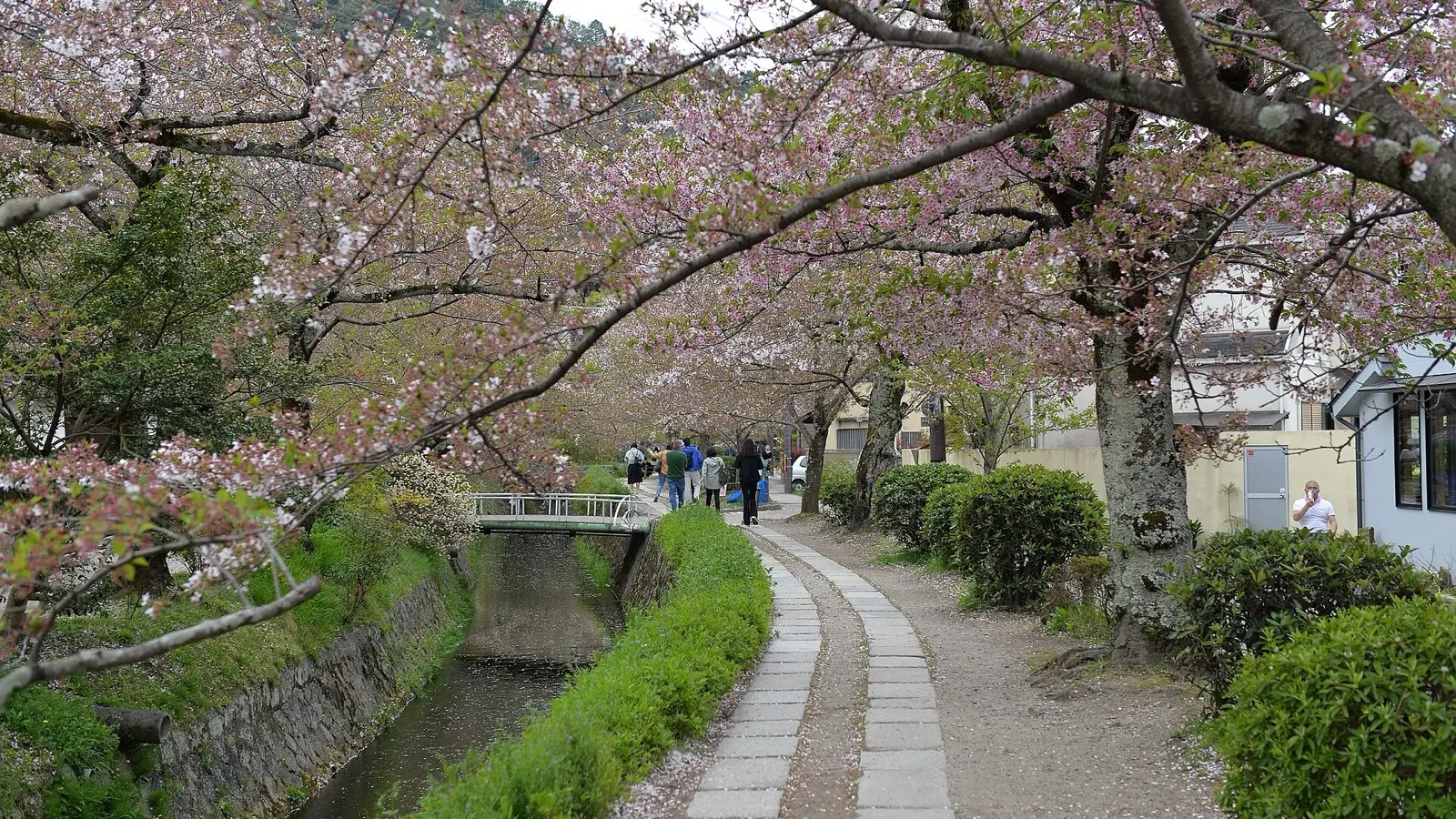
Kyoto Philosopher's Path Walk: From Ginkaku-ji to Nanzen-ji
To touch the true contemplative soul of Kyoto away from midday tour buses and crowds, one must walk the stone flagstones of the Philosopher's Path (Tetsugaku-no-Michi) under the soft mist of early dawn. Stretching two kilometers along the Lake Biwa Canal from Ginkaku-ji to Nanzen-ji, this tranquil waterway is where 20th-century philosopher Kitaro Nishida walked daily in meditative contemplation. From the murmur of mountain water and the moss-thatched timber gate of secluded Honen-in, to the weathered red-brick Romanesque arches of Suirokaku hidden within deep cedar woods, this immersive field report traces Kyoto's finest meditative journey.
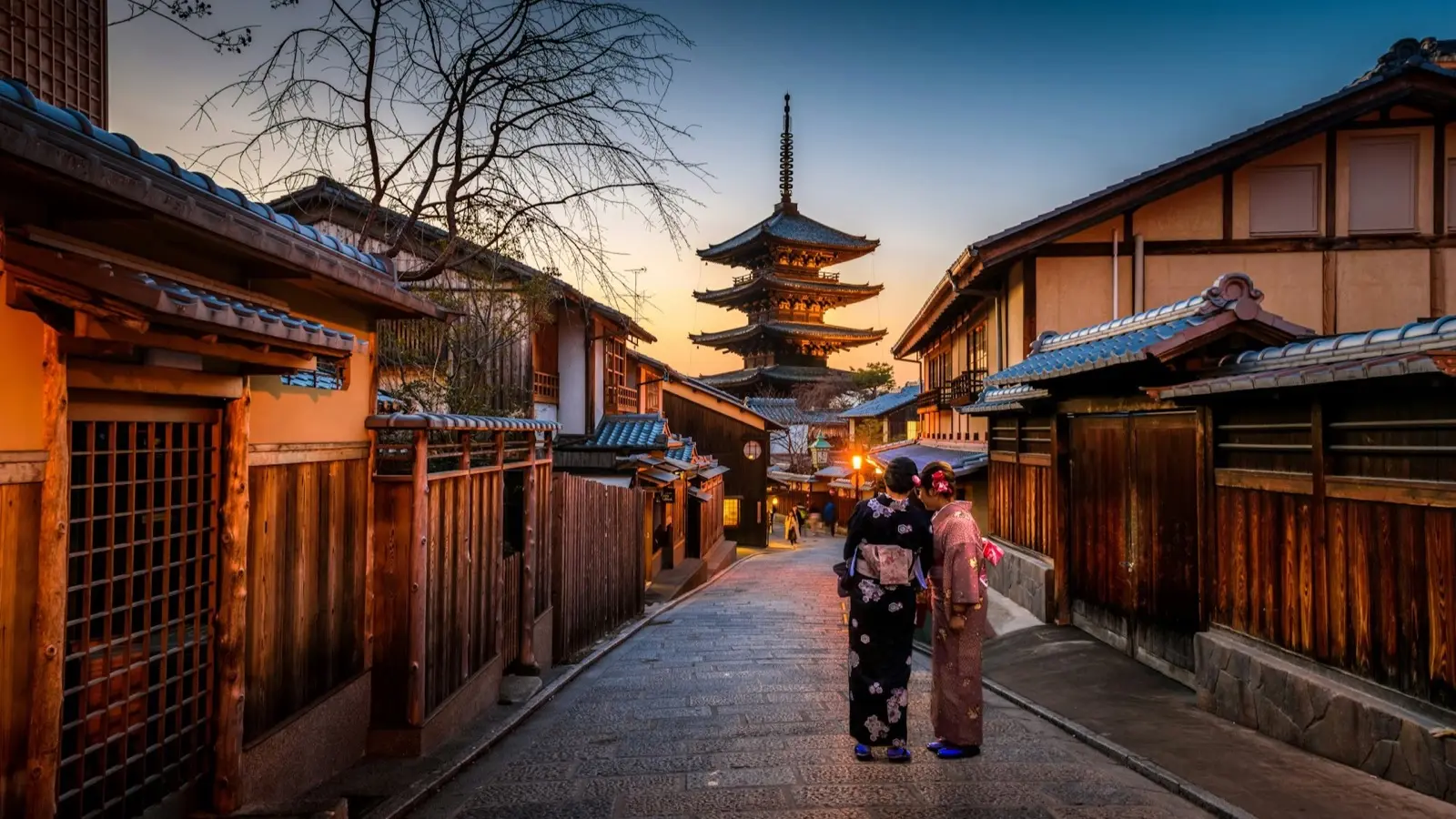
Kyoto on a Budget: Top 5 Value Hotels Under $90 and Station vs. Downtown Location Breakdown
Compared to neighboring Osaka, Kyoto hotel rates are notoriously 1.5 to 2 times higher, soaring to astronomical heights during spring cherry blossom and autumn foliage peaks. Finding clean, stylish accommodations between 50 and 90 dollars per night requires sharp logistical trade-offs. The Kyoto Station zone offers unbeatable rail access via the Kansai Airport Haruka Express, Shinkansen, and central bus terminals, while downtown Shijo Kawaramachi places you within walking distance of Gion, Nishiki Market, and evening riverside dining. From analyzing top value chains like Sotetsu Fresa Inn, Dormy Inn Premium, Sakura Terrace, and Daiwa Roynet to navigating Kyoto's 200 to 400 yen municipal lodging tax and selecting properties with restorative hot spring onsen baths, here is how to book smart in Japan's historic capital.
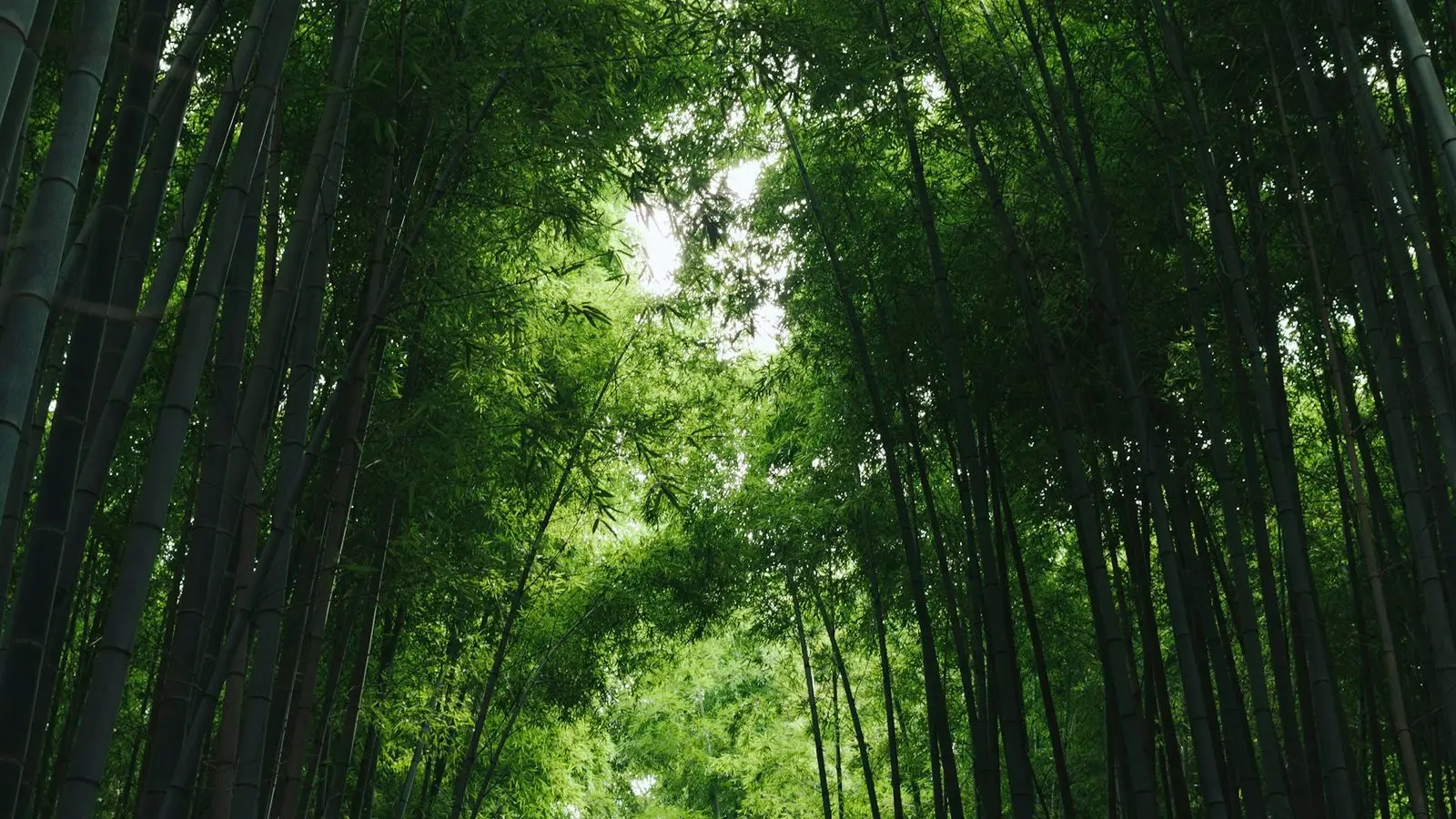
Dawn Through Sagano Bamboo Grove: Tenryu-ji Zen Gardens, Togetsukyo Mist, and Quiet Kyoto Mornings
By midday, the legendary bamboo avenues of Arashiyama in western Kyoto turn into a bustling hive of sightseers, camera flashes, and rickshaw queues. Yet at 7:00 AM, before the first tour coaches rumble into parking lots, Arashiyama reveals an ethereal, untouched beauty. Stepping into the famed Sagano Bamboo Grove (Chikurin no Michi) in the cool dawn air, visitors are enveloped by towering jade-green stalks creaking gently against the mountain breeze, an auditory symphony honored as one of Japan's preserved soundscapes. From sitting upon the polished cedar verandas of UNESCO-listed Tenryu-ji Temple gazing across misty pond gardens to crossing the historic wooden arches of Togetsukyo Bridge, this contemplative morning journey captures Kyoto at its purest. Discover the step-by-step dawn itinerary, Randen retro tramway transfers, and hidden tea pavilions that make early morning in Sagano truly magical.

Kyoto Uji Morning Matcha Journey: Byodoin Phoenix Hall, 10-Yen Coin Vistas, and Tsuen Tea's 860-Year Legacy
Escaping central Kyoto aboard the Keihan Uji shuttle whisks travelers about half an hour southward into an emerald riverside oasis steeped in the gentle perfume of roasted green tea leaves. Crossing historic Uji Bridge, first erected in 646 AD over turbulent river currents, instantly reveals why Heian-period imperial nobility chose this misty basin as their ultimate poetic country retreat. Pulling a polished 10-yen coin from your pocket to mirror the floating wooden silhouette of Byodoin Phoenix Hall across the reflecting lotus pond offers a timeless contemplation of Buddhist paradise. A short stroll upstream leads to Tsuen Tea, founded in 1160 and celebrated as Japan's oldest continuously operating tea house, where stone-ground matcha is ceremonially whisked over Tatami river views. From fragrant roasted hojicha aromas in the temple market to chilled matcha soba noodles, Uji delivers an enchanting morning itinerary.
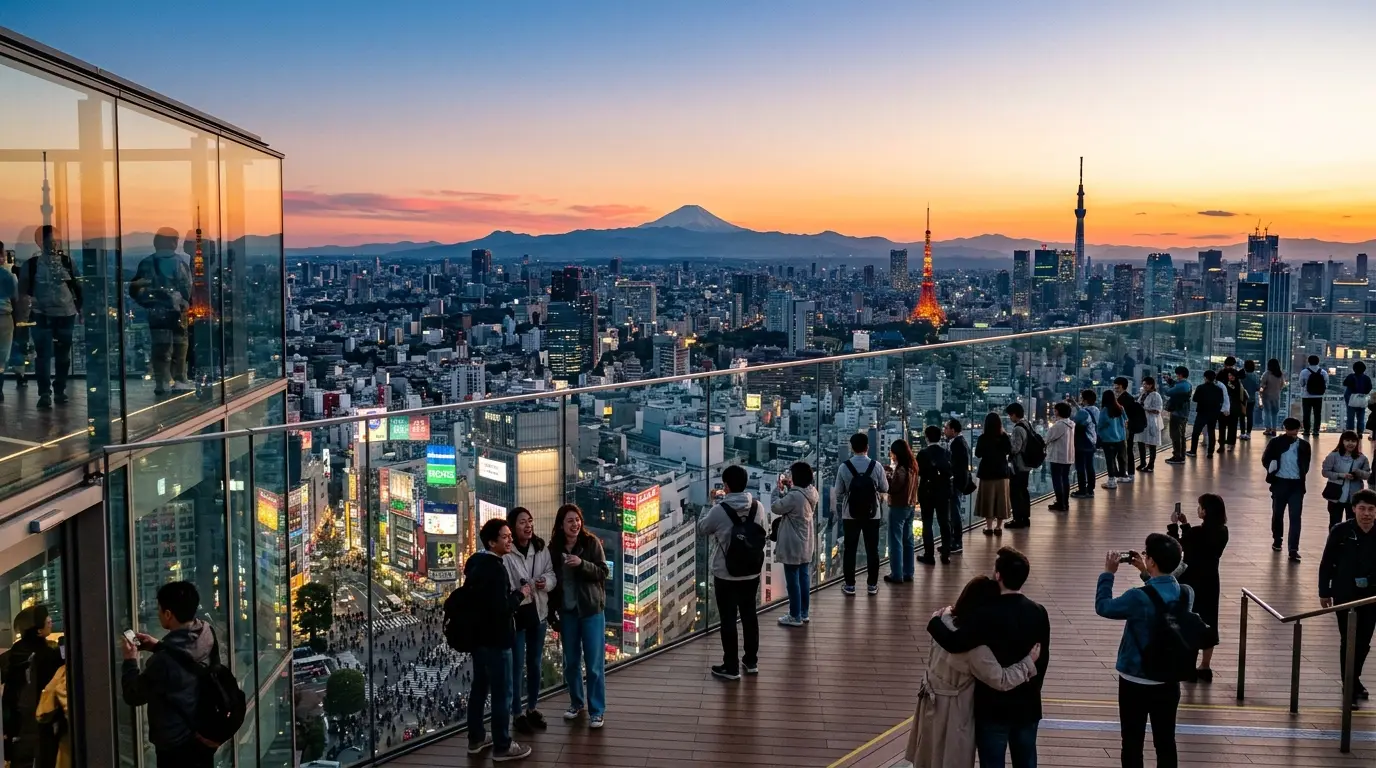
Where to Stay in Tokyo: Shinjuku vs Shibuya vs Ginza
Comparing room footprints across Shinjuku, Ginza, and Ueno, locking in sudden 14-day cancellation drops, and eliminating DCC fees with clean Yen checkout.
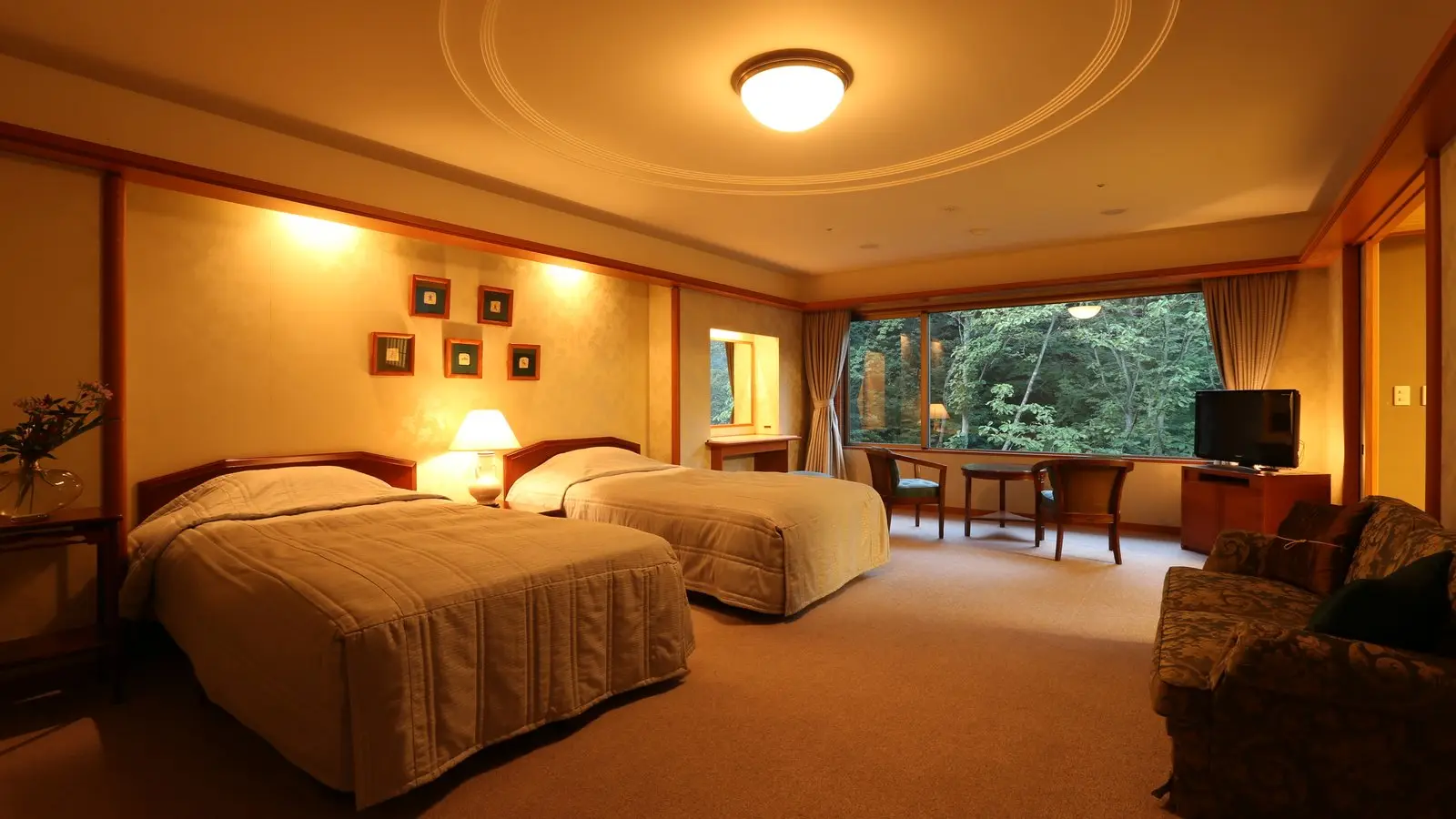
7 Budget Hotels in Tokyo Under $100 on the Yamanote Line
Even amid yen fluctuations, central Tokyo hotel rates have soared. Learn how to secure Yamanote loop line hotels at half the price of Shinjuku, compare onsen bath chains like Dormy Inn, trigger secret Agoda VIP and Booking.com Genius discounts, and dodge hidden currency fees with yen settlement.
How to Read the Tokyo Subway Map and Where to Stay on the Yamanote Line
How to choose between Keisei Skyliner and Narita Express, avoid the Tokyo Subway Ticket trap, use Apple Wallet Suica, and select the ideal hotel base in Tokyo.