
TaipeiGuide
Taipei Day 2 Itinerary: National Palace Museum, Dihua Street and Raohe Night Market
Masterpiece treasures of the imperial dynasties, baroque red-brick apothecary arcades, sunset vistas from Elephant Mountain, and crispy black pepper buns.
National Palace Museum: 5,000 Years of Imperial Masterpieces
Begin your second day in Taipei immersing in the world's most magnificent collection of Chinese imperial antiquities at the National Palace Museum. Boarding connecting city buses from MRT Shilin Station Exit 1 deposits you within fifteen minutes before the palatial mountain-backed pavilion crowned by glazed turquoise roof tiles.
The critical strategy for navigating this immense institution is heading straight to the 3rd-floor gallery before tour groups congest the rooms at 10:30 AM. Here, you can admire the iconic 'Jadeite Cabbage' (carved from a single piece of jade with natural fissures depicting insects on emerald leaves) and the hyper-realistic 'Meat-Shaped Stone' jasper banded like slow-braised pork belly.
Further explore multi-tiered carved ivory balls featuring over twenty concentric, freely rotating spheres sculpted from a single solid tusk, alongside miniature wooden olive-pit boats carved with minuscule opening window shutters and classical poetry. The unfathomable precision of Qing dynasty court artisans will leave you spellbound.
After museum viewing, stroll through Zhishan Garden adjoining the main pavilion. Modeled after classical Song-era scholar gardens, its stone bridges, lotus ponds, and graceful pavilions furnish a tranquil sanctuary to absorb the weight of centuries of art.
Historic Dihua Street: Baroque Brick Arcades and Artisan Apothecaries
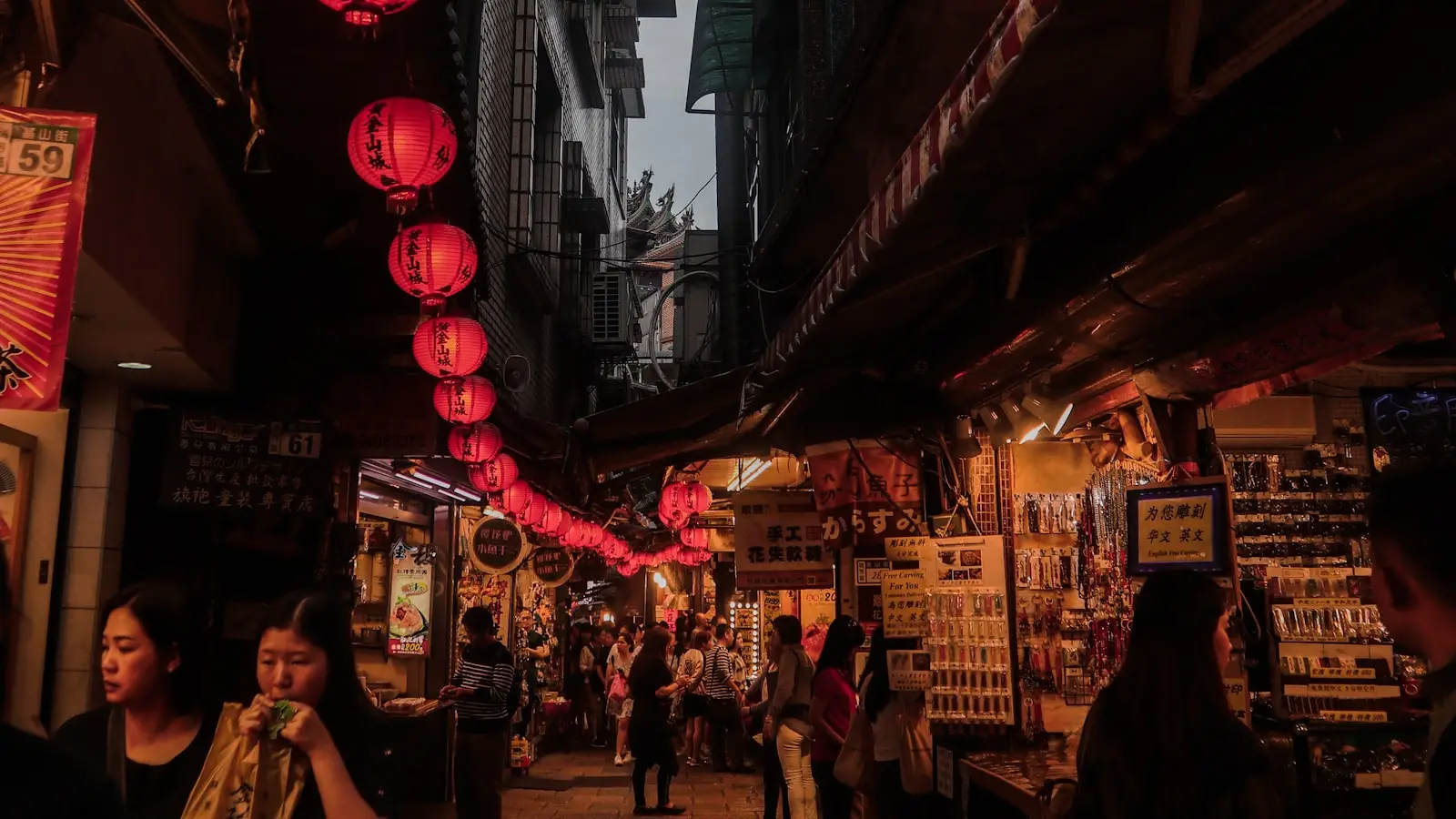
Taking the subway southward to Beimen Station brings you to Dihua Street, Taipei's oldest continuously active commercial boulevard. Flourishing as a key trading port along the Tamsui River in the nineteenth century, its preserved multi-story red-brick facades combine European neoclassical carvings with traditional southern Chinese courtyard layouts.
Aromas of ginseng root, dried goji berries, whole shiitake, and dried scallops drift from century-old wholesale medicinal merchants lining the street. In recent years, independent artisans have restored these heritage brick structures into boutique tea salons, micro-roasteries, and craft fabric ateliers, forging a compelling dialogue between past and present.
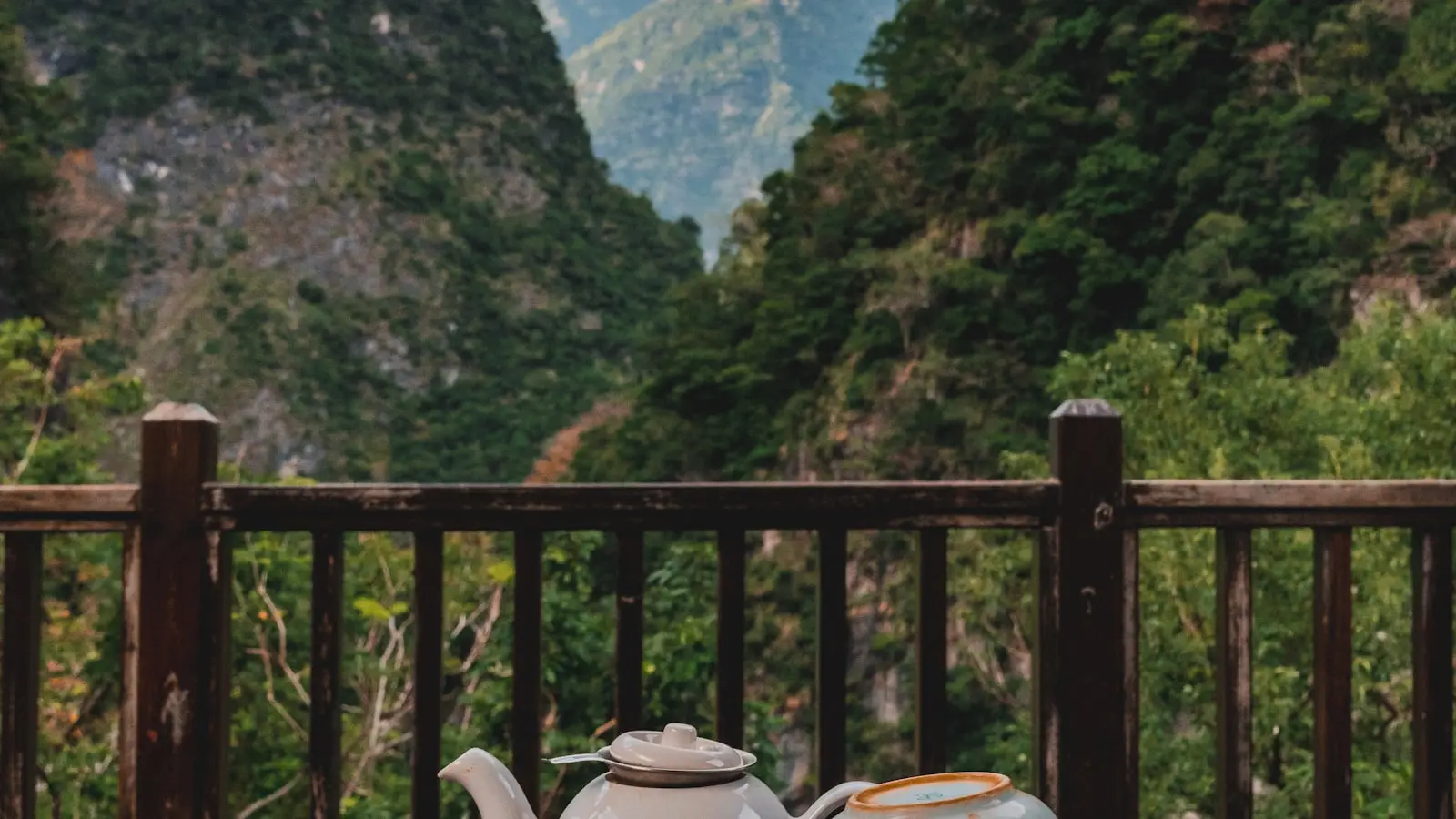
Visit the bustling Xia-Hai City God Temple, where pilgrims from across Asia line up before the statue of Yue Lao (the god of matchmaking) to pray for enduring romance and receive blessed red threads. Following temple prayers, cool off at an intimate tea house enjoying cold-brewed Alishan high-mountain oolong tea.
For lunch, sample crispy deep-fried pork chops and delicate rice noodle soup (mifen) from historic hawker stalls flanking Yongle Market, relishing the humble, comforting flavors celebrated by generations of locals.
Ximending Youth Enclave and Legendary Ay-Chung Flour-Rice Noodles
Transfer via subway just one stop to MRT Ximen Station Exit 6, stepping out onto the rainbow crosswalk marking the heart of the pedestrian district. Directly opposite stands the Red House, a distinctive octagonal red-brick market theater built in 1908 that now houses weekend artisan design bazaars and creative exhibitions.
Venturing down the bustling pedestrian spine brings you to Ay-Chung Flour-Rice Noodle, where crowds assemble on the sidewalk. Operating without tables or chairs, diners stand happily along the pavement holding steaming cardboard bowls of delicate rice vermicelli swimming in a savory, bonito-infused broth.
Tender stewed pork intestines meld effortlessly with silky noodles. Spooning minced garlic, fiery chili oil, and tart black vinegar from the condiment stand transforms the broth into an addictive balance of heat, tang, and profound umami depth.
After your noodles, pick up a brown sugar boba milk tea and browse boutique sneaker stores and anime hobby outlets that populate the energetic neighborhood.
If time permits, drop into the 24-hour Carrefour Guilin nearby to preview sought-after souvenir staples like black tea toothpaste, bear fragrance sachets, and mango jellies.
Elephant Mountain (Xiangshan) Sunset: Iconic Taipei 101 Panoramas
Ride the Red Line subway to its eastern terminus at MRT Xiangshan Station Exit 2. Walking through the park leads to the base of the Elephant Mountain trail, initiating a short but steep fifteen-minute stone stair ascent under lush jungle canopies.
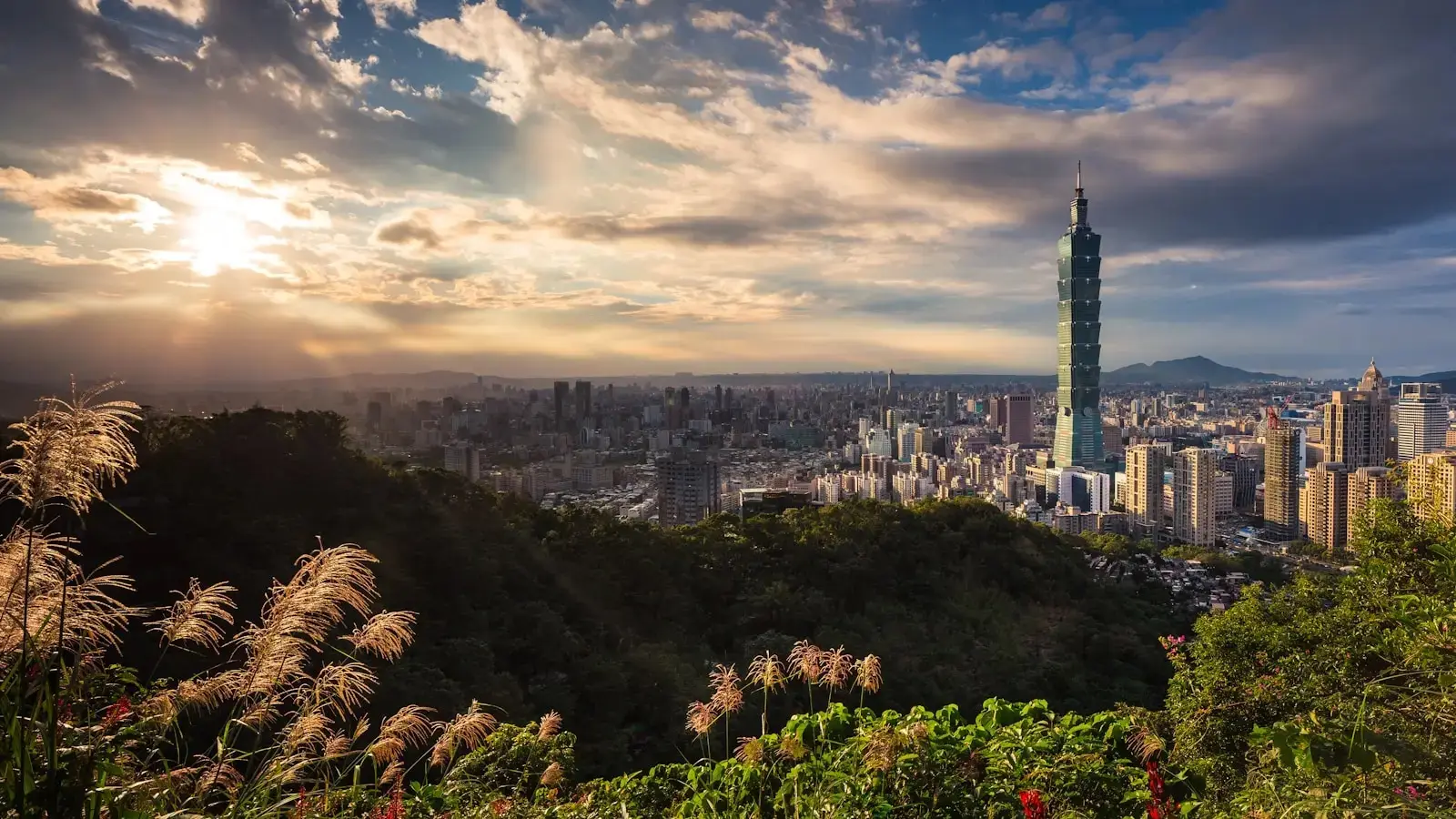
Reaching the celebrated Six Giant Boulders viewing deck near the summit instantly rewards your efforts with the definitive postcard panorama of Taipei. Directly in front rises the 508-meter segmented silhouette of Taipei 101, standing as a majestic sentinel anchored in the urban basin.
As late afternoon yields to golden hour, sunset paints the sky in shades of fiery amber and dusty rose, casting mirror-like reflections upon the glass facades of surrounding skyscrapers. Watching the transformation into night as the city's neon street grids illuminate is sheer magic.
Pause on the rock terraces during twilight to capture sweeping long-exposure photographs of the illuminated tower standing tall against the evening sky, delivering the visual pinnacle of your Taipei exploration.
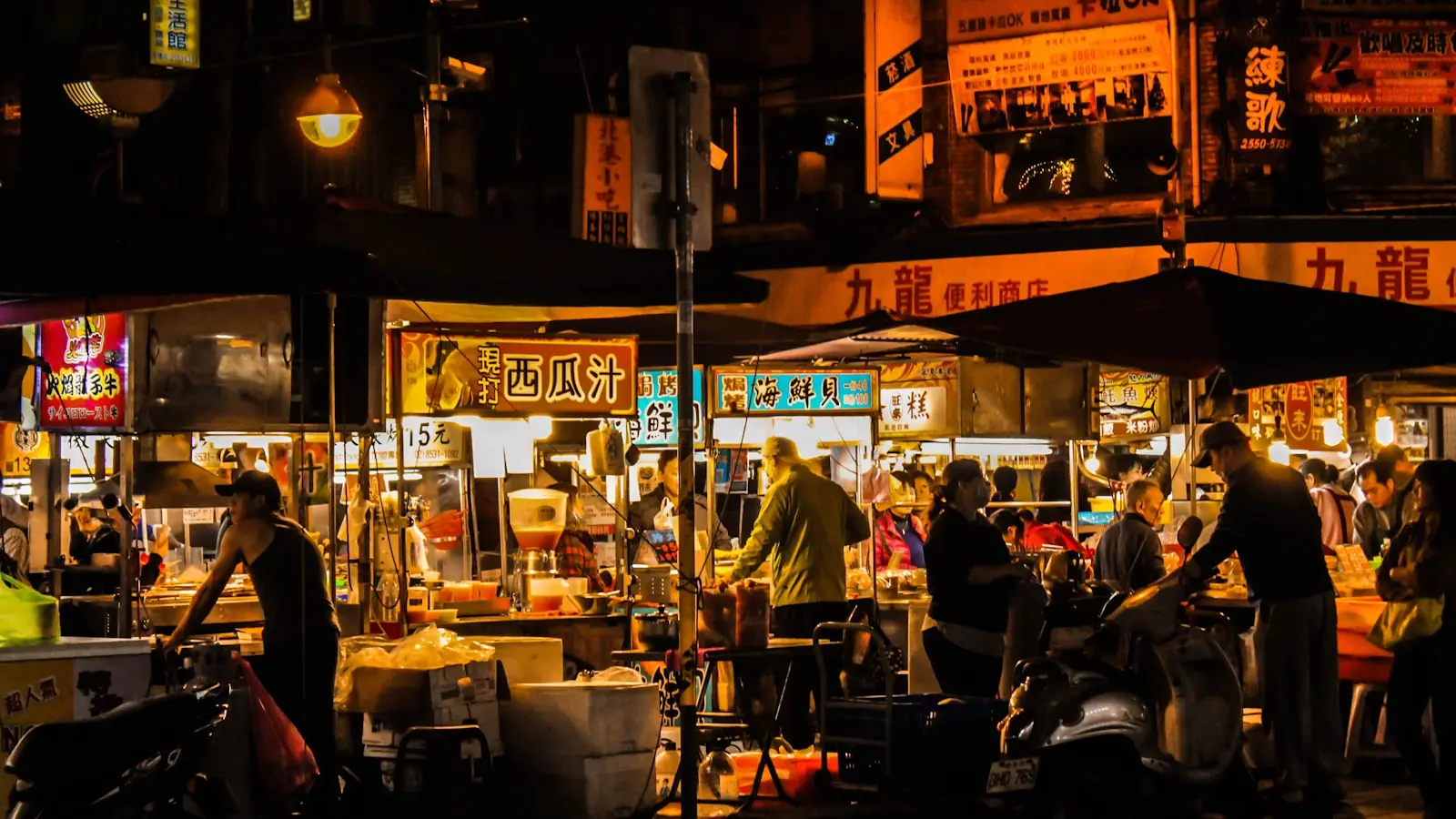
Raohe Street Night Market: Michelin Pepper Buns and Herbal Ribs
From Xiangshan, ride the subway to Songshan Station Exit 5, where the dazzling multi-tiered temple roof of Ciyou Temple anchors the entrance to Raohe Street Night Market. Spanning a single straight 600-meter avenue, the market provides an orderly, sensory-rich feast that is effortless to navigate.
Immediately at the entrance arch, join the queue for Fuzhou Ancestral Pepper Bun, an undisputed Michelin Bib Gourmand institution. Buns stuffed with scallions and marinated black pepper pork are slapped against the blazing inner walls of cylindrical tandoor ovens, emerging blistered, crisp, and bursting with scalding savory juices.
Further down the avenue, sit at Chen Dong Herbal Pork Ribs for a nourishing bowl of dark medicinal soup simmered with angelica, Chinese dates, and tender rib bones that slide cleanly off the marrow. The soothing, aromatic broth deeply warms the body after an active evening hike.
Complete your night market feast with freshly fried sweet potato balls, torched wagyu beef cubes, and mountainous bowls of fresh mango shaved ice. Concluding your second day amidst Raohe's vibrant warmth, delectable aromas, and temple bells encapsulates the timeless soul of Taiwan.
Frequently Asked Questions
Field-tested answers to transit navigation, neighborhood choices, and payment traps.
Q1.When is the optimal time to view the Jadeite Cabbage at the National Palace Museum without crowds?
Q2.How strenuous is the Elephant Mountain (Xiangshan) hike?
Q3.How long is the typical queue for the Michelin pepper buns at Raohe Night Market?
Q4.Which is better for Day 2 transit in Taipei: a 1-day pass or an EasyCard?
The Smart Traveler's Essential Toolkit
Prepare instant mobile data, private airport transfers, and skip-the-line passes in one place.
Pick a base in Taipei by your route
Choose the places you want to see and get the neighbourhood with the shortest travel.
Compare Taipei Hotel Rates
Find the cheapest channel across Agoda and major booking engines with Tripdify.
Share This Guide with Your Companions
When shared via chat or social media, a curated summary card is sent along.
Recommended Guides
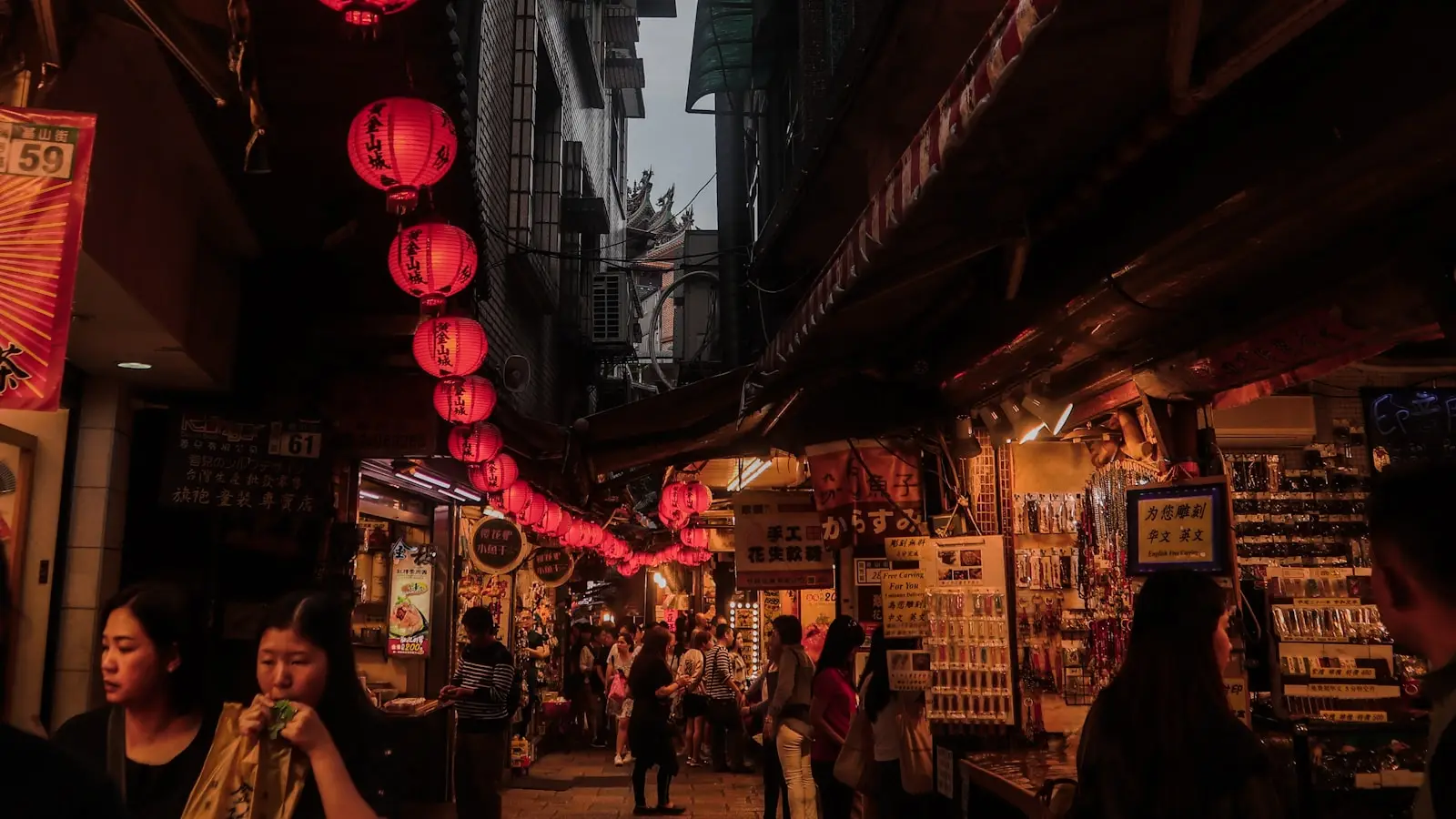
How to Pick a Taipei Hotel: Avoiding Windowless Rooms on a Weekend Trip
Comparing Ximending boutiques against Taipei Main Station hubs, stacking Taiwan 5,000 TWD Lucky Land draw at front desks, and dodging credit card DCC surcharges.
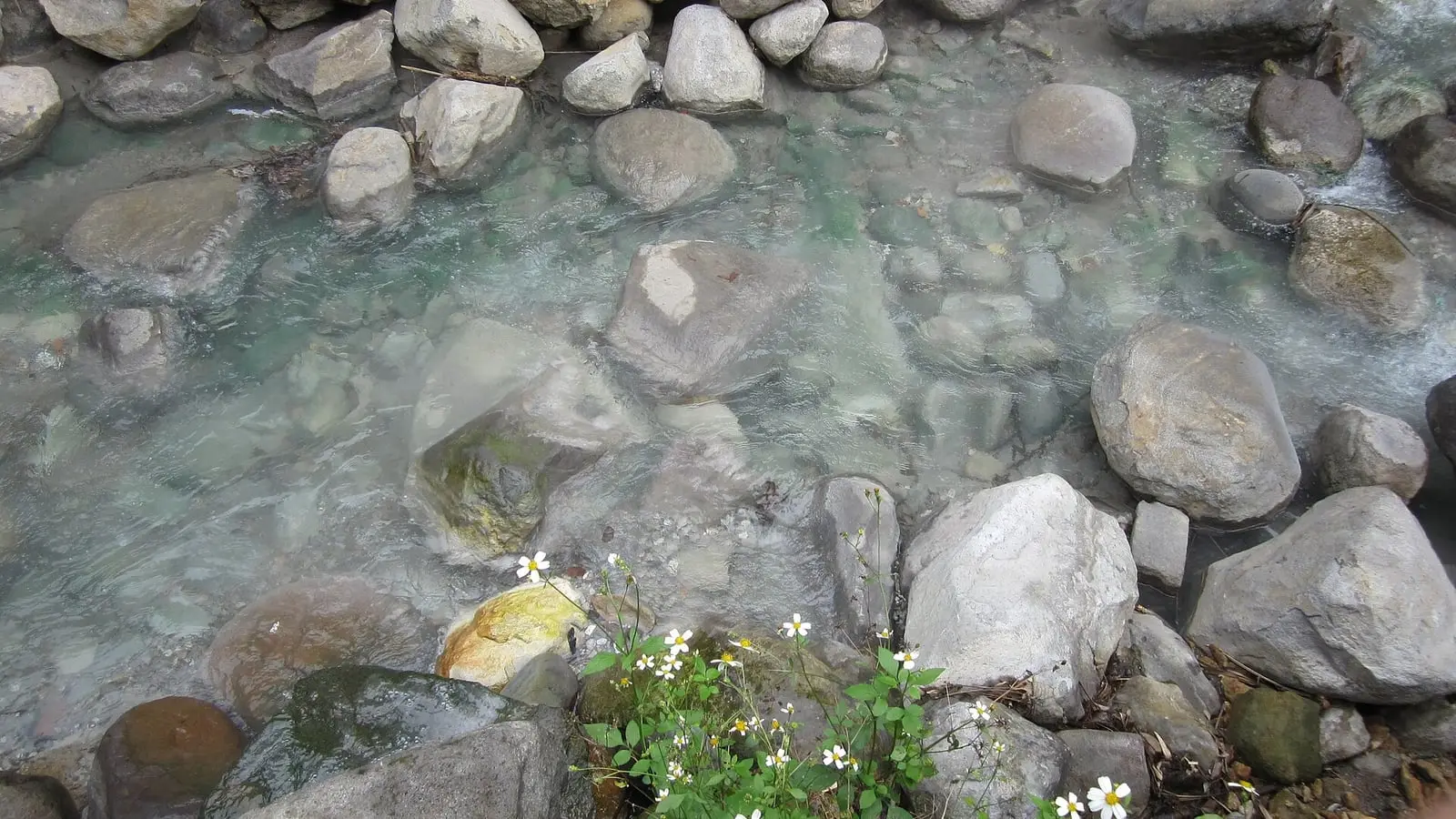
Beitou Hot Springs Day Trip: Getting There from Taipei and Which Ryokan
From soothing natural sulfur hot springs in Beitou via MRT Red Line to century-old tea salons in Dadaocheng and Ningxia culinary night markets, an authentic 4-day Taipei itinerary.
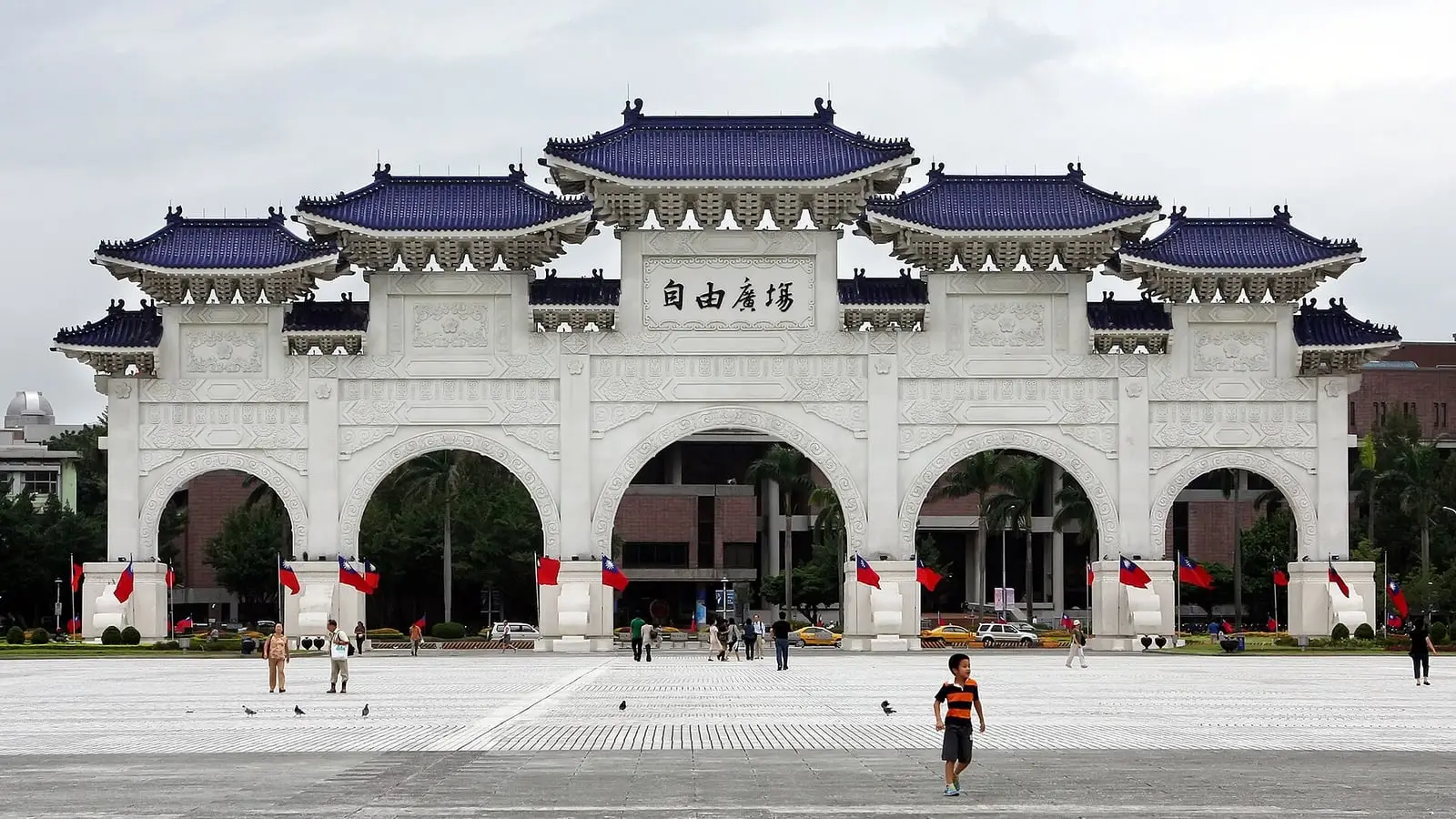
Where to Stay in Taipei: Ximending vs Zhongshan vs Da'an Compared
Behind Taipei's warm hospitality and celebrated night market gastronomy lies a relentless subtropical climate where humidity and mold present persistent challenges in aging budget hotels. Escaping the confusing underground concourses of Taipei Main Station requires street-by-street location intelligence. Here is an unvarnished field guide to selecting healthy, strategically positioned lodging and navigating local customs.
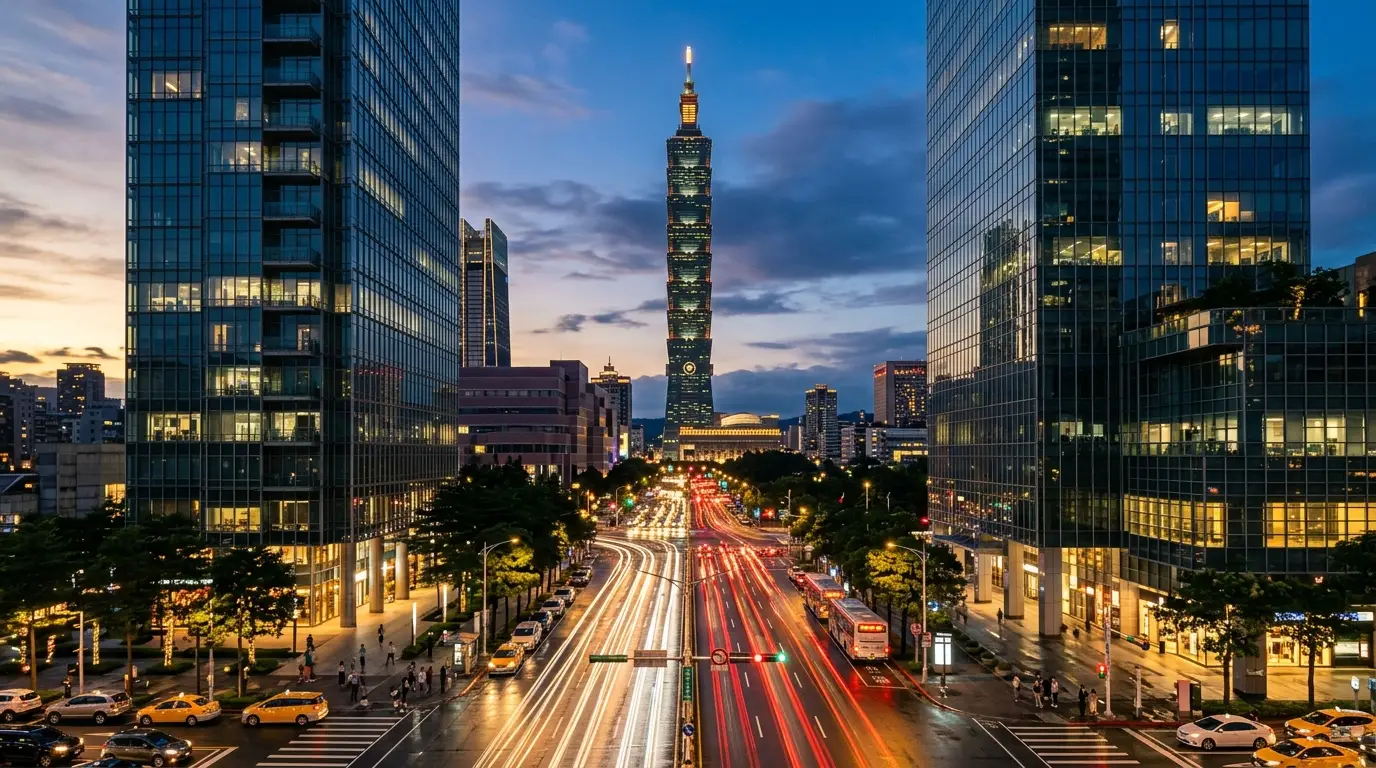
Taipei Day 1 Itinerary: Taoyuan Airport to the City and Your First Bowl of Beef Noodles
From boarding the 36-minute purple express train at Taoyuan Airport to navigating Taipei Main Station's underground maze, mastering local beef noodle lexicon, and watching sunset at Dadaocheng Wharf. A step-by-step masterclass for effortless settlement in your first 24 hours.
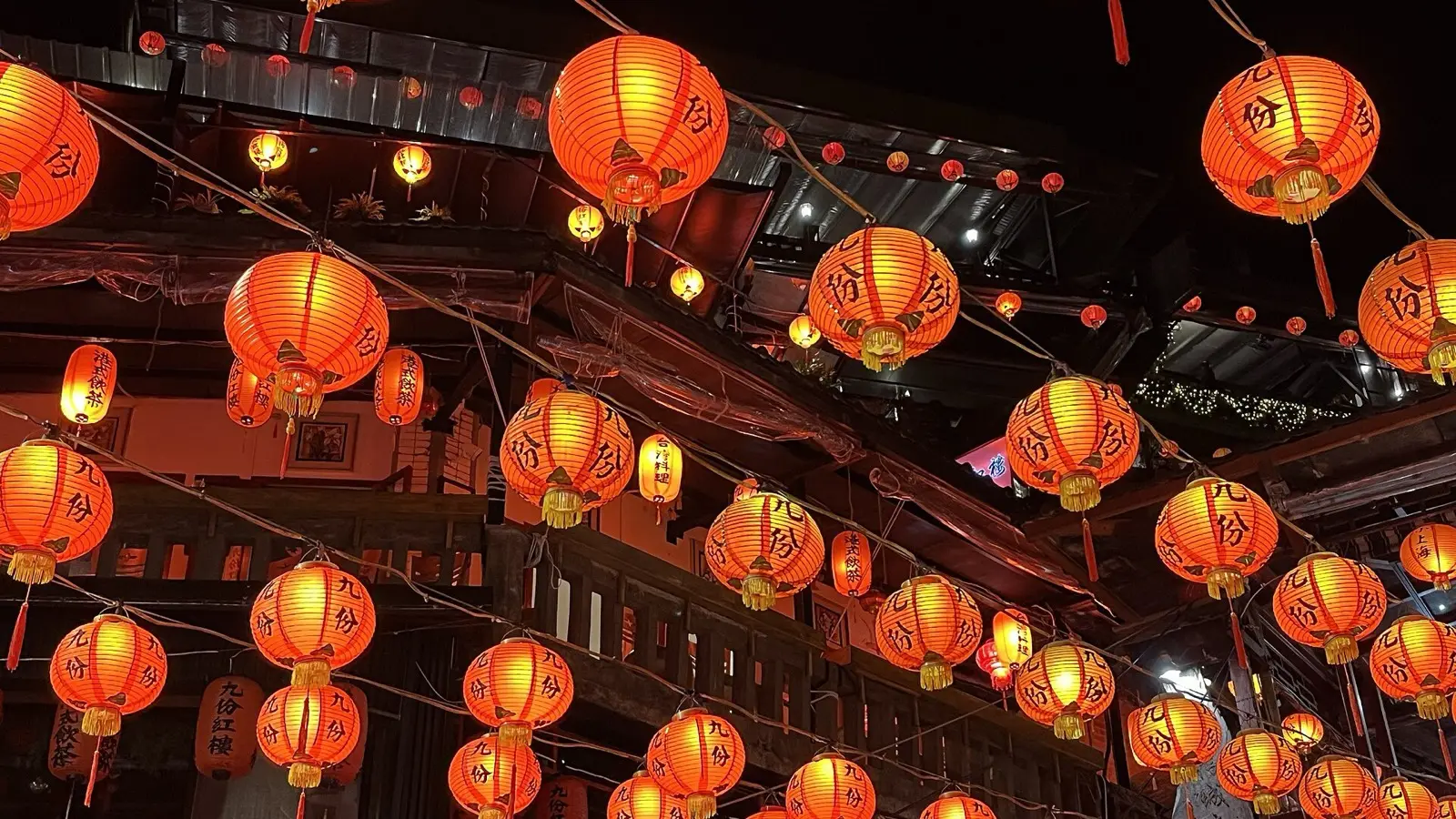
Taipei Day 3 Itinerary: Fu Hang Soy Milk, Taipei 101 and Yongkang Street Shopping
A seamless grand finale to your Taipei journey: award-winning savory soy milk at Fu Hang, historic sake distillery warehouses turned art galleries at Huashan 1914, world-famous soup dumplings at Din Tai Fung beside soaring views atop Taipei 101, handcrafted artisan tea and pineapple cake shopping in Yongkang Street, followed by luggage-free transit via Taipei Main Station In-Town Check-in directly to Taoyuan Airport.
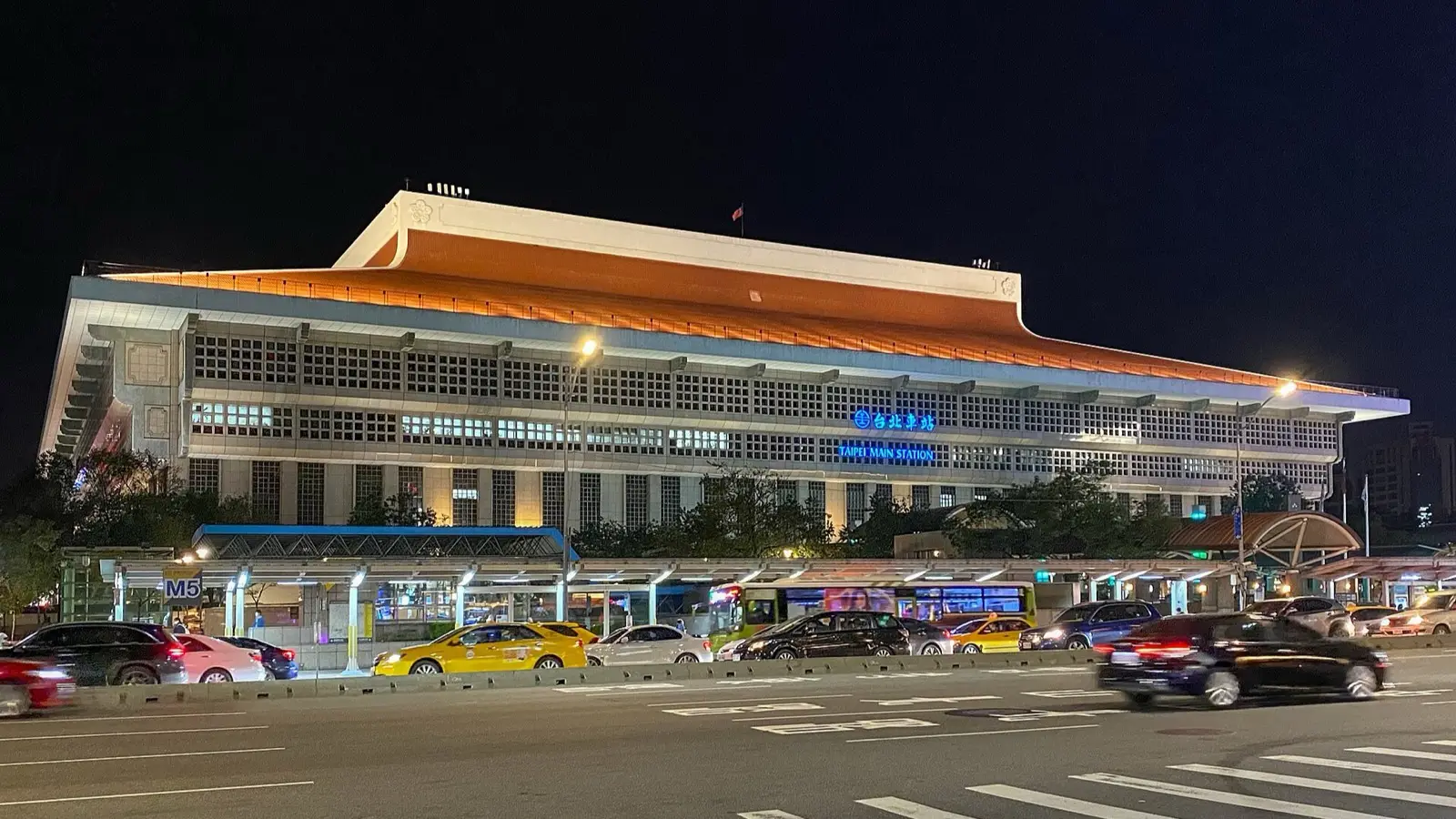
Best Hotels in Taipei: Taipei Main Station vs Ximending vs Zhongshan
When picking a hotel base in Taipei, travelers invariably compare three premier districts: Taipei Main Station for unbeatable airport express connectivity, Ximending for vibrant street food and late-night shopping, and Zhongshan for trendy cafe alleys along Chifeng Street. From hotels where you can check in thirty-six minutes after boarding the airport MRT, to subterranean underground street links keeping you completely dry during rainy afternoons, here is our curated playbook on where to stay in Taipei.
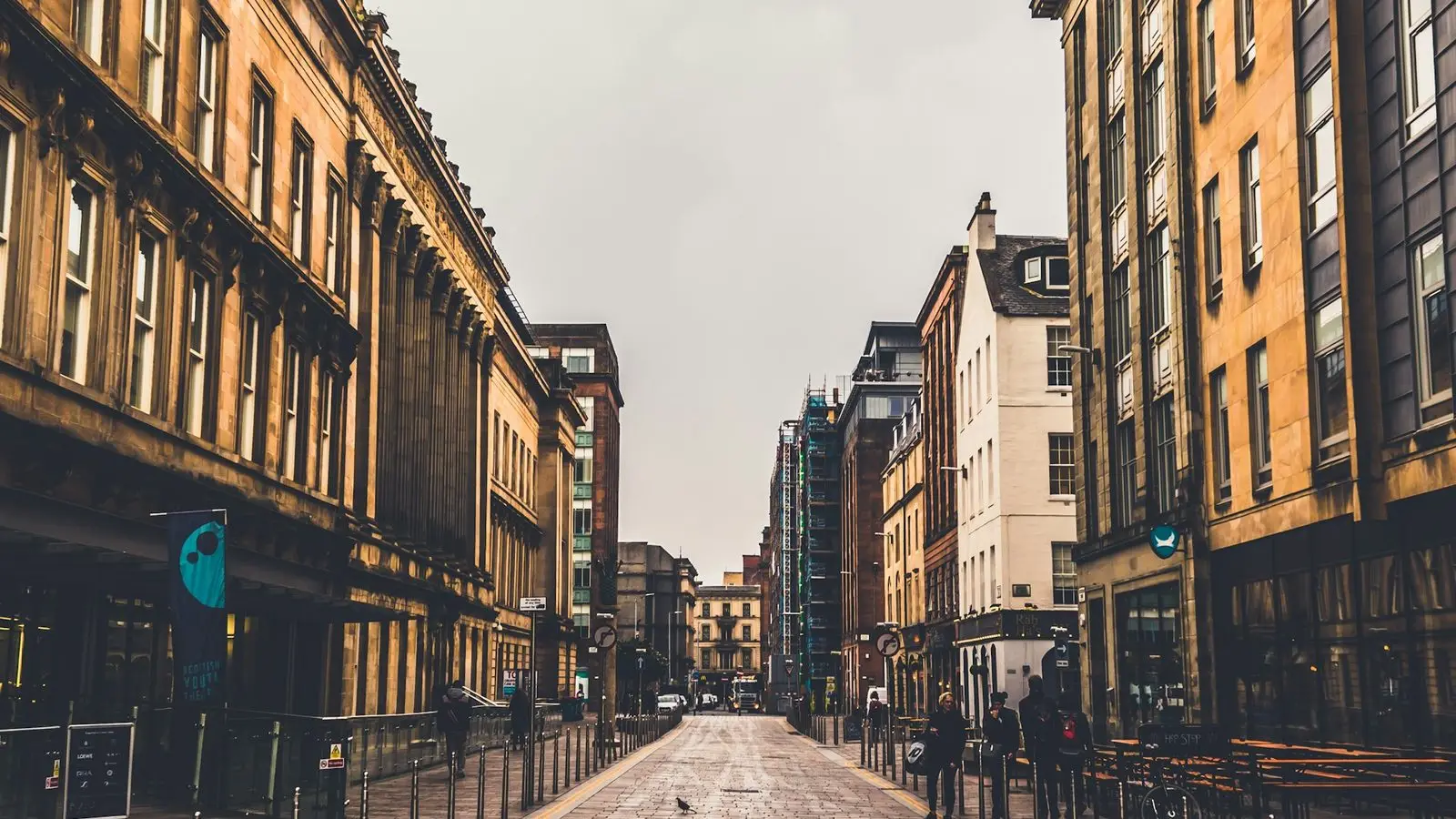
5 Best Value Hotels in Taipei Ximending: 3-Minute MRT Access, Night Market Bites, and Soundproof Rooms
When plotting an independent journey across Taipei, the pulsating district of Ximending stands uncontested as the traveler favorite base. Dubbed the vibrant heart of youth culture and street gastronomy, Ximen Station acts as a pivotal dual-line interchange where the blue Bannan Line meets the green Songshan-Xindian Line, offering a one-stop leap to Taipei Main Station, direct links to Raohe Night Market and Chiang Kai-shek Memorial Hall, and a short hop to Dongmen Yongkang Street. While wandering down buzzing alleys past midnight for hot braised pork rice and Ay-Chung rice noodles is an undeniable delight, choosing the wrong property directly beneath flashing neon billboards frequently leads to thumping street noise, windowless dampness, and cramped floor plans. By carefully selecting properties tucked just two turns off the main pedestrian axis, travelers enjoy rapid 3-minute subway access paired with dual-glazed soundproofing, complimentary guest laundries, and generous free snack bars under $100 per night.
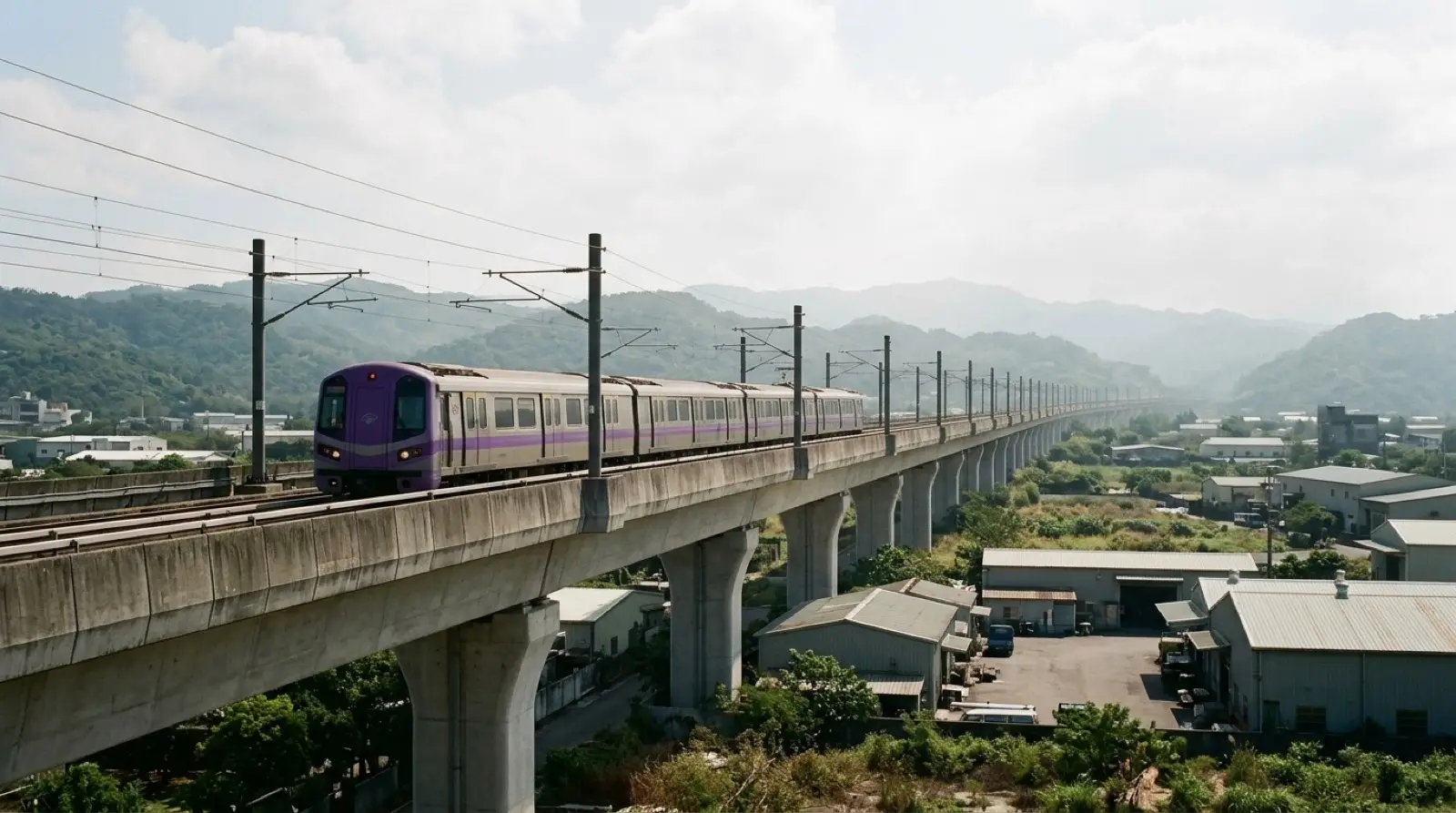
Taoyuan Airport to Taipei city centre: Airport MRT, bus 1819 or taxi, with fares and last trains
For most arrivals the answer is the purple express on the Taoyuan Airport MRT: 36 minutes from Terminal 1 to Taipei Main Station (A1) for NT$160, every 15 minutes. If you land after the last train, which leaves Terminal 1 at 23:37, Kuo-Kuang bus 1819 runs through the night to Taipei Bus Station.
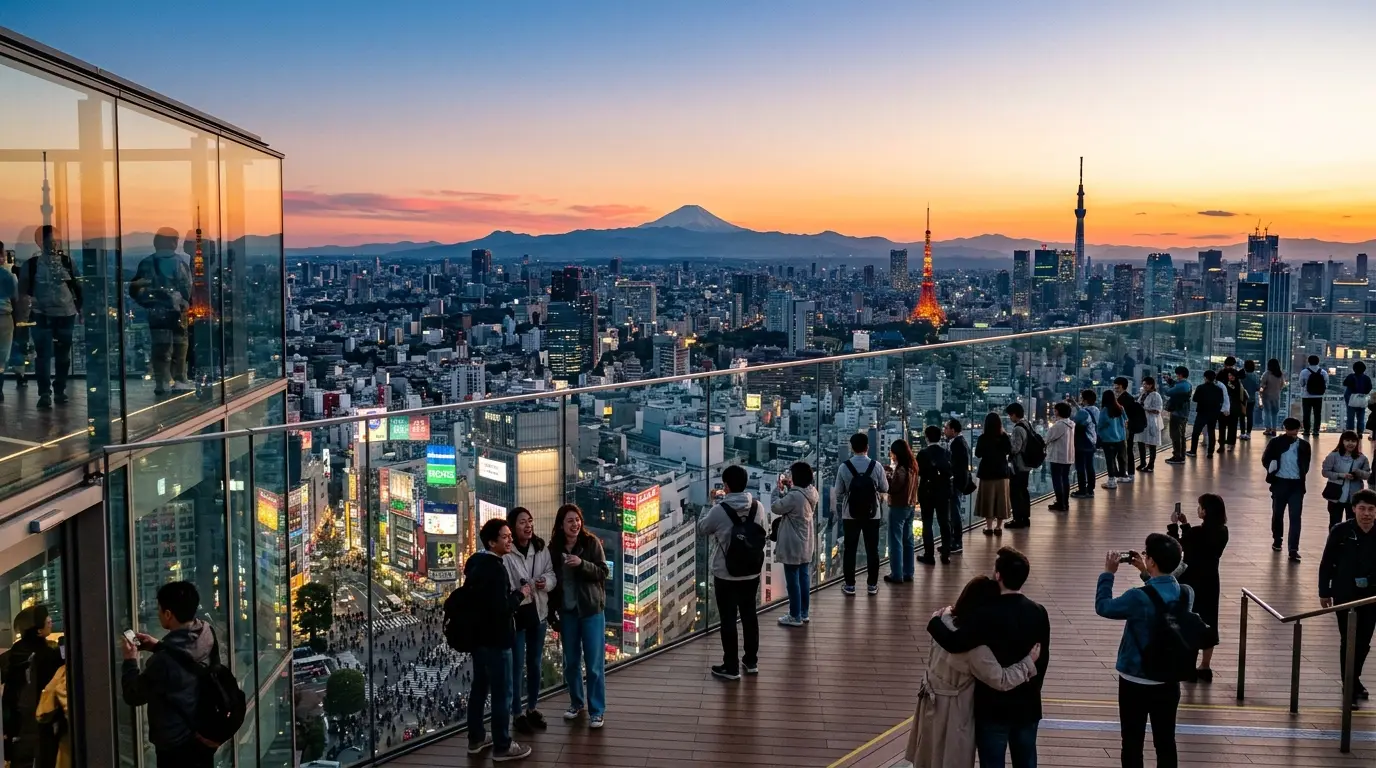
Where to Stay in Tokyo: Shinjuku vs Shibuya vs Ginza
Comparing room footprints across Shinjuku, Ginza, and Ueno, locking in sudden 14-day cancellation drops, and eliminating DCC fees with clean Yen checkout.
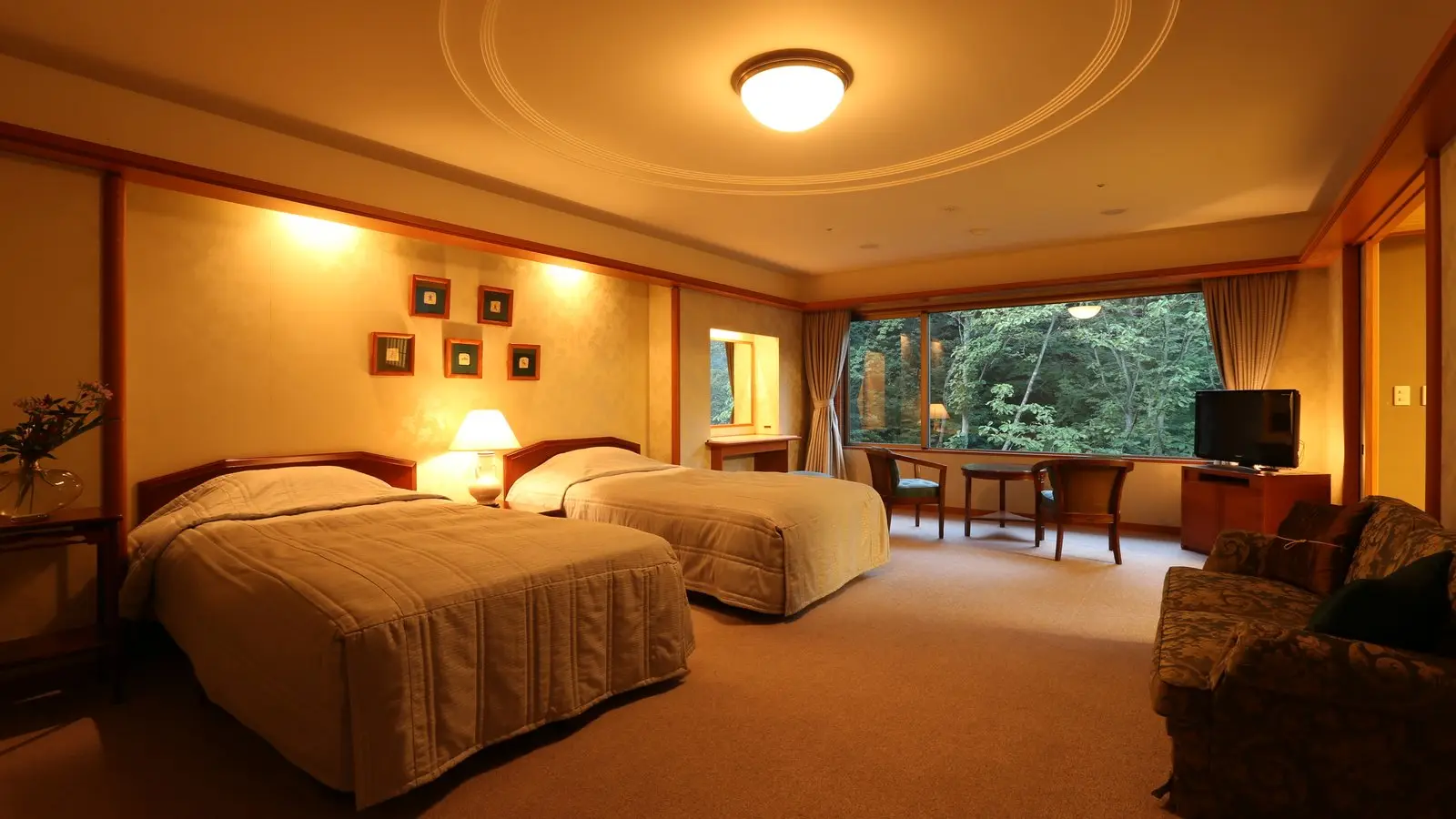
7 Budget Hotels in Tokyo Under $100 on the Yamanote Line
Even amid yen fluctuations, central Tokyo hotel rates have soared. Learn how to secure Yamanote loop line hotels at half the price of Shinjuku, compare onsen bath chains like Dormy Inn, trigger secret Agoda VIP and Booking.com Genius discounts, and dodge hidden currency fees with yen settlement.
How to Read the Tokyo Subway Map and Where to Stay on the Yamanote Line
How to choose between Keisei Skyliner and Narita Express, avoid the Tokyo Subway Ticket trap, use Apple Wallet Suica, and select the ideal hotel base in Tokyo.
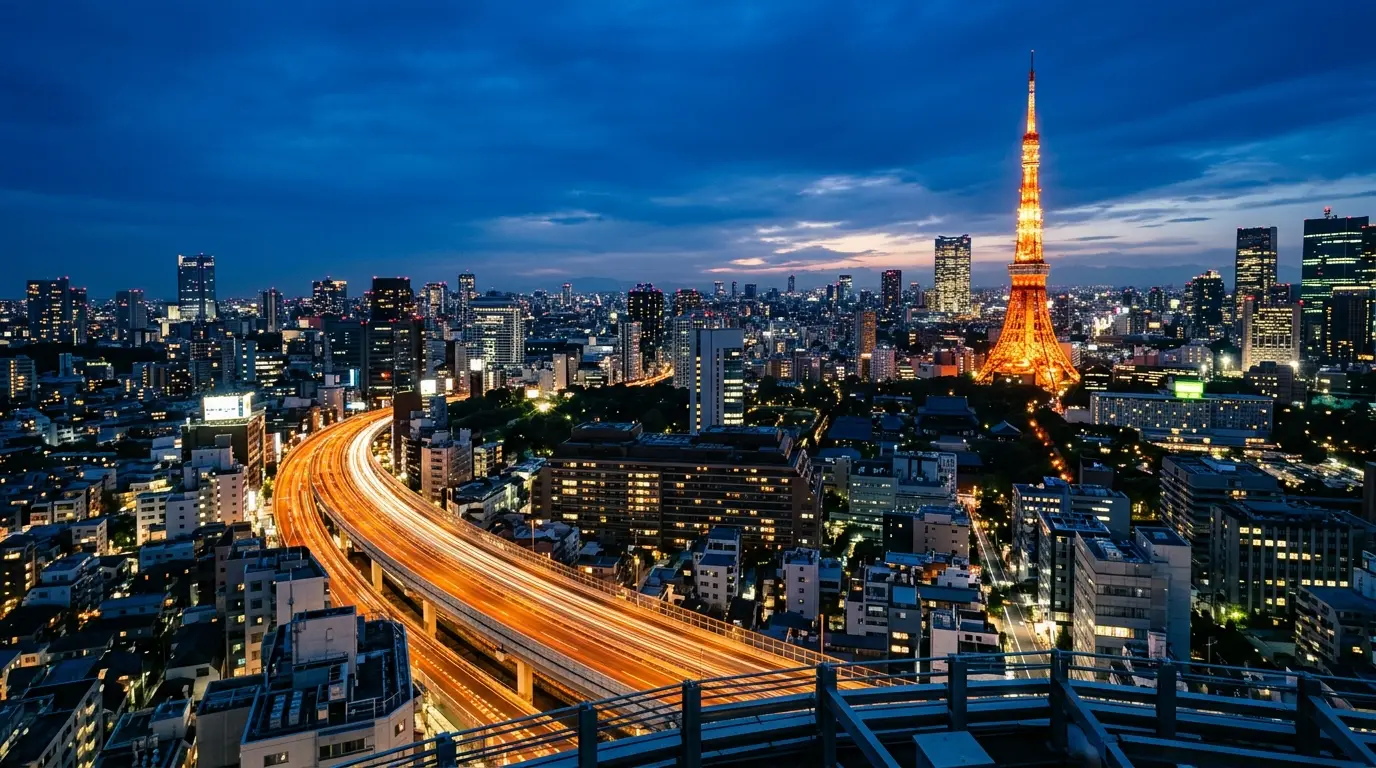
Tokyo Day 1 Itinerary: Narita Airport to the City and Your First 24 Hours
From stepping off at Narita Airport to mastering high-speed trains, navigating Tokyo's sprawling transit hubs, ordering counter ramen effortlessly, and catching sunset from Roppongi Hills. A definitive guide for your first 24 hours in Tokyo.