
BusanStory
Busan Ocean View Hotels and the Coastal Drive from Gwangan Bridge to Jagalchi
Auditing Haeundae luxury towers against Gwangalli boutique terraces: Blue Line capsule booking, Jagalchi fish market price checks, and KTX station logistics.
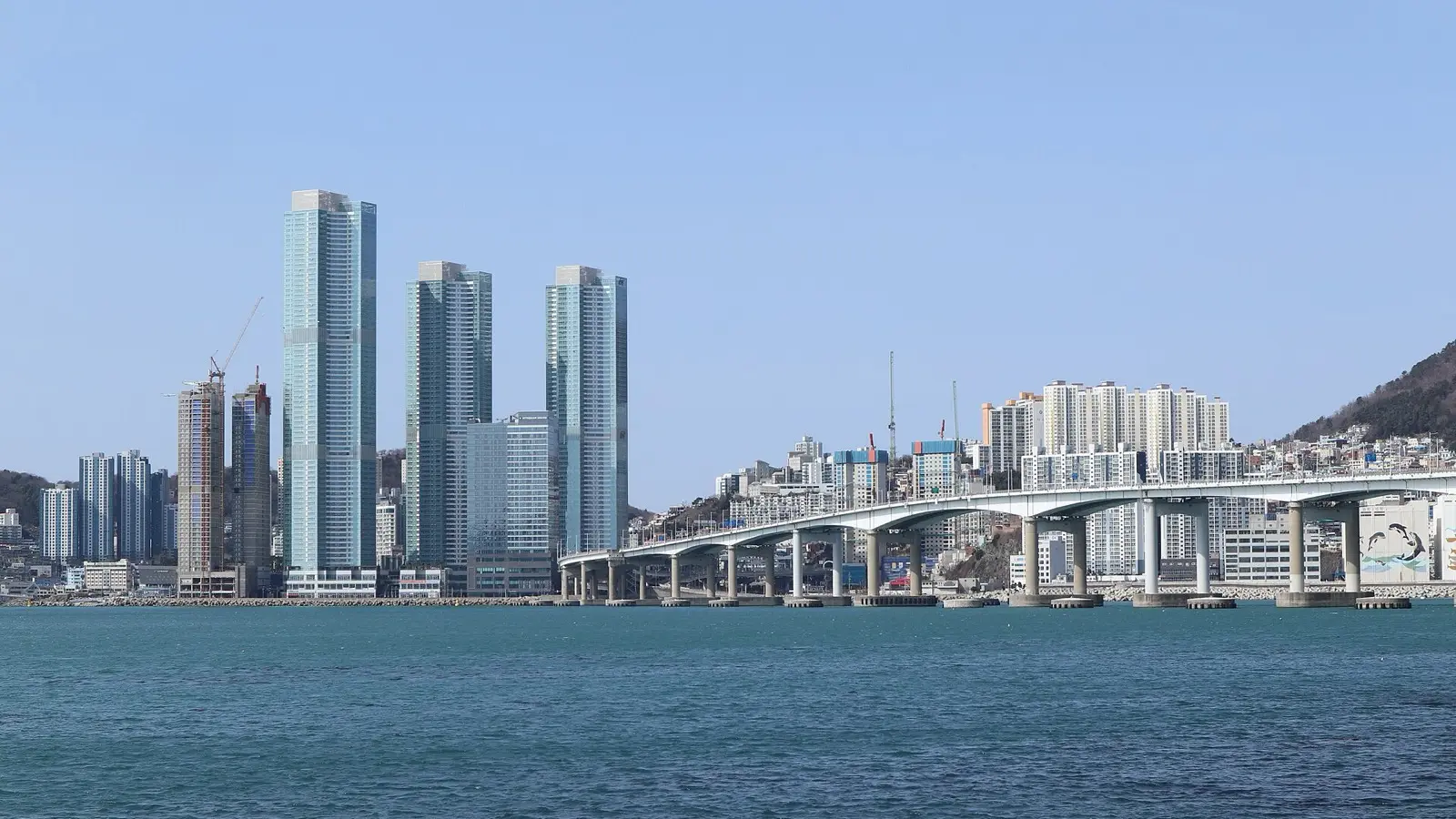
Salt-Laced Sea Breezes and Blue Bridge Cables: The Anatomy of Busan Liberation
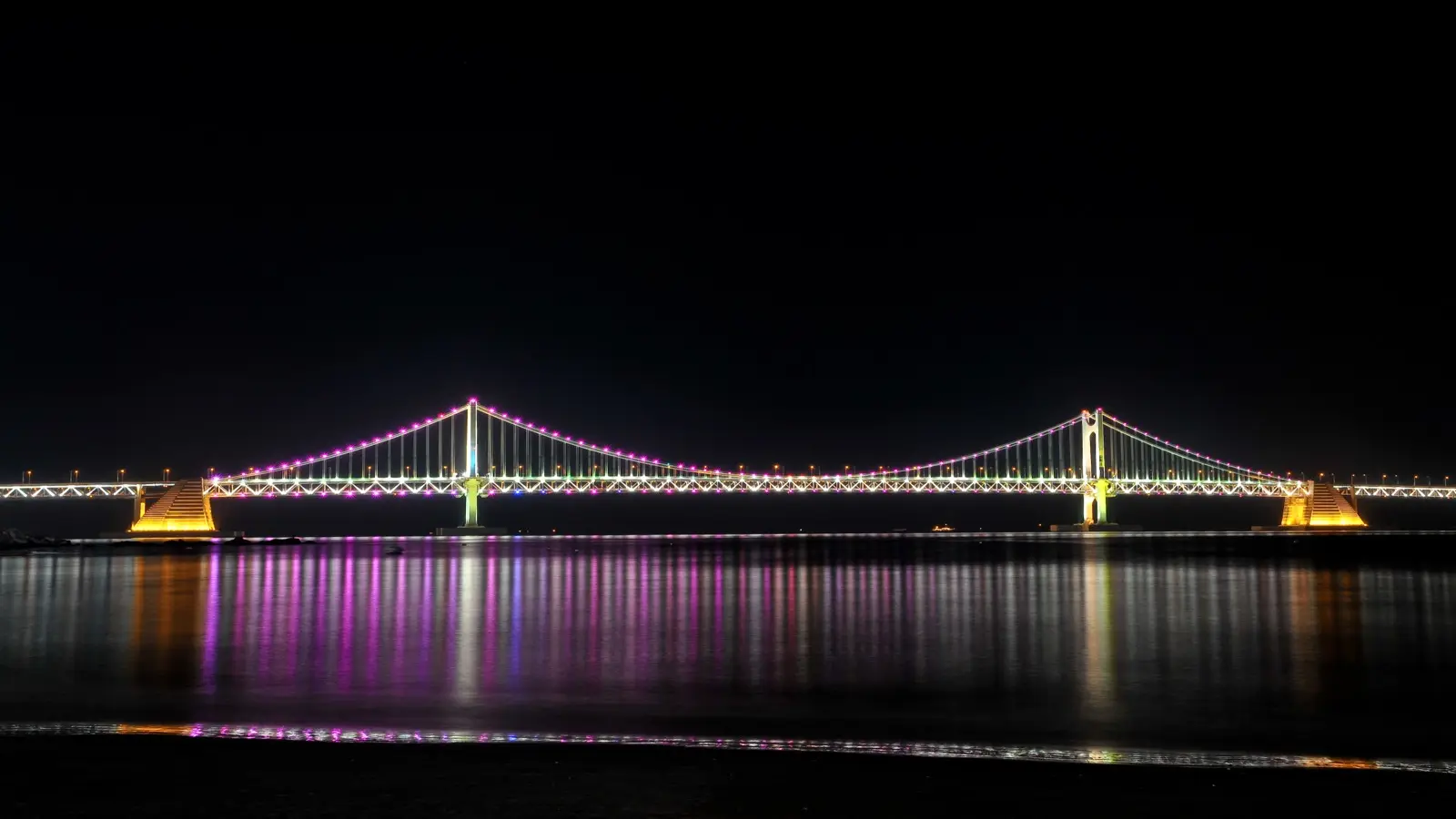
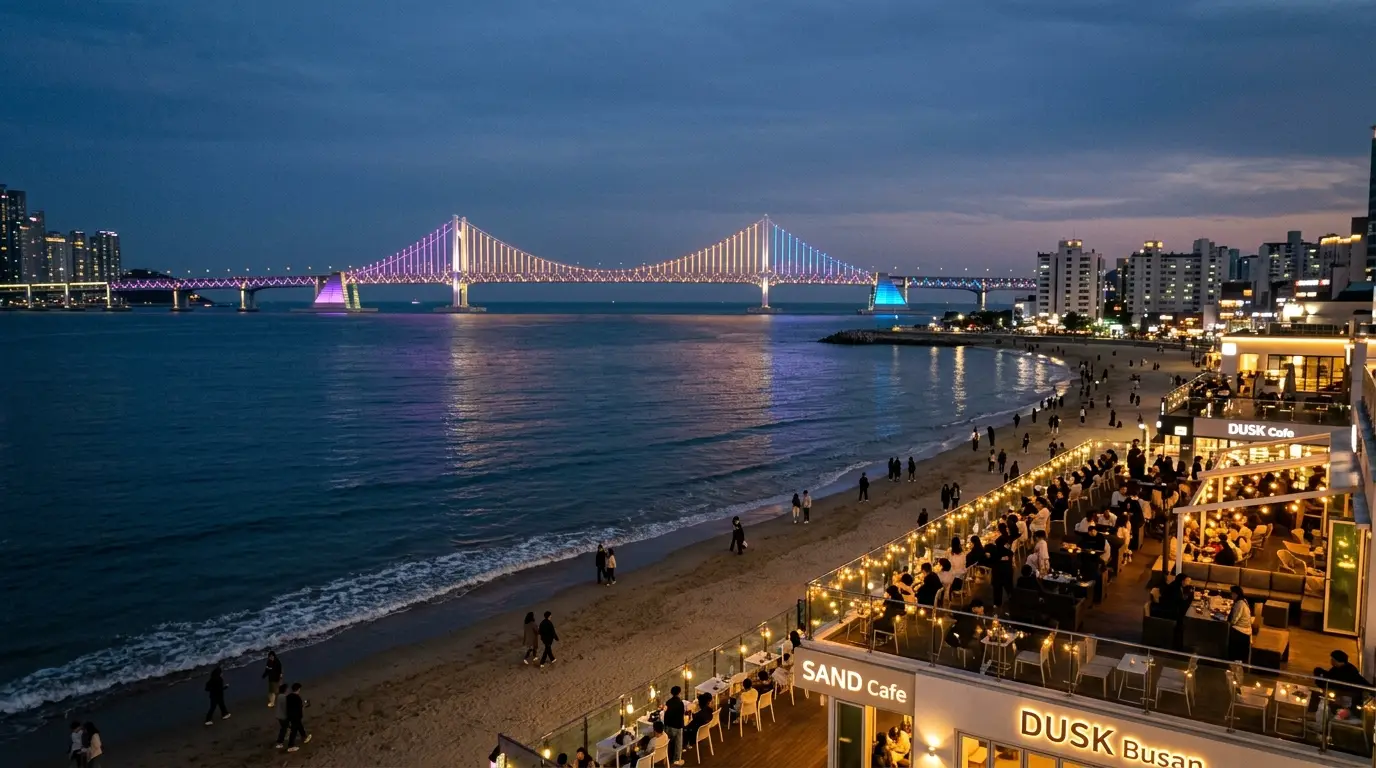
At twenty past six in the evening, stepping onto Gwangalli Beach after a subway ride from Busan Station sends an instant surge through the traveler's pulse. Dusk settles over the 7.4-kilometer curve of the Gwangan Bridge, suspended across the water like a giant glowing bow, while gentle surf wipes clean the day's urban fatigue. Breathing in the briny sea breeze reveals why so many travelers seek refuge along this dramatic coastline.
First-time visitors often make the error of underestimating Busan's physical scale. Traveling from historic Nampo-dong in the west through downtown Seomyeon to Haeundae and Gijang in the east requires journeys exceeding an hour by train or bus. Hauling heavy luggage through crowded transfer stations burns vital energy before you even reach the water. Recognizing the vast reach of this coast is essential for building a rewarding itinerary.
Busan balances two radically different identities. Haeundae's soaring LCT towers and gleaming Marine City penthouses project the sleek confidence of a futuristic Pacific metropolis. By contrast, the stone lanes of Jagalchi Fish Market and the ship repair docks of Yeongdo testify to the grit of refugee history from the Korean War. This dynamic tension between five-star gloss and raw coastal heritage gives Busan its singular character.
Experiencing both sides demands split-stay discipline. Dedicate your first two nights to an oceanfront suite along Gwangalli or Haeundae to immerse yourself in coastal dining and sunset cocktails. Then, shift your final evening to a station hotel near Nampo-dong or Busan KTX Station to explore historic food alleys and morning fish auctions before your train departs.
Haeundae Five-Star at $350 vs Gwangalli Boutique at $160: Receipt Audits
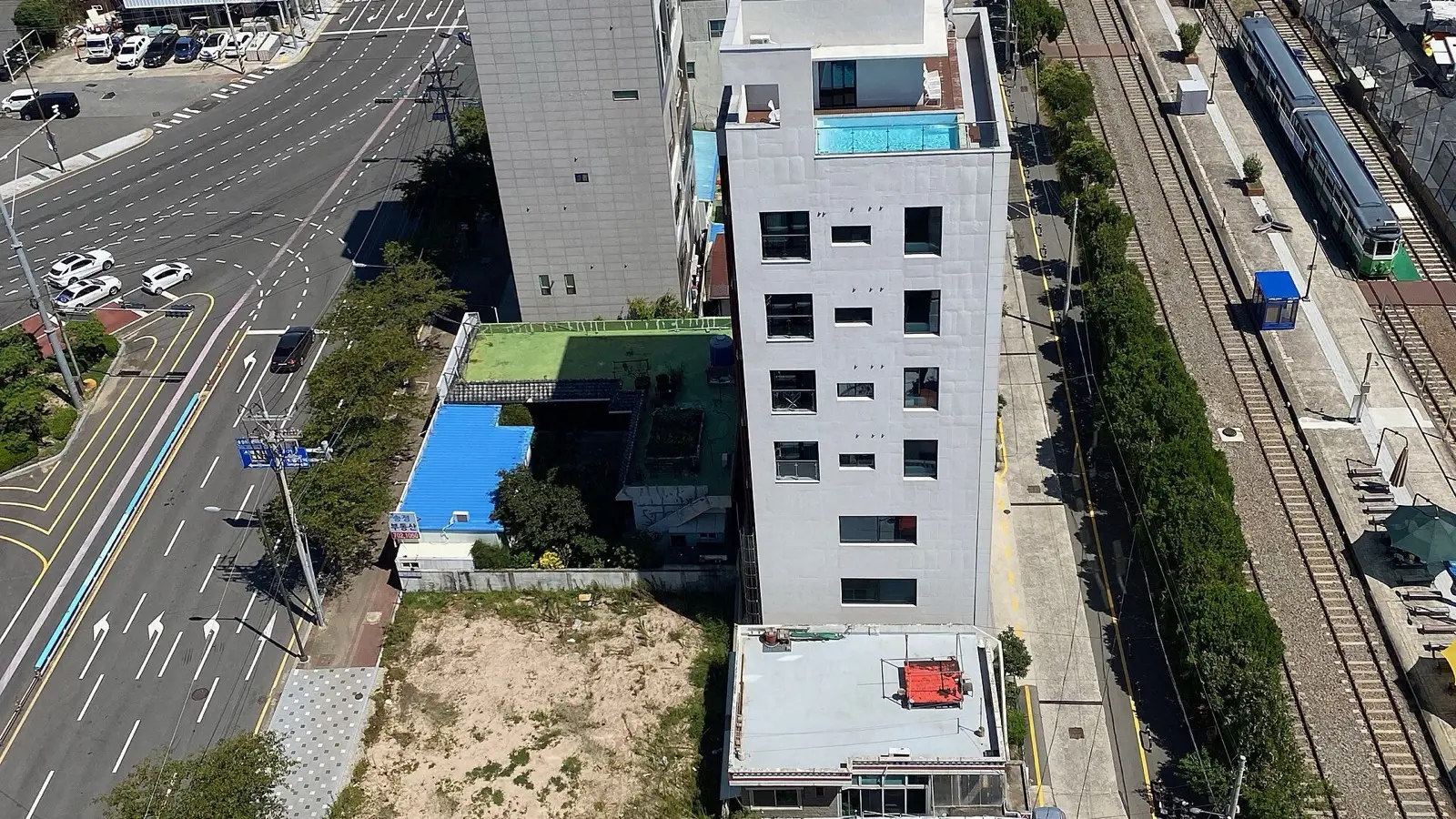
When selecting a Busan base, travelers inevitably weigh Haeundae luxury resorts like Paradise, Signiel, and Grand Josun against design-forward boutique hotels lining Gwangalli Beach. Weekend rates for Haeundae oceanfront rooms frequently command $300 to $450 per night, whereas front-row terrace suites in Gwangalli price between $130 and $180, less than half the financial commitment.
Scrutinizing local receipts clarifies the trade-offs. Haeundae properties deliver all-season heated outdoor infinity pools, private valet parking, and refined concierge service. If your goal is a self-contained wellness retreat without stepping foot outside the lobby, the luxury premium pays handsome dividends. Conversely, Gwangalli boutique properties lack expansive spas but position the illuminated Gwangan Bridge directly outside your bedroom window.
Booking online requires careful attention to currency conversion fees. Reserving Korean properties on global booking platforms using foreign credit cards can trigger dynamic currency conversion markups of three percent. Select your billing currency deliberately and pair it with a zero-foreign-transaction-fee card. Furthermore, Haeundae resort lobbies experience heavy check-in queues at three o'clock on weekends; arrive at half past one to drop your luggage and stroll along the Dongbaekseong coastal trail before rooms open.
Aligning your accommodation with KTX departures preserves both budget and peace of mind. On a short weekend trip, staying near Busan Station on Friday night in an efficient business hotel saves hours of transit, allowing you to transfer to Haeundae early Saturday morning for an unhurried beachfront weekend.
Haeundae, Gwangalli, Busan Station, and Yeongdo: Four Distinct Quarters
Haeundae's central beachfront represents the natural territory for travelers demanding resort infrastructure and coastal recreation. Fine dining, artisanal bakeries, and lively beach walks sit at your doorstep, with direct pedestrian access to the Haeundae Blueline Park coastal rail terminal at Mipo. While summer crowds demand patience along coastal avenues, neighborhood safety and cleanliness remain exemplary.
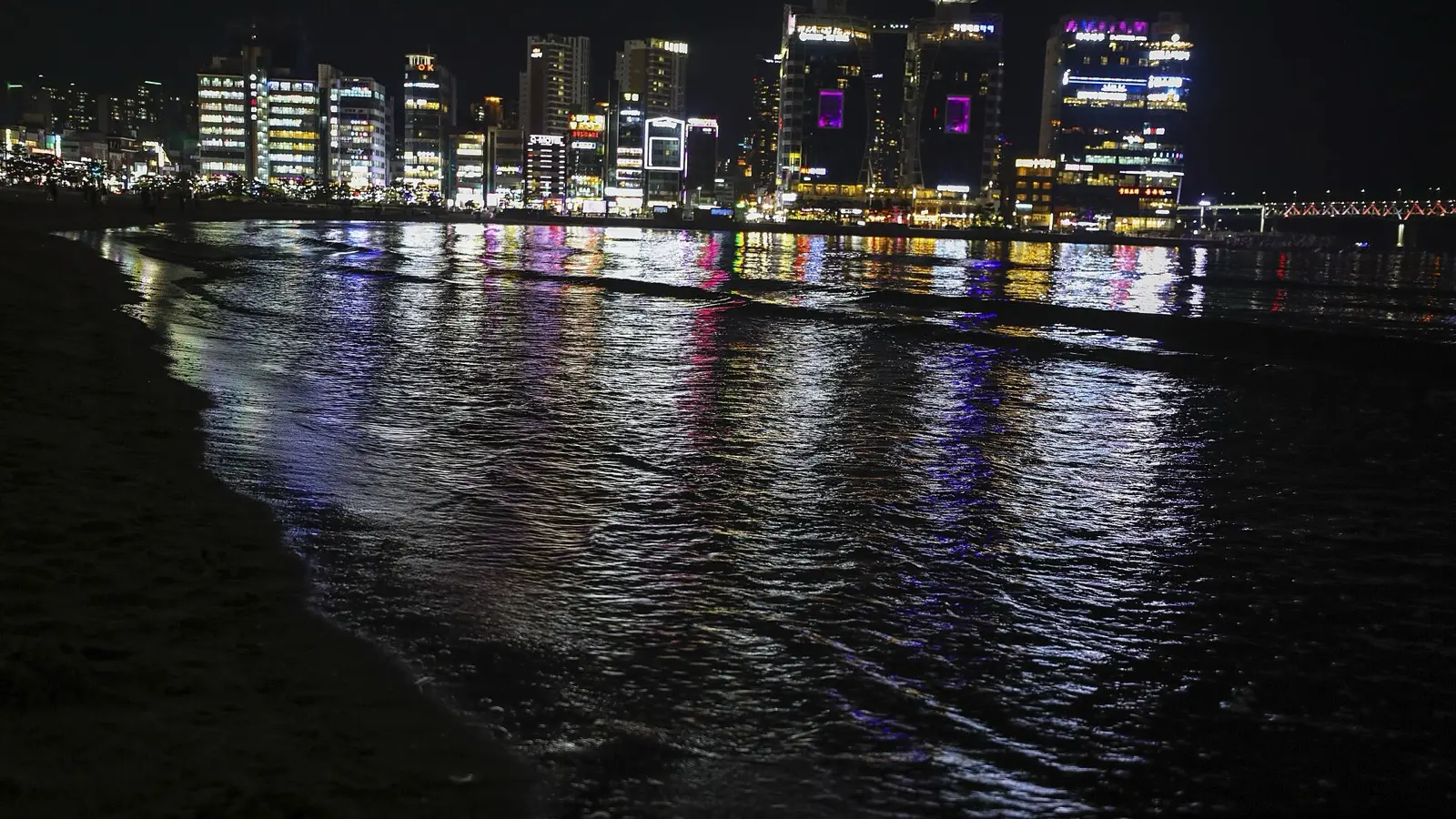
Gwangalli Beach caters to youthful energy and evening romance. Every Saturday night, hundreds of drones illuminate the sky above the Gwangan Bridge, visible directly from beachfront hotel balconies and craft beer terraces. Natural wine bars and cozy dessert cafes tucked into residential alleys draw independent travelers seeking vibrant nightlife, though quiet seekers should book toward the southern residential end.
For business visitors and public transit navigators, Busan Station and the Seomyeon interchange offer unrivaled convenience. Hotels adjacent to the KTX terminal let you store bags with the concierge until fifteen minutes before departure. Seomyeon, where subway lines 1 and 2 intersect, provides weatherproof dining and retail options beneath sprawling underground arcades during rainy weather.
Yeongdo has transformed into Busan's most intriguing creative quarter. Repurposed shipyard warehouses now host expansive coffee roasteries like P.ARK, while pastel cottages cling to cliffs in Huinnyeoul Culture Village. Properties along Yeongdo's northern edge frame panoramic views of the Yeongdodaegyo drawbridge and container port terminals lit up against the night sky.
Departure transit planning must never be left to chance. Sunday afternoon cab rides from Haeundae to Busan Station frequently take fifty minutes or longer due to urban expressway bottlenecks. Always depart your coastal resort at least ninety minutes prior to your scheduled KTX departure.
Blueline Sky Capsules and Jagalchi Fish Stalls: Timing and Value Protection
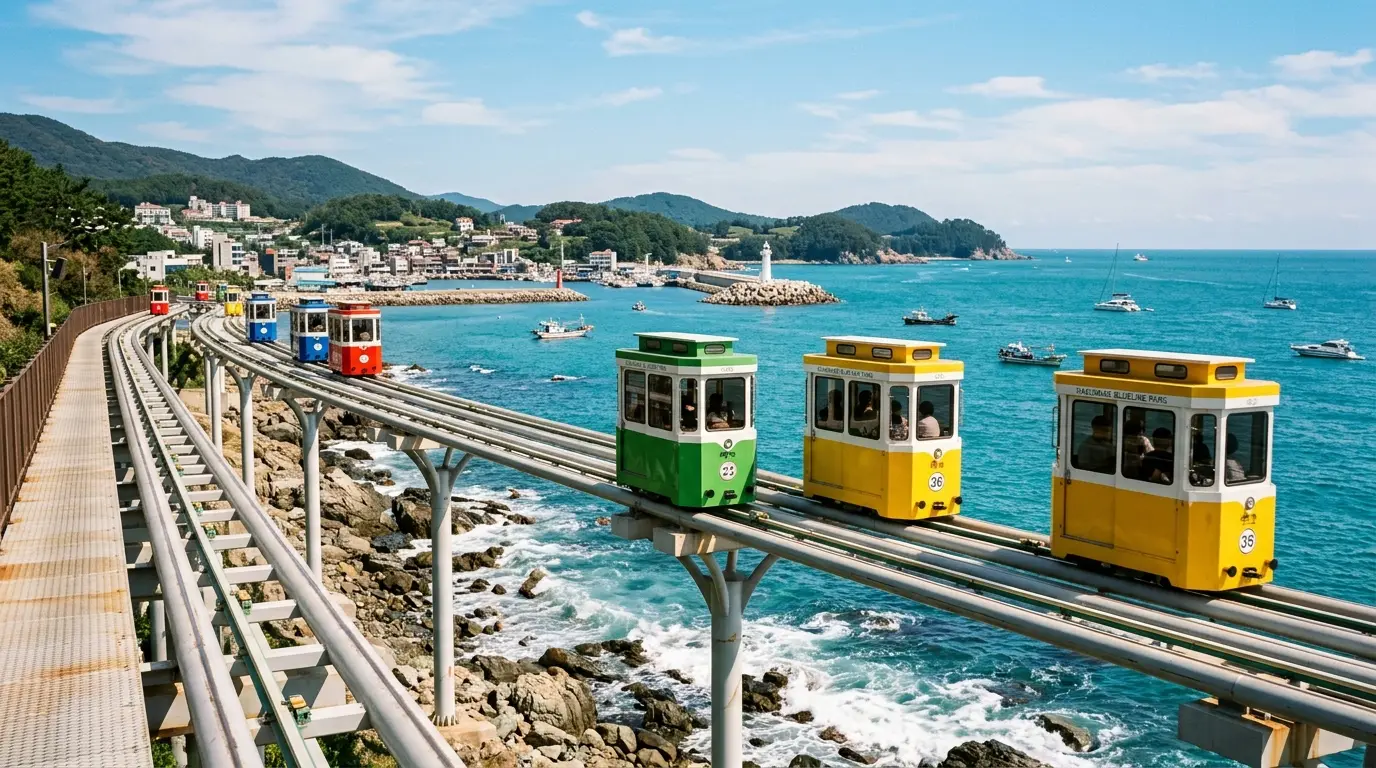
Haeundae Blueline Park has emerged as Busan's essential scenic rail attraction, where booking windows dictate everything. These elevated sky capsules traverse coastal cliffs along the decommissioned Donghae Nambu line. Weekend sunset slots between four and six in the afternoon often sell out early, so reserve ahead on the official booking portal. Arriving without reservations can mean long lines or no seat at the time you want.
Securing the premier photographic view requires boarding at Mipo station heading toward Cheongsapo. This outward journey travels on the outer elevated track nearest the water, ensuring unobstructed ocean horizons. For your return, take the ground-level beach train or enjoy the timber coastal walkway back past the Daritdol skywalk observatory.
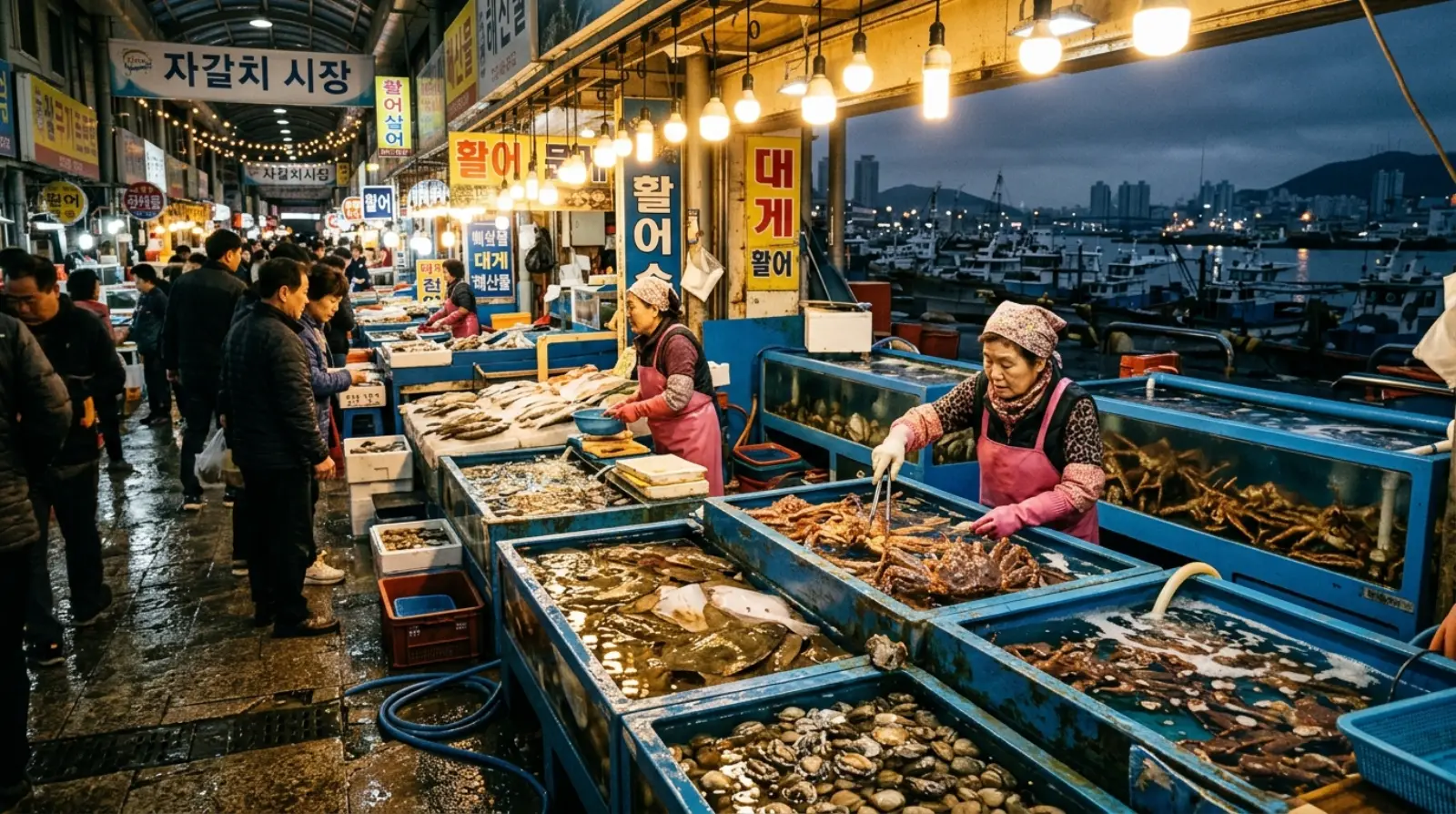
When purchasing live fish at Jagalchi Market or Millak Raw Fish Center, entering with current price knowledge prevents awkward overcharging. Rather than yielding to aggressive sales pitches pushing oversized sea bream, check prevailing per-kilogram rates for seasonal fish (spring flounder, autumn gizzard shad, winter yellowtail) using reliable market apps before selecting your catch.
Verifying that vendor scales are tared to zero with excess water shaken off the plastic basket protects fair weight. After purchasing your seafood on the ground floor, expect separate upstairs dining charges for table vegetables and spicy fish stew preparation. For those seeking fixed pricing and quiet dining, historic neighborhood sashimi establishments outside the market offer great alternatives.
Pier Banter and Late-Night Tent Stalls: The Warmth Busan Leaves Behind
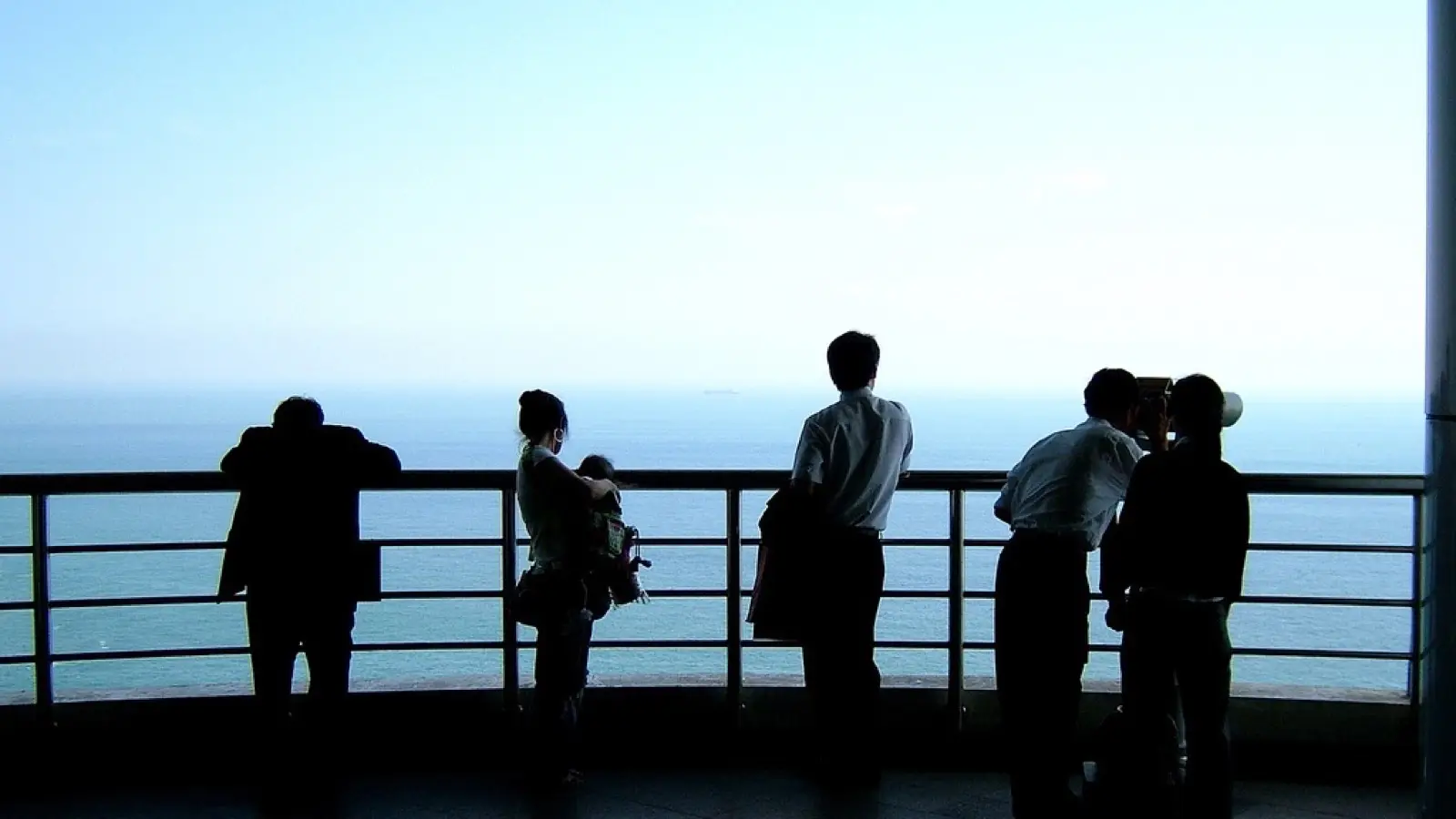
Busan's true soul emerges not through luxury glass windows, but beneath orange vinyl awnings at late-night street food stalls. Sitting on plastic stools along Nampo-dong's cart street, sipping ice-cold soju paired with spicy grilled hagfish, the resonant banter of coastal merchants warms chilly evenings with unmistakable seaside hospitality.
At six the next morning, walking into the wholesale auction hall at Jagalchi Fish Market reveals raw vitality. As commercial trawlers unload silver hairtail, squid, and sea bass, auctioneers trade rapid hand signals amid splashing seawater. The unadorned diligence of these maritime workers leaves an indelible impression on thoughtful visitors.
Exiting the docks leads naturally into steaming pork soup (dwaeji gukbap) establishments. Spooning salted shrimp and seasoned chives into rich, simmering bone broth alongside crispy radish kimchi restores energy after a long evening. This comforting, unpretentious meal represents the warmest embrace Busan extends to travelers.
As your KTX train accelerates out of Busan Station, watching terraced hillside homes and towering shipyard cranes recede through the window confirms a lasting truth. Busan's magic lies not merely in gazing at ocean horizons, but in sharing the generous human warmth of the people who call this magnificent coast home.
Frequently Asked Questions
Field-tested answers to transit navigation, neighborhood choices, and payment traps.
Q1.Should I stay in Haeundae or Gwangalli?
Q2.Do I need to book the Haeundae Blueline Park Sky Capsule?
Q3.When is the Gwangalli drone show?
Q4.How do I avoid being overcharged at Jagalchi Fish Market?
The Smart Traveler's Essential Toolkit
Prepare instant mobile data, private airport transfers, and skip-the-line passes in one place.
Pick a base in Busan by your route
Choose the places you want to see and get the neighbourhood with the shortest travel.
Compare Busan Hotel Rates
Find the cheapest channel across Agoda and major booking engines with Tripdify.
Share This Guide with Your Companions
When shared via chat or social media, a curated summary card is sent along.
Recommended Guides
Busan Itinerary: Haeundae and Gwangalli in Two Nights by KTX
Experience South Korea's vibrant coastal capital. In just 2 hours and 15 minutes by KTX from Seoul, step aboard the scenic Haeundae Sky Capsule gliding above turquoise waves, witness Saturday night drone spectacles over Gwangalli Bridge, and savor authentic seafood at Jagalchi.
Busan Day 1 Itinerary: Arriving by KTX, Jagalchi Market and Nampo-dong at Night
The moment the KTX glides into Busan Station after a swift 2-hour-15-minute journey from Seoul, the salty ocean breeze announces your arrival. From a steaming bowl of pork soup in Choryang to the raw energy of Jagalchi fish market and the sizzling nighttime stalls of Bupyeong Market, here is your definitive first 24 hours in Busan.
Busan Day 2 Itinerary: Haeundae Sky Capsule, Cheongsapo and the Marine City Skyline
Gliding 10 meters above coastal pine groves inside a retro Haeundae Sky Capsule, savoring butter-drenched grilled shellfish by Cheongsapo's twin lighthouses, listening to crashing waves at the cliffside Haedong Yonggungsa Temple, and capturing mirror-like skyscraper reflections at The Bay 101: your definitive Day 2 along Busan's eastern coastline.
Busan Day 3 Itinerary: Gamcheon Village, Huinnyeoul Path and Busan Station Souvenirs
Savoring artisanal pour-over coffee facing the gleaming silver cables of the Gwangan Diamond Bridge, navigating the pastel labyrinth of Gamcheon Culture Village, strolling along the cliffside paths of Yeongdo Huinnyeoul Village, and packing vacuum-sealed artisanal fishcakes at Busan Station: the definitive final chapter of your 3-day Busan journey.
Where to Stay in Tokyo: Shinjuku vs Shibuya vs Ginza
Comparing room footprints across Shinjuku, Ginza, and Ueno, locking in sudden 14-day cancellation drops, and eliminating DCC fees with clean Yen checkout.
7 Budget Hotels in Tokyo Under $100 on the Yamanote Line
Even amid yen fluctuations, central Tokyo hotel rates have soared. Learn how to secure Yamanote loop line hotels at half the price of Shinjuku, compare onsen bath chains like Dormy Inn, trigger secret Agoda VIP and Booking.com Genius discounts, and dodge hidden currency fees with yen settlement.
How to Read the Tokyo Subway Map and Where to Stay on the Yamanote Line
How to choose between Keisei Skyliner and Narita Express, avoid the Tokyo Subway Ticket trap, use Apple Wallet Suica, and select the ideal hotel base in Tokyo.
Tokyo Day 1 Itinerary: Narita Airport to the City and Your First 24 Hours
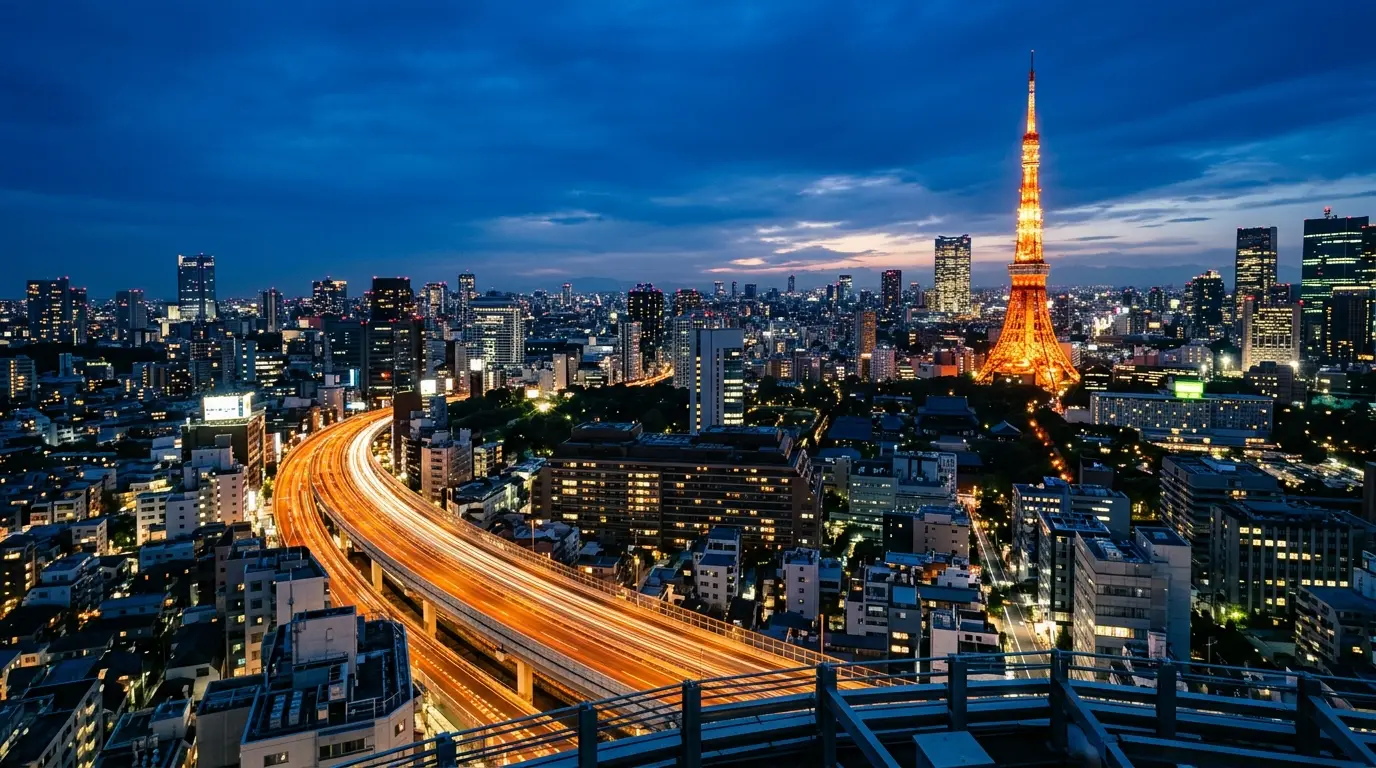
From stepping off at Narita Airport to mastering high-speed trains, navigating Tokyo's sprawling transit hubs, ordering counter ramen effortlessly, and catching sunset from Roppongi Hills. A definitive guide for your first 24 hours in Tokyo.
Tokyo Day 2 Itinerary: Booking Shibuya Sky, Harajuku Backstreets and Roppongi at Night
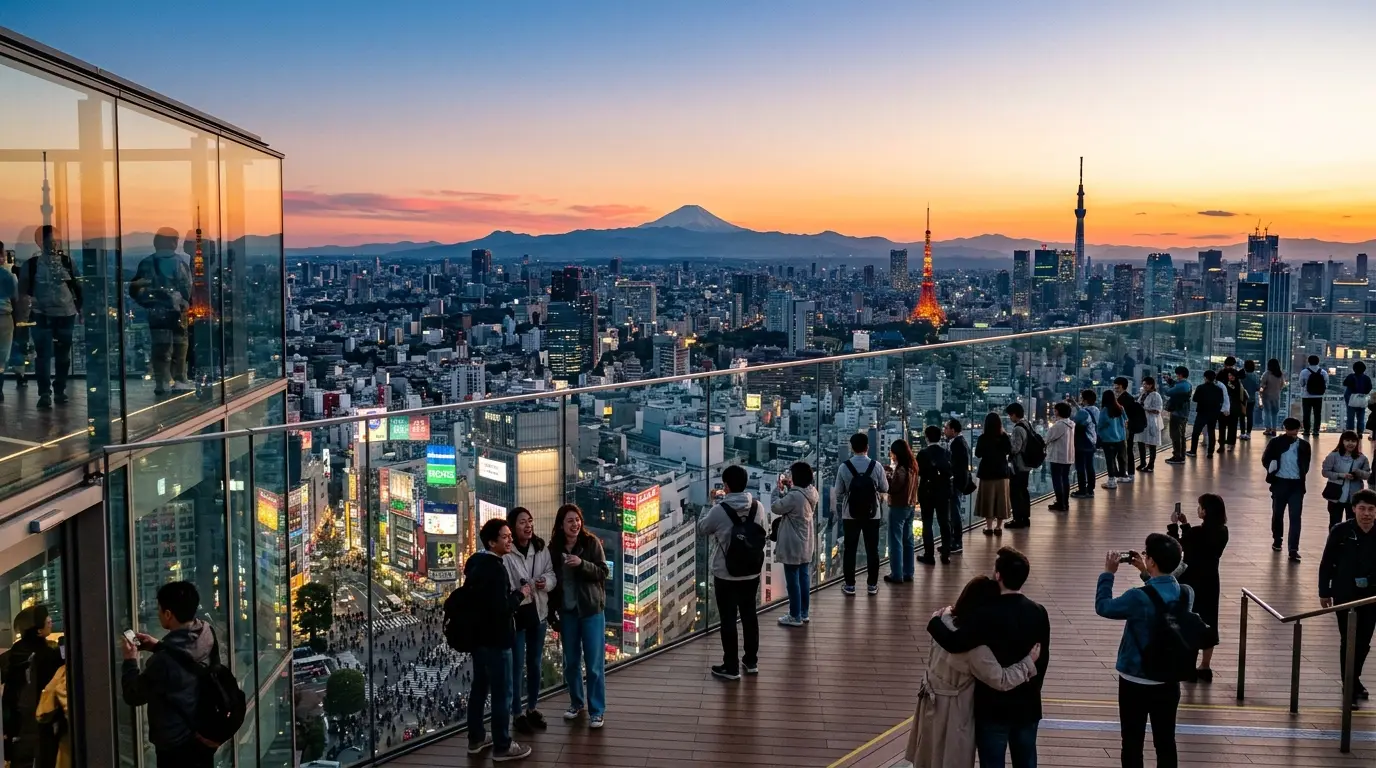
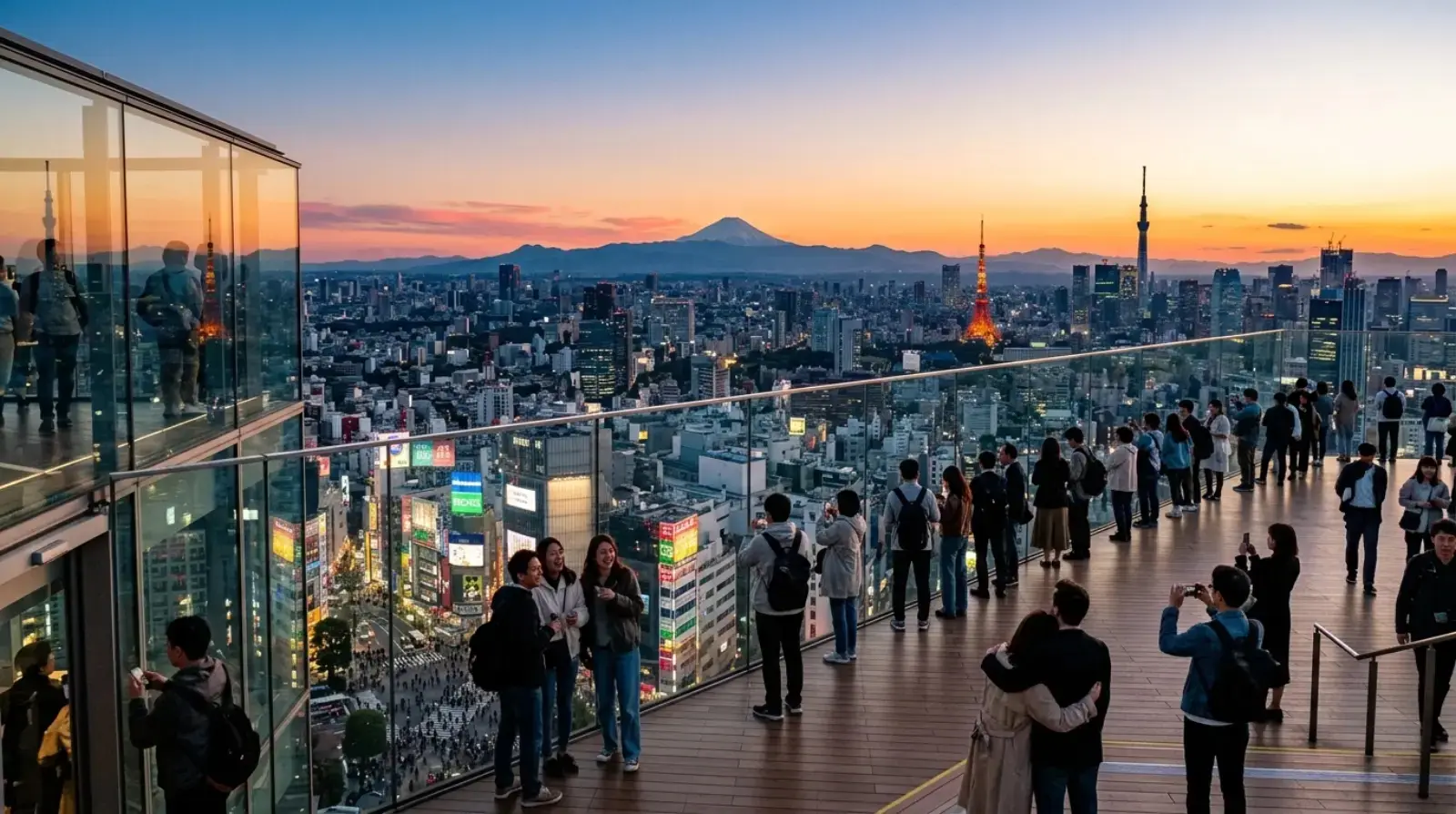
Securing prime sunset slots atop Shibuya Sky, navigating hidden boutiques along Harajuku Cat Street, immersing in the forested serenity of Meiji Jingu, and marveling at the crimson glow of Tokyo Tower from Roppongi Hills. A masterclass in Day 2 pacing.
Tokyo Day 3 Itinerary: Asakusa, Akihabara, Ginza Depachika and Flying Home
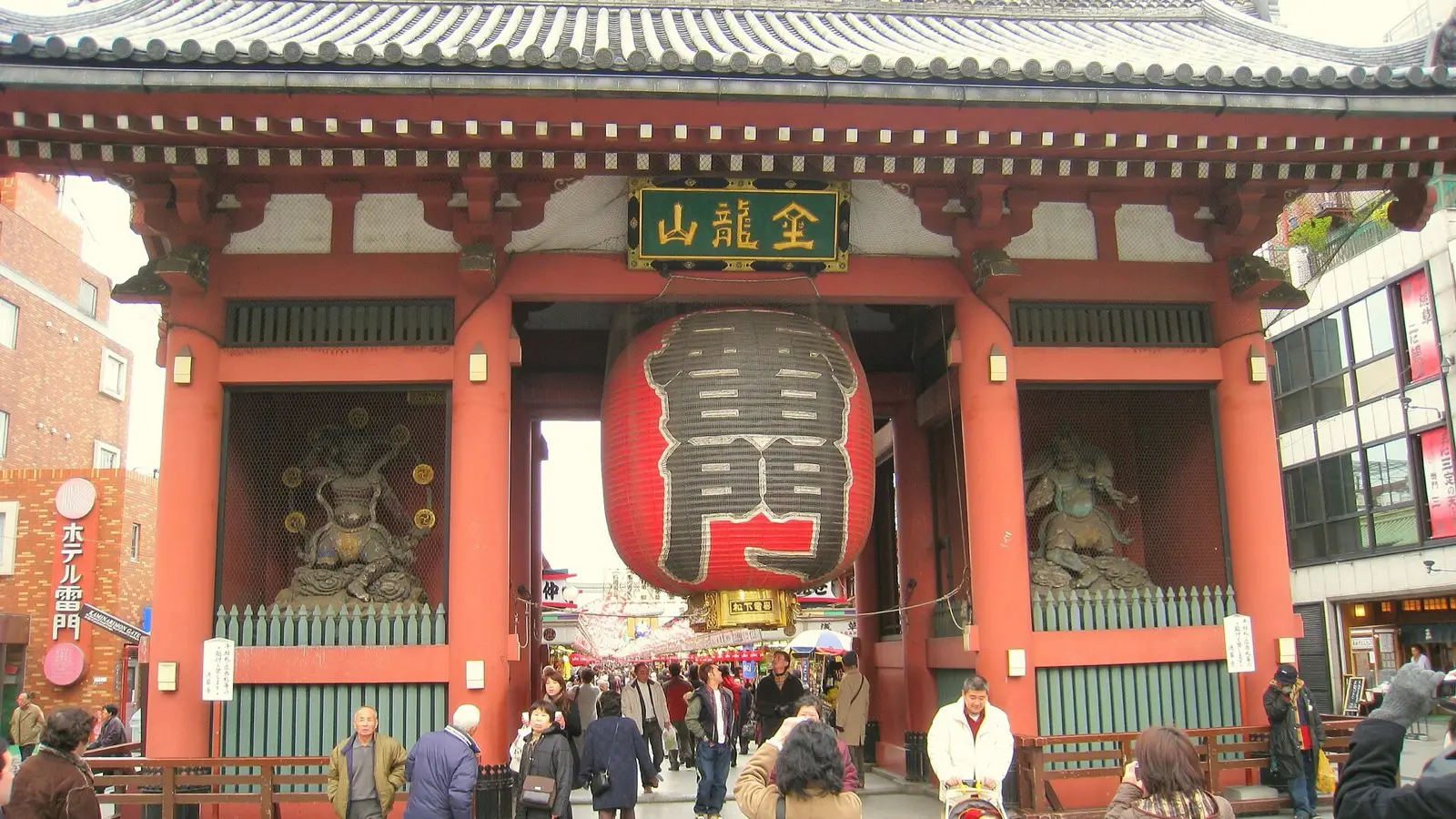
The ultimate finale for your Tokyo stay: tranquil morning worship at Sensoji, retro subculture in Akihabara, Ginza Six architectural rooftop views and basement depachika feasts, capped by seamless Skyliner and N'EX airport connections.
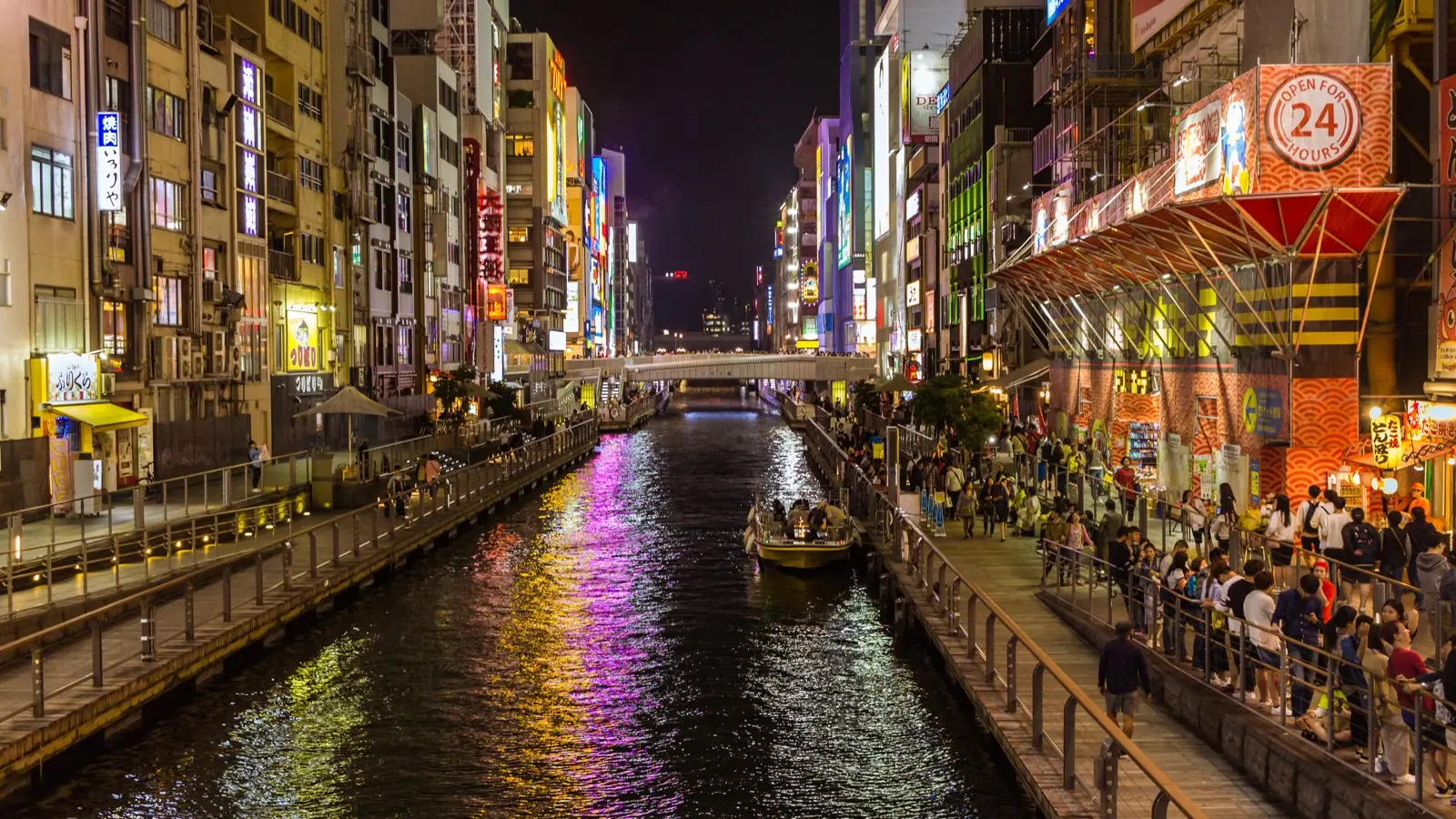
Osaka Itinerary: Dotonbori and Umeda in Two Nights
Osaka is Japan culinary powerhouse where feasting is an art. Navigate Rapi:t airport transfers, Namba vs Umeda hotels, and street food corridors with veteran precision.
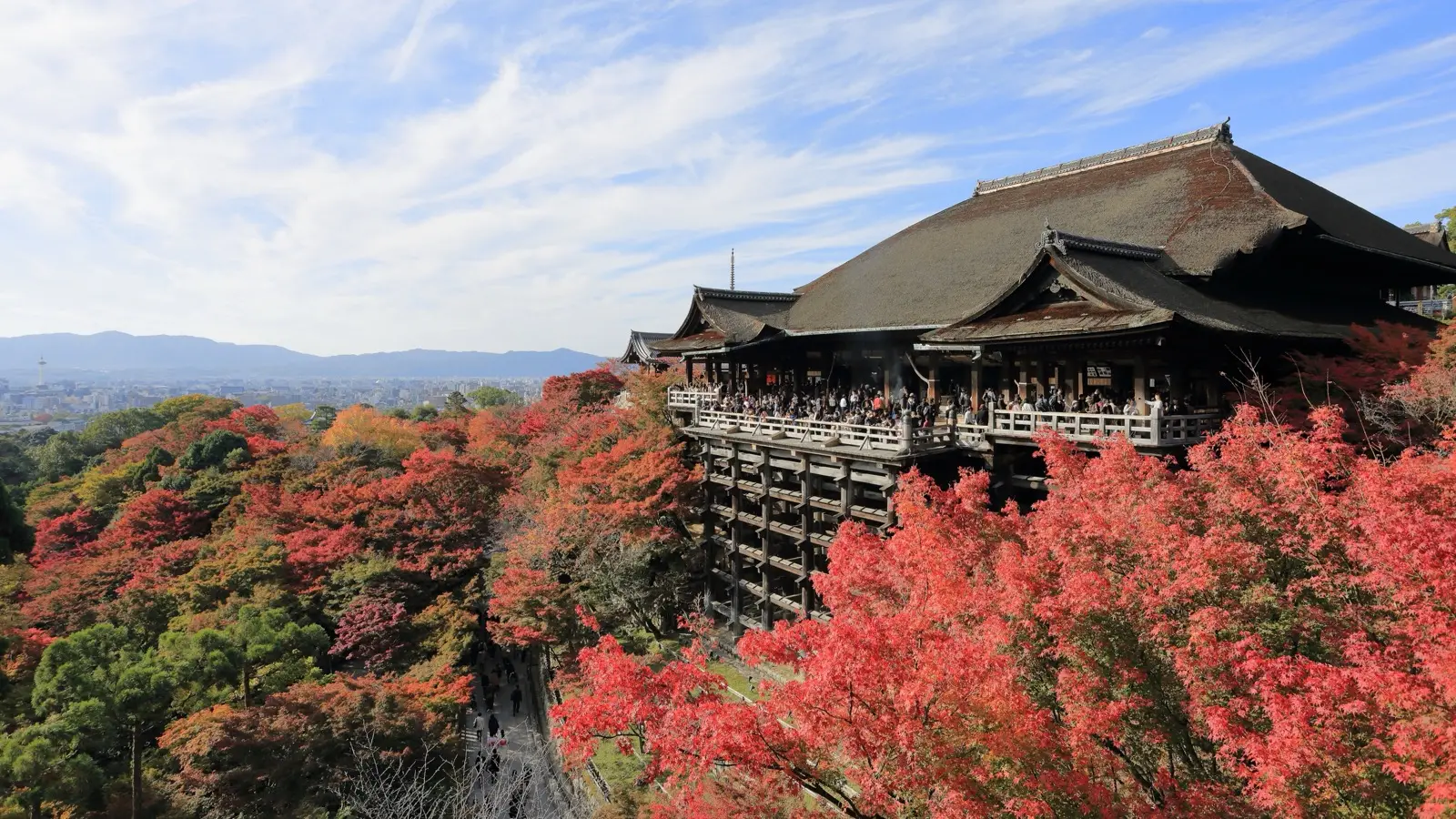
Kyoto Itinerary: Arashiyama, Gion and How to Pick a Ryokan
Kyoto compresses a millennium of Japanese aesthetic mastery. Discover how to evade bus congestion with private railways, master ryokan kaiseki booking windows, and savor early dawn stillness.