
BusanGuide
Busan Day 1 Itinerary: Arriving by KTX, Jagalchi Market and Nampo-dong at Night
Busan Station luggage drop tricks, Choryang pork soup selection, Jagalchi fish stall bargaining rules, and Bupyeong night market food crawls.
Busan Station Arrival: 2 Hours and 15 Minutes by KTX into the Maritime Gateway
Gliding south along the high-speed rail corridor, the KTX train pulls into Busan Station after a frictionless 2-hour-15-minute journey from Seoul. Stepping off the carriage onto the platform, travelers are immediately greeted not by the dry air of an underground subway hub, but by a bracing, saline breeze that unmistakably signals the open sea. Across the concourse, modern digital locker clusters offer seamless storage for oversized luggage.
For travelers determined to roam unburdened from minute one, the luggage delivery counter on the station's first floor opposite the travel service desk is a masterstroke. Drop your heavy bags before noon, and they will be safely deposited at your Haeundae or Gwangalli hotel front desk by 16:00. At approximately 15,000 KRW for a 28-inch suitcase, it is an investment that instantly pays for itself in sheer physical freedom.
Before venturing outdoors, ensure your public transit payment is dialed in. Standard nationwide transportation cards like T-money or contactless smartphone apps pass directly through the Busan Metro Line 1 turnstiles. If your itinerary involves bouncing between coastal stations more than four times in a single day, purchasing a 5,000 KRW unlimited metro day pass from the cash ticketing kiosks yields immediate dividends.
Stepping out of the plaza toward Choryang-dong, rows of venerable red-brick buildings reveal the historic soul of Busan's culinary roots. For your foundational first meal, head directly into Choryang's legendary pork soup alley for a steaming bowl of dwaeji gukbap, or opt for icy buckwheat-wheat milmyeon. Stir in a generous spoonful of chili paste, seasoned garlic chives, and fermented salted shrimp to instantly dissolve the fatigue of high-speed rail transit.
Jagalchi Fish Market Vitality: Salt Air, Raw Energy, and Fresh Catches
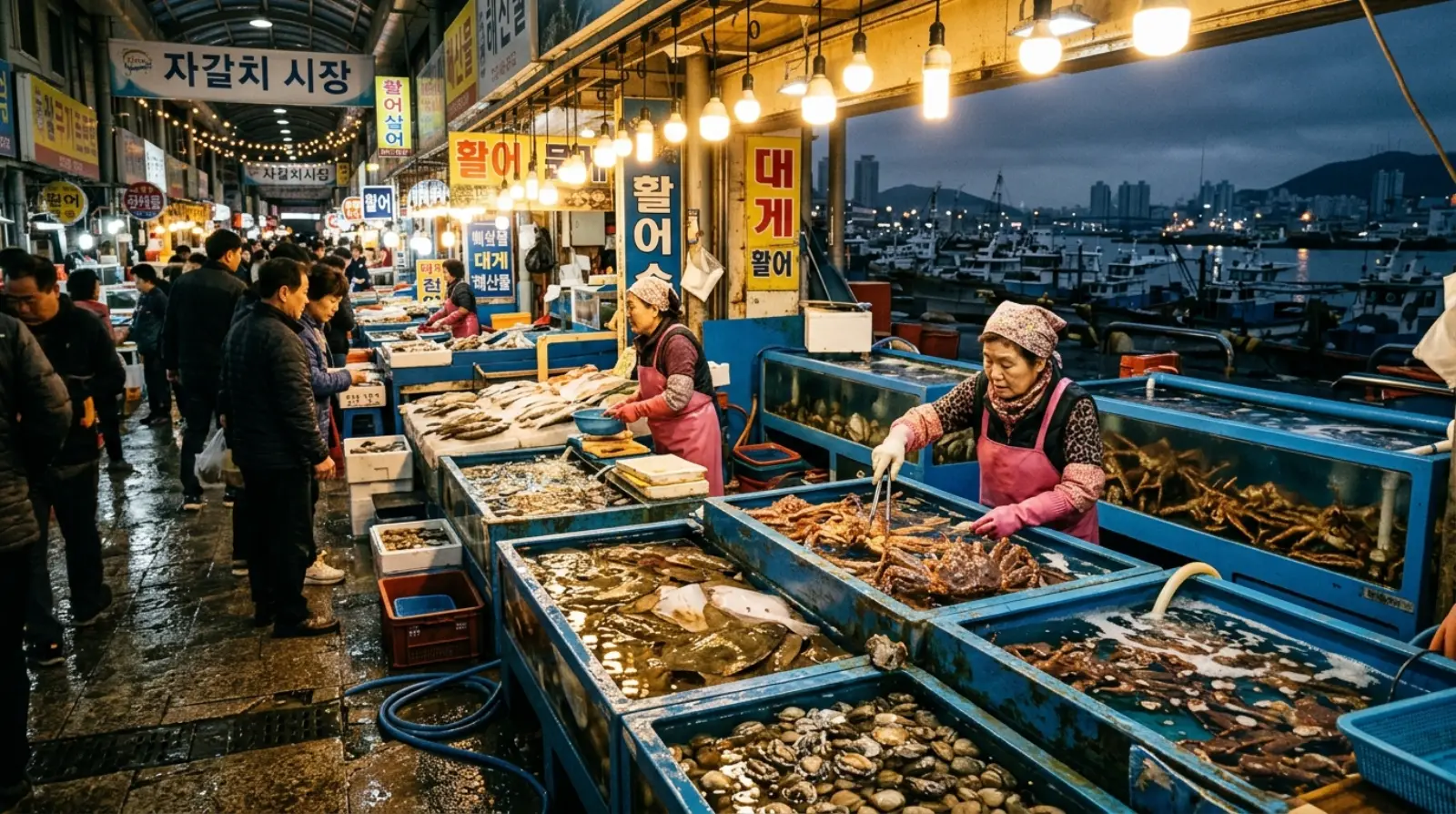
Riding Busan Metro Line 1 just three stops south brings you to Jagalchi Station exit 10, where the unmistakable aroma of the deep Pacific welcomes your arrival. Punctuated by the cries of swooping seagulls and the guttural cadence of the Gyeongsangdo dialect, this is Korea's preeminent coastal market. While the seagull-shaped glass building houses organized indoor tanks, the authentic heartbeat thrives along the seaside open-air stalls.
Rows of crimson rubber basins bubble vigorously under oxygen tubes, brimming with live flounder, rockfish, sea squirts, and king crabs. Veteran female fishmongers, affectionately known as Jagalchi Ajimae, wield razor-sharp fillet knives with breathtaking precision. When selecting live fish to be served upstairs, remember that second-floor dining halls levy a standardized table setting fee of roughly 5,000 KRW per person.
The pristine freshness of raw sashimi sliced seconds from the tank outclasses upscale metropolitan dining rooms. Locals skip standard soy sauce, choosing instead to dip tender cuts into spicy ssamjang paste blended with crushed garlic, green chili, and roasted sesame oil before wrapping them in fresh perilla leaves. A bubbling clay pot of spicy rockfish maeuntang stew rounds off the feast with uncompromising flavor.
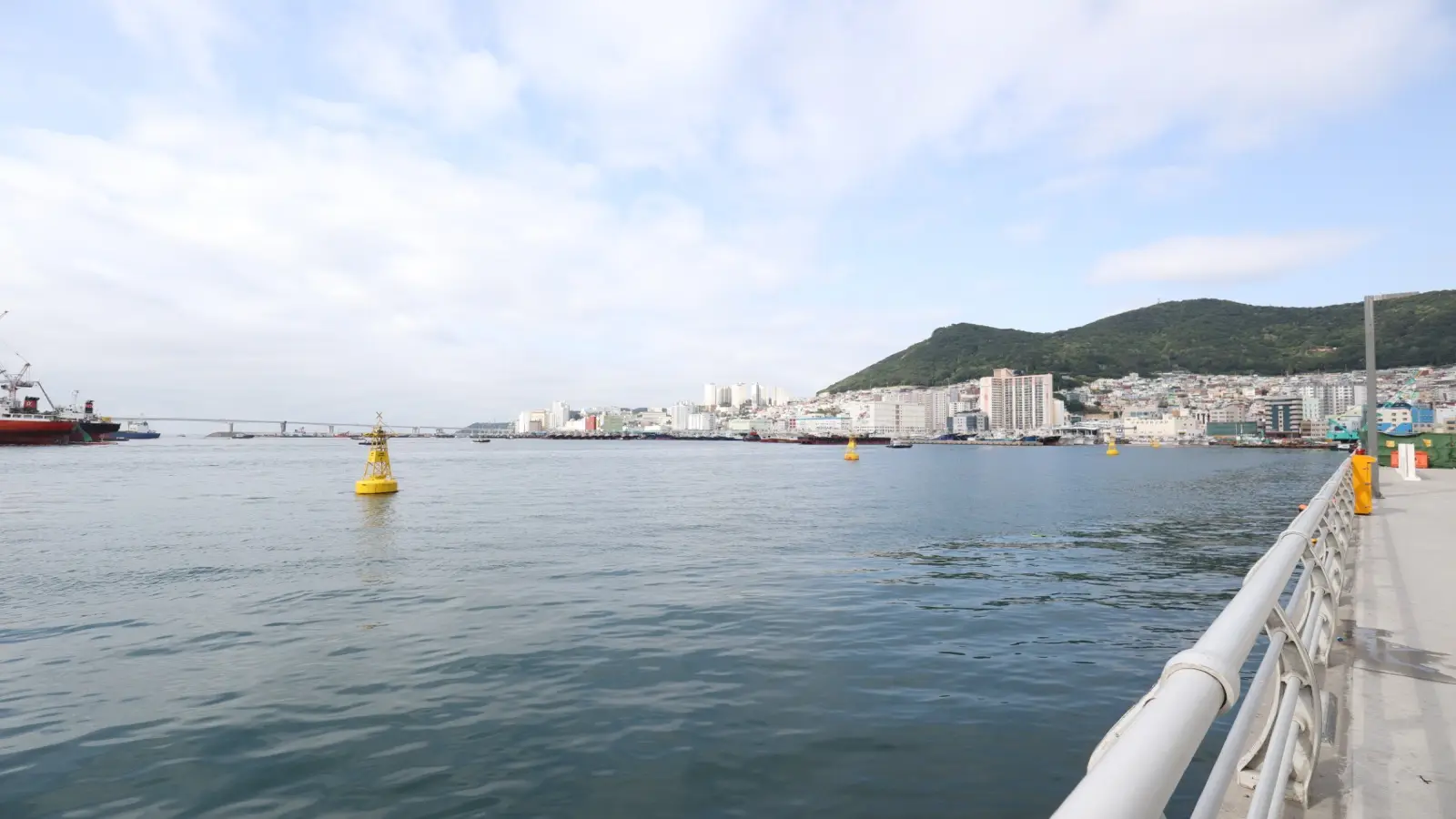
After lunch, ascend to the 7th-floor rooftop observation terrace of the modern Jagalchi complex for an expansive panorama of South Harbor. Across the bay rise the industrial shipyards and vintage crane arms of Yeongdo, framed by dozens of moored deep-sea fishing trawlers. Even if you miss the 14:00 lifting of the historic Yeongdo Bridge (check which days it runs before you go), this quiet vantage point captures the raw maritime nobility of Busan.
Nampo-dong BIFF Square to Yongdusan: Golden Hour in the Cinema District
Crossing through the pedestrian underpass opposite Jagalchi leads straight into the bustling retail arteries of Nampo-dong. As the birthplace of the Busan International Film Festival, the stone sidewalks of BIFF Square are embedded with gilded bronze handprints of legendary directors and actors. Yet the undisputed magnetic force here is not cinematic nostalgia, but the mouthwatering fragrance of caramelizing margarine.
Nampo-dong's signature street food marvel is the ssiat hotteok, a golden fried pancake snipped open with scissors and stuffed with roasted sunflower seeds, pumpkin seeds, and crushed peanuts. Handed over in a thick paper cup for 2,000 KRW, the exterior shatters with crispy glutinous crunch before yielding to molten brown sugar syrup and nutty texture. Weekend queues stretch long, but the rapid-fire cooks serve each customer in minutes.
Weaving deeper into the alleyways leads to the nostalgic calm of Bosu-dong Book Street, where floor-to-ceiling stacks of vintage volumes line narrow corridors. Founded by refugees during the Korean War seeking to trade second-hand textbooks, the street still retains the comforting scent of aged paper, interspersed with intimate indie bookstores and tranquil pour-over espresso bars.
From the commercial strip, a series of four outdoor escalators whisks visitors up to the pine-shaded knoll of Yongdusan Park, home to the 120-meter Busan Diamond Tower. As dusk paints the coastal sky in rich indigo and burnt apricot, the observation deck offers breathtaking 360-degree vistas of downtown Nampo-dong, the silhouette of Mount Bongnae, and the twinkling illumination of the Namhang Bridge.
Descending back along the Gwangbok-ro fashion boulevard, traveler-friendly lifestyle boutiques and independent designer storefronts present a noticeably more relaxed shopping experience than central Seoul. Stopping at a sun-drenched corner cafe to sip a cold pour-over coffee provides the ideal respite to recharge your legs before the night market adventure begins.
Bupyeong Kkangtong Night Market: An Electric Culinary Carnival Under Lanterns
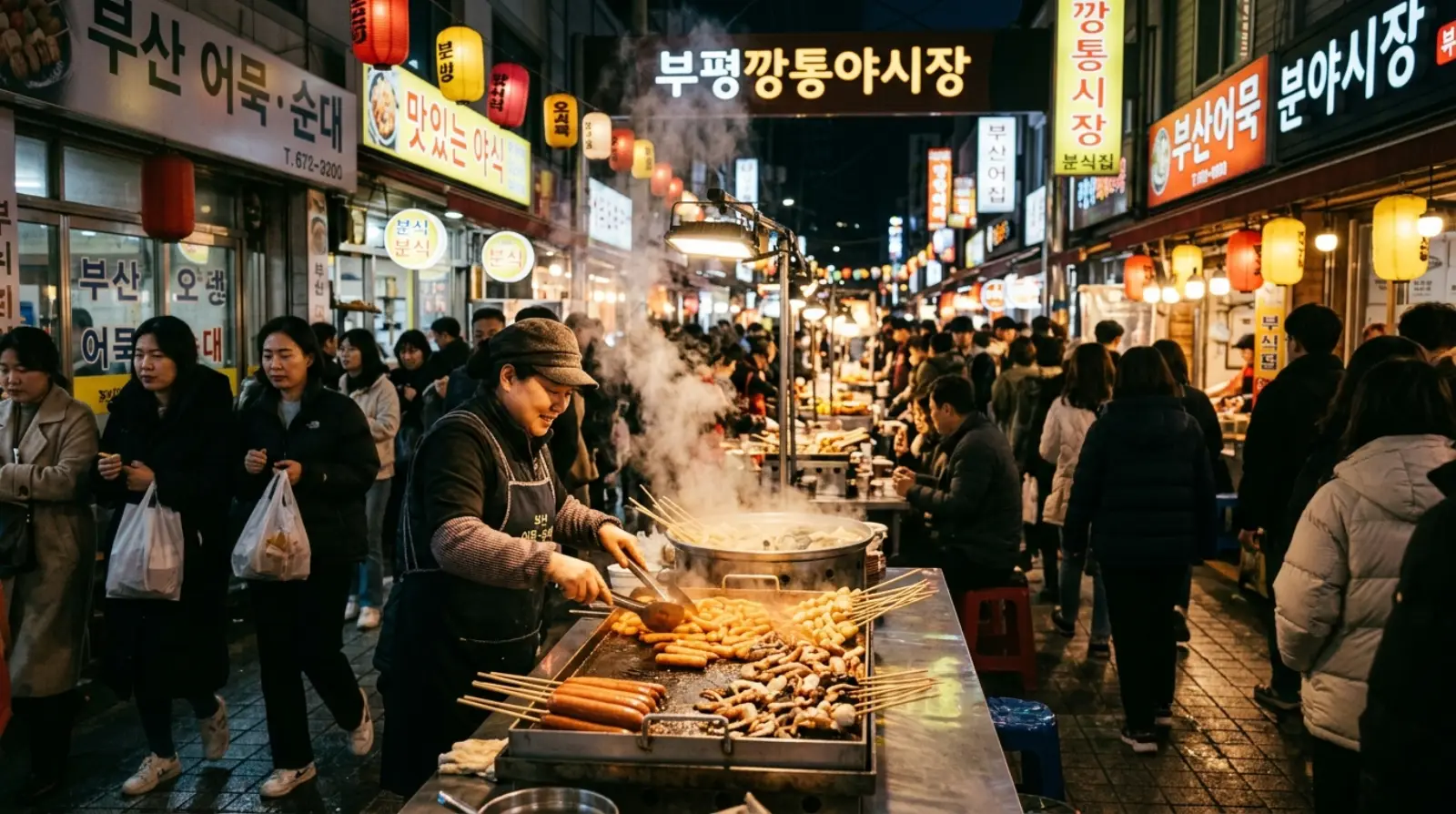
As night blankets the city at 19:30, a theatrical transformation unfolds inside nearby Bupyeong Kkangtong Market. The wide daytime produce corridors clear out, making way for a synchronized convoy of numbered yellow food carts that line up along the center aisle. This marks the opening of Korea's premier permanent night market, buzzing with kinetic energy.
Pedestrian traffic strictly follows a courteous right-side flow beneath illuminated market arches. Searing flat-top grills throw dramatic flames into the air, showcasing everything from flame-torched beef nigiri and grilled bacon-wrapped asparagus to towering chicken skewers dripping in melted mozzarella cheese. The sensory barrage is relentless, drawing food enthusiasts from across the globe.
Essential local benchmarks demand your attention: bibim dangmyeon, thin glass noodles tossed with julienned fish cakes, pickled radish, blanched spinach, and sweet-spicy gochujang dressing. Pair it with yubu jeongol, delicate tofu pouches bound with blanched water dropwort and packed with minced beef and noodles, served in a rich, steaming anchovy kelp broth.
With narrow aisles and shoulder-to-shoulder foot traffic, decisive ordering is paramount. When an artisanal stall catches your eye, join the queue immediately rather than looping around. While mobile transfers and credit cards are widely supported, holding exact change keeps the line moving swiftly so you can claim a communal resting bench to feast with friends.
Choryang Ibagu-gil Nightscape: Harbor Lights and Quiet Reflection
Leaving the culinary bustle behind, hail a quick taxi or take the metro back toward the mountain slopes of Choryang-dong. Etched into the dramatic hillside rising behind Busan Station, Choryang Ibagu-gil preserves the poignant memories of wartime refugees who constructed terraced communities above the harbor. Running alongside the precipitous 168-step staircase is a scenic, complimentary funicular monorail.
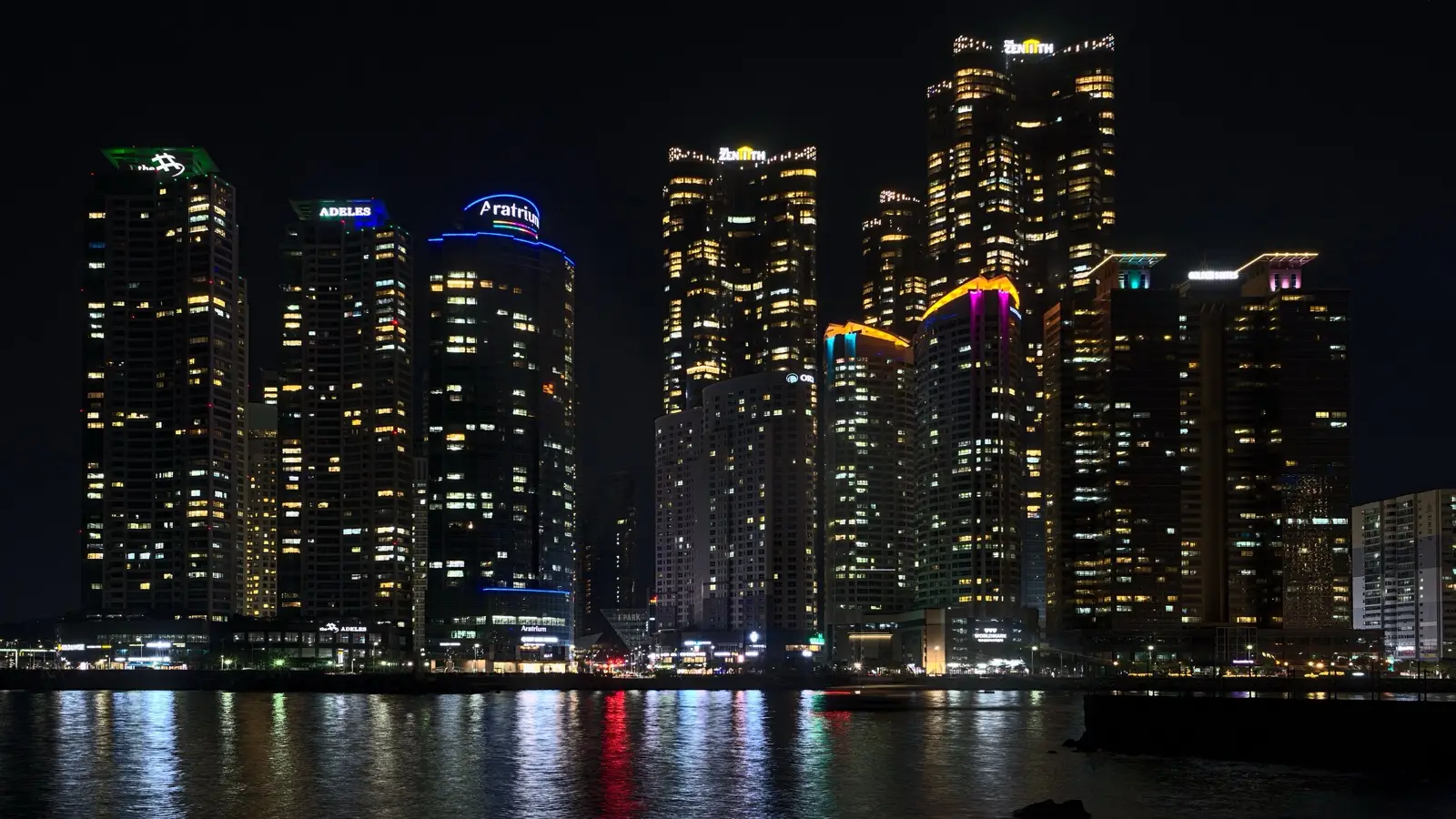
Gliding effortlessly to the summit observation deck, visitors are rewarded with a soul-stirring nocturnal vista. Below, the iconic pylons of the Busan Harbor Bridge glow with shifting rainbow illumination, casting brilliant reflections onto the indigo bay. Container terminal cranes work tirelessly into the midnight hour, humming with the industrial pulse that fuels this historic maritime capital.
Sitting quietly on an observation bench in the cool evening breeze offers the perfect vantage to reflect on the day's journey. From the arrival platform of Busan Station through the brine of Jagalchi, the sugar-glazed crunch of BIFF Square, and the fiery woks of Bupyeong, you have traversed the historical heart of Busan in a single seamless half-day sprint.
Before retiring to your hotel, stop by a local convenience store to grab cooling muscle patches, hydration beverages, and a can of crisp local Busan craft ale. Tomorrow promises the coastal cliff scenery of the Haeundae Blueline Park and the crashing waves of Haedong Yonggungsa Temple. With distant ship horns sounding softly in the harbor, Day 1 draws to a serene close.
Frequently Asked Questions
Field-tested answers to transit navigation, neighborhood choices, and payment traps.
Q1.What is the fastest KTX transit time from Seoul to Busan, and which seats are best?
Q2.How does the same-day luggage delivery service from Busan Station to hotels work?
Q3.What additional fees apply when dining on the second floor of Jagalchi Market?
Q4.What are the operating hours and etiquette rules for Bupyeong Kkangtong Night Market?
The Smart Traveler's Essential Toolkit
Prepare instant mobile data, private airport transfers, and skip-the-line passes in one place.
Pick a base in Busan by your route
Choose the places you want to see and get the neighbourhood with the shortest travel.
Compare Busan Hotel Rates
Find the cheapest channel across Agoda and major booking engines with Tripdify.
Share This Guide with Your Companions
When shared via chat or social media, a curated summary card is sent along.
Recommended Guides
Busan Itinerary: Haeundae and Gwangalli in Two Nights by KTX
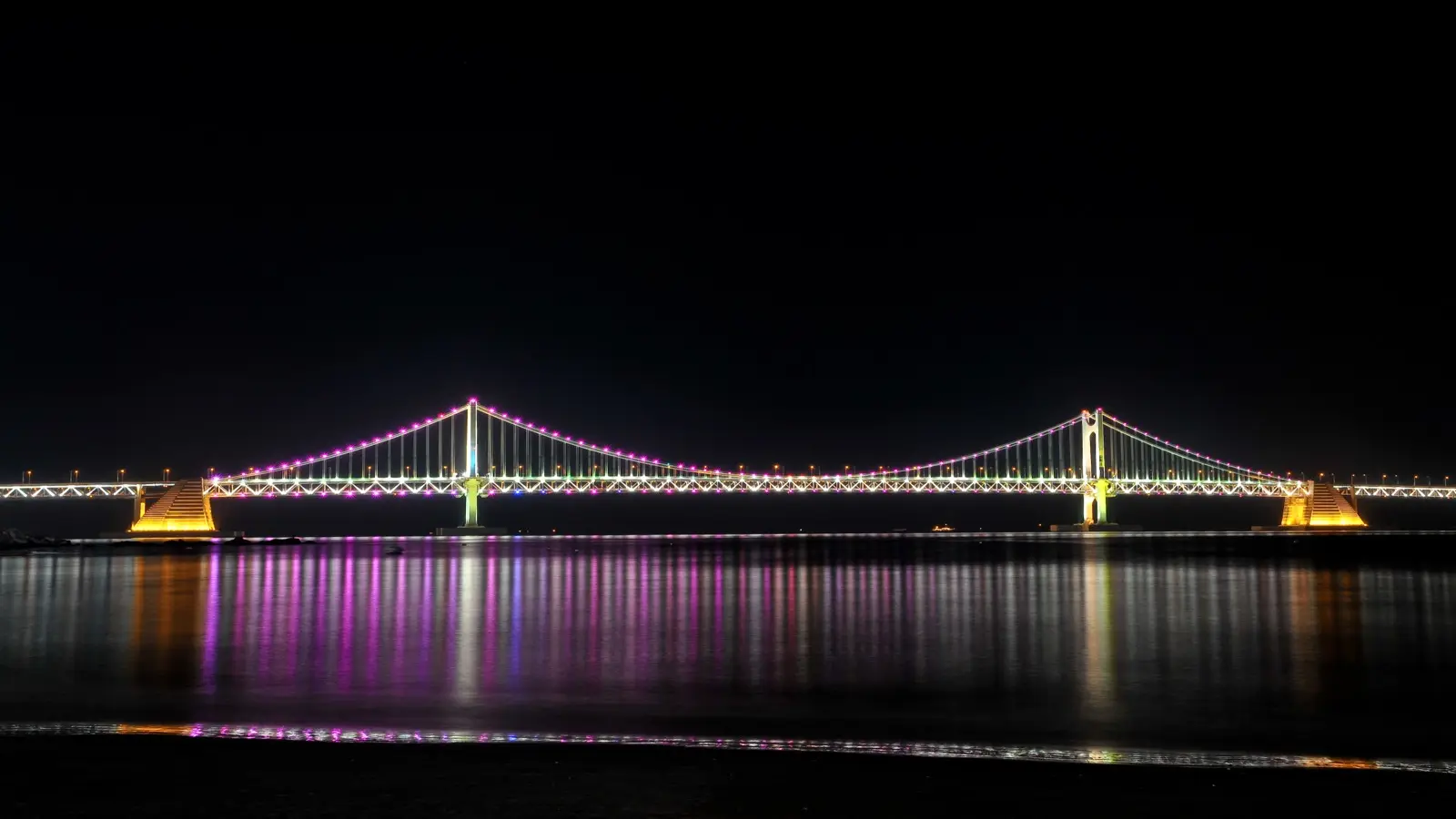
Experience South Korea's vibrant coastal capital. In just 2 hours and 15 minutes by KTX from Seoul, step aboard the scenic Haeundae Sky Capsule gliding above turquoise waves, witness Saturday night drone spectacles over Gwangalli Bridge, and savor authentic seafood at Jagalchi.
Busan Ocean View Hotels and the Coastal Drive from Gwangan Bridge to Jagalchi
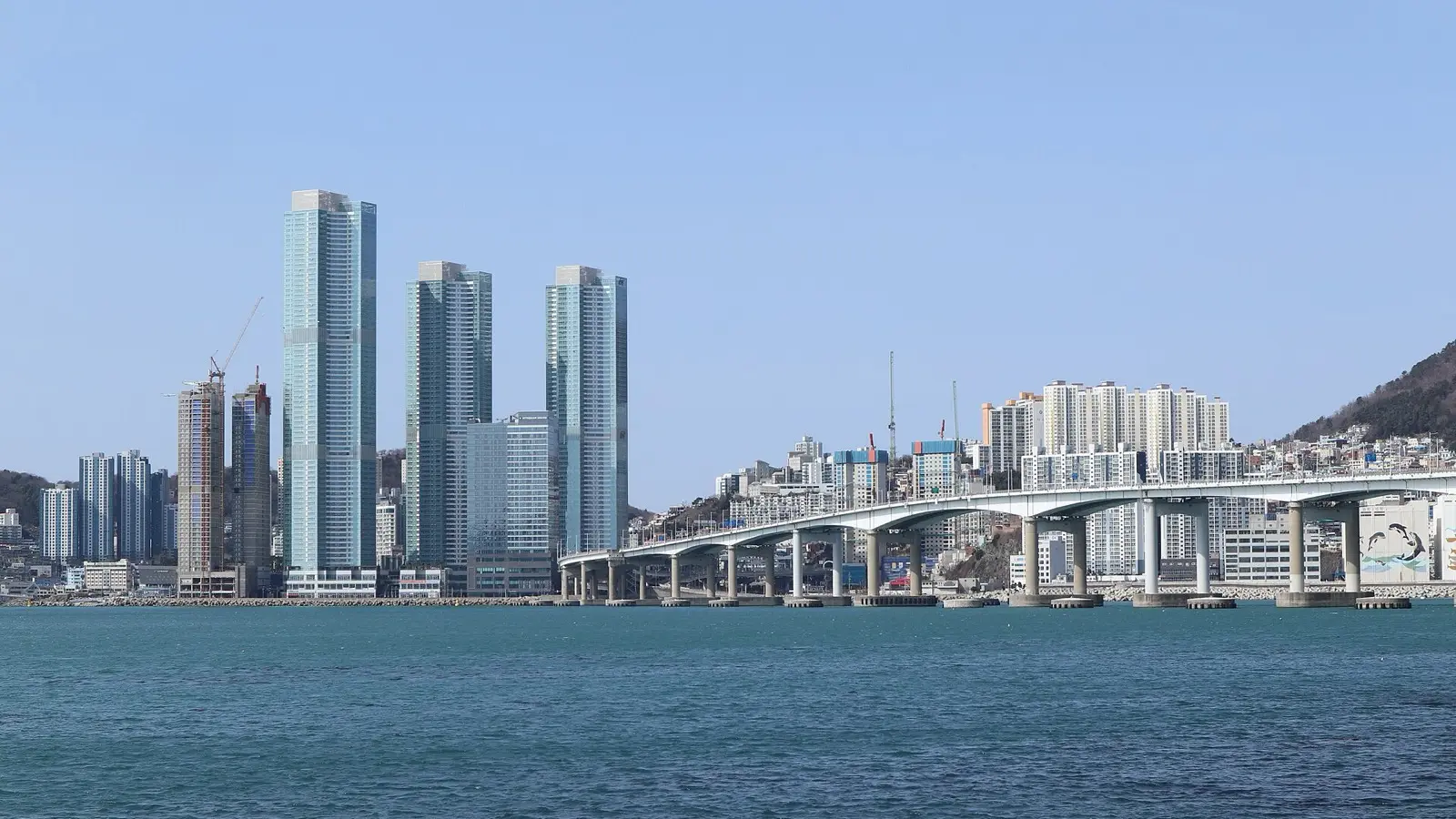
From the glittering bridge views of Gwangalli to the high-rise luxury resorts of Haeundae and the salt-crusted alleys of Jagalchi, Busan's coastal identity spans dramatic contrasts. This field audit delivers actionable advice on hotel split-stays, booking the Blue Line sky capsule before sold-out surges, and navigating local fish market markups without awkward confrontation.
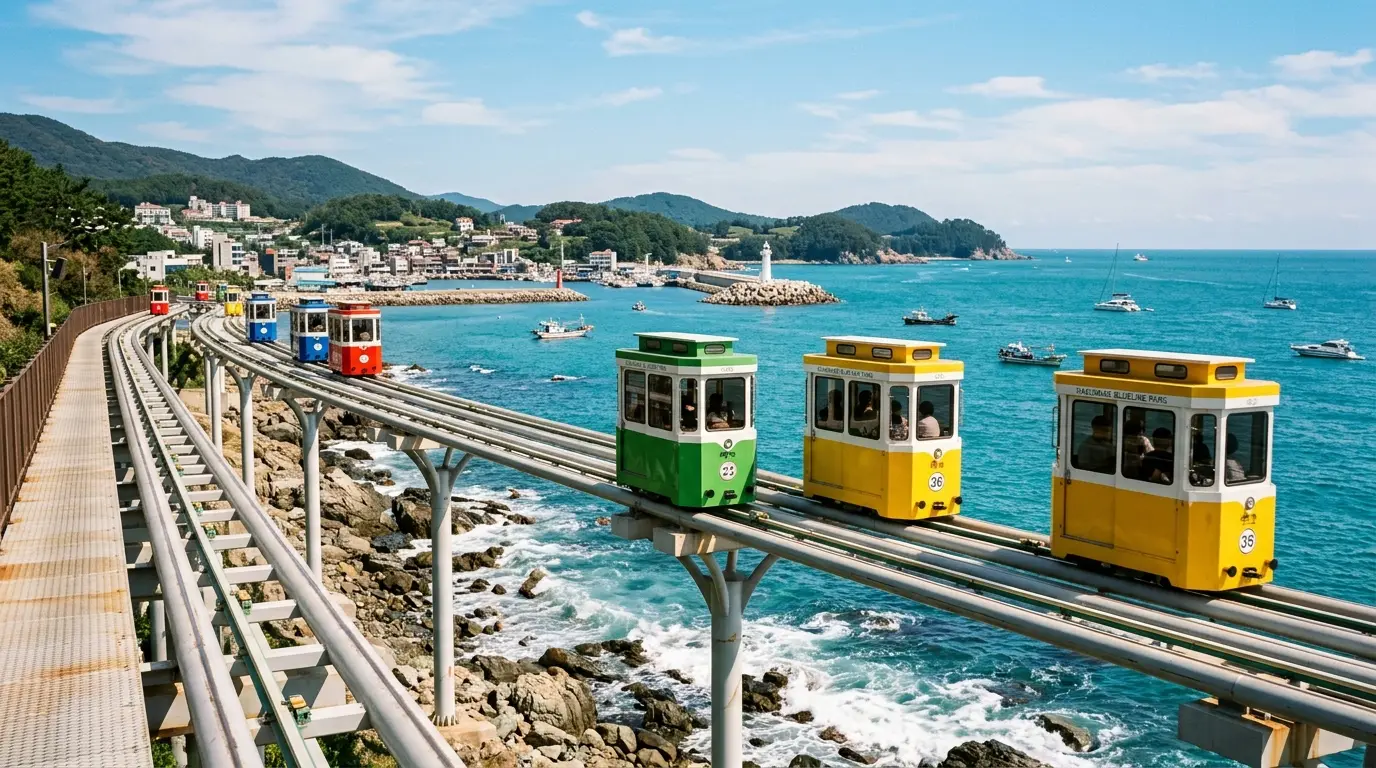
Busan Day 2 Itinerary: Haeundae Sky Capsule, Cheongsapo and the Marine City Skyline
Gliding 10 meters above coastal pine groves inside a retro Haeundae Sky Capsule, savoring butter-drenched grilled shellfish by Cheongsapo's twin lighthouses, listening to crashing waves at the cliffside Haedong Yonggungsa Temple, and capturing mirror-like skyscraper reflections at The Bay 101: your definitive Day 2 along Busan's eastern coastline.
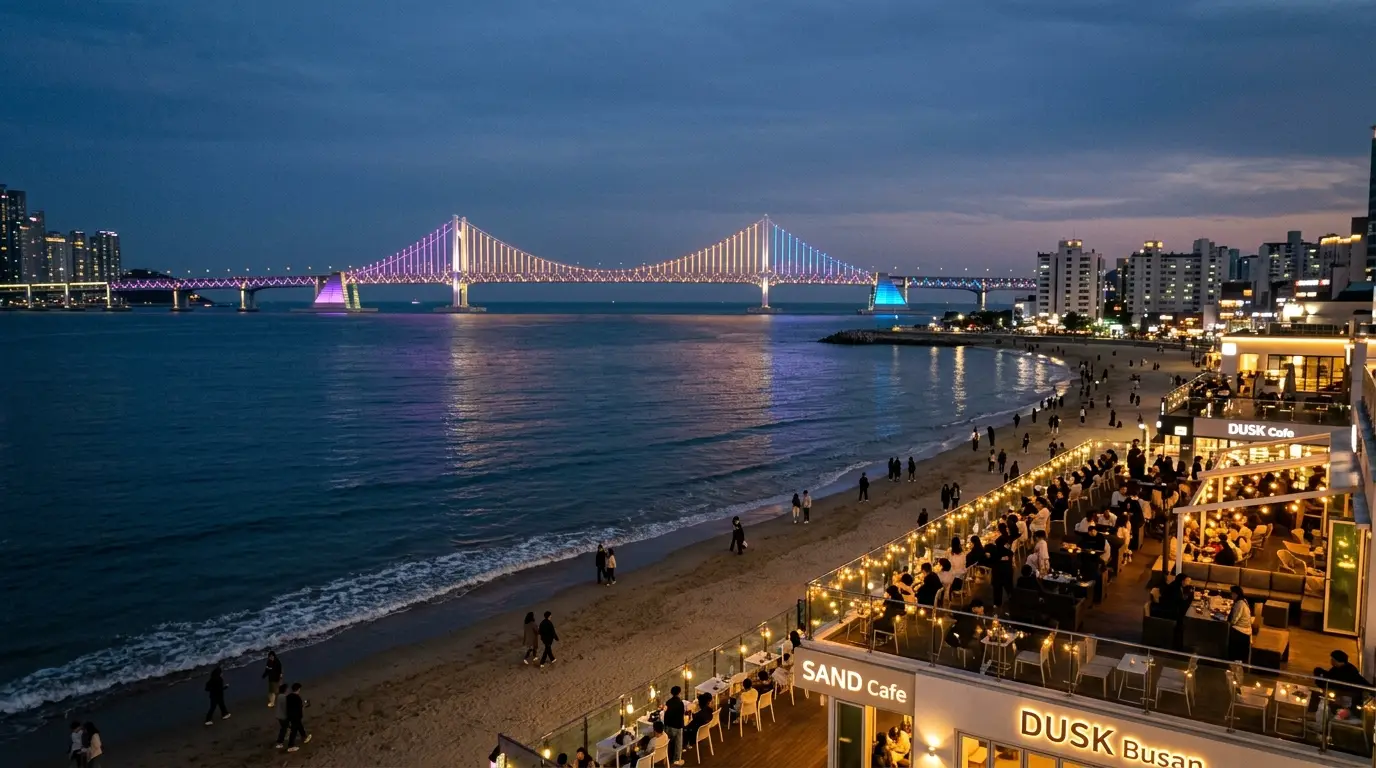
Busan Day 3 Itinerary: Gamcheon Village, Huinnyeoul Path and Busan Station Souvenirs
Savoring artisanal pour-over coffee facing the gleaming silver cables of the Gwangan Diamond Bridge, navigating the pastel labyrinth of Gamcheon Culture Village, strolling along the cliffside paths of Yeongdo Huinnyeoul Village, and packing vacuum-sealed artisanal fishcakes at Busan Station: the definitive final chapter of your 3-day Busan journey.
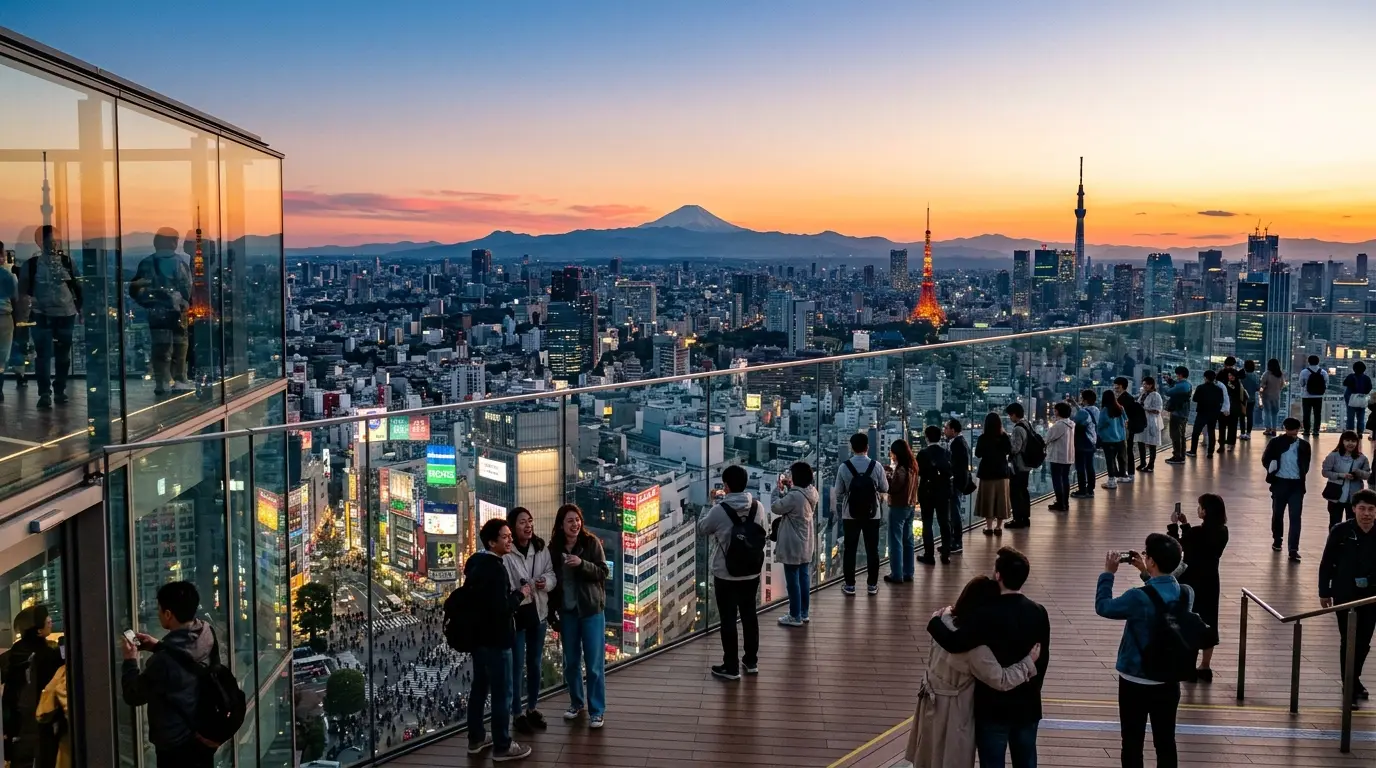
Where to Stay in Tokyo: Shinjuku vs Shibuya vs Ginza
Comparing room footprints across Shinjuku, Ginza, and Ueno, locking in sudden 14-day cancellation drops, and eliminating DCC fees with clean Yen checkout.
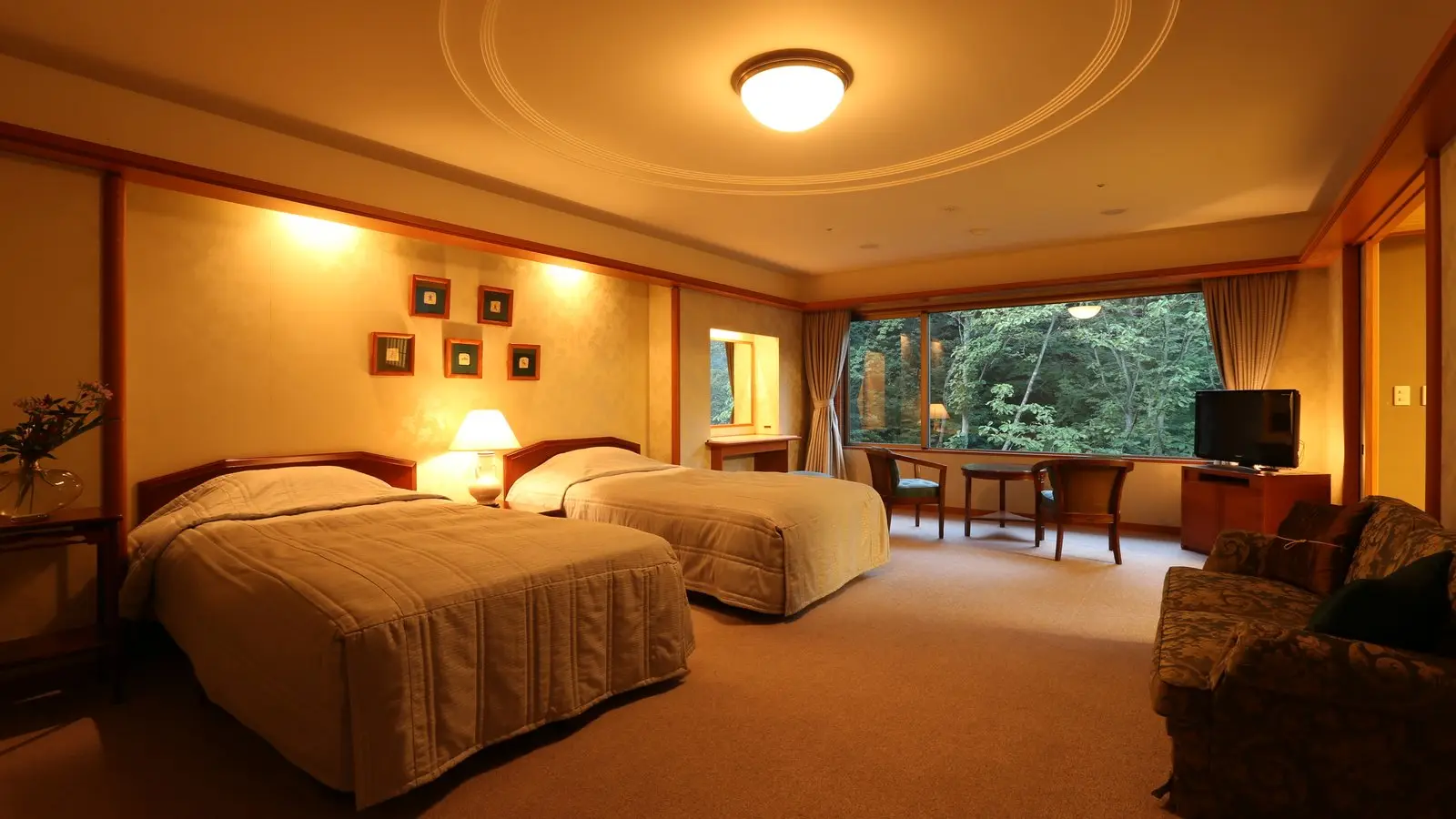
7 Budget Hotels in Tokyo Under $100 on the Yamanote Line
Even amid yen fluctuations, central Tokyo hotel rates have soared. Learn how to secure Yamanote loop line hotels at half the price of Shinjuku, compare onsen bath chains like Dormy Inn, trigger secret Agoda VIP and Booking.com Genius discounts, and dodge hidden currency fees with yen settlement.
How to Read the Tokyo Subway Map and Where to Stay on the Yamanote Line
How to choose between Keisei Skyliner and Narita Express, avoid the Tokyo Subway Ticket trap, use Apple Wallet Suica, and select the ideal hotel base in Tokyo.
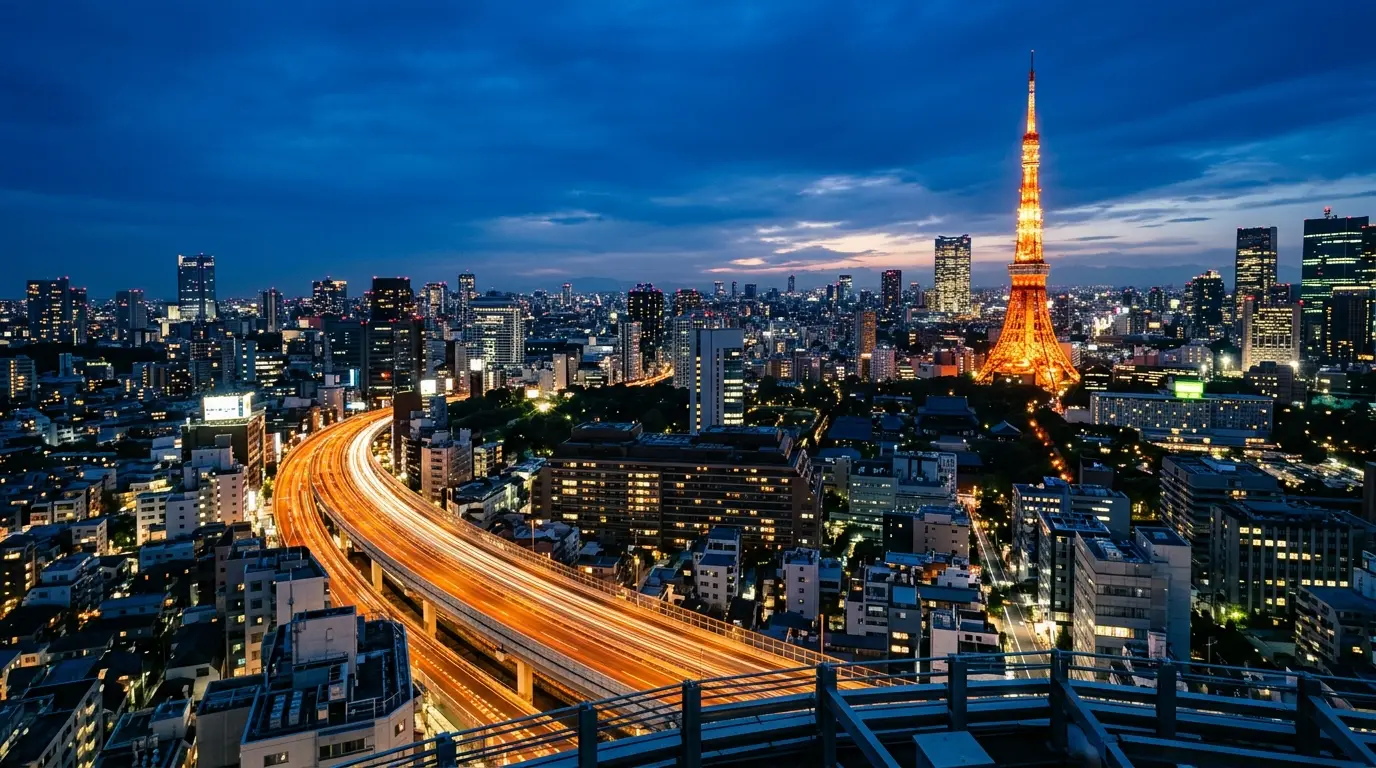
Tokyo Day 1 Itinerary: Narita Airport to the City and Your First 24 Hours
From stepping off at Narita Airport to mastering high-speed trains, navigating Tokyo's sprawling transit hubs, ordering counter ramen effortlessly, and catching sunset from Roppongi Hills. A definitive guide for your first 24 hours in Tokyo.
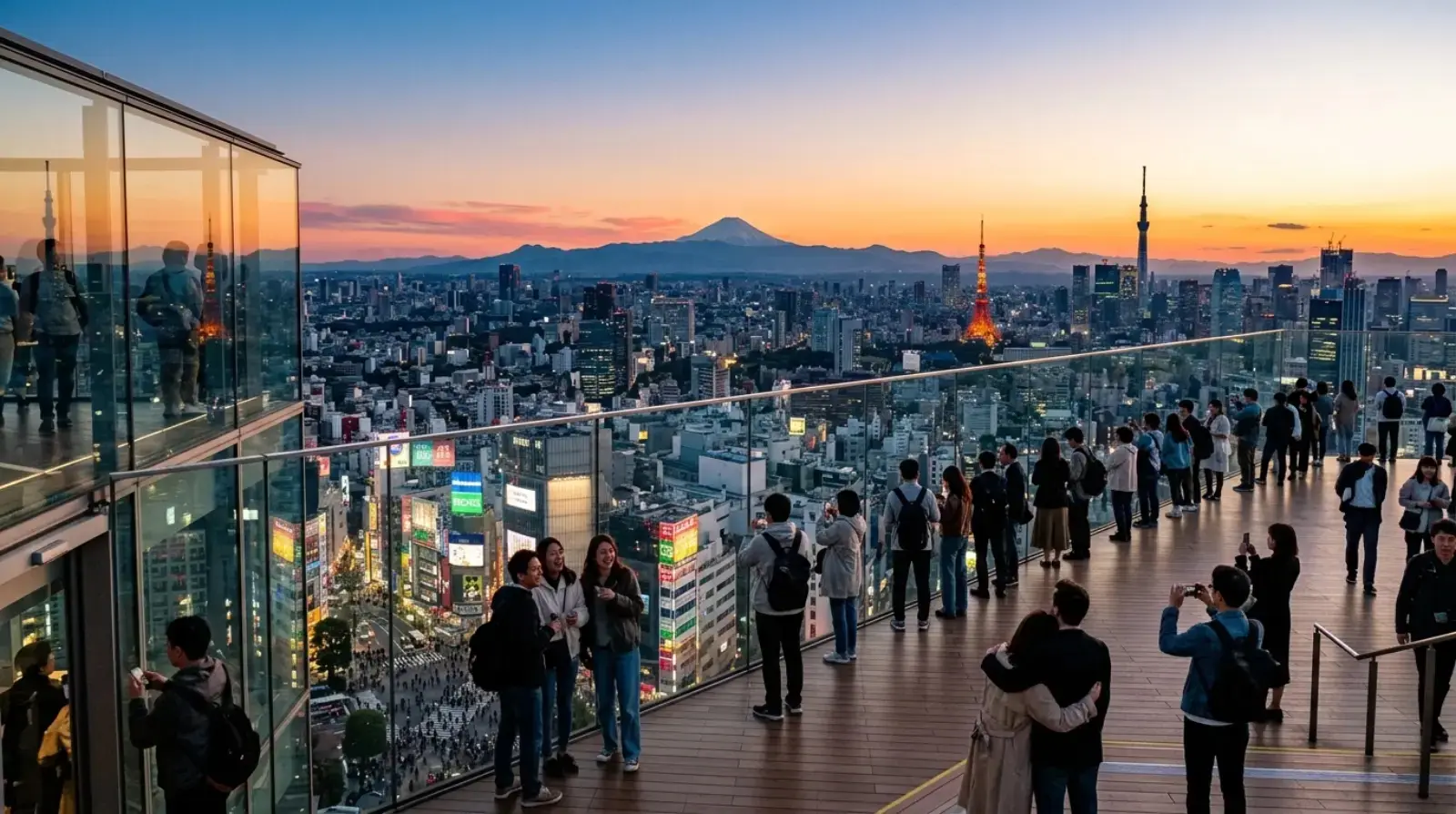
Tokyo Day 2 Itinerary: Booking Shibuya Sky, Harajuku Backstreets and Roppongi at Night
Securing prime sunset slots atop Shibuya Sky, navigating hidden boutiques along Harajuku Cat Street, immersing in the forested serenity of Meiji Jingu, and marveling at the crimson glow of Tokyo Tower from Roppongi Hills. A masterclass in Day 2 pacing.
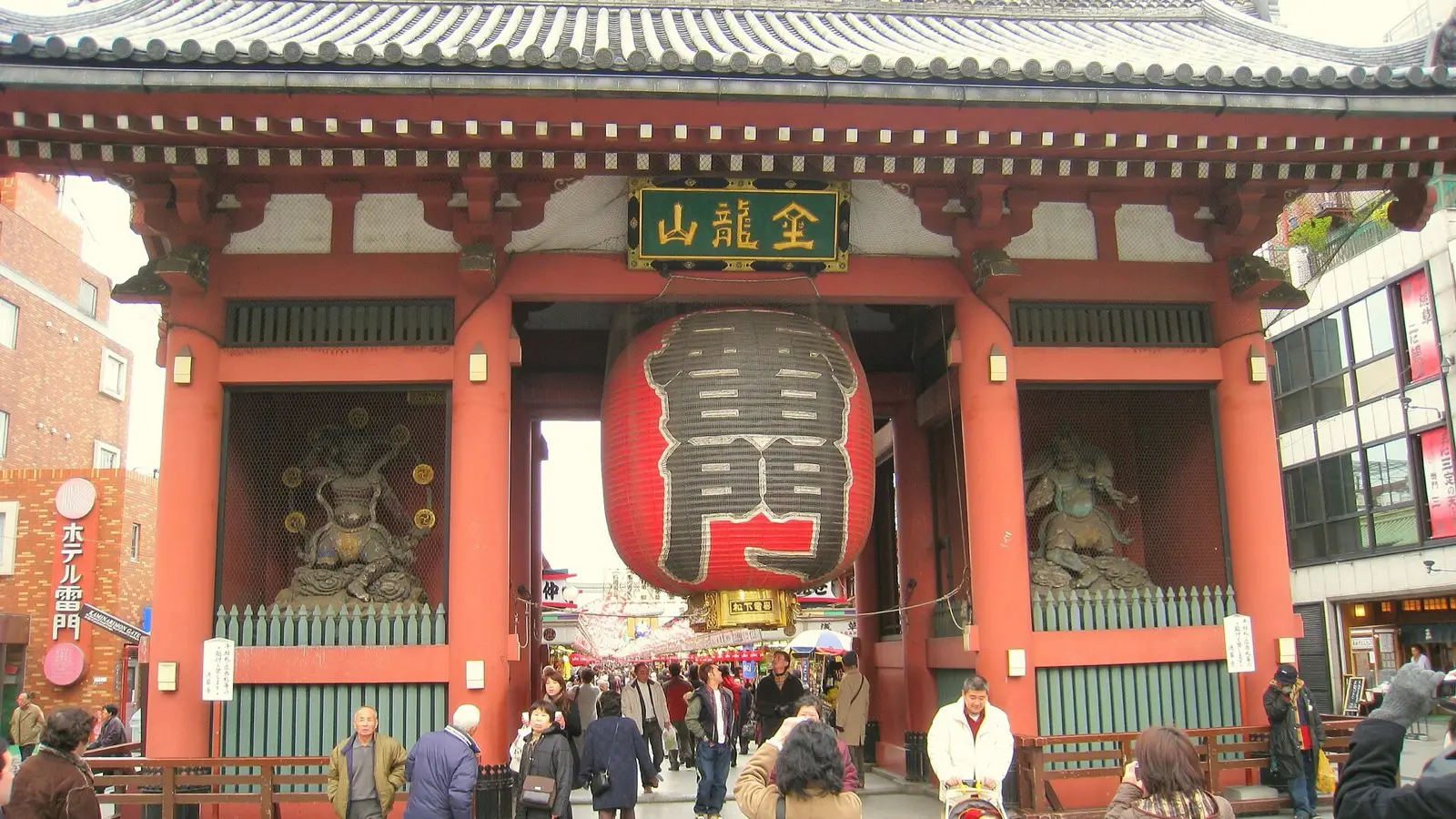
Tokyo Day 3 Itinerary: Asakusa, Akihabara, Ginza Depachika and Flying Home
The ultimate finale for your Tokyo stay: tranquil morning worship at Sensoji, retro subculture in Akihabara, Ginza Six architectural rooftop views and basement depachika feasts, capped by seamless Skyliner and N'EX airport connections.
Osaka Itinerary: Dotonbori and Umeda in Two Nights
Osaka is Japan culinary powerhouse where feasting is an art. Navigate Rapi:t airport transfers, Namba vs Umeda hotels, and street food corridors with veteran precision.
Kyoto Itinerary: Arashiyama, Gion and How to Pick a Ryokan
Kyoto compresses a millennium of Japanese aesthetic mastery. Discover how to evade bus congestion with private railways, master ryokan kaiseki booking windows, and savor early dawn stillness.