
RomeCurated
Where to Stay in Rome: Monti, Trastevere and Safety Around Termini
Termini night boundaries along Via Giolitti, Leonardo Express vs €55 fixed taxi rules, and authentic Roman pasta without tourist menus.
The Light and Shadows of Termini: Safe Zones and Boundary Streets
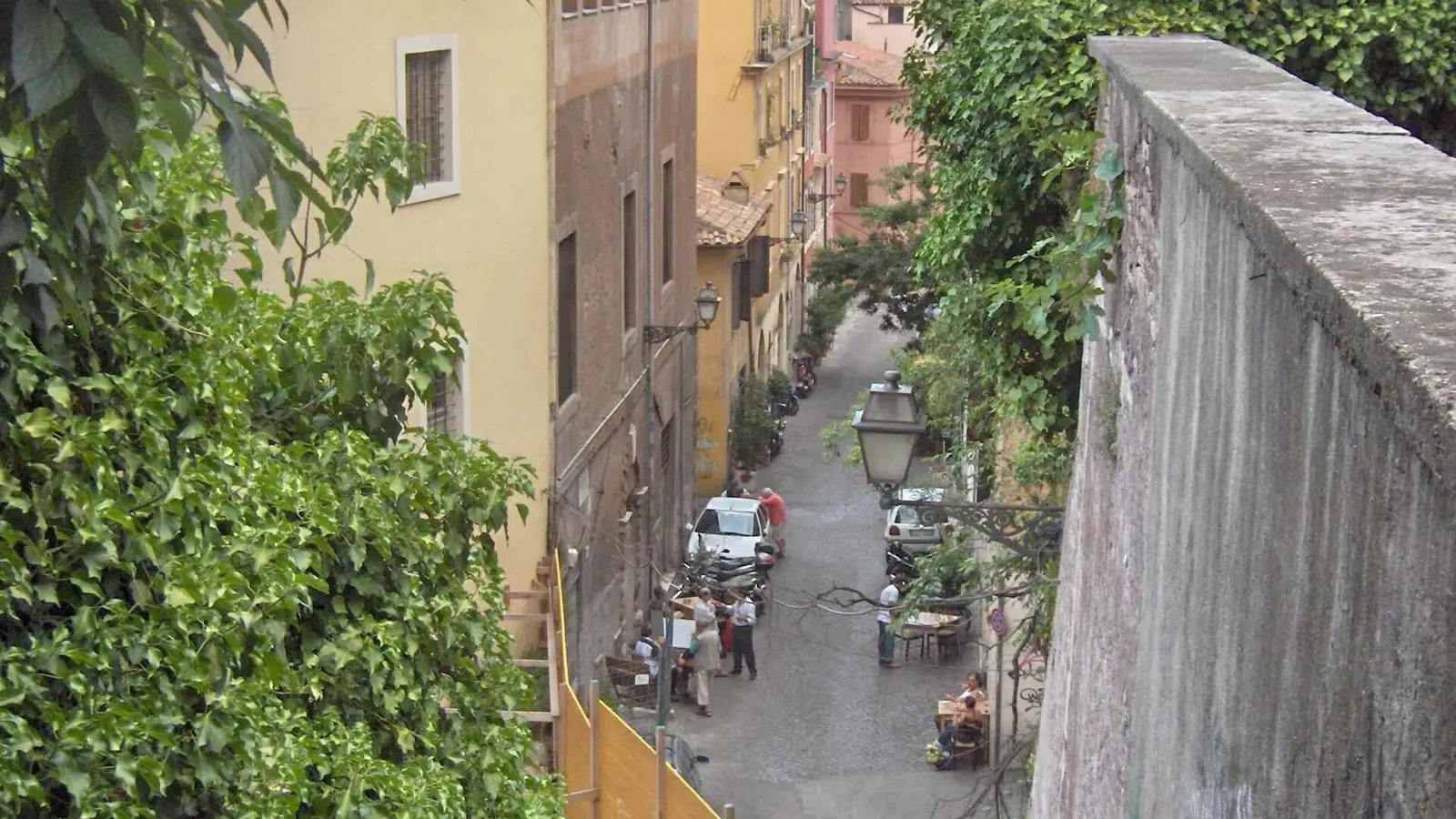
As the central nexus where all regional rail, intercity Frecciarossa lines, and Metro lines A and B converge, Stazione Termini is an irresistible transport hub for travelers planning day trips to Florence or Naples. However, the station operates under a stark spatial duality. The northern perimeter along Via Marsala, near Platform 1, borders government offices and embassies, featuring clean streetscapes and frequent carabinieri patrols. Conversely, the southern flank along Via Giovanni Giolitti, flanking Platform 24, deteriorates rapidly after dusk into a gritty zone frequented by vagrants and predatory pickpocket syndicates.
The petty crime network operating within Termini's vast concourses relies on orchestrated deception rather than casual theft. At the subterranean interchange corridors connecting Metro lines A and B, coordinated groups of youths carrying large cardboard folders or baby dolls frequently stage deliberate pedestrian bottlenecks. While an accomplice obstructs your path, another slices open backpack bases or lifts smartphones from zippered pockets in seconds. Fraudsters posing as official station concierges also hover near ticketing kiosks, pretending to assist confused tourists before snatching dispensing change.
If transit convenience dictates staying near Termini, you must strictly position your basecamp along the northwestern corridor toward Piazza della Repubblica and Via Nazionale. This monumental boulevard is anchored by the Rome Opera House and five-star historic hotels, boasting high-lumen street illumination and round-the-clock security patrols. Venturing just two blocks south into the narrow alleyways of Via Amendola or Via Principe Amedeo plunges you into dim corners where walking alone with luggage after 10 PM creates severe personal safety hazards.
When utilizing Termini during early morning or late-night hours, always enter via the northern taxi concourse rather than dark side portals. Keep your smartphone stowed deeply in an interior pocket and navigate using single-earbud audio cues rather than staring into a bright screen. Never rest carry-on bags loosely atop rolling suitcases where snatch-and-grab thieves can snatch them in crowds. Defensive awareness and street vigilance are the mandatory prices of convenience around Rome's grand railway station.
Decoding Europe's Steepest Tourist Tax: Contributo di Soggiorno Traps
Few travel expenses deliver as sudden an administrative shock at checkout as Rome's municipal accommodation surcharge, officially known as the Contributo di Soggiorno. Under the auspices of heritage preservation and municipal maintenance, Rome City Hall enacted aggressive tariff hikes in late 2023. Standard four-star hotels now carry a mandatory levy of €7.50 per person per night, climbing to €10.00 nightly for five-star properties. For a couple spending five nights at an ordinary four-star boutique hotel, the additional local tax obligation totals an eye-watering €75.00.
A major pitfall for independent travelers is that major online booking platforms rarely collect this municipal levy upfront. While search summaries may display 'taxes and fees included', this statutory disclaimer applies solely to Italy's 10% national Value Added Tax (IVA). The municipal surcharge remains explicitly excluded and must be settled directly with the property at checkout. Overlooking the fine print at the foot of your booking confirmation leaves an unexpected fiscal deficit on the final morning of your journey.
On-site payment practices at smaller guest houses and historic palazzos also warrant strict scrutiny. Some informal operators attempt to demand cash payments (solo contanti) while declining to issue formal tax receipts. Under Italian fiscal regulations, every hospitality business is legally bound to provide a stamped fiscal receipt (Ricevuta Fiscale) for tourist tax collections and cannot lawfully refuse credit card settlement. Always demand official printed documentation to prevent fraudulent bookkeeping or accidental double charges.
Equally insidious is the Dynamic Currency Conversion (DCC) trap triggered at payment terminals. When inserting an overseas payment card, credit card machines frequently offer a choice between 'EUR' and your home currency. Selecting your home currency grants the merchant gateway permission to impose an arbitrary conversion markup between 3% and 6%. On a four-night hotel invoice exceeding €1,000, falling for this prompt vaporizes €50 instantly. Always instruct the front desk clerk to process the charge natively in Euros (EUR).
Where Romans Actually Dwell: Monti vs Trastevere vs Prati
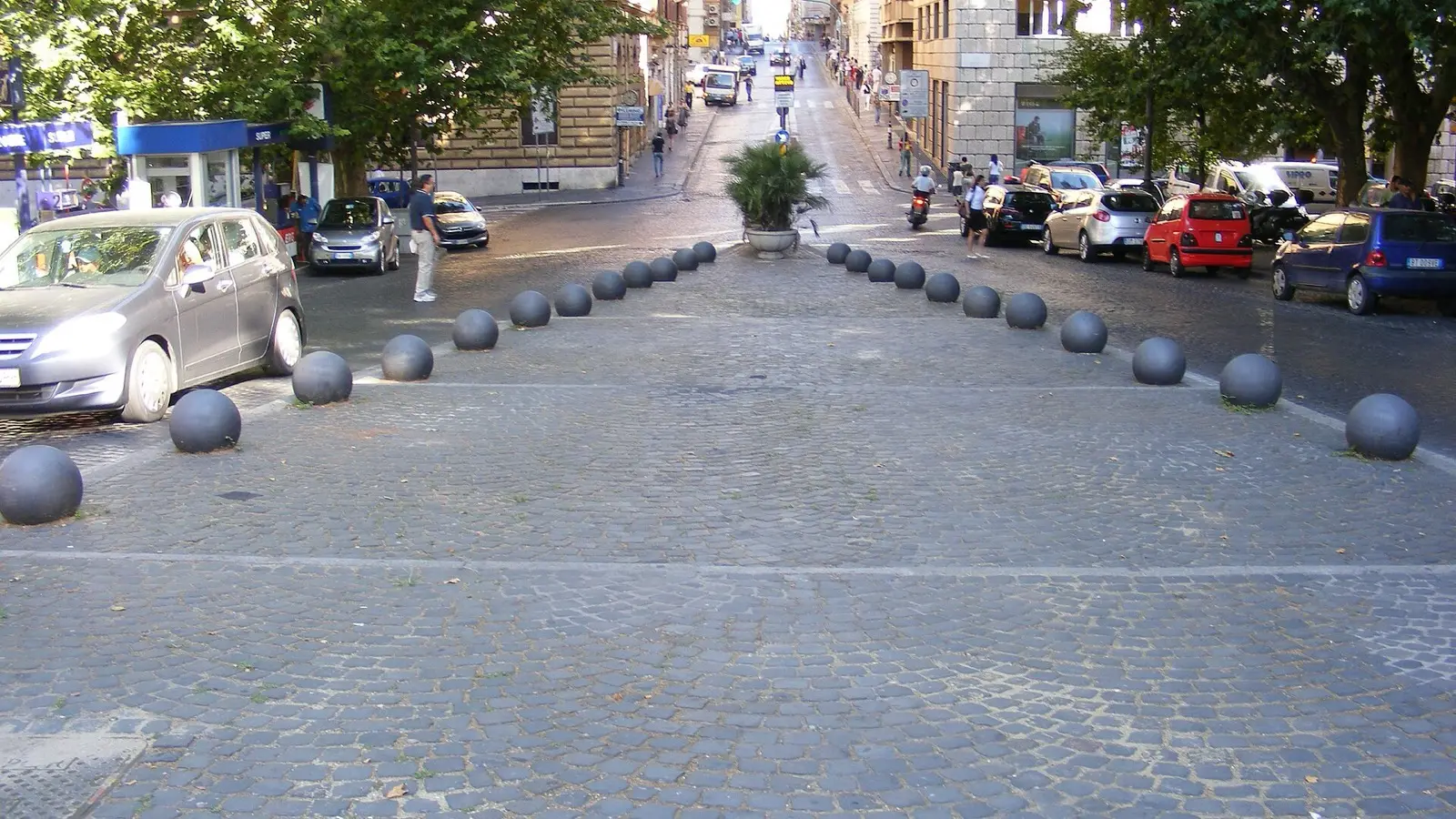
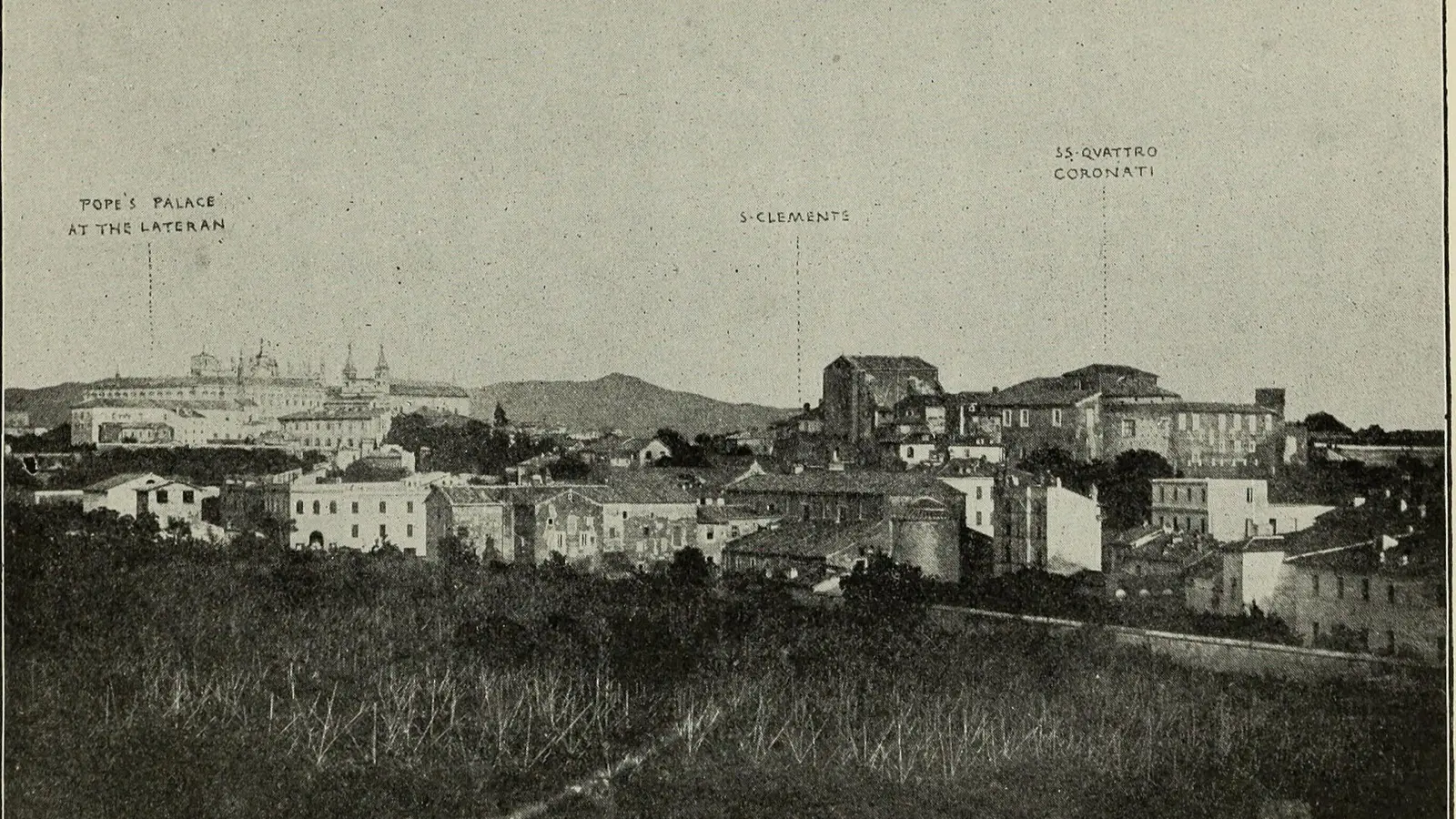
Escaping the utilitarian grit of Termini requires selecting a historic basecamp tailored to your personal travel rhythm. The foremost recommendation for design-conscious travelers is the Monti district, nestled just north of the Colosseum and Roman Forum. Draped in ivy and paved with ancient basalt stones, Monti's narrow lanes host independent artisan boutiques, vintage ateliers, and natural wine bars. Major antiquity hubs are reachable on foot within 15 minutes, while vibrant piazzas fill each evening with neighborhood locals enjoying pre-dinner aperitivi.
Across the Tiber River lies the historic working-class redoubt of Trastevere. Famed for its labyrinthine cobblestones and terracotta facades glowing beneath amber streetlights, Trastevere transforms each evening into Rome's culinary epicenter. While lacking direct underground subway connections, tram line 8 and high-frequency bus corridors whisk passengers to Piazza Venezia in under 15 minutes. For romantic couples and epicures seeking lively outdoor dining and bustling wine bars until late into the night, Trastevere offers unmatched atmosphere.
For families, mature travelers, and those demanding uncompromised nighttime serenity, the refined district of Prati stands unmatched. Situated northeast of Vatican City, Prati is a planned late 19th-century bourgeois quarter characterized by wide, immaculate, grid-patterned boulevards. Home to diplomatic residences, prestigious law courts, and classic pasticcerie, Prati ranks among the safest urban pockets in Rome. Metro Line A stations Ottaviano and Lepanto deliver passengers to Piazza di Spagna in just six minutes.
Historic lodging throughout Rome requires pragmatic expectations regarding infrastructure. The venerable residential palazzos of Monti and Trastevere were constructed in the 17th and 18th centuries, meaning elevators are frequently nonexistent or confined to tiny birdcage retrofits accommodating one person. Booking a fourth-floor attic without verifying amenities means hauling heavy 28-inch rolling cases up steep, spiraling marble steps. Always verify the explicit presence of an 'Ascensore' and confirm floor elevations prior to booking.
Summer travelers must also scrutinize climate control systems and water pressure. Massive masonry construction traps Mediterranean heat indoors, and some properties with central air conditioning turn it down or switch it off late at night under their own house rules. Upper-level penthouses can suffer from depleted water pressure during peak morning shower windows. Filter recent guest reviews for 'AC' and 'Water Pressure' over the preceding 90 days before binding your non-refundable reservation.
Navigating the €55 Flat-Rate Airport Taxi and Leonardo Express Rail
Arriving at Leonardo da Vinci-Fiumicino Airport (FCO) introduces travelers to their first major financial gauntlet. Under Rome municipal bylaws, licensed white city taxis operating between FCO and destinations within the ancient Aurelian Walls (encompassing all central historic districts) are bound to a strict €55.00 fixed flat rate (Tariffa Fissa), inclusive of luggage and highway tolls. Nevertheless, unlicensed touts lurking outside terminal exits aggressively solicit arriving passengers, promising cheap meter rides that culminate in fraudulent €90 to €120 bills.
To secure the legitimate fixed tariff, completely ignore touts inside the terminal and proceed directly to the official outdoor taxi stand marked with overhead signs. Inspect the front doors of the vehicle to ensure it displays the official 'Comune di Roma' crest and taxi license medallion. Before loading your luggage, state firmly to the driver: 'Tariffa fissa per centro, 55 euro?' If the driver invents excuses regarding excessive baggage or late-night surcharges, immediately step back and approach the next licensed vehicle.
For solo travelers or couples traveling light, rail transport provides an overwhelmingly superior experience in both efficiency and economy. The non-stop Leonardo Express departs airport platforms every 15 minutes, whisking passengers directly into Stazione Termini in exactly 32 minutes for €14.00 per ticket. Operating with generous luggage racks and dedicated boarding zones, it bypasses Rome's notorious GRA ring-road gridlock entirely, guaranteeing an unruffled arrival into the heart of the city.
If your hotel is situated in Trastevere, Testaccio, or Ostiense, bypassing the Leonardo Express in favor of the regional FL1 commuter line saves both money and transit time. Costing just €8.00, the FL1 skirts the central core to connect Fiumicino directly to Roma Trastevere Station in 27 minutes. If traveling on physical paper tickets purchased at ticket machines, you must stamp and validate them in the small yellow validation machines (convalida) before stepping onto the platform, or face immediate €50 on-board fines.
The Reality of Coperto Cover Charges and Dawn at Trevi Fountain
Inspecting your dining bill across Italian trattorias invariably reveals a recurring line item: the 'Coperto', typically priced between €1.50 and €3.00 per guest. Far from a tourist scam, this is a centuries-old culinary convention covering bread service, linen tablecloths, and tableware setup. It is legally enforceable provided it is clearly listed on the primary printed menu. However, if a 10% to 15% 'Servizio' charge appears on top of the coperto without being stated on the menu, that is a classic tourist trap move, and you can ask for it to be removed.
Navigating Rome's culinary landscape requires learning to spot staged tourist traps around Piazza Navona and the Pantheon. Establishments displaying multilingual picture boards with faded photographs of lasagna, staffed by aggressive sidewalk barkers, serve pre-cooked frozen fare reheated in microwaves. Authentic Roman pasta relies on the holy trinity of guanciale (cured pork jowl), pecorino romano cheese, and egg yolks emulsified into silky carbonara, strictly omitting cream. Seek out unpretentious trattorias with handwritten Italian chalkboards patronized by neighborhood residents.
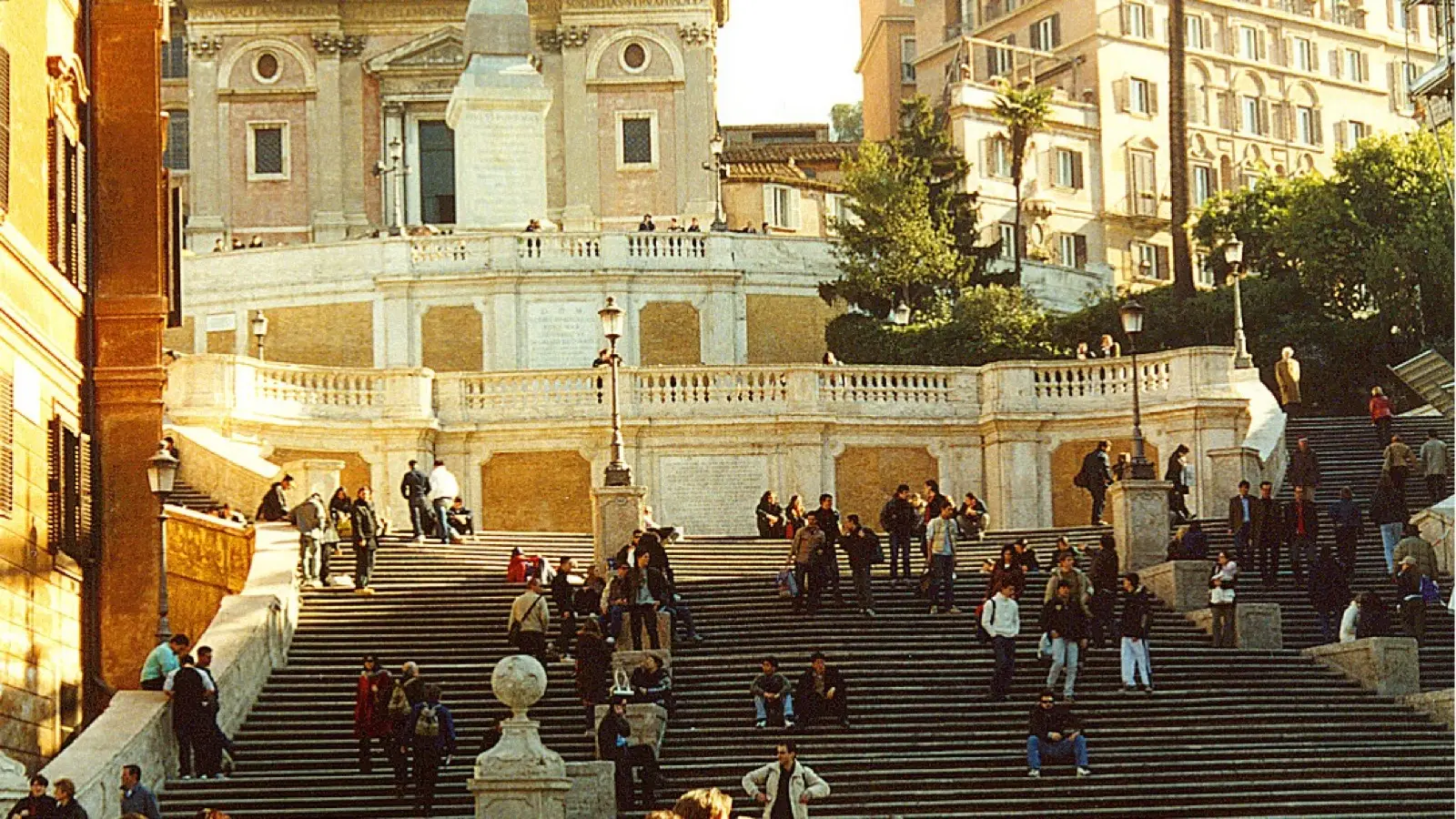
The single greatest privilege of staying centrally in Rome reveals itself during the early morning hours before the city awakes. By midday, the Trevi Fountain and Spanish Steps devolve into suffocating crowds flanked by aggressive hawkers forcing selfie sticks and roses into visitors' hands. Setting out at 6:30 AM transforms the experience entirely. The grand travertine basin of Trevi echoes only with rushing aqueduct water, allowing you to savor a fresh warm cornetto and espresso at a local corner bar for a modest €2.50.
Ultimately, navigating Rome successfully is an exercise in intentional pacing and local street literacy. Once you master the safety perimeters of Termini, settle into the quiet stone sanctuary of Monti or Prati, and align your days with the natural cadence of neighborhood life, the Eternal City rewards you with transcendent wonder. Armed with these field-tested rules, your journey through Rome will be defined not by travel fatigue or tourist friction, but by effortless elegance and genuine discovery.
Frequently Asked Questions
Field-tested answers to transit navigation, neighborhood choices, and payment traps.
Q1.Which neighborhood is best to stay in for a first trip to Rome?
Q2.How much is a taxi from Fiumicino Airport to central Rome?
Q3.Should I take the Leonardo Express or the FL1 train?
Q4.How much is Rome's tourist tax and how is it paid?
The Smart Traveler's Essential Toolkit
Prepare instant mobile data, private airport transfers, and skip-the-line passes in one place.
Pick a base in Rome by your route
Choose the places you want to see and get the neighbourhood with the shortest travel.
Compare Rome Hotel Rates
Find the cheapest channel across Agoda and major booking engines with Tripdify.
Share This Guide with Your Companions
When shared via chat or social media, a curated summary card is sent along.
Recommended Guides
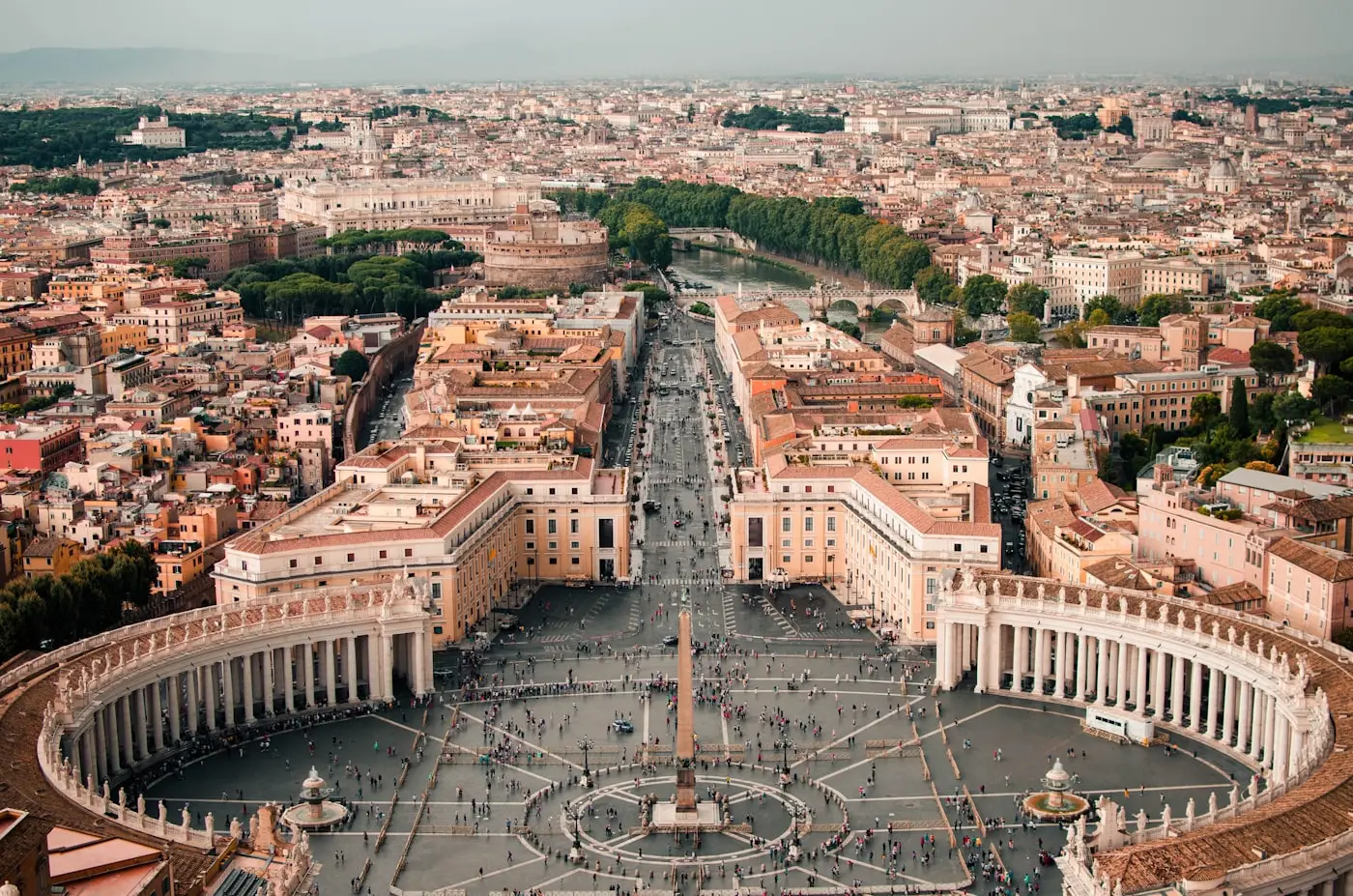
Rome Hotels and the ZTL Driving Zone: Termini vs the Pantheon
Comparing Termini station transit convenience with historic Pantheon and Navona luxury, plus critical advice on Italy's mandatory city tax.
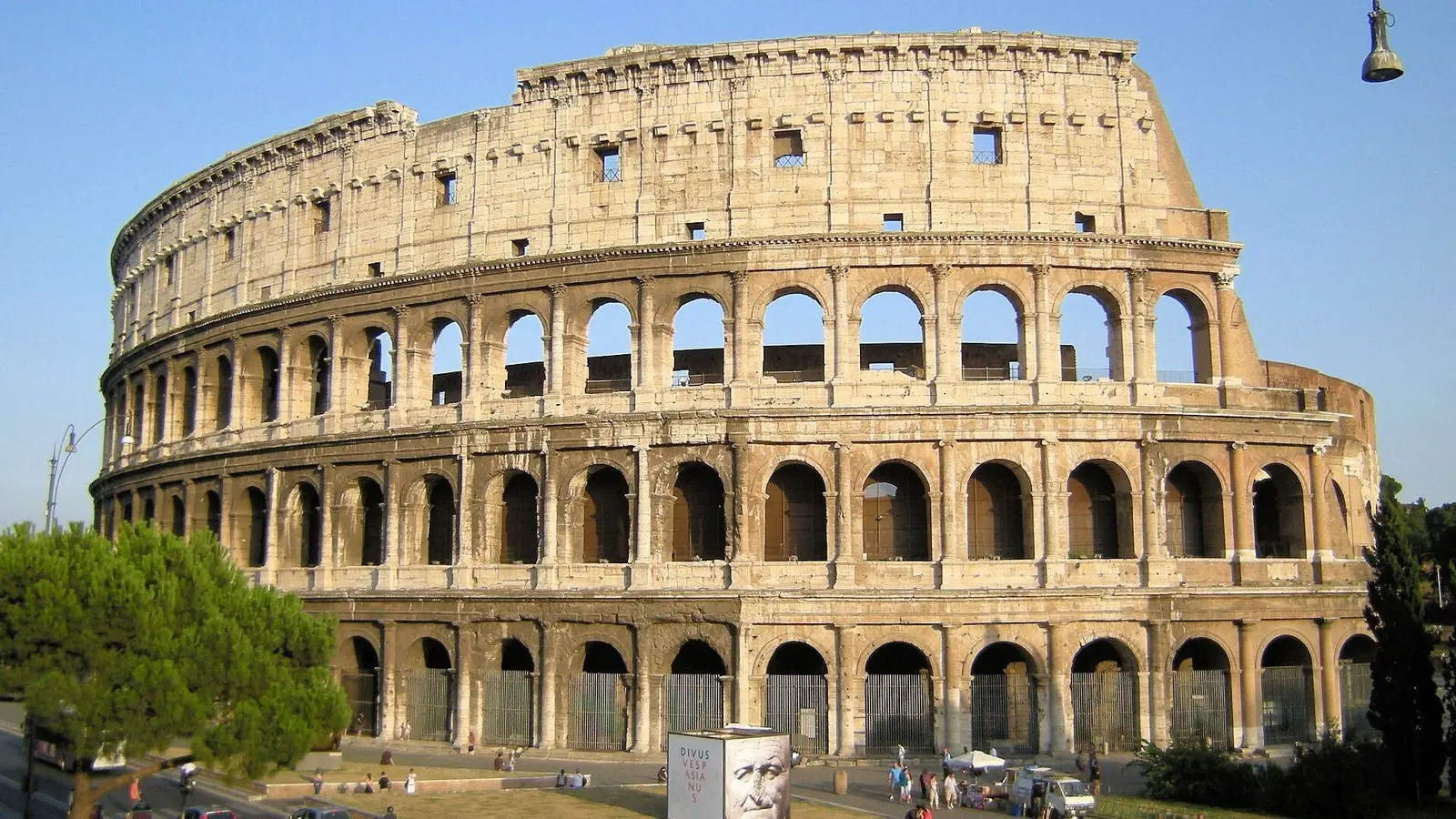
Rome Day 1 Itinerary: Fiumicino to the City, Monti and the Colosseum at Dusk
From touching down at FCO Airport to breezing into Roma Termini in 32 minutes aboard the Leonardo Express, here is how to navigate ancient cobblestones with heavy luggage. Savor an authentic Cacio e Pepe in Rione Monti, master Italian espresso etiquette, and watch the sun melt over the Colosseum arches on your first evening.
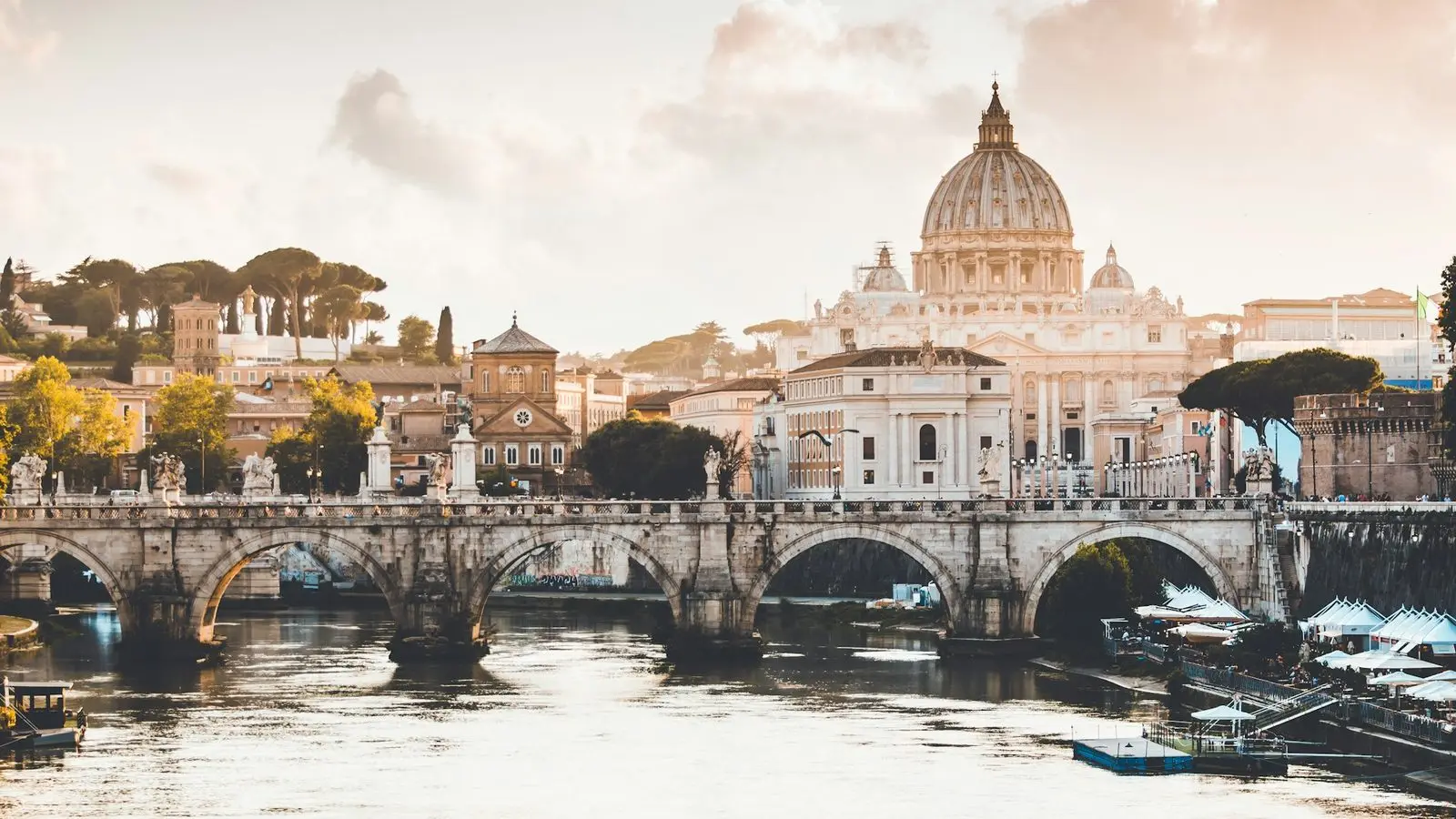
Top 5 Rome Termini Value Hotels: Safe District Stays and Rapid Transit Access
Rome Termini station is the premier gateway connecting Fiumicino Airport in 32 minutes while granting transfer-free access to Metro Lines A and B. However, safety concerns often cause hesitation when choosing accommodations. The critical distinction lies in understanding the northern versus southern perimeters. While the southern flank along Via Giolitti experiences noise and vagrancy, the northern perimeter stretching through Via Marsala into Castro Pretorio hosts international embassies, government ministries, and 24-hour police patrols. We curate five exceptional value boutique hotels situated within a flat five-minute walk of platforms, detailing double-glazed soundproofing, elevator layouts, and city tax requirements.
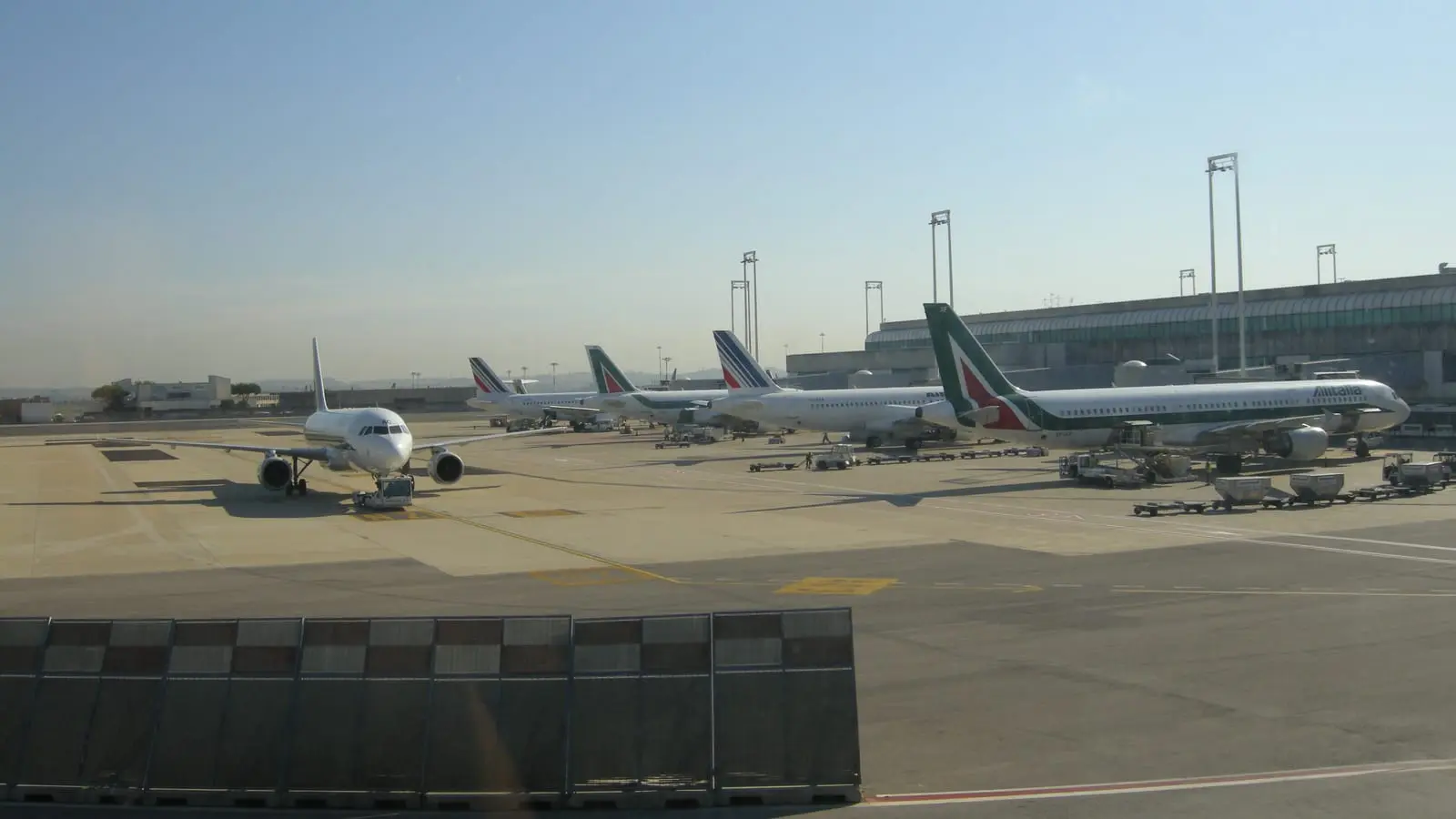
Rome Fiumicino Airport to City Centre: €14 Leonardo Express, €8 Regional Train, €6 Bus, and €55 Fixed Taxi
Landing at Rome's Leonardo da Vinci-Fiumicino International Airport (FCO), choosing your route into the Eternal City hinges directly on hotel geography and travel budget. For swiftest access to the central hub of Roma Termini, the nonstop Leonardo Express delivers you in 32 minutes flat for €14. However, travelers staying in the vibrant dining district of Trastevere or near Ostiense save half their fare by boarding the €8 regional FL1 train. Budget backpackers can rely on €6-€7 express shuttle buses, while parties of three or more benefit from the regulated €55 flat-fare city taxi.
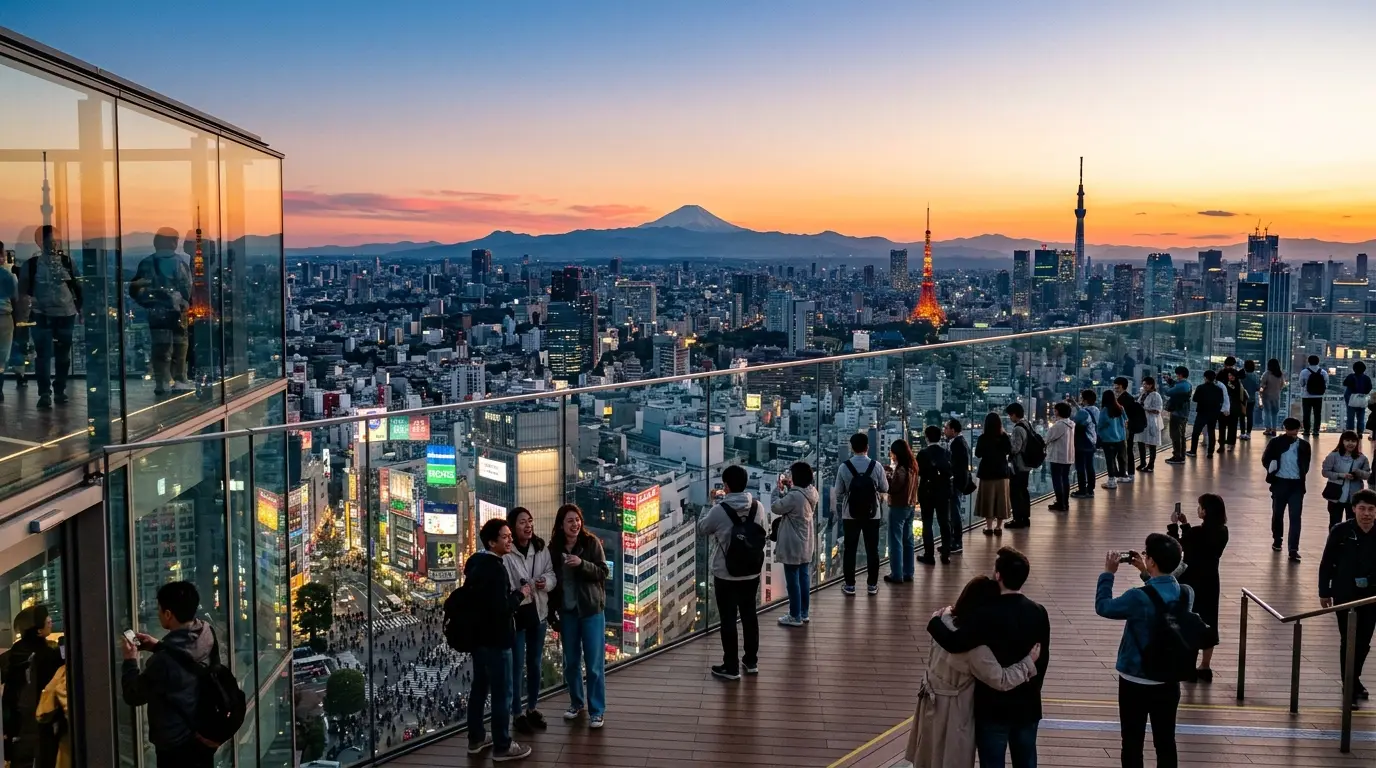
Where to Stay in Tokyo: Shinjuku vs Shibuya vs Ginza
Comparing room footprints across Shinjuku, Ginza, and Ueno, locking in sudden 14-day cancellation drops, and eliminating DCC fees with clean Yen checkout.
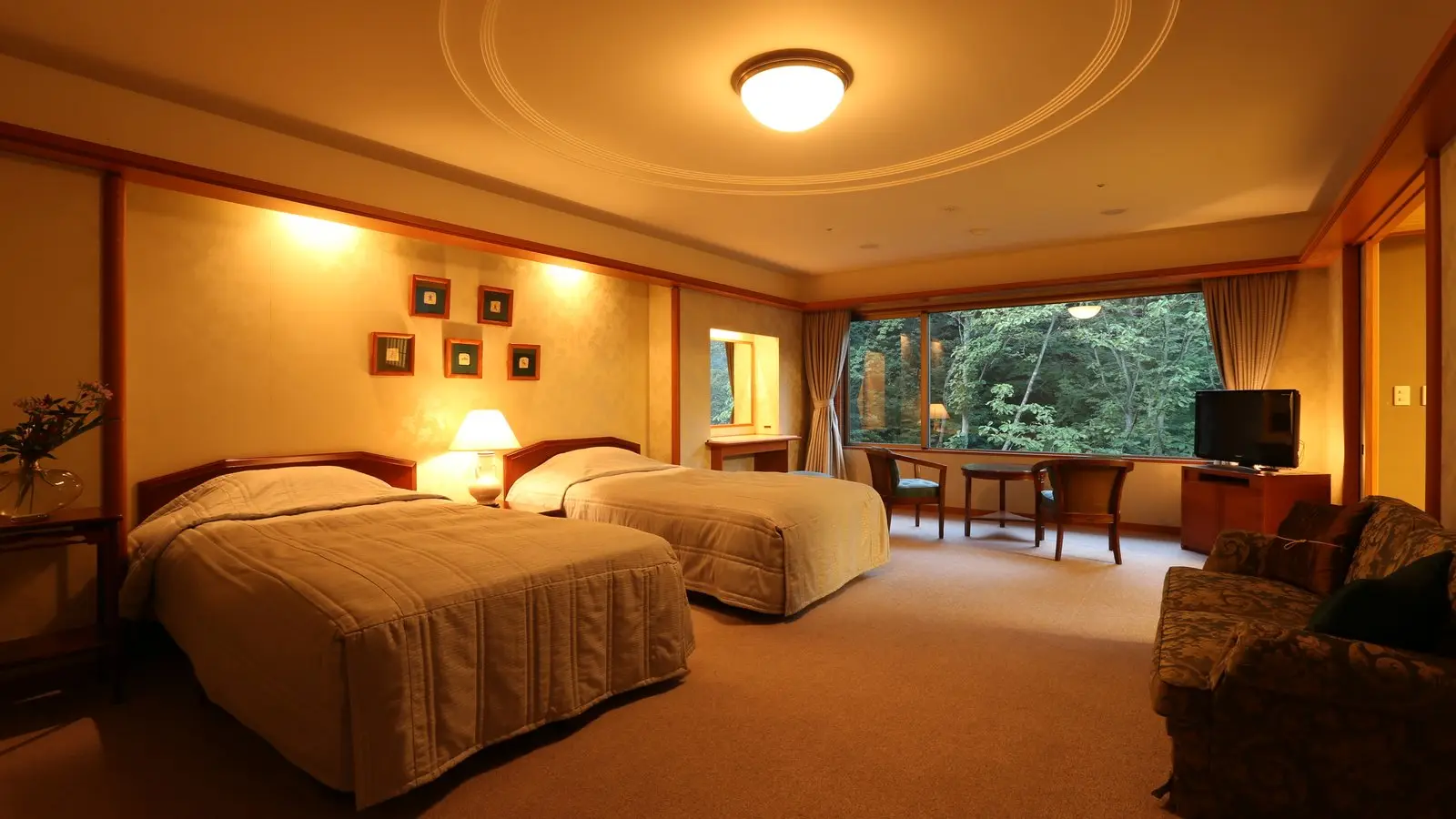
7 Budget Hotels in Tokyo Under $100 on the Yamanote Line
Even amid yen fluctuations, central Tokyo hotel rates have soared. Learn how to secure Yamanote loop line hotels at half the price of Shinjuku, compare onsen bath chains like Dormy Inn, trigger secret Agoda VIP and Booking.com Genius discounts, and dodge hidden currency fees with yen settlement.
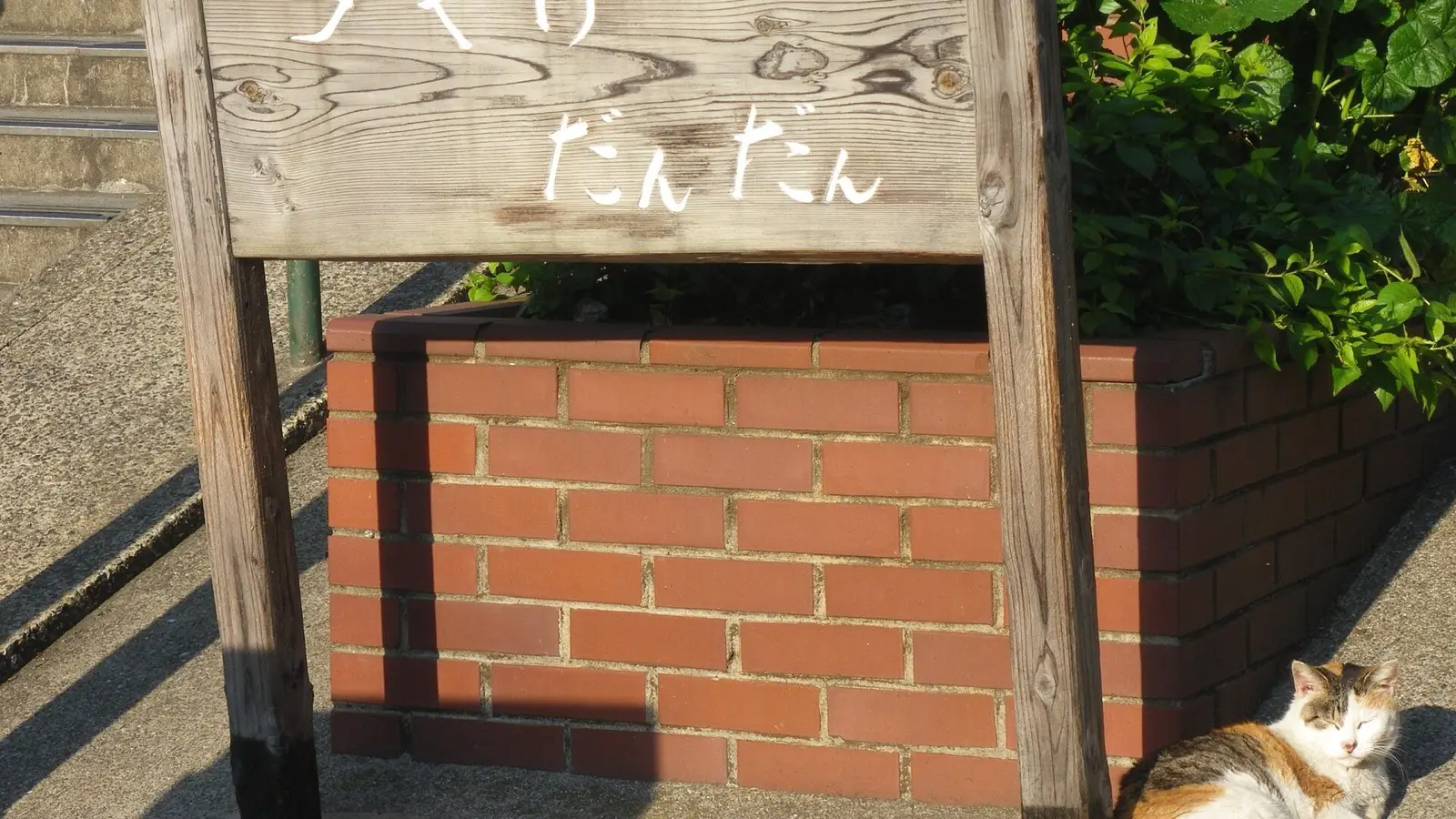
How to Read the Tokyo Subway Map and Where to Stay on the Yamanote Line
How to choose between Keisei Skyliner and Narita Express, avoid the Tokyo Subway Ticket trap, use Apple Wallet Suica, and select the ideal hotel base in Tokyo.
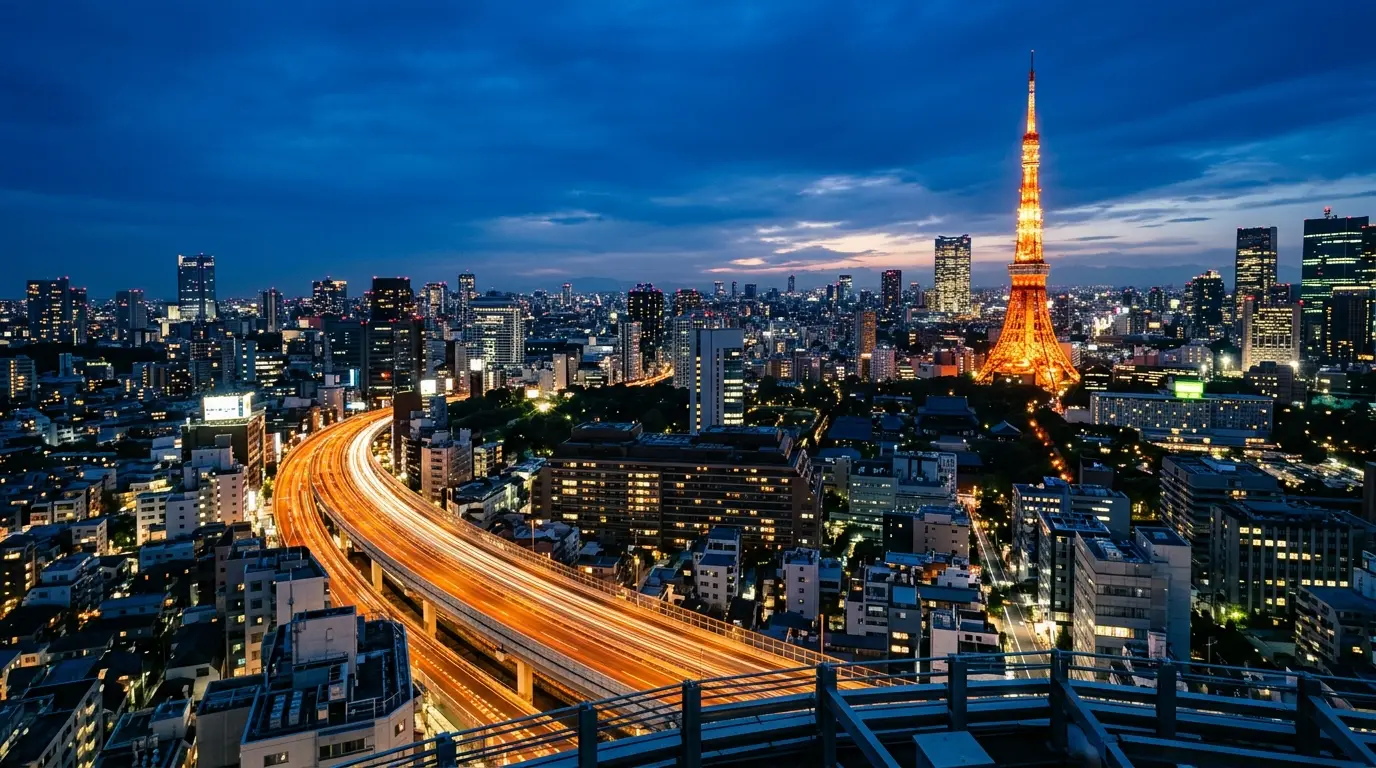
Tokyo Day 1 Itinerary: Narita Airport to the City and Your First 24 Hours
From stepping off at Narita Airport to mastering high-speed trains, navigating Tokyo's sprawling transit hubs, ordering counter ramen effortlessly, and catching sunset from Roppongi Hills. A definitive guide for your first 24 hours in Tokyo.
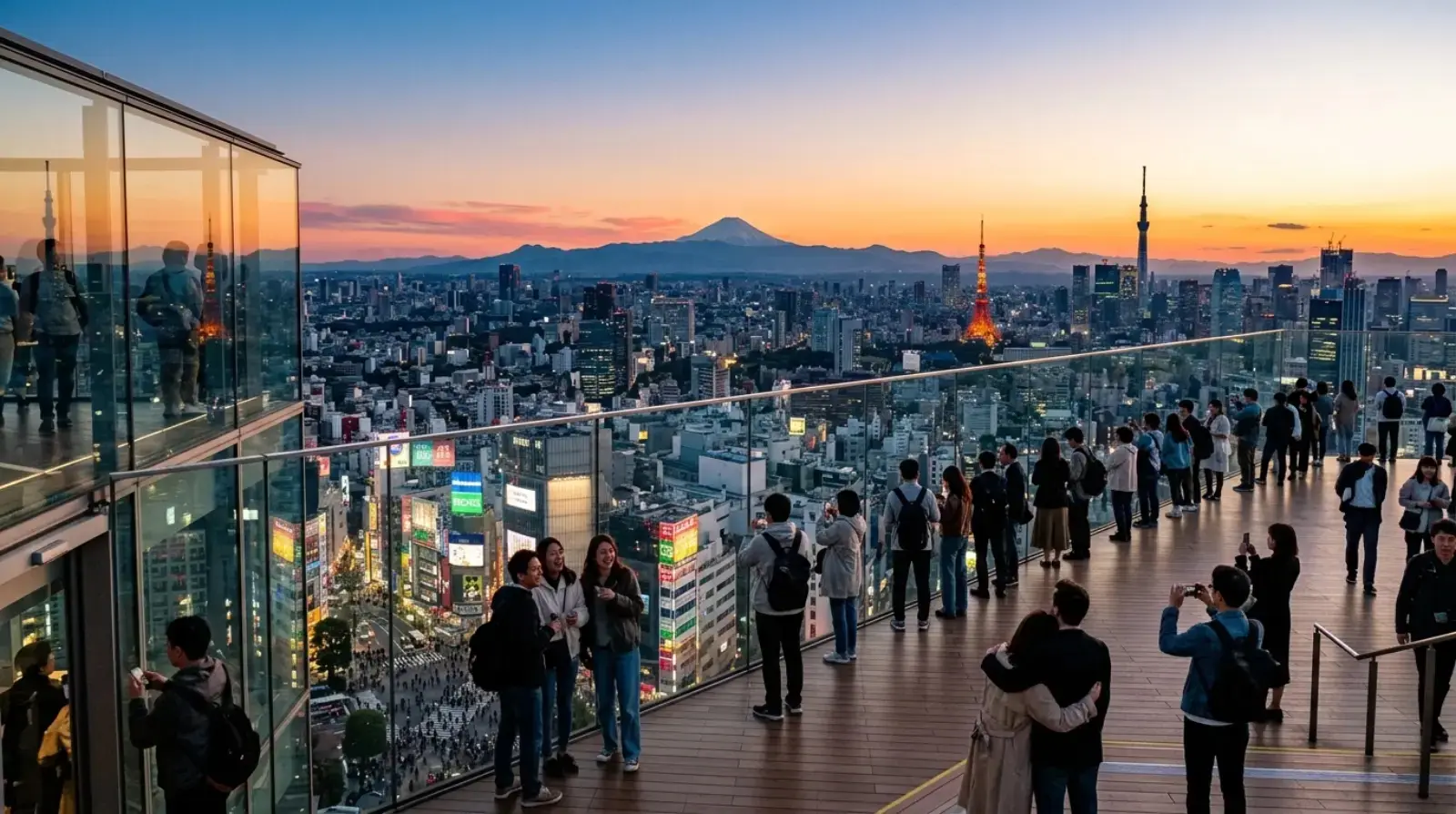
Tokyo Day 2 Itinerary: Booking Shibuya Sky, Harajuku Backstreets and Roppongi at Night
Securing prime sunset slots atop Shibuya Sky, navigating hidden boutiques along Harajuku Cat Street, immersing in the forested serenity of Meiji Jingu, and marveling at the crimson glow of Tokyo Tower from Roppongi Hills. A masterclass in Day 2 pacing.
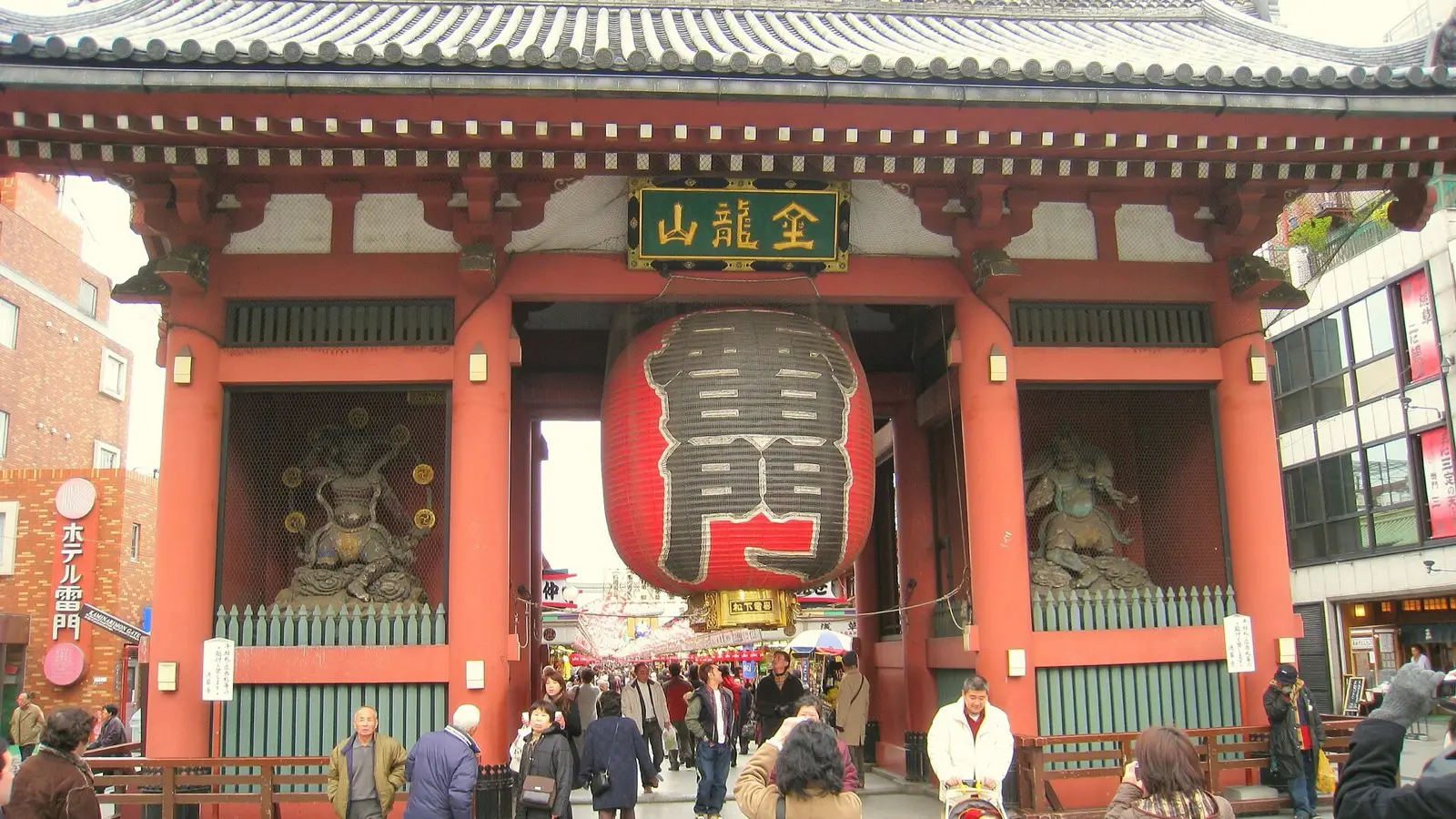
Tokyo Day 3 Itinerary: Asakusa, Akihabara, Ginza Depachika and Flying Home
The ultimate finale for your Tokyo stay: tranquil morning worship at Sensoji, retro subculture in Akihabara, Ginza Six architectural rooftop views and basement depachika feasts, capped by seamless Skyliner and N'EX airport connections.
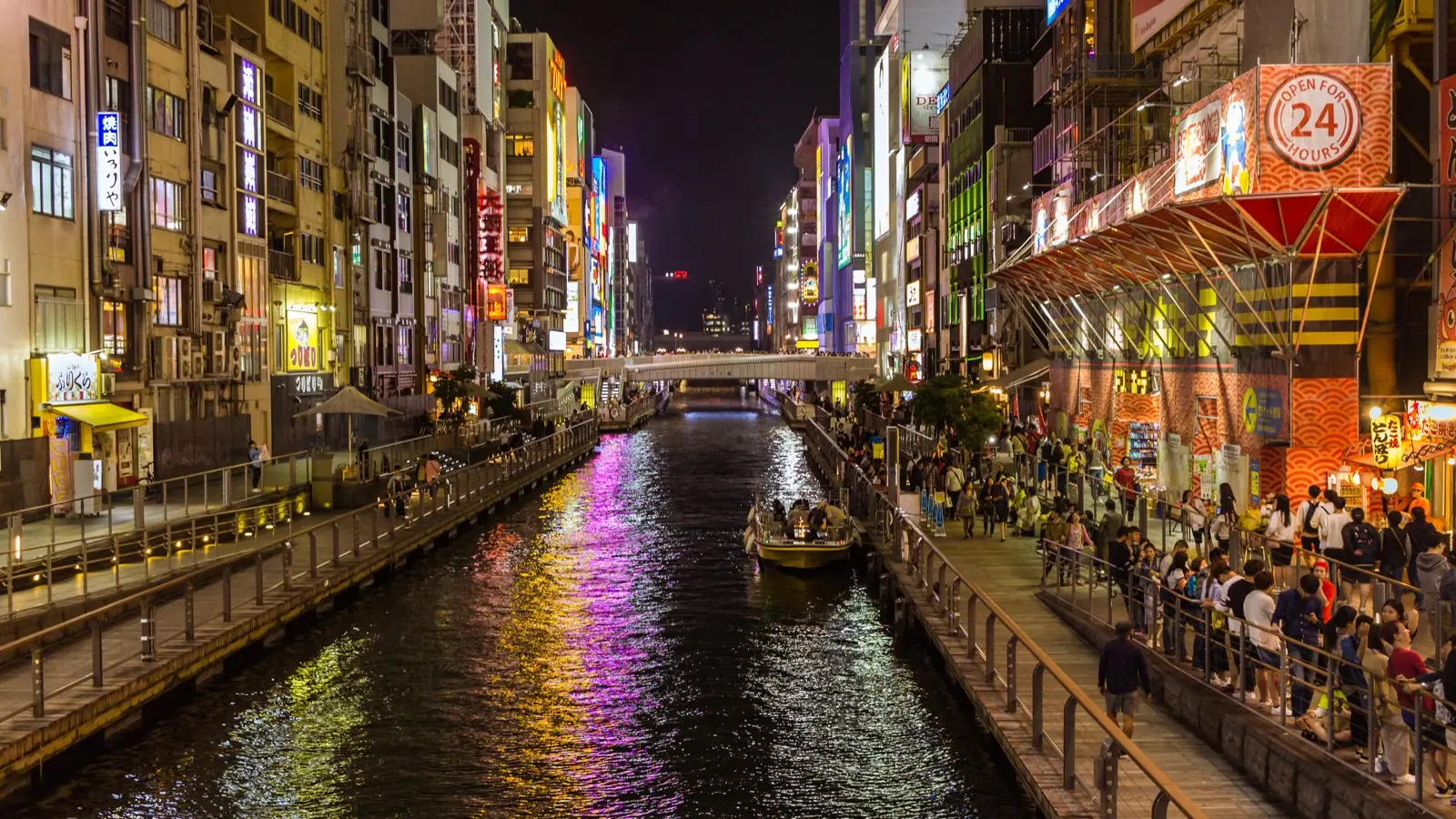
Osaka Itinerary: Dotonbori and Umeda in Two Nights
Osaka is Japan culinary powerhouse where feasting is an art. Navigate Rapi:t airport transfers, Namba vs Umeda hotels, and street food corridors with veteran precision.
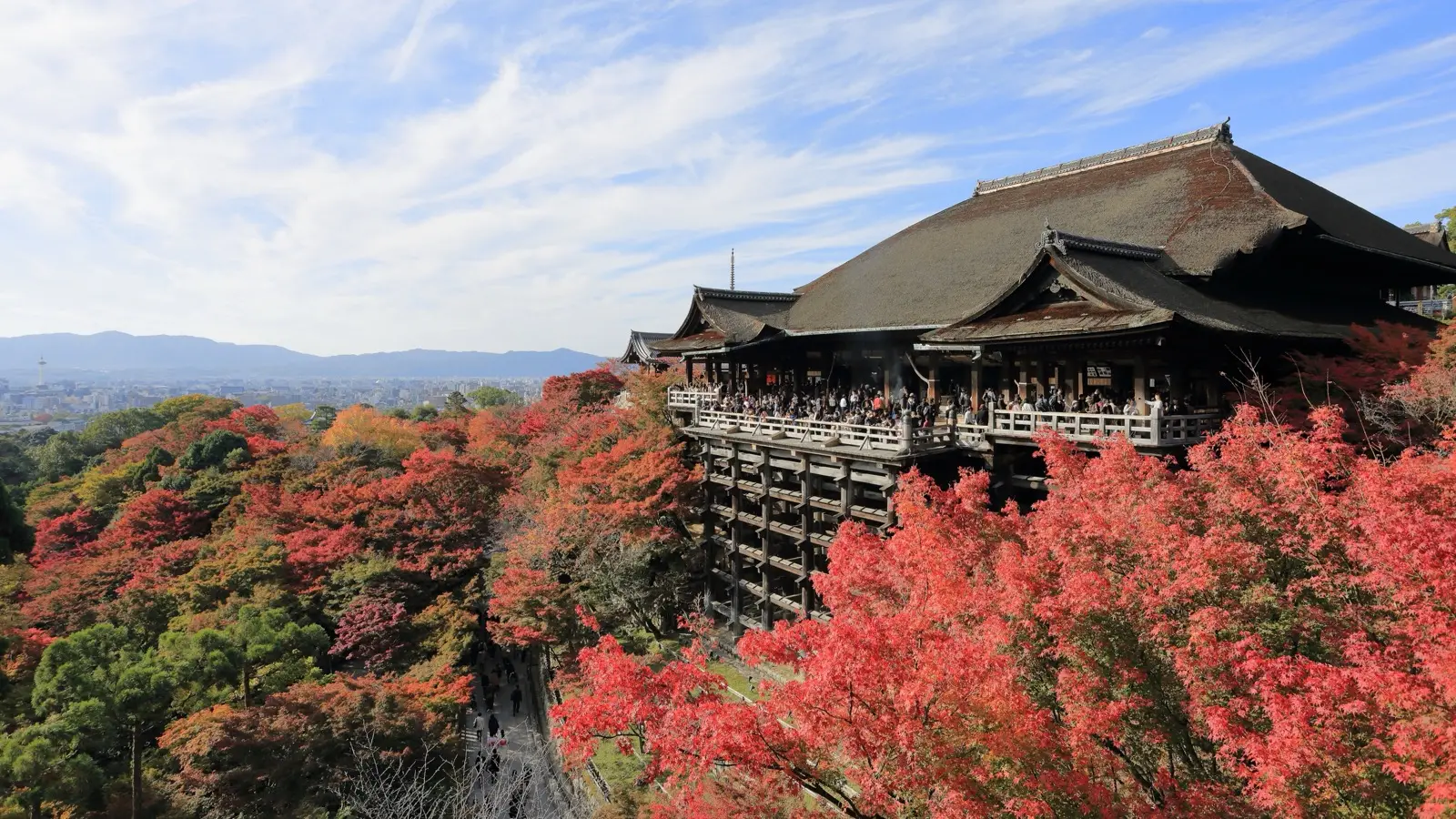
Kyoto Itinerary: Arashiyama, Gion and How to Pick a Ryokan
Kyoto compresses a millennium of Japanese aesthetic mastery. Discover how to evade bus congestion with private railways, master ryokan kaiseki booking windows, and savor early dawn stillness.