
Hong KongGuide
Hong Kong Itinerary and Where to Stay: Victoria Harbour in Two Nights
From 24-minute AEL transit to 5 HKD harbour ferries: dodging shoebox hotel traps for design stays in Sheung Wan.
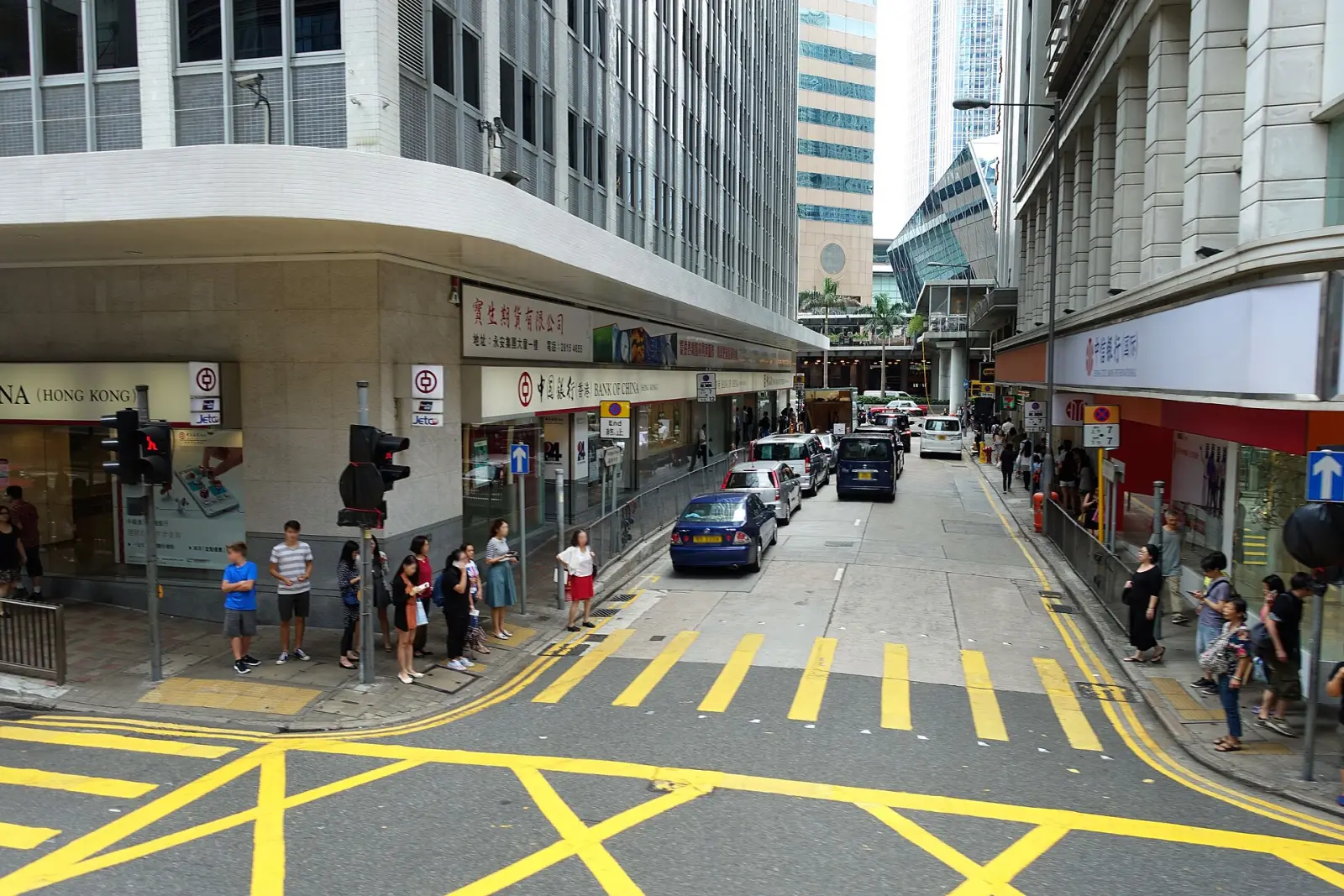
From Tarmac to Central in 24 Minutes: The Turnstile-Free Airport Express
Stepping off a flight into Hong Kong International Airport, travelers meet an extraordinarily frictionless greeting: the Airport Express (AEL) platform sits directly across from the arrivals hall with zero ticket turnstiles. You roll luggage straight off the baggage carousel onto sleek, air-conditioned train carriages without scanning a single barcode, as ticket inspection occurs exclusively at your final destination gate in Kowloon or Central.
Queueing at airport station ticketing counters to pay the standard 130 HKD one-way fare to Hong Kong Station is an avoidable tourist mistake. Buying a discounted digital QR ticket from a travel booking platform ahead of time is often cheaper, allowing you to breeze through destination gates with a single one-second tap of your smartphone screen. On departure day, travelers flying eligible airlines can drop checked bags at Hong Kong or Kowloon Station up to 24 hours in advance via In-Town Check-In, unlocking a luggage-free final afternoon in the city.
There is equally little reason to lock away a 50 HKD cash deposit on a physical plastic transit card. iPhone users can generate a Tourist Octopus directly inside Apple Wallet within seconds, topping up funds with a card that charges no foreign transaction fees. From double-decker buses and historic wooden trams to neighborhood bakeries, a gentle phone tap handles every transaction in a fraction of a second.
Launching your holiday with this streamlined airport transit eliminates early friction, allowing you to settle into the vibrant tempo of Hong Kong with complete composure.
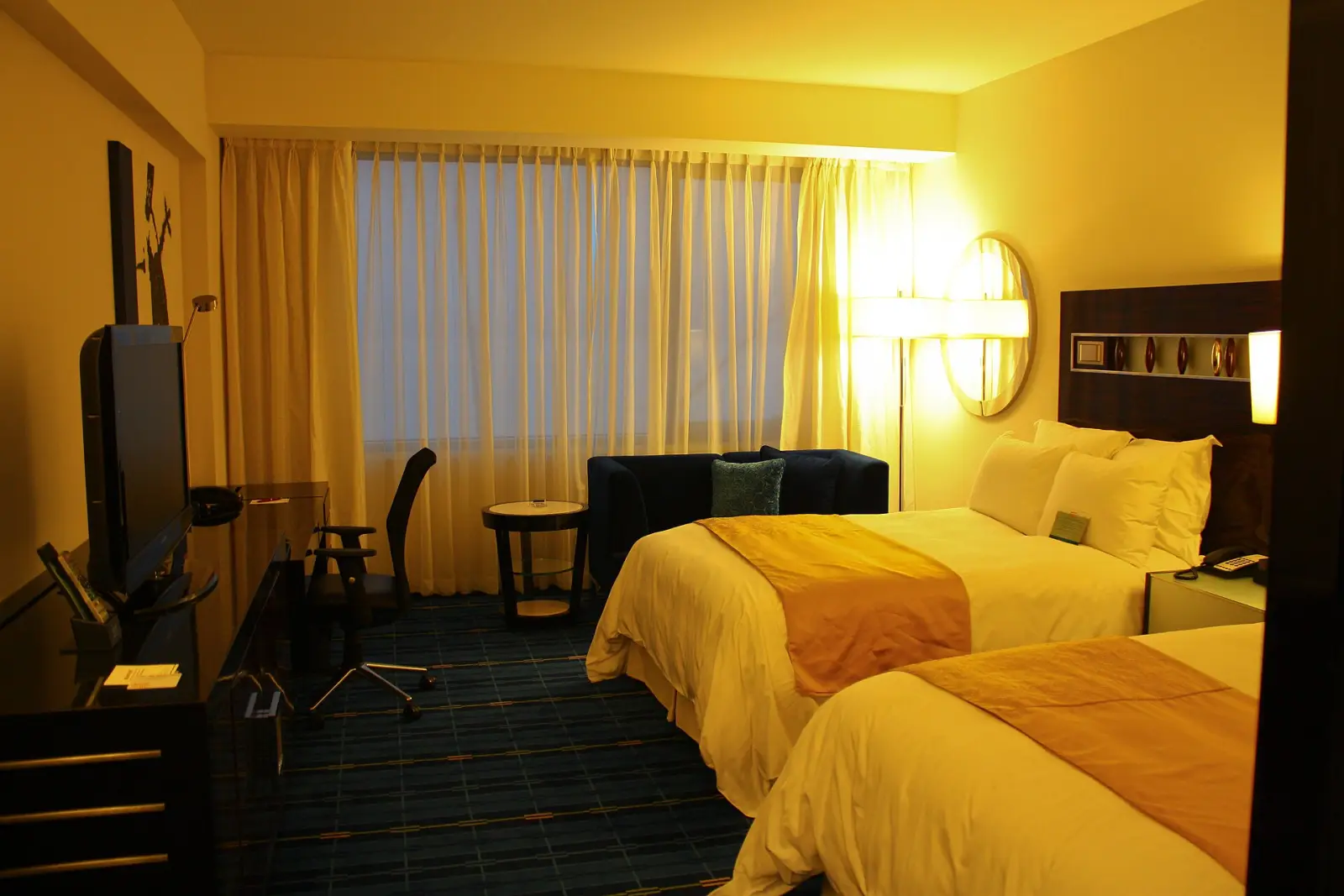
Why You Should Trade Cramped Tsim Sha Tsui Shoeboxes for Sheung Wan Lofts
The single most common miscalculation made by first-time visitors is booking budget hotel rooms along Nathan Road in Tsim Sha Tsui simply due to subway proximity. Housed inside dense, aging commercial high-rises, these micro-rooms frequently measure a claustrophobic 11 to 13 square meters.
Unfolding two 28-inch suitcases instantly consumes every square inch of walkable floor space, while tiny non-opening windows trap the muggy subtropical maritime humidity indoors, creating an uncomfortably damp resting environment.
Shifting your lodging search west toward Sheung Wan and Sai Ying Pun completely transforms the stay. Perched along steep granite staircases, boutique properties in this historic quarter boast lofty ceilings, industrial warehouse finishes, and expansive picture windows offering at least 20 square meters of breathable living space. Stepping outside places you directly among century-old dried seafood markets, independent art galleries, and acclaimed specialty coffee roasteries.
Be vigilant regarding hidden checkout surcharges, specifically mandatory 10 percent service charges and Dynamic Currency Conversion (DCC). Virtually all four-star and luxury properties in Hong Kong add a 10 percent service fee atop quoted base room rates. When presenting credit cards at check-in, always insist on settling charges in local Hong Kong Dollars (HKD) to eliminate predatory 3 to 5 percent card processor exchange spreads.
Navigating Hong Kong 3 Key Neighborhoods: Central, Wan Chai, and Kowloon
Hong Kong urban geography divides neatly along Victoria Harbour into the Kowloon Peninsula to the north and Hong Kong Island to the south. While the MTR Tsuen Wan Line and the vintage Star Ferry connect both sides in five to eight minutes, each pocket cultivates a drastically contrasting rhythm once the sun dips below the skyline.
Sheung Wan and Central serve as the cultural anchor for travelers craving design-forward boutique cafes, contemporary galleries, and the cinematic charm of the Mid-Levels escalator. Staying here allows effortless late-night strolls back from SoHo dining strips, though navigating the multi-tiered stairways can test anyone hauling heavy baby strollers or bulky rolling luggage.
Wan Chai and Causeway Bay deliver the pulse of authentic working Hong Kong alongside the nostalgia of electric street trams. Down every lane sit time-honored roast goose kitchens and bustling cha chaan teng cafes, where hopping aboard the upper deck of a Ding Ding tram lets you watch the city glide by in the evening breeze. The area remains exceptionally safe, brightly lit, and commercially vibrant well past midnight.
Tsim Sha Tsui and West Kowloon offer front-row panoramic vantage points directly facing the mirrored skyscrapers across the water. The Avenue of Stars, the world-class M+ visual culture museum, and the Hong Kong Palace Museum provide peerless artistic access.
However, crowded tourist corridors and comparatively smaller room dimensions make Kowloon slightly more hectic for prolonged stays. Design lovers seeking relaxed neighborhood living should anchor in Sheung Wan, while museum enthusiasts will appreciate Kowloon waterfront proximity.
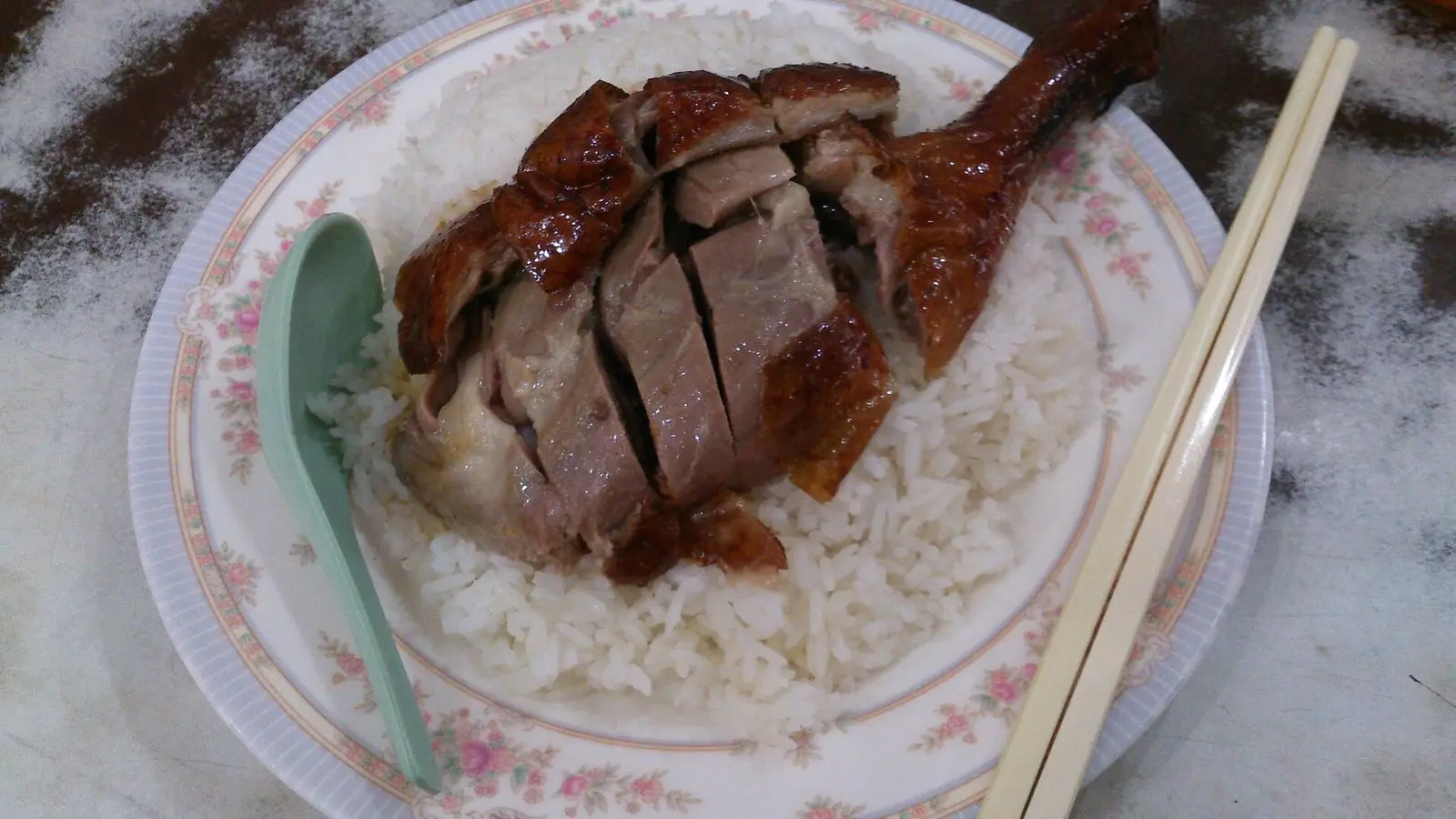
The 5 HKD Star Ferry Crossing and Free Victoria Peak Vantage Point
Experiencing the breathtaking grandeur of Victoria Harbour does not require splurging on expensive commercial evening dinner cruises. Walking up the weathered wooden ramps of the Tsim Sha Tsui ferry pier lands you aboard the historic Star Ferry. For a mere 5 HKD on weekdays (around $0.65 USD) or 6.5 HKD on weekends, the open-air Upper Deck delivers an unforgettable eight-minute voyage across the harbour as double-ended wooden boats glide past glimmering downtown towers.
Green painted brass window frames frame towering financial monoliths reflecting sunset light across dancing waves, offering an authentic maritime experience that has remained essentially unchanged since the late nineteenth century.
When taking the historic Peak Tram up Victoria Peak, securing window seats on the right side of the carriage is an absolute requirement. As the train ascends slopes as steep as 27 degrees, high-rise residential towers appear to tilt backward dramatically against lush tropical jungle, revealing panoramic harbour vistas. Sitting on the left side leaves you staring into stone cuttings and dirt embankments.
Upon reaching the Peak Tower terminus, skip the paid admission for the commercial Sky Terrace 428 observation deck. Instead, follow the paved, tree-shaded path of Lugard Road around the mountain ridge for fifteen minutes to reach a dramatic cantilevered cliffside walkway. Here, unobstructed 180-degree harbour panoramas open freely without glass barriers or crowding, offering Hong Kong finest free lookout.
Cha Chaan Teng Gastronomy, Tram Romance, and Nighttime Safety Protocols
Immersing in authentic Hong Kong begins at neighborhood cha chaan teng cafes for breakfast. Order crisp pineapple buns split with cold slabs of salted butter, velvety scrambled eggs, and piping-hot cups of silky pulled milk tea to fuel your morning explorations.
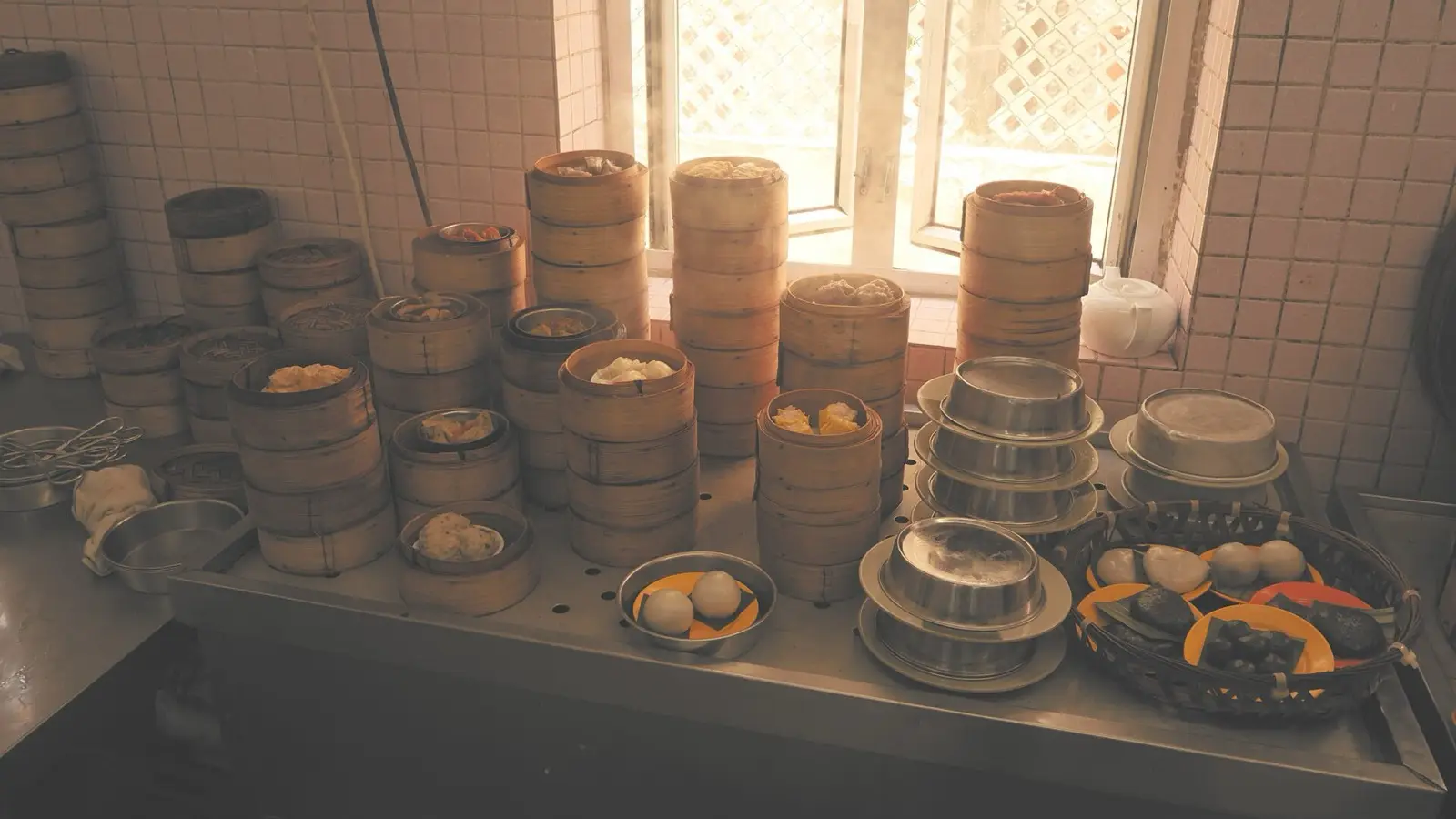
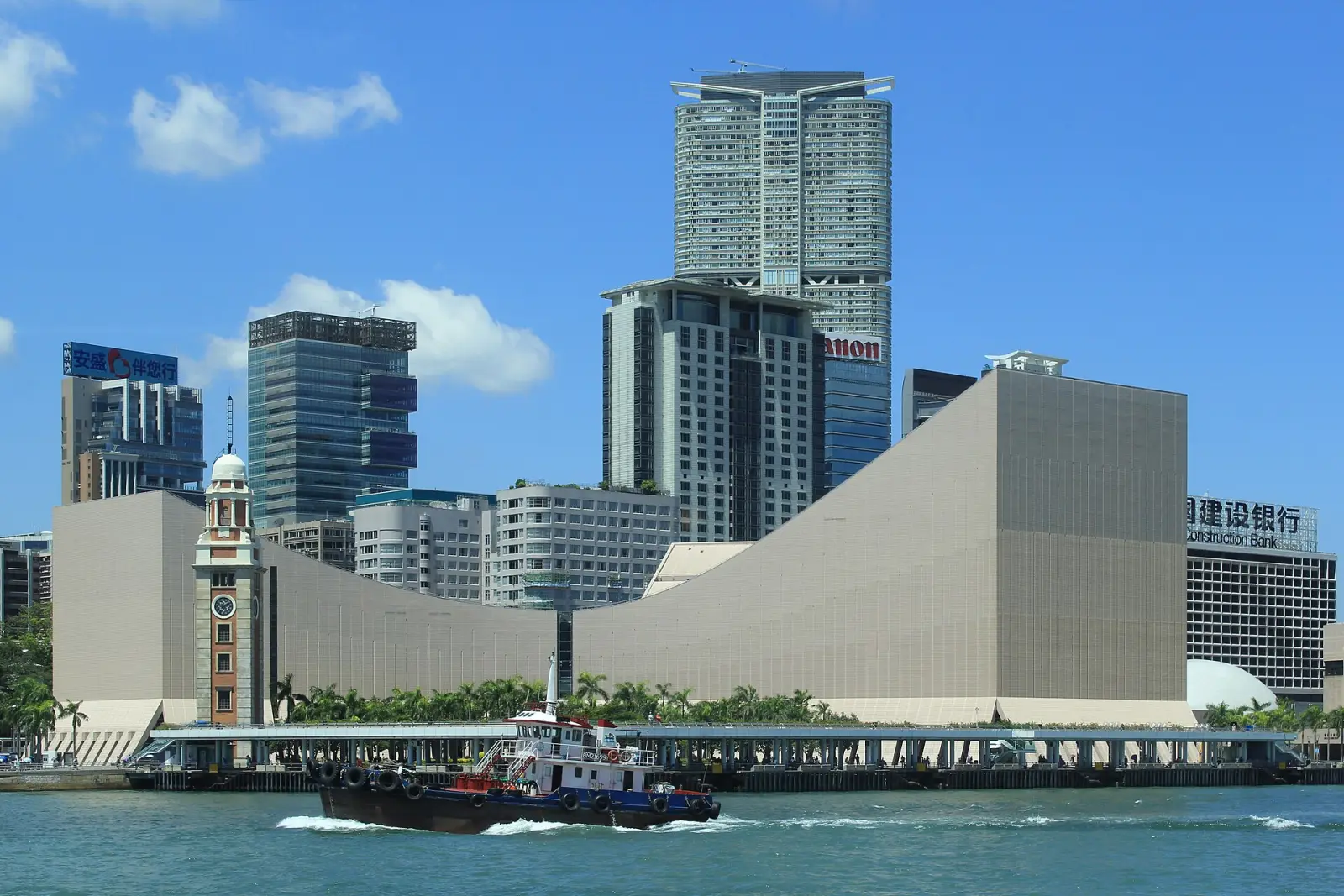
For lunch, venture into Wan Chai side alleys for succulent roast goose lacquered in sweet plum glaze served over steaming jasmine rice. Steaming bamboo baskets of translucent Har Gow shrimp dumplings and savory Siu Mai pork parcels deliver textbook dim sum perfection, bursting with sweetness at first bite.
After dinner, board the upper deck of a historic Ding Ding street tram traversing Hong Kong Island for just 3.3 HKD. Gliding slowly beneath glowing neon signs while cool evening breezes circulate through open wooden sash windows evokes the cinematic allure of classic cinema.
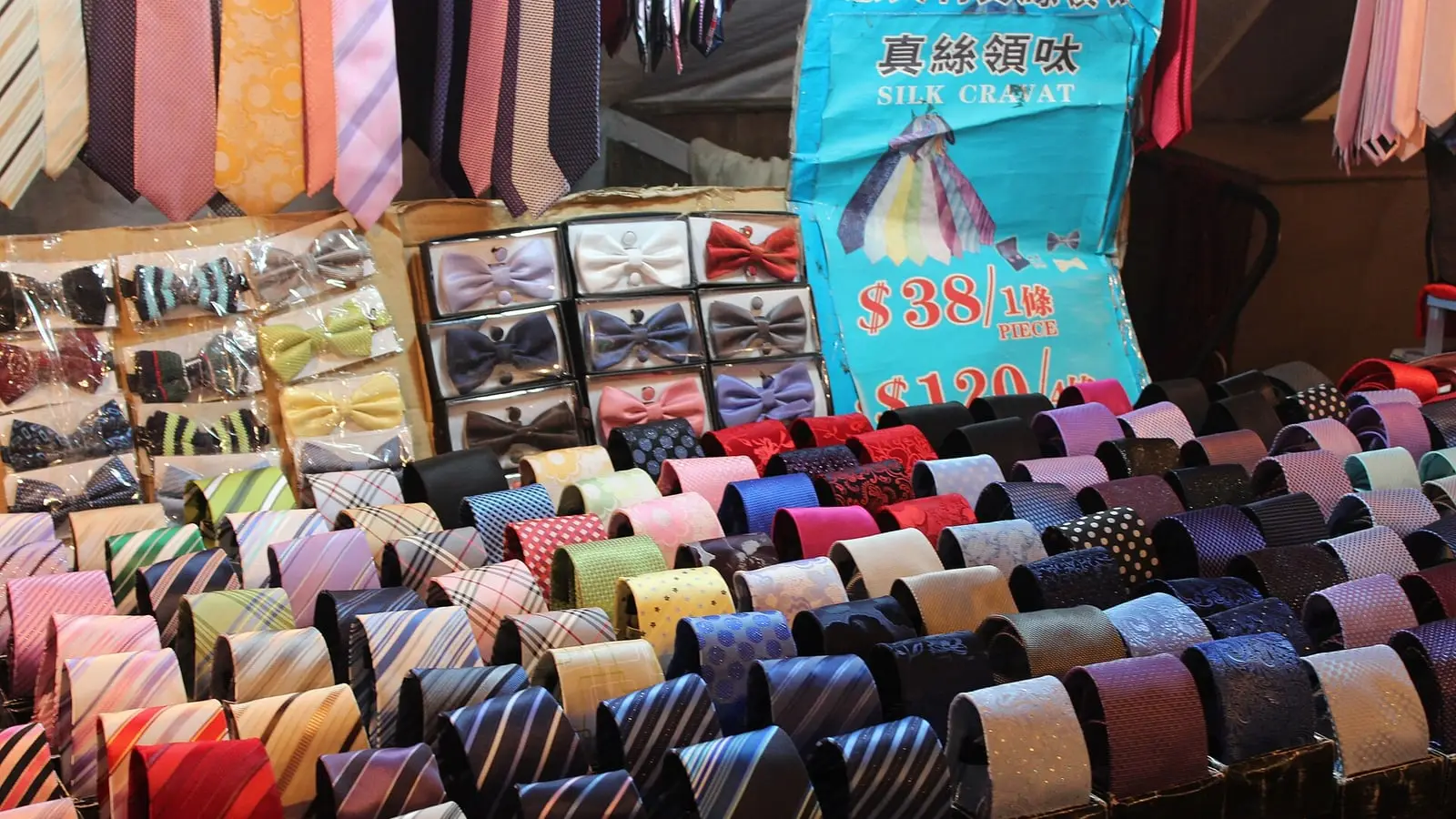
While Hong Kong remains one of the safest global metropolises, maintaining basic bag awareness in crowded street markets like Ladies Market in Mong Kok is sensible practice. When catching late-night airport departures, designated express N-buses or pre-booked private transfers ensure a seamless, relaxed departure.
Frequently Asked Questions
Field-tested answers to transit navigation, neighborhood choices, and payment traps.
Q1.How long is the Airport Express from Hong Kong Airport to the city, and how much is it?
Q2.Do I need an Octopus card in Hong Kong?
Q3.How much do the Star Ferry and the trams cost?
Q4.Which neighbourhood should I stay in on a first trip to Hong Kong?
The Smart Traveler's Essential Toolkit
Prepare instant mobile data, private airport transfers, and skip-the-line passes in one place.
Pick a base in Hong Kong by your route
Choose the places you want to see and get the neighbourhood with the shortest travel.
Compare Hong Kong Hotel Rates
Find the cheapest channel across Agoda and major booking engines with Tripdify.
Share This Guide with Your Companions
When shared via chat or social media, a curated summary card is sent along.

Recommended Guides
Boutique Hotels in Hong Kong: Central and Sheung Wan Compared
From the nostalgic romance of century-old Star Ferry crossings to chic boutique design havens in Sheung Wan and SoHo culinary alleys, an authoritative four-day Hong Kong guide.
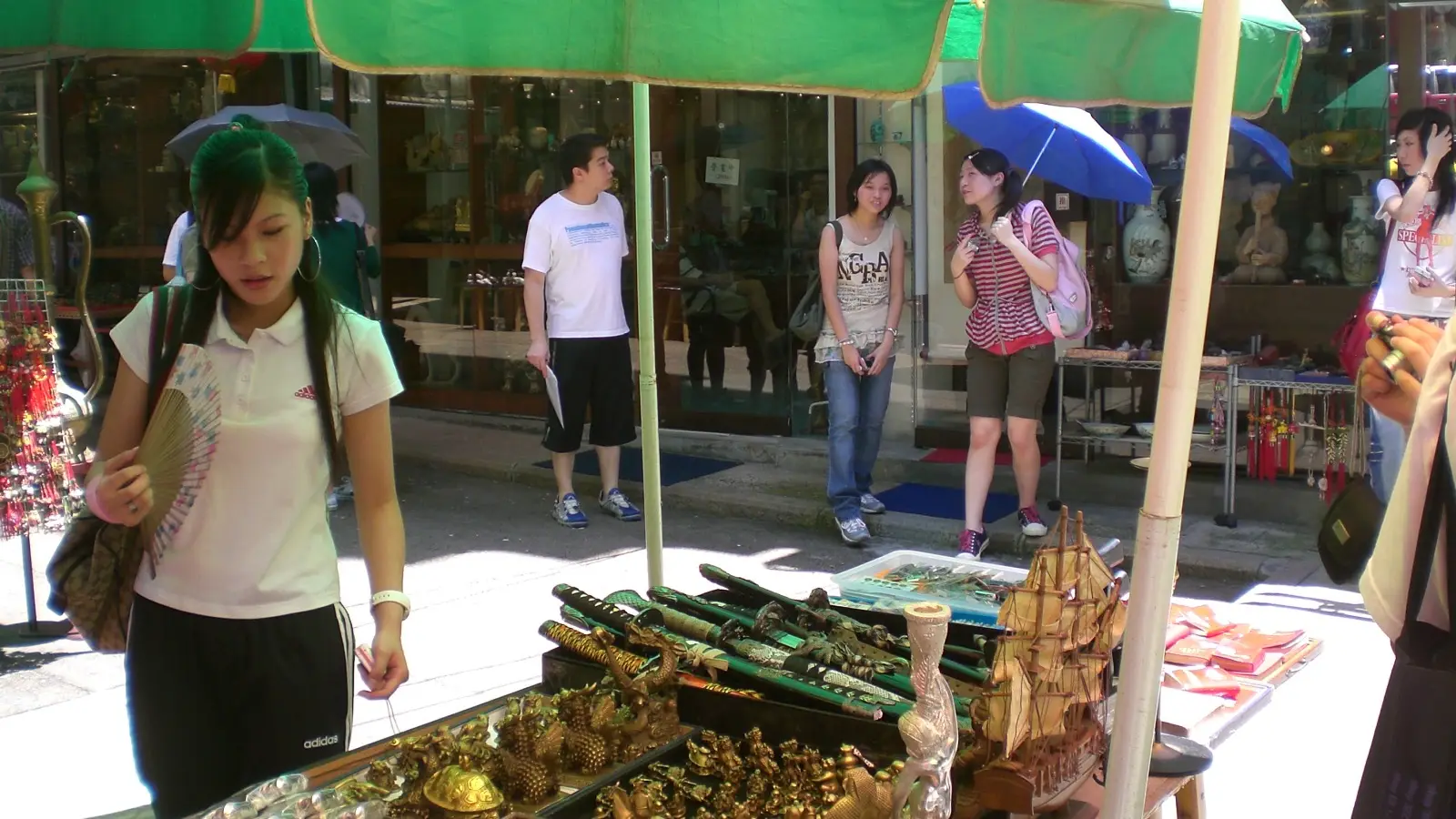
Where to Stay in Hong Kong: Tsim Sha Tsui vs Sheung Wan vs Hong Kong Island
Behind Hong Kong's dazzling skyline lies one of the world's most hyper-dense urban environments, where astronomical real estate costs have spawned notorious windowless micro-rooms. Escaping the elevator queues and safety liabilities of Kowloon's aging mansions requires strategic district selection. Here is an unvarnished field guide to securing functional, secure lodging and navigating local dining culture.
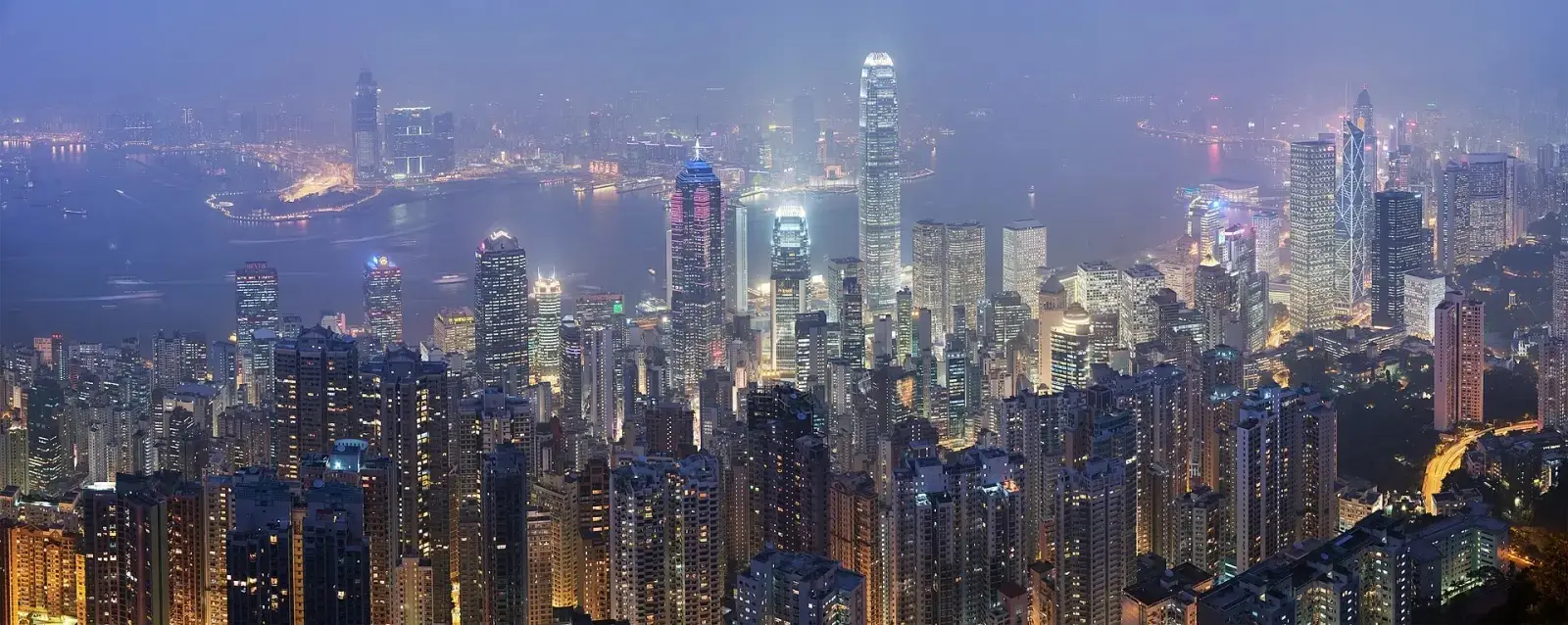
Hong Kong Day 1 Itinerary: Airport to the City and Victoria Harbour by Night
Mastering the 24-minute Airport Express to Central versus the scenic Cityflyer bus, authentic dim sum teacup rinsing rituals, and evening strolls along Victoria Harbour. A veteran field guide to your first 24 hours.
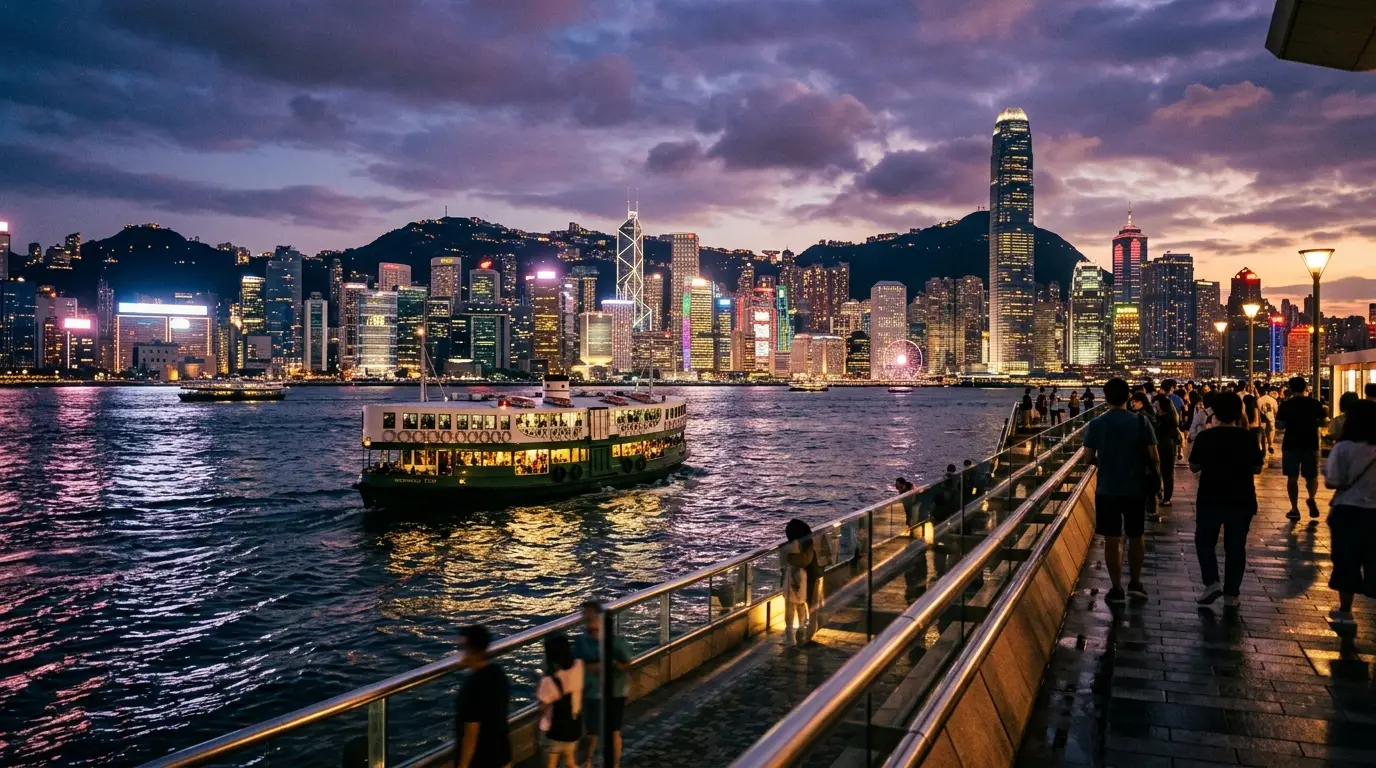
Hong Kong Day 2 Itinerary: Peak Tram, Soho, the Star Ferry and Tsim Sha Tsui
Beat the crowds on an early morning Peak Tram ascent, glide through Soho on the worlds longest outdoor escalator, savor crisp roast goose, and cross Victoria Harbour on the historic Star Ferry for the iconic Symphony of Lights.
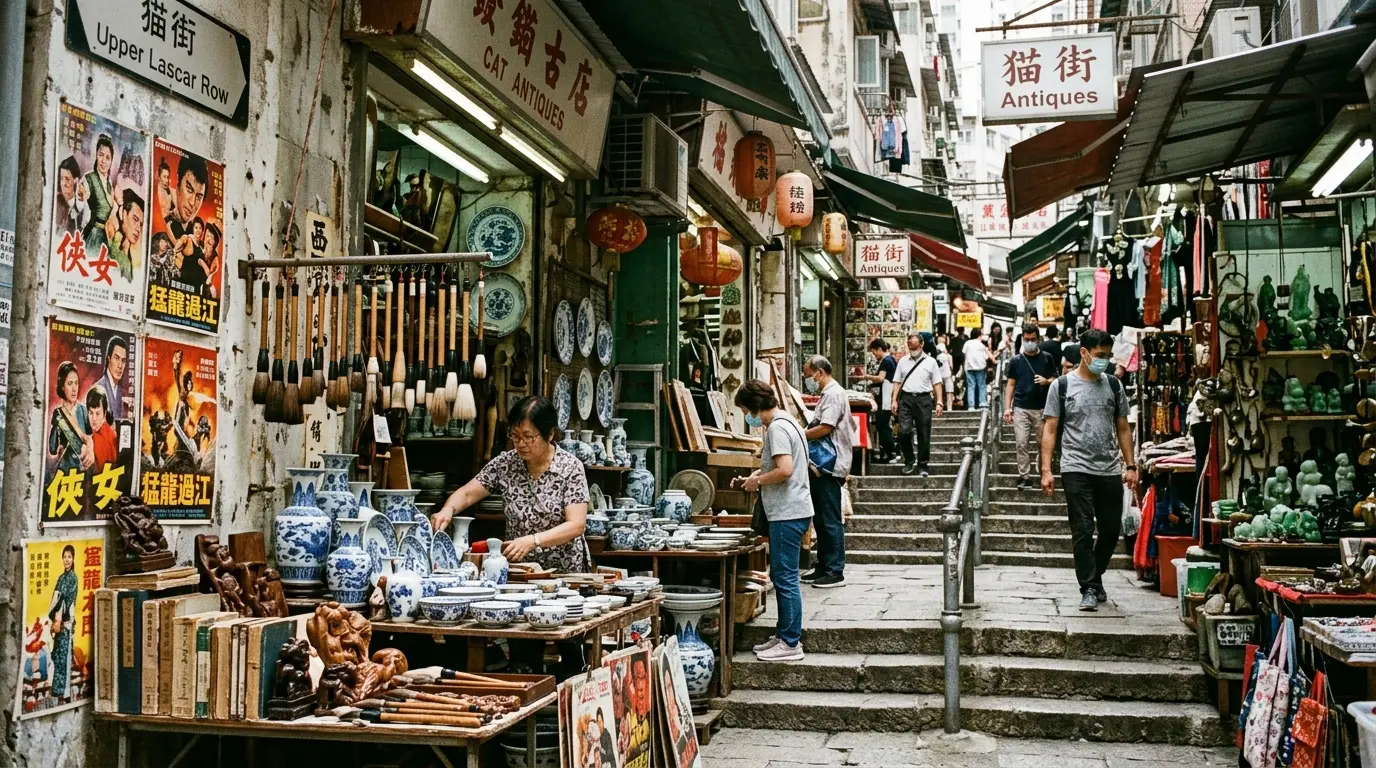
Hong Kong Day 3 Itinerary: Dim Sum, Sham Shui Po, M+ and In-Town Check-In
Start your final morning with authentic trolley dim sum, discover the authentic street pulse of Sham Shui Po, relax at the West Kowloon M+ waterfront, and use in-town check-in at Hong Kong Station for a baggage-free sprint to your flight.
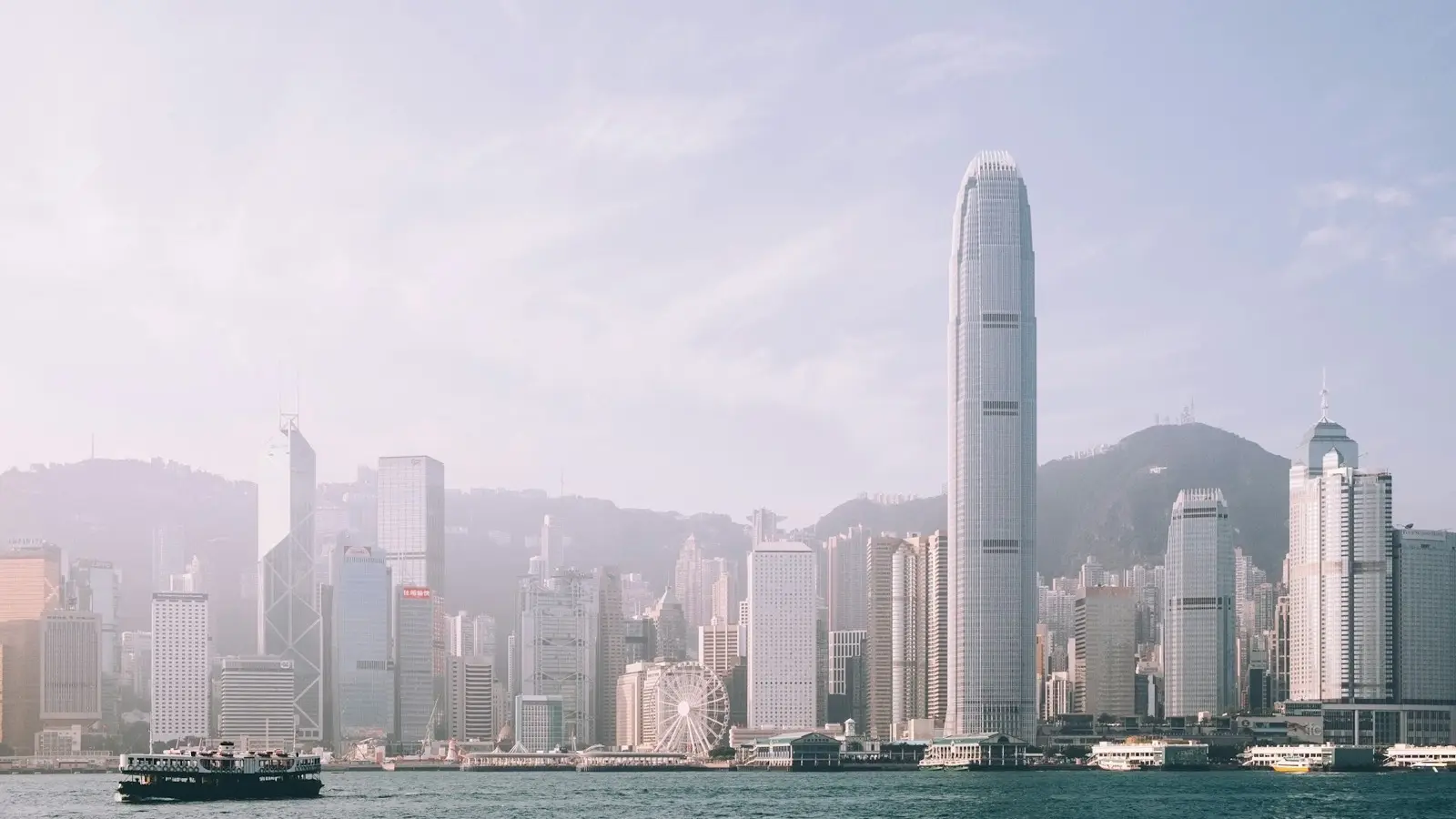
Where to Stay in Hong Kong on a Budget: Avoiding Chungking and Booking Clean MTR Stays
Searching for a decent hotel room under 90 dollars per night in Hong Kong, home to the most expensive real estate on earth, can feel like navigating a minefield. Unsuspecting travelers lured by heavily filtered online photos often find themselves trapped in claustrophobic five-square-meter shoeboxes in Chungking Mansions, enduring long elevator queues, windowless internal shafts, and wet-room bathrooms where the showerhead douses the toilet paper. However, shifting your search parameters slightly reveals a fleet of modern, spotless boutique micro-hotels between 60 and 90 dollars per night located within a five-minute stroll of MTR subway stations, featuring dedicated glass shower enclosures and smart luggage architecture. Here is your definitive guide to securing clean, affordable sanctuary across Sheung Wan, Wan Chai, and Sham Shui Po.
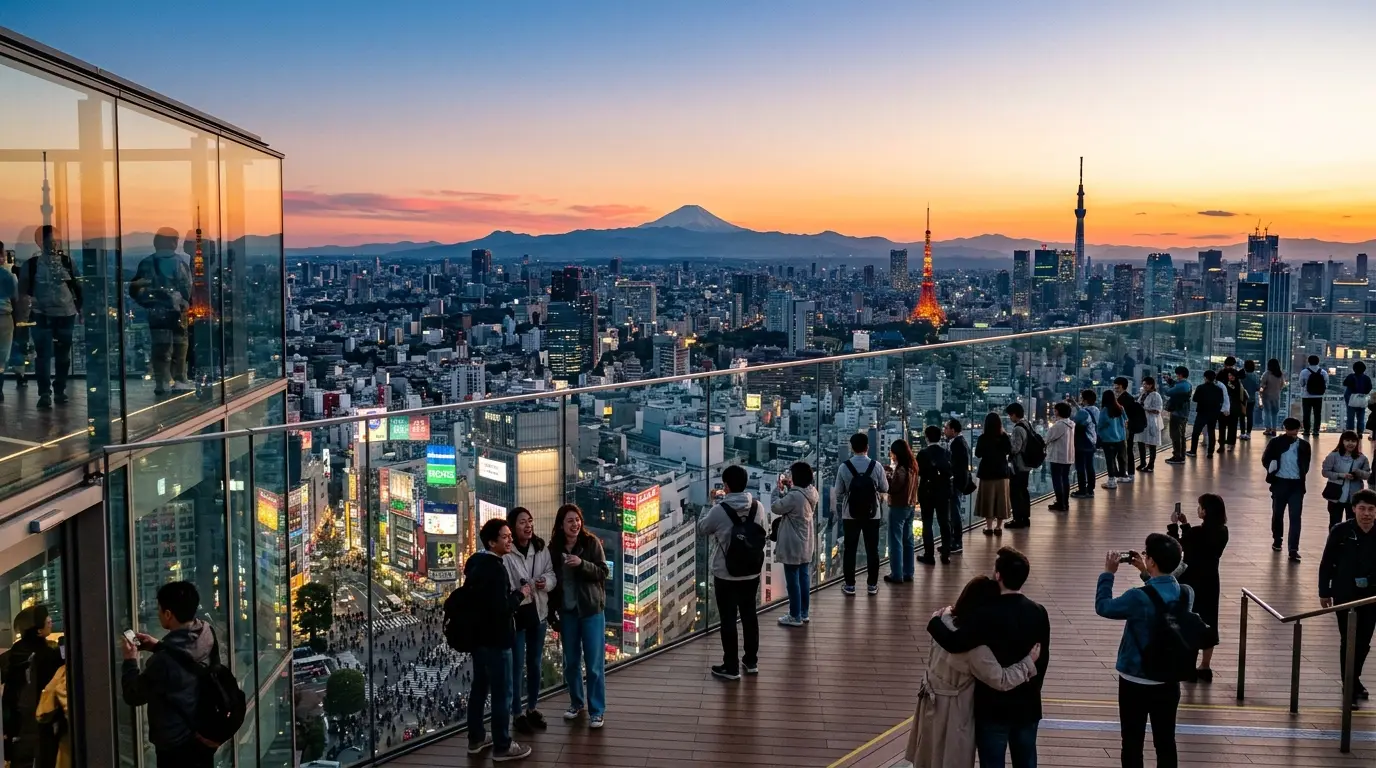
Where to Stay in Tokyo: Shinjuku vs Shibuya vs Ginza
Comparing room footprints across Shinjuku, Ginza, and Ueno, locking in sudden 14-day cancellation drops, and eliminating DCC fees with clean Yen checkout.
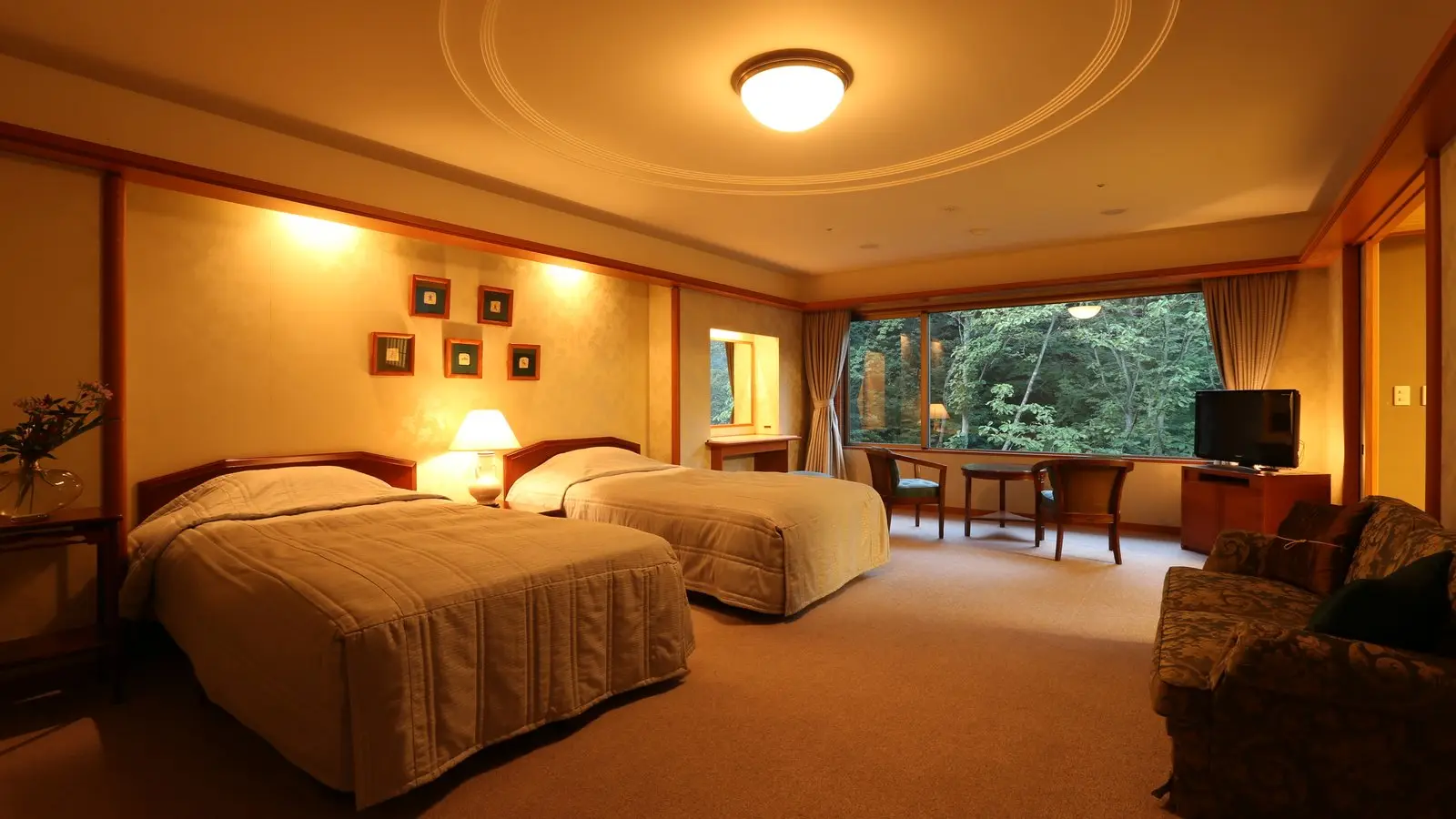
7 Budget Hotels in Tokyo Under $100 on the Yamanote Line
Even amid yen fluctuations, central Tokyo hotel rates have soared. Learn how to secure Yamanote loop line hotels at half the price of Shinjuku, compare onsen bath chains like Dormy Inn, trigger secret Agoda VIP and Booking.com Genius discounts, and dodge hidden currency fees with yen settlement.
How to Read the Tokyo Subway Map and Where to Stay on the Yamanote Line
How to choose between Keisei Skyliner and Narita Express, avoid the Tokyo Subway Ticket trap, use Apple Wallet Suica, and select the ideal hotel base in Tokyo.
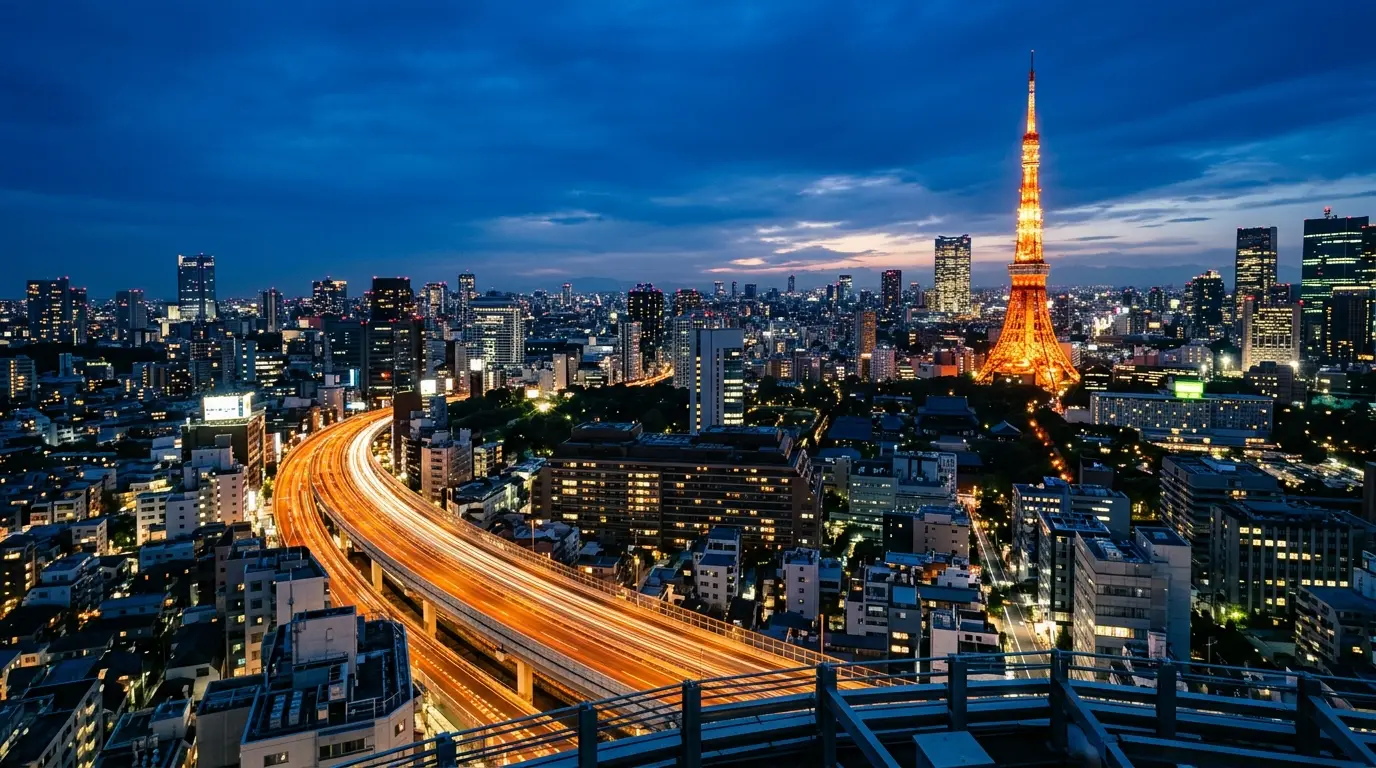
Tokyo Day 1 Itinerary: Narita Airport to the City and Your First 24 Hours
From stepping off at Narita Airport to mastering high-speed trains, navigating Tokyo's sprawling transit hubs, ordering counter ramen effortlessly, and catching sunset from Roppongi Hills. A definitive guide for your first 24 hours in Tokyo.
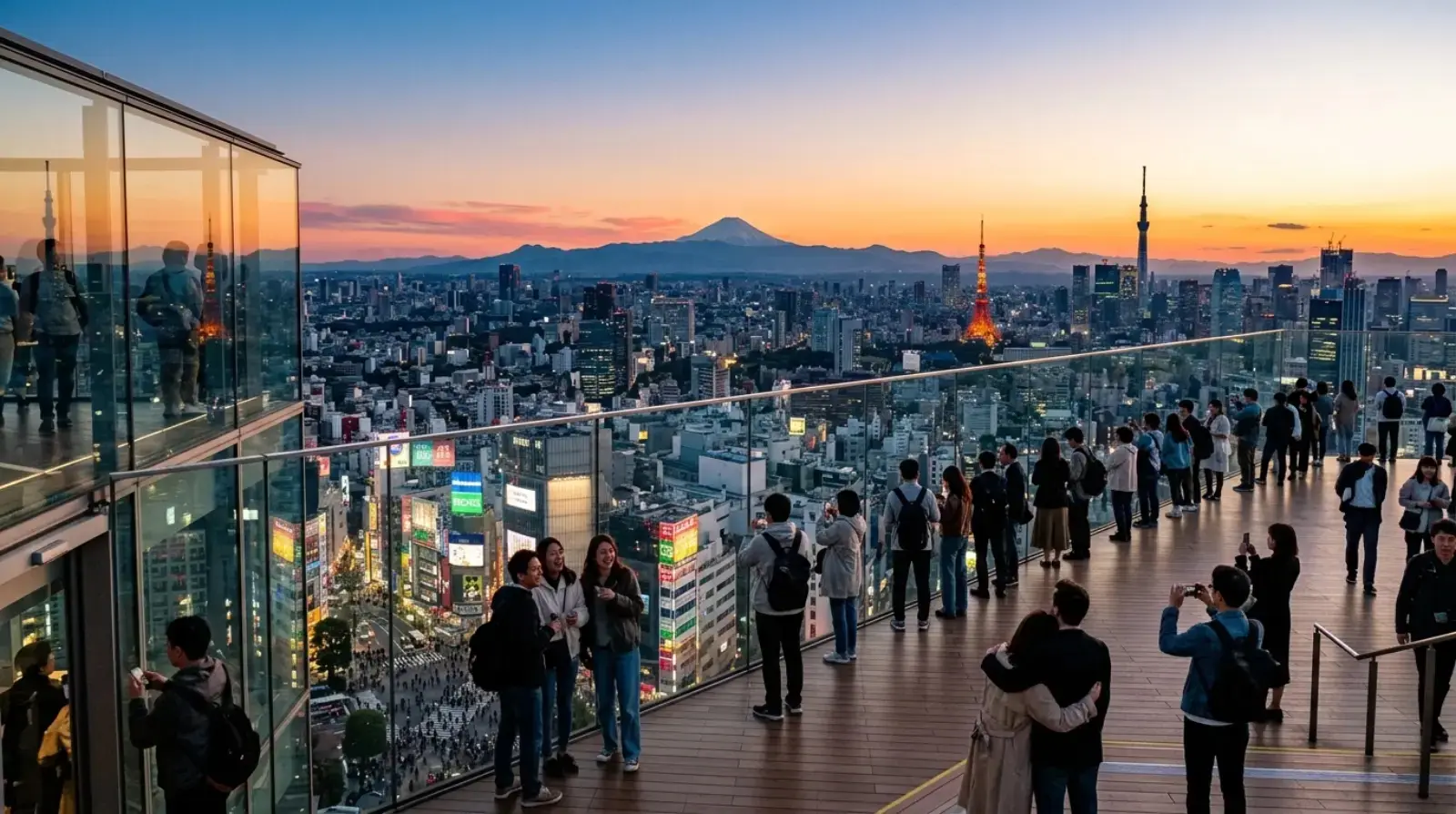
Tokyo Day 2 Itinerary: Booking Shibuya Sky, Harajuku Backstreets and Roppongi at Night
Securing prime sunset slots atop Shibuya Sky, navigating hidden boutiques along Harajuku Cat Street, immersing in the forested serenity of Meiji Jingu, and marveling at the crimson glow of Tokyo Tower from Roppongi Hills. A masterclass in Day 2 pacing.
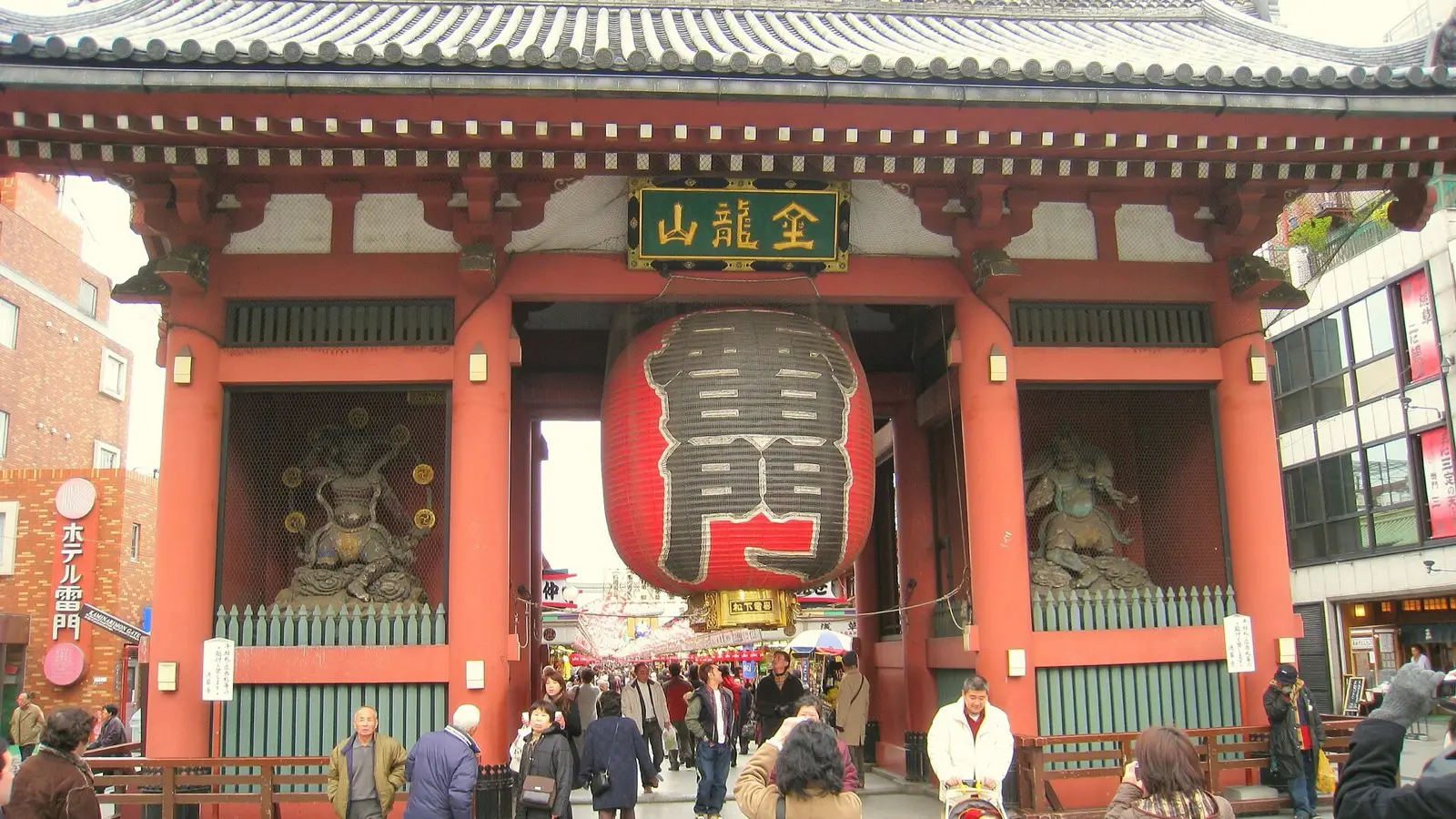
Tokyo Day 3 Itinerary: Asakusa, Akihabara, Ginza Depachika and Flying Home
The ultimate finale for your Tokyo stay: tranquil morning worship at Sensoji, retro subculture in Akihabara, Ginza Six architectural rooftop views and basement depachika feasts, capped by seamless Skyliner and N'EX airport connections.