
HanoiGuide
Hanoi Itinerary: The Old Quarter and Hoan Kiem in Two Nights
Noi Bai Airport express routing, Sofitel Metropole split-stays, and pragmatic Michelin street food rules
Noi Bai Airport to Downtown in 35 Minutes: Express Bus 86 vs Fixed Chauffeurs
Stepping out of the arrivals hall at Hanoi Noi Bai International Airport, hot humid air and aggressive taxi touts instantly surround weary travelers. Arguing with unmetered cab drivers or contesting arbitrary expressway toll surcharges creates unnecessary anxiety immediately upon landing in Vietnam.
For solo backpackers, the official orange Express Bus 86 departing directly outside arrival terminals provides an exceptionally economical solution. For 45,000 VND (roughly two dollars), passengers enjoy chilled air conditioning, luggage racks, and free onboard Wi-Fi, arriving at the southern banks of Hoan Kiem Lake in forty-five minutes.
However, for late-night arrivals or parties of two or more, reserving a pre-paid fixed-rate private airport transfer under twenty dollars represents the gold standard of comfort. Your driver greets your group inside the terminal holding a personalized signboard, assists with luggage, and whisks you south along the signal-free Nhat Tan Bridge expressway at 80 km/h, delivering you to your Old Quarter hotel in thirty-five effortless minutes.
Because expressway tolls and airport facility fees are bundled into the flat upfront rate, you avoid currency exchange squabbles in dark night traffic. Real-time flight tracking ensures chauffeurs adjust pickup schedules automatically during weather delays, guaranteeing a completely seamless arrival.
Century-Old French Quarter Heritage Luxury vs Noisy Old Quarter Guesthouses
Mid-range boutique hotels nestled within the winding alleys of Hanoi Old Quarter offer vibrant local color, yet they frequently suffer from severe architectural noise issues. Tightly squeezed adjoining townhouses often leave guestroom windows looking directly into solid brick airshafts, while thin single-pane glass lets in roaring motorbike horns and street vendor megaphones from 5:00 AM onward.
For light sleepers seeking genuine rest, staying inside congested guild alleyways can prove draining. Travelers craving peaceful restorative slumber should look southward toward the spacious avenues of the French Quarter surrounding the Hanoi Opera House.
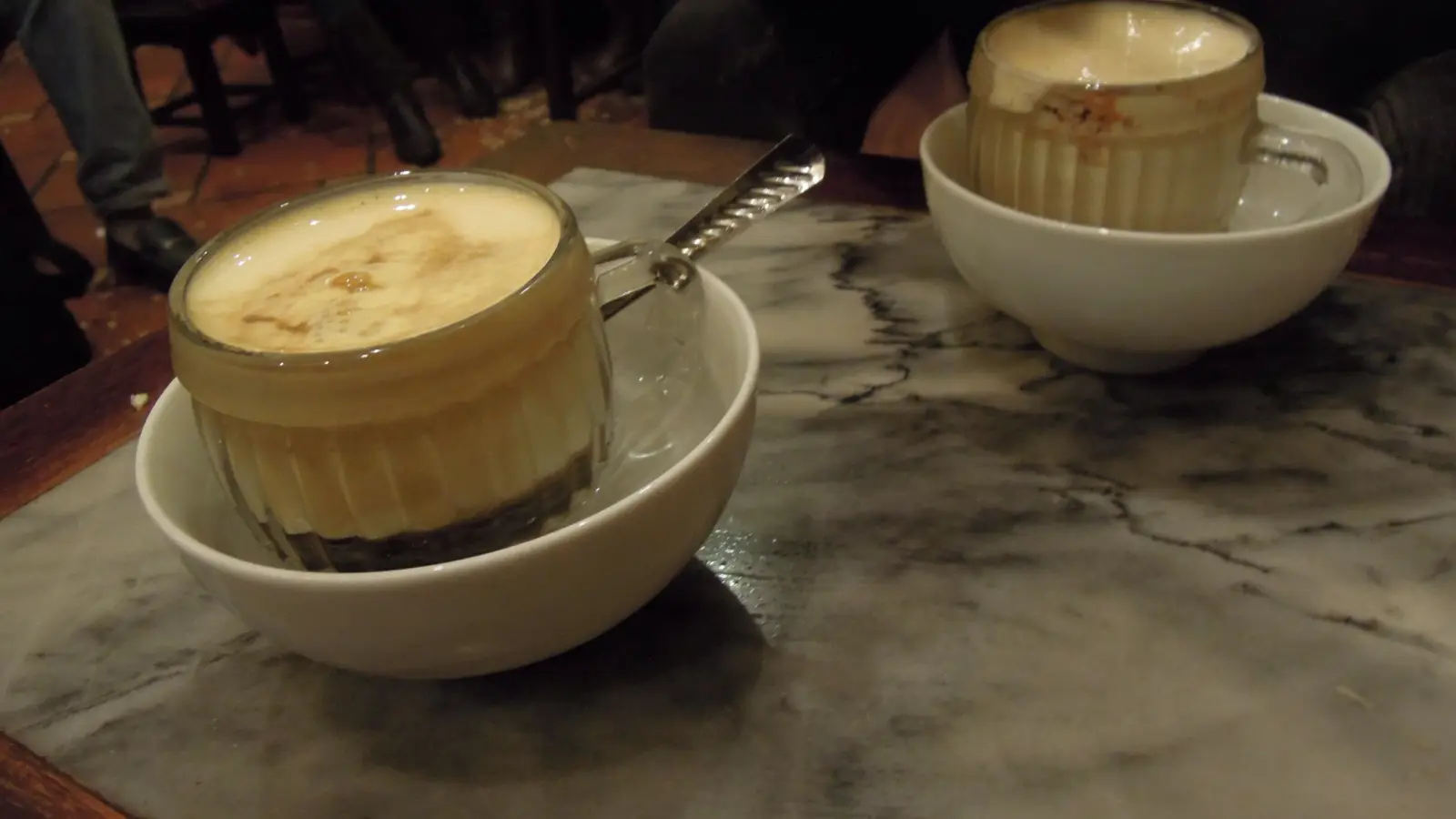
Constructed in 1901, the legendary Sofitel Legend Metropole Hanoi stands as a historic sanctuary where Charlie Chaplin and Graham Greene once found inspiration. Thick double-glazed French casement windows, polished teak floorboards, and a lush private courtyard pool buffer guests completely from chaotic exterior boulevard traffic. Stepping into the lobby, urban sirens instantly vanish, replaced by subtle natural lemongrass aromas.
If dedicating an entire holiday budget to the Metropole stretches resources, adopting a split-stay strategy with the final one or two nights at the luxury property provides the perfect compromise. Exploring the bustling alleys during your early days before checking into the quiet grandeur of the French Quarter ensures a rejuvenating finale.
Hanoi 3-Zone Blueprint: Old Quarter, French Quarter, and West Lake (Tay Ho)
Accommodations in Hanoi naturally segment into three distinctive neighborhoods, each shaping a different travel experience. The first zone, the historic 36 Guild Streets north of Hoan Kiem Lake, forms the vibrant pulsating core of the ancient city.
Retaining centuries-old trades from silverwork to silk weaving, it offers unmatched walking access to authentic bun cha eateries, banh mi kiosks, and lively weekend street markets. Ideal for energetic backpackers and culinary enthusiasts, though sidewalks crowded with parked motorbikes make wheeling luggage somewhat challenging.
The second area, the French Quarter south of the lake, is characterized by broad tree-lined boulevards, neoclassical ochre colonial villas, and upscale embassies. With wide pedestrian sidewalks and premier fine-dining bistros, it serves as the ultimate tranquil haven for mature couples and family vacations.
The third hub, West Lake (Tay Ho), encircles the capital vast freshwater expanse to the north, populated by international expatriates and foreign diplomats. Luxury lakeside hotels like the InterContinental and serene wellness retreats provide sweeping water panoramas, entirely isolated from inner-city traffic congestion.
Prioritizing walking access to museums and cafes favors the French Quarter, while travelers yearning for breezy waterfront sun decks and tranquil evening cocktail bars will find West Lake an unbeatable oasis.
Hidden Egg Coffee Alleys and Charcoal Bun Cha: Michelin Street Food Realities
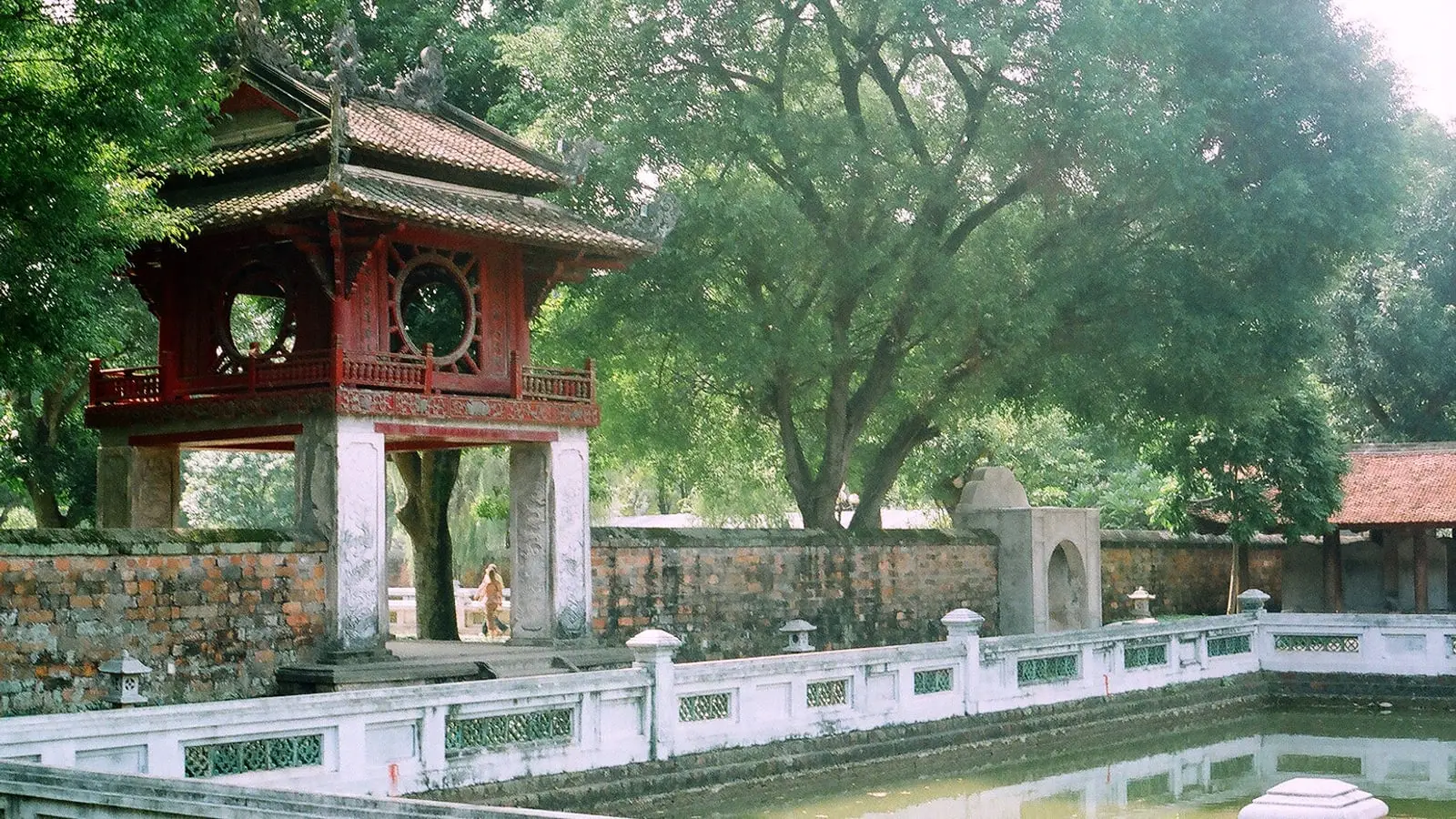
Mornings in Hanoi begin properly with a cup of egg coffee (Ca Phe Trung), created in 1946 during wartime dairy shortages by whipping fresh egg yolks with sweetened condensed milk over concentrated Robusta drip. Venturing down narrow residential alleys to Cafe Giang on Nguyen Huu Huan or Cafe Dinh on Dinh Tien Hoang reveals low wooden communal tables where this northern ritual thrives.
Served over a ceramic bowl of warm water to preserve temperature, spooning the velvety egg custard foam before sipping the dark bittersweet espresso underneath creates an intoxicating dessert-like balance found nowhere else in Southeast Asia.
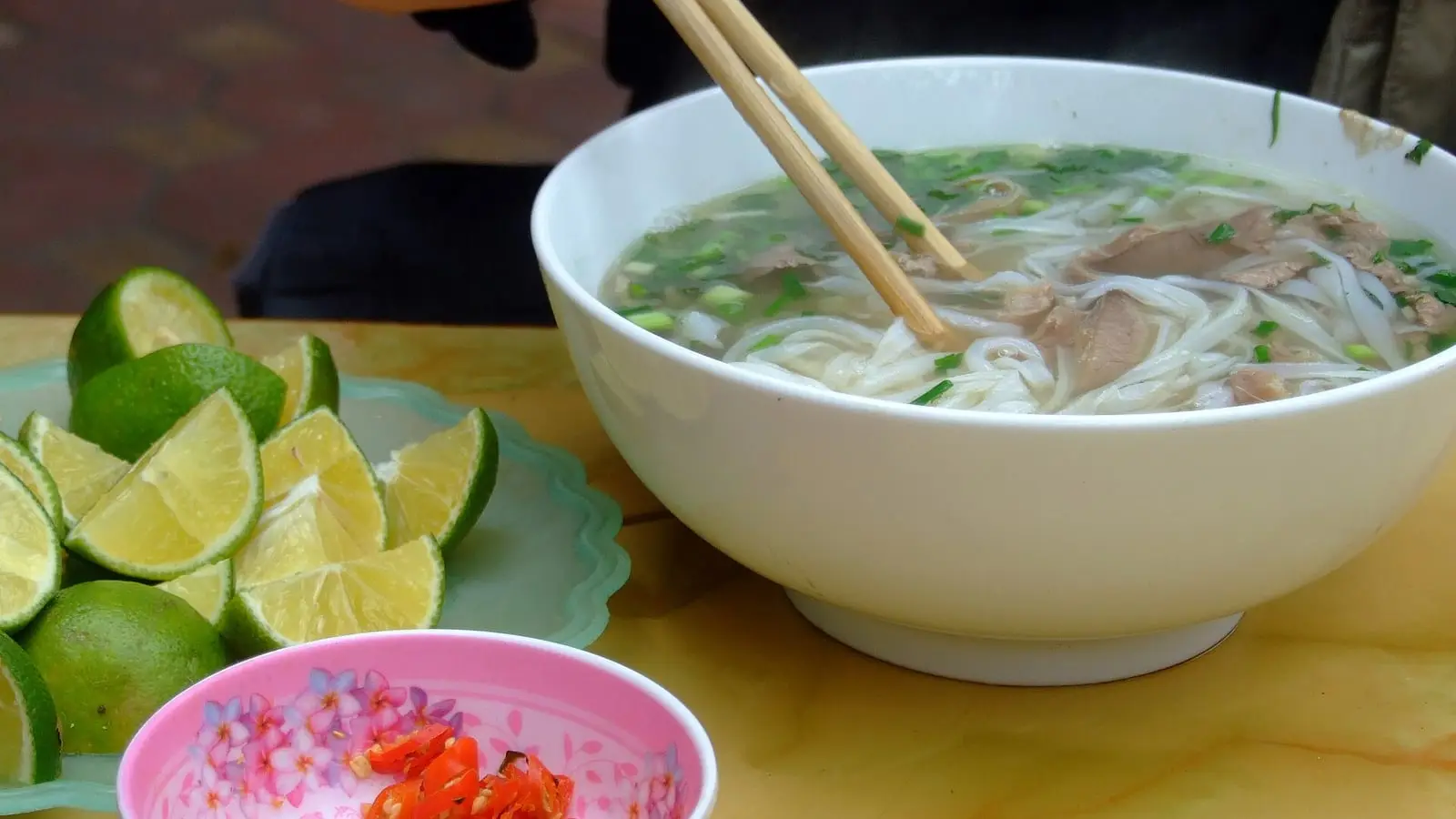
For lunch, seek out historic charcoal-grilled bun cha stalls like Dac Kim or the hidden open-air benches along Hang Quat alley. Marinated pork patties and fatty belly slices charred over glowing briquettes are immersed in warm, tangy bowls of nuoc mam fish sauce, served with piles of fresh herbs and delicate rice noodles for an unforgettable meal.
When dining at street stalls, practical hygiene habits keep vacations smooth. Carrying individually wrapped disinfectant wipes and ordering unopened chilled canned sparkling water rather than tap-poured iced tea prevents gastrointestinal upset without dampening authentic street-food enjoyment.
Grab Bike Mastery, Halong Limousine Vans, and Dong Currency Safeguards
Navigating Hanoi labyrinthine lanes during peak commute hours is executed fastest using the Grab app motorbike hailing feature. Strapping on a sanitized helmet behind a licensed local driver allows you to glide through two kilometers of heavy gridlock in five breezy minutes for under a dollar.
If planning day excursions to Halong Bay or Ninh Binh, always verify vehicle specifications before confirming bookings. Choosing luxury limousine commuter vans that use the modern expressway cuts transit time to 2.5 hours, whereas outdated regional buses crawling along national highways demand an exhausting six hours round trip.
Financial vigilance remains vital when handling Vietnamese Dong banknotes. Because multiple denominations carry numerous zeros, the blue 20,000 VND note (worth well under a dollar) closely resembles the 500,000 VND bill (worth roughly twenty dollars), creating fertile ground for short-change scams at crowded night markets.
Developing the habit of verifying the trailing zeros on banknotes before handing over cash guarantees safety. Furthermore, Old Quarter gold shops usually offer better rates than airport currency kiosks.
Frequently Asked Questions
Field-tested answers to transit navigation, neighborhood choices, and payment traps.
Q1.How do I get from Noi Bai Airport to the Old Quarter?
Q2.Should I stay in the Old Quarter, the French Quarter or West Lake?
Q3.Where can I try egg coffee in Hanoi?
Q4.What should I watch for with Vietnamese banknotes?
The Smart Traveler's Essential Toolkit
Prepare instant mobile data, private airport transfers, and skip-the-line passes in one place.
Pick a base in Hanoi by your route
Choose the places you want to see and get the neighbourhood with the shortest travel.
Compare Hanoi Hotel Rates
Find the cheapest channel across Agoda and major booking engines with Tripdify.
Share This Guide with Your Companions
When shared via chat or social media, a curated summary card is sent along.
Recommended Guides
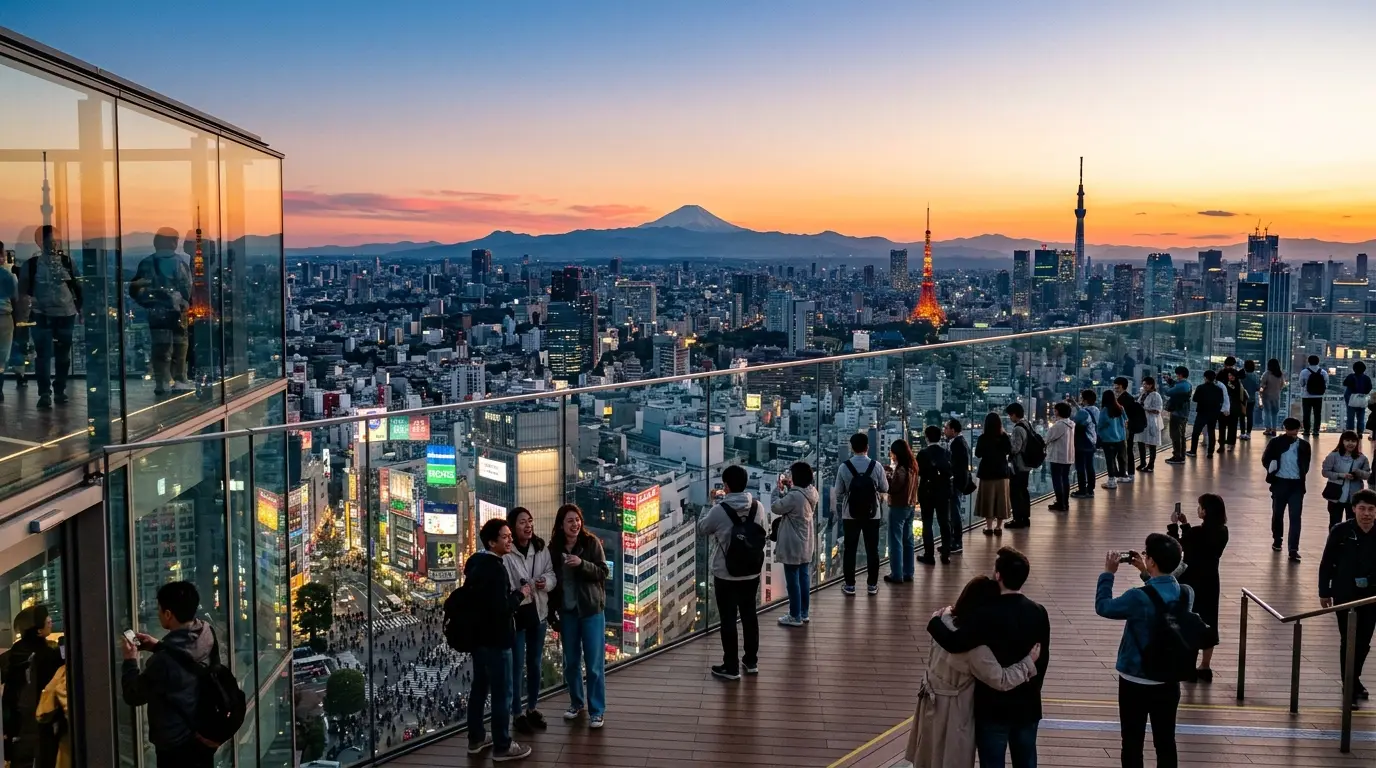
Where to Stay in Tokyo: Shinjuku vs Shibuya vs Ginza
Comparing room footprints across Shinjuku, Ginza, and Ueno, locking in sudden 14-day cancellation drops, and eliminating DCC fees with clean Yen checkout.
7 Budget Hotels in Tokyo Under $100 on the Yamanote Line
Even amid yen fluctuations, central Tokyo hotel rates have soared. Learn how to secure Yamanote loop line hotels at half the price of Shinjuku, compare onsen bath chains like Dormy Inn, trigger secret Agoda VIP and Booking.com Genius discounts, and dodge hidden currency fees with yen settlement.
How to Read the Tokyo Subway Map and Where to Stay on the Yamanote Line
How to choose between Keisei Skyliner and Narita Express, avoid the Tokyo Subway Ticket trap, use Apple Wallet Suica, and select the ideal hotel base in Tokyo.
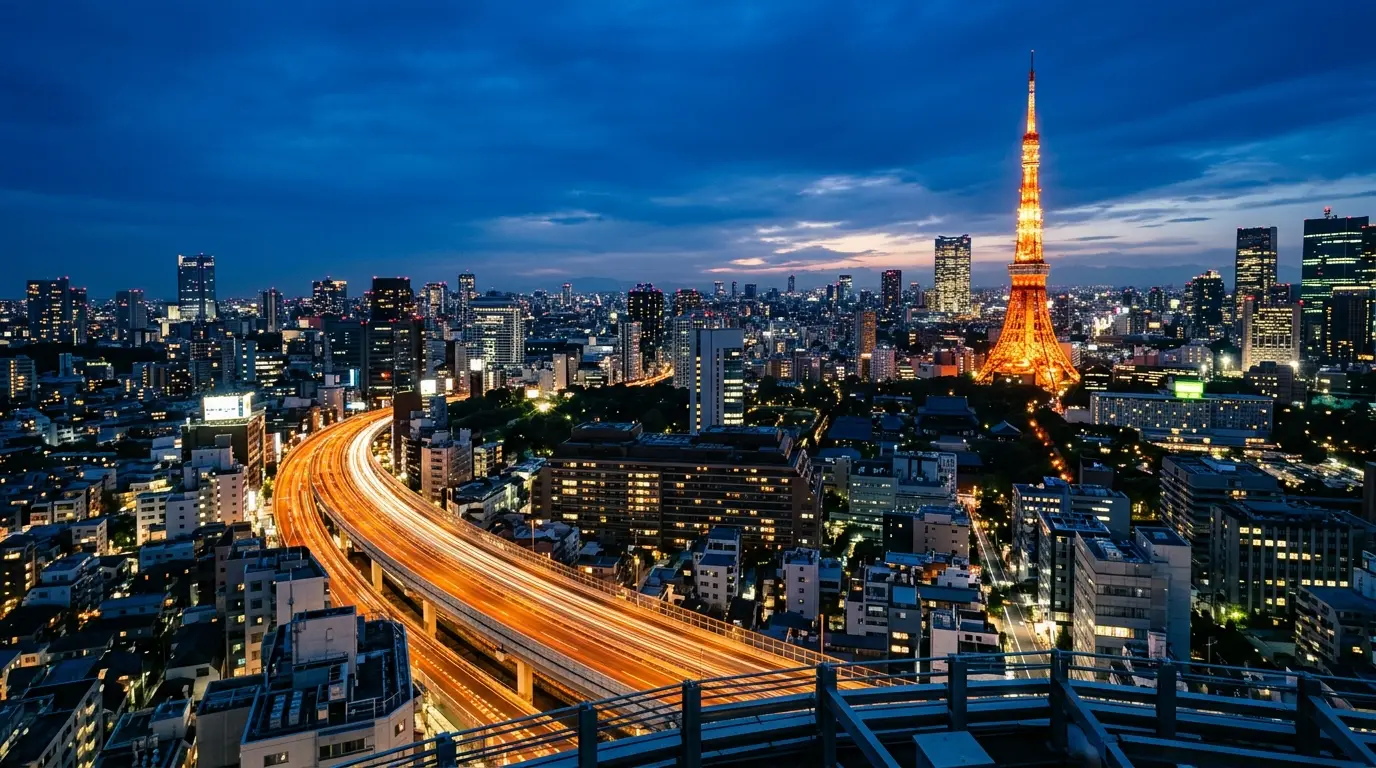
Tokyo Day 1 Itinerary: Narita Airport to the City and Your First 24 Hours
From stepping off at Narita Airport to mastering high-speed trains, navigating Tokyo's sprawling transit hubs, ordering counter ramen effortlessly, and catching sunset from Roppongi Hills. A definitive guide for your first 24 hours in Tokyo.
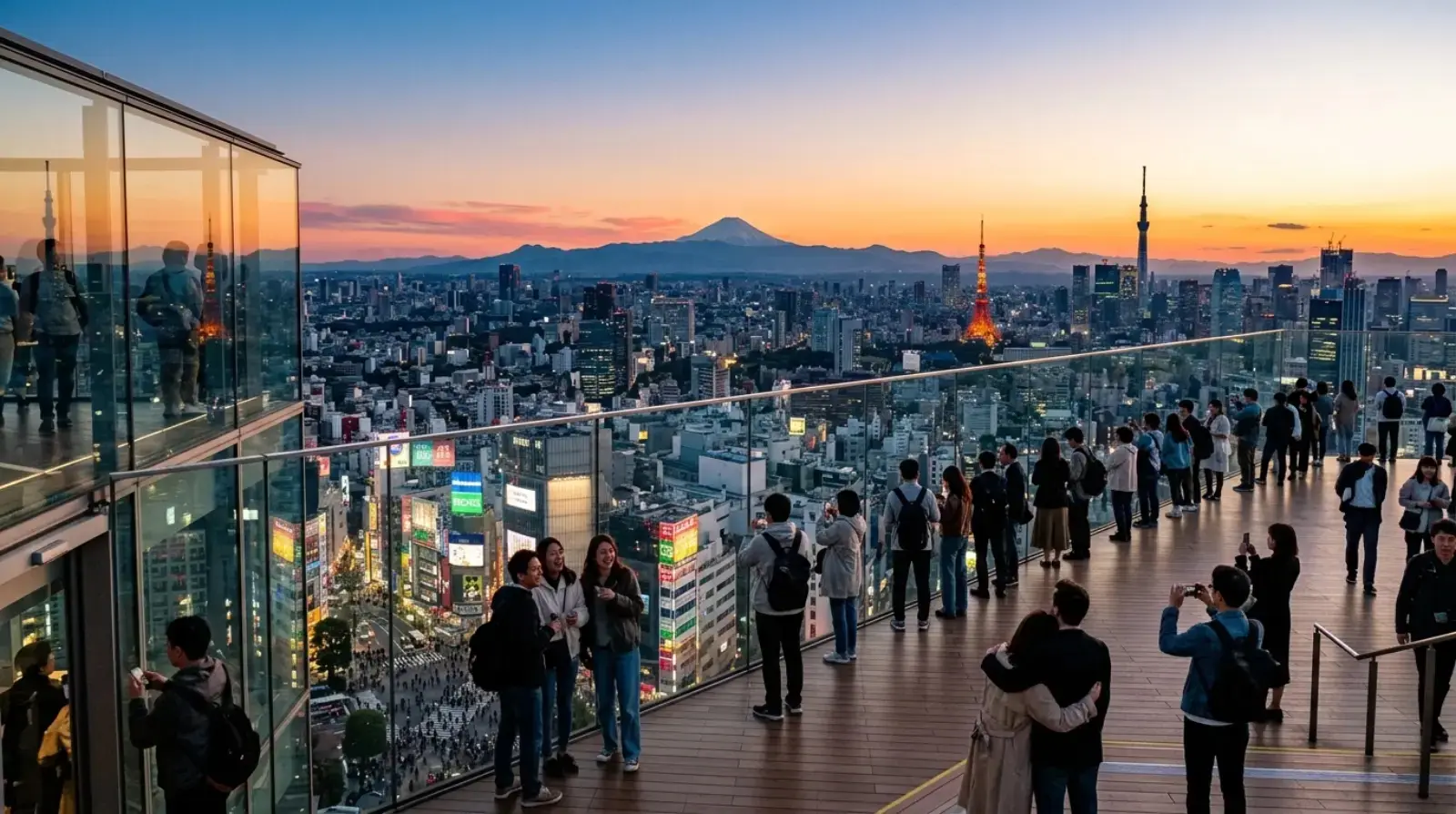
Tokyo Day 2 Itinerary: Booking Shibuya Sky, Harajuku Backstreets and Roppongi at Night
Securing prime sunset slots atop Shibuya Sky, navigating hidden boutiques along Harajuku Cat Street, immersing in the forested serenity of Meiji Jingu, and marveling at the crimson glow of Tokyo Tower from Roppongi Hills. A masterclass in Day 2 pacing.
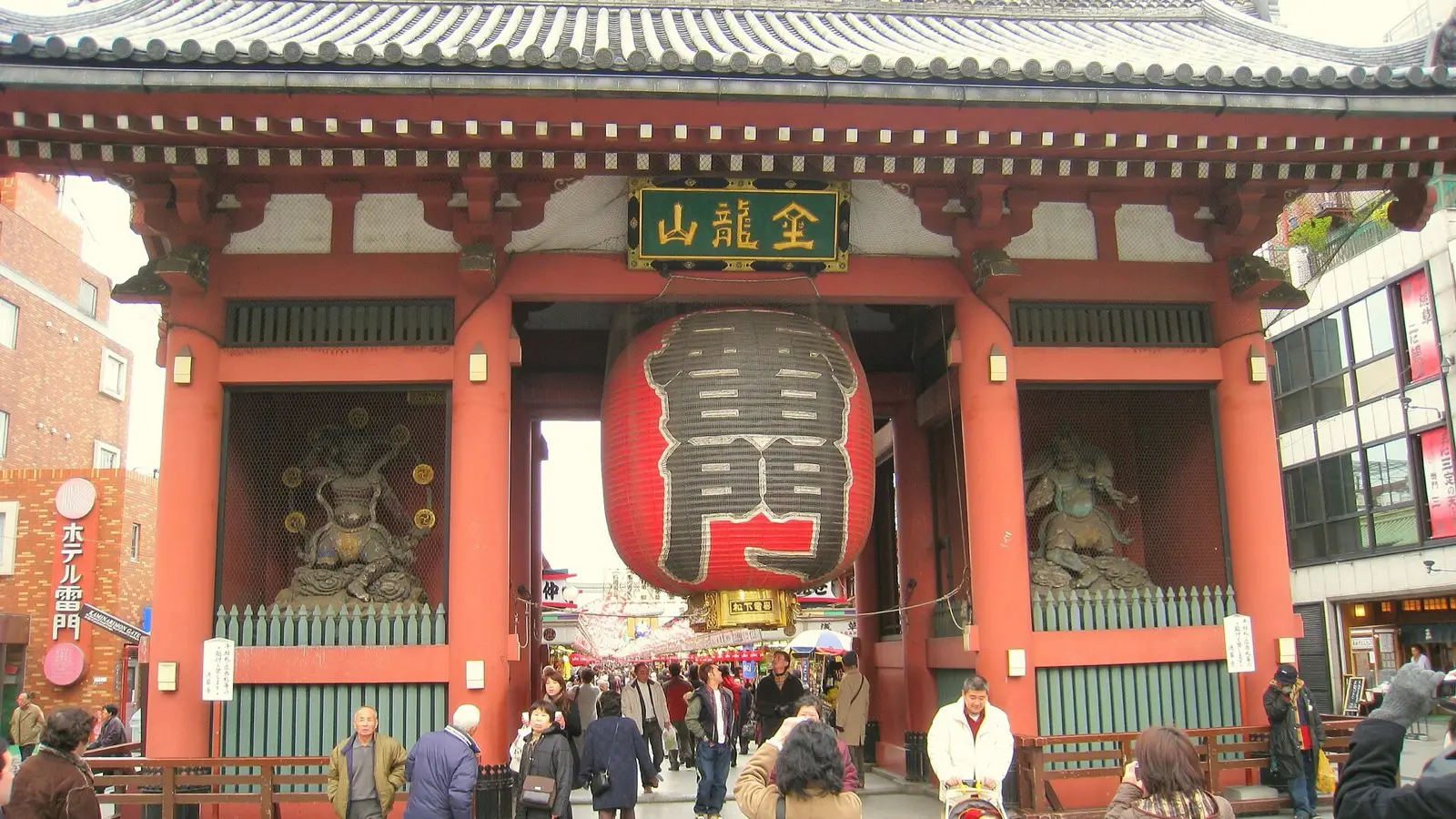
Tokyo Day 3 Itinerary: Asakusa, Akihabara, Ginza Depachika and Flying Home
The ultimate finale for your Tokyo stay: tranquil morning worship at Sensoji, retro subculture in Akihabara, Ginza Six architectural rooftop views and basement depachika feasts, capped by seamless Skyliner and N'EX airport connections.
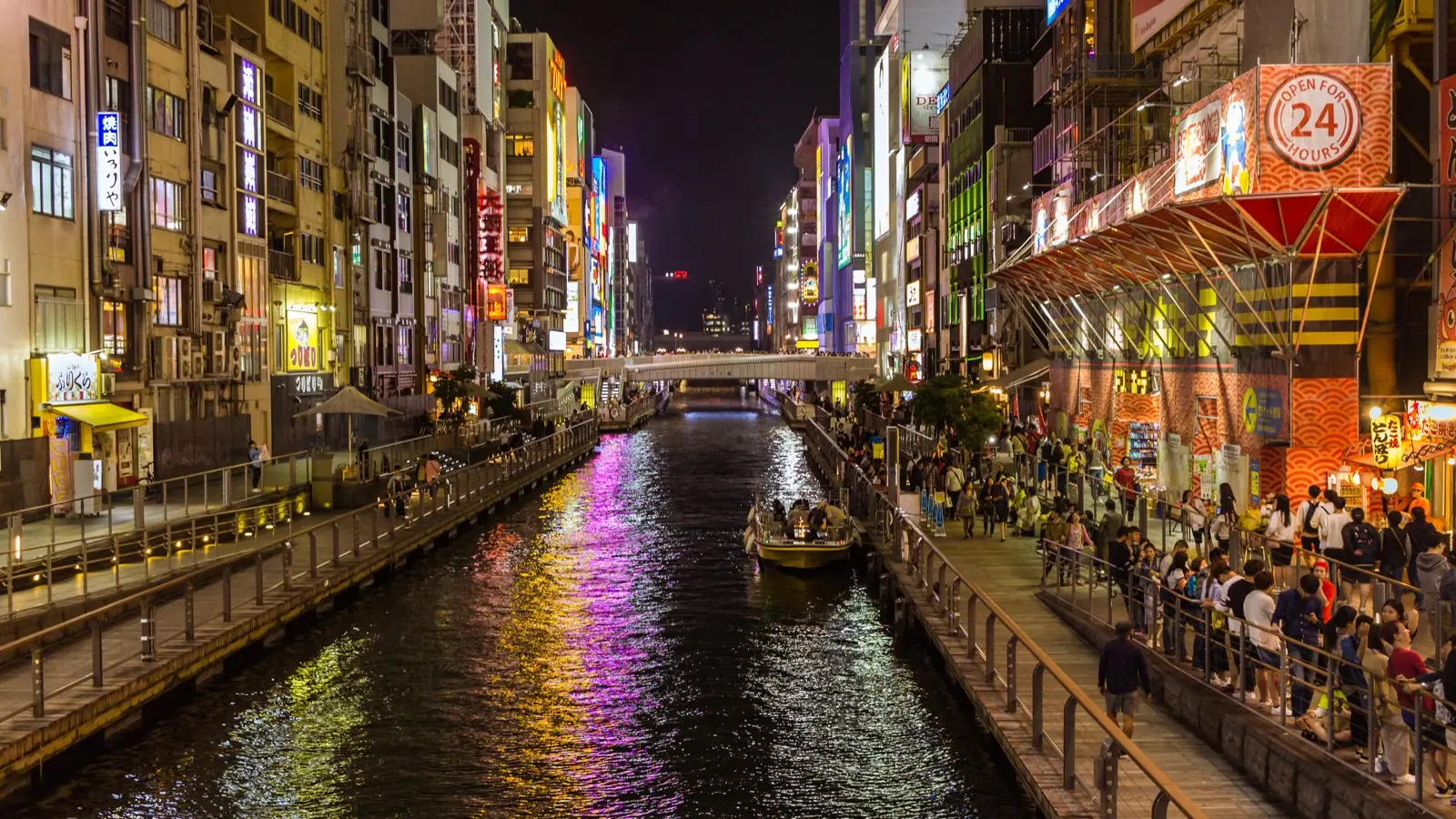
Osaka Itinerary: Dotonbori and Umeda in Two Nights
Osaka is Japan culinary powerhouse where feasting is an art. Navigate Rapi:t airport transfers, Namba vs Umeda hotels, and street food corridors with veteran precision.
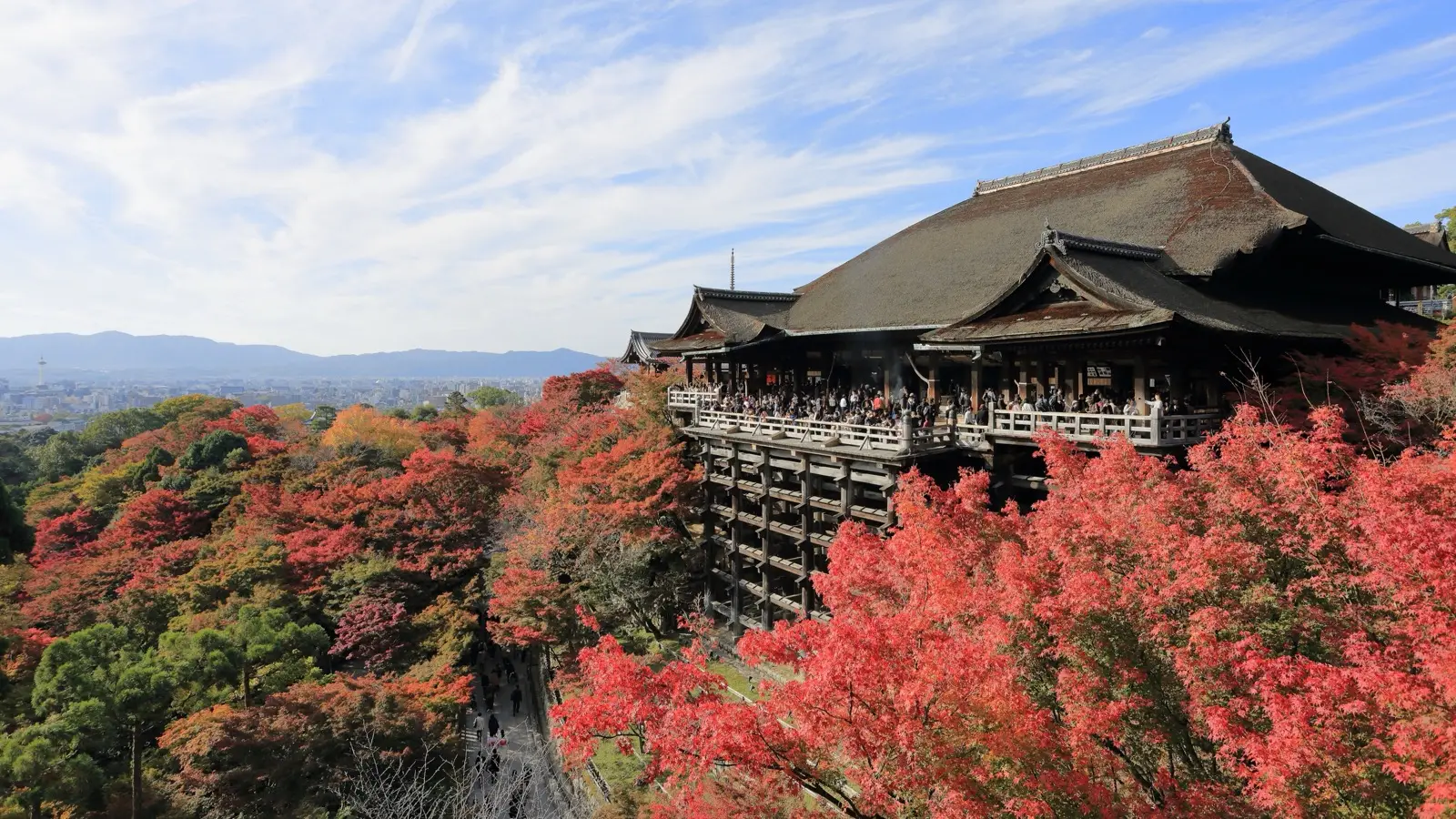
Kyoto Itinerary: Arashiyama, Gion and How to Pick a Ryokan
Kyoto compresses a millennium of Japanese aesthetic mastery. Discover how to evade bus congestion with private railways, master ryokan kaiseki booking windows, and savor early dawn stillness.
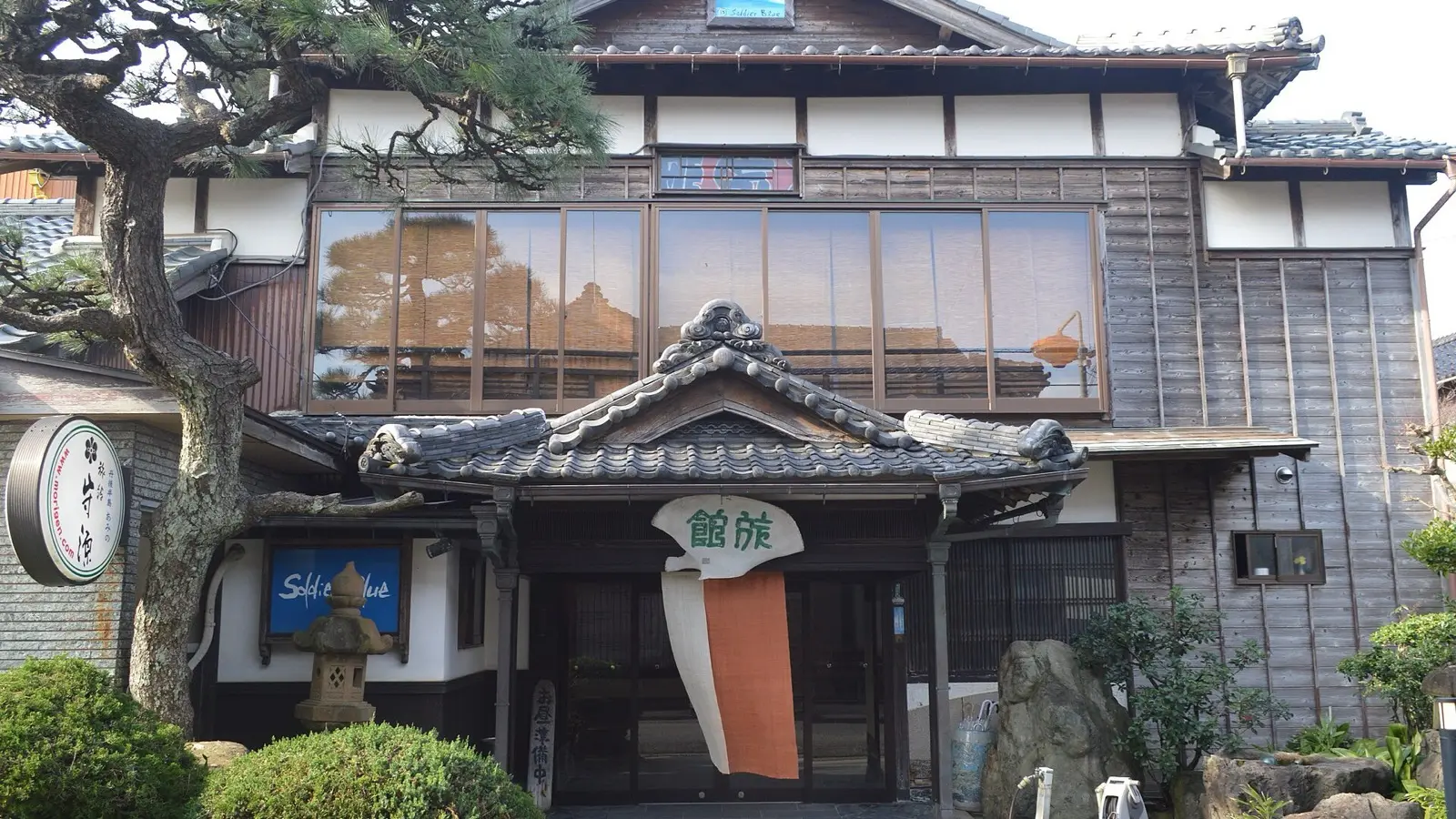
Kyoto Ryokan Prices and How to Choose: Kaiseki Terms and Machiya Stays
From hundred-year-old timber townhouses in Gion to misty Arashiyama riverside ryokan, staying in Kyoto demands cultural fluency and sharp booking discipline. An honest receipt audit covering kaiseki dinner curfews, private onsen etiquette, and avoiding dynamic pricing spikes.
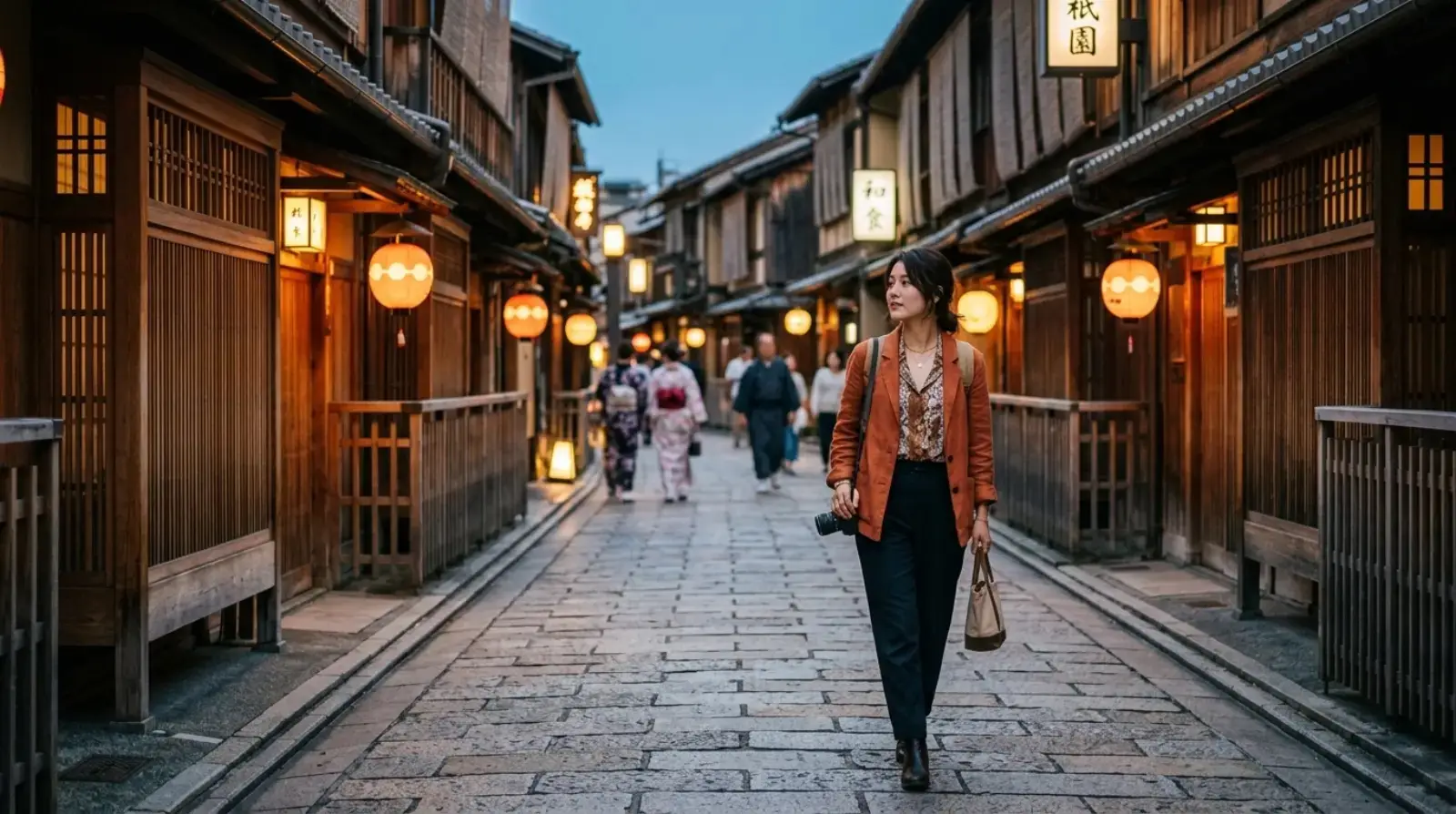
Kyoto Day 1 Itinerary: Kansai Airport to Kyoto and Your First Evening in Gion
Boarding the 75-minute Haruka Express from Kansai Airport, forwarding heavy bags straight to your hotel via Crosta at Kyoto Station, avoiding gridlocked buses using the subway, and an evening stroll through Gion to the Kamogawa. A field guide to your first 24 hours.
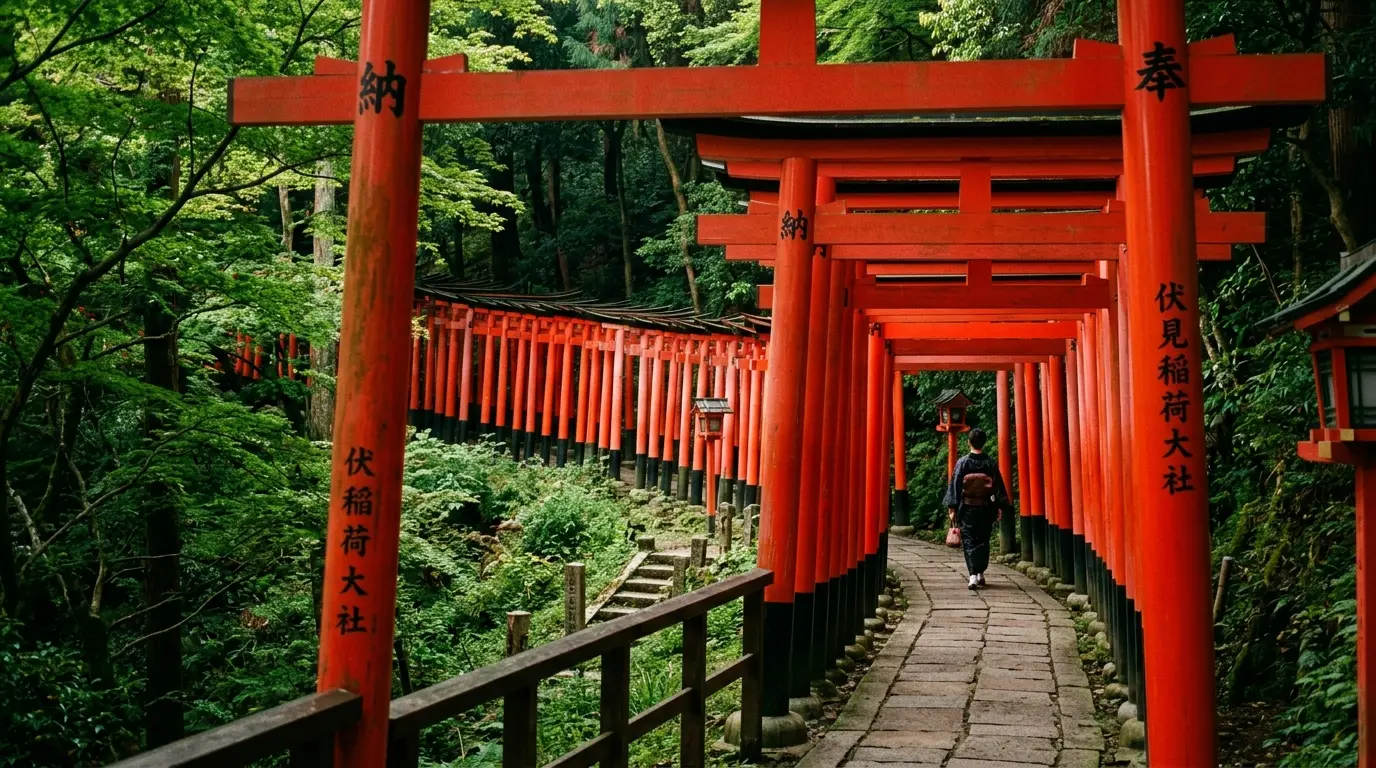
Kyoto Day 2 Itinerary: Fushimi Inari, Kiyomizu-dera, Sannenzaka and Gion
Day 2 immerses travelers into the spiritual heartbeat and preserved historic streets of Kyoto: early morning solace along thousands of vermilion torii gates at Fushimi Inari, sweeping mountain panoramas from the legendary wooden stage of Kiyomizu-dera, artisan tea shops and matcha sweets across cobblestoned Ninenzaka and Sannenzaka, followed by lantern-lit strolls in Gion Shirakawa and a refined multi-course Kaiseki dinner.
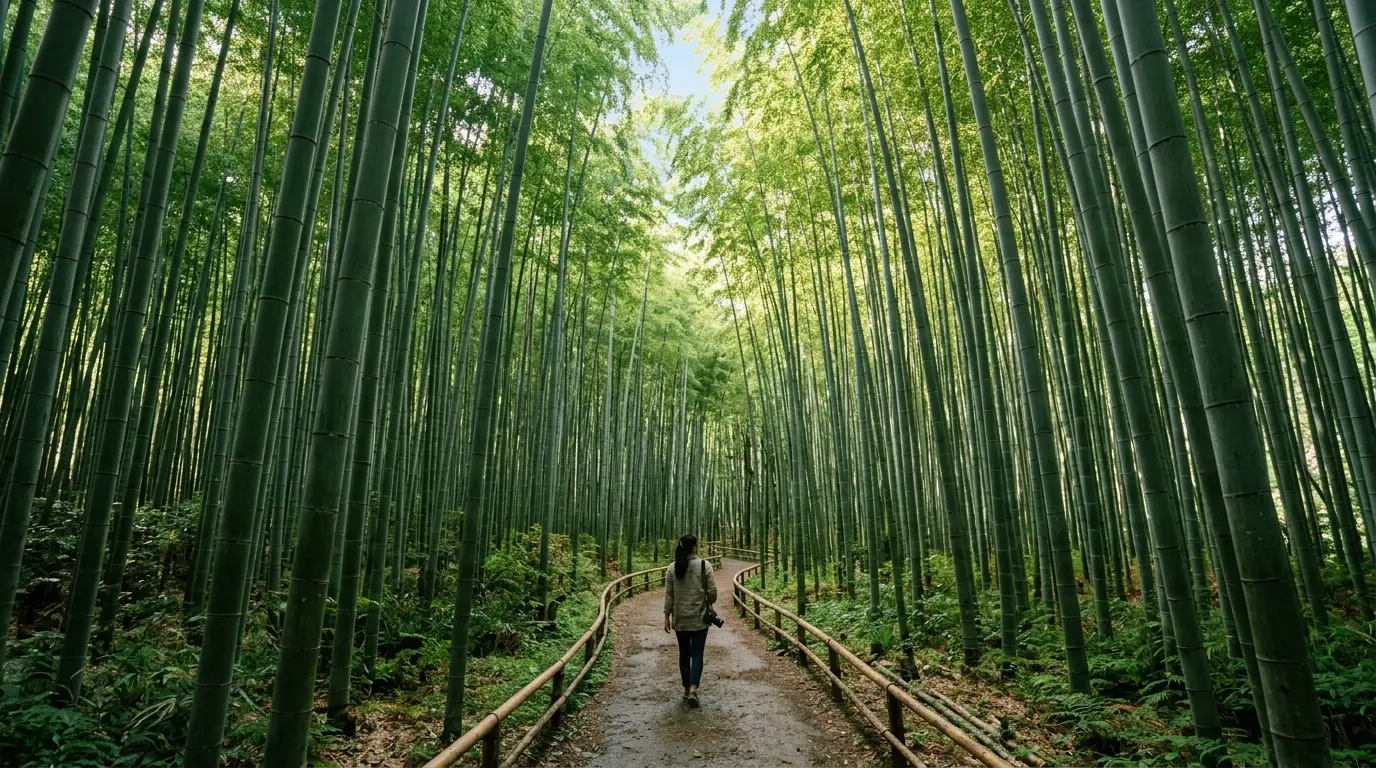
Kyoto Day 3 Itinerary: Arashiyama Bamboo Grove, Nishiki Market and the Journey Home
A sublime final chapter to your Kyoto journey: morning breezes whispering through towering emerald stalks in the Arashiyama Bamboo Grove, the UNESCO World Heritage mirror pond at Tenryu-ji, riverside specialty coffee by Togetsukyo Bridge, savory culinary treasures inside 400-year-old Nishiki Market, followed by Kyoto Station souvenir shopping and a swift 75-minute ride aboard the JR Haruka Express straight to Kansai Airport.