
ChongqingGuide
Chongqing Itinerary and Hotels: Hongyadong at Night and River View Prices
Walking through what feels like a ground-floor foyer only to stare down from a 22-story cliff. With 30-day visa-free entry open to many passports, here is how to tame Chongqing's vertical wonder and unlock world-beating luxury rates.
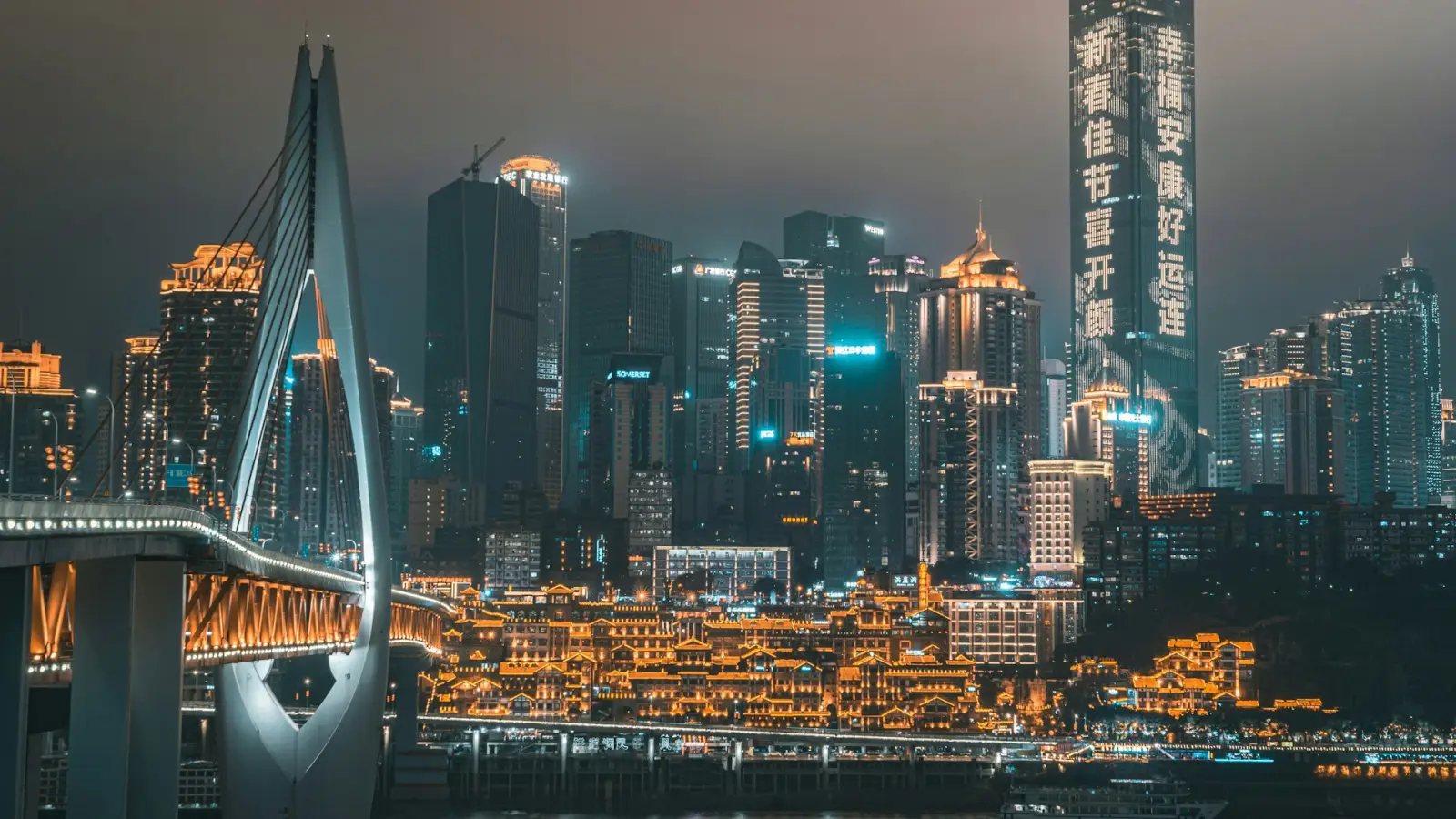
Stepping into the Lobby Only to Face a 22-Story Cliff: The Thrill of 8D Cyberpunk
As dusk falls over the Jialing River, the dense breeze carries the prickle of roasted chili oils and tingling Sichuan peppercorns. You walk off a bustling avenue into what looks like a typical street-level lobby, step into an elevator, and push the ground-floor button. When the doors glide open, you are staring out through panoramic glass at a sheer 22-story abyss, with cargo barges gliding like incandescent toys down below.
This is no computer-generated movie trick: this is everyday reality in Chongqing, where skyscrapers cling vertically to steep limestone bluffs. The entire metropolis plays like an eight-dimensional riddle, where stepping off an elevated footbridge unexpectedly lands you on the manicured rooftop garden of another high-rise.
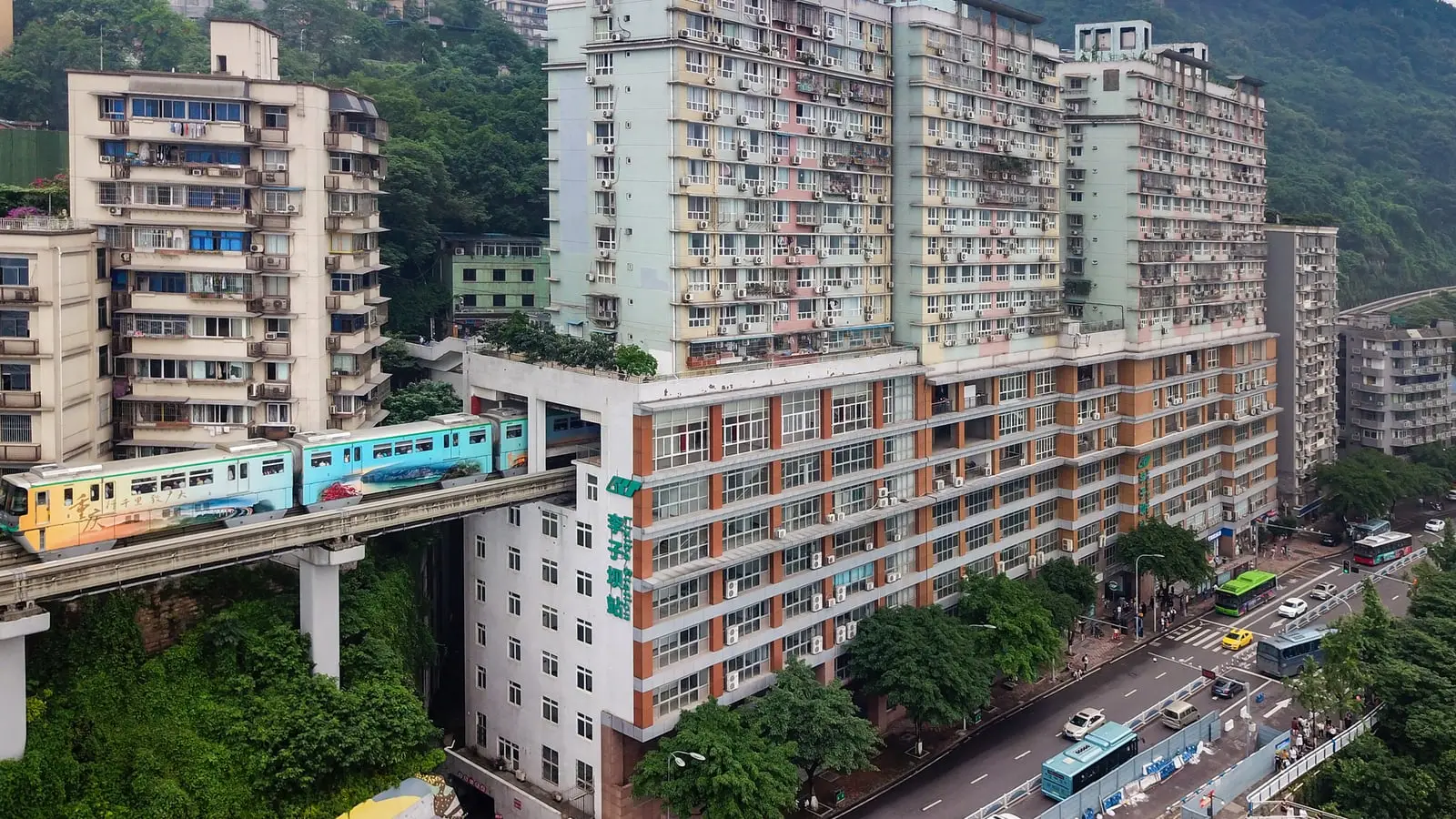
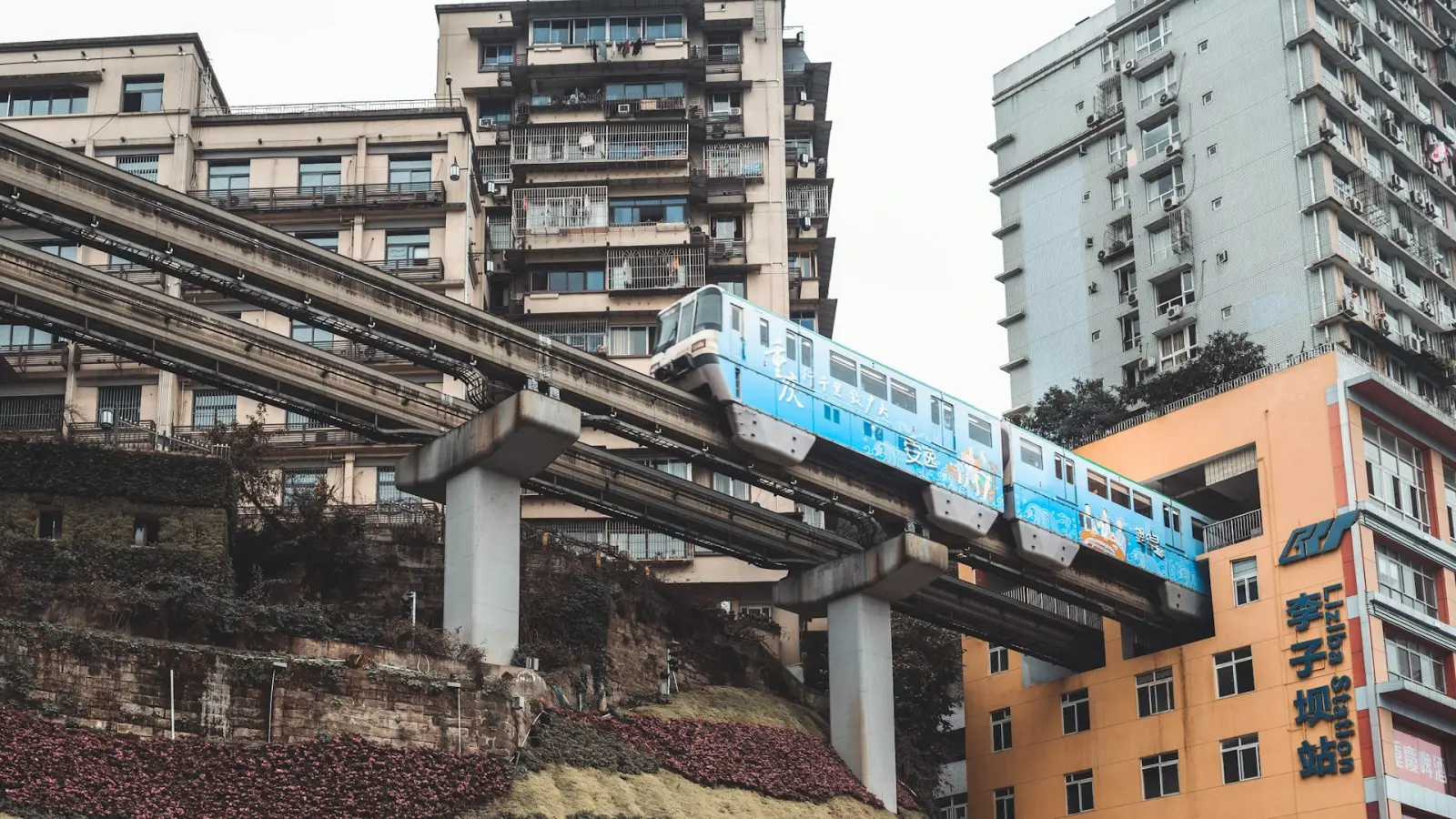
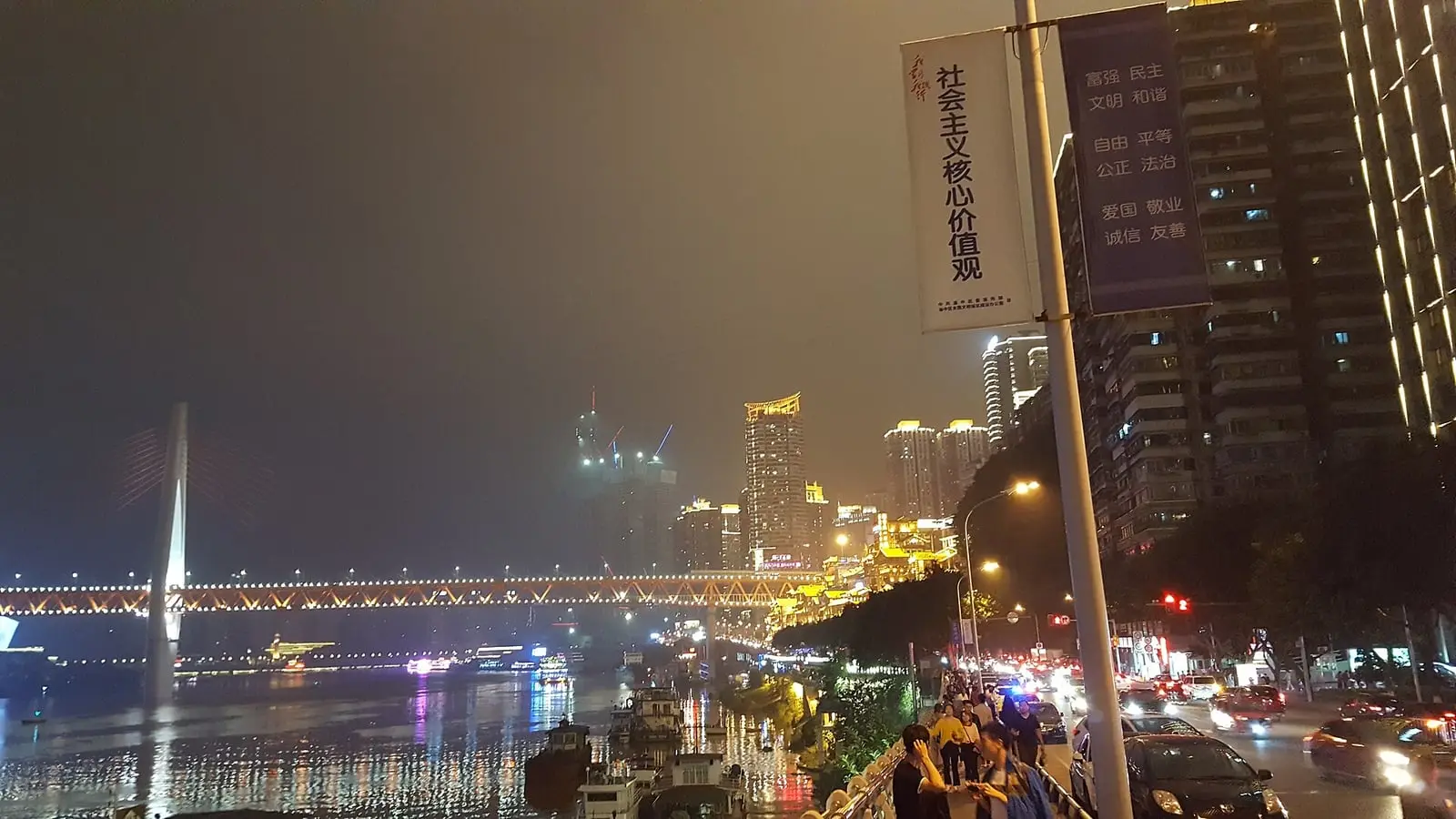
The Liziba monorail slips silently through the 8th floor of a 19-story residential apartment block without disturbing a single resident. Across the river, the 11-story timber stilts of Hongyadong ignite into a blazing amber fortress at nightfall, while the Yangtze River Cableway dangles commuters high in the open air between modern skyscrapers.
With 30-day visa-free entry now open to many passports, including South Korea and Japan (currently in force until 31 December 2026), Chongqing has rapidly become one of Asia's most coveted weekend escapes. But navigate it using flat 2D maps alone, and your knees will quickly surrender to an endless maze of vertical stair steps.
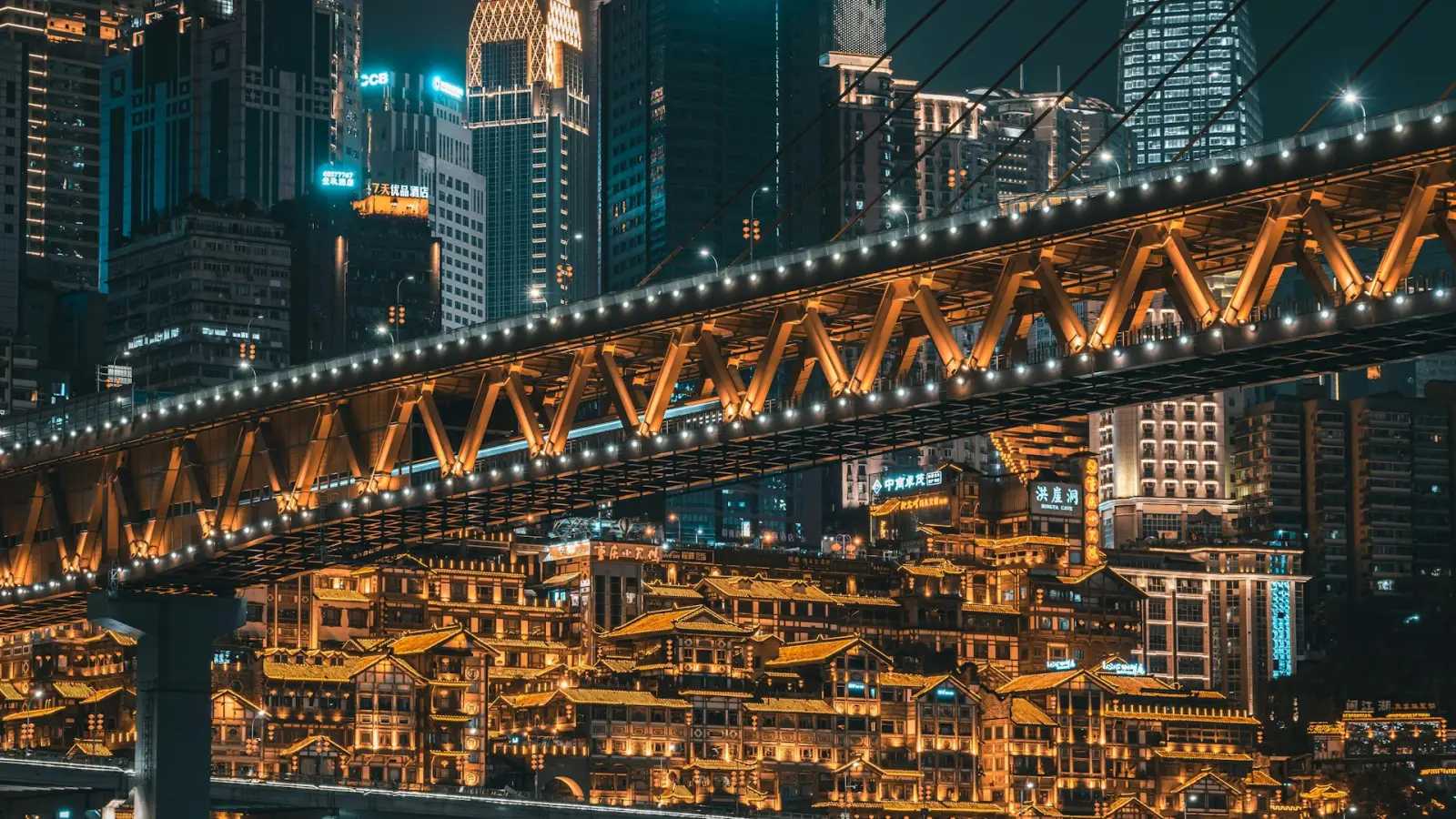
High-Rise River Views for $50 a Night: The World's Best Hotel Value
In Tokyo or Singapore, dropping $250 a night often leaves you in a cramped 15-square-meter shoebox where luggage barely unfolds. Chongqing completely upends that reality.
Despite being one of China's most powerful economic engines, hospitality rates here remain astonishingly affordable. Sweeping 45th-floor suites with floor-to-ceiling glass overlooking the confluence of the Yangtze and Jialing rivers routinely cost between $40 and $60 a night during regular seasons.
Even international 5-star brand hotels boasting sprawling executive lounges and infinity pools can be reserved for around $100, delivering luxury hospitality at a fraction of global capital rates.
The single critical detail when booking is verifying foreign guest eligibility (wai bin reception). Certain ultra-budget local inns lack police terminal integration for overseas passports, which can result in denied check-ins at the desk. Always book 4-star and 5-star properties on trusted international OTAs that explicitly display foreign guest acceptance.
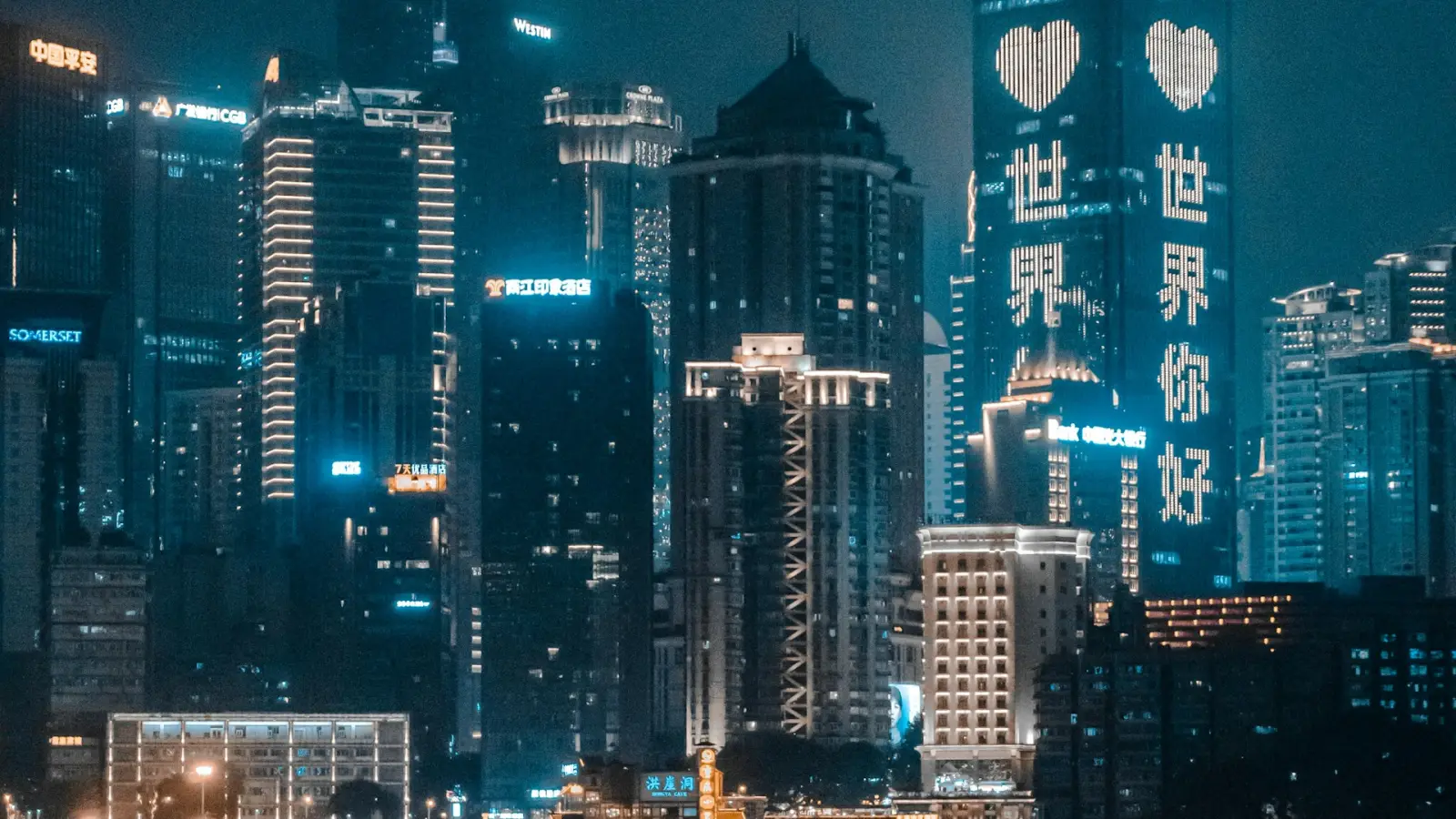
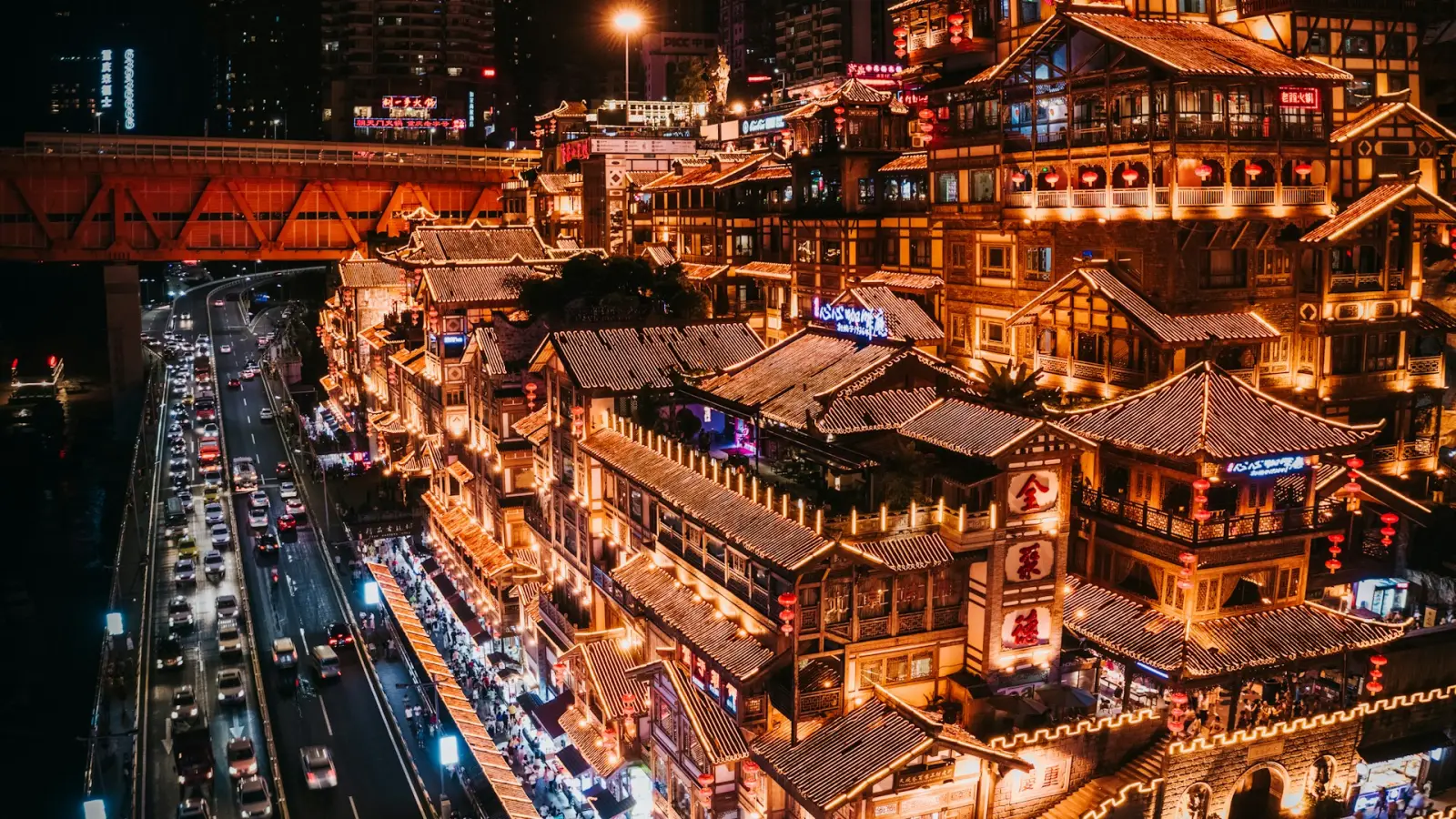
Jiefangbei Vibrancy vs Nanbin Road Skylines: Mastering Your Base
Never trust straight-line distances on navigation apps in Chongqing. A seemingly effortless 100-meter walk on screen often masks a grueling 50-meter elevation gain up hundreds of humid stone stairs.
For first-timers, staying around the Jiefangbei Liberation Monument and Hongyadong quadrant is the smartest strategic move. The downtown core sits on one of the city's rare flat plateaus, putting prime late-night hotpot dens, metro interchanges, and river vistas within comfortable walking distance.
You can wander back on foot well past midnight without hunting down a cab or struggling with vertical elevation shifts.
If your dream is waking up to an uninterrupted cinematic view of the Yuzhong peninsula skyline, base yourself across the Yangtze along Nanbin Road (Hongyadong itself faces the Jialing River and is best seen from the Jiangbei bank). Luxury waterfront towers here offer far larger room footprints and peaceful balconies.
Just keep in mind that every excursion into downtown requires crossing a major river bridge, making Didi ride-hailing essential during peak commute hours.
The True Cashless City: Zero-Fee Alipay and Didi Ride-Hailing Setup
From the moment your plane touches down until departure, you will never need a single physical banknote. From roadside roasted chestnut carts to breezy riverside teahouses, every transaction is handled through digital QR codes.
Before taking off, install Alipay and link a zero-markup international debit or credit card. In Chongqing, a quick scan settles transactions directly in Chinese Yuan (CNY) at spot bank rates without hefty foreign exchange spreads. Transactions below 200 CNY bypass platform processing fees entirely.
Never try waving down street taxis along winding mountain roads. Instead, fire up the Didi mini-program right inside Alipay. Type your destination in English or Chinese characters for an upfront guaranteed fare that bills automatically to your linked card.
With base fares starting around $2 USD, hailing a ride up steep mountain switchbacks is the best favor you can do for your legs and daily energy.
Authentic 9-Grid Hotpot Mastery and Wulong Karst Day Escapes
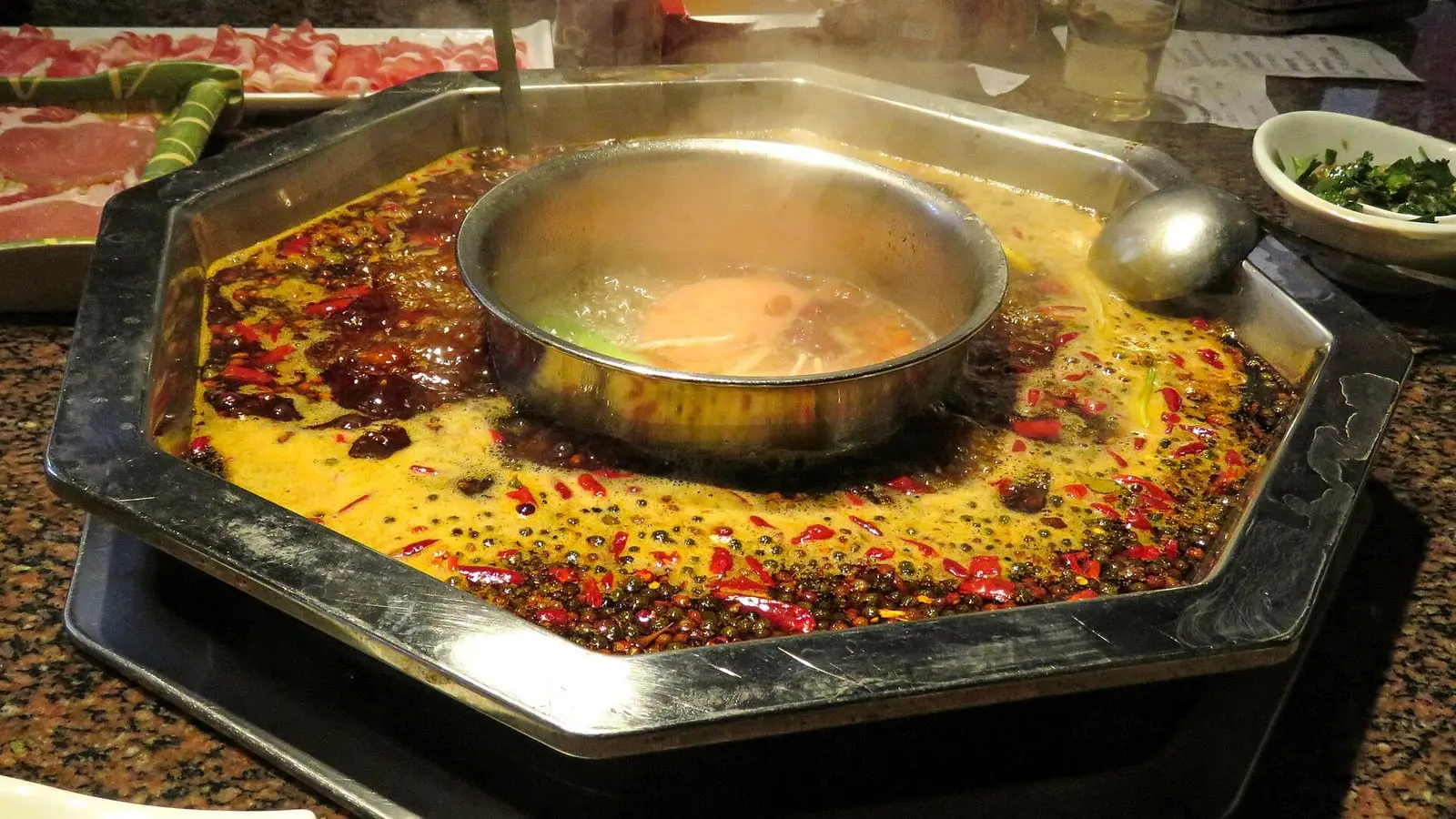
Visiting Chongqing requires conquering authentic nine-grid hotpot (Jiu Gong Ge). Crafted with a heavy beef tallow base infused with heaps of dried Sichuan chilies and tingling red peppercorns, the broth delivers deep, addictive umami.
The center grid boils at maximum heat, designed for flash-cooking tender sliced beef, fresh tripe, and duck intestines: hold them with chopsticks and swish for seven seconds before plunging into sesame oil and minced garlic sauce. The cooler outer grids simmer meatballs, lotus roots, and potatoes until tender.
To cool down fiery palates, pair your feast with chilled brown sugar ice jelly (Bingfen) alongside local craft beer.
Dedicate a day to venture into the dramatic limestone ravines of Wulong Karst, featured in Hollywood films. Strolling through sinkholes hundreds of meters deep and past a reconstructed wooden courier post reveals the raw geological majesty of southwestern China.
Frequently Asked Questions
Field-tested answers to transit navigation, neighborhood choices, and payment traps.
Q1.Can I visit Chongqing without a visa?
Q2.Does Alipay charge a fee on foreign cards in Chongqing?
Q3.Can foreigners stay at any hotel in Chongqing?
Q4.Where should first-time visitors stay in Chongqing?
The Smart Traveler's Essential Toolkit
Prepare instant mobile data, private airport transfers, and skip-the-line passes in one place.
Pick a base in Chongqing by your route
Choose the places you want to see and get the neighbourhood with the shortest travel.
Compare Chongqing Hotel Rates
Find the cheapest channel across Agoda and major booking engines with Tripdify.
Share This Guide with Your Companions
When shared via chat or social media, a curated summary card is sent along.
Recommended Guides
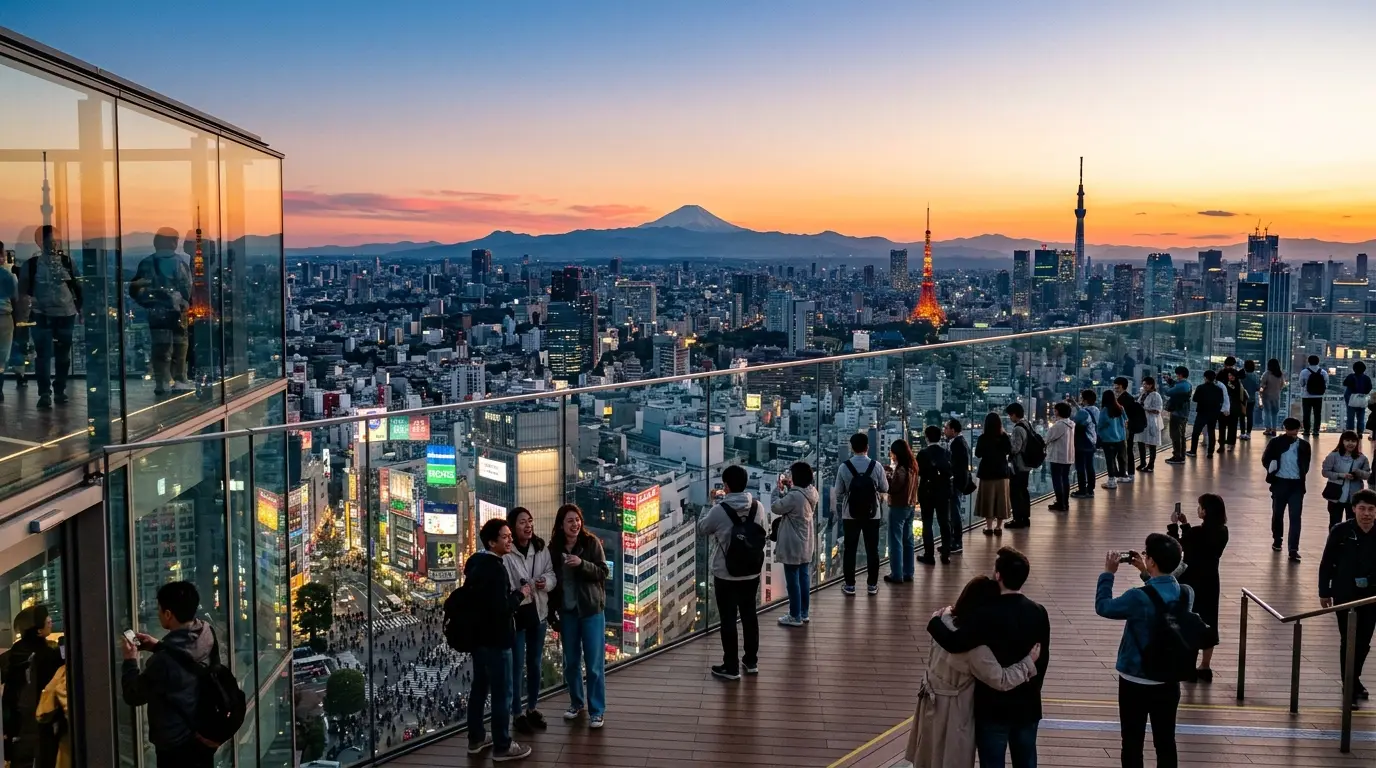
Where to Stay in Tokyo: Shinjuku vs Shibuya vs Ginza
Comparing room footprints across Shinjuku, Ginza, and Ueno, locking in sudden 14-day cancellation drops, and eliminating DCC fees with clean Yen checkout.
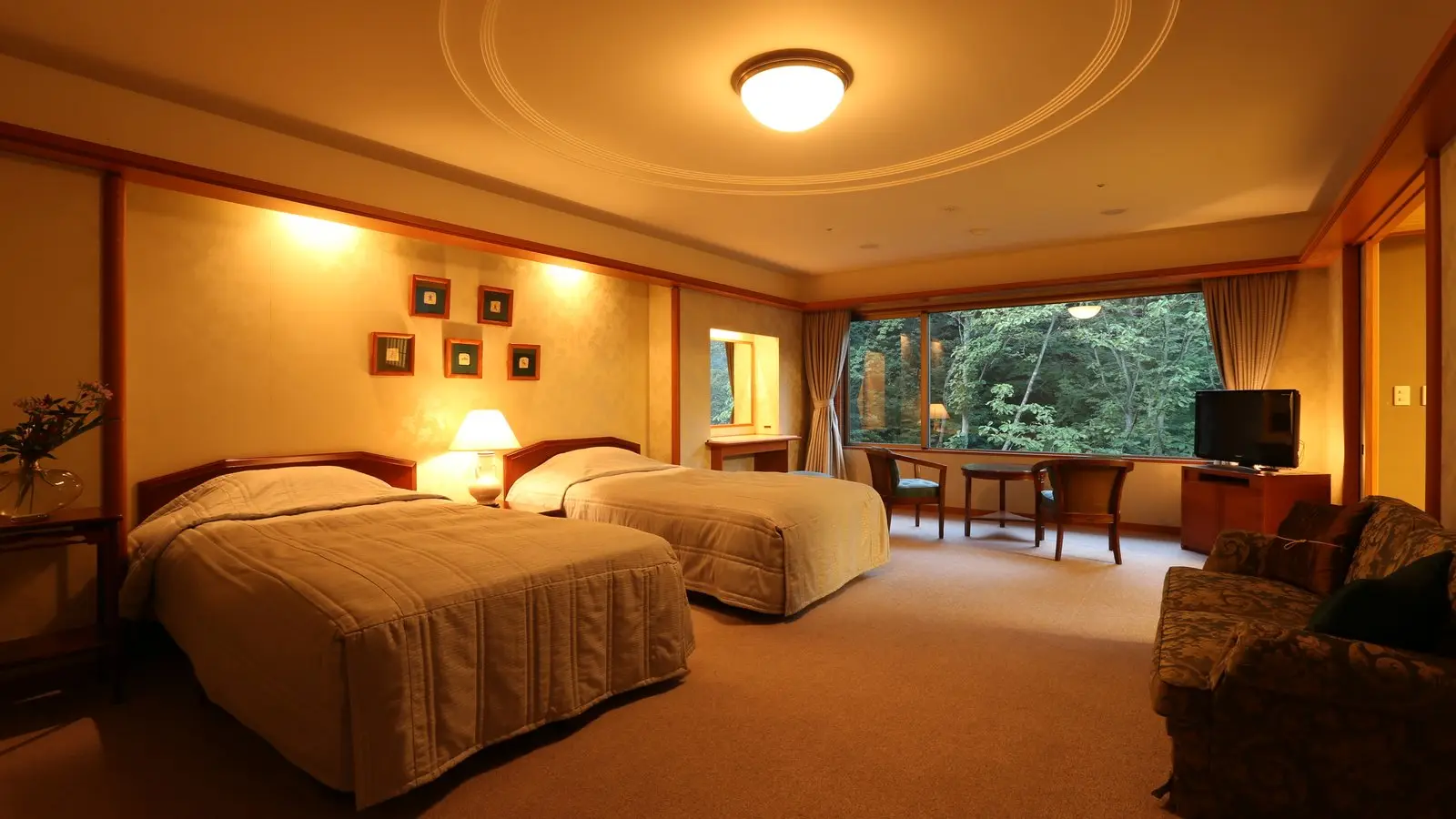
7 Budget Hotels in Tokyo Under $100 on the Yamanote Line
Even amid yen fluctuations, central Tokyo hotel rates have soared. Learn how to secure Yamanote loop line hotels at half the price of Shinjuku, compare onsen bath chains like Dormy Inn, trigger secret Agoda VIP and Booking.com Genius discounts, and dodge hidden currency fees with yen settlement.
How to Read the Tokyo Subway Map and Where to Stay on the Yamanote Line
How to choose between Keisei Skyliner and Narita Express, avoid the Tokyo Subway Ticket trap, use Apple Wallet Suica, and select the ideal hotel base in Tokyo.
Tokyo Day 1 Itinerary: Narita Airport to the City and Your First 24 Hours
From stepping off at Narita Airport to mastering high-speed trains, navigating Tokyo's sprawling transit hubs, ordering counter ramen effortlessly, and catching sunset from Roppongi Hills. A definitive guide for your first 24 hours in Tokyo.
Tokyo Day 2 Itinerary: Booking Shibuya Sky, Harajuku Backstreets and Roppongi at Night
Securing prime sunset slots atop Shibuya Sky, navigating hidden boutiques along Harajuku Cat Street, immersing in the forested serenity of Meiji Jingu, and marveling at the crimson glow of Tokyo Tower from Roppongi Hills. A masterclass in Day 2 pacing.
Tokyo Day 3 Itinerary: Asakusa, Akihabara, Ginza Depachika and Flying Home
The ultimate finale for your Tokyo stay: tranquil morning worship at Sensoji, retro subculture in Akihabara, Ginza Six architectural rooftop views and basement depachika feasts, capped by seamless Skyliner and N'EX airport connections.
Osaka Itinerary: Dotonbori and Umeda in Two Nights
Osaka is Japan culinary powerhouse where feasting is an art. Navigate Rapi:t airport transfers, Namba vs Umeda hotels, and street food corridors with veteran precision.
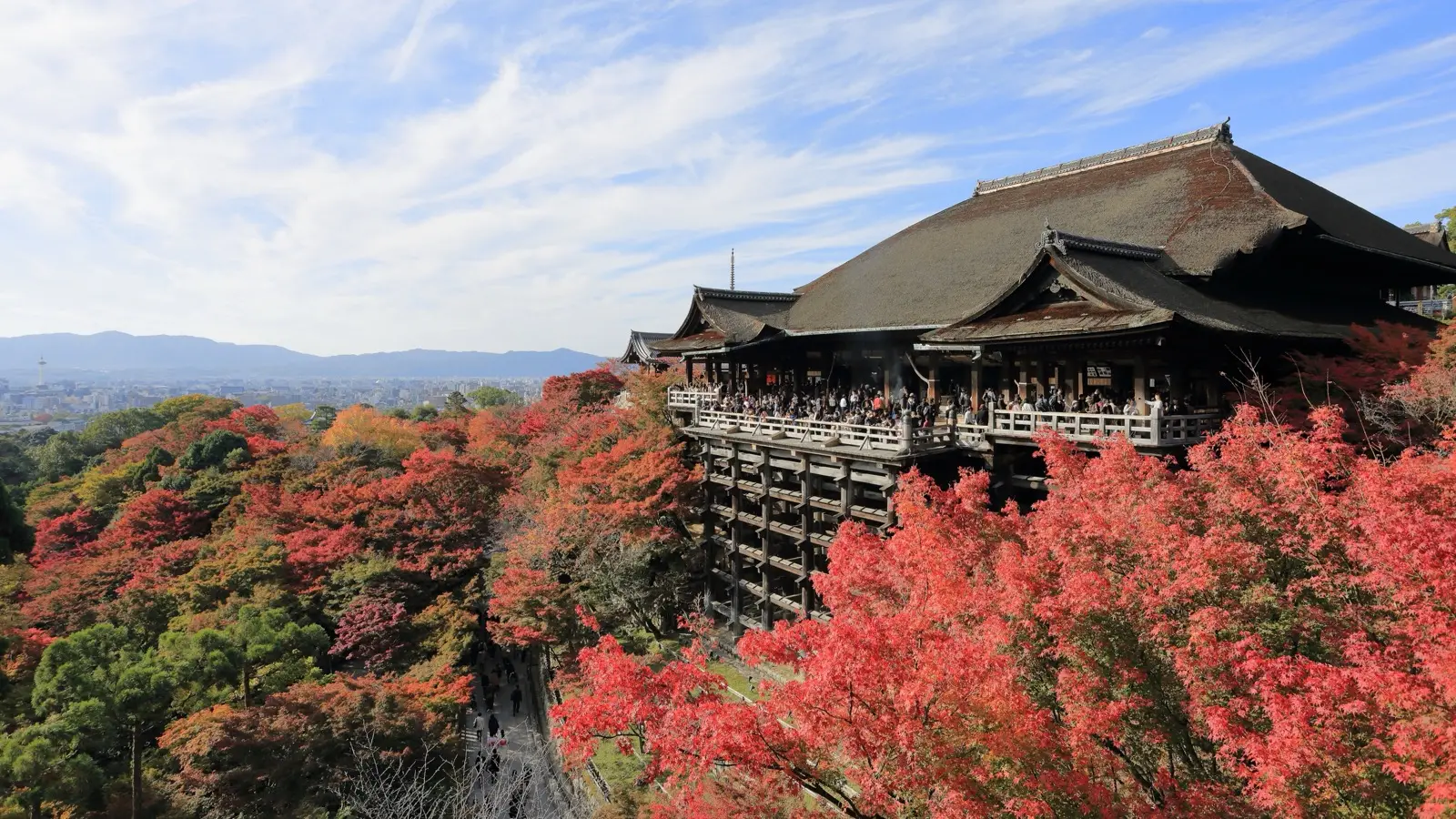
Kyoto Itinerary: Arashiyama, Gion and How to Pick a Ryokan
Kyoto compresses a millennium of Japanese aesthetic mastery. Discover how to evade bus congestion with private railways, master ryokan kaiseki booking windows, and savor early dawn stillness.
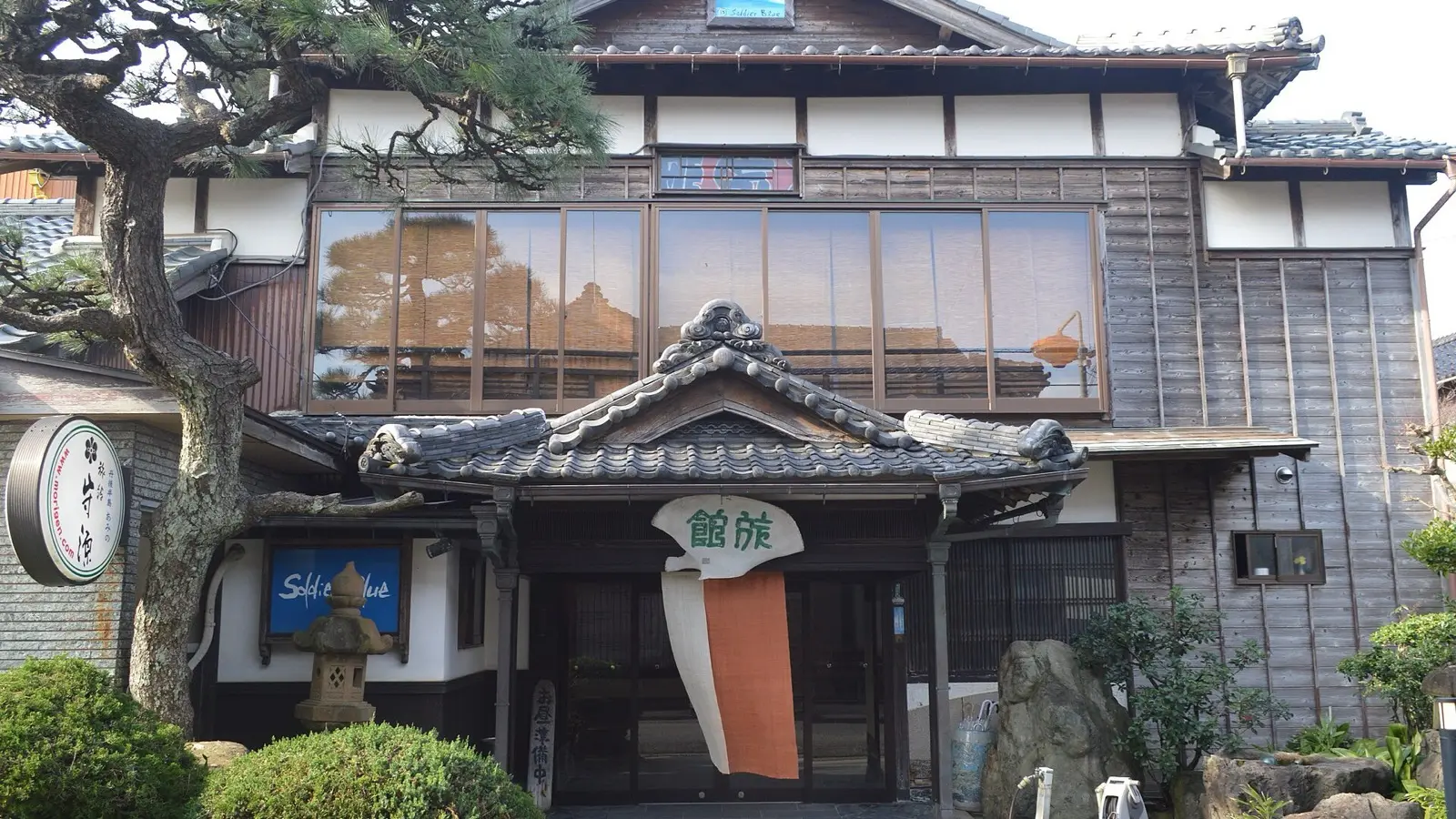
Kyoto Ryokan Prices and How to Choose: Kaiseki Terms and Machiya Stays
From hundred-year-old timber townhouses in Gion to misty Arashiyama riverside ryokan, staying in Kyoto demands cultural fluency and sharp booking discipline. An honest receipt audit covering kaiseki dinner curfews, private onsen etiquette, and avoiding dynamic pricing spikes.
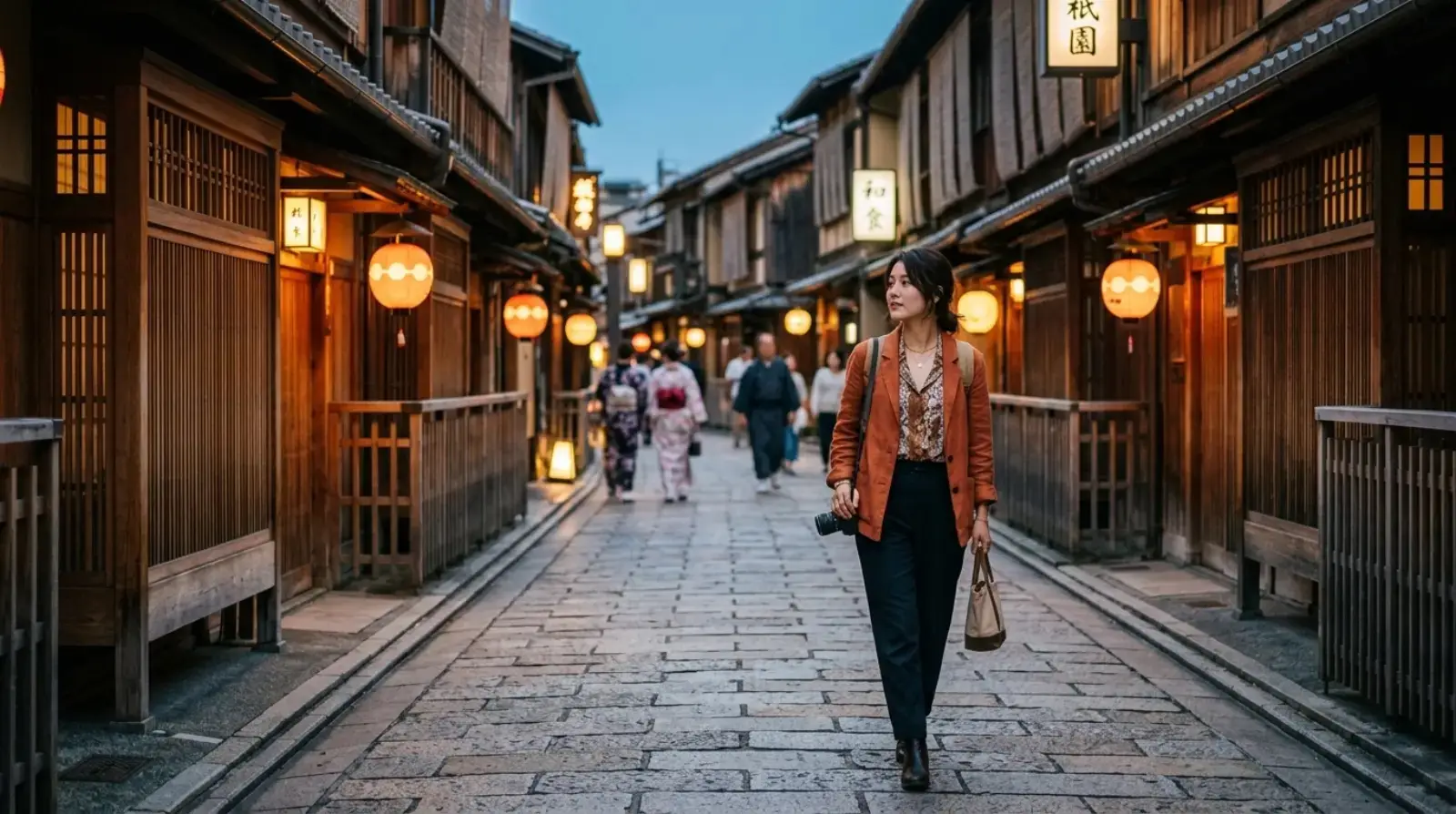
Kyoto Day 1 Itinerary: Kansai Airport to Kyoto and Your First Evening in Gion
Boarding the 75-minute Haruka Express from Kansai Airport, forwarding heavy bags straight to your hotel via Crosta at Kyoto Station, avoiding gridlocked buses using the subway, and an evening stroll through Gion to the Kamogawa. A field guide to your first 24 hours.
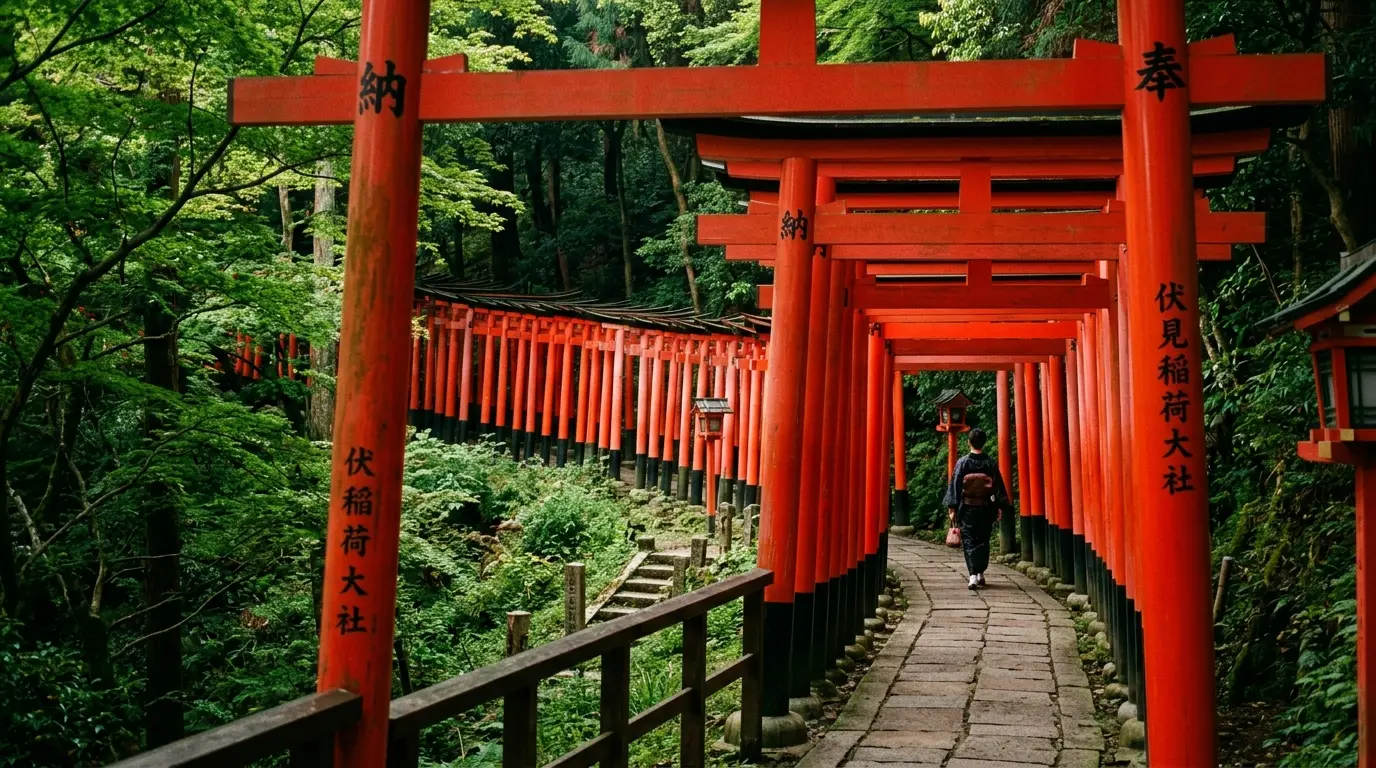
Kyoto Day 2 Itinerary: Fushimi Inari, Kiyomizu-dera, Sannenzaka and Gion
Day 2 immerses travelers into the spiritual heartbeat and preserved historic streets of Kyoto: early morning solace along thousands of vermilion torii gates at Fushimi Inari, sweeping mountain panoramas from the legendary wooden stage of Kiyomizu-dera, artisan tea shops and matcha sweets across cobblestoned Ninenzaka and Sannenzaka, followed by lantern-lit strolls in Gion Shirakawa and a refined multi-course Kaiseki dinner.
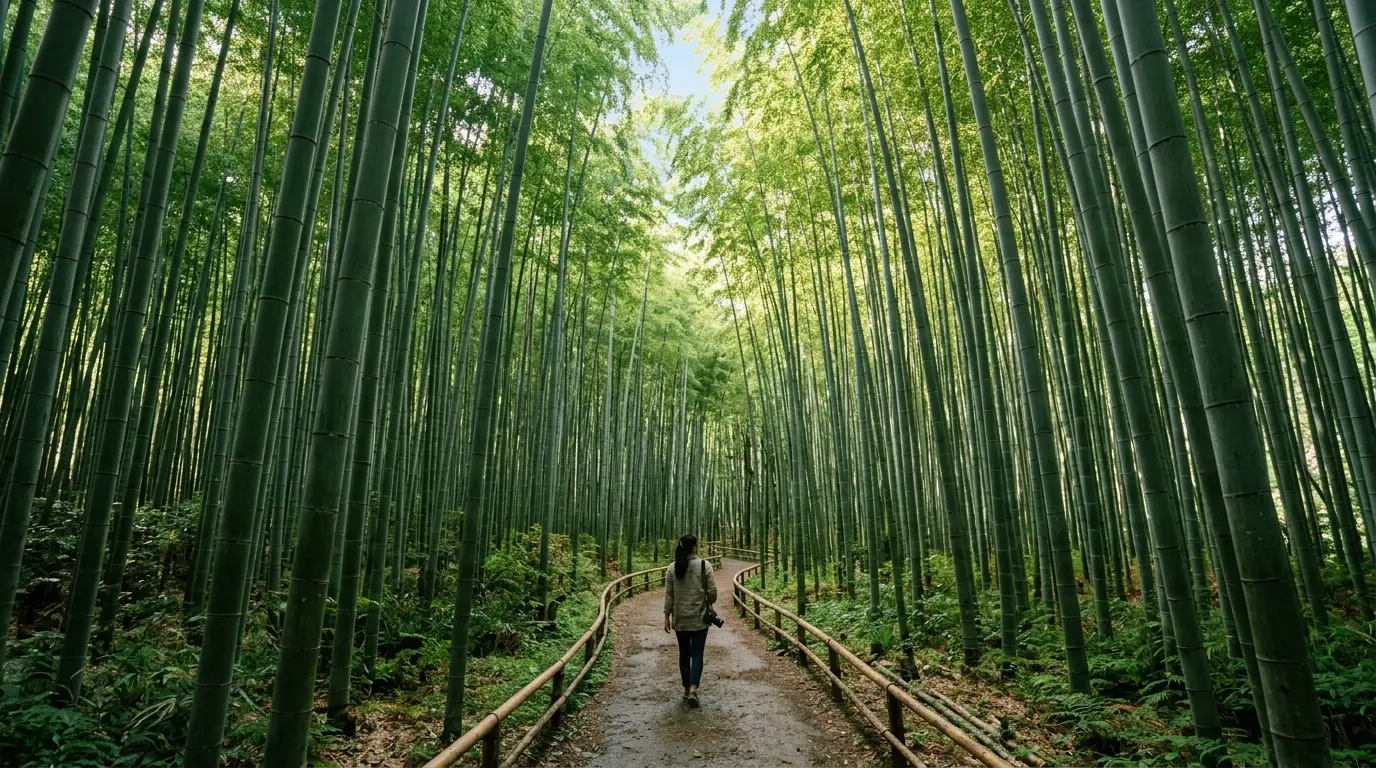
Kyoto Day 3 Itinerary: Arashiyama Bamboo Grove, Nishiki Market and the Journey Home
A sublime final chapter to your Kyoto journey: morning breezes whispering through towering emerald stalks in the Arashiyama Bamboo Grove, the UNESCO World Heritage mirror pond at Tenryu-ji, riverside specialty coffee by Togetsukyo Bridge, savory culinary treasures inside 400-year-old Nishiki Market, followed by Kyoto Station souvenir shopping and a swift 75-minute ride aboard the JR Haruka Express straight to Kansai Airport.