
BarcelonaCurated
Where to Stay in Barcelona: Eixample vs the Gothic Quarter Compared
Navigating Las Ramblas pickpockets, Raval boundary warnings, breaking down €8.40 nightly tourist taxes, and T-Usual transit value.
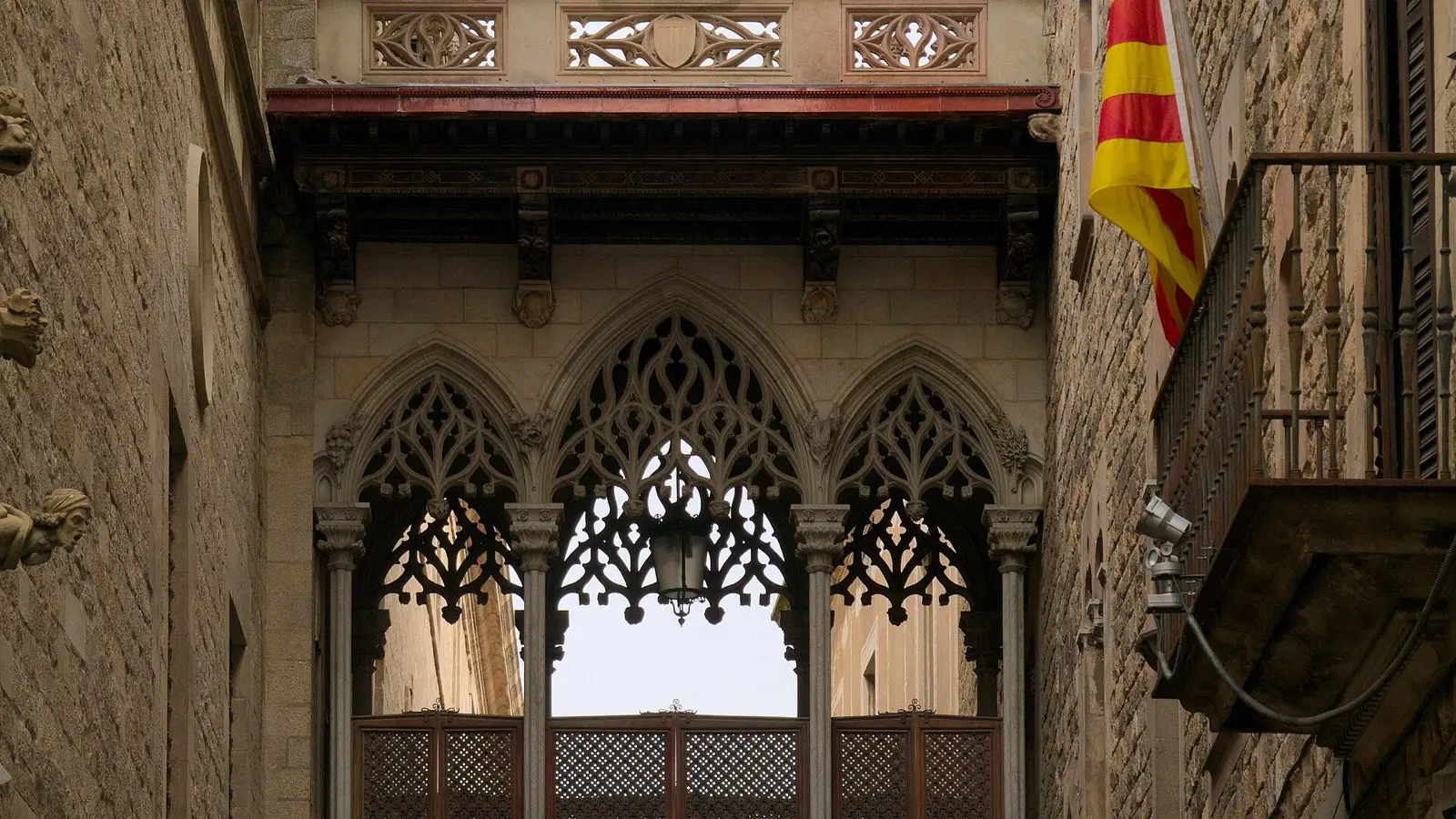
The Las Ramblas Illusion: Raval Boundaries and Night Pickpocket Realities
First-time visitors to Barcelona readily succumb to romantic visions of Las Ramblas, the leafy 1.2-kilometer promenade stretching from Plaça de Catalunya to the Columbus Monument, flanked by the medieval labyrinths of the Gothic Quarter (Barri Gòtic). While evocative in black-and-white travel memoirs, today's street reality is dominated by Europe's most sophisticated syndicates of pickpockets, aggressive promotional touts, and rowdy bachelor parties. Dragging rolling luggage along Las Ramblas for ten minutes exposes travelers to calculated jostling and predatory glances targeted at vulnerable zippers.
Directly bordering the western flank of Las Ramblas is El Raval, a neighborhood marked by sharp internal contrasts. Around the Barcelona Museum of Contemporary Art (MACBA), daytime streets pulse with energetic skateboarders and minimalist specialty coffee bars. However, navigating south toward Carrer d'En Robador and Drassanes after dusk introduces open-air street solicitation and narcotics exchanges. Booking budget hostels in lower Raval solely for proximity to Las Ramblas routinely results in severe street friction, muggings, or stolen smartphones.
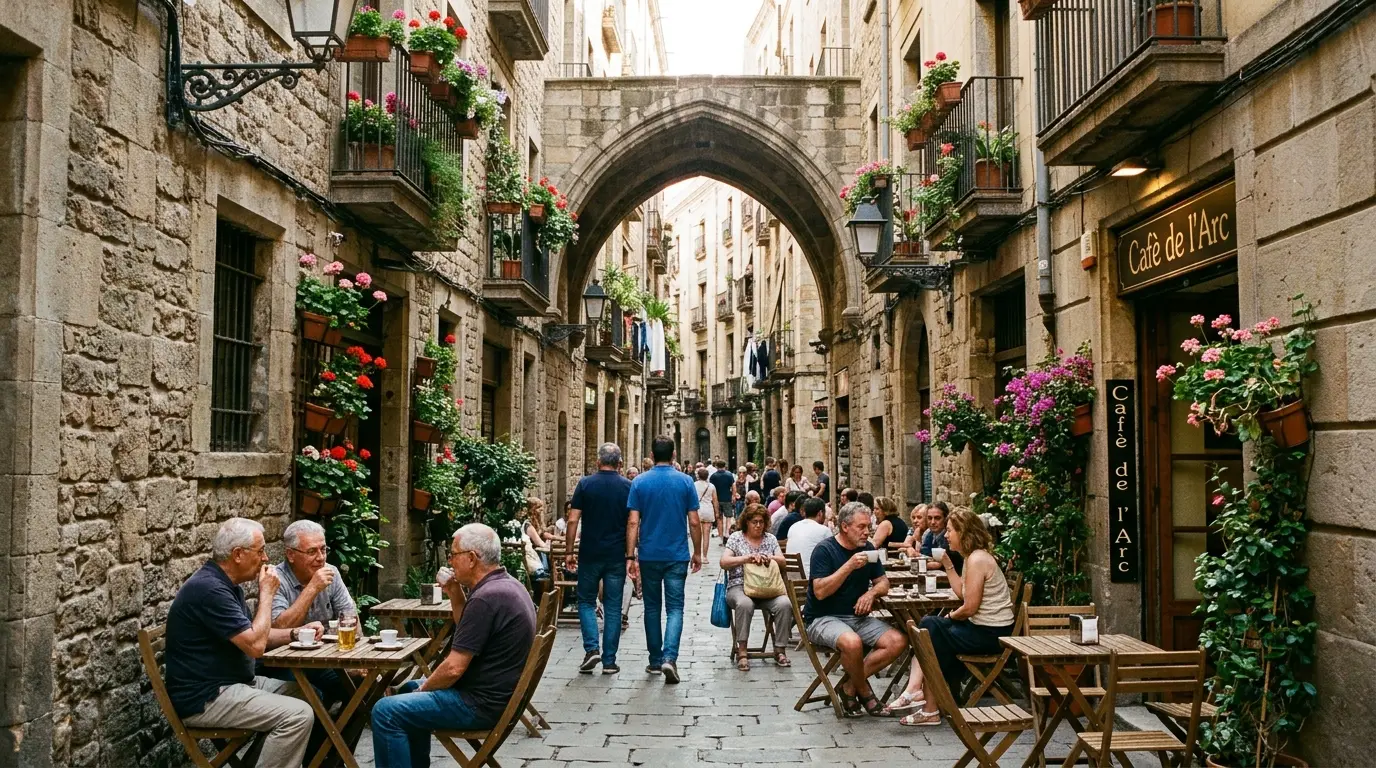
The Gothic Quarter presents its own structural challenges after dark. Soaring medieval stone facades block ambient streetlight, creating dense shadowed passageways that prevent police vehicle entry. If a snatch-and-grab thief targets a purse in these labyrinthine pedestrian alleys, pursuit is virtually impossible. When returning to hotels past midnight, stick exclusively to wide, brightly lit arterial avenues such as Via Laietana or Carrer de Ferran rather than dark residential short cuts.
The most prevalent street scams rely on staged physical distraction. The notorious 'bird dropping scam' involves an operative surreptitiously spraying mustard or white fluid onto your jacket, followed by an overly apologetic accomplice offering tissues while picking your inner coat pockets. Similarly, performers pretending to demonstrate soccer footwork intentionally trip pedestrians to lift wallets. When approached by strangers attempting physical proximity, immediately step backward and project a firm, loud 'No'.
The Escalating Catalan Tourist Tax and Hidden Hotel Checkout Levies
A major fiscal shock awaiting uninformed Barcelona travelers is the tourist stay tax, which has undergone steep sequential increases under anti-overtourism policies. The levy combines the Generalitat de Catalunya regional tax and the Barcelona City Council municipal surcharge, and the regional share rose sharply on April 1, 2026. Guests at standard 4-star properties now pay €8.40 per person per night (€3.40 regional + €5.00 city surcharge), climbing to €12.00 nightly at 5-star hotels. The tax applies for a maximum of seven nights per stay.
For a couple booking a 4-night stay at a polished 4-star boutique, front desk checkout requires an unexpected €67.20 payment solely for stay taxes. Global booking engines (OTAs) intentionally omit this tax from initial search grid calculations, spotlighting net room rates in bold fonts while burying fine-print disclosures on final checkout screens. Overlooking this detail instantly destabilizes vacation budgeting.
Credit card payment terminals present an additional hazard: Dynamic Currency Conversion (DCC). When settling hotel balances or dining bills, handheld wireless card readers frequently prompt foreign cardholders to select 'Home Currency' or 'EUR'. Electing to charge in home currency triggers an unfavorable 3.5% to 4.5% merchant exchange markup. Always tap 'EUR' to let your domestic issuing bank process the transaction at wholesale interbank rates.
Prudent travelers mitigate these tax burdens by targeting certified 3-star design hotels, which carry a lower per-night tax than 4-star properties. Licensed holiday apartments are not a tax saver: they pay €9.50 per person per night, more than a 4-star hotel. Quality design chains like Motel One or B&B Hotels offer fresh, immaculate bedding and whisper-quiet climate control matching 4-star standards while curbing statutory tax leakage.

Three Premier Basecamps: Dreta de l'Eixample vs Gràcia vs Poblenou
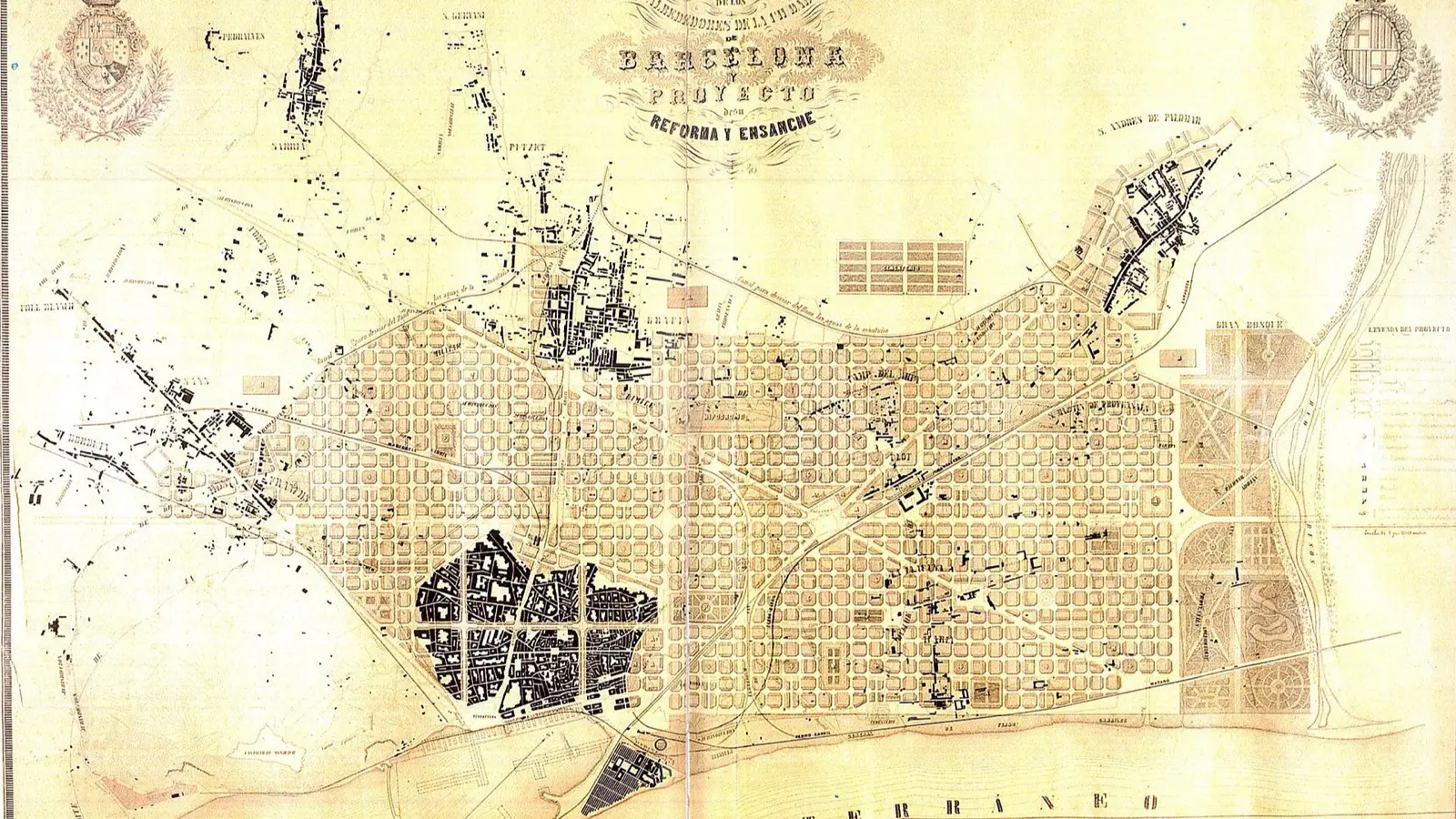
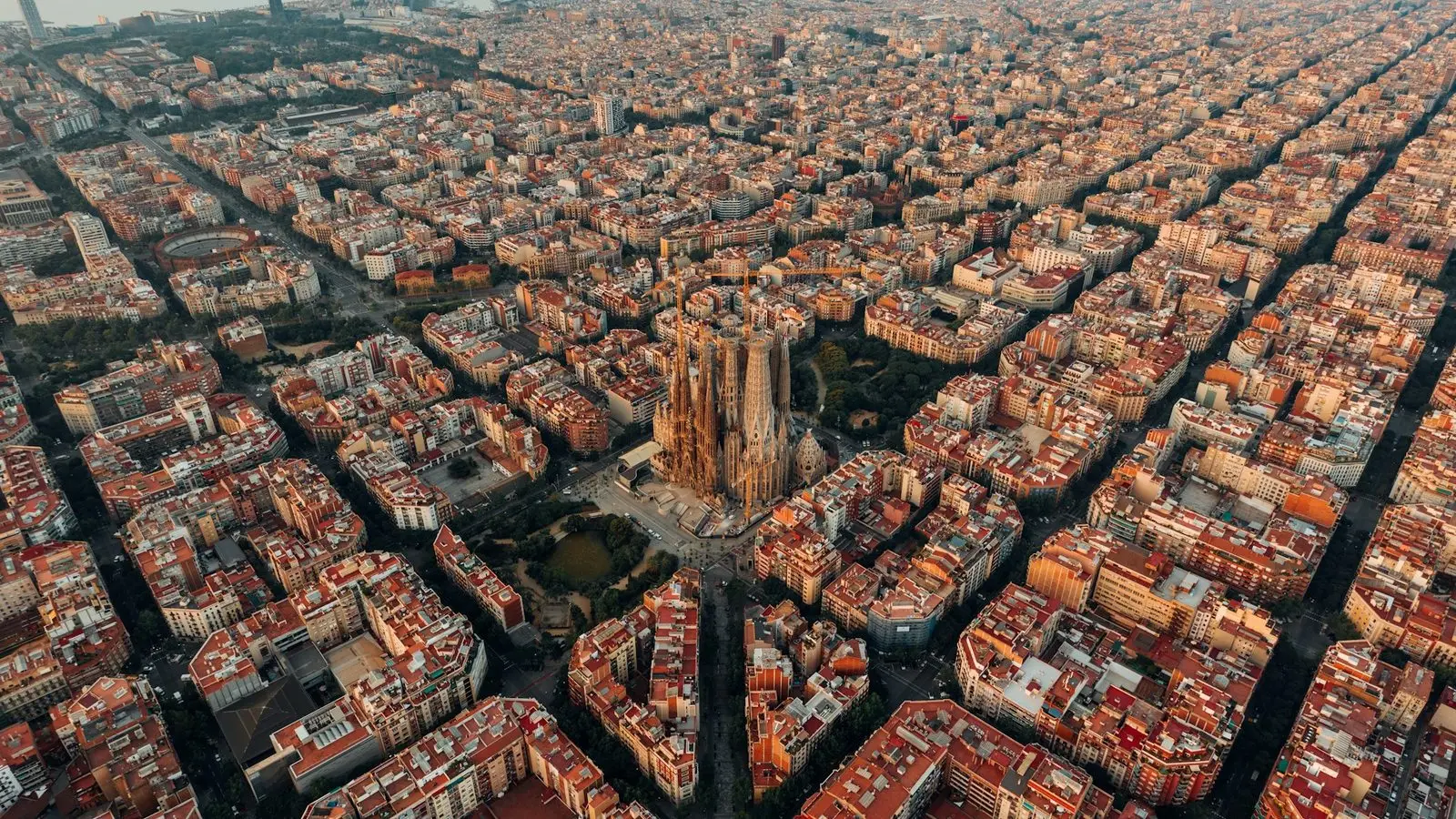
The undisputed gold standard for tranquil, secure Barcelona lodging is the Eixample, the visionary 19th-century grid conceived by urbanist Ildefons Cerdà. In particular, the 'Right Eixample' (Dreta de l'Eixample), radiating northeast from Plaça de Catalunya along the grand boulevard of Passeig de Gràcia, provides an upscale sanctuary. Featuring wide 20-meter boulevards with clear sightlines, continuous street lighting, and upscale boutiques, this district guarantees optimal security for solo travelers and families.
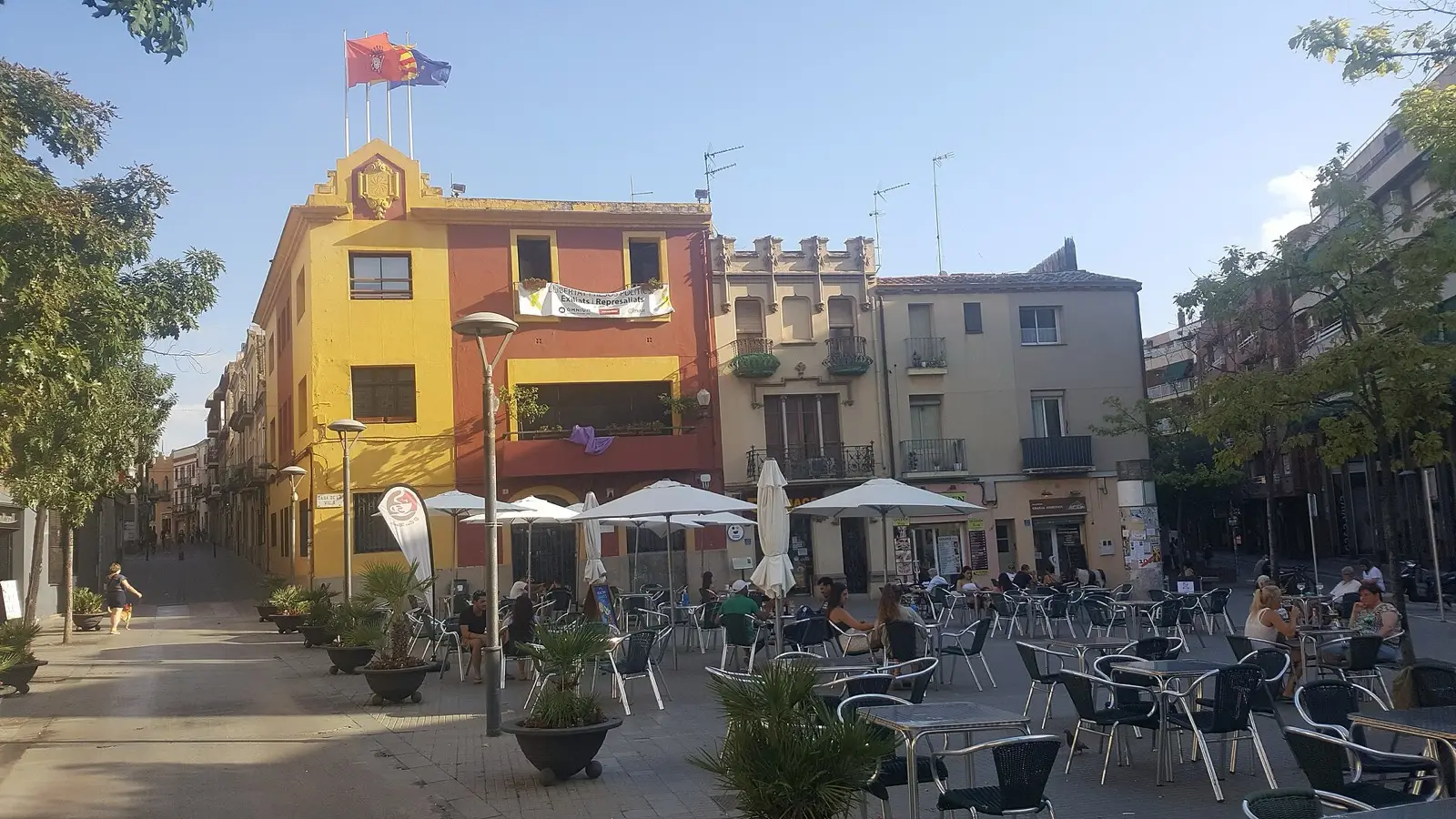
A second captivating alternative is the bohemian village quarter of Gràcia. Formerly an autonomous rural enclave, Gràcia preserves an intimate pedestrian scale organized around sunlit squares like Plaça del Sol and Plaça de la Virreina. Free from roaring tour buses, locals gather at terrace cafes with baby strollers, creating a peaceful community ambiance. Metro Line 3 via Fontana or Diagonal connects you to the Gothic Quarter in under ten minutes.
For travelers yearning for Mediterranean sea breezes combined with contemporary creative energy, Poblenou is an exceptional emerging hub. Once a dense textile industrial zone, Poblenou has transformed into an epicenter of tech studios, design showrooms, and third-wave brunch spots. Guests can stroll directly down to Bogatell Beach (Platja del Bogatell) for morning jogs away from the crowded touts of Barceloneta, while Metro Line 4 reaches the Cathedral in 12 minutes.
When examining room descriptions, two critical structural specifications demand scrutiny: acoustic isolation and courtyard orientation. The Eixample's octagonal intersections can channel motorcycle exhaust noise upward against street-facing facades. In your reservation remarks, request an 'interior room facing the block courtyard' (Interior a patio de manzana). These tranquil rooms face private, enclosed garden courtyards, eliminating traffic roar completely.
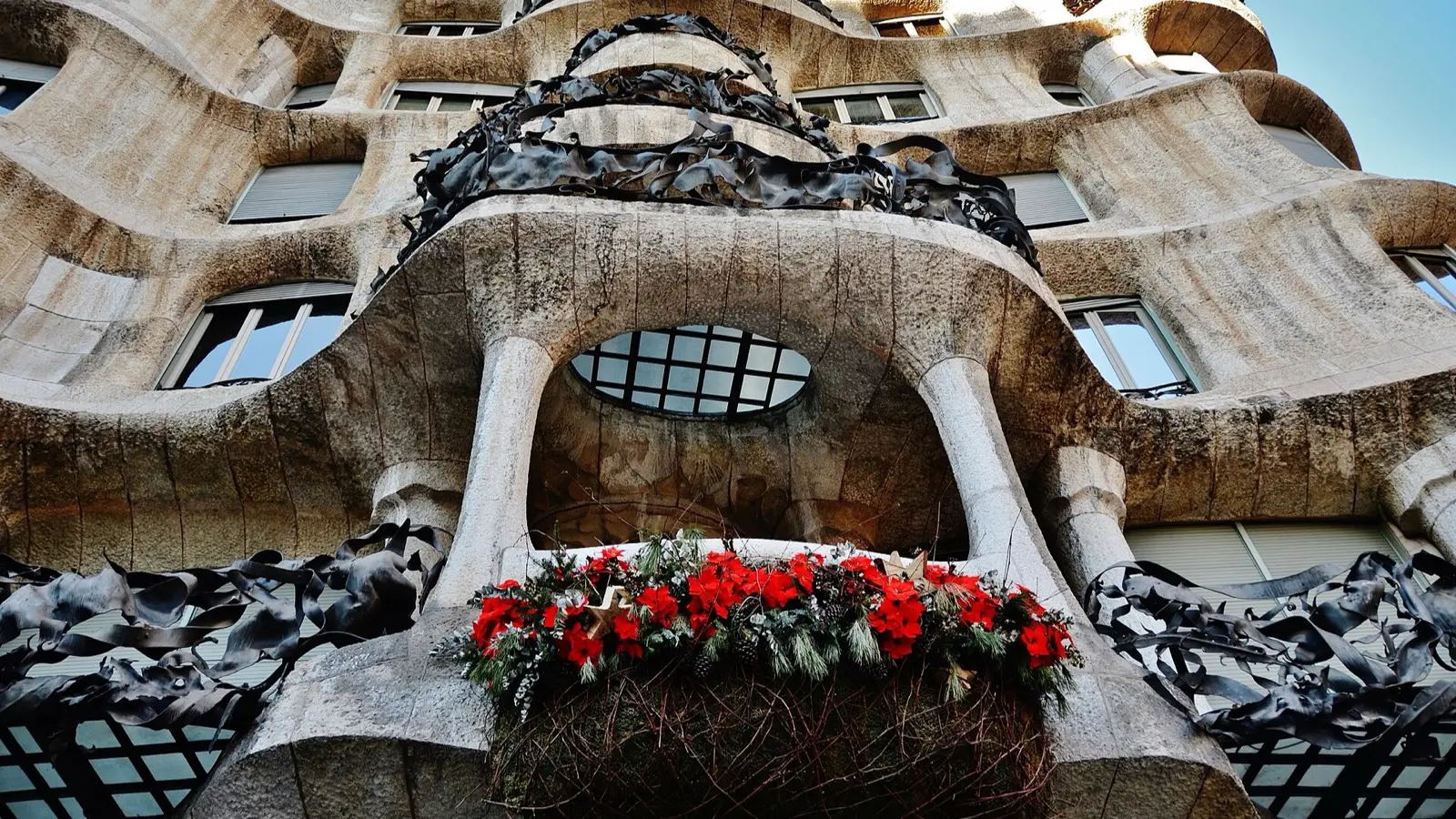
Vertical mobility in historic buildings also requires verification. Classic modernist apartment buildings often retain ornate 100-year-old wooden cage elevators that crawl upward slowly and accommodate only two passengers with luggage. If traveling with elderly family members or substantial baggage, confirm the presence of modernized, high-capacity passenger elevators to avoid exhausting daily stair climbs.
T-Usual vs T-Casual Transit Economics and Aerobús Airport Transfers
Barcelona's integrated transit network features eight metro lines and expansive urban bus corridors, but selecting incorrect fare media can double daily travel expenses. The two primary options confronting visitors are the 10-ride 'T-Casual' ticket (€13.00 for Zone 1) and the 30-day unlimited 'T-Usual' travel pass (€22.80 for Zone 1). For itineraries spanning four days or longer with three or more daily trips, the T-Usual is unequivocally the superior financial choice.
While the T-Casual lowers single-ride costs compared to single tickets (€2.90), recent regulatory reforms made it strictly non-transferable (unipersonal), preventing companions from sharing one ticket at turnstiles. The T-Usual requires entering your passport number at purchase, but breaks even after just 18 trips compared to buying multiple T-Casual cards. It grants psychological freedom to board buses for short three-block hops or rectify wrong platform entries without worrying about depleting ticket balances.
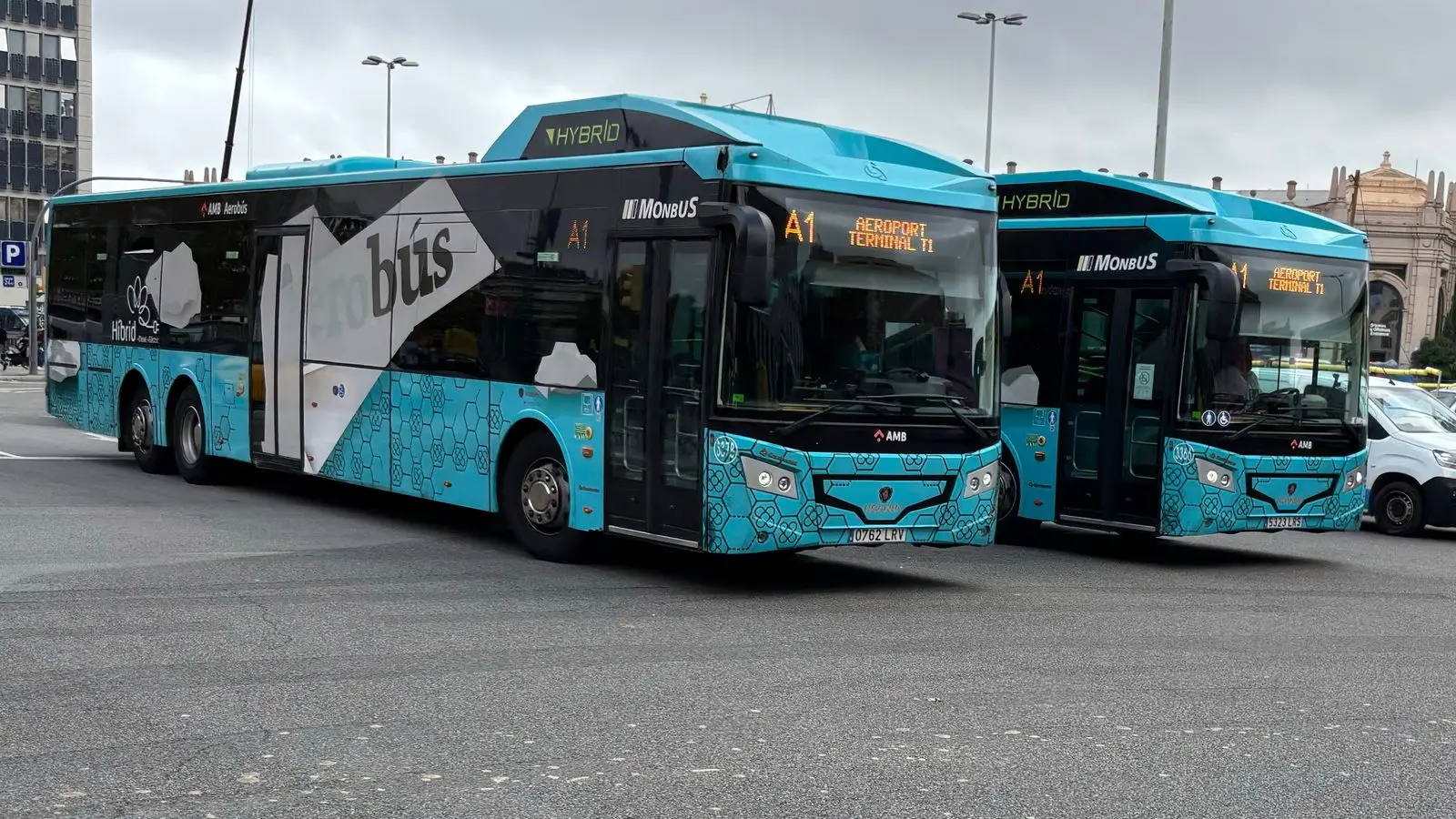
For airport transfers from Josep Tarradellas Barcelona-El Prat Airport, the express 'Aerobús' service represents the undisputed operational champion. Operating separate lines for Terminal 1 (A1) and Terminal 2 (A2) with 5-to-10-minute departures, it reaches Plaça de Catalunya via Plaça d'Espanya in about 35 minutes. At roughly €7 to €8 one-way, with a discounted round-trip ticket (valid for 90 days), it provides high-speed onboard Wi-Fi and dedicated luggage racks far superior to metro journeys.
While standard Metro Line L9 Sud serves the airport, it requires a special airport ticket (€5.90) and requires tedious transfers at Torrassa or Collblanc with heavy luggage. For groups of three or four travelers arriving late at night, a flat-fare licensed city taxi running between €35 and €40 represents a sensible trade-off between cost and physical exhaustion.
Evading Microwave Paella Traps, Historic Vermuterías, and Sunset at Montjuïc
The most glaring culinary trap dominating tourist corridors along Las Ramblas and the Sagrada Família perimeter is the ubiquitous yellow 'Paellador' signboard featuring laminated photographs of seafood rice. These establishments thaw mass-produced frozen paella in commercial microwave ovens, charging upwards of €20 per portion for dry, salty rice. Authentic paella requires 25 to 30 minutes of slow simmering in rich stock; look instead for neighborhood venues offering paella as their Thursday lunchtime special (Menú del Día).
Immerse yourself instead in the authentic Catalan aperitif ritual: 'hacer el vermut'. Around midday on Sunday, seek out historic corner vermuterías in Gràcia or Sant Antoni. A glass of artisanal spiced red vermouth on tap (around €2.50) served over ice with a green olive and orange slice, accompanied by freshly fried patatas bravas drizzled with spicy garlic allioli, delivers a profound culinary experience for under €10.
Conclude your journey around 6:00 PM by ascending the gentle slopes of Montjuïc to watch the sunset paint the Mediterranean coastline in copper and violet tones. Sitting along the stone balustrades outside the Museu Nacional d'Art de Catalunya (MNAC), you gaze across Barcelona's rooftops toward the soaring spires of the Sagrada Família. As cool maritime breezes sweep across the city, the friction of crowds and pickpockets fades into pure architectural awe.
Mastering Barcelona requires stepping back from the chaotic surface of mass tourism and establishing a basecamp aligned with genuine local rhythms. Armed with this Eixample neighborhood strategy and defensive travel wisdom, you are fully equipped to experience Catalonia with intelligence, safety, and enduring elegance.
Frequently Asked Questions
Field-tested answers to transit navigation, neighborhood choices, and payment traps.
Q1.Where should a first-time visitor stay in Barcelona?
Q2.How much is the Barcelona tourist tax?
Q3.When is the T-Usual better value than the T-Casual?
Q4.What is the easiest way from the airport to the city centre?
The Smart Traveler's Essential Toolkit
Prepare instant mobile data, private airport transfers, and skip-the-line passes in one place.
Pick a base in Barcelona by your route
Choose the places you want to see and get the neighbourhood with the shortest travel.
Compare Barcelona Hotel Rates
Find the cheapest channel across Agoda and major booking engines with Tripdify.
Share This Guide with Your Companions
When shared via chat or social media, a curated summary card is sent along.
Recommended Guides
Barcelona Itinerary and Where to Stay: Gaudi Sites and the Tourist Tax
Comparing Eixample, the Gothic Quarter, and coastal Poblenou, deconstructing local tourist taxes, and managing strict Gaudí ticketing rules.
Barcelona Day 1 Itinerary: Airport to the City and Your First Night in the Gothic Quarter
From stepping off the plane at El Prat Airport to reaching Placa de Catalunya in 35 minutes aboard the blue Aerobus, here is how to dodge tourist traps and settle into El Born. Savor toothpick-tallied pintxos, crack the code of weekday Menu del Dia bargains, and wander ancient Gothic alleys as golden hour floods the Mediterranean coast.
Tapas Crawling Barcelona's Gothic and El Born Quarters: Century-Old Bodegas, Pinchos Counters, and Flutes of Crisp Cava
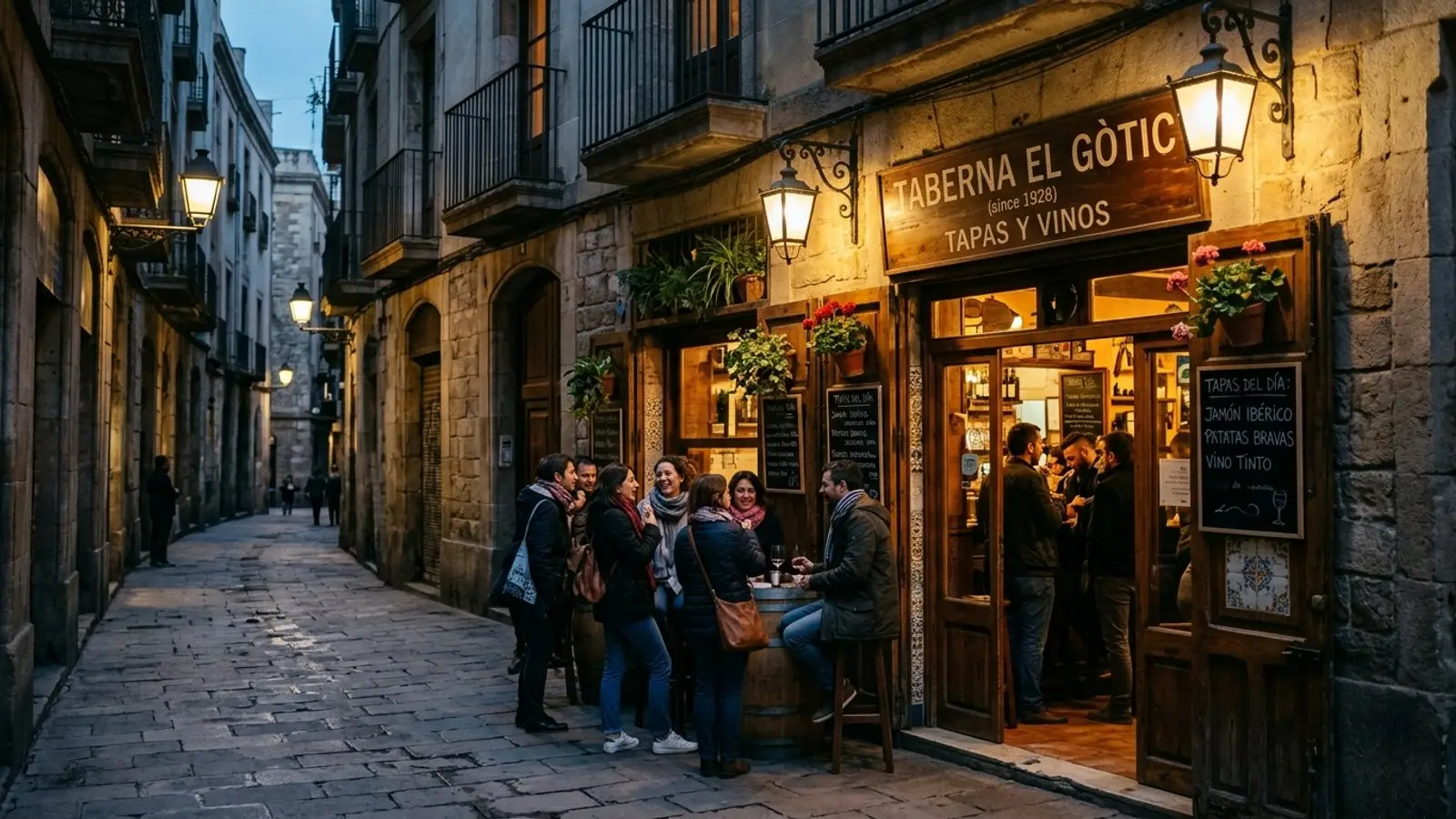
When dusk settles over the Mediterranean coast, Barcelona's truest culinary soul does not awaken inside hushed white-tablecloth salons, but along zinc countertops packed shoulder-to-shoulder inside historic taverns. From the Roman stone foundations of the Gothic Quarter to the vibrant artisan lanes of El Born, locals congregate beneath aged oak wine casks to devour blistering patatas bravas, tomato-rubbed pan con tomate, marinated Mediterranean anchovies, and fiery Barceloneta bombas, all washed down with crisp flutes of artisanal Catalan Cava. Here is an authentic walking dispatch through the city's greatest tapas sanctuaries.
Top 5 Barcelona Eixample Value Hotels: Safe Pickpocket-Free Districts and Walkable Gaudi Landmark Stays
Choosing accommodation in Barcelona fundamentally dictates your safety and overall travel experience. While budget hostels inside the Gothic Quarter and El Raval place visitors near popular nightlife, narrow, dimly lit alleyways harbor organized pickpocketing rings and nocturnal friction. In stark contrast, the 19th-century grid neighborhood of Eixample, specifically Dreta de l'Eixample situated northeast of Plaça de Catalunya, stands as Barcelona's most secure and refined residential quarter. Featuring 20-meter-wide avenues illuminated by brilliant streetlamps, pickpocketing is structurally curtailed. Guests can comfortably walk to Sagrada Familia, Casa Batlló, and Casa Milà. We curate five outstanding boutique hotels under €120 offering contemporary soundproofing, modern elevators, and panoramic rooftop terraces.
How to Get from Barcelona El Prat Airport to City: Aerobús vs Renfe R2N Train vs Taxi Guide
Discover the most efficient ways to reach central Barcelona from El Prat Airport (BCN): riding the 35-minute blue Aerobús to Plaça de Catalunya, saving big on the Renfe R2 Nord train using T-Casual integrated transit cards, navigating Metro L9 Sud transfers, and avoiding taxi overcharges and square pickpockets.

Where to Stay in Tokyo: Shinjuku vs Shibuya vs Ginza
Comparing room footprints across Shinjuku, Ginza, and Ueno, locking in sudden 14-day cancellation drops, and eliminating DCC fees with clean Yen checkout.
7 Budget Hotels in Tokyo Under $100 on the Yamanote Line
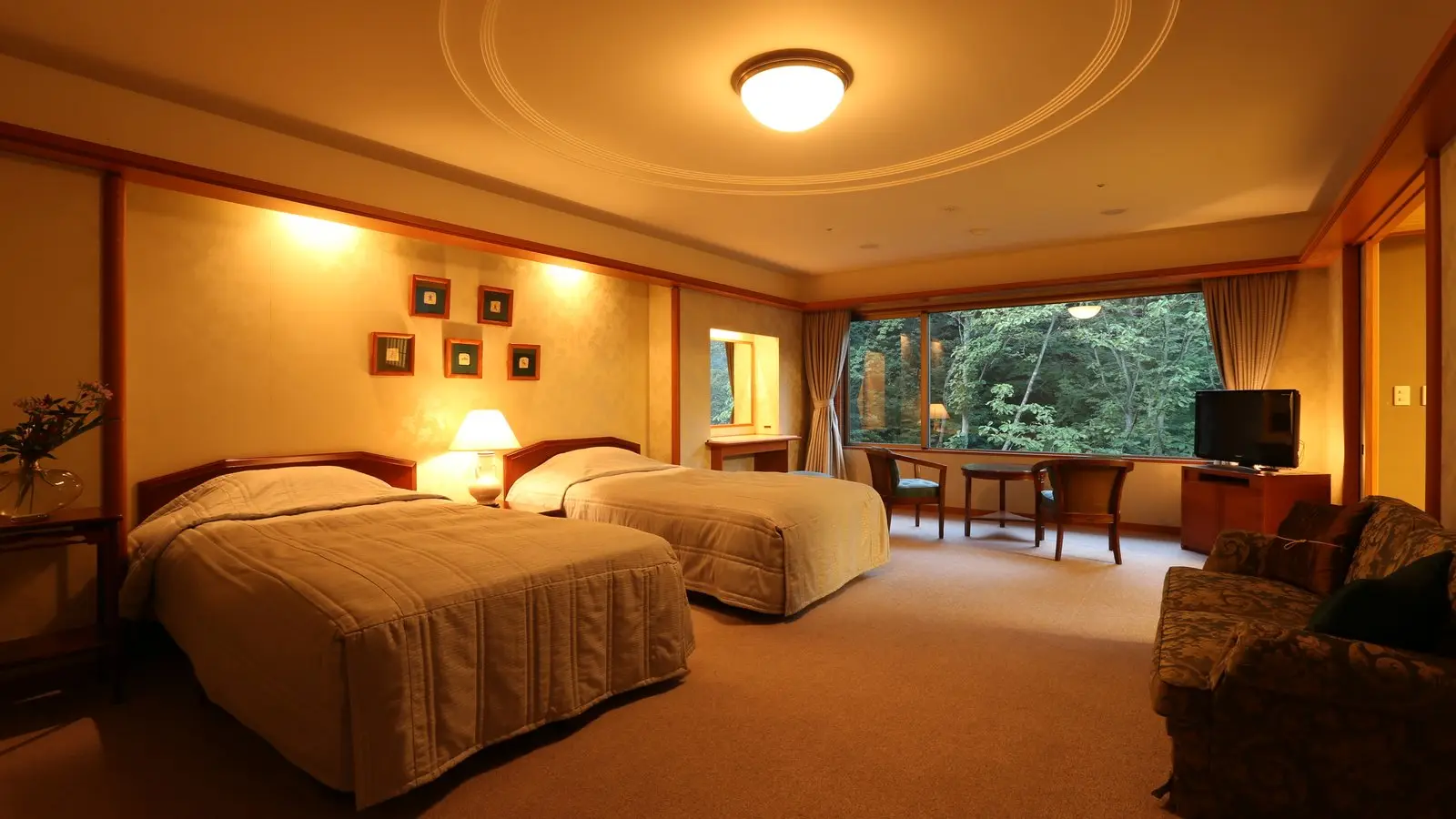
Even amid yen fluctuations, central Tokyo hotel rates have soared. Learn how to secure Yamanote loop line hotels at half the price of Shinjuku, compare onsen bath chains like Dormy Inn, trigger secret Agoda VIP and Booking.com Genius discounts, and dodge hidden currency fees with yen settlement.
How to Read the Tokyo Subway Map and Where to Stay on the Yamanote Line
How to choose between Keisei Skyliner and Narita Express, avoid the Tokyo Subway Ticket trap, use Apple Wallet Suica, and select the ideal hotel base in Tokyo.

Tokyo Day 1 Itinerary: Narita Airport to the City and Your First 24 Hours
From stepping off at Narita Airport to mastering high-speed trains, navigating Tokyo's sprawling transit hubs, ordering counter ramen effortlessly, and catching sunset from Roppongi Hills. A definitive guide for your first 24 hours in Tokyo.

Tokyo Day 2 Itinerary: Booking Shibuya Sky, Harajuku Backstreets and Roppongi at Night
Securing prime sunset slots atop Shibuya Sky, navigating hidden boutiques along Harajuku Cat Street, immersing in the forested serenity of Meiji Jingu, and marveling at the crimson glow of Tokyo Tower from Roppongi Hills. A masterclass in Day 2 pacing.
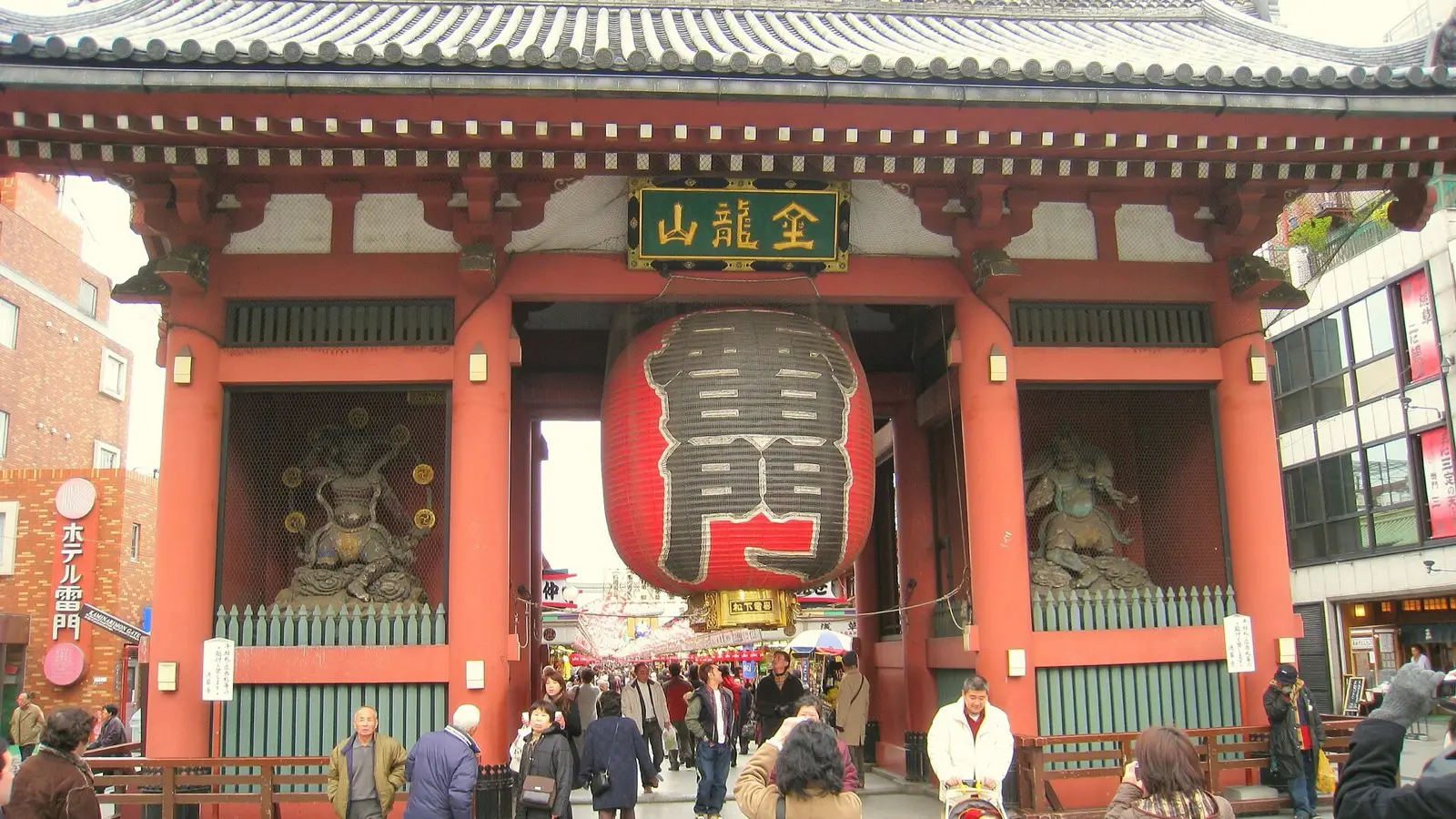
Tokyo Day 3 Itinerary: Asakusa, Akihabara, Ginza Depachika and Flying Home
The ultimate finale for your Tokyo stay: tranquil morning worship at Sensoji, retro subculture in Akihabara, Ginza Six architectural rooftop views and basement depachika feasts, capped by seamless Skyliner and N'EX airport connections.
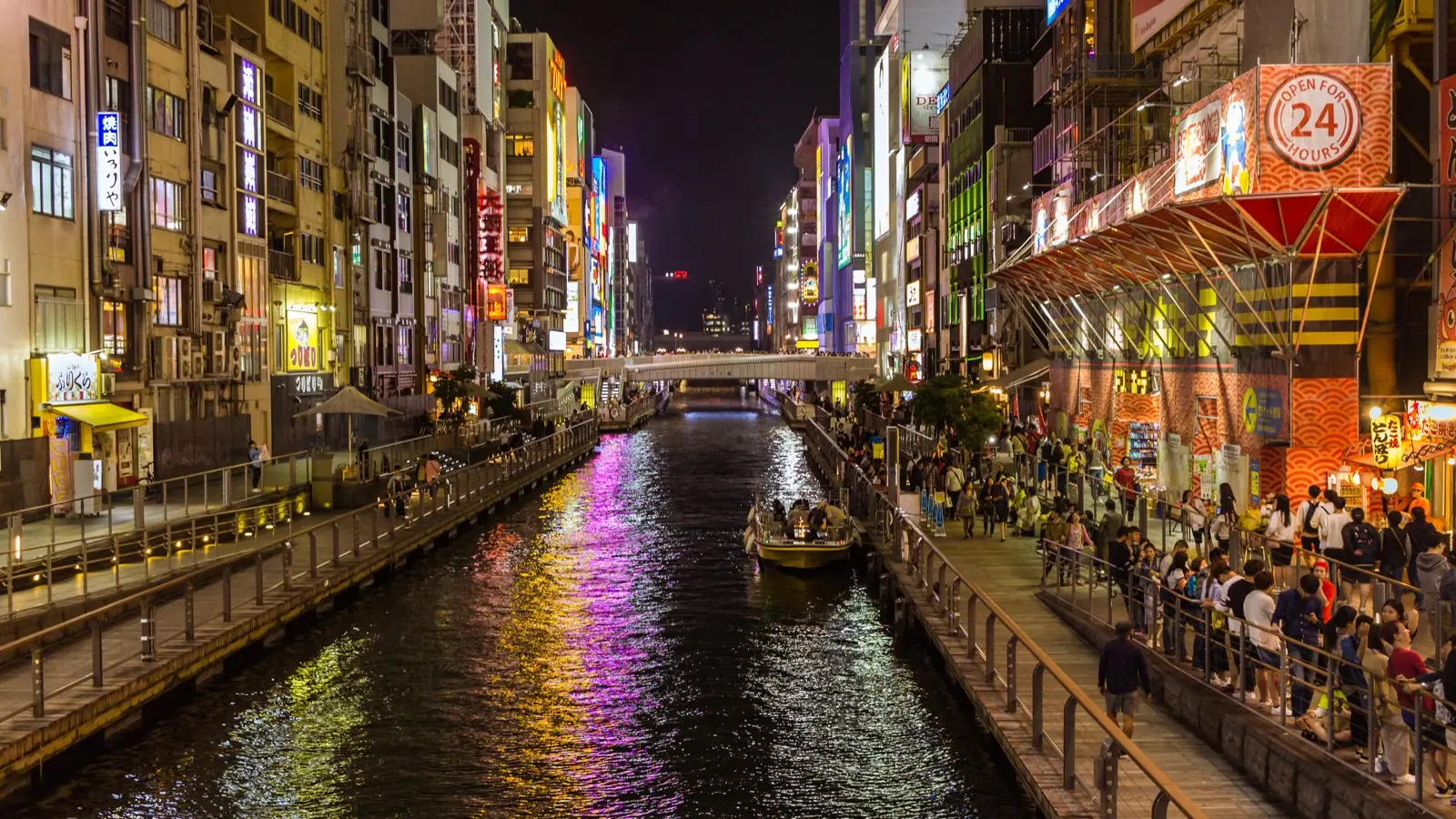
Osaka Itinerary: Dotonbori and Umeda in Two Nights
Osaka is Japan culinary powerhouse where feasting is an art. Navigate Rapi:t airport transfers, Namba vs Umeda hotels, and street food corridors with veteran precision.