
New YorkCurated
Where to Stay in New York: Long Island City and Brooklyn Instead of Manhattan
Sidestepping 130-sq-ft Manhattan shoeboxes, seizing the 8-minute LIC subway cheat-code, and mastering the $35 weekly OMNY cap.
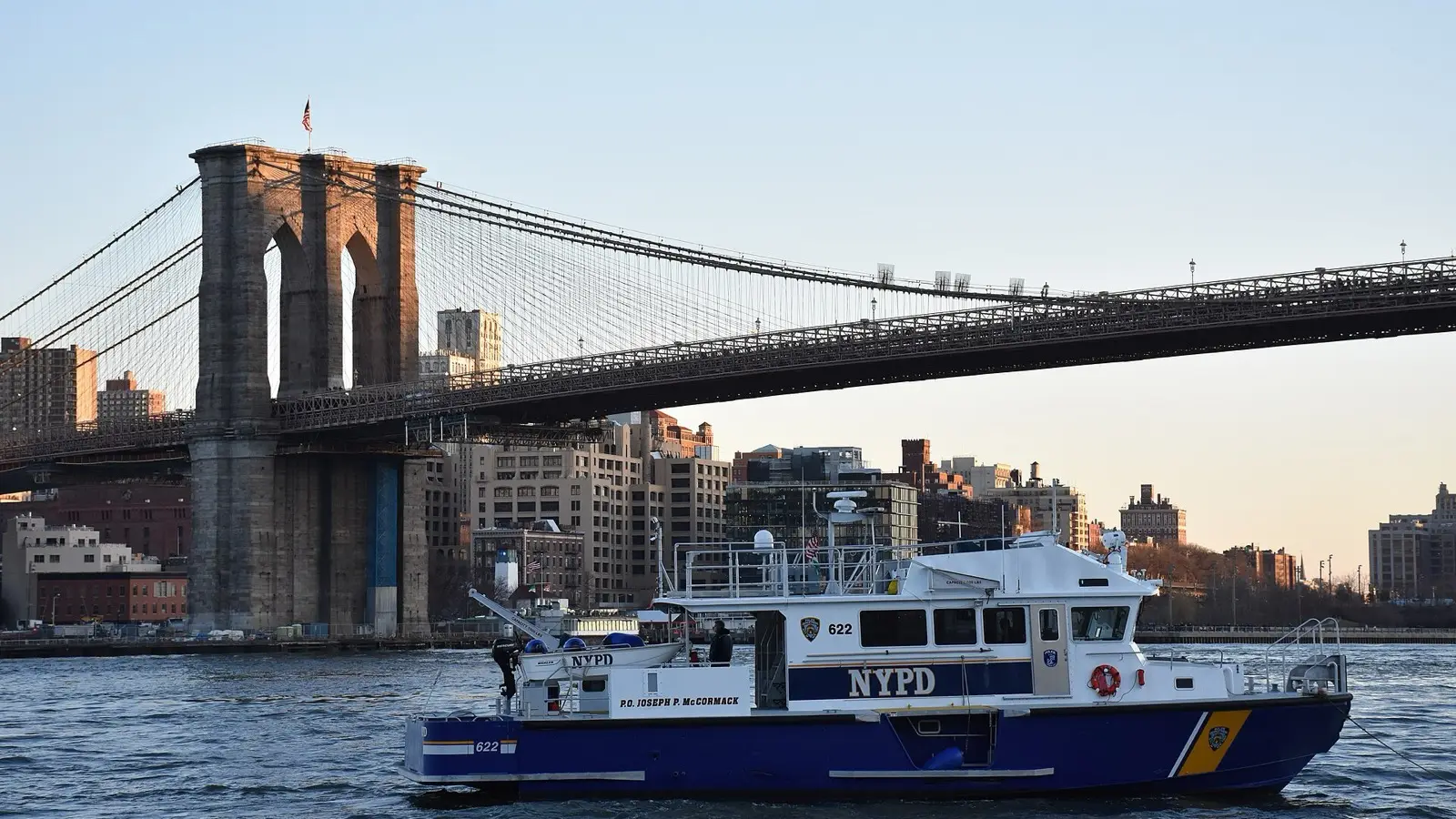
The 130-Sq-Ft Manhattan Reality: $350 Room Shock and Street Sirens
Landing at JFK Airport and cruising toward Midtown in a yellow cab provides an unforgettable visual rush, yet swinging open your central hotel room door often triggers severe psychological sticker shock. Midtown and Times Square properties easily demand $350 to $450 per night before taxes, yet deliver a minuscule footprint of 120 to 140 square feet. With the edge of the mattress practically brushing the wall and large suitcases blocking bathroom access, cramped 'shoebox' accommodations remain Manhattan's undisputed structural standard.
Even more exhausting than spatial claustrophobia is relentless, round-the-clock sonic friction. Howling emergency sirens, metal clatter from 2:00 AM sanitation trucks, and clanking 80-year-old steam radiators continuously shatter the sleep of jet-lagged travelers. Single-pane historic windows offer virtually zero acoustic dampening, transforming high-priced rooms into noisy echo chambers without heavy-duty silicone earplugs.
Compounding the problem is the heavy municipal tax load applied to every Manhattan stay. Baseline room rates incur a 14.75% combined sales tax alongside a mandatory $3.50 nightly occupancy fee. A room advertised at $300 instantly balloons to nearly $348 on your billing summary. Adding hotel breakfast incurs an additional $30 per person plus an expected 20% tip, vaporizing over $450 daily simply to sleep and wash up.
What tangible luxury does this immense outlay truly purchase? Essentially, nothing beyond walking proximity to Times Square. Yet experienced travelers visit Times Square for barely an hour on night one; the rest of your itinerary unfolds in SoHo, DUMBO, Williamsburg, Central Park, and the West Village. When your days inevitably require subway travel anyway, incinerating your savings on noisy midtown asphalt makes zero financial sense.
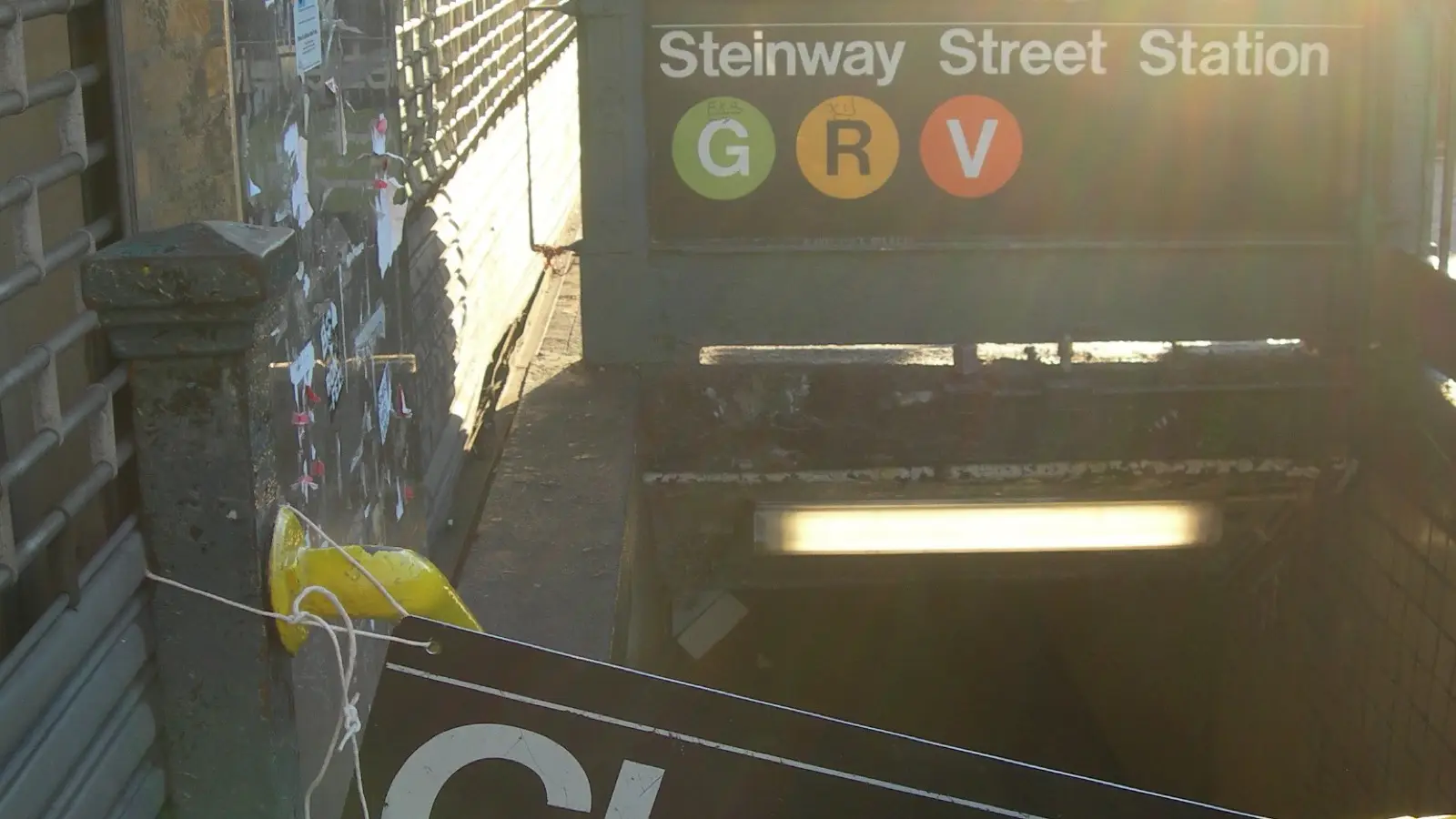
The Predatory $50 Facility Fee and Deceptive OTA Drip Pricing
The single most infuriating revenue tactic across New York hospitality is the mandatory 'Urban Destination Fee' or 'Facility Fee'. Far from oceanside resorts, midtown concrete hotels arbitrarily slap flat surcharges of $35 to $55 per night onto guest folios. This fee is collected strictly at the front desk upon checkout, and guests possess zero legal right to opt out.
The amenities hotels cite to rationalize this charge border on the absurd: 'high-speed in-room Wi-Fi, fitness center access, morning lobby coffee, two bottles of spring water, and unlimited domestic phone calls.' In the modern era, these represent basic baseline courtesies, not luxury add-ons. Even if you never step foot in the gym, the $50 fee plus 14.75% tax applies automatically, quietly adding $300 in ghost fees across a five-night visit.
Online travel agencies exploit these facility fees to game search algorithm rankings through 'Drip Pricing'. Listings lead with a low base rate while the mandatory fee sits in a separate 'due at property' line. Since May 2025 a US Federal Trade Commission rule requires lodging prices to show the total including mandatory fees prominently, but the low headline rate is still what catches the eye, so always compare totals.
The definitive antidote is filtering for properties that reject this exploitative practice. Many brand-name hotels across the East River in Long Island City and Brooklyn (such as Aloft, Courtyard by Marriott, and Hyatt Place) do not add a destination fee, though each listing is worth checking. Combined with base rates below Manhattan's, dropping a daily fee adds up to real savings over a five-night trip.
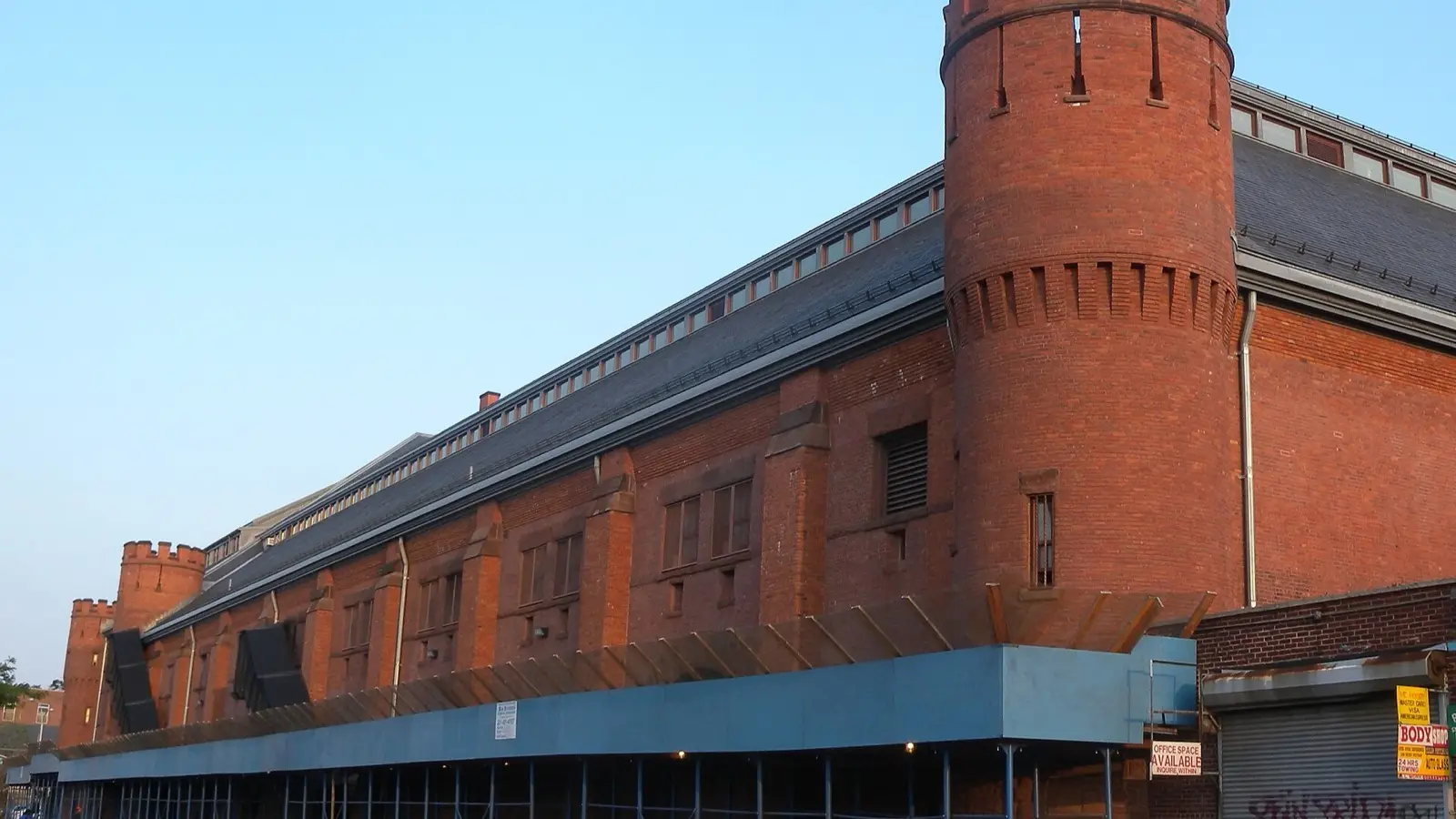
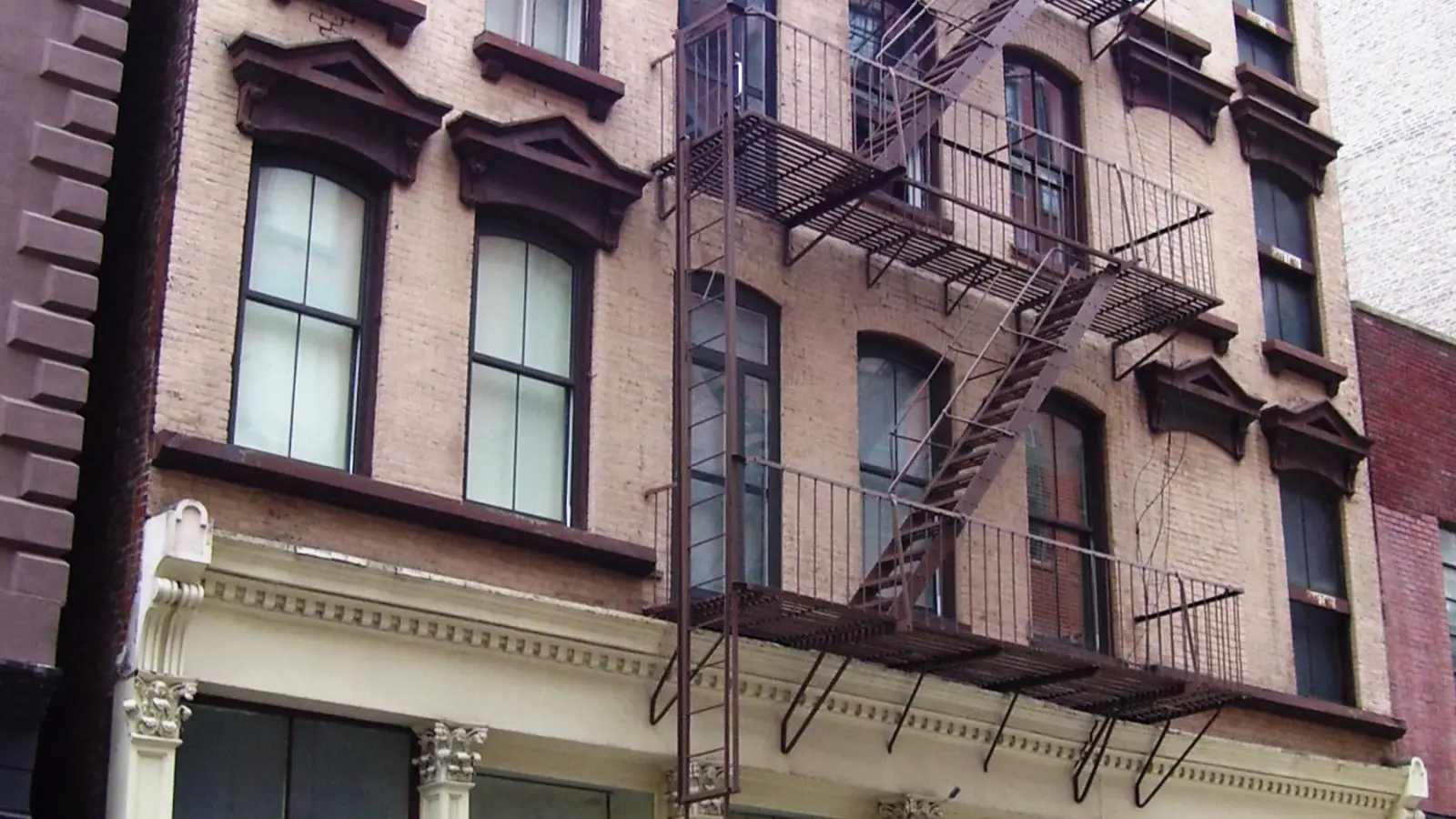
The 8-Minute Cheat Code: Long Island City (LIC) vs Brooklyn Basecamps
The supreme tactical alternative to Manhattan's fiscal insanity is Long Island City (LIC), situated directly across the East River in Queens. Centered on Queensboro Plaza and Court Square, LIC represents one of the MTA's premier interchange nodes, connecting Subway Lines E, M, 7, N, and W. Boarding the 7 or E train delivers you straight into Grand Central Terminal or Fifth Avenue in Midtown in an astonishing eight minutes flat.
LIC's crowning advantage is its extensive post-2010 architectural redevelopment. Unlike aged Manhattan tenements, LIC properties feature double-pane acoustic glazing, modern climate controls, and generous room footprints exceeding 215 square feet (20 square meters). Leading international flags like Hyatt Place, Aloft, and Hilton Garden Inn routinely price between $180 and $230 nightly, frequently with complimentary breakfast, while waterfront Gantry Plaza State Park delivers the most breathtaking panoramic skyline view in all five boroughs.
For travelers prioritizing neighborhood culture and independent dining, Brooklyn's Williamsburg is the undisputed lifestyle champion. Lined with vintage boutiques, artisan coffee roasters, microbreweries, and Michelin-rated bistros, Williamsburg offers an effortlessly cool residential rhythm. The L train runs from Bedford Avenue to Union Square in about ten minutes. However, boutique properties like the Hoxton and Arlo push rates into the $250 to $330 corridor, making it pricier than LIC.
A third strategic hub is Downtown Brooklyn around Jay Street-MetroTech. Served by the A, C, F, and R trains, with the 2 and 3 a short walk away at Borough Hall, it offers seamless walking access to DUMBO, Brooklyn Heights, and the Brooklyn Bridge. Flagship options like the Sheraton, Aloft, and New York Marriott at the Brooklyn Bridge cater exceptionally well to business travelers and loyalty-point redeemers seeking robust infrastructure.
From a safety perspective, both LIC and Williamsburg rank among New York's most secure quarters. LIC's Court Square district is home to major corporate offices, luxury high-rise towers, and continuous private security patrols. Returning from late-night Broadway theatre performances via the 7 train past midnight feels completely secure under brightly lit sidewalks and active residential building lobbies.
The $35 OMNY 7-Day Fare Cap and Airport AirTrain Integration
New York's transit network has thoroughly retired the frustrating era of bent yellow magnetic MetroCards in favor of OMNY, the MTA's seamless contactless tap-and-go system. Travelers no longer need to calculate card values or wait in line at temperamental station kiosks. Simply tap your contactless credit card, Apple Pay, or Google Pay against the digital turnstile reader, and $3.00 is charged as the barrier swings open instantly.
OMNY's most transformative feature is the rolling 7-day automatic Fare Cap. Once fares on the same card or device reach $35 within any rolling 7-day window (about 12 rides at $3.00), every subsequent subway and local bus trip in that window is free. Unlike fixed calendar passes, OMNY tracks your taps dynamically, capping your weekly transit spend at $35 regardless of whether you take 15 or 50 rides.
The critical operational caveat is that each traveler must tap their own distinct payment device. While tapping the same credit card multiple times consecutively allows companions through the gate, only the very first tap counts toward the 7-day fare cap calculation. To ensure both travelers trigger free rides, each person must tap their own dedicated smartphone or physical card.
Arriving from JFK Airport also rewards smart transit planning. While yellow cabs and rideshares easily hit $85 to $120 with tolls and tip, boarding the JFK AirTrain ($8.75) to Jamaica Station and transferring to the express E train ($3.00) costs $11.75 total. The journey takes about an hour to reach Long Island City or Midtown Manhattan, immune to highway congestion and fully equipped with luggage racks.
Dollar Slices, Chinatown Dumplings, and Sunset on Brooklyn Bridge
With New York sit-down dining inflated by an 8.875% sales tax and standard 20% tip expectations, enjoying a casual burger with table service frequently crosses $35. Yet by tapping into authentic local street cuisine, you can eat exceptionally well for under $20 daily. Iconic dollar slice joints like 2 Bros Pizza serve enormous, piping-hot cheese slices for around $1.50, delivering crispy crust and molten mozzarella perfection on the go.
Deep in Chinatown along Mosco Street, legendary spots like Fried Dumpling turn out five pork-and-chive potstickers for a modest $2 to $3. Doused in chili oil and soy sauce, they provide a deeply satisfying, protein-packed lunch with zero pretension. Embracing counter-service grab-and-go dining remains the supreme insider tactic for eliminating tip overhead while savoring legendary New York flavors.
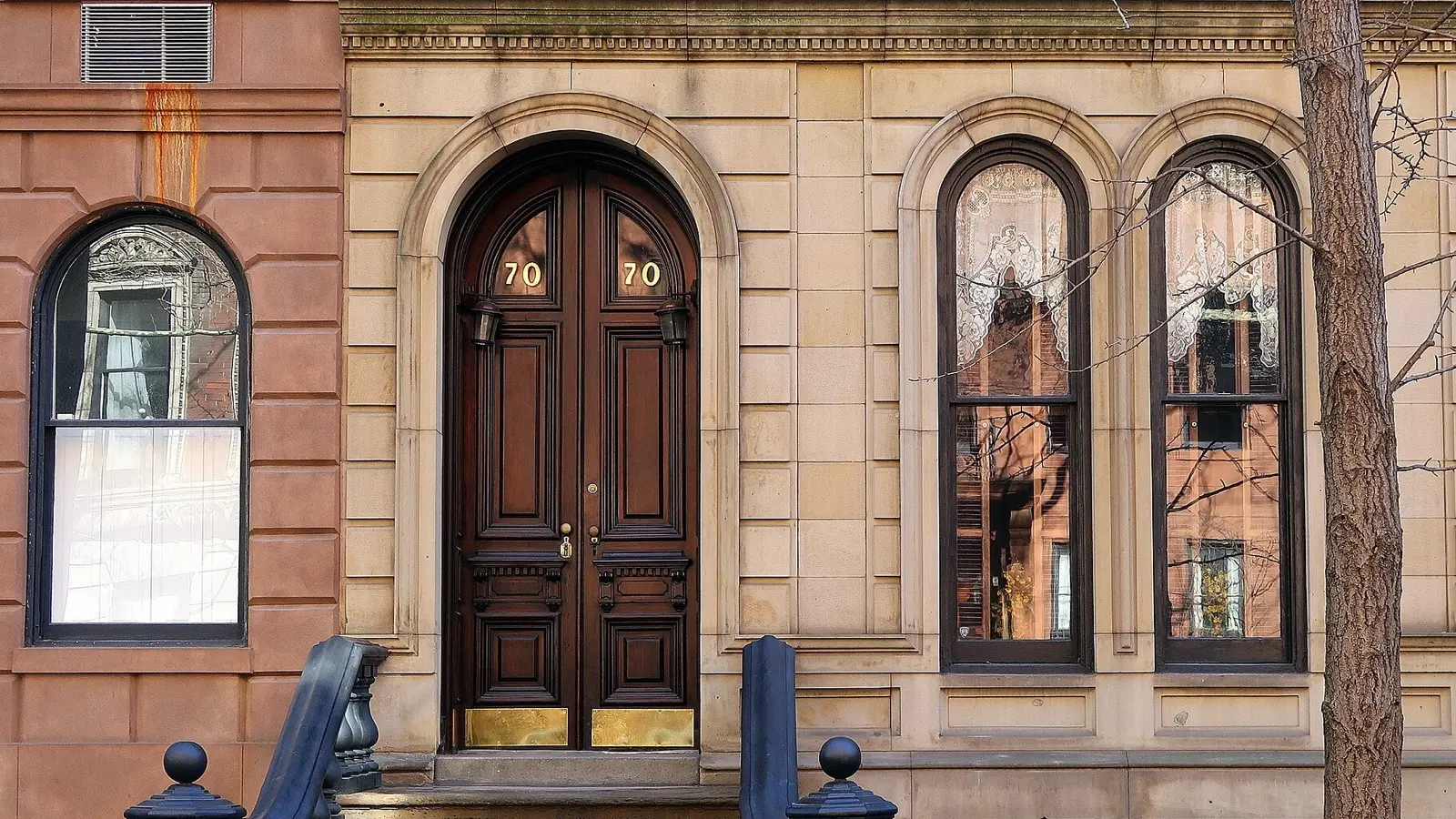
The quintessential New York experience peaks at dusk with a sunset stroll across the Brooklyn Bridge walking Manhattan-bound from DUMBO. As the sky ignites in fiery copper and violet hues above the East River, the towering silhouette of One World Trade Center and the Financial District lights up like an illuminated fortress. Perched above the wooden planks with the river breeze swirling around you, the city's magic feels completely boundless.
New York does not demand astronomical wealth to reveal its greatest wonders; it demands spatial savvy, rhythm, and local knowledge. By shifting your basecamp across the river and mastering the subway, you transform an expensive urban jungle into an exhilarating, empowering adventure. Armed with this outer-borough blueprint, step into the streets with certainty and experience the real pulse of the Big Apple.
Frequently Asked Questions
Field-tested answers to transit navigation, neighborhood choices, and payment traps.
Q1.How much is the New York subway fare, and is there a weekly cap?
Q2.What is the cheapest way from JFK to Manhattan or Long Island City?
Q3.How much tax is added to a New York hotel room?
Q4.Is Long Island City a practical base instead of Manhattan?
The Smart Traveler's Essential Toolkit
Prepare instant mobile data, private airport transfers, and skip-the-line passes in one place.
Pick a base in New York by your route
Choose the places you want to see and get the neighbourhood with the shortest travel.
Compare New York Hotel Rates
Find the cheapest channel across Agoda and major booking engines with Tripdify.
Share This Guide with Your Companions
When shared via chat or social media, a curated summary card is sent along.
Recommended Guides
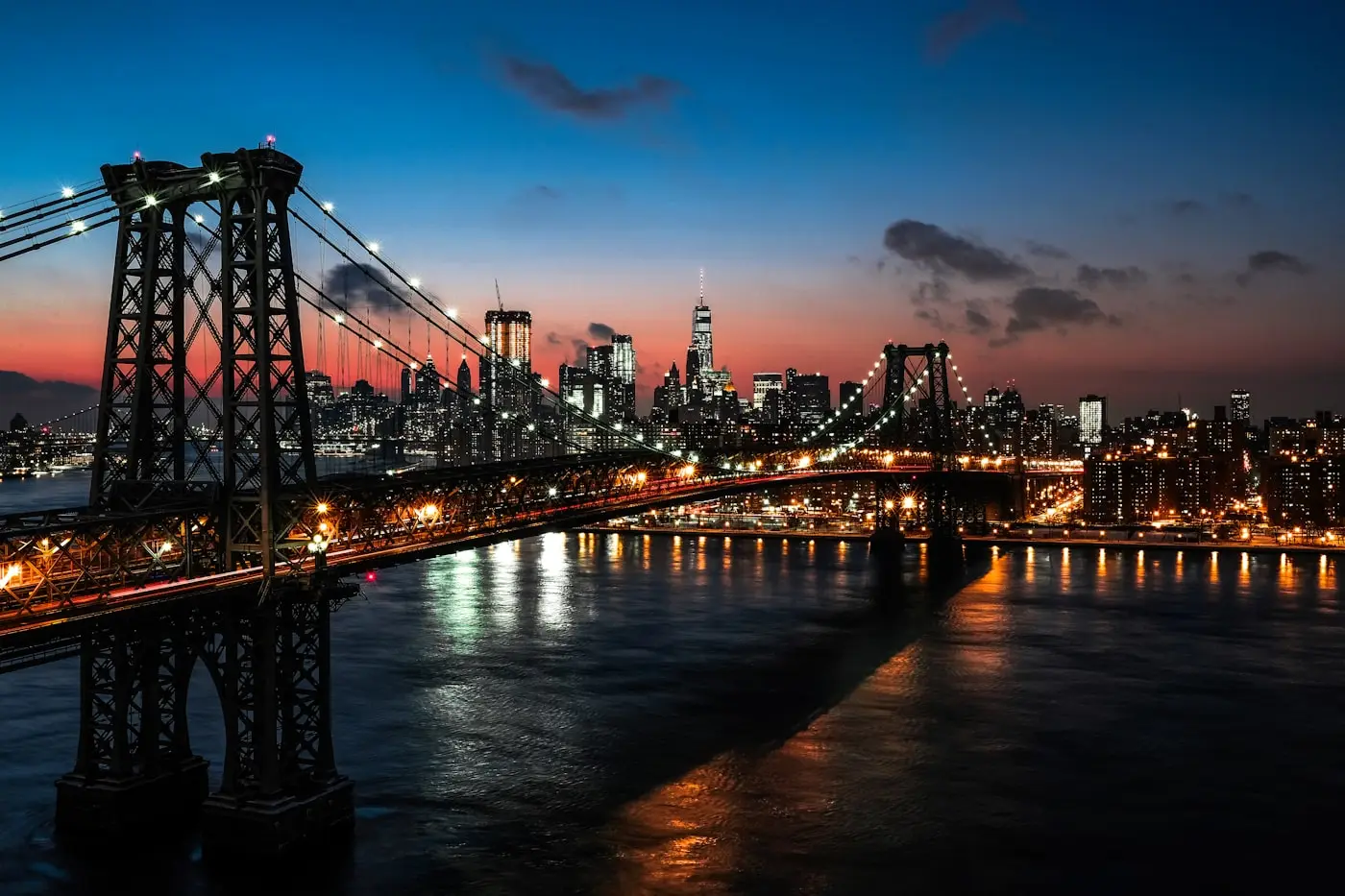
Best Hotels in New York: Avoiding Resort Fees and Staying in Brooklyn
An insider playbook on avoiding notorious $40-$65/night check-in amenity fees and leveraging transit-rich Long Island City and Brooklyn hubs for panoramic Manhattan skyline views.
What is a hotel destination fee or amenity fee? Five extra charges, defined
A destination fee and an amenity fee are the same thing under different names: a mandatory nightly charge the hotel keeps, not a tax. In the United States, an FTC rule in force since May 12, 2025 requires hotels and booking sites to show a total price that includes such mandatory fees. Government taxes such as New York City's hotel room occupancy tax, and the deposit hold placed on your card at check-in, work very differently. This guide puts all five side by side.
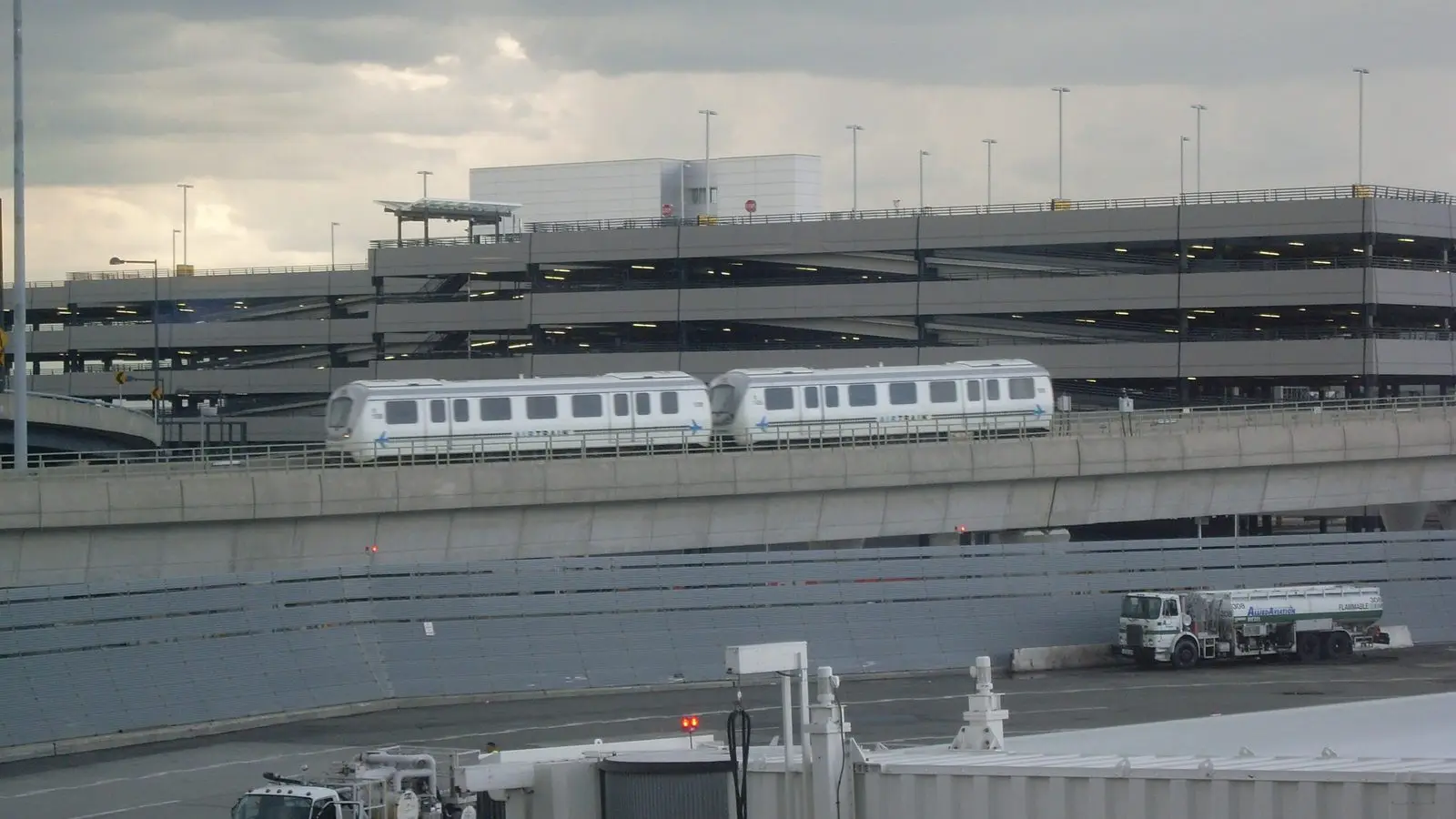
How to Get from JFK Airport to Manhattan: AirTrain LIRR vs OMNY Subway vs $70 Flat-Rate Yellow Cab
From avoiding aggressive unlicensed taxi solicitors inside JFK terminals to mastering the 35-minute AirTrain and LIRR express connection into Grand Central Madison, this comprehensive guide decodes OMNY contactless subway savings and the true cost of the $70 flat-rate yellow cab.

Where to Stay in Tokyo: Shinjuku vs Shibuya vs Ginza
Comparing room footprints across Shinjuku, Ginza, and Ueno, locking in sudden 14-day cancellation drops, and eliminating DCC fees with clean Yen checkout.
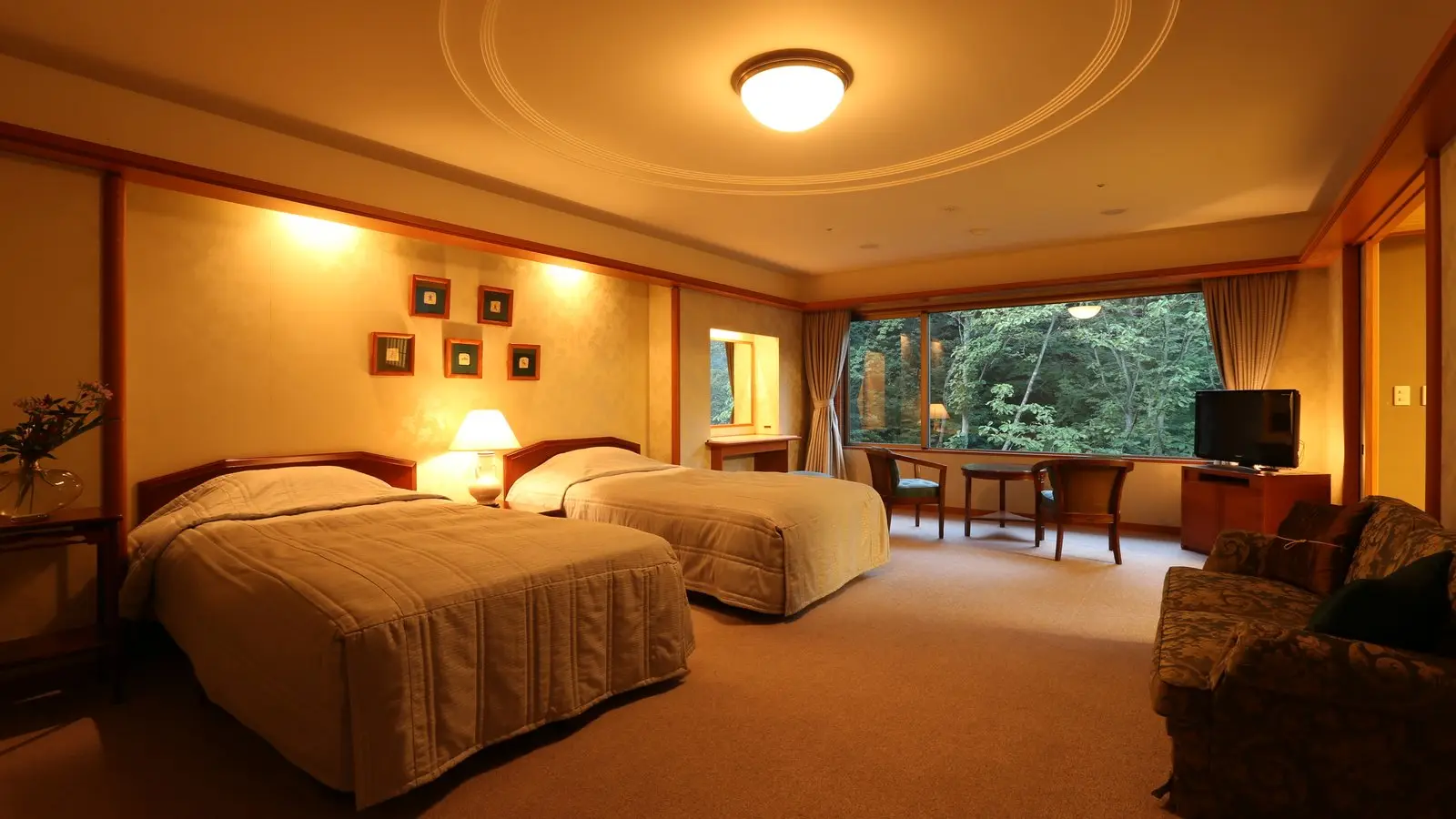
7 Budget Hotels in Tokyo Under $100 on the Yamanote Line
Even amid yen fluctuations, central Tokyo hotel rates have soared. Learn how to secure Yamanote loop line hotels at half the price of Shinjuku, compare onsen bath chains like Dormy Inn, trigger secret Agoda VIP and Booking.com Genius discounts, and dodge hidden currency fees with yen settlement.

How to Read the Tokyo Subway Map and Where to Stay on the Yamanote Line
How to choose between Keisei Skyliner and Narita Express, avoid the Tokyo Subway Ticket trap, use Apple Wallet Suica, and select the ideal hotel base in Tokyo.
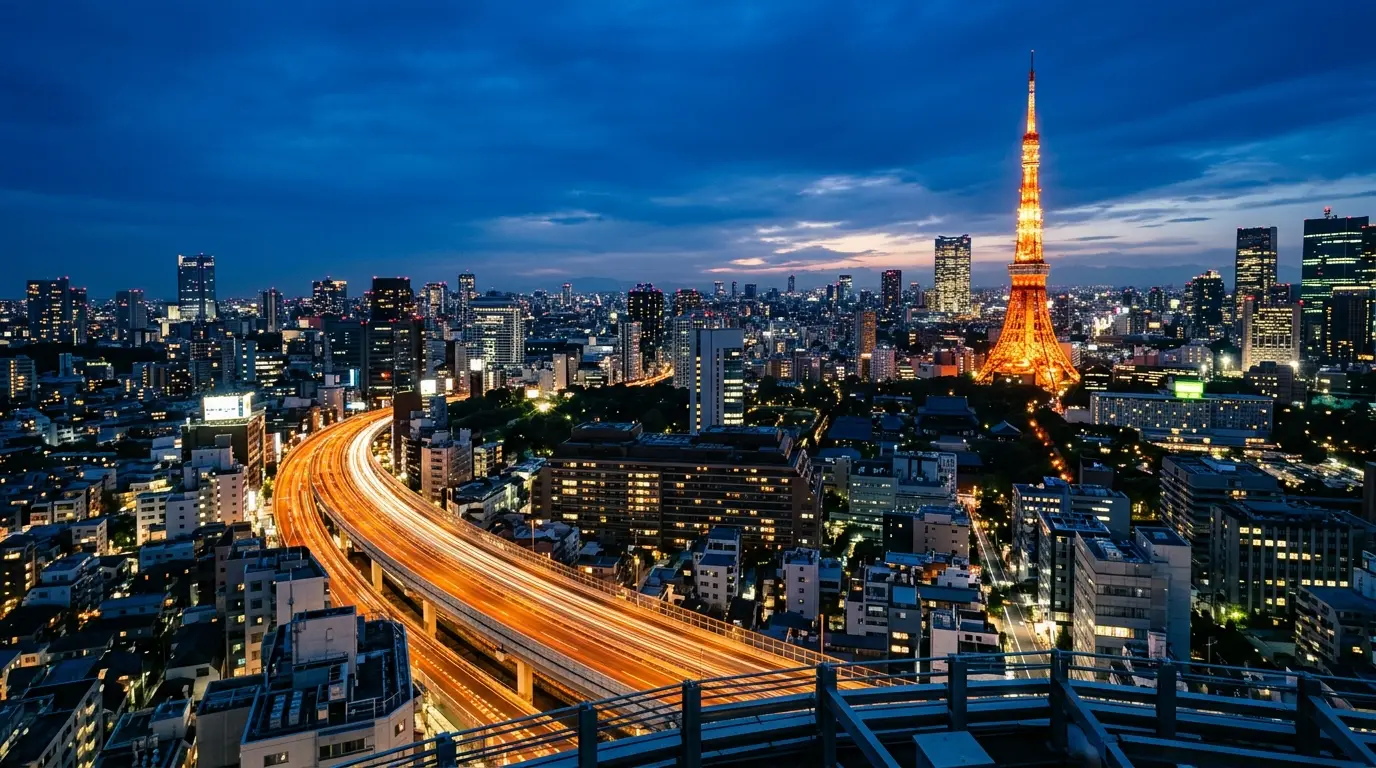
Tokyo Day 1 Itinerary: Narita Airport to the City and Your First 24 Hours
From stepping off at Narita Airport to mastering high-speed trains, navigating Tokyo's sprawling transit hubs, ordering counter ramen effortlessly, and catching sunset from Roppongi Hills. A definitive guide for your first 24 hours in Tokyo.

Tokyo Day 2 Itinerary: Booking Shibuya Sky, Harajuku Backstreets and Roppongi at Night
Securing prime sunset slots atop Shibuya Sky, navigating hidden boutiques along Harajuku Cat Street, immersing in the forested serenity of Meiji Jingu, and marveling at the crimson glow of Tokyo Tower from Roppongi Hills. A masterclass in Day 2 pacing.
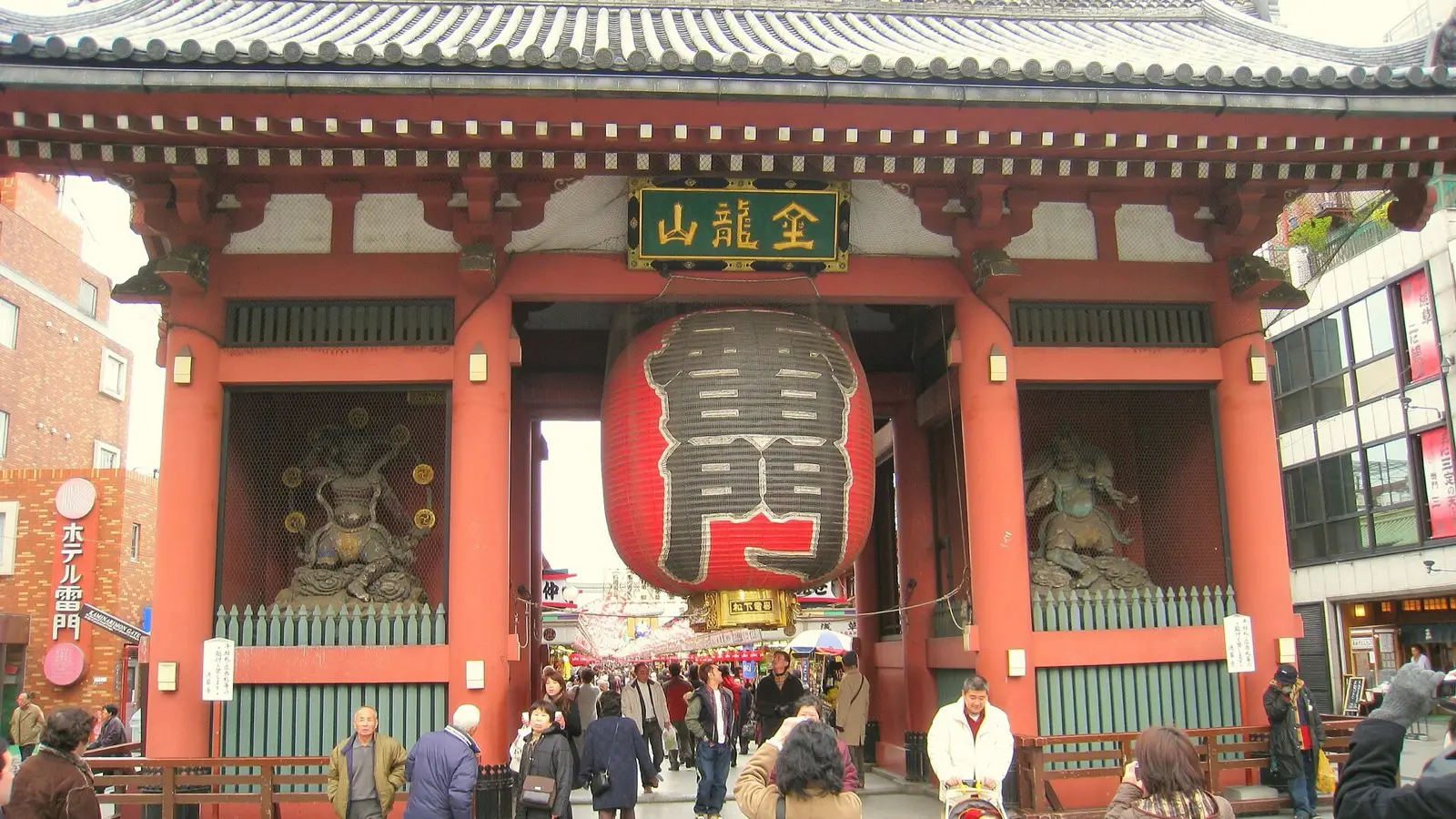
Tokyo Day 3 Itinerary: Asakusa, Akihabara, Ginza Depachika and Flying Home
The ultimate finale for your Tokyo stay: tranquil morning worship at Sensoji, retro subculture in Akihabara, Ginza Six architectural rooftop views and basement depachika feasts, capped by seamless Skyliner and N'EX airport connections.
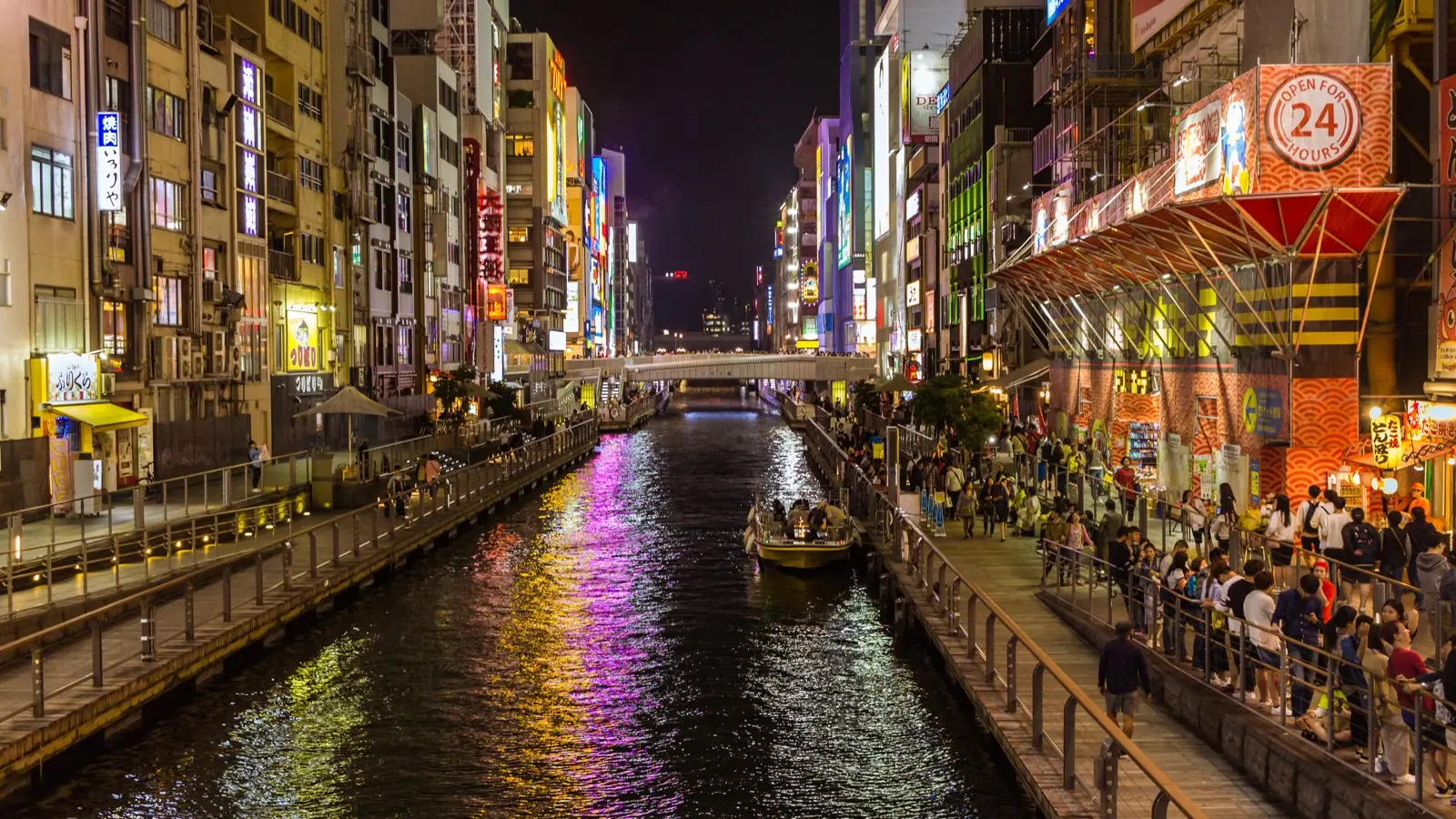
Osaka Itinerary: Dotonbori and Umeda in Two Nights
Osaka is Japan culinary powerhouse where feasting is an art. Navigate Rapi:t airport transfers, Namba vs Umeda hotels, and street food corridors with veteran precision.

Kyoto Itinerary: Arashiyama, Gion and How to Pick a Ryokan
Kyoto compresses a millennium of Japanese aesthetic mastery. Discover how to evade bus congestion with private railways, master ryokan kaiseki booking windows, and savor early dawn stillness.
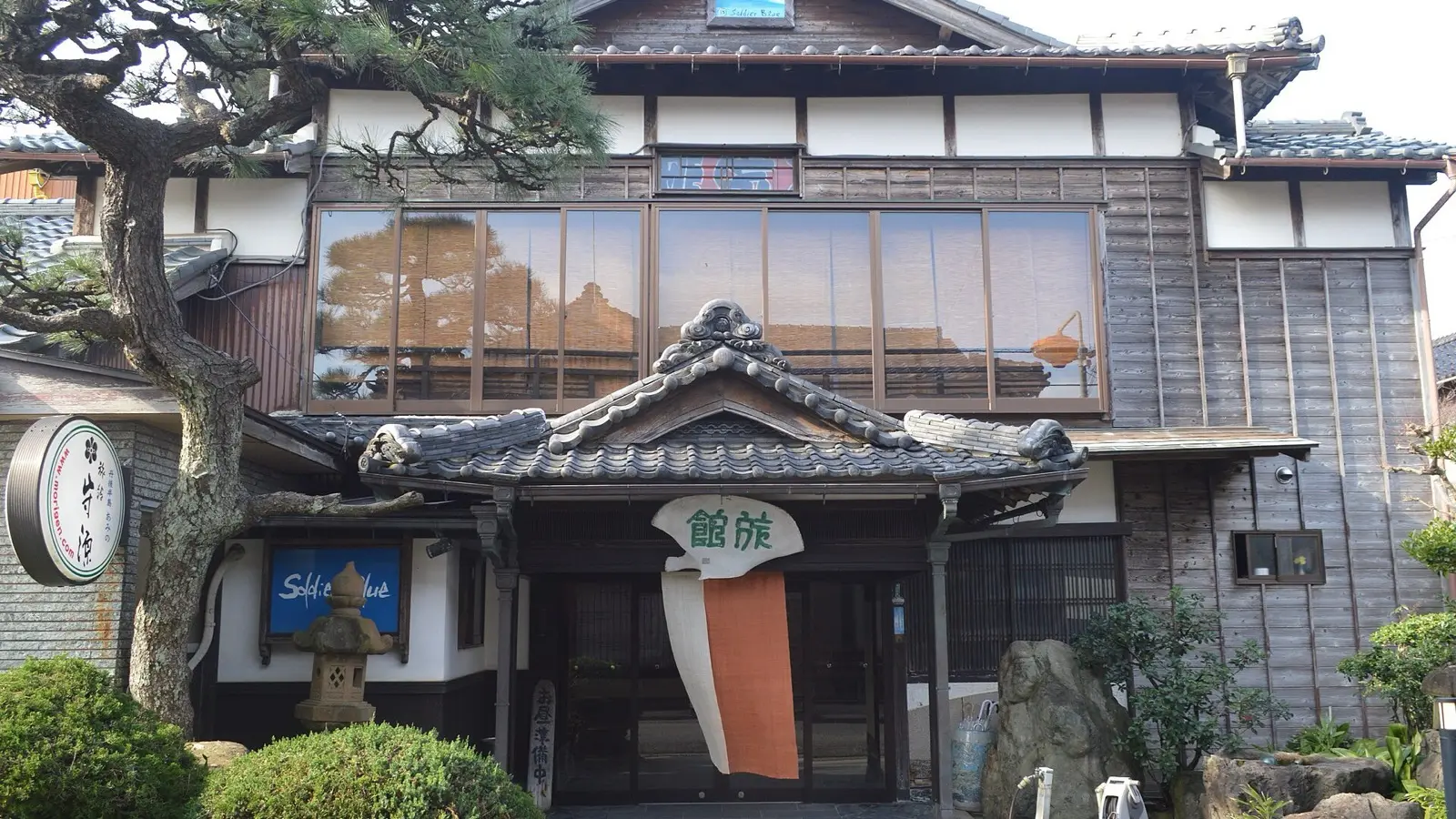
Kyoto Ryokan Prices and How to Choose: Kaiseki Terms and Machiya Stays
From hundred-year-old timber townhouses in Gion to misty Arashiyama riverside ryokan, staying in Kyoto demands cultural fluency and sharp booking discipline. An honest receipt audit covering kaiseki dinner curfews, private onsen etiquette, and avoiding dynamic pricing spikes.