
JejuStory
Jeju Coastal Drive Route and Private Stays from Aewol to Hyeopjae
Weighing restored stone farmhouses against Jungmun mega-resorts: zero-deductible rental car insurance, speed camera radars, and village pork cuts.
Black Basalt Walls and Azure Sea Mist: Liberation Along Jeju's Western Coast
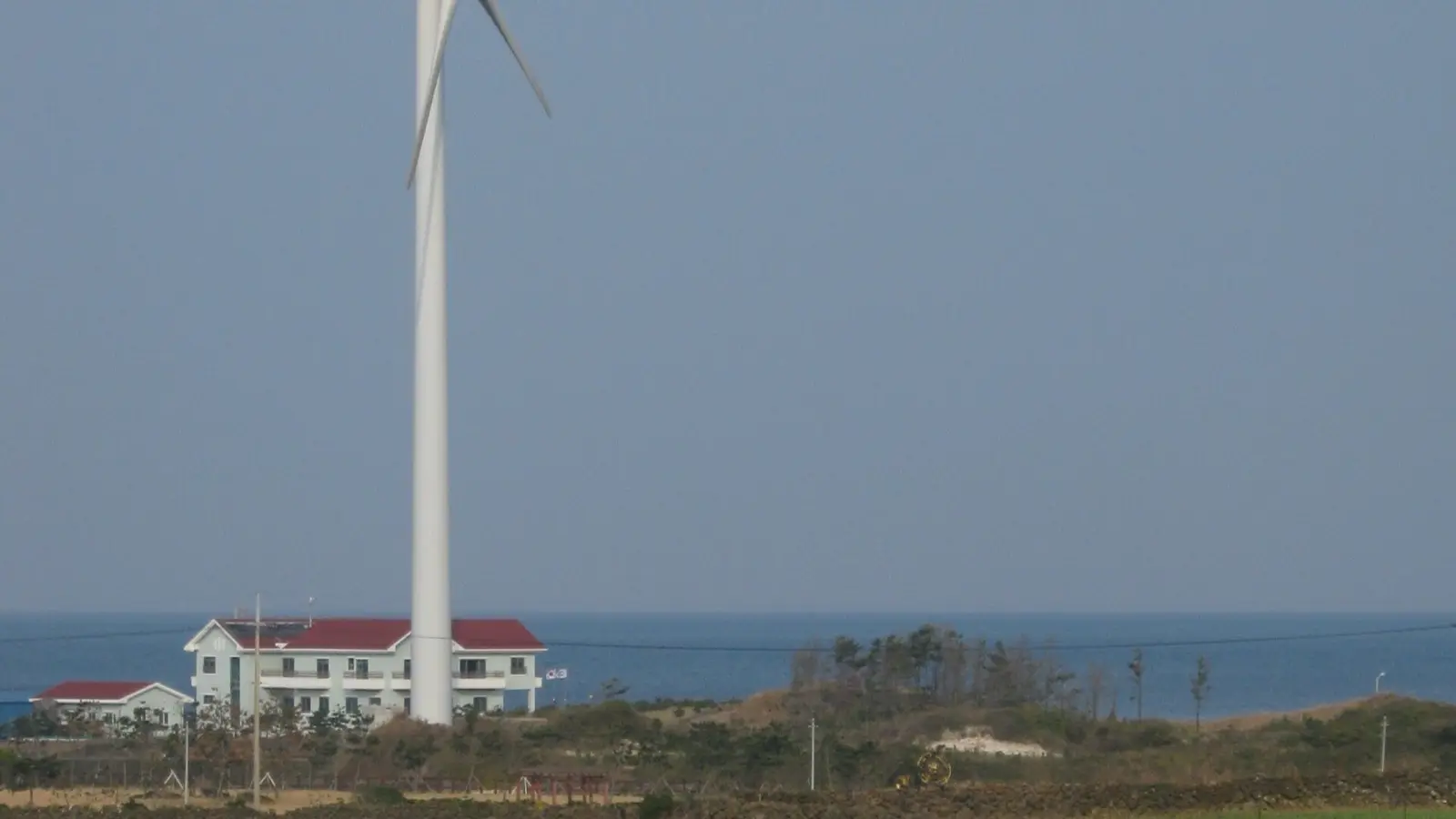
At twenty to six in the evening, steering your rental car past the coastal curves of Aewol along Provincial Route 1132, the roar of crashing surf fills the open cabin. Foaming white ocean breakers strike against pitch-black volcanic basalt formations, while a fiery sunset gradient blazes across the East China Sea horizon. Breathing in the brisk, salt-crusted maritime air delivers an immediate elemental reset impossible to replicate on mainland shores.
First-time visitors often miscalculate Jeju's physical geography. Spanning three times the land area of Seoul, traveling between northern Jeju City and southern Seogwipo or eastern Seongsan takes roughly an hour to an hour and a half each way. Strict fifty-kilometer-per-hour speed cameras and endless roundabouts mean that attempting to crisscross the island in a single day turns what should be a rejuvenating escape into an exhausting marathon behind the wheel.
Jeju's eastern and western coasts beat with divergent rhythms. While the eastern shore around Seongsan Ilchulbong and Udo Island offers sunrise vistas and pastoral carrot farms, the western coast through Aewol, Hallim, and Hangyeong dazzles with emerald waters at Hyeopjae Beach, dramatic ocean sunsets, and vibrant artisan boutiques. Experiencing both textures demands geographic flexibility rather than anchoring your trip in one fixed hotel.
The golden strategy for island exploration is the east-west split stay. Spend your first two nights in a restored stone cottage along the western coast to savor beach sunsets and evening coastal walks. Then, relocate south toward Seogwipo or east toward Gujwa to explore moss-covered Gotjawal primeval forests and quiet volcanic oreum cones, minimizing daily driving hours while maximizing vacation serenity.
Luxury Pool Villas at $450 vs Basalt Stone Cottages at $200: Value Audits
When selecting Jeju accommodation, travelers confront a fundamental fork in the road: high-rise five-star resorts in the Jungmun Tourism Complex versus private, restored basalt stone farmhouses tucked inside rural coastal hamlets. Weekend rates for oceanview suites at premier Jungmun hotels frequently command $400 to $550 per night, whereas charming standalone stone cottages price accessibly between $180 and $250, offering total residential seclusion.
A close look at vacation receipts highlights contrasting values. Jungmun resorts deliver expansive heated outdoor lagoon pools, extensive children's facilities, and full-service dining pavilions suited for multi-generational families. Conversely, private stone cottages provide secluded courtyards behind towering dry-stone walls, where travelers can unwind in open-air stone jacuzzis beneath star-filled night skies without encountering other guests.
Navigating rental car insurance is the most critical financial checkpoint on the island. Settling for standard collision damage waivers can leave drivers exposed to substantial deductibles and daily operational loss fees if wheel rims are scraped against stone walls. Securing comprehensive Super CDW coverage with zero deductible guarantees complete peace of mind when navigating narrow village lanes.
Dining expenditures also benefit from insider discernment. High-profile black pork barbecue establishments lining main coastal thoroughfares often price in their fame. Venturing into local butcher restaurants in inland farming communities lets you enjoy fresh black pork with savory anchovy dipping sauce for noticeably less.
Aewol, Jungmun, Gujwa, and Seogwipo: Four Distinct Island Zones
The northwestern corridor spanning Aewol and Hallim serves as the prime hub for travelers seeking vibrant coastal panoramas paired with design-forward cafe culture. The coastal trail from Handam to Hyeopjae Beach showcases turquoise surf and white shell sands looking toward Biyangdo Island, situated within forty minutes of the international airport.
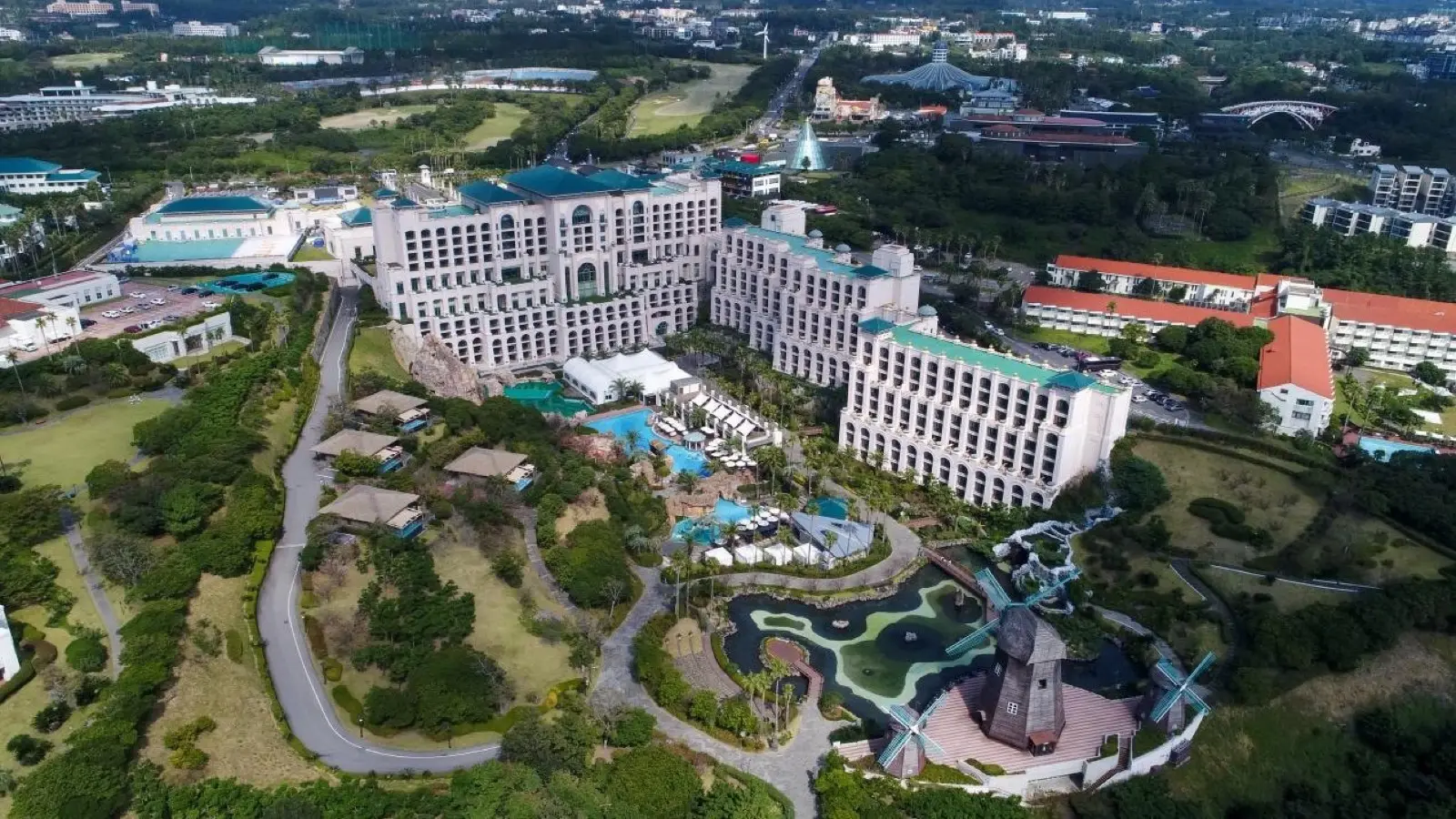
The southwestern zone encompassing Jungmun and Mount Sanbangsan combines monumental geological formations with world-class resort comfort. Towering volcanic cliffs, hexagonal basalt pillars at Daepo Jusangjeolli, and pristine golf fairways make this district ideal for travelers craving luxury hospitality and majestic coastal hiking.
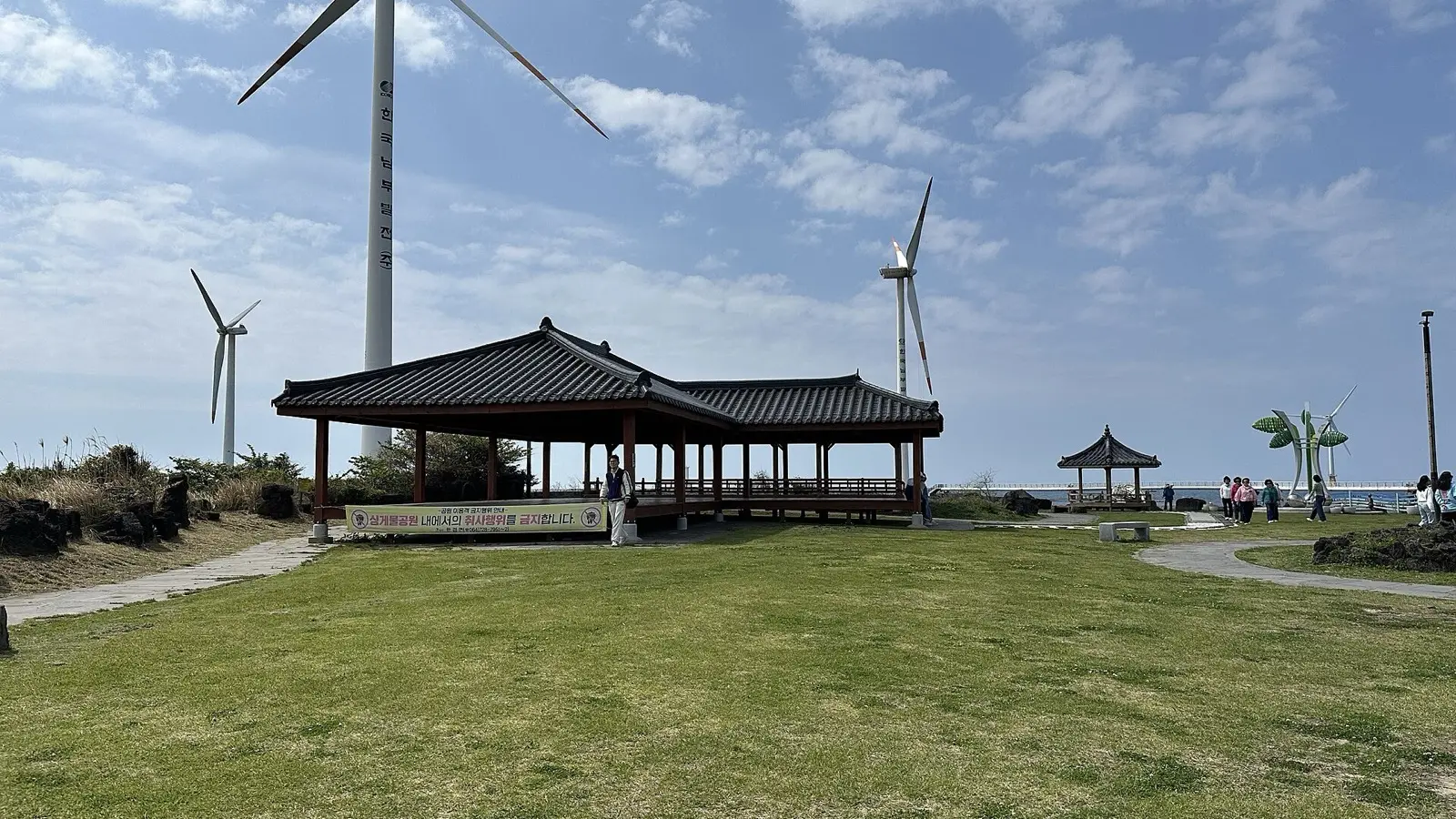
The eastern expanse connecting Gujwa and Seongsan embodies rural serenity. Giant white offshore wind turbines spin above turquoise waters in Woljeongri, while the dramatic volcanic caldera of Seongsan Ilchulbong greets the sunrise. Oceanfront bakeries famous for organic carrot cakes sit alongside authentic seafood kitchens operated directly by female free-divers (haenyeo).
Seogwipo Old Town in the south enjoys a mild subtropical microclimate and rich culinary heritage. Walking access to the Olle Everyday Market, Cheonjiyeon Waterfall, and artisan craft alleys provides convenient urban exploration, serving as a strategic base for hiking the southern valleys and Mount Hallasan's Yeongsil trail.
When reserving boutique village cottages, verify parking accessibility with the host. Historic farmhouses inside ancient stone hamlets occasionally lack direct driveway access, requiring guests to park in communal village lots and transport luggage across flagstones. Confirming dedicated on-site parking prevents arrival friction.
Rental Car Pickup and Coastal Olle Hiking: Timing and Safety Rules
Securing your rental car at Jeju Airport is an operational sprint where thirty minutes make all the difference. Exiting Gate 5 toward the shuttle transfer pavilion, company shuttle buses run frequently to the rental lots. Completing online mobile check-in and driver license verification upon landing allows you to bypass indoor service counters and proceed straight to your designated vehicle stall.
Before turning the ignition, activate your smartphone video camera in outdoor daylight to capture an unbroken circle around the car, carefully documenting lower bumper aprons, wheel rims, and side mirrors. Documenting pre-existing scratches eliminates contentious debates upon return. Snapping a photo of the fuel gauge ensures you return the tank to its exact original level.
Integrating segments of the Jeju Olle Trail into your driving itinerary elevates the journey. Coastal stretches such as Route 7 past Oedolgae Rock or Route 10 around Songaksan Mountain offer spectacular sea vistas during cool morning hours. Sturdy hiking shoes are essential to safely negotiate uneven volcanic rock surfaces.
Nighttime driving across mountain passes requires acute vigilance. Interior highland routes like the 1100 Highway or 516 Road lack street lighting and experience heavy mountain fog alongside roaming wild roe deer. Sticking to coastal perimeter highways after dark ensures safe and stress-free island transit.
Basalt Walls and Winter Tangerine Groves: What Jeju Leaves Behind
As midnight settles over your stone cottage, oak logs crackle inside the outdoor chiminea. Strong ocean gusts whistle through porous gaps in the dry-stacked basalt walls, yet inside the protected courtyard, the atmosphere remains warm and deeply tranquil. Sipping wine beneath tangerine branches rustling in the night breeze gently dissolves the accumulated tensions of mainland routine.
At eight the next morning, walking to a nearby haenyeo diver eatery for a steaming bowl of sea urchin seaweed soup alongside crispy grilled tilefish provides authentic island nourishment. The clean, ocean-scented broth warms the palate, infusing the body with vibrant vitality for the day ahead.
Jeju's enduring resonance springs not from commercial amusement parks or gleaming hotel lobbies, but from the resilient dignity of its natural elements and coastal communities. Recognizing how every porous stone and wind-twisted pine reflects a rich narrative of survival elevates a simple vacation into lasting personal restoration.
Returning your car and walking toward the departure gate with tangerine-scented air lingering in your clothes, a profound certainty remains. The memory of fiery western sunsets melting into black volcanic rock will endure as a permanent mental sanctuary long after returning to everyday life.
Frequently Asked Questions
Field-tested answers to transit navigation, neighborhood choices, and payment traps.
Q1.Where do I catch the rental car shuttle at Jeju Airport?
Q2.How long does it take to drive from Jeju City to Seogwipo or Seongsan?
Q3.What rental car insurance should I get in Jeju?
Q4.Is it safe to drive over Hallasan at night?
The Smart Traveler's Essential Toolkit
Prepare instant mobile data, private airport transfers, and skip-the-line passes in one place.
Pick a base in Jeju by your route
Choose the places you want to see and get the neighbourhood with the shortest travel.
Compare Jeju Hotel Rates
Find the cheapest channel across Agoda and major booking engines with Tripdify.
Share This Guide with Your Companions
When shared via chat or social media, a curated summary card is sent along.

Recommended Guides
Jeju Seogwipo Itinerary: Jungmun Pool Villas and the Coastal Drive
Discover why cruising the gentle Pyeonghwa-ro bypass easily trumps dangerous mountain passes, master zero-deductible rental car insurance safeguards, and trade generic resort hotels for secluded private pool sanctuaries in Seogwipo.
Where to Stay in Tokyo: Shinjuku vs Shibuya vs Ginza
Comparing room footprints across Shinjuku, Ginza, and Ueno, locking in sudden 14-day cancellation drops, and eliminating DCC fees with clean Yen checkout.
7 Budget Hotels in Tokyo Under $100 on the Yamanote Line
Even amid yen fluctuations, central Tokyo hotel rates have soared. Learn how to secure Yamanote loop line hotels at half the price of Shinjuku, compare onsen bath chains like Dormy Inn, trigger secret Agoda VIP and Booking.com Genius discounts, and dodge hidden currency fees with yen settlement.
How to Read the Tokyo Subway Map and Where to Stay on the Yamanote Line
How to choose between Keisei Skyliner and Narita Express, avoid the Tokyo Subway Ticket trap, use Apple Wallet Suica, and select the ideal hotel base in Tokyo.
Tokyo Day 1 Itinerary: Narita Airport to the City and Your First 24 Hours
From stepping off at Narita Airport to mastering high-speed trains, navigating Tokyo's sprawling transit hubs, ordering counter ramen effortlessly, and catching sunset from Roppongi Hills. A definitive guide for your first 24 hours in Tokyo.
Tokyo Day 2 Itinerary: Booking Shibuya Sky, Harajuku Backstreets and Roppongi at Night
Securing prime sunset slots atop Shibuya Sky, navigating hidden boutiques along Harajuku Cat Street, immersing in the forested serenity of Meiji Jingu, and marveling at the crimson glow of Tokyo Tower from Roppongi Hills. A masterclass in Day 2 pacing.
Tokyo Day 3 Itinerary: Asakusa, Akihabara, Ginza Depachika and Flying Home
The ultimate finale for your Tokyo stay: tranquil morning worship at Sensoji, retro subculture in Akihabara, Ginza Six architectural rooftop views and basement depachika feasts, capped by seamless Skyliner and N'EX airport connections.
Osaka Itinerary: Dotonbori and Umeda in Two Nights
Osaka is Japan culinary powerhouse where feasting is an art. Navigate Rapi:t airport transfers, Namba vs Umeda hotels, and street food corridors with veteran precision.
Kyoto Itinerary: Arashiyama, Gion and How to Pick a Ryokan
Kyoto compresses a millennium of Japanese aesthetic mastery. Discover how to evade bus congestion with private railways, master ryokan kaiseki booking windows, and savor early dawn stillness.
Kyoto Ryokan Prices and How to Choose: Kaiseki Terms and Machiya Stays
From hundred-year-old timber townhouses in Gion to misty Arashiyama riverside ryokan, staying in Kyoto demands cultural fluency and sharp booking discipline. An honest receipt audit covering kaiseki dinner curfews, private onsen etiquette, and avoiding dynamic pricing spikes.
Kyoto Day 1 Itinerary: Kansai Airport to Kyoto and Your First Evening in Gion
Boarding the 75-minute Haruka Express from Kansai Airport, forwarding heavy bags straight to your hotel via Crosta at Kyoto Station, avoiding gridlocked buses using the subway, and an evening stroll through Gion to the Kamogawa. A field guide to your first 24 hours.
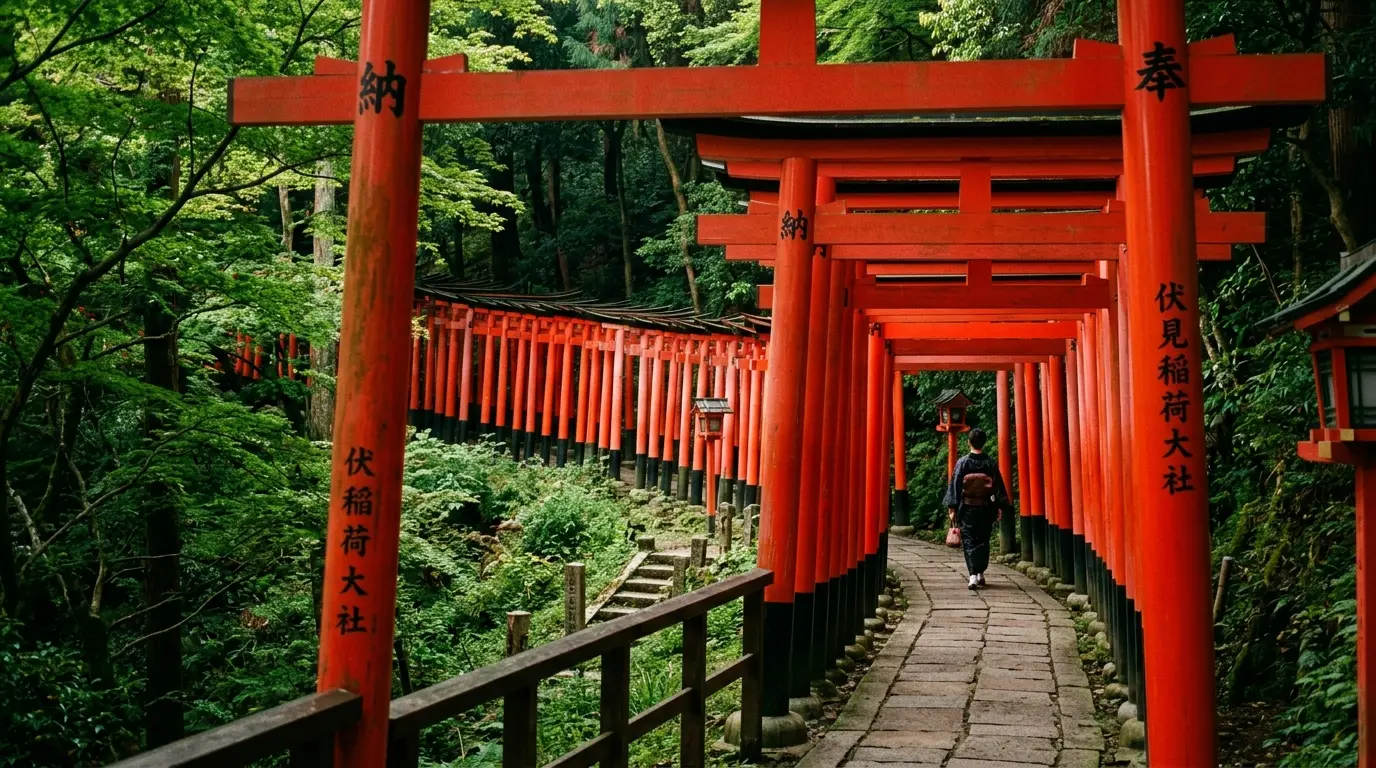
Kyoto Day 2 Itinerary: Fushimi Inari, Kiyomizu-dera, Sannenzaka and Gion
Day 2 immerses travelers into the spiritual heartbeat and preserved historic streets of Kyoto: early morning solace along thousands of vermilion torii gates at Fushimi Inari, sweeping mountain panoramas from the legendary wooden stage of Kiyomizu-dera, artisan tea shops and matcha sweets across cobblestoned Ninenzaka and Sannenzaka, followed by lantern-lit strolls in Gion Shirakawa and a refined multi-course Kaiseki dinner.