
IstanbulGuide
Istanbul Itinerary: Hagia Sophia and the Bosphorus in Two Nights
From Havaist airport express buses to Sultanahmet mosque etiquette, Grand Bazaar haggling, and scenic public ferries
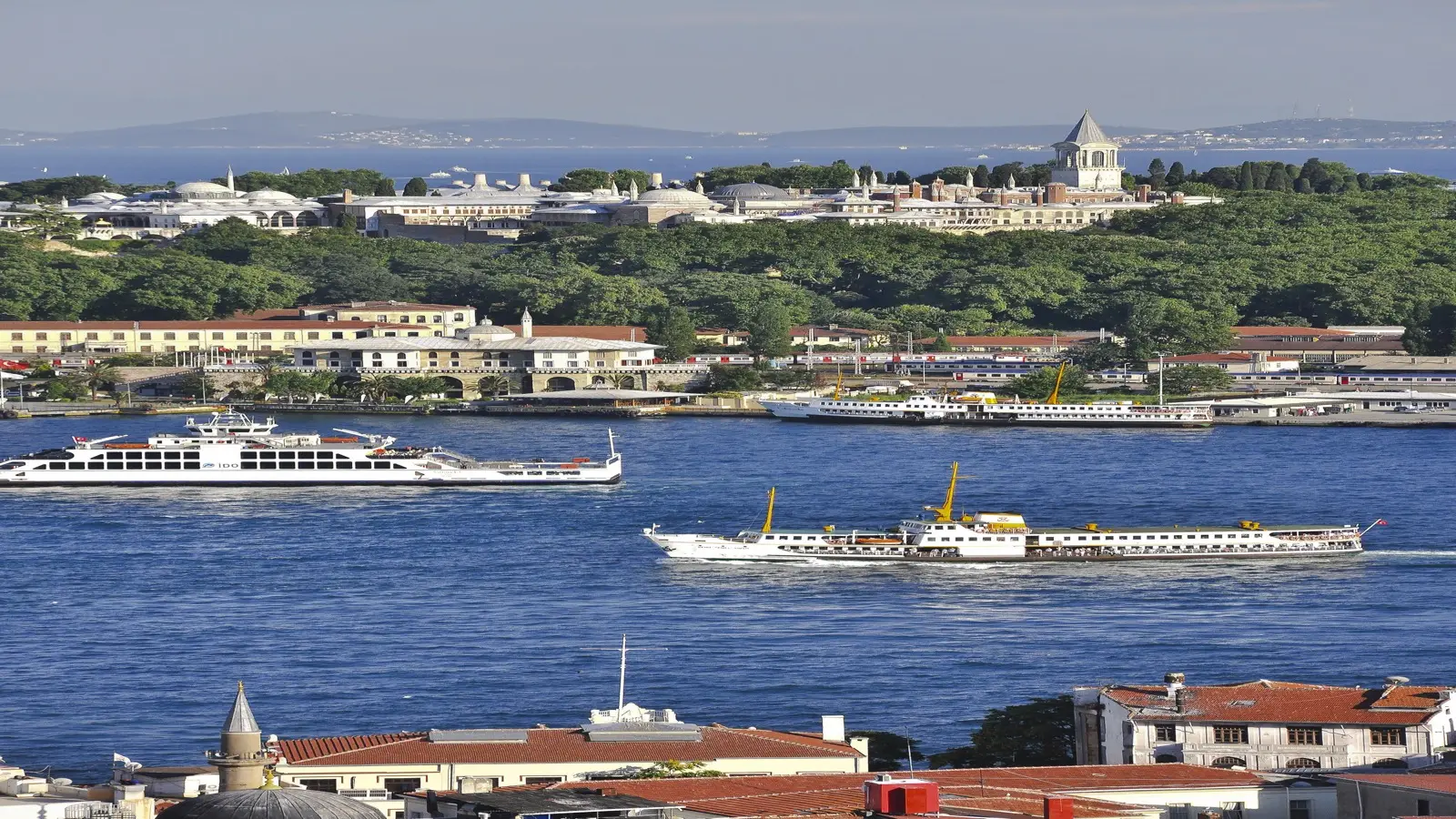
From New Istanbul Airport to Downtown: Havaist Shuttles, Metro M11, and Istanbulkart
Touching down at the colossal New Istanbul Airport (IST) along the Black Sea coastline places travelers roughly 40 kilometers north of the metropolitan center. Traditional yellow cabs often impose steep arbitrary surcharges for bridge tolls or engage in meter tampering during chaotic traffic jams, making public express options significantly more reliable and cost-effective.
The premier overland option is the dependable Havaist airport coach system operating from dedicated bays on Level minus 2 directly beneath the arrivals concourse. Routes to Taksim Square in the modern district (HVIST-16) and Beyazit adjacent to Sultanahmet in the Old City (HVIST-12) depart every 30 minutes. Featuring complimentary onboard Wi-Fi, USB charging ports, and deep undercarriage luggage storage, they deliver travelers downtown in roughly an hour.
Travelers seeking total immunity from highway traffic bottlenecks can board the newly completed Metro Line M11 from the integrated airport railway station. The high-speed automated trains whisk passengers south to Kagithane or Gayrettepe stations, providing seamless transfers to the M2 metro line straight into Taksim or the Golden Horn on predictable schedules.
Acquiring an Istanbulkart smart transit card from the yellow Biletmatik automated kiosks inside the airport metro station is your essential first step. A single reloadable contactless card unlocks seamless travel across all municipal trams, buses, metro systems, the historic Tünel funicular, and cross-continental public passenger ferries, radically reducing transit expenditures throughout your stay.
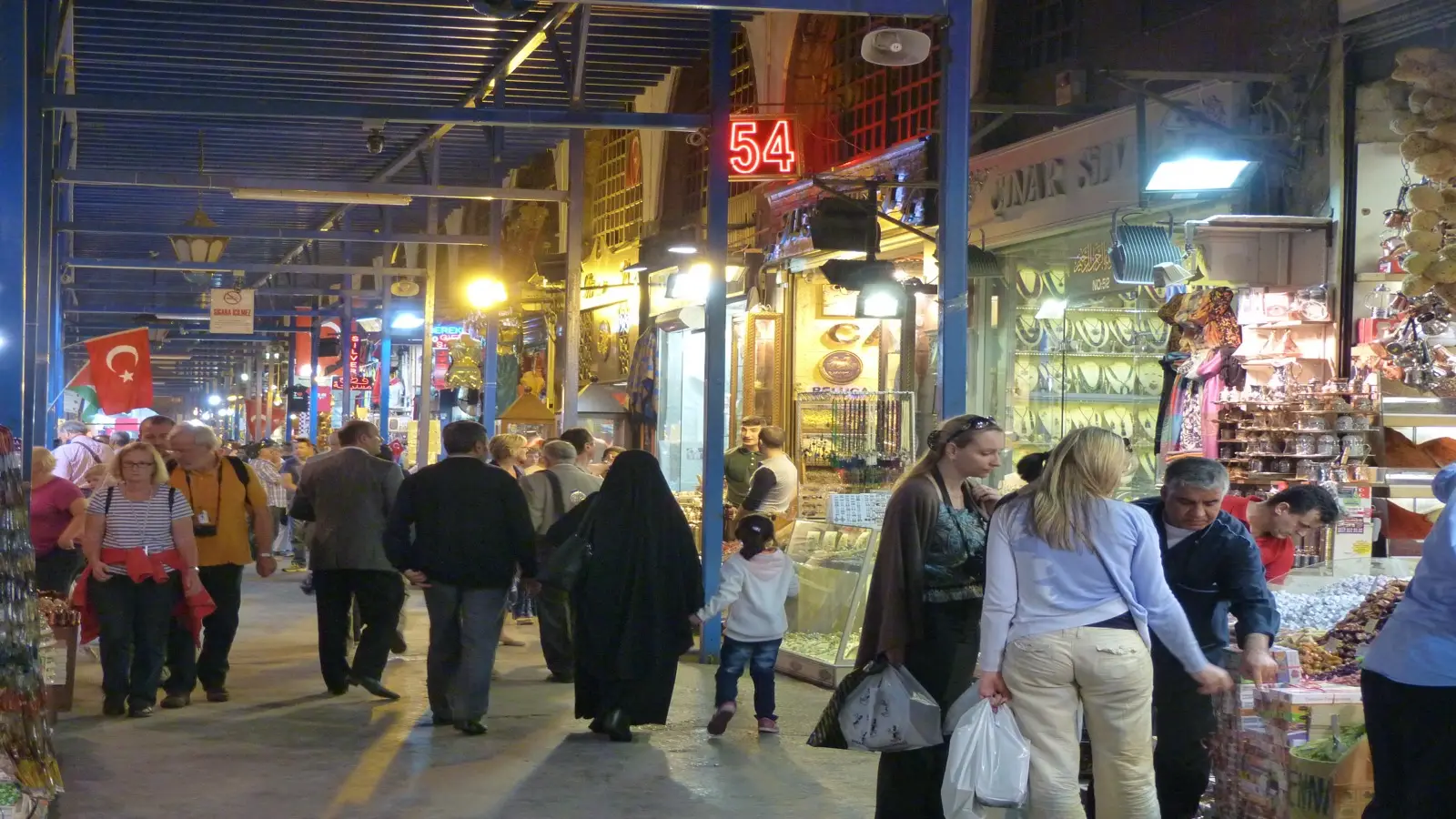
Hagia Sophia & The Blue Mosque: 1,500 Years of Byzantine Mosaics, Ottoman Domes, and Etiquette
Facing each other across the landscaped lawns and fountains of Sultanahmet Square, Hagia Sophia and the Blue Mosque (Sultan Ahmed Mosque) represent twin summits of sacred world architecture. Consecrated in 537 AD under Byzantine Emperor Justinian, Hagia Sophia 55-meter-high central dome seemed to contemporaries to hover suspended from heaven on a golden chain, standing resolute across 1,500 years of seismic and imperial upheaval.
Transitioning from Eastern Orthodox patriarchal cathedral to imperial Ottoman mosque, secular museum, and active house of worship, the interior presents a breathtaking historical palimpsest where colossal gilded Arabic calligraphic medallions hang alongside radiant Byzantine Christian gold mosaics. Since 2024 foreign visitors enter on a paid ticket and view the interior from the upper gallery, with the ground floor kept for worship. That upper gallery holds the breathtaking 13th-century Deesis mosaic, where the compassionate expressions of Christ Pantocrator and the Virgin Mary shine in dazzling gold leaf tesserae.
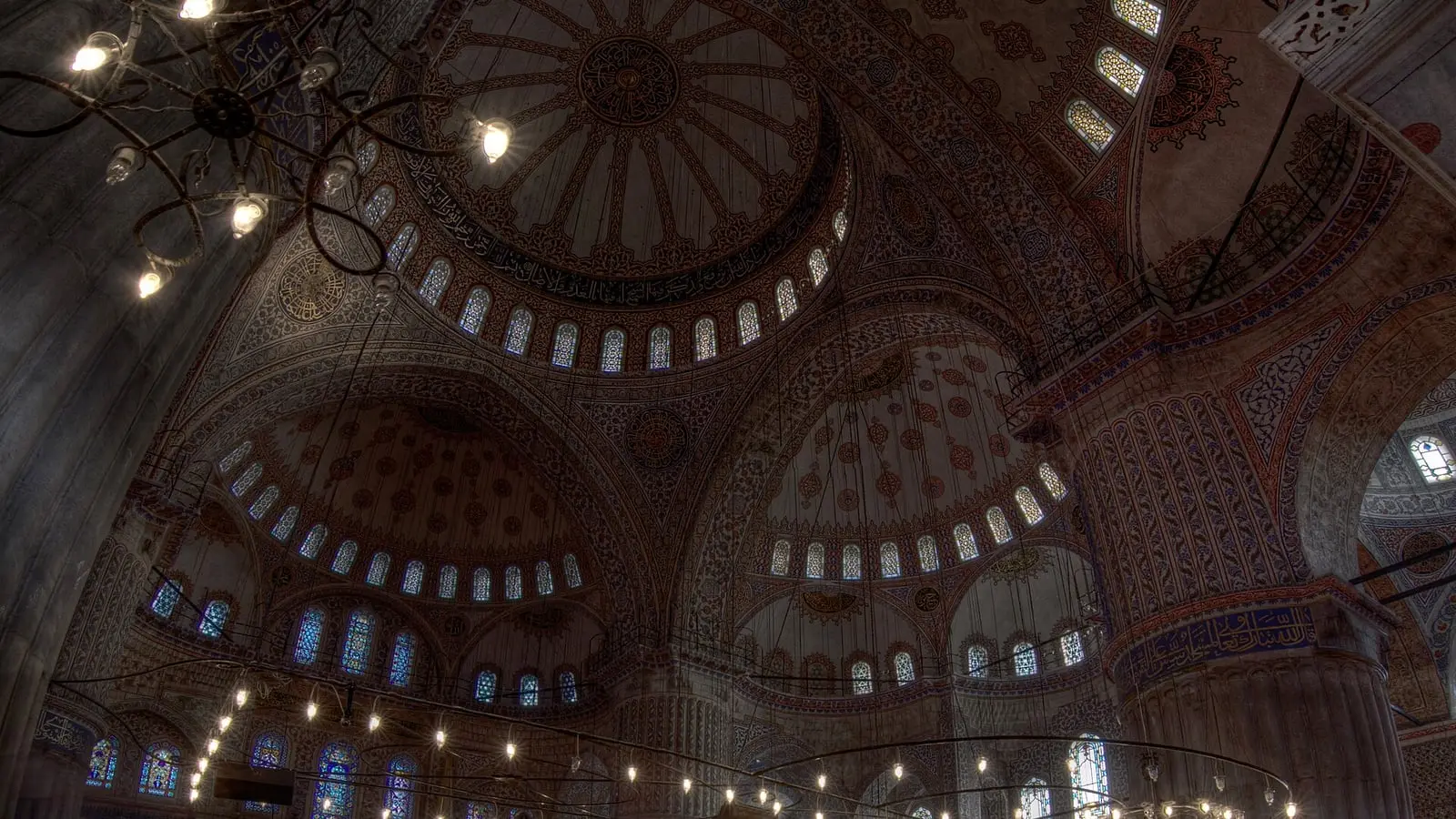
Directly opposite stands the Blue Mosque, completed in 1616 for Sultan Ahmed I to rival the architectural majesty of Justinian masterpiece. Six elegant minarets pierce the Anatolian sky, and stepping inside reveals soaring prayer halls enveloped by more than 20,000 handmade Iznik ceramic tiles in luminous shades of cobalt, turquoise, and floral crimson, illuminated by hundreds of stained-glass windows.
Because both monuments remain active sanctums of Muslim prayer, strict decorum applies to all international visitors. Women must fully conceal their hair beneath a headscarf, and both men and women must ensure shoulders and knees are modestly covered. Shoes must be removed at the entrance portals, placed inside provided carry bags, and carried as visitors tread respectfully upon the plush carpeted prayer floors.
The Grand Bazaar & Spice Market: Navigating 4,000 Vaulted Merchant Stalls and Tea Rituals
Founded in 1461 under the decree of Sultan Mehmed the Conqueror, the Grand Bazaar (Kapalıçarşı) has evolved across half a millennium into the world largest and most storied covered market, spanning 60 vaulted laneways and over 4,000 merchant stalls. Once commanding the trade crossroads between Asia and Europe, its labyrinthine corridors still pulsate with infectious commercial energy.
Under frescoed Ottoman masonry arches, dazzling showcases display genuine turquoise jewelry, hand-hammered copper cezve coffee pots, kaleidoscope mosaic glass lanterns, and intricate hand-knotted Anatolian silk and wool kilim carpets. The resonant clatter of metalworkers and the multilingual banter of traders turn the bazaar into a living ethnographic theater.
Navigating the bazaar requires embracing haggling as a friendly cultural performance rather than a confrontation. Politeness dictates opening counteroffers around 50% to 60% of the vendor initial quotation with good cheer. When merchants offer complimentary tulip-shaped glasses of steaming Çay (black tea) or fragrant apple tea, accept graciously while pacing your conversation and price alignment.
For aromatic culinary treasures, wander down toward the Eminönü waterfront to the Egyptian Spice Bazaar (Mısır Çarşısı). Erected in 1660 as part of the New Mosque endowment, its vaulted halls overflow with fragrant pyramids of royal saffron threads, dried sumac berries, crushed Aleppo chili (pul biber), herbal infusions, and herbal olive oil soaps.
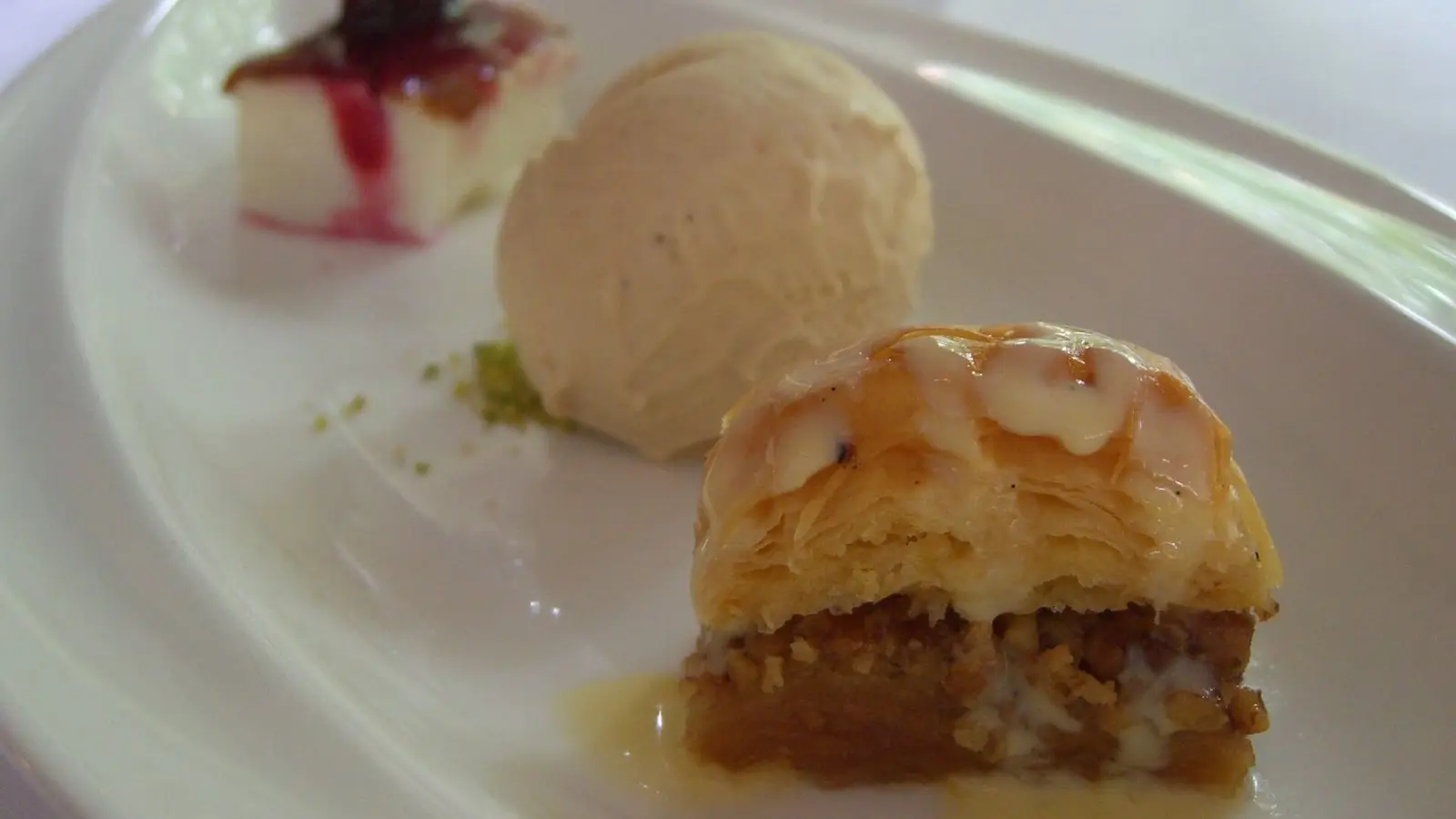
Conclude your tasting journey by stopping at historic confectionery ateliers like Hafız Mustafa (operating since 1864) or Hacı Bekir. Watching master confectioners slice tender cubes of pistachios-studded lokum (Turkish delight) dusted with cornstarch and packing crisp layers of honeyed baklava provides the ultimate culinary takeaway from imperial Istanbul.
Across the Golden Horn: Galata Tower Panoramas, Karakoy Cafes, and Istiklal Street
Crossing the storied Galata Bridge over the Golden Horn leads travelers from the imperial Old City into the historic European merchant quarter of Beyoğlu. Flanking the lower bridge deck are dozens of local anglers casting lines into the brine, while floating griddle boats dish out sizzling balik ekmek (mackerel fillets grilled with fresh onions and lemon tucked into crusty loaves).
Winding up the cobblestone slope brings you to Galata Tower (Galata Kulesi), a monumental cylindrical stone watchtower over 60 meters tall erected in 1348 by Genoese colonists. Taking the high-speed lift to the open-air perimeter balcony rewards visitors with a stunning 360-degree panorama framing the shimmering Golden Horn, the Bosphorus Strait, and the historic skyline of domes and minarets.
Spreading downward toward the docks is Karaköy, an energetic maritime quarter that has transformed into Istanbul coolest arts and design enclave. Former ship chandleries and hardware workshops now house vibrant graffiti murals, contemporary art galleries, indie fashion ateliers, and third-wave espresso roasteries buzzing with local creatives.
From Karaköy, ride the historic Tünel funicular railway, opened in 1875 as the second-oldest underground passenger train in the world, up to the vibrant promenade of Istiklal Street. Walking alongside the iconic red nostalgic streetcar toward Taksim Square, travelers pass grand 19th-century Art Nouveau arcades and bustling meyhane tavern alleyways brimming with live music.
Crossing Between Continents: The 20-Minute Public Ferry to Kadikoy and Bosphorus Sunset
The supreme moment of any Istanbul voyage happens not aboard expensive private charter yachts, but upon the weathered timber decks of the municipal public ferries (Şehir Hatları). Tapping your Istanbulkart at the Eminönü or Karaköy piers to board a double-decker commuter vessel bound for Kadıköy on the Asian shore costs just one standard Istanbulkart fare for a world-class maritime crossing.
As the vessel pulls away into open water, secure a seat along the open-air upper deck wooden benches. Tear off morsels from a freshly baked sesame-crusted simit bread ring to toss into the sky, where flocks of graceful seagulls dive in mid-air to catch treats behind the churning wake. Sipping hot black tea from tulip-shaped glasses while sea breezes wash over the deck delivers unparalleled travel serenity.
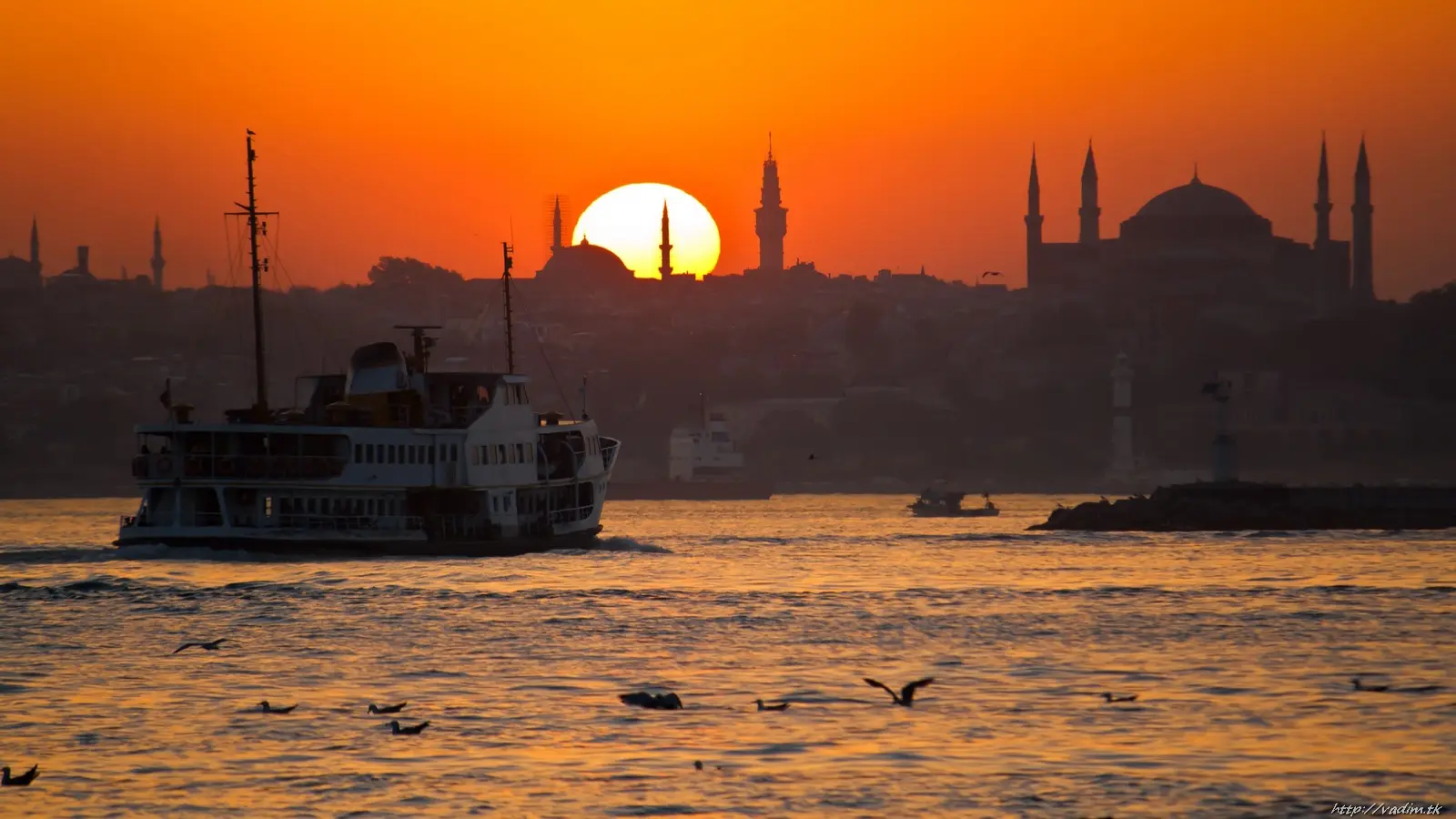
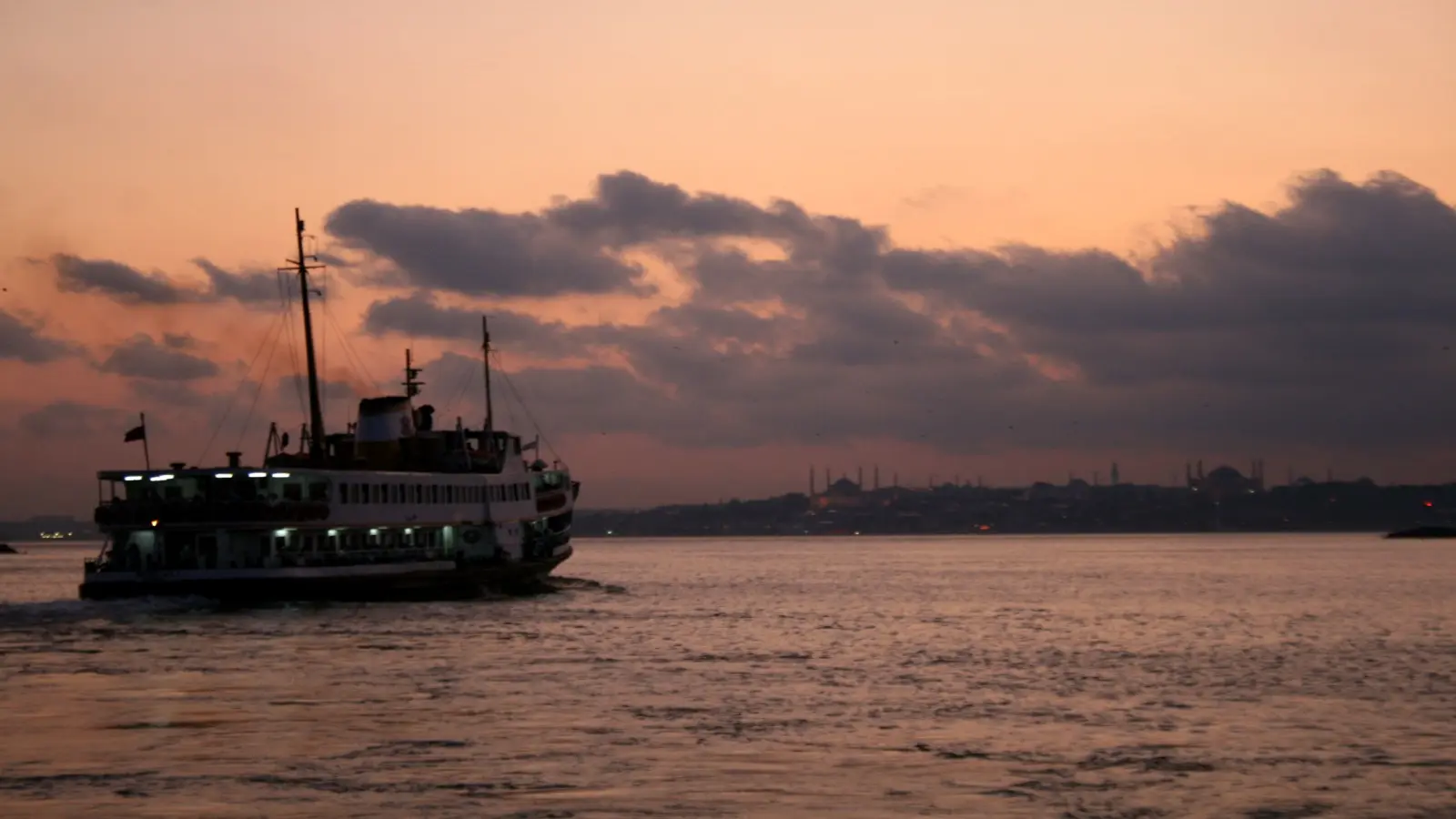
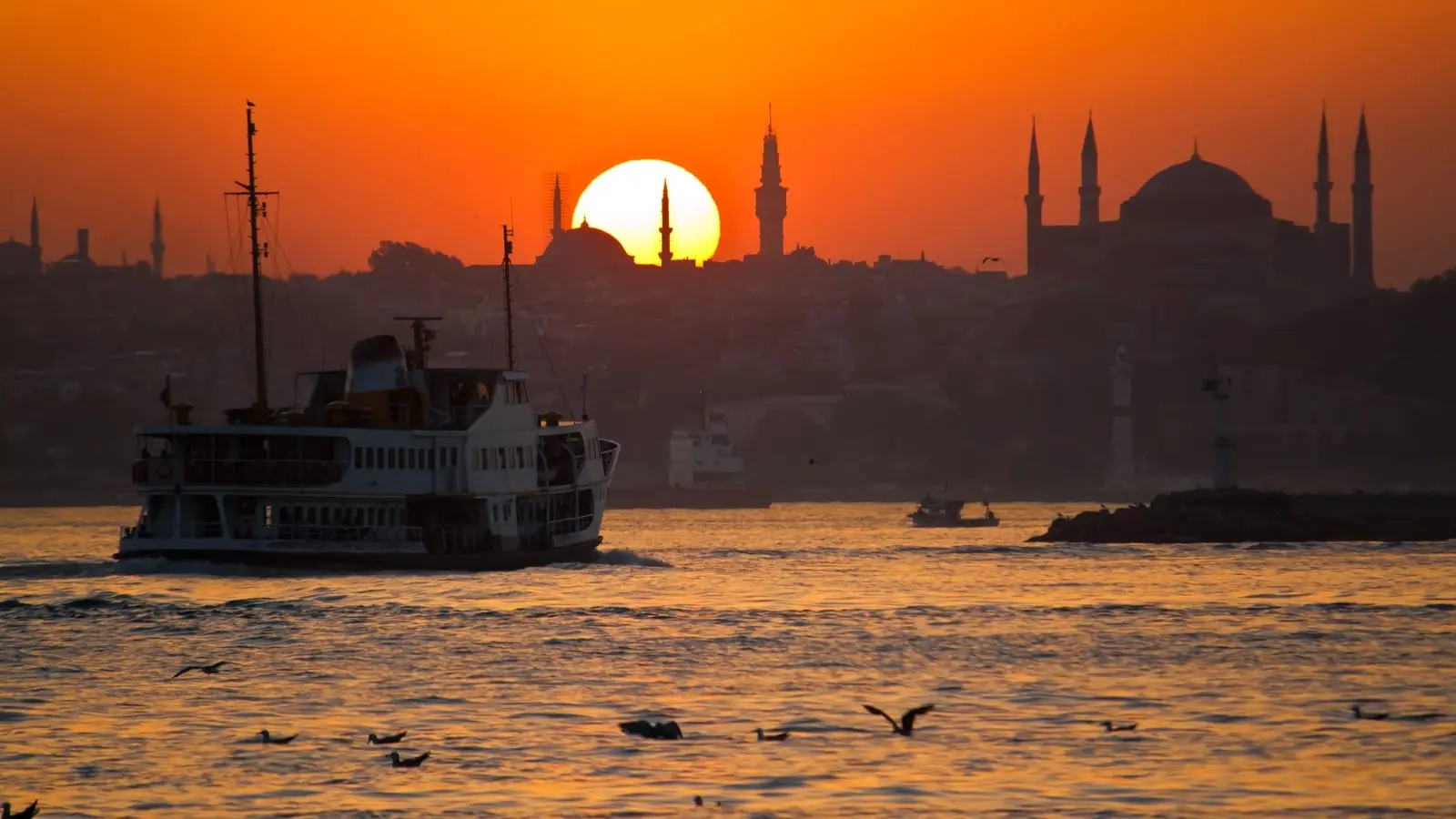
Reaching mid-channel reveals the full imperial majesty of the European coastline in the golden hour. As the setting sun bathes the horizon in molten bronze, the silhouettes of Topkapi Palace, Hagia Sophia, the Blue Mosque, and the solitary fortress of Maiden Tower (Kız Kulesi) align in an unforgettable panorama that captures three thousand years of imperial history.
Arriving in Kadıköy on the Asian continent immerses travelers in a progressive, youth-driven culinary sanctuary. Stroll along the coastal lawns of Moda Park, wander vibrant market avenues packed with fishmongers and pickle vendors, and dine at legendary Anatolian institutions like Çiya Sofrası, savoring lost regional recipes to bring your 72-hour journey across two continents to a triumphant close.
Frequently Asked Questions
Field-tested answers to transit navigation, neighborhood choices, and payment traps.
Q1.How do I get from Istanbul Airport to the city?
Q2.Is there an entrance fee for Hagia Sophia?
Q3.What is the dress code for visiting mosques?
Q4.Is the Grand Bazaar open every day?
The Smart Traveler's Essential Toolkit
Prepare instant mobile data, private airport transfers, and skip-the-line passes in one place.
Pick a base in Istanbul by your route
Choose the places you want to see and get the neighbourhood with the shortest travel.
Compare Istanbul Hotel Rates
Find the cheapest channel across Agoda and major booking engines with Tripdify.
Share This Guide with Your Companions
When shared via chat or social media, a curated summary card is sent along.
Recommended Guides
Where to Stay in Tokyo: Shinjuku vs Shibuya vs Ginza
Comparing room footprints across Shinjuku, Ginza, and Ueno, locking in sudden 14-day cancellation drops, and eliminating DCC fees with clean Yen checkout.
7 Budget Hotels in Tokyo Under $100 on the Yamanote Line
Even amid yen fluctuations, central Tokyo hotel rates have soared. Learn how to secure Yamanote loop line hotels at half the price of Shinjuku, compare onsen bath chains like Dormy Inn, trigger secret Agoda VIP and Booking.com Genius discounts, and dodge hidden currency fees with yen settlement.
How to Read the Tokyo Subway Map and Where to Stay on the Yamanote Line
How to choose between Keisei Skyliner and Narita Express, avoid the Tokyo Subway Ticket trap, use Apple Wallet Suica, and select the ideal hotel base in Tokyo.
Tokyo Day 1 Itinerary: Narita Airport to the City and Your First 24 Hours
From stepping off at Narita Airport to mastering high-speed trains, navigating Tokyo's sprawling transit hubs, ordering counter ramen effortlessly, and catching sunset from Roppongi Hills. A definitive guide for your first 24 hours in Tokyo.
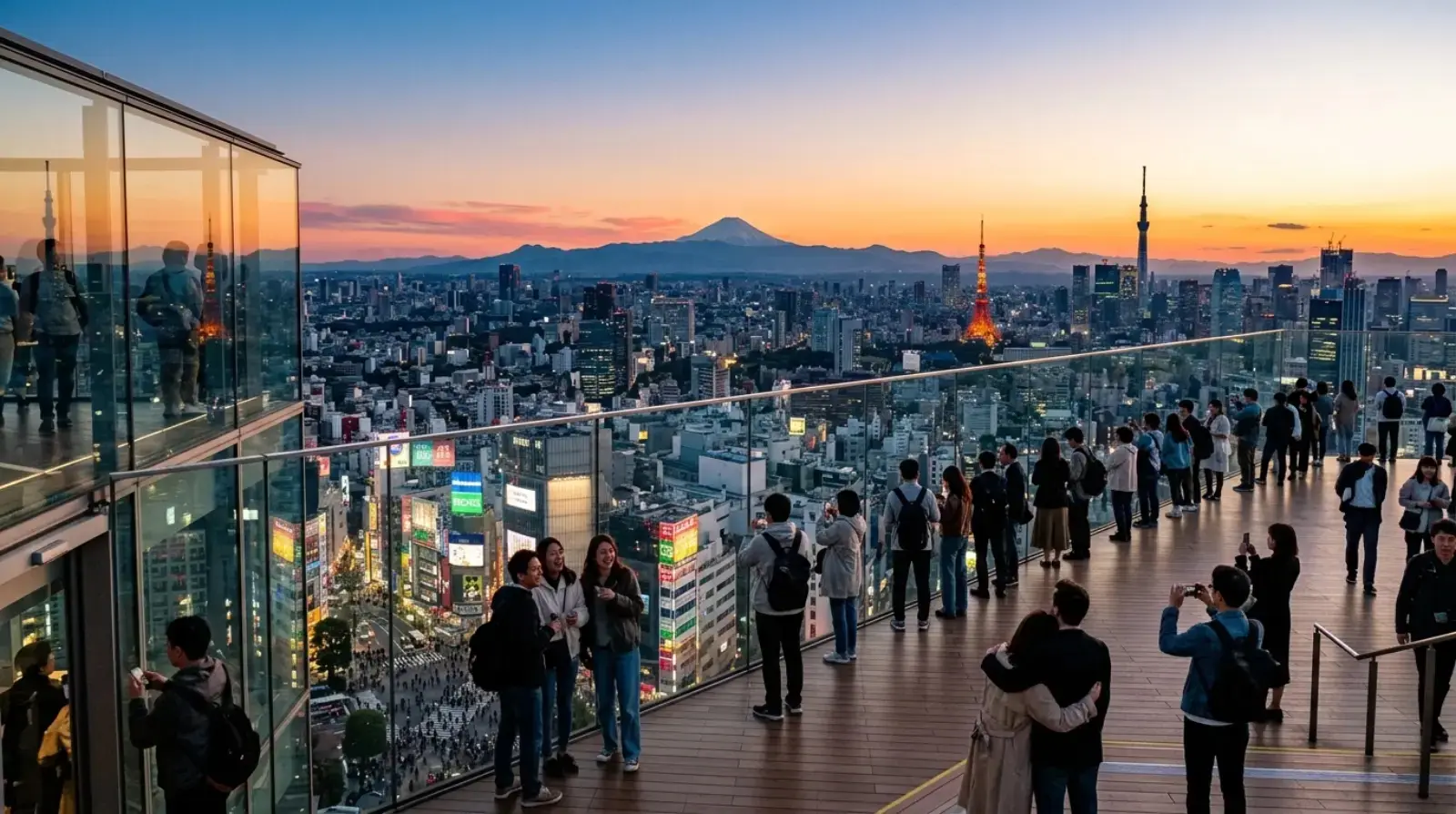
Tokyo Day 2 Itinerary: Booking Shibuya Sky, Harajuku Backstreets and Roppongi at Night
Securing prime sunset slots atop Shibuya Sky, navigating hidden boutiques along Harajuku Cat Street, immersing in the forested serenity of Meiji Jingu, and marveling at the crimson glow of Tokyo Tower from Roppongi Hills. A masterclass in Day 2 pacing.
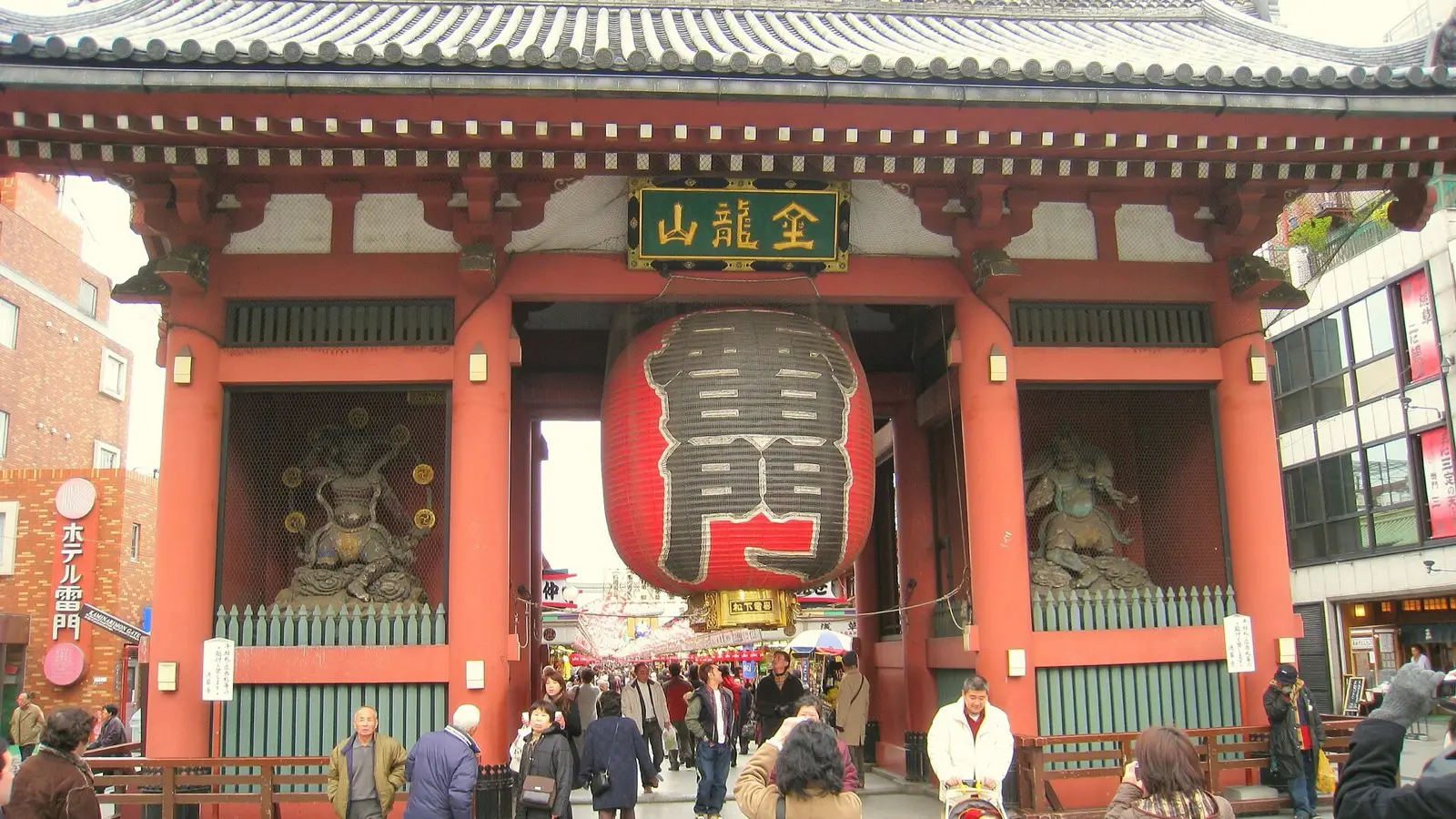
Tokyo Day 3 Itinerary: Asakusa, Akihabara, Ginza Depachika and Flying Home
The ultimate finale for your Tokyo stay: tranquil morning worship at Sensoji, retro subculture in Akihabara, Ginza Six architectural rooftop views and basement depachika feasts, capped by seamless Skyliner and N'EX airport connections.
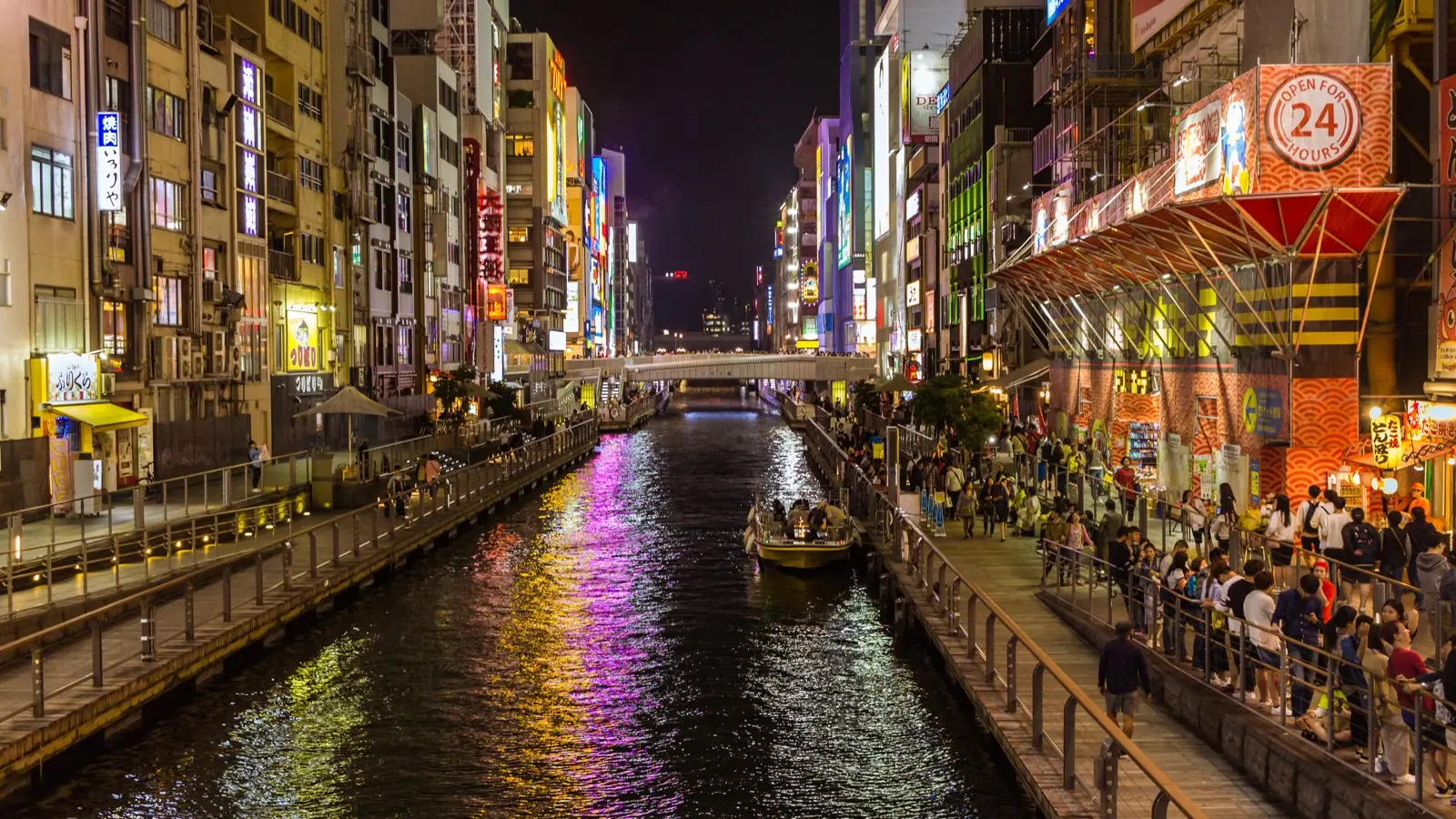
Osaka Itinerary: Dotonbori and Umeda in Two Nights
Osaka is Japan culinary powerhouse where feasting is an art. Navigate Rapi:t airport transfers, Namba vs Umeda hotels, and street food corridors with veteran precision.
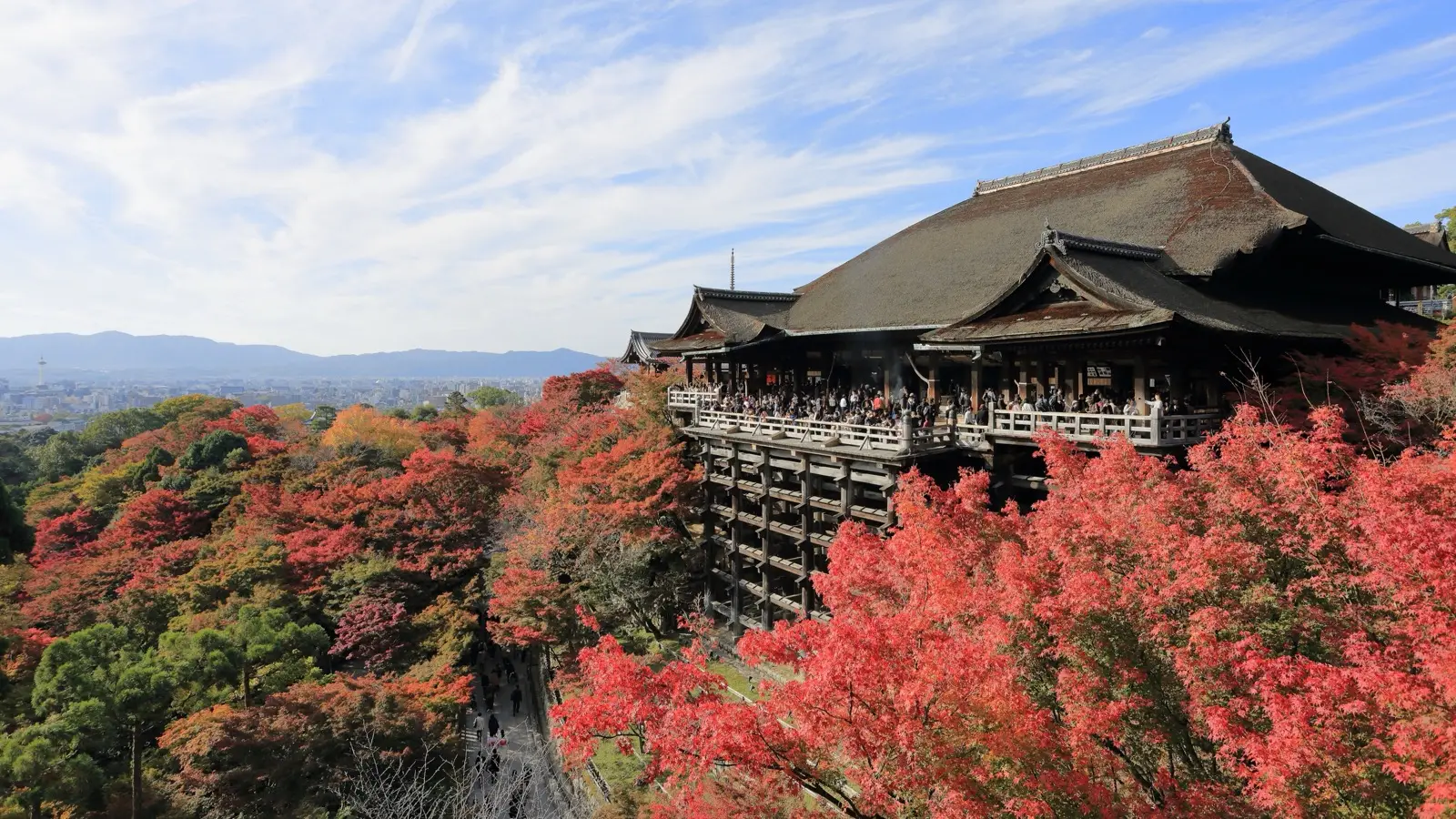
Kyoto Itinerary: Arashiyama, Gion and How to Pick a Ryokan
Kyoto compresses a millennium of Japanese aesthetic mastery. Discover how to evade bus congestion with private railways, master ryokan kaiseki booking windows, and savor early dawn stillness.
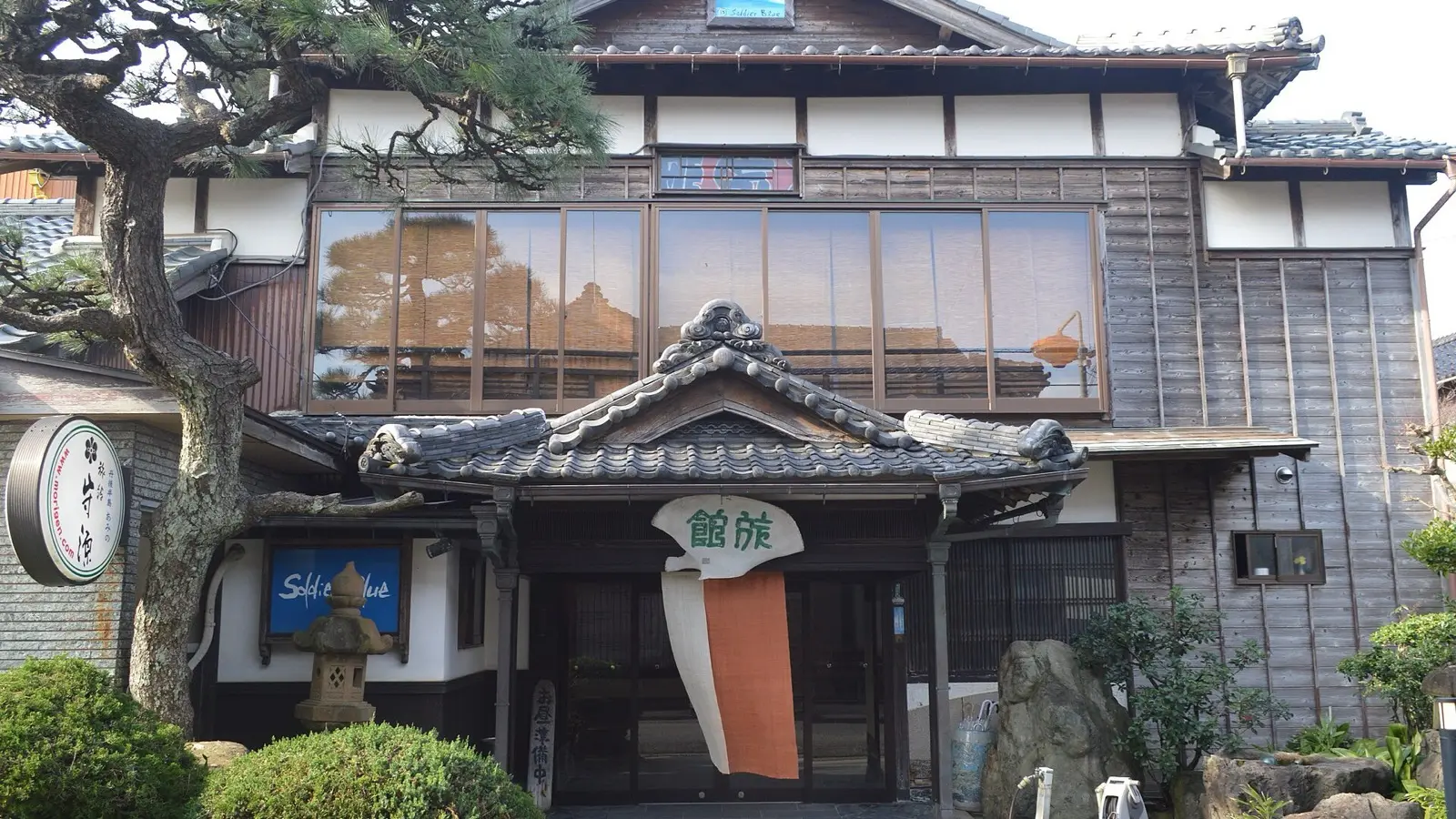
Kyoto Ryokan Prices and How to Choose: Kaiseki Terms and Machiya Stays
From hundred-year-old timber townhouses in Gion to misty Arashiyama riverside ryokan, staying in Kyoto demands cultural fluency and sharp booking discipline. An honest receipt audit covering kaiseki dinner curfews, private onsen etiquette, and avoiding dynamic pricing spikes.
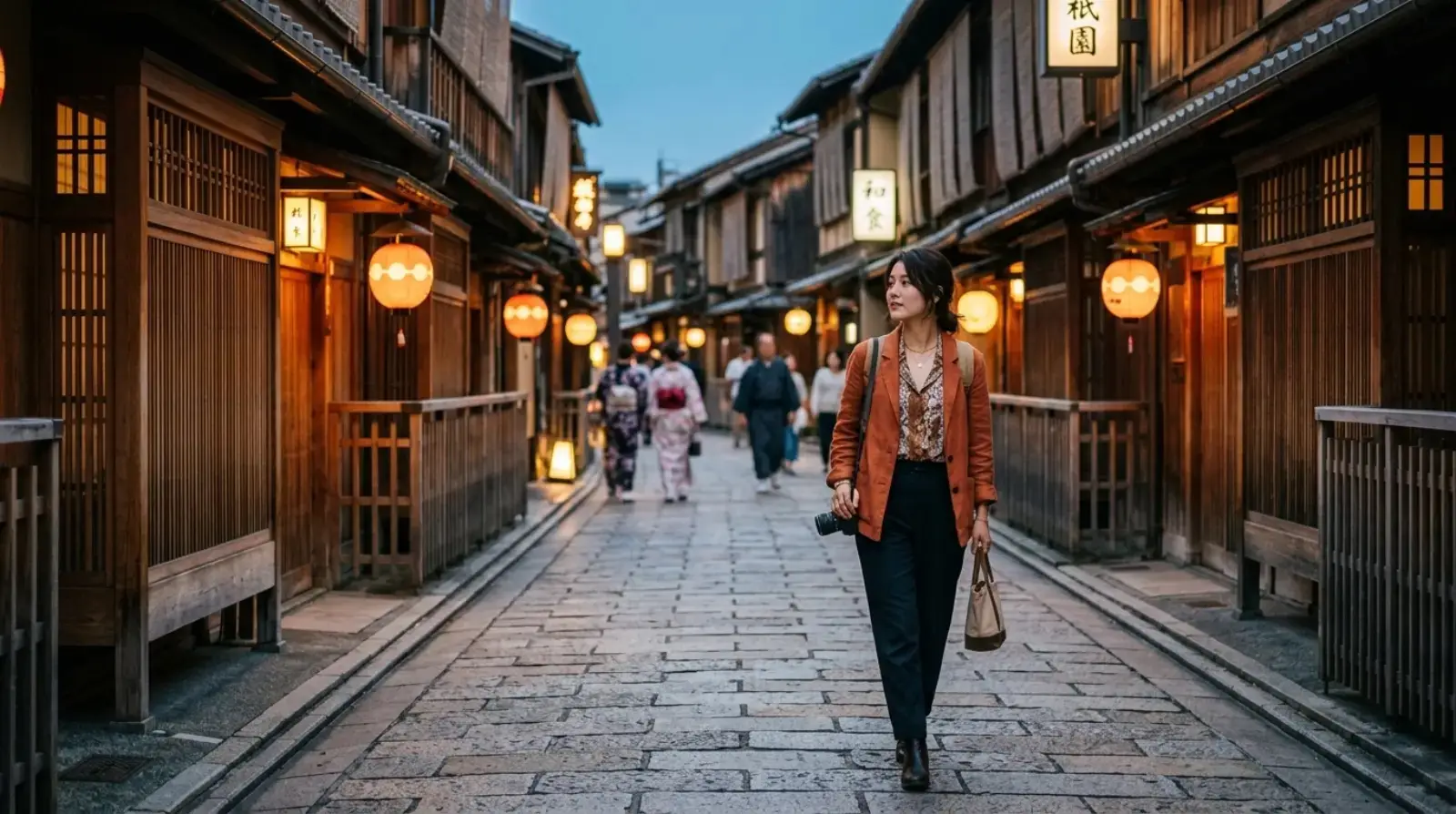
Kyoto Day 1 Itinerary: Kansai Airport to Kyoto and Your First Evening in Gion
Boarding the 75-minute Haruka Express from Kansai Airport, forwarding heavy bags straight to your hotel via Crosta at Kyoto Station, avoiding gridlocked buses using the subway, and an evening stroll through Gion to the Kamogawa. A field guide to your first 24 hours.
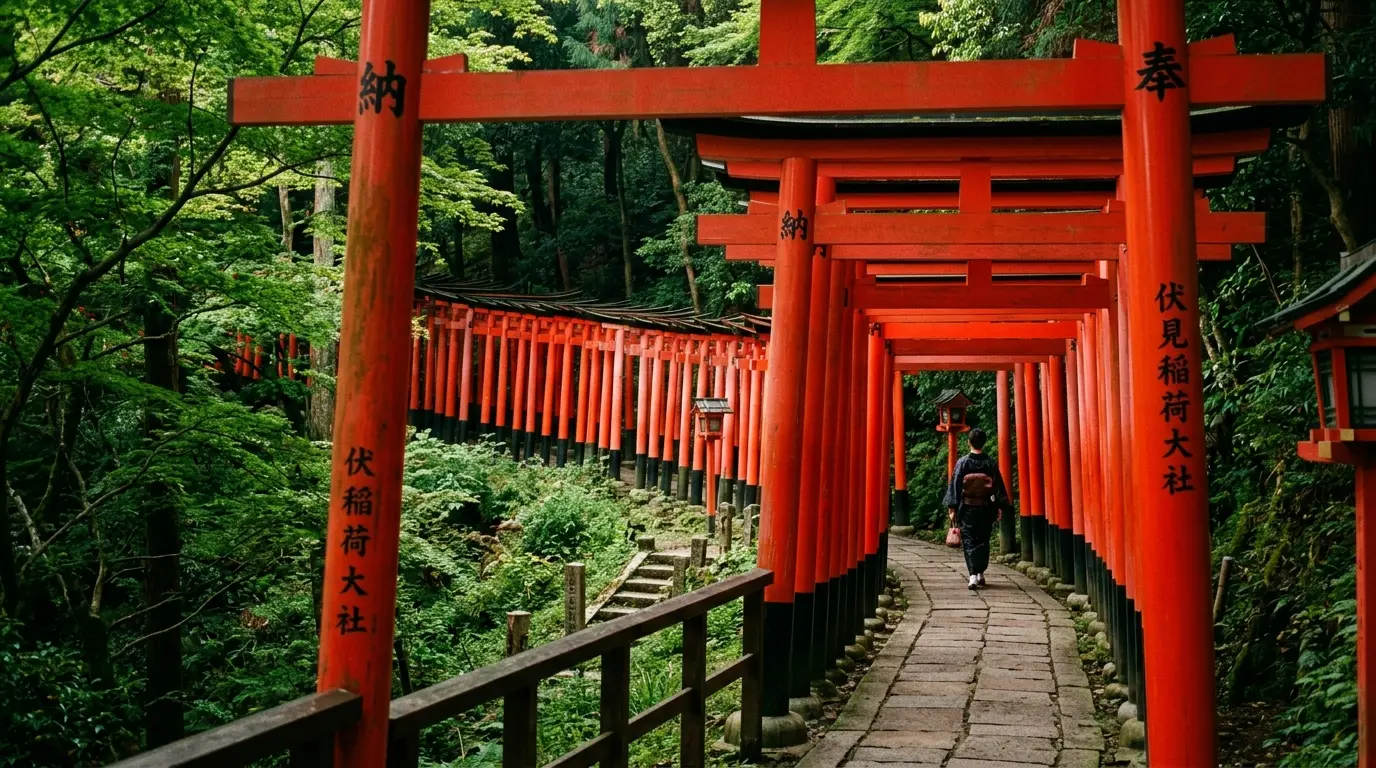
Kyoto Day 2 Itinerary: Fushimi Inari, Kiyomizu-dera, Sannenzaka and Gion
Day 2 immerses travelers into the spiritual heartbeat and preserved historic streets of Kyoto: early morning solace along thousands of vermilion torii gates at Fushimi Inari, sweeping mountain panoramas from the legendary wooden stage of Kiyomizu-dera, artisan tea shops and matcha sweets across cobblestoned Ninenzaka and Sannenzaka, followed by lantern-lit strolls in Gion Shirakawa and a refined multi-course Kaiseki dinner.
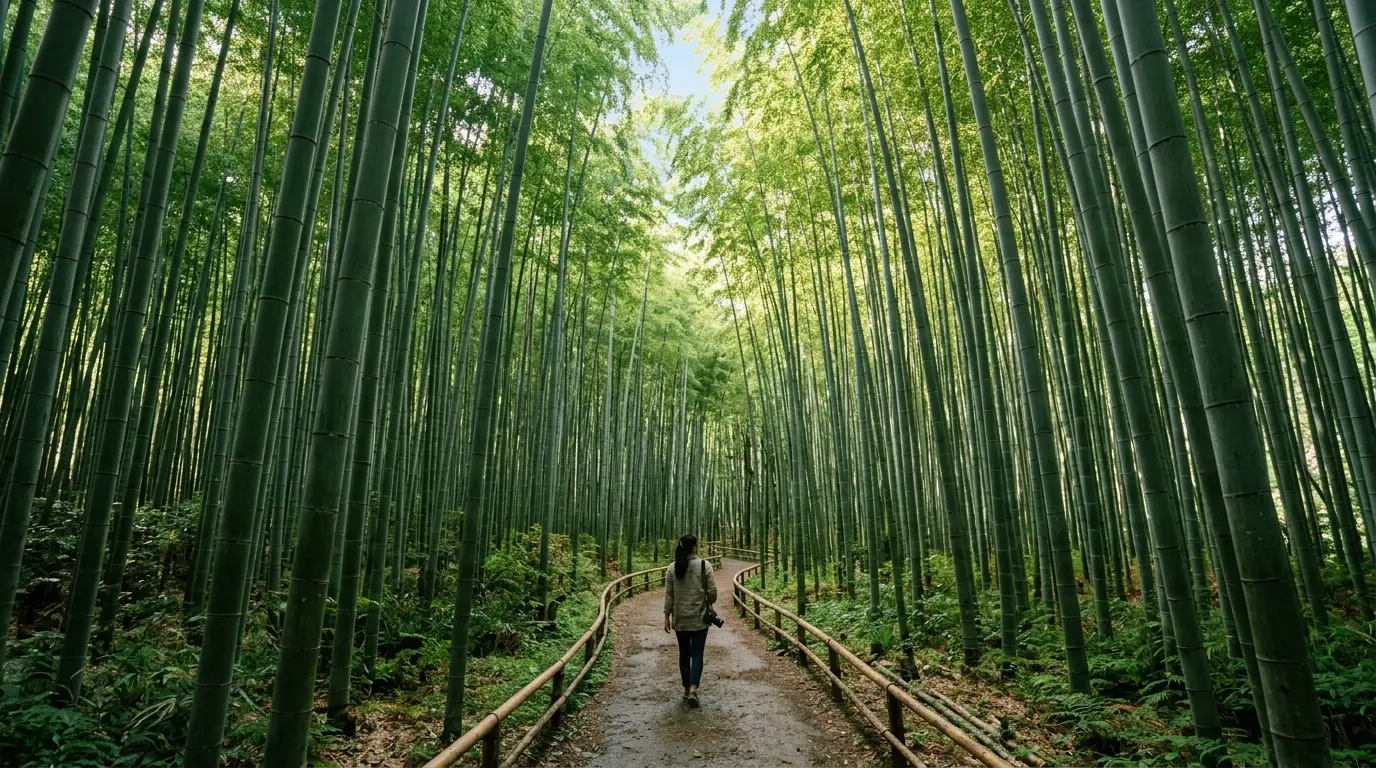
Kyoto Day 3 Itinerary: Arashiyama Bamboo Grove, Nishiki Market and the Journey Home
A sublime final chapter to your Kyoto journey: morning breezes whispering through towering emerald stalks in the Arashiyama Bamboo Grove, the UNESCO World Heritage mirror pond at Tenryu-ji, riverside specialty coffee by Togetsukyo Bridge, savory culinary treasures inside 400-year-old Nishiki Market, followed by Kyoto Station souvenir shopping and a swift 75-minute ride aboard the JR Haruka Express straight to Kansai Airport.