
NagoyaGuide
Nagoya Itinerary: Booking Ghibli Park and Where to Eat Hitsumabushi
From 28-minute Meitetsu mu-SKY express to Ghibli Warehouse ticketing and three-step unagi traditions
Chubu Centrair to Meieki: 28-Minute Transit and Strategic Hotel Bases
Upon clearing customs at Chubu Centrair International Airport (NGO), passengers step directly into the enclosed concourse connecting to the Meitetsu Railway platforms. The sleek, all-reserved-seat mu-SKY airport express clocks speeds of up to 120 km/h, propelling travelers into Nagoya Station (Meieki) in a blistering 28 minutes. Supplementing the standard 890 JPY base fare with a 450 JPY mu-ticket guarantees dedicated luggage racks and deeply cushioned reclining seats that melt away long-haul flight fatigue.
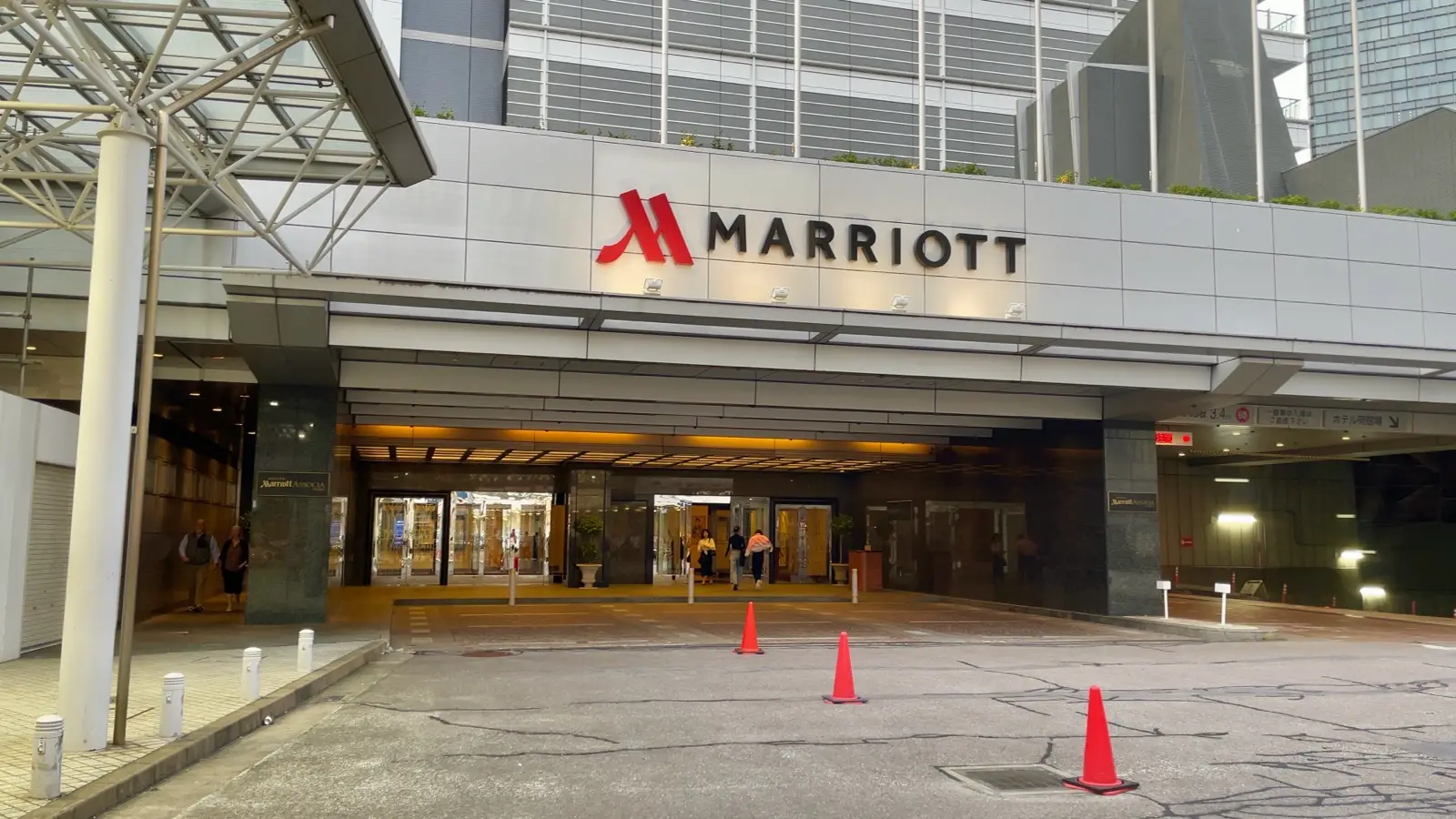
Deciding on an accommodation base hinges on understanding the contrasting operational dynamics of Meieki and Sakae. Lodging atop Nagoya Station inside the landmark twin towers, whether at the prestigious Nagoya Marriott Associa Hotel or the sleek JR Gate Tower Hotel, delivers unmatched logistical agility. Shinkansen bullet trains, airport links, highway express buses, and trunk subway lines converge directly underneath the lobby, making morning day trips to Ghibli Park, Takayama, or Kyoto effortless.
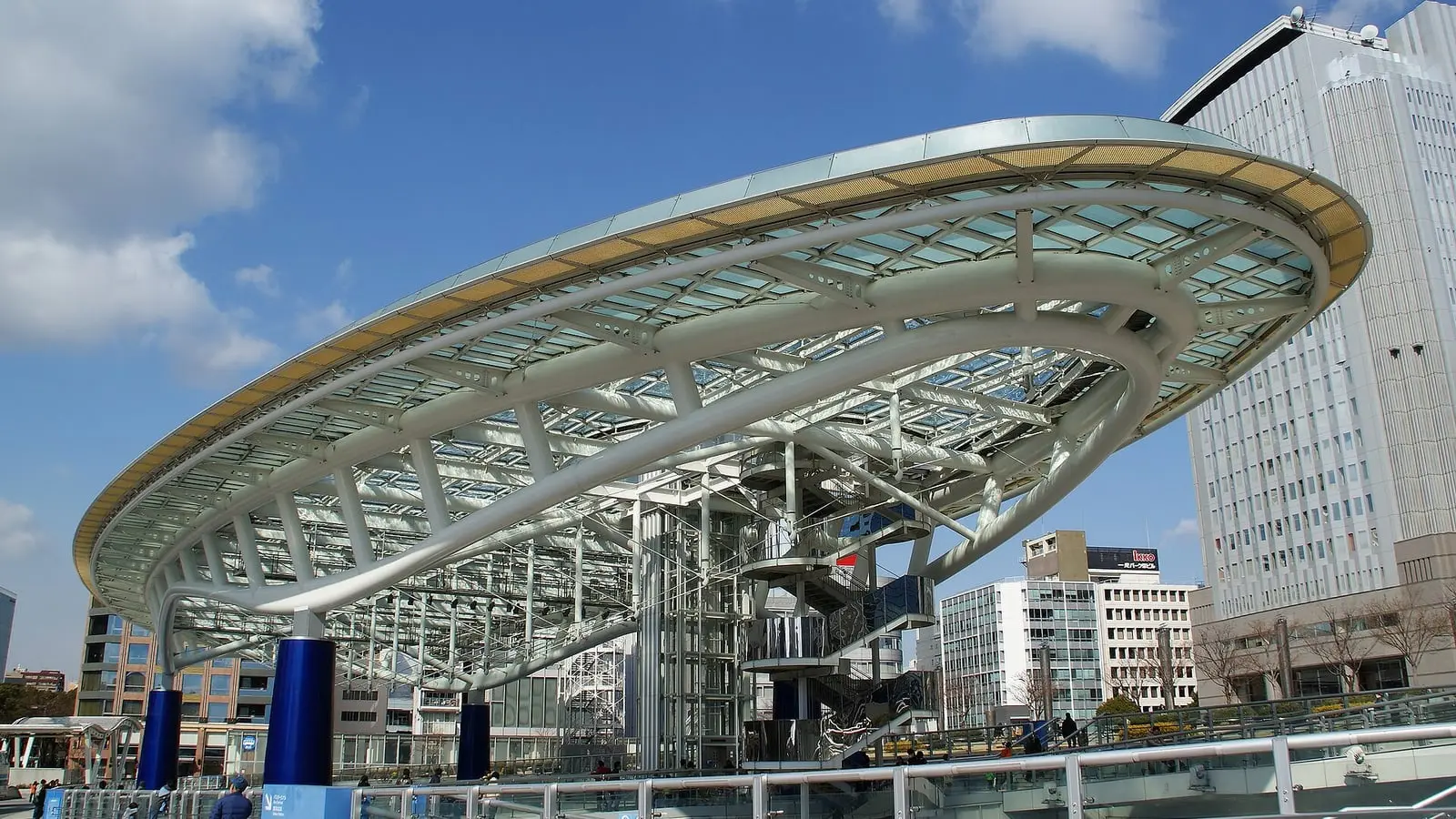
Conversely, travelers who prioritize evening pedestrian life, heritage department store shopping, and authentic izakaya alleyways will find their sanctuary in the downtown Sakae district. Boutique hotels flanking Hisaya-odori Park and the Matsuzakaya shopping corridor offer tranquil havens within immediate strolling distance of late-night dining. These properties reward guests with serene street-level access and panoramic nighttime glimpses of Oasis 21 glowing against the metropolitan skyline.
Mastering Nagoya urban navigation relies on the city Subway 24-Hour Pass (760 JPY), which proves economical after just four rides compared to paying single-journey paper fares. On weekends and public holidays, the civic transit bureau offers the discounted Donichi Eco Ticket for just 620 JPY. This passes grant unlimited access across all subway routes and municipal bus lines, serving as an indispensable budget tool for fluid urban exploration.
Navigating Ghibli Park: Ticketing Insights and Optimal Zone Routing
Nestled amid the rolling woodlands of Aichi Expo Memorial Park (Moricoro Park), Ghibli Park deliberately breaks away from the frantic commercial mechanics of conventional amusement resorts. Forsaking high-speed rollercoasters, the sanctuary channels Studio Ghibli's hand-drawn animation universes into tactile architectural wonders constructed in symbiosis with living forests. Stumbling upon these handcrafted cottages and pavilions feels like stepping directly into cinematic memory.
Securing entry requires strict tactical foresight due to rigid capacity controls. On the 10th of every month at 2:00 PM JST, tickets are released globally via Lawson Ticket and the official multilingual reservation portal for dates two months ahead. The coveted O-Sanpo Premium Pass, which provides complete interior access across all five distinct story zones, sells out quickly for popular dates, necessitating pre-registered accounts and synchronized digital queues.
Transit from Nagoya Station takes approximately 50 minutes. Board the Higashiyama Subway Line eastward to its terminal at Fujigaoka Station (28 minutes), then seamlessly transfer to the Linimo, Japan's only commercial magnetic levitation transit line. Gliding silently on a cushion of electromagnetic energy toward Aichikyuhaku-kinen-koen Station, the futuristic train elevates the journey into an evocative prelude as urban sprawl gives way to verdant parkland canopy.
Executing an efficient park itinerary hinges on booking morning entry for Ghibli's Grand Warehouse, where waiting times and visual density are highest. After immersing in the Cinema Orion short films and lifelike exhibition sets, spend the afternoon wandering the European timber frames of the Valley of Witches, inspecting the full-scale Howl's Moving Castle, before winding through pine-scented paths to Satsuki and Mei's House in Dondoko Forest.
The Heritage of Hitsumabushi: Three-Step Dining Rituals and Historic Houses
At the culinary zenith of central Japan stands Hitsumabushi, a celebrated freshwater eel delicacy defined by smoky binchotan charcoal grilling and generational master techniques. Departing from Tokyo's steaming tradition, Nagoya embraces the Kansai-style jiyaki method, grilling the unagi directly over blazing coals while constantly basting it in deeply caramelized tare. The result is a crackling, crisp skin that gives way to tender, savory flesh rich in natural unagi oils.
The most venerable temple to this art is Atsuta Horaiken, established in 1873 near Atsuta Shrine, which holds the registered trademark for the dish. Dining within its traditional tatami halls overlooking classic Japanese garden stone lanterns offers an irreplaceable sensory connection to 150 years of culinary lineage. Other revered shrines include Ibasho in the bustling alleys of Nishiki and the celebrated Unafuji near Meieki, famous for its intense charcoal sear.
When the polished wooden ohitsu bowl arrives alongside an empty ceramic bowl and wooden paddle, diner etiquette dictates an exact four-part ceremony. Divide the steaming mound of unagi and rice into four equal quadrants. Transfer the first quarter into your dish to savor the unadorned purity of the charcoal smoke, sweet soy glaze, and fluffy Japanese grain.
For the second quarter, fold in the accompanying condiments of finely sliced scallions, freshly grated spicy wasabi, and toasted nori shreds, creating a zesty textural counterpoint. For the third quadrant, gently bathe the eel and rice in piping hot, savory dashi broth to create a rich ochazuke soup where the tare melts luxuriously into the soup. The remaining fourth portion is reserved for reliving whichever variation captivated your palate most.
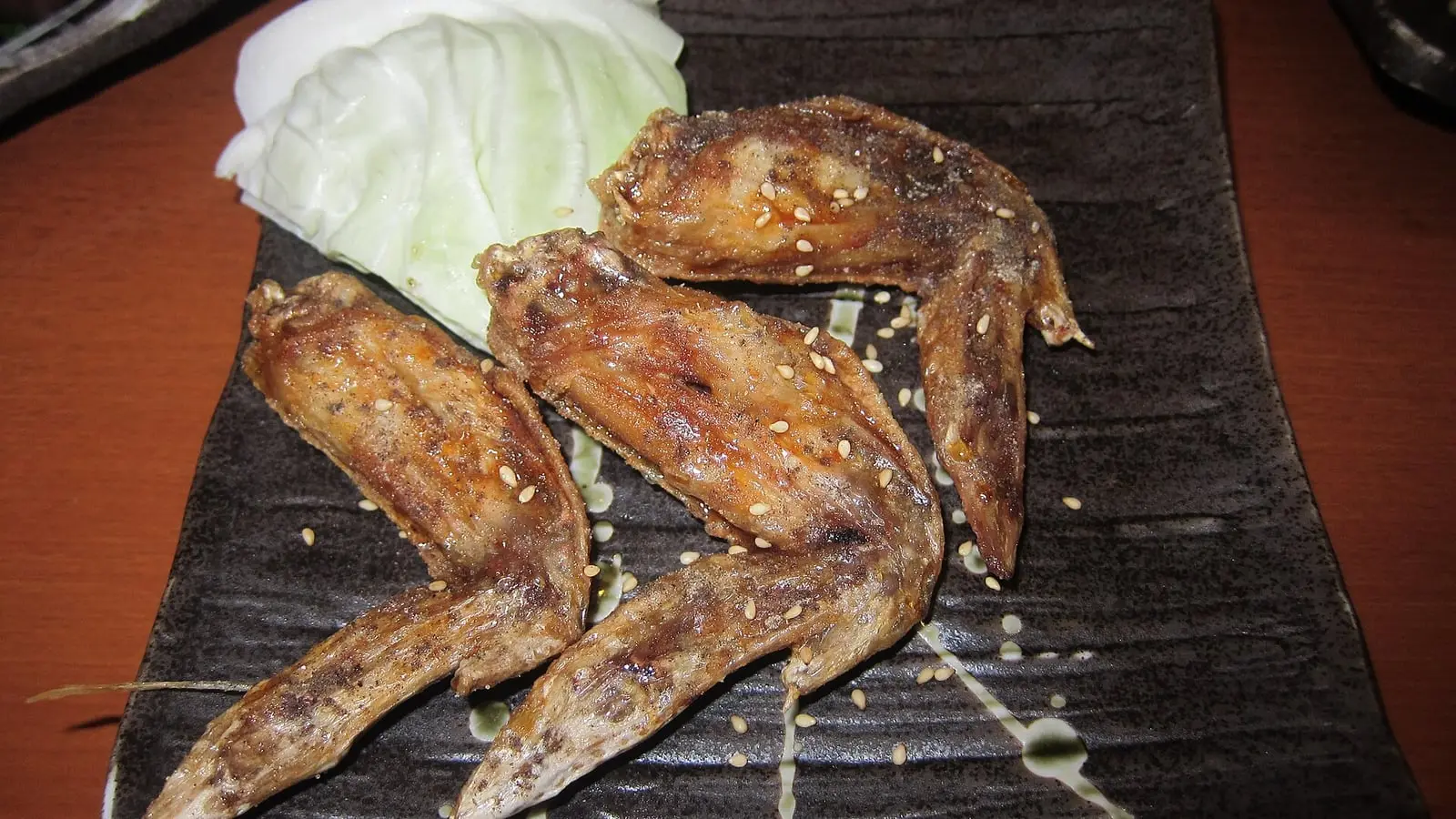
Beyond eel, Nagoya's gastronomic identity is anchored by robust comfort fare. Yabaton serves crispy pork cutlets generously ladled with sweet, earthy red hatcho miso sauce. Sekai no Yamachan and Furaibo rival each other with crispy, black-pepper-glazed tebasaki chicken wings, while Yamamoto-ya Sohonke bubbles earthen hot pots of firm miso nikomi udon, showcasing the hearty soul of authentic Nagoya cuisine.
Samurai Heritage & Sacred Arboretums: Nagoya Castle Honmaru Palace and Atsuta Shrine
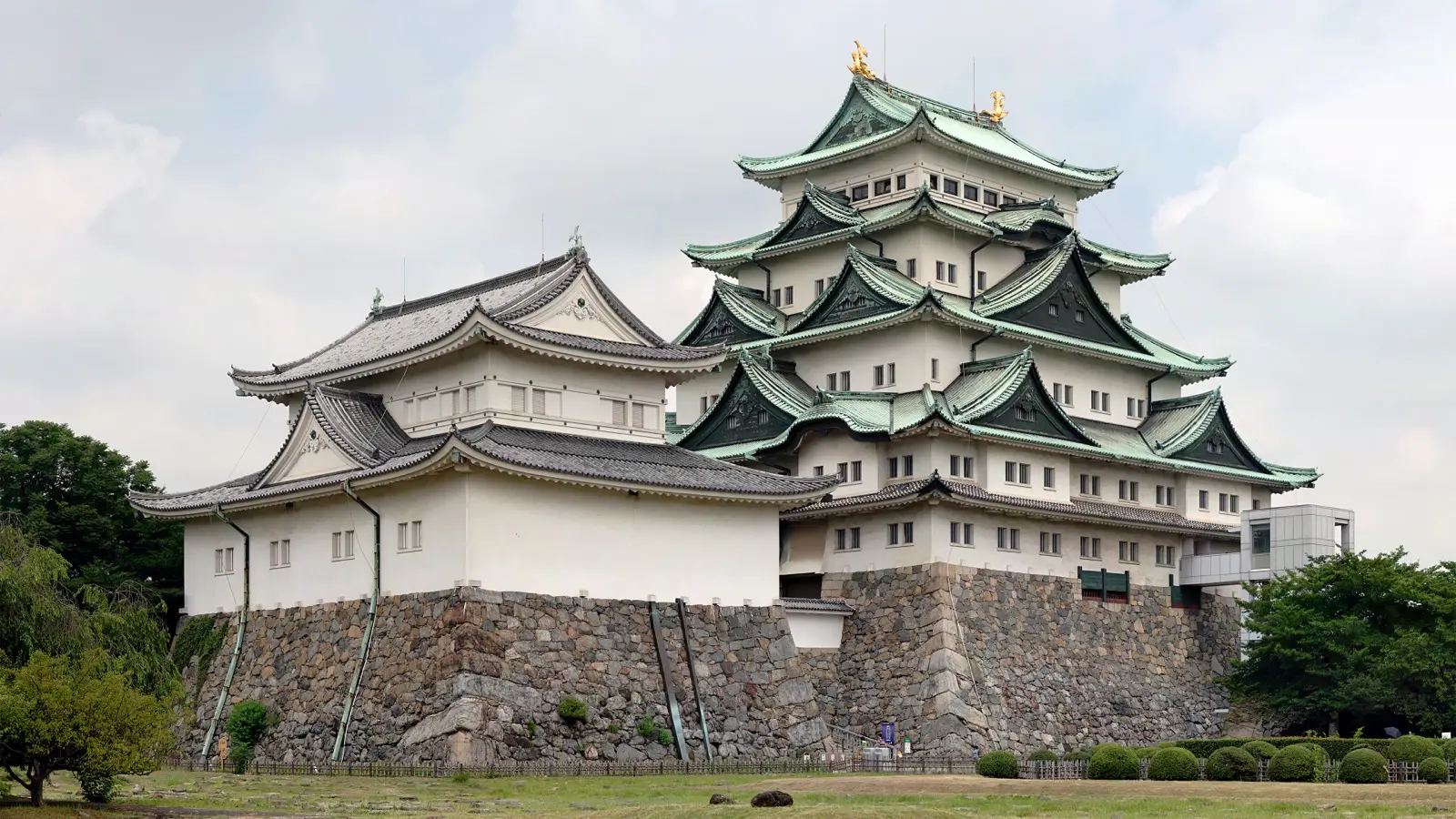
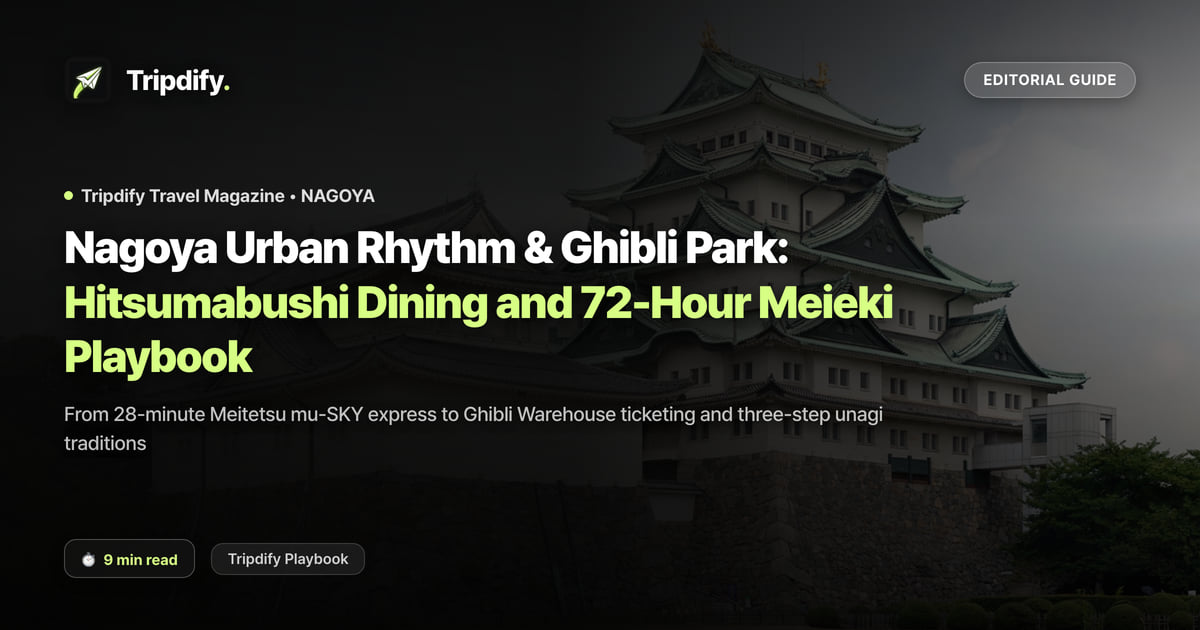
Nagoya daylight opens a gateway into the feudal power structures of the Edo period. Completed in 1612 on the orders of Tokugawa Ieyasu as a strategic northern fortress for the Owari branch of the ruling shogunate, Nagoya Castle remains an indelible urban icon crowned by twin golden shachihoko fish ornaments gleaming atop its roofline. Although structural timber restorations temporarily limit access to the central keep, the monumental stone battlements and vast water moats command respect.
The crowning jewel of the fortress grounds is the painstakingly restored Honmaru Palace, completed across a decade of meticulous artisan labor using fragrant Kiso hinoki cypress. Walking through these resonant corridors reveals magnificent Kano school gold-leaf fusuma sliding screen paintings, intricately carved transoms, and the opulent Joraku-den shogunal reception suite, evoking the absolute zenith of samurai artistic patronage and political majesty.
Further insight into this feudal golden age awaits at the Tokugawa Art Museum, set beside the meandering landscape ponds of Tokugawa-en Garden. The museum houses an unmatched assembly of more than ten thousand daimyo family heirlooms, including pristine katana swords, lacquered samurai armor, ceremonial Noh theatre masks, and precious fragments of the National Treasure 12th-century Illustrated Tale of Genji scrolls.
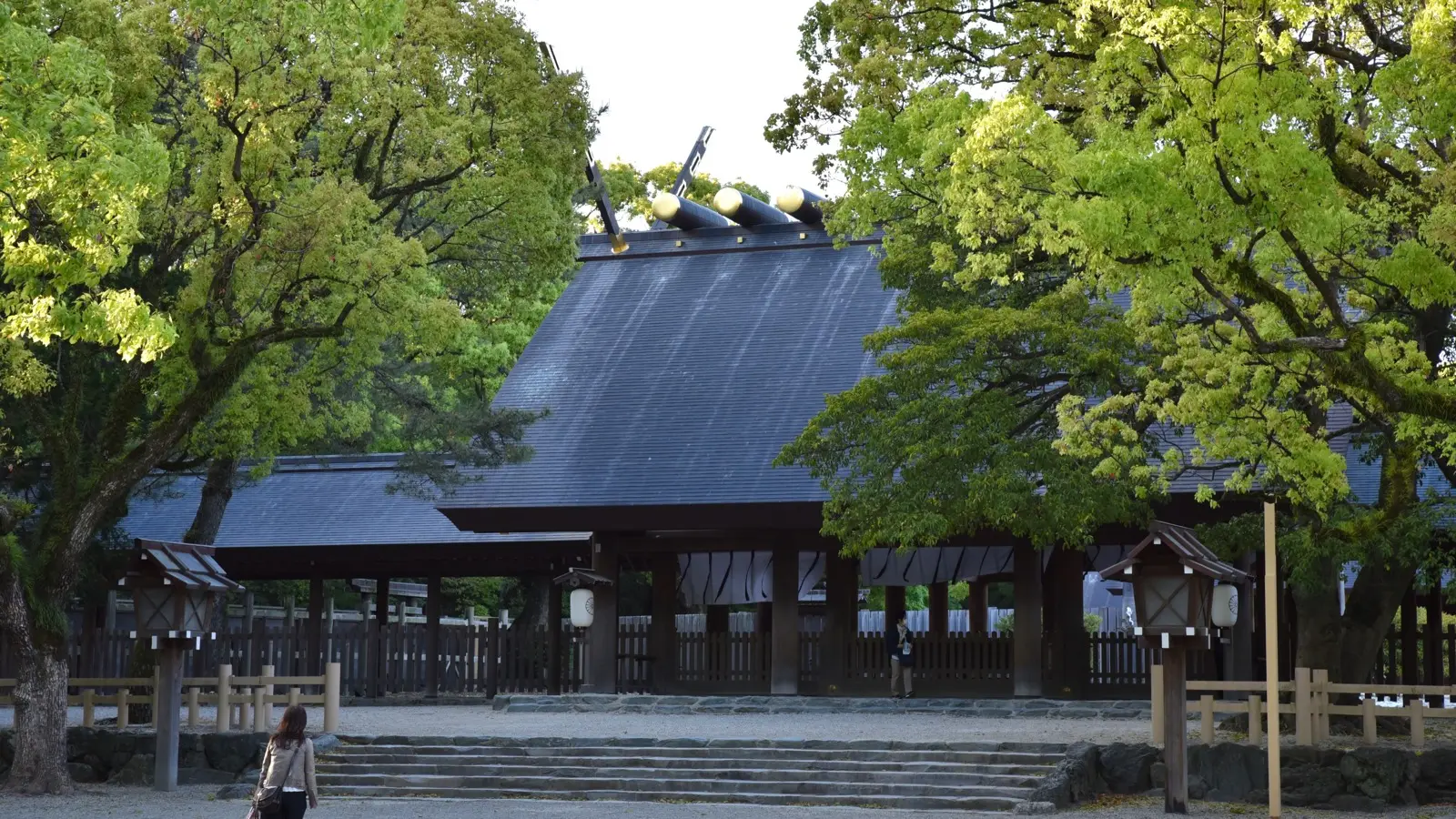
To the south lies Atsuta Shrine, revered as one of the three most sacred Shinto sanctums in Japan, housing the mythical Kusanagi no Tsurugi sword of the Imperial Regalia. Wandering the shaded gravel avenues beneath thousand-year-old giant camphor trees instantly sweeps away urban clamor. Pausing after worship at the shrine teahouse to sample historic kiyome mochi rice cakes with hot green tea seals a profoundly tranquil interlude.
Sakae & Oasis 21 Nightlines: Futuristic Glass and Osu Shopping Alleys
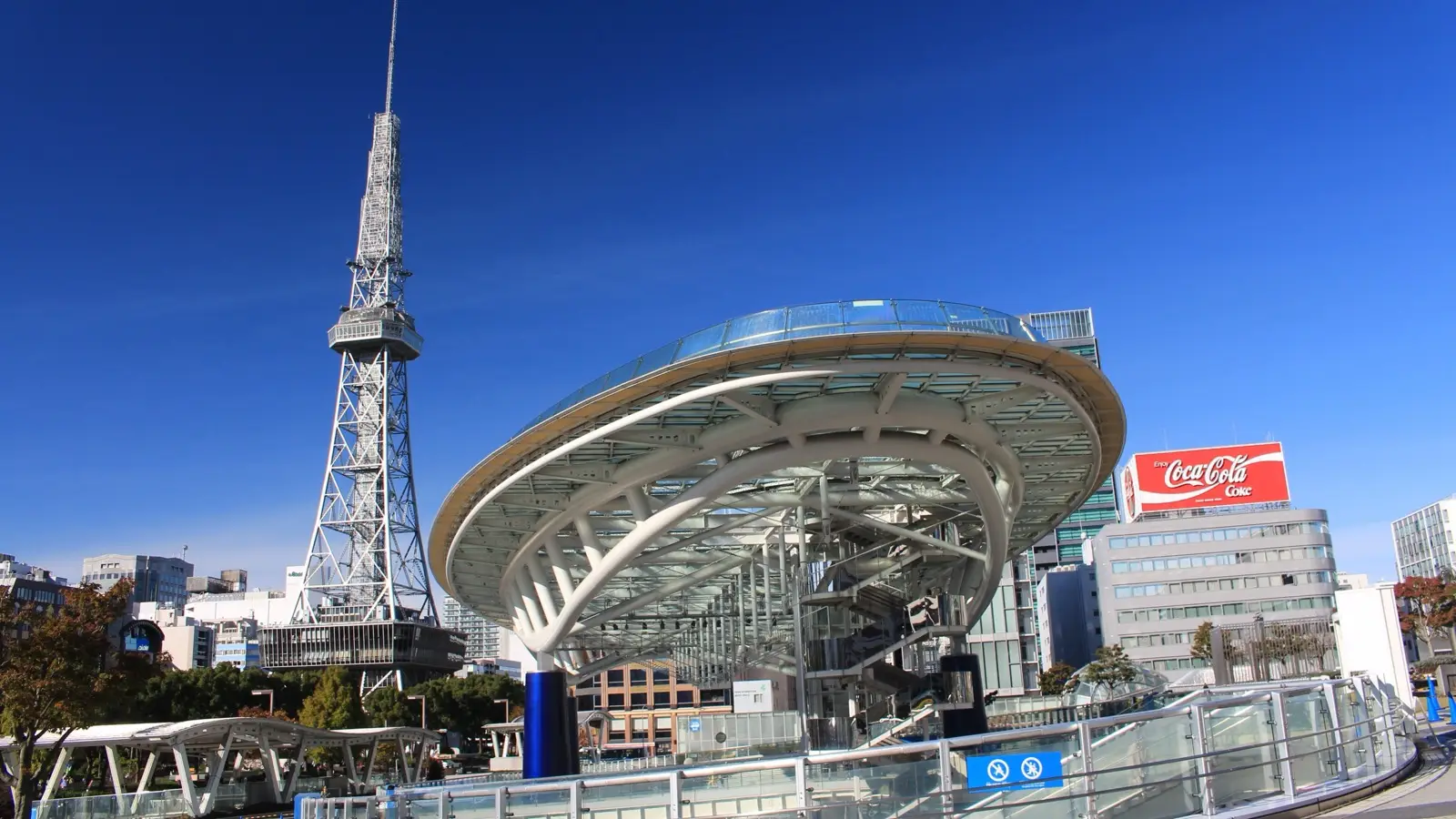
As twilight envelops the Chubu capital, the commercial core of Sakae ignites with modern illumination. The neighborhood's architectural centerpiece, Oasis 21, resembles a spacecraft docked in the city center, celebrated worldwide for its floating glass canopy known as the Spaceship-Aqua. Ascending to the 14-meter-high open-air glass promenade lets visitors stroll above a shallow pool of circulating water, through which streetlamps shimmer like aquatic stars.
Standing on the aerial deck affords an unobstructed view of the adjacent Chubu Electric Power MIRAI TOWER. Erected in 1954 as Japan's first centralized telecommunications tower, this lattice steel spire has been lovingly preserved and upgraded with sophisticated dynamic LED sequences. The reflection of its glowing silhouette dancing across the rippling rooftop water of Oasis 21 forms one of Nagoya's most arresting visual signatures.
Spreading outward beneath the tower is Hisaya-odori Park, a widely celebrated model of urban public space renewal. Framed by manicured lawns and reflective water features, the linear park is populated by craft beer gardens, concept design boutiques, and open-air cafes. On breezy evenings, locals and worldly travelers congregate across outdoor terrace tables, sipping regional microbrews while soaking in the gentle cosmopolitan rhythm.
Two subway stops south, at Kamimaezu, lies the bustling contrast of the Osu district, the historic beating heart of Nagoya merchant culture. Spreading out from the vermilion courtyards of Osu Kannon Temple, over 1,200 shops fill covered shopping arcades in a vibrant bazaar. From vintage denim and retro electronics to sizzling food stalls vending crispy karaage and glazed mitarashi dango, the neighborhood delivers hours of endlessly rewarding exploration.
Frequently Asked Questions
Field-tested answers to transit navigation, neighborhood choices, and payment traps.
Q1.How long does it take from Chubu Centrair Airport to Nagoya Station?
Q2.When and how do I book Ghibli Park tickets?
Q3.How do I get from Nagoya Station to Ghibli Park?
Q4.How do you eat hitsumabushi?
The Smart Traveler's Essential Toolkit
Prepare instant mobile data, private airport transfers, and skip-the-line passes in one place.
Pick a base in Nagoya by your route
Choose the places you want to see and get the neighbourhood with the shortest travel.
Compare Nagoya Hotel Rates
Find the cheapest channel across Agoda and major booking engines with Tripdify.
Share This Guide with Your Companions
When shared via chat or social media, a curated summary card is sent along.
Recommended Guides
Where to Stay in Tokyo: Shinjuku vs Shibuya vs Ginza
Comparing room footprints across Shinjuku, Ginza, and Ueno, locking in sudden 14-day cancellation drops, and eliminating DCC fees with clean Yen checkout.
7 Budget Hotels in Tokyo Under $100 on the Yamanote Line
Even amid yen fluctuations, central Tokyo hotel rates have soared. Learn how to secure Yamanote loop line hotels at half the price of Shinjuku, compare onsen bath chains like Dormy Inn, trigger secret Agoda VIP and Booking.com Genius discounts, and dodge hidden currency fees with yen settlement.
How to Read the Tokyo Subway Map and Where to Stay on the Yamanote Line
How to choose between Keisei Skyliner and Narita Express, avoid the Tokyo Subway Ticket trap, use Apple Wallet Suica, and select the ideal hotel base in Tokyo.
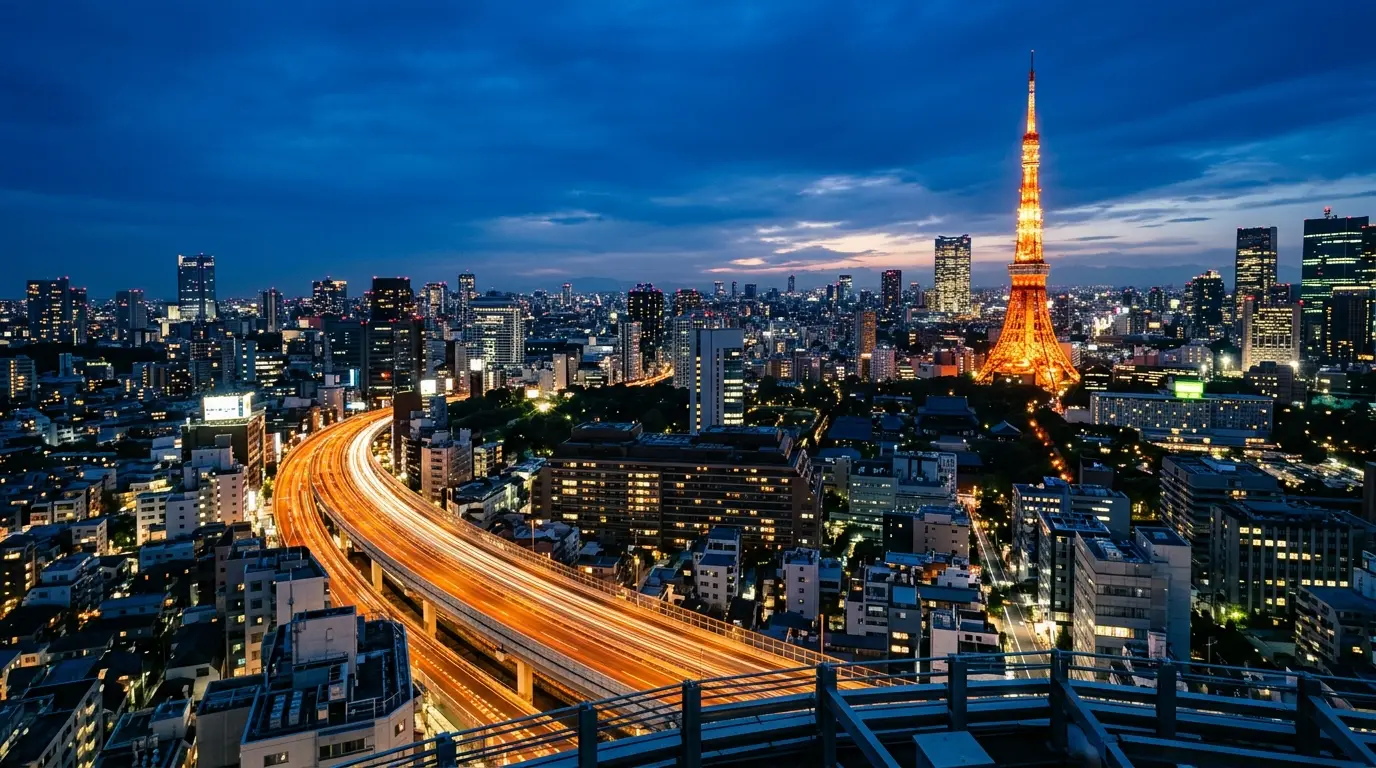
Tokyo Day 1 Itinerary: Narita Airport to the City and Your First 24 Hours
From stepping off at Narita Airport to mastering high-speed trains, navigating Tokyo's sprawling transit hubs, ordering counter ramen effortlessly, and catching sunset from Roppongi Hills. A definitive guide for your first 24 hours in Tokyo.
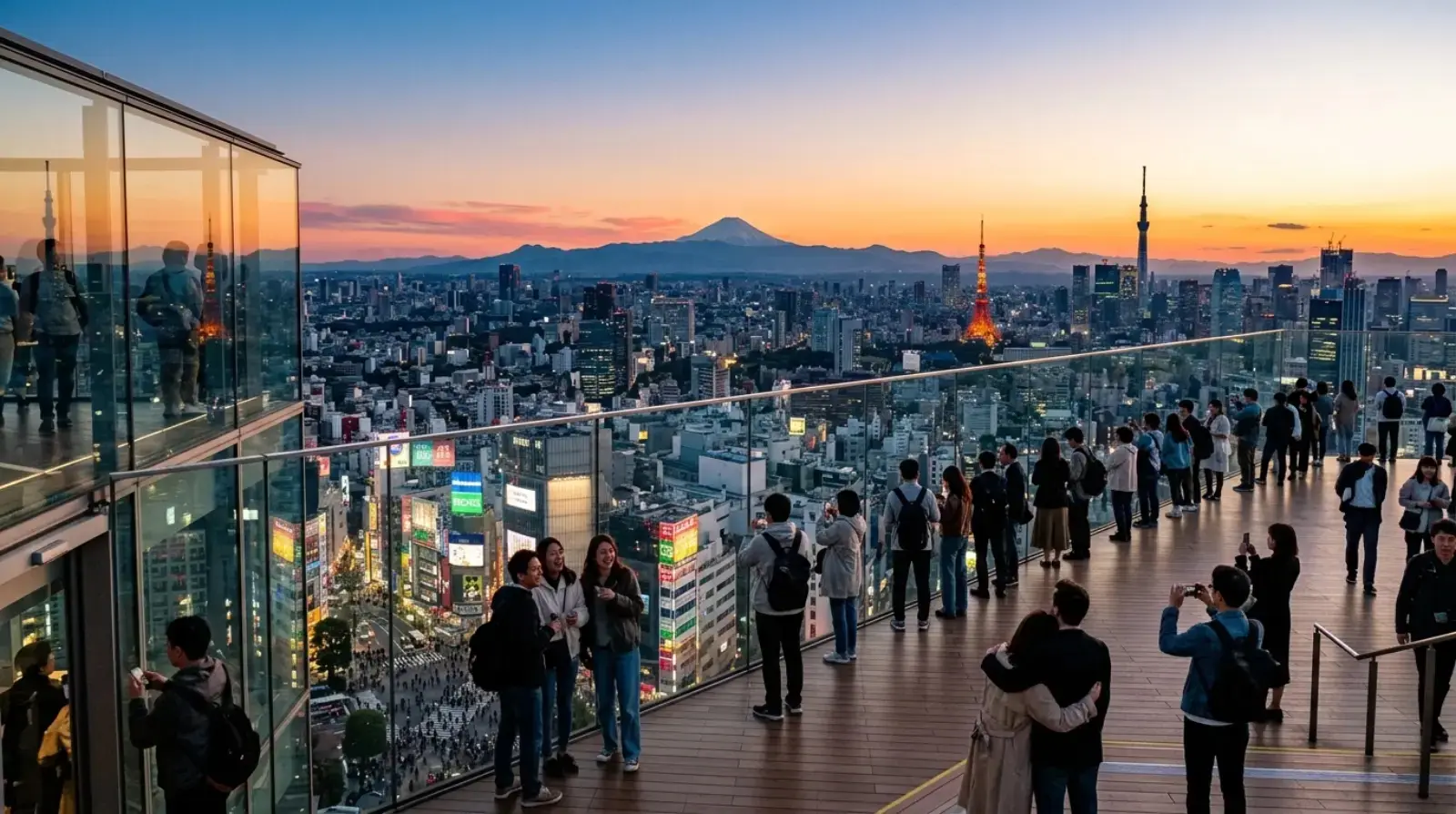
Tokyo Day 2 Itinerary: Booking Shibuya Sky, Harajuku Backstreets and Roppongi at Night
Securing prime sunset slots atop Shibuya Sky, navigating hidden boutiques along Harajuku Cat Street, immersing in the forested serenity of Meiji Jingu, and marveling at the crimson glow of Tokyo Tower from Roppongi Hills. A masterclass in Day 2 pacing.
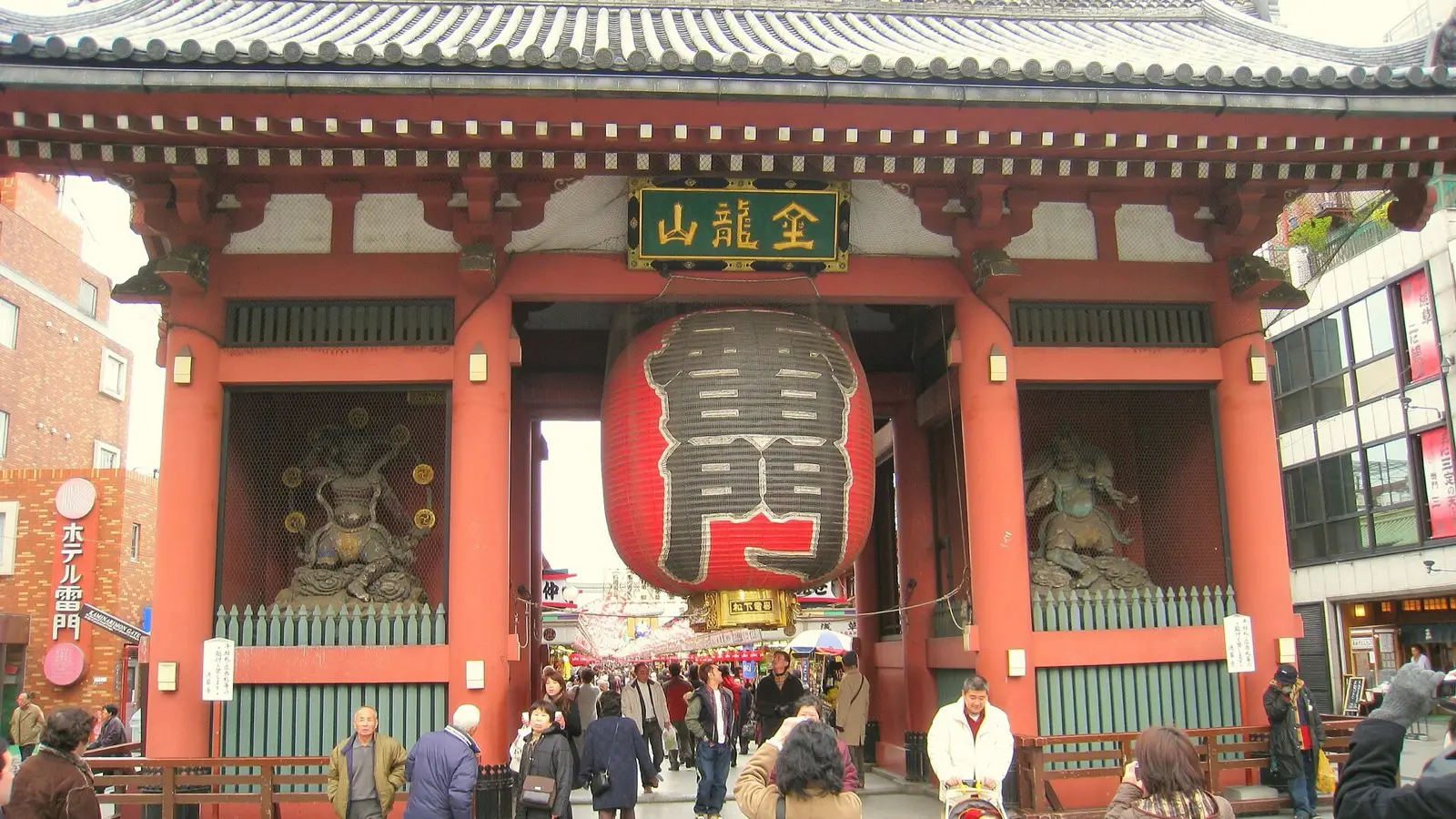
Tokyo Day 3 Itinerary: Asakusa, Akihabara, Ginza Depachika and Flying Home
The ultimate finale for your Tokyo stay: tranquil morning worship at Sensoji, retro subculture in Akihabara, Ginza Six architectural rooftop views and basement depachika feasts, capped by seamless Skyliner and N'EX airport connections.
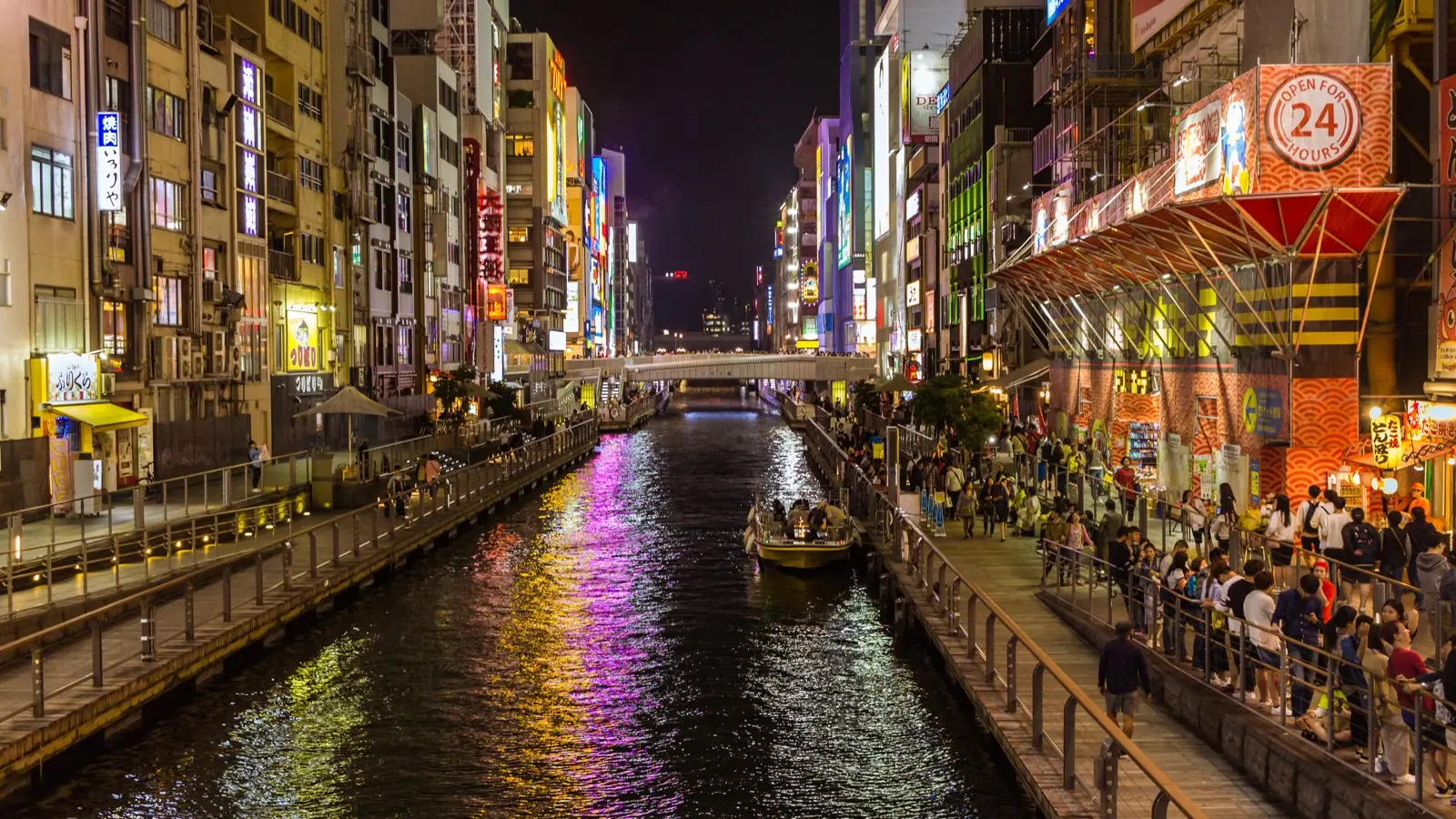
Osaka Itinerary: Dotonbori and Umeda in Two Nights
Osaka is Japan culinary powerhouse where feasting is an art. Navigate Rapi:t airport transfers, Namba vs Umeda hotels, and street food corridors with veteran precision.
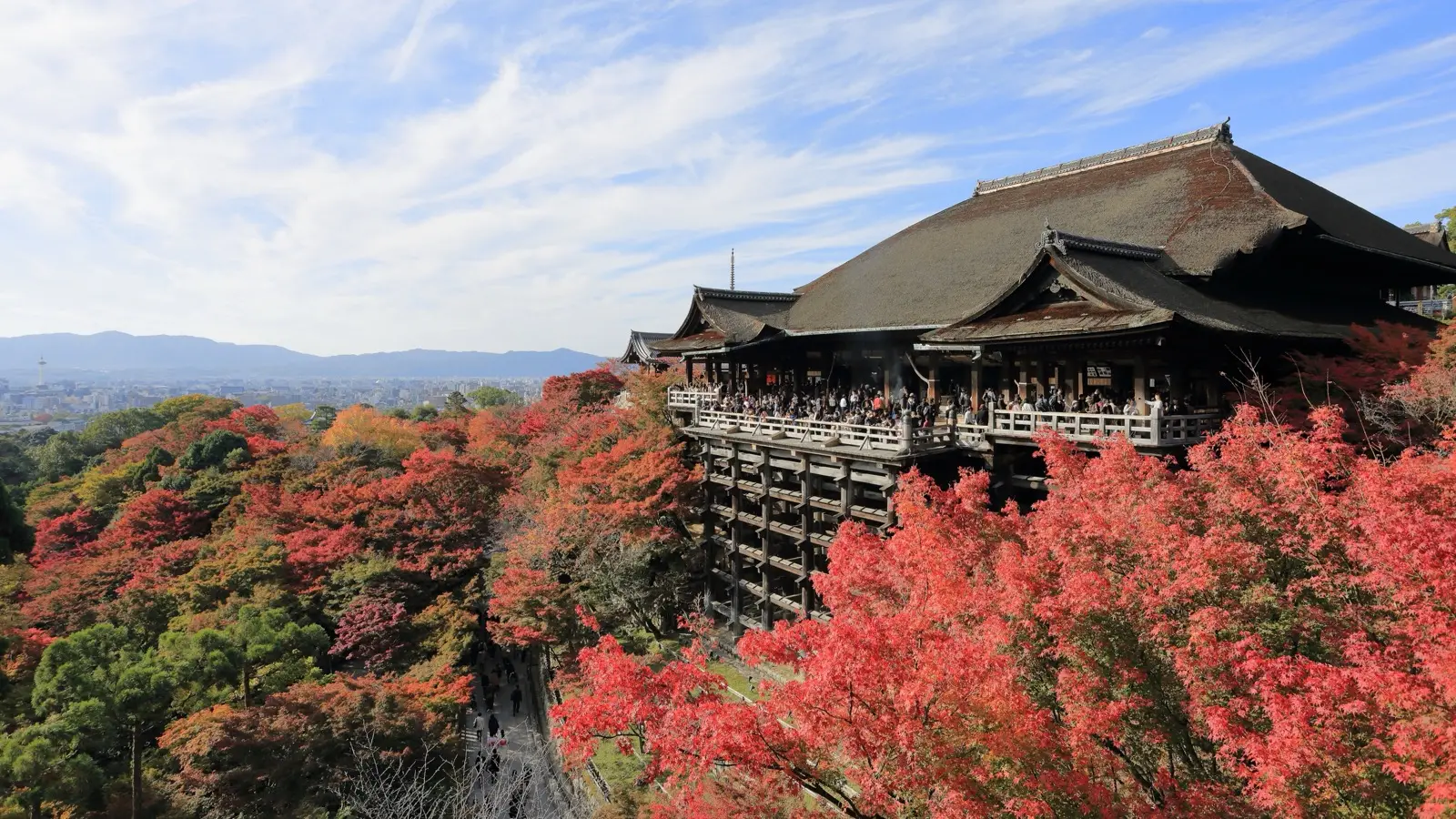
Kyoto Itinerary: Arashiyama, Gion and How to Pick a Ryokan
Kyoto compresses a millennium of Japanese aesthetic mastery. Discover how to evade bus congestion with private railways, master ryokan kaiseki booking windows, and savor early dawn stillness.
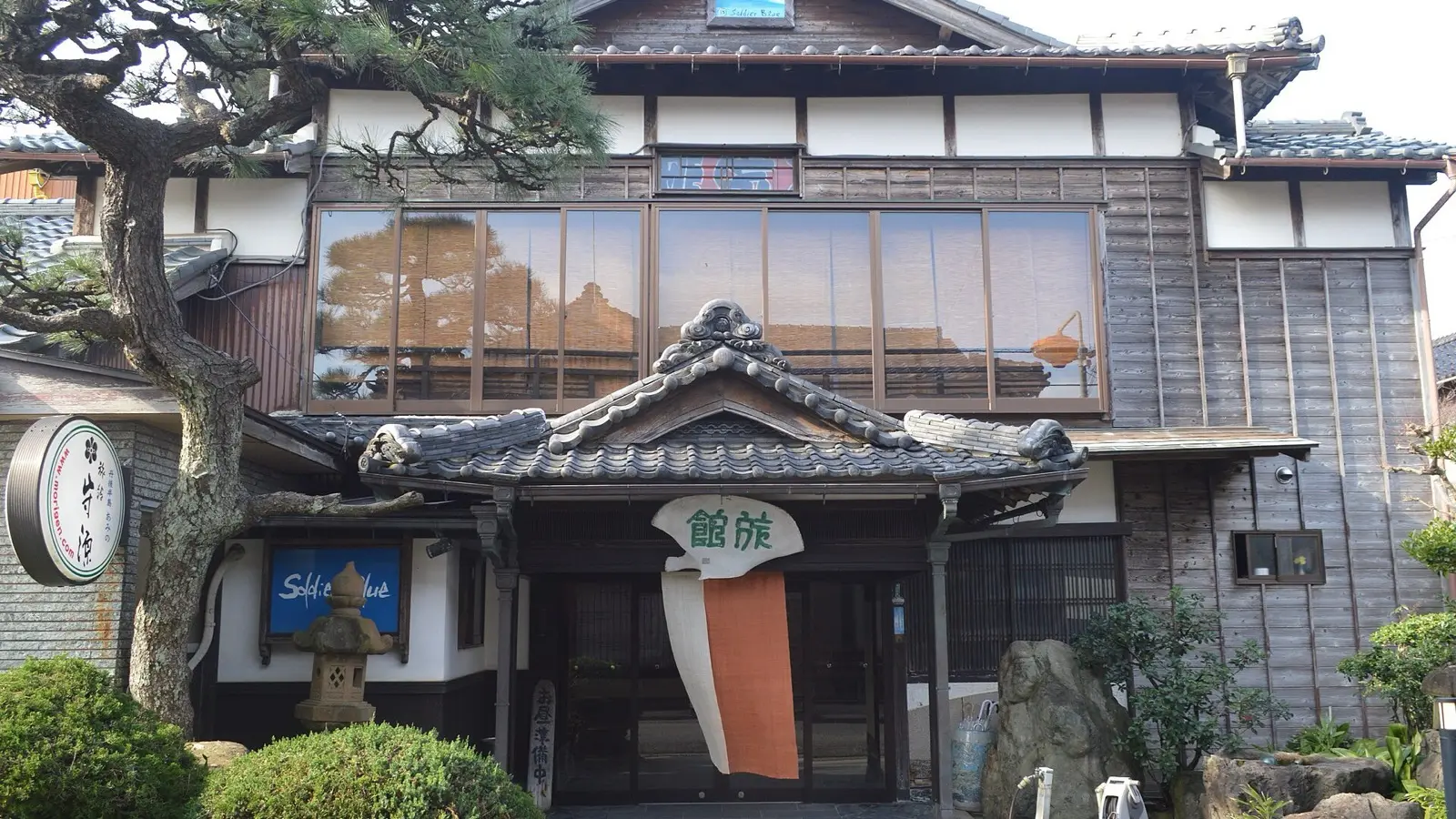
Kyoto Ryokan Prices and How to Choose: Kaiseki Terms and Machiya Stays
From hundred-year-old timber townhouses in Gion to misty Arashiyama riverside ryokan, staying in Kyoto demands cultural fluency and sharp booking discipline. An honest receipt audit covering kaiseki dinner curfews, private onsen etiquette, and avoiding dynamic pricing spikes.
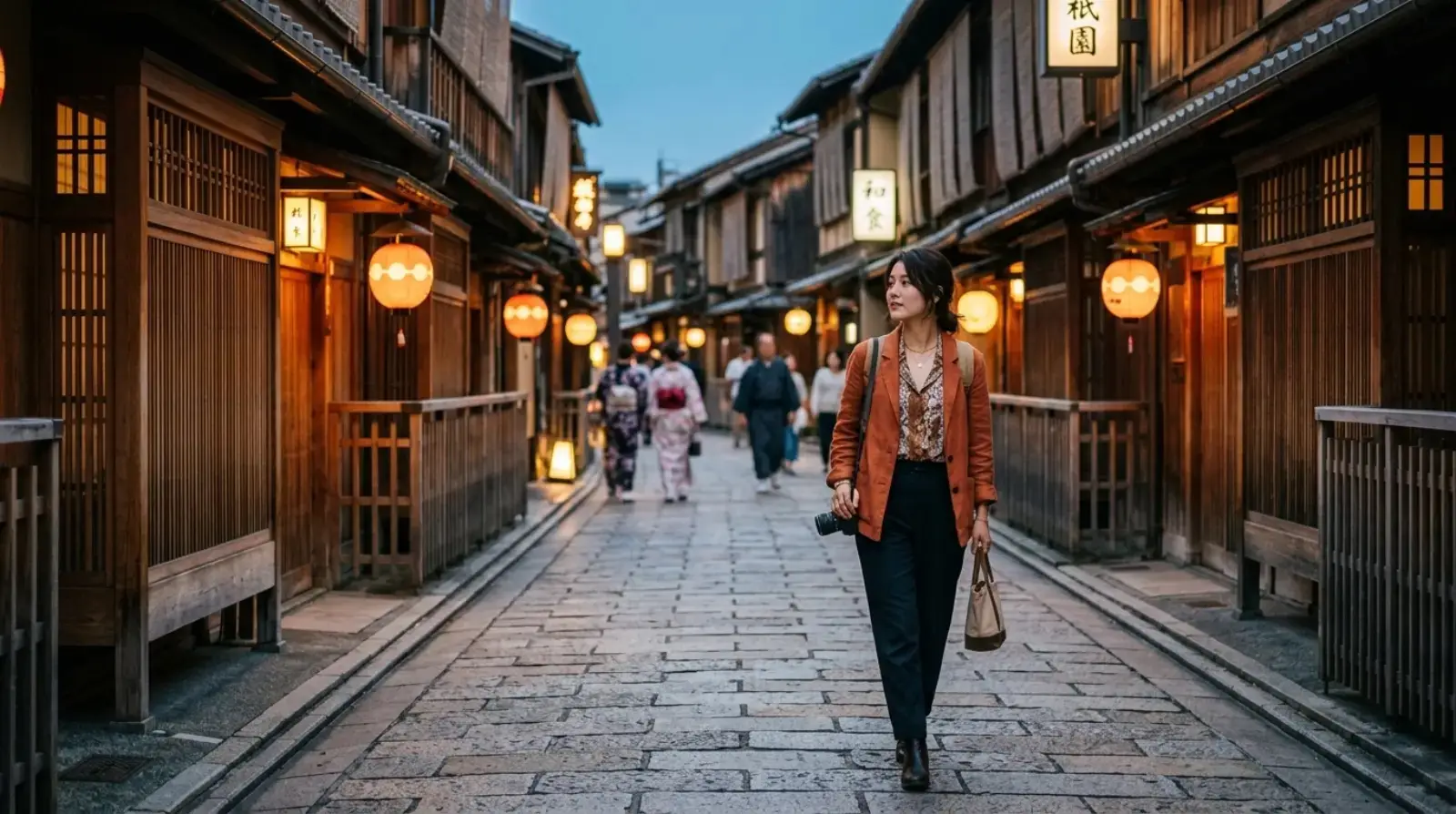
Kyoto Day 1 Itinerary: Kansai Airport to Kyoto and Your First Evening in Gion
Boarding the 75-minute Haruka Express from Kansai Airport, forwarding heavy bags straight to your hotel via Crosta at Kyoto Station, avoiding gridlocked buses using the subway, and an evening stroll through Gion to the Kamogawa. A field guide to your first 24 hours.
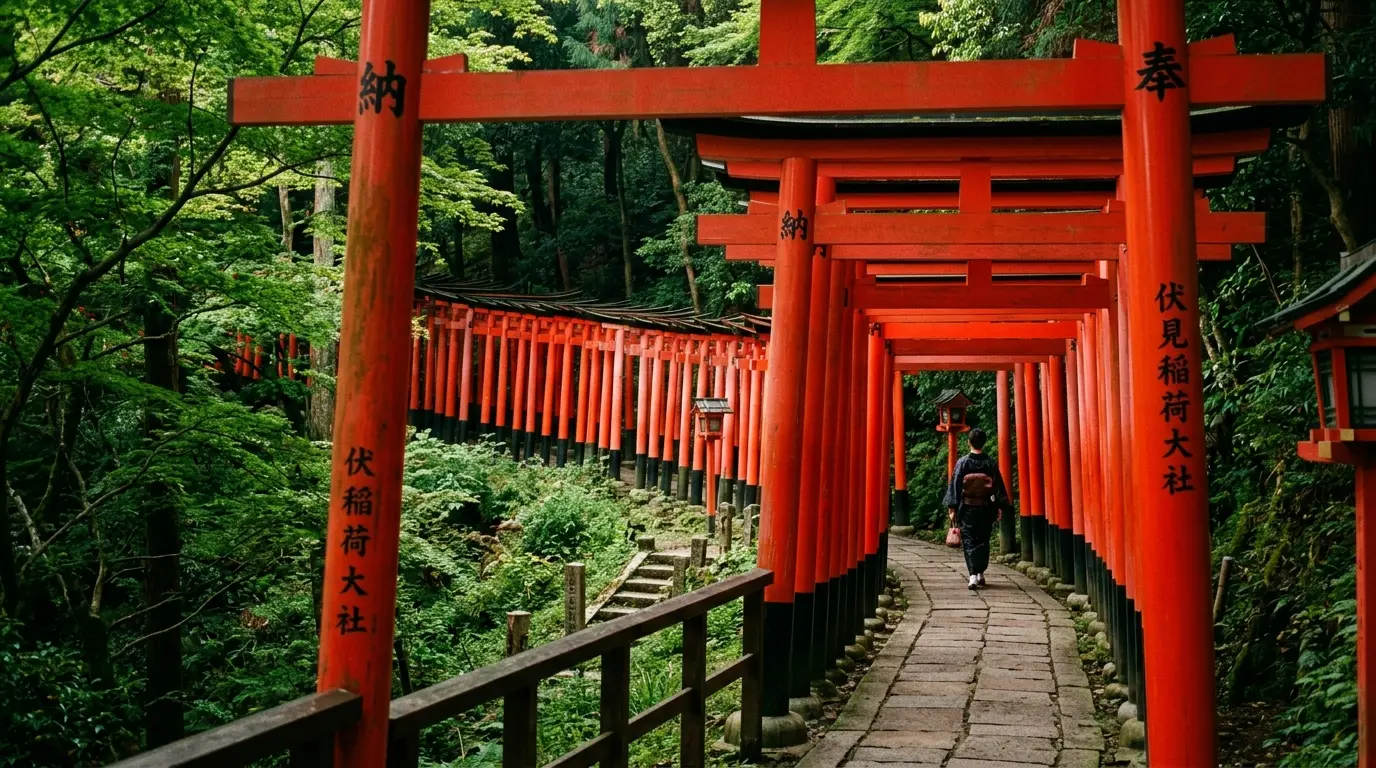
Kyoto Day 2 Itinerary: Fushimi Inari, Kiyomizu-dera, Sannenzaka and Gion
Day 2 immerses travelers into the spiritual heartbeat and preserved historic streets of Kyoto: early morning solace along thousands of vermilion torii gates at Fushimi Inari, sweeping mountain panoramas from the legendary wooden stage of Kiyomizu-dera, artisan tea shops and matcha sweets across cobblestoned Ninenzaka and Sannenzaka, followed by lantern-lit strolls in Gion Shirakawa and a refined multi-course Kaiseki dinner.
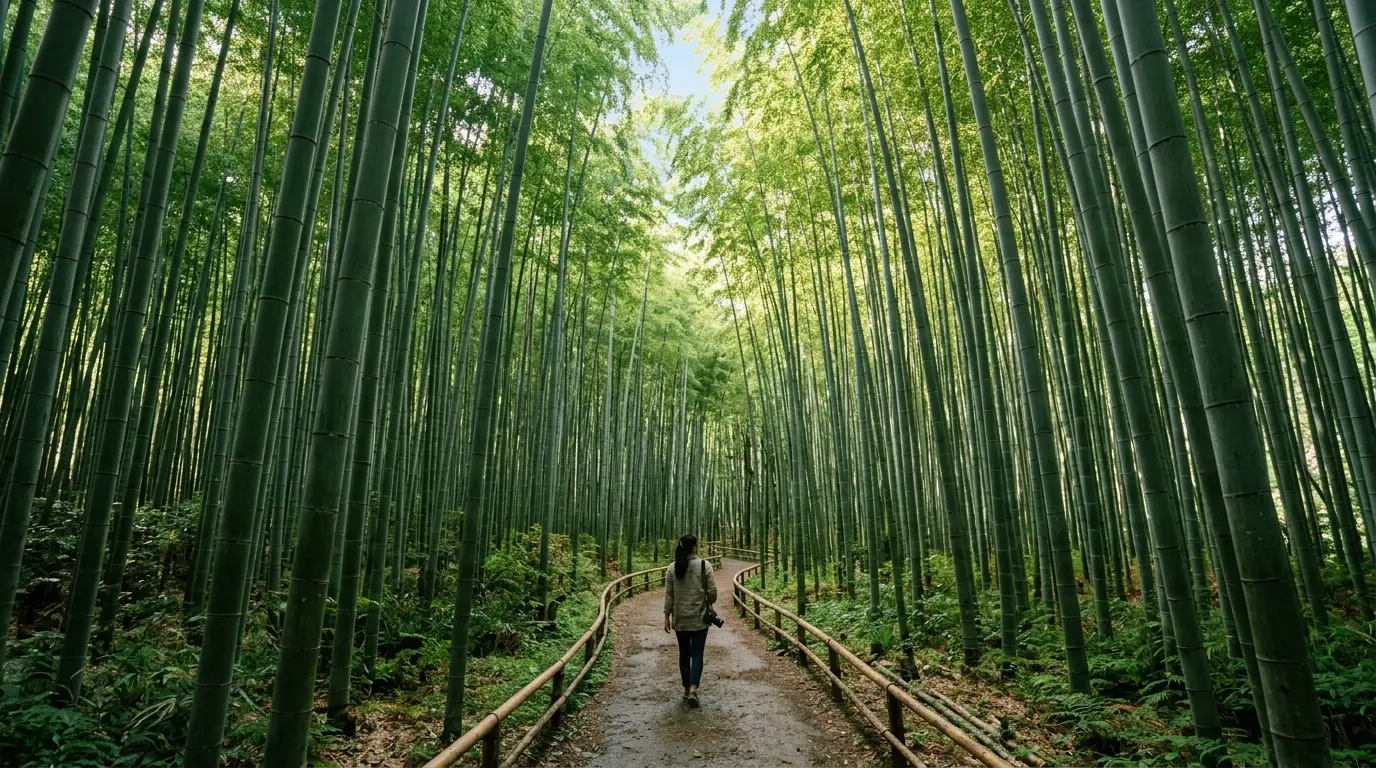
Kyoto Day 3 Itinerary: Arashiyama Bamboo Grove, Nishiki Market and the Journey Home
A sublime final chapter to your Kyoto journey: morning breezes whispering through towering emerald stalks in the Arashiyama Bamboo Grove, the UNESCO World Heritage mirror pond at Tenryu-ji, riverside specialty coffee by Togetsukyo Bridge, savory culinary treasures inside 400-year-old Nishiki Market, followed by Kyoto Station souvenir shopping and a swift 75-minute ride aboard the JR Haruka Express straight to Kansai Airport.