
PragueGuide
Prague Itinerary: Charles Bridge and Prague Castle in Two Nights
From 6 AM Charles Bridge solitary strolls to Astronomical Clock crowds, Mala Strana pubs, and currency exchange traps
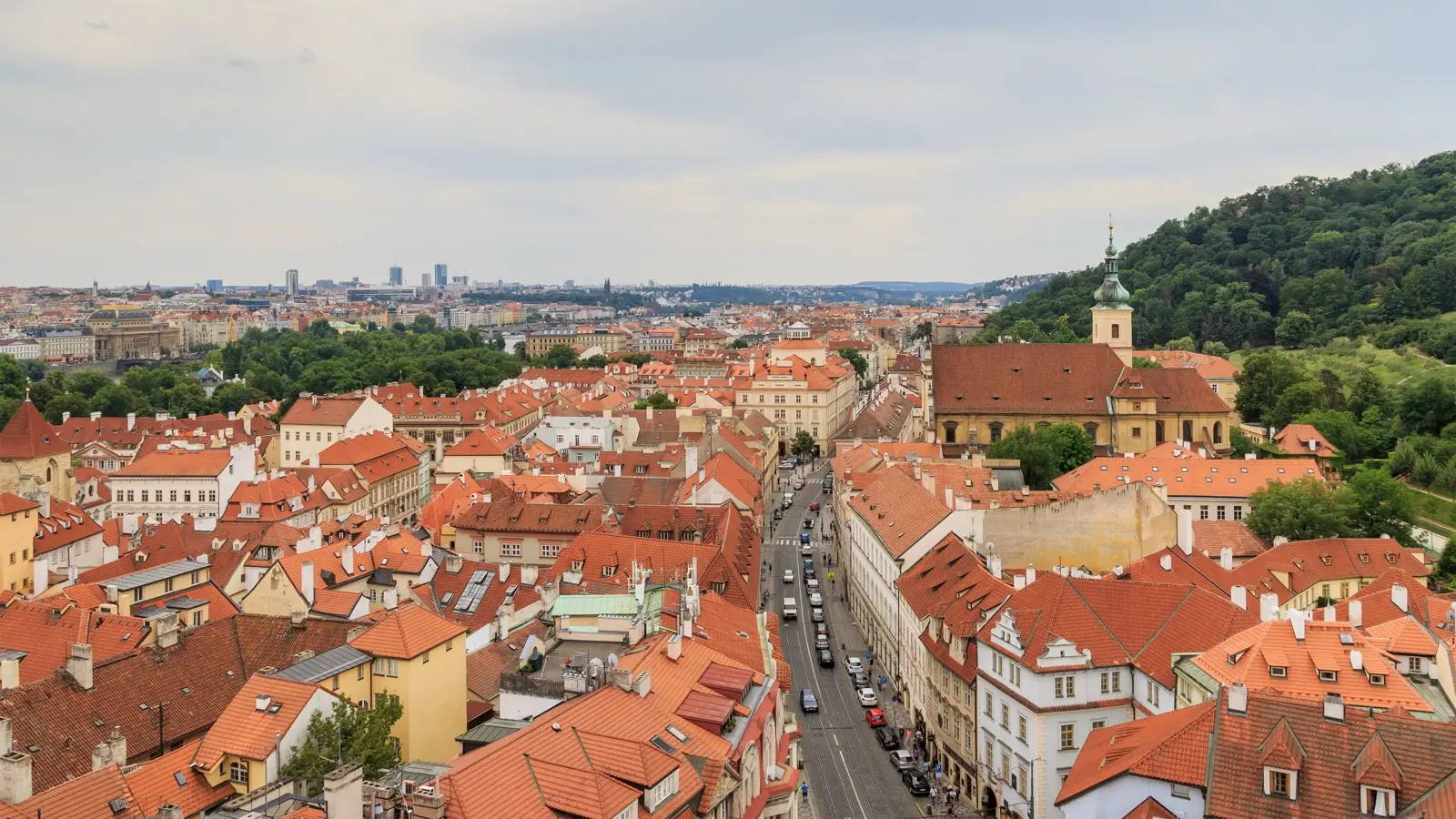
Charles Bridge at 6:00 AM: Solitude on Europe Most Atmospheric Stone Bridge
Commissioned in 1357 by Holy Roman Emperor Charles IV, the Charles Bridge (Karluv Most) extends 516 meters across the Vltava River on sixteen monumental sandstone arches. While midday hours transform the crossing into a bustling open-air market packed with thousands of tour groups and accordion buskers, standing upon the cobbles around 6:00 AM at dawn unveils an ethereal medieval realm suspended in time.
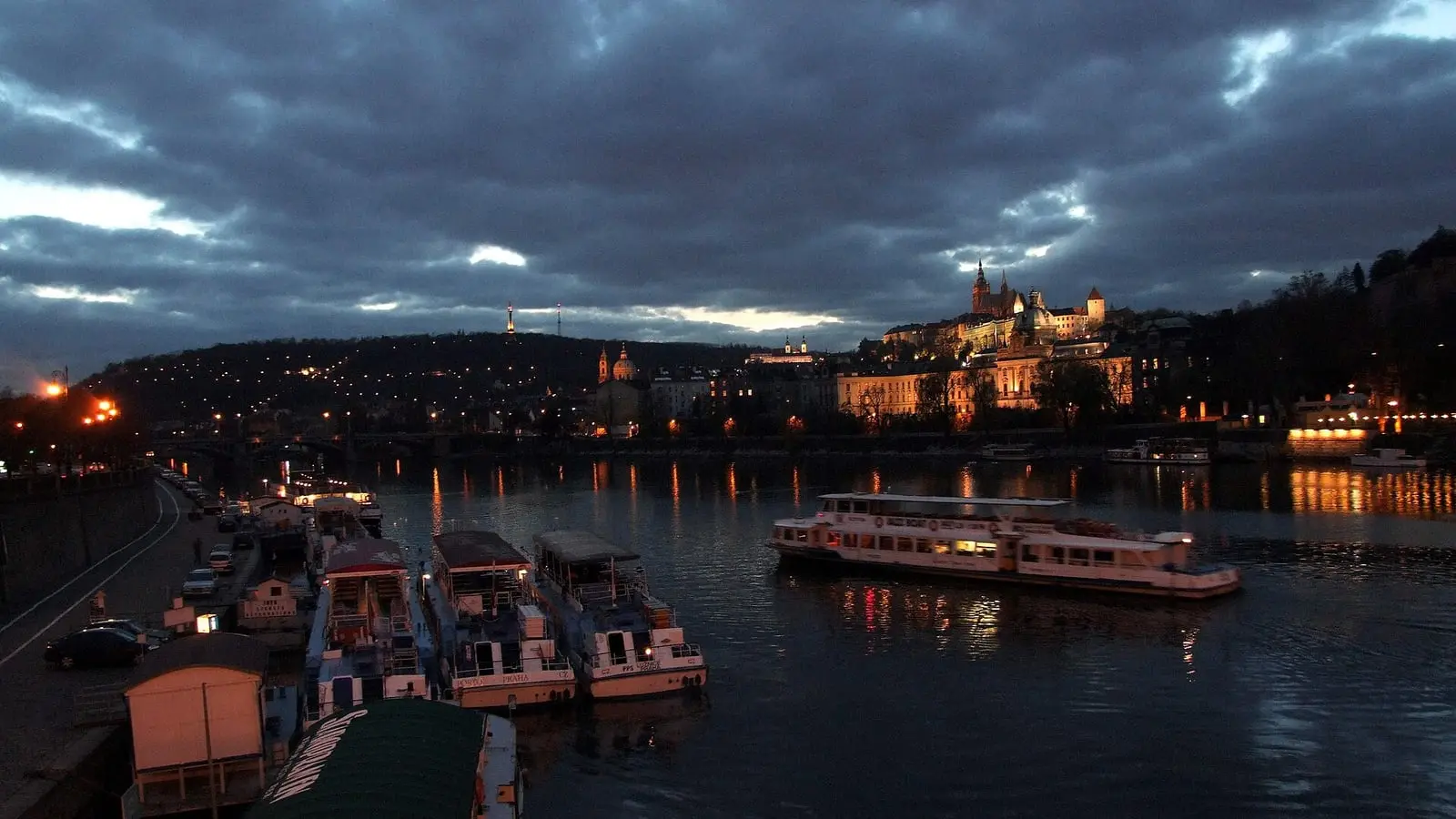
Cool morning river mist curls upward off the dark waters, gradually silhouetting thirty blackened Baroque statues of saints standing vigil along the parapets. Across the river, the distant spires and palatial walls of Prague Castle materialize like an apparition in the pastel dawn light, revealing why this stone span has inspired poets, painters, and composers across centuries.
Strolling westward from the Old Town Bridge Tower toward the Lesser Town (Mala Strana), pause before the celebrated bronze monument to Saint John of Nepomuk. Touching the polished bronze relief depicting the court vicar cast into the river ensures good fortune and a guaranteed return to Prague, according to centuries of Bohemian folklore.
At the bridge western terminus, descend the narrow stone stairway onto Kampa Island. Here, tranquil residential canals known as Certovka (Devil Stream) flow past centuries-old water wheels, where flocks of pristine white swans glide gracefully against pastel town facades, offering a peaceful walking retreat completely isolated from modern urban noise.
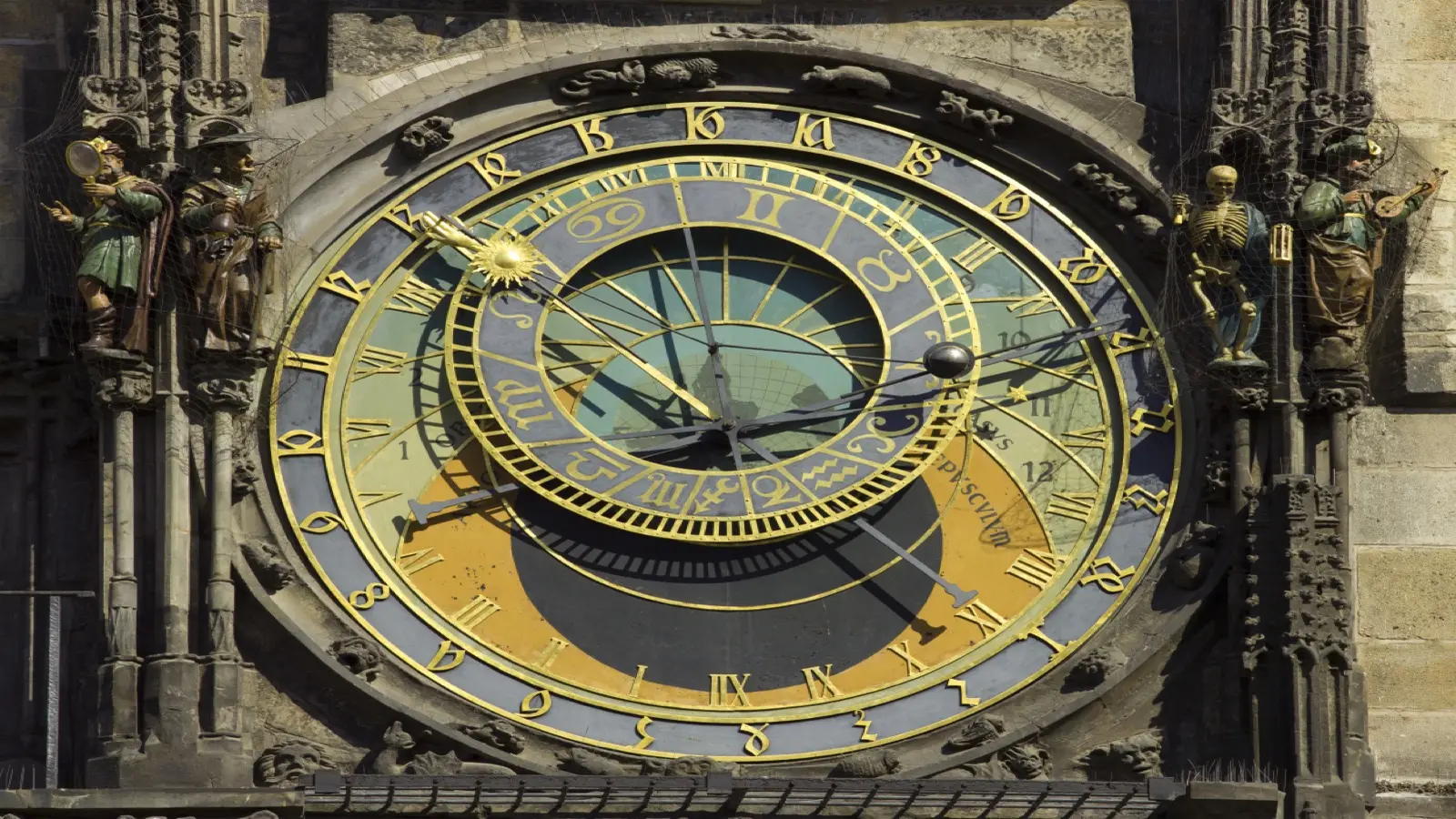
Old Town Square & Astronomical Clock: 600-Year Mechanics and Tyn Church Vistas
Weaving through narrow cobblestone alleys from Charles Bridge leads travelers into Old Town Square (Staromestske namesti), the architectural heart of civic Bohemia since the 12th century. Dominating the eastern flank are the dramatic 80-meter twin black spires of the Church of Our Lady before Tyn, rising mysteriously above pastel Gothic arcades like a fantastical fairy-tale fortress.
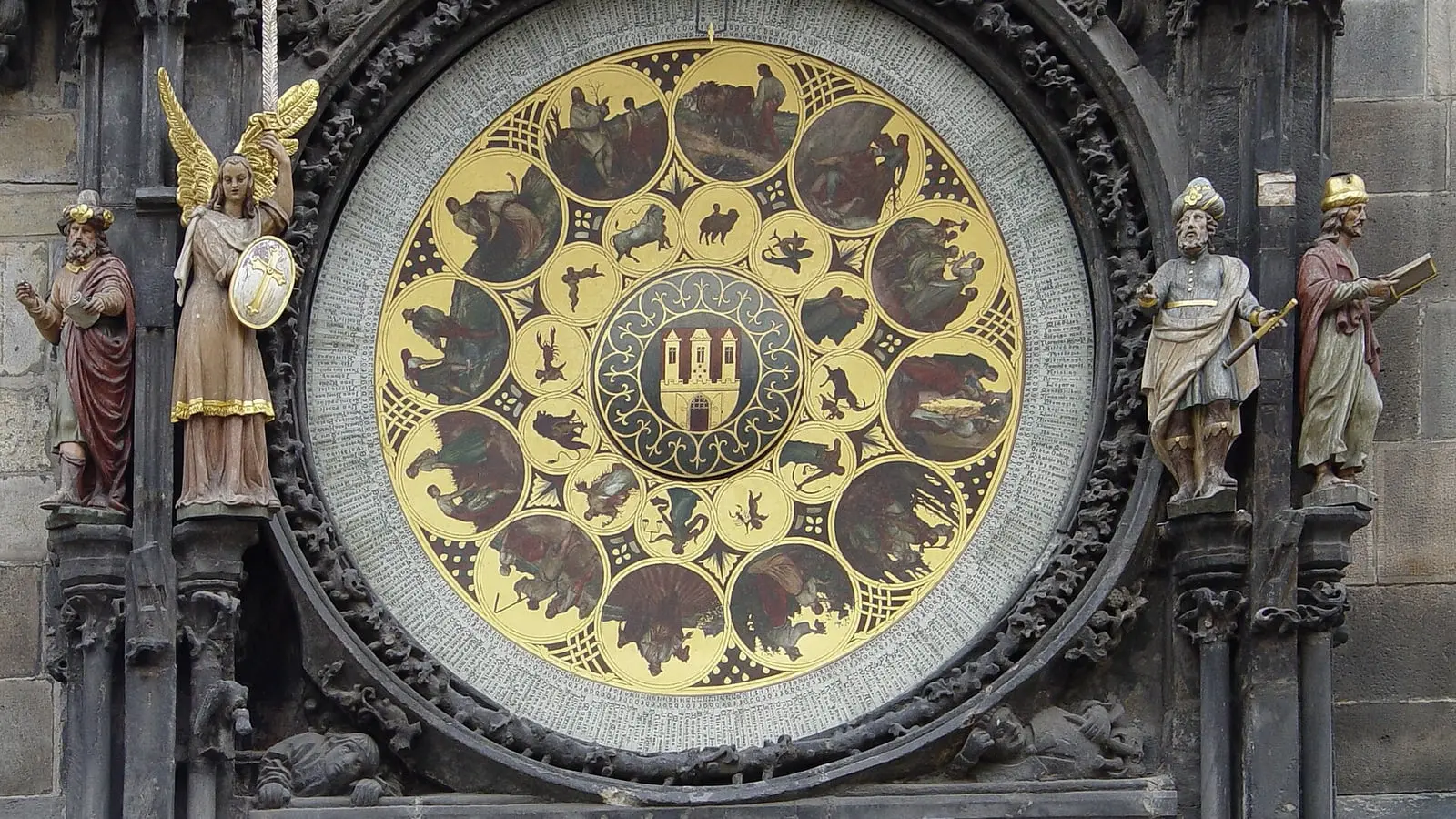
Mounted upon the southern facade of the Old Town Hall is the world-renowned Prague Astronomical Clock (Orloj). Installed in 1410, it endures as the oldest operating mechanical astronomical clock in the world. Operating on geocentric principles, its astrolabe dial visualizes the exact positions of the sun, moon, zodiac constellations, and medieval Bohemian agrarian calendars through interconnected clockwork gears.
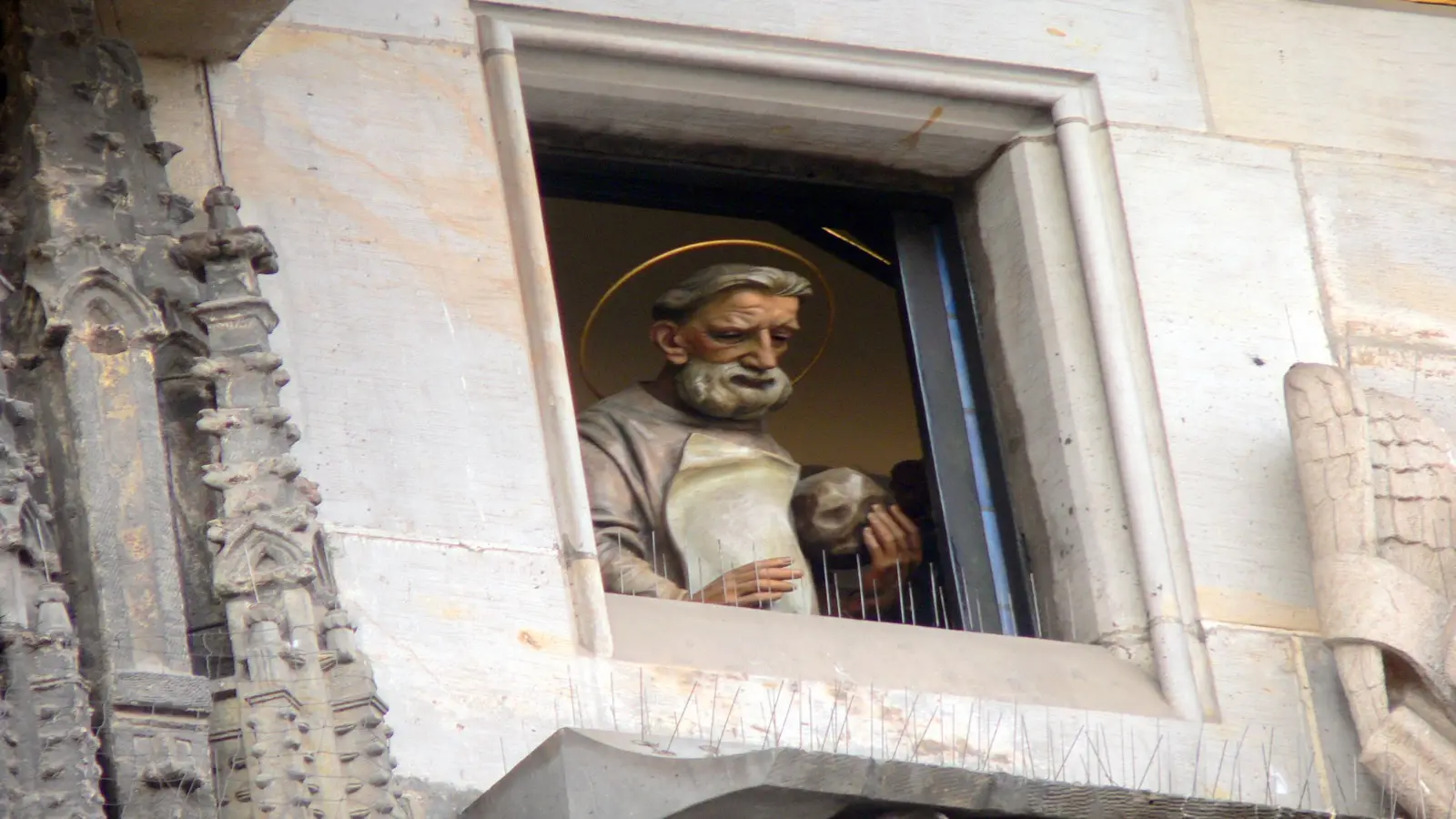
As the top of every hour approaches, the square fills with anticipatory crowds. When the wooden effigy of Death rings his funeral bell and turns his hourglass, two small upper windows swing open to reveal the Procession of the Twelve Apostles nodding to spectators below. The 45-second mechanical performance concludes with a golden rooster crowing and the chimes sounding, sparking universal applause across the plaza.
After admiring the clock face, take the modern glass elevator to the observation gallery atop the Old Town Hall tower. Looking out across the rooftops reveals the true essence of the 'City of a Hundred Spires', presenting a sea of terracotta tiles and architectural steeples spanning Romanesque vaults, Gothic spires, and Baroque domes.
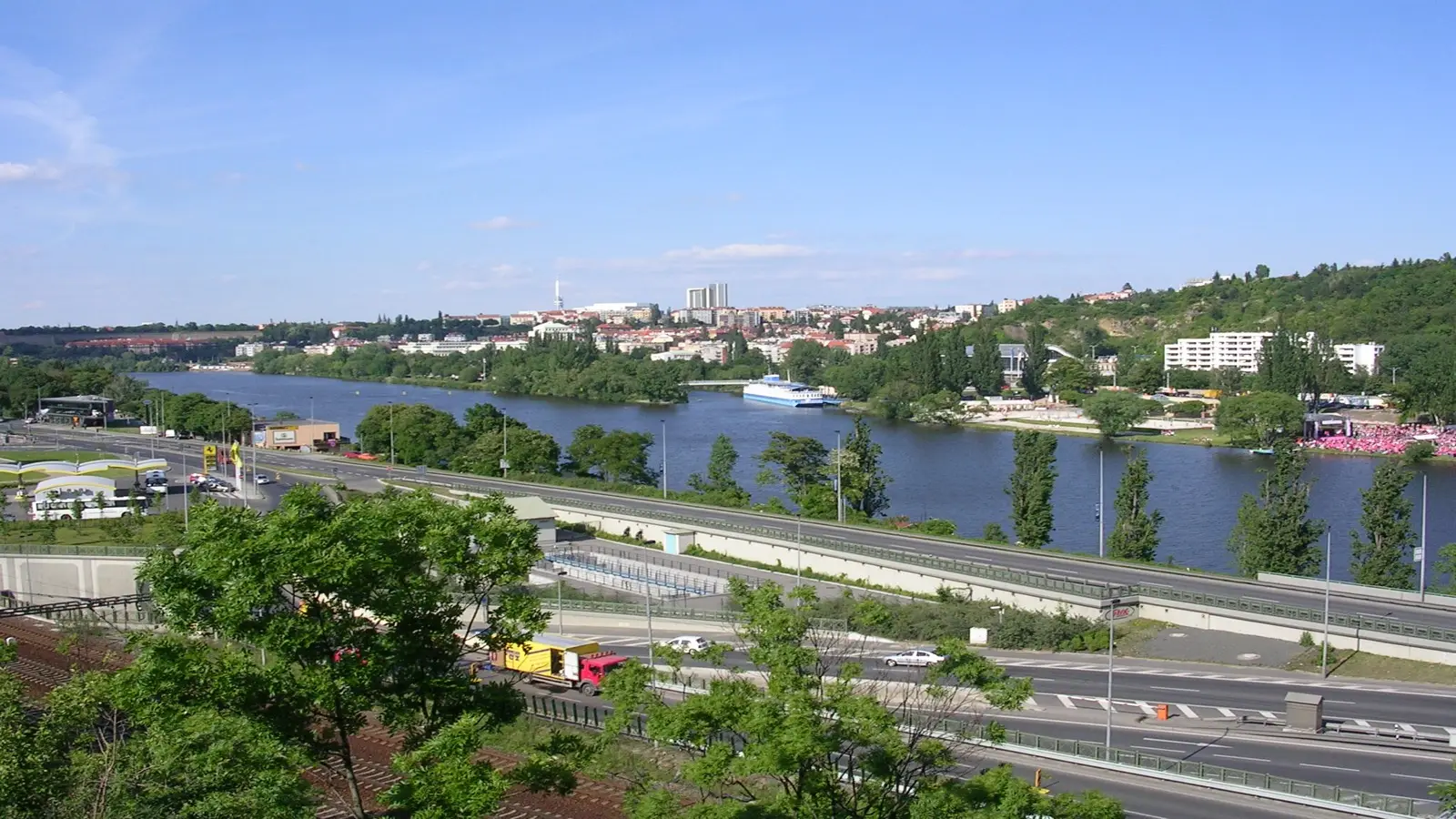
Prague Castle & St. Vitus: Millennium-Old Ramparts, Mucha Glass, and Golden Lane
Perched majestically upon the western bluffs overlooking the river, Prague Castle is recognized by the Guinness World Records as the largest ancient coherent castle complex on the planet, spanning over 70,000 square meters. Founded in the 9th century by Prince Borivoj, the citadel served as the seat of Bohemian kings and Holy Roman Emperors, continuing today as the official presidential residence of the Czech Republic.
Passing through the First Courtyard following the ceremonial Changing of the Guard leads into the monumental Third Courtyard, dominated entirely by the French Gothic grandeur of St. Vitus Cathedral. Commenced in 1344 and requiring nearly six centuries to complete, the cathedral features sweeping flying buttresses, intricate stonework gargoyles, and towering bronze spires that command absolute reverence.
Stepping inside the cathedral nave unveils a breathtaking play of polychromatic light cast through floor-to-ceiling stained glass. In the third chapel along the northern aisle stands the masterpiece window designed by Czech Art Nouveau pioneer Alphonse Mucha, depicting the baptism of the Slavic peoples in radiant hues of sapphire, cobalt, and glowing amber.
Behind the cathedral lies the Old Royal Palace, home to the cavernous Vladislav Hall where medieval knights once held mounted equestrian jousting tournaments indoors. Here visitors can inspect the historic window where the Second Defenestration of Prague occurred in 1618, when Protestant nobles hurled imperial Catholic regents into the moat, igniting the continent-wide Thirty Years' War.
Concluding your castle exploration, wander down the charming cobblestones of Golden Lane (Zlata ulicka). Flanked by miniature pastel cottages constructed for 16th-century castle marksmen and alchemists, cottage number 22 once served as the writing studio of Franz Kafka. After the interior exhibits close at 5:00 PM (4:00 PM from November to March), gates open freely to the public, offering peaceful twilight walks through historic Bohemian lore.
Exchange Scams & Cashless Savvy: Avoiding Commission Traps
Although the Czech Republic is an integral member of the European Union, it has retained its sovereign currency, the Czech Koruna (CZK). This financial separation fuels notorious predatory currency exchange schemes across central Prague, particularly clustered around Wenceslas Square and Old Town lanes. Street hustlers offering cash currency exchanges hand out obsolete Belarusian rubles.
Furthermore, private exchange kiosks boldly displaying banners promising '0% Commission' often engage in legal deception. By utilizing hidden fine print that applies a punitive 'standard' rate to transactions under massive thresholds, tourists can lose a painful share of their cash value compared to the true interbank exchange rate.
In contemporary Prague, contactless card payments, Apple Pay, and Google Pay are universally embraced across trams, metro ticket validators, boutique coffee roasters, and traditional taverns. Most travelers navigating the city for several days find they do not require a single physical banknote, making large cash exchanges completely unnecessary.
If small coinage is needed, avoid standalone yellow-and-blue Euronet ATMs, which impose exorbitant service fees and predatory currency conversion spreads. Instead, use ATMs located inside physical branches of established Czech banking institutions (such as Česká spořitelna or Komerční banka), and always select 'Decline Conversion' to be billed strictly in CZK.
Where Beer is Cheaper Than Water: Authentic Pilsner Pours and Goulash
The Czech Republic leads the world in per capita beer consumption, drinking approximately 140 liters per person annually. Born in 1842 in the western Bohemian city of Plzen as the world first golden lager, Pilsner Urquell is a matter of profound national pride. In traditional local taverns, a fresh half-liter draft costs between 60 and 75 CZK ($2.50 to $3.20), routinely pricing out bottled mineral water.
To experience Czech brewing at its pinnacle, seek out designated 'Tankovna' pubs, where unpasteurized beer is transported directly from the brewery in temperature-regulated stainless steel tanks. Classic institutions like Lokál Dlouhááá or the legendary U Zlatého tygra (frequented by Bohumil Hrabal and Vaclav Havel) serve tank beer with pristine effervescence, fresh malt sweetness, and a brisk Saaz hop finish.
Czech pub etiquette revolves around three traditional pouring techniques that alter the beer flavor profile. 'Hladinka' is the standard pour featuring three fingers of dense, micro-foam cream; 'Šnyt' offers half beer and half foam for a lighter refresher; and 'Mlíko' fills the glass entirely with sweet, velvety beer foam meant to be chugged immediately like a liquid dessert.
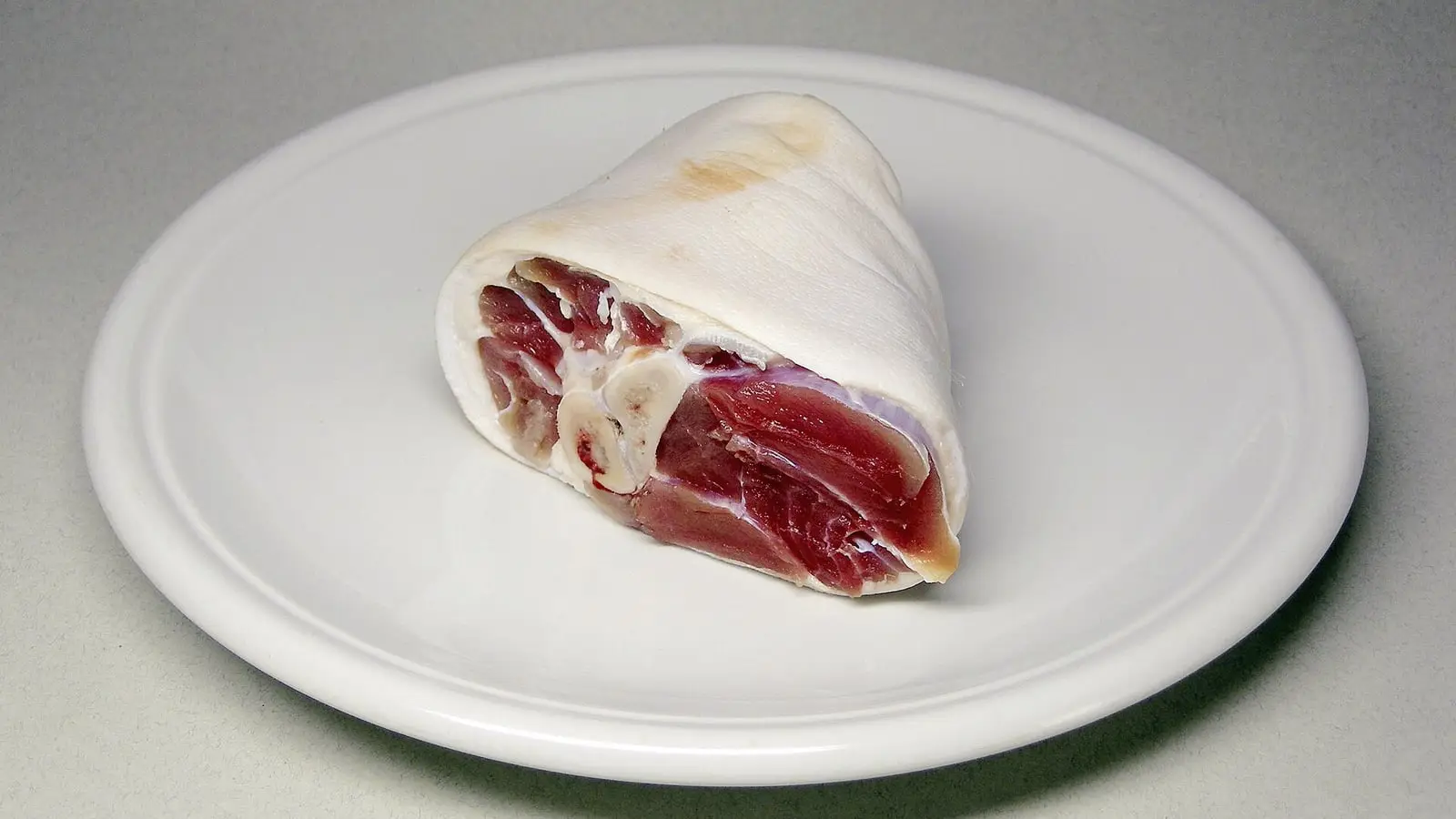
Pairing unpasteurized lager with hearty Bohemian comfort fare completes the sensory ritual. Savor slow-simmered beef goulash seasoned with sweet paprika and accompanied by fluffy bread dumplings (knedlíky), tender roasted pork knuckle (pečené koleno) served with pungent horseradish and mustard, or fried Hermelín cheese for the definitive Bohemian tavern feast.
Frequently Asked Questions
Field-tested answers to transit navigation, neighborhood choices, and payment traps.
Q1.Do I need cash in Prague, or can I pay by card everywhere?
Q2.How do I avoid currency exchange scams in Prague?
Q3.Is there a cheaper way to climb the Charles Bridge towers?
Q4.Can I visit Golden Lane at Prague Castle for free?
The Smart Traveler's Essential Toolkit
Prepare instant mobile data, private airport transfers, and skip-the-line passes in one place.
Pick a base in Prague by your route
Choose the places you want to see and get the neighbourhood with the shortest travel.
Compare Prague Hotel Rates
Find the cheapest channel across Agoda and major booking engines with Tripdify.
Share This Guide with Your Companions
When shared via chat or social media, a curated summary card is sent along.
Recommended Guides
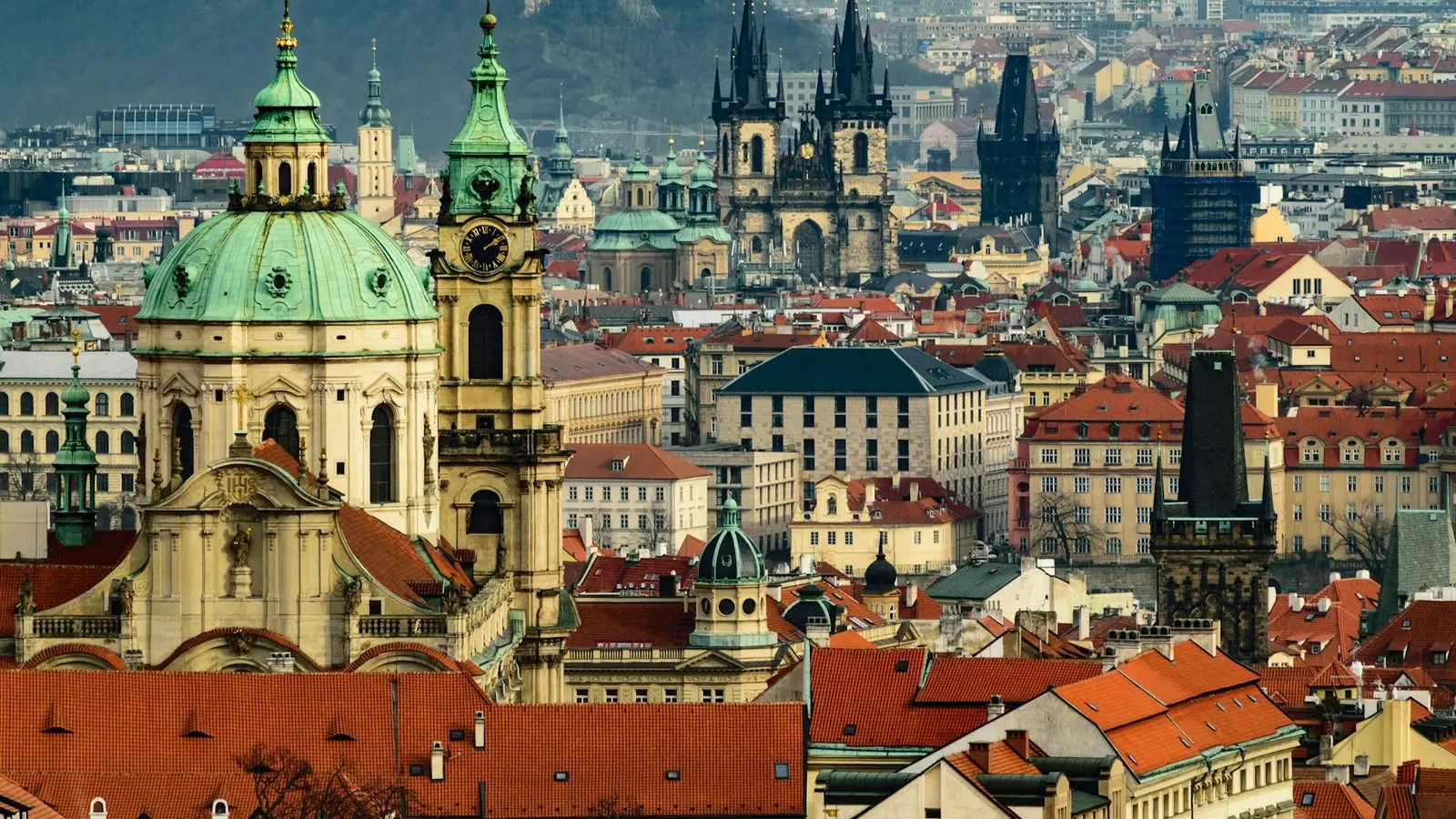
Prague Malá Strana Dawn Odyssey: Charles Bridge Mist, Cobblestone Alleys, and Kafka's Whispering Ghosts
While daytime Prague bustles with selfie sticks and raucous beer tours, Malá Strana at 6:00 AM reveals an ethereal, untouched city. From Charles Bridge's blue dawn mist up through historic Nerudova lane to the quiet refuge of Nový Svět, this guide maps Prague's most poetic hour.
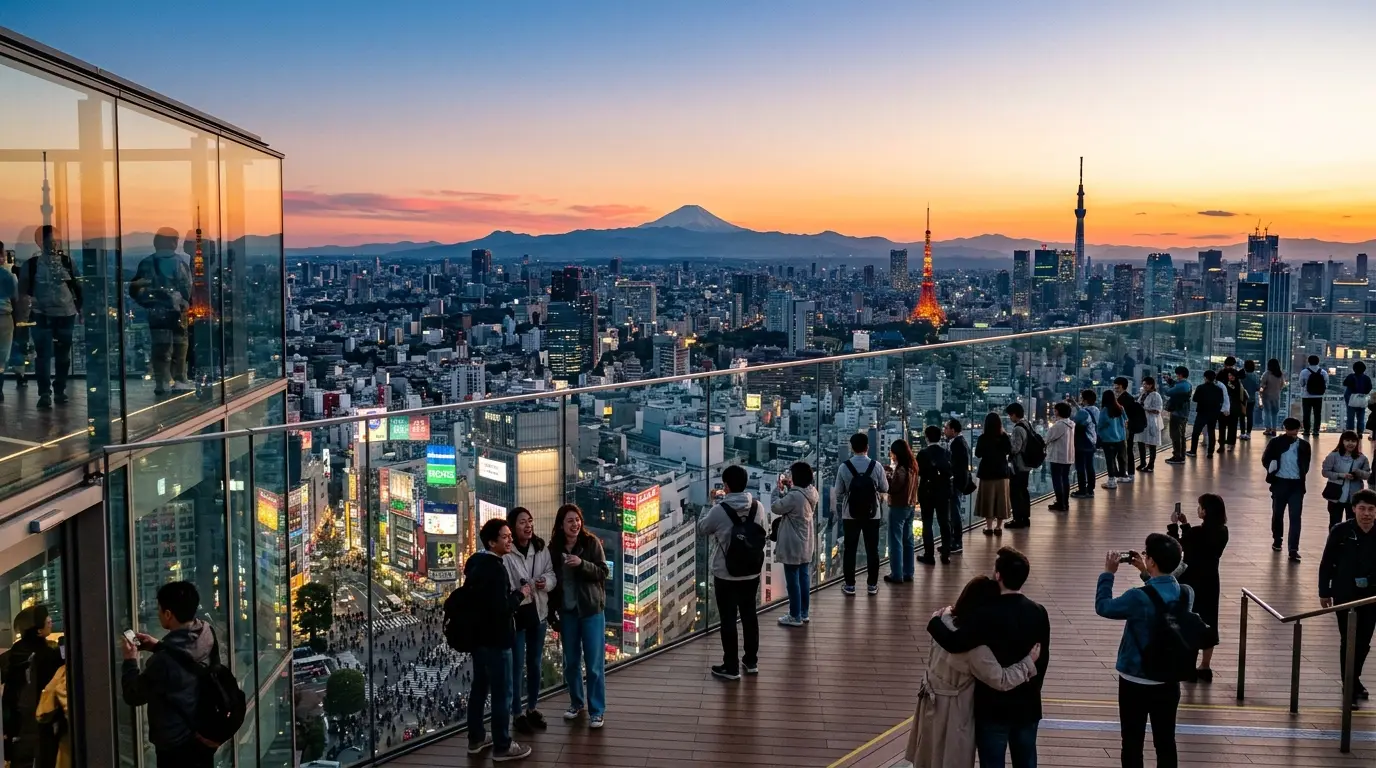
Where to Stay in Tokyo: Shinjuku vs Shibuya vs Ginza
Comparing room footprints across Shinjuku, Ginza, and Ueno, locking in sudden 14-day cancellation drops, and eliminating DCC fees with clean Yen checkout.
7 Budget Hotels in Tokyo Under $100 on the Yamanote Line
Even amid yen fluctuations, central Tokyo hotel rates have soared. Learn how to secure Yamanote loop line hotels at half the price of Shinjuku, compare onsen bath chains like Dormy Inn, trigger secret Agoda VIP and Booking.com Genius discounts, and dodge hidden currency fees with yen settlement.
How to Read the Tokyo Subway Map and Where to Stay on the Yamanote Line
How to choose between Keisei Skyliner and Narita Express, avoid the Tokyo Subway Ticket trap, use Apple Wallet Suica, and select the ideal hotel base in Tokyo.
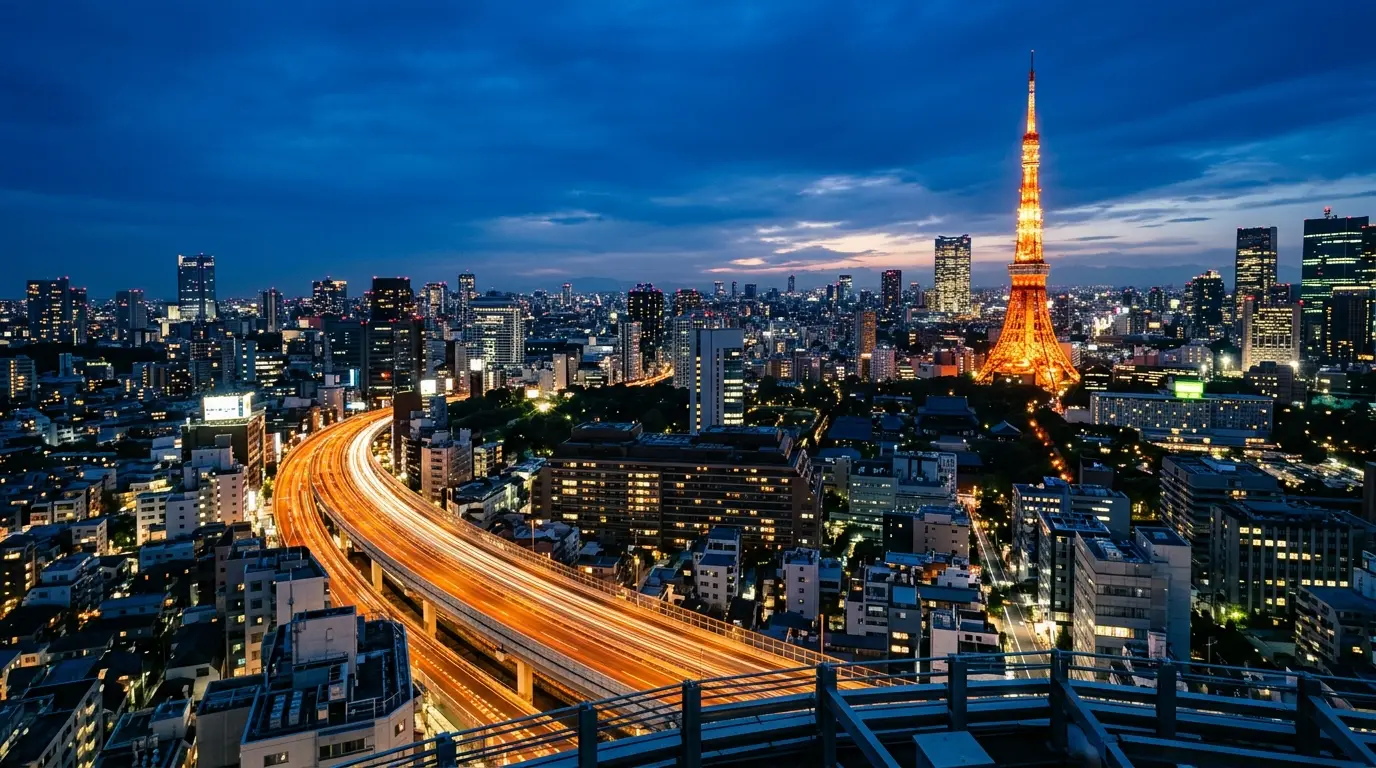
Tokyo Day 1 Itinerary: Narita Airport to the City and Your First 24 Hours
From stepping off at Narita Airport to mastering high-speed trains, navigating Tokyo's sprawling transit hubs, ordering counter ramen effortlessly, and catching sunset from Roppongi Hills. A definitive guide for your first 24 hours in Tokyo.
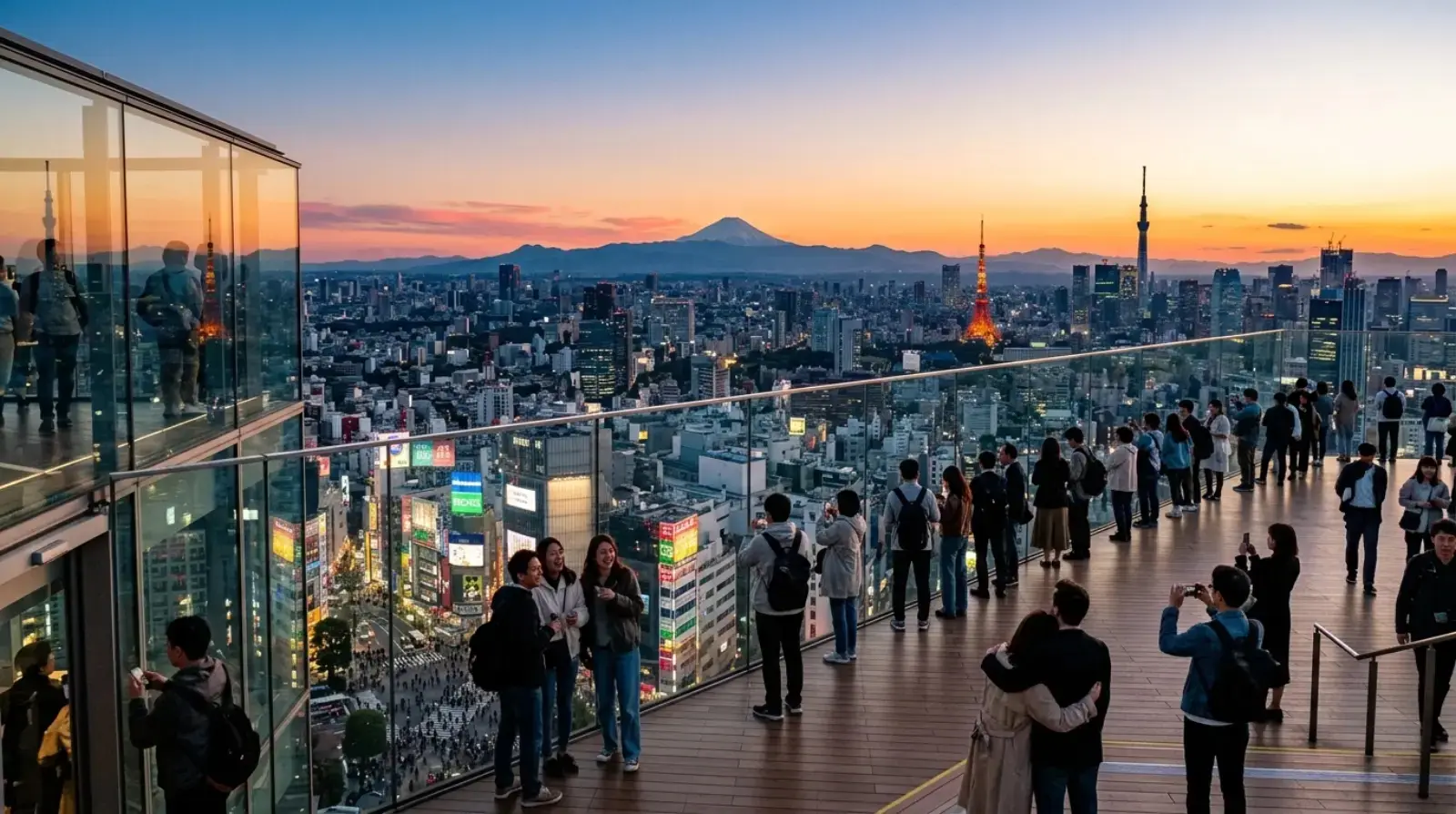
Tokyo Day 2 Itinerary: Booking Shibuya Sky, Harajuku Backstreets and Roppongi at Night
Securing prime sunset slots atop Shibuya Sky, navigating hidden boutiques along Harajuku Cat Street, immersing in the forested serenity of Meiji Jingu, and marveling at the crimson glow of Tokyo Tower from Roppongi Hills. A masterclass in Day 2 pacing.
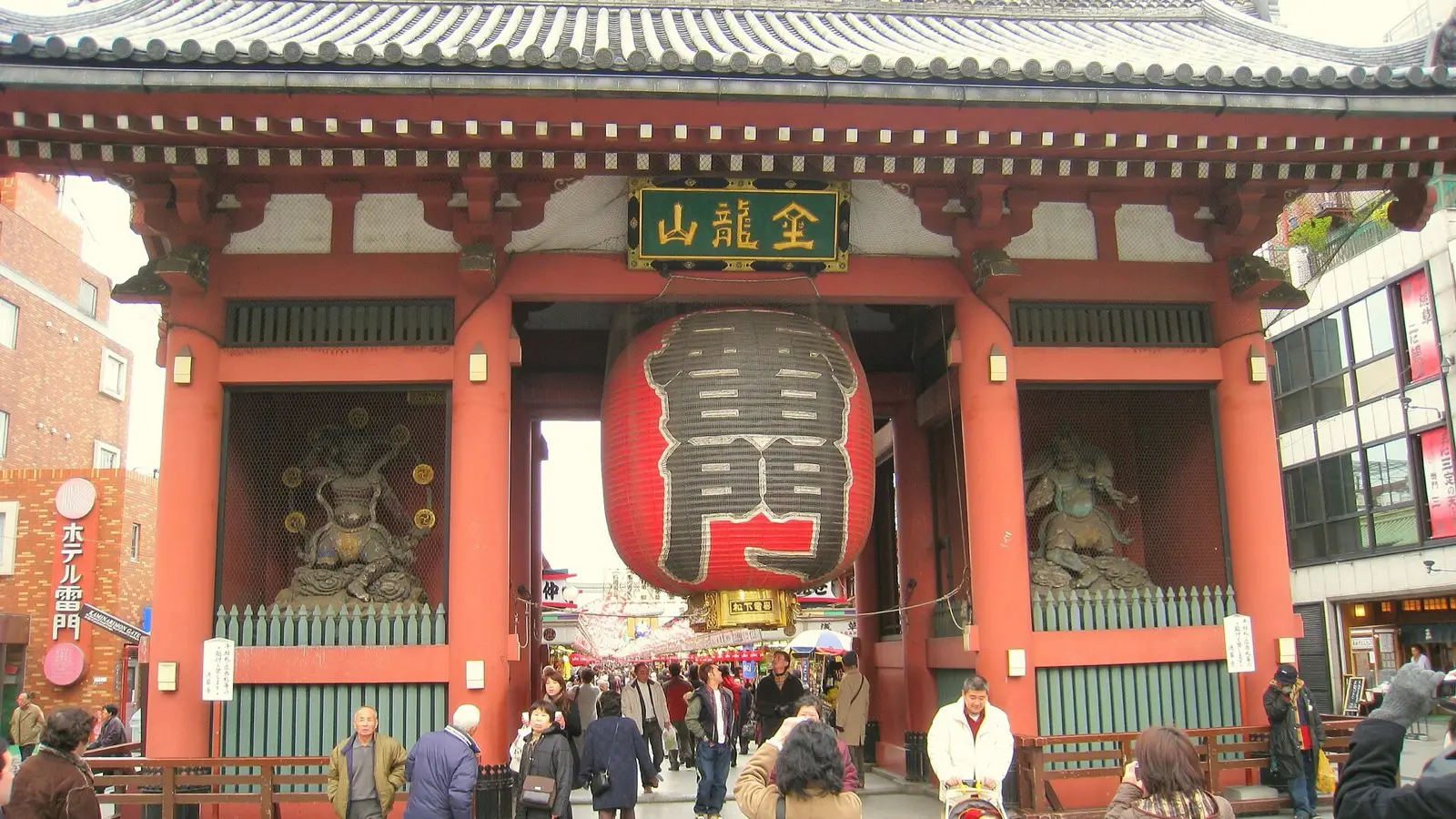
Tokyo Day 3 Itinerary: Asakusa, Akihabara, Ginza Depachika and Flying Home
The ultimate finale for your Tokyo stay: tranquil morning worship at Sensoji, retro subculture in Akihabara, Ginza Six architectural rooftop views and basement depachika feasts, capped by seamless Skyliner and N'EX airport connections.
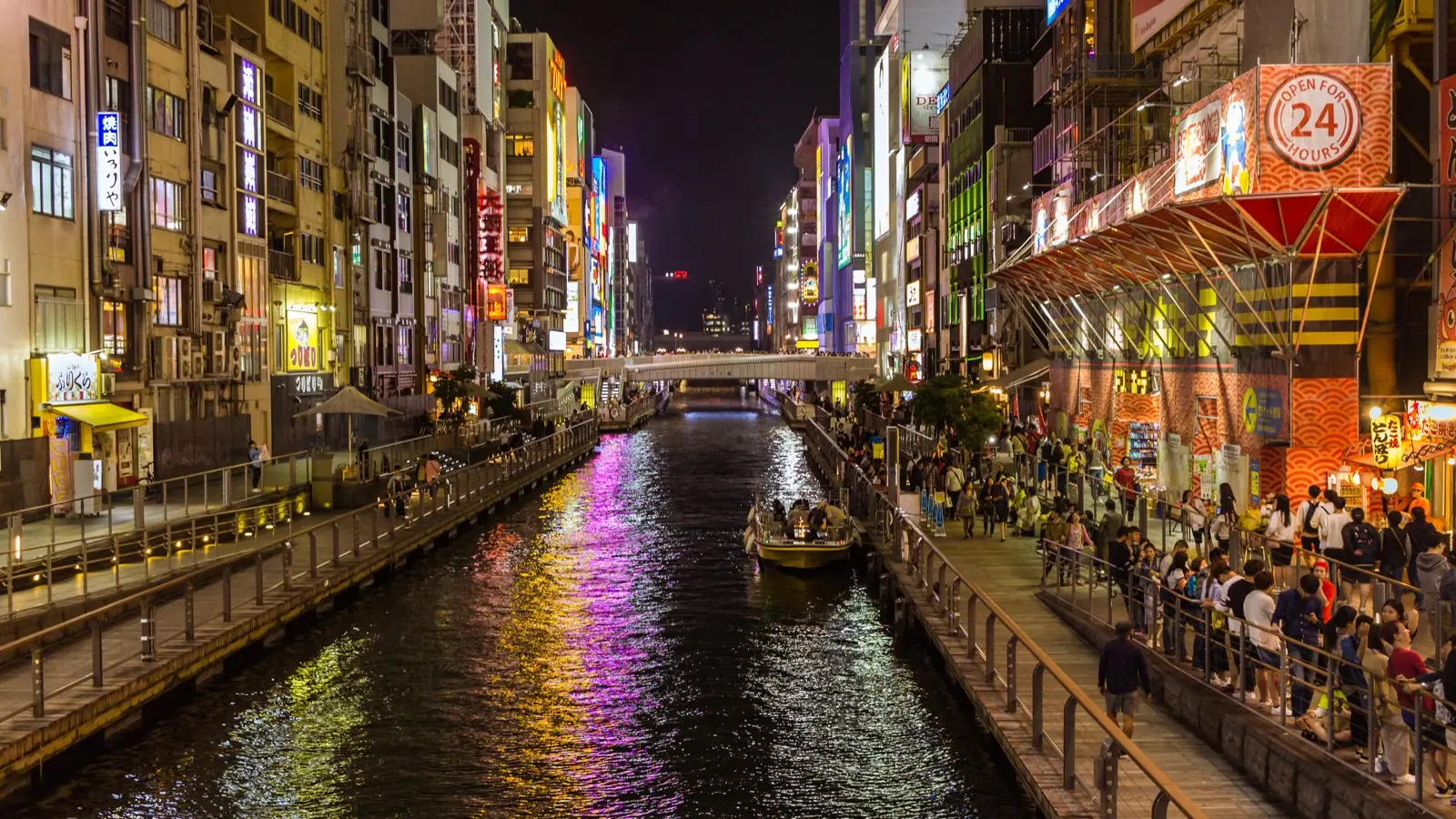
Osaka Itinerary: Dotonbori and Umeda in Two Nights
Osaka is Japan culinary powerhouse where feasting is an art. Navigate Rapi:t airport transfers, Namba vs Umeda hotels, and street food corridors with veteran precision.
Kyoto Itinerary: Arashiyama, Gion and How to Pick a Ryokan
Kyoto compresses a millennium of Japanese aesthetic mastery. Discover how to evade bus congestion with private railways, master ryokan kaiseki booking windows, and savor early dawn stillness.
Kyoto Ryokan Prices and How to Choose: Kaiseki Terms and Machiya Stays
From hundred-year-old timber townhouses in Gion to misty Arashiyama riverside ryokan, staying in Kyoto demands cultural fluency and sharp booking discipline. An honest receipt audit covering kaiseki dinner curfews, private onsen etiquette, and avoiding dynamic pricing spikes.
Kyoto Day 1 Itinerary: Kansai Airport to Kyoto and Your First Evening in Gion
Boarding the 75-minute Haruka Express from Kansai Airport, forwarding heavy bags straight to your hotel via Crosta at Kyoto Station, avoiding gridlocked buses using the subway, and an evening stroll through Gion to the Kamogawa. A field guide to your first 24 hours.
Kyoto Day 2 Itinerary: Fushimi Inari, Kiyomizu-dera, Sannenzaka and Gion
Day 2 immerses travelers into the spiritual heartbeat and preserved historic streets of Kyoto: early morning solace along thousands of vermilion torii gates at Fushimi Inari, sweeping mountain panoramas from the legendary wooden stage of Kiyomizu-dera, artisan tea shops and matcha sweets across cobblestoned Ninenzaka and Sannenzaka, followed by lantern-lit strolls in Gion Shirakawa and a refined multi-course Kaiseki dinner.