
Los AngelesGuide
Los Angeles Itinerary: Santa Monica Pier and Griffith Observatory
From LAX rental car shuttle navigation to Rodeo Drive palms, Venice Beach, and free Getty Center visits
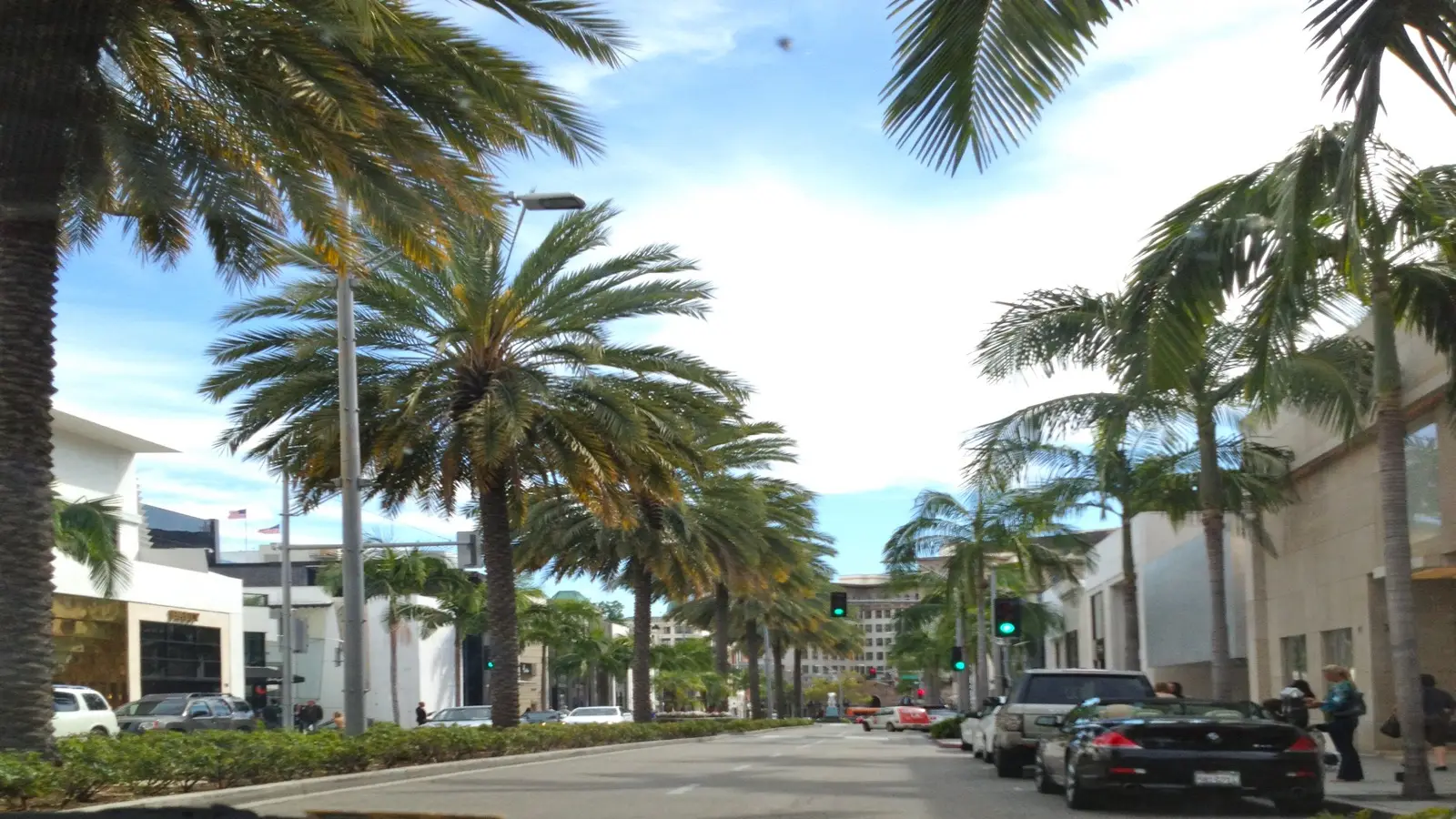
Navigating LAX: The LAX-it Shuttle Protocol, Rental Car Logistics, and Freeway Savvy
Stepping outside after claiming baggage at Los Angeles International Airport (LAX) introduces travelers to a transport infrastructure fundamentally distinct from conventional metropolitan gateways. To alleviate chronic terminal curb congestion, curbside taxi hailing and app-based rideshare pickups like Uber and Lyft are strictly prohibited. Arriving travelers must follow vivid green overhead signs to board complimentary dedicated shuttle buses running to the centralized off-terminal pickup facility known as LAX-it.
Travelers planning to rent a vehicle must proceed to designated purple-marked curbside zones outside each terminal. Dedicated shuttles operated by major rental agencies (Hertz, Avis, Enterprise, and Budget) continuously loop between the terminals and the consolidated rental car center (ConRAC) east of the airport, where the major companies now share one building. During heavy afternoon transatlantic and transpacific arrival banks, dividing party duties (one traveler boards the shuttle to commence paperwork while companions retrieve checked luggage) easily saves thirty minutes.
Transitioning from the rental depot onto the Southern California arterial network demands immediate respect for the complex freeway matrix. Major arteries like Interstate 405 (San Diego Freeway), Interstate 10 (Santa Monica Freeway), and US Route 101 (Hollywood Freeway) experience extreme peak congestion, making real-time navigation software with dynamic traffic rerouting indispensable.
High Occupancy Vehicle (HOV 2+ Carpool) diamond lanes running along major freeways provide substantial time savings, permitting free access for vehicles carrying two or more occupants. However, electronic toll corridors like the Metro ExpressLanes along Interstate 110 require pre-registered FasTrak transponders; entering these lanes without an active device triggers heavy automated license-plate toll penalties.
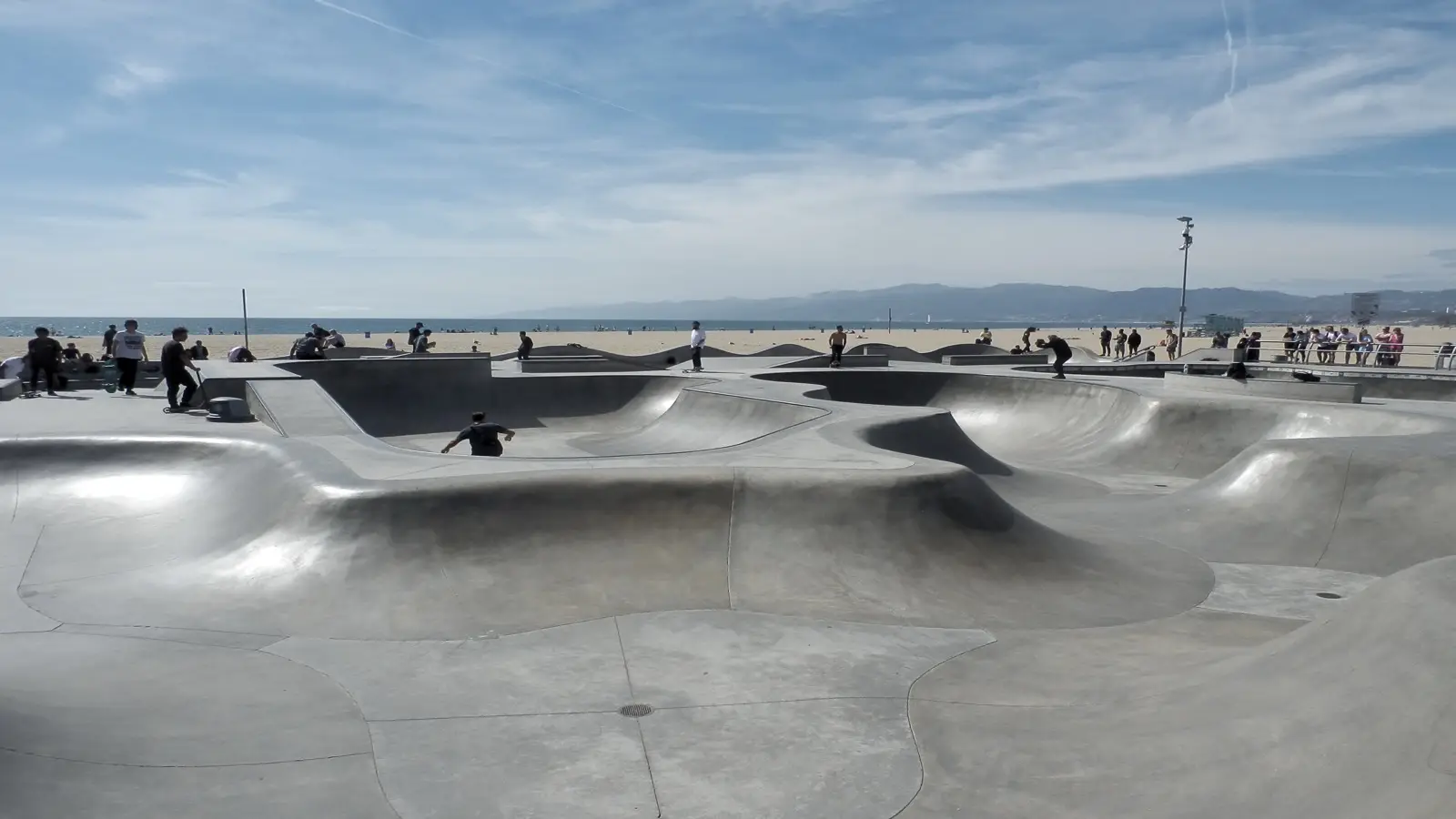
Golden Hour at Griffith Observatory: Panoramic LA Basin Views and Transit Tactics
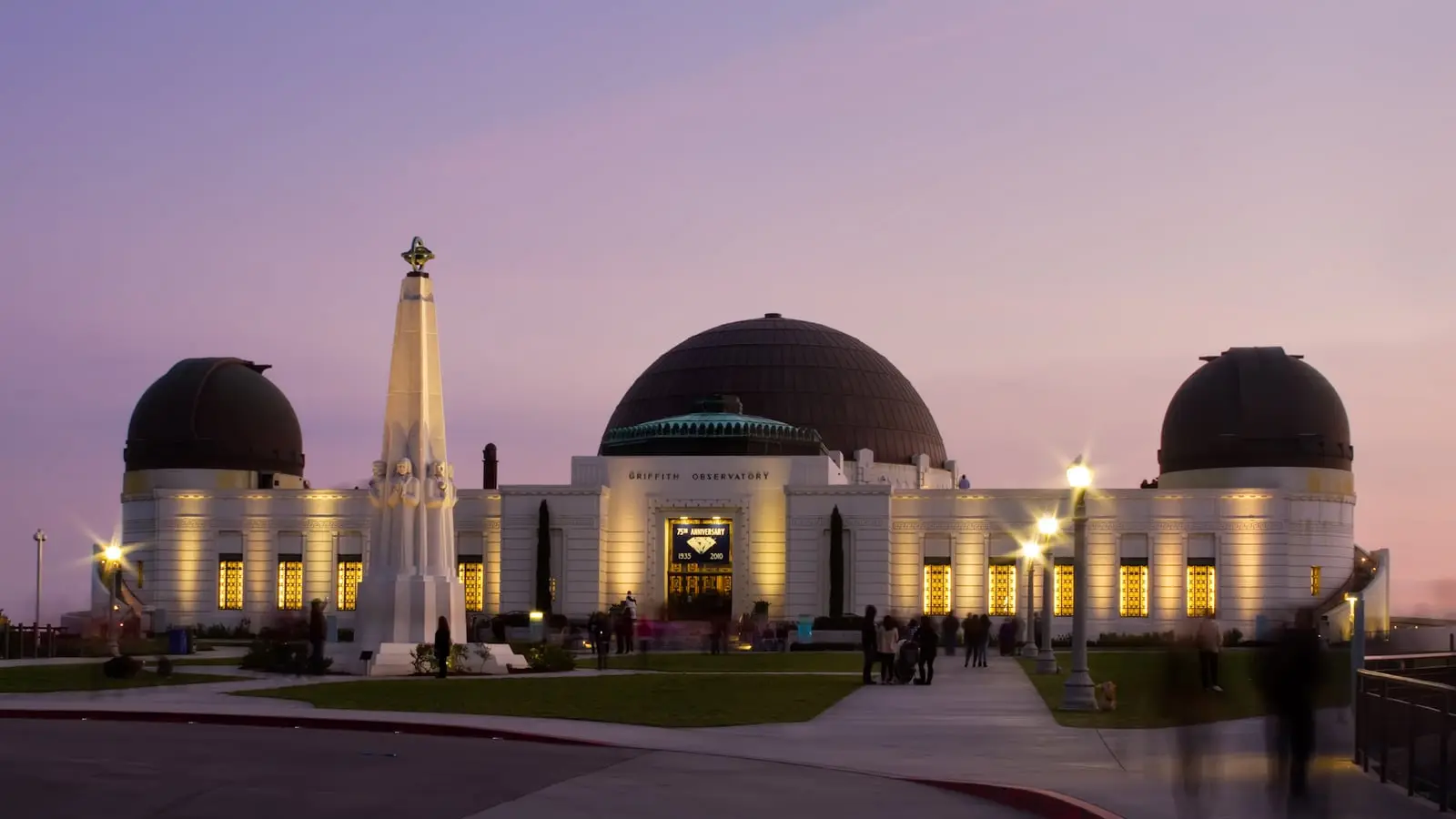
Perched majestically upon the southern flank of Mount Hollywood, Griffith Observatory reigns as the cinematic soul of Los Angeles, etched into international imagination through Rebel Without a Cause and La La Land. Opened in 1935 as a public palace of science and celestial wonder, its monumental Art Deco concrete domes and copper roofs offer unhindered vistas framing the Hollywood Sign across the scrub-covered canyon.
As late afternoon approaches, standing along the tiered outdoor terrace presents an unforgettable geographic spectacle as the sun sinks into the Pacific horizon. The vast grid of the Los Angeles Basin is bathed in warm amber and violet gradients, reflecting off downtown skyscraper towers before transitioning into a sparkling oceanic carpet of streetlights stretching to the darkened mountains.
Stepping into the central rotunda reveals the mesmerizing sweep of the massive brass Foucault pendulum silently demonstrating the rotation of the earth beneath historic celestial murals. Visitors can queue to peer through the historic 12-inch Zeiss refracting telescope to observe lunar craters and planetary rings, while the state-of-the-art Samuel Oschin Planetarium offers world-class cosmic visualizations under its sweeping dome.
Peak summit parking commands $10 per hour and routinely fills to capacity by 4:00 PM, triggering strict road closures. The savviest approach is parking completely free at the lower Greek Theatre parking lot, then boarding the municipal DASH Observatory shuttle bus for just 50 cents per passenger, delivering travelers directly to the front lawn without traffic frustration.
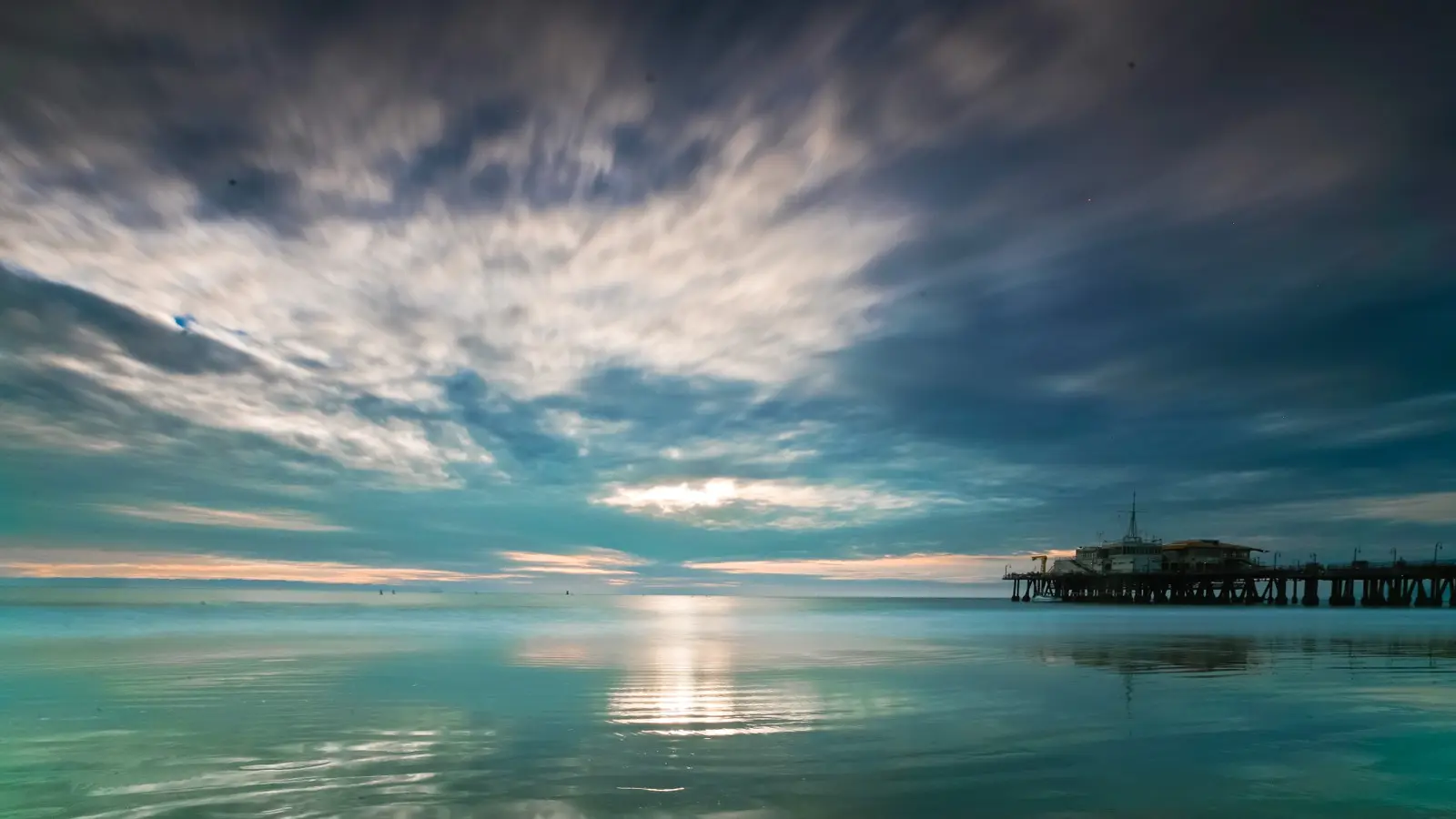
Pacific Coastal Energy: Santa Monica Pier, Route 66, and Venice Beach Boardwalk
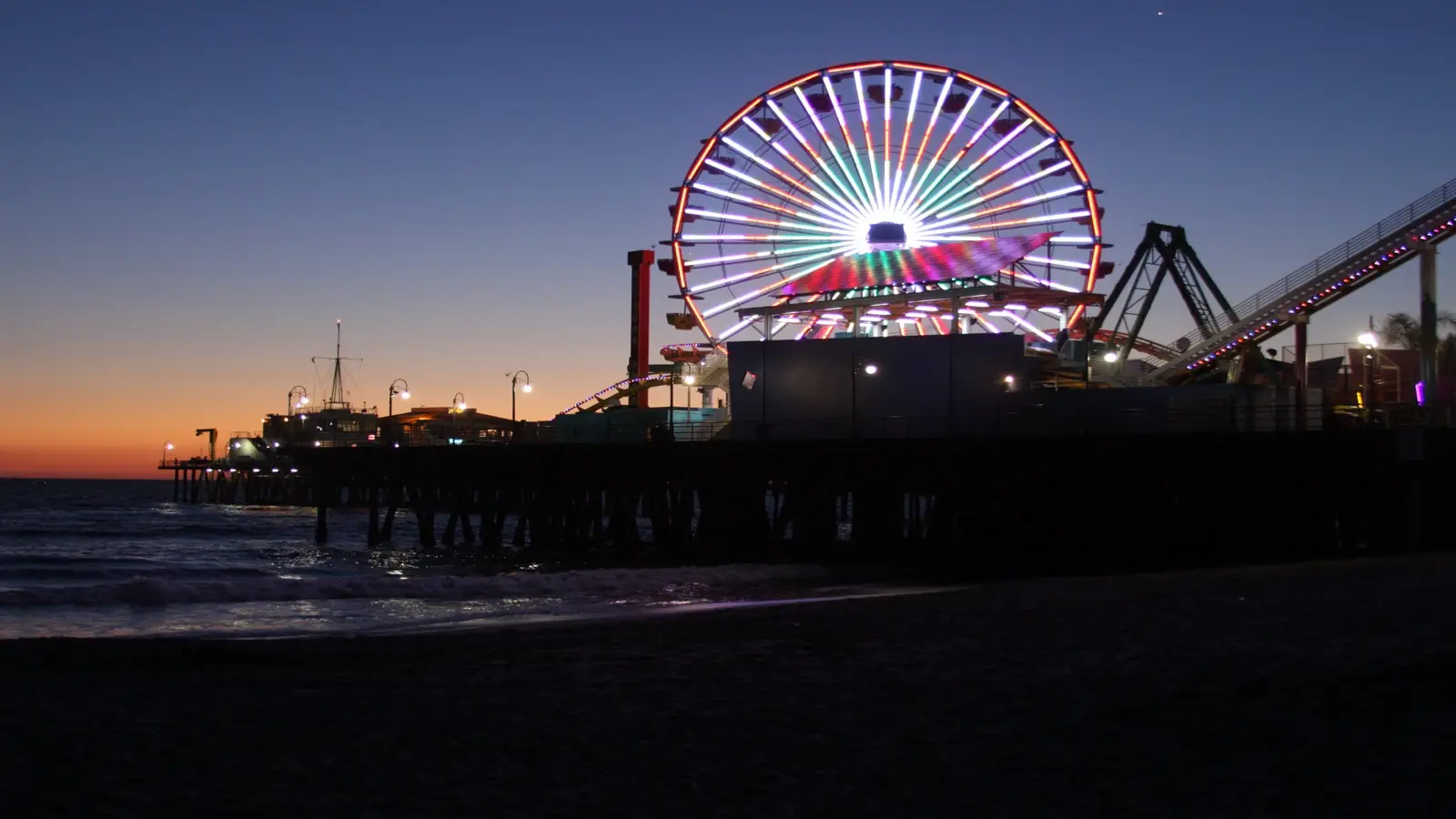
Marking the official western terminus of legendary Route 66, the Santa Monica Pier has extended its weathered timber pilings into the Pacific surf since 1909. Crowning the pier is Pacific Park, an open-air amusement zone featuring nostalgic roller coasters and the historic 1922 Looff Hippodrome carousel, where crisp ocean breezes mingle with the sweet aroma of funnel cakes and churros.
The undisputed icon of the pier is the Pacific Wheel, celebrated as the world only entirely solar-powered Ferris wheel. As dusk deepens across the bay, more than 170,000 programmable LED lights illuminate the rotating wheel, casting dazzling reflections of electric magenta, cyan, and gold across the churning dark ocean surf below.
Renting a wide-tire cruiser bicycle beneath the pier grants access to the Marvin Braude Coastal Bike Trail (The Strand), a paved twenty-two-mile ribbon hugging the sandy shoreline. Pedaling south toward Venice Beach offers an uninhibited coastal journey where crashing Pacific breakers roll within arm reach across golden sand flats.
Arriving at Venice Beach plunges riders into a kaleidoscope of bohemian counterculture and street vitality. Watch fearless skateboarders carve deep concrete bowls at the oceanfront Venice Skatepark, admire open-air bodybuilders pumping iron at legendary Muscle Beach, and weave past bohemian street performers, eccentric artists, and vivid mural walls along Ocean Front Walk.
Stepping just one block inland reveals Abbot Kinney Boulevard, frequently hailed as one of the trendiest thoroughfares in America. Lined with stylish independent fashion boutiques, mid-century design studios, artisanal gelato shops, and pioneer specialty roasters like Intelligentsia Coffee, it offers the quintessential relaxed Southern California afternoon stroll.
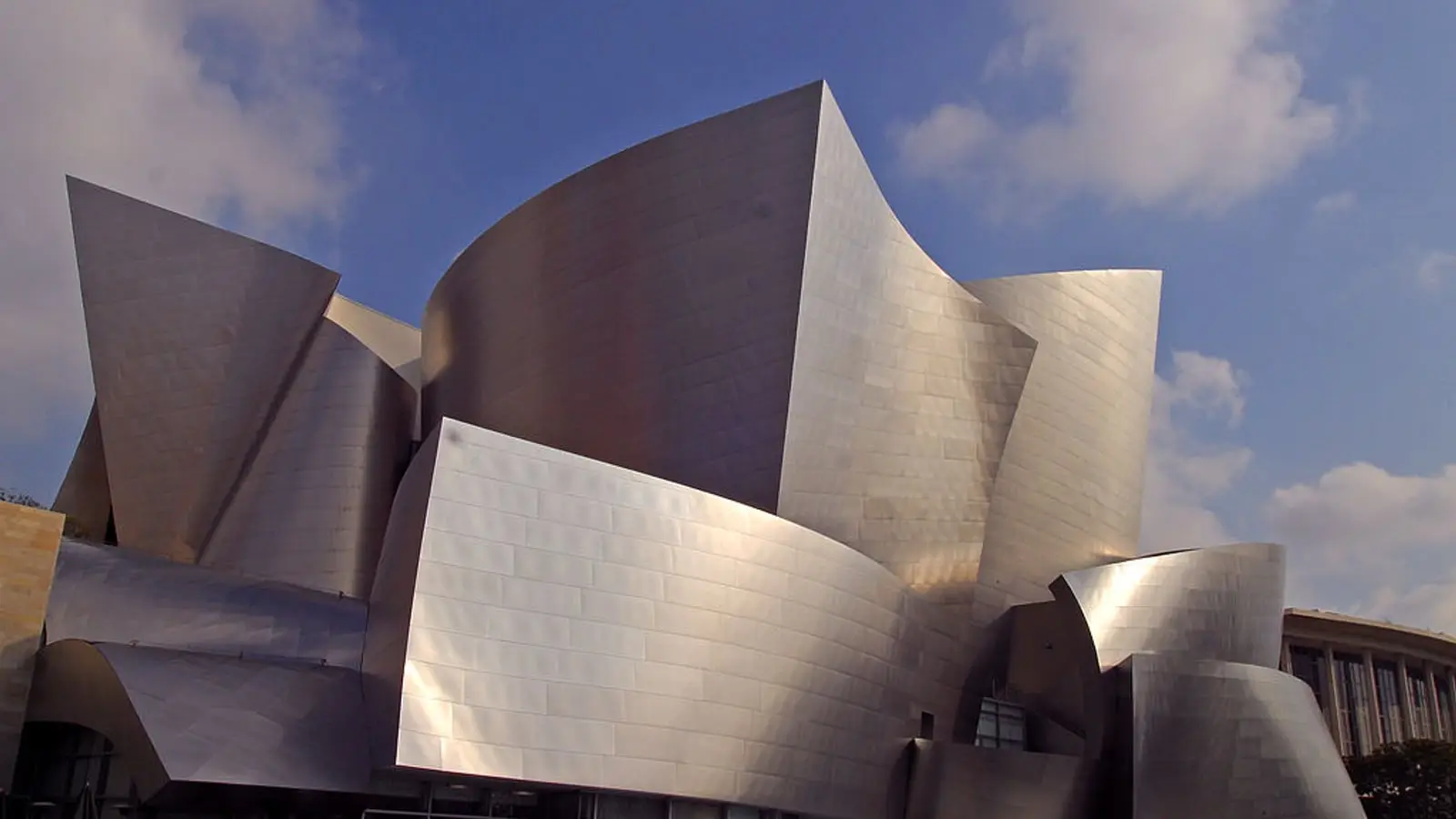
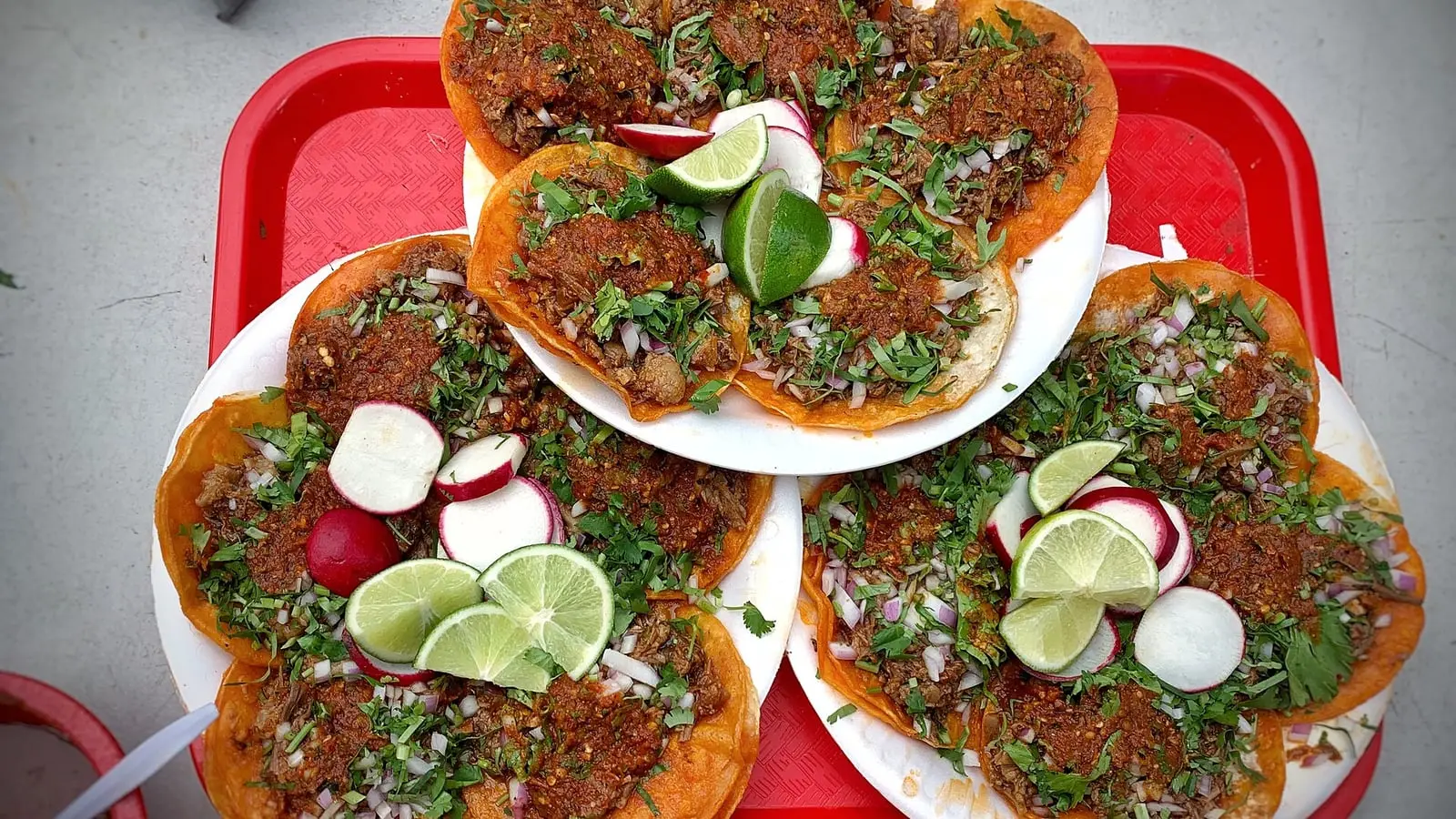
Beverly Hills Glamour to West Hollywood: Rodeo Drive, Sunset Strip, and Mid-City Culture
Nowhere embodies the cinematic luxury and wealth of Southern California more overtly than the municipality of Beverly Hills. Flanked by pristine residential estates and manicured royal palms, the commercial epicenter of this enclave is Rodeo Drive, a world-famous three-block corridor representing the undisputed apex of global haute couture and luxury retailing.
Strolling along the cobblestones of Two Rodeo, flanked by classical European limestone facades and tiered fountain courtyards, visitors encounter flagship houses for Chanel, Cartier, and Gucci. Watching vintage Rolls-Royces and custom sports cars purr past sidewalk cafes under the shade of towering Washingtonia robusta palms feels like walking directly through a glamorous Hollywood film set.
Continuing eastward along Sunset Boulevard leads into the historic Sunset Strip in West Hollywood, the crucible of American rock-and-roll mythology. Landmark venues like Whisky a Go Go and The Roxy Theatre, where legends from The Doors to Guns N Roses forged their craft, stand alongside storied celebrity hideaways like the Chateau Marmont and the Sunset Tower Hotel.
For modern cultural immersion, head south toward the Los Angeles County Museum of Art (LACMA) along the Miracle Mile of Wilshire Boulevard. Dominating the public entrance plaza is Chris Burden famous installation Urban Light, composed of 202 restored cast-iron antique streetlamps. As twilight falls, these historic lanterns illuminate in warm golden clusters, forming one of the most photographed architectural landmarks in the city.
The Getty Center & Hilltop Modernism: Richard Meier's White Marble and Impressionist Masterpieces
Crowning a 110-acre hilltop ridge in Brentwood, The Getty Center stands as a monumental cultural acropolis established through the immense philanthropic trust of oil industrialist J. Paul Getty. Designed by Pritzker Prize laureate Richard Meier, the complex is clad in 1.2 million square feet of Italian travertine stone, exuding the serene, timeless authority of a modernist temple suspended between mountains and sea.
Boarding the computerized, cable-driven hovertram at the canyon parking station forms an evocative prelude to the visit. Gliding silently up the mountain ridge, floor-to-ceiling windows unveil dramatic panoramas sweeping from the Pacific oceanfront across West Los Angeles toward the distant silhouette of downtown skyscrapers.
Within four interconnected pavilions bathed in soft natural daylight, visitors explore an extraordinary assembly of European art from antiquity through the early 20th century. Stand before Vincent van Gogh's luminous canvas Irises, admire Claude Monet's impressionistic Wheatstacks, and study masterworks by Rembrandt and Turner, exhibited in intimate gallery spaces without glass barriers.
Outside, the dynamic Central Garden designed by conceptual artist Robert Irwin offers a living outdoor sanctuary. A tree-lined walkway meanders beside a babbling stone stream into a circular azalea pool, where fragrant blooms and tranquil reflecting fountains provide the ultimate restorative retreat overlooking the Pacific basin, made all the more remarkable by free public admission.
Frequently Asked Questions
Field-tested answers to transit navigation, neighborhood choices, and payment traps.
Q1.Where do I catch an Uber or a taxi at LAX?
Q2.How do I get to my rental car at LAX?
Q3.How much is parking at Griffith Observatory, and is there a cheaper way up?
Q4.Is the Getty Center free?
The Smart Traveler's Essential Toolkit
Prepare instant mobile data, private airport transfers, and skip-the-line passes in one place.
Pick a base in Los Angeles by your route
Choose the places you want to see and get the neighbourhood with the shortest travel.
Compare Los Angeles Hotel Rates
Find the cheapest channel across Agoda and major booking engines with Tripdify.
Share This Guide with Your Companions
When shared via chat or social media, a curated summary card is sent along.
Recommended Guides
Where to Stay in Tokyo: Shinjuku vs Shibuya vs Ginza
Comparing room footprints across Shinjuku, Ginza, and Ueno, locking in sudden 14-day cancellation drops, and eliminating DCC fees with clean Yen checkout.
7 Budget Hotels in Tokyo Under $100 on the Yamanote Line
Even amid yen fluctuations, central Tokyo hotel rates have soared. Learn how to secure Yamanote loop line hotels at half the price of Shinjuku, compare onsen bath chains like Dormy Inn, trigger secret Agoda VIP and Booking.com Genius discounts, and dodge hidden currency fees with yen settlement.
How to Read the Tokyo Subway Map and Where to Stay on the Yamanote Line
How to choose between Keisei Skyliner and Narita Express, avoid the Tokyo Subway Ticket trap, use Apple Wallet Suica, and select the ideal hotel base in Tokyo.
Tokyo Day 1 Itinerary: Narita Airport to the City and Your First 24 Hours
From stepping off at Narita Airport to mastering high-speed trains, navigating Tokyo's sprawling transit hubs, ordering counter ramen effortlessly, and catching sunset from Roppongi Hills. A definitive guide for your first 24 hours in Tokyo.
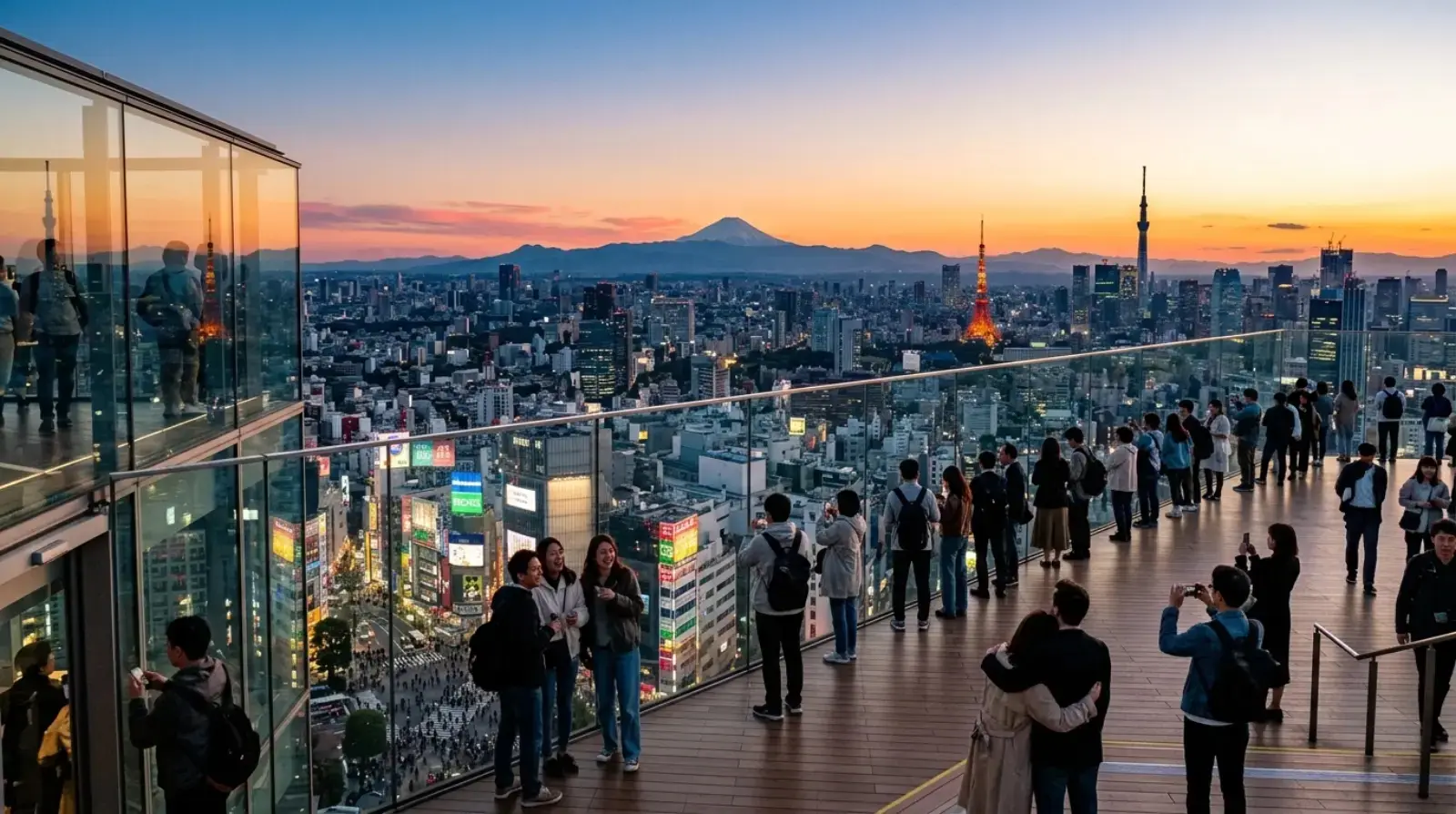
Tokyo Day 2 Itinerary: Booking Shibuya Sky, Harajuku Backstreets and Roppongi at Night
Securing prime sunset slots atop Shibuya Sky, navigating hidden boutiques along Harajuku Cat Street, immersing in the forested serenity of Meiji Jingu, and marveling at the crimson glow of Tokyo Tower from Roppongi Hills. A masterclass in Day 2 pacing.
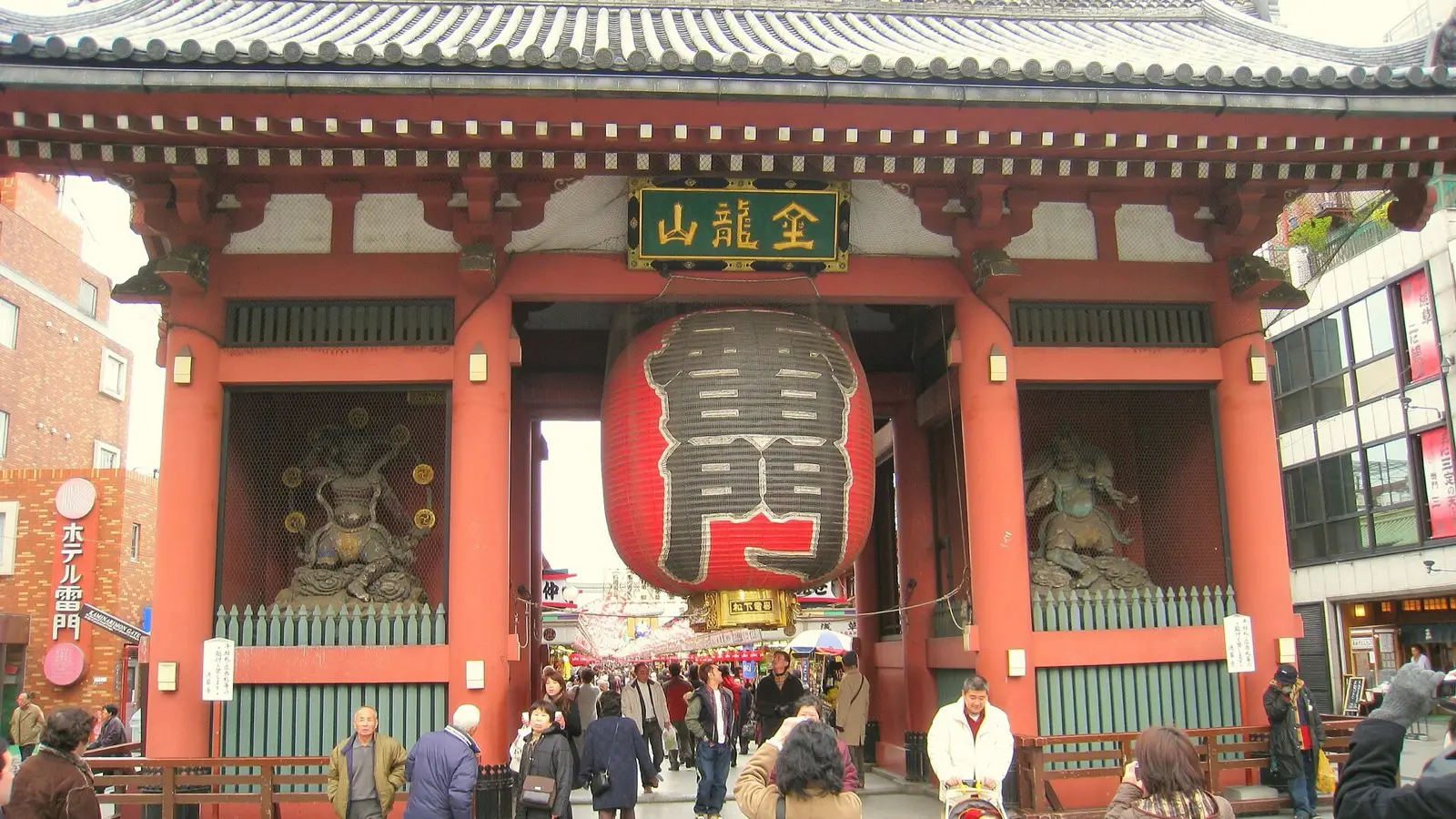
Tokyo Day 3 Itinerary: Asakusa, Akihabara, Ginza Depachika and Flying Home
The ultimate finale for your Tokyo stay: tranquil morning worship at Sensoji, retro subculture in Akihabara, Ginza Six architectural rooftop views and basement depachika feasts, capped by seamless Skyliner and N'EX airport connections.
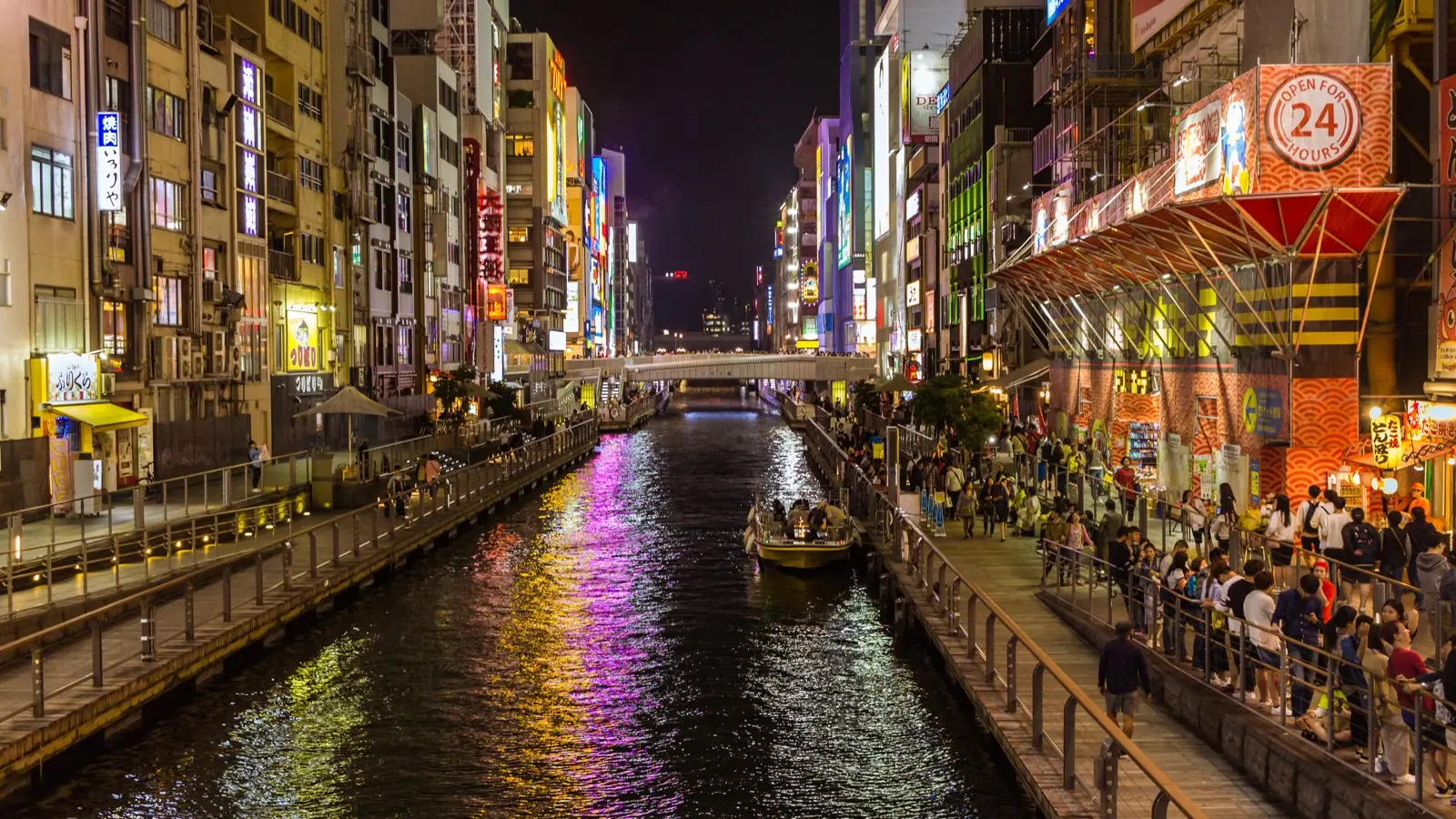
Osaka Itinerary: Dotonbori and Umeda in Two Nights
Osaka is Japan culinary powerhouse where feasting is an art. Navigate Rapi:t airport transfers, Namba vs Umeda hotels, and street food corridors with veteran precision.
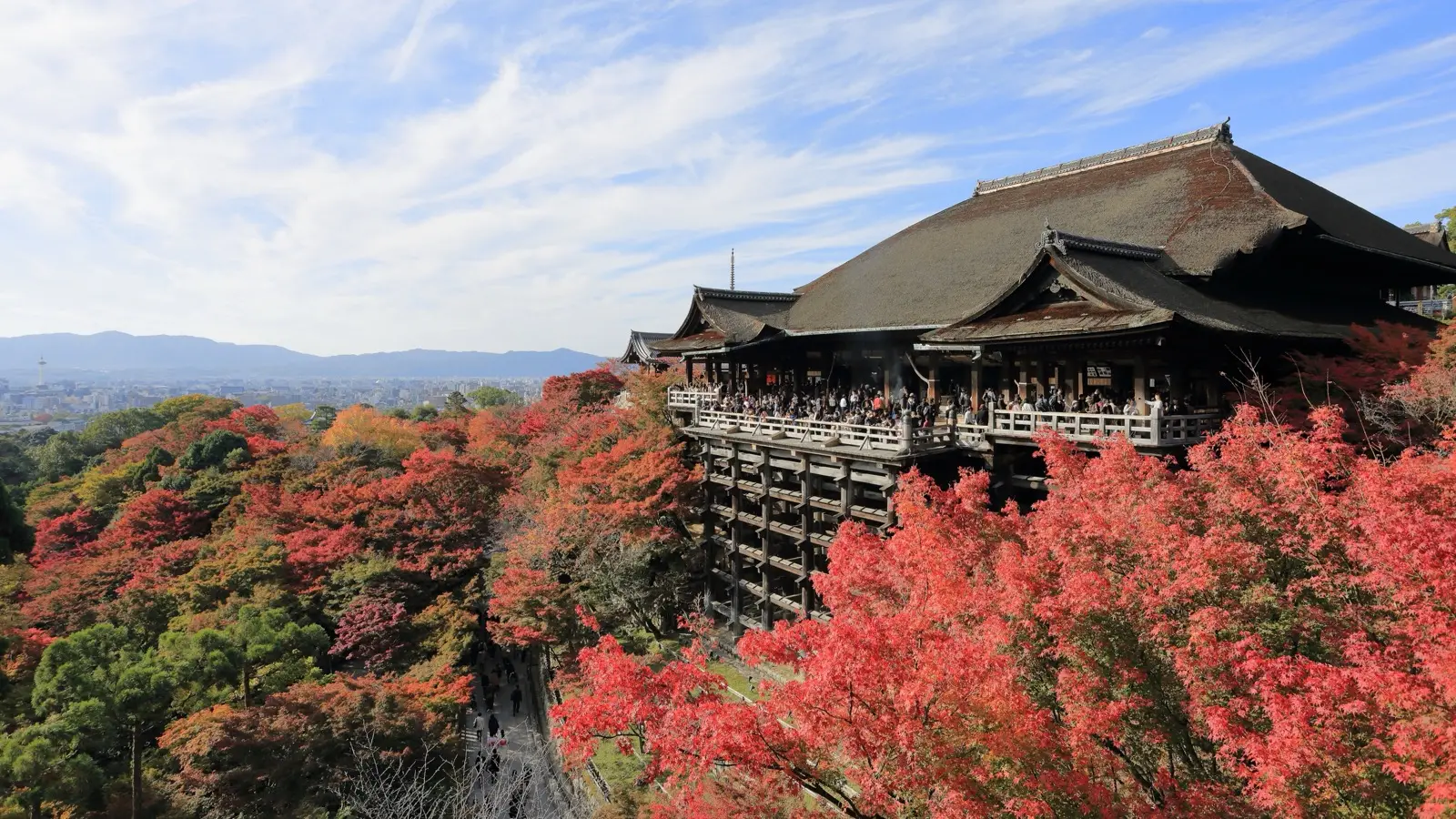
Kyoto Itinerary: Arashiyama, Gion and How to Pick a Ryokan
Kyoto compresses a millennium of Japanese aesthetic mastery. Discover how to evade bus congestion with private railways, master ryokan kaiseki booking windows, and savor early dawn stillness.
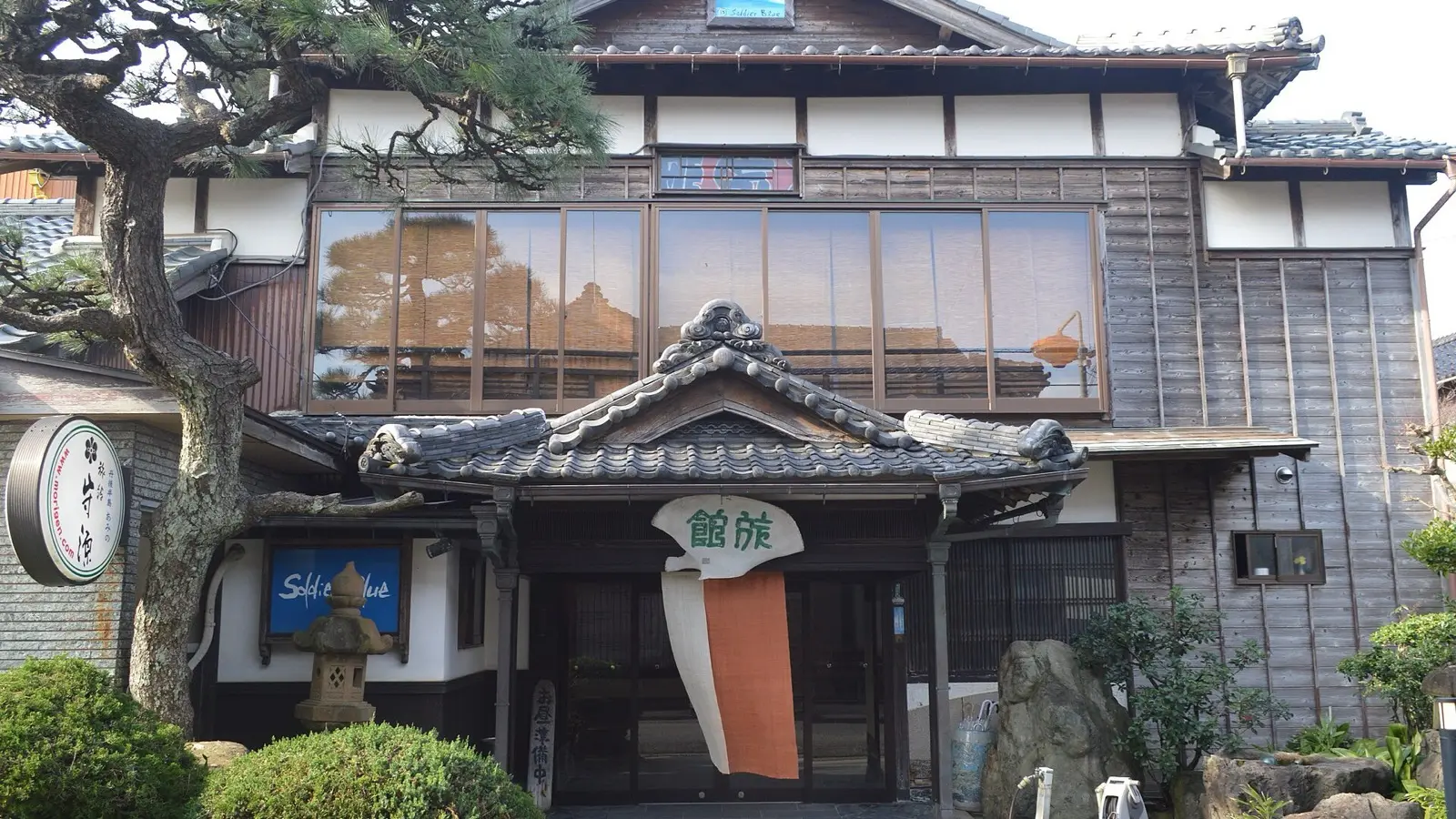
Kyoto Ryokan Prices and How to Choose: Kaiseki Terms and Machiya Stays
From hundred-year-old timber townhouses in Gion to misty Arashiyama riverside ryokan, staying in Kyoto demands cultural fluency and sharp booking discipline. An honest receipt audit covering kaiseki dinner curfews, private onsen etiquette, and avoiding dynamic pricing spikes.
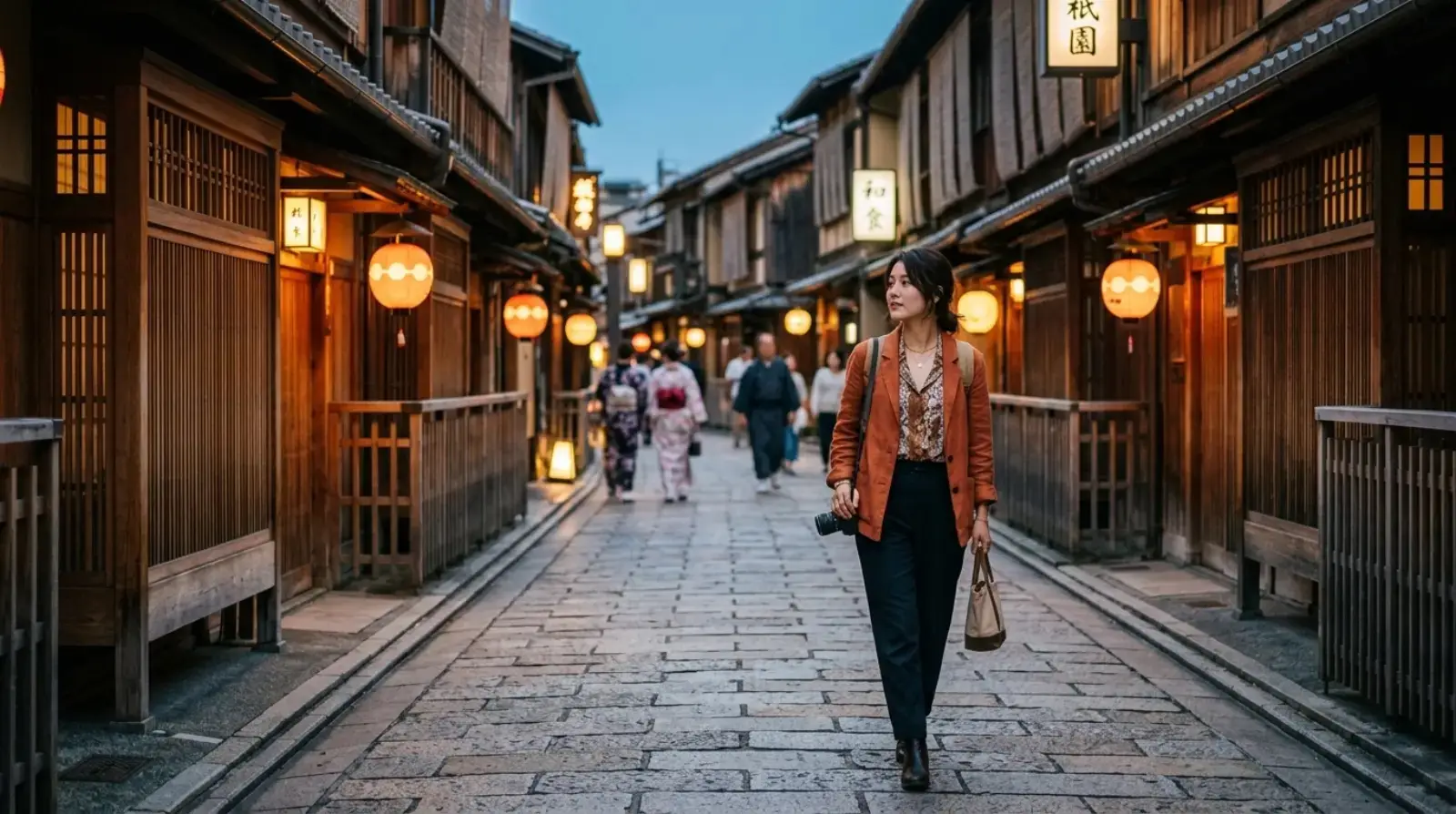
Kyoto Day 1 Itinerary: Kansai Airport to Kyoto and Your First Evening in Gion
Boarding the 75-minute Haruka Express from Kansai Airport, forwarding heavy bags straight to your hotel via Crosta at Kyoto Station, avoiding gridlocked buses using the subway, and an evening stroll through Gion to the Kamogawa. A field guide to your first 24 hours.
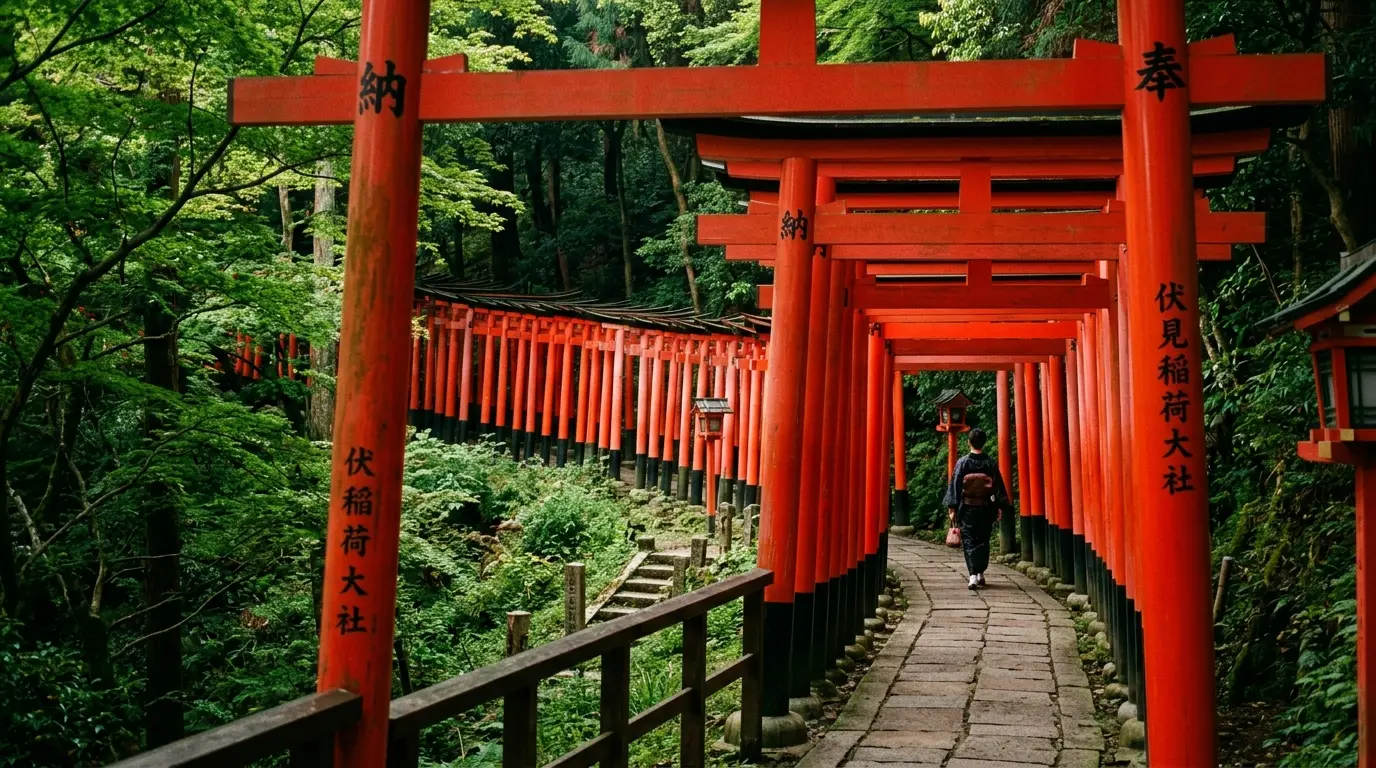
Kyoto Day 2 Itinerary: Fushimi Inari, Kiyomizu-dera, Sannenzaka and Gion
Day 2 immerses travelers into the spiritual heartbeat and preserved historic streets of Kyoto: early morning solace along thousands of vermilion torii gates at Fushimi Inari, sweeping mountain panoramas from the legendary wooden stage of Kiyomizu-dera, artisan tea shops and matcha sweets across cobblestoned Ninenzaka and Sannenzaka, followed by lantern-lit strolls in Gion Shirakawa and a refined multi-course Kaiseki dinner.
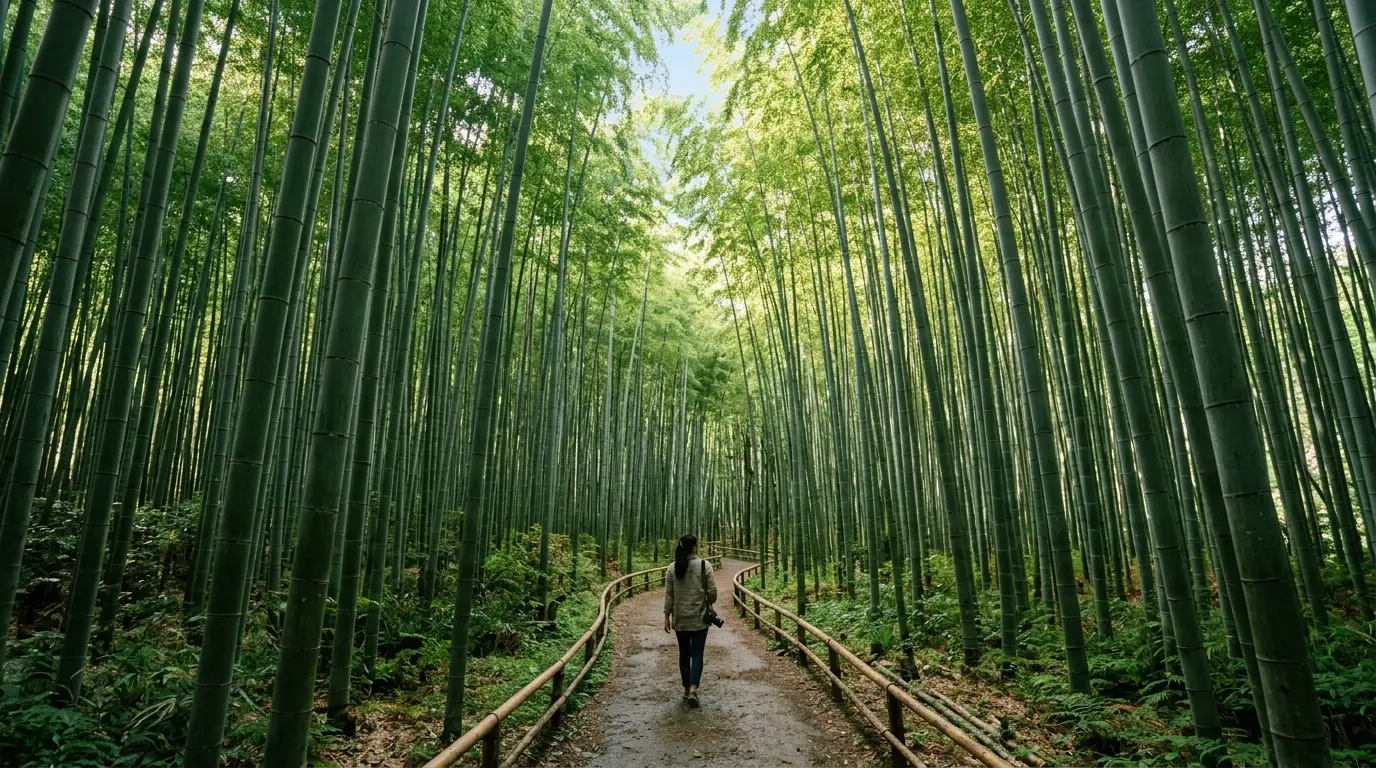
Kyoto Day 3 Itinerary: Arashiyama Bamboo Grove, Nishiki Market and the Journey Home
A sublime final chapter to your Kyoto journey: morning breezes whispering through towering emerald stalks in the Arashiyama Bamboo Grove, the UNESCO World Heritage mirror pond at Tenryu-ji, riverside specialty coffee by Togetsukyo Bridge, savory culinary treasures inside 400-year-old Nishiki Market, followed by Kyoto Station souvenir shopping and a swift 75-minute ride aboard the JR Haruka Express straight to Kansai Airport.