
ParisCurated
Where to Stay in Paris: Which Arrondissements to Choose and Which to Avoid
Decoding the spiral arrondissement safety tiers, breaking down post-2024 tripled tourist taxes, and mastering Navigo weekly transit caps.

Decoding the Snail Shell: Arrondissement Safety Tiers and Basecamp Logic
Unfold a map of Paris and you immediately notice 20 numbered administrative districts spiraling clockwise outward like a snail shell (escargot) from the Île de la Cité at its historic core. Far more than arbitrary postal designations, this unique numbering system dictates street lighting intensity, police patrol cadence, and the baseline cost of hotel rooms. Single-digit districts (1st through 8th) encompass the hallowed tourist monuments but command astronomical room rates, while double-digit quarters split sharply between tranquil residential havens and gritty transit hubs.
The classic golden sanctuary combining walking convenience with rock-solid security is found along the Left Bank's 5th (Latin Quarter), 6th (Saint-Germain-des-Prés), and 7th (Eiffel and Invalides), alongside the Right Bank's 3rd and 4th (Le Marais). Even past 11:00 PM, these neighborhoods hum with locals sipping Pinot Noir at corner sidewalk bistros, offering absolute peace of mind for twilight strolls along the Seine. Conversely, prime addresses in the 1st around the Louvre or the 8th along the Champs-Élysées suffer severe price inflation, rarely offering sub-$300 nightly rates for modest accommodations.
Budget-conscious travelers frequently fall into severe traps by booking rock-bottom hostels near the Gare du Nord and Gare de l'Est in the 10th, or outer perimeters in the 18th, 19th, and 20th. While Eurostar and RER B connections make the 10th logistically tempting, the perimeter around Gare du Nord and Barbès-Rochechouart suffers from open-air narcotics trade, aggressive touts, and relentless pickpocket rings. Navigating these dimly lit streets alone with rolling suitcases after dark induces intense anxiety, regardless of how attractive that $110 nightly rate appears on screen.
Where, then, does one find modern safety and walkable charm under a realistic $200 to $250 budget? The definitive answer lies in the tranquil south-western residential crescent of the 14th (Montparnasse) and 15th (Vaugirard). Populated by middle-class Parisian families, these districts feature bustling boulangeries, tree-lined boulevards, and ubiquitous neighborhood pharmacies. With Metro Lines 4, 6, and 12 slicing directly into Châtelet and Concorde in under 15 minutes, choosing an 18-square-meter room here is infinitely smarter than suffocating in a 12-square-meter shoebox in the 1st.
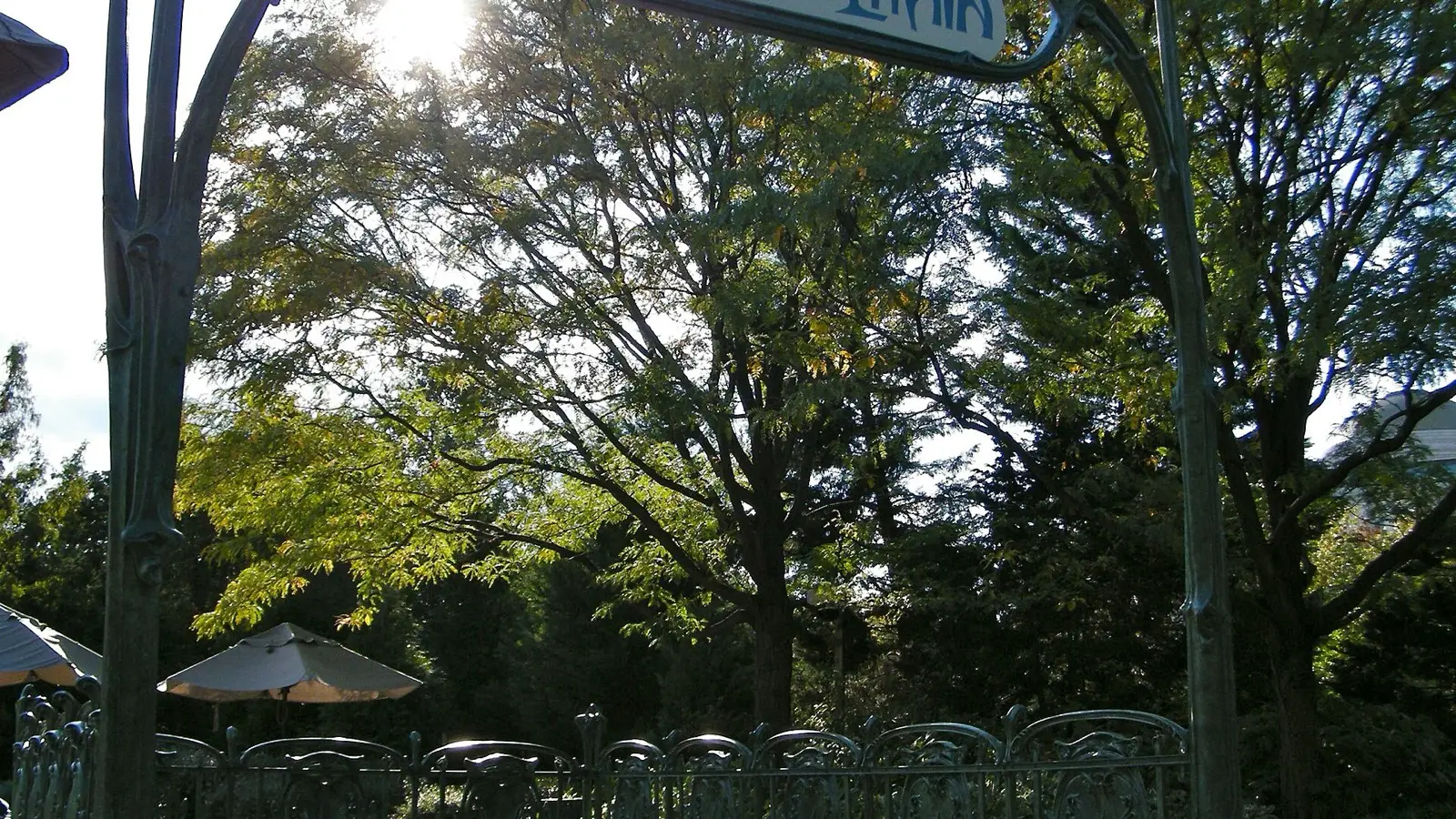
Tripled Tourist Taxes (Taxe de Séjour) and Checkout Pricing Pitfalls
The most brutal fiscal shock awaiting unsuspecting Paris visitors surfaces not at the airport, but directly at the hotel front desk during checkout: the mandatory local tourist tax (Taxe de Séjour). Following the 2024 Olympic infrastructure levies, regional transport authorities surged municipal hotel surcharges by over 200%. What used to be a nominal €2.88 nightly fee for standard 4-star properties has escalated to €8.45 per person per night for 4-star hotels and €11.70 for 5-star hotels (2026 rates).
For a traveling couple booking a 4-night stay at a boutique 4-star property, this newly inflated levy adds an unexpected €68 or so (roughly $75 to $80) directly onto your room bill. Major online travel agencies (OTAs) intentionally display room rates exclusive of local taxes in large bold fonts, tucking tiny disclaimers at the final checkout step stating 'Local taxes and fees payable at property'. Overlooking this fine print completely shatters tight holiday budgeting.
Equally hazardous is the predatory Dynamic Currency Conversion (DCC) trap programmed into French payment terminals. The moment you insert a foreign credit card, the handheld POS terminal displays an innocent-looking prompt: 'Pay in USD' or 'Pay in EUR'. Selecting your home currency triggers an extortionate 3% to 5% internal merchant conversion margin on top of standard bank rates. On a combined hotel and tax balance of $1,200, tapping the wrong button burns $60 instantly with zero consumer benefit.
To mitigate this statutory tax creep, smart travelers exploit France's official hotel star classification system. Municipal taxes are linked strictly to formal government star tiers rather than aesthetic luxury or room cleanliness. A stylish 3-star design boutique in the Marais incurs a municipal tax of approximately €5.53 per person nightly, about a third less than the €8.45 charged at a 4-star rating while delivering identical bedding comfort. Across a 4-night romantic getaway, that simple tier awareness saves around €23 in hard cash.
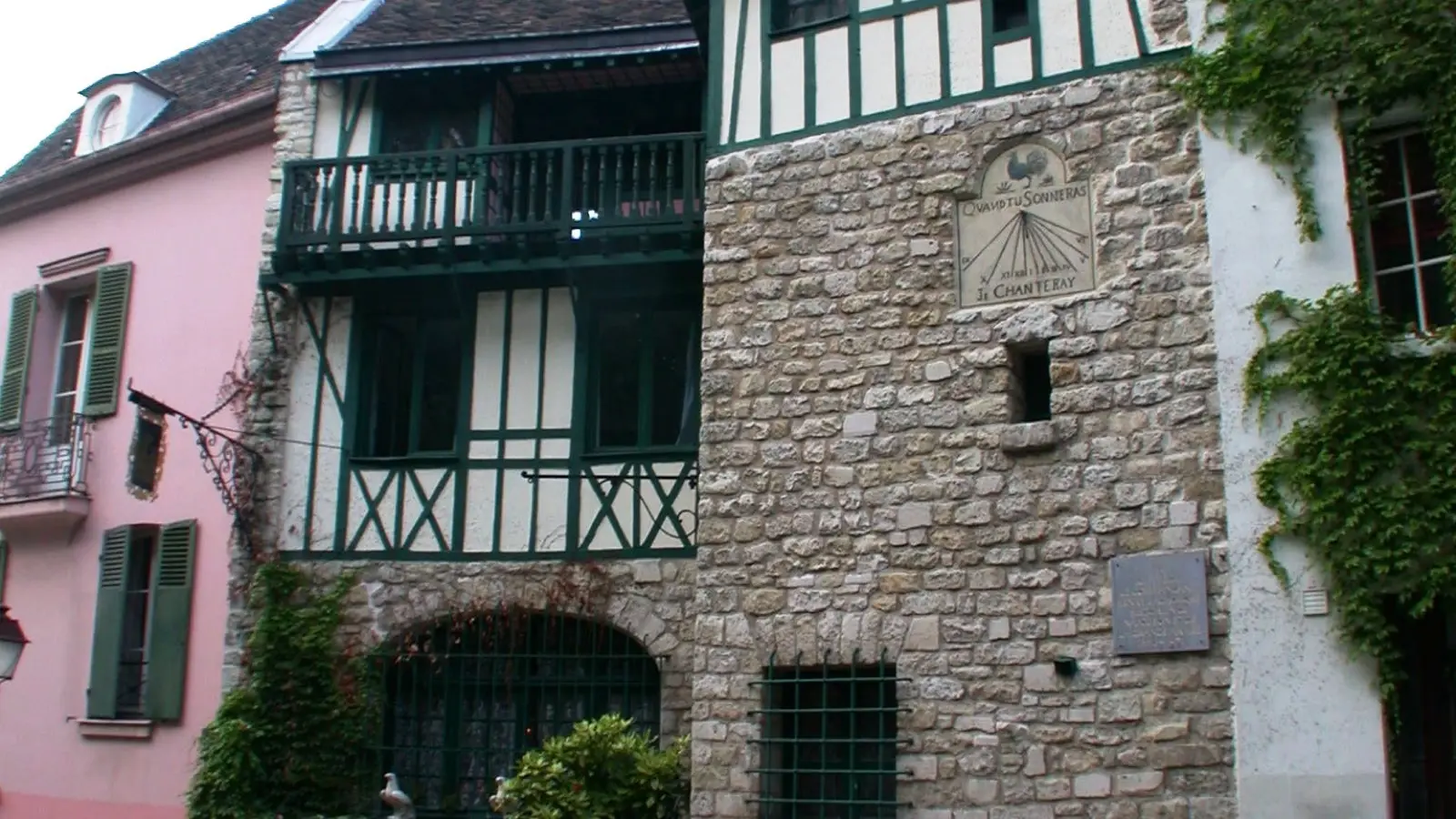
Three Parisian Basecamps: Le Marais vs Saint-Germain vs Montparnasse
Narrowing your lodging search to three distinct strategic hubs optimizes logistics based on personal travel style. First is the vibrant, bohemian enclave of Le Marais (spanning the 3rd and 4th arrondissements) on the Right Bank. Flanked by the Place des Vosges and Musée Picasso, this neighborhood thrives with independent designer boutiques, contemporary art galleries, and historic Jewish falafel institutions. Unlike much of Paris, the Marais stays bustling on Sundays, letting you step straight out of your doorway into electric terrace dining and natural wine bars.
Second is the intellectual and literary heartland of the Left Bank: Saint-Germain-des-Prés and the Latin Quarter (5th and 6th arrondissements). Home to iconic philosophical watering holes like Café de Flore and Les Deux Magots, this district enjoys immediate proximity to the serene lawns of the Jardin du Luxembourg. Packing a freshly baked baguette and aged Comté cheese to savor beside the Medici Fountain remains the quintessential Parisian luxury, complemented by the most pristine safety record in the metropolis.
Third is the unbeatable transport nexus and value powerhouse of Montparnasse in the 14th arrondissement. Serving as the primary terminus for TGV high-speed trains to Bordeaux and Brittany, Montparnasse station connects Metro Lines 4, 6, 12, and 13 in a centralized hub. Hotel room rates here run 30% to 40% below Saint-Germain averages. Furthermore, the district's storied Boulevard du Montparnasse and Rue du Montparnasse harbor authentic Breton crêperies serving delicious savory galettes for under €12.
Before committing to a historic booking, travelers must confront the structural realities of Parisian real estate: elevators and climate control. Charming 18th-century Haussmannian properties face draconian municipal preservation laws that strictly forbid altering stairwell architecture. Being assigned a 5th-floor room in an elevator-free building means hauling 50-pound suitcases up narrow spiral wooden stairs. Always confirm the presence of an 'Ascenseur' (elevator) and verify centralized air conditioning if visiting between June and September.
Calibrating spatial expectations is equally vital. The average standard room footprint across 3-star and 4-star central hotels measures a modest 12 to 14 square meters (roughly 130 to 150 square feet). If traveling with multiple large suitcases or accompanying young children, avoid cramming into microscopic historic hotel rooms. Instead, look toward modern aparthotels (such as Citadines or Adagio) in the 15th arrondissement, which deliver over 25 square meters alongside functional kitchenettes.
Metro Line 1 Pickpocket Defense and Navigo Transit Optimization
Paris boasts one of the world's densest urban transit networks with 14 subway lines and extensive RER commuter routes, yet navigating it requires relentless vigilance against professional pickpocket rings. High-density tourist routes like Metro Line 1 (connecting the Louvre, Tuileries, Concorde, and Champs-Élysées) and Metro Line 4 are prime operational hunting grounds. Common tactics range from aggressive groups of juveniles brandishing clipboards for fake charity petitions to snatch-and-grab thieves pouncing just as subway doors chime to close.
A fundamental transit survival rule is never sitting on the fold-down jump seats (Strapontins) adjacent to train doors during crowded hours. Not only is using these seats technically forbidden on crowded trains, but sitting there leaves your smartphone completely vulnerable to platform thieves grabbing devices in a split second. Always stand facing inward, keep backpacks clutched securely against your chest, and secure zipper pulls with carabiners or safety pins.
When selecting fare media, understanding the updated Île-de-France transit pricing framework is critical. If your visit starts on a Monday or Tuesday and extends past four days, the Navigo Découverte Weekly Pass is the undisputed champion. It grants unlimited travel across Zones 1 through 5, seamlessly covering standard subway lines, city buses, Versailles, Disneyland Paris, and the otherwise expensive €14 Charles de Gaulle airport RER B link. Bring a small passport photo (2.5x3cm) and purchase the €5 physical card at station counters.
For travelers arriving on a Thursday or Friday, however, the weekly pass is cost-ineffective due to its strict Monday-to-Sunday validity window. In such scenarios, download the official Île-de-France Mobilités app or load a digital Navigo Easy card via Apple Wallet to purchase a discounted 10-pack of T+ digital tickets (Carnet). Traditional magnetic paper tickets are prone to demagnetization errors at station turnstiles and are being steadily phased out, making contactless smartphone taps the fastest transit workflow.
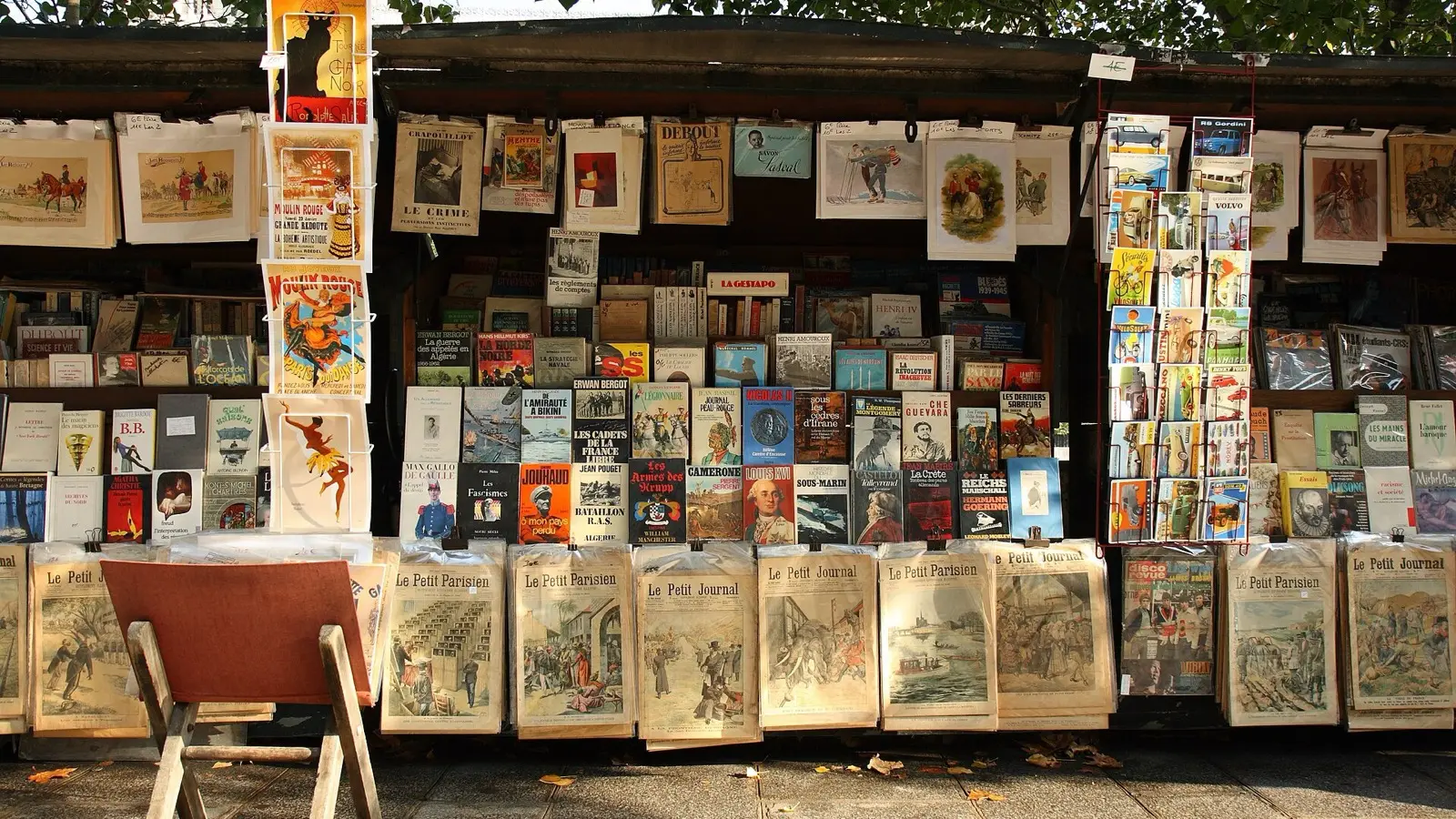
The €15 Formule Midi Lunch Secret and Twilight Along the Seine
While Parisian fine dining bills can escalate terrifyingly quickly, savvy travelers leverage the French corporate lunch tradition: the 'Formule Midi'. Between 12:00 PM and 2:00 PM on weekdays, neighborhood bistros scrawl daily set menus across chalkboards (Ardoises). Ordering a two-course starter and main (Entrée + Plat) or main and dessert (Plat + Dessert) costs merely €16 to €20, providing exceptional culinary quality, from fork-tender Boeuf Bourguignon to crispy duck confit, for a fraction of evening à la carte rates.
The single most powerful French phrase for defending your dining budget is 'Une carafe d'eau, s'il vous plaît' (a pitcher of tap water, please). Simply asking for 'water' prompts waiters to bring sealed bottles of Evian or Badoit carrying €7 to €8 surcharges. By French decree, every licensed restaurant must provide municipal tap water (Carafe d'eau) free of charge, and most bistros bring bread at no extra cost, instantly saving €15 per couple.
As twilight settles across the rooftops around 8:30 PM, bypass overpriced tourist dinner cruises in favor of the stone quays beneath Pont Marie along the Île Saint-Louis. Pick up a freshly baked €1.40 baguette tradition from an artisan bakery, a €6 bottle of Bordeaux Supérieur, and a round of creamy Camembert from a neighborhood grocery. Perched upon the ancient stone riverbank with feet dangling above the Seine while dusk paints Notre-Dame in warm rose-gold hues, you will experience the soul of Paris without spending a fortune.
Mastering Paris ultimately comes down to rhythm rather than budget magnitude. By establishing a safe residential basecamp, understanding municipal tax logistics, and dining with insider awareness, the city's friction evaporates into pure cinematic wonder. Armed with this neighborhood blueprint, step onto the cobblestones with confidence, knowing you are exploring Paris with the wisdom of a seasoned resident.
Frequently Asked Questions
Field-tested answers to transit navigation, neighborhood choices, and payment traps.
Q1.Which arrondissement is best to stay in for a first trip to Paris?
Q2.How much is the Paris tourist tax per night?
Q3.How much is the RER B from Charles de Gaulle Airport to central Paris?
Q4.Do I need to tip at restaurants in Paris?
The Smart Traveler's Essential Toolkit
Prepare instant mobile data, private airport transfers, and skip-the-line passes in one place.
Pick a base in Paris by your route
Choose the places you want to see and get the neighbourhood with the shortest travel.
Compare Paris Hotel Rates
Find the cheapest channel across Agoda and major booking engines with Tripdify.
Share This Guide with Your Companions
When shared via chat or social media, a curated summary card is sent along.

Recommended Guides
Paris Hotels and Transport Passes: Boutique Stays and Using the Metro
How to budget for unexpected Parisian municipal taxes, choose boutique stays between Le Marais and the Latin Quarter, and master CDG airport transit with Navigo Easy.
Paris Day 1 Itinerary: Charles de Gaulle to the City and Getting a Navigo Pass
Dodging illegal taxi touts at CDG for official flat-rate ranks, safe transit aboard the RER B, digital Navigo Easy ticketing, boulangerie ordering rituals, and golden hour along the Seine. A veteran field guide to your first 24 hours.

Paris Day 2 Itinerary: Louvre, Musee d'Orsay, the Eiffel Tower and a Seine Cruise
Experience an unhurried morning sprint to the Mona Lisa at the Louvre, stroll through the Tuileries to Musee dOrsay, browse Shakespeare and Company in the Latin Quarter, and glide past the sparkling Eiffel Tower on a twilight Seine River cruise.
Paris Day 3 Itinerary: Montmartre, the Marais, Galeries Lafayette and Flying Home
Ascend Montmartre for sweeping panoramas from Sacré-Cœur, hunt for vintage treasures and street falafel in Le Marais, enjoy free rooftop skyline views at Galeries Lafayette, and streamline departure via automated PABLO kiosks at Charles de Gaulle Airport.
Hotel Check-In Abroad: Deposits, Resort Fees and City Taxes Explained
Prepaying your hotel room online does not mean your billing is settled. From pre-authorization holds tying up credit limits for weeks, to mandatory fifty-dollar nightly resort fees in Hawaii, European city taxes demanded in cash, and automated sensor minibars triggering false charges, we dissect the top five hotel front desk billing traps and how to defend your travel funds.
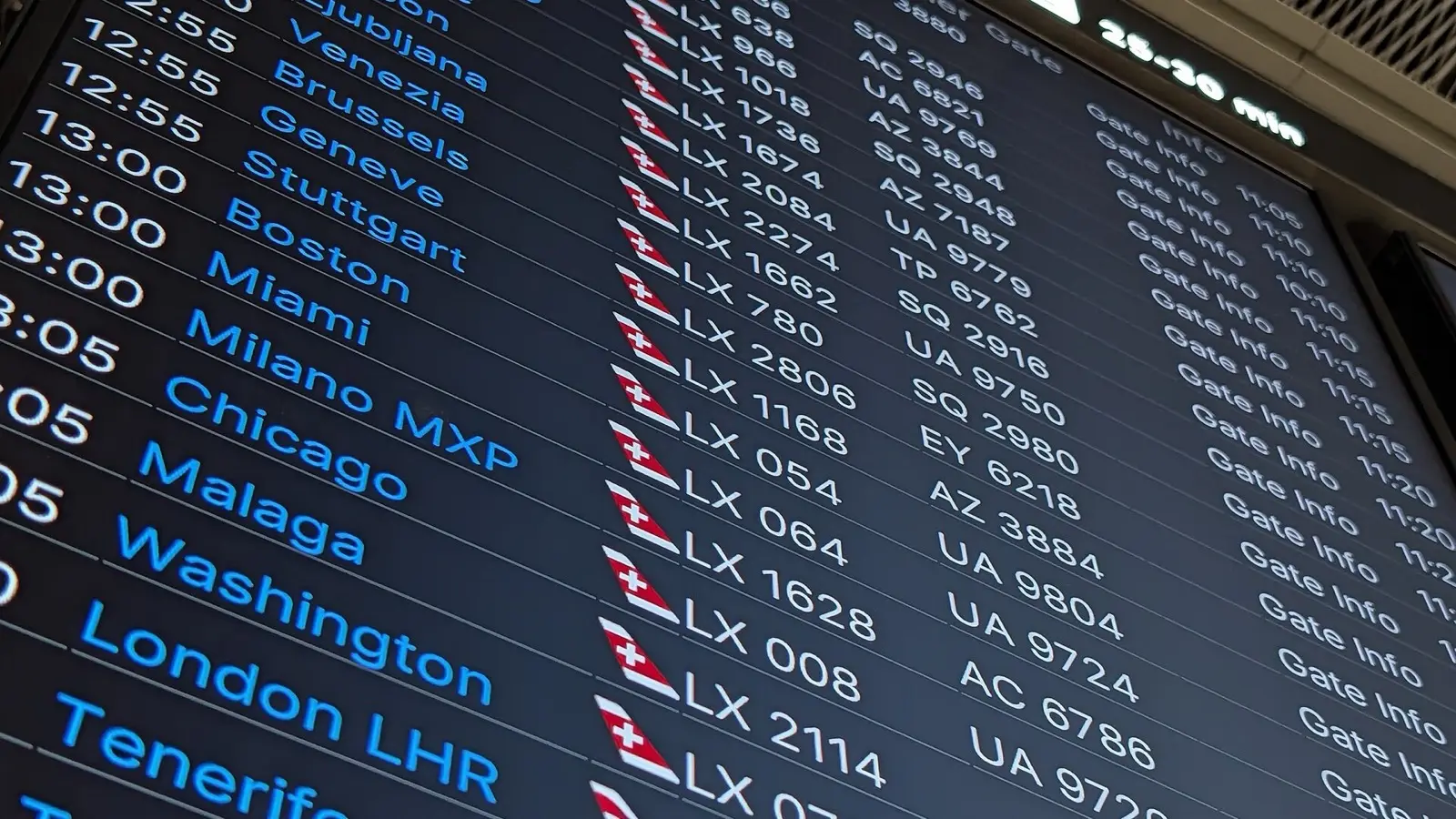
Flight Delay and Cancellation Compensation: Claiming up to EUR 600 Under EC 261
When 'DELAYED' or 'CANCELLED' flashes in red across the airport departure board, panic often sets in. However, under European Regulation EU261, passengers arriving three or more hours late on eligible flights are legally entitled to up to 600 euros in cash compensation per person. Learn how to file claims directly without forfeiting 35% commissions to third-party claim portals, secure complimentary transit hotels and dining vouchers under duty of care, and collect bulletproof evidence that disproves bogus weather excuses.
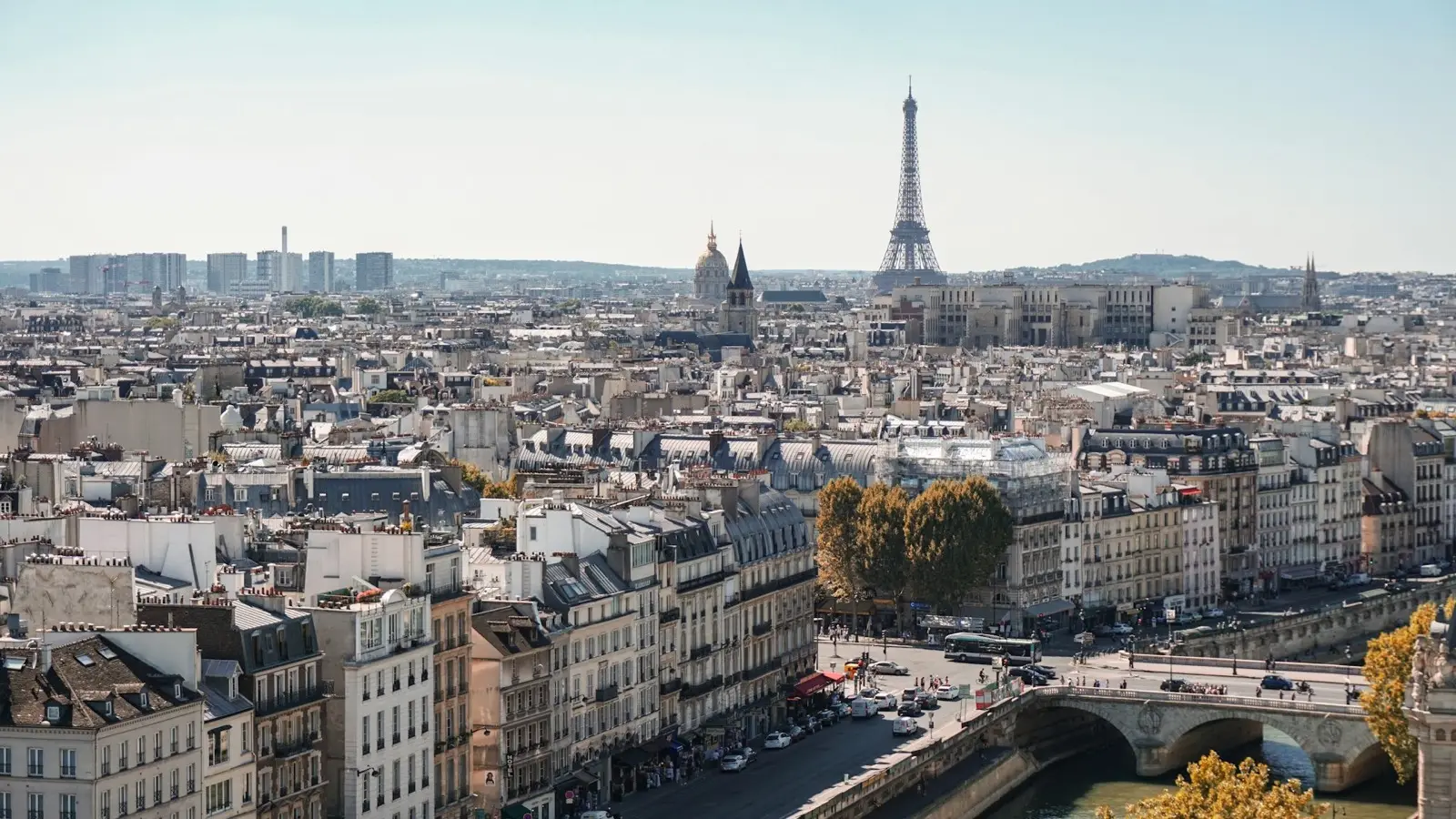
A Parisian Bistro Walk in the 11th: Natural Wine Bars, Zinc Counters, and Classic Steak Frites
If you have ever surrendered forty euros for a rubbery frozen steak on a tourist-clogged patio along the Champs-Elysees, you know the quiet ache of Parisian culinary disillusionment. The beating, unpretentious heart of French everyday dining lives elsewhere, tucked away within the working-class alleyways of the 11th arrondissement bordering the Marais and Bastille. Strolling down the cobblestone stretch of Rue Paul Bert at dusk, you witness locals leaning against patinated zinc counters, swirling unfiltered natural wines, and breaking crusty sourdough loaves. From ordering a proper saignant steak frites drenched in silky pan jus to deciphering handwritten chalkboard slates and requesting complimentary carafes of tap water like an insider, here is your poetic, friction-free blueprint to the true Parisian bistro.
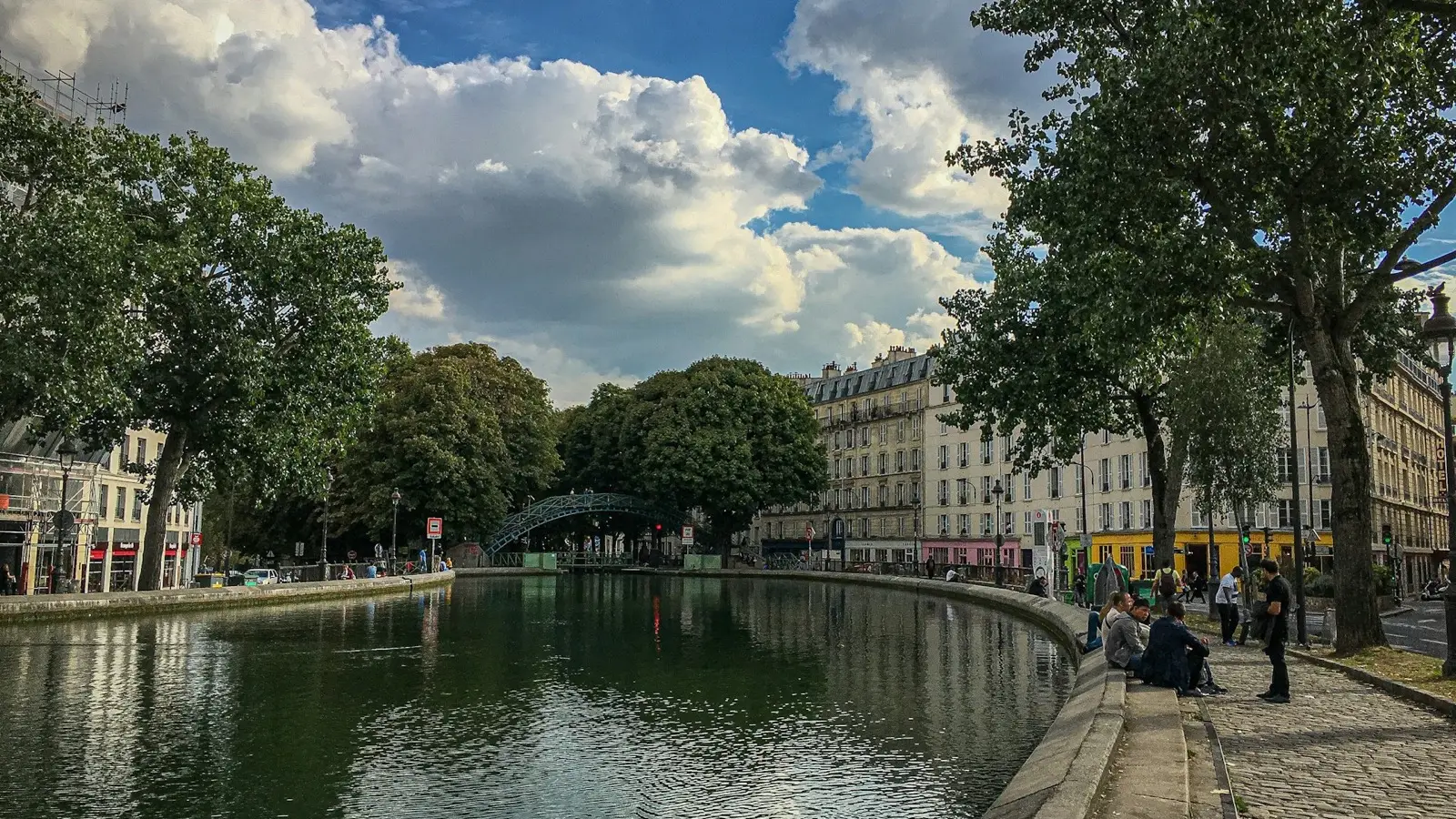
Strolling Paris's Canal Saint-Martin: Iron Footbridges, Artisan Boulangeries, and Riverbank Wine
Leaving behind the crowded photo ops at the Eiffel Tower and the snaking museum queues outside the Louvre reveals the quiet, cherished soul of everyday Parisian life along the waters of the Canal Saint-Martin in the 10th arrondissement. Ordered by Napoleon Bonaparte in 1802 and opened in 1825 to channel fresh drinking water and grain barges into the capital, this 4.5-kilometer waterway has blossomed into a bohemian sanctuary shaded by centuries-old chestnut and plane trees. Crossing the emerald arched iron footbridges immortalized in the film Amélie, biting into warm pistachio-chocolate escargot pastries from legendary bakery Du Pain et des Idées, and dangling your legs over the granite quay with a bottle of chilled natural wine encapsulates Paris at its most authentic. From watching retro canal locks manually adjust water levels to exploring hidden design boutiques and waterside bistro terraces, this slow-travel narrative captures the rhythm of Paris.
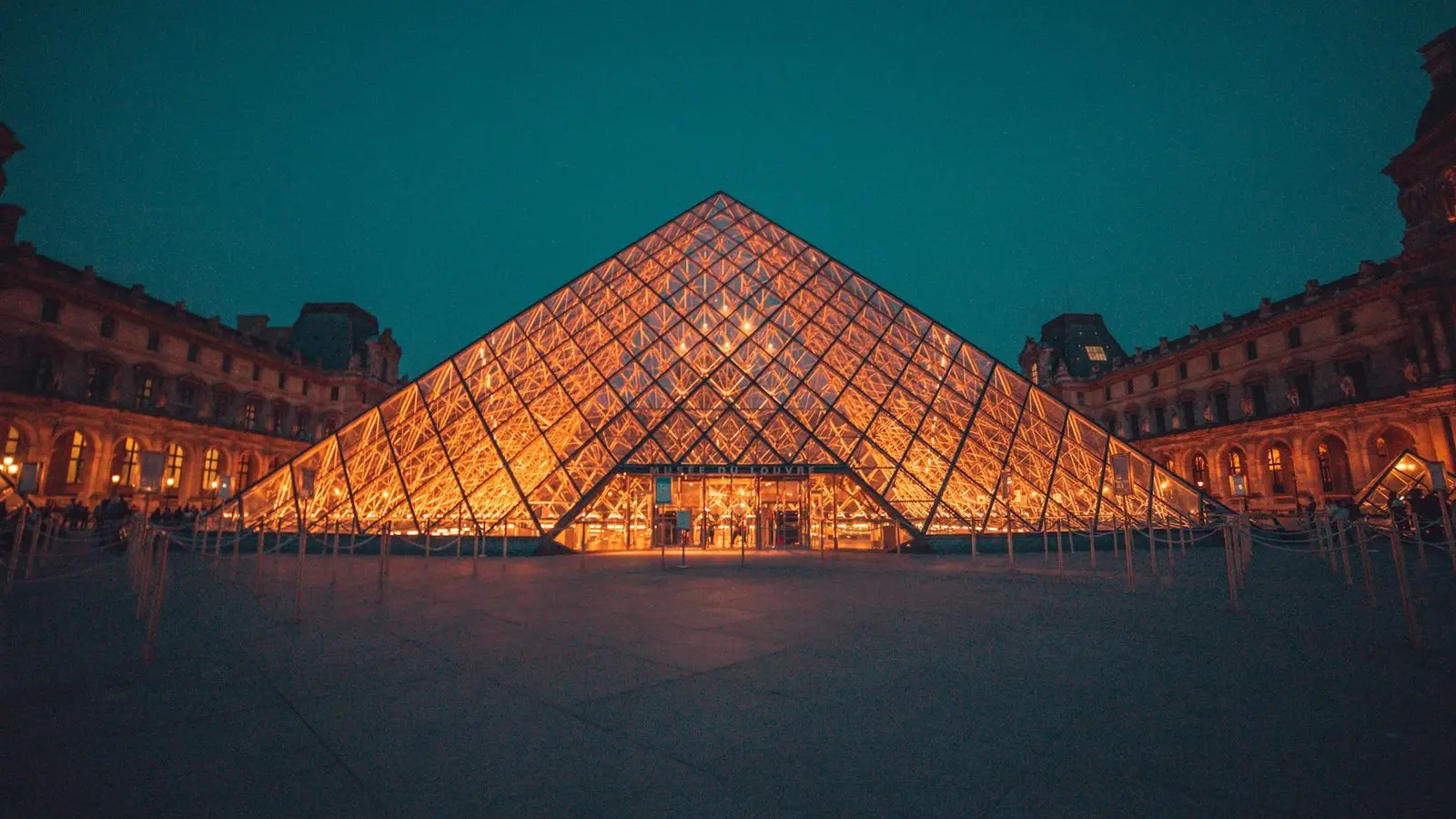
Mastering Overseas Museum and Landmark Bookings: Timed Slots and Cancelled Ticket Hacks
World-renowned cultural landmarks across Europe and Japan have fundamentally abandoned traditional walk-up ticketing. From Paris Louvre and the Vatican Museums to Sagrada Familia, Florence Uffizi, and Tokyo Shibuya Sky, strictly regulated timed-entry systems now dictate visitor flow. Allowing a 22-euro official admission pass (32 euros for non-EU visitors since January 2026) to inflate into a predatory 60-euro reseller voucher is an entirely preventable travel expense when you record booking drop windows accurately. This definitive playbook reveals official booking release cycles, opening time-slot tactics, 3D Secure credit card defenses, and the cancelled tickets that reappear in the last days before a visit.
Paris CDG Airport to City Centre: RER B Express for €11.80, RoissyBus, €56 Flat-Rate Taxis, and Navigo Hacks
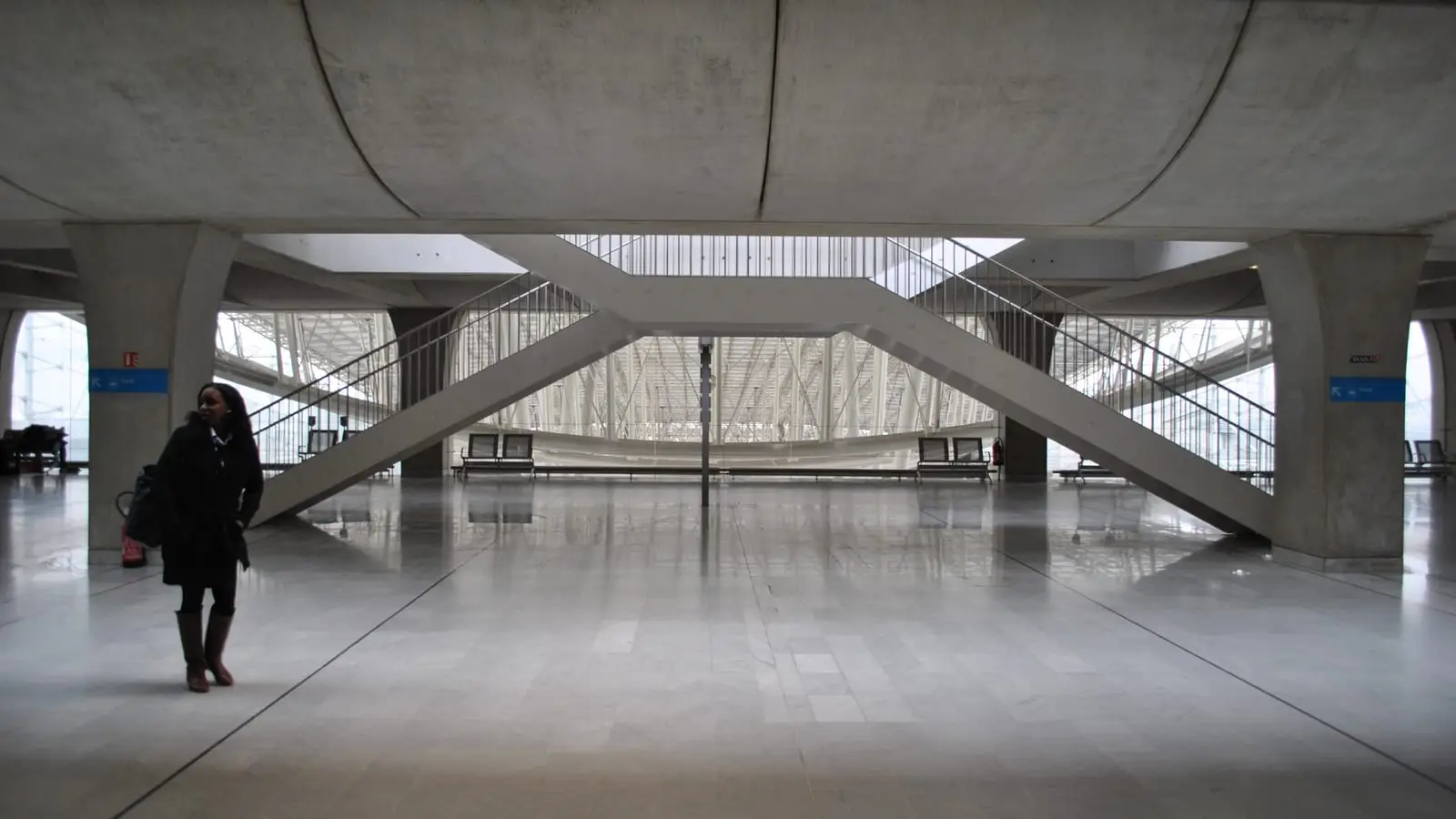
Reaching central Paris from Charles de Gaulle Airport (CDG) demands choosing the right transit mode based on luggage volume and hotel address. While the RER B commuter rail line (€11.80) delivers the swiftest 35-minute connection straight to Gare du Nord and Châtelet-Les Halles, travelers with hefty suitcases often suffer through endless metro stairwells. In contrast, the direct RoissyBus (€16.60) drops you curb-side at Palais Garnier without stairs, while Paris's strictly regulated flat-fare taxis (€56 Right Bank / €65 Left Bank) offer unparalleled door-to-door comfort for groups of two or more.

Where to Stay in Tokyo: Shinjuku vs Shibuya vs Ginza
Comparing room footprints across Shinjuku, Ginza, and Ueno, locking in sudden 14-day cancellation drops, and eliminating DCC fees with clean Yen checkout.
7 Budget Hotels in Tokyo Under $100 on the Yamanote Line
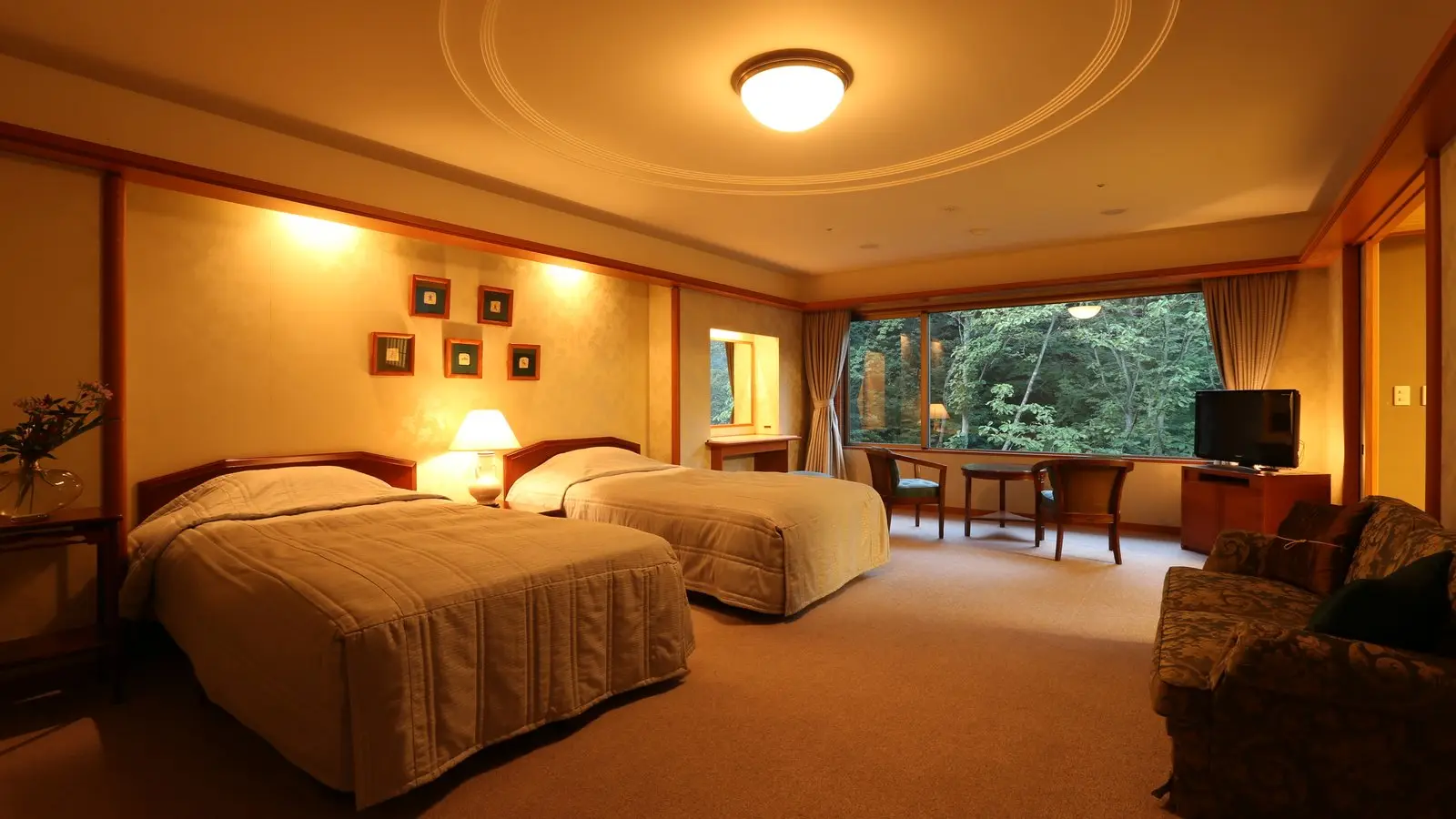
Even amid yen fluctuations, central Tokyo hotel rates have soared. Learn how to secure Yamanote loop line hotels at half the price of Shinjuku, compare onsen bath chains like Dormy Inn, trigger secret Agoda VIP and Booking.com Genius discounts, and dodge hidden currency fees with yen settlement.