
FukuokaCurated
Getting Around Fukuoka: Subway Lines and Where to Stay in Hakata or Tenjin
Mastering Japan's ultimate compact city: dodging the international shuttle trap, contactless metro gates, and choosing between Hakata, Tenjin, and Yakuin.
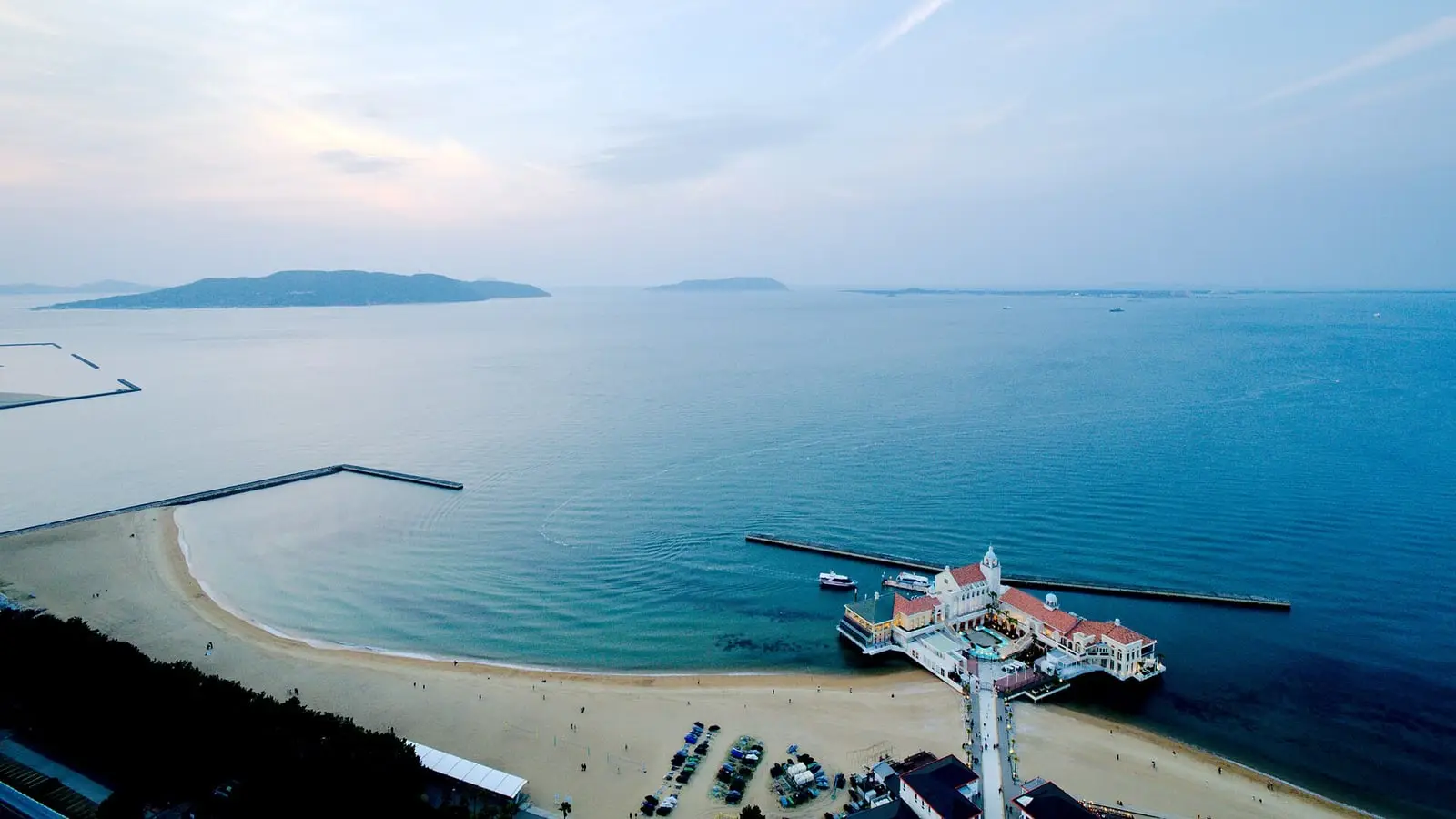
The Fukuoka Airport Terminal Trap: Free Shuttle Buses vs Direct Hakata City Buses
Fukuoka is celebrated globally as Japan's ultimate 'compact city': its airport sits a mere two subway stops (about 5 minutes) from Hakata Station, the central bullet train gateway. Yet lurking behind this promotional tagline is a structural trap that blindsides international arrivals: there is zero train infrastructure at the International Terminal. The subway Kuko Line station is constructed exclusively beneath the Domestic Terminal across the tarmac.
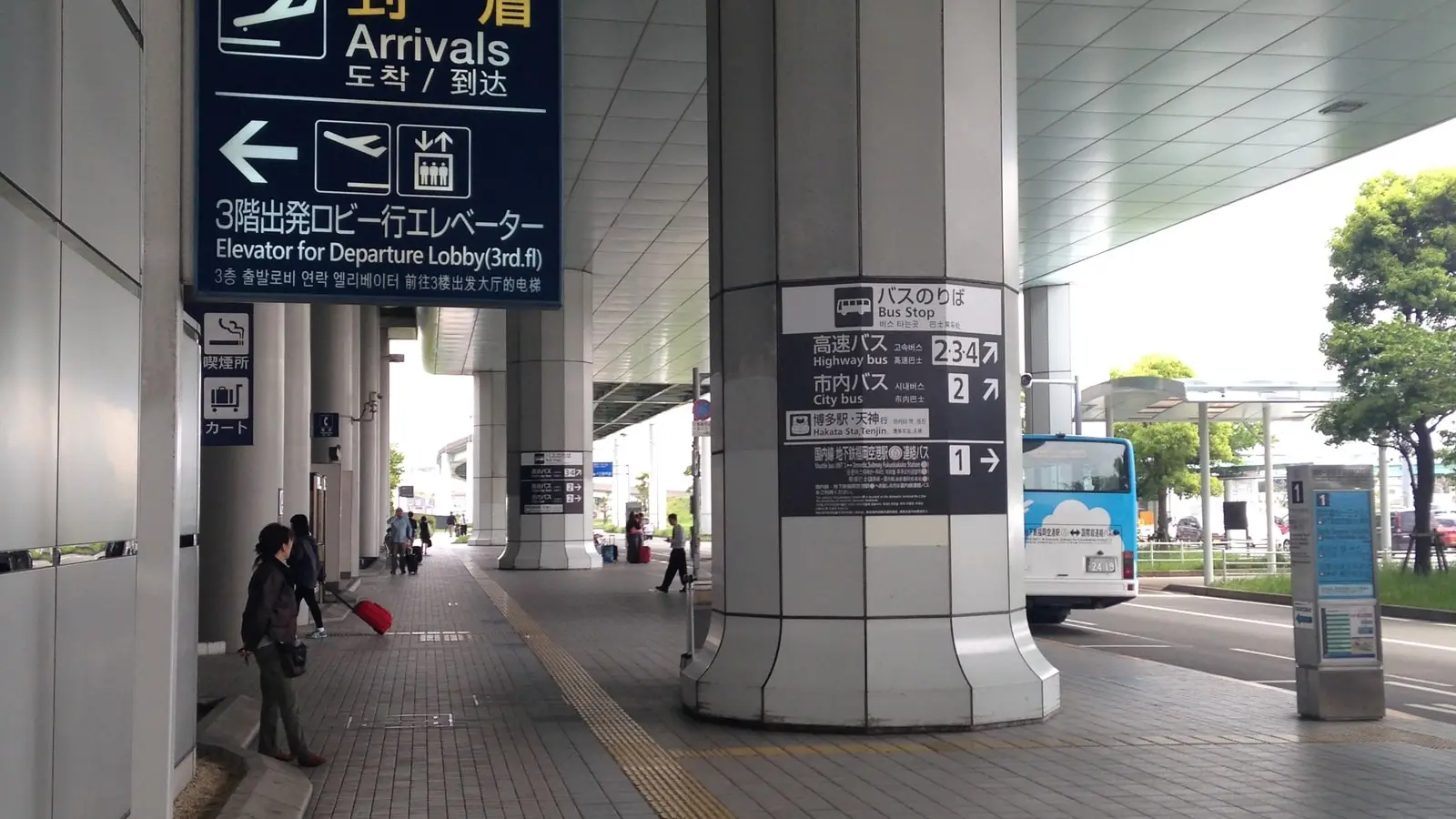
Following airport subway signage blindly forces foreign arrivals into boarding the blue complimentary inter-terminal shuttle bus, circling the outer perimeter of the active runway for 10 to 15 minutes. During peak arrival banks, shuttle lines stretch long outside in the humidity. Jamming oversized suitcases into crowded bus aisles drains your energy before even reaching ticket turnstiles, stretching a theoretical 5-minute commute into an exhausting 40-minute ordeal.
The battle-tested hack favored by frequent business travelers is bypassing the shuttle entirely and heading straight to the bus stop outside the International Terminal 1st-floor exit. From there, direct Nishitetsu buses depart frequently for Hakata Station, dropping passengers at the Hakata Station Chikushi Exit in roughly 20 minutes, traffic permitting. The fare is a little higher than the 260 JPY subway ride, but it saves substantial physical friction.
Even better is the payment protocol: all 36 Fukuoka City Subway stations support open-loop contactless tap-to-pay using foreign-issued Visa, Mastercard, JCB, and Amex credit cards. There is no need to queue at automated ticket machines to buy physical IC cards like Suica or ICOCA for the subway. Simply tap your mobile phone or contactless card at the glowing reader to clear turnstiles in half a second. Nishitetsu buses accept card taps only on some routes, so carry an IC card or cash for buses.
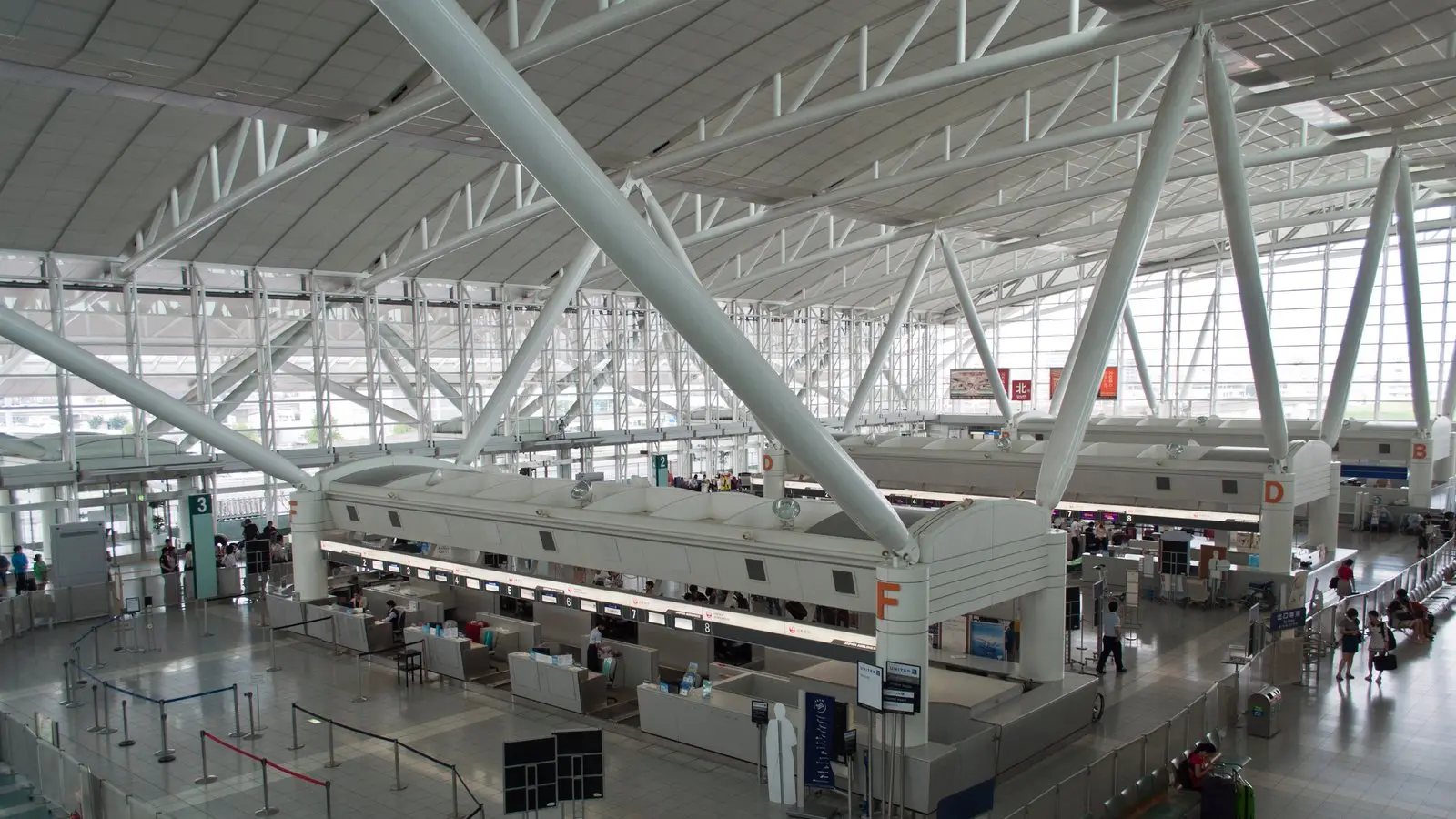
Hakata vs Tenjin vs Yakuin: The 3 Base Camps and Transit Strategic Trade-offs
Deciding where to anchor your hotel in Fukuoka pivots cleanly on your daily rail itinerary versus shopping priorities. The primary hub is Hakata Station. As the departure terminal for the Shinkansen, Yufuin no Mori limited expresses, and highway buses to Kurokawa Onsen, Hakata is the non-negotiable base for travelers making day trips across Kyushu. The eastern Chikushi Exit offers quiet, efficient business hotels catering to solo travelers, while the western Hakata Exit opens toward the grand Hankyu Department Store and Canal City.
The second hub is Tenjin, Kyushu's premier fashion and retail epicenter. Centered on the sprawling Tenjin Underground Shopping Mall (Tenjin Chikagai), this district encompasses Parco, Iwataya Department Store, Solaria Plaza, and the bohemian Daimyo quarter, where indie streetwear boutiques and specialty coffee roasteries fill historic alleys. For travelers whose primary goal is late-night dining, Don Quijote runs, and boutique shopping, Tenjin offers unmatched urban vibrance.
The third hub comprises the tranquil adjoining neighborhoods of Yakuin and Akasaka, situated 10 to 15 minutes southwest of Tenjin on foot. Sheltered from neon commercial noise, these leafy residential avenues host Fukuoka's finest third-wave coffee shops, natural wine bistros, and reservation-only yakitori counters. For travelers seeking an authentic local lifestyle pace away from tour-bus crowds, boutique design hotels in Yakuin deliver superior tranquility.
The deciding rule between Hakata and Tenjin is your morning departure time: if you must board a train or bus before 9:00 AM for Yufuin or Beppu, book a hotel within 5 minutes of Hakata Station. If your evenings revolve around lingering in Daimyo bars and carrying armfuls of shopping bags until midnight, staying in Tenjin eliminates late-night subway commutes.
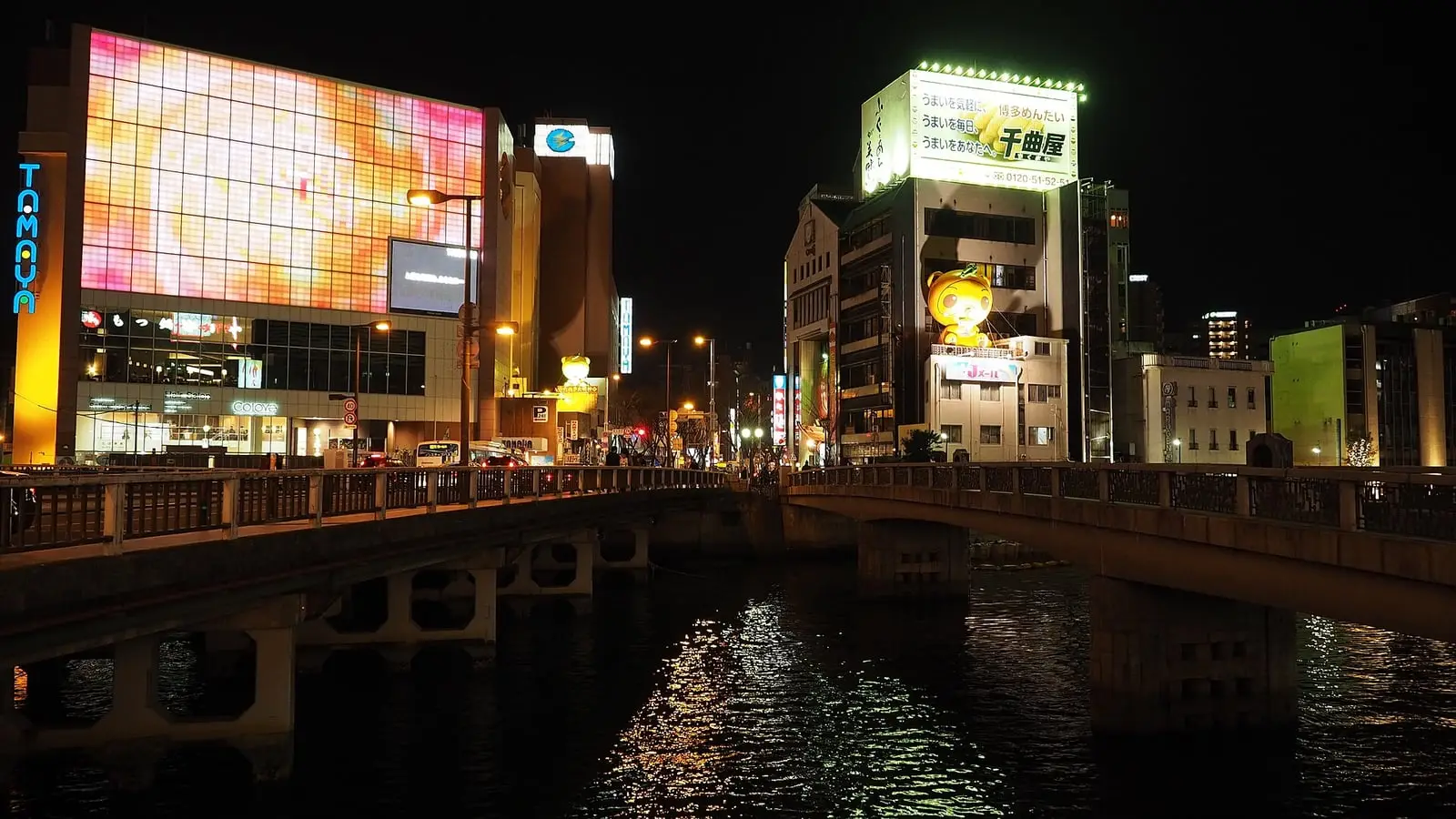
Nanakuma Subway Extension Hacks and Tonkotsu Ramen Orders: Katame and Barikata
The greatest transit upgrade in recent Fukuoka history is the opening of the Nanakuma Subway Line extension directly into Hakata Station. Previously, travelers had to walk an exhausting 600-meter underground transfer passage between Tenjin and Tenjin-Minami or battle surface buses. Now, sleek new trains link Hakata Station to Tenjin-Minami in just 3 minutes, with an intermediate stop at Kushida-jinja-mae placing visitors steps from Canal City and Kushida Shrine.
When calculating subway passes, you rarely need the 1-Day Subway Pass (640 JPY for adults) at all: tapping the same contactless card or phone all day caps your subway fares at that same 640 JPY. Typical travelers who merely take a single round-trip between Hakata and Tenjin (210 JPY each way, totaling 420 JPY) pay less by tapping, and heavy days never cost more than the pass would.
When diving into Fukuoka's culinary crown jewel (Hakata Tonkotsu Ramen) at legendary establishments like Shin-Shin, Ippudo, or Ichiran, ordering involves a precise local ritual. Because Hakata broth is paired with ultra-thin, straight wheat noodles (hosomen) designed to cling to collagen-rich pork broth, standard noodles soften rapidly in steaming soup.
Consequently, local Fukuoka connoisseurs overwhelmingly request their noodle firmness as 'Katame' (firm/al dente) or 'Barikata' (very firm). Ordering 'Futsu' (regular) results in soggy noodles halfway through your meal. When you near the bottom of your bowl with broth remaining, call out 'Kaedama' (noodle refill, roughly 150 JPY) to receive a fresh, piping-hot bundle of noodles dropped directly into your bowl.
Beyond ramen, the quintessential Hakata communal feast is Motsunabe (beef offal hot pot). Menus always require choosing between Shoyu (clear soy sauce) and Miso (sweet soybean paste) broths. Local foodies favor Shoyu for its clean savoriness, allowing the sweetness of local cabbage and rich offal fats to shine without palate fatigue, concluding with thick champon noodles tossed into the reduced savory soup.
Nakasu Yatai Food Stall Etiquette and Dodging Izakaya Otoshi Cover Charge Traps
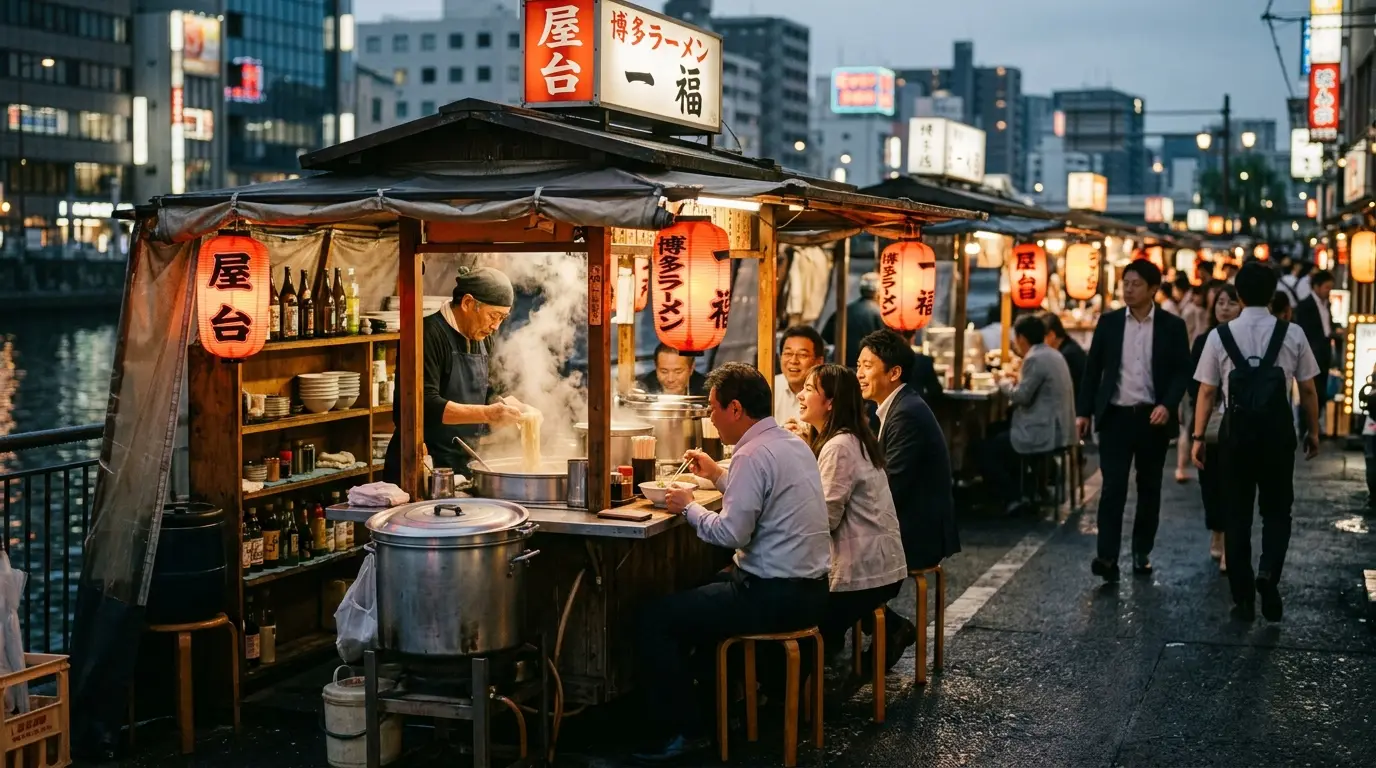
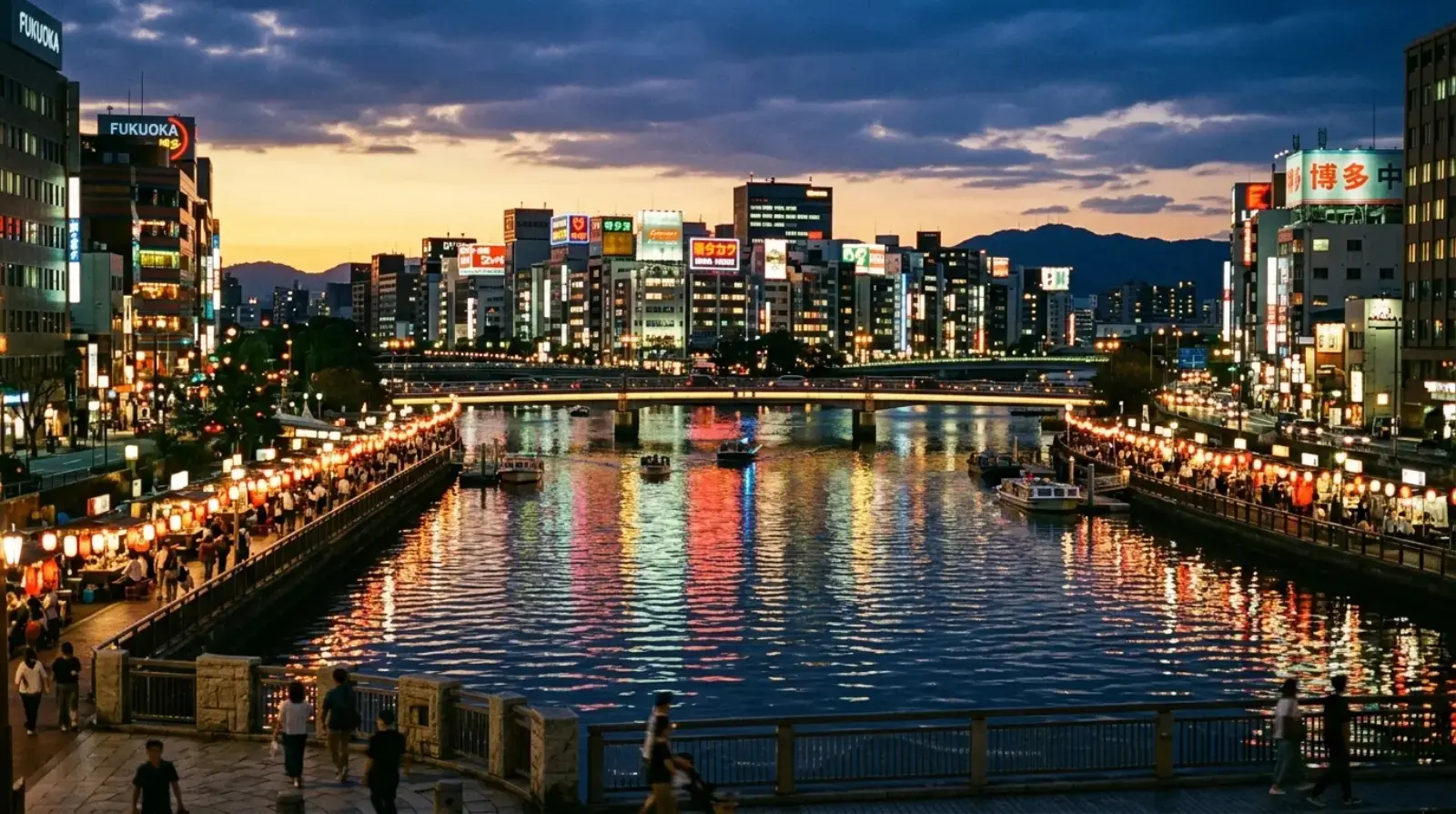
As dusk falls over the Nakasu River, wooden carts unfold into miniature open-air bistros called Yatai (屋台). Hanging red fabric curtains beneath warm incandescent bulbs while grilling skewers over charcoal, these historic stalls form Fukuoka's most iconic nightlife canvas. Squeezing elbow-to-elbow with locals over mentaiko tamagoyaki (spicy cod roe rolled omelet) and cold draft beer is a must-do cultural immersion.
However, surviving Yatai culture demands strict adherence to street etiquette. Because stalls accommodate only 8 to 10 stools total, the unwritten universal rule is 'one drink and one food dish per customer'. Splitting a single bowl of ramen among three travelers and occupying seats for an hour is considered a serious breach of local norms. Keep your stay capped around 30 to 40 minutes so waiting diners outside can rotate in.
Scrutinize pricing before taking a seat. While traditional stalls are fair, several tourist-trap Yatai along the main Nakasu strip impose inflated cover charges or inflate skewer prices for foreign visitors. For more authentic, family-run atmosphere without tourist markups, head instead to the Yatai clusters fronting the Tenjin bank buildings or the historic Nagahama Fish Market district.
Equally critical is avoiding street touts ('kyacchi') lurking near Tenjin Daimyo and Nakasu bridges. Promising 'All-you-can-drink Nomihodai for 1,500 JPY', these touts lead foreign visitors into dingy upper-floor izakayas. There, customers are slapped with 1,000 JPY per person 'Otoshi' (mandatory table setting appetizer fees) and forced to order two overpriced dishes each, resulting in surprise bills exceeding 5,000 JPY per head. Japanese locals universally ignore street touts.
Dazaifu Tenmangu Direct Buses and Highway Express Booking for Yufuin Onsen
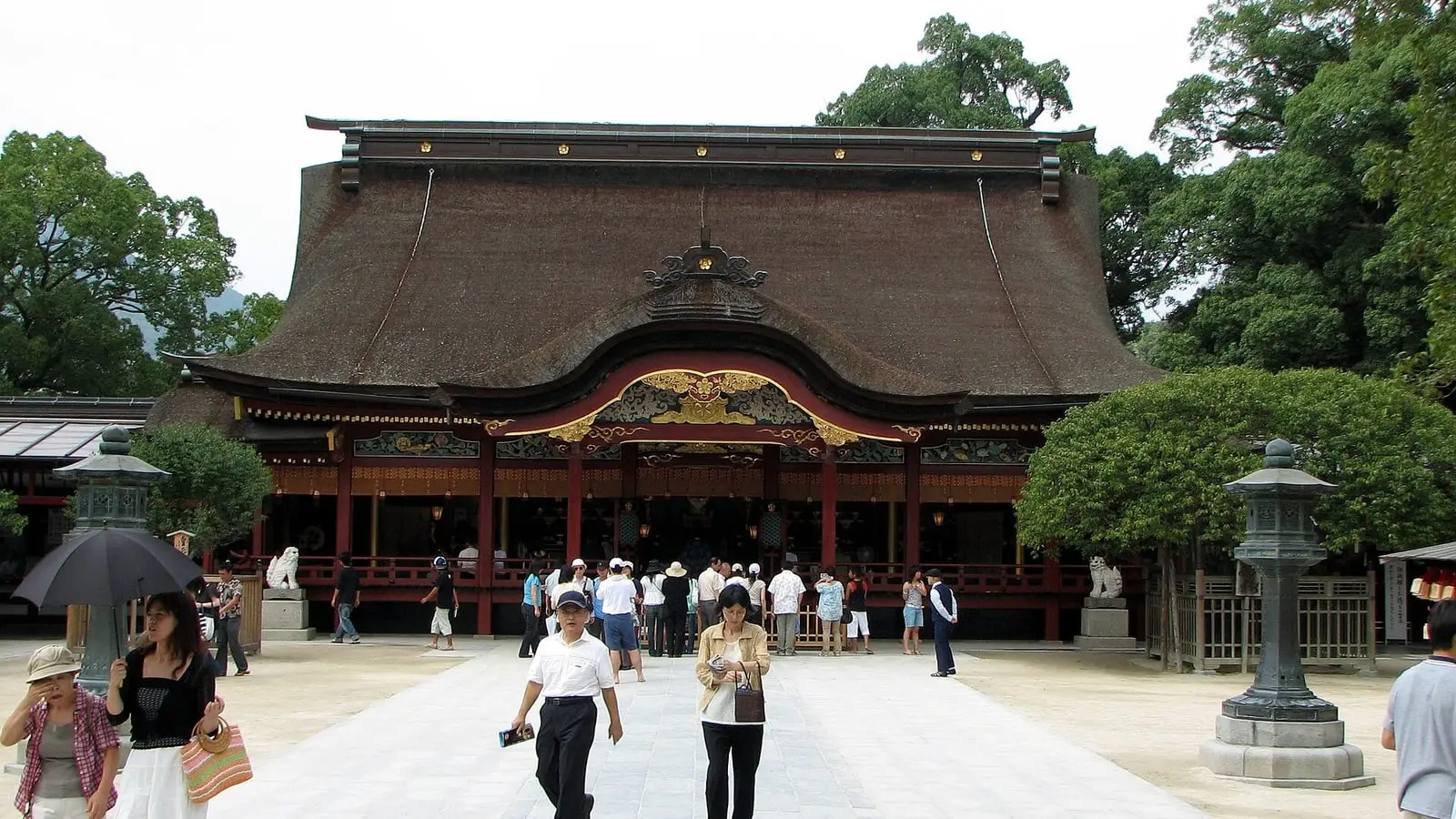
When venturing beyond city limits, the top day-trip destination is Dazaifu Tenmangu, the sacred shrine honoring the deity of scholarship. While taking the Nishitetsu train requires an awkward transfer at Nishitetsu-Futsukaichi Station, boarding the direct 'Tabito Bus' from Platform 11 on the 1st floor of Hakata Bus Terminal whisks you straight to Dazaifu's shrine gate in 40 transfer-free minutes for 780 JPY by IC or credit card (800 JPY cash).
While strolling Dazaifu's stone approach, sample piping-hot Umegae Mochi (roughly 150 JPY each), freshly griddled rice cakes stamped with plum blossom crests and filled with sweet red bean paste. On the 25th of each month, stalls sell a special green mugwort version commemorating Sugawara no Michizane's birth and passing.
For the hot spring village of Yufuin, the beloved JR scenic train 'Yufuin no Mori' often sells out soon after seats go on sale one month ahead. If you miss rail seats, don't despair: pre-book the highway express bus departing from the 3rd floor of Hakata Bus Terminal. Taking 2 hours and 15 minutes straight to Yufuin Station for roughly 3,250 JPY, the bus is significantly cheaper than the train and offers plush reclining seats with luggage bays beneath.
Fukuoka offers a masterclass in urban design: a major international flight gateway just 15 minutes from downtown ramen counters. By bypassing airport shuttle delays, gliding through subway gates with contactless cards, and savoring firm noodles in rich broths, your Kyushu getaway transforms into an effortlessly smooth and soul-stirring retreat.
Frequently Asked Questions
Field-tested answers to transit navigation, neighborhood choices, and payment traps.
Q1.From Fukuoka Airport International Terminal, is the free shuttle or direct city bus faster to Hakata?
Q2.Do I need to buy a physical IC card like Suica or ICOCA for buses and subways in Fukuoka?
Q3.Hakata vs Tenjin: which base camp is better for staying in Fukuoka?
Q4.What are the essential etiquette rules when dining at Nakasu Yatai food stalls?
The Smart Traveler's Essential Toolkit
Prepare instant mobile data, private airport transfers, and skip-the-line passes in one place.
Pick a base in Fukuoka by your route
Choose the places you want to see and get the neighbourhood with the shortest travel.
Compare Fukuoka Hotel Rates
Find the cheapest channel across Agoda and major booking engines with Tripdify.
Share This Guide with Your Companions
When shared via chat or social media, a curated summary card is sent along.
Recommended Guides
How to Book Fukuoka Hotels Cheaply: Four-Star Rates in Tenjin and Hakata
A complete guide comparing Hakata Station vs Tenjin hotel zones, avoiding DCC currency markup with JPY payments, and handling local accommodation taxes.
Fukuoka Day 1 Itinerary: Airport to Hakata and the Nakasu Yatai Stalls
From reaching Hakata Station in five subway minutes to securing station lockers, ordering authentic tonkotsu ramen with custom firmness, and navigating Nakasu yatai etiquette. A veteran guide to your first 24 hours.
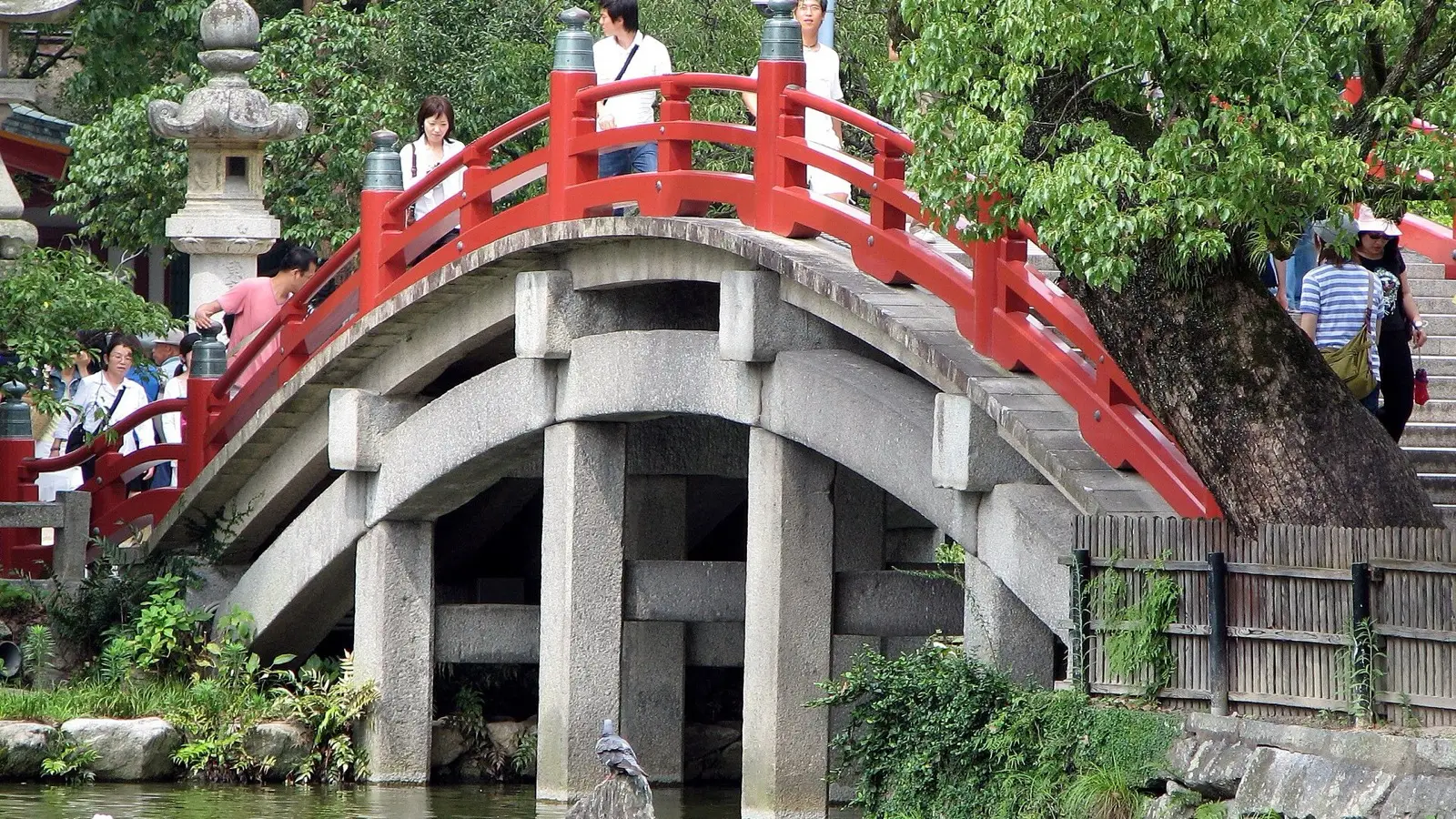
Fukuoka Day 2 Itinerary: Dazaifu, Ohori Park, Tenjin Shopping and Motsunabe
Day 2 immerses you in Fukuoka's finest cultural textures: riding the Nishitetsu express to ancient Dazaifu Tenmangu for crispy plum rice cakes, unwinding along the weeping willows of Ohori Park, exploring Tenjin Underground Mall's vaulted corridors, and dining over bubbling motsunabe beef offal hotpots.
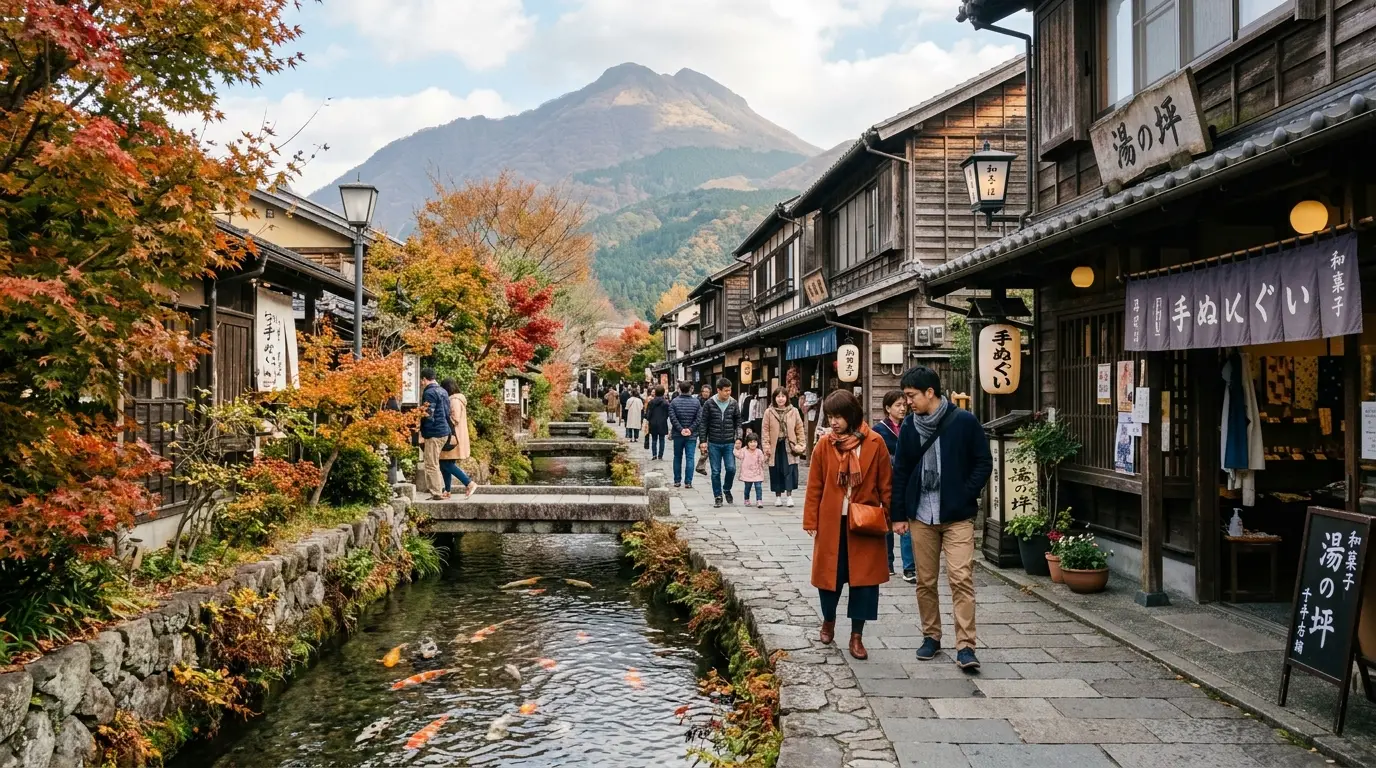
Fukuoka Day 3 Itinerary: Kushida Shrine, Canal City and Hakata Station Shopping
The ultimate finale for your Fukuoka journey: morning serenity at eighth-century Kushida Shrine, dynamic musical water shows at Canal City Hakata, souvenir hauls at Hakata Hankyu, and world-class subway airport transit clocking in at just five minutes flat.
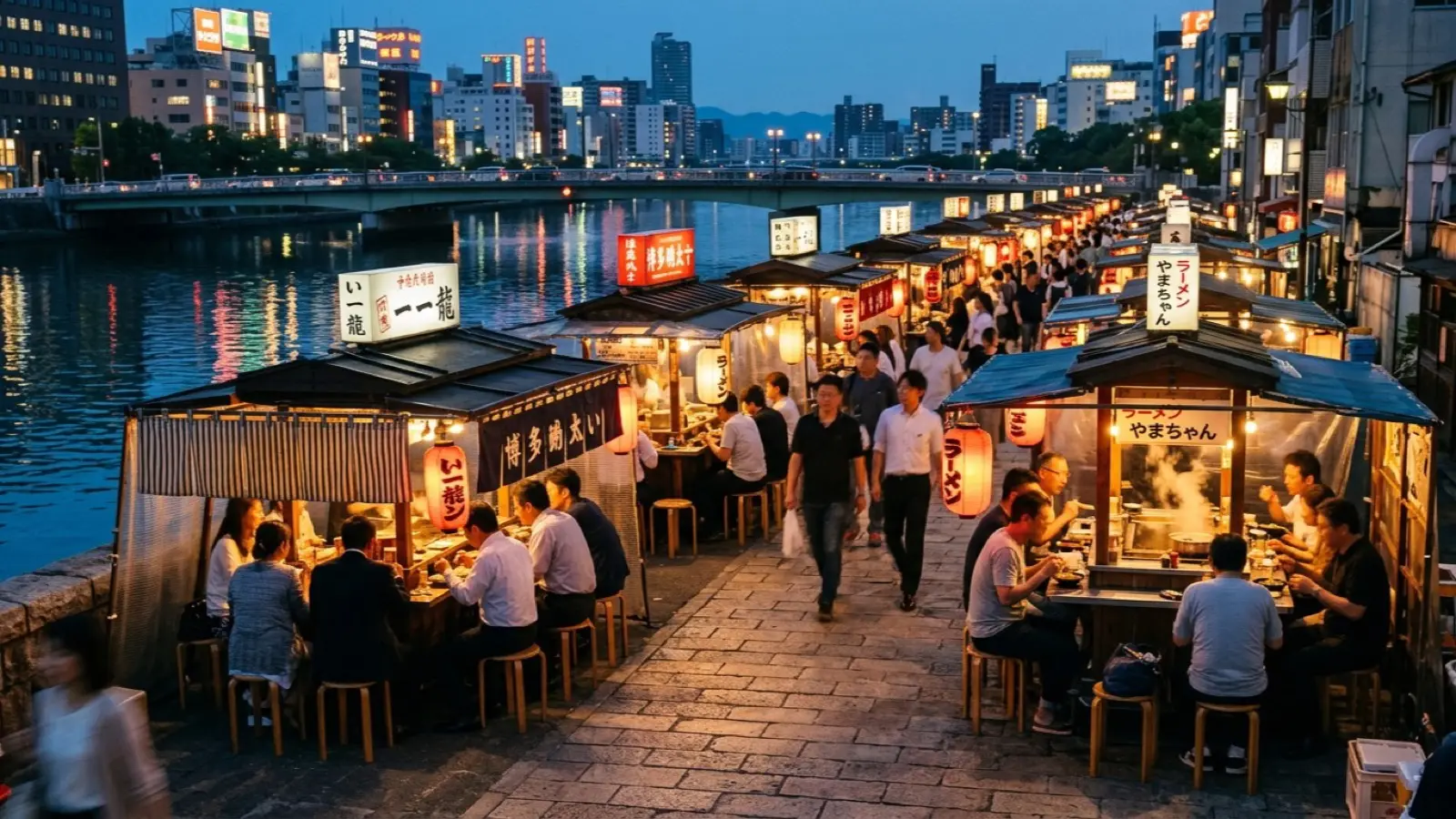
How to Use a Fukuoka Yatai: Ordering in Nakasu Without Overpaying
As twilight settles over the Naka River and red noren banners unfurl, Fukuoka's legendary street food scene comes alive. From seat fees and drink mandates to district rivalries across Nakasu, Tenjin, and Nagahama, here is how to savor Fukuoka's open-air yatai stalls like a seasoned local.
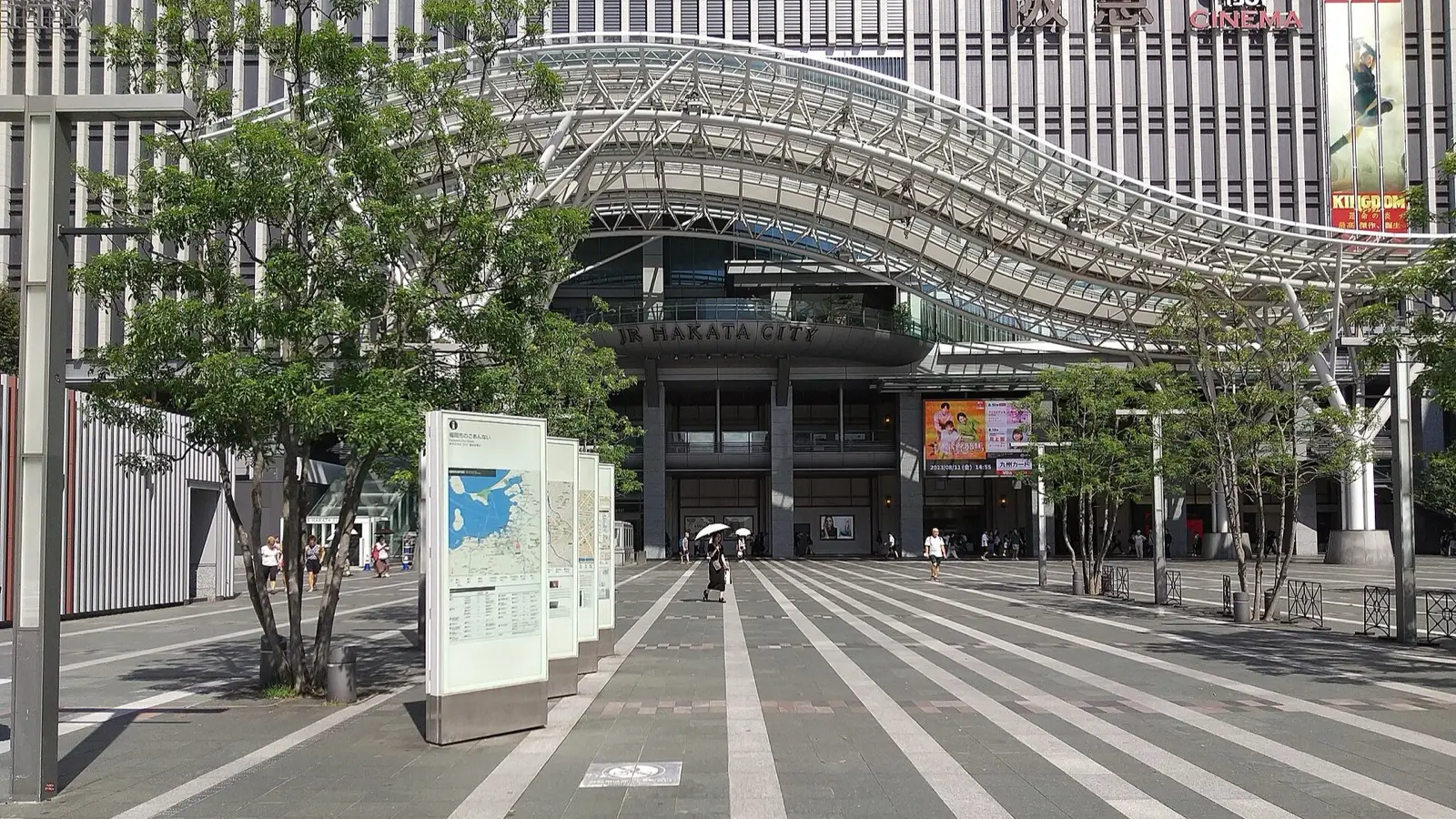
Best Hotels in Fukuoka: Hakata Station or Tenjin
The eternal question when planning a trip to Fukuoka is whether to stay in Hakata or Tenjin. From Hakata Station's unrivaled transit power just five minutes by subway from the airport, to Tenjin's lively department stores and nightlife, plus riverside Nakasu in between, we curate four standout stays tailored to your travel priorities.
The Overseas Car Rental Playbook: Japan Zero-NOC Cover, Geneva Permits, and Accident Protocols
Exploring the secluded hot spring hamlets and coastal scenic bypasses of Kyushu, Hokkaido, or Okinawa by rental car unlocks unparalleled freedom that regional rail cannot match. Yet self-driving abroad harbors hidden regulatory and financial pitfalls that derail holidays before turning the ignition key. Many international travelers arrive at Japanese rental depots carrying standard domestic English driver licenses, only to be turned away because Japan strictly requires an original physical Geneva Convention 1949 International Driving Permit. Furthermore, settling for basic collision damage waivers (CDW) leaves drivers liable for steep Non-Operation Charges (NOC) when minor scratches occur, while failing to file a formal police report voids coverage entirely. This guide outlines every critical checkpoint, from foolproof permit validation and zero-deductible NOC packages to 360-degree vehicle inspection videos and regional expressway pass savings.
Dawn at Fukuoka Dazaifu Tenmangu: Warm Umegae Mochi, Sacred Ox Statues, and Verdant Shrine Gardens
Revered as the final resting place of Sugawara no Michizane, the patron deity of scholarship and literature, Dazaifu Tenmangu stands as Kyushu's most celebrated historic Shinto shrine. Yet visiting at midday frequently plunges travelers into dense crowds of tour groups, megaphone announcements, and packed souvenir corridors. The authentic soul of Dazaifu reveals itself only to those who arrive early at 8:00 AM. In the cool dawn mist, Shinji Pond mirrors ancient weeping willows as you step onto the three arched vermilion bridges known as Taikobashi, symbolizing the spiritual passage through past, present, and future. From gently rubbing the polished horns of the bronze sacred ox statues for academic luck to savoring piping-hot, griddled Umegae-mochi rice cakes stamped with plum crests, this peaceful morning itinerary unveils the serene heart of Fukuoka heritage.
5 Best Value Hotels in Fukuoka Tenjin: 11-Minute Direct Airport Subway, Shopping Hubs, and Onsen Baths
When selecting an urban sanctuary in Fukuoka, travelers perpetually weigh the competing virtues of Hakata versus Tenjin. While Hakata Station reigns supreme for bullet train intercity transit and Kyushu rail loops, Tenjin captures the lifestyle heart of the city, placing premier department stores including Iwataya, Parco, and Daimaru alongside trendy Daimyo boutiques within effortless footfall. Moreover, the Fukuoka City Subway whisks passengers from the airport terminal directly into central Tenjin in just 11 minutes, while Nishitetsu Fukuoka Station provides swift rail departures to Dazaifu Tenmangu shrine. However, finding tranquility amidst bustling neon requires insider curation. Here are five downtown value hotels, boasting soothing natural onsen hot spring baths, complimentary evening noodles, and peaceful acoustic insulation.
Fukuoka Airport to Hakata and Tenjin: The 5-Minute Subway Miracle, Free Shuttle, Bus, and 1,500 Yen Taxis
Fukuoka Airport boasts arguably the finest urban accessibility of any major Asian hub. By subway, Hakata Station is just two stops and five minutes away for 260 yen, with Tenjin reached in eleven. However, the International Terminal lacks a direct train station, requiring travelers to take a free shuttle bus to the Domestic terminal or board a direct 310-yen highway coach. For parties of two or more, taking a 1,500-yen metered taxi directly to your hotel doorstep is vastly more convenient.
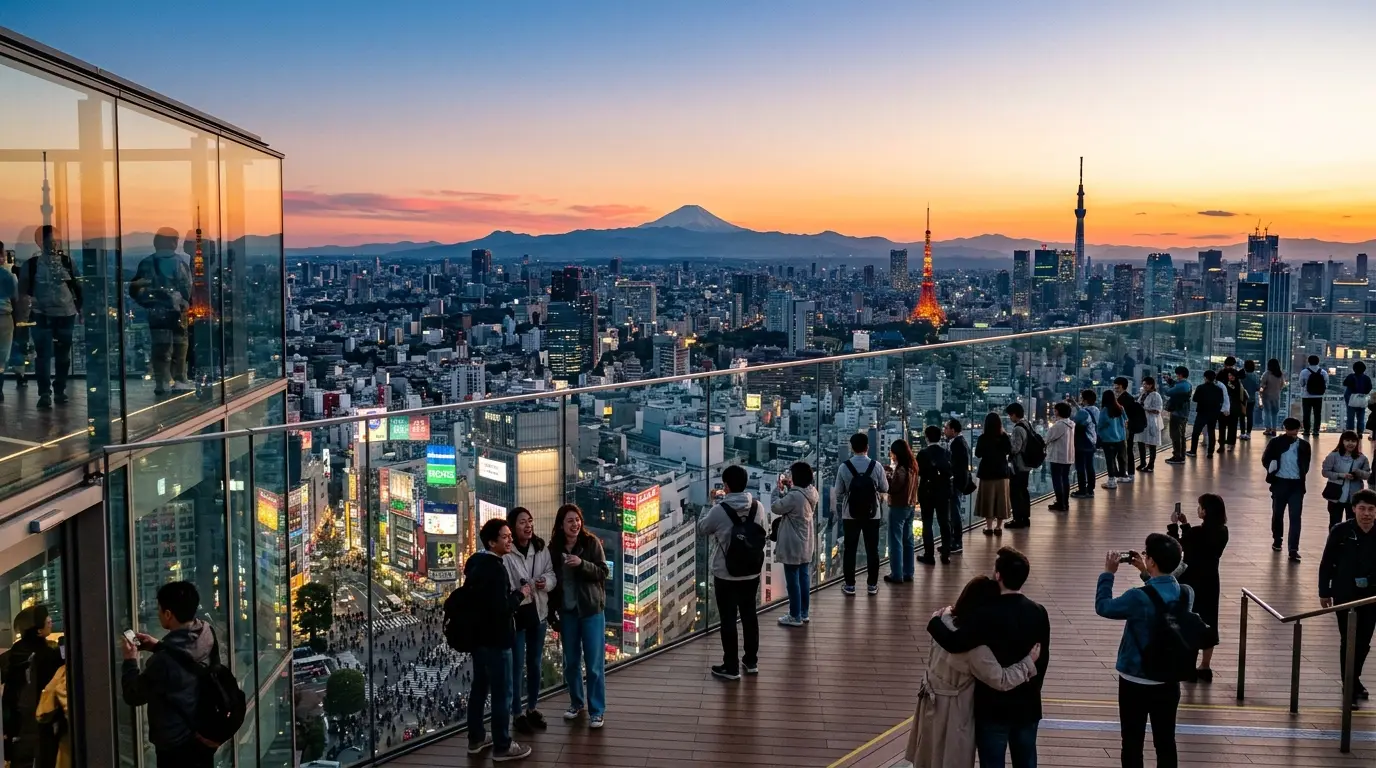
Where to Stay in Tokyo: Shinjuku vs Shibuya vs Ginza
Comparing room footprints across Shinjuku, Ginza, and Ueno, locking in sudden 14-day cancellation drops, and eliminating DCC fees with clean Yen checkout.
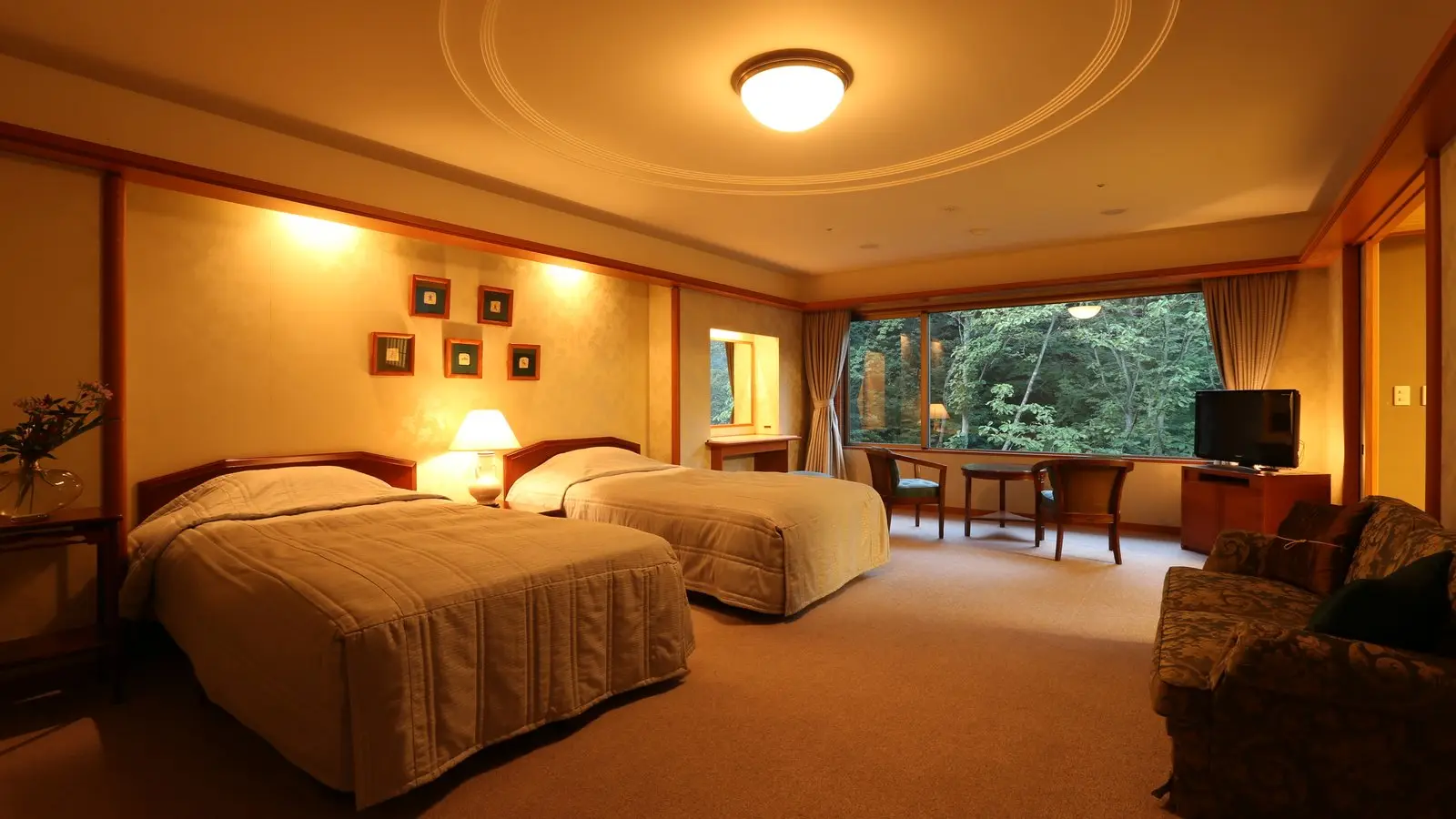
7 Budget Hotels in Tokyo Under $100 on the Yamanote Line
Even amid yen fluctuations, central Tokyo hotel rates have soared. Learn how to secure Yamanote loop line hotels at half the price of Shinjuku, compare onsen bath chains like Dormy Inn, trigger secret Agoda VIP and Booking.com Genius discounts, and dodge hidden currency fees with yen settlement.